Key takeaways
- The AI search visibility market has exploded to 30+ tools, but most are monitoring-only dashboards -- they show you where you're invisible but don't help you fix it.
- Tools fall into three tiers: basic trackers (free/cheap, limited coverage), mid-tier monitors (solid data, no optimization), and full optimization platforms (gap analysis + content generation + traffic attribution).
- The industry average price for AI search visibility tools is around $337/month, but several capable options exist well below that.
- For teams that need to actually improve their AI visibility -- not just measure it -- the gap between monitoring tools and optimization platforms is significant.
- Promptwatch is the only platform in the current market rated as a "Leader" across all evaluation categories, covering 10 AI models with built-in content generation and crawler log analysis.
AI search has quietly eaten a huge chunk of the customer discovery journey. When someone asks ChatGPT "what's the best project management tool for remote teams" or Perplexity "which CRM is easiest to set up," they're getting a direct answer -- not a list of blue links. Your brand either appears in that answer or it doesn't. Traditional rank trackers have nothing useful to say about this.
That's why a whole category of tools has emerged to fill the gap. Over $31 million has flowed into this segment in the last two years alone, and new platforms are launching constantly. The problem: most of them do roughly the same thing (query AI models, log whether your brand appeared, show you a dashboard), and very few help you actually do anything about the gaps they find.
This guide breaks down 30+ platforms by what they actually do -- not just what their marketing pages claim.
How to think about this category
Before diving into specific tools, it helps to understand the spectrum. AI search visibility tools range from dead-simple brand mention checkers to full GEO (Generative Engine Optimization) platforms with content generation, crawler monitoring, and revenue attribution. Here's the rough breakdown:
Tier 1 -- Basic trackers: Run a handful of prompts, show you whether your brand appeared. Good for a quick sanity check. Not useful for ongoing strategy.
Tier 2 -- Monitoring dashboards: Track brand mentions across multiple AI models, show share of voice vs competitors, provide historical trends. Most tools in this category live here. Useful for reporting, not for fixing problems.
Tier 3 -- Optimization platforms: Do everything in Tier 2, plus identify content gaps, generate content engineered to get cited, track which pages AI models are crawling, and connect AI visibility to actual traffic and revenue. Very few tools reach this tier.
The distinction matters because a lot of teams buy a Tier 2 tool, get a dashboard full of data, and then... don't know what to do with it. Knowing you're invisible in Perplexity for a high-value prompt doesn't help unless you know why and what to create to fix it.
The full landscape: 30+ tools compared
Here's a broad comparison of the major platforms across key capabilities:
| Tool | Models tracked | Content generation | Crawler logs | Traffic attribution | Starting price |
|---|---|---|---|---|---|
| Promptwatch | 10 | Yes (AI writing agent) | Yes | Yes (GSC + snippet) | $99/mo |
| Profound | 6+ | No | No | Limited | $499/mo |
| AthenaHQ | 8+ | No | No | No | Custom |
| Scrunch AI | 5+ | No | No | No | $300/mo |
| Otterly.AI | 4 | No | No | No | $Free/$49+ |
| Peec AI | 5+ | No | No | No | $99/mo |
| SE Ranking | 4 | No | No | No | ~$65/mo |
| Semrush | 4 | No (separate tool) | No | No | $140/mo+ |
| Ahrefs Brand Radar | 3 | No | No | No | $129/mo+ |
| Rankability | 5+ | No | No | No | $149/mo |
| LLMrefs | 4 | No | No | No | $79/mo |
| Rankshift | 4 | No | No | No | Custom |
| Gauge | 4+ | No | No | No | Custom |
| Search Party | 5+ | No | No | No | Custom |
| Brandlight | 4 | No | No | No | Custom |
| Searchable | 4+ | Limited | No | No | Custom |
| ZipTie | 4 | No | No | No | Free/$29+ |
| Relixir | 5+ | Yes | No | No | Custom |
| BrandRank.AI | 5+ | No | No | No | Custom |
| Conductor | 5+ | No | No | No | Custom |
| Qwairy | 4+ | Limited | No | No | Custom |
The full optimization platforms
These are the tools that go beyond tracking to actually help you improve your AI visibility.
Promptwatch
Promptwatch sits at the top of the optimization tier. The core workflow is a loop: find gaps (which prompts is your competitor visible for that you're not?), create content (an AI writing agent generates articles grounded in 880M+ citation data), and track results (page-level visibility scores, crawler logs, traffic attribution via GSC or server logs).

What separates it from the rest of the market is the combination of features that most tools don't have at all: real-time AI crawler logs showing which pages ChatGPT, Claude, and Perplexity are actually reading on your site; Reddit and YouTube tracking to surface discussions that influence AI recommendations; ChatGPT Shopping monitoring; and prompt volume/difficulty scoring so you can prioritize high-value, winnable queries instead of guessing.
It covers 10 AI models (ChatGPT, Perplexity, Claude, Gemini, Google AI Overviews, Google AI Mode, DeepSeek, Grok, Mistral, Copilot) and supports multi-language, multi-region monitoring with customizable personas. Pricing starts at $99/month for the Essential plan (1 site, 50 prompts, 5 articles), with Professional at $249/month and Business at $579/month.
Relixir
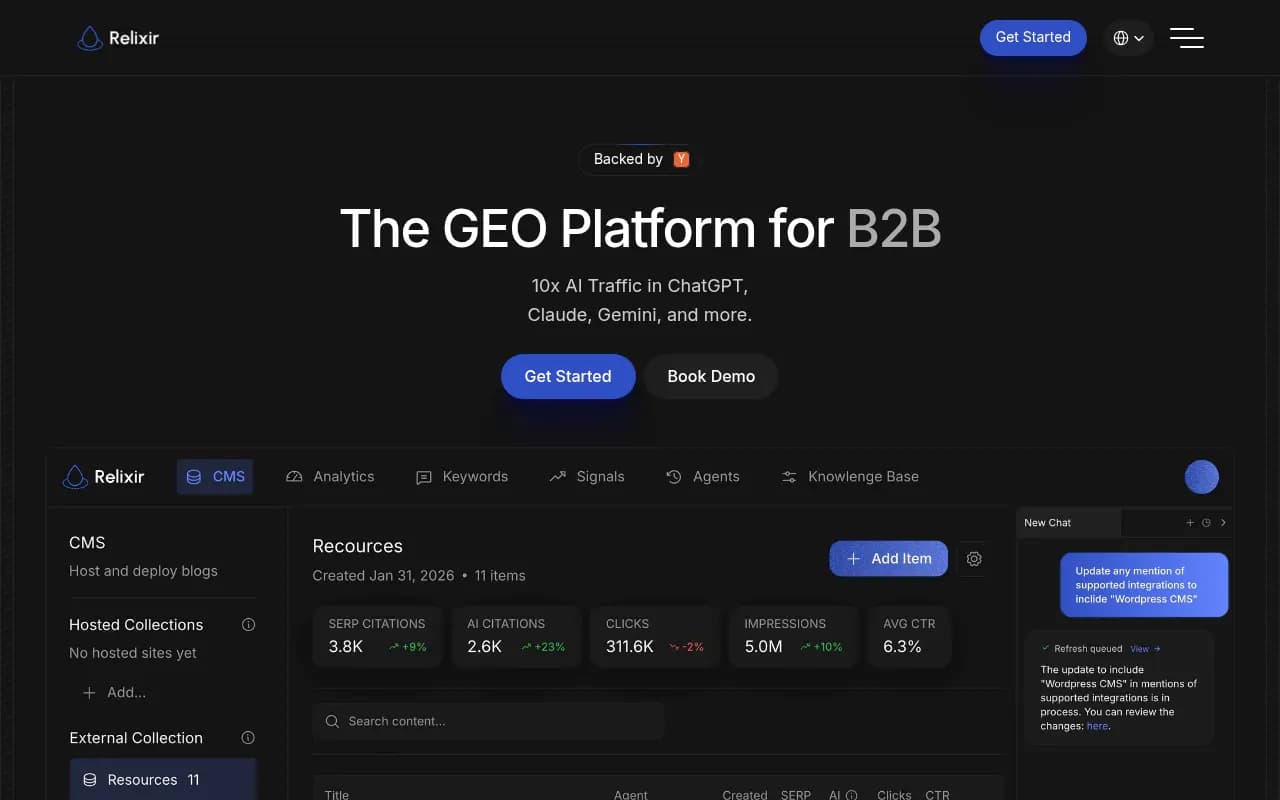
Relixir takes an "AI-native CMS" approach -- it generates content specifically designed to appear in AI responses and can publish it autonomously. Less data-heavy than Promptwatch but interesting for teams that want a more automated content pipeline.
Whitebox
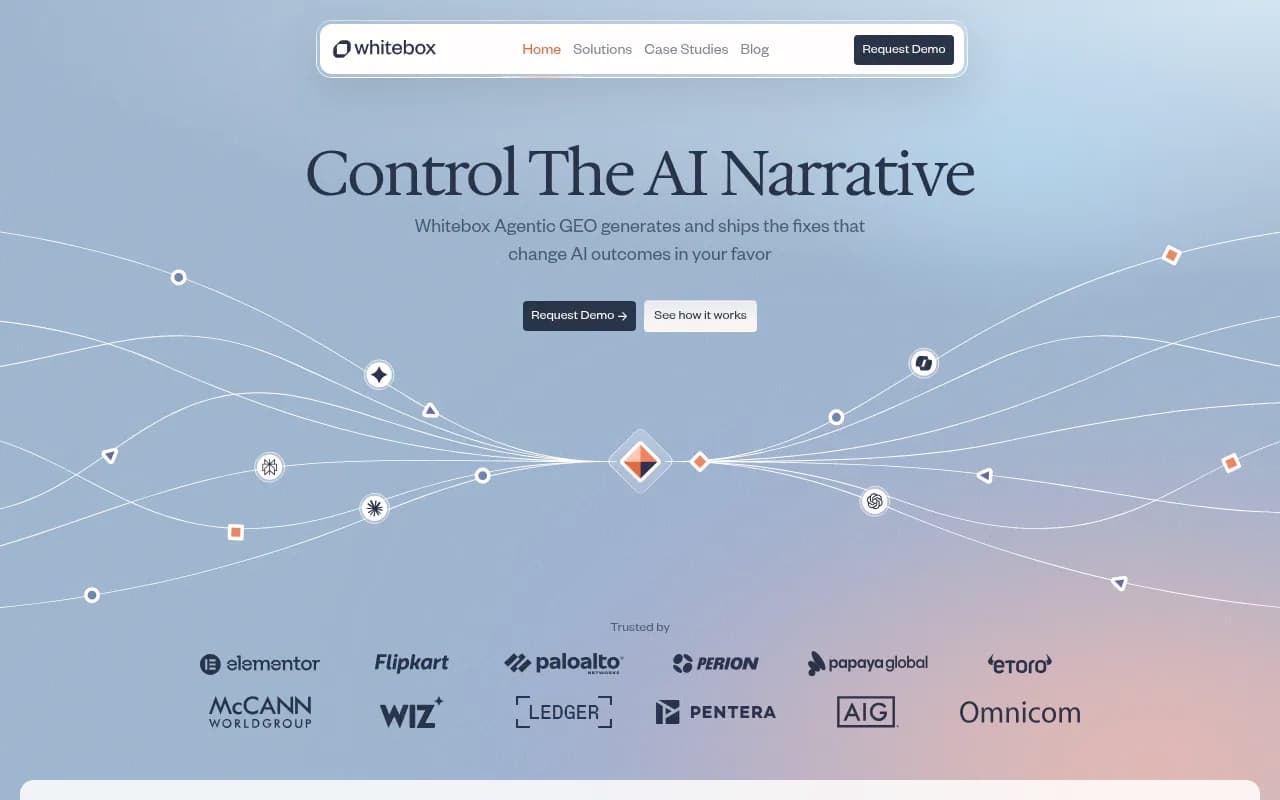
Whitebox describes itself as an "agentic GEO platform" that generates and ships AI narrative fixes automatically. Still early-stage but worth watching for teams that want more automation in the optimization loop.
The strong monitoring platforms
These tools do a solid job of tracking AI visibility and competitive benchmarking. They won't help you fix gaps, but they'll tell you clearly where you stand.
Profound
Profound is one of the more established players, with $58.5 million in funding. It covers enterprise use cases well -- multi-brand tracking, detailed competitive analysis, solid reporting. The tradeoff is price ($499/month and up) and the lack of content optimization features. You get great data; you have to figure out what to do with it yourself.

AthenaHQ
AthenaHQ tracks across 8+ AI engines and has a clean interface for competitive benchmarking. It's monitoring-focused, which is fine if that's what you need, but there's no content gap analysis or generation capability.

Scrunch AI
Scrunch AI raised $19 million and has built a reasonably comprehensive monitoring platform. Good for brands that need to report on AI visibility to stakeholders. Starts at $300/month.
Gauge
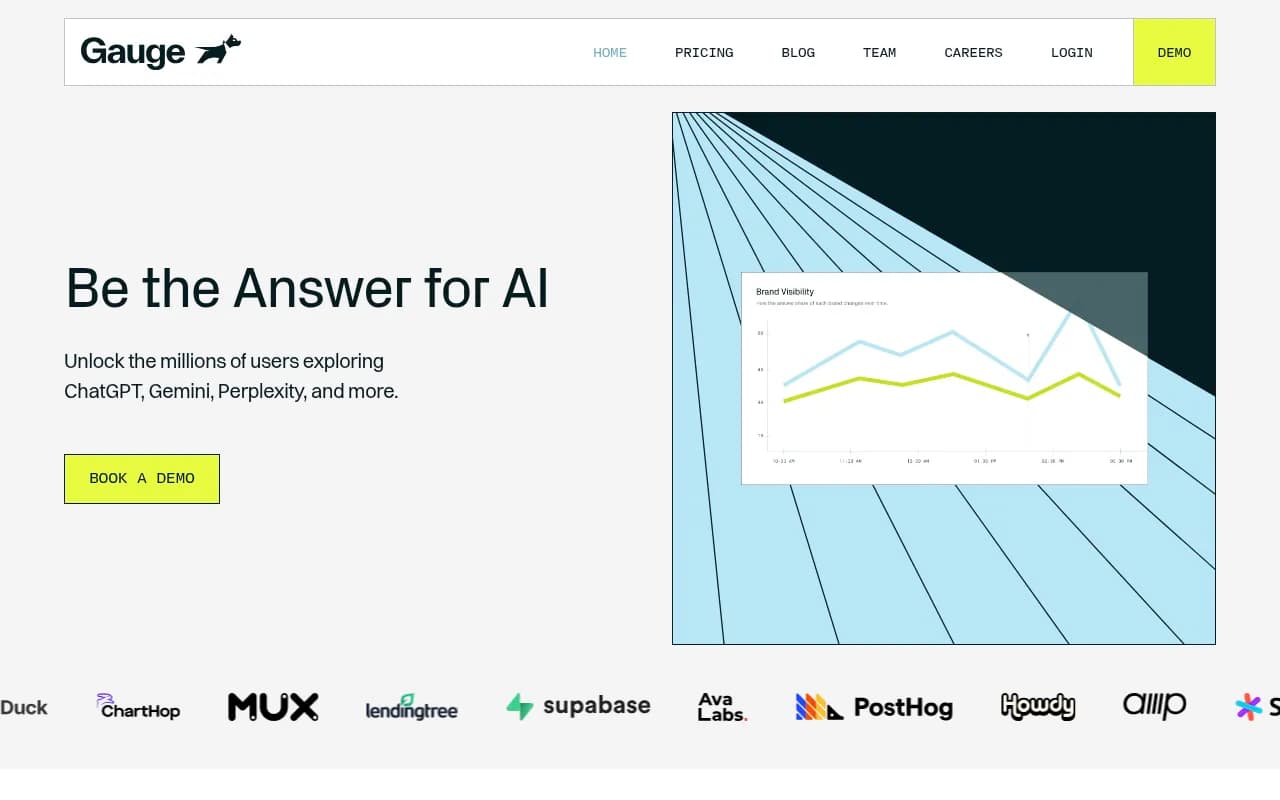
Gauge positions itself around "strategic competitive intelligence" -- it's built for teams that want to understand the competitive landscape in AI search rather than just track their own brand. Useful for agencies doing competitive research.
Search Party
Search Party is agency-oriented and covers multiple AI models. It's solid for client reporting but has limited prompt metrics and no content gap analysis.
Conductor
Conductor has been around in traditional SEO for years and has added AI visibility tracking with persona customization. Good for enterprise teams already using it for SEO.
The accessible mid-market tools
These tools offer solid value at lower price points. They're monitoring-focused but more affordable than the enterprise tier.
Otterly.AI
Otterly is one of the most accessible entry points in the category -- transparent pricing, daily tracking, and broad enough coverage for small teams or solo marketers. Free tier available, paid plans from $49/month. Good starting point if you're new to AI visibility tracking.

Peec AI
Peec AI covers 5+ models with multi-language support and has raised $1.9 million. At $99/month it's competitive on price-to-value. No content generation, but the monitoring data is solid.

SE Ranking
SE Ranking has added an AI visibility toolkit to its existing SEO platform. If you're already using SE Ranking for traditional SEO, the AI tracking features are a natural extension. Not as deep as dedicated tools but convenient.
LLMrefs
LLMrefs is bootstrapped and priced at $79/month -- one of the more affordable options that still covers ChatGPT, Perplexity, Claude, and Gemini. Good for teams with tight budgets.
Rankability
Rankability is agency-focused and covers 5+ AI models. At $149/month it's positioned as a price-to-value option for agencies managing multiple clients.
Rankshift
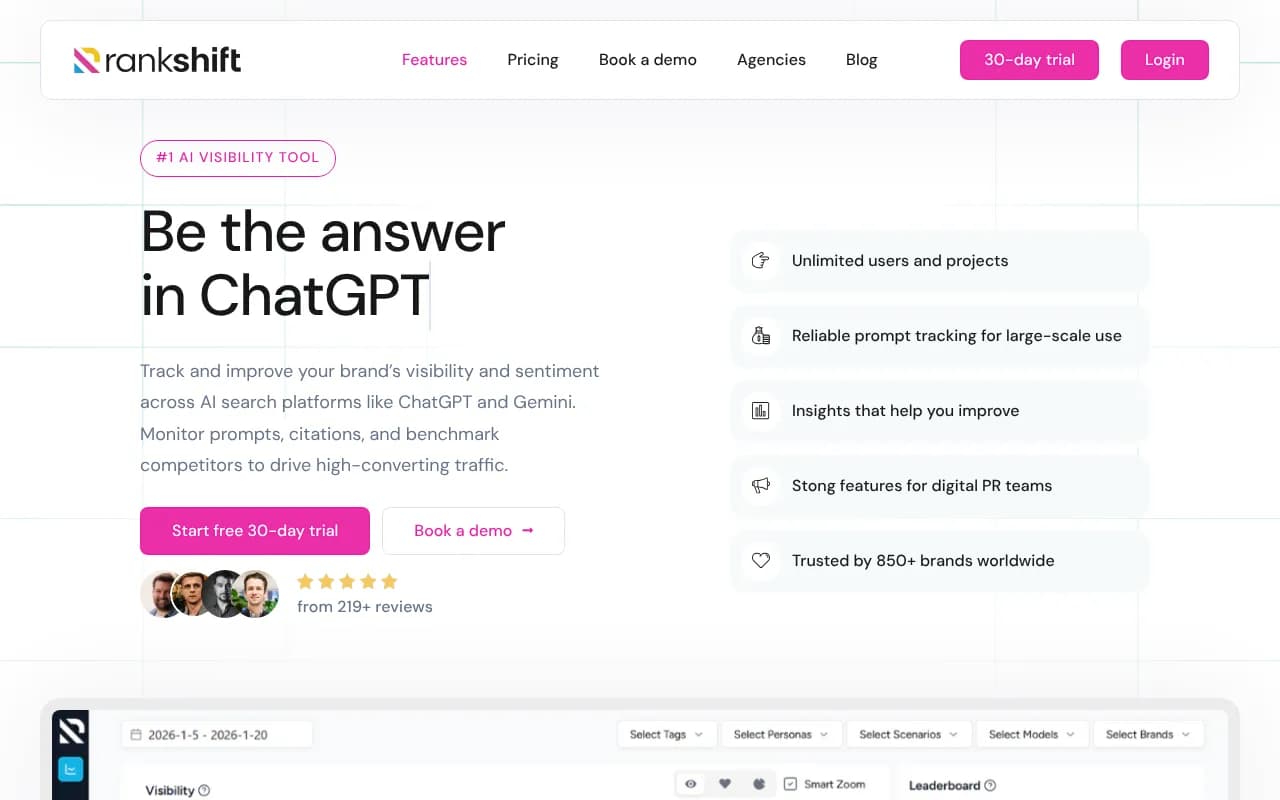
Rankshift is built specifically for tracking visibility across ChatGPT and Gemini with prompt-level granularity. Smaller feature set but focused.
The traditional SEO platforms with AI add-ons
These are established SEO tools that have added AI visibility features. They're worth considering if you're already paying for them, but they're not purpose-built for GEO.
Semrush
Semrush has added AI visibility tracking to its platform. The limitation: it uses fixed prompts rather than letting you define your own, and there's no AI traffic attribution. Useful as a supplement to your existing Semrush workflow, not as a primary AI visibility tool.
Ahrefs Brand Radar
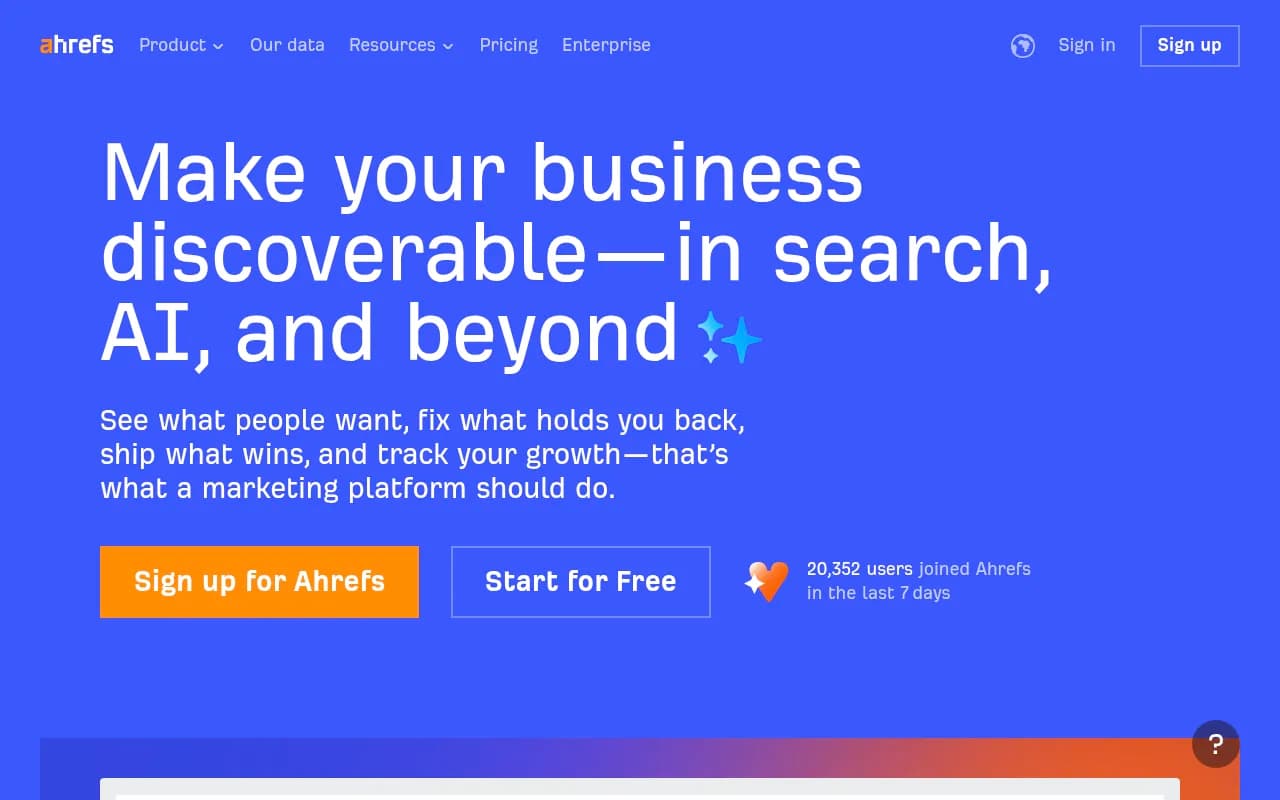
Ahrefs Brand Radar tracks brand mentions in AI search results. Similar limitation to Semrush -- fixed prompts, no traffic attribution, limited model coverage. Better as a quick check than a strategic tool.
The lightweight and niche tools
A large number of tools have entered this space with more focused or limited feature sets. They're worth knowing about depending on your specific needs.
ZipTie / Ziptie.dev
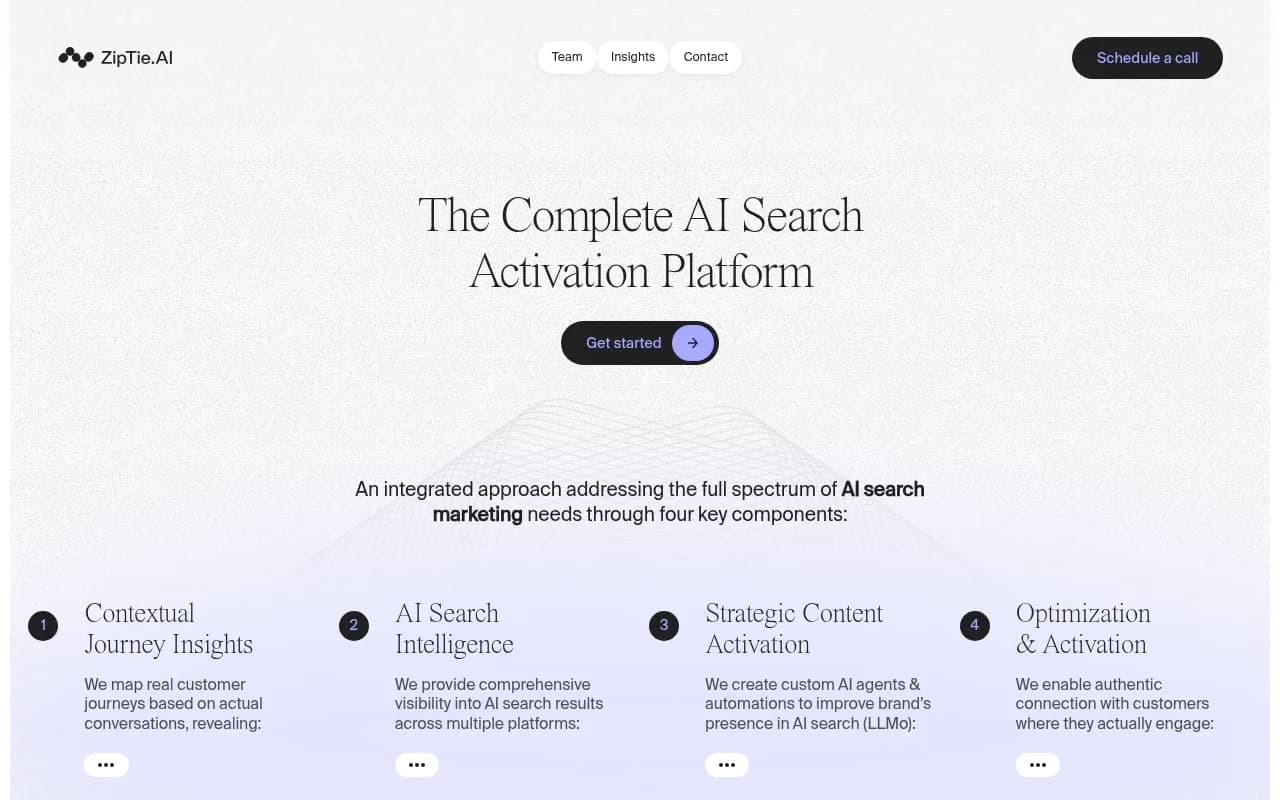
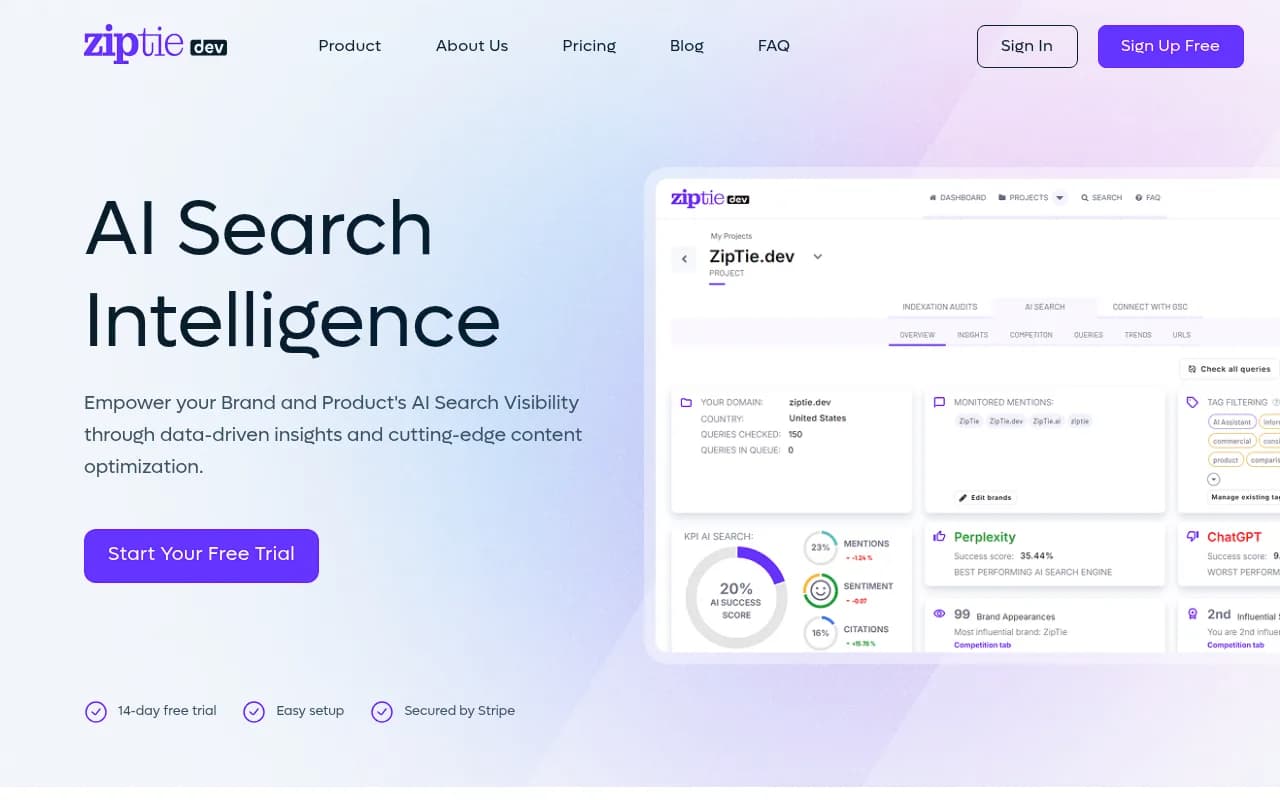
Two related tools: ZipTie (ziptie.ai) does deeper analysis for AI search visibility, while Ziptie.dev is a solo SEO diagnostic tool. The dev version has a free tier that's useful for quick checks.
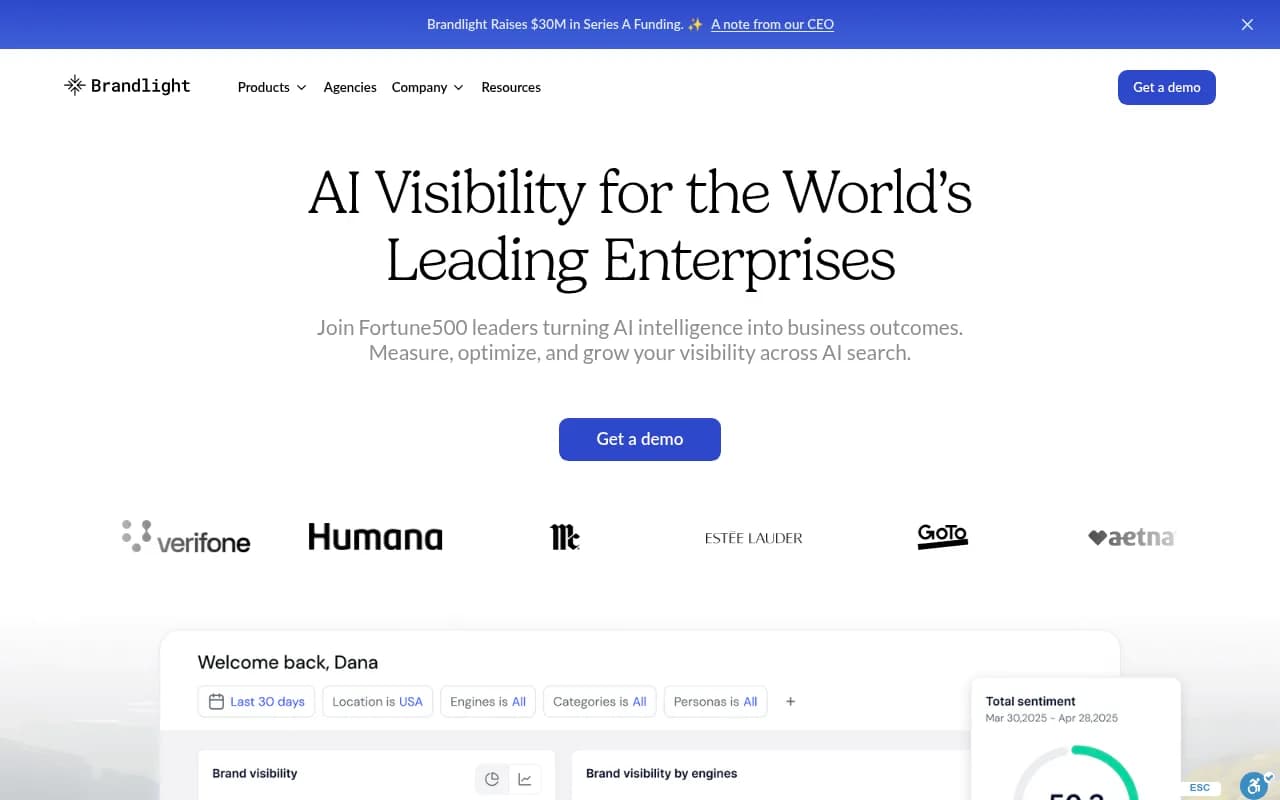
Brandlight
Brandlight focuses on AI-powered brand visibility tracking. Limited feature set compared to the monitoring leaders but accessible pricing.
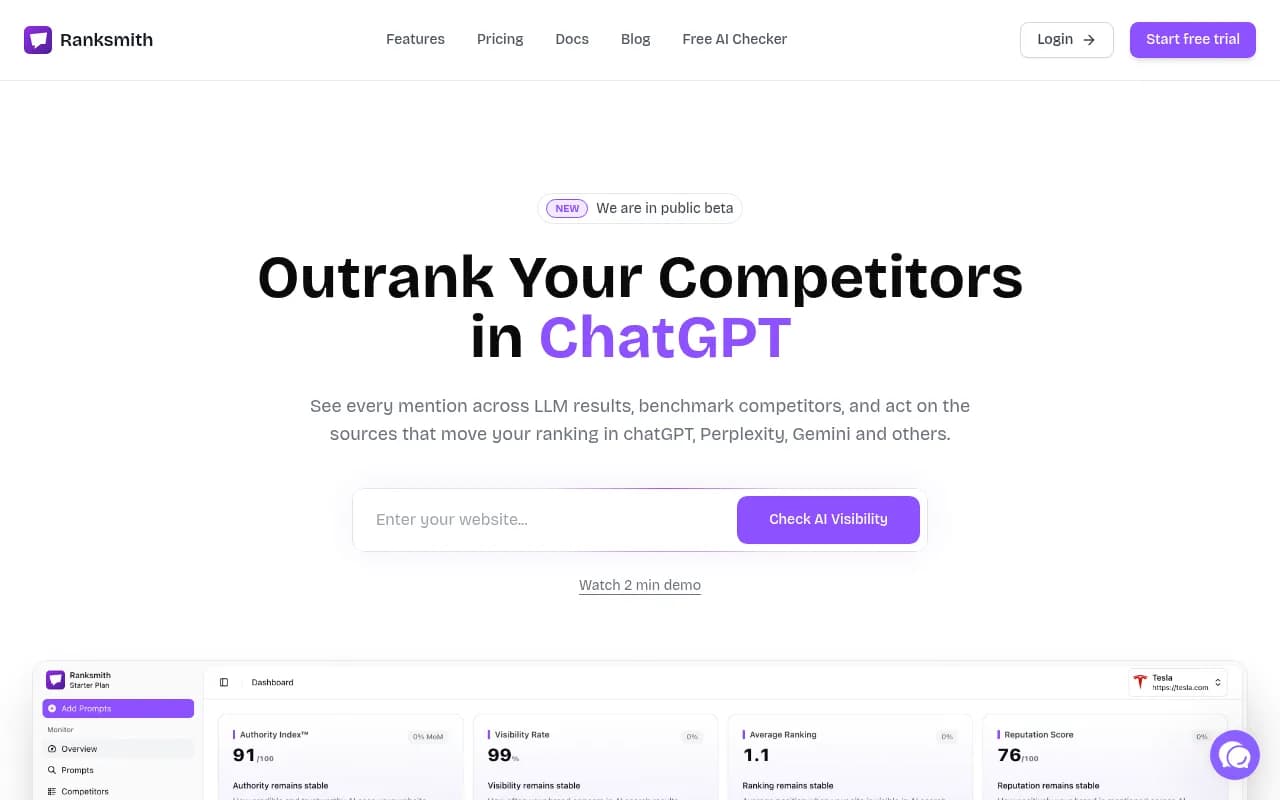
Ranksmith
Ranksmith focuses on actionable AI visibility insights. Smaller player but worth checking if you want something lightweight.
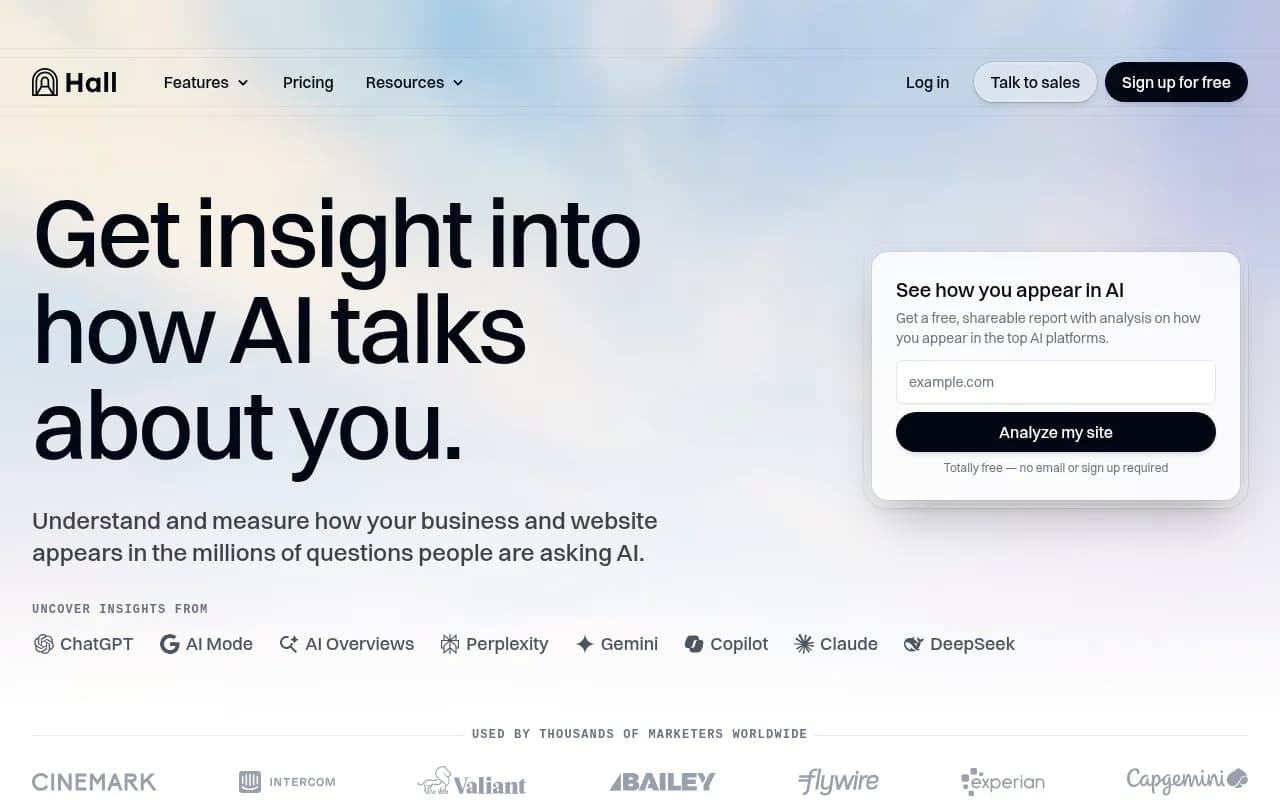
Hall AI
Hall AI tracks how AI platforms cite and talk about your brand. Good for brand reputation monitoring in AI responses specifically.
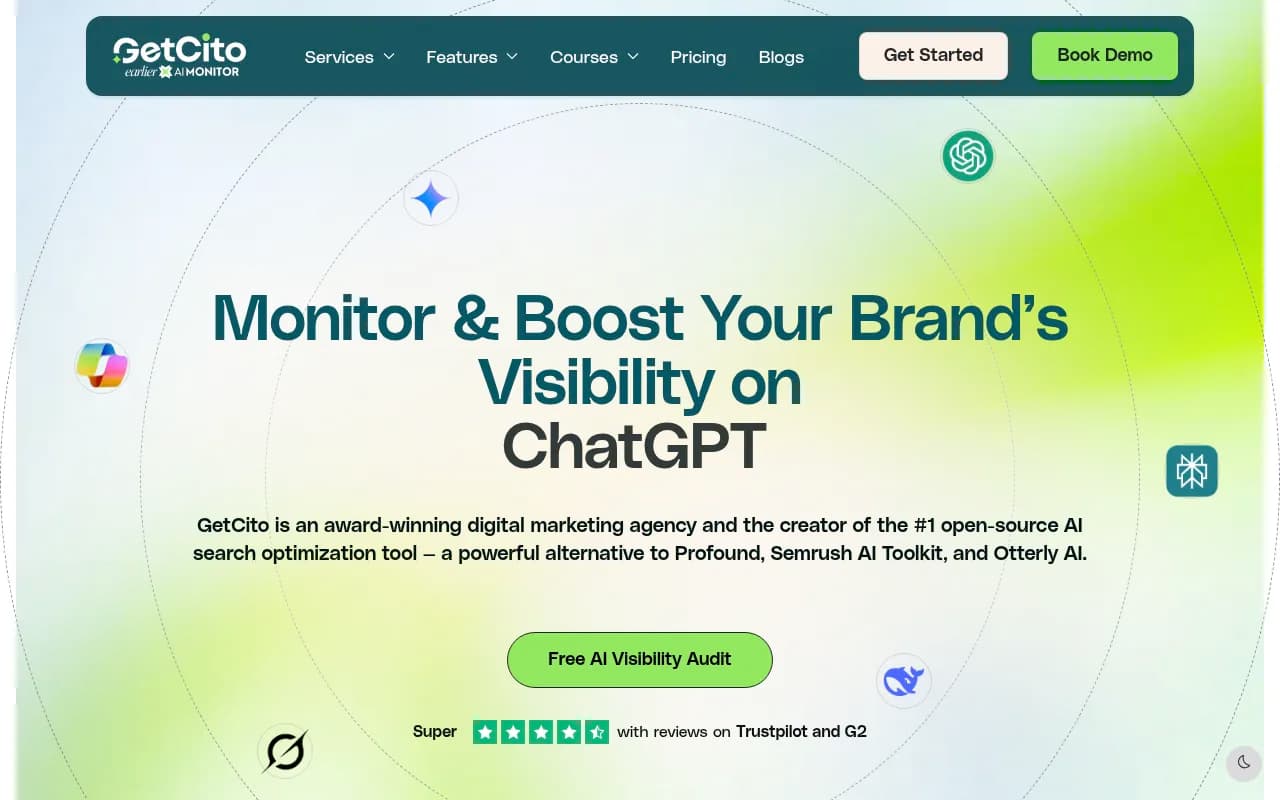
GetCito
GetCito combines AI visibility tracking with optimization features. Still early but positioned as an optimization tool rather than pure monitoring.
Trakkr.ai
Trakkr.ai covers ChatGPT, Claude, and Perplexity with a simple interface. Good for teams that want something quick to set up.
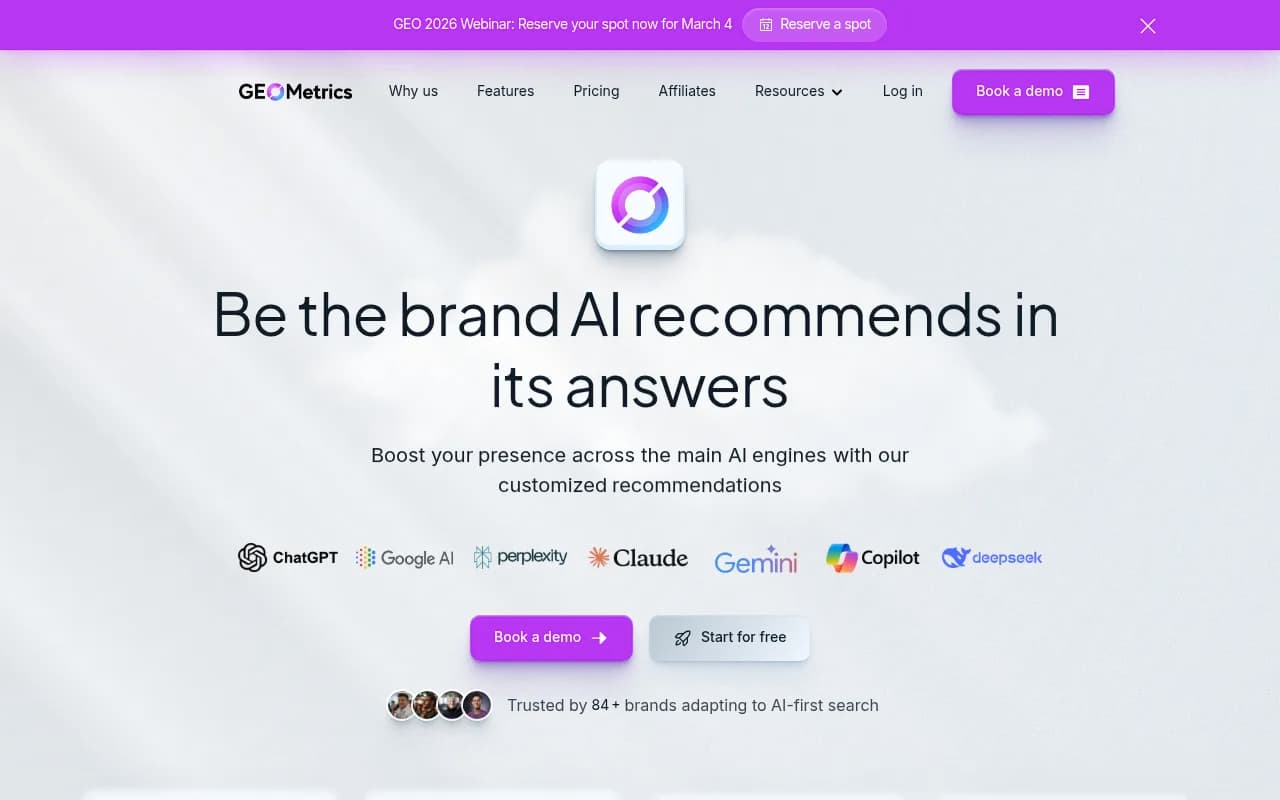
GEO Metrics
GEO Metrics tracks how ChatGPT, Gemini, and other AI engines mention your brand. Lightweight and focused.
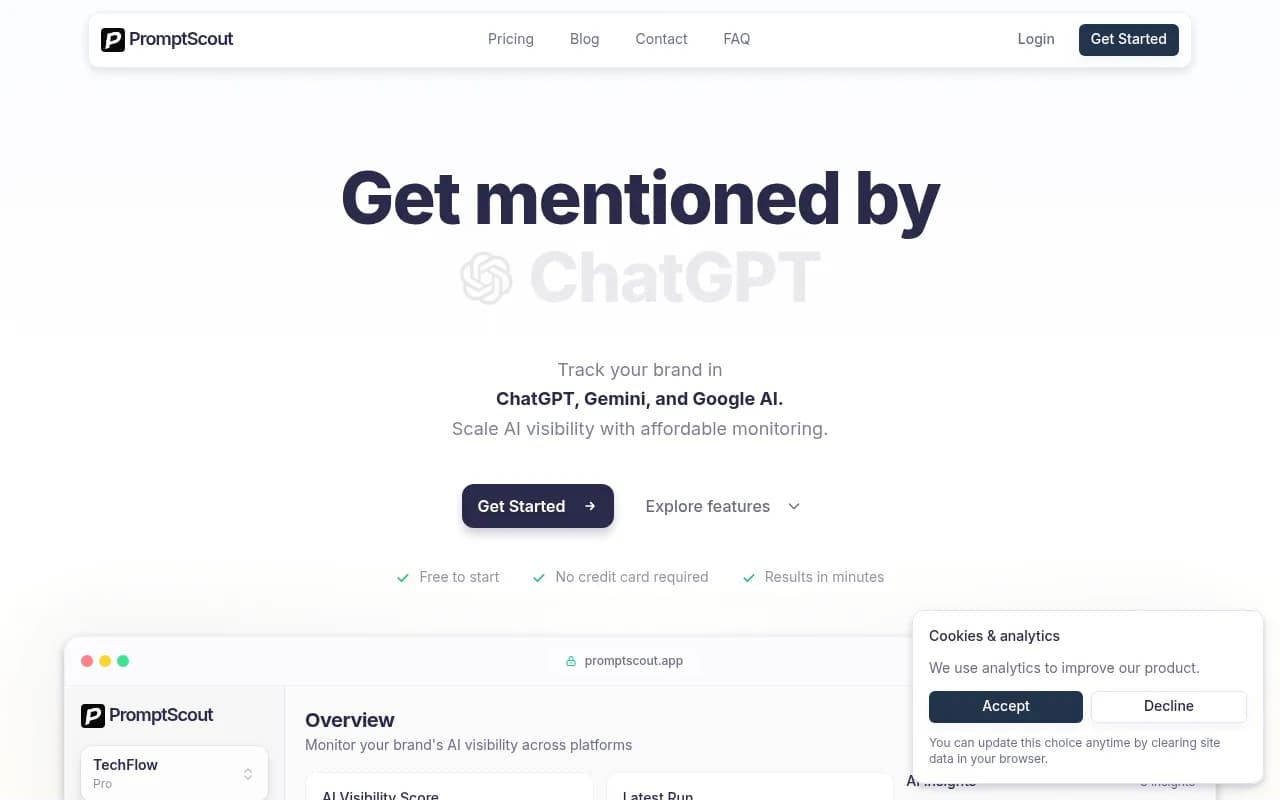
Promptscout
Promptscout tracks how ChatGPT, Gemini, and Google AI mention your brand. Simple and accessible.
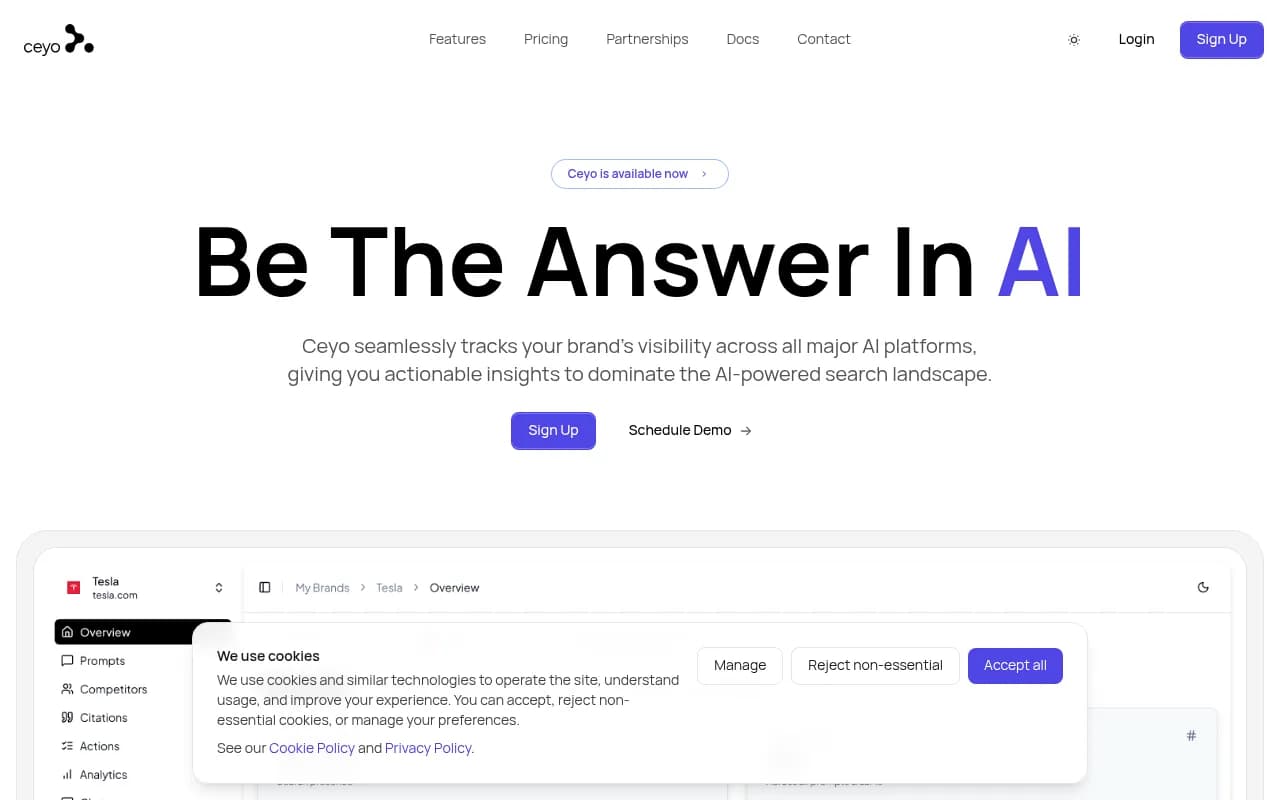
Ceyo AI
Ceyo AI monitors brand visibility across ChatGPT, Perplexity, Claude, and Gemini. Focused on the core four models.
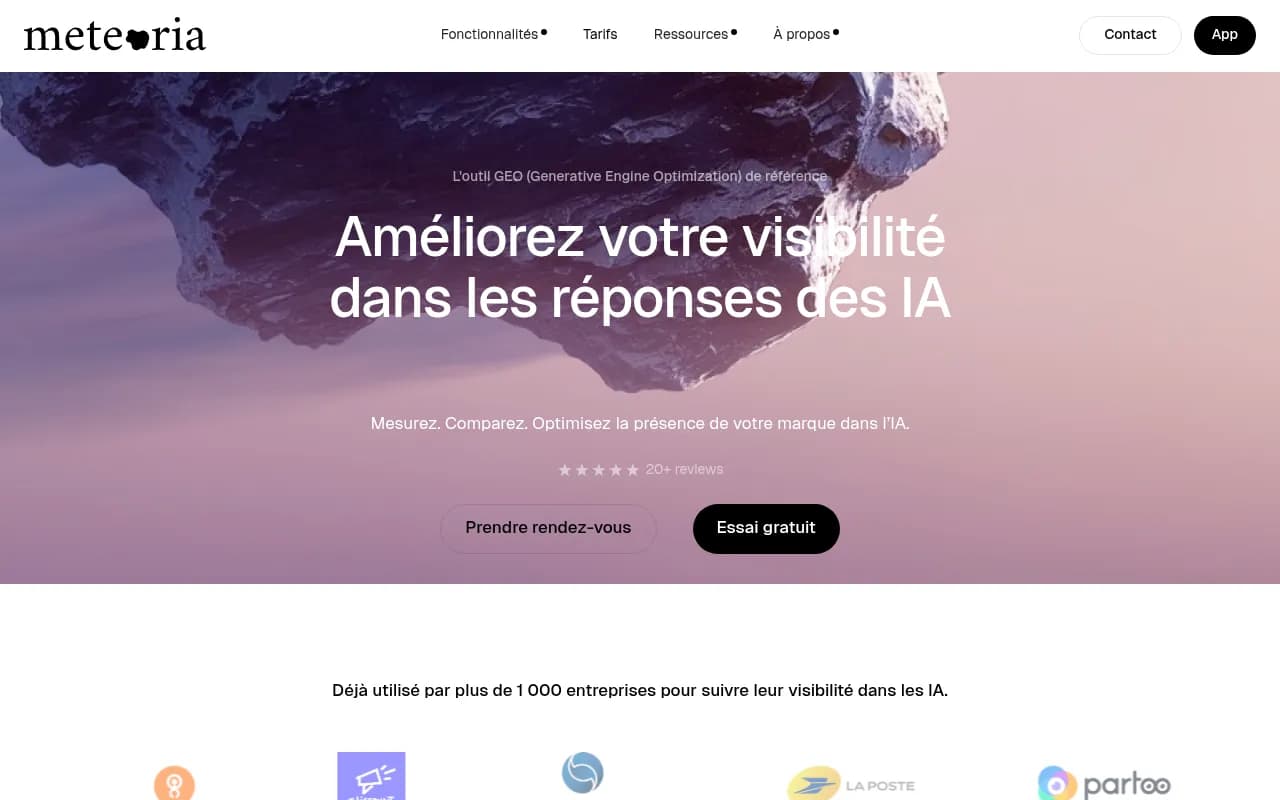
Meteoria
Meteoria tracks and optimizes brand visibility in AI search engines. Early-stage but worth watching.
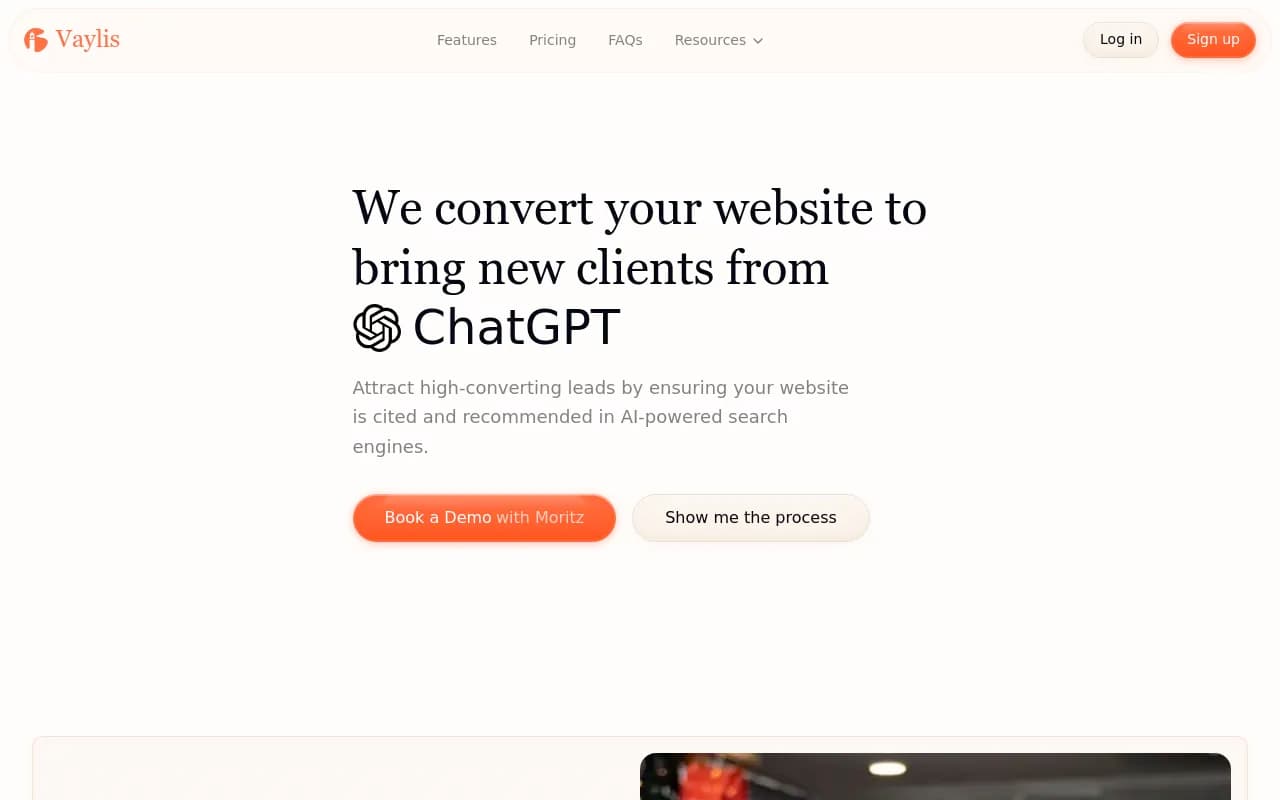
Vaylis
Vaylis covers AI search visibility tracking with an optimization angle. Still building out its feature set.
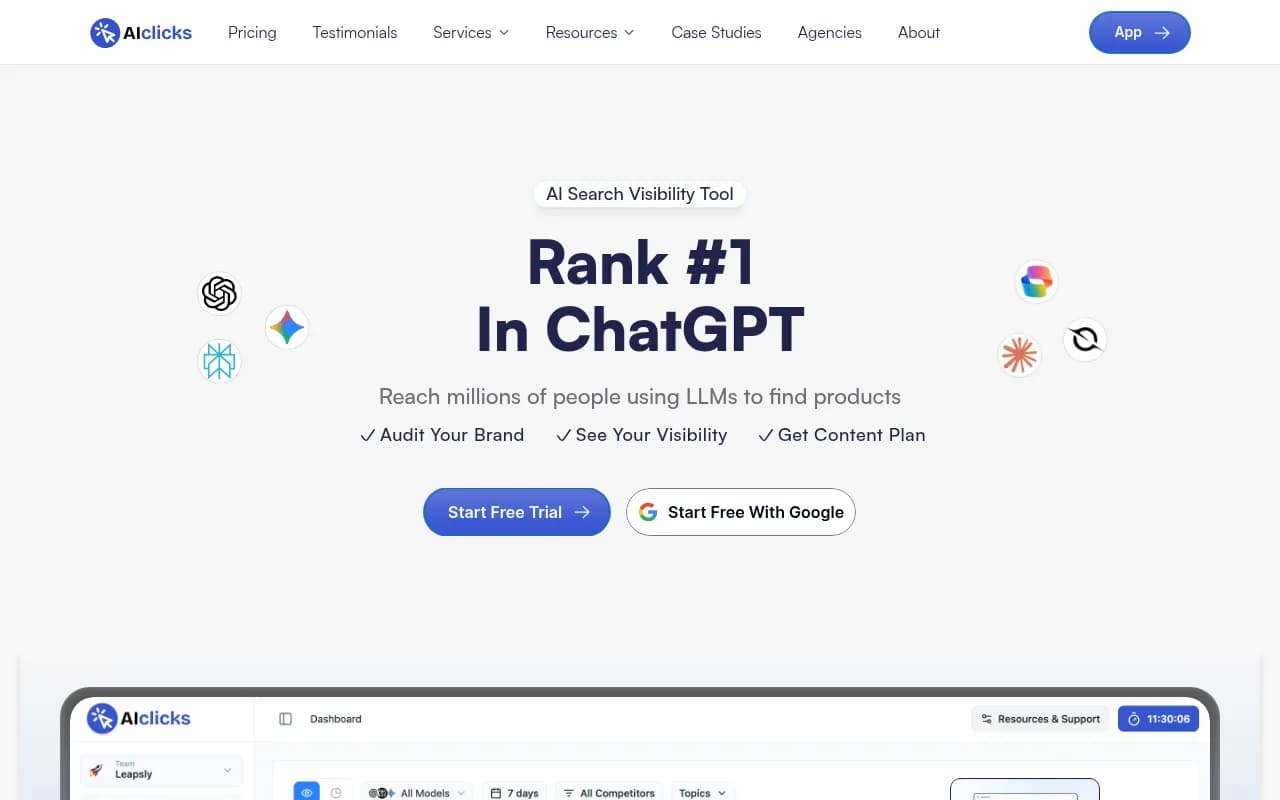
AIClicks
AIClicks focuses on tracking and optimizing brand visibility in AI search results, with some click-level data.
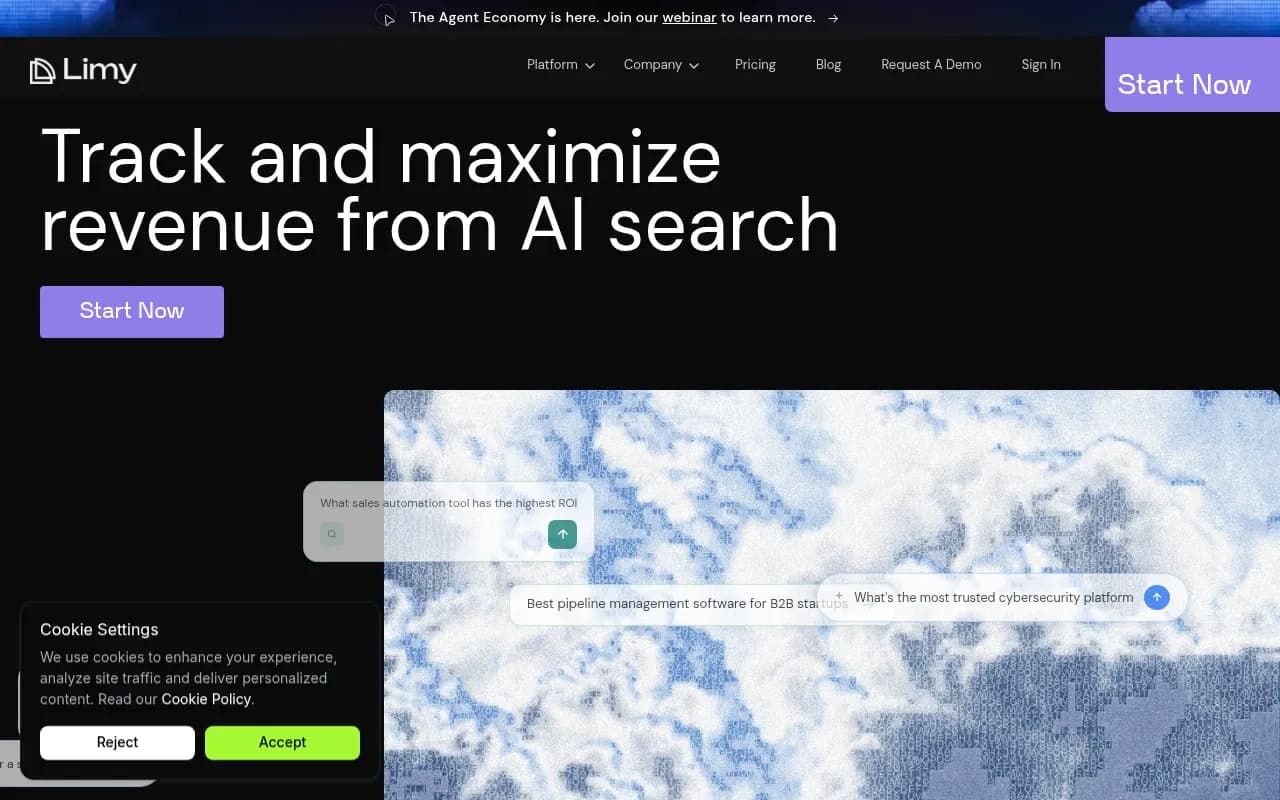
Limy AI
Limy AI is a lightweight tracker covering the major AI models. Good entry point for smaller teams.
Superlines
Superlines positions itself as a GEO and AI search optimization platform. Worth evaluating if you want something between pure monitoring and full optimization.
Xfunnel
Xfunnel adds human expert support to AI search visibility -- an interesting hybrid model for teams that want guidance alongside data.
Cognizo
Cognizo tracks and optimizes brand visibility across AI answer engines. Focused on the answer engine category specifically.
Radarkit
Radarkit covers AI search engine visibility tracking with optimization features. Early-stage.
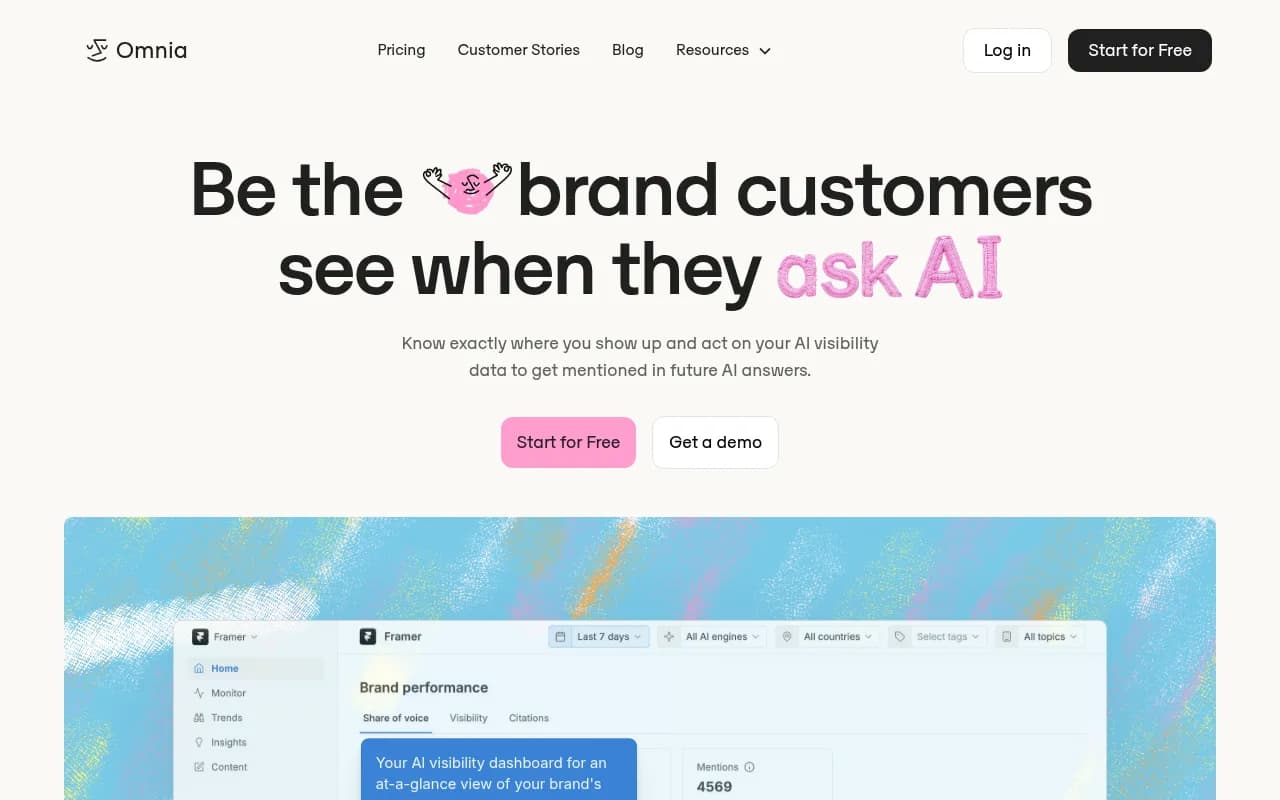
Omnia
Omnia focuses on AI-powered visibility and share of voice analytics. Good for competitive benchmarking.
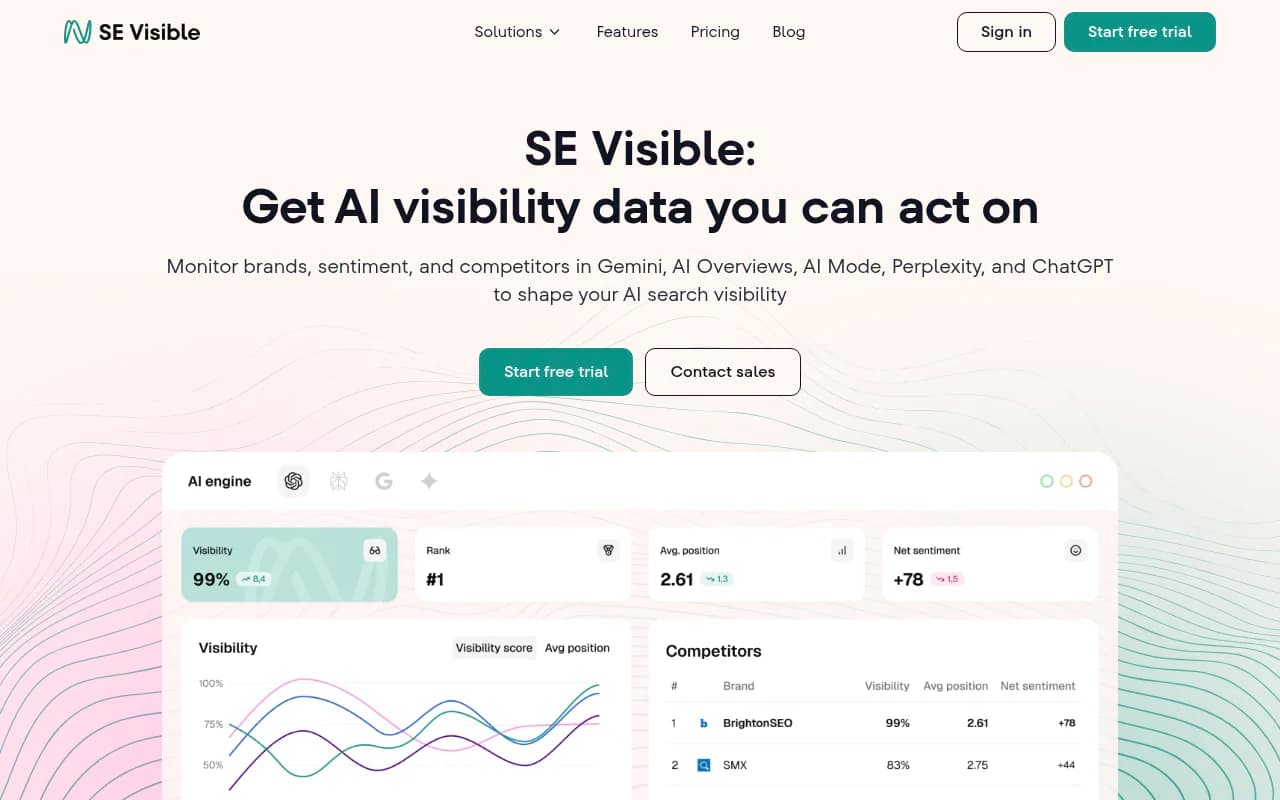
SE Visible
SE Visible from SE Ranking is a user-friendly AI visibility tracker. Accessible for teams new to the category.
Airefs
Airefs is positioned as an affordable AI search visibility tracker. Good for budget-conscious teams.
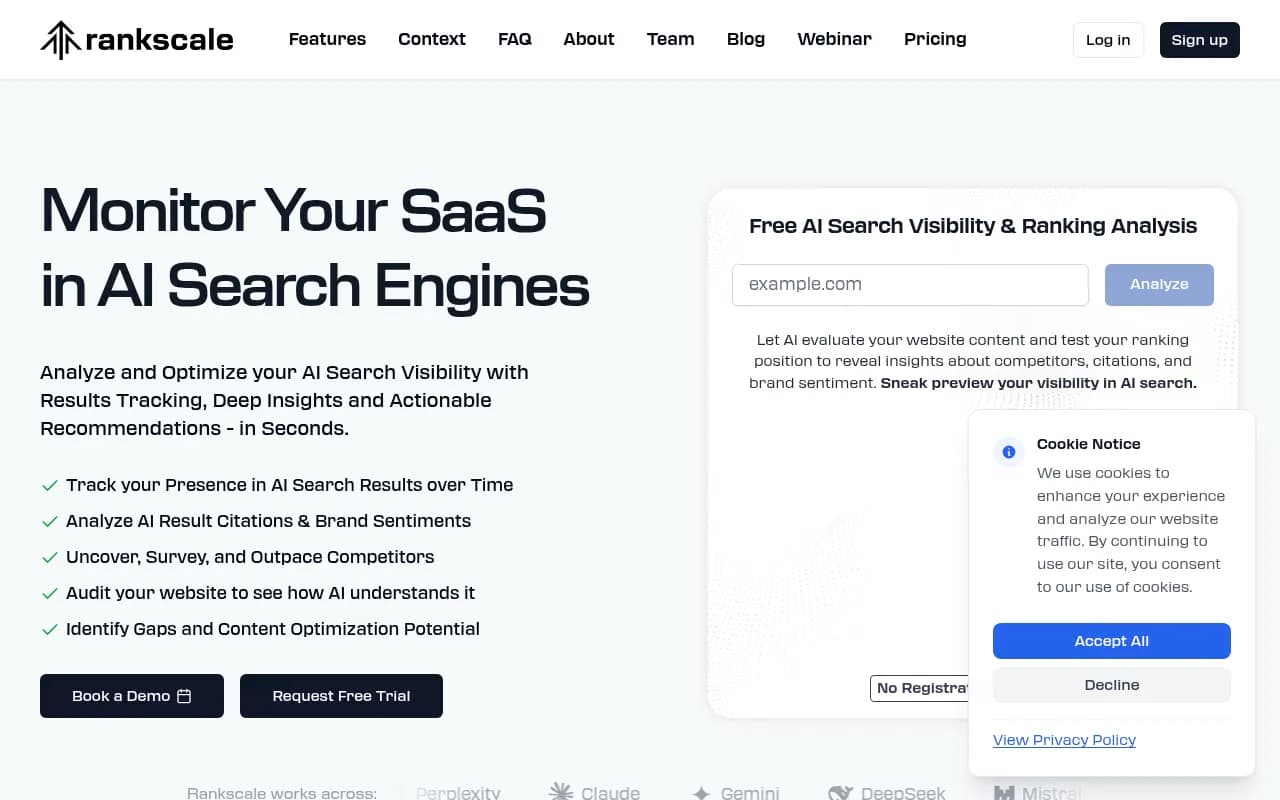
Rankscale
Rankscale covers AI search ranking and visibility with a clean interface.
Pendium.ai
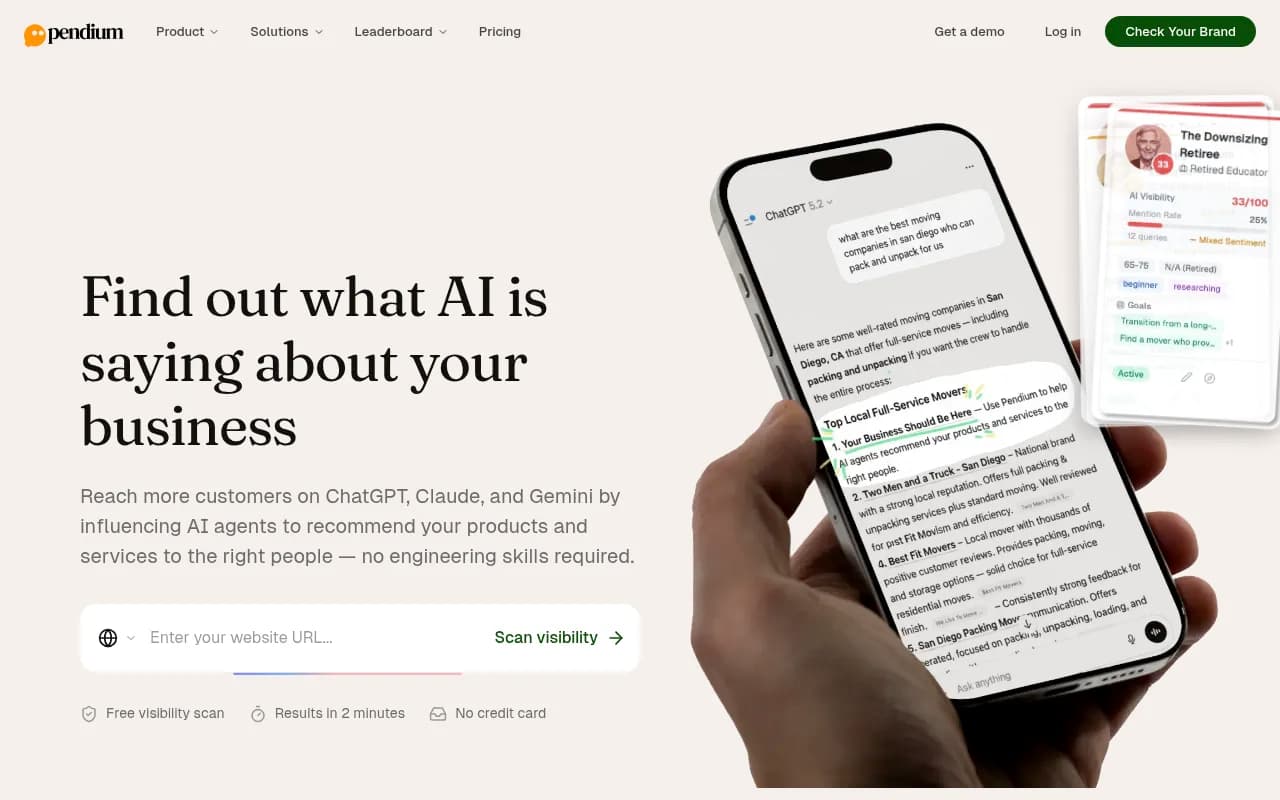
Pendium.ai focuses on how AI agents perceive your brand -- a slightly different angle that's more about brand narrative than keyword-level tracking.
Evertune
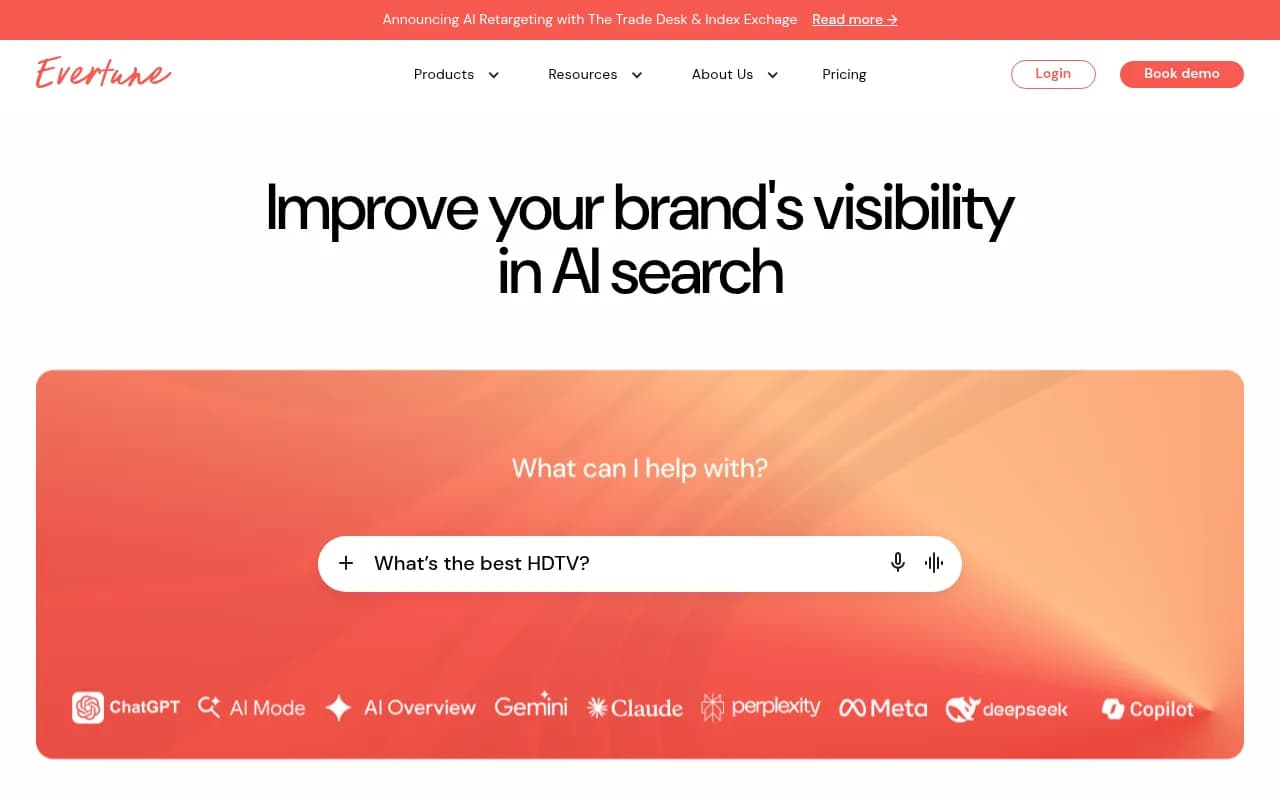
Evertune is an enterprise GEO platform aimed at Fortune 500 brands. High-touch, high-price, and focused on large-scale brand management.
How to actually choose
The right tool depends on what you're trying to do. Here's a practical framework:
If you just want to know where you stand: Otterly.AI, Peec AI, or LLMrefs are cost-effective starting points. You'll get a clear picture of your brand's presence across the major AI models without a big commitment.
If you need to report to stakeholders: Profound or Scrunch AI give you the kind of polished competitive benchmarking data that works well in executive reports. Budget accordingly.
If you're already in the Semrush/Ahrefs ecosystem: Their AI tracking features are worth turning on as a supplement, but don't rely on them as your primary AI visibility strategy.
If you need to actually improve your AI visibility: This is where most monitoring-only tools fall short. You need something that shows you what content to create and helps you create it. Promptwatch is the clearest option here -- the combination of Answer Gap Analysis, AI content generation grounded in citation data, and crawler logs gives you a complete loop from "I'm invisible" to "here's what I published" to "here's how my visibility improved."
If you're an agency: Look at Rankability, Search Party, or Promptwatch's agency tier. Multi-client management, white-label reporting, and scalable prompt tracking matter more than they do for single-brand teams.
One thing worth being clear about: the industry average price of ~$337/month reflects the fact that good AI visibility data is genuinely expensive to collect. Tools priced well below that are either sampling infrequently, covering fewer models, or running lighter methodology. That's fine for a starting point, but if AI search is a meaningful channel for your business, the economics of a more comprehensive tool usually make sense.

The monitoring-only trap
One pattern worth calling out explicitly: a lot of teams buy a monitoring tool, get a nice dashboard, and then treat AI visibility as a reporting exercise rather than an optimization one. They track their share of voice, note that it's lower than competitors, and... move on.
The problem is that AI visibility is a content problem at its core. AI models cite sources because those sources have the best answer to a specific question. If you're not being cited, it's usually because you don't have content that answers the question well -- or you don't have content on that topic at all. A dashboard can tell you that gap exists. It can't close it.
This is why the distinction between monitoring and optimization platforms matters more than any individual feature comparison. The tools that help you identify the specific prompts you're missing, understand what content would fill those gaps, and then generate that content -- those are the ones that actually move the needle.
The market is young enough that most tools are still in the monitoring phase. That will change, but for now, if you want to do more than measure your invisibility, your options are limited to a handful of platforms that have built the full loop.