Key takeaways
- Most Otterly.AI cancellations in 2026 aren't about the tool being broken -- it's that teams hit a ceiling where data without action stopped moving the needle
- The most common complaint: you can see you're invisible in AI search, but Otterly gives you no path to fix it
- Teams that switched typically moved to platforms with built-in content gap analysis, AI content generation, or crawler log access
- Otterly.AI remains a solid entry-level monitoring tool, especially for teams just starting out with AI visibility tracking
- If you've outgrown pure monitoring, the alternatives below are worth a serious look
There's a pattern playing out across marketing teams in 2026. A team signs up for Otterly.AI, spends a few weeks getting comfortable with the dashboard, starts tracking their brand across ChatGPT and Perplexity -- and then hits a wall.
The data is there. The visibility scores are there. The gap between them and their competitors is painfully visible. But when someone in the meeting asks "so what do we actually do about this?", the tool doesn't have an answer.
That's the story behind a lot of Otterly.AI cancellations this year. Not rage-quits. Not bugs or billing disasters. Just a quiet realization that monitoring your problem and solving your problem are two different things.
This guide is an honest look at why teams leave, what they were hoping to find, and what the landscape actually looks like on the other side.
What Otterly.AI does well
Before getting into the cancellation stories, it's worth being clear about what Otterly.AI is genuinely good at.

It's one of the more accessible AI visibility monitoring tools on the market. The interface is clean, setup is fast, and you can start tracking brand mentions across ChatGPT, Perplexity, and Google AI Overviews without a steep learning curve. For a team that's never done any AI search monitoring before, it's a reasonable starting point.
Otterly also has a research arm that produces genuinely interesting data. Their study tracking over 8,000 Reddit citations across 126 subreddits -- showing how community content consistently surfaces in AI-generated answers -- is the kind of insight that changes how you think about content strategy.
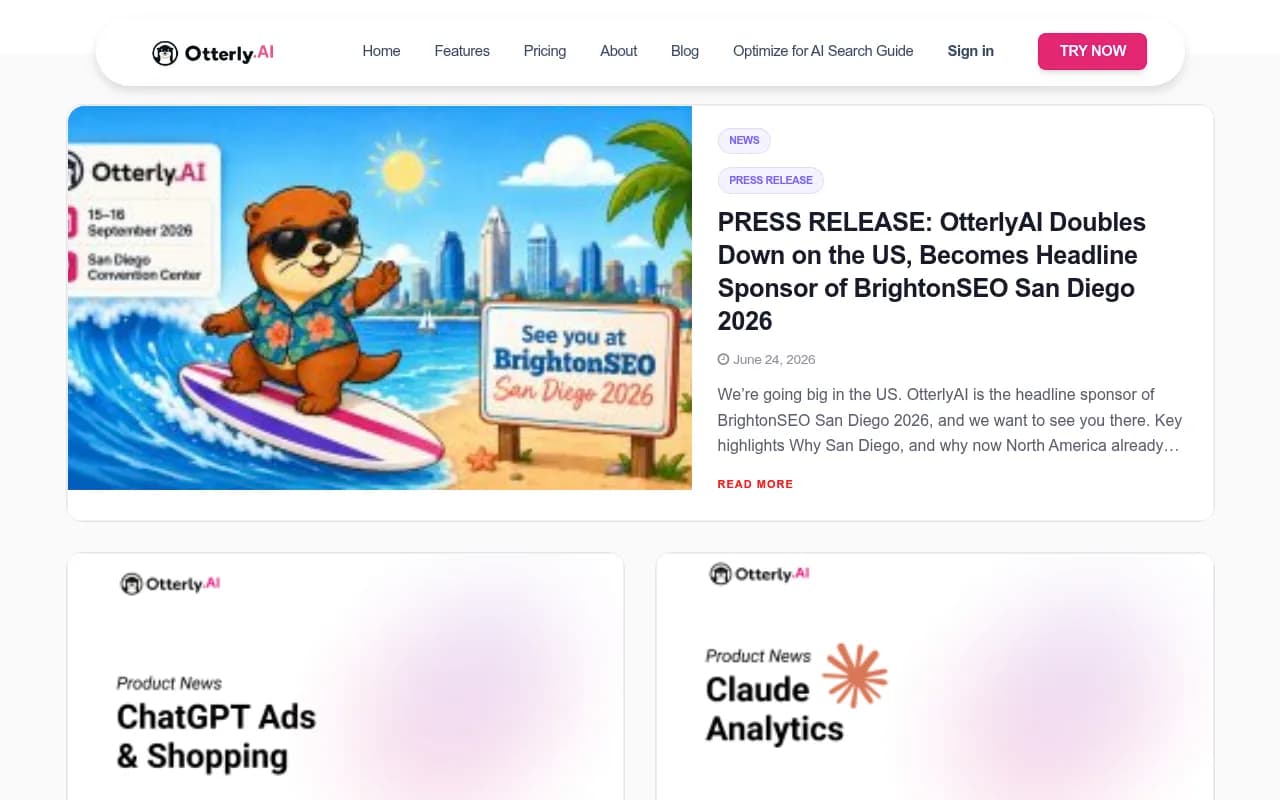
They're also moving fast on product. In June 2026 alone, they launched ChatGPT Ads tracking, added Claude as a dedicated monitored engine, and announced they're the headline sponsor of BrightonSEO San Diego. North America now makes up 47% of their customer base. This is not a tool that's standing still.
So why are teams leaving?
The core frustration: visibility without a path forward
The most consistent theme in Otterly.AI cancellation stories is what you might call the "so what?" problem.
You log in. You see your brand visibility score. You see that a competitor is getting cited in 40% of responses to a key industry prompt and you're in 8%. You see the gap. You feel the urgency.
Then you close the tab and... nothing changes. Because the tool showed you the problem but didn't help you address it.
This isn't a knock on Otterly specifically -- it's a structural limitation of monitoring-only platforms. They're built to show you what's happening, not to help you change it. For teams in the early stages of AI visibility work, that's fine. Awareness is the first step.
But in 2026, most marketing teams have moved past the "wait, AI search is a thing?" phase. They know it's a thing. They need to do something about it.
The teams that cancel Otterly.AI are usually the ones who've reached that inflection point.
Common cancellation triggers
Hitting the prompt limit and not knowing what to do next
Otterly's entry pricing caps the number of prompts you can track. Teams often start with a focused set of brand and competitor prompts, then realize they need to expand to cover more of the query space their customers are actually using.
When they upgrade and get more data, the gap between "here's what you're missing" and "here's how to fix it" becomes more obvious, not less. More data, same problem.
No content gap analysis
Several teams describe a specific moment: they see a competitor consistently cited for a cluster of prompts around a topic they thought they owned. They want to know what content that competitor has that they don't. Otterly doesn't surface that.
Content gap analysis -- mapping your existing content against what AI models are actually citing, then identifying what's missing -- is the feature that turns monitoring into action. Without it, you're left doing that analysis manually, which is slow and imprecise.
No crawler log access
This one comes up more with technical SEO teams. Understanding how AI crawlers are actually hitting your site -- which pages they're reading, which ones they're ignoring, whether there are crawl errors affecting your visibility -- requires access to crawler log data.
Otterly doesn't provide this. Teams that want to understand the mechanics of why they're getting cited (or not) have to go elsewhere.
Agency teams needing more client-facing reporting
Agencies running AI visibility programs for multiple clients often find Otterly's reporting too basic for client presentations. They need customizable dashboards, white-label options, and the ability to show a clear narrative from "here's where you were" to "here's what we did" to "here's where you are now."
What teams found when they switched
The honest answer is: it depends on what they needed.
Teams that needed content gap analysis and content creation
This is the largest group. They wanted a platform that could not only show them where they were invisible but also help them create content to fix it.
Promptwatch is the platform that comes up most often in this context. It's built around what they call an action loop: find the gaps, create content to fill them, then track whether that content starts getting cited. The Answer Gap Analysis shows exactly which prompts competitors rank for that you don't, and the Content Agents generate articles and briefs grounded in real prompt data.

For teams that were frustrated by Otterly's monitoring-only approach, this is usually the most significant upgrade. You're not just watching the scoreboard -- you're getting help changing the score.
Teams that needed deeper competitive intelligence
Some teams weren't primarily focused on content creation. They wanted richer competitive data -- heatmaps showing who's winning for which prompts, prompt volume estimates, difficulty scoring, and query fan-outs that show how one search branches into sub-queries.
Tools like Profound and AthenaHQ serve this need reasonably well, though both are more expensive than Otterly and neither has content generation built in.


Teams that needed multi-engine coverage
A few teams left because they needed to track AI engines that Otterly didn't support at the time. Coverage of DeepSeek, Grok, Mistral, and Meta AI matters for brands with global audiences or specific verticals where those models are popular.

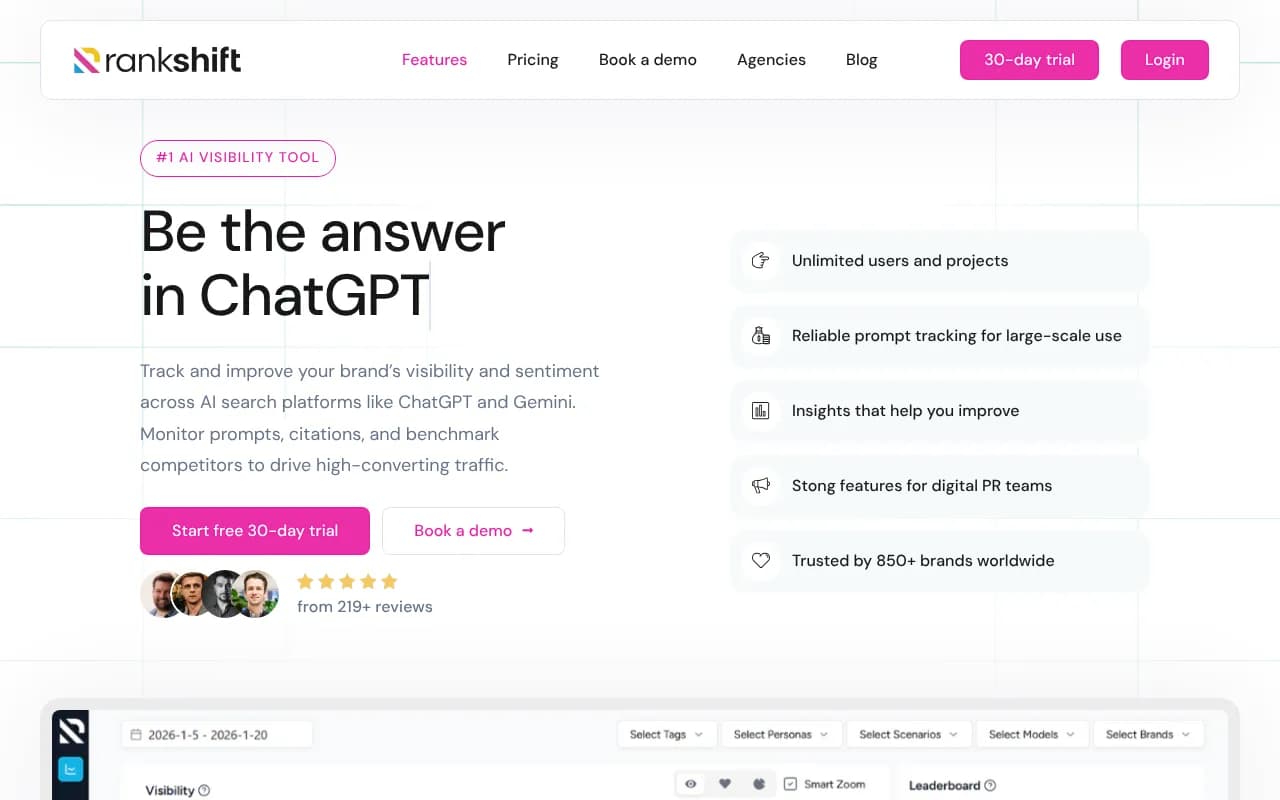
Peec.ai is worth looking at for multi-language and multi-region tracking specifically.
Teams that just needed something simpler and cheaper
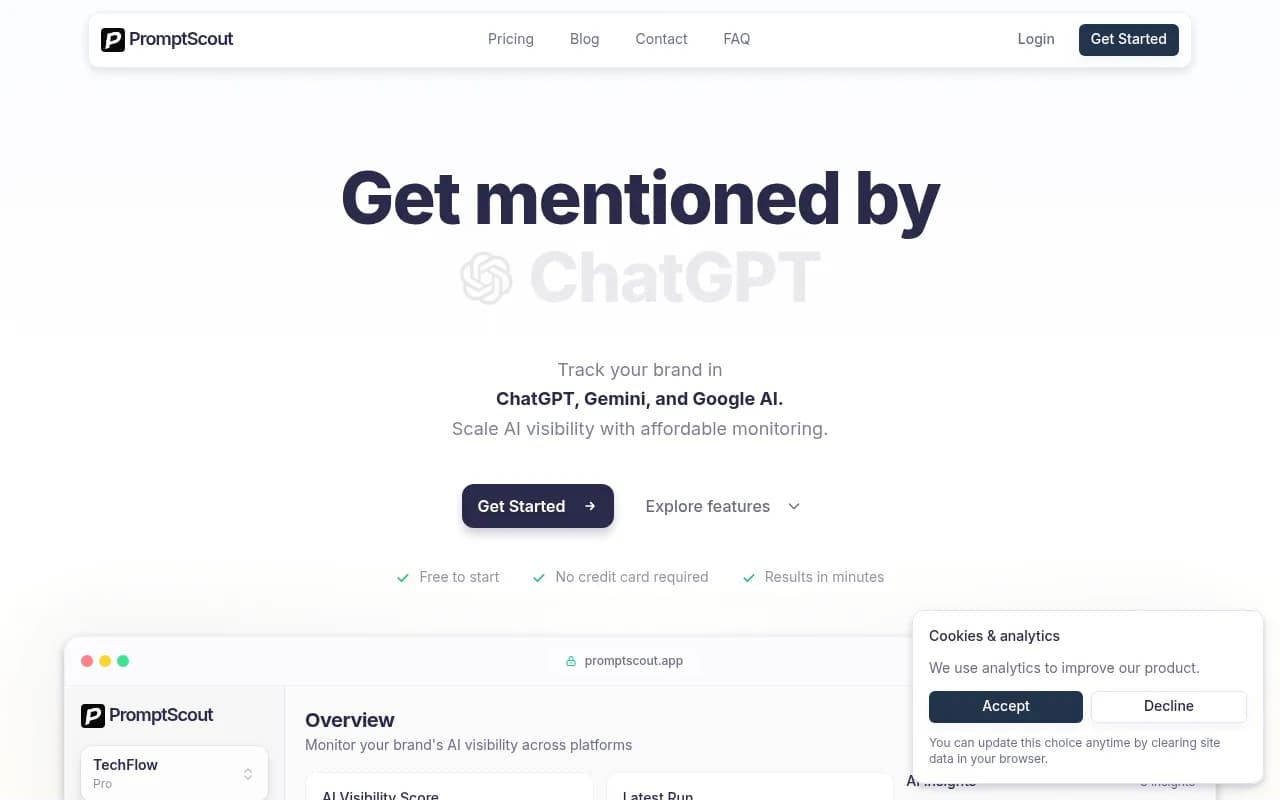
Not every cancellation is about needing more. Some teams realized they'd over-invested in monitoring before they had the content strategy to act on the data. They dropped down to a lighter tool while they built out their content foundation.
A direct comparison
Here's how Otterly.AI stacks up against the platforms teams most commonly switch to:
| Feature | Otterly.AI | Promptwatch | Profound | AthenaHQ | Peec.ai |
|---|---|---|---|---|---|
| AI engine monitoring | Yes | Yes (10 engines) | Yes | Yes (8+ engines) | Yes |
| Content gap analysis | No | Yes | Limited | No | No |
| AI content generation | No | Yes | No | No | No |
| Crawler log access | No | Yes | No | No | No |
| Prompt volume/difficulty | No | Yes | Yes | Limited | No |
| Reddit/YouTube tracking | No | Yes | No | No | No |
| ChatGPT Shopping tracking | Yes (new) | Yes | No | No | No |
| Multi-language support | Limited | Yes | Limited | No | Yes |
| Starting price | ~$49/mo | $99/mo | Higher | Higher | Lower |
| Best for | Monitoring basics | Full GEO action loop | Competitive intel | Monitoring depth | Multi-region |
The table makes the tradeoffs clear. Otterly.AI is the most accessible entry point. But if you need to go beyond monitoring, Promptwatch is the only platform in this comparison that covers the full cycle from gap identification to content creation to result tracking.
Who should stay on Otterly.AI
This guide isn't an argument that Otterly is bad. It's the right tool for specific situations:
- You're just starting AI visibility work and need to understand the basics before investing in a more complex platform
- Your team's primary goal right now is awareness and reporting, not optimization
- You have a separate content workflow and just need the monitoring data to feed into it
- Budget is tight and you need the lowest-cost entry point
If any of those describe you, Otterly.AI is a reasonable choice. Their recent product velocity -- Claude tracking, ChatGPT Ads, the BrightonSEO sponsorship -- suggests they're aware of the gaps and working to close them.
Who should consider switching
You've probably outgrown Otterly.AI if:
- You've been monitoring for more than three months and your visibility scores haven't moved
- Your team keeps asking "what do we actually do with this data?" after every report
- You need to show clients or leadership a clear connection between AI visibility work and business outcomes
- You want to understand which specific pages are being cited (and which aren't) and why
- You're producing content but have no way to know if it's actually getting picked up by AI models
The teams that get the most out of switching are the ones who go in with a clear brief: "we need X, which Otterly doesn't do." Switching without that clarity usually just means paying more for a different dashboard.
The bigger picture
The AI search visibility space is moving fast. Otterly.AI's blog research on Reddit citations, their push into ChatGPT Ads tracking, their expansion into the US market -- all of this suggests a company that's actively trying to evolve beyond basic monitoring.
But in 2026, the gap between "we track your visibility" and "we help you improve your visibility" is where most of the real competition is happening. Teams that are serious about AI search as a channel need the full loop: data, content, and proof that it's working.
That's what's driving most of the cancellations. Not dissatisfaction with Otterly as a product. Just the recognition that the job they need done has grown bigger than what any monitoring-only tool can handle.
If you're at that point, the tools above are worth exploring. Start with what you actually need -- content creation, crawler logs, competitive depth, multi-region coverage -- and match the tool to the gap rather than the other way around.