Key takeaways
- Otterly.AI is a solid entry-level monitoring tool, but it has no crawler log visibility — you can't see which AI bots are hitting your pages, how often, or what errors they're encountering.
- Most Otterly alternatives fall into the same trap: they show you brand mention counts but leave you guessing about the underlying crawl behavior that drives AI citations.
- Only a handful of platforms in 2026 offer genuine AI crawler log monitoring — and even fewer combine it with content gap analysis and optimization.
- If you need to understand the full picture (what AI bots crawl, what they cite, and why your competitors rank instead of you), the tools in this guide are worth a serious look.
- The biggest differentiator isn't which models a tool monitors — it's whether the tool helps you act on what it finds.
There's a question that comes up constantly in GEO communities: "I can see my brand visibility score dropping in Otterly — but I have no idea why, and the tool doesn't tell me."
That's not a knock on Otterly specifically. It's a structural problem with most AI visibility tools right now. They're built to answer "where do you appear?" but not "what are AI systems actually doing when they visit your site?" and definitely not "here's what to fix."
Crawler log monitoring is the missing piece most people don't think to ask for until they need it. When ChatGPT or Perplexity's crawler visits your site, it leaves traces: which pages it read, how often it returns, what HTTP errors it hit, whether it moved on to cite your content or bounced. That data is gold. Without it, you're optimizing blind.
This guide covers 9 Otterly.AI alternatives worth considering in 2026, with particular attention to which ones actually surface AI crawler behavior — not just mention counts.
Why crawler logs matter for AI visibility
Traditional SEO has had log file analysis for years. You'd pull Apache or Nginx logs, filter for Googlebot, and see exactly which pages were being crawled, at what frequency, and with what response codes. It was tedious but incredibly useful.
The same logic applies to AI search. When GPTBot, ClaudeBot, PerplexityBot, or Google's AI crawlers visit your site, they're making decisions about what to read, what to index into their knowledge base, and what to cite in responses. If your most important pages are returning 404s to these bots, or if they're only crawling your homepage and ignoring your product pages, your visibility will suffer — and no amount of brand mention tracking will tell you why.
The tools that surface this data give you something actionable. The tools that don't leave you staring at a visibility score with no lever to pull.
The Otterly.AI baseline: what you're working with
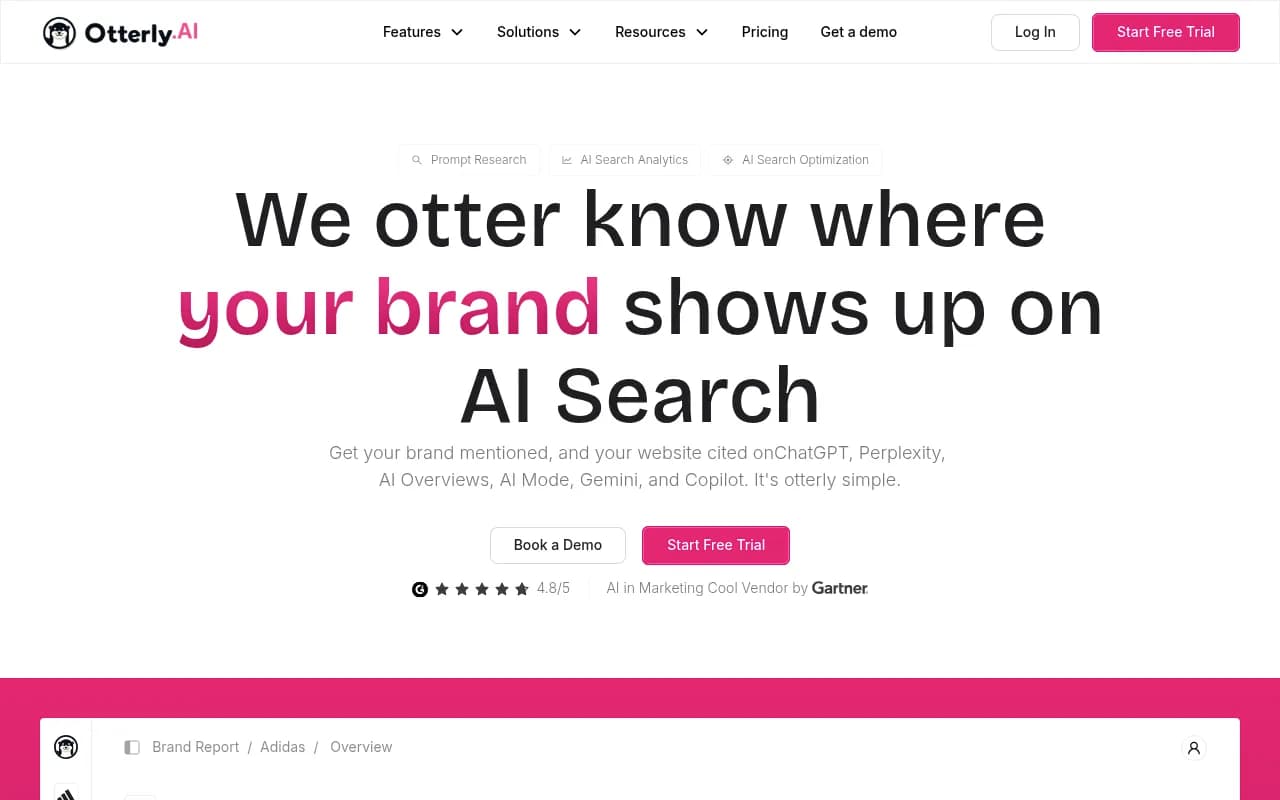
Otterly.AI is genuinely useful for what it does. It tracks brand mentions across ChatGPT, Perplexity, Google AI Overviews, and Gemini (though Gemini and Google AI Mode are paid add-ons on self-serve plans). The interface is clean, the pricing starts at $29/month, and it's one of the more accessible entry points into AI visibility monitoring.
The problems show up when you try to go deeper:
- No crawler log monitoring. You can't see which AI bots are visiting your site or what they're doing there.
- No content gap analysis. You see where you're missing, but not what content would fill the gap.
- No content generation. The tool stops at reporting.
- Update cycles can lag behind rapidly shifting AI search results.
- The jump from the $29 Lite plan to the $189 Standard plan is steep, and most teams hit the ceiling of Lite within a couple of weeks.
As one Reddit user put it: "It tracks the source, but gives zero actionable strategy on how to restructure content to get cited."
That's the gap these alternatives are trying to fill.

The 9 best Otterly.AI alternatives in 2026
1. Promptwatch — best overall for crawler logs + full GEO workflow
Promptwatch is the most complete option on this list if crawler log monitoring is a hard requirement. It's one of very few platforms that shows you real-time logs of AI crawlers hitting your website — which pages GPTBot, ClaudeBot, PerplexityBot, and others are reading, what errors they're encountering, how often they return, and critically, when a crawled page moves to an actual citation.
That last part matters. Most tools can show you crawl data or citation data separately. Promptwatch connects them: you can see the timeline from "AI bot visited this page" to "AI model cited this page in a response." That's the kind of visibility that turns log data into something you can act on.
Beyond crawler logs, it covers the full GEO loop: Answer Gap Analysis shows which prompts competitors rank for but you don't, Content Agents generate articles and briefs grounded in real prompt data, and page-level tracking shows exactly which pages are being cited by which models. It monitors 10 AI models including ChatGPT, Perplexity, Claude, Gemini, Google AI Overviews, Google AI Mode, Grok, DeepSeek, Copilot, and Meta AI.
Pricing starts at $99/month (Essential), with crawler logs available on the Professional plan at $249/month. There's a free trial.

2. Profound — best for enterprise teams with deep analytics needs
Profound has built a reputation as one of the more serious enterprise-grade options in the GEO space. It covers a solid range of AI models, offers competitive share-of-voice analysis, and has reporting depth that holds up in boardroom presentations.
Where it falls short for this specific use case: no crawler log monitoring, no Reddit or YouTube tracking (both of which influence AI citations significantly), and no ChatGPT Shopping visibility. It's a strong monitoring tool, but it stays in monitoring territory.
Pricing is on the higher end, which makes the monitoring-only positioning harder to justify for teams that need to take action on what they find.

3. AthenaHQ — best for enterprise and ecommerce teams
AthenaHQ targets enterprise and ecommerce brands that need AI visibility tied to business outcomes. It covers 8+ AI search engines and has solid competitive analysis features.
The honest limitation: it's primarily a monitoring and analytics platform. There's no content generation, no crawler log monitoring, and the optimization workflow relies on you taking insights from the dashboard and executing elsewhere. For teams that already have strong content operations and just need better AI visibility data, that's fine. For teams that want one platform to handle the full loop, it's not quite there.

4. Scrunch AI — best for mid-market brands wanting clean AI monitoring
Scrunch AI sits in the mid-market space with a clean interface and reasonable coverage across the major AI models. It's a step up from Otterly in terms of reporting depth and competitive analysis.
No crawler logs, no content generation. But if your primary need is cleaner, more detailed monitoring than Otterly provides — and you're not yet ready to invest in a full GEO platform — Scrunch AI is worth evaluating.
5. Peec AI — best for multi-language and multi-region monitoring
Peec AI's standout feature is its multi-language support. If you're monitoring AI visibility across multiple markets and languages, most tools in this space fall short. Peec AI handles this better than most.
It's a focused analytics tool — clean data, good regional coverage, no crawler logs or content generation. Teams running international brands will find it more useful than the alternatives for that specific use case.

6. SE Ranking — best for budget-conscious teams already in the SEO ecosystem
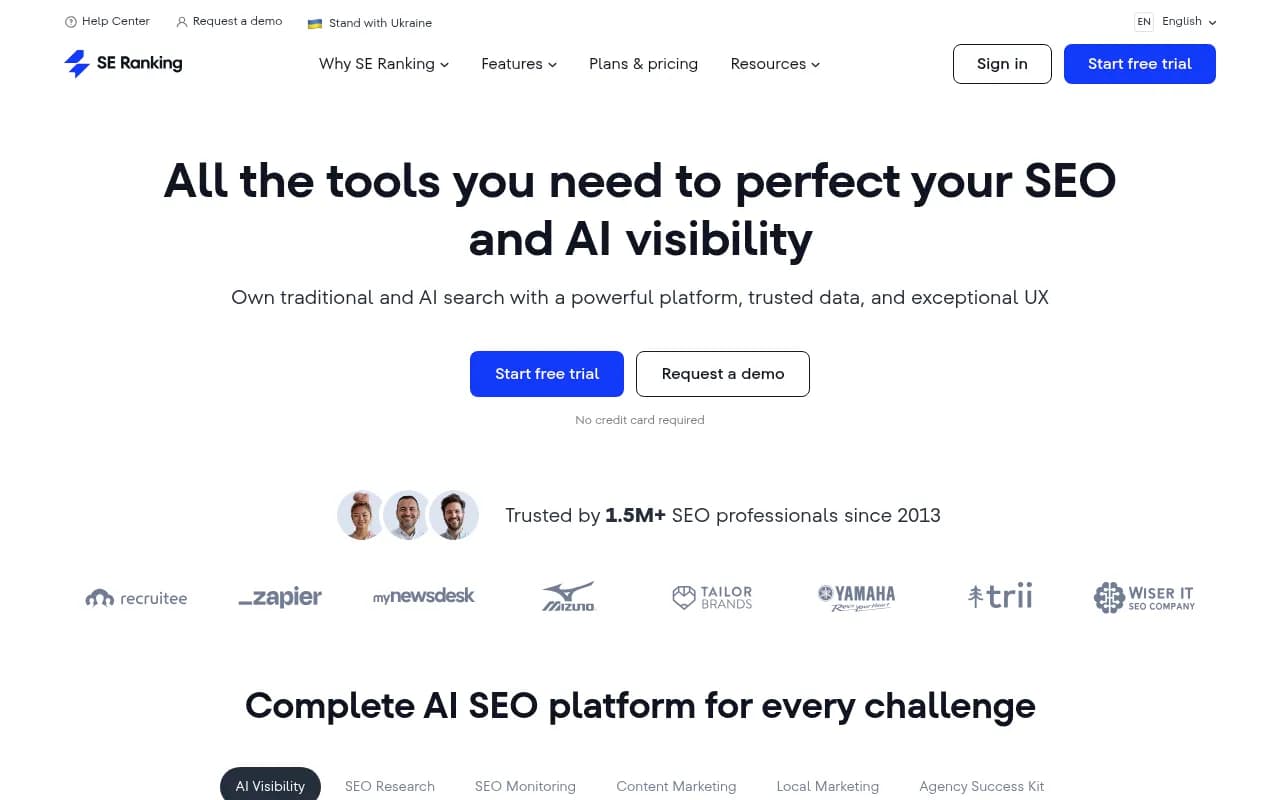
SE Ranking has added an AI visibility module to its established SEO platform. If you're already paying for SE Ranking for keyword tracking and site audits, the AI visibility add-on is a cost-effective way to get basic monitoring without adding another tool to your stack.
The AI visibility features are less deep than dedicated GEO platforms — no crawler logs, lighter on competitive analysis — but the integration with traditional SEO data is genuinely useful. Seeing your traditional rankings and AI visibility in the same dashboard helps you prioritize where to focus.
7. Rankability — best for SEO agencies running content alongside AI tracking
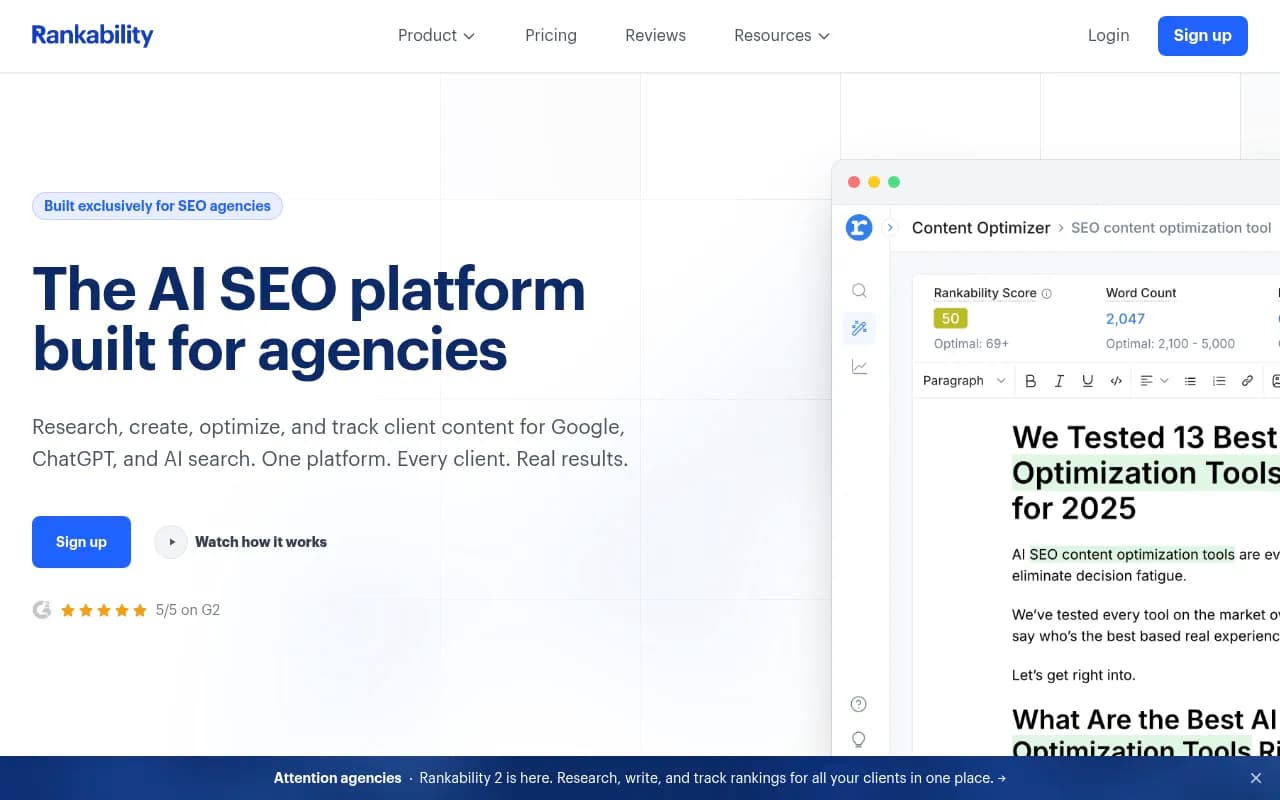
Rankability is built for agencies that run the full content lifecycle. It combines AI visibility monitoring with content optimization features, which puts it a step ahead of pure monitoring tools.
It doesn't have crawler log monitoring, and the AI visibility features are less comprehensive than dedicated GEO platforms. But for agencies that want to manage content briefs, optimization, and AI tracking in one place without paying for multiple tools, it's a practical choice.
8. LLM Pulse — best for teams wanting straightforward LLM response tracking
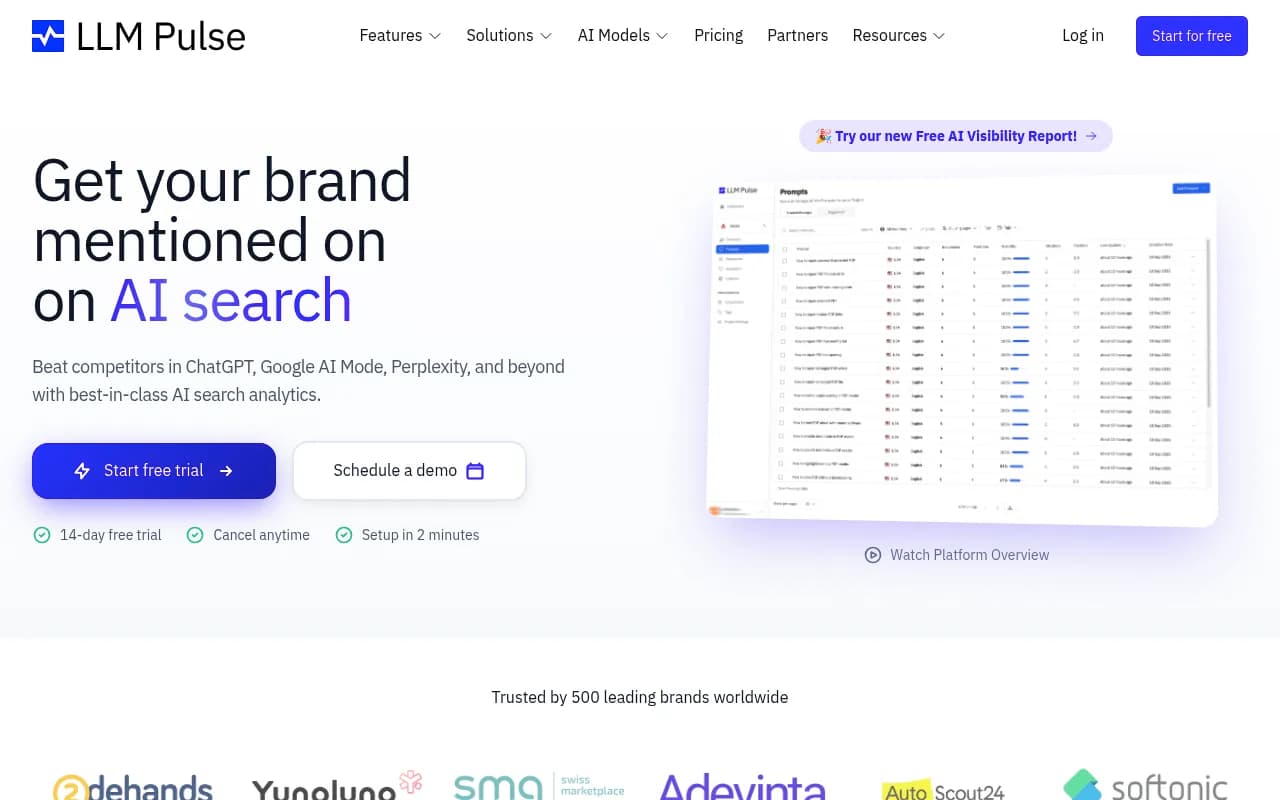
LLM Pulse focuses specifically on tracking how LLMs respond to prompts about your brand and category. It's less focused on the full GEO workflow and more on giving you a clear picture of what different AI models are saying.
Useful for brand safety monitoring and competitive intelligence. Not a replacement for a full GEO platform if you need to act on what you find.
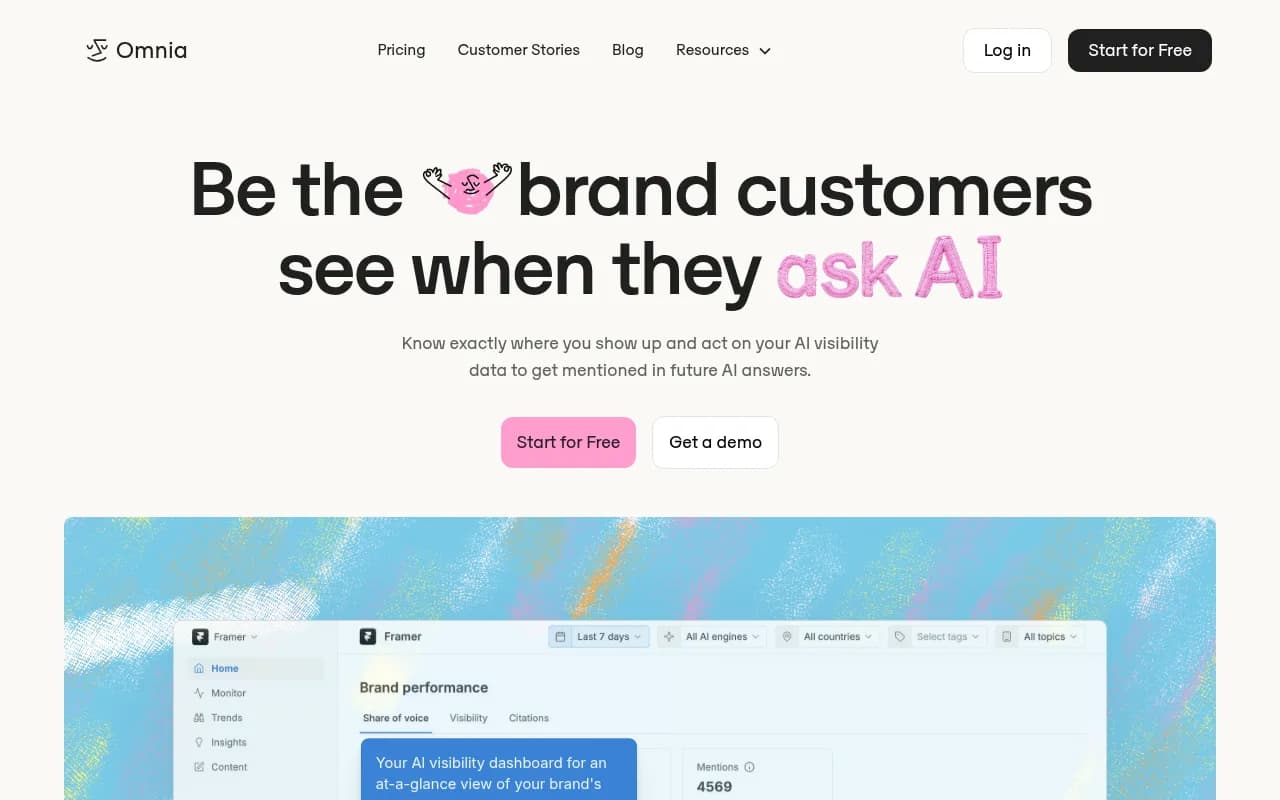
9. Omnia — best for competitive share-of-voice analysis
Omnia's strength is competitive visibility analysis. It gives you a clear picture of how your AI visibility compares to competitors across models and query types, with good visualization of share-of-voice data.
No crawler logs, no content generation. But if competitive benchmarking is your primary need — you want to know exactly where you're losing to specific competitors on specific prompts — Omnia does that well.
Feature comparison: which tools actually show you crawler data
This is the question the title promises to answer. Here's where each tool stands on the features that matter most for understanding what AI bots are actually doing:
| Tool | AI crawler logs | Content gap analysis | Content generation | Models tracked | Starting price |
|---|---|---|---|---|---|
| Promptwatch | Yes (real-time) | Yes | Yes (AI agents) | 10 | $99/mo |
| Profound | No | Limited | No | 6+ | Higher |
| AthenaHQ | No | Yes | No | 8+ | Enterprise |
| Scrunch AI | No | Limited | No | 5+ | Mid-market |
| Peec AI | No | No | No | 5+ | Affordable |
| SE Ranking | No | No | No | 4+ | $44/mo (add-on) |
| Rankability | No | Yes | Limited | 5+ | Mid-market |
| LLM Pulse | No | No | No | 5+ | Varies |
| Omnia | No | Limited | No | 5+ | Mid-market |
| Otterly.AI | No | No | No | 4-6 | $29/mo |
The pattern is stark. Crawler log monitoring is rare in this space. As of mid-2026, Promptwatch is the only platform on this list that offers it as a built-in feature with real-time data and the ability to trace the path from crawl to citation.
How to choose the right alternative
The right tool depends on what's actually blocking you. A few honest framings:
If your primary frustration is "I can see my visibility but I don't know why it's changing" — you need crawler log monitoring. That's Promptwatch. The other tools on this list won't solve that problem.
If your primary frustration is "I need better data but I'm already paying for SE Ranking or Semrush" — check whether the AI visibility modules in those platforms are sufficient before adding a dedicated tool. They're not as deep, but they're cost-effective for teams with budget constraints.
If your primary frustration is "I need to monitor multiple languages and regions" — Peec AI handles this better than most.
If your primary frustration is "I need to show competitive share-of-voice to stakeholders" — Omnia or Profound have stronger reporting for that specific use case.
If your primary frustration is "I can see the gaps but I have no way to fill them" — you need a platform with content generation. That's Promptwatch, and to a lesser extent Rankability.
The crawler log gap: why it's bigger than it looks
It's worth spending a moment on why crawler log monitoring is so underrepresented in this space, because it explains a lot about why most GEO tools feel incomplete.
Most AI visibility platforms are built around a simple model: send prompts to AI models via API, record the responses, count your mentions. That's useful, but it's a snapshot of outputs. It doesn't tell you anything about the inputs — what content AI systems are actually reading and indexing from your site.
Crawler logs flip the perspective. Instead of asking "what did the AI say about me?", you're asking "what did the AI read from my site before forming an opinion?" Those are very different questions, and the second one is where the actionable fixes live.
If GPTBot is crawling your homepage 50 times a week but never visiting your product comparison pages, that explains why ChatGPT recommends competitors when users ask about your category. If ClaudeBot is hitting your best pages but getting 403 errors, that explains why Claude doesn't cite you despite your content being strong.
You can't fix what you can't see. That's why the crawler log gap matters.
A note on the broader tool landscape
The research for this guide turned up a lot of tools claiming to be "full GEO platforms." Most of them are monitoring dashboards with a content brief feature bolted on. The distinction matters because monitoring tells you where you are; optimization changes where you end up.
The tools worth paying attention to in 2026 are the ones that close the loop between data and action. That means: seeing where you're invisible, understanding why (including what AI bots are doing on your site), generating content that addresses the specific gaps, and tracking whether that content moves the needle.
That's a harder product to build than a monitoring dashboard, which is why most tools haven't gotten there yet.
Bottom line
If crawler log monitoring is on your requirements list, the options are genuinely limited. Promptwatch is the only platform in this comparison that offers real-time AI crawler logs with the ability to trace from crawl to citation — and it combines that with content gap analysis and content generation, so you're not just watching the data, you're acting on it.
For teams with more specific needs — multi-language coverage, competitive share-of-voice reporting, or integration with an existing SEO platform — Peec AI, Omnia, and SE Ranking each have a legitimate case. They won't show you what AI bots are doing on your site, but they'll do their specific jobs well.
The honest takeaway: most AI visibility tools in 2026 are still primarily monitoring tools. The ones that help you fix what they find are worth the premium.