Key takeaways
- AI use is nearly universal in SEO, but full automation is rare. In Keyword.com's 2026 survey (n=97), 87% use AI regularly and only 1% describe their work as fully automated.
- Teams automate the data-heavy, repeatable layers first: crawling, rank tracking, reporting, briefs and first drafts. They keep strategy, link earning and brand-risk calls.
- Seventy percent of survey respondents named poor output, hallucinations, or the time spent on quality control as their biggest limit.
- Auto-published content needs maintenance. Promptwatch Data shows ChatGPT-cited pages decay, with product pages, reviews and how-tos reaching their half-life at 74 to 77 days.
- Vendor claims such as "80-90% of SEO work can be automated" come from companies selling automation. Treat them as opinion.
What the survey data says
The best evidence I found on real-world behavior is the Keyword.com State of AI and Automation in SEO report. It is small (97 usable responses, and 56% of respondents sit in teams of 1 to 5 people), so read it as a read on lean teams, not a census.
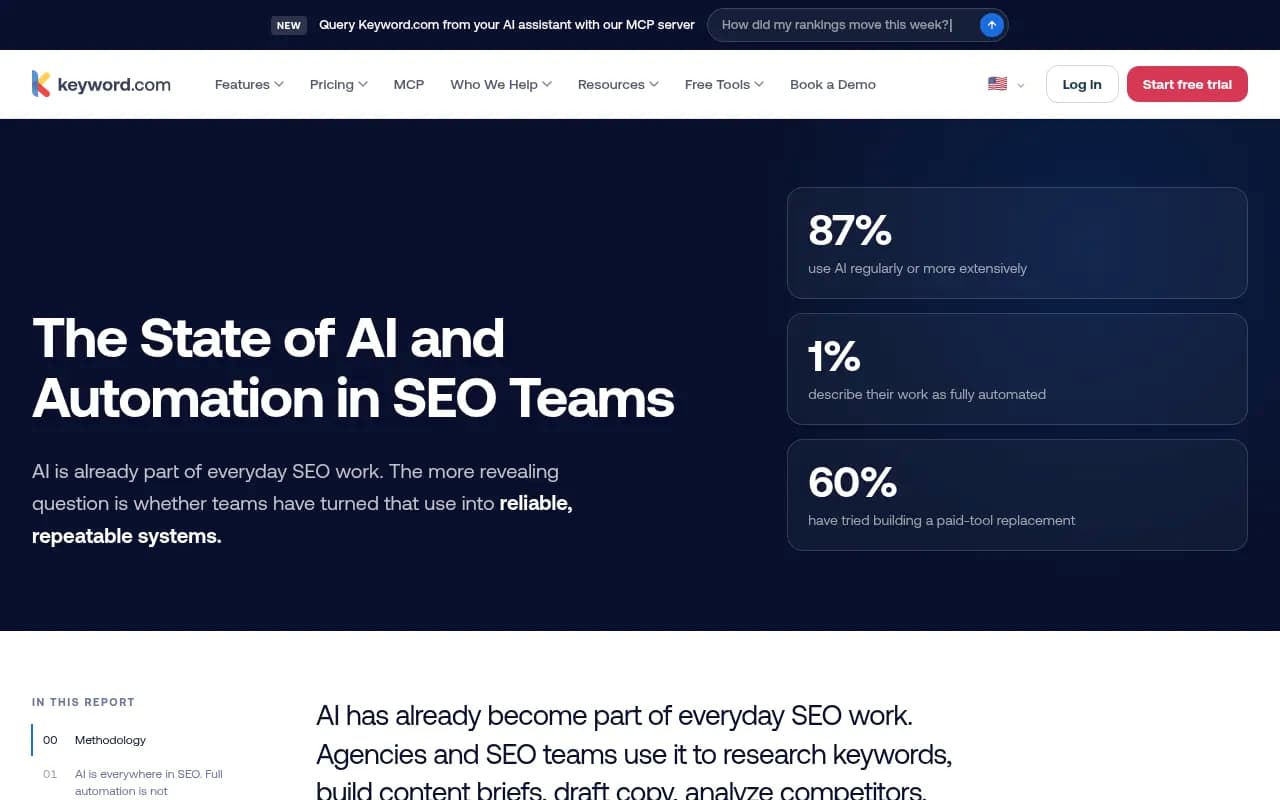
The headline is the gap. 87% use AI regularly. 1% say their work is fully automated. That is not a story of reluctant adopters. It is a story of people who tried it, got value, and then hit a wall of review work.
Maturity looks like this:
- 33% use AI ad hoc, individual by individual
- 18% share prompts or informal practices
- 26% have documented workflows
- 13% run internal systems or APIs
So 51% are still at ad hoc or informal prompting, and 49% have documented workflows or connected systems. Agencies and service providers are further along. Among them the share with documented workflows or systems rises to 63%.
The survey also found teams deciding deliberately where not to automate. The biggest reason in the report is regulatory, brand or risk exposure (36%). That matches what I see in practice: nobody minds a robot generating a crawl report, but plenty of people mind it writing a claim about a regulated product.
What teams actually hand off
Sorting tasks by how comfortable teams are with removing the human gives a rough picture. This is my synthesis of the survey, the vendor roundups and the practitioner threads, not a measured ranking.
| Task | Automation level in 2026 | Typical human role |
|---|---|---|
| Technical crawling and monitoring | High, often scheduled | Prioritize and ship fixes |
| Rank tracking and reporting | High | Interpret, explain to stakeholders |
| Keyword research and clustering | Mostly automated first pass | Pick what fits the business |
| Content briefs | Mostly automated | Edit angle and intent |
| First drafts | Automated with review | Fact-check, add experience |
| CMS publishing | Possible, used by lean teams | Approve or spot-check |
| On-page changes at scale | Partial (snippets, PRs) | Review before deploy |
| Link building | Essentially not automated | Relationship and outreach |
| Strategy and positioning | Not automated | Everything |
One vendor roundup from The SEO Agent states it plainly: link building is not automated by any tool on its list, because earning links still takes people. I would not trust that vendor on much else, since it ranks itself first, but on this point it agrees with everyone else.
The layers of automation
A useful way to think about tools is by layer: audit, fix, publish, track. A comparison from Ryze lays this out, and the pattern is stark. Most established tools cover audit and track, very few cover fix, and almost none close the loop to publishing.
| Tool | Audit | Fix | Publish | Track |
|---|---|---|---|---|
| Semrush | Yes | No | Partial | Yes |
| Ahrefs | Yes | No | No | Yes |
| Screaming Frog | Yes | No | No | No |
| Alli AI | Partial | Yes, via snippet | No | No |
| AccuRanker | No | No | No | Yes |
Prices in that source (Semrush from $139/mo, Ahrefs from $129/mo, Alli AI from $299/mo, AccuRanker from $224/mo) were not verified for this article, so confirm them on the vendor pages before you buy.
Audit and monitoring
This is the most mature layer. Scheduled crawls catch broken links, redirect chains and missing tags without anyone opening a dashboard.
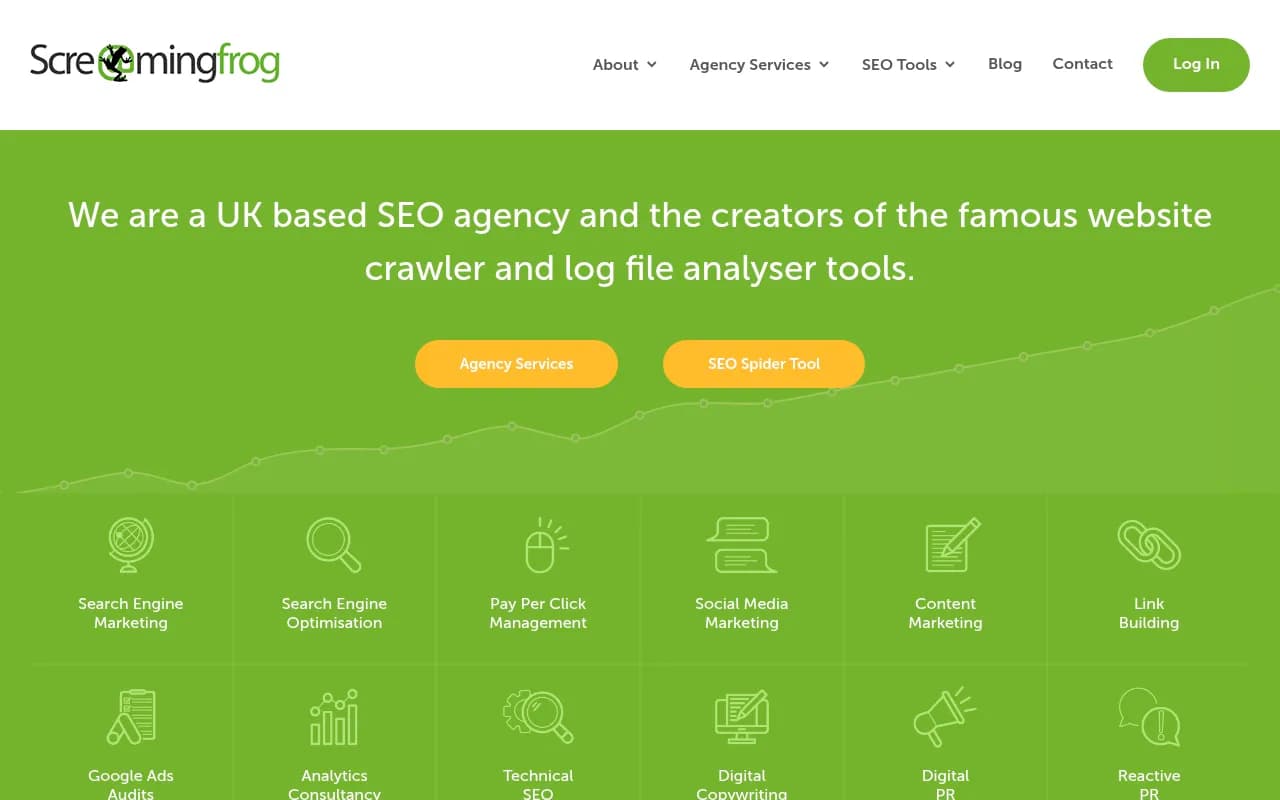
Screaming Frog remains the technical workhorse for manual and scheduled crawls.
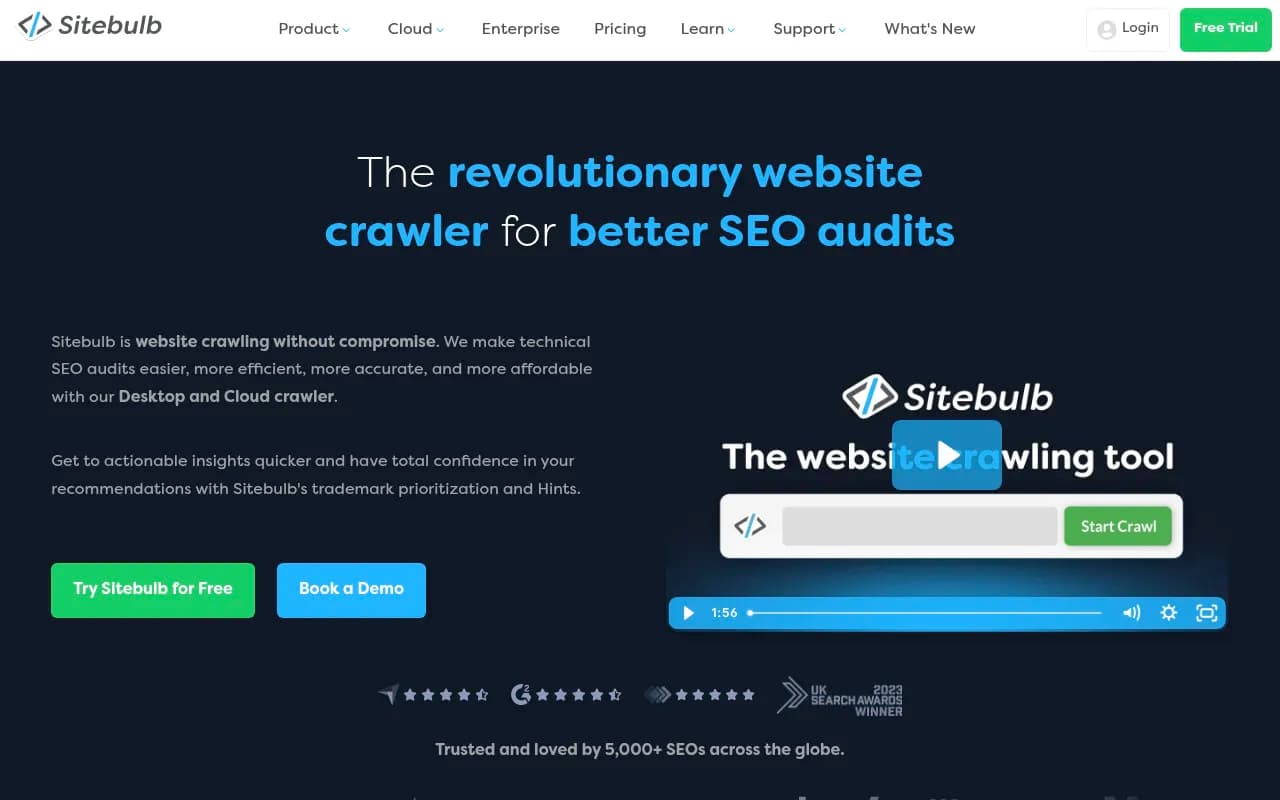
Sitebulb is a friendlier option that explains issues in plain language.
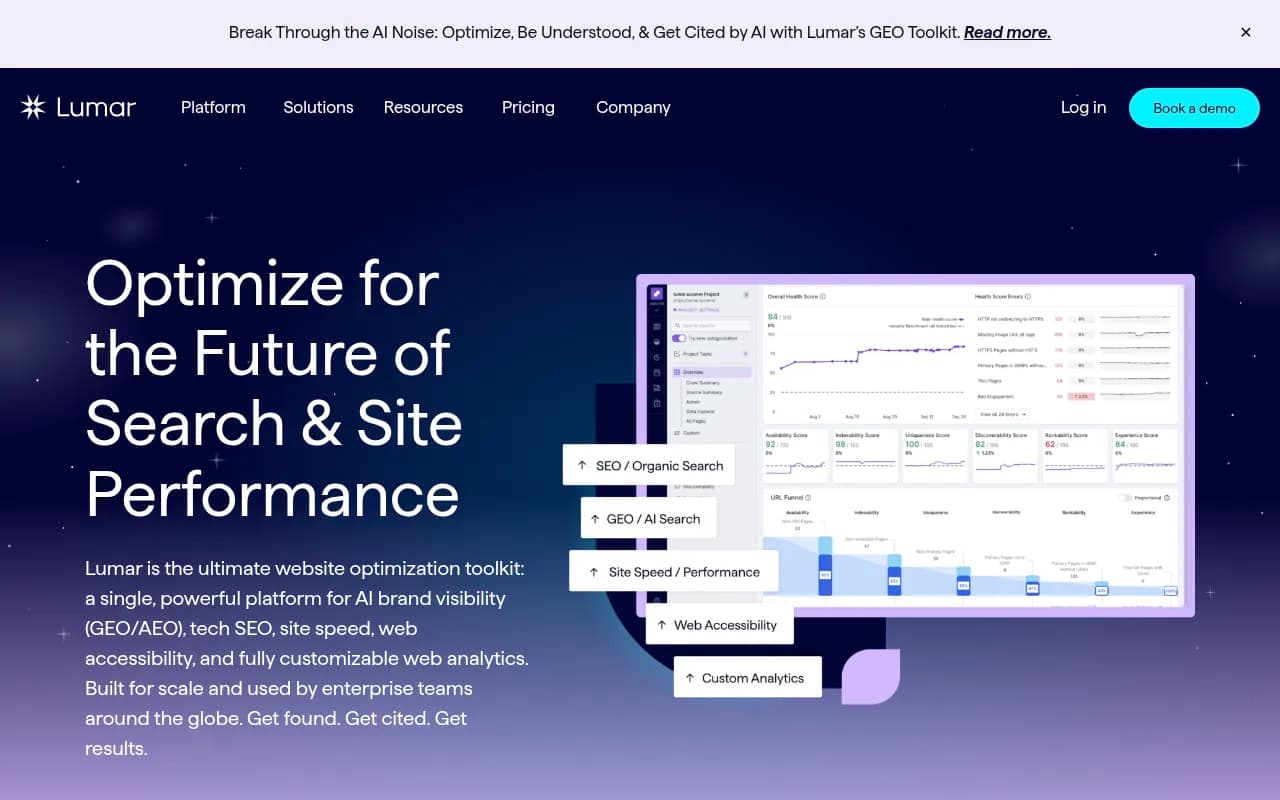
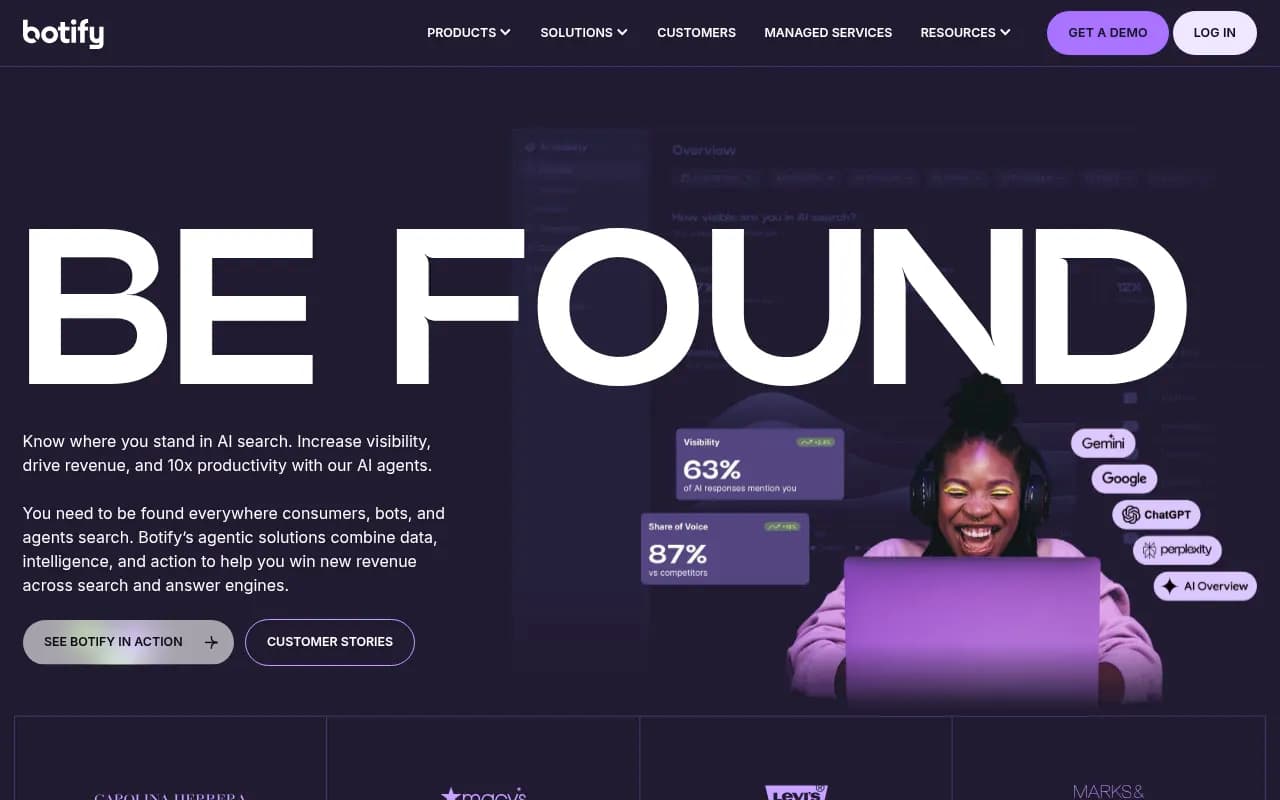
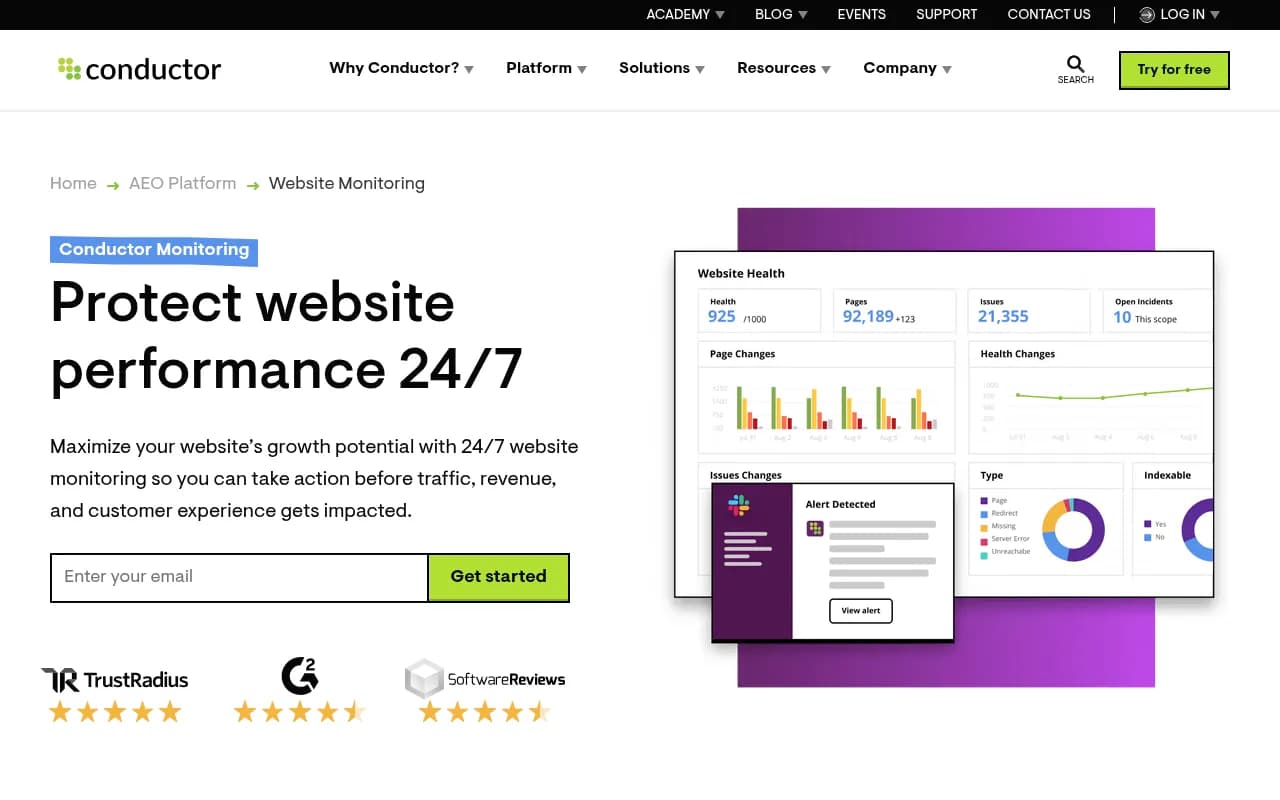
For continuous monitoring on large sites, Lumar, Botify and ContentKing watch for regressions as they happen.
Research and tracking
Semrush and Ahrefs are still the default for research. The caution comes from ContentCrew Marketing, which cites a case where Google Search Console showed 4.71k organic visits while Ahrefs estimated 77.4k for the same site. Third-party tools are estimates. Feed an estimate into an automated brief or content plan and you automate a bad decision. Their advice: validate with Search Console first, then trust the tool.

For rank tracking alone, AccuRanker and SE Ranking are common picks.
Content optimization and briefs
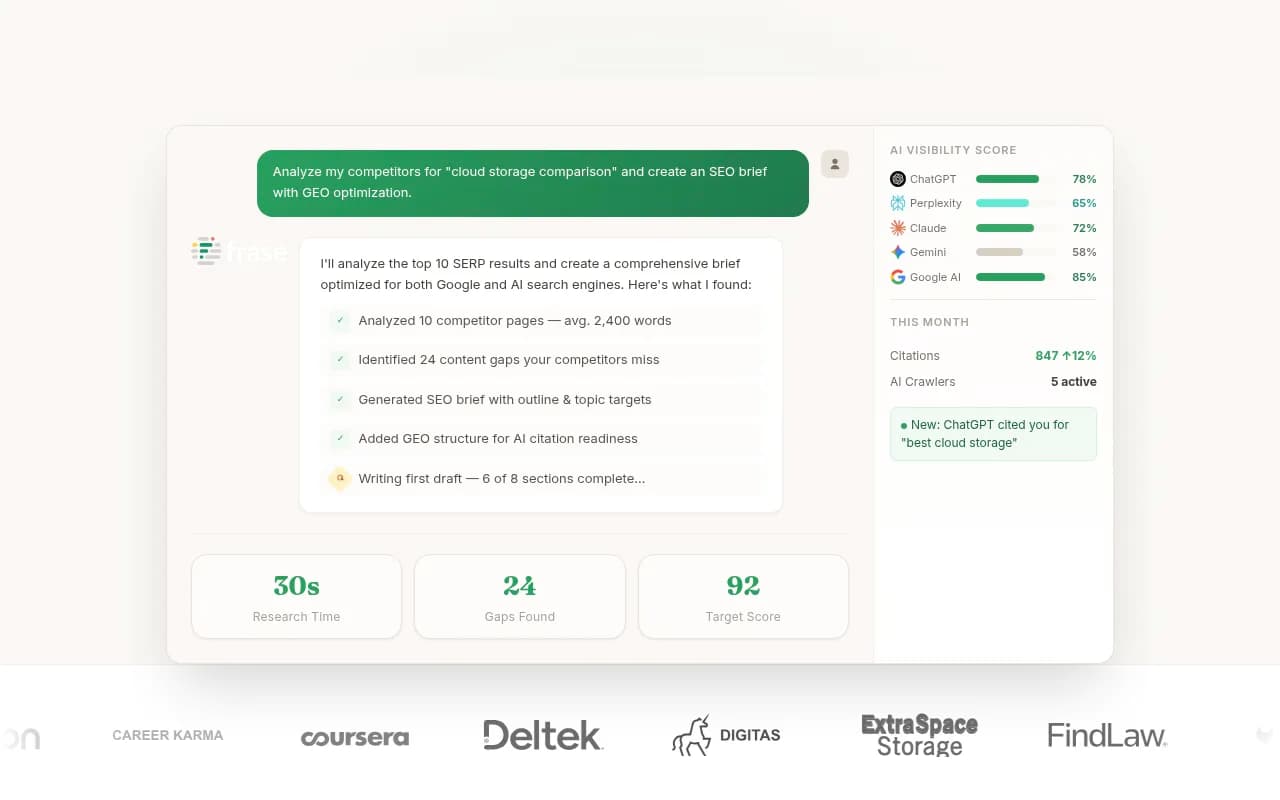
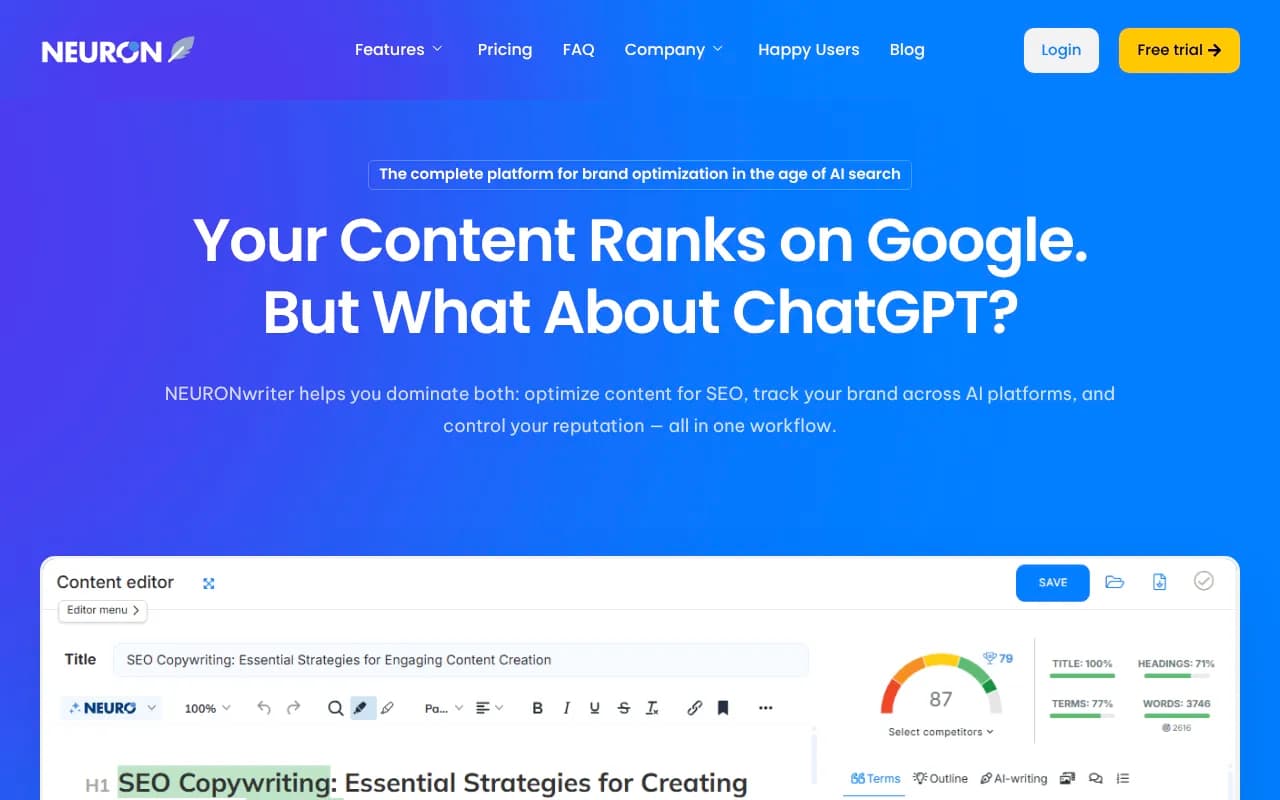
This layer is where "automation" is often just scoring. Tools such as Surfer, Frase, Clearscope, MarketMuse and NeuronWriter analyze top results and tell you what to cover. They automate the research step, and a writer still produces and judges the page.

Full-loop and autopilot tools
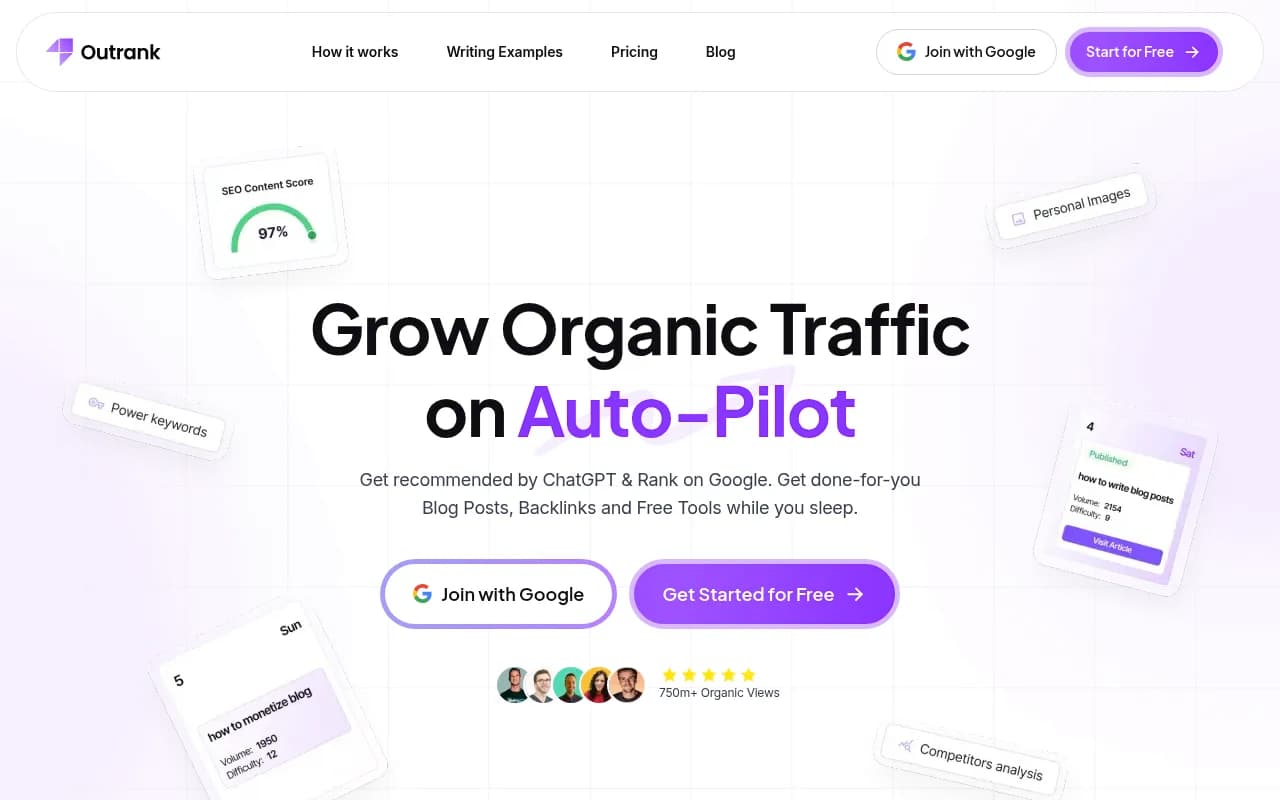
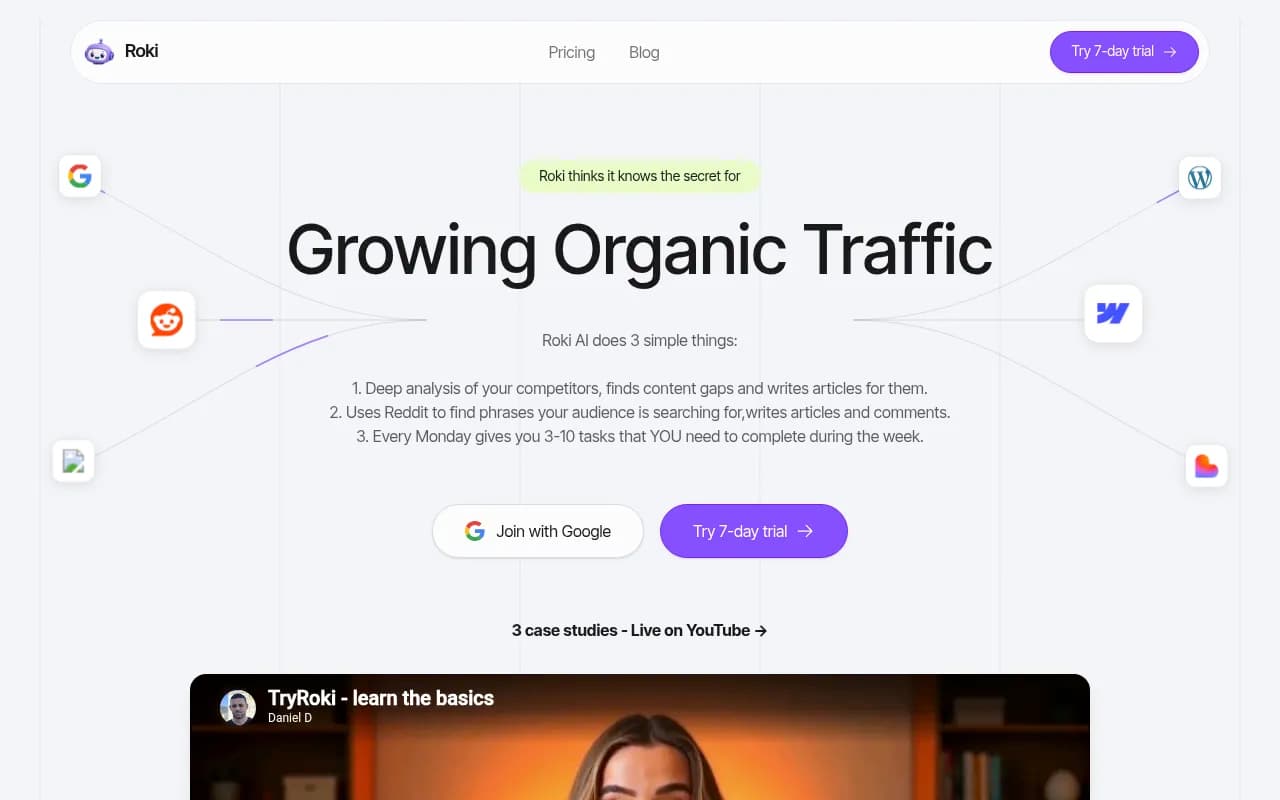
A newer group tries to run research, drafting and publishing end to end. Examples in our catalog include Outrank, Roki, Blogged, Byword and TheSEOAgent.
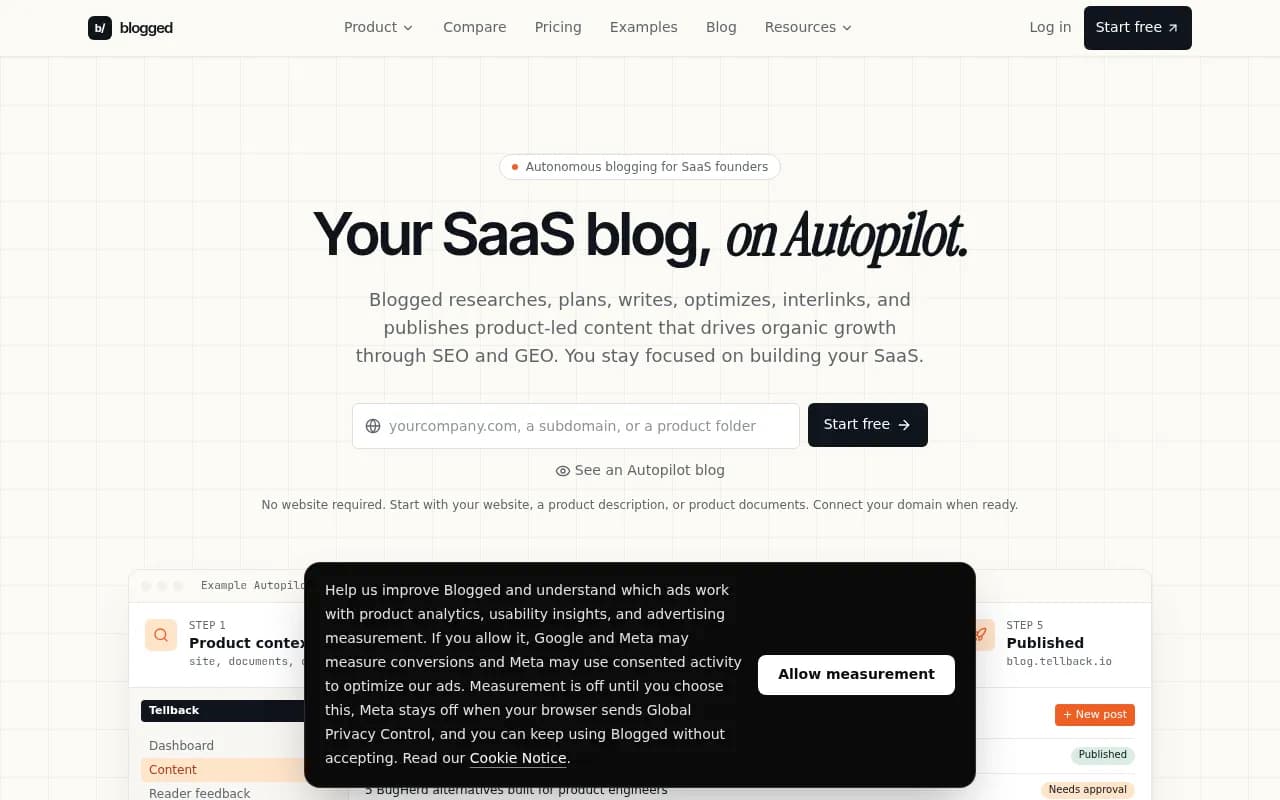
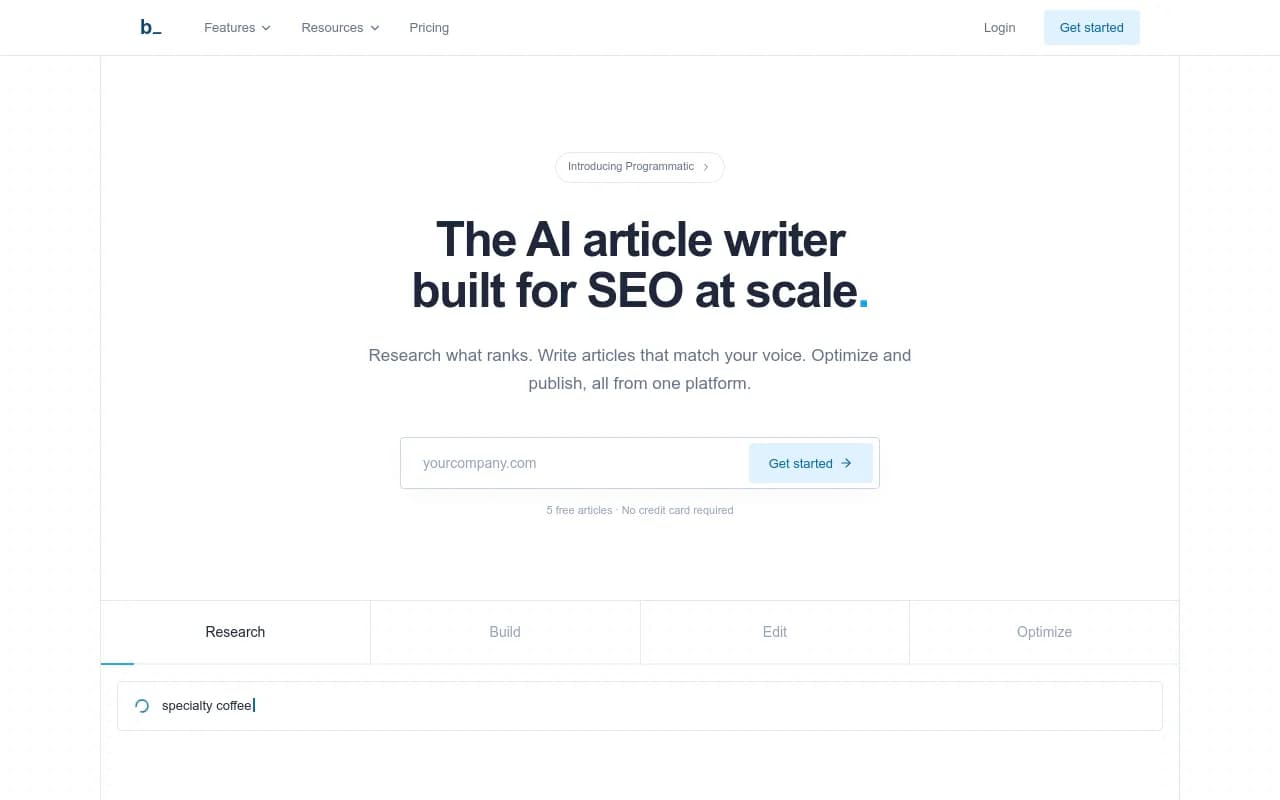
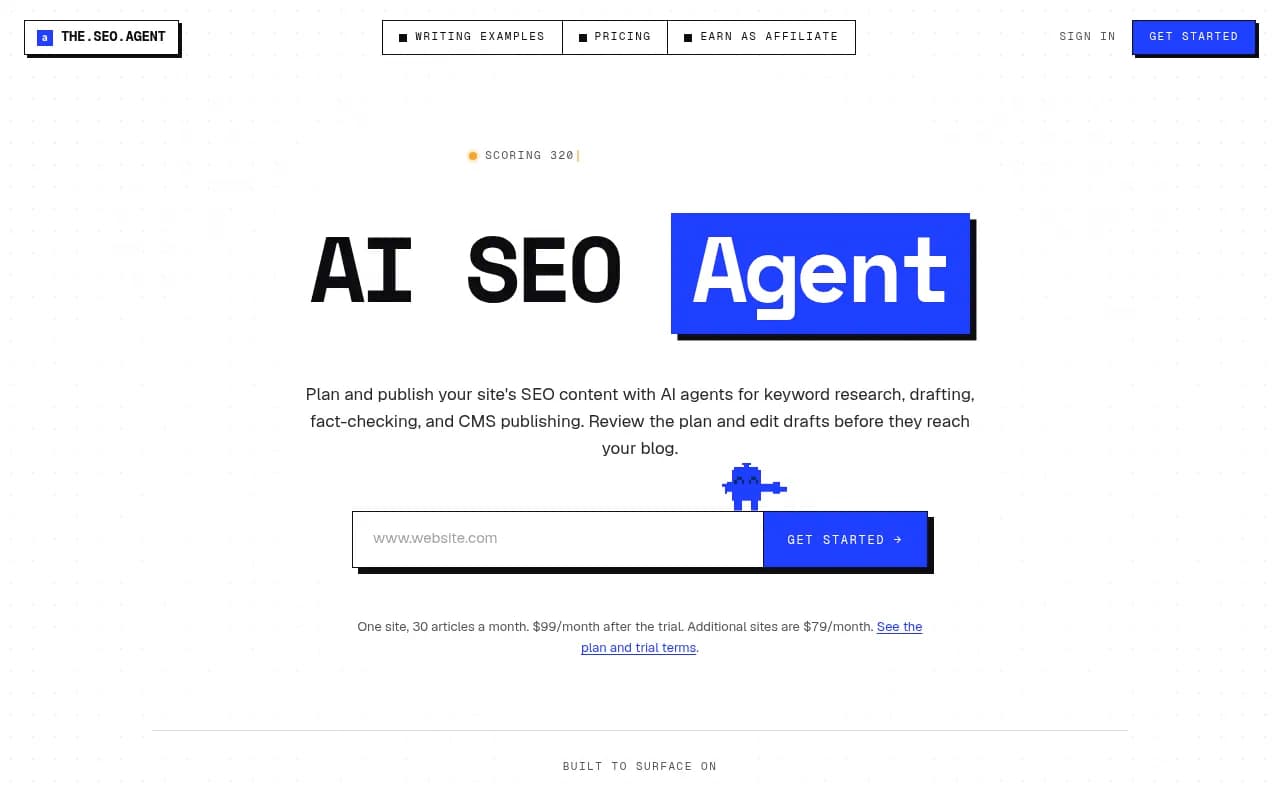
Be skeptical of the rankings in the roundups that feature these. Several of the "best of" lists I read were written by the vendors that placed themselves first. That does not make the tools bad. It means you should run a pilot on a handful of pages and check what actually happens.
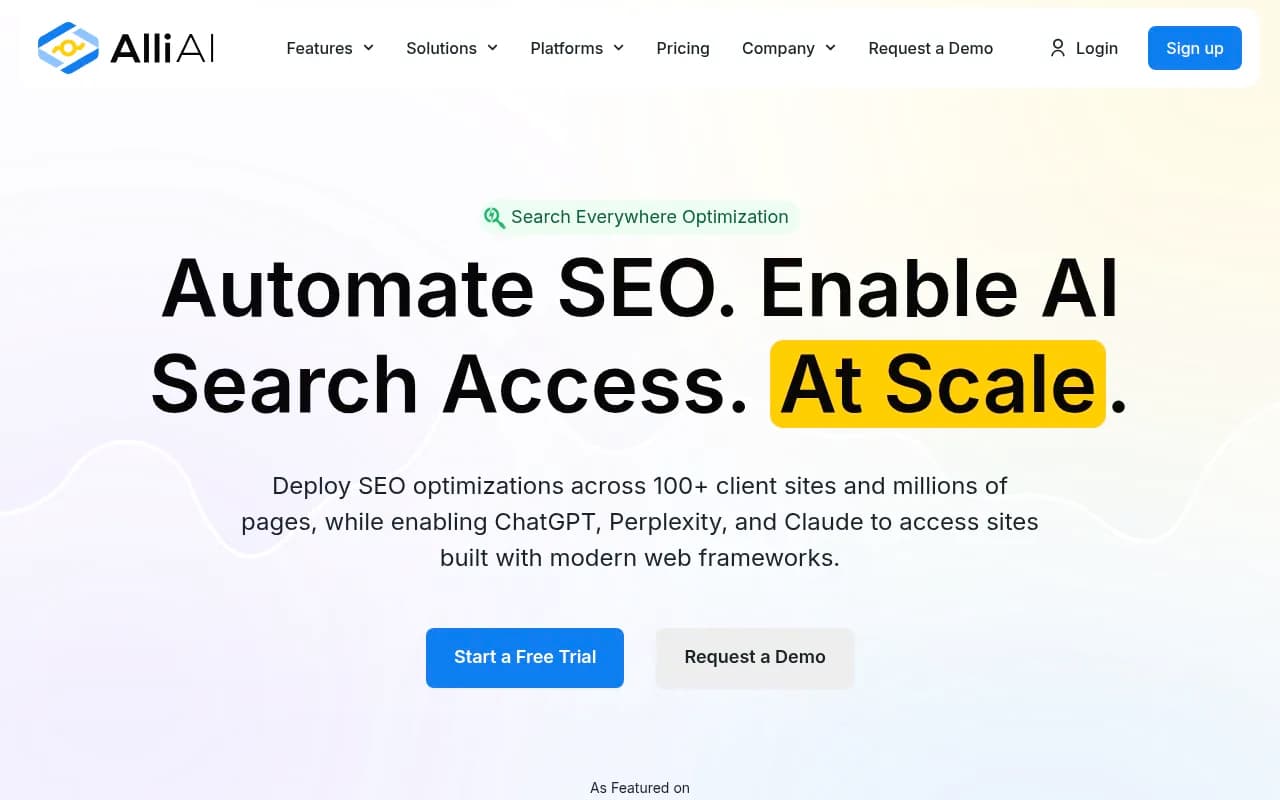
For on-page changes at scale, Alli AI injects changes through a snippet, and Seology ships fixes as pull requests, which at least gives you a reviewable diff.

Glue: workflow automation
The 13% of survey respondents with internal systems or APIs are usually stitching things together. n8n, Zapier and Make connect crawl exports, Search Console, spreadsheets and LLM calls into recurring reports and alerts. This is often the highest-return automation for a small team, because it replaces a boring weekly task with a scheduled job.
The new layer: AI search visibility
A lot of 2026 automation effort has moved toward answering one question: is the brand showing up in ChatGPT, AI Overviews, Perplexity and the rest? Classic rank trackers do not answer that, so a separate category of tools exists.
Prompt trackers tell you whether you were mentioned. Platforms like Promptwatch go a step further, with a content gap analysis, an agent that drafts and publishes to a CMS, and crawler logs and traffic data to see whether the published pages get read and cited.

That matters for automation specifically, because AI visibility is where unattended publishing can go wrong. Other options worth a look include Profound, Peec AI, Otterly.AI and AthenaHQ. If you want to browse the field, the GEO software directory lists far more.




What AI citation data says about content you automate
If you auto-publish content, the format matters. According to Promptwatch Data on content types ChatGPT cites (Sep 28 to Oct 4, 2026), product pages take 22.4% of citations and landing pages 16.8%. Listicles get 13.6%, how-to guides 8.7%, and news 5.7%. For commercial prompts like "best CRM for small businesses", product pages, landing pages, listicles and comparisons make up almost 70% of citations.
A blog-post factory that only produces generic articles is aiming at the smaller slice. The pages that get cited most describe what a company sells.
Then there is shelf life. In Promptwatch's content half-life study, which tracked every page ChatGPT cited on July 6, 2026 for 90 days, results diverged by type:
| Content type | Still cited after 30 days | Still cited after 60 days |
|---|---|---|
| Landing pages | 78% | 69% |
| Documentation | 76% | 67% |
| Comparisons | 72% | 63% |
| Listicles | n/a | 60% |
| Product pages, reviews, how-tos | n/a | about 55% |
| News | n/a | 41% |
Product pages, reviews and how-tos hit their half-life at 74 to 77 days. News loses half its pages within 36 days, and almost a quarter are never cited again after day 0.
The practical read: publish-and-forget automation decays. Prices, specs and positioning go stale. If a tool publishes news-style content on autopilot, it is producing the shortest-lived asset in the set. Whatever you automate on the creation side, schedule an automated refresh on the maintenance side. For wider context on how AI answers are built, the Promptwatch Data hub has the other reports.
Where humans stay in the loop
Three reasons keep coming up.
Quality control costs time
Seventy percent of survey respondents named bad output, hallucinations or QC time as their top limit. If checking a draft takes nearly as long as writing it, the saving evaporates. The tools that handle this best check claims against sources before a human ever sees the draft, which is a claim vendors make and you should test on your own niche.
Risk and brand
The survey's leading reason for not automating was regulatory, brand or risk exposure. Healthcare, finance and legal teams keep a human on every published word. That is not timidity. One wrong claim costs more than a month of saved hours.
Links and relationships
Nobody has automated earning a link in a way that holds up. Outreach tooling saves clerical work, but the thing that gets a link is still a person with something worth linking to.
A sensible handoff plan
If you are deciding what to automate next, this order has worked for lean teams:
- Start with reporting. Pipe Search Console and rank data into a scheduled report using n8n, Zapier or Make.
- Schedule technical crawls and alerts so regressions reach you instead of waiting for a quarterly audit.
- Automate briefs and research, then edit the angle yourself.
- Let AI write first drafts only where a subject-matter person reviews them.
- Pilot autopublishing on low-risk pages with a review inbox, and measure crawls, citations and traffic before expanding.
- Add a refresh cadence for anything with prices, specs or dates.
And keep Search Console as the arbiter. Estimates from third-party tools are useful for direction, not for decisions you cannot undo.
How I would read the vendor claims
You will see statements that 80 to 90% of SEO work can be automated. Maybe, if you define the work as crawling, tracking and reporting. The survey of working SEOs says 1% have gotten to fully automated. Both can be true, because the definition of "work" differs. When you see an automation roundup, check three things: who wrote it, whether it ranks its own product first, and whether it says which steps still need a human. The honest ones, like the roundup that admits link building is not automated, are more useful than the ones promising an end-to-end loop.
If you want a broader tool shortlist, the software directory at SurferStack is a good place to compare options by category.
Bottom line
SEO teams in 2026 have automated the measurable, repeatable parts and kept the judgment. Expect to hand off crawling, tracking, reporting, briefs and first drafts. Expect to keep strategy, risk calls and links. And if you let software publish for you, budget for refreshing what it ships, because the data says cited pages lose ground within weeks.