Key takeaways
- A traditional rank tracker tells you where a URL sits in the organic results. An AI Overview tracker tells you whether Google's AI answer appears, which sources it cites, and whether you are one of them.
- Google Search Console does not separate AI Overview data from standard organic results, so you cannot get this signal from your free tools.
- Most teams do need both signals in 2026. They do not necessarily need two separate products, because several SEO suites now cover both.
- AI Overview presence is not deterministic. Treat any AI "rank" as a probability across many runs, not a fixed position.
- Each AI engine cites different sources, so Google AI Overview tracking will not tell you how you look in ChatGPT or Perplexity.
The short answer
Yes, you need both signals. Whether you need both tools is a different question.
If you only track blue-link positions, you will miss the case where your page ranks first and still loses clicks because Google answers the query on the results page. One study quoted by RankLLM (citing Ahrefs) found the top organic result gets 58% fewer clicks on average when an AI Overview appears. I would treat that number as directional, since it comes from a vendor blog summarizing someone else's research. But the pattern matches what most SEO teams are seeing in their own click data.
If you only track AI Overviews, you lose the foundation. Pages that rank well in organic results are still the raw material Google draws from, and your regular traffic still comes mostly from classic listings.
So the real decision is about how to cover both without paying twice or building a mess of spreadsheets.
What a traditional rank tracker measures
A classic rank tracker checks a keyword, in a location and on a device, and reports the position of your URL among the organic results. Good ones add SERP feature flags, daily or weekly history, competitor comparisons, and share-of-voice style rollups built from position and search volume.
The key property is that it is mostly deterministic. If you check the same keyword from the same place twice in an hour, you usually see the same ordering. That is why position tracking has been a reliable KPI for twenty years.
Tools in this category include Ranktracker, AccuRanker, Advanced Web Ranking, Wincher, Nightwatch and SEOmonitor.
What an AI Overview tracker measures
An AI Overview tracker does a different job, and the word "rank" is misleading. Google builds these answers with a customized Gemini model that synthesizes information from several pages and links to supporting sources. The answer, its structure, and whether it appears at all can vary by query, location, device and time.
So a useful tracker reports things like:
- Presence: did an AI Overview appear for this query, in this country?
- Citation: is your domain, and which exact URL, listed as a source?
- Share of voice: across your prompt set, how often are you cited compared with competitors?
- Evidence: a timestamped snapshot of what Google actually displayed.
The Omnia guide makes the same point from the vendor side: many tools show a vague "visibility score" without proof, and the better ones keep archived SERPs and URL-level citations you can audit. That is a fair buyer's check regardless of which tool you choose.
Side-by-side comparison
| Question | Traditional rank tracker | AI Overview tracker |
|---|---|---|
| What does it report? | Position of a URL in organic results | Whether an AI answer appears and who is cited |
| Is the result stable? | Mostly | No, varies by user, device, location and time |
| Core metric | Average position, visibility, SOV by rank | Presence rate, citation rate, share of voice |
| Granularity | Keyword and URL | Prompt/query and cited URL |
| Tells you about clicks? | Indirectly, via position and CTR models | Rarely; most cannot give a clean click count |
| Can Search Console replace it? | Partly (average position) | No, AI Overview data is not separated out |
| Typical action it drives | Improve rankings, fix cannibalization | Change content to earn citations, fix crawler access |
Why Search Console does not solve this
Search Console reports AI Overview impressions and clicks blended into regular web search performance. It does not tell you which queries triggered an AI answer, which URLs were cited, or what competitors appeared. Otterly's guide on monitoring AI Overviews says exactly this: it needs different tools and methods precisely because Search Console does not break the data out.
That gap is the entire commercial reason this tool category exists. It is also why you should be skeptical of any dashboard that claims precise AI Overview positions without showing you the underlying SERP evidence.
The non-determinism problem
This is the part people underestimate. With organic rankings, one check is a decent sample. With AI answers, one check is an anecdote.
Promptwatch's data on ChatGPT query fanouts shows the same behavior on another engine: a single prompt can trigger several background searches, and the number and wording of those searches shifted over the months it tracked. See Promptwatch's ChatGPT query fanout data for the trend lines. The lesson transfers to Google. Your content has to match the sub-questions the system generates, not just the phrase the user typed, and your visibility is a rate across many runs.
In practice, that means:
- Track a set of prompts, not a single keyword.
- Run them repeatedly and read the trend, not today's snapshot.
- Segment by country and device if you operate in more than one market.
- Distrust any tool that gives you one "AI rank" number with no sample size.
Do AI Overviews tracking results carry over to ChatGPT or Perplexity?
No, and this changes how you shop for tools.
Promptwatch's social media citation report for Sep 28 to Oct 4, 2026 (Social Media Citations by AI Model, October 2026) shows how different the engines are. Google AI Overviews got 12.2% of its citations from social platforms, about 26 times ChatGPT's share. YouTube led in AI Overviews at 4.28%, and Facebook (2.38%) passed Reddit (2.15%). ChatGPT drew just 0.46% of its citations from the seven social platforms tracked, and Perplexity 2.7%.
If one engine leans on YouTube and Facebook while another almost ignores social, the content that earns a citation in one will not automatically earn one in the other. A tracker that only covers AI Overviews tells you about one surface. For the wider picture you want a tool that covers the other engines too, and ideally one that also shows traffic, not only mentions.
Do you need two separate tools?
Not necessarily. There are three practical setups.
Setup 1: one suite that covers both
Several established SEO platforms now track organic positions and AI visibility in the same dashboard. SE Ranking, Ahrefs, Semrush and Rankability are commonly cited examples. One vendor blog claims 7 to 12 platforms offered unified tracking in early 2026, but that number comes from a vendor and I could not verify it. The directional claim, that unified tracking is becoming standard rather than premium, is believable.
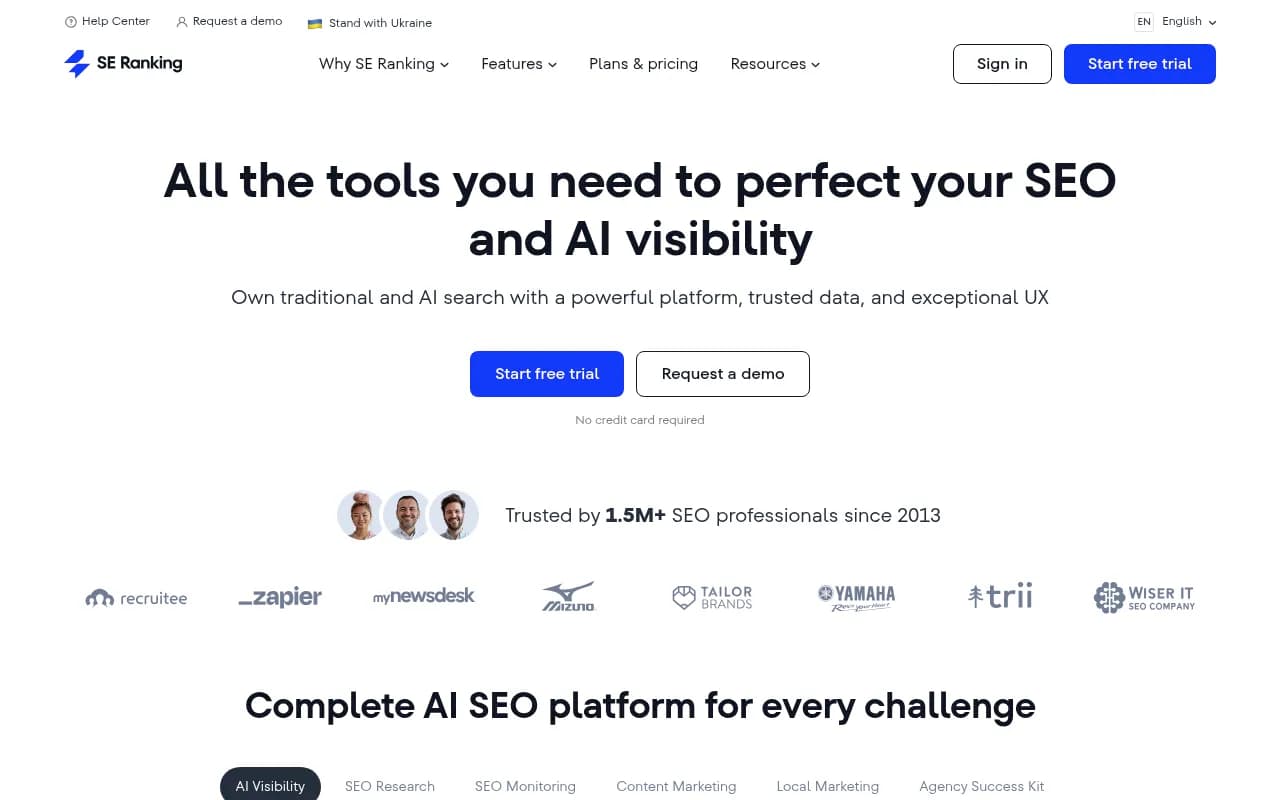
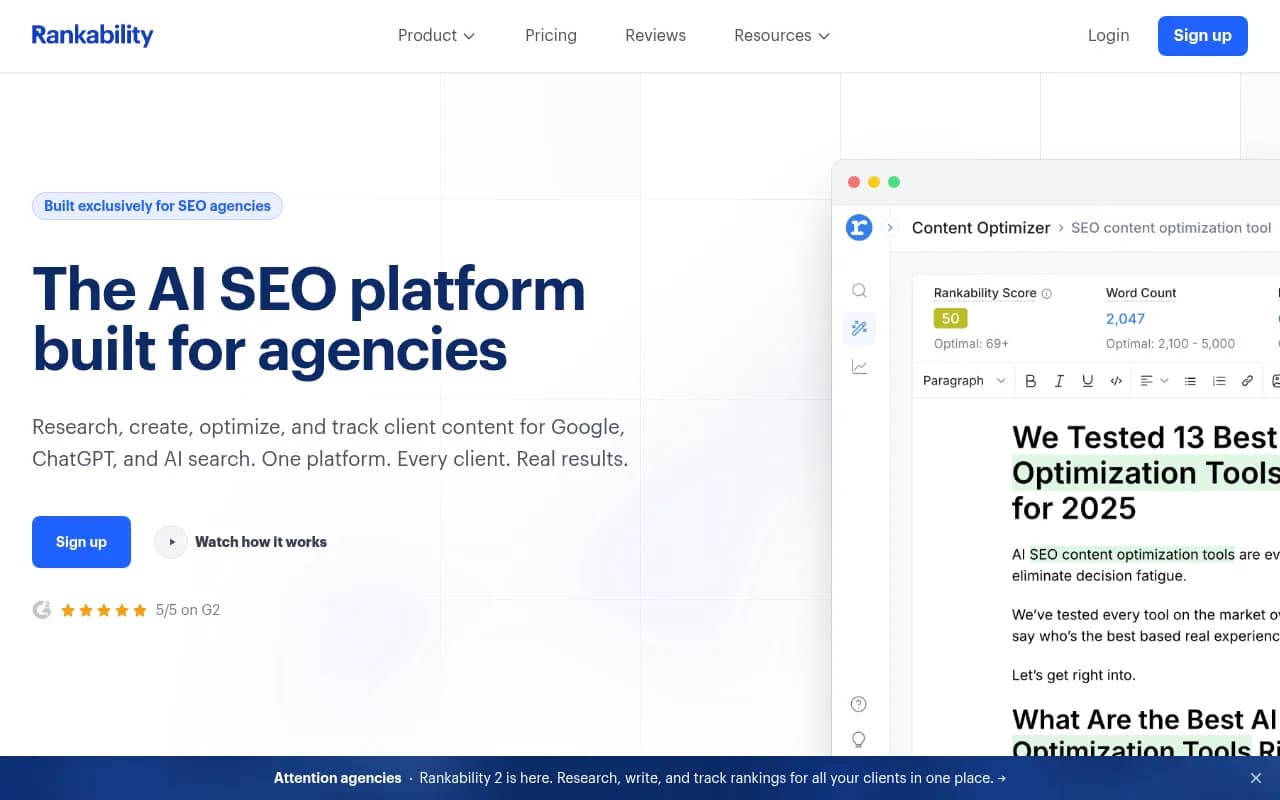
This is the right choice for small teams that want one login and one invoice. The tradeoff is depth. Suites tend to give you a fixed prompt set and a visibility score, and less in the way of citation analysis or content action.
Setup 2: a classic tracker plus a dedicated AI tracker
If you already have a rank tracker your team trusts, keep it and add a specialist for AI answers. This is common at agencies and in-house teams with large keyword sets, because rank tracking at scale is a solved problem and you do not want to migrate years of history.
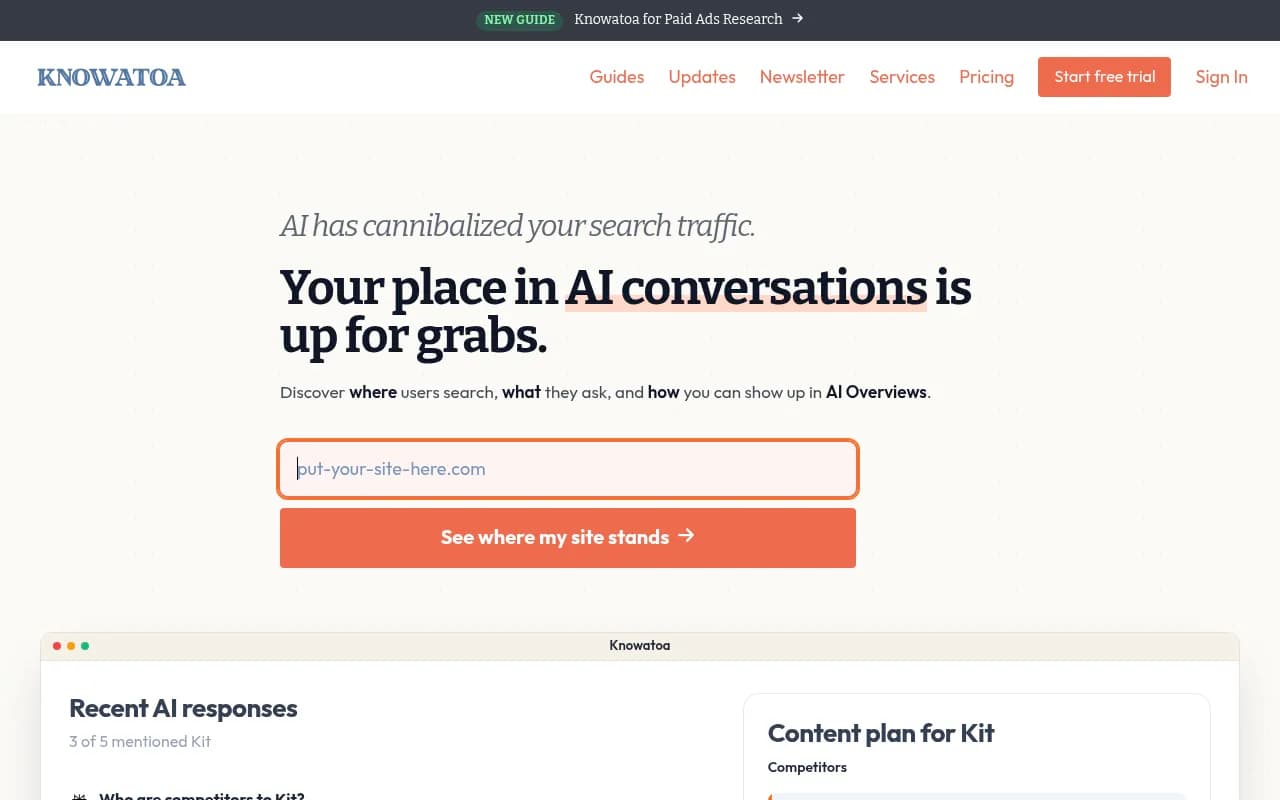
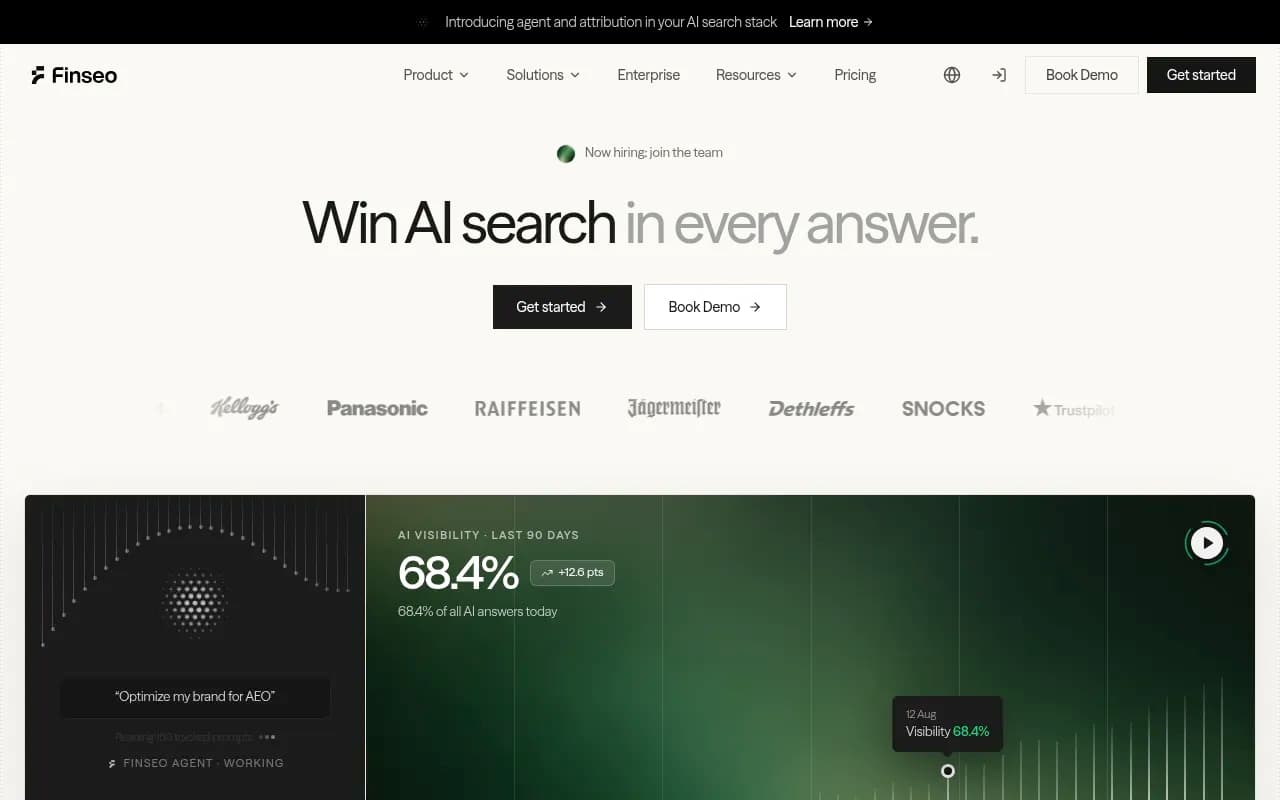
Options in the dedicated AI category include Otterly.AI, Peec AI, Profound, AthenaHQ, Knowatoa and Finseo.



Setup 3: an AI visibility platform that goes past tracking
Monitoring tells you that you are missing from an answer. It does not fix it. If your goal is to grow AI-driven traffic rather than report on it, look for a platform that connects tracking to action: content gaps, crawler access, and whether published pages actually get cited.
Promptwatch is built around that loop. It tracks Google AI Overviews and AI Mode along with ChatGPT, Gemini, Perplexity and others through their real interfaces, shows IP-verified AI crawler logs so you can see whether bots can read your pages, and has a Content Agent that drafts and publishes against the gaps it finds. It is not a classic SERP rank tracker, though it does pull in Search Console and Bing data, so you would normally pair it with a position tracker or a suite.

For a wider look at the category, the GEO software directory at bestgeosoftware.com lists many more options.
Quick comparison of tool types
| Approach | Example tools | Strength | Weakness |
|---|---|---|---|
| Unified SEO suite | SE Ranking, Semrush One, Rankability | One login, familiar reporting | Shallower AI data, fixed prompt sets |
| Classic tracker only | AccuRanker, Wincher, Nightwatch | Accurate, stable positions | Blind to AI answers |
| AI-only tracker | Otterly.AI, Peec AI, Profound | Citation and SOV focus | No organic position context |
| AI visibility platform | Promptwatch | Tracking plus content action and crawler data | Not a SERP position tracker |
A note on vendor guides
Most of the "best AI Overview tracker" lists you will find are written by vendors, and the vendor usually lands in first place. One of the sources I read, geotoolbox, says this about the category outright: most guides rank themselves first and quote prices that contradict each other. Pricing in these posts also varies wildly. RankLLM's table, for example, shows starting prices from $20 to $399 per month, and I have not verified any of them against the vendors' pricing pages. Check current pricing yourself before you commit.
How to decide: a short checklist
- Do you already pay for a rank tracker? If yes, check whether it has an AI Overview module before buying anything new.
- How many prompts or keywords do you need to cover? Large sets favor a classic tracker for positions and a cheaper AI tool for a smaller, high-value prompt list.
- Do you need evidence? If clients or executives will ask "show me what Google displayed," pick a tool with archived SERP snapshots and URL-level citations.
- Do you care about engines beyond Google? If so, an AI-only or AI-first tool covering several engines will serve you better than a suite that only adds AI Overviews.
- Do you want insight or action? Dashboards report; platforms that connect to content and crawler data help you change the outcome.
- Can it tie to traffic? Mentions are nice, but visits and conversions from AI surfaces are what justify budget.
For more rank tracking options, the directory at ai-rank-tools.com is a reasonable place to browse.
What to do this month
Start small. Pick 25 to 50 queries that matter commercially, split between ones where you rank in the top five and ones where you do not. Check how many trigger an AI Overview in your main market. Note whether you are cited. Then compare that against your organic click data for the same queries.
If the pages you rank for are losing clicks where AI Overviews appear, you have your business case for adding AI tracking. If almost none of your queries trigger an overview, a unified suite or even a manual monthly check may be enough for now.
That is the honest answer to the title. Position tracking is not obsolete, and AI tracking is not optional anymore. Whether you buy one product or two depends on how many queries you track, how much evidence you need, and whether you want a report or a fix.