Key takeaways
- AI SEO in 2026 covers two distinct problems: ranking in traditional search engines (Google, Bing) and appearing in AI-generated answers (ChatGPT, Perplexity, Claude, Gemini). Most tools only solve one.
- The biggest shift this year is the rise of "AI SEO agents" that execute tasks autonomously, versus tools that just surface recommendations you still have to act on yourself.
- For traditional SEO, Semrush, Surfer SEO, Clearscope, and SE Ranking remain the workhorses. For AI search visibility (GEO/AEO), you need a separate layer of tooling.
- Content gap analysis -- knowing which prompts your competitors answer but you don't -- is the highest-leverage activity in AI search optimization right now.
- Tracking AI visibility without a plan to improve it is just expensive reporting. Pick tools that close the loop between insight and action.
The split that's reshaping SEO in 2026
Two years ago, "AI SEO tool" meant a content optimizer that scored your article against top-ranking pages. That category still exists and still matters. But something more significant has happened alongside it.
AI search engines -- ChatGPT, Perplexity, Claude, Gemini, Google AI Overviews -- have become a meaningful traffic source for many brands. And they work completely differently from traditional search. There's no SERP to rank on. There are no backlinks to count. The question is simply: when someone asks an AI a question relevant to your business, does the AI cite you?
That's a different problem, and it requires different tools.
So before we get into specific recommendations, it helps to understand that the AI SEO tool landscape in 2026 has effectively split into two layers:
-
Traditional AI-assisted SEO: Tools that use AI to make keyword research, content optimization, technical audits, and rank tracking faster and smarter. Semrush, Surfer, Clearscope, SE Ranking, Screaming Frog -- these belong here.
-
AI search visibility (GEO/AEO): Tools that track and improve how your brand appears in AI-generated responses. This is newer, less mature, and frankly more confusing -- but increasingly important.
Most marketers need both. The rest of this guide covers each layer in detail.
Layer 1: Traditional AI-assisted SEO tools
These are the tools that have been around for a few years and have gotten meaningfully smarter. They use AI to surface insights faster, write content drafts, identify technical issues, and predict keyword opportunities. You still make the decisions, but the tools do a lot of the heavy lifting.
All-in-one SEO platforms
If you only have budget for one tool, an all-in-one platform is usually the right call. They're not best-in-class at any single thing, but they cover enough ground that you don't need five separate subscriptions.
Semrush remains the most comprehensive option for most teams. Keyword research, competitor analysis, site audits, backlink tracking, rank monitoring, and content tools all in one place. The AI features have improved substantially -- the writing assistant and ContentShake integration make content production faster without sacrificing quality.
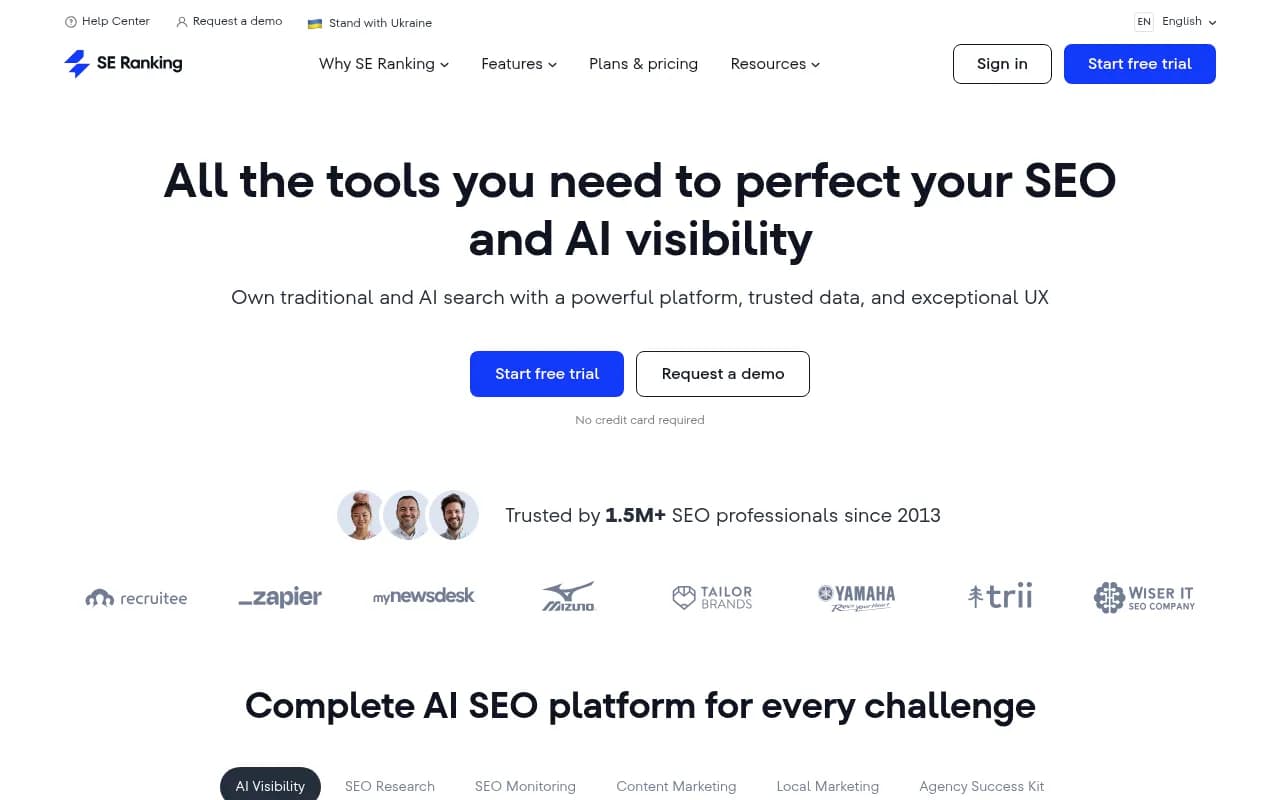
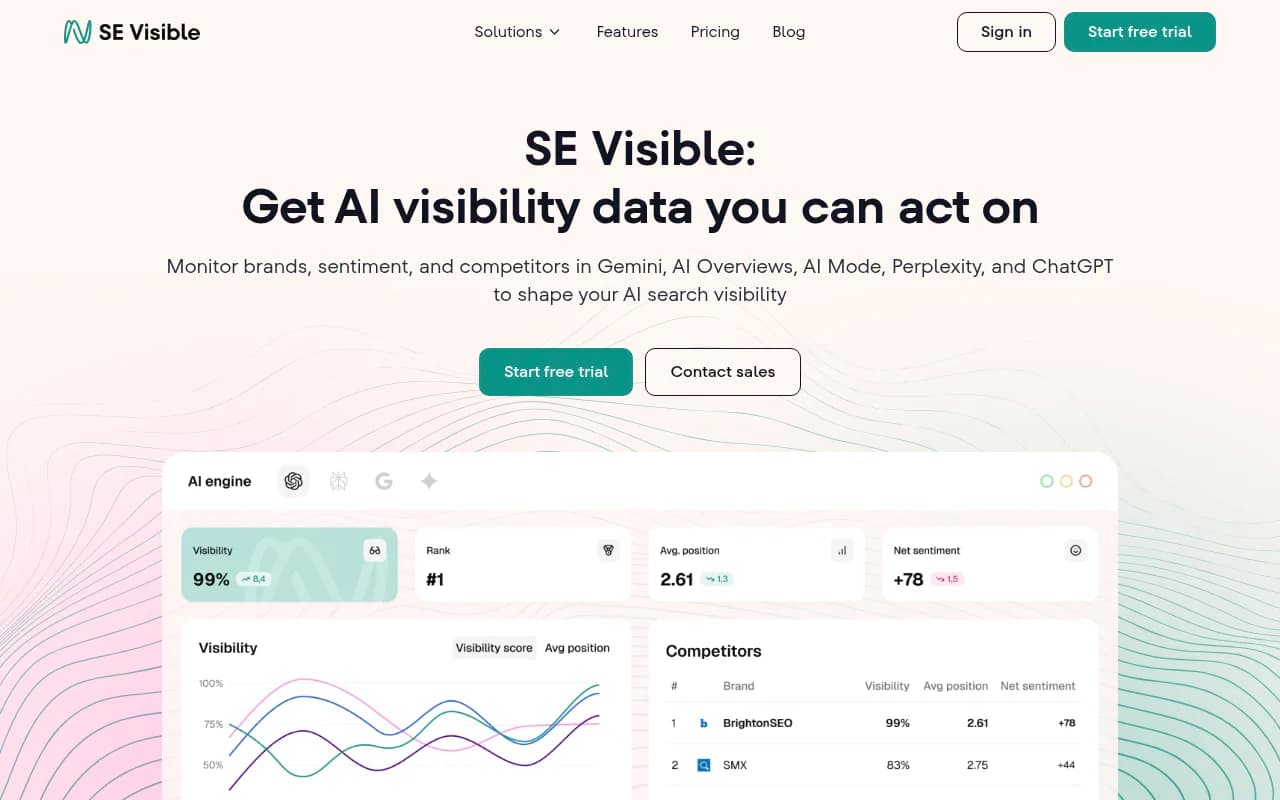
SE Ranking is worth a look if Semrush's pricing feels steep. It covers the same core functions at a lower price point, and its AI content tools have caught up considerably. SE Ranking also has a dedicated AI visibility module (SE Visible) that bridges the gap between traditional SEO and AI search monitoring.
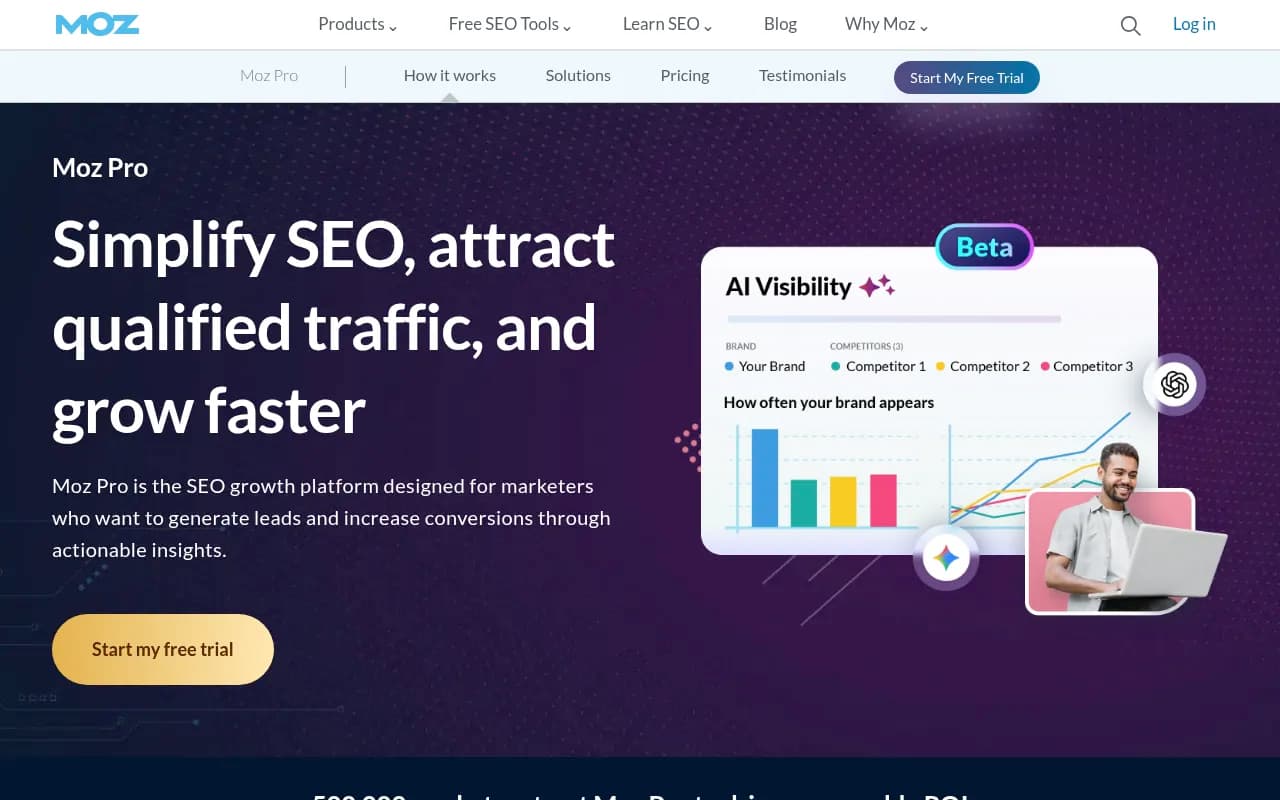
Moz Pro is a solid choice for teams that prioritize link building and domain authority analysis. It's less feature-dense than Semrush but easier to navigate for less technical users.
Content optimization tools
This is where AI has made the biggest practical difference. Writing content that ranks used to require hours of manual SERP analysis. Now it takes minutes.
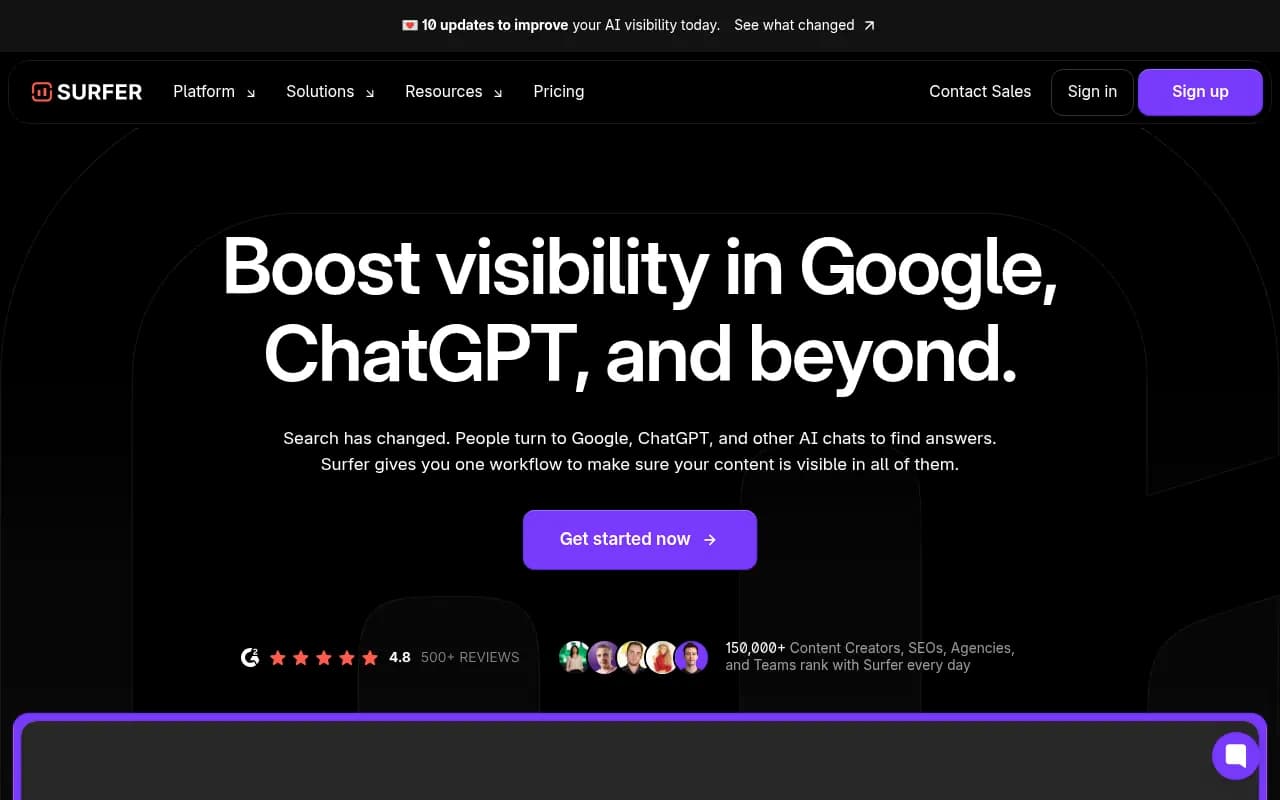
Surfer SEO is the most widely used content optimizer. You paste a target keyword, it analyzes the top-ranking pages, and gives you a content score with specific recommendations on word count, headings, semantic terms to include, and more. The AI writing features let you generate drafts directly inside the editor. It's not perfect, but it's fast.
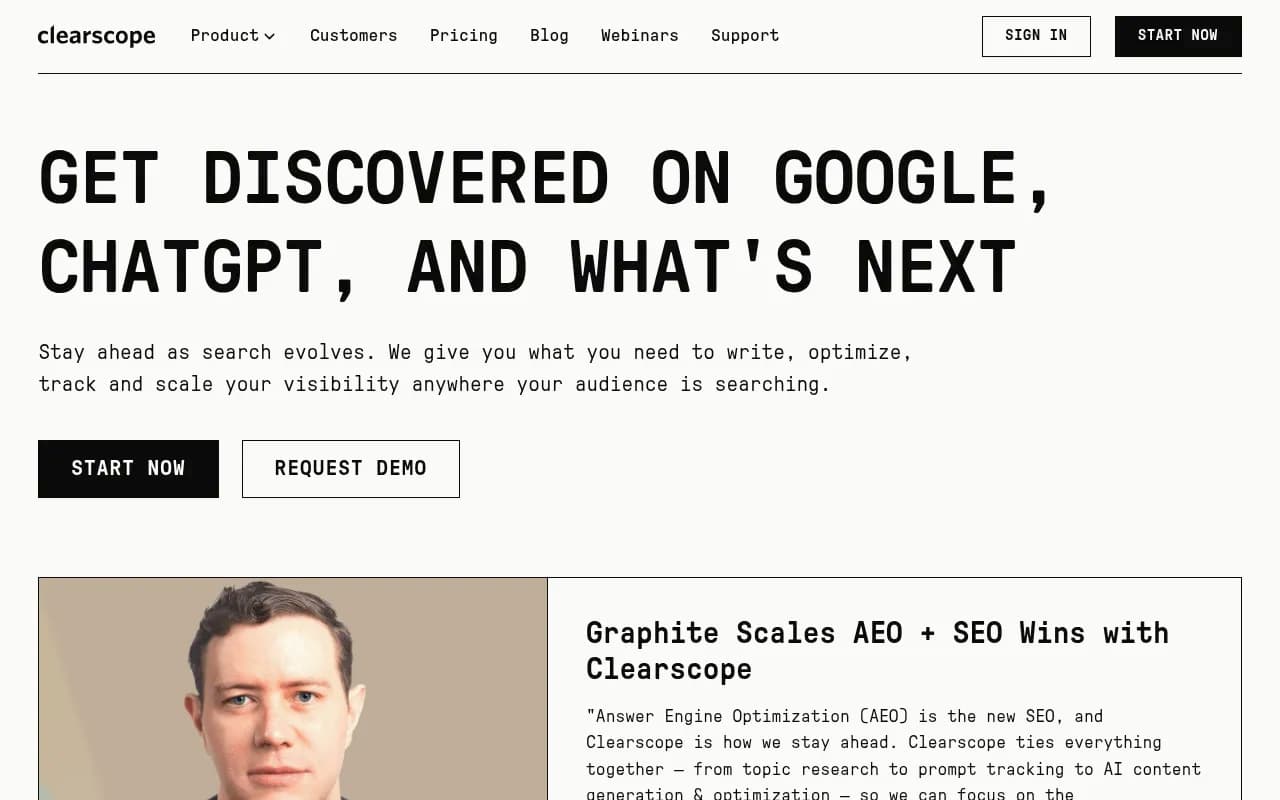
Clearscope takes a similar approach but with a cleaner interface and stronger focus on semantic relevance. It's popular with content teams that care about quality over speed. The grading system is intuitive, and it integrates well with Google Docs.
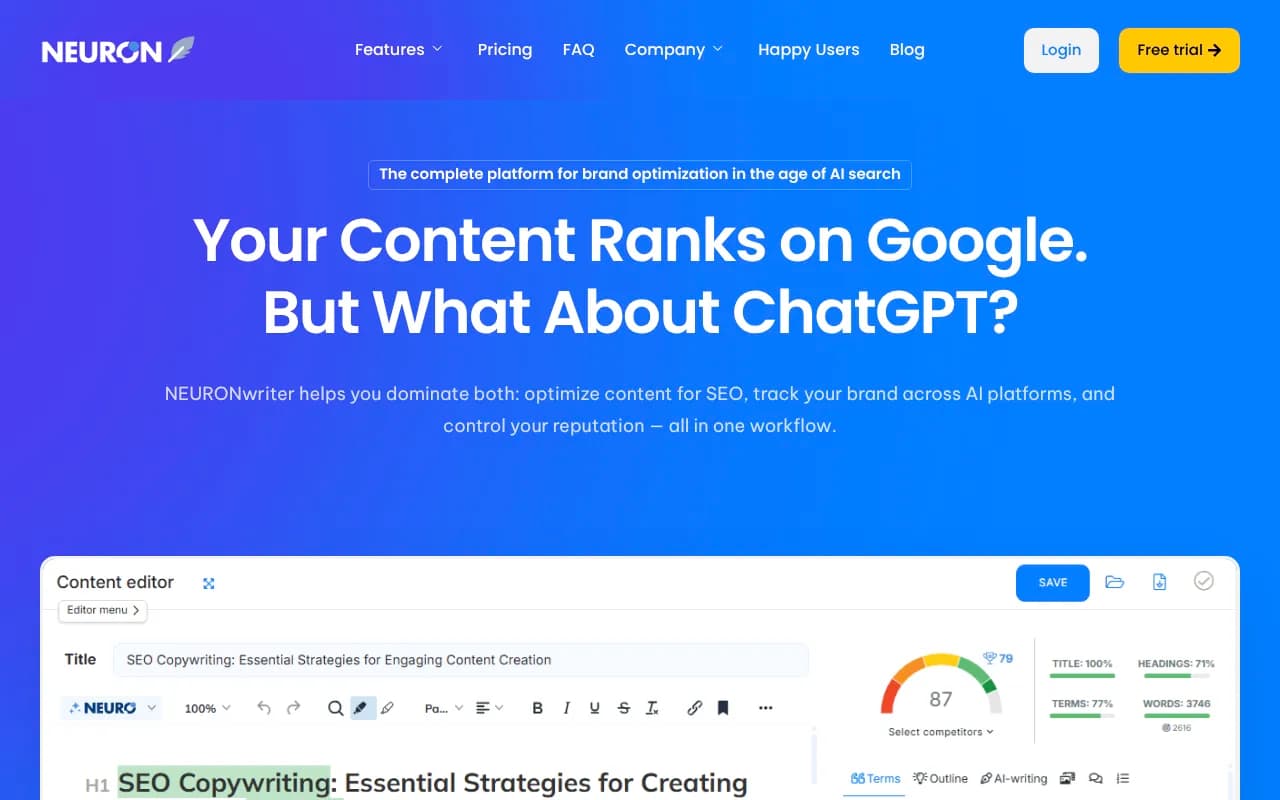
NeuronWriter is a more affordable alternative that combines content optimization with AI writing. Good option for smaller teams or freelancers who want Surfer-like functionality without the Surfer price tag.
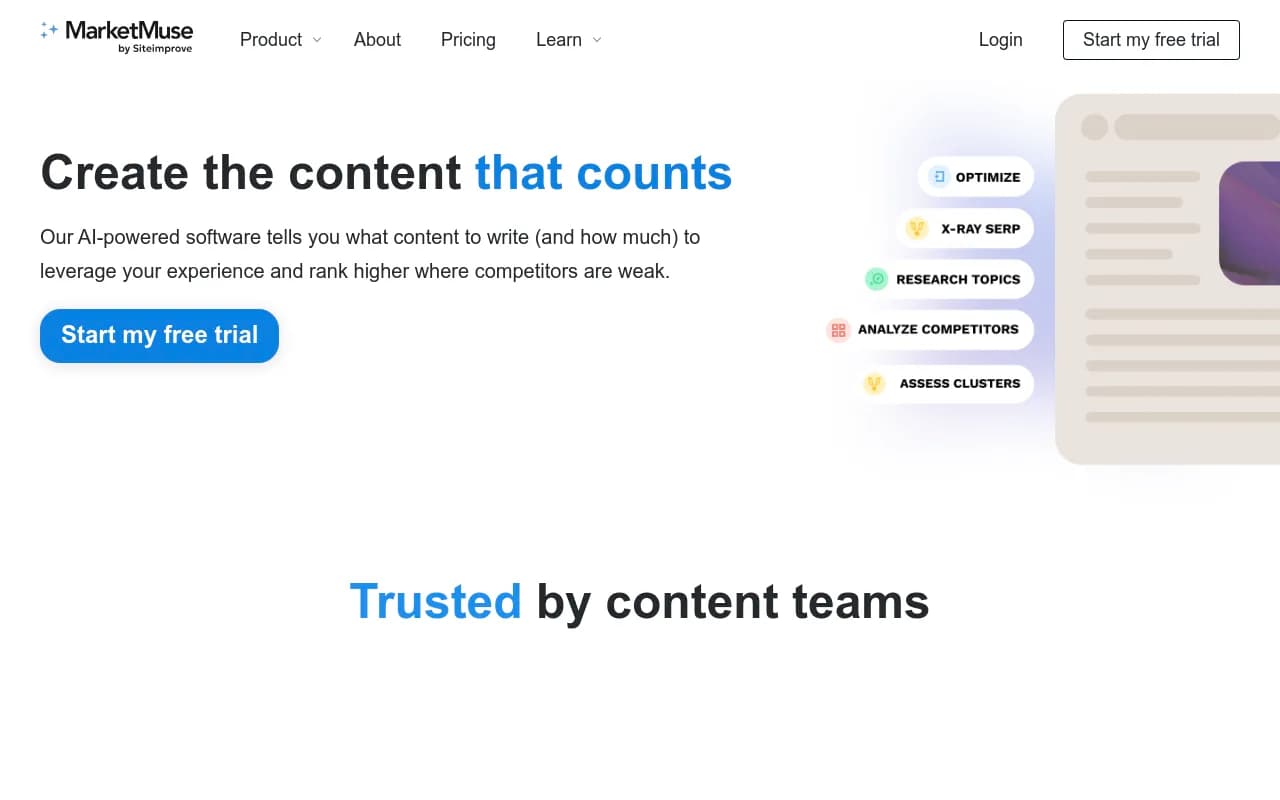
MarketMuse sits at the premium end of content planning. It's less about optimizing individual articles and more about building a content strategy -- identifying topic clusters, content gaps, and authority-building opportunities across your whole site. Better suited to larger teams with a longer-term content program.
Technical SEO tools
AI hasn't transformed technical SEO as dramatically as content, but it has made audits faster and easier to interpret.
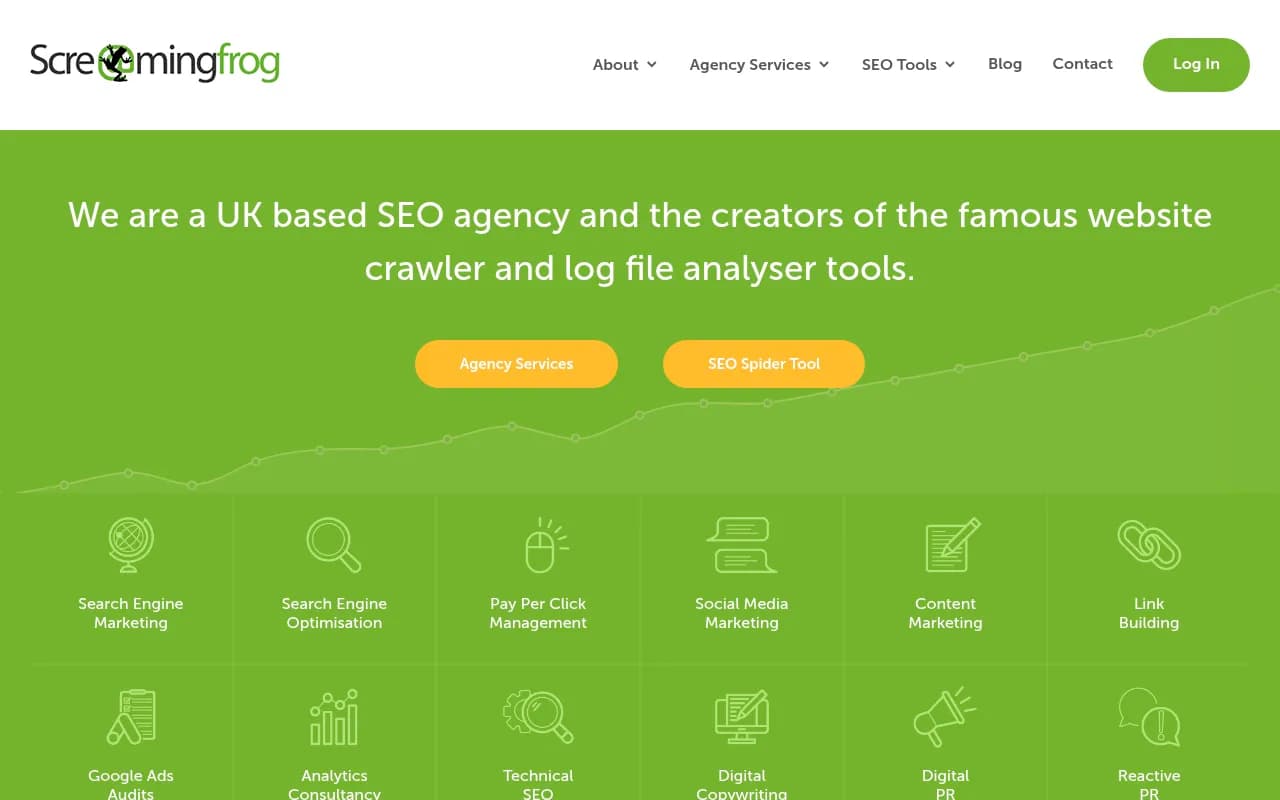
Screaming Frog is still the go-to crawler for most SEO professionals. The AI-assisted issue summaries added in recent versions make it easier to prioritize fixes without wading through thousands of raw data rows.
Sitebulb is a strong alternative with better visualization and slightly more beginner-friendly reporting. Good for agencies that need to present technical findings to non-technical clients.
Botify is the enterprise option -- built for large sites with millions of pages where crawl budget and indexation efficiency are real concerns.
Keyword research and rank tracking
Ahrefs (via its Brand Radar and core platform) and Semrush dominate here. For rank tracking specifically, AccuRanker is worth considering if you need high-frequency updates and granular SERP feature tracking.
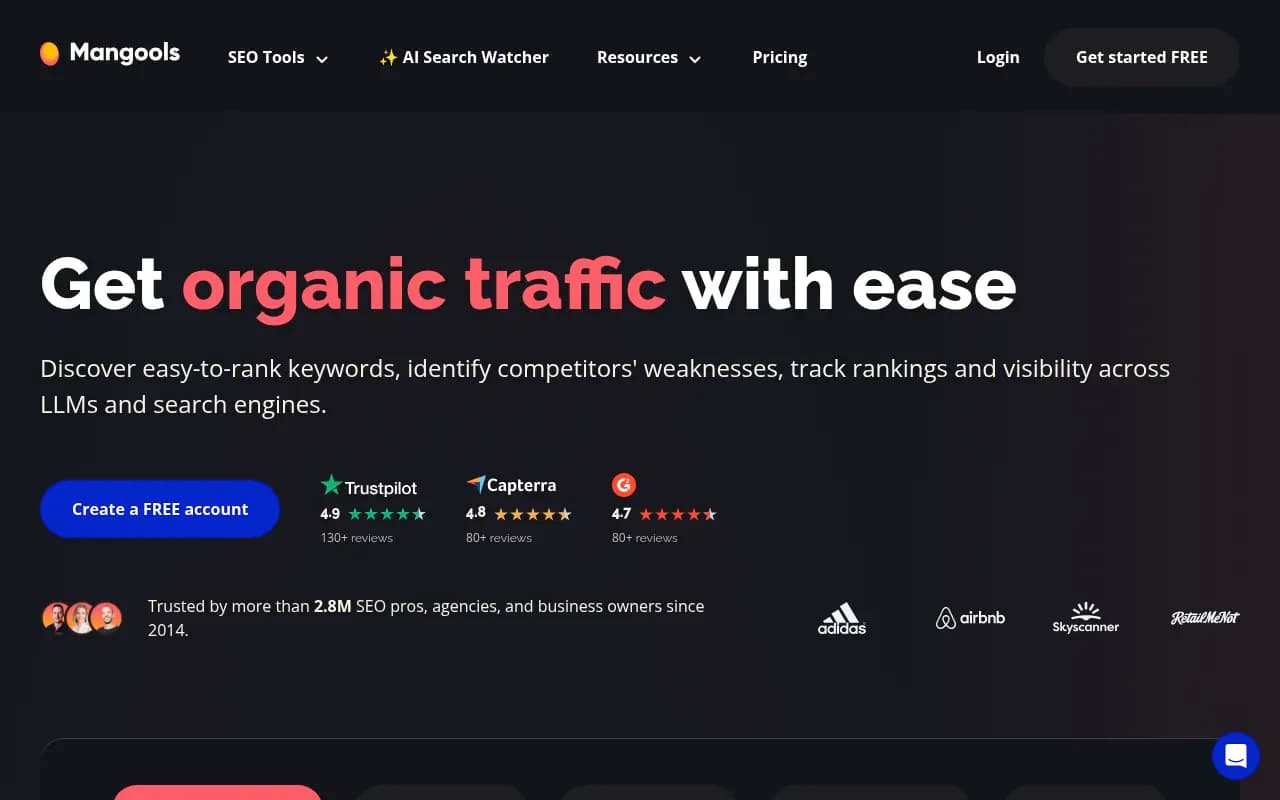
Mangools is a good budget option for keyword research -- clean interface, solid data, fraction of the price of the big platforms.
Layer 2: AI search visibility tools (GEO/AEO)
This is where things get genuinely new. These tools track how your brand appears in responses from ChatGPT, Perplexity, Claude, Gemini, Google AI Overviews, and other AI engines. Some also help you improve that visibility.
The category is growing fast and the quality varies enormously. Here's how to think about it.
The monitoring-only problem
Most AI visibility tools are dashboards. They show you your "AI share of voice," which prompts you appear in, how often you're cited versus competitors. That's useful information. But knowing you're invisible in ChatGPT doesn't tell you what to do about it.
The tools that are actually worth paying for in 2026 are the ones that go beyond monitoring to help you close the gap. That means content gap analysis (which prompts are competitors winning that you're not?), content generation grounded in real citation data, and tracking that connects visibility improvements to actual traffic and revenue.
Promptwatch is the platform that does this most completely right now. It covers 10 AI models, has analyzed over 880 million citations, and -- unlike most competitors -- includes a built-in AI writing agent that generates content specifically engineered to get cited. The crawler logs feature is particularly useful: you can see exactly which pages AI bots are reading on your site, how often they return, and what errors they're hitting.

Comparison: AI visibility tools in 2026
| Tool | AI models tracked | Content generation | Crawler logs | Prompt volume data | Best for |
|---|---|---|---|---|---|
| Promptwatch | 10 (ChatGPT, Claude, Perplexity, Gemini, Grok, DeepSeek, Copilot, Meta AI, Google AI Overviews, Google AI Mode) | Yes (built-in AI writer) | Yes | Yes | Full optimization cycle |
| Profound | Multiple | No | No | Limited | Enterprise monitoring |
| AthenaHQ | 8+ | No | No | No | Monitoring-focused teams |
| Otterly.AI | Several | No | No | No | Budget monitoring |
| Peec AI | Multiple | No | No | No | Multi-language tracking |
| SE Visible | Several | No | No | No | SE Ranking users |
| Semrush (AI features) | Limited | Partial | No | No | Existing Semrush users |
| Ahrefs Brand Radar | Limited | No | No | No | Existing Ahrefs users |




Other AI visibility tools worth knowing
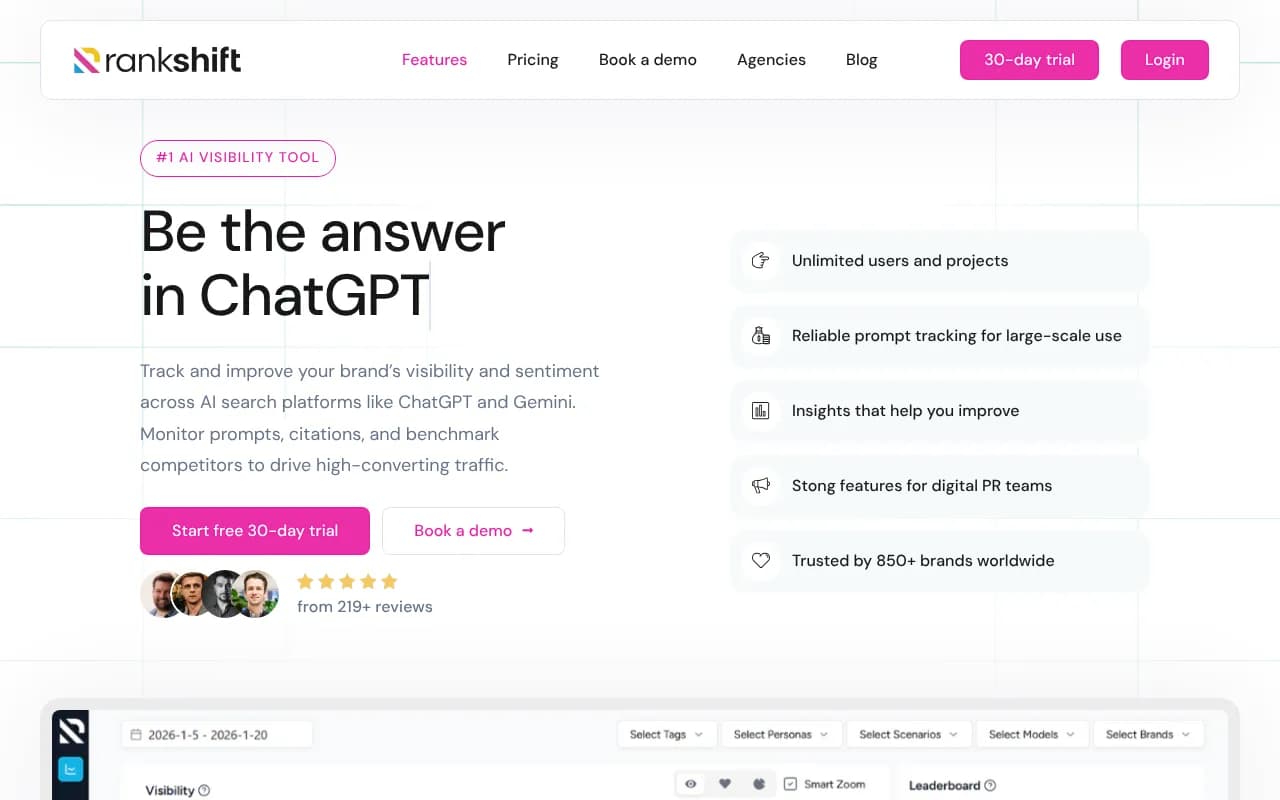
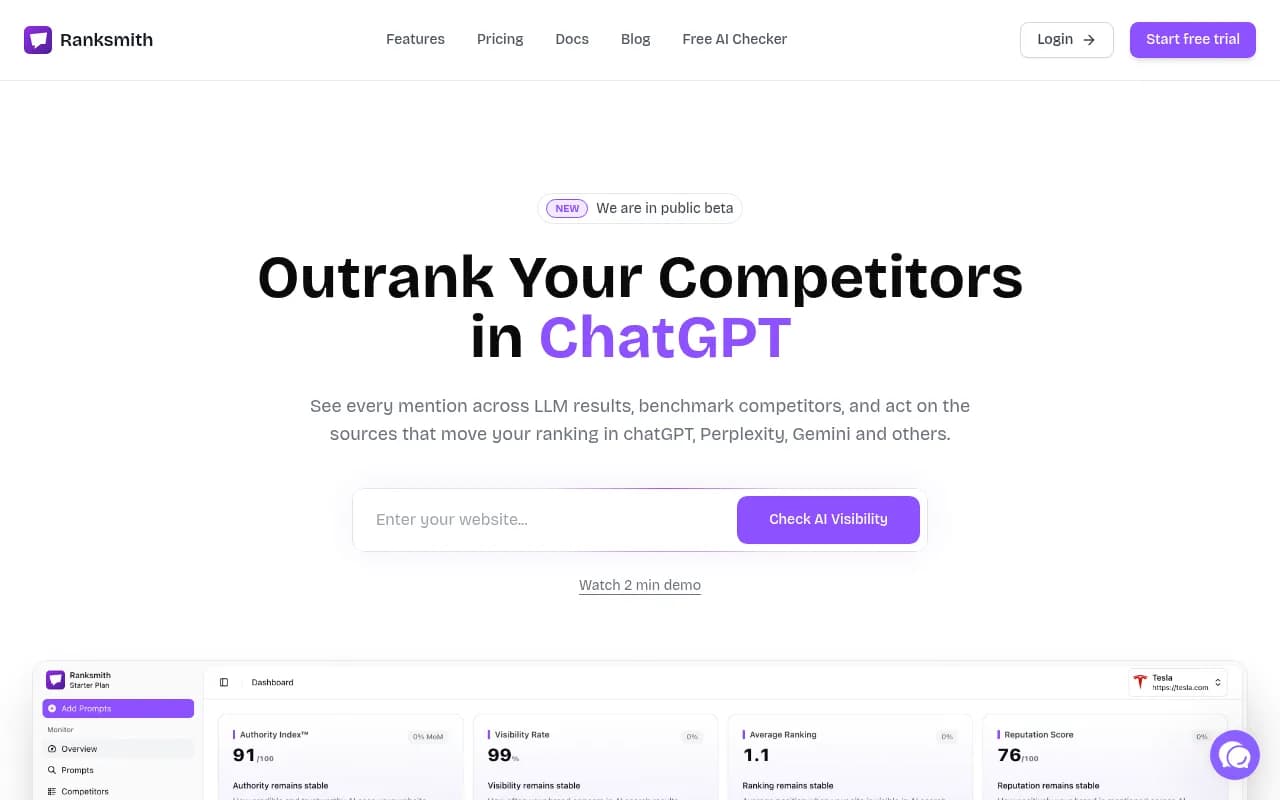
Rankshift and Ranksmith are newer entrants with solid monitoring capabilities. Good for teams that want dedicated AI visibility tracking without a full platform commitment.
Scrunch AI focuses on brand narrative -- not just whether you're cited, but how AI models describe your brand. Useful for reputation-sensitive industries.
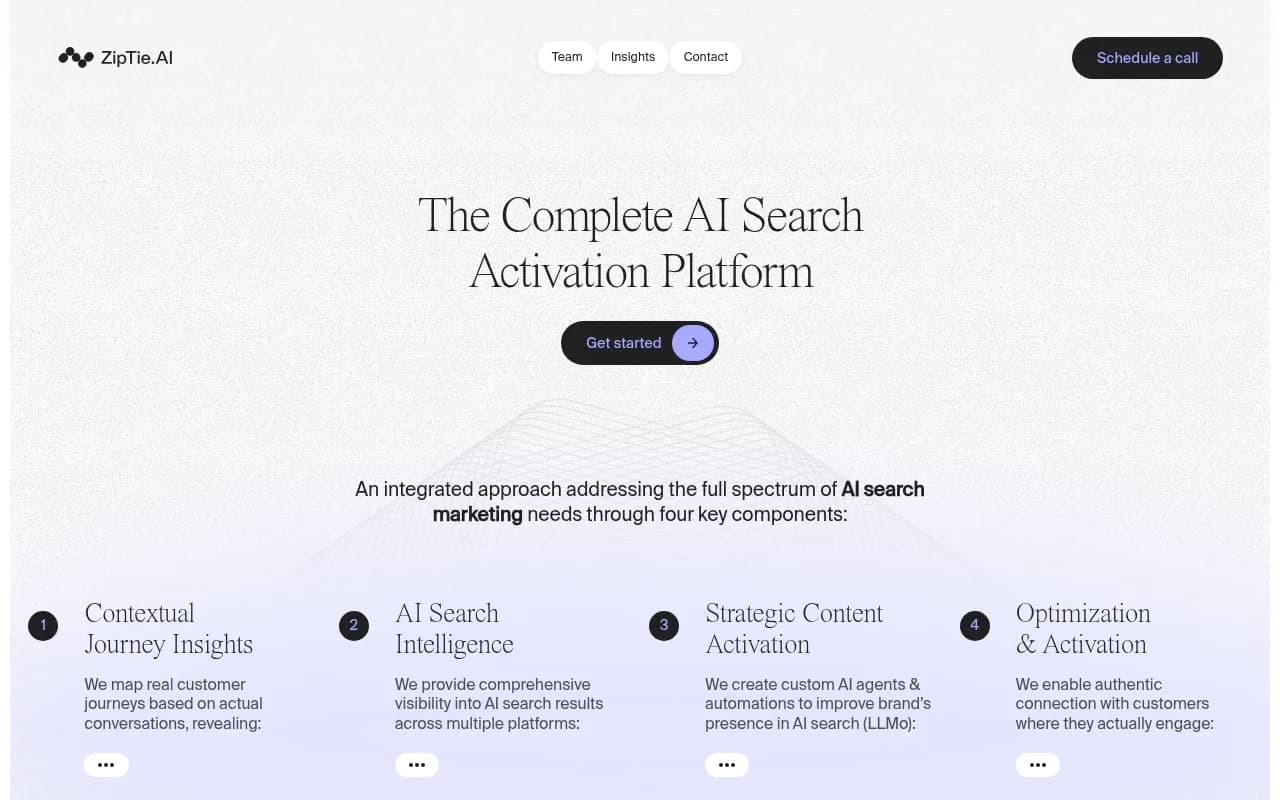
ZipTie does deep analysis of AI search visibility with a focus on actionable diagnostics. Worth evaluating if you want granular insight into why you're not being cited.
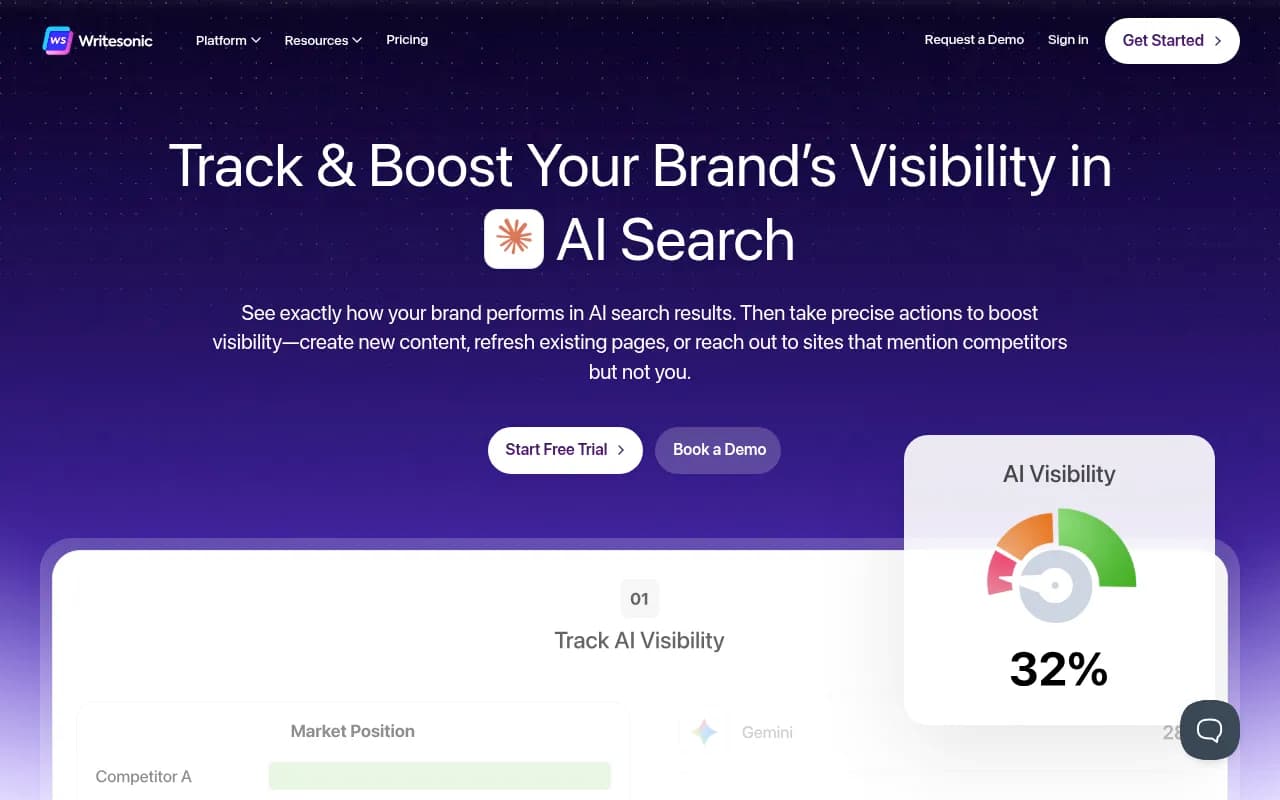
Writesonic bridges the gap between content creation and AI visibility -- it generates content with GEO optimization in mind, which is a useful combination.
How to think about your AI SEO stack in 2026
The mistake most teams make is treating these two layers as the same problem and buying tools accordingly. They end up with either a traditional SEO suite that has no AI visibility features, or an AI visibility dashboard that can't help them rank in Google.
Here's a practical framework for building your stack:
If you're starting from scratch
- Pick one all-in-one traditional SEO platform (Semrush or SE Ranking for most teams, Ahrefs if backlinks are your primary focus).
- Add a content optimizer if you're producing more than 4-5 articles per month (Surfer SEO or Clearscope).
- Add an AI visibility platform once you have a content program running (Promptwatch if you want to optimize, not just monitor).
If you already have a traditional SEO stack
You probably don't need to replace anything. What you likely need is an AI visibility layer on top. The question is whether you want monitoring only (cheaper, simpler) or a full optimization loop (more expensive, but actually moves the needle).
If you're publishing content regularly and want to know whether it's getting cited by AI models -- and why or why not -- the optimization loop is worth the investment. If you just want a dashboard to report on AI share of voice, a monitoring-only tool will do.
If you're an agency
You need both layers, plus the ability to report on them separately for clients. Promptwatch has agency and enterprise pricing with multi-site support. SE Ranking also has strong agency features on the traditional SEO side.
The AI SEO agents question
One thing worth addressing directly: the rise of "AI SEO agents" that claim to run your entire SEO strategy autonomously.
The pitch is appealing. The agent identifies keyword opportunities, writes content, publishes it, fixes technical issues, and monitors rankings -- all without you doing anything. Some tools are genuinely moving in this direction.
The honest assessment: autonomous execution is real and improving, but it's not a replacement for human judgment yet. The agents that work best are the ones that handle specific, well-defined tasks (generating a content brief, running a technical audit, drafting an article based on a keyword brief) rather than end-to-end strategy.
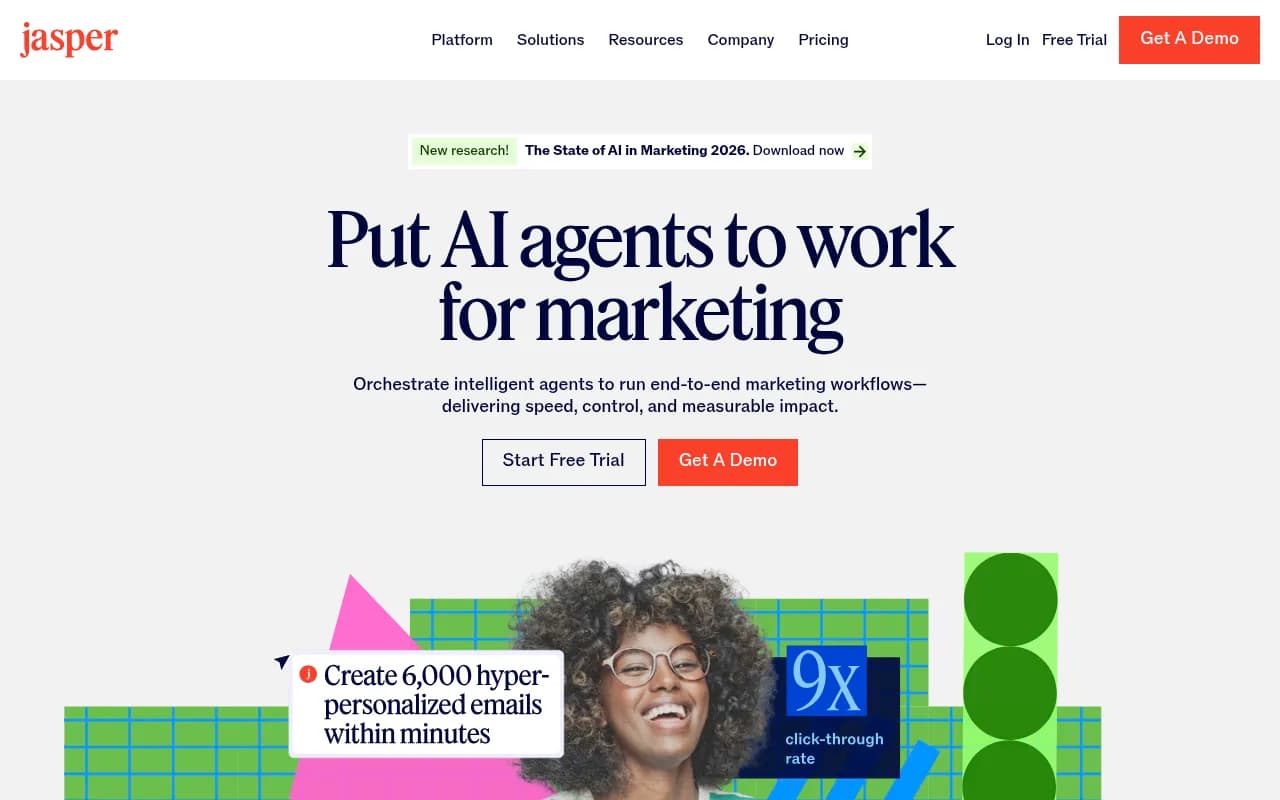
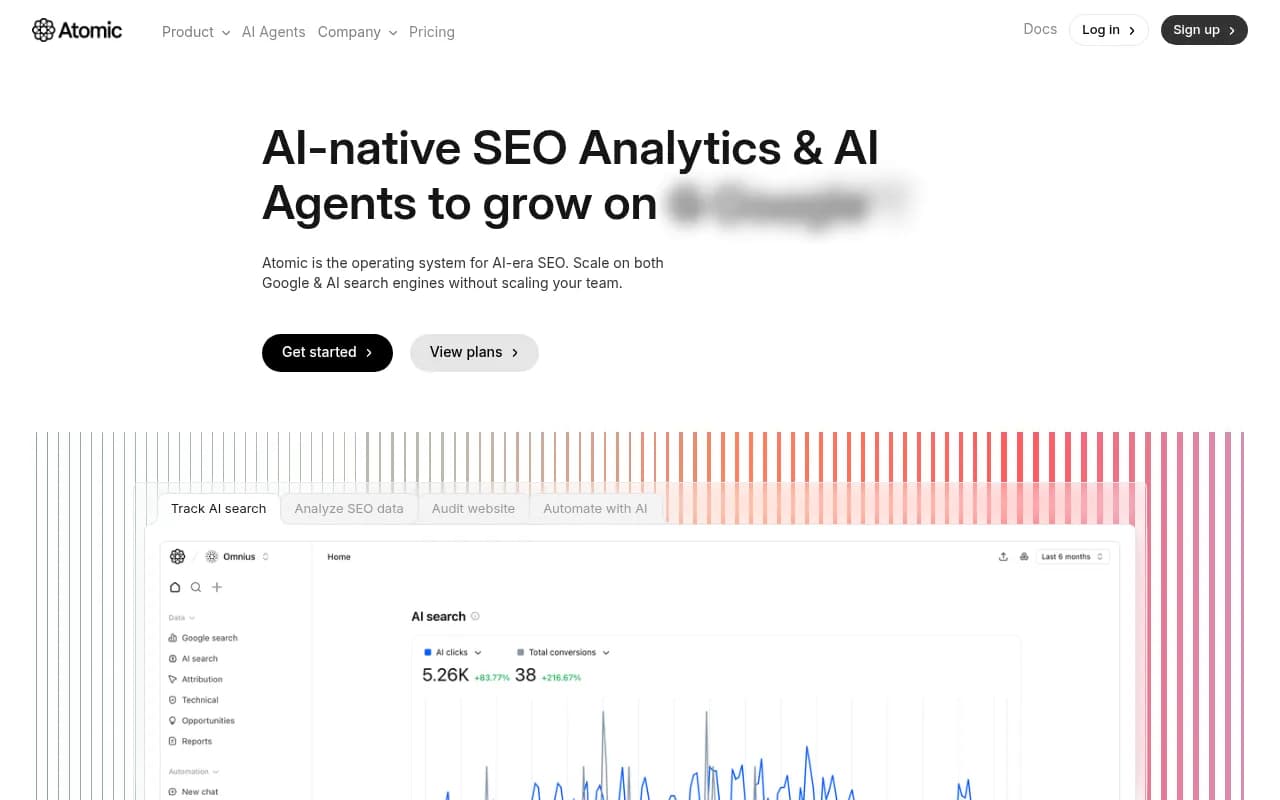
Tools like Jasper have moved toward agentic workflows for content marketing. SearchAtlas has built conversational agents for SEO automation. Atomic AGI tracks both Google and LLMs with automated optimization.
Use these as accelerators, not replacements. The teams getting the best results are using AI agents to execute faster on strategies they've defined themselves -- not outsourcing the thinking entirely.
What actually moves the needle in 2026
After all the tool comparisons, a few things consistently separate teams that are growing their search visibility from those that are stuck:
Publishing frequency matters more than ever. AI models cite sources that cover topics comprehensively and consistently. A site with 20 well-optimized articles on a topic will almost always outperform a site with 2 articles, regardless of how good those 2 articles are.
Answer-first content structure. AI models are looking for clear, direct answers to questions. Content that buries the answer in three paragraphs of preamble gets cited less often than content that leads with the answer and then elaborates.
Technical accessibility. If AI crawlers can't read your pages -- due to JavaScript rendering issues, crawl blocks, or slow load times -- they can't cite you. Crawler log analysis (available in Promptwatch and a few other tools) is the fastest way to identify these issues.
Prompt research, not just keyword research. Traditional keyword research tells you what people type into Google. Prompt research tells you what people ask ChatGPT and Perplexity. These overlap but they're not the same. The phrasing is different, the intent is often different, and the content that satisfies them is sometimes different too.
The teams winning in AI search right now are the ones treating it as a distinct channel with its own research, content, and measurement practices -- not just assuming that what works for Google will automatically work for ChatGPT.
Quick reference: tool recommendations by use case
| Use case | Recommended tool(s) |
|---|---|
| All-in-one traditional SEO | Semrush, SE Ranking |
| Content optimization | Surfer SEO, Clearscope |
| Technical SEO audits | Screaming Frog, Sitebulb |
| Keyword research | Semrush, Ahrefs, Mangools |
| AI search visibility (full optimization) | Promptwatch |
| AI search visibility (monitoring only) | Otterly.AI, Peec AI, AthenaHQ |
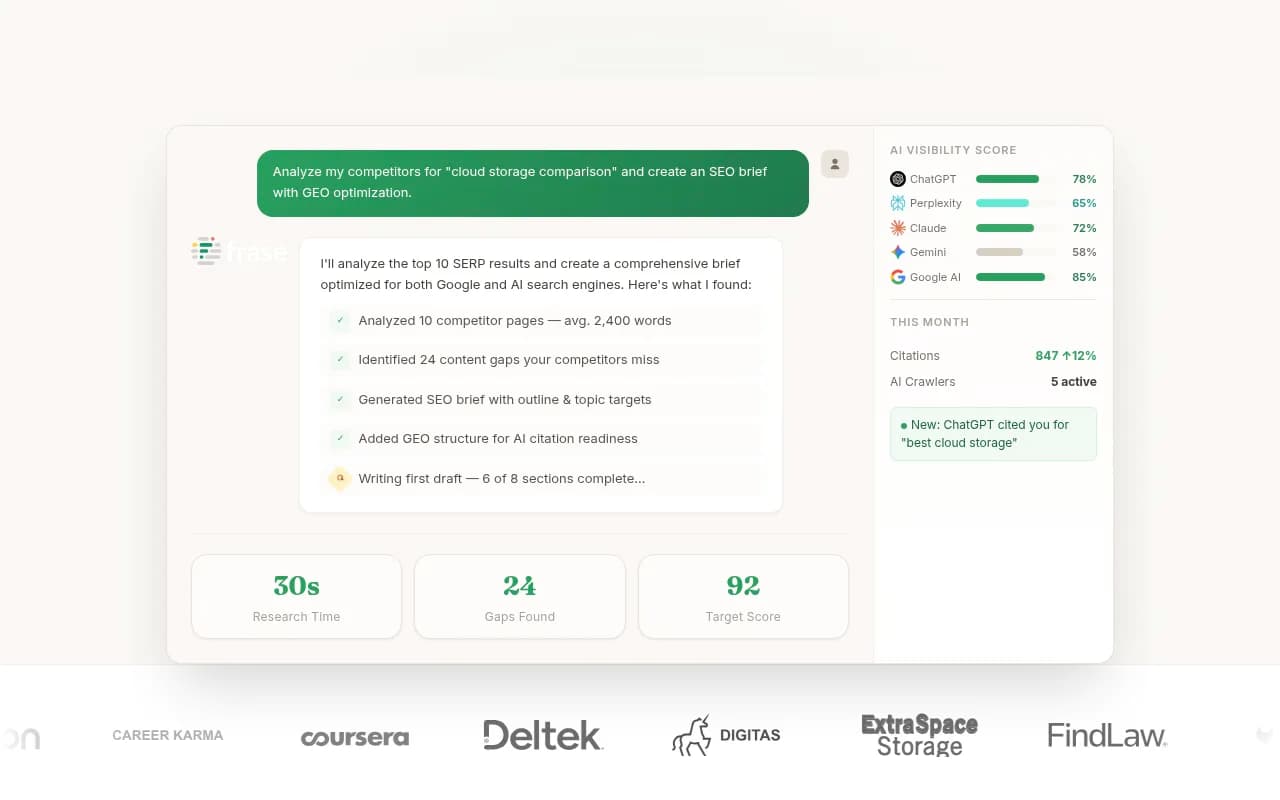
| Content creation for AI search | Writesonic, Frase |
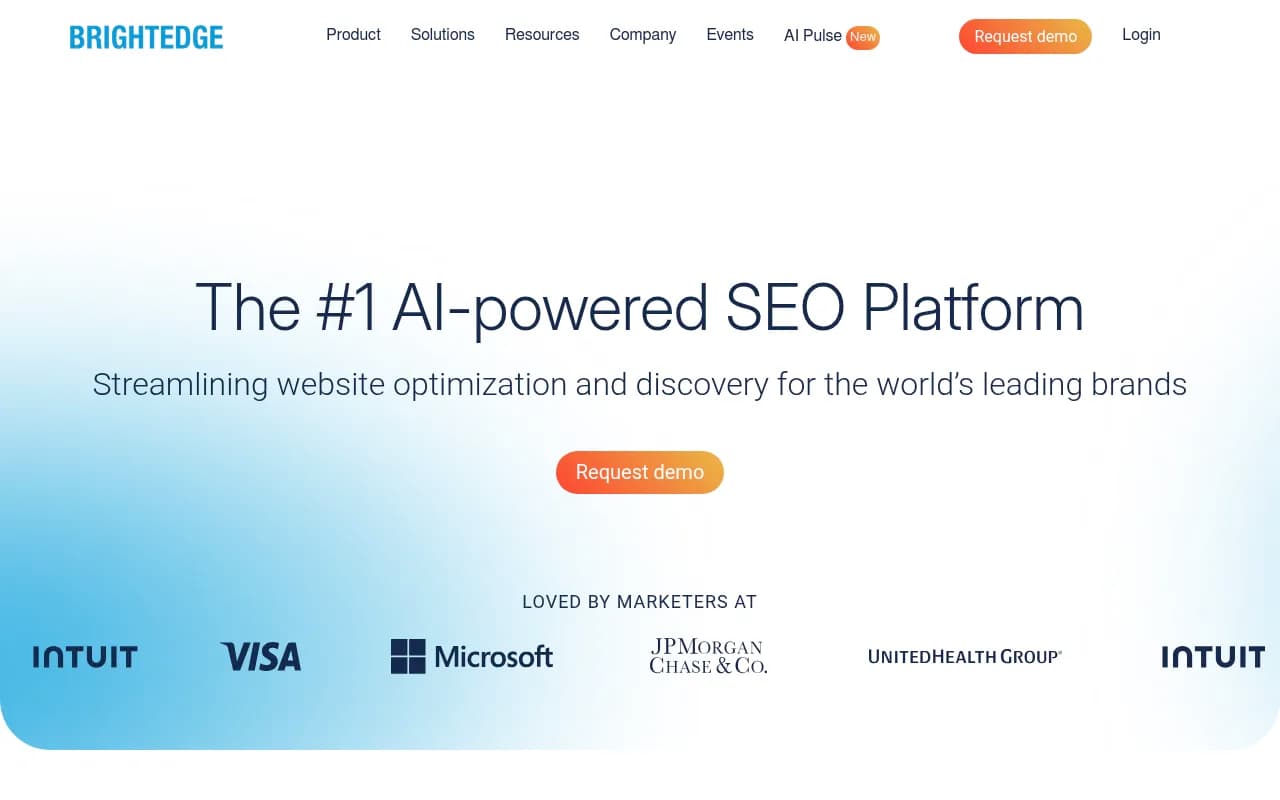
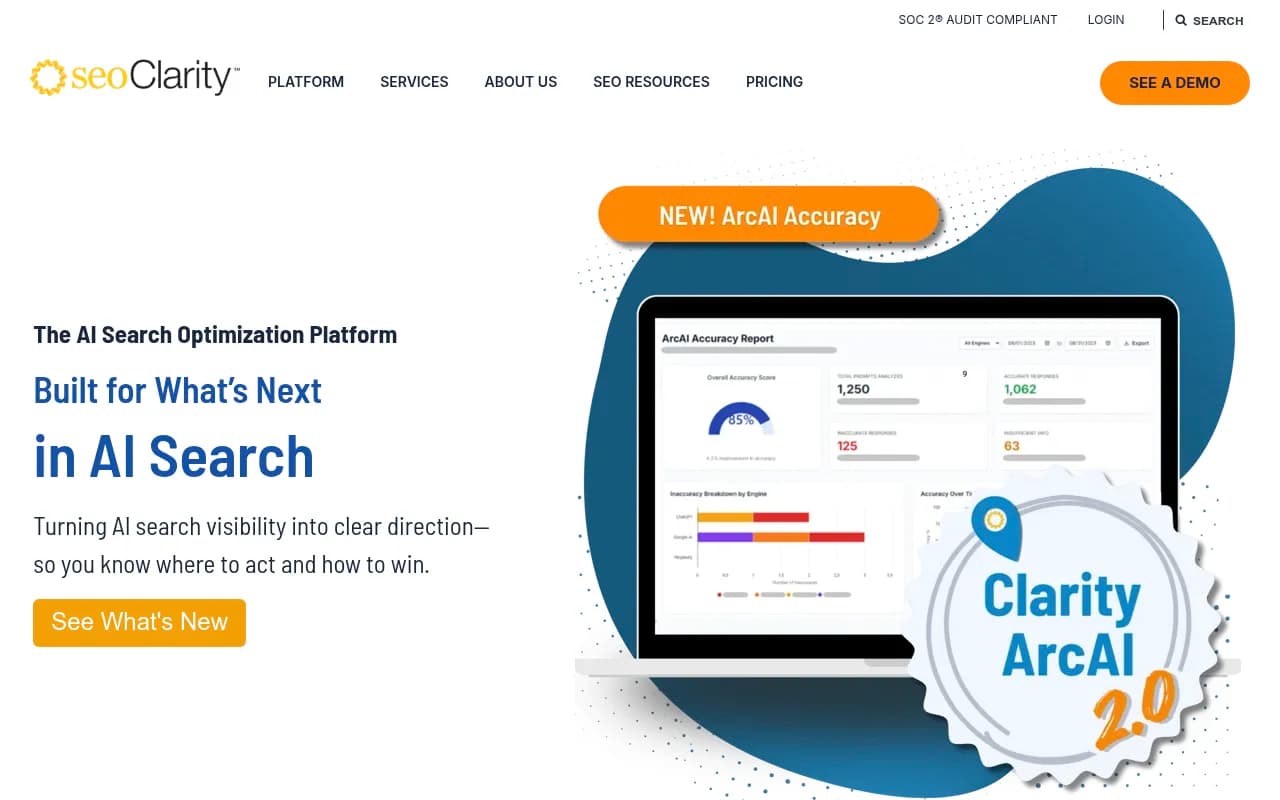
| Enterprise SEO + AI visibility | BrightEdge, seoClarity |
| Agency reporting | SE Ranking, Promptwatch |
The tools that will matter most to your business depend on where you are in the journey. If you're not ranking in Google yet, start there. If you have solid traditional SEO and you're watching AI search eat into your traffic, the AI visibility layer is where to focus next.
Either way, the goal is the same: get found when people are looking for what you offer, regardless of which interface they're using to look.