Key takeaways
- There are two products people mean by "Slate": slatehq, an AI content operations and AI-search visibility platform, and slateteams.com, a visual social platform for sports and live events. Alternatives differ completely depending on which one you mean.
- Slate's cost is the main reason small teams leave. Per competitor-published comparisons, the content platform runs $199/month (Solo) to $499/month (Pro), and the social design tool jumps from $99/month to $399/month once you need more than one brand.
- For freelancers writing content, Frase, Surfer SEO and similar editors cost far less than a full operations platform.
- For visual and social work, Canva, Buffer and Narrato cover most of what a small agency needs at a fraction of the price.
- Most pricing here comes from competitor-written comparison pages. Confirm every number on the vendor's own site before you buy.
Which Slate do you mean?
This trips people up, so let's settle it first.
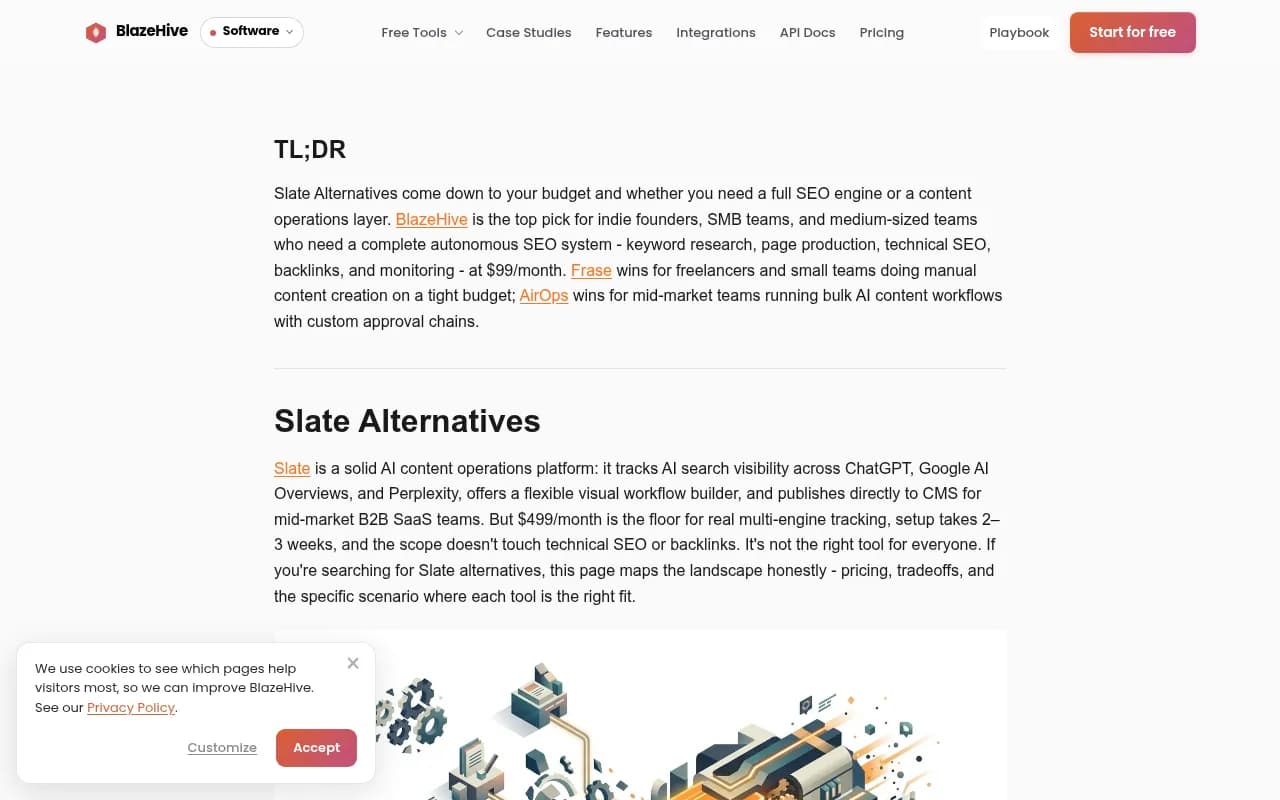
Slate (slatehq). An AI content operations platform. Per BlazeHive's review, it tracks AI search visibility across ChatGPT, Google AI Overviews and Perplexity, has a visual workflow builder, and publishes to your CMS. The Solo plan is $199/month and capped at 4,500 tracked prompt answers. The Pro plan at $499/month is where it becomes practical. Setup reportedly takes 2 to 3 weeks, and it doesn't cover technical SEO or backlinks.

Slate (slateteams.com). A visual social platform used by sports teams and live-event brands. DeepSmith's comparison (verified April 2026) lists a 4.7/5 G2 rating from 81 reviews, customers like the Dallas Mavericks and Fox Sports, a Creator plan at $99/month limited to one Brand Hub, and a jump to Pro at $399/month for agencies and multi-brand work. No built-in scheduling, and no written content or SEO features.
There are other products called Slate too (Slate Digital makes audio plugins, Slate by Technolutions is an education CRM). Ignore those here. The rest of this guide is split by which of the two you're replacing.
One caution on sources. BlazeHive and DeepSmith both sell products that appear in their own rankings, so treat their rankings as opinion and use their prices as a starting point only.
Why small agencies and freelancers leave Slate
Three reasons come up repeatedly.
Price per seat of value. If you manage five clients on a $499 plan, you're paying roughly $100 per client before you've bought anything else. For a freelancer with two retainers, that math rarely works. On the social side, an agency hitting the one-Brand-Hub limit on the $99 plan faces a 4x price jump to $399.
Setup time. Two to three weeks of configuring workflows, approval chains and brand rules is fine for a mid-market B2B team with a content ops manager. A freelancer wants to ship something Tuesday.
Scope gaps. The content platform doesn't do technical SEO or link building. The social tool doesn't schedule posts. In both cases you end up stacking extra tools. DeepSmith estimates Slate Pro plus Sprout Social lands around $650/month, which is more than many small agencies charge for an entire retainer.
Alternatives if you use Slate for content and AI visibility
This is the group most relevant to SEO freelancers and small content agencies. You're typically solving two problems: producing optimized content, and checking whether AI engines mention your clients.
Frase
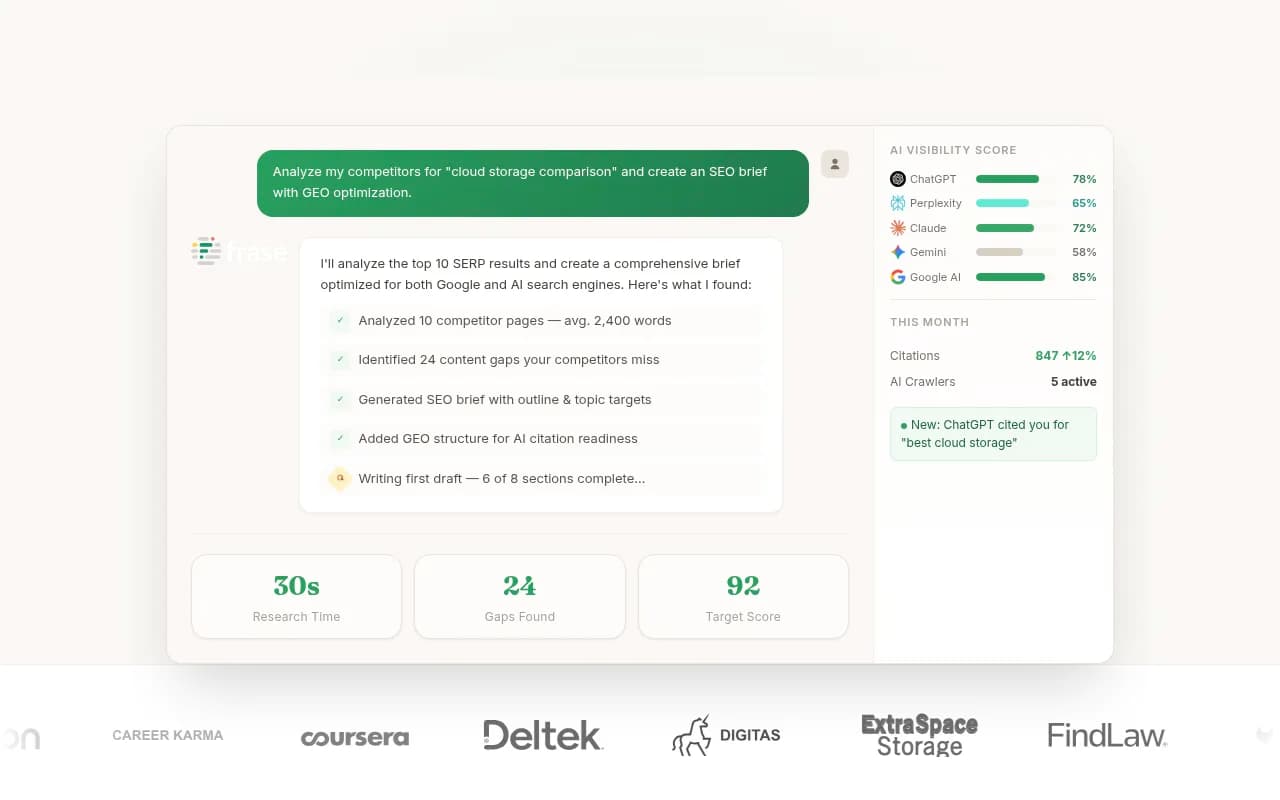
BlazeHive calls Frase the pick for freelancers and small teams who want hands-on editorial control. It researches a topic, builds a brief, and helps you write and optimize an article. It's a manual-first tool, which is a feature if you bill for editorial judgment.
Surfer SEO, Clearscope and NeuronWriter
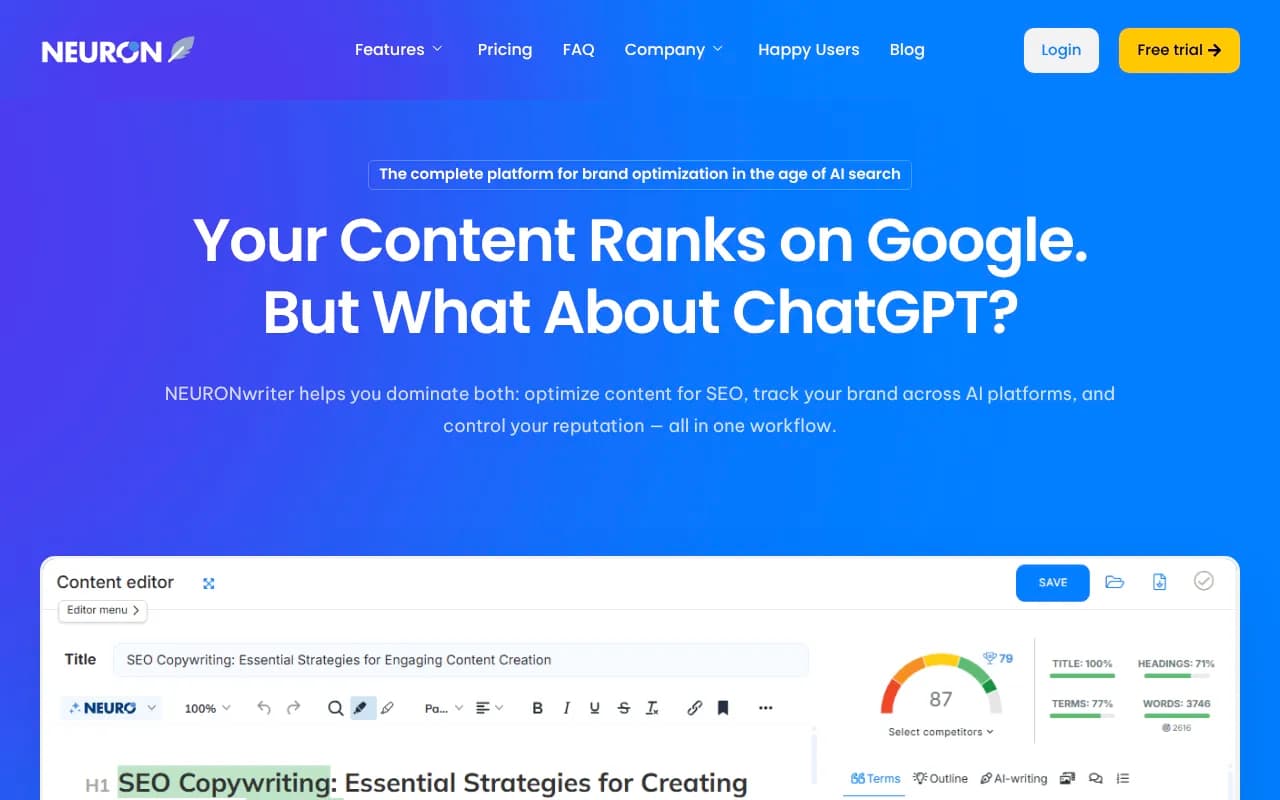
These content editors score drafts against top-ranking pages. Surfer is the most common in agencies. Clearscope is pricier and favored by editorial teams. NeuronWriter is the budget option with semantic analysis. None of them handle AI visibility tracking, so pair them with a tracker.
AirOps
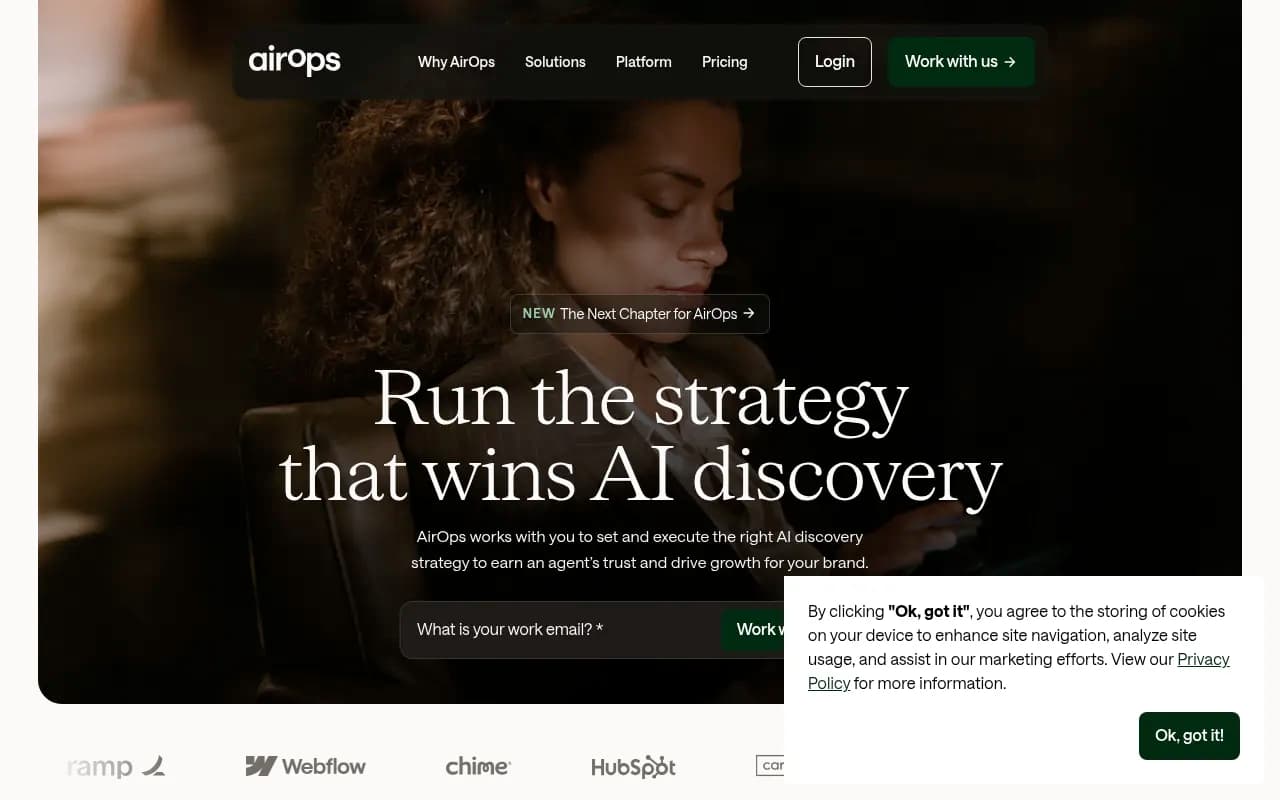
BlazeHive positions AirOps for mid-market teams running bulk AI content workflows with custom approval chains. That's closer to Slate's own territory, so it's an option once you've outgrown freelancer scale, not before.
Promptwatch for the AI visibility half
If the reason you bought Slate was to see whether clients show up in ChatGPT, Perplexity and AI Overviews, a dedicated platform does this more thoroughly than a content tool with tracking attached. Promptwatch goes beyond monitoring: it shows which pages AI crawlers actually read, which get cited, and it has a Content Agent and an Action Board that turn gaps into publishable work. Agency plans start at $199/month with unlimited projects and prompts, so you can run multiple clients under one account. Check promptwatch.com/pricing for current numbers.

That matters for what you write, too. Promptwatch Data shows product pages were the most cited content type in ChatGPT at 22.4% of classified citations from Sep 28 to Oct 4, 2026, with landing pages at 16.8% and listicles at 13.6% (ChatGPT citation share by content type). For commercial prompts, product pages hit 26.0%. So client pricing and spec pages plus comparison content are worth the effort.
Lower-cost AI visibility trackers
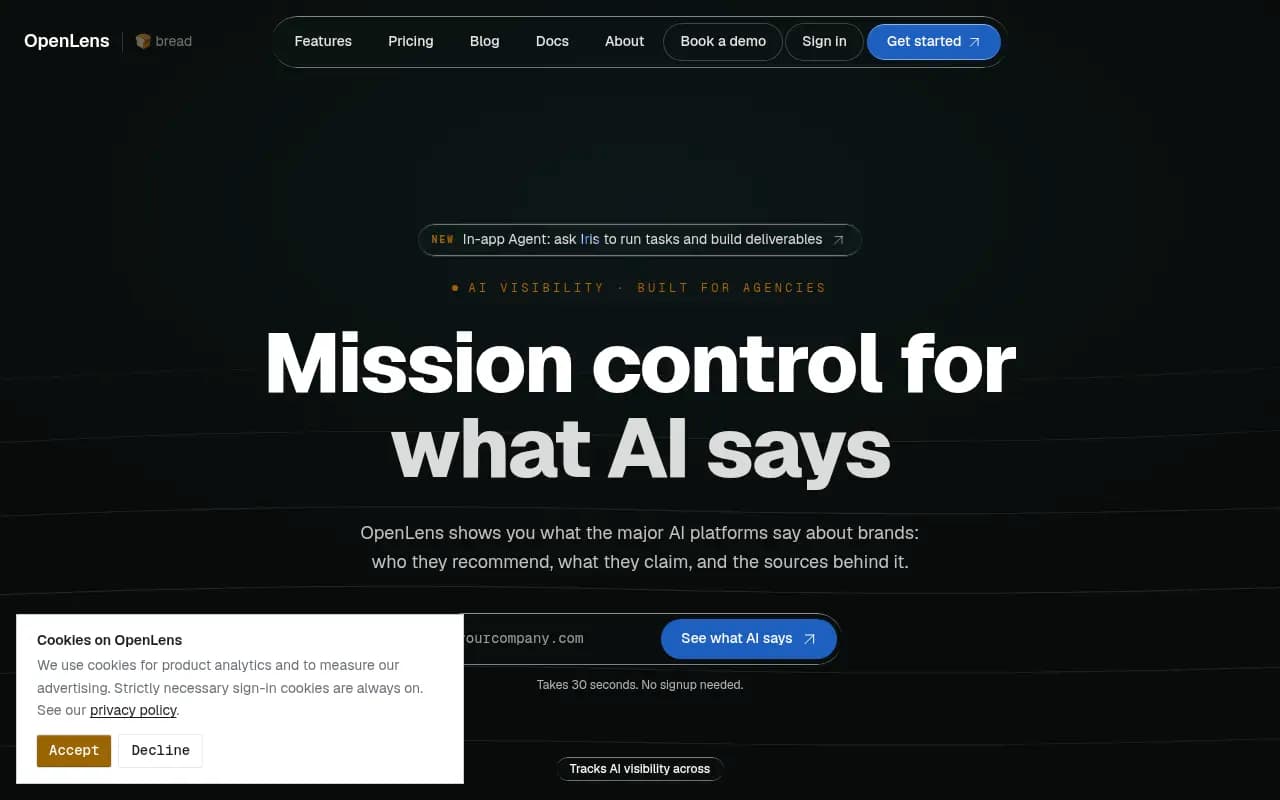
If you only need monitoring and your budget is tight, several trackers sit well below Slate's Pro price. Otterly.AI, Peec AI and Rankscale are the usual picks for small teams, and OpenLens and Cairrot are built with agencies in mind. These are monitoring tools, so you'll still need separate content and technical SEO software.


For a broader look at the category, the directory at bestgeosoftware.com lists GEO platforms side by side.
Technical SEO gaps Slate leaves open
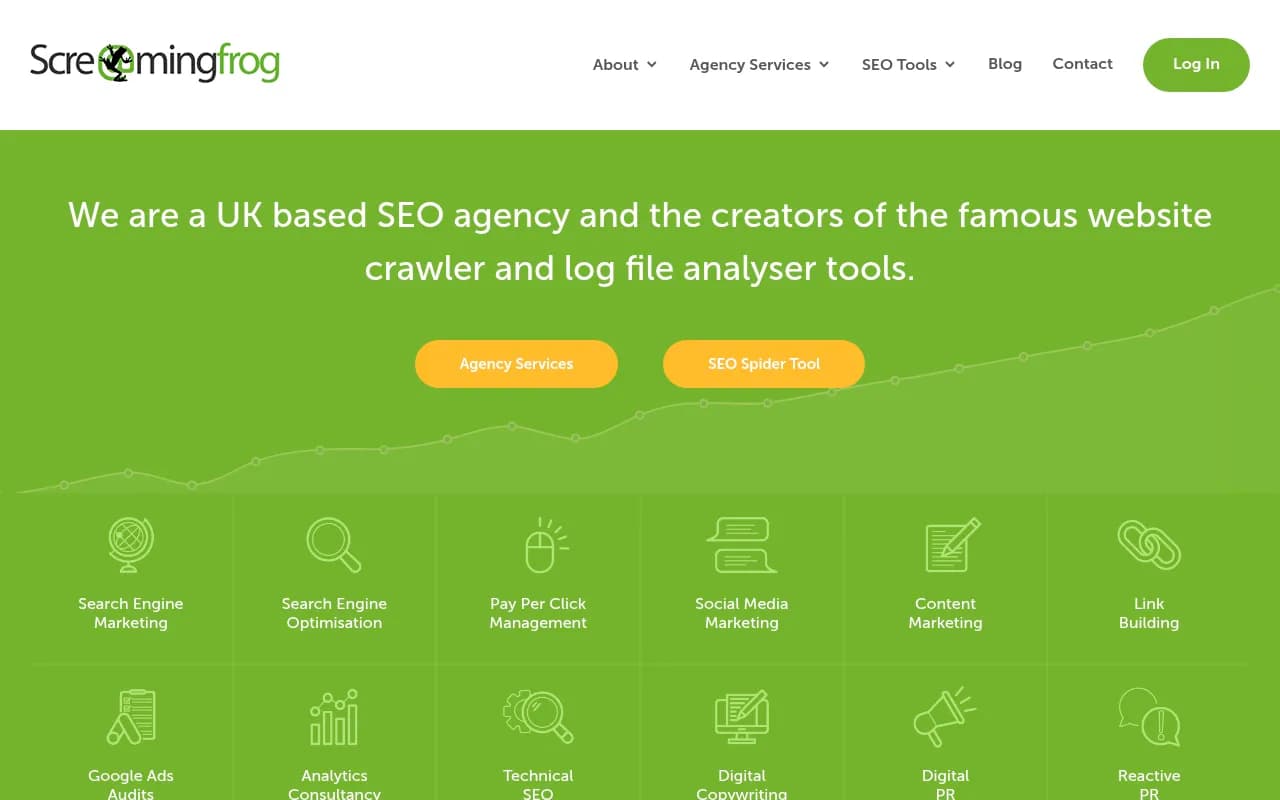
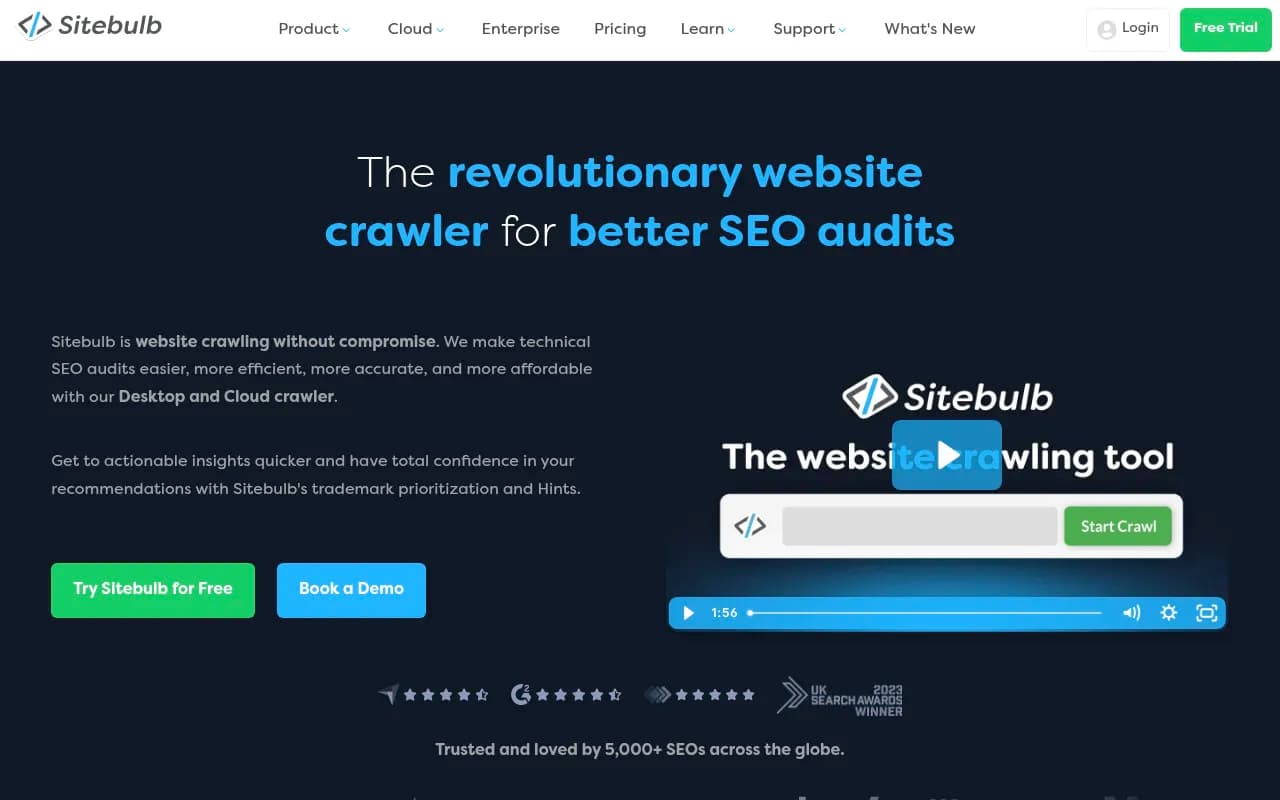
Because Slate doesn't cover technical SEO, a freelancer needs a crawler regardless of which content tool they pick. Screaming Frog is the standard desktop crawler and Sitebulb is easier to present to clients.
Alternatives if you use Slate for social and visual content
This applies if you're replacing slateteams.com. Prices below come from DeepSmith's April 2026 comparison.
Canva
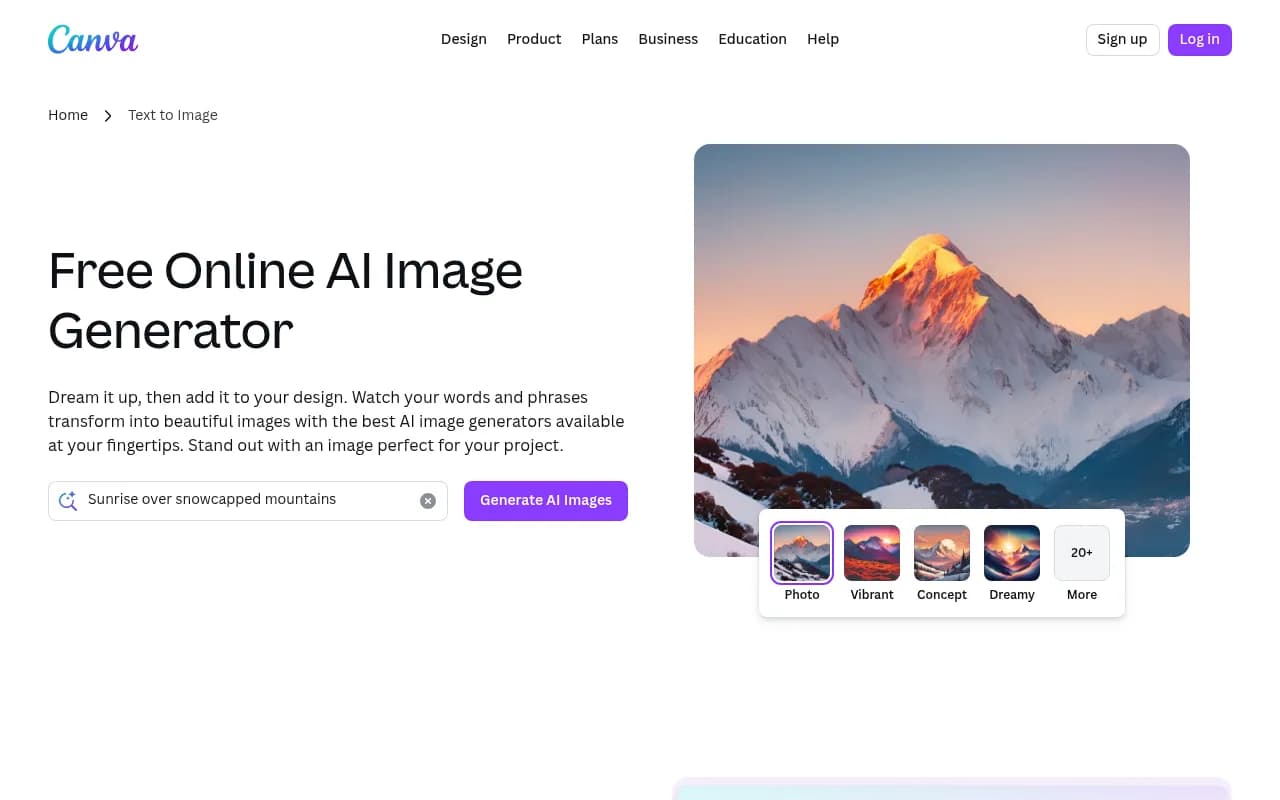
Free, or about $15/month for Pro. DeepSmith notes Canva Pro is roughly 6x cheaper than Slate Creator, which is the single biggest gap in the comparison. For most small agencies, Canva with brand kits covers 80% of the design work. It also has Canva's AI image tools built in.
Buffer and Hootsuite
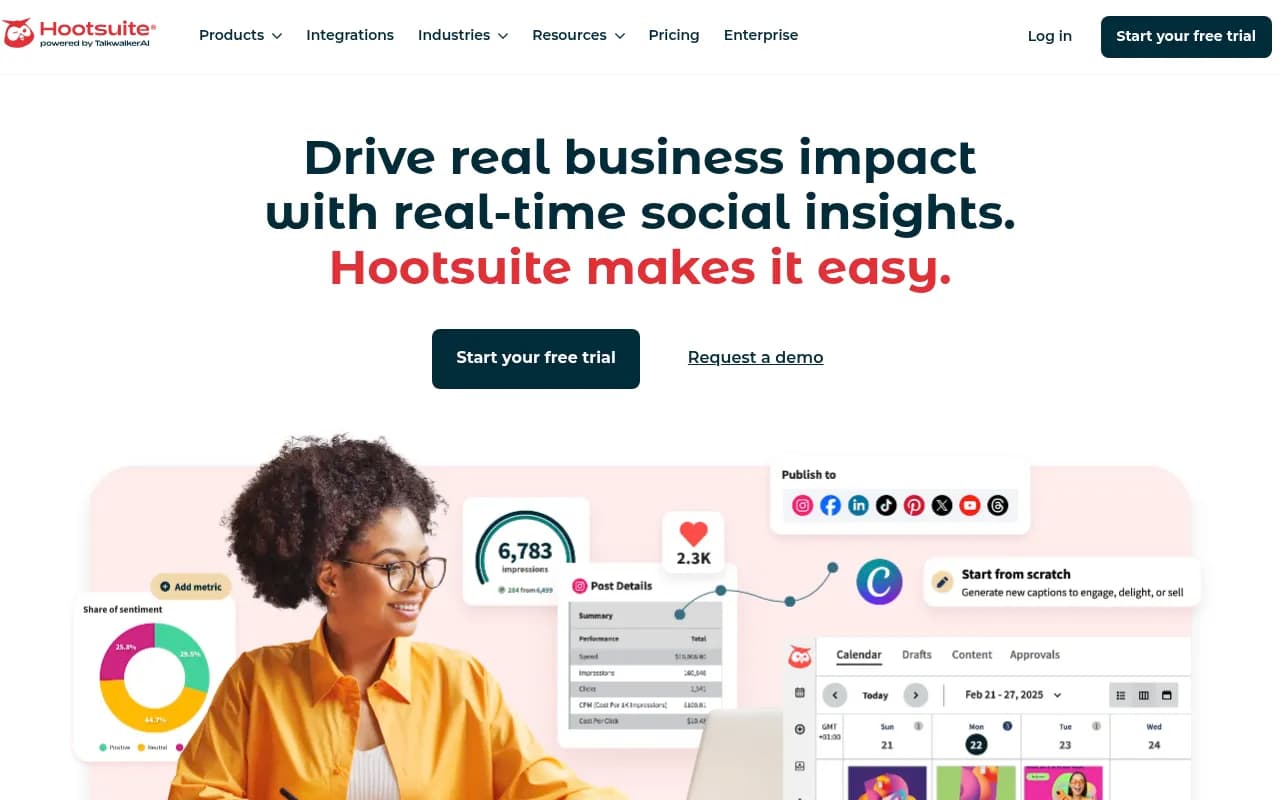
Slate has no built-in scheduling, so you need one anyway. Buffer is free or $6 per channel. Hootsuite costs more but handles bigger teams and reporting.
Sprout Social and Agorapulse
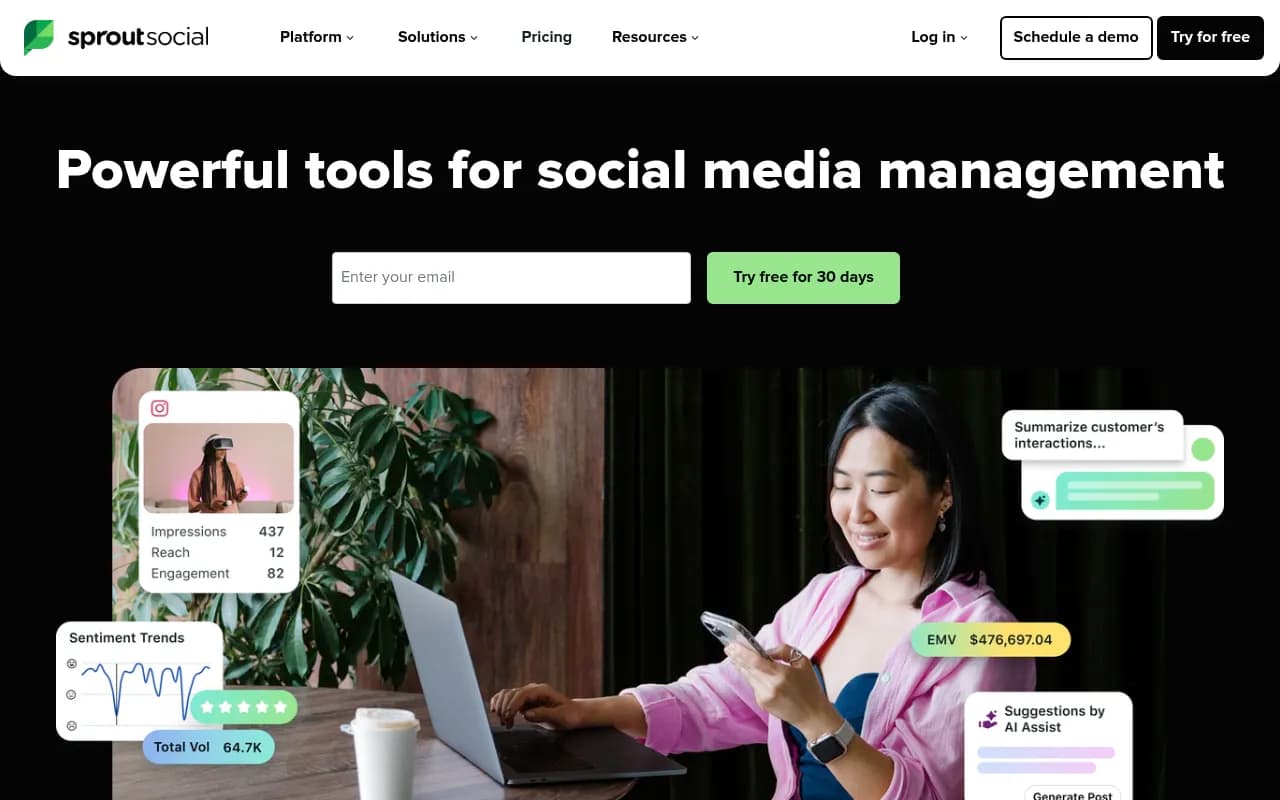
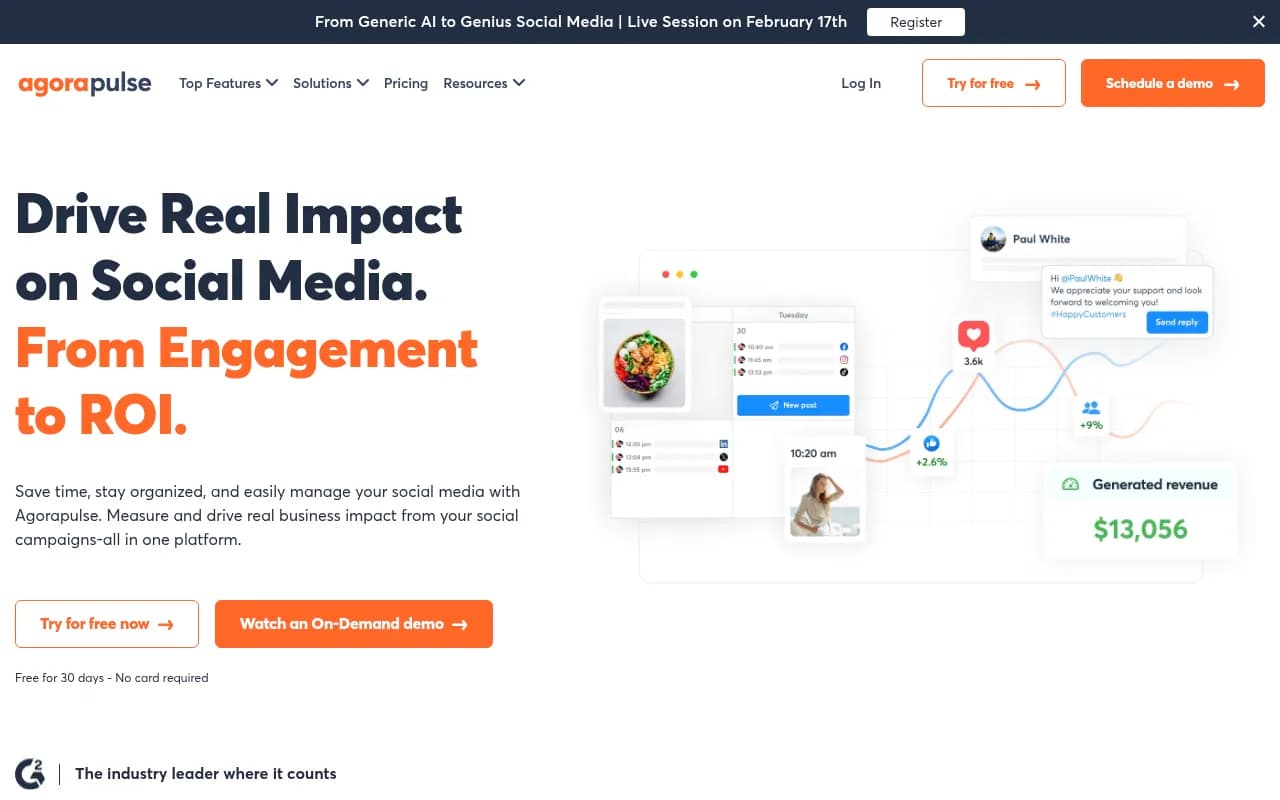
Sprout Social is $249 per seat per month, which is why the Slate-plus-Sprout combo hits $650. It's a real option for agencies with budget, but not a replacement for small teams on a diet. Agorapulse is a middle-priced alternative with ROI tracking.
Adobe Express and CapCut
Adobe Express is free or about $10/month. CapCut is free or about $7.99/month and is the sensible choice for short video. Neither has client-approval workflows, so they suit solo operators better than teams.
Narrato
Narrato (free, or $36/month) is the one agency-flavored option in the research. Its Business plan includes freelancer payment management and white-labeling, which helps if you subcontract writers and need to present work under your own brand.
Simplified and Predis.ai
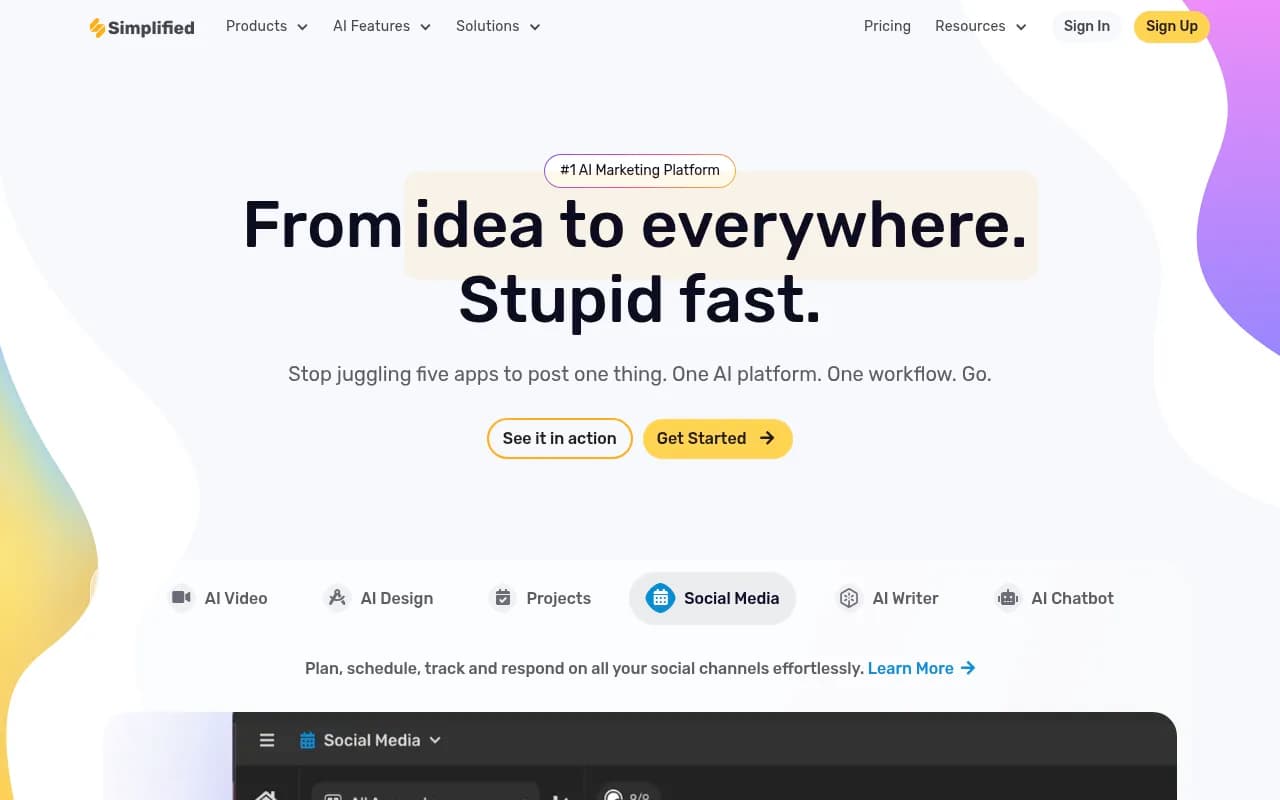
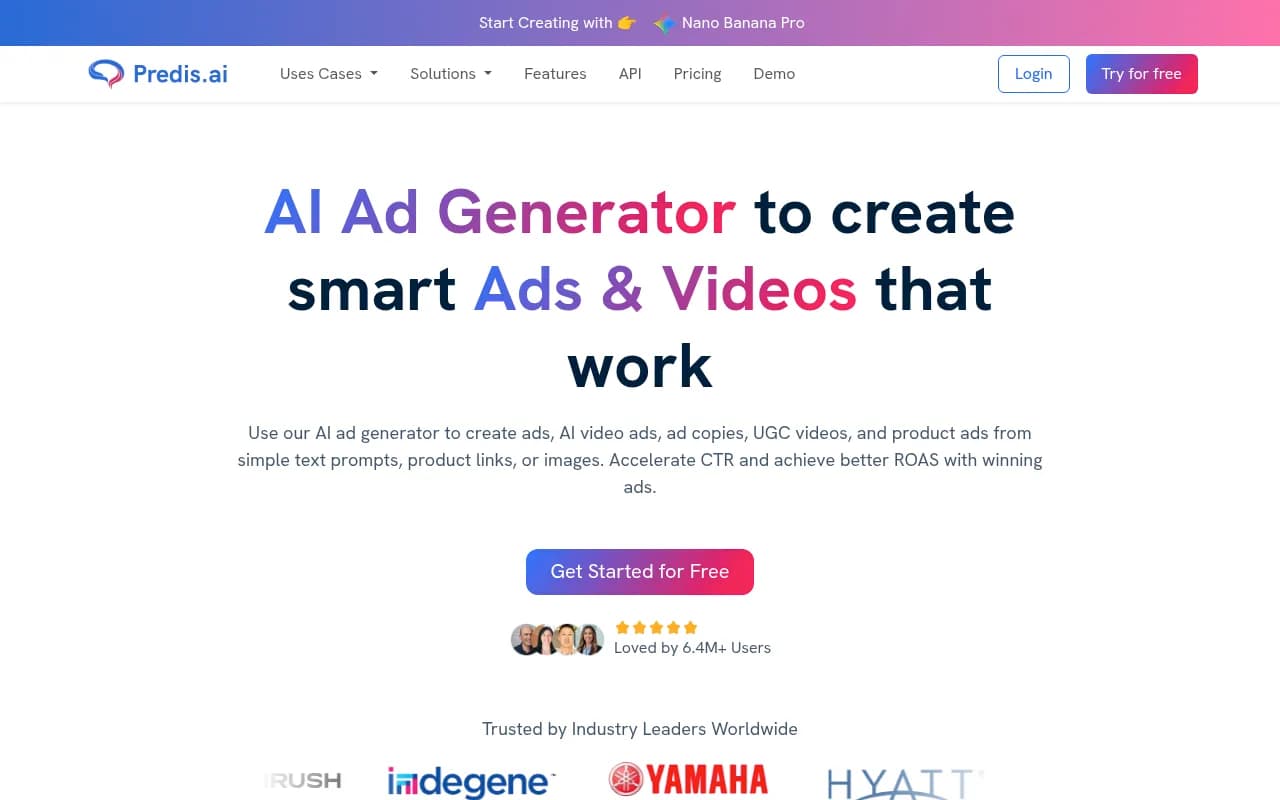
Simplified bundles design, copy and scheduling in one subscription. Predis.ai generates social posts. Both are worth a trial if you want one login instead of four.
Comparison table
| Tool | Replaces | Starting price (reported) | Best for |
|---|---|---|---|
| Frase | Slate content ops | Check vendor | Freelance writers, manual editorial control |
| Surfer SEO | Slate content ops | Check vendor | SEO agencies optimizing articles |
| AirOps | Slate content ops | Check vendor | Mid-market bulk workflows |
| Promptwatch | Slate AI visibility | Agencies from $199/mo | Multi-client AI visibility with action tools |
| Otterly.AI | Slate AI visibility | Check vendor | Budget monitoring |
| Canva | Slate social | Free, about $15/mo Pro | Design for small teams |
| Buffer | Slate social | Free, $6 per channel | Scheduling |
| Narrato | Slate social/content | Free, $36/mo | Agencies with freelancer writers |
| Sprout Social | Slate social | $249 per seat/mo | Larger social teams |
Prices for the content and visibility tools are not verified here. The social figures come from DeepSmith's April 2026 comparison.
How to choose
Start with the job you actually do
Write down what you used Slate for in the last month. If it's 90% visibility reports, buy a tracker. If it's drafting and publishing, buy an editor. If it's graphics, buy Canva. Most people discover they used one-third of the product.
Count clients, not features
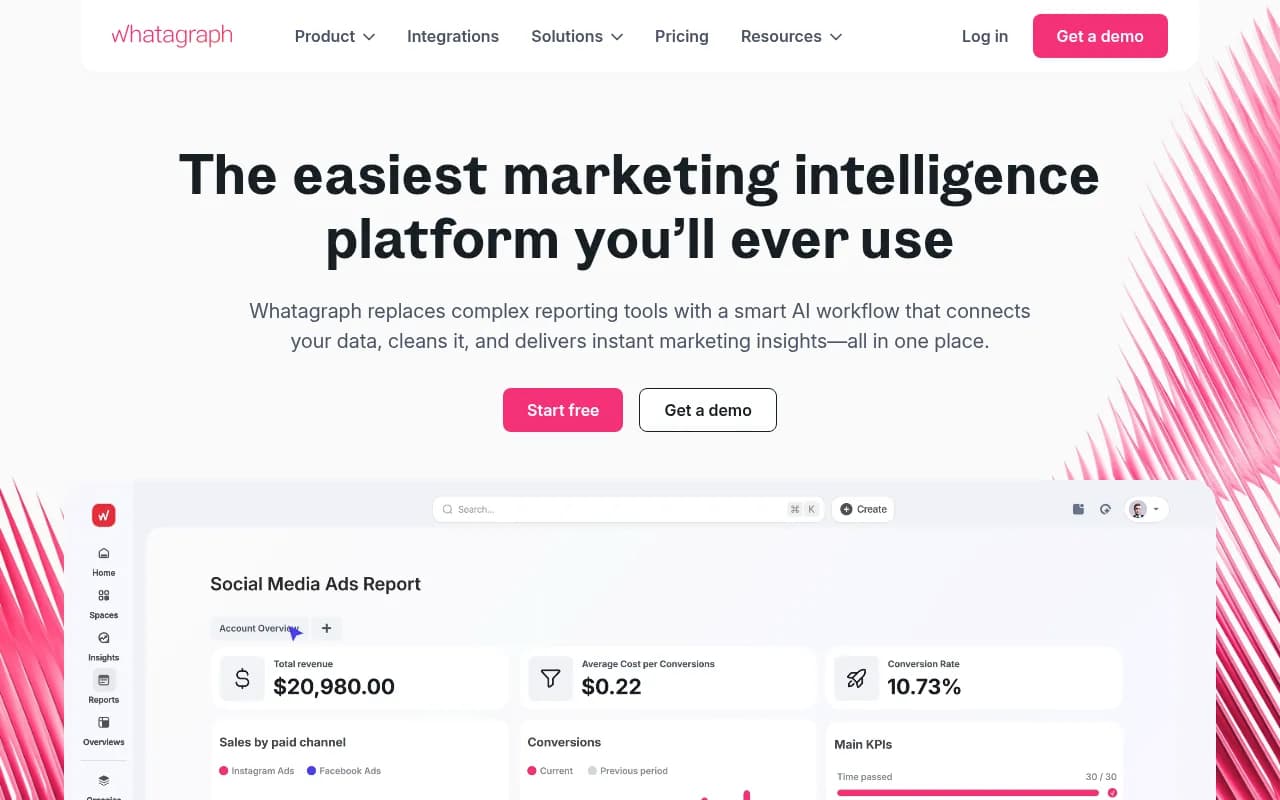
Per-project pricing hurts agencies. Look for unlimited-project plans or white-label reporting. Whatagraph is worth a look if client reporting is the bottleneck.
Price the full stack
The Slate-plus-Sprout example shows why. Add up every tool you'd need to replace the full workflow, not just the headline plan. A $99 tool needing three add-ons is not a $99 tool.
Run a two-week trial on a real client
Setup time is a hidden cost. Pick one live client, run the workflow end to end, and see whether you'd have finished faster than you do now. If a tool needs a three-week onboarding for a two-person shop, it's the wrong tool.
Automate the glue
If you end up stitching together three cheap tools, Zapier or Make can handle the handoffs between them.
A sensible small-agency stack
Here's one setup I'd consider for a three-person SEO and content agency:
- An editor like Frase or Surfer for article work
- A crawler for technical audits
- A multi-client AI visibility platform with agency pricing
- Canva and Buffer for the social side
That likely costs well under the $499 Slate Pro price, though your real total depends on seat counts and plan tiers. If you're picking an agency partner instead of building a stack, 1001 SEO Media covers technical SEO, content and AI search work for brands that would rather outsource it.
What I couldn't verify
Slate's current pricing wasn't checked against its own site, and neither were the Frase, AirOps and BlazeHive prices. The comparisons I drew on are published by competitors. Treat the numbers as ballpark, and confirm each one on the vendor's page before committing. For more tools by category, the surferstack.com directory is a good place to keep browsing.
Final take
Freelancers should start cheap: an editor, a crawler and a free design tool. Small agencies with several clients should prioritize an AI visibility platform with agency pricing, since that's the one piece that's hard to replace with generic tools. Skip anything that makes you configure for weeks before it produces a deliverable.