Key takeaways
- "Rank" is the wrong word for ChatGPT. There is no fixed list, so serious tools now measure mentions, citations, position inside the answer and share of voice across a maintained prompt set.
- ChatGPT's behavior moves under your feet. Promptwatch Data shows citations per search-enabled response fell about 27% after the GPT-5.3 rollout on March 4, 2026, and never recovered.
- Monitoring-only dashboards are the commodity now. Buyers want crawler data, traffic attribution, and something that tells them what to publish next.
- Sampling methodology is the real product. Ask which ChatGPT mode a tool tests, how many runs it averages, and whether it logs model version and date.
- Be skeptical of vendor stats. Claims like "60% of organic traffic now comes from AI" or "ChatGPT cites about 10 sources per answer" do not hold up against measured data.
What changed in 2026
Two years ago, "ChatGPT rank tracking" mostly meant someone pasting twenty prompts into a spreadsheet. In 2026 it is a product category with dozens of vendors, and the roundups published this year all list somewhere between 8 and 19 tools. KIME ranks eight, Omnia ranks 19, Leapd ranks 12. That alone tells you how crowded it got.
But the more interesting change is not the number of tools. It is that the thing being measured keeps moving.
The word "rank" stopped making sense
ChatGPT does not return ten blue links. It generates one answer that can name your brand, a competitor, or nobody, and that answer can change the next time you ask the same question. A decent critique from the Rework guide makes the point well: a tracker that tests ChatGPT without web search reports what the model remembers from training, which can be months stale. A tracker that tests ChatGPT Search reports what a buyer sees when the live web tool fires. Those are two different products, and many vendors do not tell you which one they tested.
| Mode | Can it cite sources? | What a tracker reports |
|---|---|---|
| Default, no web search | No | What the model "knows" from training |
| ChatGPT Search | Yes, linked sources | What a buyer asking a live question sees |
Two tools can show wildly different numbers for the same brand purely because they queried different paths. That is not a bug in one of them. It is a methodology gap nobody put on the pricing page.
The platform changed under everyone's feet
This is the part I think most buyer guides underplay. ChatGPT's citation behavior is controlled by OpenAI, and it shifted several times this year. Promptwatch Data documents a few of them:
- After the GPT-5.3 rollout on March 4, 2026, ChatGPT went from about 6.4 cited sources per search-enabled response to roughly 4.7 to 4.9 by late March. That is about 27% fewer, and it hit GPT-5.3, GPT-5.4 and GPT-5-Mini within a day of each other. See the ChatGPT citation drop report.
- Average web searches per response slid from 2.15 in early December 2025 to about 1.84 by early March 2026, and average query length dropped from about 117 characters to roughly 53 by April, per Promptwatch's ChatGPT query fanouts data.
- On August 8, 2026, ChatGPT started using the site: operator at scale. It went from about 0.4% to about 17% of fanout queries overnight, and searches per response nearly doubled (report).
- On August 14, 2026, reddit.com's share of ChatGPT citations fell from roughly 4% to 0.5% (report).
- ChatGPT also showed ads in some citation-enabled responses between May 20 and August 17, 2026 (ChatGPT ads over time).
If your visibility dropped on a Tuesday in March, your content may be fine. Check the date against model releases before rewriting anything. And it means a one-off audit is close to useless. Tools need to log model version and date next to every result, or you cannot tell a real change from a platform change.
Some popular numbers do not survive contact with data
A few figures repeat across the 2026 buyer guides. I would treat them carefully.
- "ChatGPT cites approximately 10 sources per response." Promptwatch's average sources per response data puts ChatGPT closer to 5 on search-enabled answers. Google AI Overviews and Perplexity sit around 10.
- "Roughly 60% of organic traffic now originates from AI responses." I found nothing that supports this, and it looks implausible. Do not repeat it in a board deck.
- "Only around 12% of ChatGPT citations match Google's first page" and "AI traffic converts 3x to 9x better" are third-party claims I could not verify. They are directionally plausible. Treat them as directional.
The lesson is the same each time: vendors write the stats that sell their category, so check them.
Who survived: the categories that held up
I am wary of saying a specific tool "survived" or "died", since I have not verified pricing or roadmaps for every vendor and the market moves monthly. What I can say is that the vendors split into recognizable groups, and some groups are holding up better than others.
Dedicated trackers with real self-serve pricing
These are the tools a small team can sign up for today. Prices below come from the vendors' own roundups, so confirm them on the vendor pages.
| Tool | Position | Starting price (reported) |
|---|---|---|
| Otterly.AI | Cross-engine brand monitoring for agencies | $29/mo |
| Nightwatch | Hybrid SEO plus AI tracking | $39/mo plus AI add-on |
| Morningscore | Beginner-friendly | $49/mo |
| ZipTie.dev | Actionable optimization steps | $69/mo |
| Xofu | Bottom-of-funnel prompts | Free / $99/mo |
| Rankscale | User-controlled refresh schedule | $20 entry, credits on top |
| Trakkr | 50 ChatGPT prompts a day | Per vendor page |

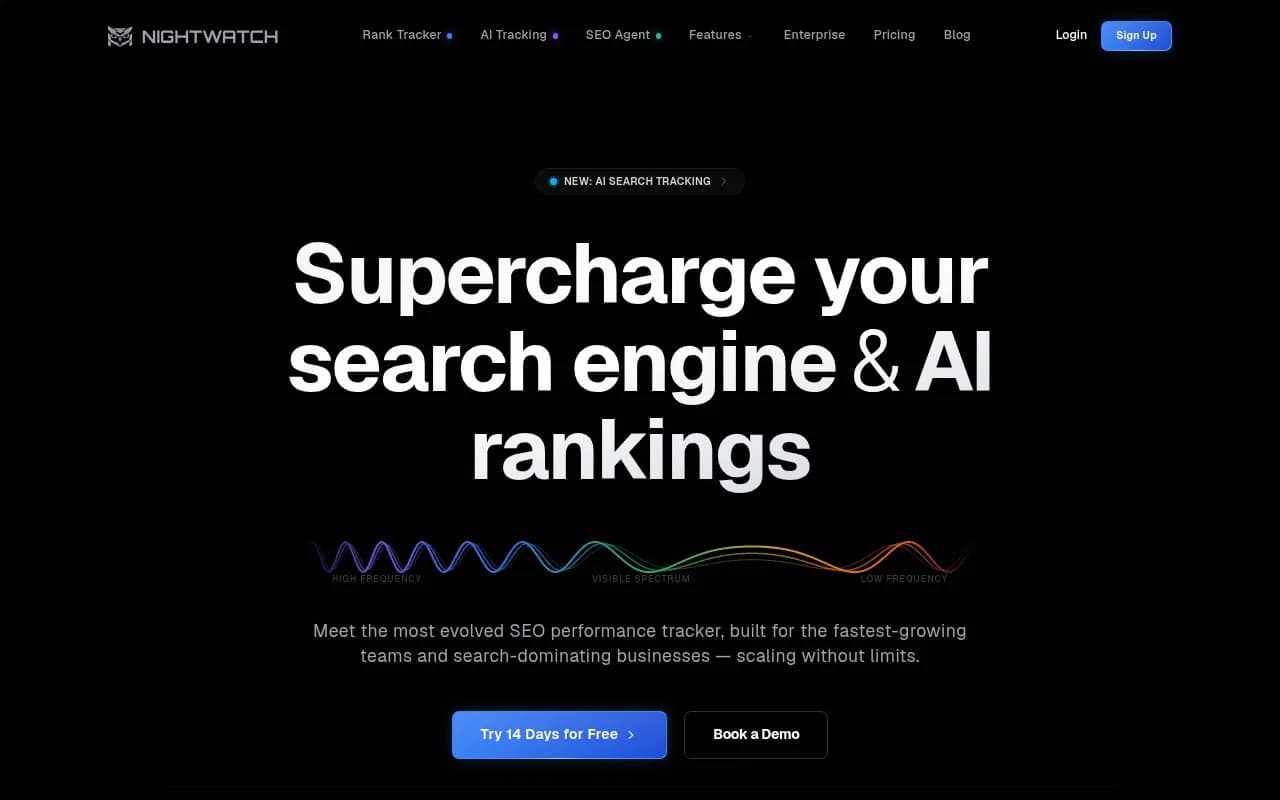
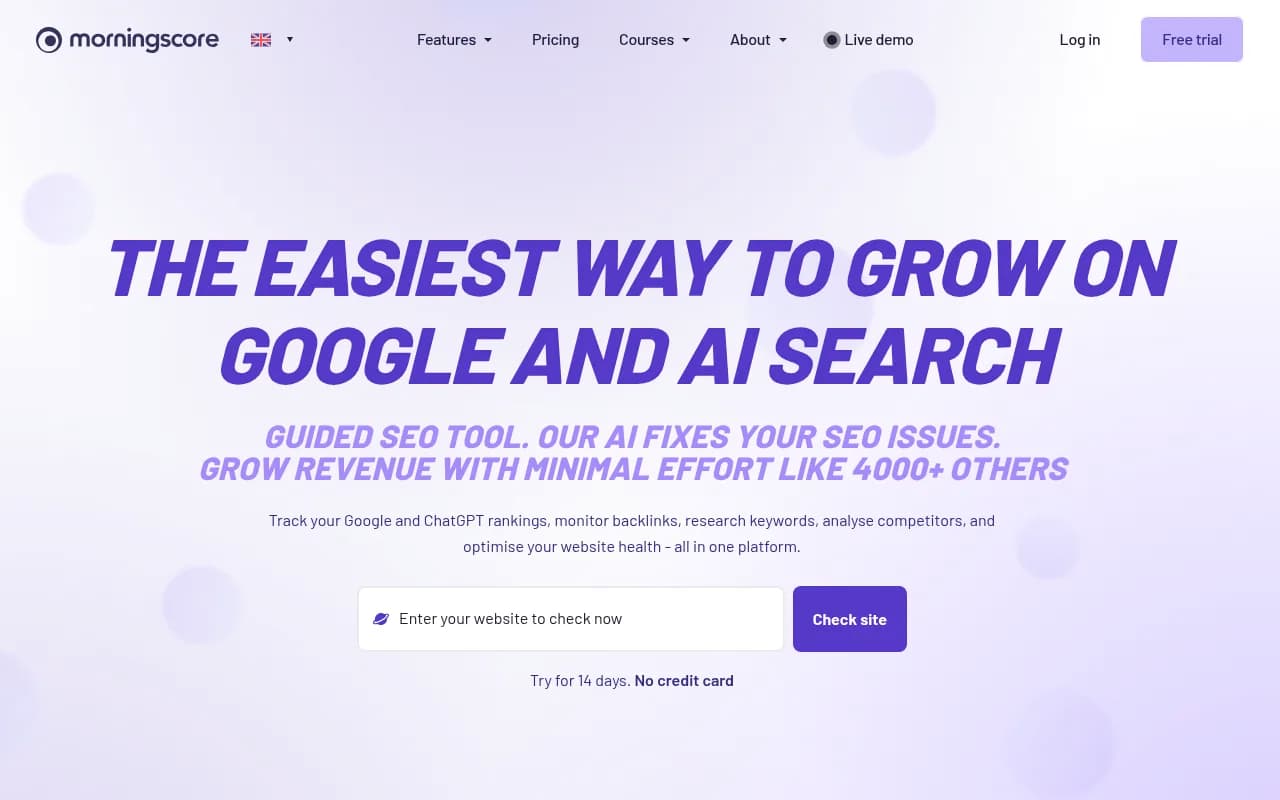
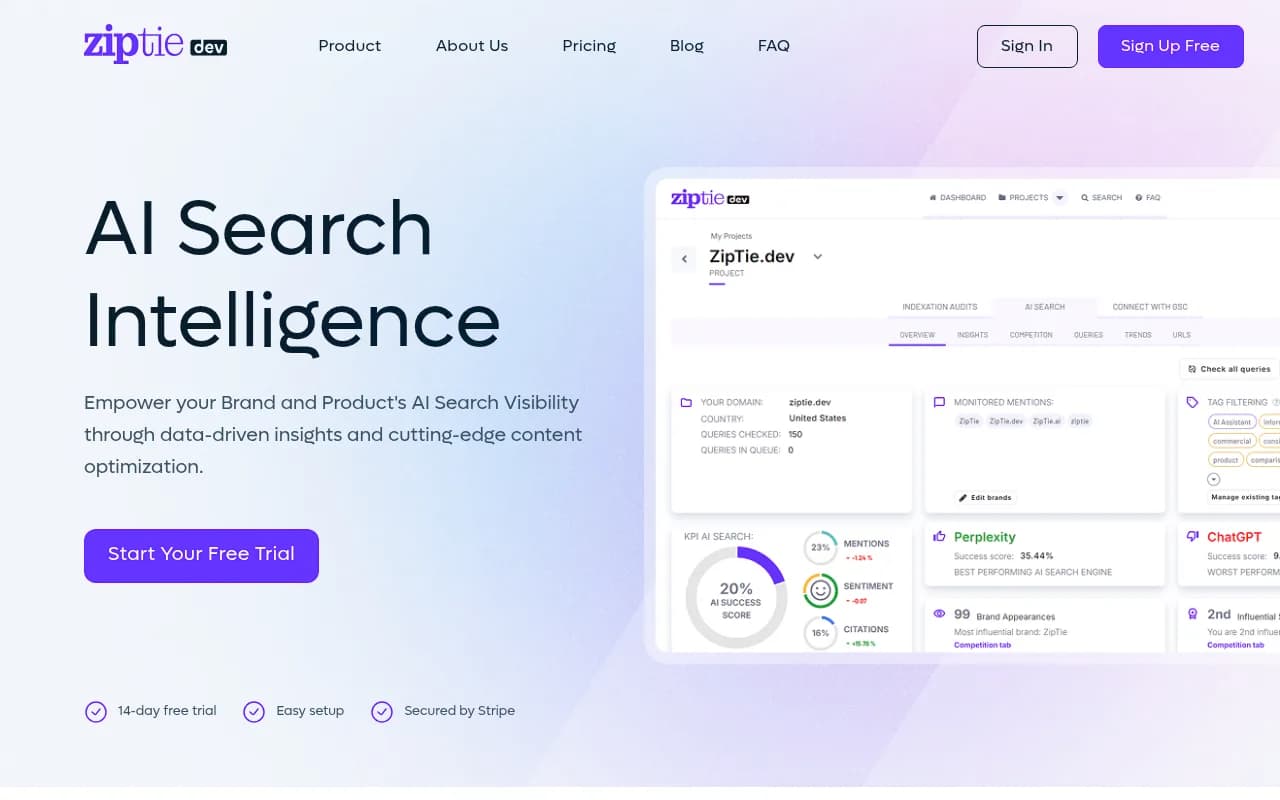
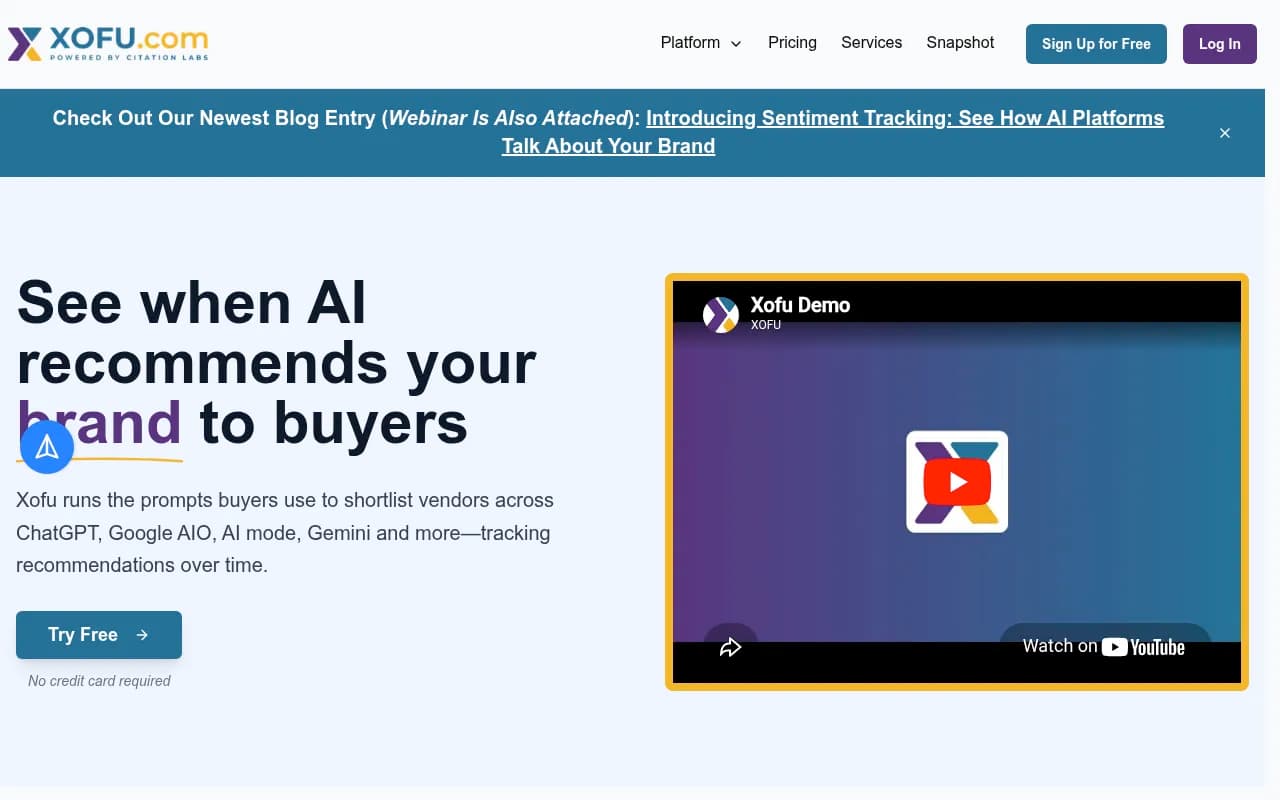
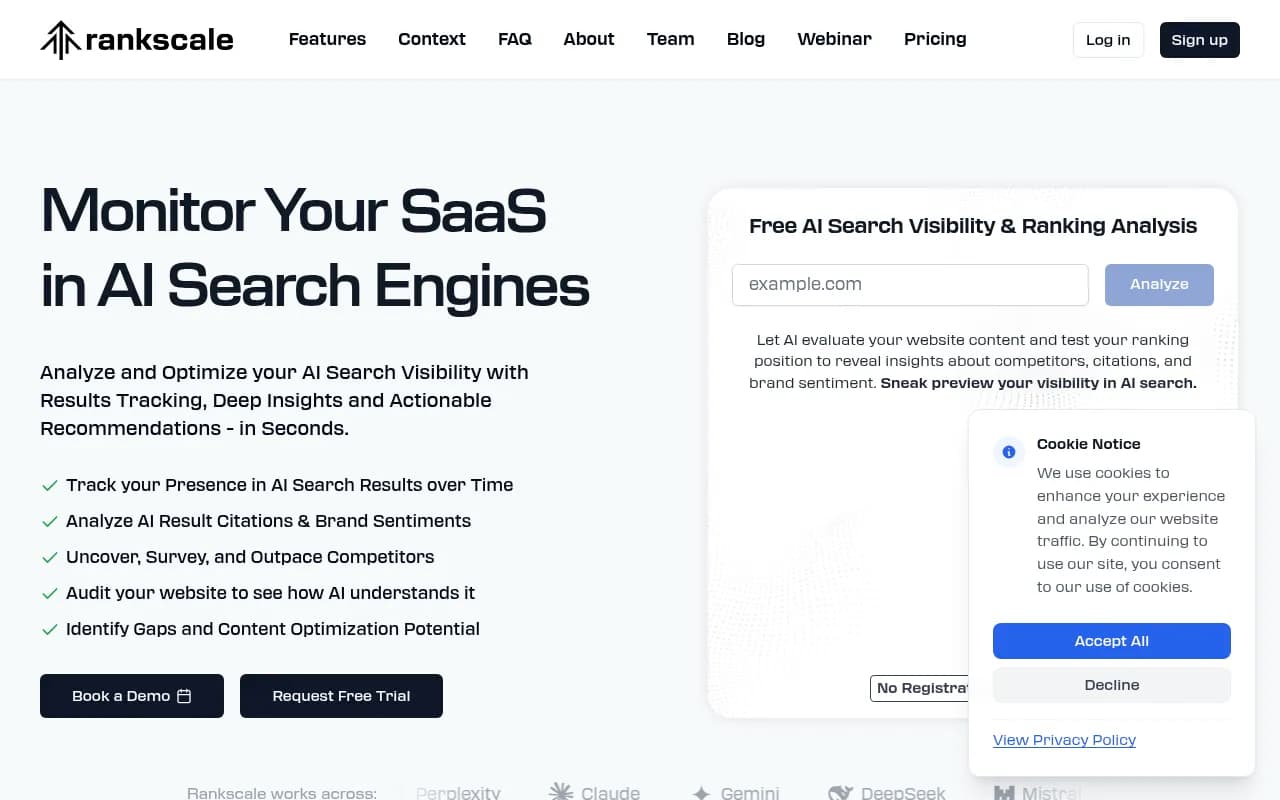
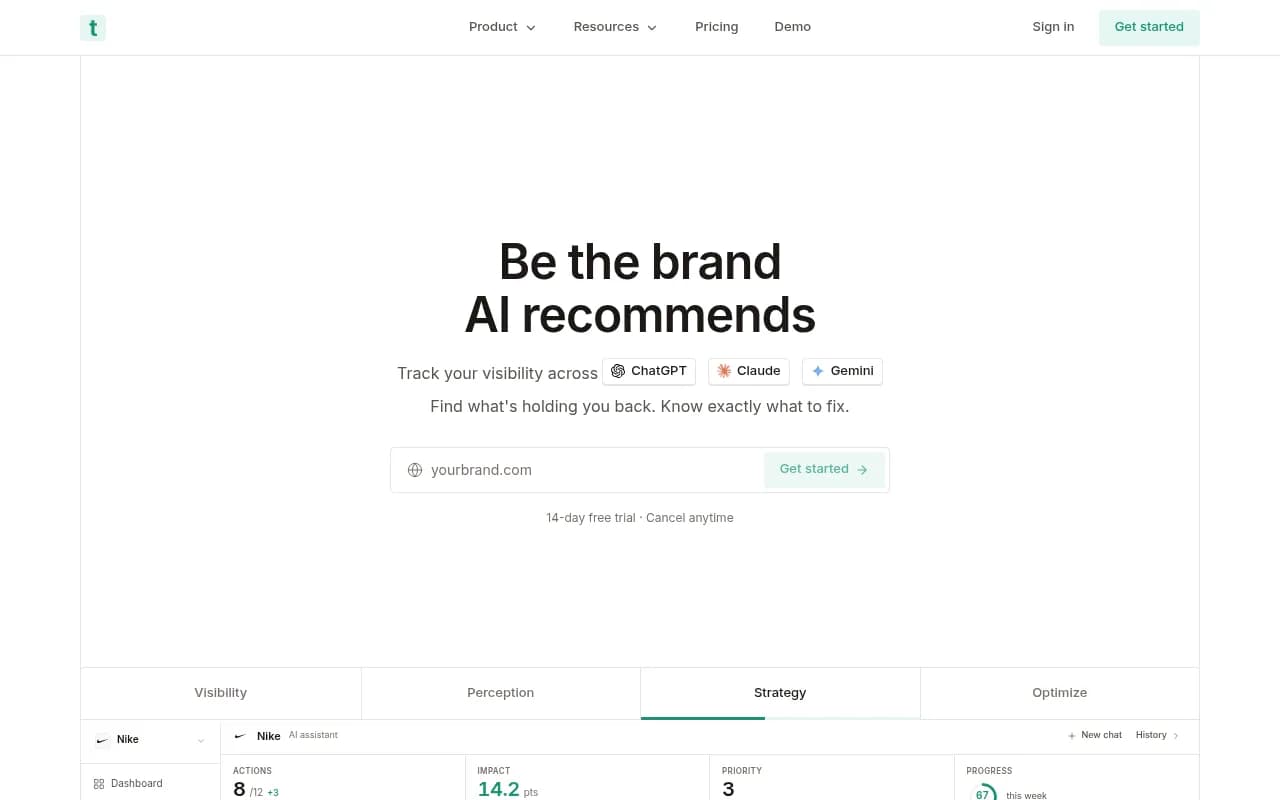
The Rework review makes one criticism that I think is fair: Rankscale's $20 Essentials tier ships with zero included credits, so the sticker price is not the real price. Read the credit model before comparing.
Enterprise and sales-gated platforms
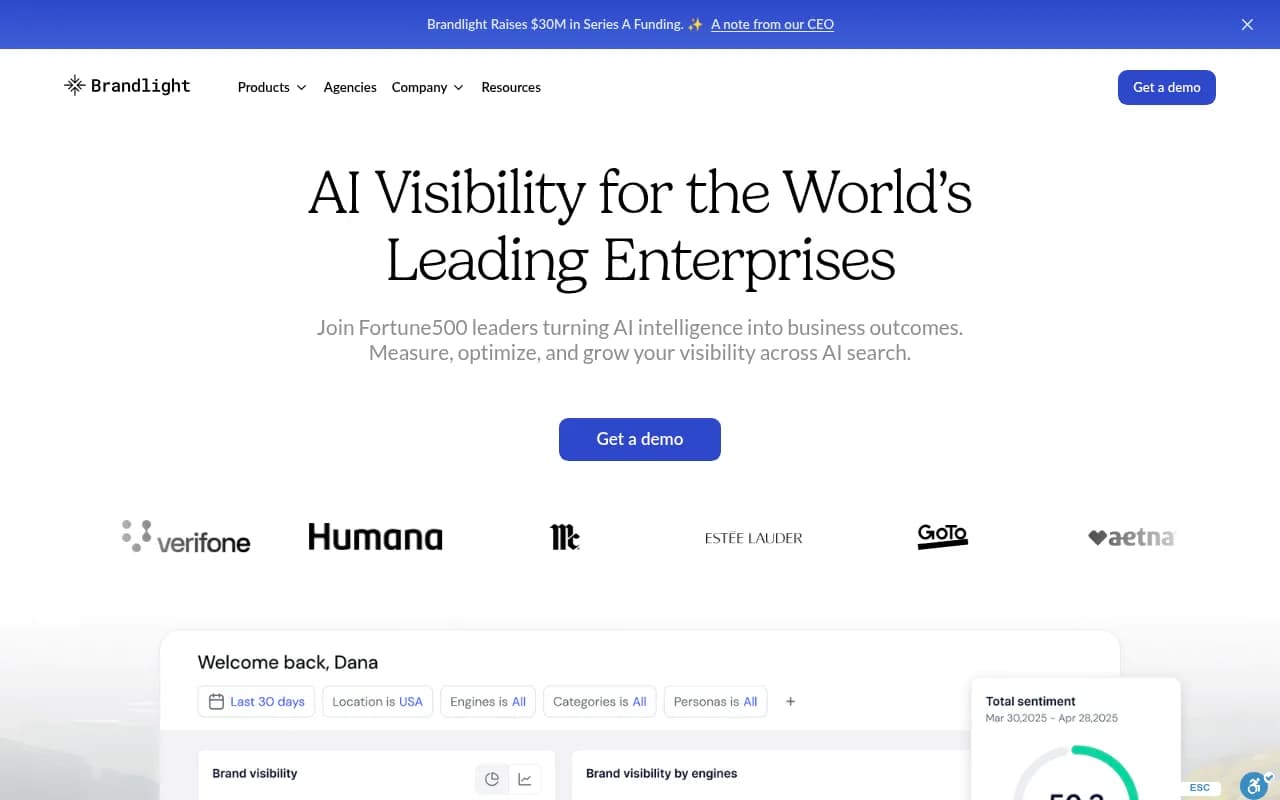
Profound is the best known here. The Rework guide notes there is no purchasable base tier for ChatGPT-only tracking, and the free trial covers three engines. Kime's roundup lists a $99/month starting point, so these numbers disagree depending on who you ask. That alone is a reason to get a written quote.


SEO suites that added AI tracking
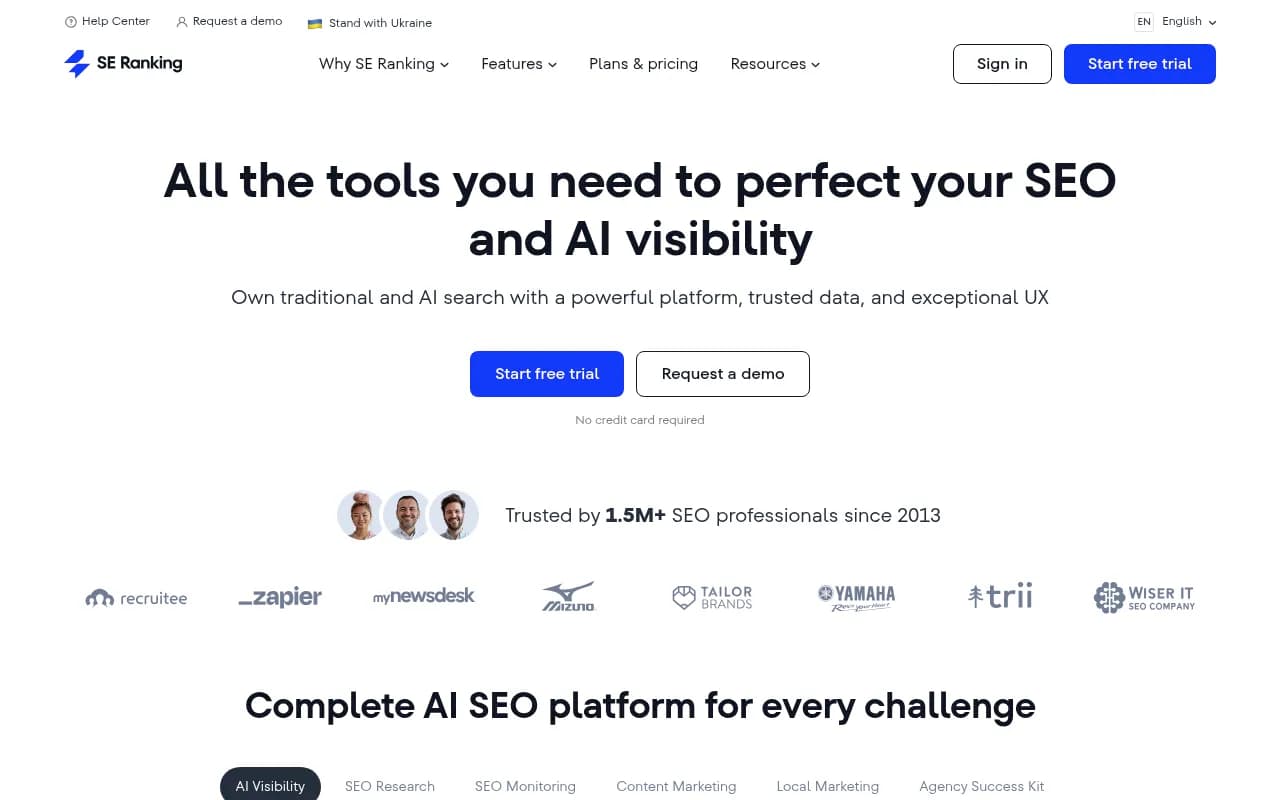
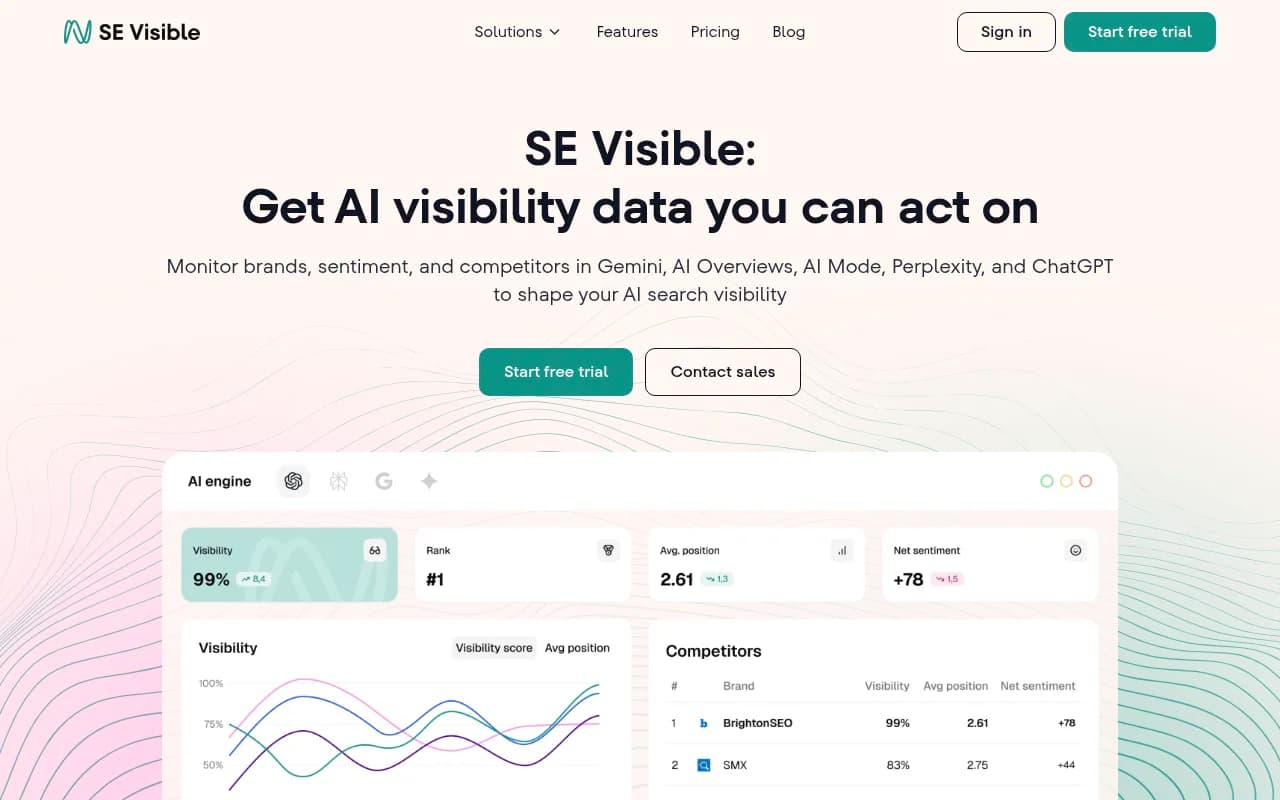
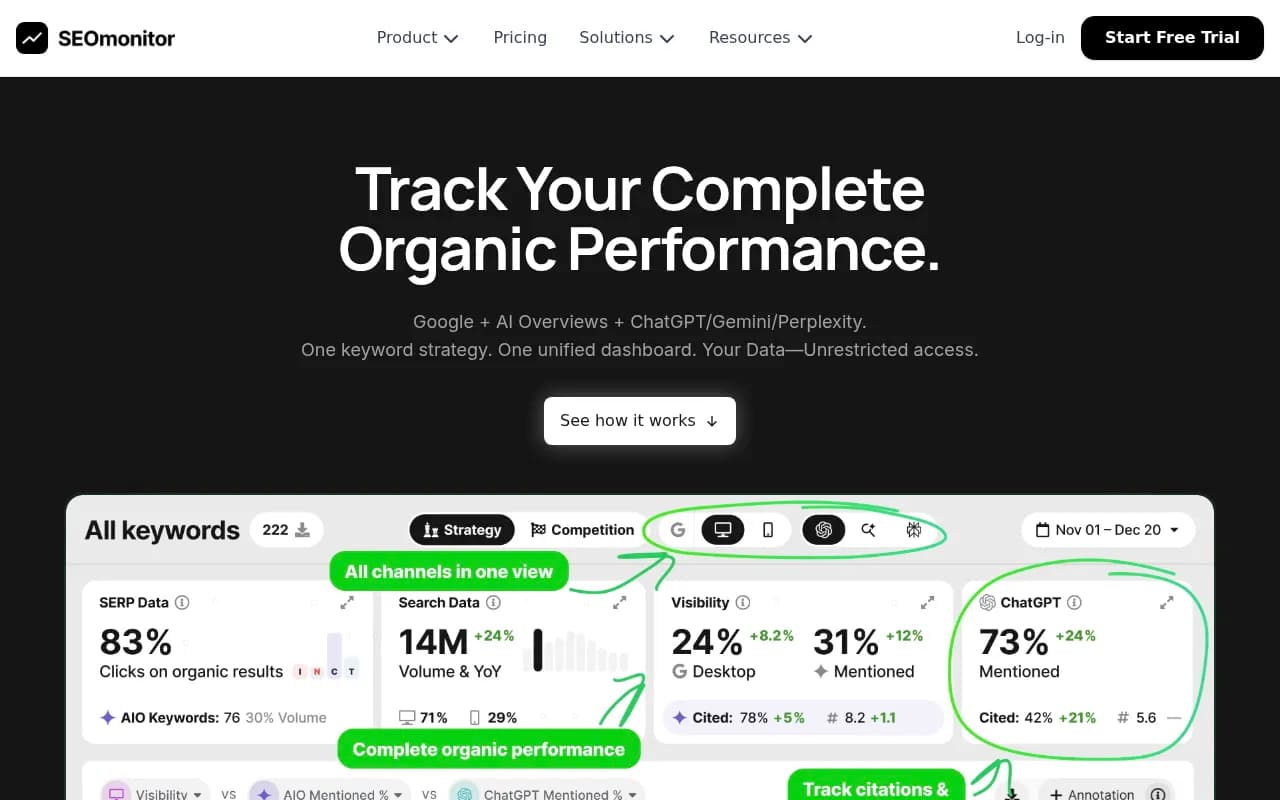
SE Ranking (through SE Visible), Semrush, Ahrefs Brand Radar, SEOmonitor, Nightwatch and AccuRanker all added ChatGPT tracking. The appeal is obvious: one bill, one login, ChatGPT visibility next to Google rankings. The tradeoff is usually fixed prompt sets and shallower AI-specific data.

The action-oriented newcomers
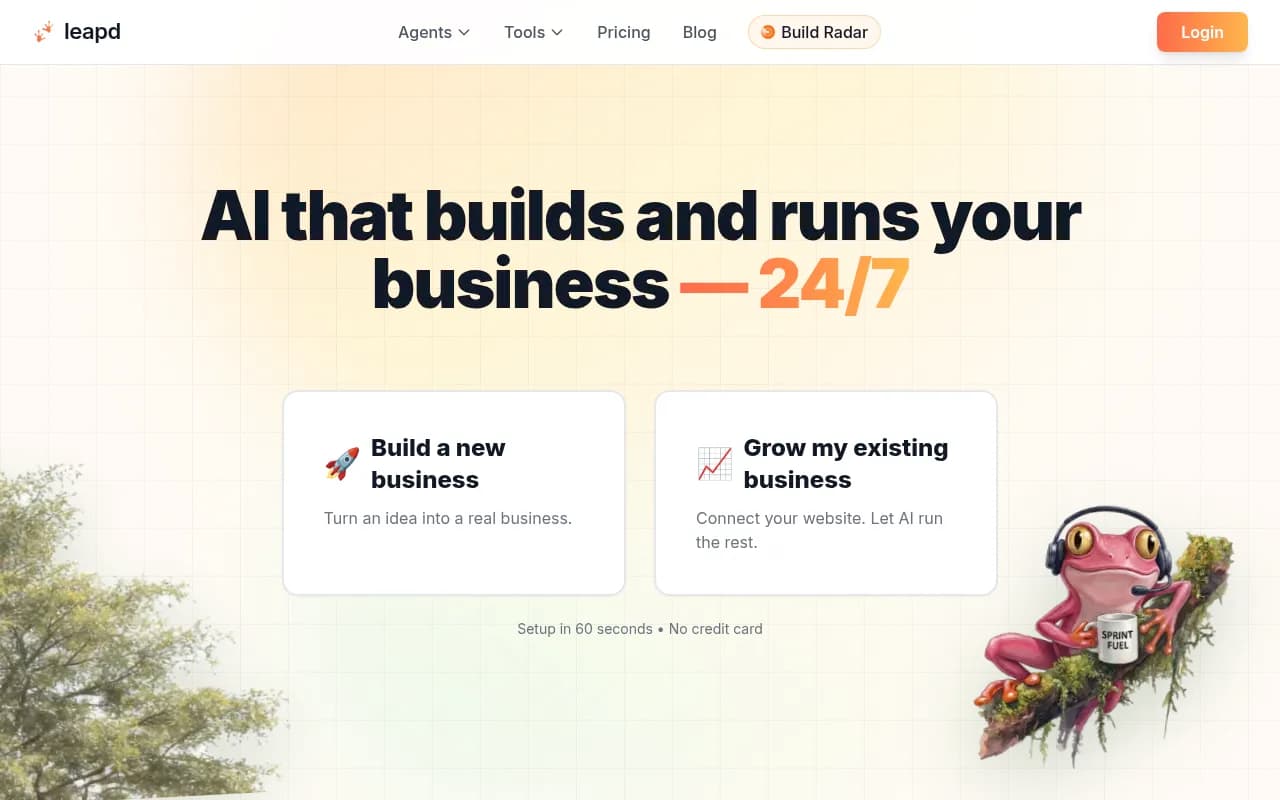
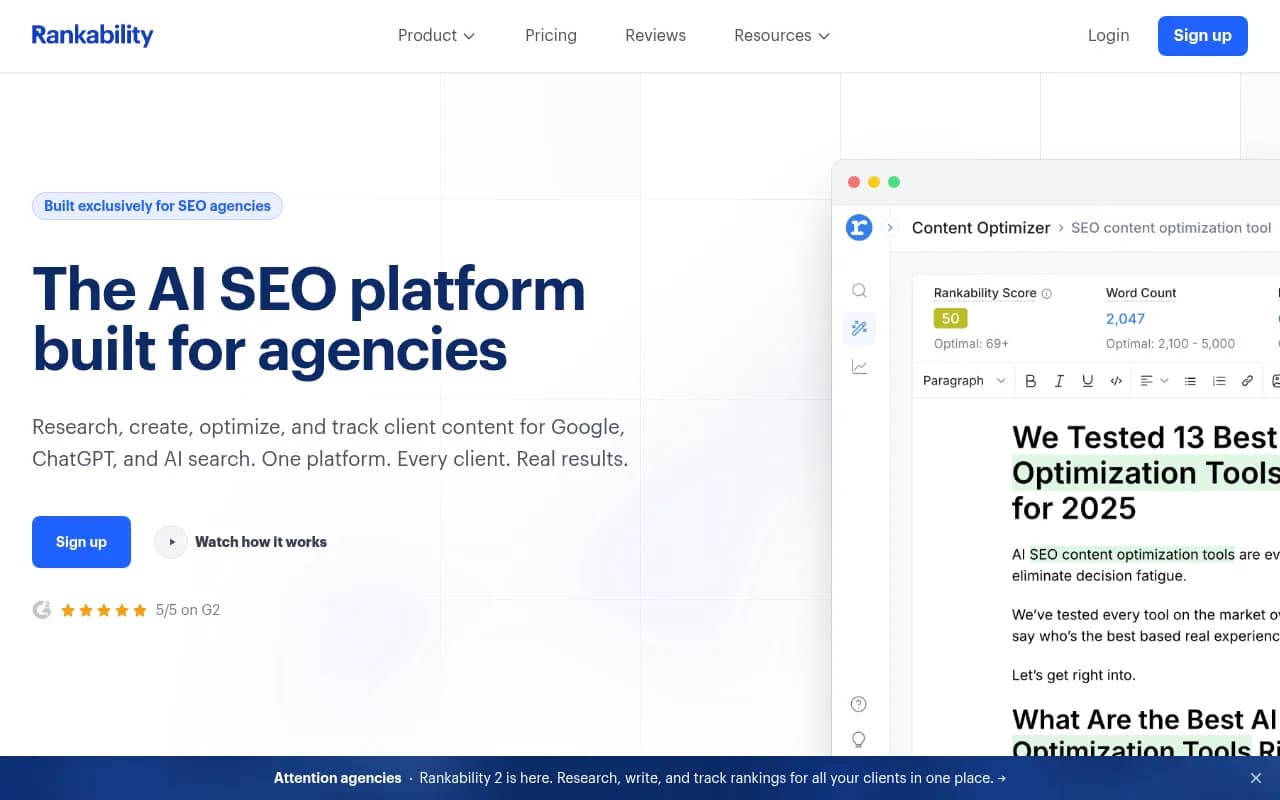
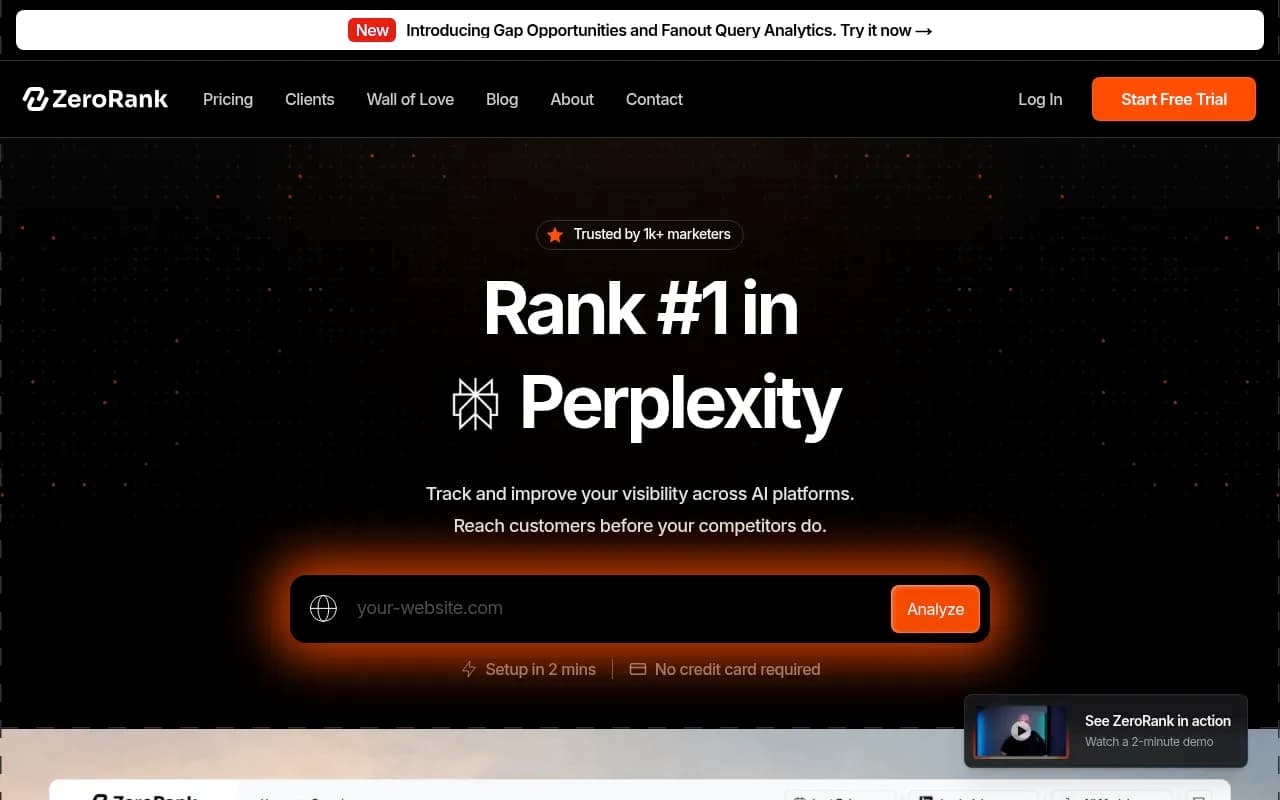
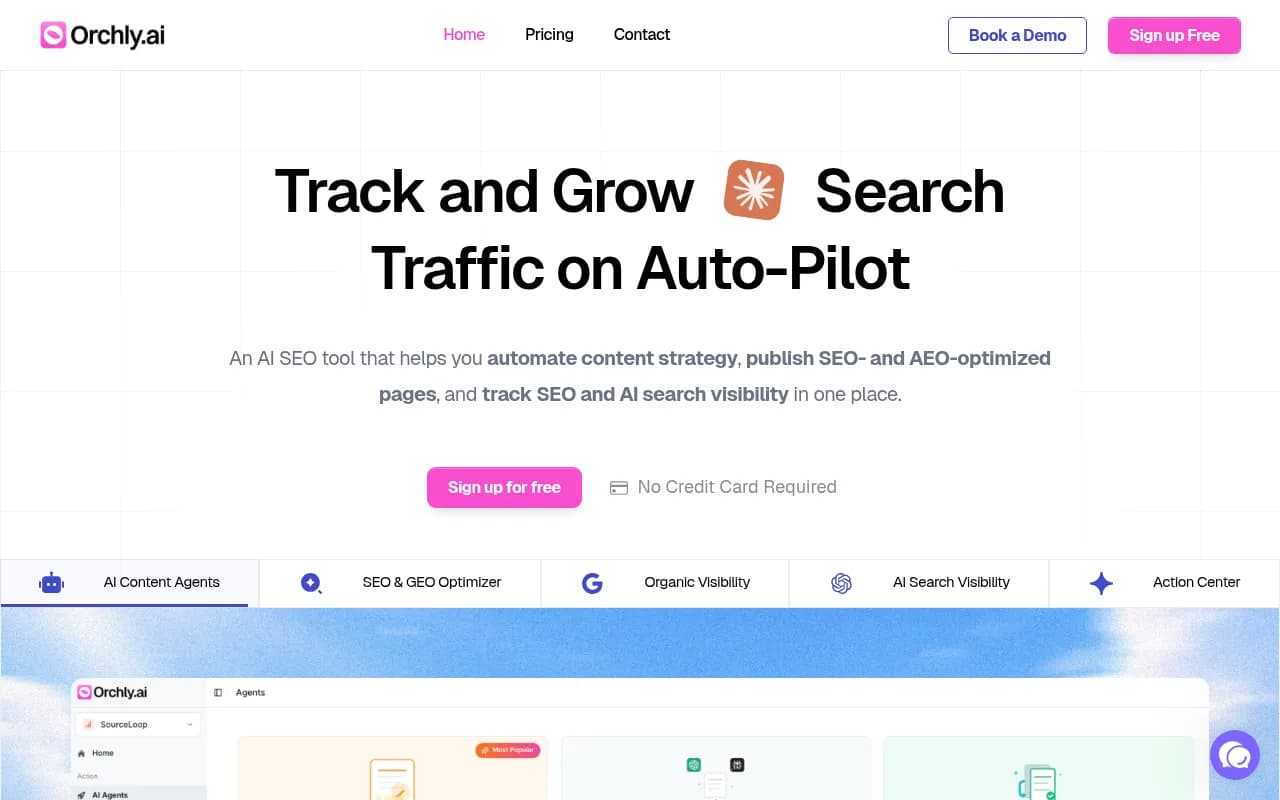
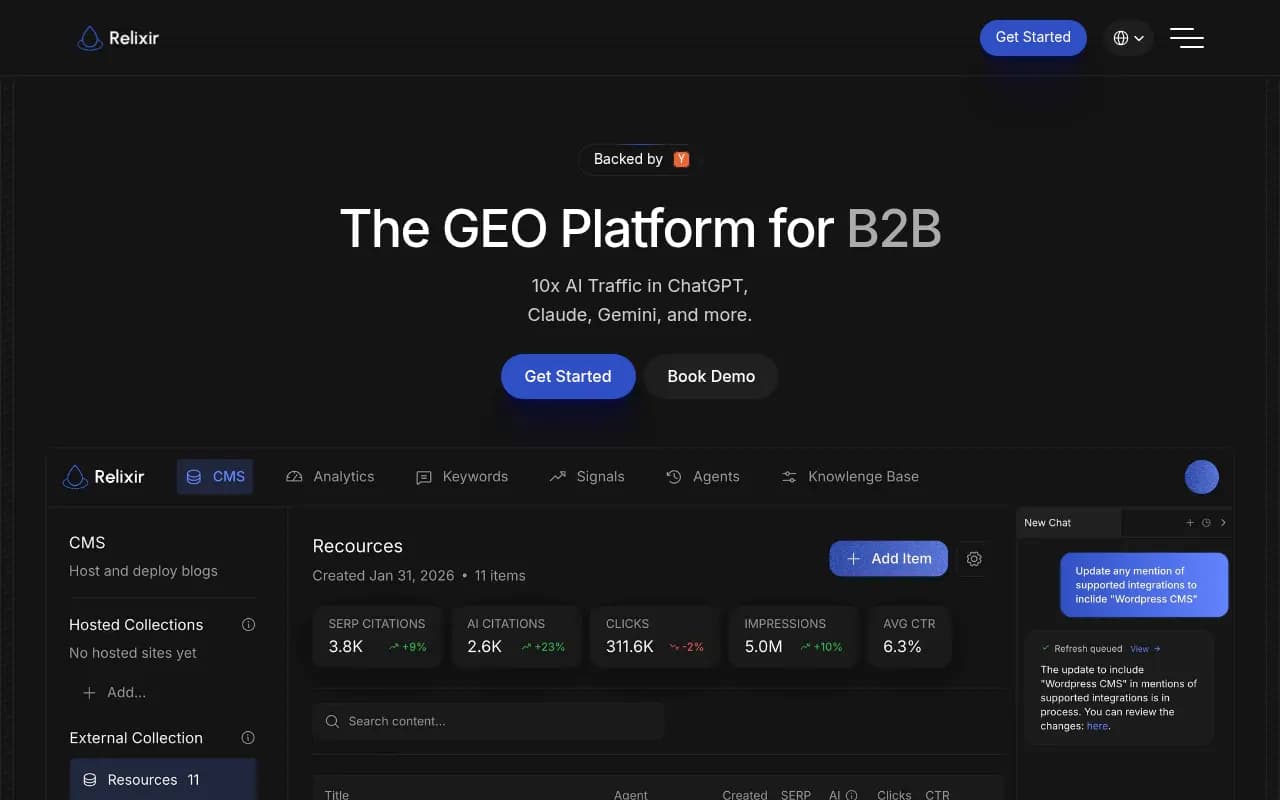
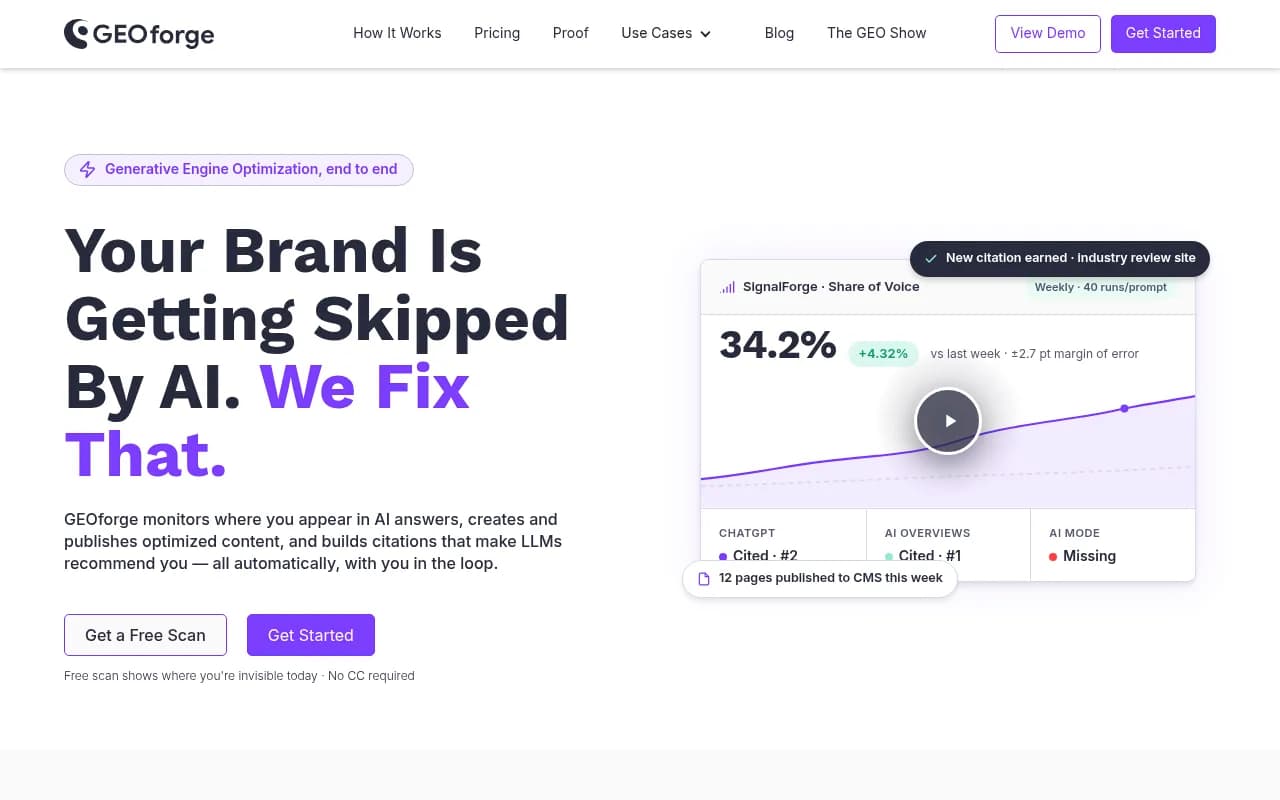
The fastest-growing group is tools that pair tracking with content or fixes: Leapd's Alex (from $39/month per its own site), Rankability, ZeroRank, Orchly, Relixir, Whitebox, GEOforge and others. Some of these are good. Some are a tracker with a "generate article" button attached. The test is whether the loop closes, meaning you can see whether the published page got crawled, cited and clicked.
What buyers want now
Read the 2026 buyer guides side by side and the same requests keep showing up. Here is what I would put on a procurement checklist.
1. Methodology you can inspect
Ask these before you trial anything:
- Does it test ChatGPT with web search, without it, or both?
- Is each prompt run once or averaged over several runs?
- Does it track the real ChatGPT interface or an API? User-facing answers and citations can differ from API output.
- Does it record model version and date with every result?
- Can you control refresh frequency?
The Rework analysis found most vendors disclose some of this and almost none disclose all of it. That is the real differentiator.
2. Prompts, not keywords
Tracking keywords made sense for Google. For ChatGPT you want prompt sets grouped by topic, intent and persona, ideally with volume estimates so you are not tracking questions nobody asks. Clustering prompts into topic groups gives a steadier share-of-voice number than a pile of isolated queries.
3. Citations at URL level
Knowing you were mentioned is the starting point. Knowing which URL was cited, where it landed in the source list, and which competitor pages sat beside it is what lets you act. Source-type data matters too. Promptwatch's content type report shows product pages at 22.4% of ChatGPT citations (Sep 28 to Oct 4, 2026), ahead of landing pages and listicles. That is the kind of insight that changes what you publish.
4. Crawler logs and traffic attribution
This is the gap between monitoring and understanding. ChatGPT has three crawlers: GPTBot for training, OAI-SearchBot for search indexing, and ChatGPT-User for live fetches. If a robots.txt rule or a CDN setting is blocking one of them, no amount of content work will fix it. Some teams report fast gains just from fixing accidental blocks. Most trackers do not give you crawler logs at all.
5. Hallucination and narrative checks
KIME and others flag when ChatGPT invents pricing, features or competitive claims about your brand. It is a reasonable feature, and I expect it to be standard by next year.
6. Agentic and shopping surfaces
Profound tracks ChatGPT Shopping, and tools like Azoma and Goodie AI focus on shopping surfaces. If you sell products, product-level visibility matters more than brand-level mentions.
7. Integrations and exports
API access, Looker Studio, Slack and white-label reporting are table stakes for agencies. If data cannot leave the tool, it will not make it into anyone's weekly report.
Where the market is splitting: trackers versus visibility platforms
There is a real difference between a prompt tracker and an AI visibility platform. A tracker answers "was my brand mentioned?" A platform tries to answer "why, where, and what do I do about it?"
Promptwatch sits on the platform side of that split. It monitors the real interfaces of ChatGPT, Google AI Overviews, AI Mode, Gemini, Perplexity, Copilot and others, adds IP-verified crawler logs and visitor analytics, and includes a Content Agent that plans, writes and publishes against visibility gaps, then tracks whether those pages get crawled and cited. It also logs query fan-outs, which matters given how much ChatGPT's search behavior shifted this year. Plans start at $95/month on Essential, and there is a free tier limited to ChatGPT, so check promptwatch.com/pricing for current numbers.

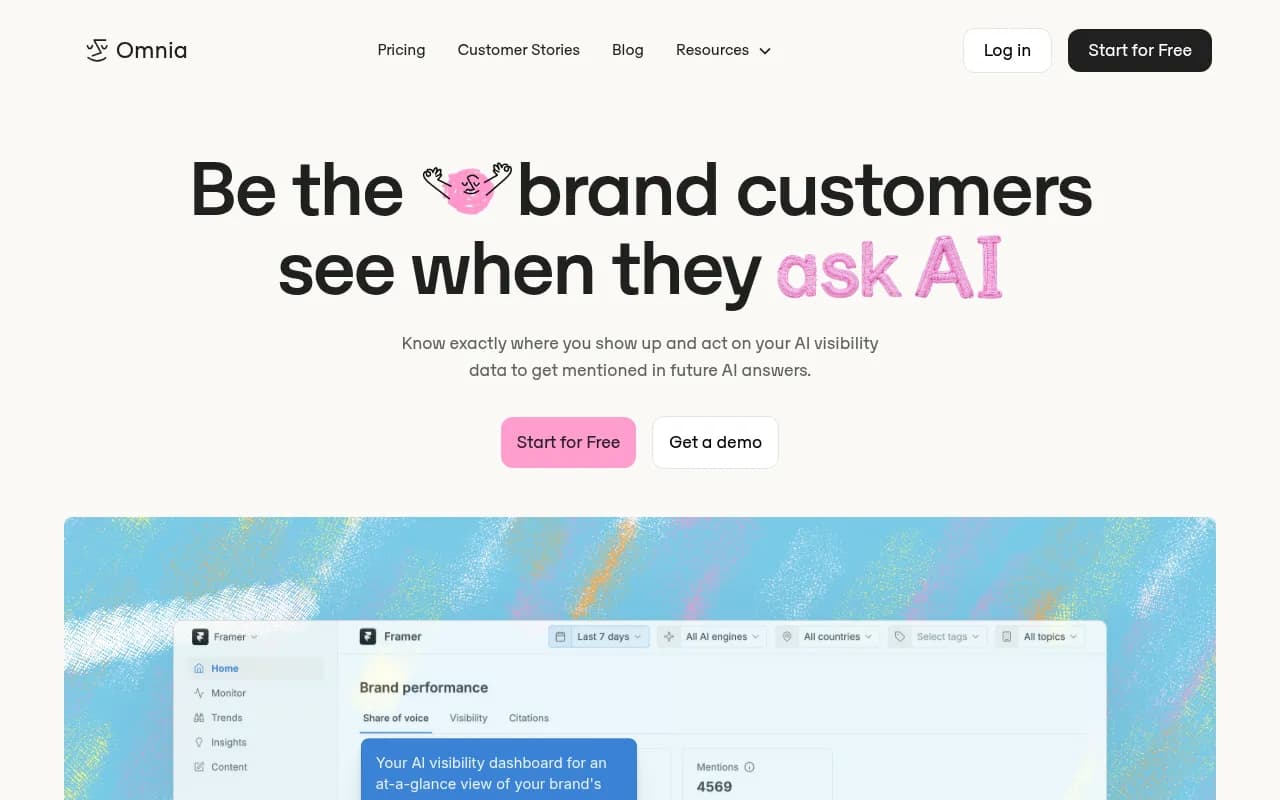
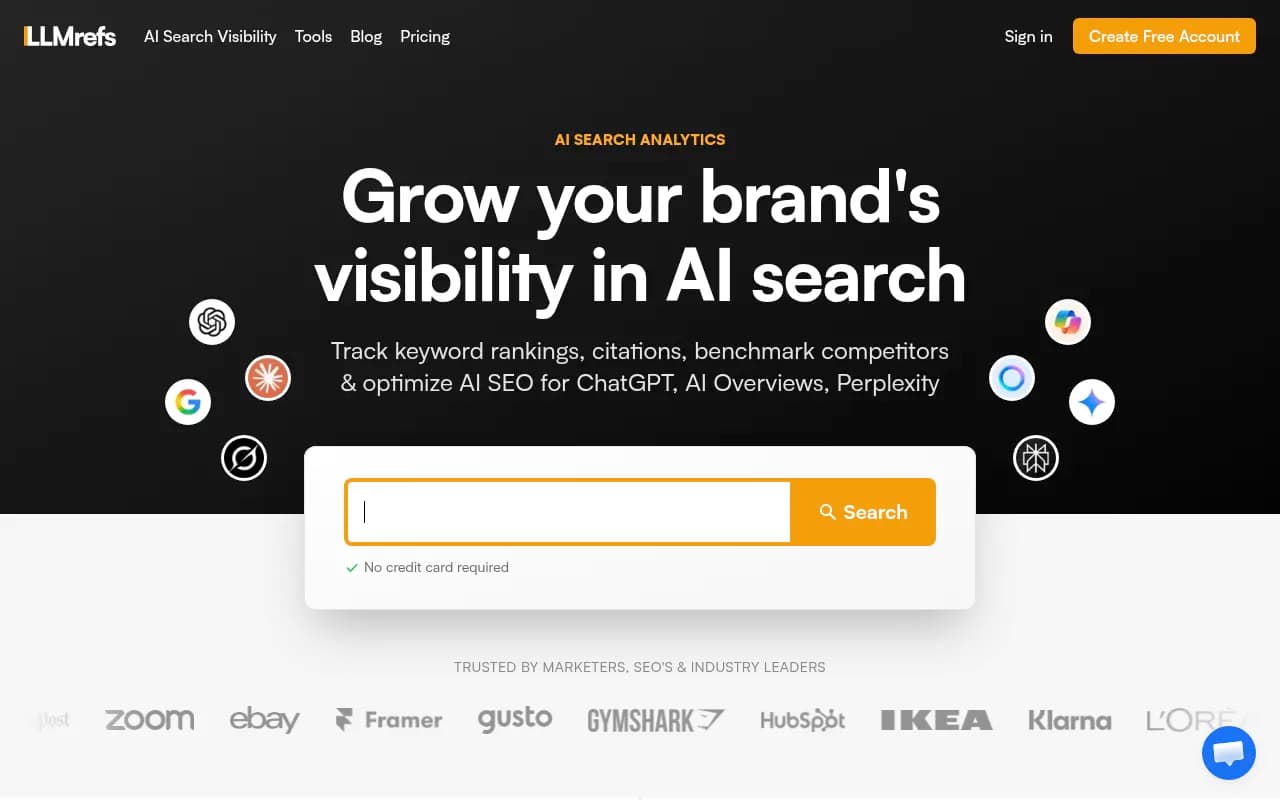
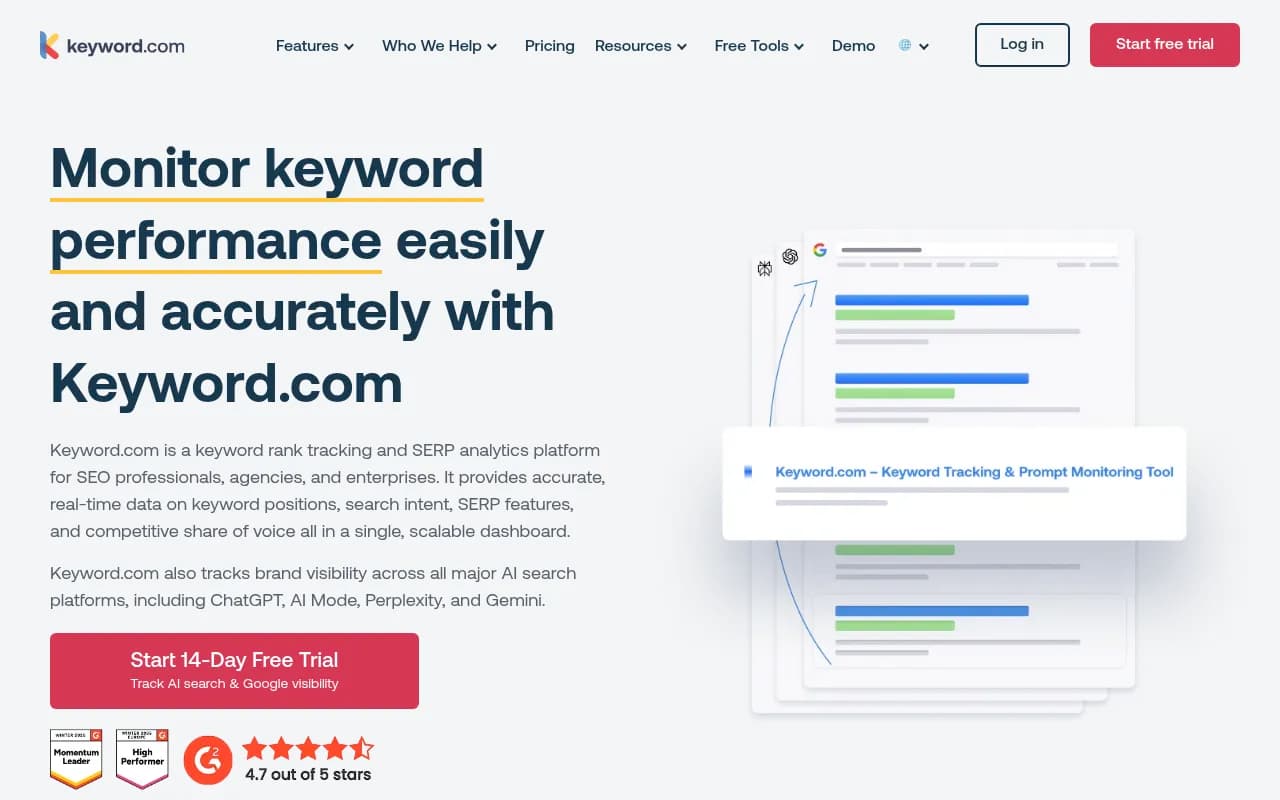
Other tools in the catalog worth a look if you want to compare: Omnia for share-of-voice analytics, Peec AI for multi-language tracking, and LLMrefs or Keyword.com if you want something lightweight.

If you want to browse more options by category, the GEO software directory and the AI rank tracking directory list far more than any one roundup can.
What the roundups themselves look like
Three of the buyer guides are worth skimming, with the caveat that each vendor ranks itself first.
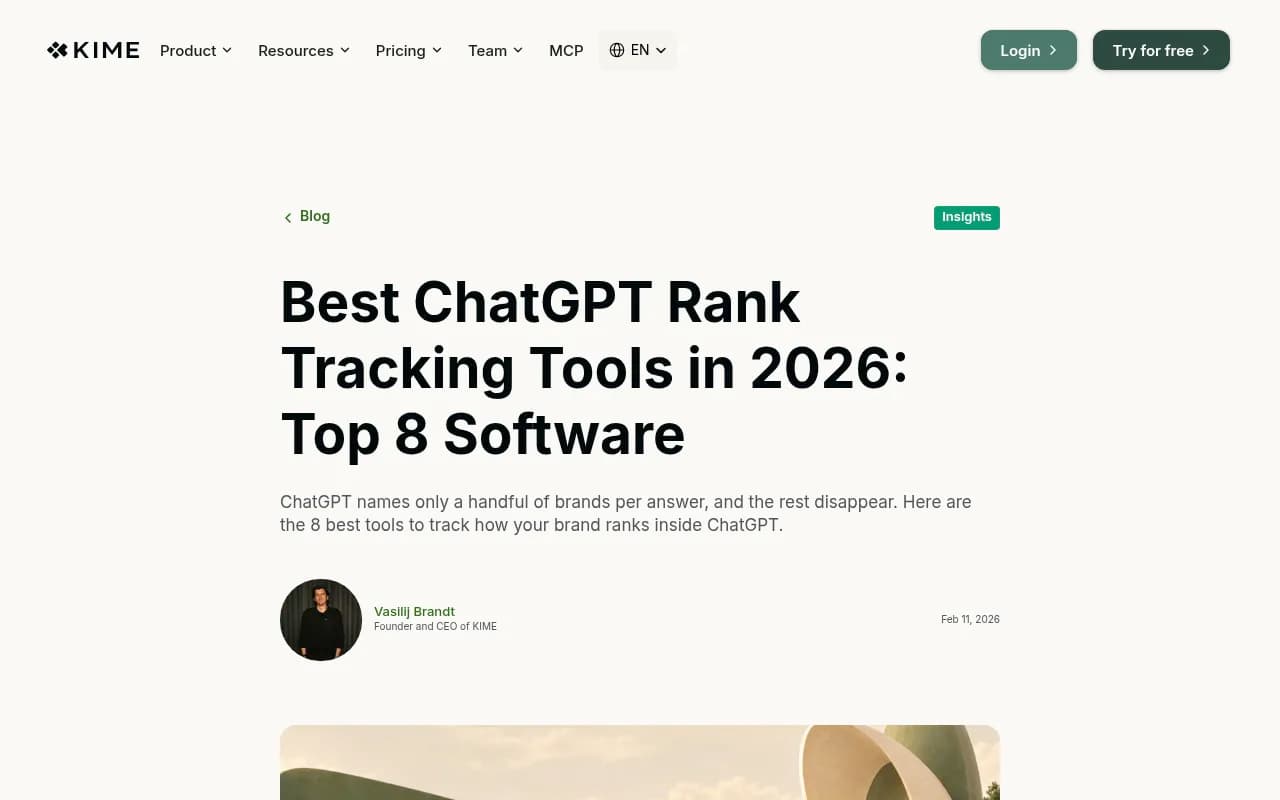
KIME's list is clear and includes a comparison table, but it ranks KIME first and repeats the unsourced 60% traffic claim.
Omnia's guide is the most useful for procurement, because it gives vendor questions to verify data integrity rather than just a ranking.
| Source | Tools covered | Most useful part |
|---|---|---|
| KIME | 8 | Quick comparison table and pricing |
| Omnia | 19 | Procurement checklist, weekly operating rhythm |
| Leapd | 12 | Metrics a tracker should measure |
| Rework | 12 | Sampling methodology critique |
| Geoptie | 9 | Tracker types by question answered |
A practical way to choose
Here is the order I would work in.
- Decide the question. Brand mentions only? Cheap tracker. Need to fix things and prove revenue? You need crawler data, traffic attribution and content workflows.
- Shortlist two or three tools. More than that and you will not trial them properly.
- Run the same 20 prompts in each, for a week. Compare the numbers against a manual check of a few prompts. If two tools disagree wildly, ask which mode each tested.
- Check the credit math. Prompts, responses, seats and refresh frequency all affect cost per tracked answer. Cost per response is a better comparison than monthly price.
- Test the action loop. Publish one page based on a gap and see whether the tool tells you when it was crawled, cited and clicked.
- Set a date-aware review habit. Log major ChatGPT releases next to your charts so a platform shift does not trigger a panic rewrite.
For teams that would rather hand this off, an agency that handles technical SEO and AI search together is a legitimate option. 1001 SEO Media does exactly that, and uses Promptwatch for its own AI visibility work.
What I expect next
Three things look likely from where I sit, and two are already visible in the data. Tracking will move from "did you appear" to "was the description accurate", which is why hallucination checks are spreading. Personalized answers will make single-number visibility scores less meaningful, so expect more persona-based tracking. And because ChatGPT's behavior keeps changing without notice, the tools that win will be the ones that treat the platform as a moving target and keep a dated history of everything.
The short version: pick a tool that tells you how it measured, not just what it measured. A cheap dashboard with unknown methodology is worse than a spreadsheet you trust.