Key takeaways
- These are prompts to track for brand visibility, meaning the questions your customers ask Meta AI. They are not the "AI prompts for business" lists that help you write emails or ad copy.
- Below are 30 starter queries, 7 or 8 each for retail, SaaS, travel and local services. Adapt the brackets to your category, city and competitors.
- Meta AI is a new and mostly unmeasured surface. Nobody has solid public data on how it cites sources, so treat early results as a baseline, not a verdict.
- Meta-WebIndexer grew from roughly 2% to nearly 38% of tracked AI crawler requests between mid-July and August 9, 2026. Check your logs and robots.txt now.
- Run each prompt on a schedule, tag it by intent, and review mentions, position, sentiment and cited sources together.
Two kinds of AI prompt lists, and why this one is different
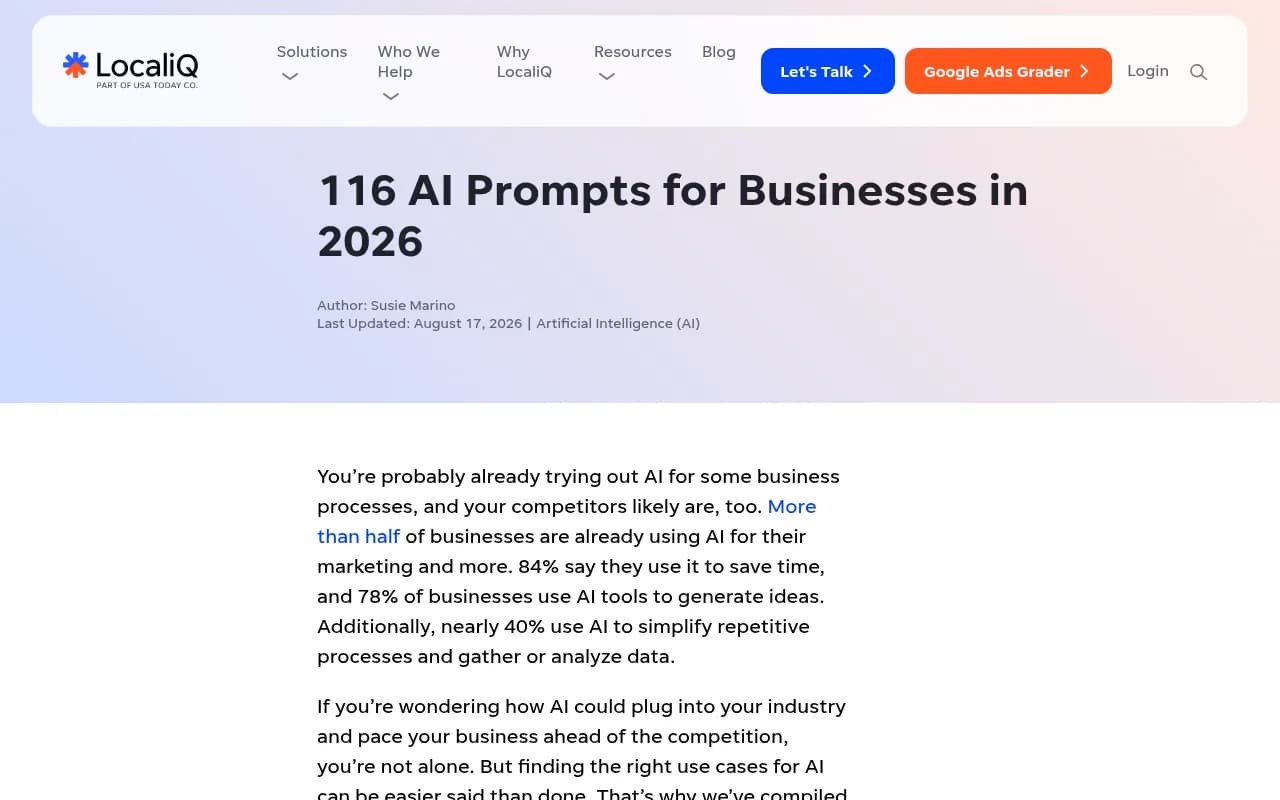
Search for "AI prompts for business" and you get long lists like LocaliQ's 116 prompts, Founderpath's 400, and Housecall Pro's 35+ for service businesses. They are useful. They are also a different thing entirely.
Those lists are instructions you give an AI to get work done: draft a promo email, summarize a spreadsheet, write a job post.
This guide is the reverse. The prompts below are what a customer types into Meta AI when they are deciding what to buy, which software to trial, where to stay, or which plumber to call. You are not asking the assistant to help you. You are watching whether it recommends you.
That distinction changes how you write the prompt. A business-task prompt is detailed and instructional. A tracking prompt should sound like a real person, usually short, often a bit vague, and always something you could plausibly see in a customer's search history.
What we actually know about Meta AI as a search surface
Honest answer: not much, and anyone who claims otherwise is guessing.
What is measurable is the crawling. According to Promptwatch Data on Meta's crawling, the meta-webindexer user agent made up about 2.2% of AI crawler requests in mid-July 2026 and 37.8% by August 9, a roughly 17x rise in under a month. That made it the heaviest AI crawler in the logs. The surge comes from the indexing crawler, not from Meta's training or link-fetching bots.
There is also a rumor behind it. An X post by @levelsio on August 6, 2026, citing Meta staff, said Meta is allegedly building its own web search index so Meta AI doesn't depend on Google or Bing. He flagged it as unconfirmed, and so should we. But if it is true, whether your content was crawled during the build-out could decide whether Meta AI can cite you.
What I could not find: public data on which sources Meta AI cites, how many it cites per answer, or how its answers vary by country. So I am not going to invent citation patterns for it. Compare that with ChatGPT, where Promptwatch's query fanout data shows about 2.15 searches per response in early December falling to roughly 1.84 by early March. Nothing equivalent exists for Meta AI yet. That is exactly why starting a baseline now is worth it.
Check your Meta crawler access first
Before tracking any prompts, find out whether Meta's bots can reach you. The user agents to look for in logs and robots.txt are:
- meta-webindexer
- meta-externalagent
- meta-externalfetcher
- FacebookBot
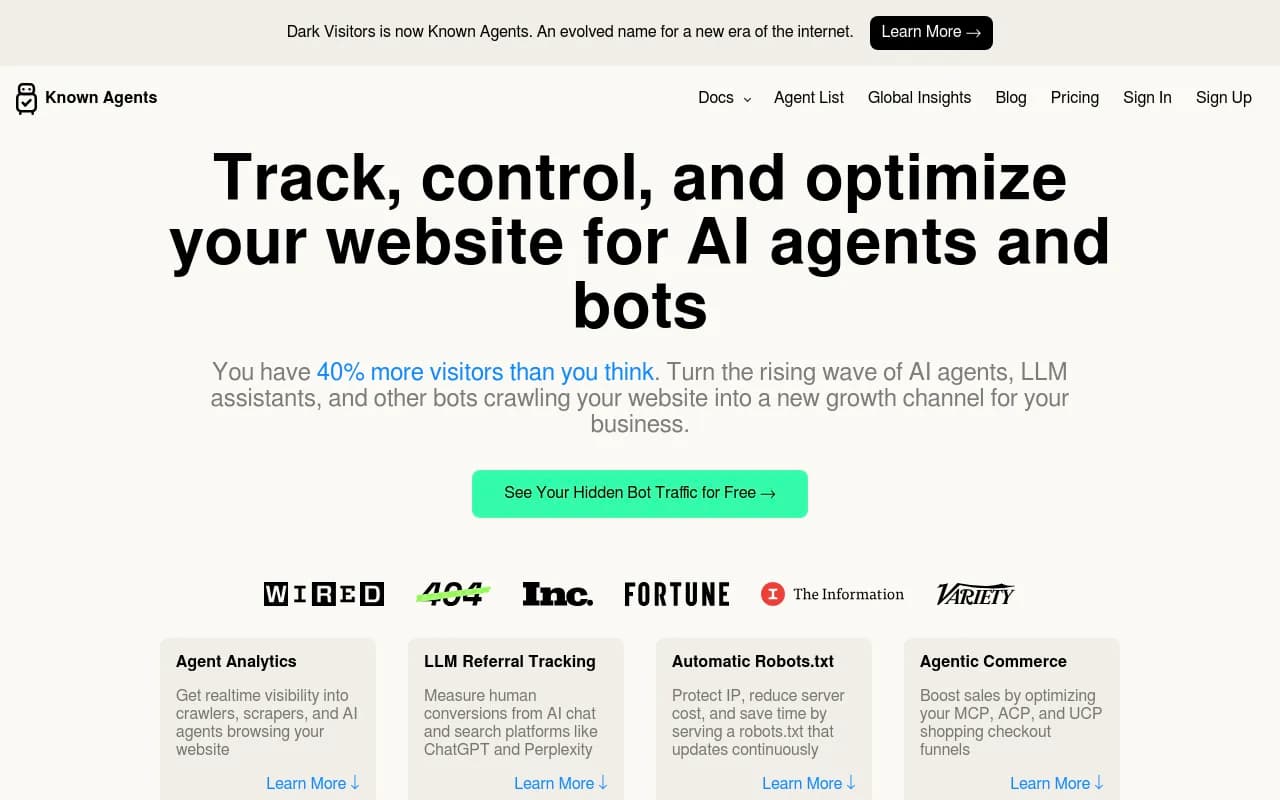
If you have blocked all of them by accident, no prompt set will fix that. Also budget for crawl load: Meta's volume triggered server alerts on independent sites. A free option for a quick look is the AI bots directory at promptwatch.com/bots, and log-based tools such as DarkVisitors cover agent traffic too.
How to build a tracking prompt that is worth running
A few rules I would follow before copying the lists below.
- Write like a customer. "Best running shoes for flat feet under $150" beats "top athletic footwear brands."
- Keep it specific. Promptwatch Data on sources per response shows ChatGPT citing about 5 sources per web-search answer, Google AI Overviews about 10, and Perplexity almost exactly 10. Few slots means vague prompts get crowded out by big brands. Meta AI's number is unknown, so assume it is small until proven otherwise.
- Tag every prompt by type: organic discovery, brand-specific, or competitor comparison. They answer different questions.
- Include location where it matters. Local services and travel change completely by city.
- Track the same wording over time. Rewording a prompt breaks your trend line.
30 starter prompts by industry
Replace anything in brackets. Run each one in Meta AI, record whether you are mentioned, where, and what sources appear.
Retail and ecommerce (8 prompts)
- Best [product type] for [use case] under [price]
- Where to buy [product] online with fast shipping
- [Your brand] vs [competitor] for [product category]
- Is [your brand] worth the money?
- Best [product type] gifts for [recipient or occasion]
- Most durable [product type] according to reviews
- Sustainable or ethical alternatives to [big brand]
- [Your brand] return policy and customer service reviews
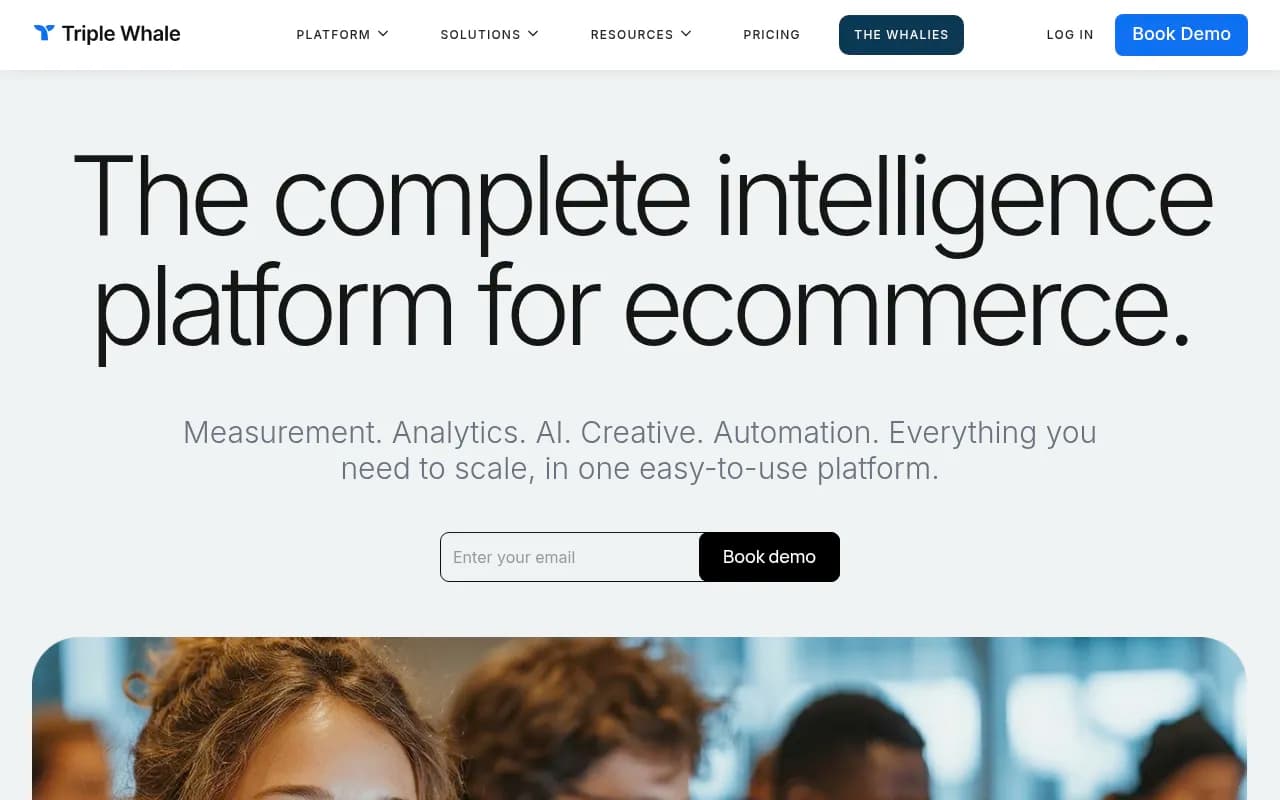
Product pages are the most cited content type in ChatGPT, at 22.4% of citations from Sep 28 to Oct 4, 2026, according to Promptwatch's content type report. Whether Meta AI follows the same pattern is unknown, but it makes prompts 1 and 5 the ones to watch for whether your product pages show up as sources. If you run a Shopify-style store with a lot of SKUs, Triple Whale publishes its own ecommerce prompt research, though it is aimed at analyzing your store data rather than tracking visibility.
SaaS and software (8 prompts)
- Best [category] software for [company size or role]
- [Your product] alternatives
- [Your product] vs [competitor]
- [Your product] pricing and free plan
- What tool should I use to [job to be done]?
- Best [category] tool that integrates with [popular app]
- Is [your product] good for [specific use case]?
- Cheapest [category] software that is still reliable
For software questions, documentation and help centers earn the largest share of ChatGPT citations, with GitHub, Microsoft's docs and G2 leading, per Promptwatch's software citation report (Sep 28 to Oct 4, 2026). So when you review Meta AI answers for prompts 2 and 3, look at whether third-party review sites are being cited instead of your own pages. That points to a content gap, not a mention problem.
Travel and hospitality (7 prompts)
- Best time to visit [destination] and where to stay
- Best hotels in [city] for [family, couples, business]
- [Your hotel or brand] review: is it worth it?
- Cheap flights from [origin] to [destination] in [month]
- Things to do in [destination] for [days] with kids
- Best [type] resort or vacation rental in [region]
- [Your brand] vs [competitor] for a [trip type]
In ChatGPT, booking and search sites earn more than half of travel citations, with Skyscanner, Going and Tripadvisor leading (Promptwatch Data, Sep 28 to Oct 4, 2026). If Meta AI behaves similarly, direct-booking sites will fight for scraps. Watch for whether Meta AI names you at all in prompt 2, then check which aggregator it cites instead.
Local services (7 prompts)
- Best [service, e.g. plumber] near me
- Emergency [service] open now in [city]
- How much does [service] cost in [city]?
- [Your business name] reviews
- Trusted [service] company that offers free estimates in [neighborhood]
- [Service] for [specific problem, e.g. burst pipe, AC not cooling]
- [Your business] vs [local competitor]
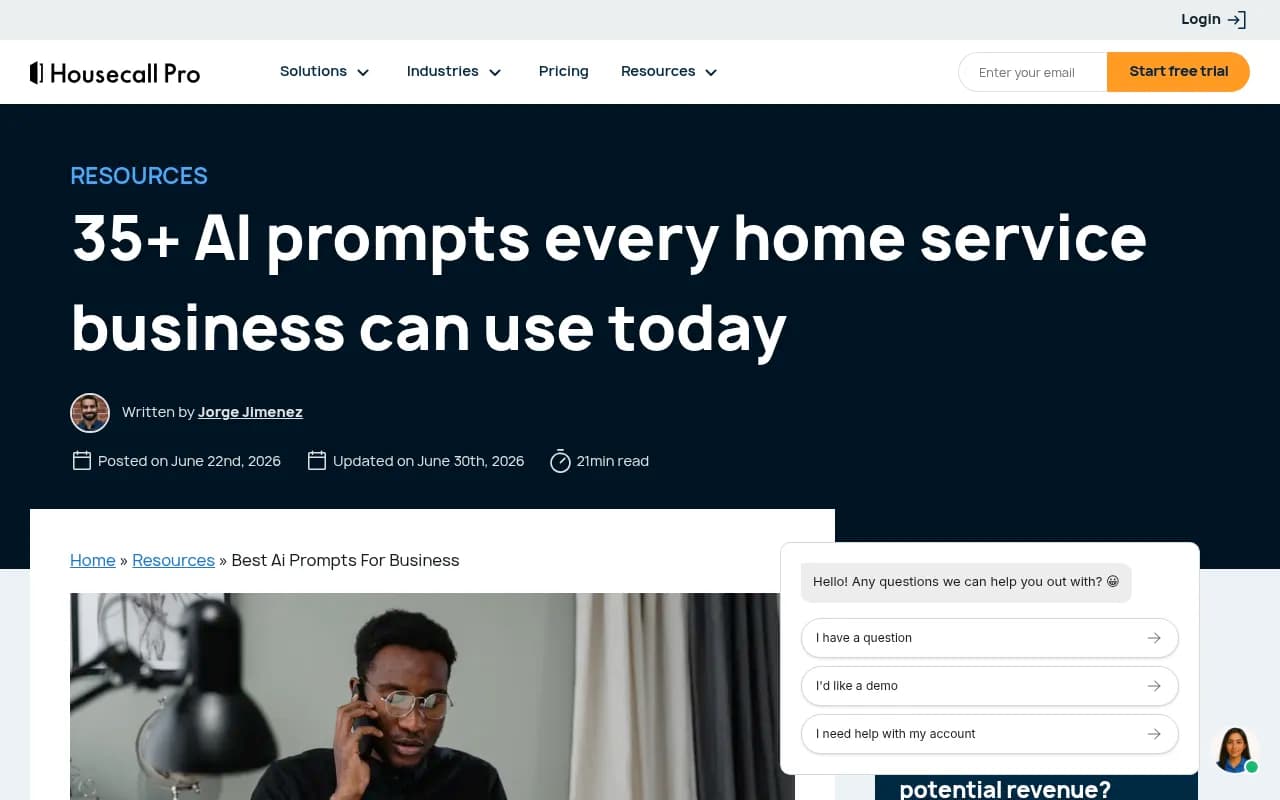
Housecall Pro's list of prompts for service businesses is a good source of ideas for what jobs to cover, even though its prompts are for running the business.
Local prompts are the hardest to track properly because the answer depends on where the asker is. Test from the real service area, not your office. Listing consistency also matters here, so a platform like Yext or SOCi can help keep addresses and hours uniform across directories.
Summary table: prompt types and what they tell you
| Prompt type | Example | What it reveals | Typical problem if you are missing |
|---|---|---|---|
| Organic discovery | Best [category] for [use case] | Share of voice among non-brand searches | Coverage or content gap |
| Brand-specific | [Your brand] reviews | Sentiment and accuracy | Reputation or outdated sources |
| Competitor comparison | [You] vs [rival] | How you are framed against alternatives | Weak comparison content |
| Local intent | [Service] near me | Local pack-style visibility | Listings, reviews, location data |
| Pricing and policy | [Brand] pricing | Whether facts are correct | Unclear or hidden pricing pages |
Reading the results without fooling yourself
Three habits will save you from bad conclusions.
First, run each prompt several times. AI answers vary, and a single run is an anecdote. Second, separate the signals. Low mention rate across organic prompts is a coverage problem. Being mentioned but late in the answer is a prominence problem. Being mentioned but with no cited page from your own site is usually a content or crawlability problem. Weak sentiment on brand prompts is a reputation problem, and no amount of new blog posts fixes it.
Third, do not extrapolate from other assistants. Promptwatch Data notes that ChatGPT has nearly stopped citing social platforms (0.46% of citations from Sep 28 to Oct 4, 2026) while Google AI Overviews got 12.2% from them (social media citations report). Models differ a lot. Meta AI, which sits inside Meta's own social apps, could behave differently again. Nobody knows yet.
Tools for running the prompt set
Doing this by hand in a spreadsheet works for the first week. After that you want scheduling, history and competitor comparison.
Promptwatch tracks Meta AI alongside ChatGPT, Google AI Overviews, Gemini, Perplexity and others using the real user interfaces rather than only APIs, by country and language. It also shows prompt volumes, IP-verified AI crawler logs (useful for the Meta-WebIndexer question above) and the pages that get cited, then helps you act on gaps.

Other options in the category include Profound, Peec AI and Otterly.AI. Check each one's current model coverage before paying, since Meta AI support varies and I could not verify it for every tool.



| Option | Good for | Watch out for |
|---|---|---|
| Manual spreadsheet | First baseline, under 30 prompts | Inconsistent runs, no history |
| Promptwatch | Multi-model tracking, crawler logs, acting on gaps | More than you need if you only want a snapshot |
| Profound | Enterprise monitoring | Higher price points |
| Peec AI / Otterly.AI | Lightweight prompt tracking | Fewer optimization features |
For a wider look, the GEO software directory lists dozens more.
A simple weekly routine
- Load the 30 prompts, edit the brackets, and tag each by intent and location.
- Run them and record mention, position, sentiment and cited sources.
- Check crawler logs for meta-webindexer visits to the pages you want cited.
- Pick the three prompts where a competitor wins and you are absent. Look at the pages being cited and decide what you are missing.
- Re-run the same wording in two weeks. Do not change the prompts.
If you would rather hand this to specialists, an agency that does GEO work, such as 1001 SEO Media, can set up the prompt set and reporting for you.
The short version
Meta AI is early. The crawler data says Meta is investing heavily in reading the web, and the citation data does not exist publicly yet. That combination is a reason to start tracking now: your baseline will be worth more in six months than anyone's guess is today. Start with these 30 prompts, keep the wording fixed, and make sure meta-webindexer is not blocked in your robots.txt.