Key takeaways
- AEO (Answer Engine Optimization) is no longer a fringe tactic -- AI search now drives measurable traffic, and paid CTR on queries with AI Overviews has dropped 68%, making organic AI citations critical.
- Most AEO tools in 2026 are good at monitoring: they'll tell you where you appear and where you don't. Very few help you actually fix the gaps.
- The tools that stand out are the ones that close the loop -- from gap identification to content creation to traffic attribution.
- Structured data, entity clarity, and direct-answer formatting still matter more than most marketers realize.
- The category is moving fast. Tools that were "monitoring dashboards" six months ago are adding optimization features, with varying levels of quality.
Why AEO became a real discipline in 2026
A few years ago, Answer Engine Optimization was mostly theoretical -- a term consultants used to sound forward-thinking while everyone still cared primarily about Google's blue links.
That's changed. AI Overviews now appear on a significant share of Google searches. ChatGPT, Perplexity, Claude, and Gemini handle millions of queries daily that used to go to traditional search. And the traffic behavior is different: when AI answers a question directly, users often don't click through at all. According to data from Yotpo's 2026 ecommerce research, paid click-through rates on queries with AI Overviews have dropped 68%. That's not a rounding error -- that's a structural shift in how traffic flows.
The flip side: when AI does cite your brand, the traffic converts. Yotpo's same research found ChatGPT e-commerce traffic converts at a 31% higher rate than traditional organic search. So the stakes are real in both directions -- being invisible in AI search costs you, and being cited pays off more than a comparable Google ranking.
This is why AEO tools have proliferated so quickly. The market recognized the problem before the solutions fully existed, which means there's a wide range of quality across the category right now.
What AEO tools are actually good at in 2026
Monitoring where you appear (and don't)
This is the core capability most tools have figured out reasonably well. You give the platform a list of prompts relevant to your business, it queries multiple AI models, and it tells you whether your brand appears in the responses -- and how prominently.
Tools like Otterly.AI and Peec AI do this at an accessible price point.


Platforms like Profound and AthenaHQ add more depth -- sentiment analysis, share of voice across models, historical trending.


For enterprise teams, Semrush has added AI visibility tracking to its existing suite, which is convenient if you're already in that ecosystem.
The monitoring piece works. If you want to know "does ChatGPT mention us when someone asks about [category]?" -- these tools will tell you.
Competitor benchmarking
Most mid-tier and above tools now let you compare your AI visibility against specific competitors. You can see who's winning for which prompts, across which models, and track changes over time. This is genuinely useful for prioritizing where to focus.
Rankscale and SE Ranking both handle competitive benchmarking well.
Prompt discovery
A few tools have moved beyond "track the prompts you already know" to helping you find prompts you should be targeting. This matters because most marketers start with a list of 20-30 obvious queries and miss the long-tail conversational prompts that actually drive AI citations.
Promptwatch has prompt volume estimates and difficulty scoring, plus query fan-outs that show how a single prompt branches into related sub-queries. That kind of data helps you prioritize instead of guessing.

Where AEO tools fall short
This is the honest part of the guide, and it's worth spending time here because the marketing materials for most of these tools don't acknowledge these limitations.
Most tools stop at "here's your score"
The dominant pattern in the AEO tool category is: run queries, show you a visibility score, maybe show a competitor comparison, and call it a day. That's monitoring. It's useful, but it doesn't tell you what to do next.
If your AI visibility score is 23% and your competitor's is 61%, you know you have a problem. You don't know why they're winning or what specific content gap is causing AI models to prefer them. Most tools leave you to figure that out yourself.
Content recommendations are often generic
Some tools have added "recommendations" features, but in practice these tend to be surface-level: "add FAQ schema," "improve your About page," "create more content about [topic]." That's not wrong, but it's not specific enough to act on efficiently.
The better tools are starting to show you the actual prompts your competitors are visible for that you're not -- and the specific content topics those prompts map to. That's a much more actionable output.
Attribution is still weak across most platforms
Knowing your AI visibility score went up is satisfying. Knowing it drove actual revenue is what justifies the budget. Most AEO tools in 2026 still don't close this loop well.
A few platforms are working on it -- Promptwatch offers traffic attribution via a code snippet, Google Search Console integration, or server log analysis. But this is still an area where the category has a lot of room to mature.
AI crawler visibility is largely ignored
When AI models like ChatGPT or Perplexity crawl your site, they leave logs. Those logs tell you which pages they're reading, how often they return, and whether they're hitting errors. This is foundational information for understanding why you're visible (or not) for specific prompts.
Almost no AEO tools surface this data. It's a significant blind spot, because you can have technically correct structured data and still be invisible if the AI crawler can't access your key pages.
DarkVisitors is one of the few tools specifically built to track AI agent activity on your site.
The content gap: AEO's biggest unsolved problem
Here's what the research consistently shows: the primary reason brands are invisible in AI search is that they don't have content that directly answers the questions AI models are trying to answer.
AI models cite sources that give clear, direct answers to specific questions. If your site has a 3,000-word pillar page about your product category but no page that directly answers "what's the best [product type] for [specific use case]," you'll lose that citation to a competitor who does.
This sounds obvious, but identifying the specific gaps systematically is hard. You'd need to:
- Know which prompts are driving AI citations in your category
- Know which of those prompts you're currently invisible for
- Know what content exists on the web that AI models are citing instead of you
- Create content that fills those gaps in a format AI models prefer
Most tools handle step 2. Very few handle steps 1, 3, and 4 together.
Platforms like Scrunch AI and AthenaHQ have made progress on the analysis side.
For the content creation side, Writesonic and Frase have added GEO-oriented features to their writing tools.
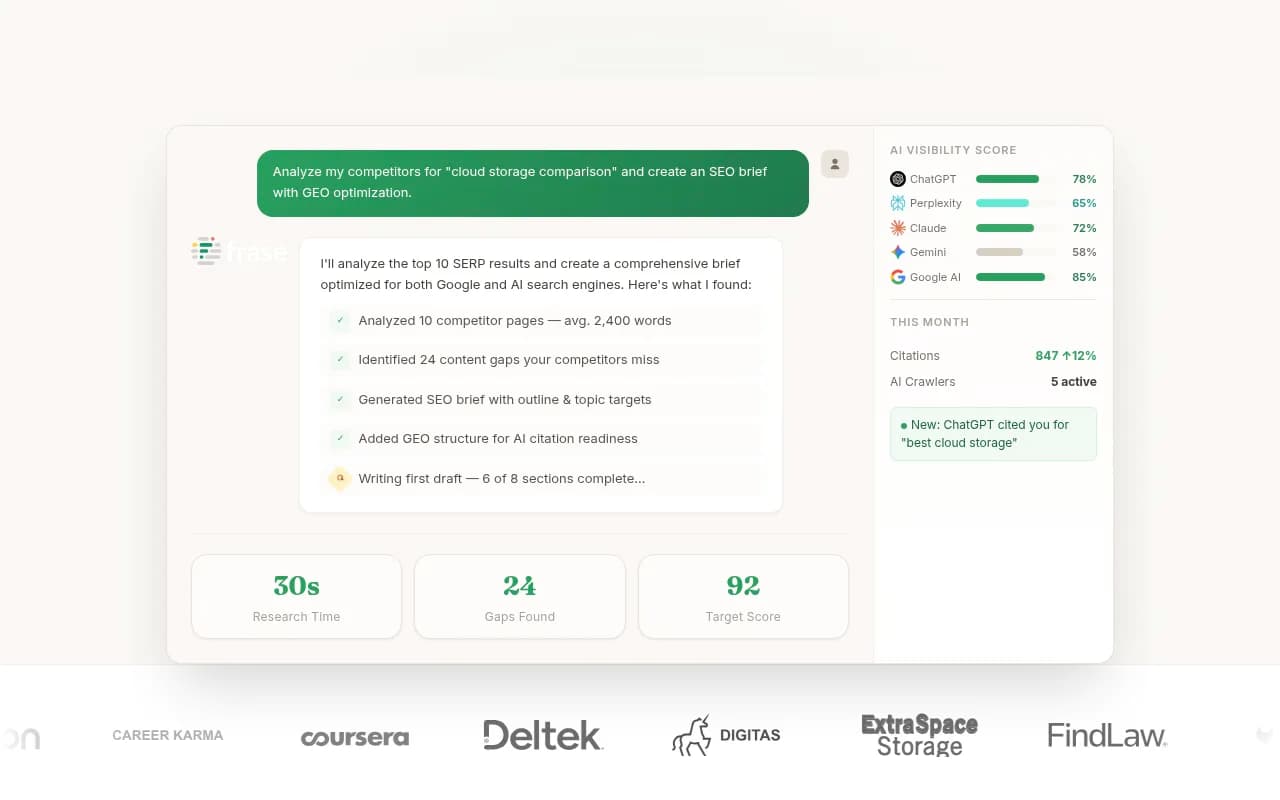
But the end-to-end workflow -- gap identification to content creation to tracking results -- is still something most teams are stitching together manually across multiple tools.
A comparison of what different tool tiers actually offer
| Capability | Basic monitoring tools | Mid-tier platforms | Full-stack platforms |
|---|---|---|---|
| AI visibility score | Yes | Yes | Yes |
| Multi-model tracking | Sometimes | Yes | Yes |
| Competitor benchmarking | Limited | Yes | Yes |
| Prompt discovery | No | Sometimes | Yes |
| Content gap analysis | No | Limited | Yes |
| AI content generation | No | No | Yes (some) |
| Crawler log analysis | No | No | Yes (rare) |
| Traffic attribution | No | No | Yes (some) |
| Reddit/YouTube insights | No | No | Yes (rare) |
| ChatGPT Shopping tracking | No | No | Yes (rare) |
The "full-stack" category is small. Most tools that claim to be full-stack are really mid-tier platforms with a content suggestions feature bolted on.
What actually moves AI visibility scores
Based on what's working in 2026, a few tactics consistently show up in case studies and practitioner discussions:
Structured data and schema markup
This one's been true for a while and remains true. FAQ schema, HowTo schema, and Product schema all help AI models parse your content and extract direct answers. The implementation has to be accurate -- AI models are good at detecting schema that doesn't match the actual page content.
Direct-answer formatting
Pages that answer a specific question in the first 1-2 paragraphs, then expand with supporting detail, get cited more often than pages that bury the answer. This isn't just a writing style preference -- it's how AI models extract quotable content.
Entity clarity
AI models build knowledge graphs. If your brand, products, and key people aren't clearly defined and consistently referenced across your site and external sources, you'll have lower entity confidence in AI responses. This means your Wikipedia page (if you have one), your structured data, and your About/Team pages all matter more than most SEO practitioners have historically treated them.
Third-party citations
AI models don't just read your site. They read what others say about you -- reviews, forum discussions, press coverage, Reddit threads. Brands that appear frequently and positively in third-party sources get cited more. This is why review platforms and PR coverage have taken on new importance in the AEO context.
Tools worth knowing about in 2026
Beyond the platforms already mentioned, a few others are worth having on your radar depending on your specific situation:
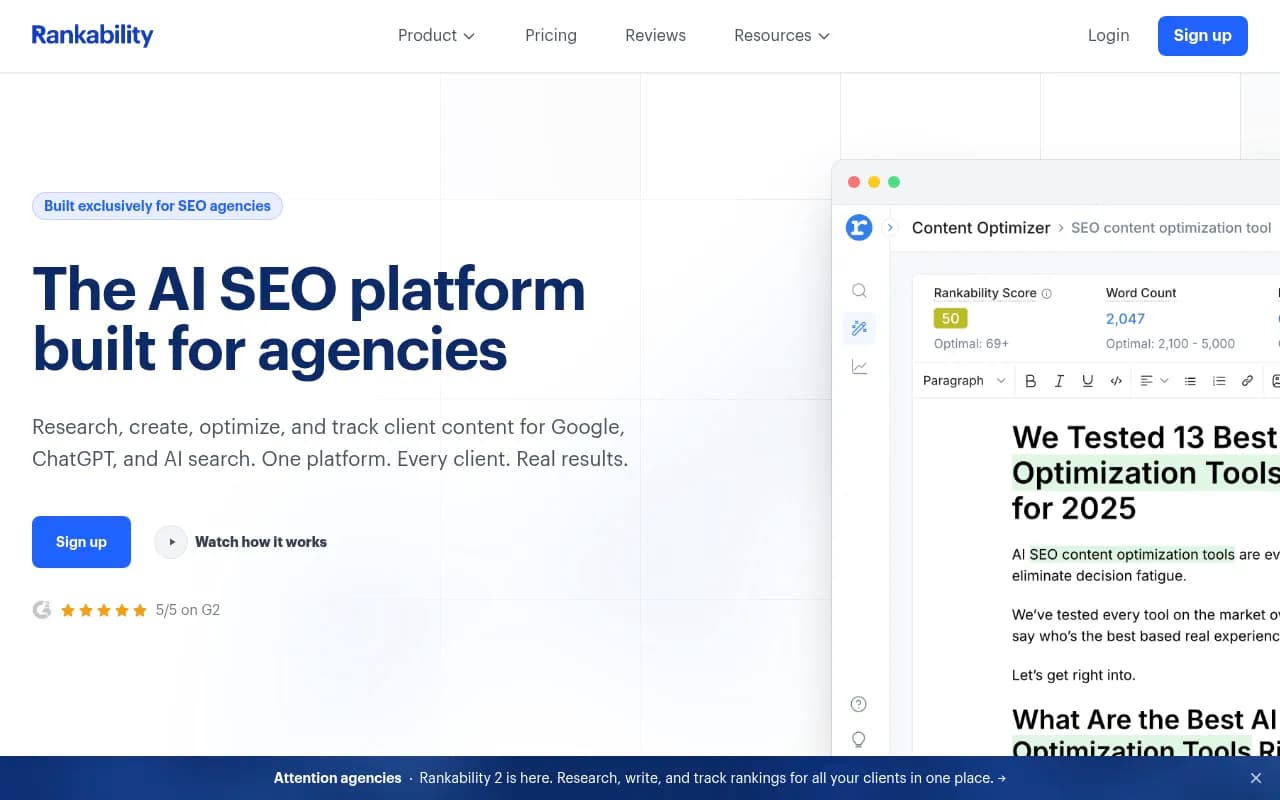
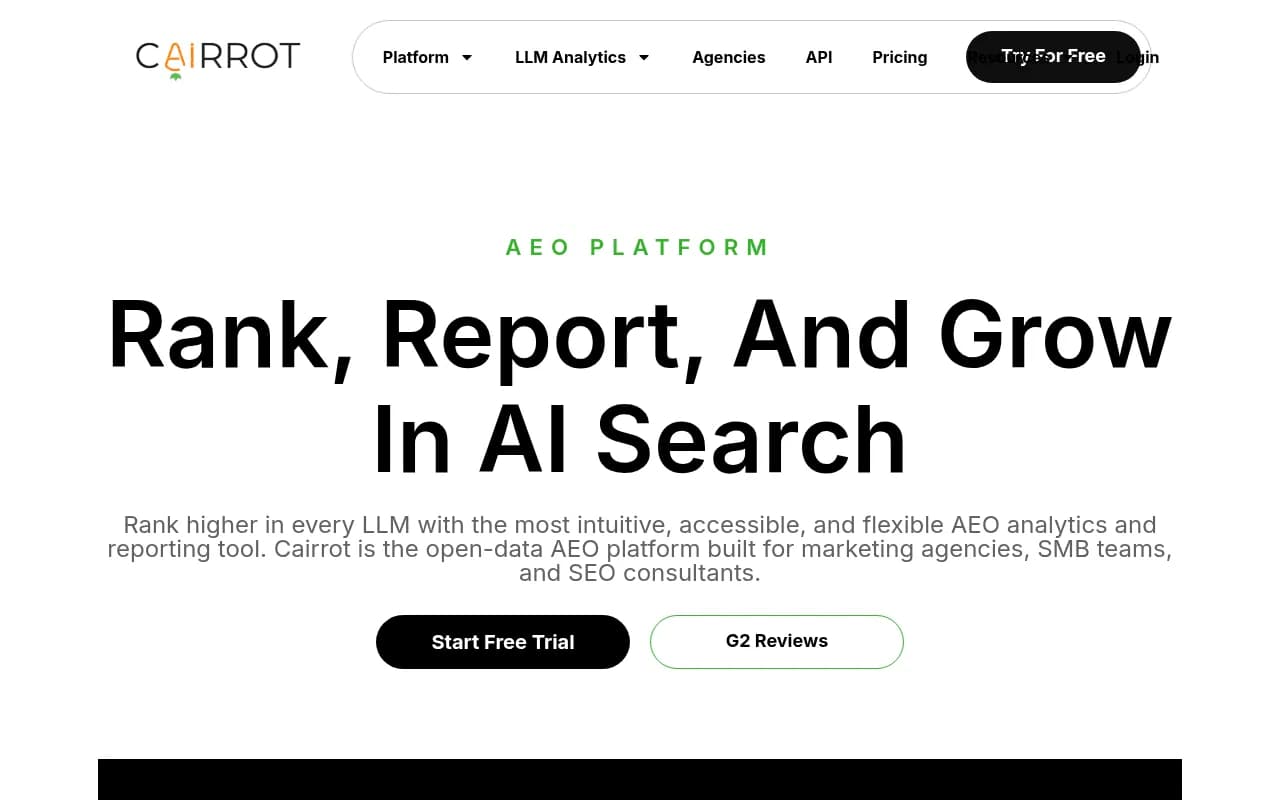
For agencies managing multiple clients, Rankability and Cairrot have built workflows specifically for that context.
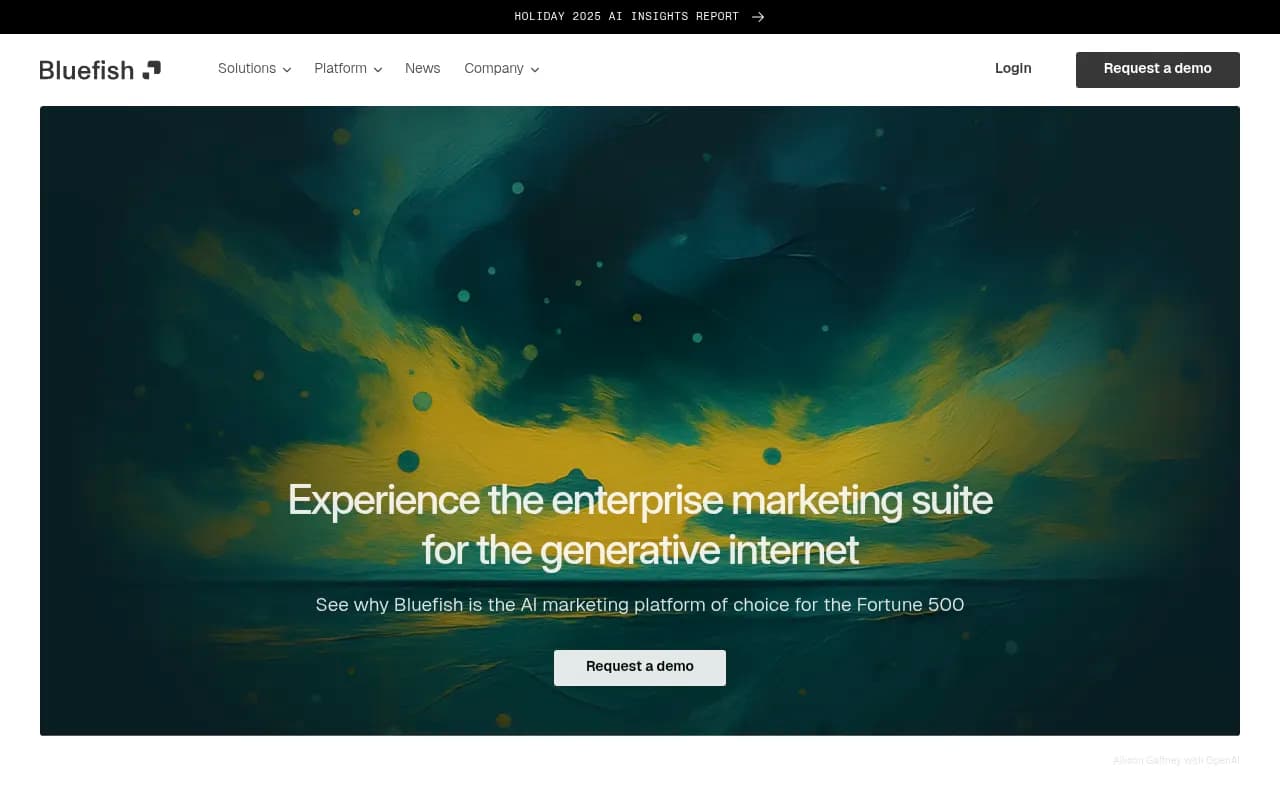
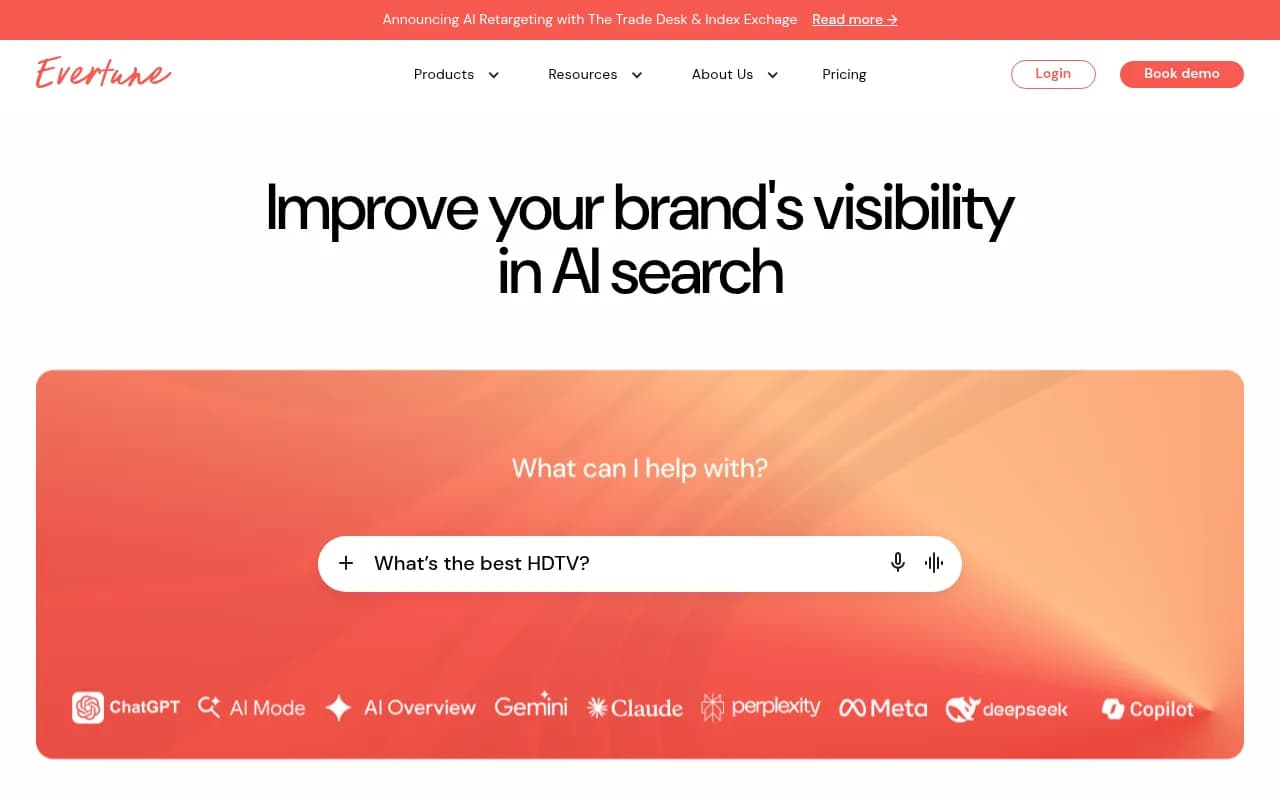
For enterprise brands that need to track AI visibility across regions and languages, Bluefish and Evertune operate at that scale.
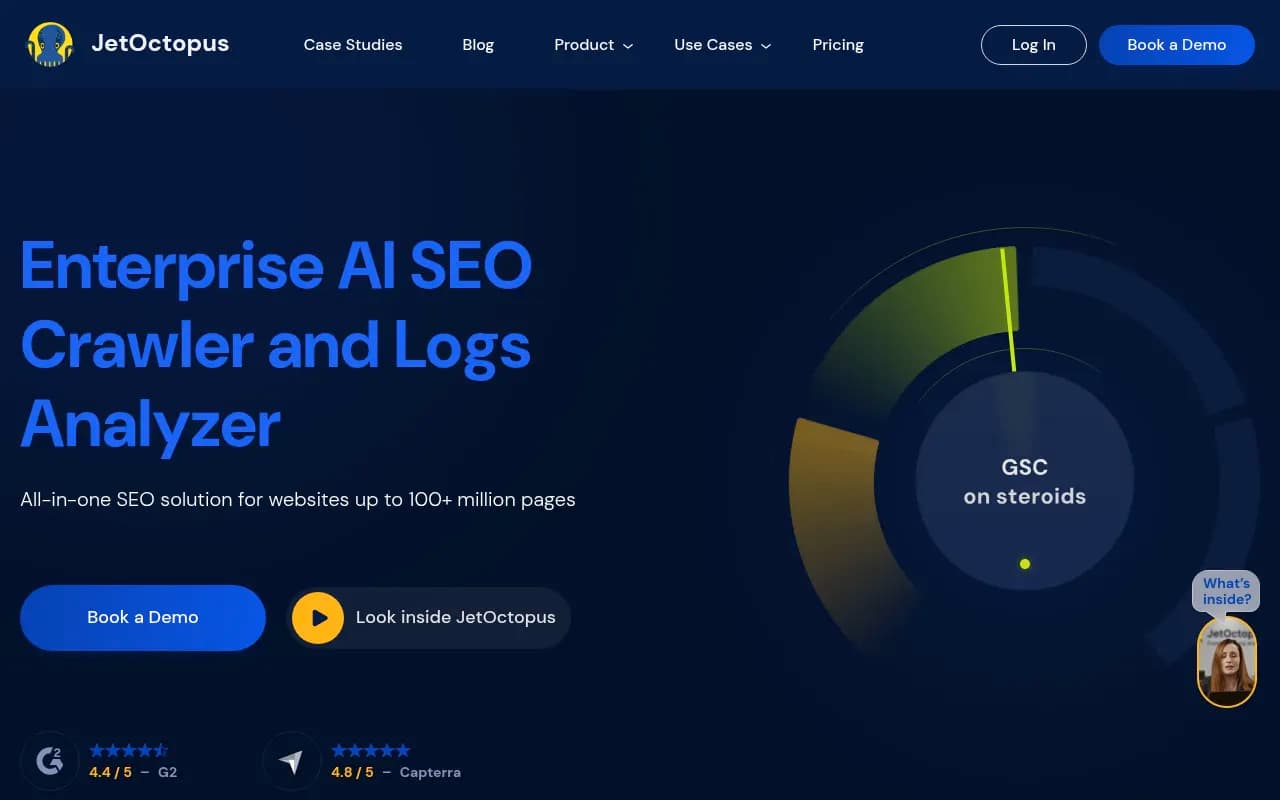
For teams that want to understand AI crawler behavior specifically, JetOctopus has added AI crawler tracking to its existing crawl analysis capabilities.
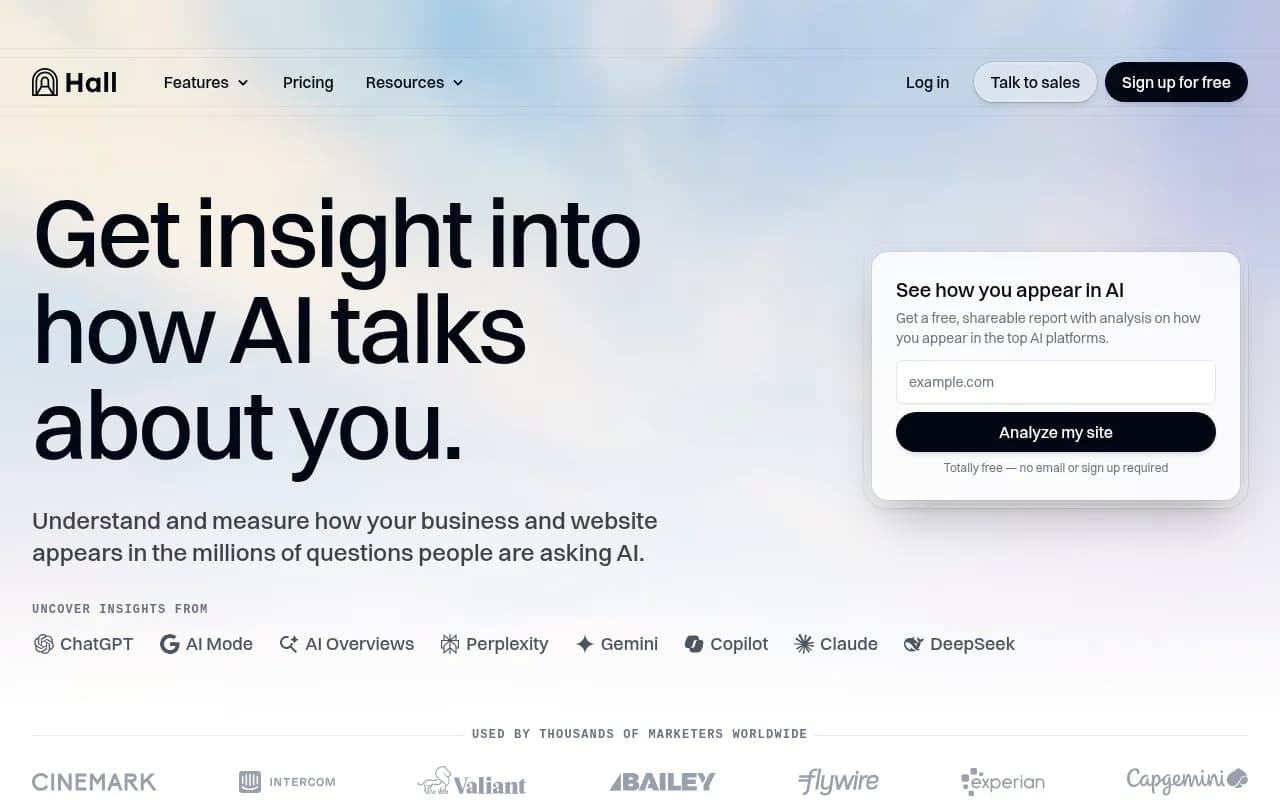
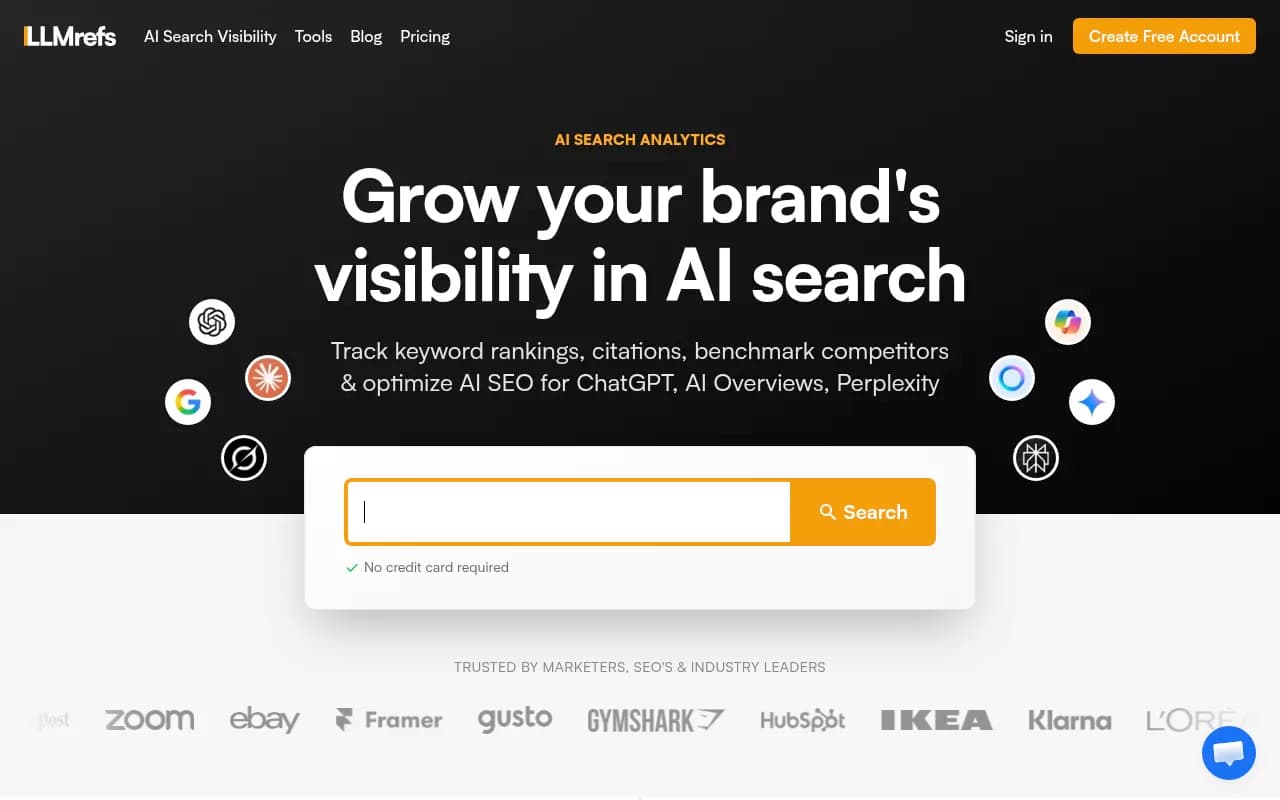
For tracking brand mentions in AI responses specifically (rather than full visibility scoring), Hall AI and LLMrefs are focused options.
The honest assessment
AEO tools have gotten genuinely useful in 2026. The monitoring capabilities are solid, the competitive benchmarking is actionable, and the best platforms are starting to connect visibility data to content strategy in meaningful ways.
But the category is still maturing. Most tools are better at telling you what's wrong than helping you fix it. The gap between "here's your visibility score" and "here's the content you need to create, here's how to create it, and here's how to verify it worked" is still wide for most platforms.
The teams getting the most out of AEO right now are the ones treating it as a workflow, not just a dashboard. They're using monitoring tools to find gaps, content tools to fill them, and attribution tools to close the loop. That requires either a platform that does all three, or a deliberate stack of tools that work together.
The platforms that figure out how to make that full cycle seamless -- find gaps, create content, track results -- are going to define the next phase of this category. A few are already close.
Where to start if you're new to AEO
If you're just getting into this space, the practical starting point is simpler than the tool landscape makes it seem:
- Pick 30-50 prompts that represent how your target customers ask questions in your category
- Run those prompts across ChatGPT, Perplexity, and Google AI Overviews manually -- just to understand the baseline
- Note which competitors appear and what content they're being cited for
- Identify 3-5 content gaps where you have no page that directly answers the prompt
- Create those pages with direct-answer formatting and appropriate schema
- Then bring in a tool to track progress at scale
Starting with the manual audit gives you intuition that makes the tool data much more interpretable. Most people who jump straight to a dashboard end up staring at numbers they don't fully understand.
Once you're ready to scale, Promptwatch is worth evaluating as a platform that covers the full cycle -- from prompt intelligence and gap analysis through content generation and traffic attribution. It's one of the few tools that doesn't just hand you a score and leave you to figure out the rest.