Key takeaways
- Most AEO tools in 2026 track only 2-4 AI engines, leaving major blind spots across ChatGPT, Claude, Gemini, Perplexity, Grok, DeepSeek, Copilot, Meta AI, Google AI Overviews, and Google AI Mode.
- Full 10-engine coverage is rare -- only a handful of platforms come close, and even fewer combine monitoring with actual optimization capabilities.
- Engine coverage alone isn't enough: prompt volume data, content gap analysis, and traffic attribution separate genuinely useful platforms from dashboards that just show you numbers.
- Promptwatch is currently the only platform rated as a "Leader" across all evaluation categories in 2026, covering all 10 major AI engines with a full action loop from gap discovery to content creation to result tracking.
- Before choosing a tool, map out which AI engines your audience actually uses -- then verify coverage, not just marketing claims.
Why engine coverage matters more than you think
Here's a scenario that plays out constantly in 2026: a marketing team spends months optimizing for ChatGPT visibility, gets solid results, then discovers their biggest competitor is dominating Perplexity and Gemini -- engines they never even checked. Their AEO tool didn't cover those models. Nobody noticed until a competitor audit surfaced it.
This isn't a hypothetical. Coverage gaps are the most common failure mode in AEO right now. The category exploded fast -- over $200M in disclosed funding across platforms like Profound ($55M), Bluefish ($68M), and Scrunch ($19M) -- and a lot of tools were built quickly to capture early market interest. Many launched with 2-3 engine integrations and called it "AI search monitoring."
The problem is that AI search isn't one thing. ChatGPT, Claude, Perplexity, Gemini, Grok, DeepSeek, Copilot, Meta AI, Google AI Overviews, and Google AI Mode each have different training data, citation behaviors, and user bases. A brand that's well-cited in ChatGPT might be invisible in Perplexity. A product that Gemini recommends might not appear in Grok at all. If your tool only watches two or three of these, you're flying partially blind.
Generative AI referral traffic to SMB sites grew 123% in the first half of 2025, and AI-sourced leads convert 2-4x better than conventional search traffic. The stakes for getting this right are real.
The 10 major answer engines you need to track
Before evaluating tools, it helps to understand what "full coverage" actually means. These are the 10 engines that matter in 2026:
- ChatGPT (OpenAI) -- still the largest consumer AI by usage, with shopping and browsing integrations
- Perplexity -- the most citation-heavy engine; brands that appear here get visible source links
- Google AI Overviews -- integrated into Google Search, enormous reach for informational queries
- Google AI Mode -- Google's newer conversational search experience, separate from AI Overviews
- Gemini -- Google's standalone AI assistant, increasingly used for product research
- Claude (Anthropic) -- popular with professional and technical audiences
- Grok (xAI) -- real-time web access, growing user base via X/Twitter integration
- DeepSeek -- rapidly growing, especially in Asia-Pacific markets
- Copilot (Microsoft) -- embedded in Windows, Office, and Bing; significant enterprise reach
- Meta AI -- deployed across WhatsApp, Instagram, and Facebook; massive passive reach
Most tools cover 3-6 of these. A few claim broader coverage but deliver it inconsistently. The table below shows how the major platforms stack up.
Engine coverage comparison: the honest breakdown
| Platform | ChatGPT | Perplexity | Google AI Overviews | Google AI Mode | Gemini | Claude | Grok | DeepSeek | Copilot | Meta AI | Total |
|---|---|---|---|---|---|---|---|---|---|---|---|
| Promptwatch | Yes | Yes | Yes | Yes | Yes | Yes | Yes | Yes | Yes | Yes | 10/10 |
| Profound | Yes | Yes | Yes | Yes | Yes | Yes | Partial | Partial | Yes | No | ~8/10 |
| AthenaHQ | Yes | Yes | Yes | No | Yes | Yes | Yes | Yes | Yes | No | 8/10 |
| Otterly.AI | Yes | Yes | Yes | No | Yes | Yes | No | No | Yes | No | 6/10 |
| Peec.ai | Yes | Yes | Yes | No | Yes | Yes | No | No | No | No | 5/10 |
| SE Ranking | Yes | Yes | Yes | No | Yes | No | No | No | No | No | 4/10 |
| Ahrefs Brand Radar | Yes | Yes | Yes | No | No | No | No | No | No | No | 3/10 |
| Semrush | Yes | Yes | Yes | No | No | No | No | No | No | No | 3/10 |
| Scrunch AI | Yes | Yes | Yes | No | Yes | Yes | No | No | Yes | No | 5/10 |
| Superlines | Yes | Yes | Yes | No | Yes | Yes | Yes | Yes | Yes | No | 8/10 |
Coverage data based on publicly available feature documentation as of June 2026. "Partial" indicates limited or beta coverage. Always verify directly with vendors.
Tools with the broadest coverage
Promptwatch -- 10/10 engines
Promptwatch is the only platform that currently monitors all 10 major answer engines with consistent, production-quality data. But coverage is honestly the least interesting thing about it.
What separates Promptwatch from every other tool in this list is what happens after you see the data. Most platforms show you a visibility score and leave you to figure out what to do next. Promptwatch has a built-in action loop: Answer Gap Analysis identifies exactly which prompts your competitors rank for but you don't, a built-in AI writing agent generates content engineered to get cited (grounded in 880M+ citations analyzed), and page-level tracking shows whether that new content is actually getting picked up by each model.
The crawler logs feature is particularly useful for diagnosing why you're invisible in certain engines -- you can see which pages ChatGPT, Claude, or Perplexity are actually crawling, how often, and what errors they're hitting. Most competitors don't have this at all.

Pricing runs from $99/month (Essential: 1 site, 50 prompts) to $579/month (Business: 5 sites, 350 prompts, 30 articles/month). There's a free trial, and agency/enterprise pricing is available.
Profound -- up to 10 engines on Enterprise
Profound is a strong platform with serious funding behind it (Kleiner Perkins and Sequoia participated in its raises). It covers most major engines, though full 10-engine coverage requires the Enterprise tier. The monitoring data is solid, and it has good prompt analytics.
Where it falls short relative to Promptwatch: no Reddit tracking, no ChatGPT Shopping monitoring, and the content optimization layer is less developed. It's a better fit for enterprise teams that want deep analytics and can handle content creation separately.

AthenaHQ -- 8 engines, monitoring-focused
AthenaHQ covers 8 engines well and has a clean interface that's easy to get into. The gap is on the optimization side -- it's primarily a monitoring tool. You'll see where you're invisible, but the platform doesn't help you fix it. For teams that have a separate content workflow and just need reliable tracking data, it works.

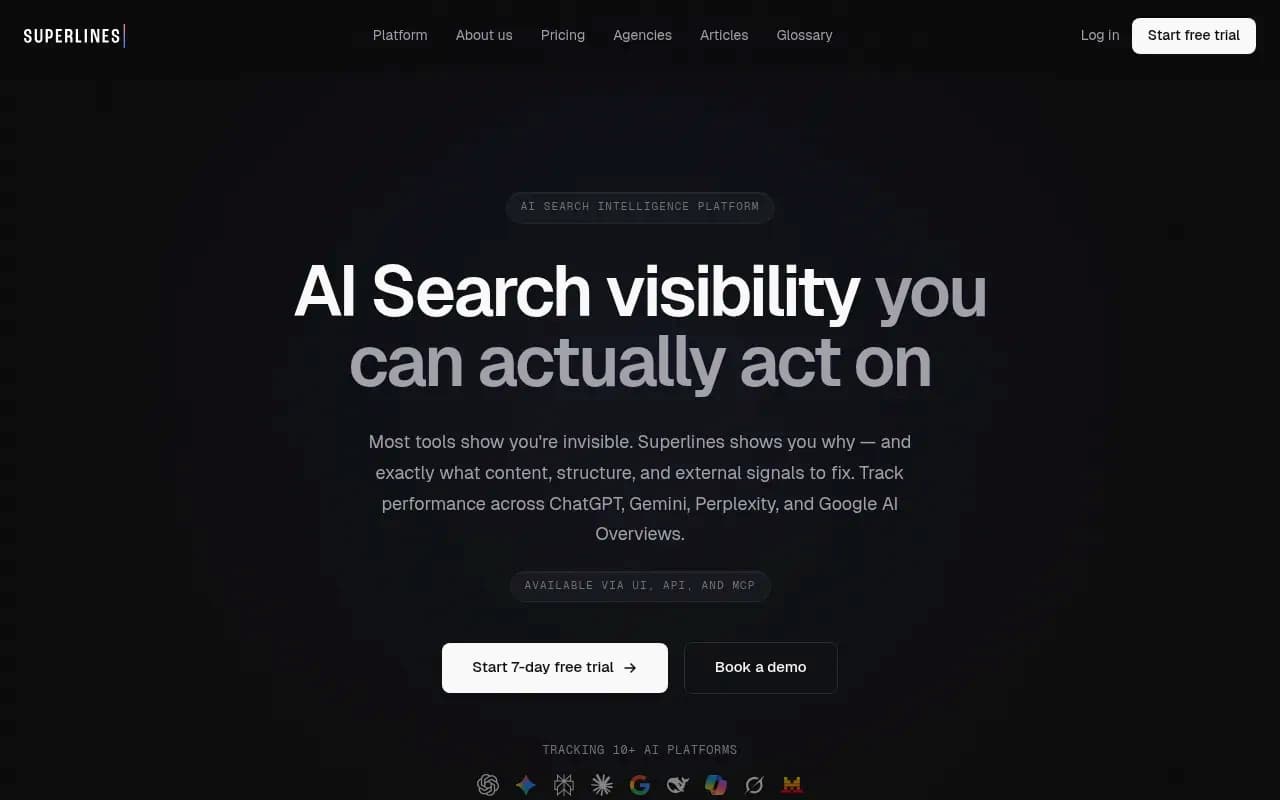
Superlines -- 8 engines from entry tier
Superlines is notable because it offers broad engine coverage (8+ platforms) starting from its entry-level plan, which makes it one of the more accessible options for smaller teams. The platform is GEO-focused and has decent prompt tracking. It lacks some of the deeper features (crawler logs, traffic attribution, content generation) that more mature platforms offer.
Tools with partial coverage (and where the gaps are)
Otterly.AI -- 6 engines
Otterly.AI is one of the more affordable options in the category and is genuinely useful for basic monitoring. It covers ChatGPT, Perplexity, Google AI Overviews, Gemini, Claude, and Copilot -- a reasonable core set. The gaps are Grok, DeepSeek, Meta AI, and Google AI Mode.
If your audience skews toward X/Twitter users or Asia-Pacific markets, those gaps matter. For a straightforward brand monitoring use case with a tight budget, Otterly is fine.

Peec.ai -- 5 engines, strong on multi-language
Peec.ai's standout feature is multi-language and multi-region tracking, which is genuinely better than most competitors. But it only covers 5 engines, which is a real limitation for anyone trying to get a complete picture of AI visibility. Good for international brands with a narrow engine focus.

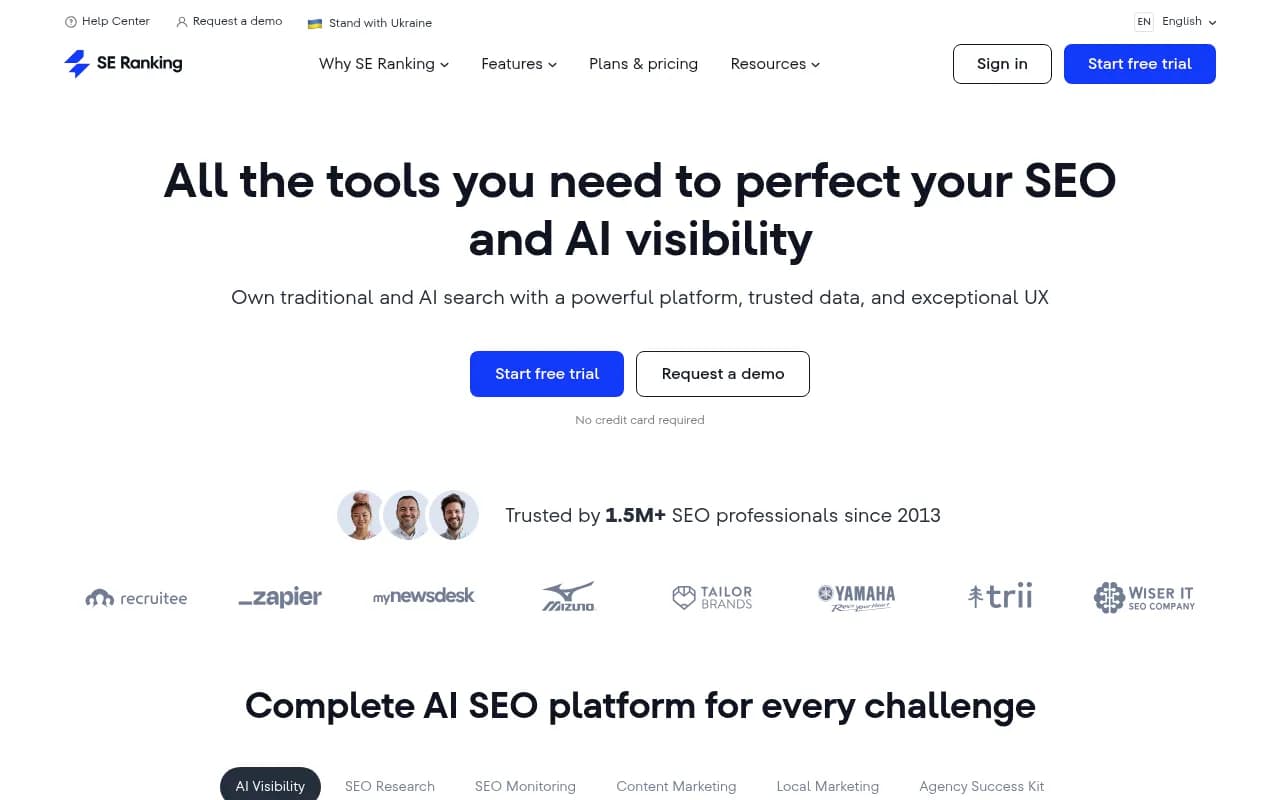
SE Ranking -- 4 engines, SEO-first
SE Ranking is primarily an SEO platform that added AI visibility tracking. It covers ChatGPT, Perplexity, Google AI Overviews, and Gemini. If you're already using SE Ranking for traditional SEO and want basic AI monitoring without adding another tool, it's a reasonable starting point. Don't expect it to replace a dedicated AEO platform.
Scrunch AI -- 5 engines
Scrunch AI has solid funding ($19M) and a clean product, but its engine coverage is limited to around 5 platforms. It's worth watching as the product matures, but right now there are better options for teams that need comprehensive coverage.
Traditional SEO tools: where Semrush and Ahrefs stand
Both Semrush and Ahrefs have added AI search features, and both are worth mentioning because most SEO teams already have subscriptions to one or both.
Semrush
Semrush's AI visibility features cover ChatGPT, Perplexity, and Google AI Overviews -- three engines. The bigger issue is that it uses fixed prompt sets, so you can't customize the queries to match your actual customers' search behavior. For a first look at AI visibility, it's accessible. For serious AEO work, it's not enough.
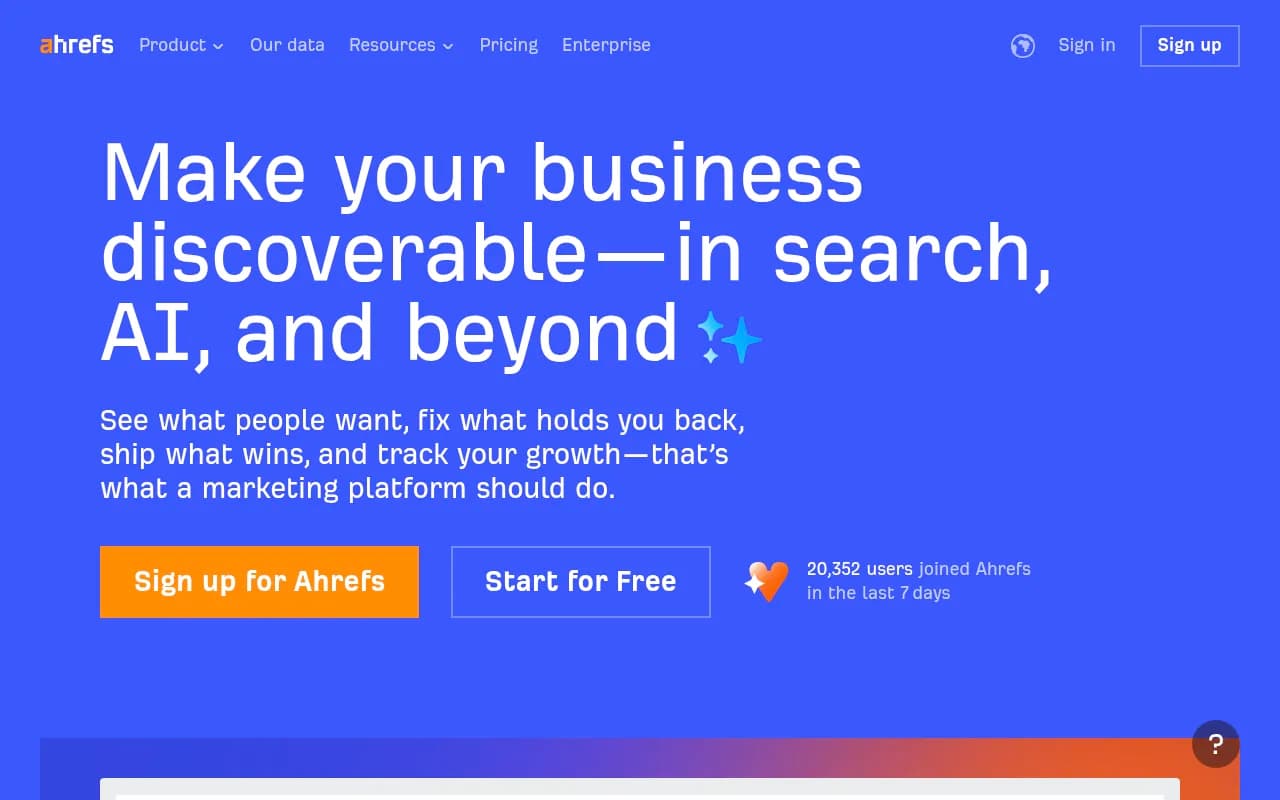
Ahrefs Brand Radar
Ahrefs Brand Radar covers three engines (ChatGPT, Perplexity, Google AI Overviews) and also uses fixed prompts. There's no AI traffic attribution, which means you can see mentions but can't connect them to actual site visits or revenue. Useful as a supplementary data point, not as a primary AEO tool.
Other tools worth knowing about
A few other platforms in the catalog are worth a mention depending on your specific situation:
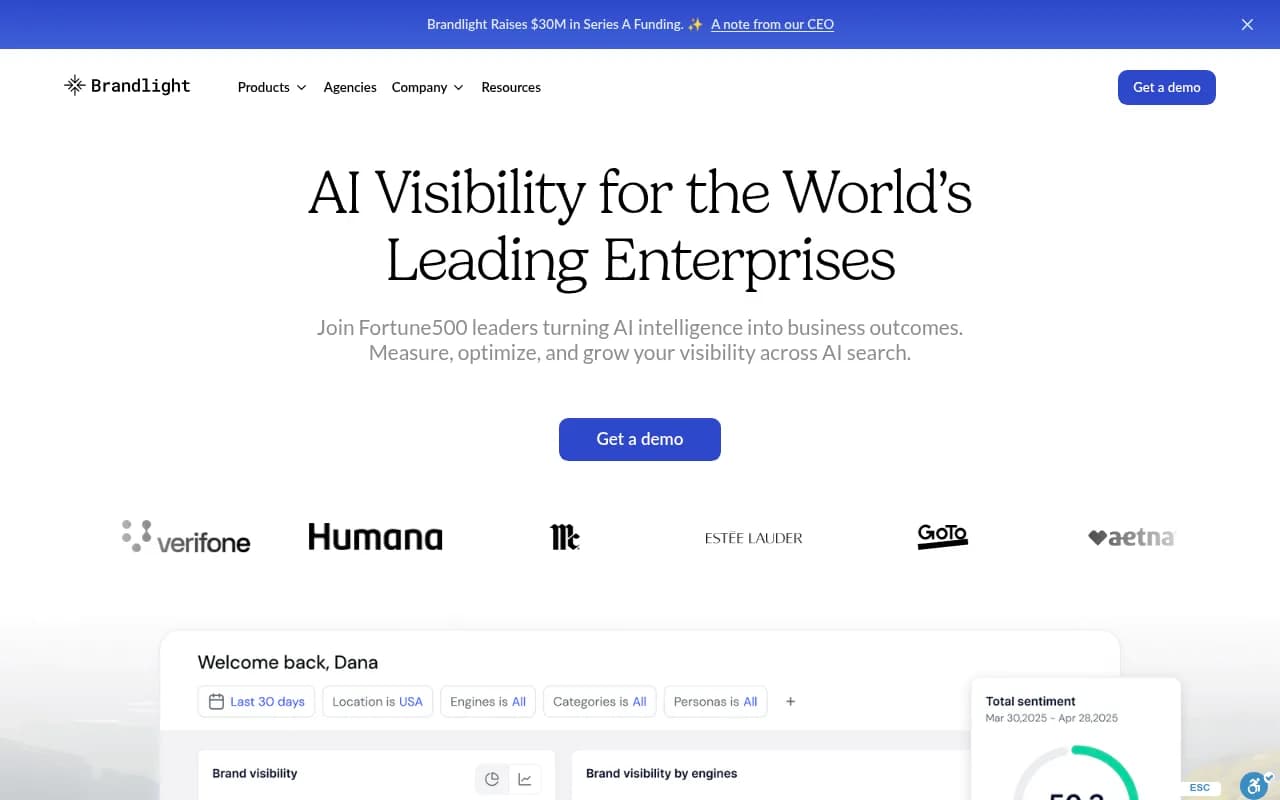
Brandlight focuses on AI-powered brand visibility tracking with a clean interface. Coverage is narrower than the leaders but it's a solid option for brand-focused monitoring.
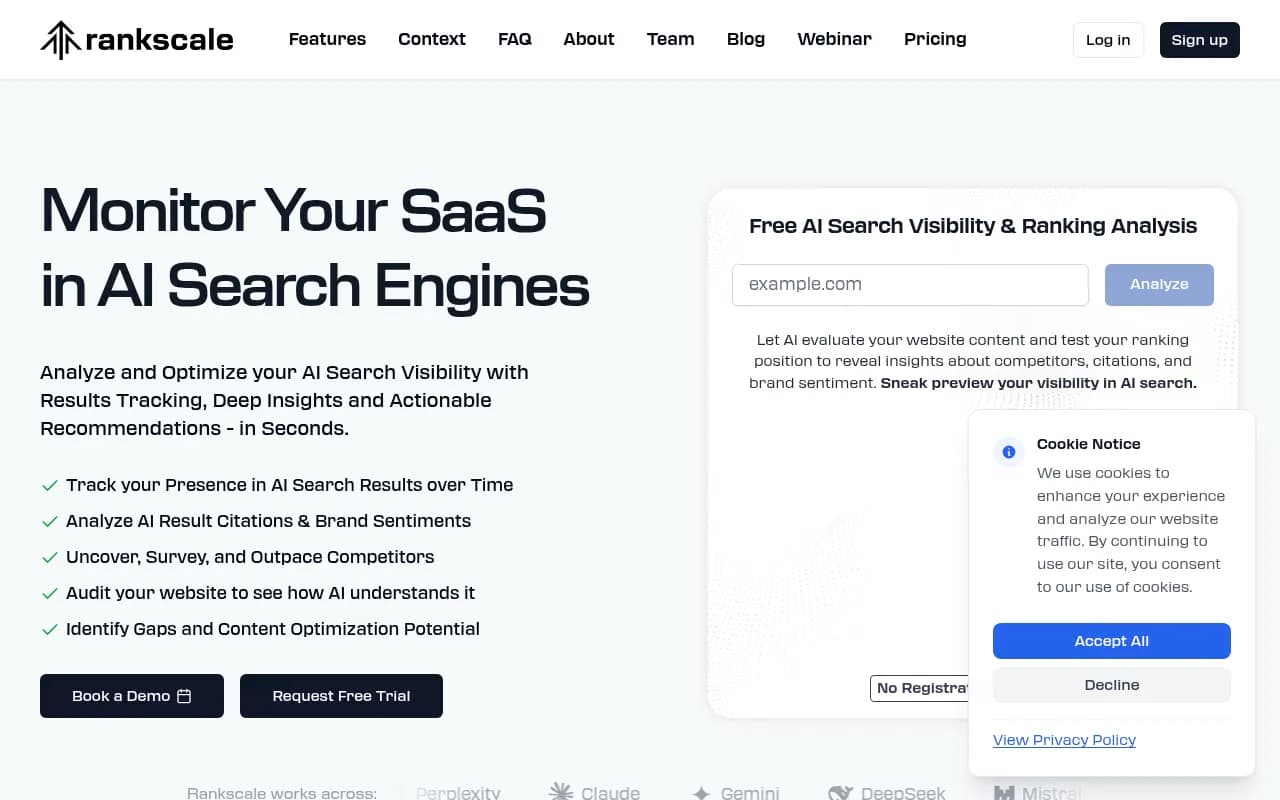
Rankscale is an AI search ranking and visibility platform with a growing feature set.
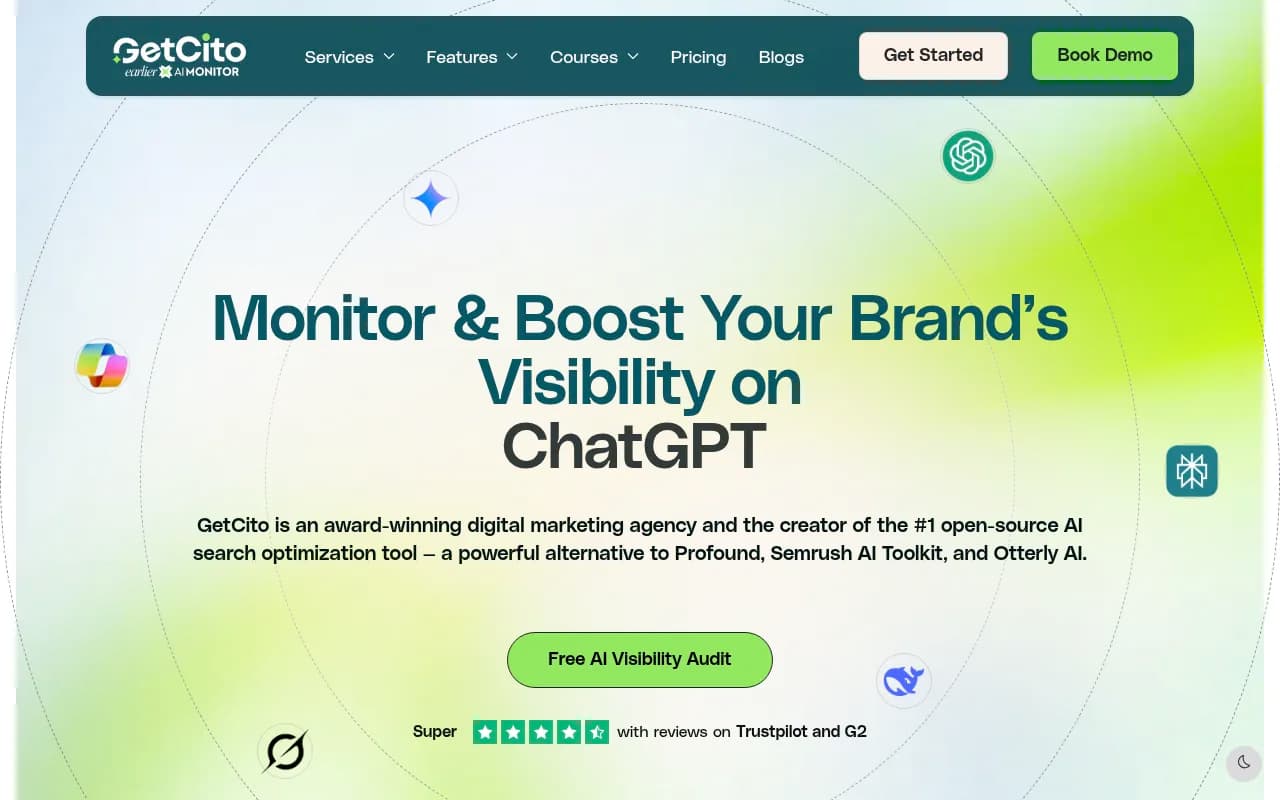
GetCito covers AI visibility tracking with optimization features aimed at smaller teams.
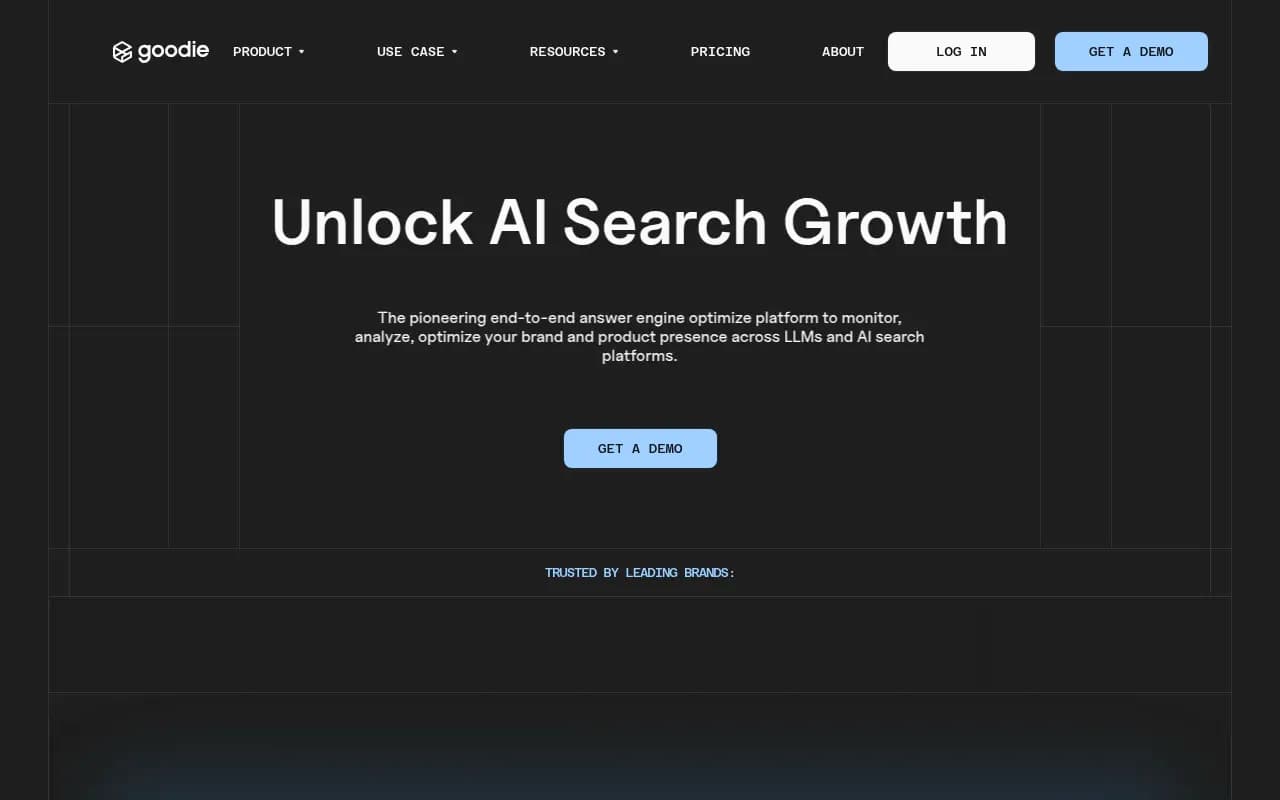
Goodie has published some of the more thorough AEO research in 2026 and their platform monitors a broad set of engines including Amazon's Rufus, which is relevant for e-commerce brands.
Trakkr.ai covers ChatGPT, Claude, Perplexity, and a few others -- a decent mid-tier option.
What to look for beyond engine count
Engine coverage is the starting point, not the finish line. Here's what actually separates useful platforms from expensive dashboards:
Prompt customization
Fixed prompt sets are a red flag. Your customers don't search the way a tool vendor assumes they do. You need to input your own prompts -- the actual questions your buyers ask -- and track visibility for those specifically. Platforms that only offer curated prompt libraries are telling you what to care about instead of letting you define it.
Prompt volume and difficulty data
Knowing you're invisible for a prompt is useful. Knowing that prompt gets asked 50,000 times a month versus 200 times changes your prioritization entirely. Look for platforms that give you volume estimates and some form of difficulty scoring so you can focus on high-value, winnable queries first.
Content gap analysis
The most actionable feature in any AEO platform is showing you which prompts your competitors rank for that you don't. This is the gap you need to close. Platforms that surface this automatically save hours of manual comparison work.
Traffic attribution
Visibility scores are vanity metrics unless you can connect them to actual traffic and revenue. The best platforms offer at least one attribution method: a JavaScript snippet, Google Search Console integration, or server log analysis. Without this, you're optimizing for a number that may or may not correlate with business outcomes.
Crawler logs
This is underrated and most platforms don't have it. Knowing which pages AI crawlers are visiting, how often, and what errors they're encountering tells you whether your content is even being considered for citation. If ChatGPT's crawler hasn't touched a page in six months, your visibility score for that page is meaningless.
How to choose the right tool for your situation
The right answer depends on your scale, budget, and what you're trying to accomplish:
If you need full coverage and want to actually improve visibility (not just measure it): Promptwatch is the clear choice. It's the only platform that covers all 10 engines and has a built-in optimization workflow -- gap analysis, AI content generation, and result tracking in one place.
If you're enterprise-scale and primarily need deep analytics: Profound is worth evaluating, especially if you're already working with Kleiner Perkins or Sequoia-backed vendors. Budget for the Enterprise tier to get full engine coverage.
If you're an agency managing multiple brands on a budget: Superlines offers broad coverage from entry tier, which helps with client reporting. Promptwatch's agency pricing is also worth requesting.
If you're already deep in the Semrush or Ahrefs ecosystem: Use their AI features as a starting point, but plan to add a dedicated AEO platform within 6-12 months. The coverage and feature gaps will become limiting quickly.
If you're a small team just getting started: Otterly.AI or Peec.ai give you basic monitoring at lower cost. Understand the coverage limitations going in and plan to upgrade as AI search becomes a larger part of your traffic mix.
The coverage gap is closing -- but slowly
The honest reality is that full 10-engine coverage is still rare in 2026. Most platforms are still catching up to the pace at which new AI engines are launching and gaining users. DeepSeek went from niche to mainstream in months. Google AI Mode launched and immediately became a separate tracking requirement from AI Overviews. Grok's real-time web access changed its citation behavior significantly.
The platforms that will win this category long-term are the ones that can keep up with that pace -- not just add engines to a dashboard, but actually model how each engine discovers, evaluates, and cites content. That's a harder engineering problem than it looks.
For now, the practical advice is simple: check coverage claims carefully, ask vendors specifically which engines are in production versus beta, and prioritize platforms that show you what to do with the data rather than just showing you the data.