Key takeaways
- "AI SEO tool" covers at least five jobs: research, writing and optimization, technical audits, tracking, and outreach. Buy for the job that eats the most hours, not for the longest feature list.
- Two different things get called AI SEO: AI that speeds up classic SEO work, and tools that track and improve your visibility inside ChatGPT, Perplexity and Google AI Overviews. You probably need both, from different products.
- Test every trial with the same questions: does the AI change a decision, does it use your data, can you export it, and is a human in the loop before anything publishes.
- Start with free data (Search Console, Bing Webmaster Tools), add one paid specialist, and only then consider a suite.
- A sensible small-team stack costs far less than an all-in-one suite, and it is easier to cancel a single tool that does not earn its keep.
Why "best AI SEO tool" is the wrong question
Search for the best AI SEO tools and you get lists of 12, 15, 19 or 25 products. Semrush sits next to a cold email sender, which sits next to a brand mention tracker, which sits next to an AI article writer. None of these replace each other. Ranking them on one scale is like ranking a hammer against a tape measure.
One of the sources I read for this guide put it well: the useful tools are the ones that go beyond generating articles, and the real question is whether the AI saves you time or helps you make better decisions. Everything else is a button with a sparkle icon on it.
So this guide works backwards. Pick the job, then pick the tool. The five jobs:
- Research (keywords, topics, competitors, prompts)
- Writing and optimization (briefs, drafts, refreshes)
- Technical (crawling, audits, indexing, AI crawler access)
- Tracking (rankings and AI visibility)
- Outreach (links, digital PR, citation sources)
The two meanings of "AI SEO"
This trips up more buyers than anything else. Tim Soulo's piece on Ahrefs makes the split clear: first, tools that use AI to speed up traditional SEO work, like keyword research, drafts and site audits; second, a newer category that tracks whether your brand shows up in answers from ChatGPT, Perplexity, Gemini and others.
A classic suite with an AI assistant will not tell you whether ChatGPT recommends you. A prompt tracker will not tell you which keywords to target for Google. Know which one you are shopping for before you open a trial.
The four-question test for any AI feature
I adapted this from a test geotoolbox.ai proposes for separating real AI features from AI buttons. Run it in the first week of any trial.
- Does it change a decision? If the output is something you already knew, it is decoration.
- Does it use your data? Generic advice you could get from a free chatbot is not worth a subscription.
- Can you get the output out? Export, API, Google Docs or WordPress connection. If you have to copy and paste, the team will stop using it by week three.
- Is there a human checkpoint? Anything that publishes automatically should have a draft or review mode. Google's spam policies treat scaled low-value content and link schemes as spam, so hands-off publishing deserves suspicion.
A tool that fails two of these gets cancelled.
Job 1: Research
Research is where AI genuinely earns its keep, because it is mostly pattern recognition over large lists. Clustering hundreds of keywords by intent takes minutes instead of days.
What to look for
- Intent-aware clustering, not just volume lists
- Competitor and gap analysis against your actual domain
- For AI search: prompt volumes, difficulty, and the searches an AI model runs behind each answer (query fan-outs)
Tools worth a look
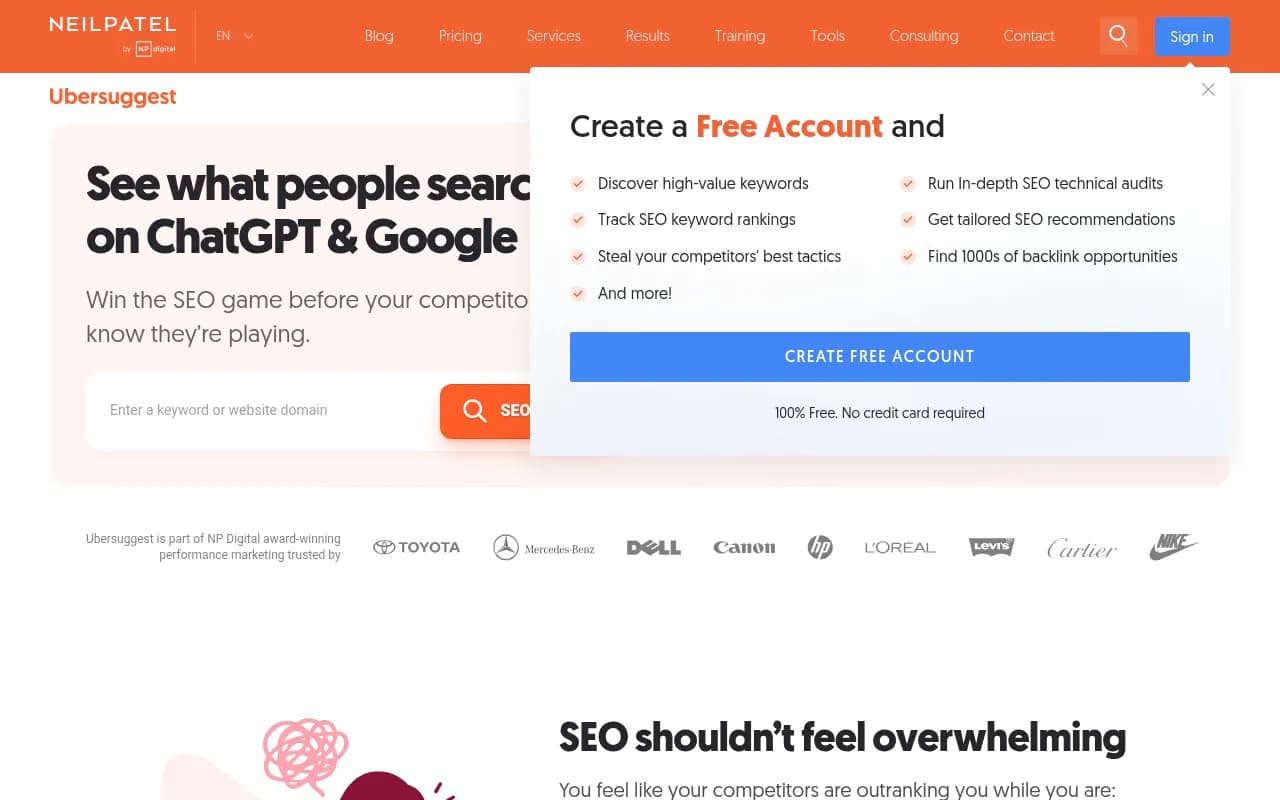
The big suites are the default for keyword and backlink data. Semrush is the all-rounder, and Ahrefs' Brand Radar adds AI visibility data on top of a very large keyword index.

If you do not need a full suite, cheaper specialists cover clustering and low-competition discovery.
For AI-search research specifically, you want prompt-level data rather than keywords. Promptwatch shows prompt volumes and difficulty plus the query fan-outs AI models run, which is the closest thing to keyword research for ChatGPT.

Job 2: Writing and optimization
This is the most crowded and least consistent category. It splits into three types, and mixing them up leads to wasted money.
- Optimizers score a draft against top-ranking pages: Surfer SEO, Clearscope, Frase, NeuronWriter.
- Writers and agents produce drafts or whole articles: Byword, Writesonic, AirOps, SEO-focused agents.
- Briefs and planning tools build outlines before anyone writes: MarketMuse, Content Harmony.
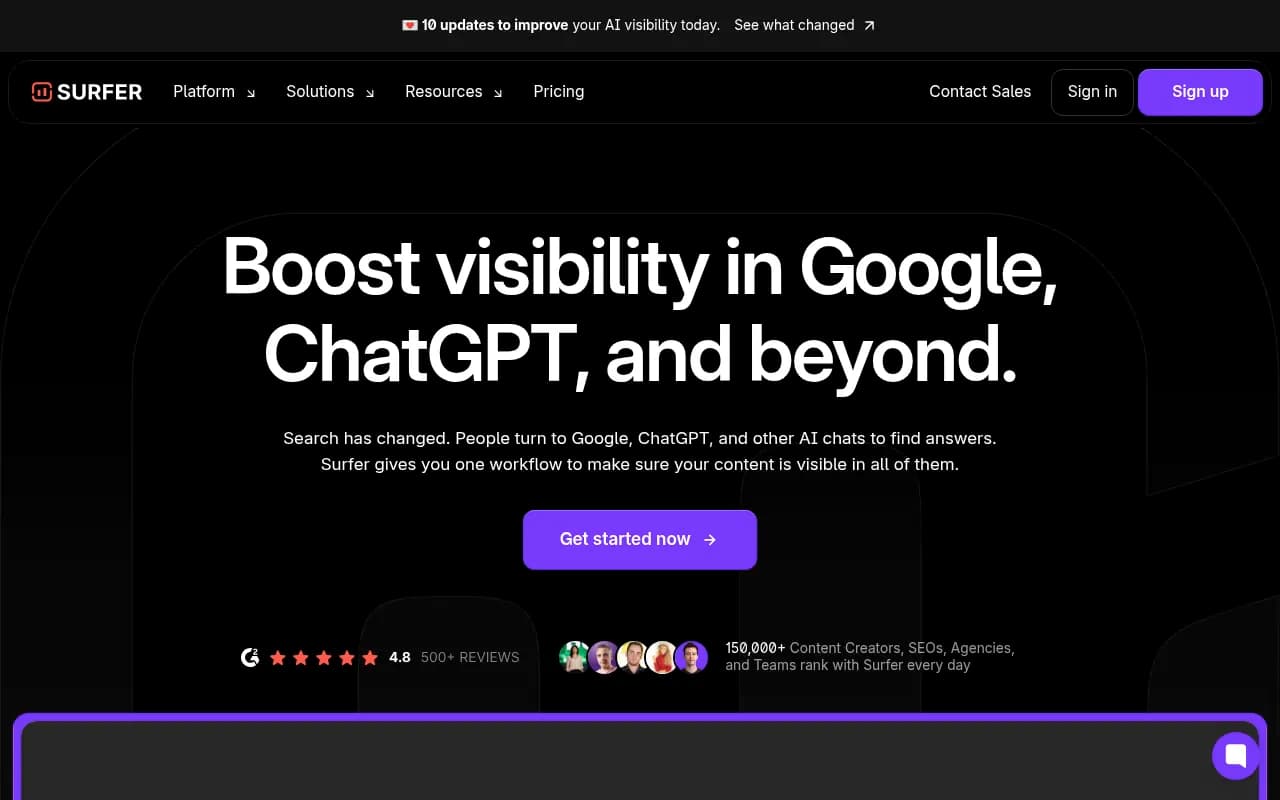
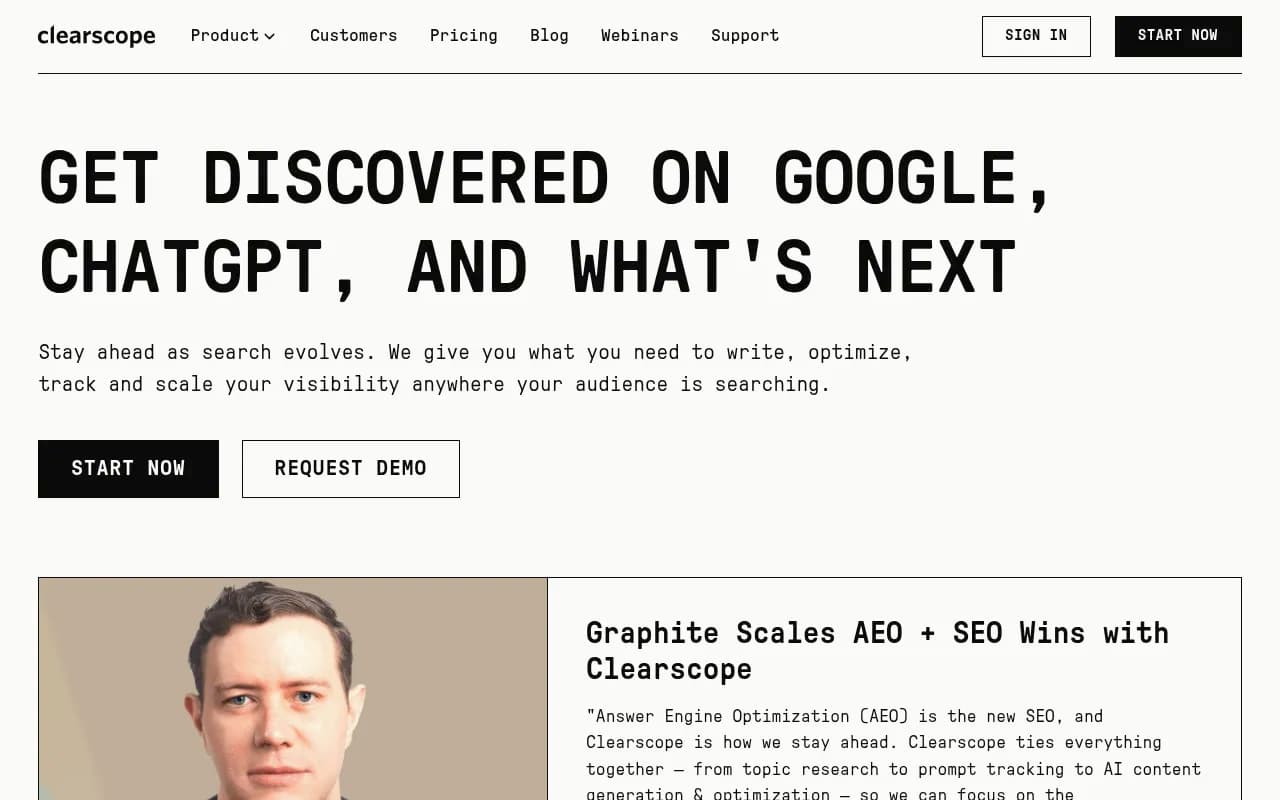
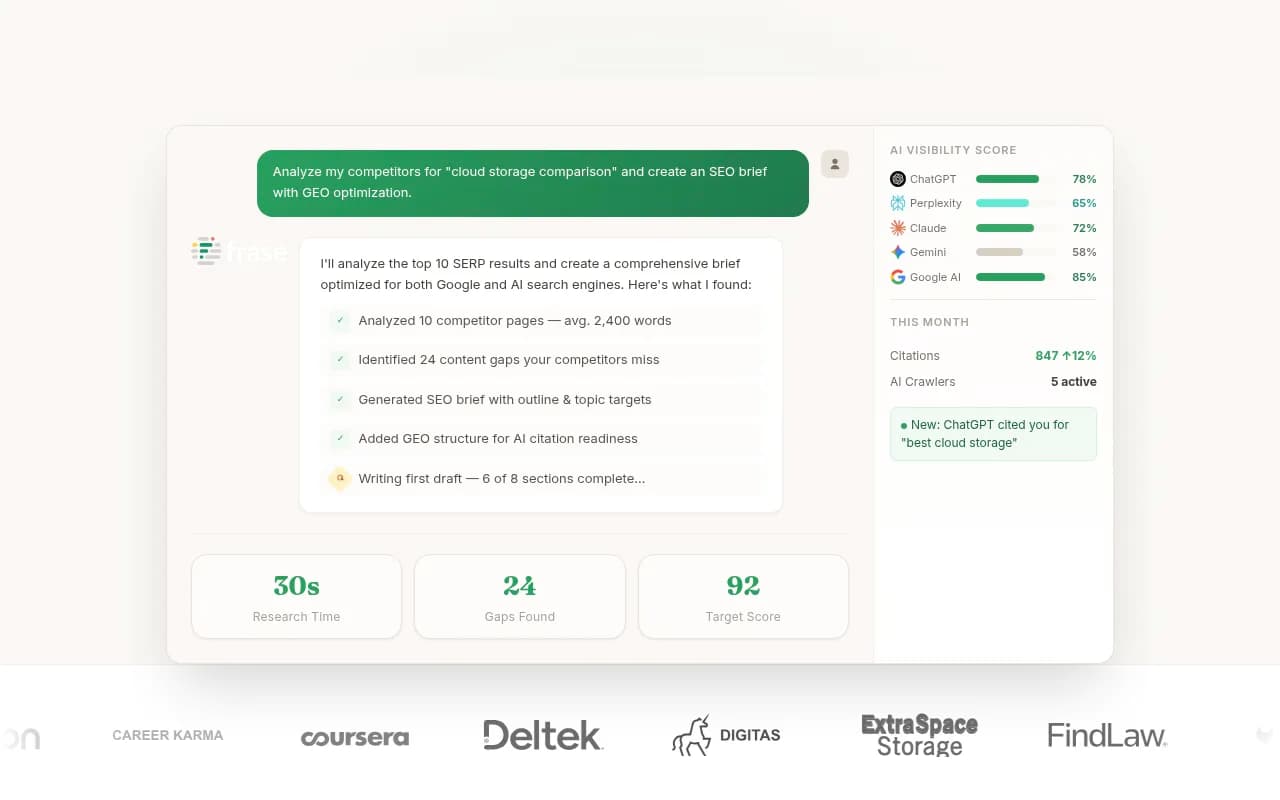
Clearscope is the pick if quality matters more than volume. It costs more, and Otterly's roundup lists it from $199 a month. Surfer is the common pairing with ChatGPT or Claude: AI drafts fast, Surfer tells you what is missing. AirOps fits teams that want AI visibility data feeding directly into structured production workflows with human review.
One thing the Quora answers agree on: AI is best for the mundane parts (intent, outlines, getting past a blank page) and the quality is in the editing. The tool cannot supply your real experience or brand voice.
What AI search says about the content you write
If your goal includes getting cited, the content type matters. In Promptwatch Data's report on which content types ChatGPT cites (Sep 28 to Oct 4, 2026), product pages were the most cited at 22.4%, landing pages came next at 16.8%, and listicles at 13.6%. Together, pages describing what a company sells took about 39% of citations. Editorial formats combined made up 43%.
The practical read: do not pour your whole content budget into blog posts. Your product and landing pages are a main citation surface. And freshness matters by type. Promptwatch's content half-life report found news lost half its cited pages within about 36 days, while landing pages and docs stayed cited longest.
On the writing side, Promptwatch's Content Agent plans, writes and publishes articles against your visibility gaps to WordPress, Webflow or Framer, with a review inbox. That is the kind of tool where the review setting is the point: leave it on.
Job 3: Technical
Technical tools find the problems that stop search engines, and now AI crawlers, from reading your site. This is the least glamorous job and the one with the most predictable return.
| Need | Tool type | Examples |
|---|---|---|
| Desktop or cloud crawl | Crawler | Screaming Frog, Sitebulb |
| Large-site crawling and logs | Enterprise crawler | Oncrawl, JetOctopus, Botify |
| Always-on monitoring | Real-time monitoring | ContentKing, Lumar |
| Indexing | Index submission | Indexly |
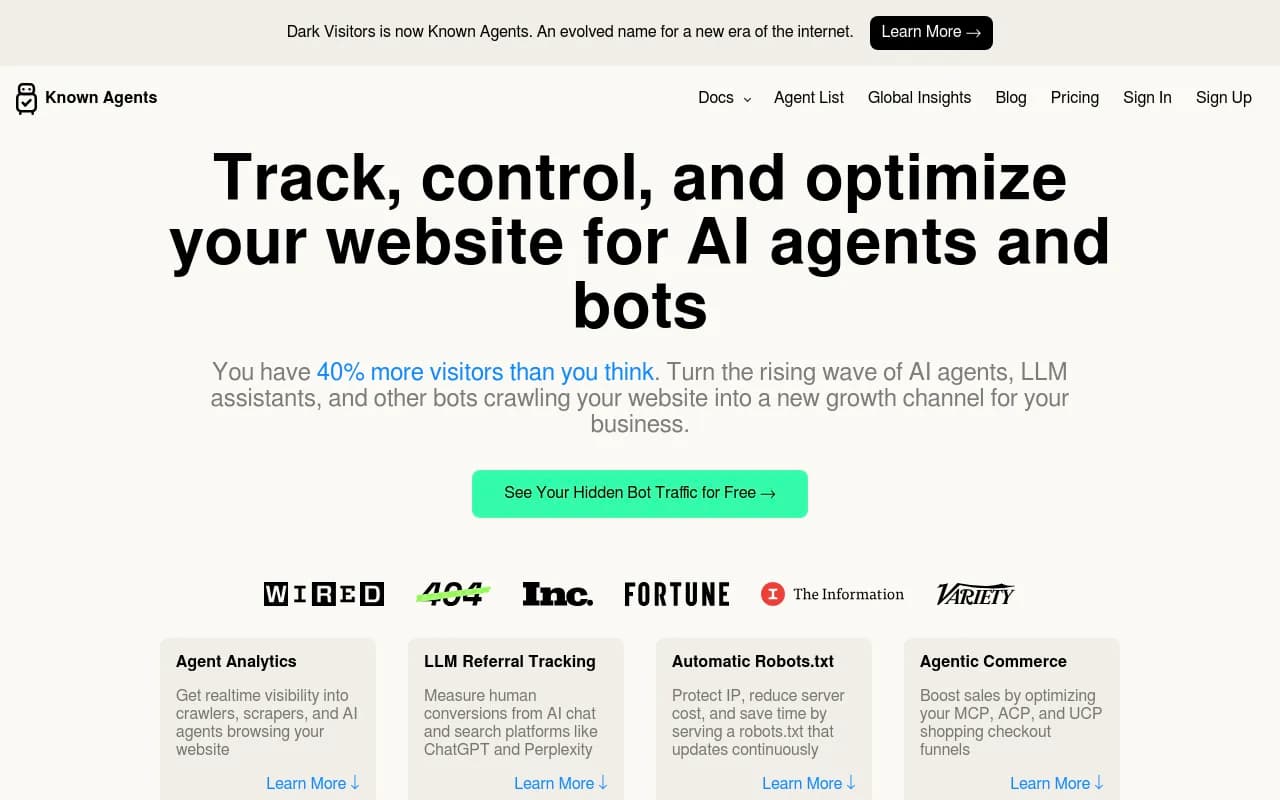
| AI crawler access | Crawler log analytics | DarkVisitors, Promptwatch |
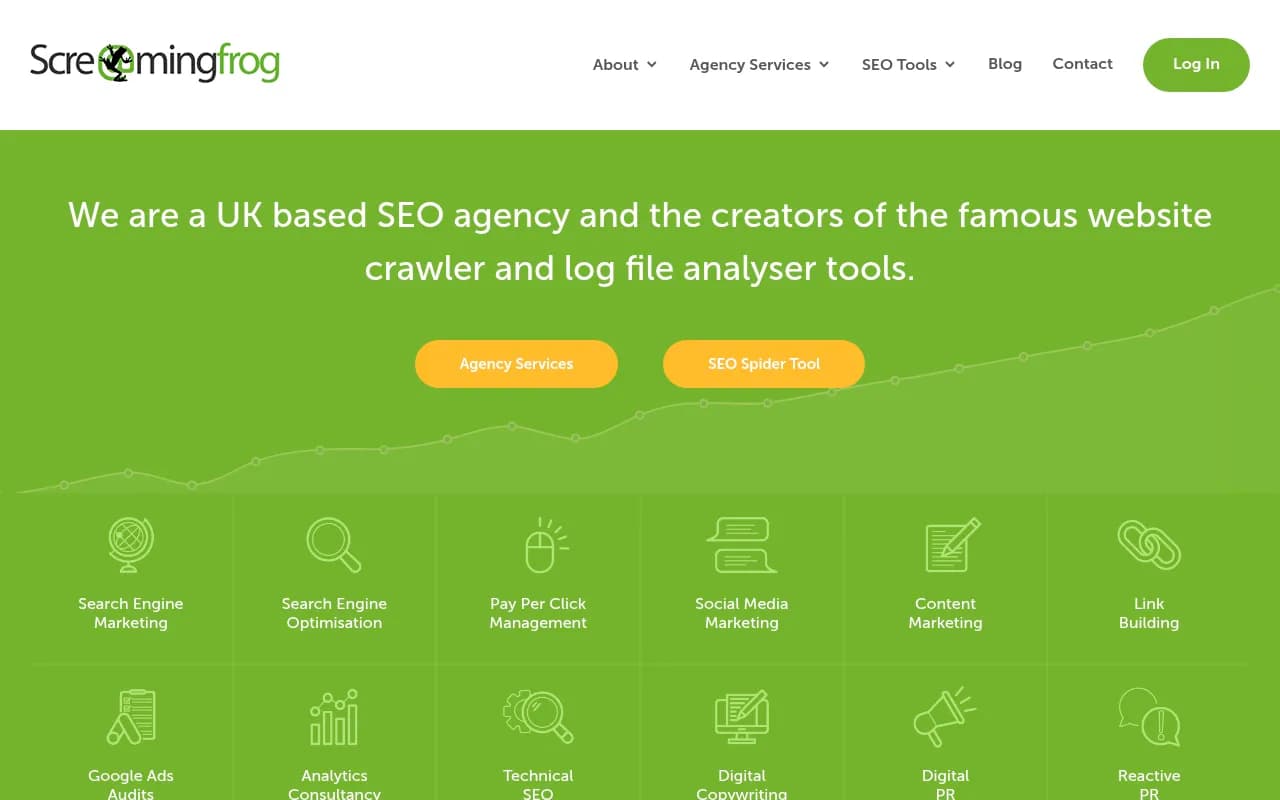
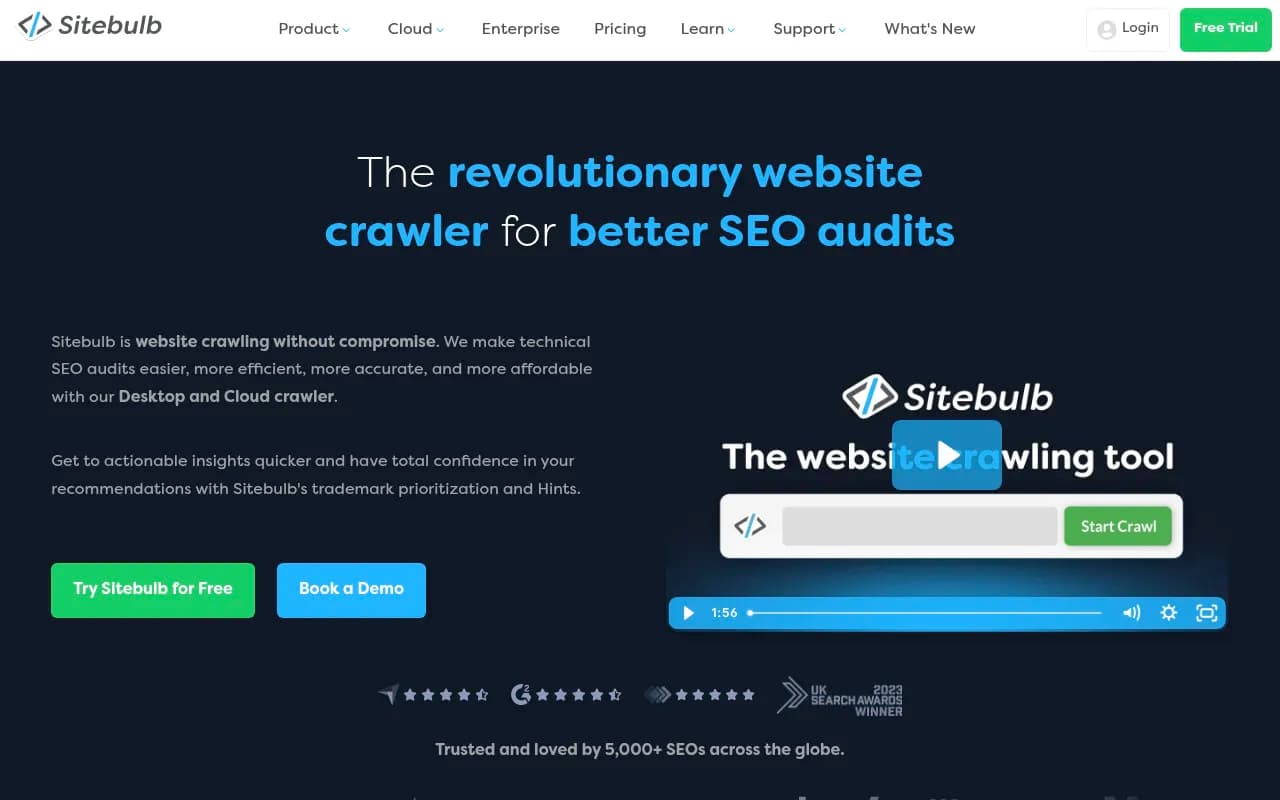
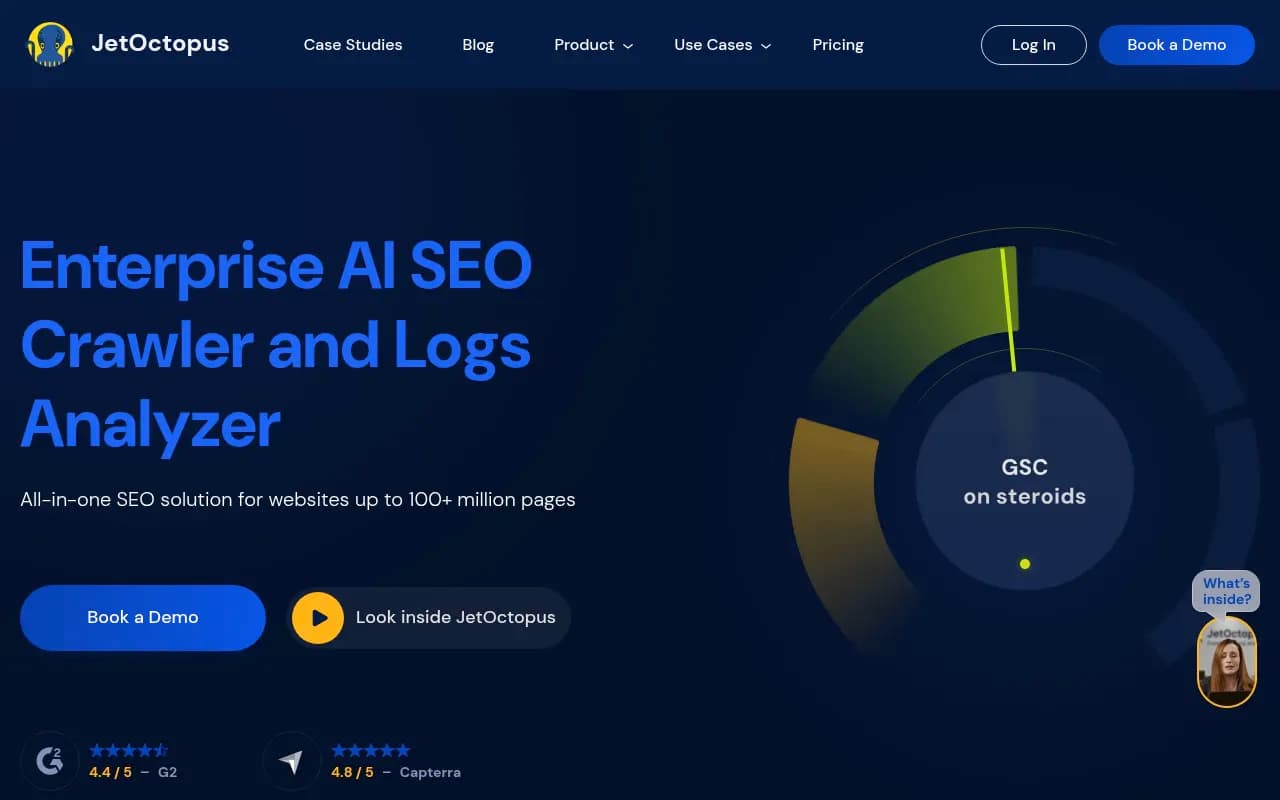
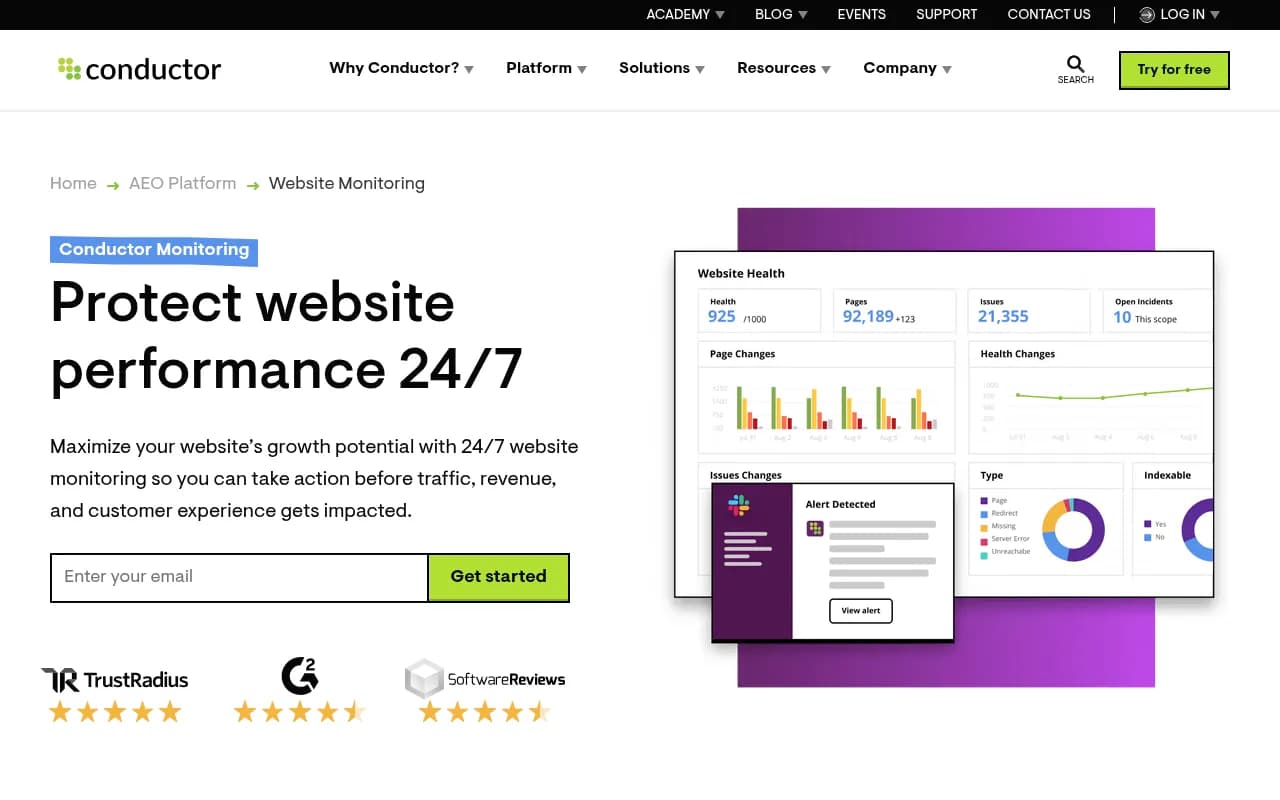
Screaming Frog is still the baseline for a one-off audit, and Sitebulb makes the same findings easier to explain to a client. Past a few hundred thousand URLs, move to Oncrawl, JetOctopus or Botify.
The part most audits skip: AI crawlers
A classic crawler tells you what Googlebot might see. It does not tell you whether GPTBot, ClaudeBot or PerplexityBot are reaching your pages or hitting errors. Promptwatch Data's AI crawler traffic report (verified, IP-matched requests, Jun 8 to Sep 6, 2026) shows OpenAI at 79.8% of requests in the week of Aug 31 to Sep 6, down from 94.8% in early June. The report's advice is simple: compare your own logs with that mix, and if a provider is a big share there but near zero in your logs, check robots.txt, CDN and WAF rules for a block.
Two more things worth knowing. Meta-WebIndexer grew from about 2% to nearly 38% of tracked AI crawler requests between mid-July and August 9, 2026, per Promptwatch's Meta-WebIndexer data, so a robots.txt written last year may not cover it. And markdown files are only 0.05% of AI search citations, so do not spend a quarter publishing markdown mirrors of your site for AI search.
For log-level visibility, tools like DarkVisitors and Promptwatch's crawler logs (via Cloudflare, Vercel, Fastly or a WordPress plugin) fill the gap.
Job 4: Tracking
Tracking splits in two: classic rank tracking and AI visibility tracking. Many teams need both, and the second is where the category is most crowded.
Classic rank tracking
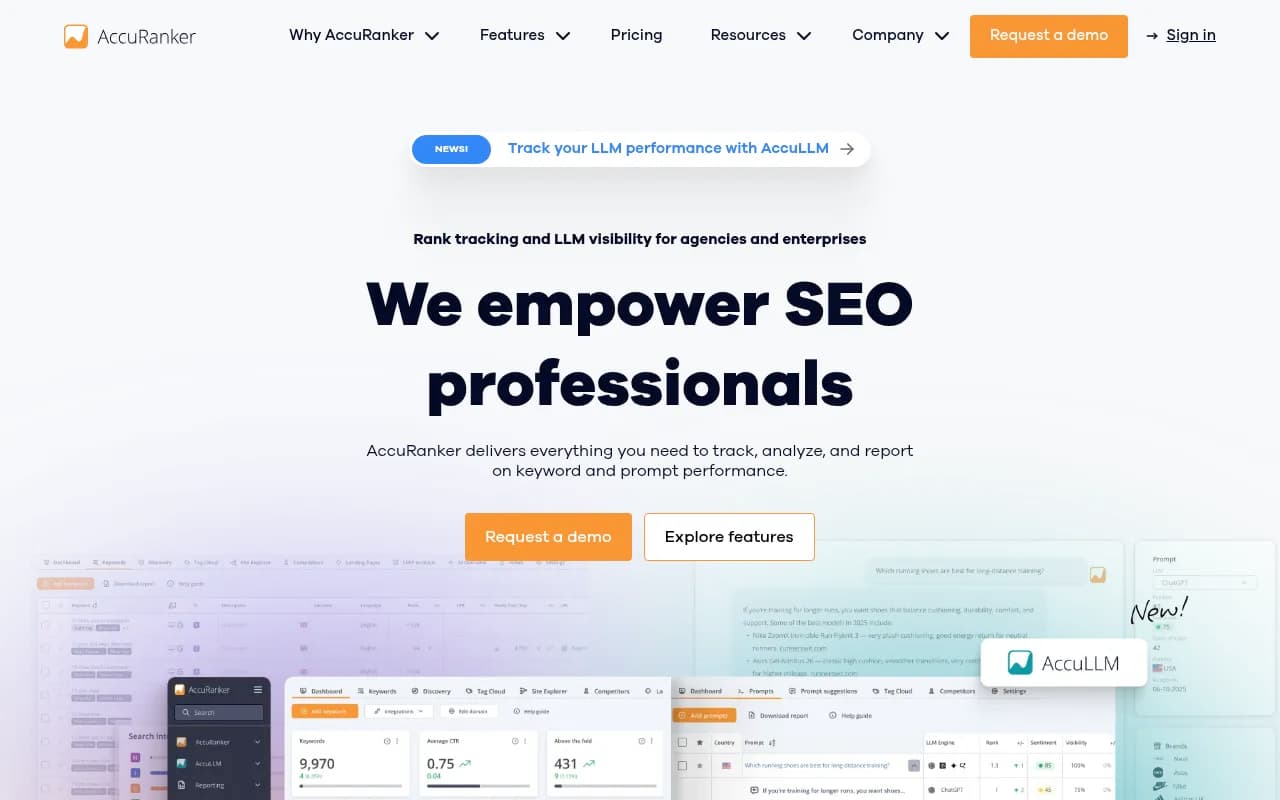
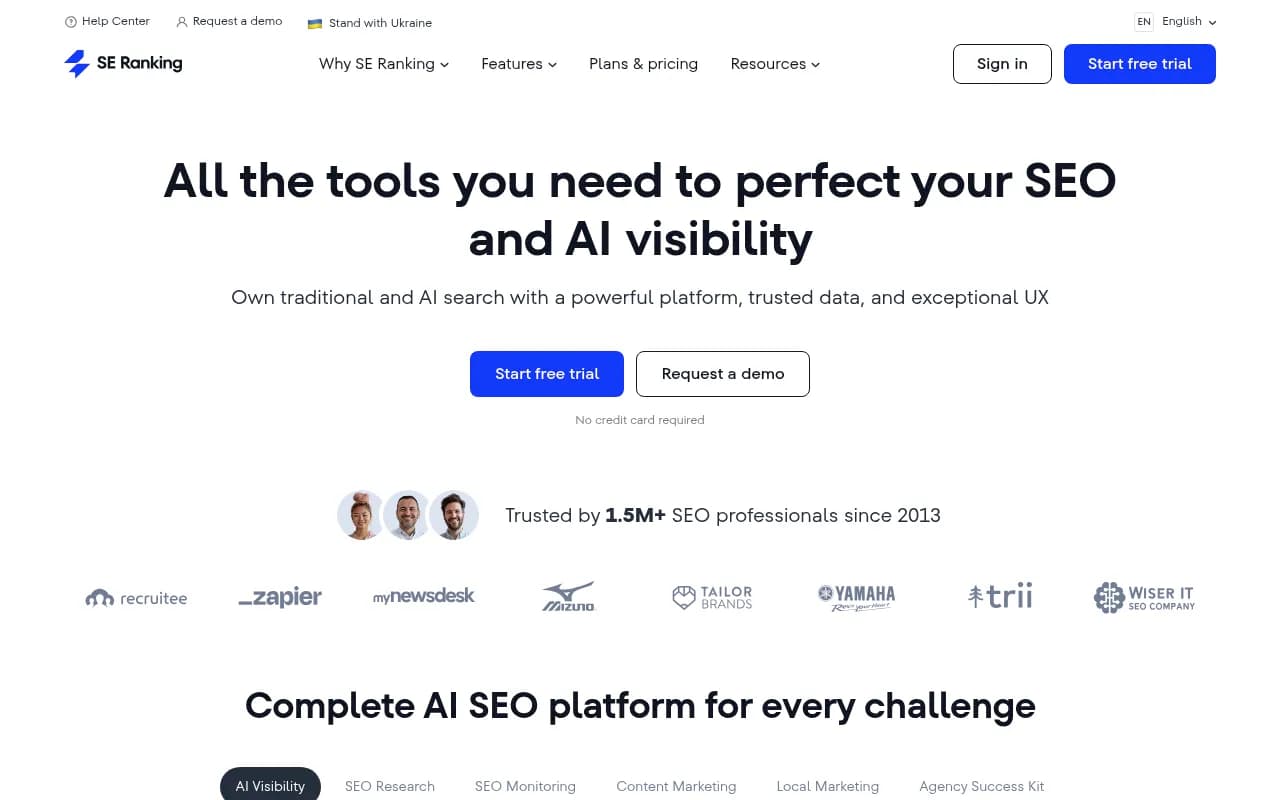
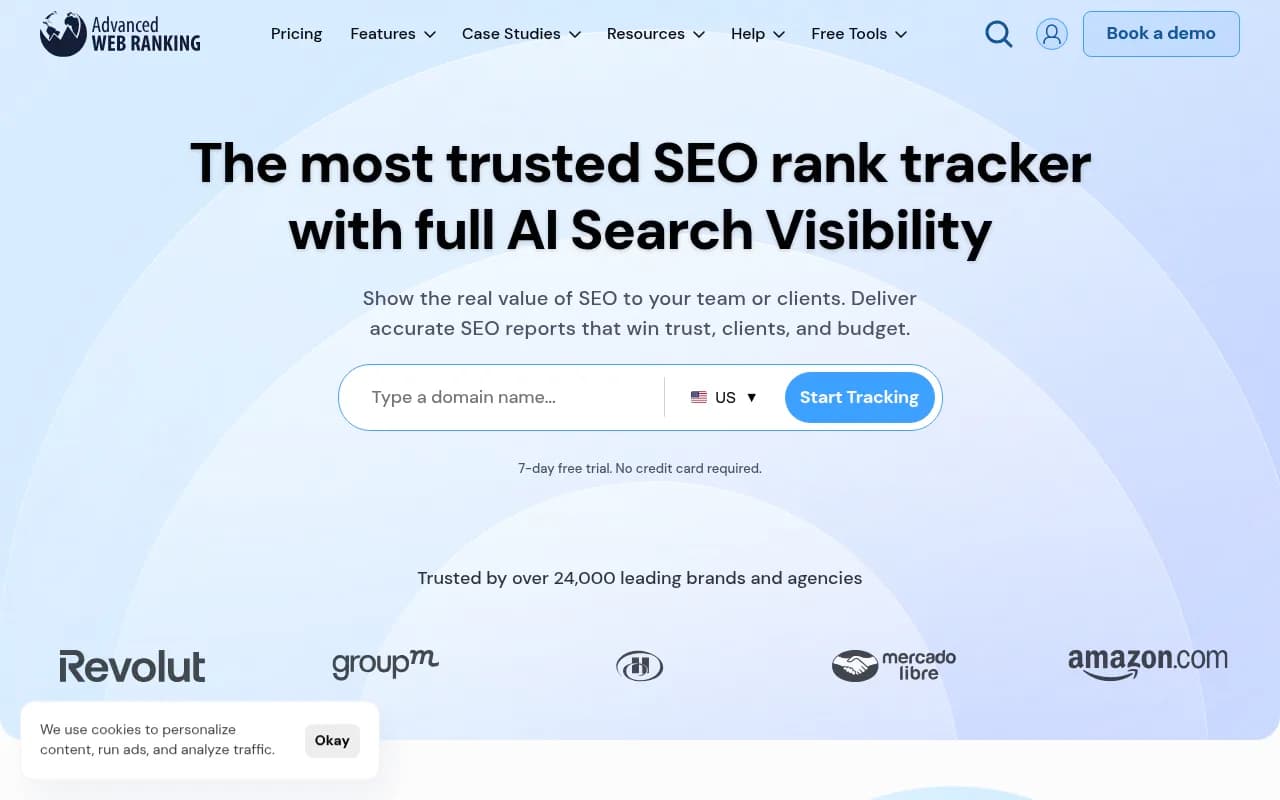
AccuRanker, Wincher, Nightwatch and Advanced Web Ranking are focused trackers, and several now add AI Overview monitoring. SE Ranking sits in between as a cheaper all-in-one.
AI visibility tracking
There is a real difference between a prompt tracker and an optimization platform. A tracker answers "was my brand mentioned?" A platform should also tell you why not, and help fix it.
| Type | What it tells you | Examples |
|---|---|---|
| Budget trackers | Mentions and share of voice across a few engines | Otterly.AI, Rankscale, Peec AI, AIclicks |
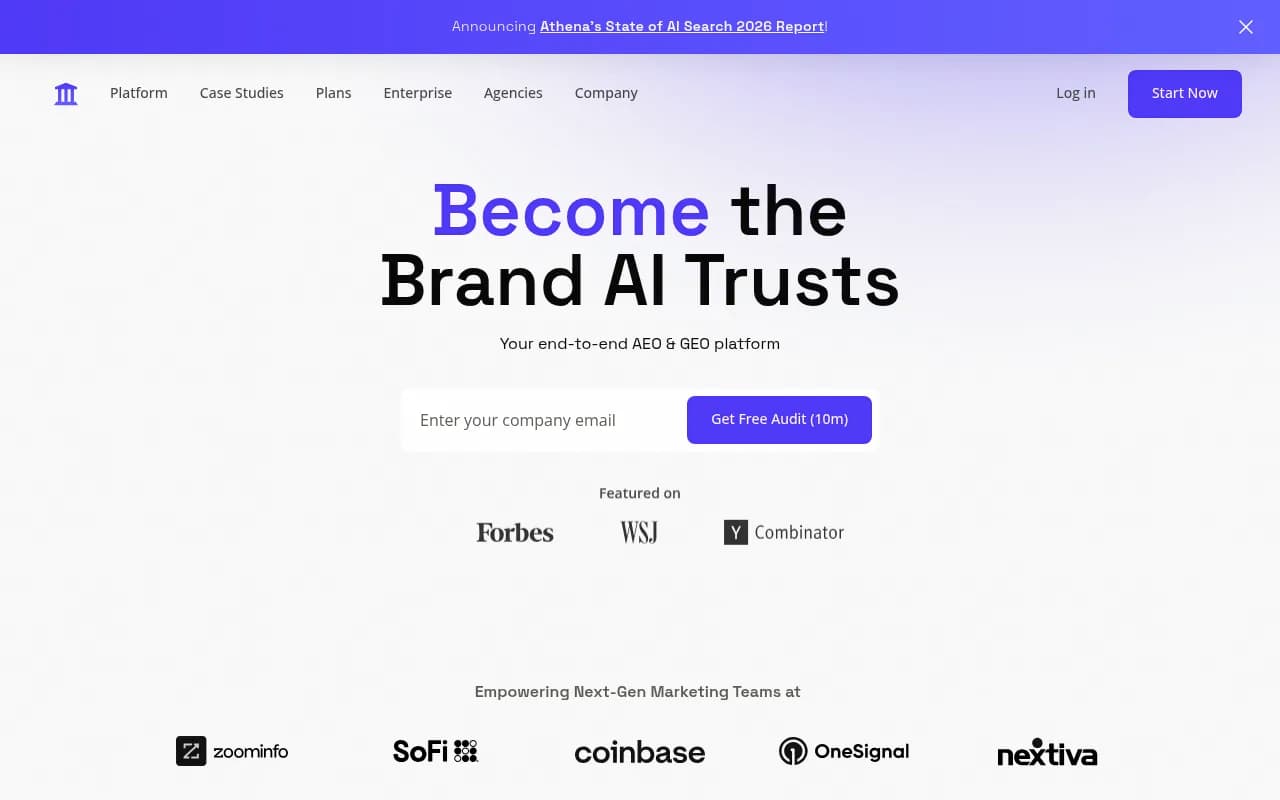
| Enterprise monitors | Deep monitoring, custom pricing | Profound, AthenaHQ, Scrunch |
| Suite add-ons | AI data inside an existing SEO tool | Semrush One, Ahrefs Brand Radar, SE Visible |
| Optimization platforms | Gaps, content, crawler logs, traffic attribution | Promptwatch |



If you are already in Semrush or Ahrefs, the add-on is the lowest-friction start. If you need a cheap, simple monitor, Otterly (from $29 a month per its own comparison) and Rankscale are common entry points. Pricing in these lists changes often, so confirm on each vendor's page.
Where Promptwatch differs is the closed loop. It tracks the real interfaces of ChatGPT, AI Overviews, AI Mode, Gemini, Perplexity and Copilot, then adds IP-verified crawler logs, visitor analytics for AI traffic, and an Action Board of prioritized fixes. Plans run from a free Explore tier to $95 a month for Essential and $579 for Business; check promptwatch.com/pricing for current numbers. For a browse of alternatives, the GEO software directory at bestgeosoftware.com lists many more.
Reading the tracking data honestly
Two cautions. First, AI behavior moves fast. Promptwatch Data found reddit.com's share of ChatGPT citations fell from about 4% to 0.5% on August 14, 2026, and ChatGPT's site: operator usage jumped from about 0.4% to 17% of fan-out queries on August 8. A weekly snapshot misses these shifts, so favor tools with daily data and annotations.
Second, platforms differ. From Sep 28 to Oct 4, 2026, ChatGPT drew 0.46% of its citations from social platforms while Google AI Overviews drew 12.2%, per the social media citations report. A tool that blends all engines into one score hides that. Look for per-engine breakdowns.
Job 5: Outreach
Outreach tools help you earn links and mentions. AI helps with prospecting and personalization, not with the relationship itself.
- Cold email at scale: Smartlead, Pitchbox. Warm-up and deliverability matter more than the AI writing.
- Backlink services: Seedbacklink, FATJOE. Treat these with care, since Google lists excessive link exchanges as spam.
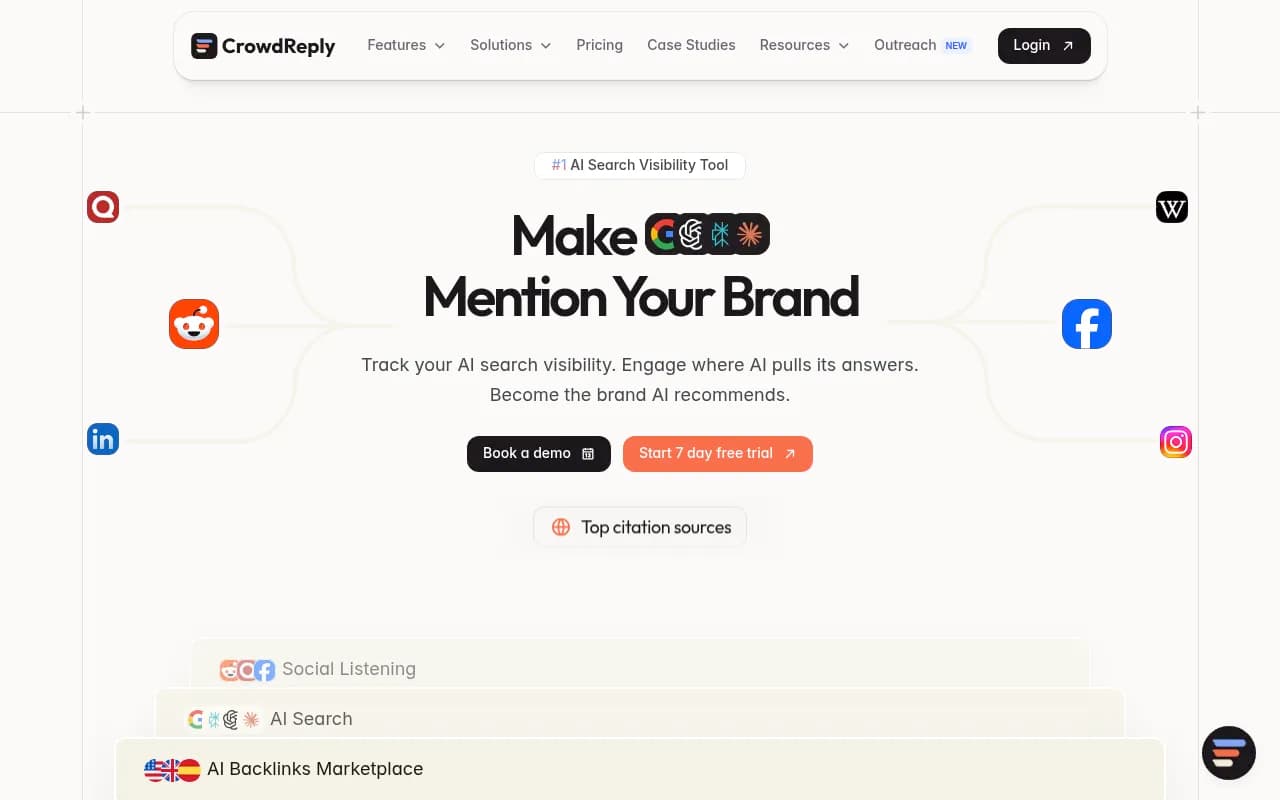
- Citation outreach: newer tools such as CrowdReply focus on getting mentioned in the third-party pages AI already cites.
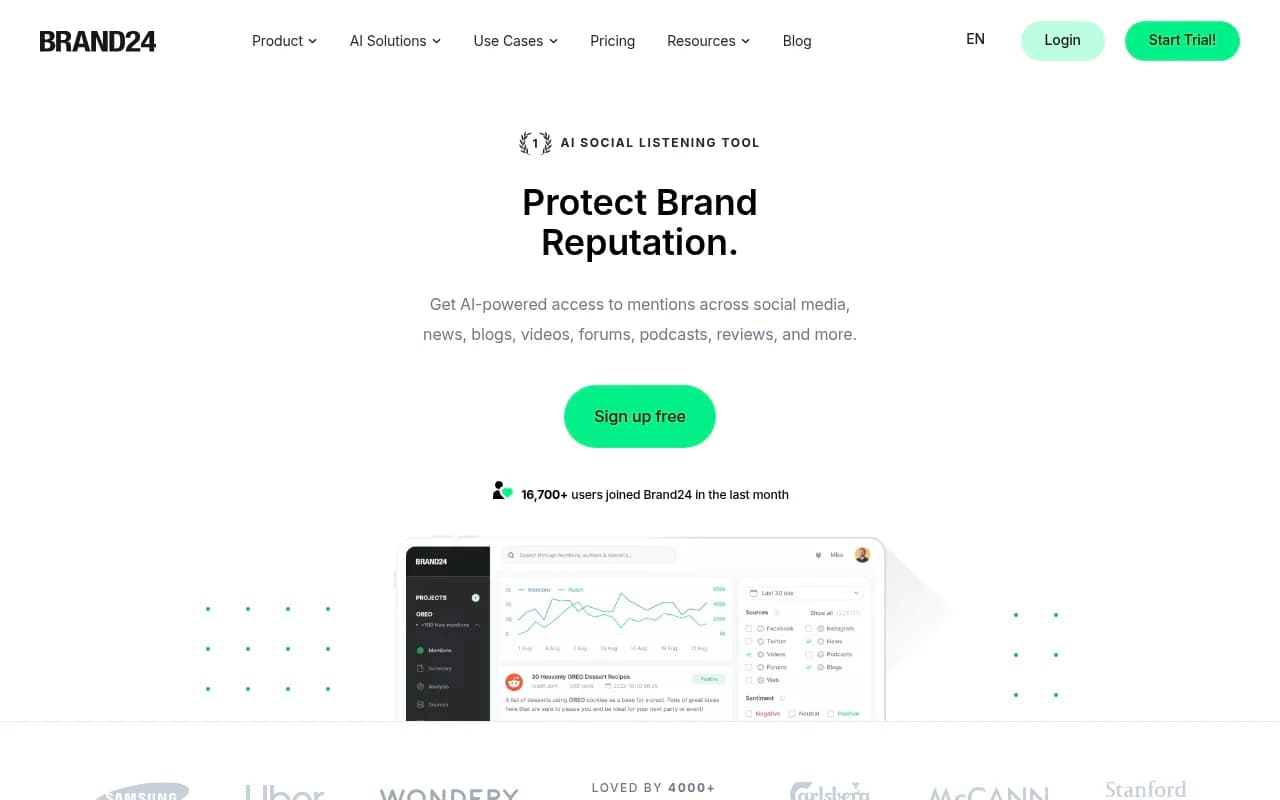
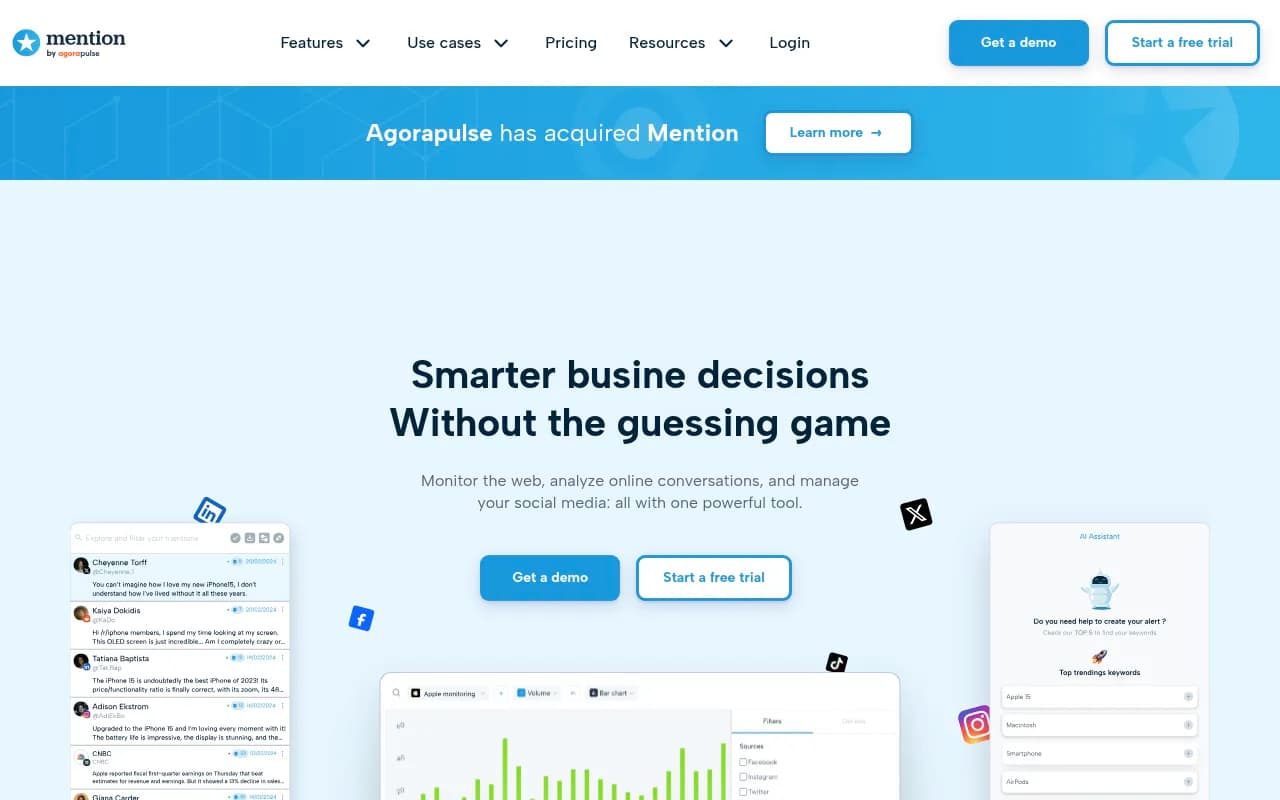
- PR and monitoring: Brand24, Mention, Meltwater to find unlinked mentions.
The AI-search twist is that the target list changes. Instead of only chasing domain authority, find which third-party pages AI answers actually cite for your prompts, and pursue those. Promptwatch Data's domain rank report found sites with domain rank 46-75 earned almost half of ChatGPT citations in August 2026, while DR 91-100 sites fell to about 3%. Mid-authority, relevant sites are a better outreach target than the biggest names.
Putting it together: three sample stacks
| Team | Research | Writing | Technical | Tracking | Outreach |
|---|---|---|---|---|---|
| Solo or small site | Search Console plus Ubersuggest | ChatGPT or Claude plus Surfer | Screaming Frog free crawl | Otterly or Rankscale | Manual |
| In-house team | Semrush or Ahrefs | Clearscope or Frase | Sitebulb plus crawler logs | Promptwatch | Pitchbox or Smartlead |
| Agency | Semrush plus Promptwatch prompt data | AirOps or Content Agent | Oncrawl or JetOctopus | Promptwatch agency plan | Pitchbox plus digital PR |
Price is the main constraint here, not ambition. Start with the job that costs the most hours, buy one tool, and add another only when you hit its ceiling. Tool overload is real: teams subscribe to five platforms and use a fraction of each.
A trial checklist
- Name the single job that costs you the most hours this quarter.
- Pull a baseline from Search Console and Bing Webmaster Tools first. Third-party tools estimate; those two report.
- Trial one tool for 7 to 14 days on a real project, not a demo site.
- Run the four-question test and write down the answers.
- Keep a human on anything that publishes or sends.
- Re-check after 60 days: did rankings, citations or traffic move? If not, cancel.
Where to browse further
If your job is tracking, the AI rank tools directory at ai-rank-tools.com compares dozens of options. For general software across all five jobs, surferstack.com has reviews and alternatives.
And if the real problem is that nobody on your team has time to run any of this, that is a different purchase. An agency like 1001 SEO Media covers technical SEO, content and AI search work with senior specialists, and it runs on Promptwatch for AI visibility. For everyone else, the rule holds: name the job, buy for the job, and cancel what does not move a number.