Key takeaways
- "White label" means very different things by vendor. Some tools only put your logo on a PDF, others let you run the portal on your own domain. Check what the client actually sees before signing.
- Classic white-label SEO tools (SE Ranking, AgencyAnalytics, Semrush, Swydo) cover rankings and reporting well, but most treat AI search as an add-on or leave it out.
- Agencies need a separate AI visibility layer. Citation behavior differs by engine, so reports should track ChatGPT, AI Overviews, and Perplexity separately.
- Reporting is only half the job. Platforms that help you fix visibility gaps (content, crawler access, publishing) justify a retainer better than pure trackers.
- Verify every price on the vendor's own pricing page. Plans, add-ons, and billing terms change often.
Why agencies need a different toolkit in 2026
Clients have started asking the same question: "How are we showing up in ChatGPT?" Vendasta cites AgencyAnalytics' 2026 benchmark research, reported by MarTech, saying 66% of agencies named AI-search visibility as the top new client request, while 48% cannot reliably track AI discovery. I haven't verified that figure independently, but it matches what agencies are saying: demand arrived before the tooling did.
An agency stack therefore has three jobs, and most tools only do one or two:
- Classic SEO data (rankings, audits, backlinks, Search Console).
- Client-ready reporting, ideally under your brand.
- AI search visibility: tracking, diagnosis, and actually fixing it.
This guide goes through each layer, then ends with a table to help you pick.
What white label really means
The Mencoro guide breaks it down well. A white-label tool can rebrand some or all of these layers:
- Reports: PDF or web reports with your logo, colors, and no vendor mention. Every tool offers this.
- Client portal: a read-only login for clients, under your brand.
- Domain: the portal or shared reports on your own subdomain, so the URL doesn't give the vendor away.
- Emails: scheduled reports sent from your address.
- Lead capture: an audit widget on your site that generates branded reports for prospects.
- AI search data: how ChatGPT, Perplexity, and Google's AI Overviews mention your clients. The newest layer, and the one most classic tools skip.
The Marketing Agency's review puts the gap bluntly: someone swaps their logo, sends a client a login link, and the client is staring at the vendor's homepage with a small logo change. That's a sticker, not white label. Ask for a demo of the client-side experience before you commit to annual billing.
Classic SEO suites with white-label reporting
These are the workhorses. They handle rankings, audits, and keyword data, and they ship branded reports.
SE Ranking
SE Ranking comes up in nearly every roundup. OneLittleWeb calls it best for small to mid-sized agencies, with customizable PDF and HTML reports, your branding, a custom domain, and scheduled weekly or monthly delivery. Vendasta lists the Agency Pack as a $69/mo add-on, and Swydo's comparison puts SE Ranking Pro plus Agency Pack at around $145/month on annual billing. Note the annual billing requirement for the full white-label tier.
SE Ranking also has a separate AI visibility product, which is worth a look if you want one vendor for both layers.
Semrush and Semrush One
Semrush has the deepest research data, and its reporting is branded through the My Reports add-on. Vendasta lists the entry price at $139/month and notes there's no client portal. Semrush One bundles SEO and AI visibility, which is useful when clients want both in one report. The catch is that clients see Semrush's name if you share tool access directly, so use the reporting layer.
AgencyAnalytics, Whatagraph, and other reporting-first tools
If your reports pull from SEO, PPC, social, and analytics, a dedicated reporting platform beats a single SEO suite. AgencyAnalytics is the name that comes up most for multi-client dashboards. Swydo is the budget pick, with white label included in the base plan and per-source pricing that scales gradually. ReportGarden and DashThis sit in the same group. Whatagraph is in our catalog:
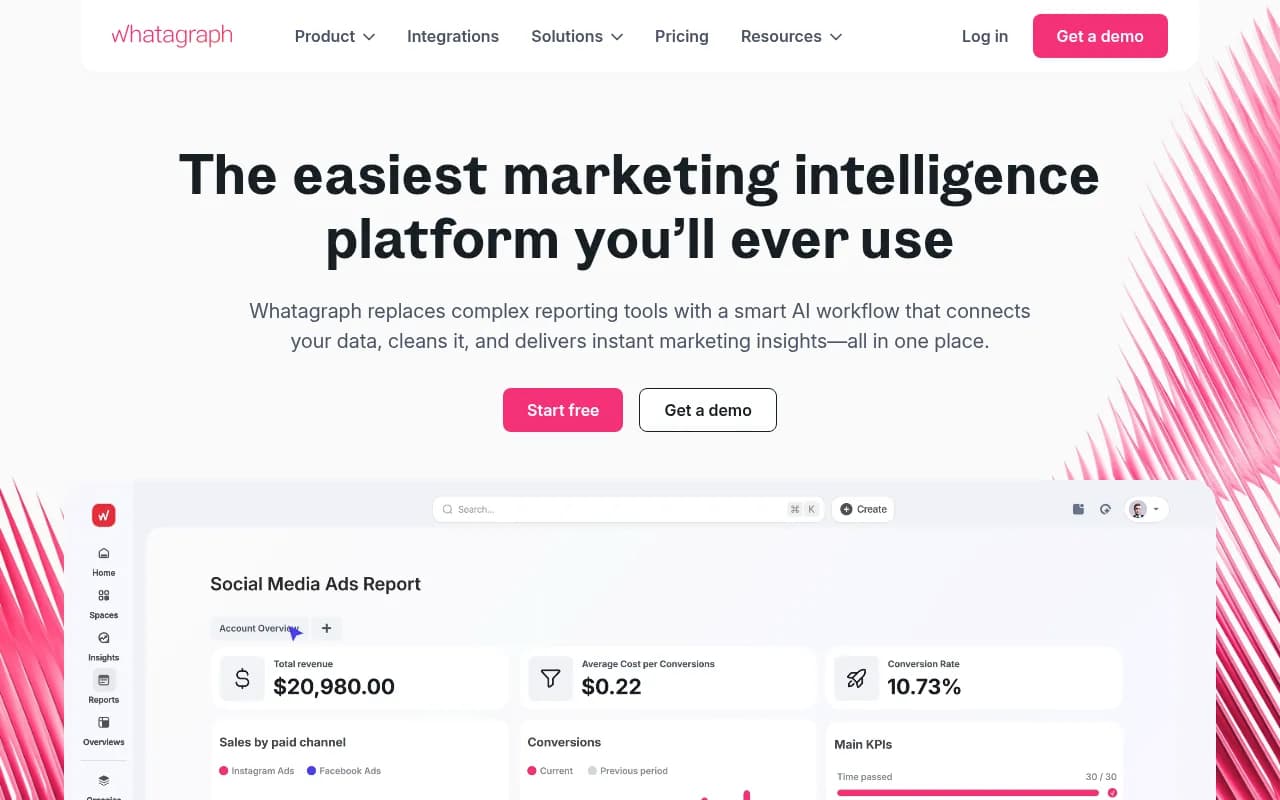
The trade-off is that these tools aggregate data rather than generate insight. They make a clean report. They won't tell you why a client lost visibility.
Other agency-friendly SEO platforms
A few more worth knowing about for specific cases:
- SEOmonitor is built for agencies and has AI visibility tracking.
- AccuRanker and Advanced Web Ranking are rank trackers with AI search monitoring and white-label reporting.
- Moz Pro and Mangools suit smaller shops that want simple, affordable tooling.
AI visibility tools for agencies
This is where classic suites are thinnest. The Marketing Agency's research noted that the AI search tracking gap across almost every white-label platform is bigger than vendors advertise. So most agencies end up adding a dedicated AI visibility tool.
Why you can't report AI visibility as one number
Promptwatch Data shows citation slots vary a lot by engine. ChatGPT cites about 5 sources per web-search answer, while Google AI Overviews cites about 10, and Perplexity sits almost exactly at 10 every day. Microsoft Copilot swung from under 2 to nearly 17 within a few weeks. A single blended "AI visibility score" hides all of that. Report each engine separately, and judge Copilot on monthly trends.
Perplexity's stability makes it a handy test bench. If your citations there change after a content update, it's probably your content, not engine noise.
Promptwatch
Promptwatch is the option I'd look at first if you want more than a dashboard. It tracks the real interfaces of ChatGPT, Google AI Overviews, AI Mode, Gemini, Perplexity, and Copilot, and it goes past mentions into the work: content gap analysis, a Content Agent that writes and publishes to WordPress, Webflow, or Framer, and an Action Board with prioritized to-dos. For agencies specifically, there are dedicated agency plans (Kick-off $199/mo, Growth $399/mo, Scale $799/mo) with unlimited projects and prompts, pitch projects, 10 seats, and white-label PDF reports plus a client portal. Confirm current pricing at promptwatch.com/pricing.

The feature agencies tend to underrate is IP-verified AI crawler logs. They show which AI bots reach a client's site and which hit errors, which turns "we're not cited" into a diagnosis. Promptwatch Data's AI crawler traffic report (June 8 to Sept 6, 2026) found OpenAI accounted for 79.8% of verified AI crawler requests in the week of Aug 31 to Sept 6, down from 94.8% in early June. Their advice: if a provider is a big share of that chart but near zero in a client's own logs, the client may be blocking it via robots.txt, CDN, or WAF rules. That's a repeatable onboarding check any agency can build into a process.
Other agency-oriented AI trackers
Several catalog tools position themselves specifically at agencies:
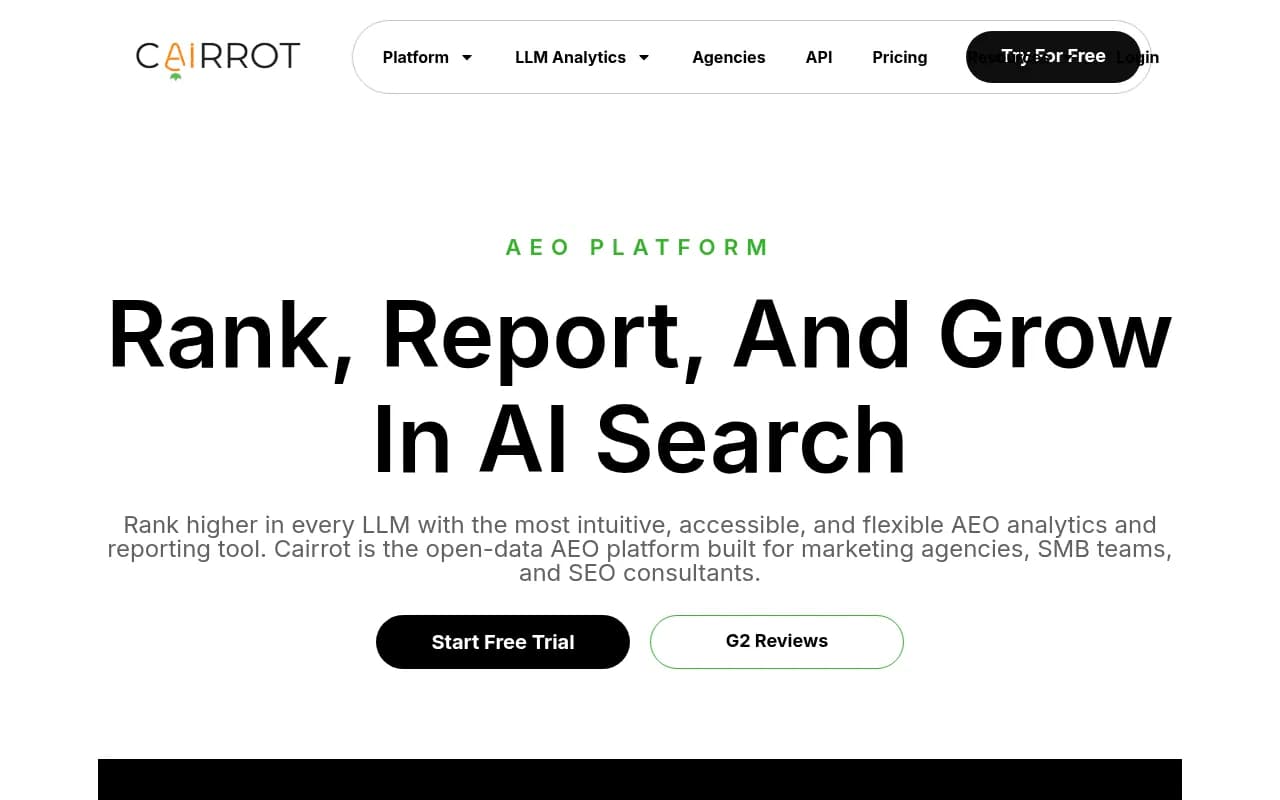
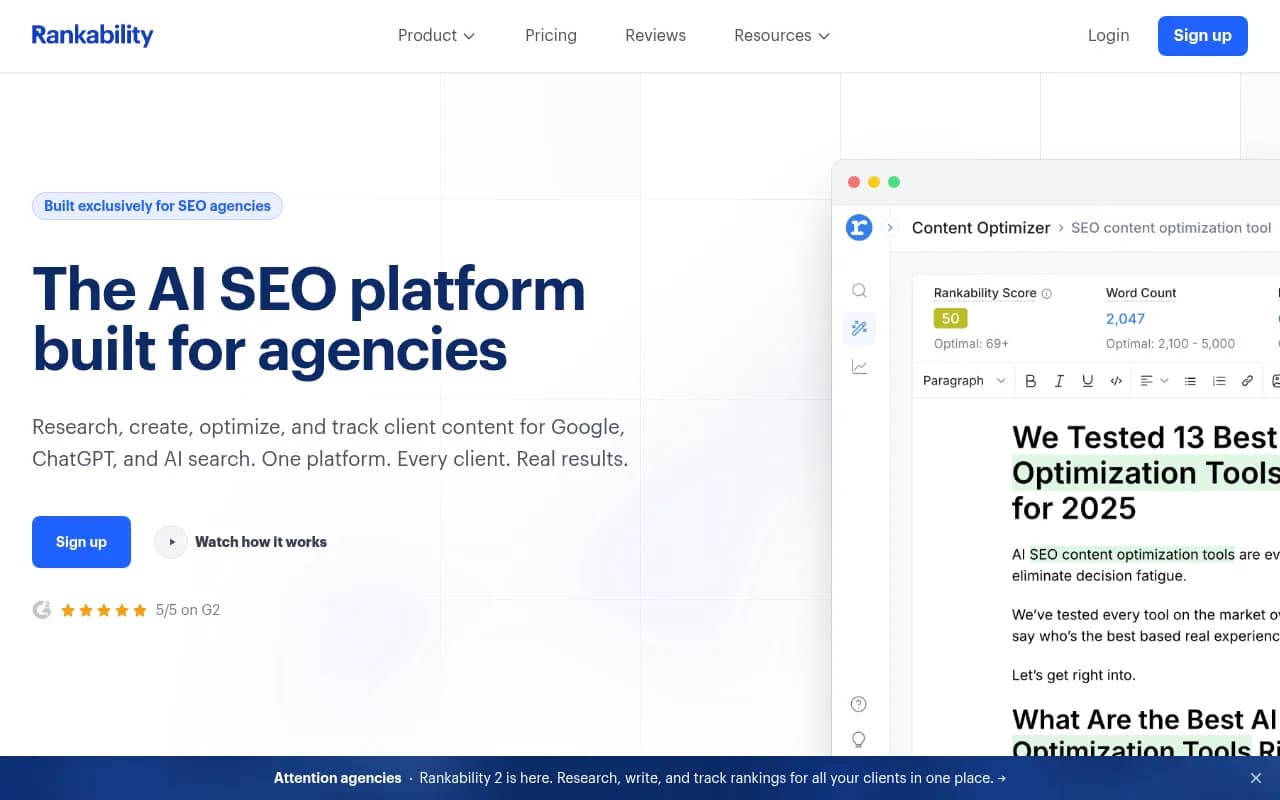
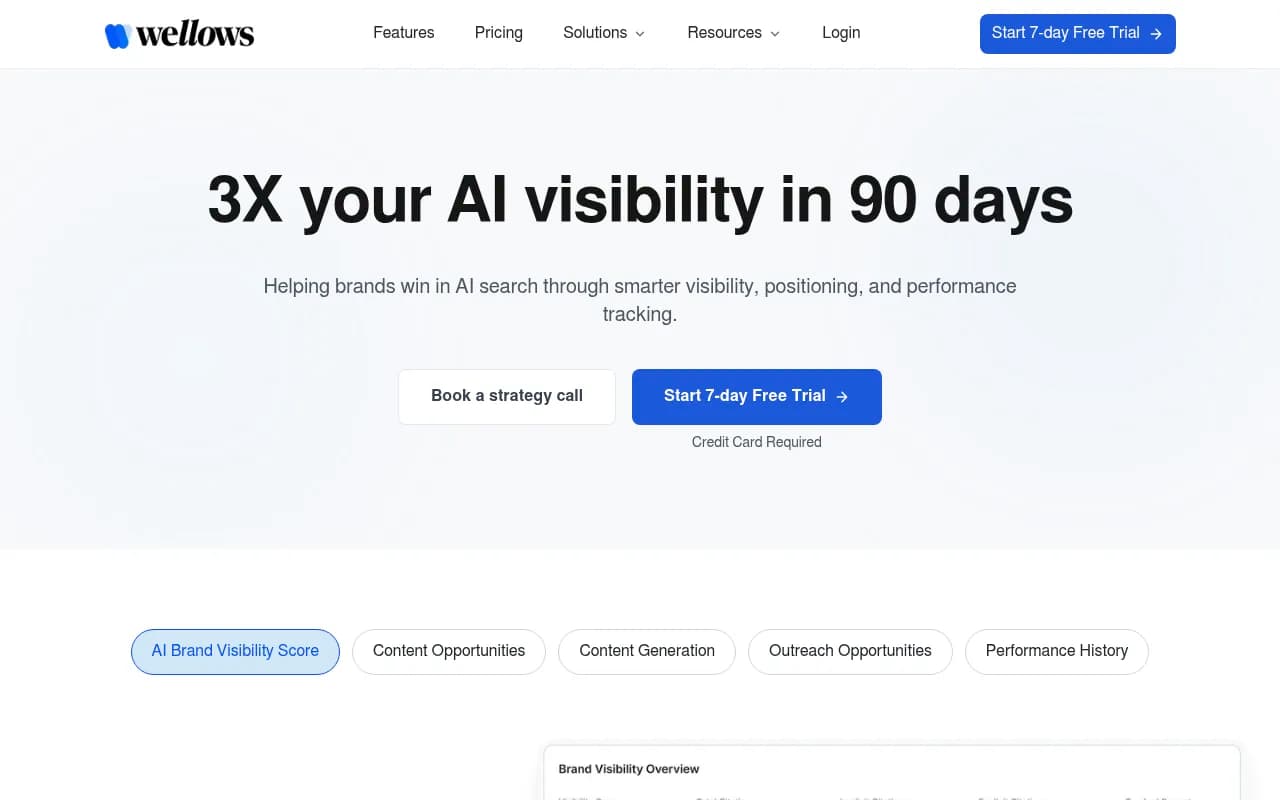
OpenLens, Cairrot, and Wellows are pitched at multi-client use. Rankability is described as agency-focused AI visibility analytics. I haven't tested these myself, so ask each for a white-label demo and check how many client workspaces your price tier includes.
Monitoring-first alternatives
If you only need tracking at a low price, these are the usual names:



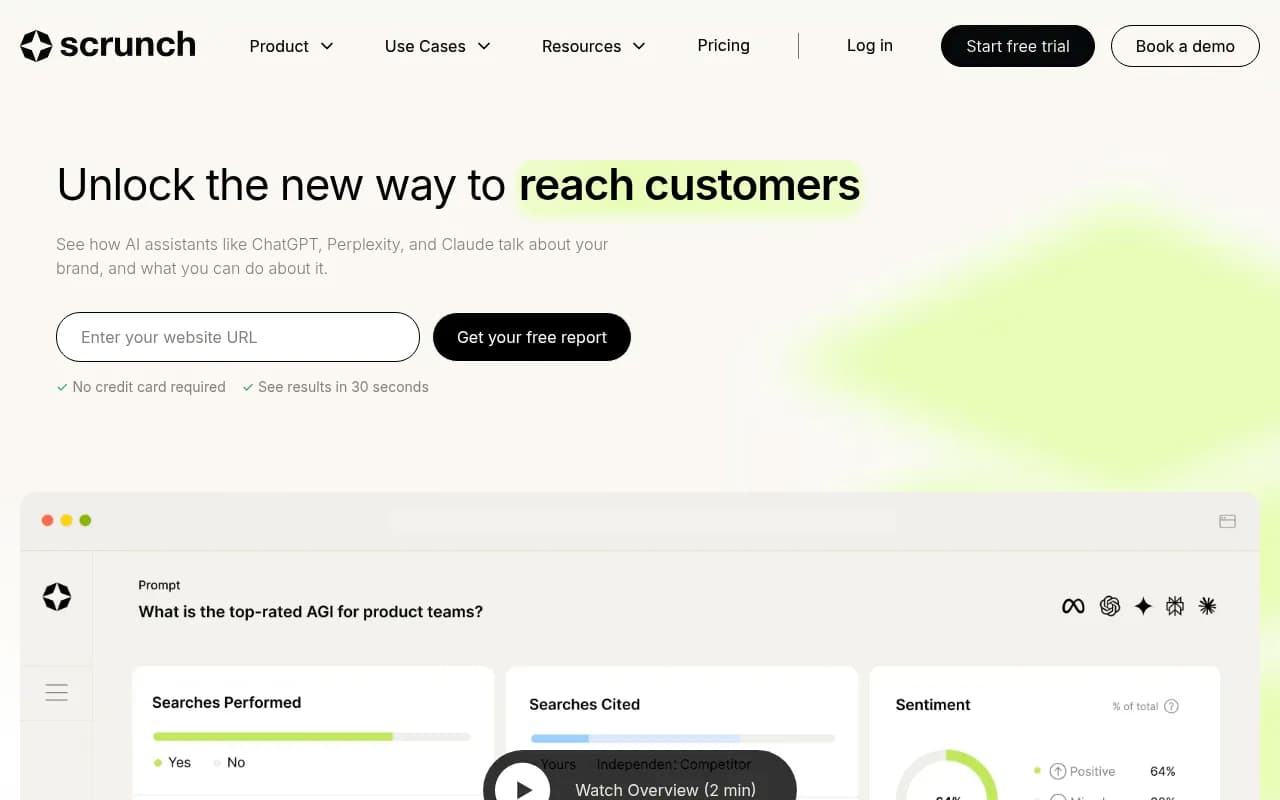
Otterly.AI and Peec AI are affordable trackers. Profound and Scrunch are more enterprise-leaning monitoring platforms. All of them are strong at answering "were we mentioned?" Fewer help with the next question, which is what to do about it. For more options, the directories at bestgeosoftware.com and ai-rank-tools.com list many more.
Scaling delivery without adding headcount
Reporting and tracking are the easy parts. Scale comes from automating the work between them.
Content production
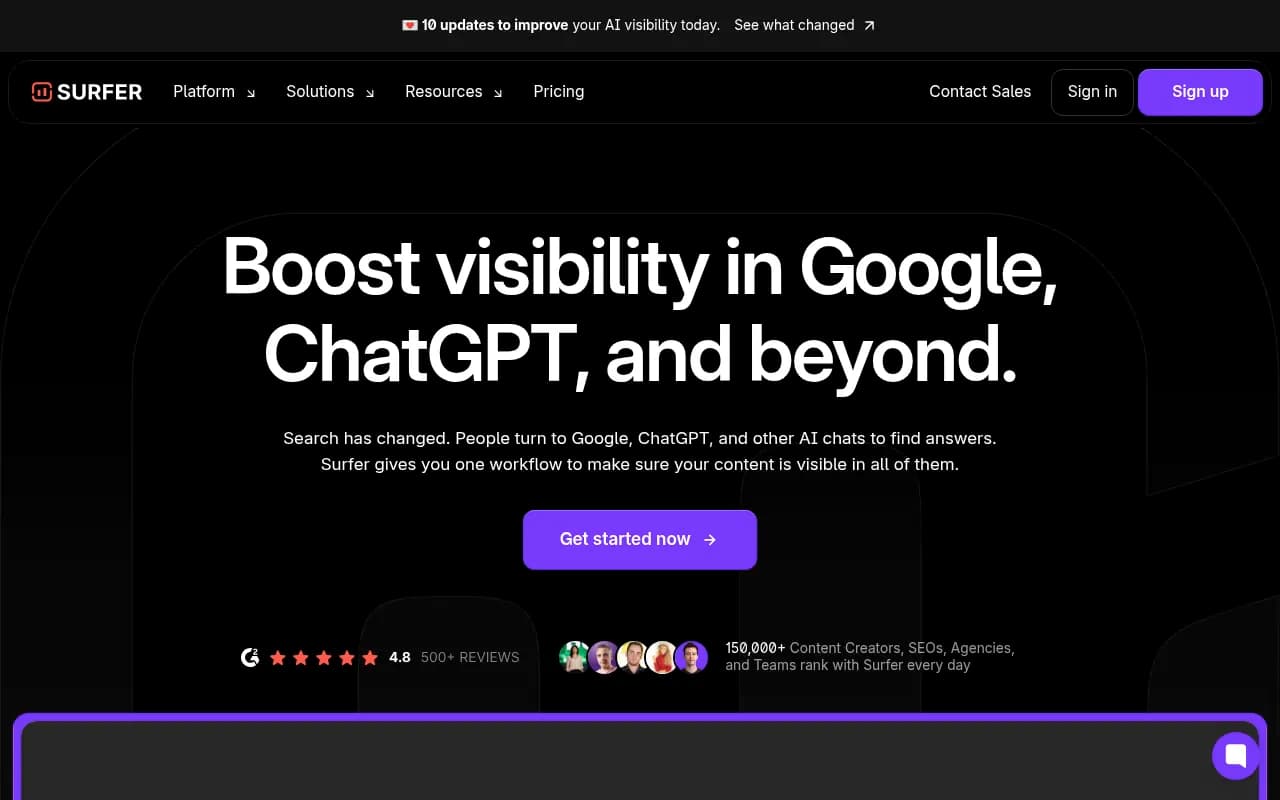
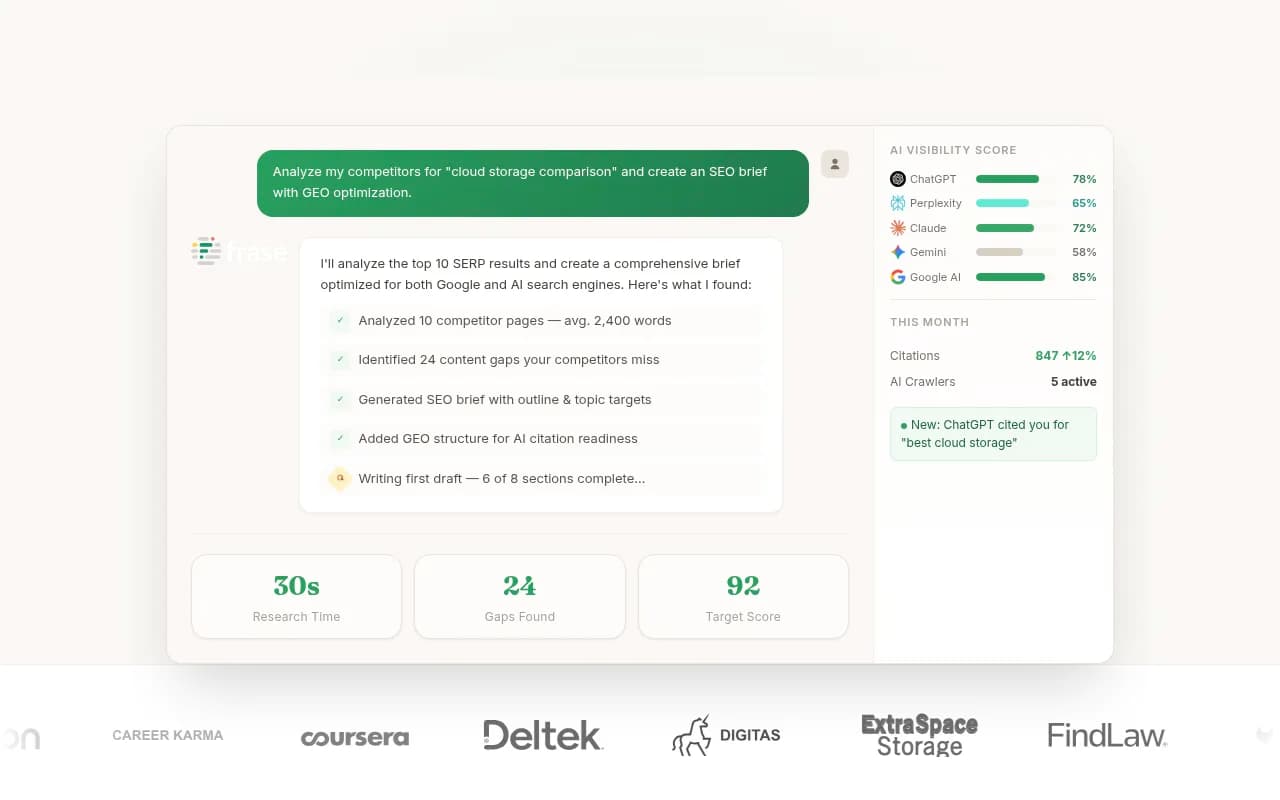
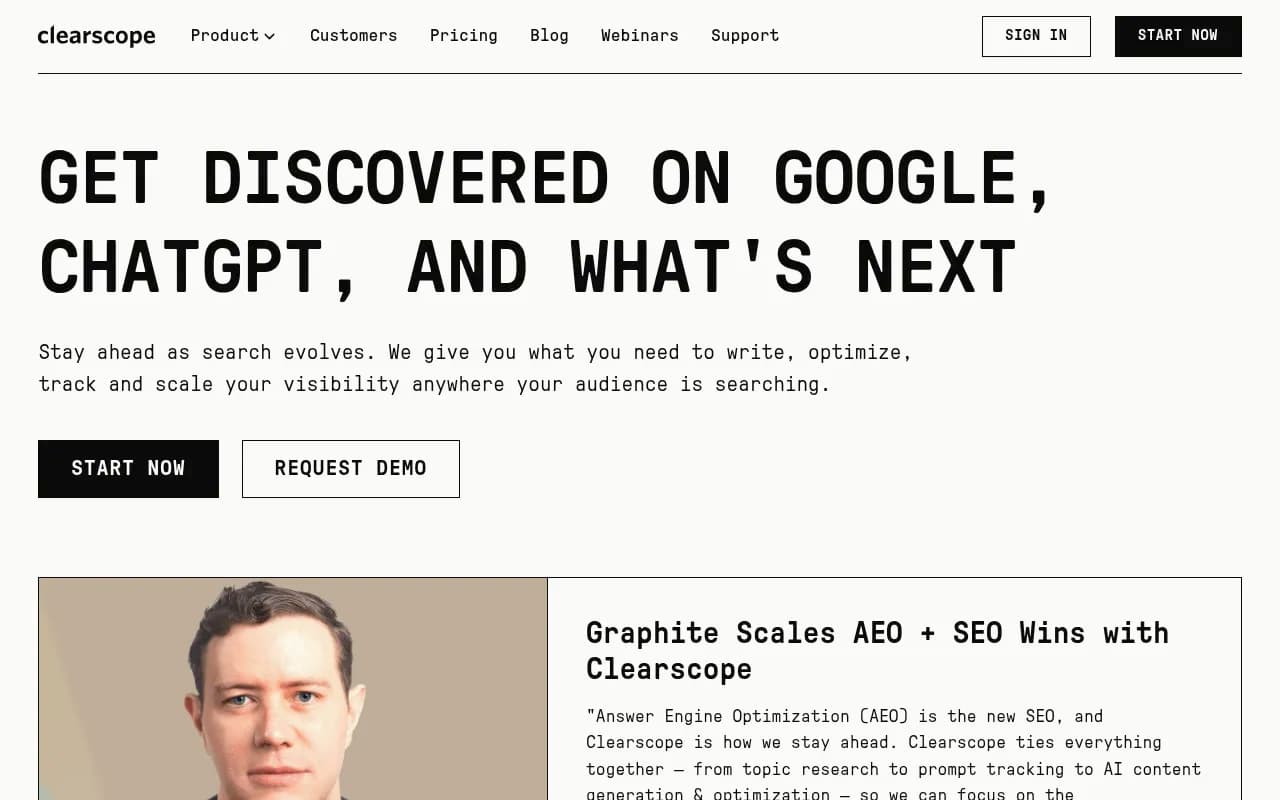
Tools like Surfer SEO, Frase, and Clearscope handle on-page optimization briefs. For volume, AI writers like Byword and SurgeGraph exist, though I'd keep a human editor in the loop for client work. Citation data should drive what you write: product pages are the most cited content type in ChatGPT at 22.4% of citations (Sep 28 to Oct 4, 2026), per Promptwatch Data, so a content plan built only on blog posts leaves visibility on the table.
Technical audits
Crawlers like Screaming Frog and Sitebulb remain the standard for deep audits, and Lumar or Botify cover enterprise-size sites.
Workflow automation
Zapier and n8n are useful glue for pushing report data into Slack, Airtable, or your PM tool, so weekly client updates don't depend on someone remembering to export a CSV.
Full reseller platforms
Vendasta takes a different approach: a reseller platform with AI agents (AI Blogger, AI Social Media Manager, AI Reputation Specialist) that run under your brand. It's aimed at agencies selling to local businesses. The case studies are vendor-published, so read them with that in mind.
Comparison table
Prices below come from the research sources and may be stale. Check each vendor's pricing page.
| Tool | Type | White-label depth | Reported entry price | Best for |
|---|---|---|---|---|
| SE Ranking | SEO suite | Reports, custom domain, Agency Pack add-on | Around $103/mo annual, plus $69/mo pack | Small to mid-sized agencies |
| Semrush | SEO suite | Branded reports, no client portal | From $139/mo | Research depth |
| AgencyAnalytics | Reporting dashboard | Branded multi-channel dashboards | Per-client pricing | Multi-channel clients |
| Swydo | Reporting | Included in base plan | From about $69/mo | Budget reporting |
| Promptwatch | AI visibility and GEO | White-label reports and client portal on agency plans | Agency plans from $199/mo | Tracking plus fixing AI visibility |
| Otterly.AI / Peec AI | AI tracker | Varies, confirm with vendor | Low-cost tiers | Basic monitoring |
| OpenLens / Cairrot | AI tracker for agencies | Agency-oriented | Confirm with vendor | Multi-client AI reporting |
| Vendasta | Reseller platform | Full platform rebrand | Confirm with vendor | Local business resellers |
A practical agency stack
There's no single winner. Here's how I'd combine things by agency size.
- Solo or small shop: SE Ranking for rankings and reports, plus a low-cost AI tracker or a Promptwatch agency plan for AI visibility.
- Mid-sized, multi-channel: AgencyAnalytics or Swydo for the reporting layer, Semrush or SE Ranking for research, and a dedicated GEO platform for AI search work.
- Larger or enterprise-focused: BrightEdge, seoClarity, or Botify for the SEO base, with an AI visibility platform that has crawler logs and publishing built in.
If you'd rather not build the stack yourself, 1001 SEO Media works with brands on technical SEO and AI search optimization, and uses Promptwatch for its own GEO work.
What to check before you buy
- See the client-side view. Ask for a demo login as a client, not as an admin.
- Confirm the domain and email options. Custom domain and sender address are often a higher tier.
- Check billing terms. SE Ranking's Agency Pack requires annual billing, and others have similar rules.
- Count client workspaces. Per-project limits can make a cheap plan expensive at 20 clients.
- Test data accuracy. OneLittleWeb's test was matching numbers against Google Search Console. Do the same with a live client.
- Ask how each AI engine is tracked. Real interface data and API data can give different answers.
- Look for the fix path. A tracker tells you what happened. A platform that helps you act on it is easier to defend on a retainer.
- Watch for price stability. The Marketing Agency flagged that pricing changes mattered more than they expected during their research.
Final thoughts
The classic white-label tools are mature, and you can pick on price and report quality. AI visibility is the part still moving. Start with one engine-by-engine report for each client, add a crawler-access check at onboarding, and choose a platform that helps you act on the data rather than just show it. For more options across categories, the software directory at surferstack.com is a good place to keep browsing.