Key takeaways
- Google does not penalize SEO automation as such. Its spam policies target intent and output: scaled content abuse, link spam, doorway pages, and other manipulation, however the pages were made.
- Risk varies by task. Technical monitoring is low risk, content drafting needs human review, and automated link building is where penalties concentrate.
- A safe autopilot setup has an approval step, a change log, rollback, and a list of protected pages.
- Google's AI content guidance now says to fact-check AI-generated content before publishing. Check the current wording yourself before relying on it.
- Nobody can guarantee rankings. Treat any vendor that promises a #1 position as a red flag.
The short answer
Is automated SEO safe? Yes, if the pages are worth reading. Google judges what a page offers, not whether software made it.
That sentence hides a lot of ways to get it wrong. Autopilot tools make it very cheap to publish 500 pages. They do not make those pages useful. The penalty risk comes from that gap, not from the word "automated."
I'd put it this way: automation is a multiplier. If your process is good, you get more good output. If your process is sloppy, you get sloppy output at a speed that attracts attention from Google's systems.
What Google actually says
Google's spam policies apply to all web search results. Violations are detected through automated systems and, as needed, human review that can result in a manual action. Affected sites may rank lower or not appear at all. Google also states that its policies cover common spam practices but that it may act against any type of spam it detects. The page now also defines spam as including attempts to manipulate generative AI responses in Google Search.
Scaled content abuse
This is the policy that matters most for autopilot tools. Google introduced it on March 5, 2024, replacing the older "automatically generated content" rule. According to PPC Land, it was added to the quality rater guidelines on January 23, 2025, and extended to generative AI responses on May 15, 2026.
The key shift is that the policy is method-neutral. Google moved the line from method to intent. The definition is many pages generated for the primary purpose of manipulating rankings rather than helping users.
PPC Land lists illustrative patterns:
- Using generative AI to produce many pages without adding value
- Scraping feeds, search results, or other sites, including through automated synonymising or translation
- Stitching together content from different pages
- Spreading output across multiple sites to hide its scale
- Publishing keyword-laden pages that make little sense to a reader
Note what is not on the list: using a tool. A human writing 500 thin pages by hand is just as exposed.
Other policies automation can trip
Scaled content abuse gets the attention, but autopilot setups can also run into:
- Doorway abuse. Google's examples include substantially similar pages closer to search results than a browseable hierarchy, and city or region pages that funnel users to one destination. Programmatic location pages are the classic risk.
- Cloaking, hidden text and links.
- Expired domain abuse.
- Link spam, including automated link creation.
The October 2026 fact-checking change
PPC Land reports that on October 1, 2026, Google added language to its generative AI content guidance saying all AI-generated content should be manually fact-checked before publication, including titles, meta descriptions, structured data, and image alt text. I could not confirm the wording on Google's own page, so read the current guidance directly before you cite it to a client or your boss. Either way, the direction is clear: review is expected, not optional.
What enforcement looks like
A manual action arrives as a written notice in Search Console. You fix the problem, then file a reconsideration request. Consequences range from algorithmic demotion to removal from results, and pages in breach can lose eligibility for Google-served ads.
The third-party evidence is mixed, so treat it carefully:
- Digital Applied claims sites publishing 50 to 500 AI articles a day with no human review lost 50 to 80% of organic traffic within about two weeks of a March core update. It is a vendor blog and the methodology is unclear.
- PPC Land, citing Search Engine Journal, reports that Ian Nuttall monitored 49,345 sites and saw 837 deindexed within days, about 1.7%. The same article says the decline was not attributed to a scaled content action; it tracked a sequence of core and spam updates.
- Glenn Gabe wrote in June 2025 that ranking well does not protect AI content, because that is the reason Google will issue a scaled content abuse manual action.
Take from this: the large, unreviewed, high-volume sites are the ones getting hit. A careful team publishing a handful of checked pages a week is not the target profile. But I wouldn't lean on any single anecdote, in either direction.
If you do get hit, the recovery path is boring. Remove or noindex the problem content, or genuinely improve it, and request review only after the changes are live.
Risk by automation category
The clearest framework I found splits autopilot tools into three groups. The figures come from Cited's vendor blog, built on a 2023 to early 2024 sample that cites Moz and HubSpot studies I could not verify, so use them as rough orientation only.
| Category | Examples of tasks | Penalty risk | What you must do |
|---|---|---|---|
| Technical SEO automation | Crawls, rank tracking, broken link detection, schema validation | Low | Review alerts, spot-check changes |
| Content workflow automation | AI drafting, briefs, publishing, internal links | Moderate, rises with volume | Edit, fact-check, approve before publish |
| Link building automation | Automated outreach, link creation, link networks | High | Avoid automated link creation entirely |
The same source claims only about 23% of 87 common SEO tasks can be fully automated without quality loss, 52% need human oversight, and 25% should stay manual. It also cites a 2024 HubSpot survey where 60% of marketers saw time savings but only 34% saw ranking gains, with 25% seeing declines. Dated and unverified, yes. But the shape matches what practitioners say: time savings are real, ranking gains are not automatic.
One more claim worth knowing: true cost can run 2 to 3 times the advertised price once you count proxies, CAPTCHA solving, and hours of weekly monitoring. That mostly applies to link automation, which brings me to the part you should skip.
What you should never automate
Link spam and pages mass-produced without value. Google's spam policies cover both however they are made. Automated link creation is the clearest violation, and Cited's own comparison says manual outreach outperforms automated by 5 to 7 times while avoiding the penalty risk. Treat that number as a vendor claim, but the principle is sound.
I'd also keep these manual:
- Strategy and keyword targeting decisions
- Claims, statistics, and anything a reader could act on (fact-checking)
- Anything touching your money pages, pricing, or legal copy
- Anything that changes site architecture without review
What is safe to automate
Lots of useful work carries almost no penalty risk because it observes rather than publishes.
Crawling, auditing, and monitoring
Site crawlers and monitoring tools find issues for you to fix. Options include Screaming Frog, Sitebulb, Oncrawl, and ContentKing for real-time change monitoring.
Rank tracking and reporting
Tracking keywords daily is a task humans genuinely should not do by hand. Established suites and trackers handle this safely.


Workflow glue
Zapier, n8n, and Make can route alerts, build briefing digests, and move data between tools. The risk is in what you connect them to. Piping raw model output straight into your CMS is the mistake, not the plumbing.

AI visibility tracking
If part of your reason to automate is showing up in ChatGPT, Gemini, and Perplexity answers, monitoring is the safe starting point. Tools like Promptwatch can track how your brand appears in AI answers and flag content gaps, with a human deciding what to publish. For more options, the GEO software directory at bestgeosoftware.com lists many alternatives.

Content automation: where the judgment calls live
This is the grey zone and where most readers will actually be deciding. Several tools in our catalog sit here: Outrank, Roki, Byword, SurgeGraph, and TheSEOAgent all publish or draft content with minimal manual effort, at different levels of review.
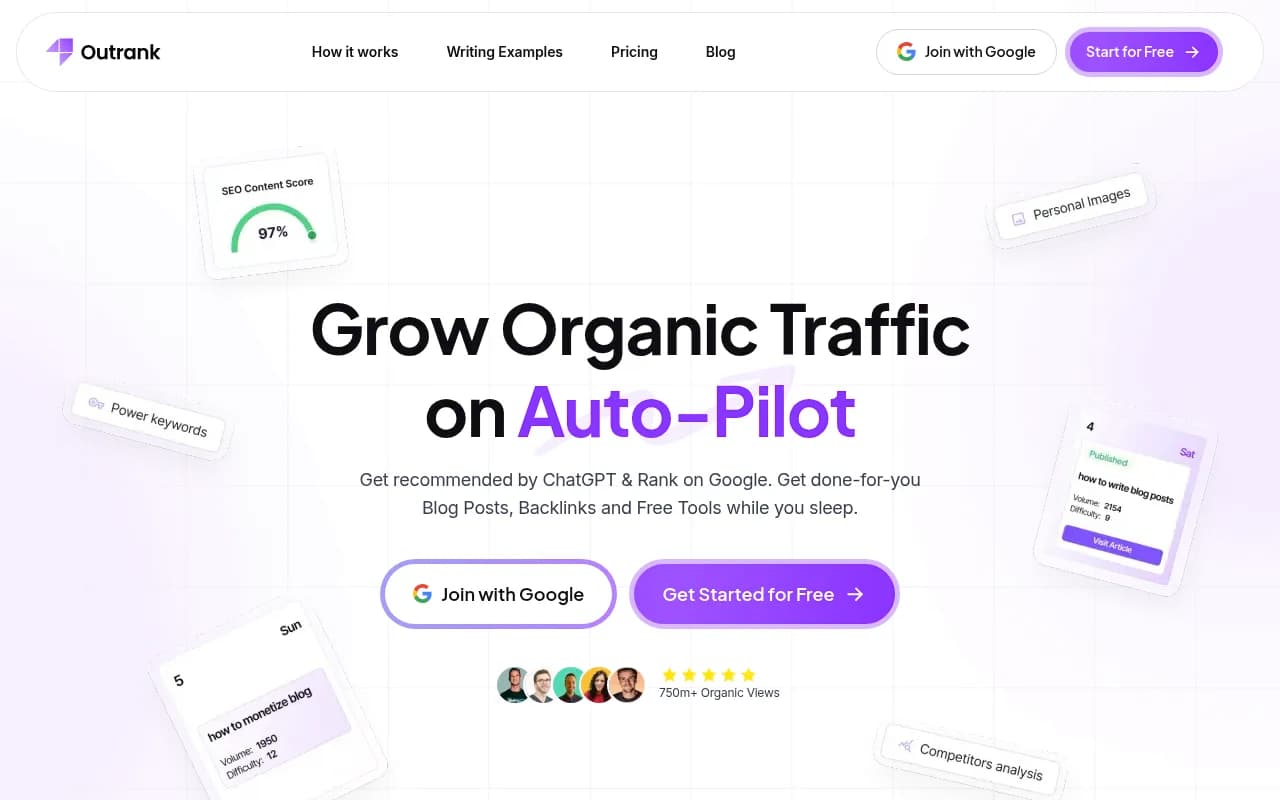

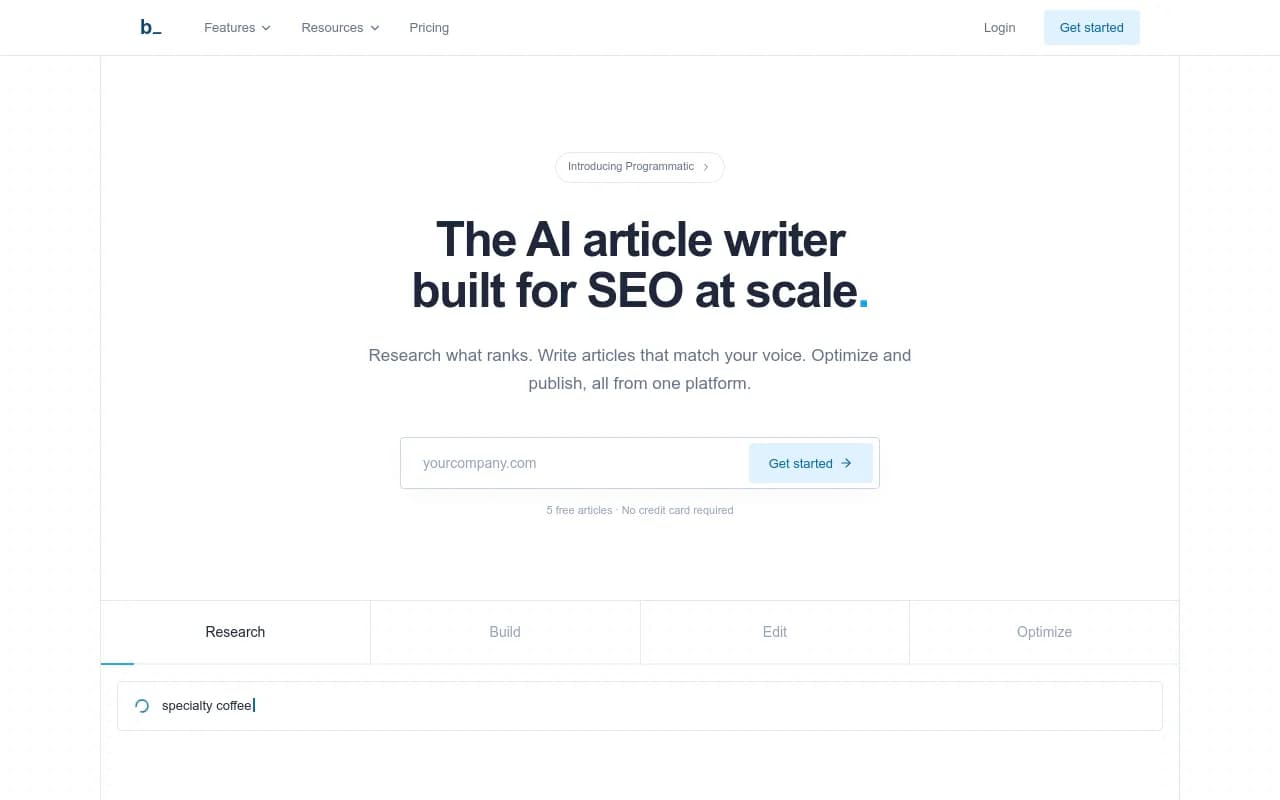
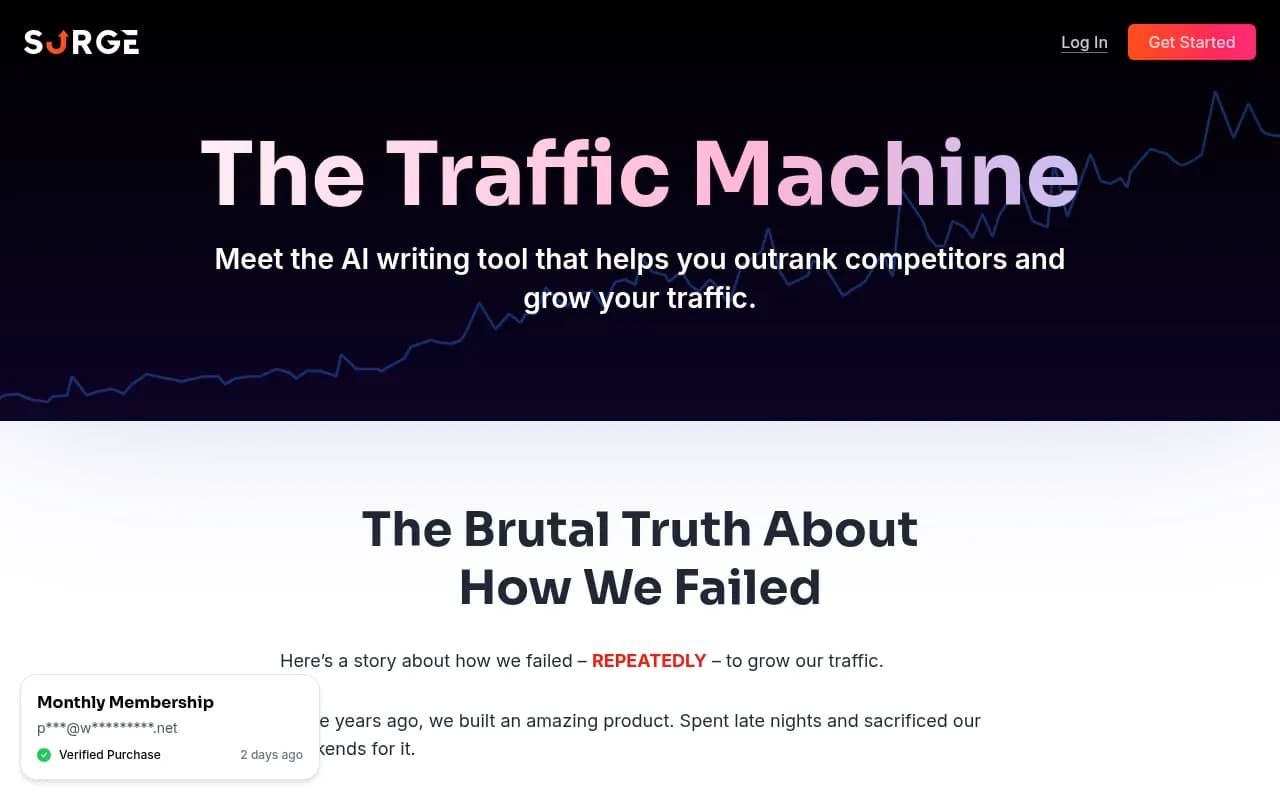
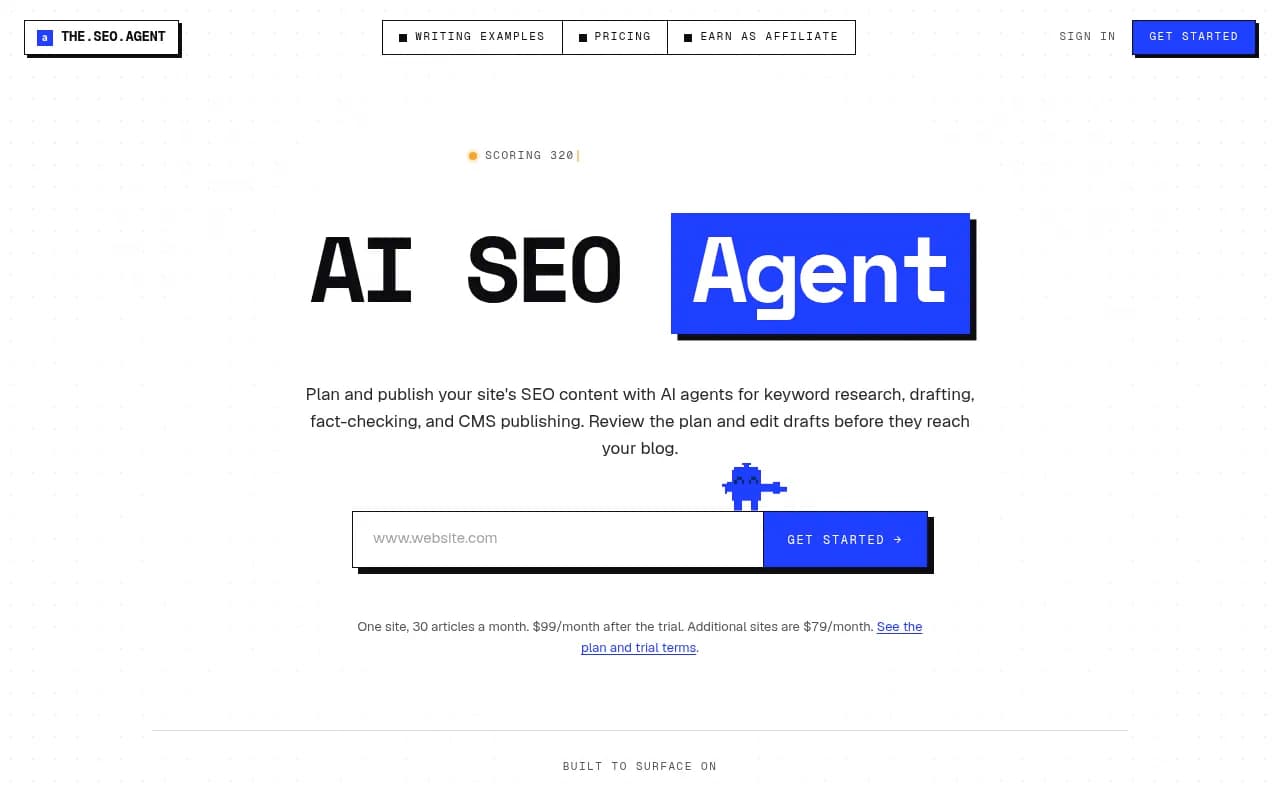
I have not tested these head to head and I did not gather current pricing or feature comparisons, so I won't rank them. What matters is how each handles the review step. As one vendor put it, if a tool automates drafting but not checking, the checking is still your job. That is the right test.
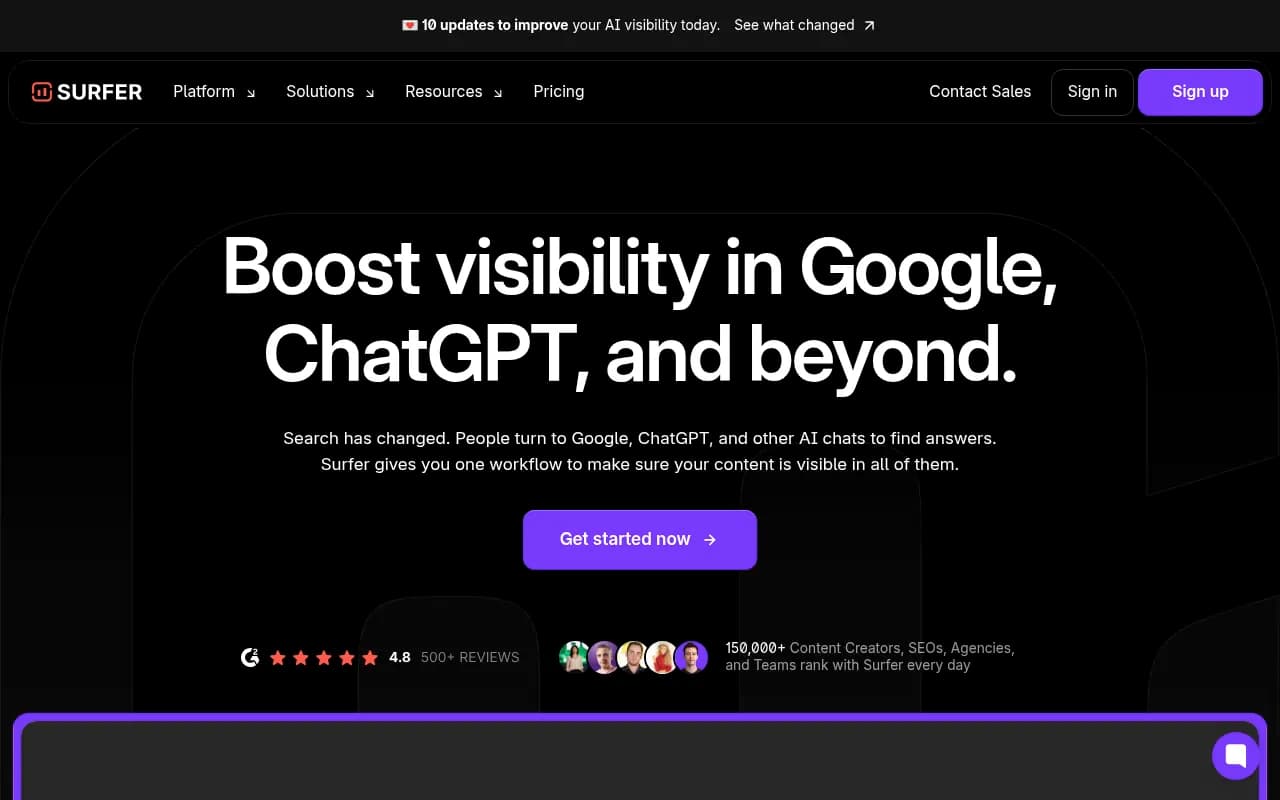
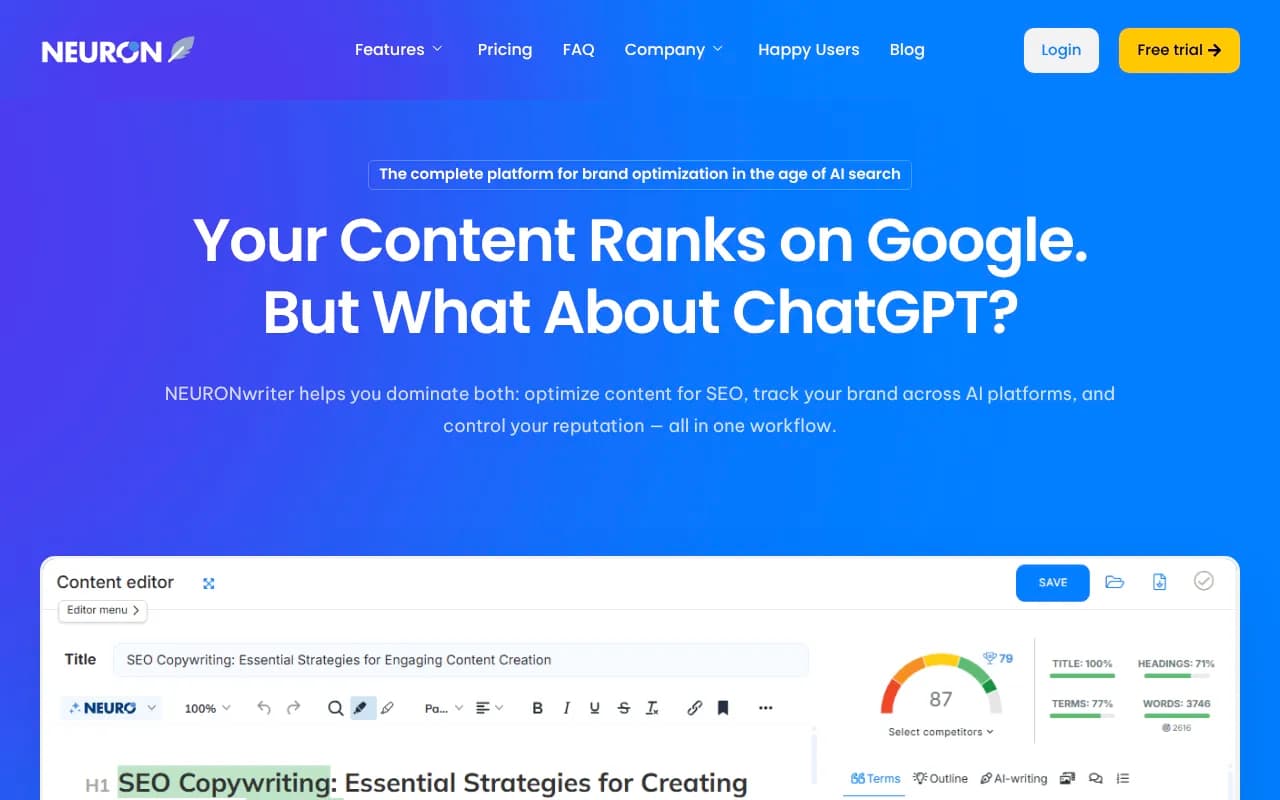
For editing and optimization rather than full generation, the lower-risk category includes Surfer SEO, Clearscope, and NeuronWriter, which score and guide drafts that a human still writes or edits.

Programmatic pages
City pages, comparison pages, and templated product pages are legitimate when each page has unique, useful data. They become doorway abuse when the only difference is the place name. If you cannot explain what a user gets from page 47 that they did not get from page 46, do not publish it.
A safety checklist for autopilot tools
Ryze's guidance on autopilot tools is the most practical I found: automated SEO is safe when the tool has an approval step, a change log, rollback, and a list of protected pages. I would add a few of my own.
- Human approval before anything goes live, at least for the first 50 pages
- A change log you can read, so you know what the tool touched and when
- One-click rollback for on-page changes
- Protected pages the tool can never edit: homepage, pricing, legal, top converters
- Fact-checking of every claim, plus titles, meta descriptions, structured data, and alt text
- A volume cap. Ramp up slowly and watch Search Console rather than flipping the switch to 30 articles a day
- Original input on each page: data, quotes, screenshots, experience a generic model cannot invent
- Search Console set up and checked weekly for manual action notices
Tools that ship fixes as reviewable changes, such as Seology, which opens pull requests, fit this model naturally because a human merges them.

Alli AI automates on-page changes at scale, which is exactly where protected pages and rollback matter most.

Red flags when evaluating a vendor
- Guaranteed rankings. Google's own page on hiring SEO help says no one can guarantee a #1 ranking.
- No review step, or an approval step you cannot turn on
- Bundled backlink packages sold alongside content
- Claims like "100 Domain Authority worth of backlinks" or links delivered on a fixed monthly schedule regardless of relevance
- No change history
- Hundreds of articles a month as the headline selling point
Some vendor guides, like AutoSEO's, promise 30 articles a month and large backlink volumes from a hands-off system. Volume as the pitch is the part to be skeptical about, even when the underlying content tooling is decent.

If you hire help instead
Some teams decide the review burden is the real cost and hand the whole thing to specialists. If that is you, look for senior people, transparent reporting, no long-term lock-in, and white-hat methods only. Agencies such as 1001 SEO Media, which publishes this directory network, work this way, but the same vetting questions apply to any provider: ask what they automate, what they review by hand, and how they handle link building.
A quick decision guide
| Situation | Safe approach |
|---|---|
| Small site, one marketer | Automate audits and tracking; draft with AI but edit every page yourself |
| Agency with many clients | Automate monitoring and reporting; approval queues per client; strict volume caps |
| Large programmatic site | Template pages only with unique data; audit for doorway patterns; sample-check output |
| Anyone considering automated links | Don't |
The bottom line
Automated SEO is safe when automation handles observation and drafting while humans handle judgment, facts, and approval. It becomes risky when the goal is volume for its own sake. Start with the low-risk layer (crawls, tracking, alerts), add content assistance with a mandatory review step, cap your publishing rate, and watch Search Console for a manual action notice. If a tool cannot show you what it changed and let you undo it, don't give it access to your site.