Key takeaways
- Big platforms are buying their way into AI visibility. Adobe closed its roughly $1.9B Semrush deal on April 28, 2026, HubSpot closed XFunnel on December 1, 2025, and Sitecore acquired Scrunch.
- Smaller deals are happening too. Searchable acquired Meridian, a New York startup that launched publicly in October 2025. Adweek described it as a seven-figure deal with terms undisclosed.
- I found no confirmed shutdowns this month. That is not the same as none, and tiny trackers with thin moats are the likeliest to fold or get absorbed.
- Citation behavior keeps shifting under everyone's feet, so a platform's value depends on whether it explains why you are or are not cited, not just whether you were mentioned.
- When you pick a vendor now, ask about ownership, roadmap independence, data export and pricing stability, not just the feature grid.
Why this market is consolidating
Two years ago, AI visibility tracking was a handful of startups and a lot of spreadsheets. Now the directory we maintain lists hundreds of tools that claim to track brand mentions in ChatGPT, Gemini, Perplexity and Google AI Overviews. Most of them do roughly the same first thing: run a set of prompts, record the answers, and show a score.
That is exactly the situation where acquirers show up. Monitoring is easy to copy, distribution is hard, and the established marketing suites already have the customers. Buying a young team with a working product is faster than building one. One piece of M&A research on the subject (Who's Buying and Building AI Visibility, Gupta) points to a marketing platform that acquired a startup under a year old and shipped a product within six months. That is the playbook in one sentence.
A caveat on sourcing: the deal details below come from press releases, trade coverage and a single M&A research write-up. Where terms are undisclosed or I only saw a snippet, I say so.
The scoreboard: who bought whom
| Acquirer | Target | Status | What it signals |
|---|---|---|---|
| Adobe | Semrush (about $1.9B, $12.00 per share) | Announced Nov 19, 2025, closed Apr 28, 2026 | SEO suite plus enterprise experience stack |
| HubSpot | XFunnel (Israeli AEO startup, under a year old) | Announced Oct 31, 2025, closed Dec 1, 2025 | CRM vendor adds AEO, shipped HubSpot AEO in April 2026 |
| Sitecore | Scrunch | Reported in M&A research | CMS vendor wants visibility data in the content workflow |
| Searchable | Meridian (NYC, launched Oct 2025) | Seven-figure deal per Adweek, terms undisclosed | Tracker acquires tracker to add capability and customers |
Adobe and Semrush
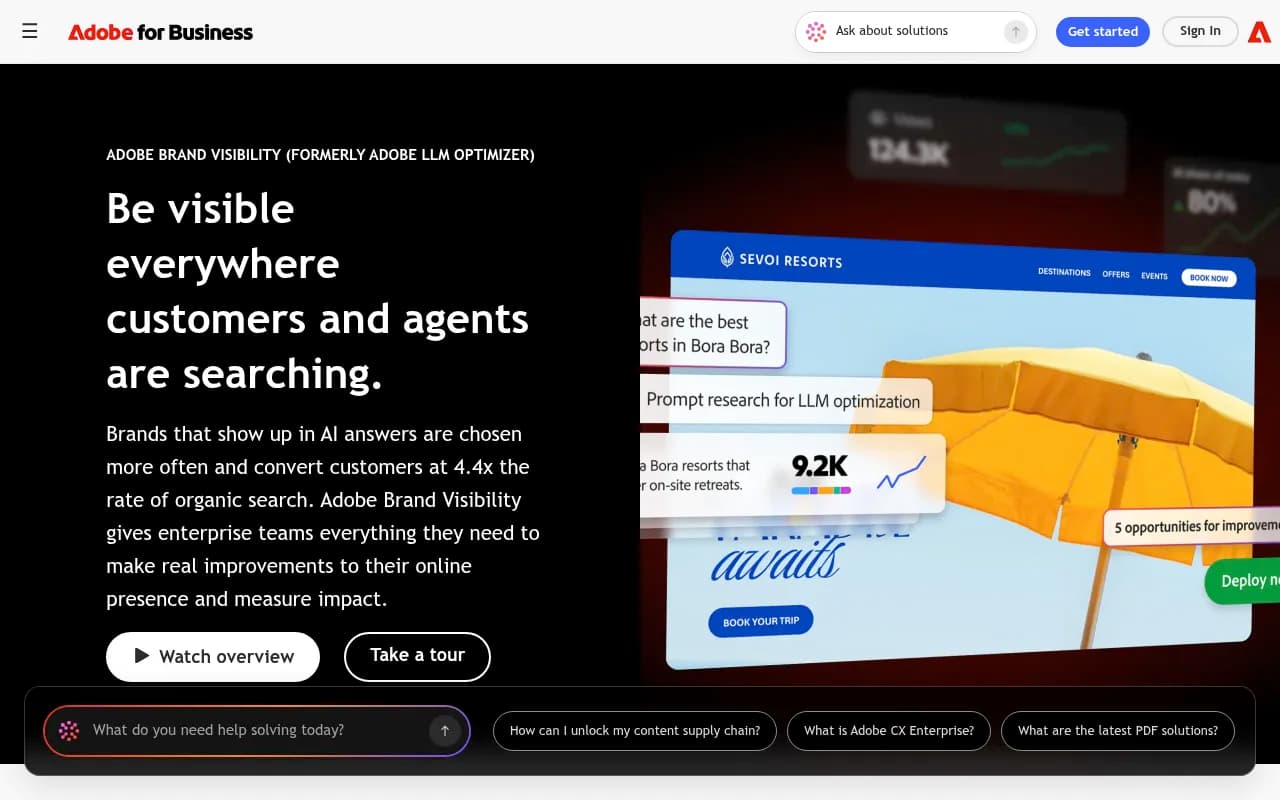
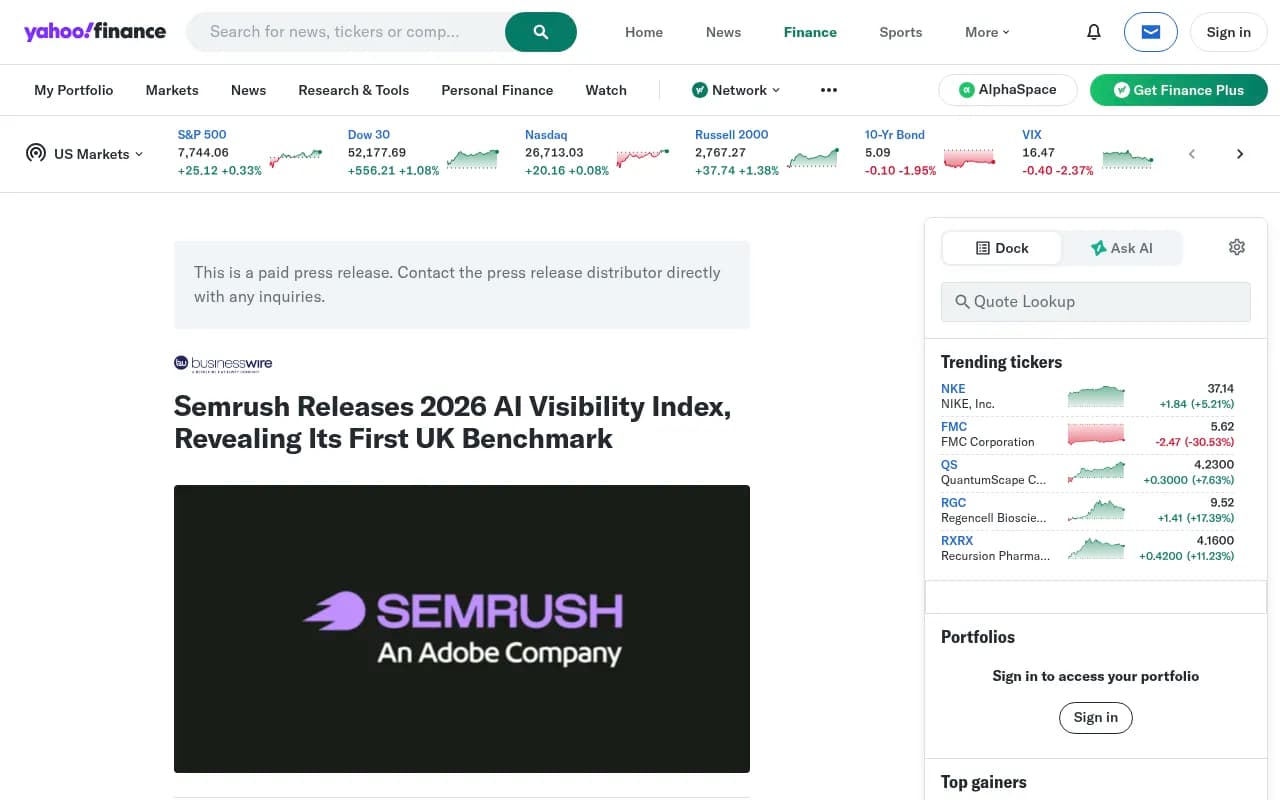
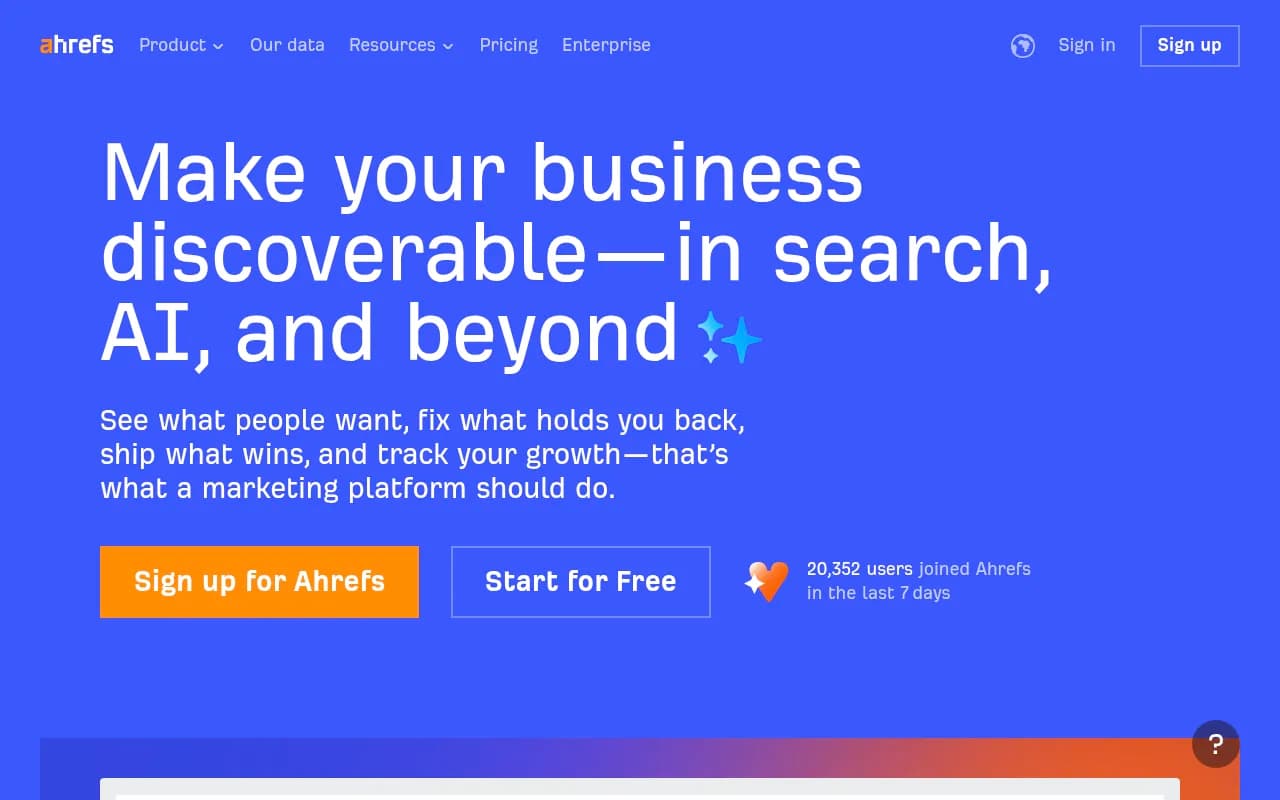
This is the big one. Adobe folded Semrush, with roughly 28 million users, into its CX Enterprise offering. Semrush now describes itself as "an Adobe company" in press releases, and Adobe also sells its own enterprise product for citation tracking.
The practical question for Semrush customers is pricing and packaging. Big-company acquisitions tend to push products toward enterprise bundles over time. I would not panic, but I would read the next renewal carefully and confirm what is included.
Semrush is still publishing research. On October 13, 2026 it released a UK and US edition of its 2026 AI Visibility Index, covering January to July 2026 with fixed monthly sets of 2.5 million UK prompts and 25 million US prompts across ChatGPT, Gemini and Google AI Mode, plus a variable Google AI Overviews dataset.
The headline finding is useful for anyone buying a tracker. Any two AI platforms shared 63 to 70 of their top 100 mentioned brands in the UK, versus 70 to 78 in the US. Platforms agree with each other less in the UK. So being visible in one engine, in one country, tells you less than you would hope. A tool that tracks one model in one market will mislead you.
HubSpot and XFunnel
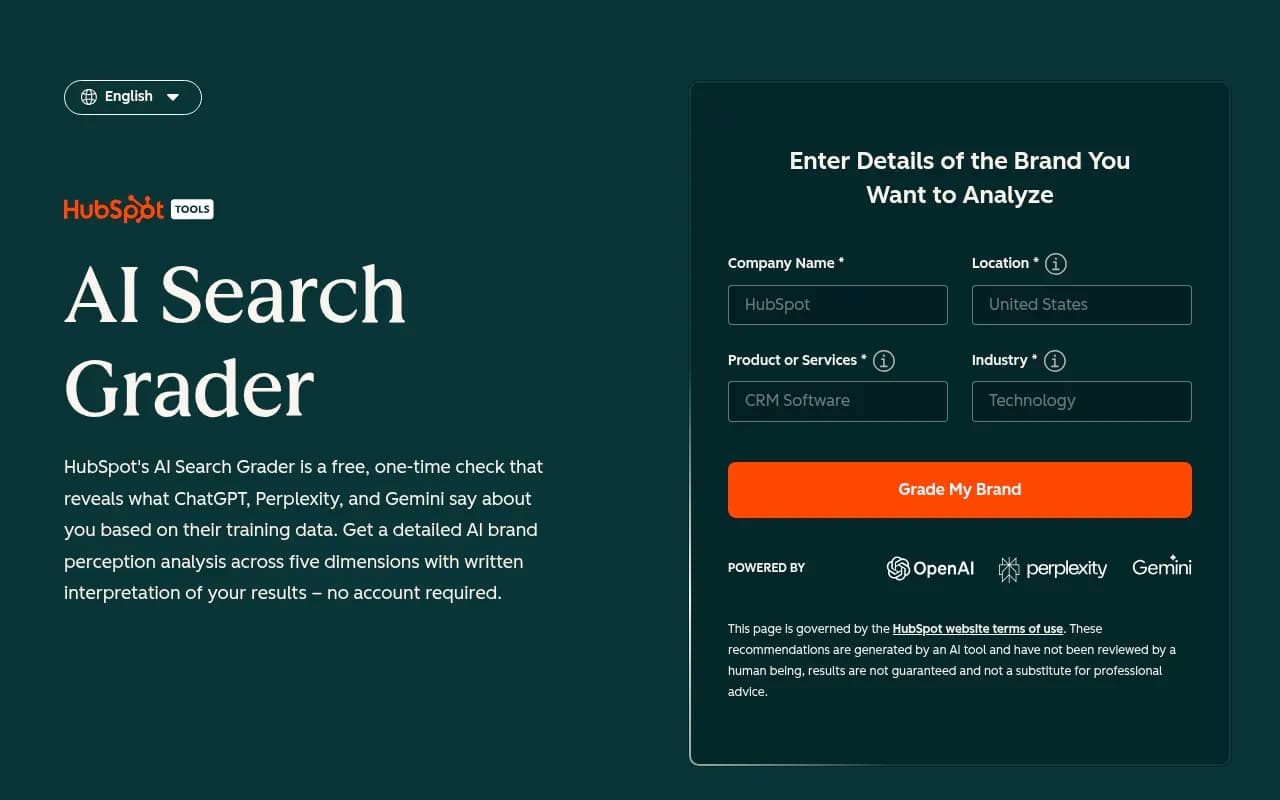
HubSpot moved fast: announced October 31, 2025, closed a month later, shipped HubSpot AEO in April 2026. It also runs a free one-off grader.
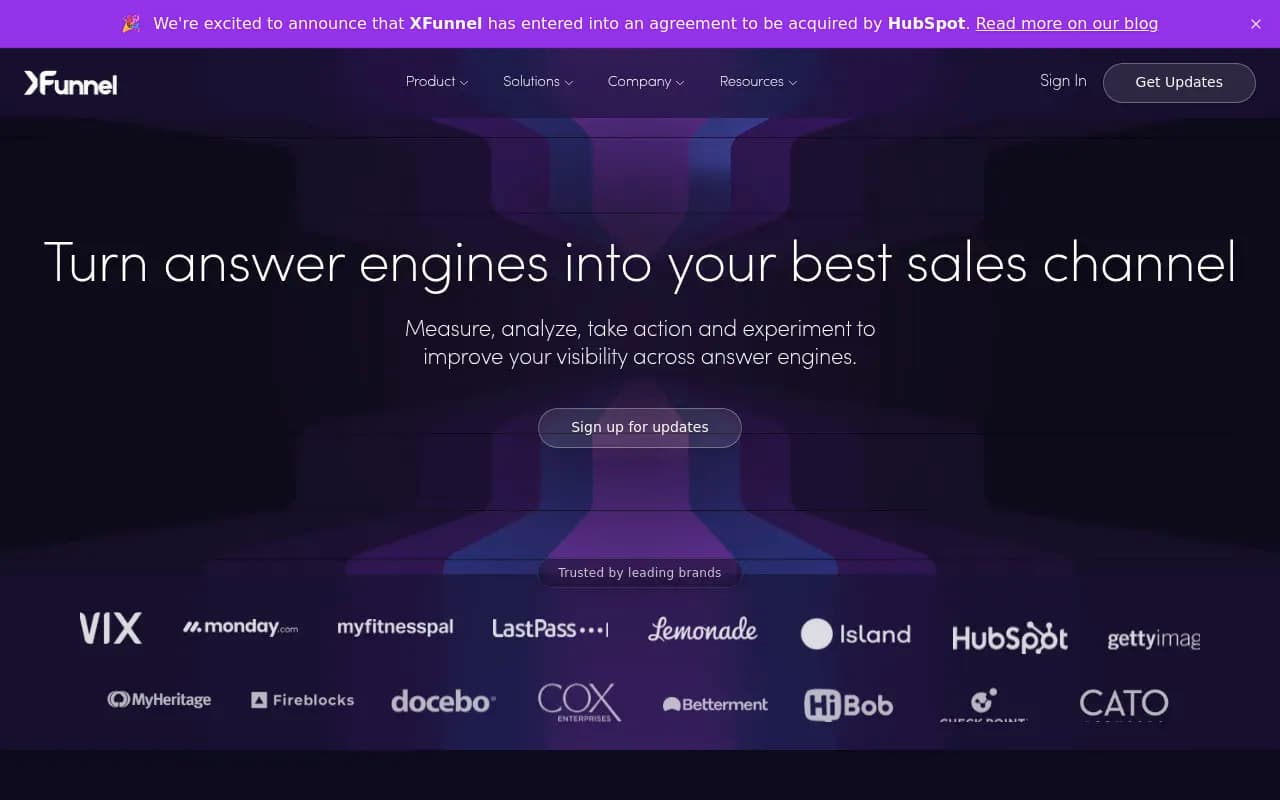
XFunnel's own listing is still live, which is worth noting if you were a standalone customer. Ask whether it is being sunset, merged into HubSpot, or kept as a separate product.
Sitecore and Scrunch
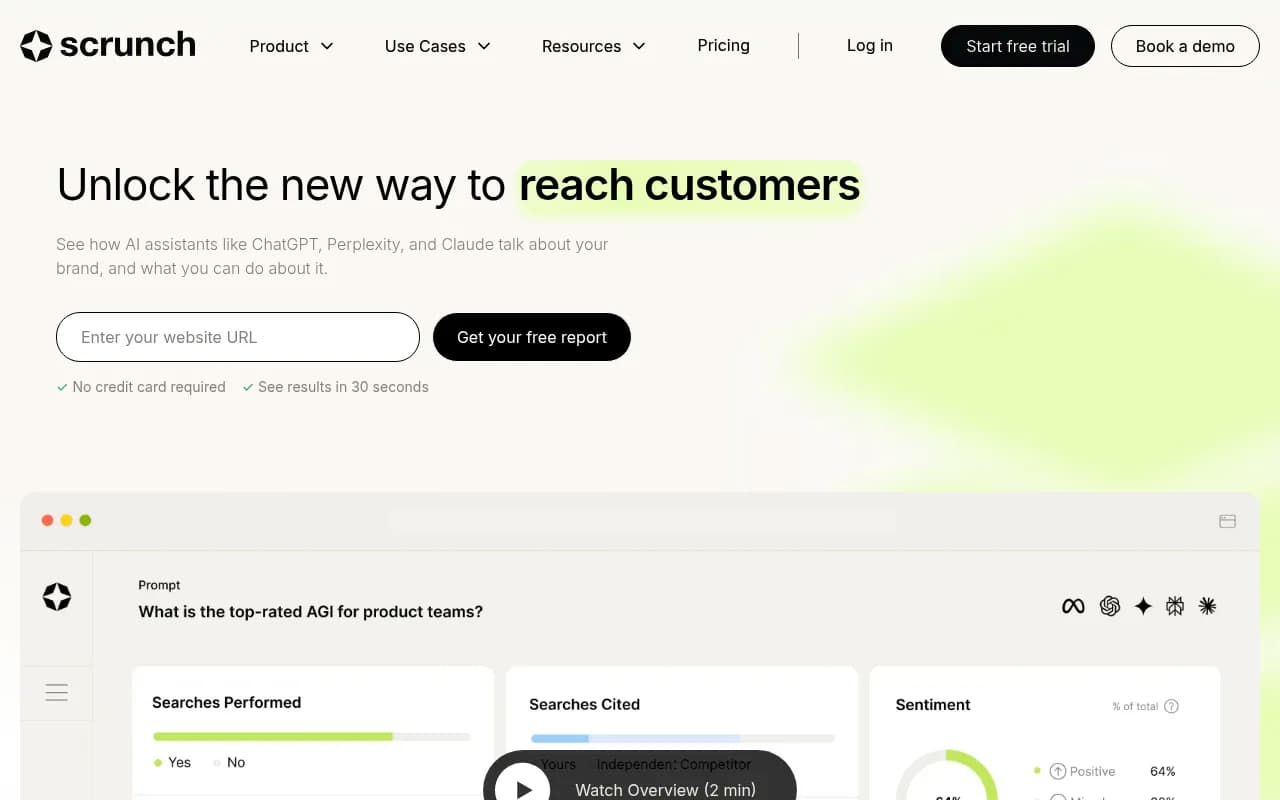
A CMS company buying a visibility tracker makes sense. The tracker tells you what AI is saying, and the CMS is where you fix the content. We list two Scrunch entries in the catalog, so check which one you are looking at.
Searchable and Meridian
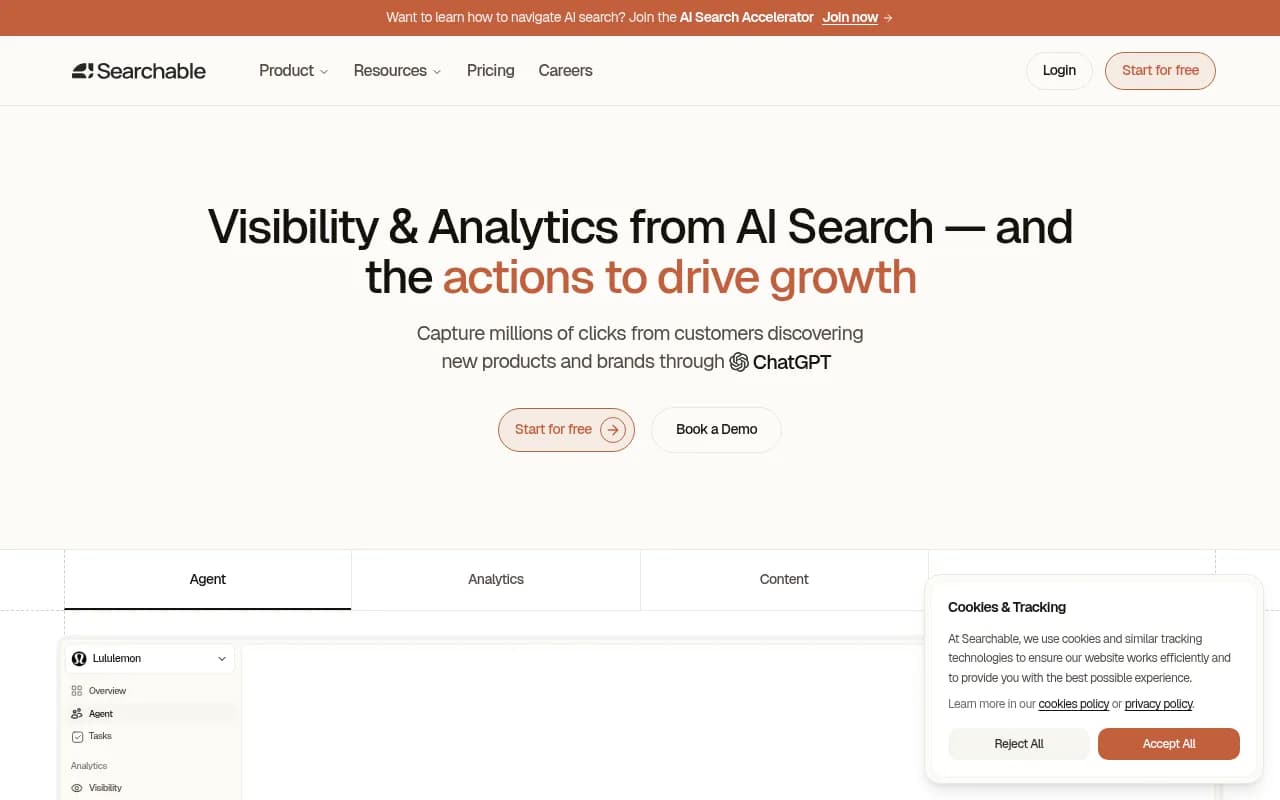
This is a different kind of deal: a smaller platform consolidating a smaller one. Meridian launched publicly only in October 2025, so it was acquired roughly a year in. Expect more of these.
New entrants worth watching
The catalog keeps growing faster than any reviewer can keep up with. A few patterns stand out in the newer listings.
Agentic tools that ship fixes
A noticeable chunk of newer products promise to do more than report. Whitebox, Nuwtonic and Seology position themselves around autonomously shipping fixes, citation gap repairs or pull requests.
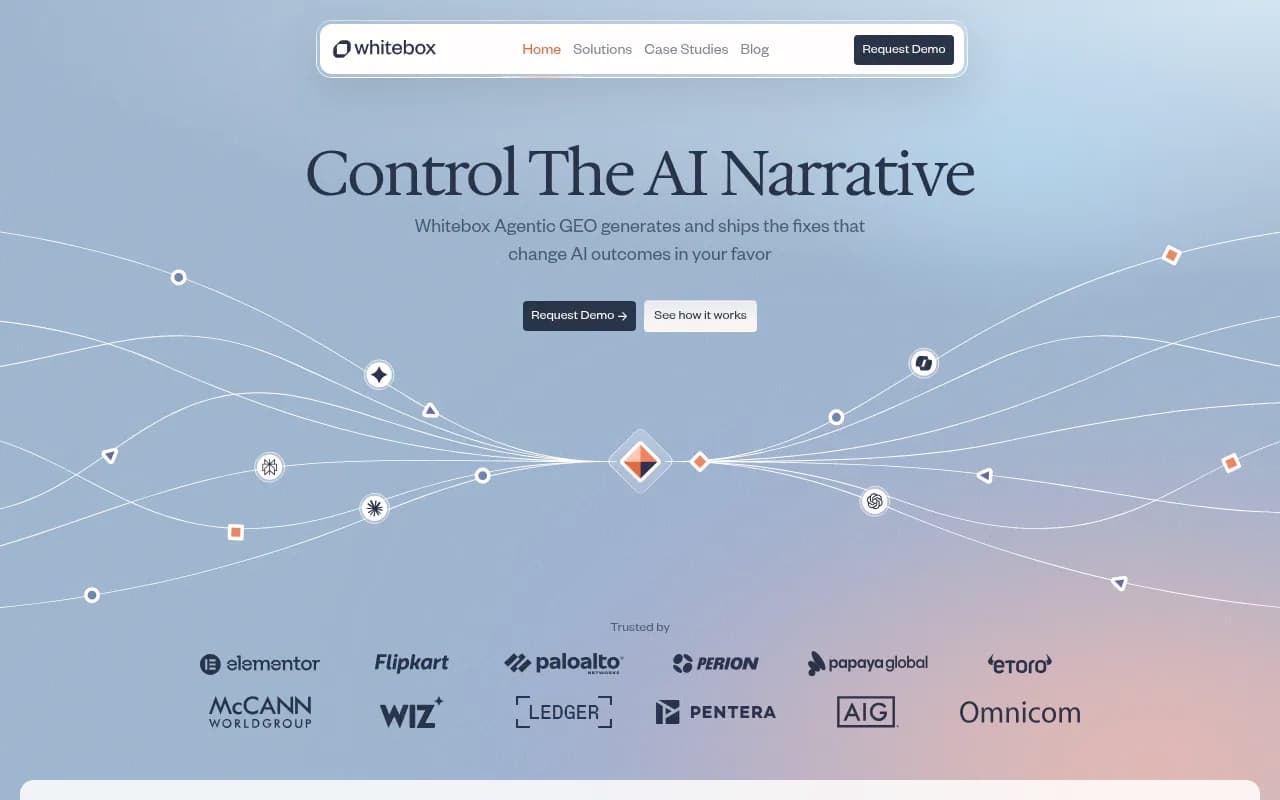
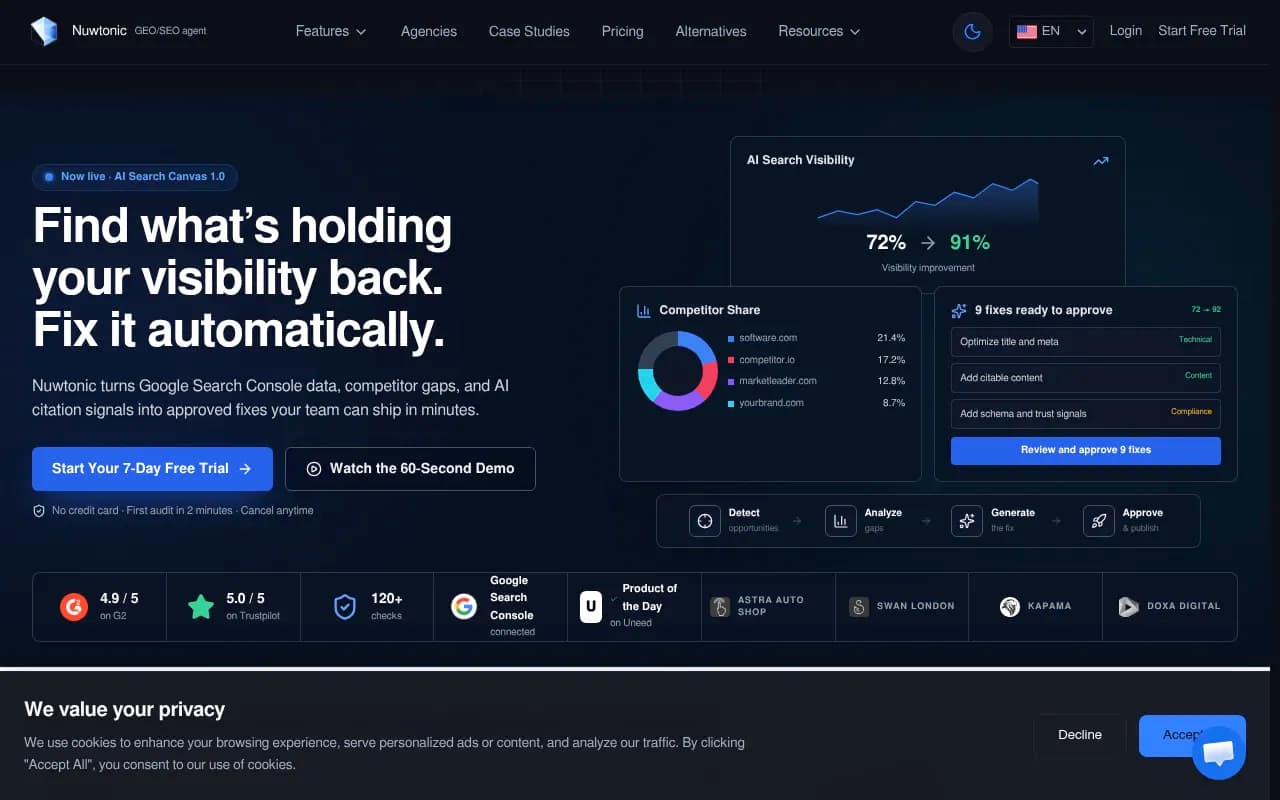

I am skeptical of fully autonomous claims until I see before-and-after citation data. But the direction is right, because a dashboard that only reports a low score does not help anyone.
Open source and self-hosted
Elmo and Voyage (OnVoyage) are open-source options. If you worry about vendor acquisition risk, self-hosting is one answer, though you take on the maintenance.
Budget trackers
BrandAxis, Radix AI, Atyla, Answer Socrates and Frizerly all go after small teams on price.
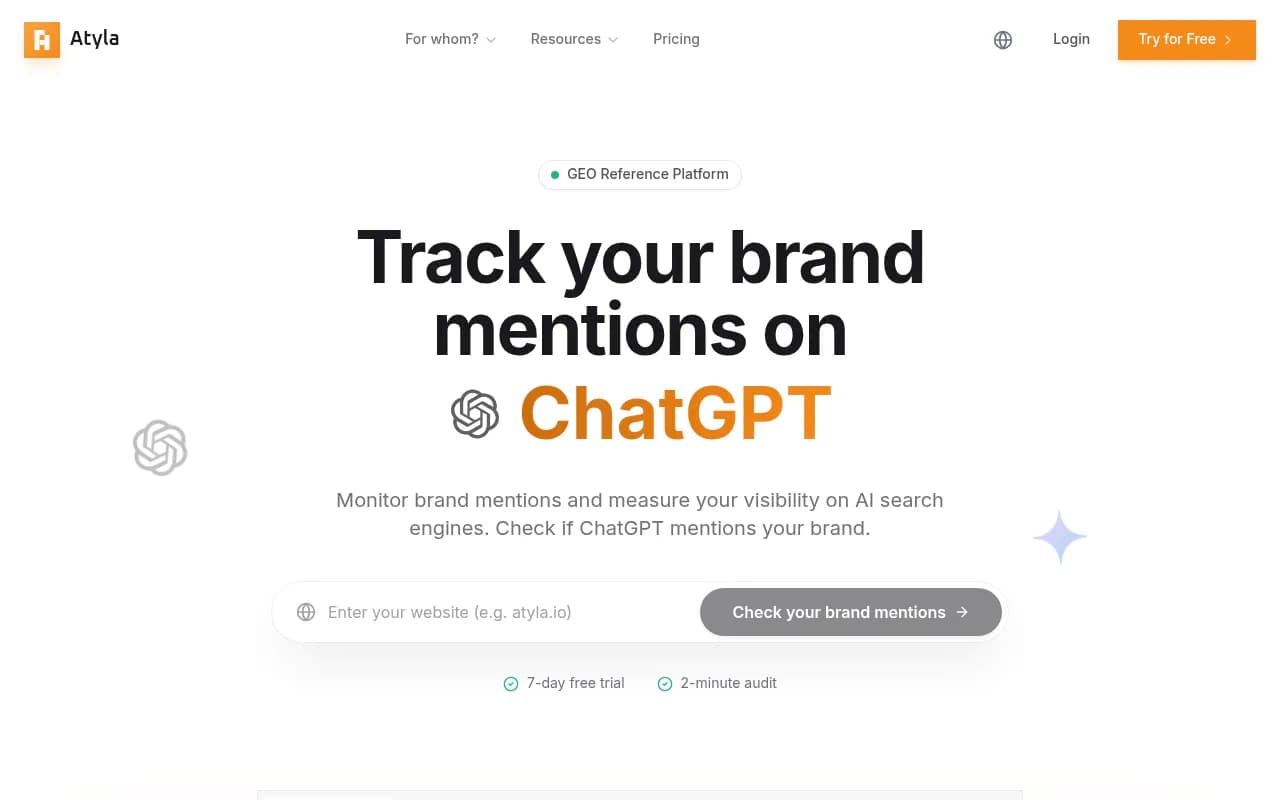
Cheap trackers are fine for a first look. They are also the group most exposed to consolidation, so avoid long prepaid commitments.
Reported funding
A roundup from breezesearch.com mentions a US GEO startup closing funding at an $80M valuation and a listed company signing to acquire a GEO tech team. The snippet names no one, so treat both as unverified. Adweek also ran "11 of the Best-Funded GEO Startups Racing to Win AI Search"; I only saw the headline, so I will not quote its figures.
Established players and who is fast-growing
The M&A research calls Peec AI the fastest-growing by customer acquisition, reportedly adding hundreds of customers a month and passing 1,300 customers within ten months, with named European enterprise logos. That is a reported figure, not one I verified.



The same research notes that Salesforce is the largest platform with no native AI visibility product, and that corporate venture arms often act as acquisition reconnaissance. Salesforce Marketing Cloud is in our catalog.
The author's prediction: at least one more acquisition of a mid-market GEO tool, quite possibly several, plus more Conductor-style partnerships because they are cheaper and faster. I agree with that. Partnerships are the low-commitment move, so expect plenty of them.
Shutdowns: what I could and could not confirm
I found no confirmed shutdowns this month. I would rather say that than invent a list.
What I would watch instead:
- Standalone products whose parent just bought them (check for sunset notices)
- Trackers with no differentiated data, such as proprietary crawler logs or traffic attribution
- Tools whose changelog has gone quiet
Silent shutdowns usually show up as a changelog that stops, support that stops answering and a pricing page that disappears.
Why the underlying data keeps moving
Part of the shakeout pressure is that AI engines change behavior constantly, and a tracker that cannot keep up looks wrong quickly. Promptwatch's data for September 28 to October 4, 2026 shows how different the engines are:
- ChatGPT now draws only 0.46% of its citations from social platforms, down from 5.8% in the earlier report. Reddit fell from 5.19% to 0.09% (Promptwatch Data on social citations by AI model, and the Reddit drop in ChatGPT).
- Google AI Overviews draws 12.2% from social, about 26 times ChatGPT's share, with YouTube at 4.28% and Facebook at 2.38%.
- Perplexity sits at 2.7%.
For software prompts in the same week, GitHub (1.2%), learn.microsoft.com (0.98%) and G2 (0.73%) lead ChatGPT citations, and docs and help centers earn the largest share by source type at 2.64% (Promptwatch Data on software citations).
If your tool does not cover several engines separately, you are optimizing against an average that does not exist. This matches the Semrush finding that platforms disagree, especially across countries.
Where Promptwatch fits
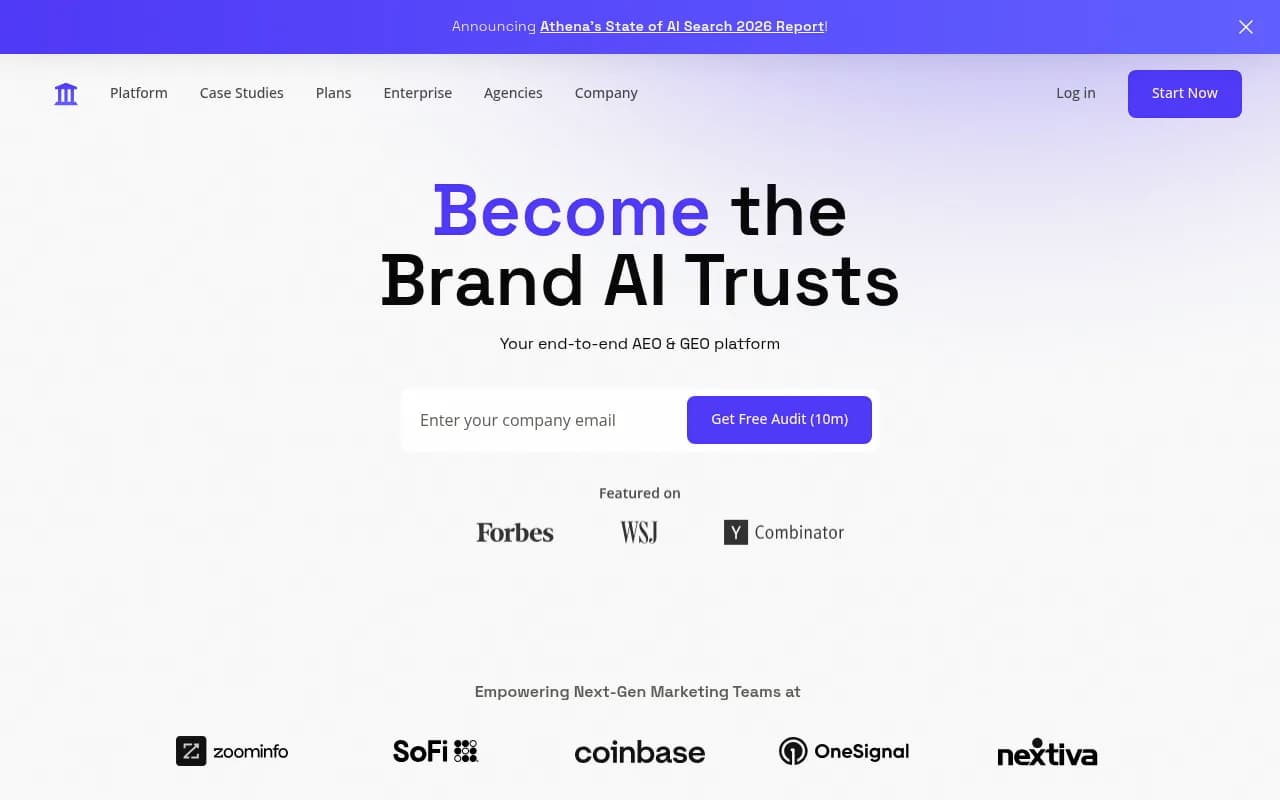
Promptwatch is an independent platform that goes beyond tracking: it combines real-UI prompt tracking, IP-verified AI crawler logs, visitor analytics and a Content Agent that plans, writes and publishes content, then checks whether the pages got crawled and cited. In a market full of monitor-only tools being absorbed into larger suites, that end-to-end loop is the main reason to evaluate it. It is also what 1001 SEO Media uses for client work.

How to evaluate vendors in a consolidating market
| Question | Why it matters | Red flag |
|---|---|---|
| Who owns the product, and is it independent? | Acquirers change roadmaps and pricing | No answer on roadmap commitments |
| Does it track real UIs or only APIs? | User-facing answers can differ from API output | API-only data presented as what users see |
| Which engines and countries? | The Semrush UK and US gap shows markets differ | One engine, one country |
| Does it show why you are or are not cited? | Scores alone do not tell you what to fix | Mention counts with no source data |
| Can you export your data? | Protects you if the tool is acquired or shut down | No CSV or API |
| Monthly or annual billing? | Limits exposure if the vendor disappears | Large prepaid annual plans on a young startup |
Pick by your situation
- Already inside an Adobe, HubSpot or Sitecore stack: try the native product first, and benchmark it against an independent tool.
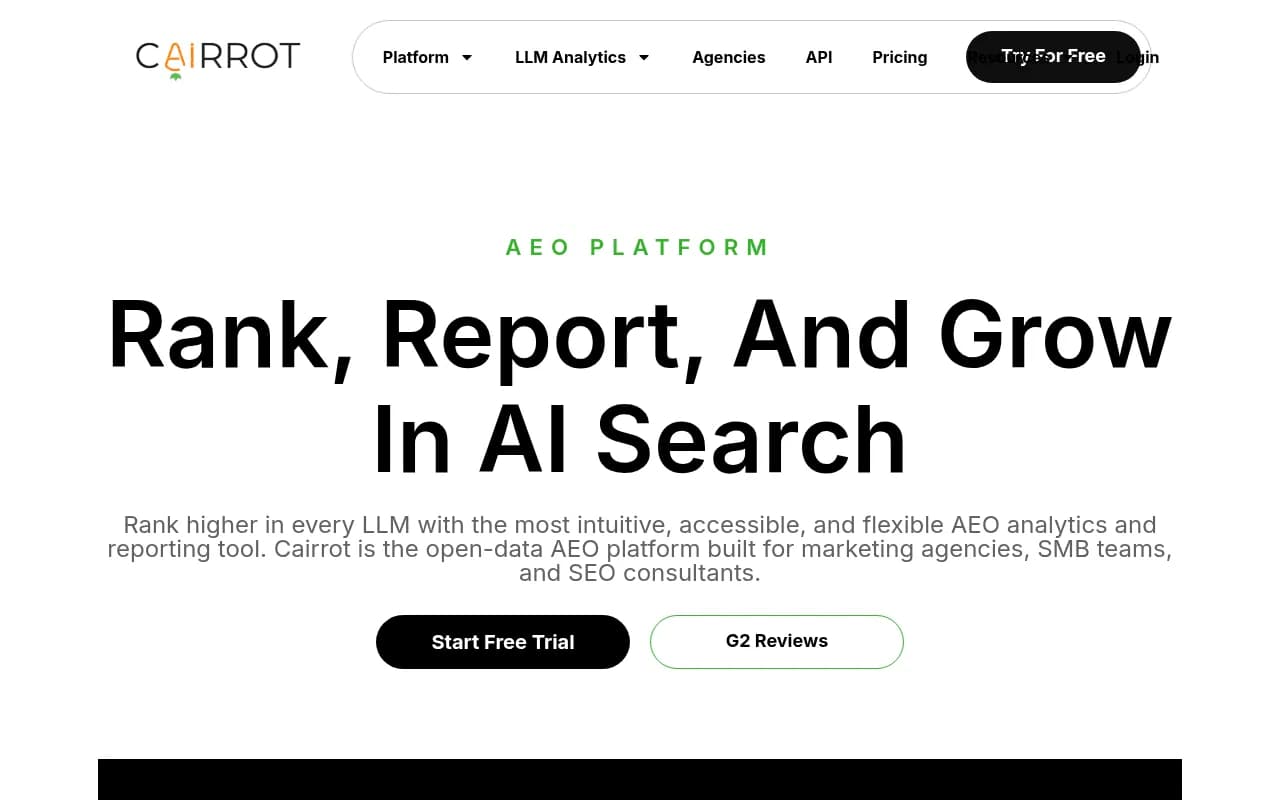
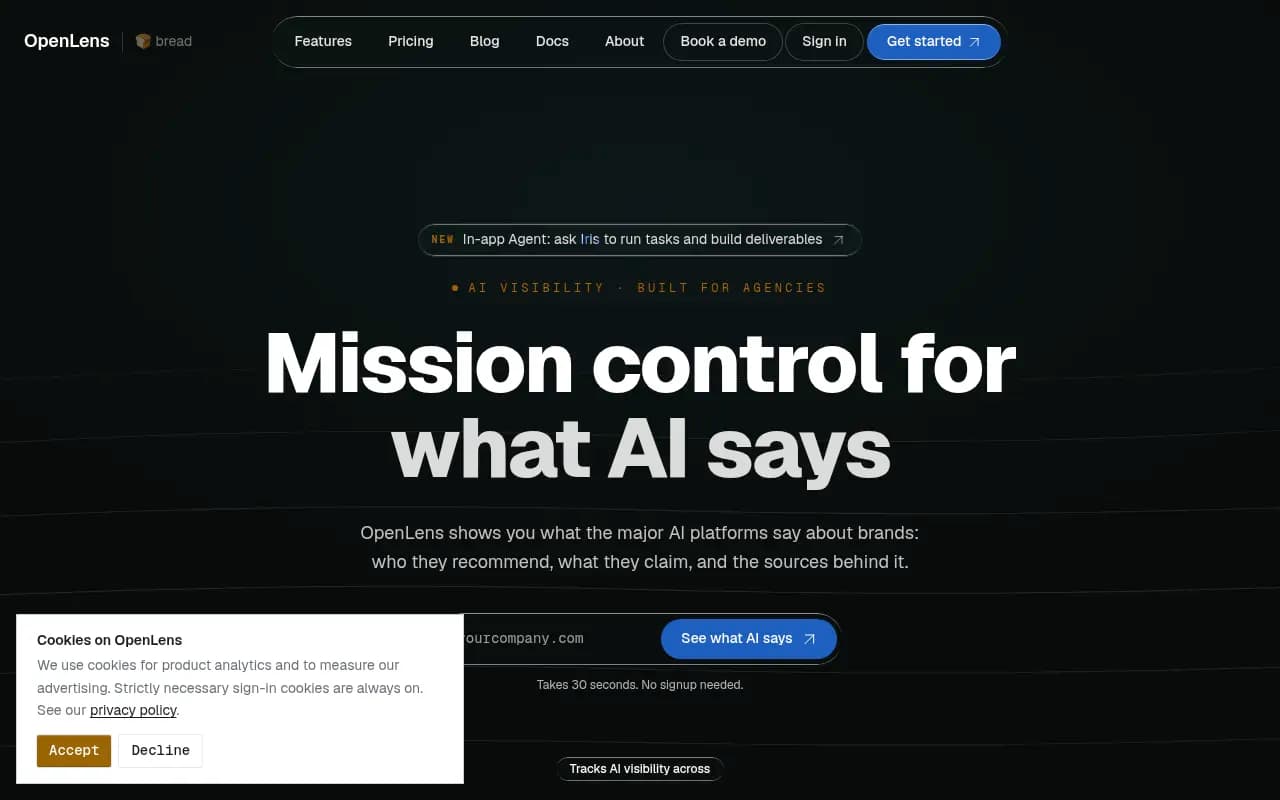
- Agency: prioritize white-label reporting, multi-client pricing and engine coverage. Rankability, Cairrot and OpenLens are agency-oriented listings in the catalog.
- Small team on a budget: pick monthly billing and export your data regularly.
- Enterprise: ask about SSO, audit logs, crawler logs and who owns your data after a change of control.
For a wider view, the GEO software directory at bestgeosoftware.com tracks the category, and ai-rank-tools.com focuses on rank trackers.
What I would do this quarter
- Check the ownership and status of every AI visibility tool you pay for. Acquisitions get announced in press releases, not in your inbox.
- Export your historical prompt data now, wherever it lives.
- Run the same 30 to 50 prompts across at least three engines and compare. If your tool only gives you one blended score, that is a problem.
- Move from monitoring to action. Pick a vendor you could still use if its competitors all got acquired.
- Re-check this market in January. The pace of deals suggests the list above will be out of date.
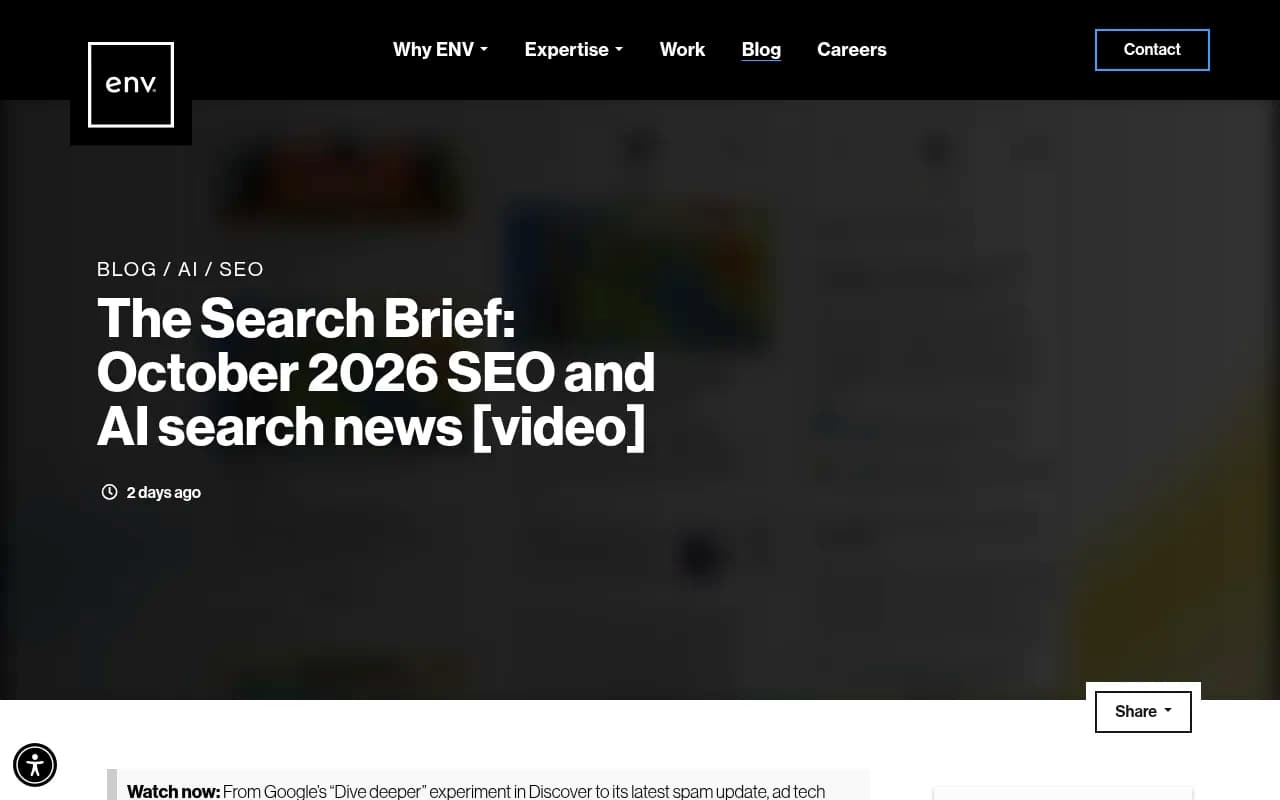
The broader news cycle this month adds pressure: Google is testing a "Dive deeper" feature in Discover that may reduce click-throughs, and its September spam update has been rolling out in phases since September 24. More answers inside the engines means more reason to care about being cited, and more reason to choose a platform that will still exist next year.
Bottom line
The consolidation is real: Adobe, HubSpot, Sitecore and Searchable have all bought their way in within roughly twelve months. No confirmed shutdowns yet, and a lot of undifferentiated trackers. If you are choosing a platform now, favor one that shows why you are cited, covers real engine interfaces, lets you export your data, and does something with the insight.