Key takeaways
- AI search engines like ChatGPT, Perplexity, and Google AI Mode now answer questions directly — and they pull from a specific set of trusted sources. Getting cited is the new "ranking."
- Traditional SEO fundamentals still matter, but AI search adds new layers: topical authority, structured answers, and brand credibility signals.
- Content that directly answers questions, uses clear structure, and comes from authoritative domains gets cited most often.
- Tracking your AI visibility requires dedicated tools — standard Google Analytics won't show you if ChatGPT is recommending your brand.
- The gap between brands that appear in AI answers and those that don't is growing fast. Starting now gives you a real advantage.
SEO used to be straightforward enough. You picked keywords, wrote content, built some links, and watched your Google rankings move. That's still part of the picture in 2026, but there's a new layer on top of it that most beginners haven't figured out yet.
AI search engines are changing how people find things online. Instead of clicking through ten blue links, more and more people are just asking ChatGPT, Perplexity, or Google's AI Mode a question and trusting whatever answer comes back. The question for your website is: are you one of the sources those AI engines cite? Or are you invisible?
This guide will walk you through how to rank in AI SEO from scratch — no prior experience needed.
What "ranking" means in AI search
In traditional SEO, ranking means appearing on page one of Google's search results. In AI SEO, ranking means getting cited in an AI-generated answer.
When someone asks Perplexity "what's the best CRM for small businesses?", Perplexity generates a response and lists sources at the bottom. Those sources get traffic. The brands mentioned in the answer get credibility. Everyone else gets nothing.
This is sometimes called GEO (Generative Engine Optimization) or AEO (Answer Engine Optimization). The terminology varies, but the goal is the same: make your content the kind of content that AI models want to reference.
The good news for beginners: AI models tend to favor clear, well-structured, genuinely helpful content over content that's been engineered purely for keyword density. That's a more level playing field than traditional SEO.
How AI search engines decide what to cite
Before you can optimize for AI search, you need to understand what these systems actually look for. Based on research from Rand Fishkin and others tracking AI citation patterns, a few factors consistently show up:
Domain authority and brand recognition. AI models are trained on large amounts of web data. Sites that appear frequently and are widely linked to tend to get cited more. This is similar to traditional SEO, but the effect is more pronounced — AI models seem to have a strong bias toward established sources.
Topical depth. A site that covers one topic thoroughly tends to get cited more than a site that covers many topics shallowly. If you write 40 articles about email marketing, you're more likely to be cited for email marketing questions than a site that has one article on the topic.
Answer quality and structure. AI models are looking for content that directly answers questions. If your page buries the answer in three paragraphs of preamble, it's less likely to get cited than a page that answers the question in the first sentence and then provides supporting detail.
Freshness. AI models are increasingly sensitive to content recency, especially for topics that change quickly. Outdated content gets deprioritized.
Third-party mentions. If other sites, Reddit threads, and YouTube videos reference your brand or content, AI models pick up on that. It's a credibility signal that goes beyond traditional backlinks.
Step 1: Get your technical foundation right
Before any content strategy makes sense, your website needs to be technically sound. This isn't glamorous, but it matters.
Make sure AI crawlers can access your site
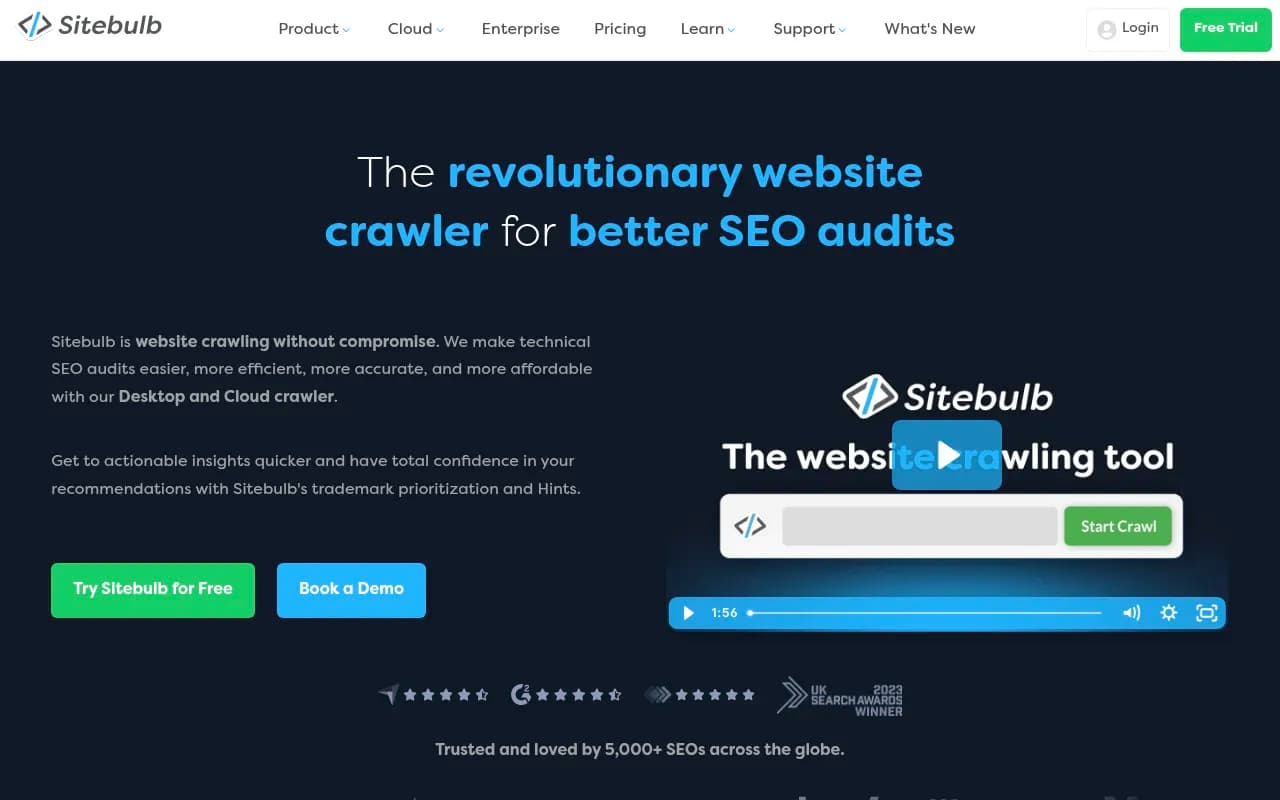
AI search engines send their own crawlers to read your website. If your robots.txt file blocks them, or your site loads slowly, or your pages return errors, you won't get indexed. Tools like Screaming Frog can audit your site for crawl errors and technical issues.
Some platforms now offer specific AI crawler logs that show you exactly which AI bots are visiting your pages and what they're reading. This is genuinely useful data — you can see if ChatGPT's crawler has visited your key pages recently.
Structure your content with clear HTML
Use proper heading tags (H1, H2, H3). Write clear meta descriptions. Use schema markup where relevant, especially FAQ schema and HowTo schema — these formats map well to how AI models structure their answers.
Fix your Core Web Vitals
Page speed and user experience signals still matter. A slow, broken site won't get cited regardless of how good the content is.
Step 2: Build topical authority in your niche
This is probably the most important strategic decision you'll make. Pick a topic area and go deep.
If you're a small business selling accounting software, don't try to cover all of "business software." Cover accounting for small businesses comprehensively. Write about bookkeeping basics, tax preparation, payroll, invoicing, cash flow management — every angle of that topic.
AI models develop something like a mental model of which sites are authoritative for which topics. When someone asks a question about small business accounting, you want to be the site that comes to mind.
How to map your topical territory
Start by listing every question your target customer might ask. Not just "what is bookkeeping" but also "how do I categorize expenses in QuickBooks," "what's the difference between cash and accrual accounting," "do I need an accountant if I use accounting software" — the full range.
Tools like Semrush and Ahrefs Brand Radar can help you find keyword clusters and related questions. For AI-specific prompt research, platforms like Promptwatch show you which prompts people are actually asking AI engines in your category, along with volume estimates and difficulty scores.

Once you have your topic map, create a content plan that systematically covers each area. This isn't about writing one great article — it's about building a comprehensive resource that leaves no obvious question unanswered.
Step 3: Write content that AI models want to cite
Here's where most beginners go wrong. They write content for Google's old ranking algorithm — keyword-stuffed, thin, structured around search volume rather than actual questions. That content doesn't get cited by AI models.
Answer the question first
AI models prefer content that leads with the answer. If someone asks "what is a landing page," your article should answer that in the first sentence, not in paragraph four after a long introduction about digital marketing history.
A good structure looks like this:
- Direct answer to the question (1-3 sentences)
- Why it matters or context
- How to do it / deeper explanation
- Examples
- Common mistakes or FAQs
Use natural, conversational language
AI models are trained on human language. Content that reads naturally, uses real examples, and sounds like a person explaining something tends to get cited more than content that reads like it was written for a keyword density checker.
Include specific data and examples
Vague claims don't get cited. Specific claims with evidence do. "Email marketing has a high ROI" is weak. "Email marketing returns an average of $36 for every $1 spent, according to Litmus's 2023 report" is citable.
Target question-based queries
Prompts to AI engines are usually questions: "how do I," "what is the best," "what's the difference between." Structure your content around these question formats. FAQ sections at the bottom of articles are particularly effective because they map directly to how people prompt AI engines.
Step 4: Build your brand's credibility signals
AI models don't just read your website. They read the entire web — including what other people say about you.
Get mentioned on authoritative sites
Guest posts, PR coverage, podcast appearances, industry roundups — any time your brand or content gets mentioned on a reputable site, it's a credibility signal. This is similar to link building, but the goal isn't just the link; it's the mention itself.
Be active on Reddit and YouTube
This might surprise beginners, but Reddit and YouTube are significant sources for AI citations. Perplexity, ChatGPT, and other AI models frequently cite Reddit discussions and YouTube videos in their answers. If your brand is being discussed positively in relevant subreddits, or if you have YouTube content that answers common questions in your niche, that content can get cited directly.
Encourage reviews and third-party mentions
Reviews on G2, Trustpilot, Capterra, and similar platforms contribute to your brand's credibility profile. AI models pick up on these signals when deciding whether to recommend a brand.
Step 5: Track your AI visibility
You can't improve what you can't measure. Standard Google Analytics shows you traffic from Google Search, but it won't tell you if Perplexity is sending you visitors or if ChatGPT is recommending your brand.
Dedicated AI visibility tracking tools have emerged to fill this gap. Here's a quick comparison of what's available:
| Tool | AI models tracked | Content generation | Crawler logs | Best for |
|---|---|---|---|---|
| Promptwatch | 10+ (ChatGPT, Claude, Perplexity, Gemini, etc.) | Yes (built-in AI writer) | Yes | Full optimization workflow |
| Semrush One | Limited | No | No | Traditional SEO teams adding AI |
| Otterly.AI | Several | No | No | Basic monitoring on a budget |
| Peec AI | Several | No | No | Multi-language monitoring |
| AthenaHQ | 8+ | No | No | Monitoring-focused teams |
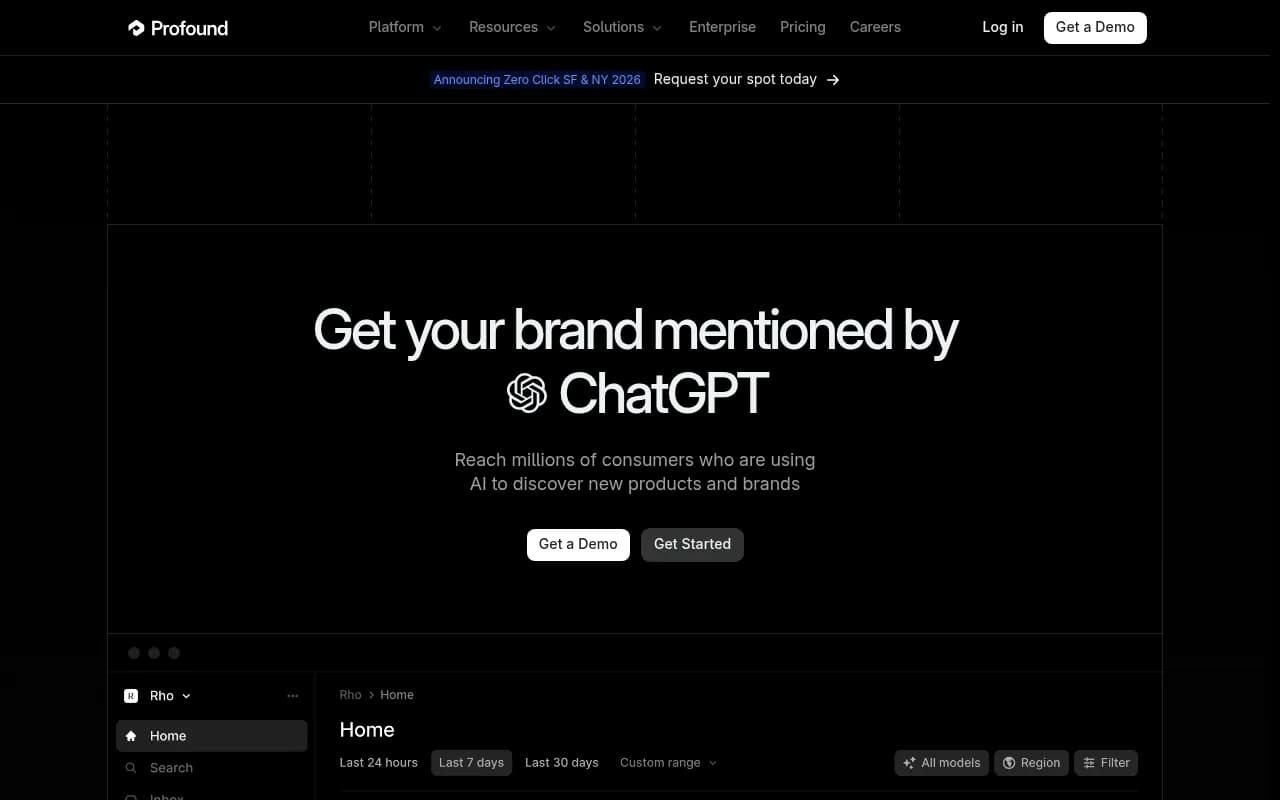
| Profound | Several | No | No | Mid-market brands |
| SE Ranking | Several | Limited | No | All-in-one SEO + AI tracking |
Most tools in this category are monitoring dashboards — they show you where you appear (or don't appear) in AI answers, but they don't help you do anything about it. Promptwatch is different in that it closes the loop: it identifies which prompts your competitors are visible for that you're not, generates content to fill those gaps, and then tracks whether that new content starts getting cited.


What to track
At minimum, you want to know:
- Which AI models are mentioning your brand
- Which prompts trigger your brand to appear
- Which competitors appear for prompts where you don't
- Which pages on your site are being cited
That last one is important. Page-level citation tracking tells you which content is working and which isn't, so you can double down on what's getting cited and fix or replace what isn't.
Step 6: Find and fill your content gaps
Once you're tracking your AI visibility, you'll start to see patterns. There will be prompts where your competitors appear and you don't. Those are your content gaps — and they're your biggest opportunity.
If a competitor is getting cited for "how to set up payroll for a small business" and you don't have that content, write it. Make it better than theirs. Be more specific, more structured, more helpful.
This gap analysis is where a lot of the real work happens. It's not glamorous, but systematically filling content gaps is one of the most reliable ways to grow your AI visibility over time.
Step 7: Optimize existing content
New content isn't the only lever. Your existing pages might be close to getting cited but falling short for fixable reasons.
Common issues with existing content:
- The answer is buried too deep in the article
- The page doesn't include FAQ sections
- The content is outdated (check dates and statistics)
- The page is too thin — it answers one question but doesn't cover related questions
- The page lacks specific data or examples
A content audit every quarter is worth doing. Go through your top pages, check whether they're appearing in AI answers for relevant prompts, and update anything that's stale or incomplete.
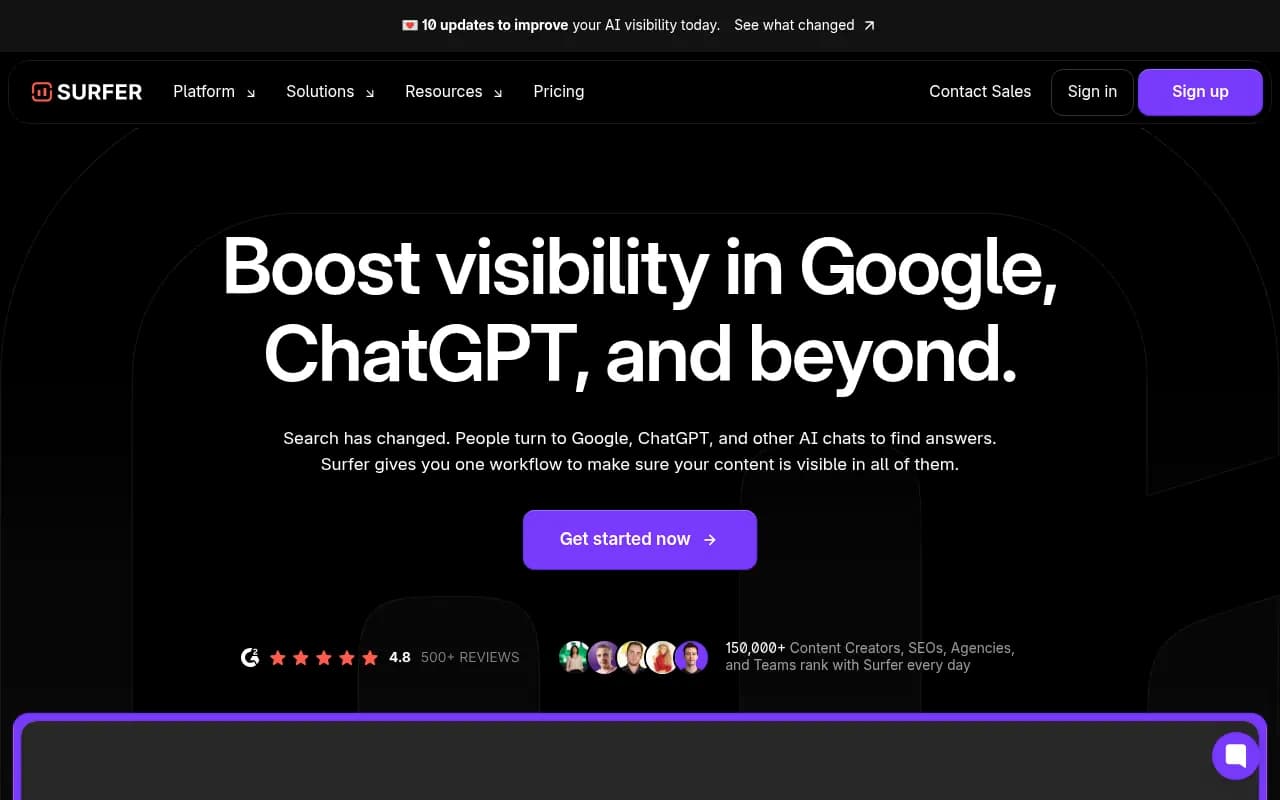
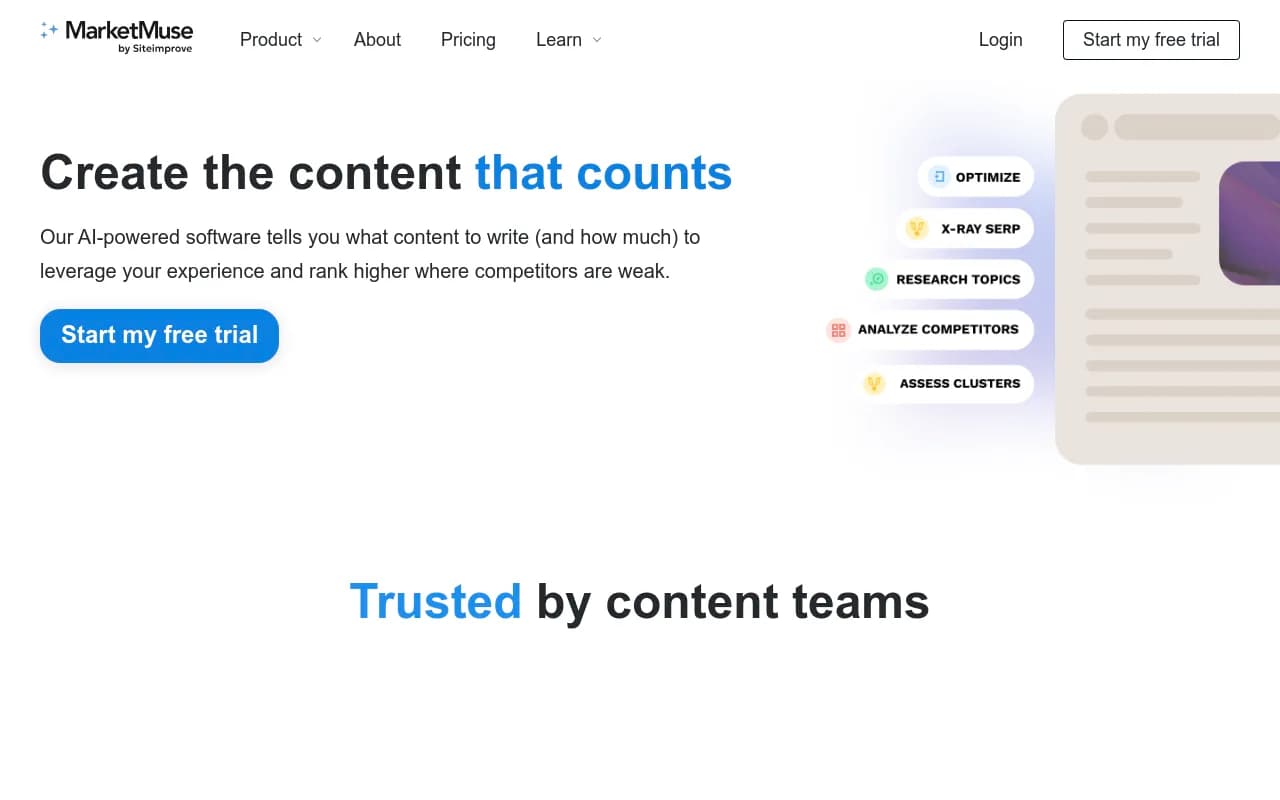
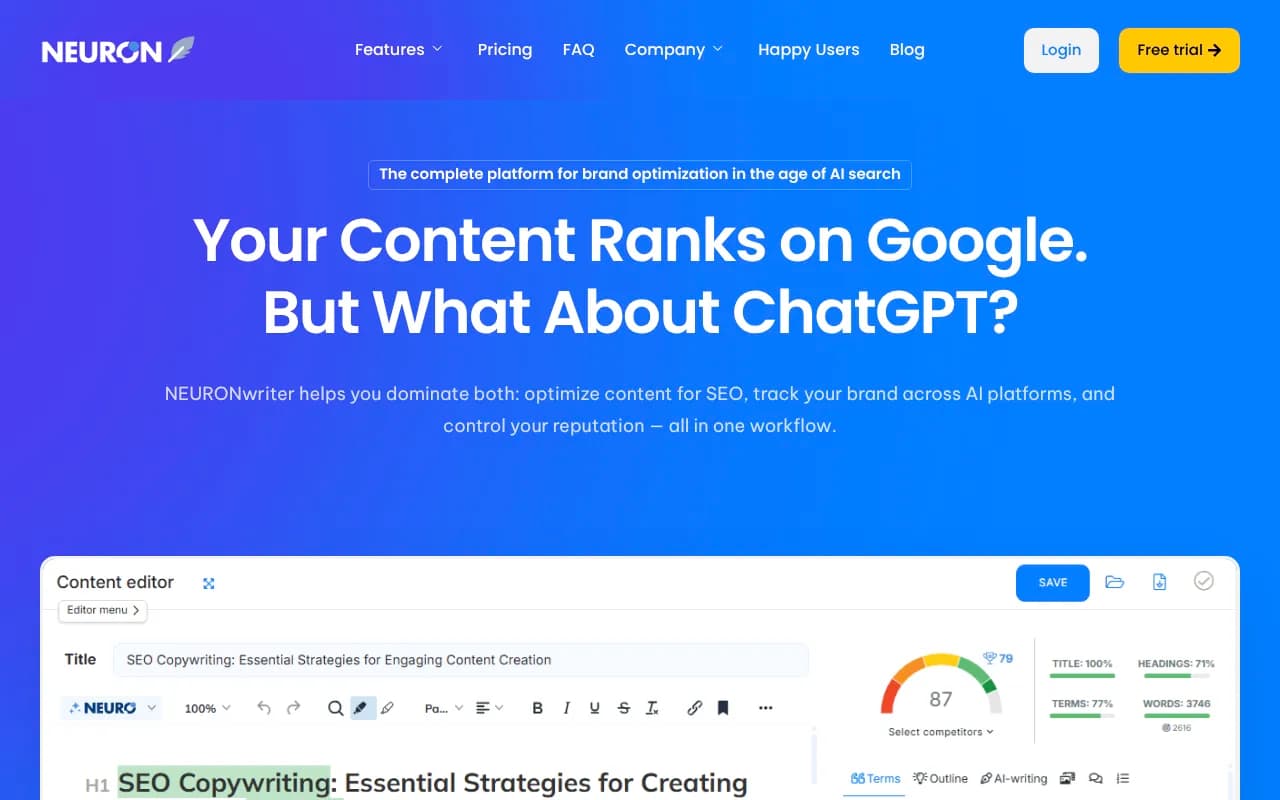
Tools like Surfer SEO and Clearscope can help you optimize content for semantic relevance — making sure you're covering the full topic rather than just the main keyword.

Step 8: Connect AI visibility to actual traffic and revenue
The final step that most beginners skip: connecting your AI visibility improvements to real business outcomes.
AI search sends traffic differently than traditional search. Users might see your brand mentioned in a ChatGPT answer, then search for you directly, then visit your site. That traffic shows up as "direct" in Google Analytics, not as AI referral traffic. Without proper attribution, you won't know that your AI SEO efforts are working.
A few ways to track this:
- Install a tracking snippet that captures AI referral traffic (some platforms provide this)
- Connect your Google Search Console data to see branded search volume trends — if ChatGPT is recommending you, branded searches tend to increase
- Look for "dark traffic" patterns: spikes in direct traffic that correlate with AI visibility improvements
Putting it all together: a realistic timeline
AI SEO isn't instant. Here's a realistic picture of what to expect:
Weeks 1-4: Technical audit, topic mapping, keyword/prompt research. Set up an AI visibility tracking tool so you have a baseline.
Months 2-3: Start publishing content systematically. Focus on your highest-priority topic clusters. Aim for quality over volume — two well-researched, well-structured articles per week beats ten thin ones.
Months 4-6: You should start seeing your first AI citations. Use that data to identify what's working and double down. Fill the gaps where competitors are still outranking you.
Month 6+: Ongoing optimization cycle. New content, content updates, credibility building. AI visibility compounds over time as your topical authority grows.
The tools worth knowing about
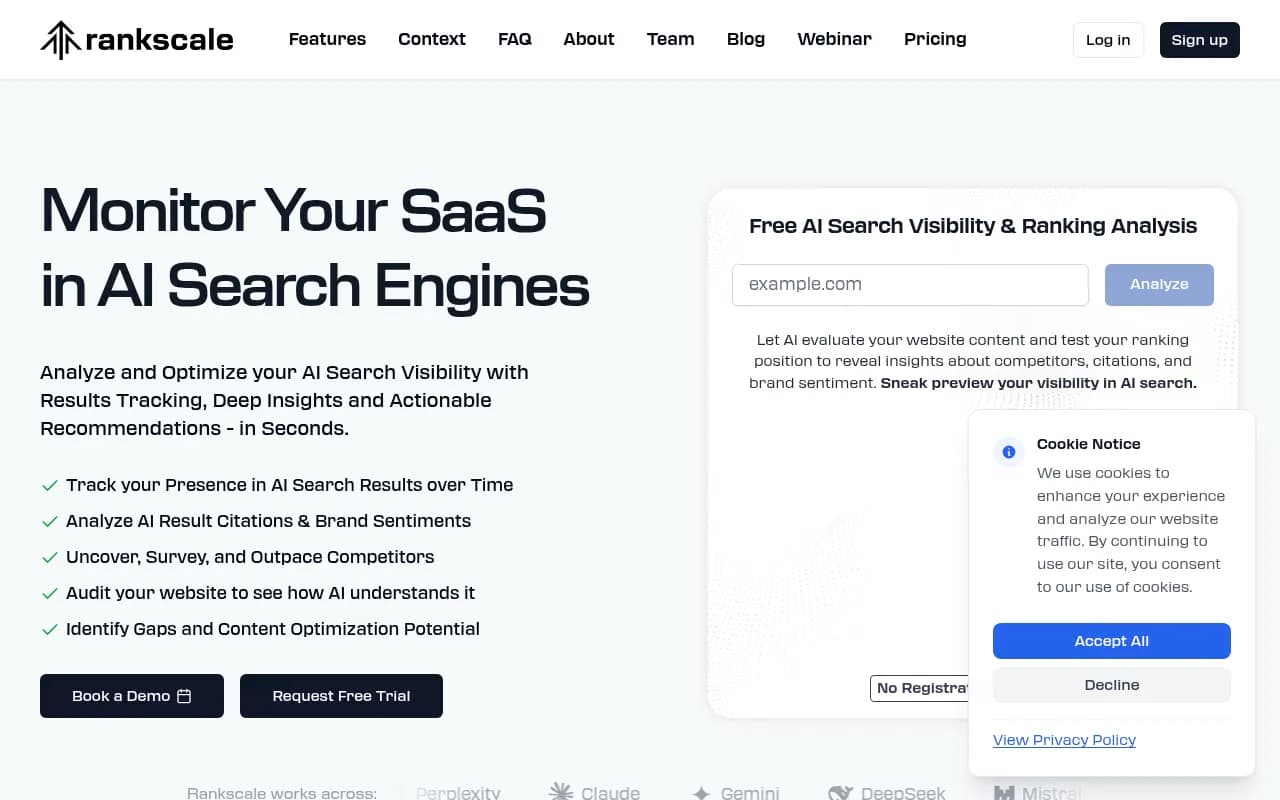
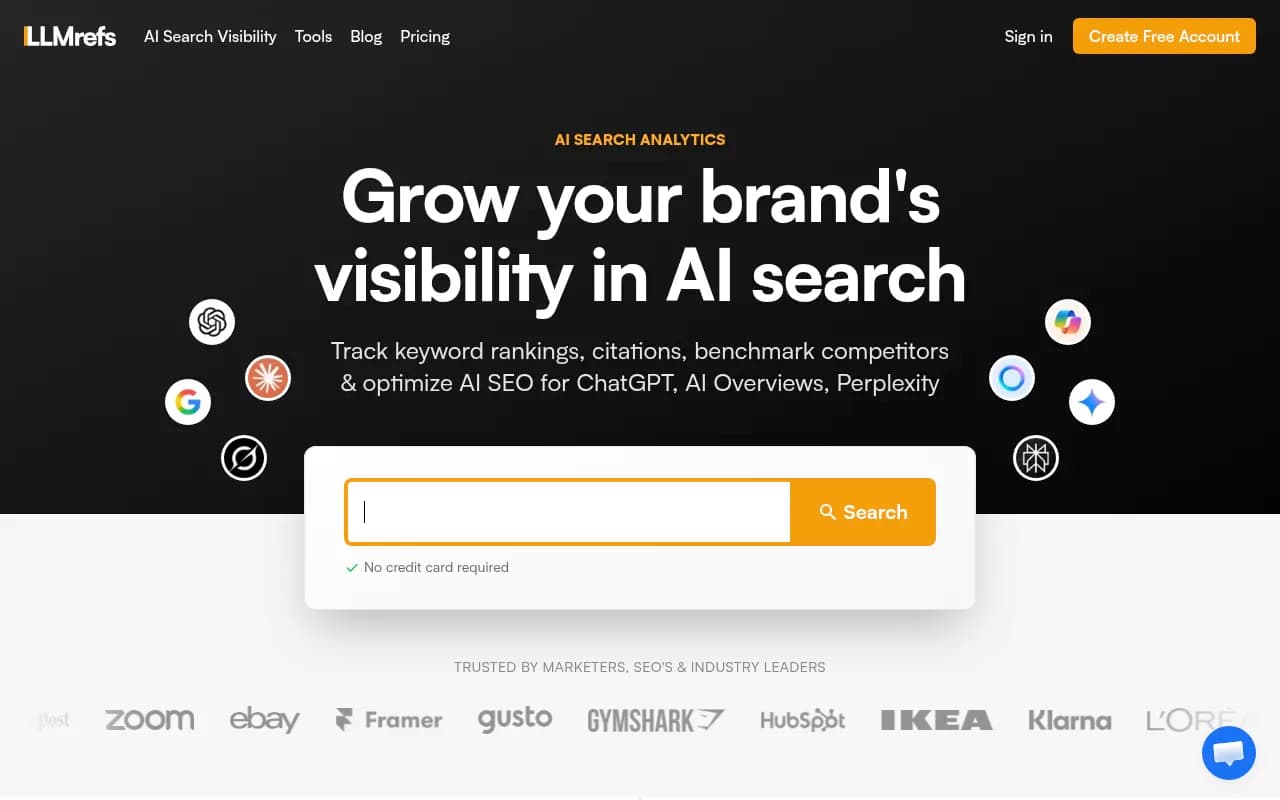
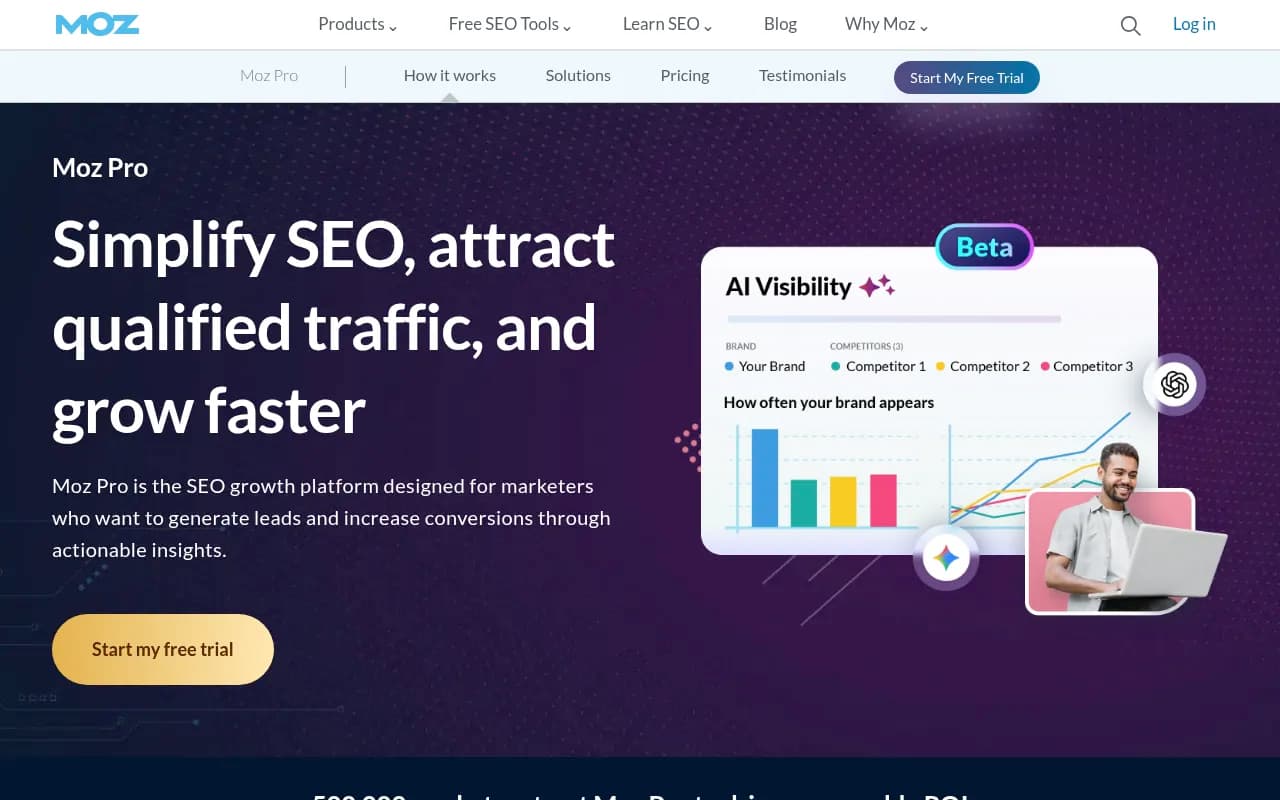
Beyond the platforms already mentioned, a few other tools are worth knowing as you build your AI SEO workflow:
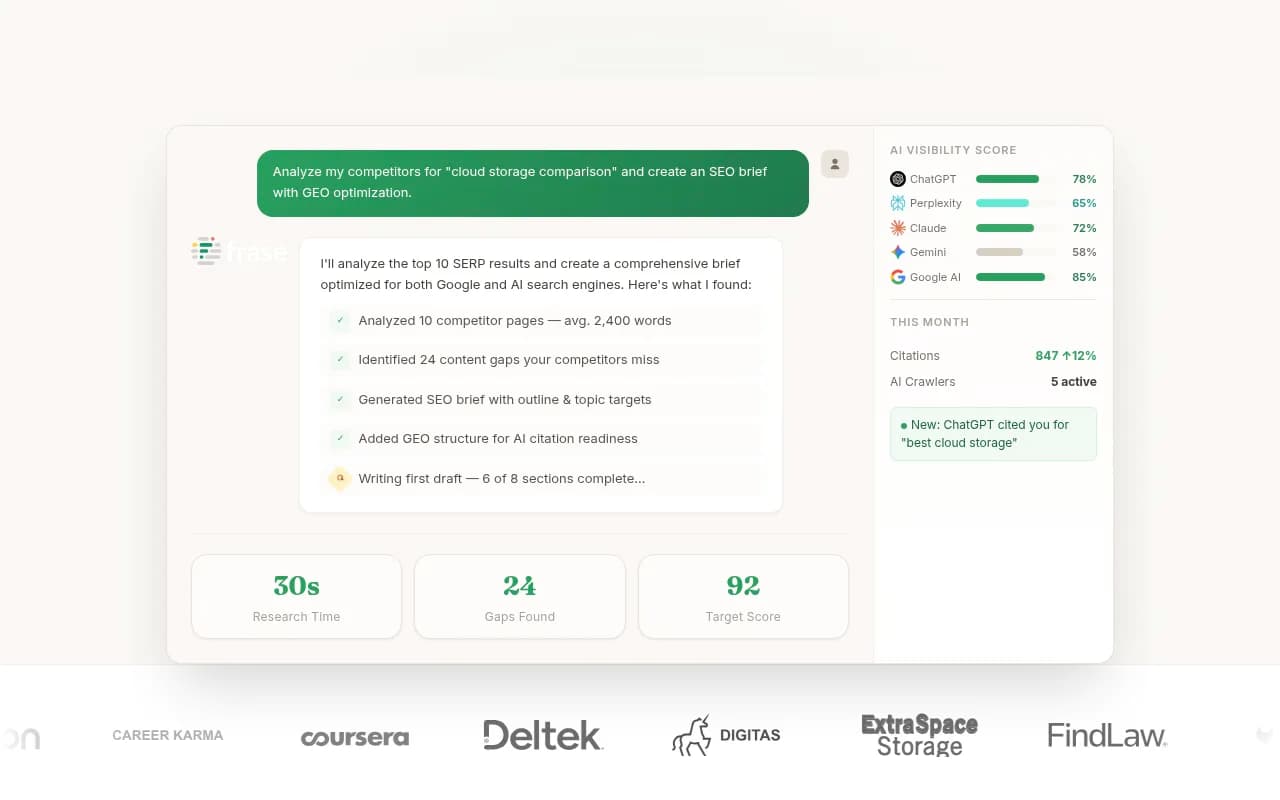
For content creation and optimization:
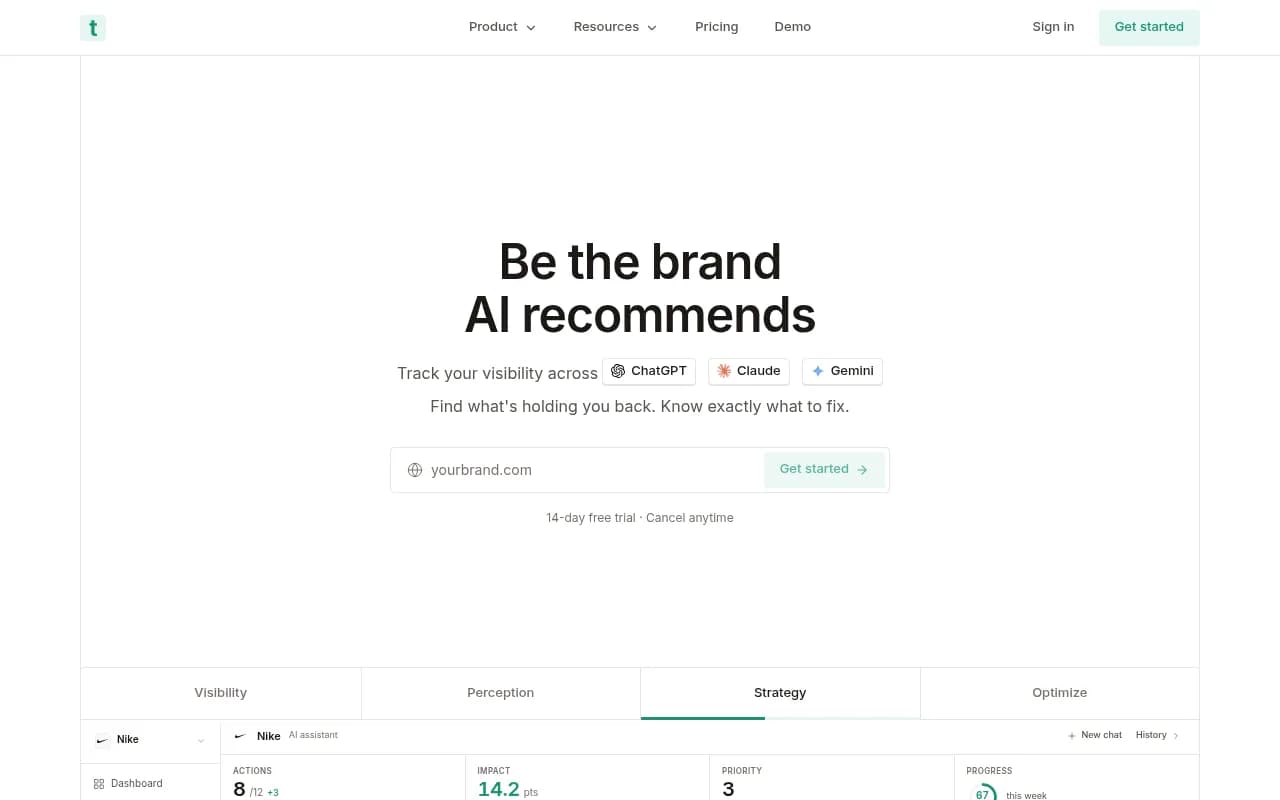
For tracking AI mentions and brand visibility:
For technical SEO foundations:
One thing to remember
The brands that will dominate AI search in 2026 and beyond are the ones building genuine topical authority with genuinely helpful content. AI models are getting better at distinguishing real expertise from content that just looks like expertise.
That's actually good news for beginners who are willing to do the work properly. The shortcut-takers who stuffed keywords and bought links are going to struggle in this new environment. The people who build real, comprehensive, well-structured resources on topics they actually understand are going to do well.
Start with one topic. Cover it thoroughly. Track what happens. Adjust. That's the whole game.