Key takeaways
- Rankability is built specifically for agencies: white-label dashboards, multi-client management, and combined AI + traditional rank tracking in one place
- It tracks ChatGPT, Perplexity, Gemini, Google AI Overviews, and classic Google rankings -- useful for agencies that still need to show traditional SEO results alongside AI visibility
- Starting price is $79/mo (Solo plan), with agency tiers available for multi-client work
- The platform is strong on reporting and monitoring but lighter on content optimization and gap analysis compared to more action-oriented platforms
- Agencies that need to go beyond tracking -- finding content gaps and fixing them -- should also evaluate platforms like Promptwatch that close the loop between visibility data and content creation
What Rankability actually is
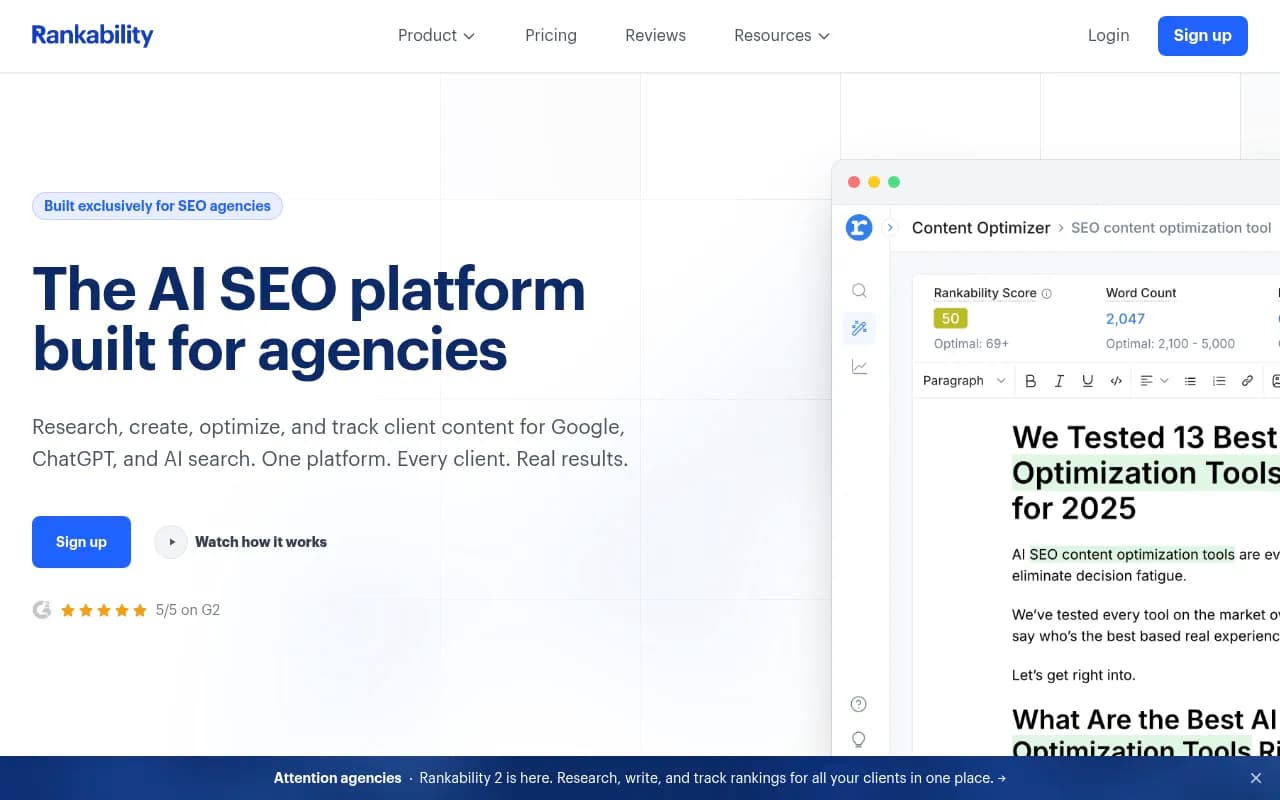
Rankability positions itself as the AI visibility tool for agencies that report on search performance every week. The pitch is simple: instead of juggling a separate rank tracker, a separate AI visibility monitor, and a separate reporting tool, you get all three in one place. White-label dashboards, multi-client organization, shareable reports, and an API round out the agency-specific features.
That's a reasonable pitch. Most agencies are already paying for rank tracking software, and adding a separate AI visibility subscription on top of that gets expensive fast. Consolidation has real value.
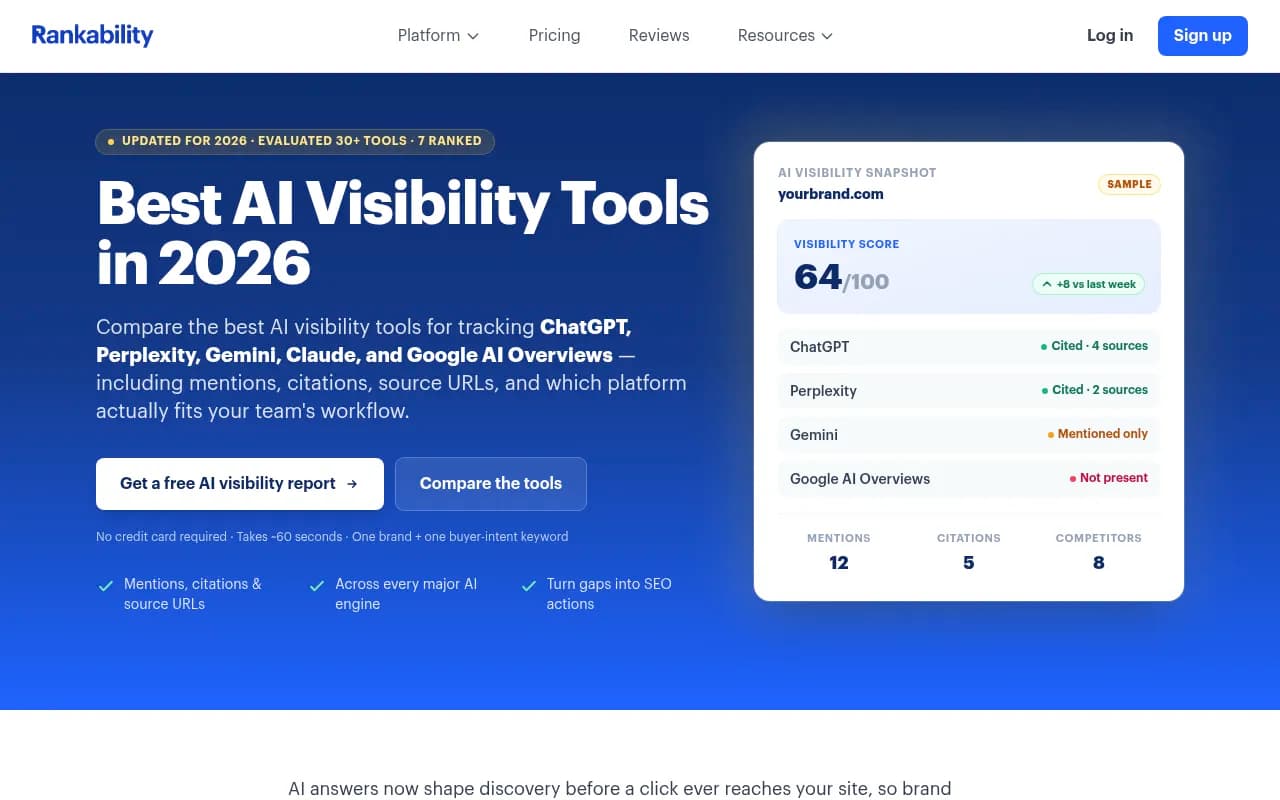
The platform tracks mentions, citations, and source URLs across ChatGPT, Gemini, Perplexity, and Google AI Overviews -- plus traditional Google rankings. For agencies whose clients still care about both worlds (and most do), that combination is genuinely useful.
Who it's built for
Rankability's sweet spot is the mid-size SEO or digital marketing agency that:
- Reports on search performance weekly or monthly
- Has clients who ask "are we showing up in ChatGPT?" but also still care about Google rankings
- Needs white-label reports they can send directly to clients
- Wants a single dashboard to manage multiple brands without switching tools
It's less suited for in-house teams at a single brand, or for enterprise teams that need deep competitive intelligence, content gap analysis, or traffic attribution back to revenue.
Core features
AI search visibility tracking
Rankability monitors brand mentions and citations across the major AI engines. For each tracked prompt, you can see whether your brand was mentioned, whether it was cited with a source URL, and which competitors appeared in the same response. That's the baseline for any AI visibility tool worth using in 2026.
The platform covers:
- ChatGPT (OpenAI)
- Google Gemini
- Perplexity
- Google AI Overviews
- Classic Google rankings (positions 1-100)
The combination of AI visibility and traditional rankings in one view is one of Rankability's clearest differentiators. Most pure-play AI visibility tools don't touch traditional SERP data at all.
White-label reporting
This is where Rankability earns its "agency-focused" label. Reports can be branded with your agency's logo and colors, and you can share live dashboard links directly with clients. For agencies that spend hours every month building decks in Google Slides or Looker Studio, having a shareable, auto-updating report is a real time saver.
Multi-client management
Clients are organized into separate workspaces, each with their own prompt sets, competitor lists, and visibility scores. You can switch between clients without losing context, and billing is structured to accommodate multiple brands under one agency account.
Citations and source tracking
Beyond just "mentioned or not," Rankability shows which URLs are being cited by AI engines in response to your tracked prompts. This is important because it tells you whether AI models are actually pulling from your content or just mentioning your brand name in passing. Those are very different things from an SEO standpoint.
Pricing
Rankability's pricing starts at $79/mo for the Solo plan (one brand, limited prompts). Agency tiers are available at higher price points, though exact multi-client pricing isn't always listed publicly and typically requires a conversation with their sales team.
Here's how it compares to the broader market:
| Tool | Starting price | AI platforms tracked | White-label reporting | Content generation | Best for |
|---|---|---|---|---|---|
| Rankability | $79/mo | ChatGPT, Gemini, Perplexity, Google AI Overviews + classic Google | Yes | No | Agencies needing combined AI + SEO reporting |
| Promptwatch | $99/mo | 10+ AI models (ChatGPT, Claude, Perplexity, Gemini, Grok, DeepSeek, Copilot, Meta AI, Mistral, Google AI Overviews) | Yes | Yes (built-in AI writing agent) | Teams that want to track AND fix visibility gaps |
| Otterly.AI | ~$49/mo | 6 platforms | Limited | No | Small agencies starting out |
| Profound | Higher | Multiple | Yes | Limited | Larger teams, enterprise |
| Peec AI | ~$49/mo | Multiple | No | No | Basic monitoring |

What Rankability does well
Consolidated reporting for agencies
The honest answer is that most agencies don't need the most sophisticated AI visibility platform on the market -- they need one that makes client reporting easier. Rankability solves that problem. Having traditional rank data and AI visibility in the same dashboard, with white-label export, removes a lot of friction from the monthly reporting cycle.
Prompt-level visibility data
You can see exactly which prompts your clients are winning and losing. This is more useful than a generic "visibility score" because it tells you where to focus. If a client is invisible for "best [product category] for [use case]" but visible for branded queries, that's a specific, actionable finding.
Competitor comparison
For each tracked prompt, you can see which competitors appeared alongside (or instead of) your client. This is the kind of data that lands well in client meetings -- it's concrete, it's comparative, and it gives you something to work toward.
Where it falls short
No content gap analysis or content generation
This is the biggest limitation. Rankability shows you where you're invisible, but it doesn't tell you why or what to do about it. There's no answer gap analysis that maps missing content to specific prompts, and no built-in content generation to help you fix what you find.
For agencies that want to turn AI visibility data into deliverables -- actual content their clients can publish -- Rankability requires you to take the data elsewhere and figure out the content strategy yourself.
Narrower AI model coverage
Rankability covers the four most common AI platforms (ChatGPT, Gemini, Perplexity, Google AI Overviews) plus traditional Google. That's fine for most clients, but it misses Claude, Grok, DeepSeek, Copilot, Meta AI, and Mistral -- models that are increasingly part of how people search. If a client asks "are we showing up in Claude?" the answer from Rankability is "we don't track that."
No crawler log analysis
Rankability doesn't show you which AI crawlers are visiting your clients' sites, how often, or what they're reading. This matters because crawl behavior is often the first signal that something is wrong with how AI engines are discovering your content. Without it, you're monitoring outputs without understanding inputs.
Limited traffic attribution
There's no built-in way to connect AI visibility scores to actual website traffic or revenue. You can see that your client is being cited in Perplexity, but you can't easily quantify what that's worth in terms of clicks or conversions. For agencies that need to prove ROI, this is a gap.
How it compares to alternatives
The AI visibility tool market has matured quickly in 2026. There are now roughly three tiers of platforms:
Monitoring-only tools (Otterly.AI, Peec AI, basic trackers): These show you data but stop there. Good for getting started, not for agencies that need to show progress over time.
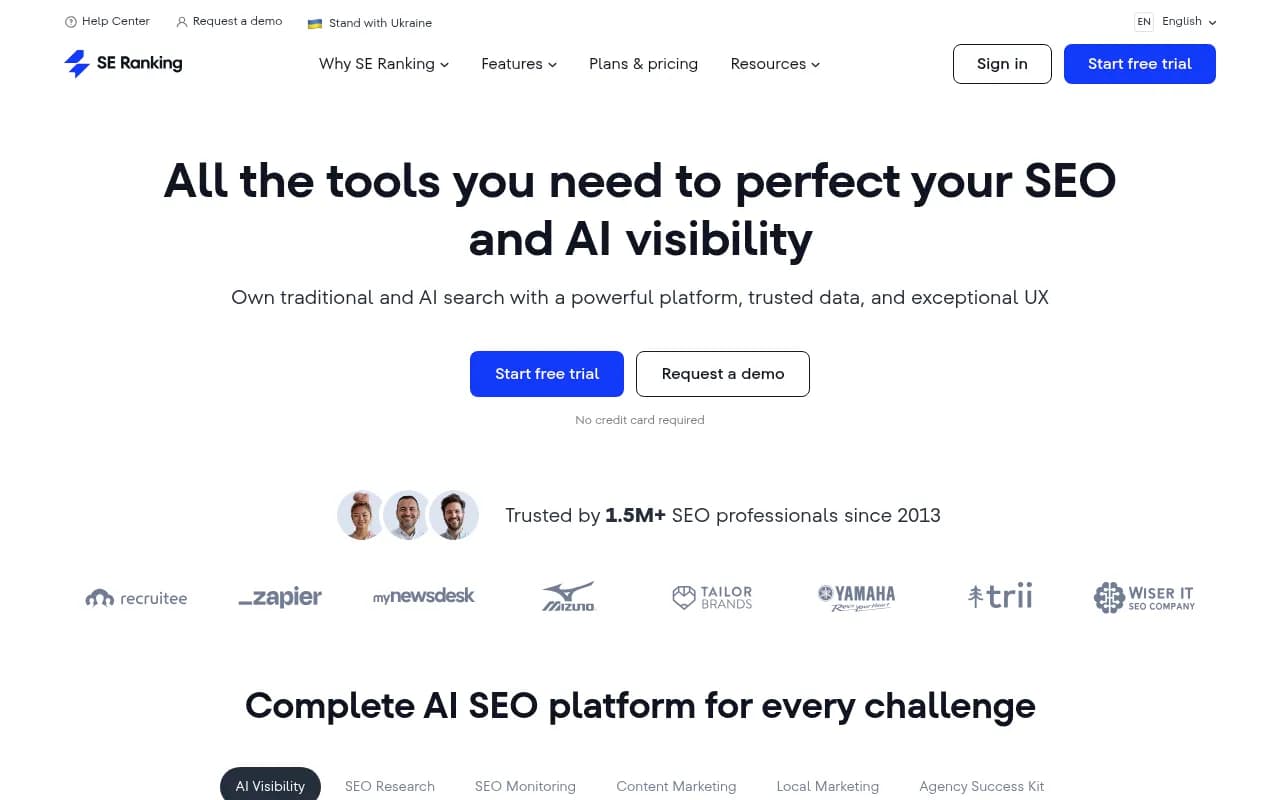
Combined tracking + reporting tools (Rankability, SE Ranking's AI module, Advanced Web Ranking): These add multi-client management and reporting on top of monitoring. Rankability sits here.
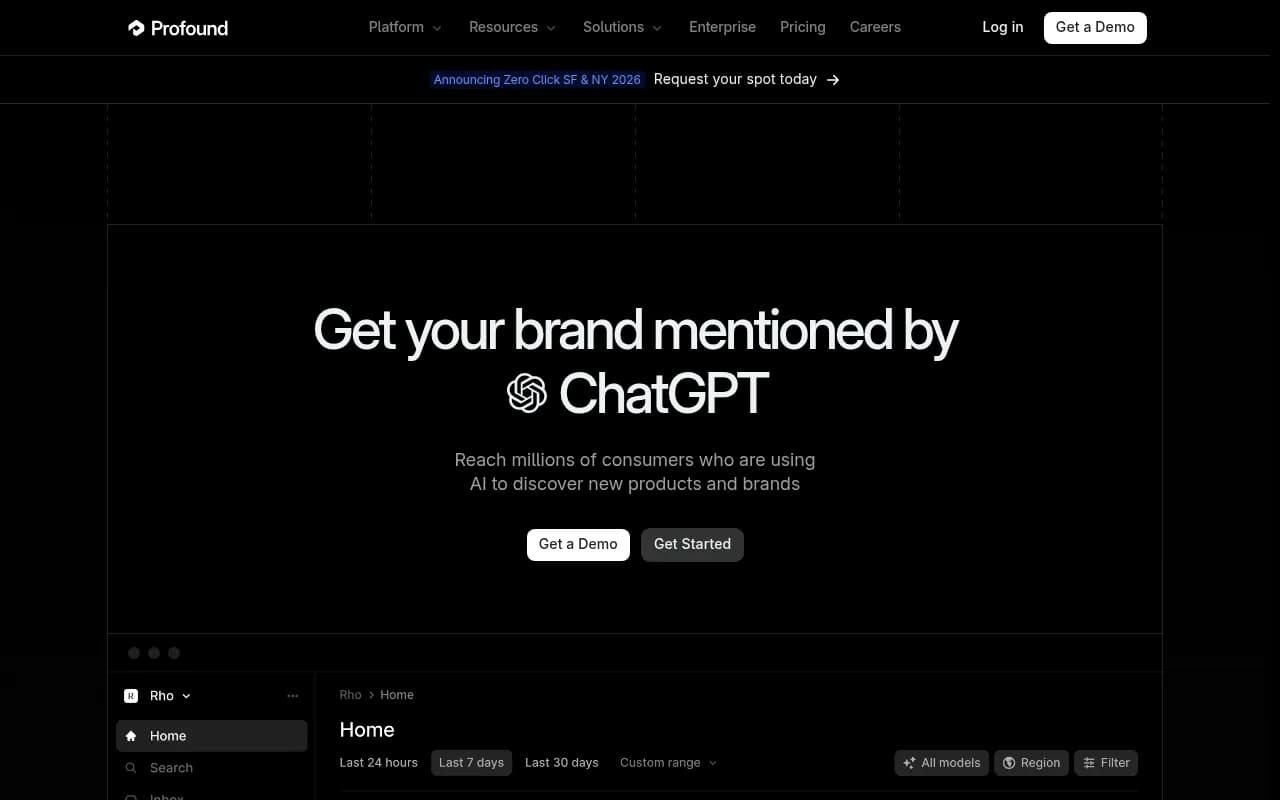
Full-cycle optimization platforms (Promptwatch, Profound): These go beyond monitoring to help you find gaps, generate content, and attribute results back to traffic and revenue. More expensive, but they close the loop.

For agencies whose primary need is client reporting, Rankability is a solid choice in the middle tier. For agencies that want to actually move the needle on AI visibility -- not just report on it -- the full-cycle platforms are worth the extra cost.
The monitoring-vs-optimization gap
This is worth dwelling on because it's the central question for any agency evaluating AI visibility tools in 2026.
Monitoring tells you where you stand. Optimization tells you how to improve. Most tools, including Rankability, are primarily monitoring tools. They're good at answering "are we visible?" but not "what do we need to publish to become visible?"
The gap matters for agencies because clients don't pay for reports -- they pay for results. If your AI visibility tool shows a client's visibility score going up, that's great. But if the score is flat or declining and you have no mechanism to fix it, the tool becomes a source of anxiety rather than a source of action.
Platforms like Promptwatch have built their entire product around this problem. The answer gap analysis shows exactly which prompts competitors are winning that you're not, the built-in writing agent generates content designed to get cited by AI models, and the traffic attribution connects visibility changes to actual revenue. It's a different category of tool.
That doesn't make Rankability the wrong choice -- it makes it the right choice for a specific type of agency. If your clients primarily want to see "are we showing up in AI search, and how does that compare to last month?" then Rankability delivers that clearly and efficiently.
Verdict: who should use Rankability
Rankability is a good fit if:
- You're an SEO agency that already tracks traditional rankings and wants to add AI visibility without switching platforms
- Your clients care about white-label reports and want a clean, shareable dashboard
- You need to manage multiple clients in one place without paying for separate tools
- Your primary deliverable is reporting, not content strategy
It's probably not the right fit if:
- You need to track Claude, Grok, DeepSeek, or other models beyond the core four
- Your clients want to know not just where they're invisible but what to do about it
- You need to connect AI visibility to traffic and revenue attribution
- You want AI crawler logs to understand how AI engines are discovering (or missing) your clients' content
For agencies in that second group, a platform with a full optimization loop -- gap analysis, content generation, and attribution -- will deliver more value even at a higher price point.
Other tools worth evaluating alongside Rankability
If you're building a shortlist for your agency, here are a few other platforms worth comparing directly:
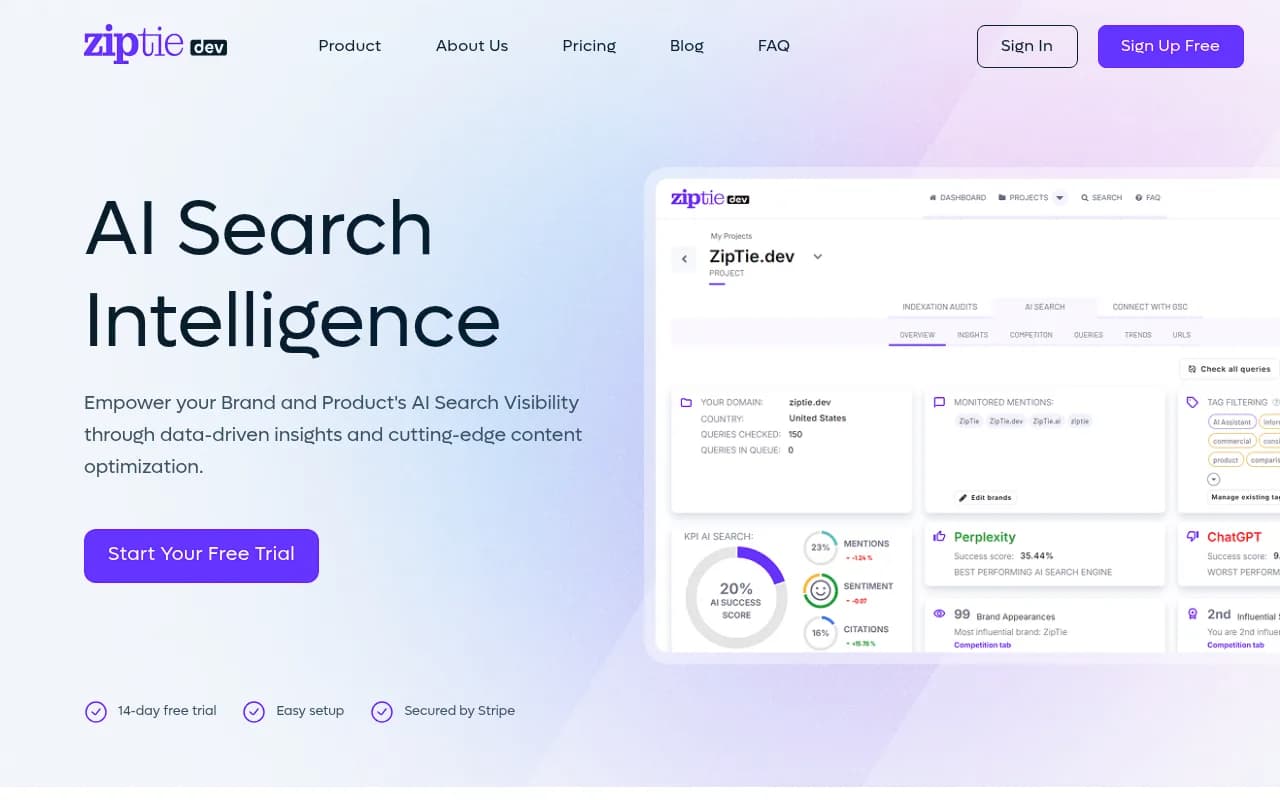
ZipTie.dev takes a browser-level tracking approach that some practitioners argue is more accurate than API-based monitoring, though it covers fewer AI platforms.
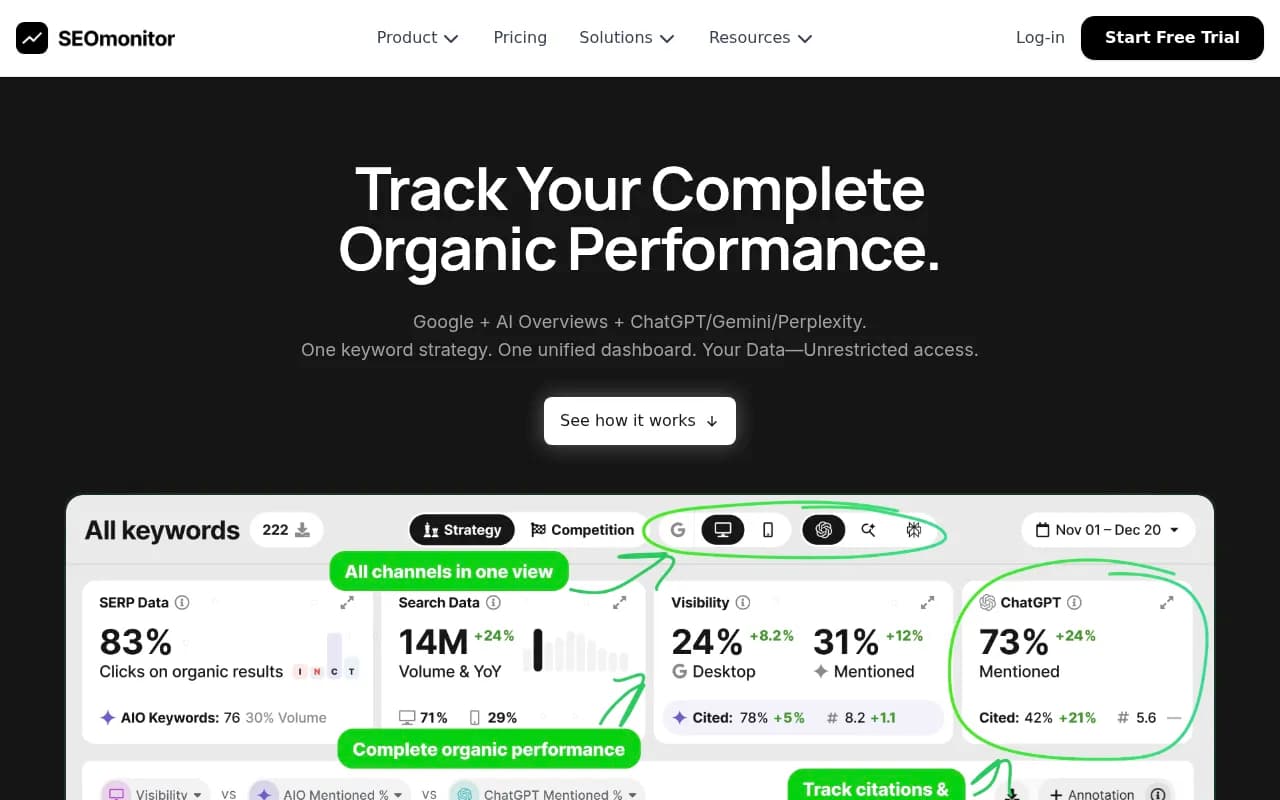
SEOmonitor is another agency-focused platform that combines traditional SEO with AI visibility tracking, with strong forecasting features.
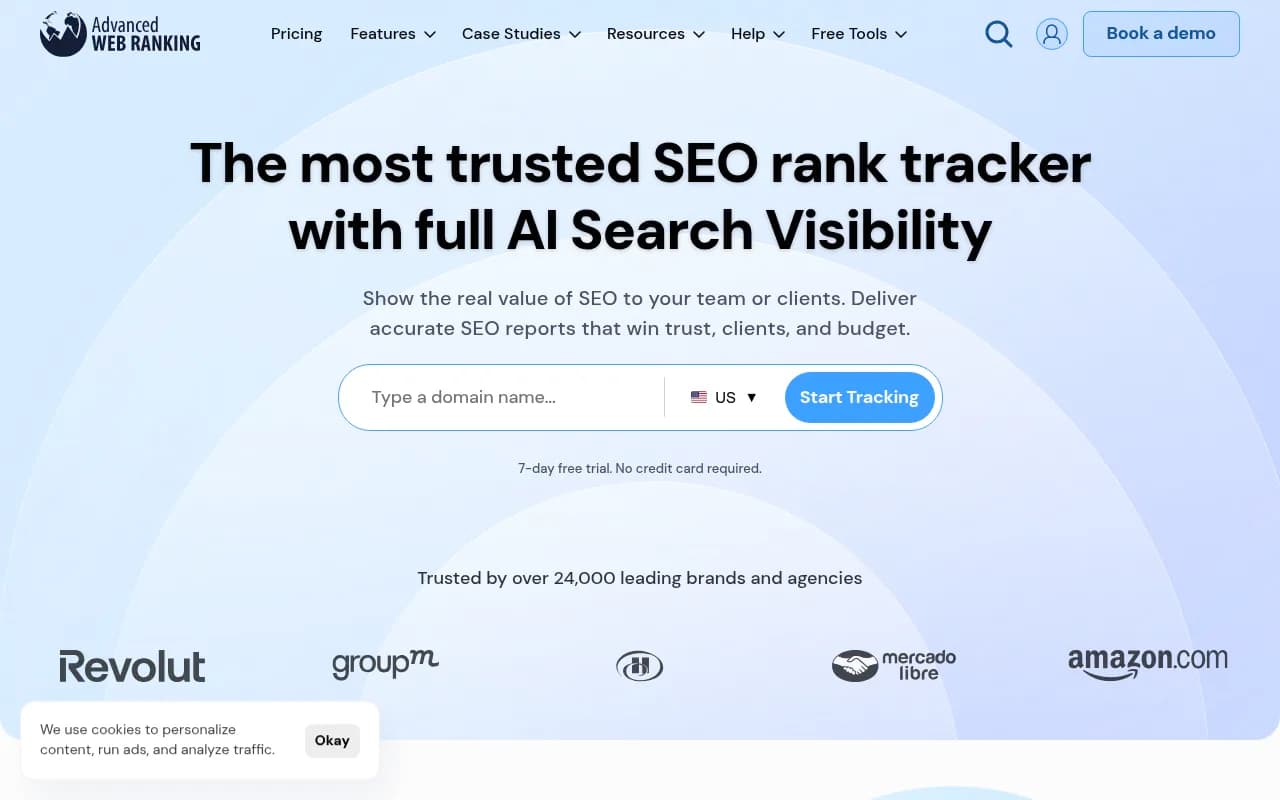
Advanced Web Ranking has 20+ years of rank tracking history and has added AI visibility features -- a solid option for agencies that already use it for traditional SEO.
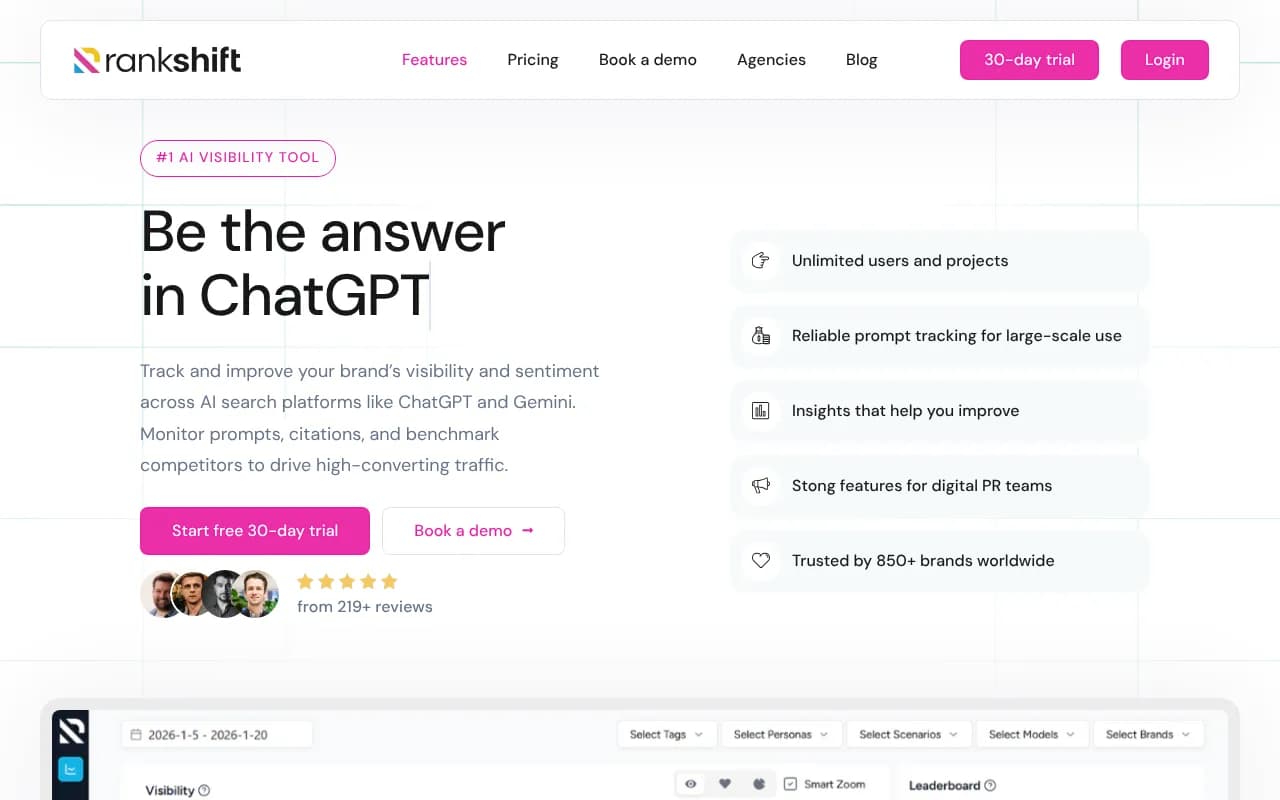
Rankshift focuses specifically on LLM tracking and GEO, worth a look if your clients are asking specifically about generative engine optimization.
Final take
Rankability does what it says on the tin. It's an agency-oriented platform that combines AI search visibility with traditional rank tracking and white-label reporting. For agencies that need to show clients a clear picture of where they stand in both worlds, it's a practical, well-designed tool.
The limitation is that it stops at the monitoring layer. If your agency's value proposition is helping clients improve their AI visibility -- not just measure it -- you'll hit a ceiling. The data is there, but the "now what?" is left to you.
That's a fair trade-off for some agencies. For others, it's the reason to look at platforms that close the full loop from gap identification to content creation to traffic attribution. Know which type of agency you are before you commit.