Key takeaways
- The AI visibility tool market has split into two distinct categories: monitoring-only dashboards and full optimization platforms. Knowing which you need saves a lot of wasted budget.
- Solo founders and small teams can get started for under $100/month, but they'll hit the ceiling fast if they need content generation or competitive gap analysis.
- Mid-market teams ($200-600/month range) get the most leverage from platforms that combine tracking with actionable content workflows.
- Enterprise teams should prioritize crawler logs, multi-site support, API access, and traffic attribution over raw prompt volume.
- Most tools only tell you where you're invisible. The ones worth paying for help you do something about it.
There are now dozens of tools claiming to track your brand across ChatGPT, Perplexity, Gemini, and Google AI Overviews. Most of them run prompts, show you a percentage, and call it a day. That's fine if you just want a number to put in a slide deck. But if you actually want to improve your AI visibility, you need something that goes further.
This guide cuts through the noise. It's organized by team size and budget, with honest assessments of what each tier of tool actually delivers. Whether you're a solo consultant, a 5-person marketing team, or part of a 50-person agency, there's a right tool for your situation -- and a lot of wrong ones that will drain your budget without moving the needle.
What "AI visibility" actually means in 2026
Before picking a tool, it helps to be clear on what you're measuring. AI visibility refers to how often and how favorably your brand appears in responses from AI search engines: ChatGPT, Perplexity, Claude, Gemini, Google AI Overviews, Grok, DeepSeek, and others.
Unlike traditional SEO, where you can check your position for a keyword, AI visibility is probabilistic. The same prompt asked twice might produce different responses. Your brand might appear prominently in Perplexity but be completely absent from ChatGPT. A competitor might dominate one model while you lead another.
This complexity is why the tool category exists. But it's also why a lot of tools are still pretty shallow -- they can tell you your "share of voice" across a handful of prompts, but they can't tell you why you're missing or what to do about it.
The tools that actually matter in 2026 are the ones that close that loop.
How to think about your needs before buying
Ask yourself four questions before you start trialing anything:
- How many AI models do I need to track? (Just ChatGPT? All 10 major models?)
- Do I need to track competitors, or just my own brand?
- Do I need to generate or optimize content, or just monitor?
- How many sites or clients am I managing?
Your answers will immediately narrow the field. A solo blogger tracking their own brand on two models needs something completely different from an agency managing 20 clients across all major AI platforms.
Tier 1: Solo founders, bloggers, and small businesses (under $100/month)
If you're just getting started with AI visibility, the good news is you don't need to spend much to get useful data. The bad news is that most tools in this price range are monitoring-only -- they'll show you where you stand, but not how to improve.
What to look for at this tier
- Tracking across at least 3-4 major AI models (ChatGPT, Perplexity, Gemini minimum)
- Basic brand mention tracking and sentiment
- Simple prompt setup without needing a developer
- A free trial or low-cost entry plan
Tools worth considering
Otterly.AI is one of the most accessible entry points. It's clean, easy to set up, and gives you a reasonable snapshot of brand mentions across major AI platforms. It won't blow you away with depth, but for a solo operator who just wants to know if they're showing up, it works.

Peec AI is worth a look if you're operating in multiple languages or markets. It handles multi-language tracking better than most tools at this price point.

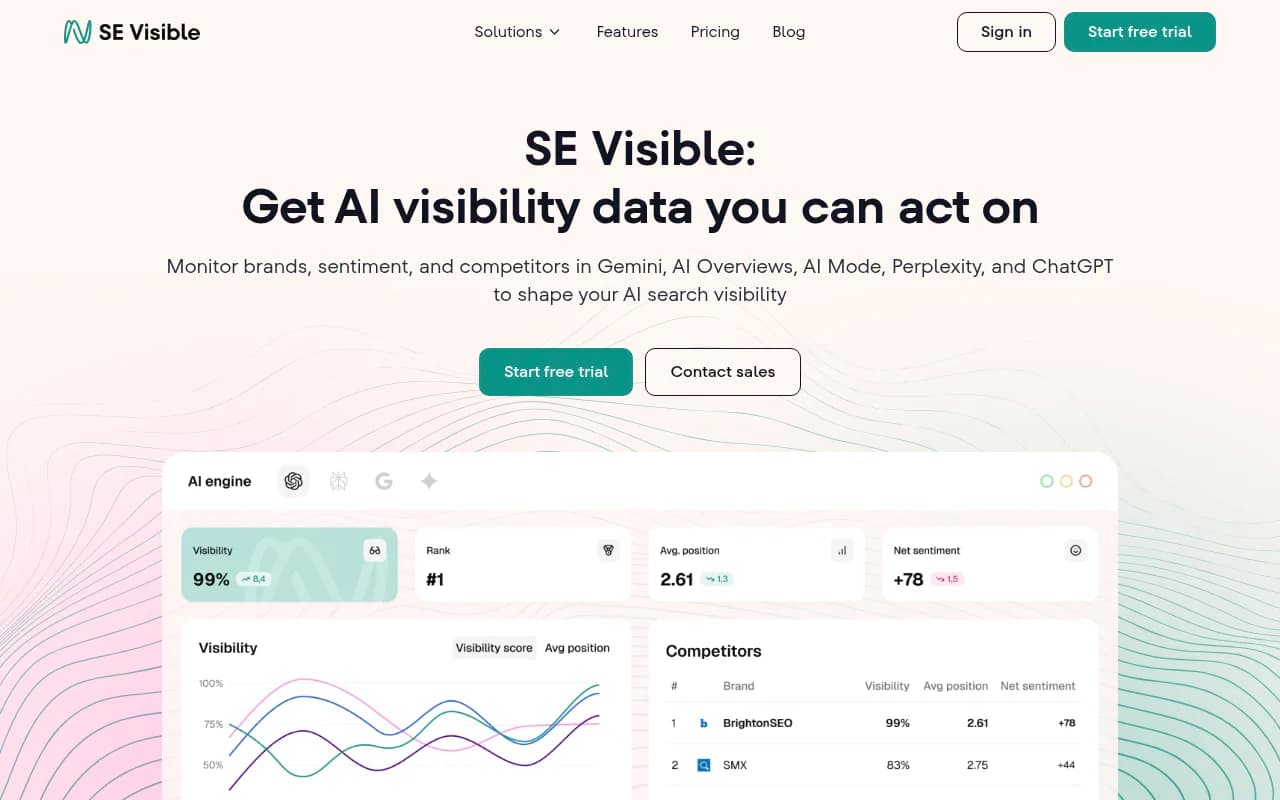
SE Visible (part of the SE Ranking ecosystem) gives you AI visibility tracking as part of a broader SEO toolkit. If you're already paying for SE Ranking, this is a natural add-on.
Airefs is a newer entrant that keeps pricing low while covering the main AI platforms. Good for teams that want basic citation tracking without committing to a bigger platform.
GPT Rank Tracker is a lightweight option specifically focused on ChatGPT visibility. Narrow scope, but useful if ChatGPT is your primary concern.

The honest limitation
At this tier, you're mostly getting a dashboard. You'll see your visibility score, maybe a few competitor comparisons, and which prompts you appear in. What you won't get is a clear answer to "what do I do next?" That's the gap most small-budget tools leave open.
Tier 2: Growing marketing teams and in-house SEOs ($100-300/month)
This is where the market gets more interesting. Teams in this range typically have a few people working on content and SEO, they're tracking multiple competitors, and they want data that actually informs their content strategy.
The key question at this tier: do you want a monitoring tool or an optimization tool? Most platforms in this range are still primarily monitors. A few are starting to bridge the gap.
What to look for at this tier
- Coverage across 6+ AI models
- Competitor tracking and share-of-voice comparisons
- Some form of content gap analysis or prompt intelligence
- Integration with Google Search Console or GA4
- Page-level citation tracking (which of your pages are getting cited?)
Tools worth considering
AthenaHQ has solid monitoring capabilities and covers 8+ AI search engines. It's well-designed and gives you good competitive context. The limitation is that it's primarily a tracker -- it shows you the gap but doesn't help you close it.

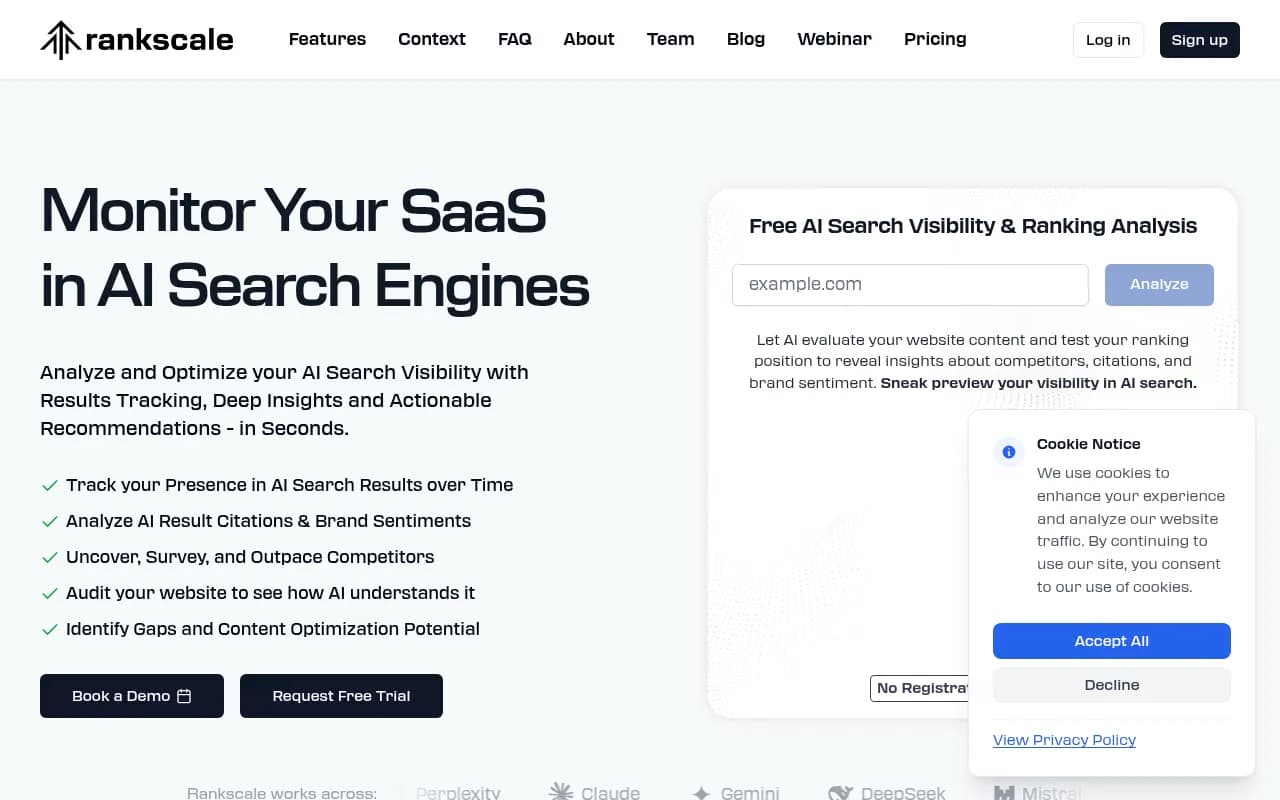
Rankscale gives you AI search ranking data with a focus on actionable insights. It's a good fit for teams that want more than a visibility score but aren't ready for a full enterprise platform.
Scrunch AI focuses on AI search visibility monitoring with a clean interface. Good for teams that want to track brand mentions and sentiment without a steep learning curve.
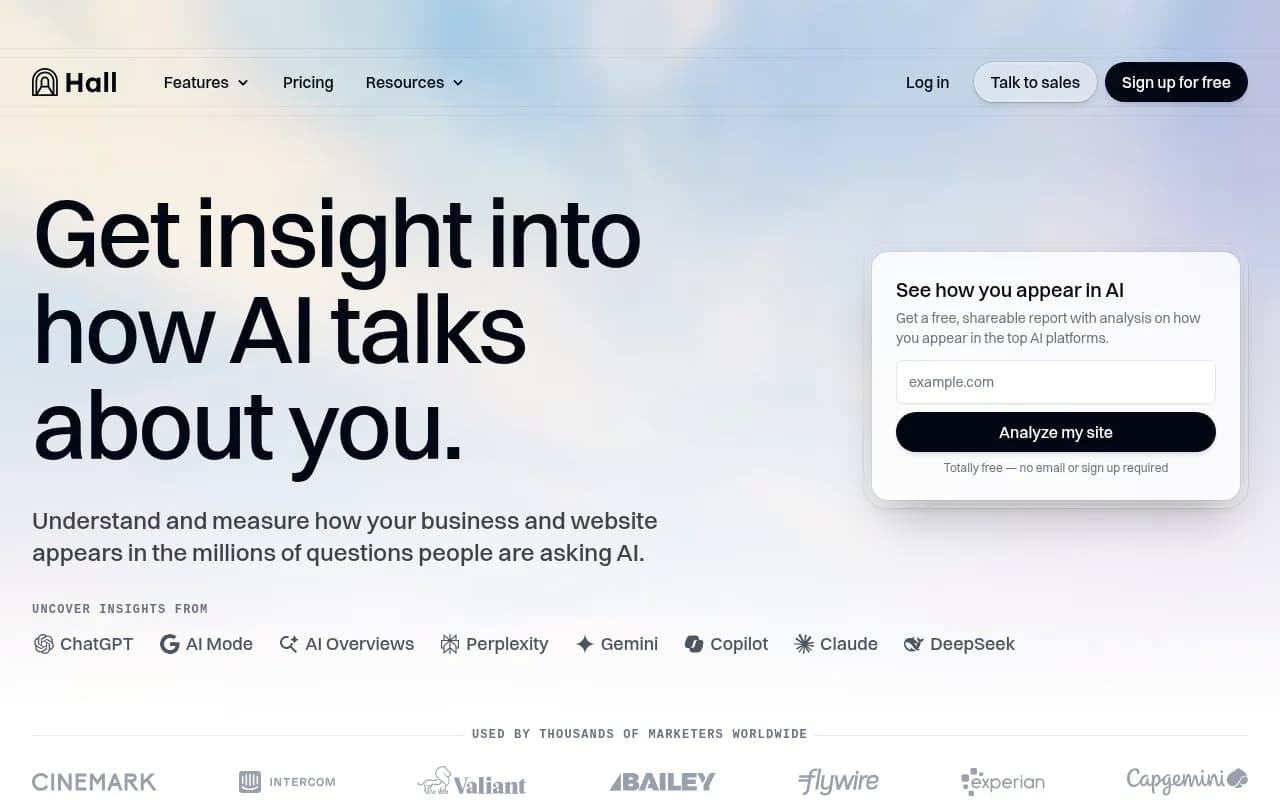
Hall AI is worth considering if your primary concern is understanding how AI platforms describe and cite your brand. It's more focused on brand narrative than raw visibility scores.
Profound has a strong feature set with solid tracking across major AI models. It's on the higher end of this tier price-wise, but the data quality is good.

At the top of this range, Promptwatch starts to become very relevant. Its Essential plan ($99/month) covers one site with 50 prompts and includes 5 AI-generated articles per month -- meaning it's one of the few tools at this price point that actually helps you create content to improve your visibility, not just measure it.

Tier 3: Mid-market teams and digital agencies ($300-700/month)
This is the sweet spot for most serious marketing teams. At this budget, you should expect multi-site support, deeper competitive intelligence, content generation capabilities, and some form of traffic attribution.
The big differentiator at this tier is whether a platform helps you act on what it finds. Most tools will show you that a competitor is getting cited for 40 prompts you're not. The better ones will tell you exactly what content you need to create to close that gap -- and some will even write it for you.
What to look for at this tier
- Multi-site or multi-client support
- Answer gap analysis (which prompts are competitors winning that you're not?)
- AI content generation grounded in citation data
- Crawler logs showing how AI bots interact with your site
- Traffic attribution connecting AI visibility to actual visits and revenue
- Prompt volume and difficulty scoring so you can prioritize
The comparison table
| Tool | AI models tracked | Content generation | Crawler logs | Traffic attribution | Multi-site | Starting price |
|---|---|---|---|---|---|---|
| Promptwatch | 10+ | Yes (AI writing agent) | Yes | Yes (GSC, snippet, logs) | Yes | $99/mo |
| Profound | 6+ | No | No | Limited | Yes | ~$250/mo |
| AthenaHQ | 8+ | No | No | No | Yes | ~$200/mo |
| Scrunch AI | 5+ | No | No | No | Limited | ~$150/mo |
| Otterly.AI | 4+ | No | No | No | Limited | ~$49/mo |
| Semrush (AI features) | 3-4 | Limited | No | Yes (broader platform) | Yes | ~$140/mo |
| SE Visible | 4+ | No | No | No | Yes | ~$65/mo |
Promptwatch's Professional plan ($249/month) is the one to look at seriously here. It covers 2 sites, 150 prompts, 15 AI articles per month, crawler logs, and state/city-level tracking. That combination -- tracking plus content creation plus crawler visibility -- is genuinely rare at this price point.
The crawler logs feature deserves a specific mention. Most teams have no idea which pages AI bots are actually reading on their site, whether those bots are encountering errors, or how often they return. Promptwatch surfaces this in real time. It's the kind of data that changes how you think about your content architecture.
Tools worth considering at this tier
Search Party is agency-oriented and handles multi-client workflows reasonably well, though it's lighter on prompt metrics and content gap analysis than you'd want at this price.
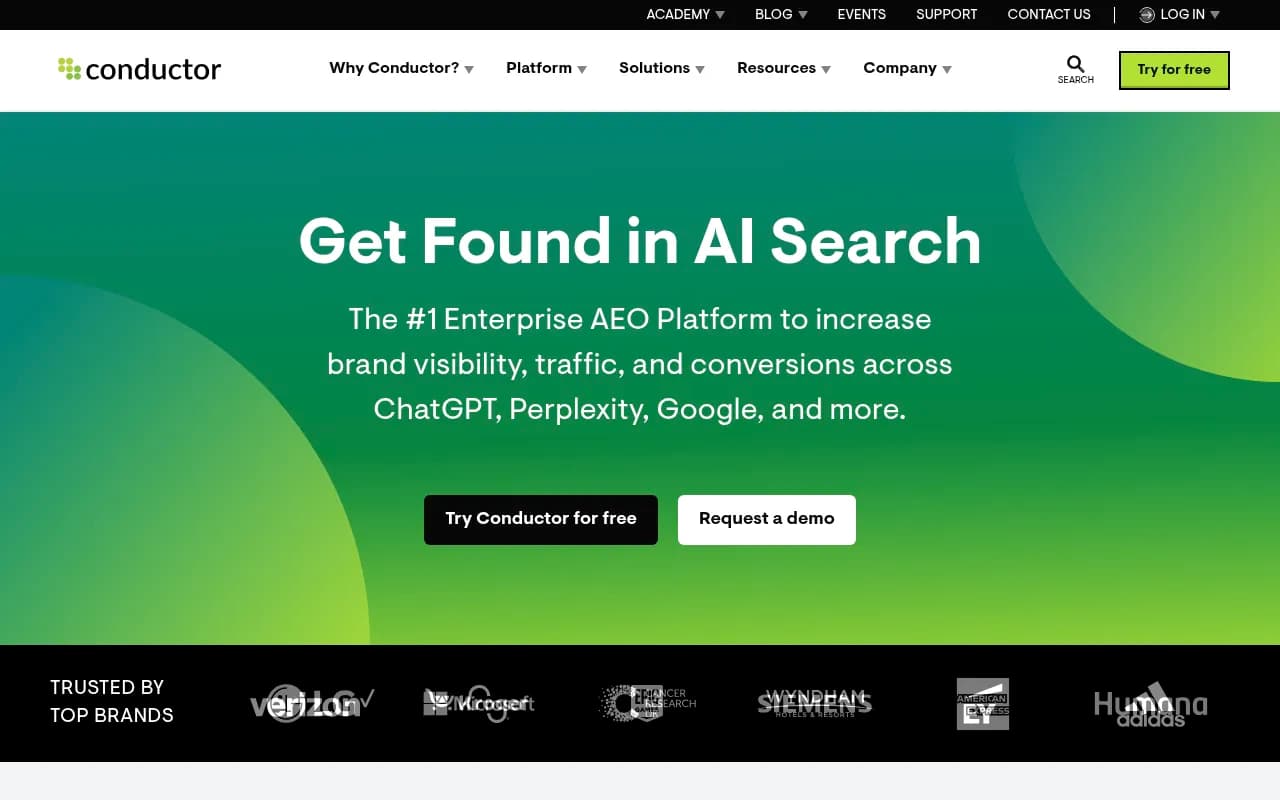
Conductor has been around long enough to have solid data infrastructure and includes persona customization for tracking how different user types prompt AI engines. It's more enterprise-leaning but has mid-market options.
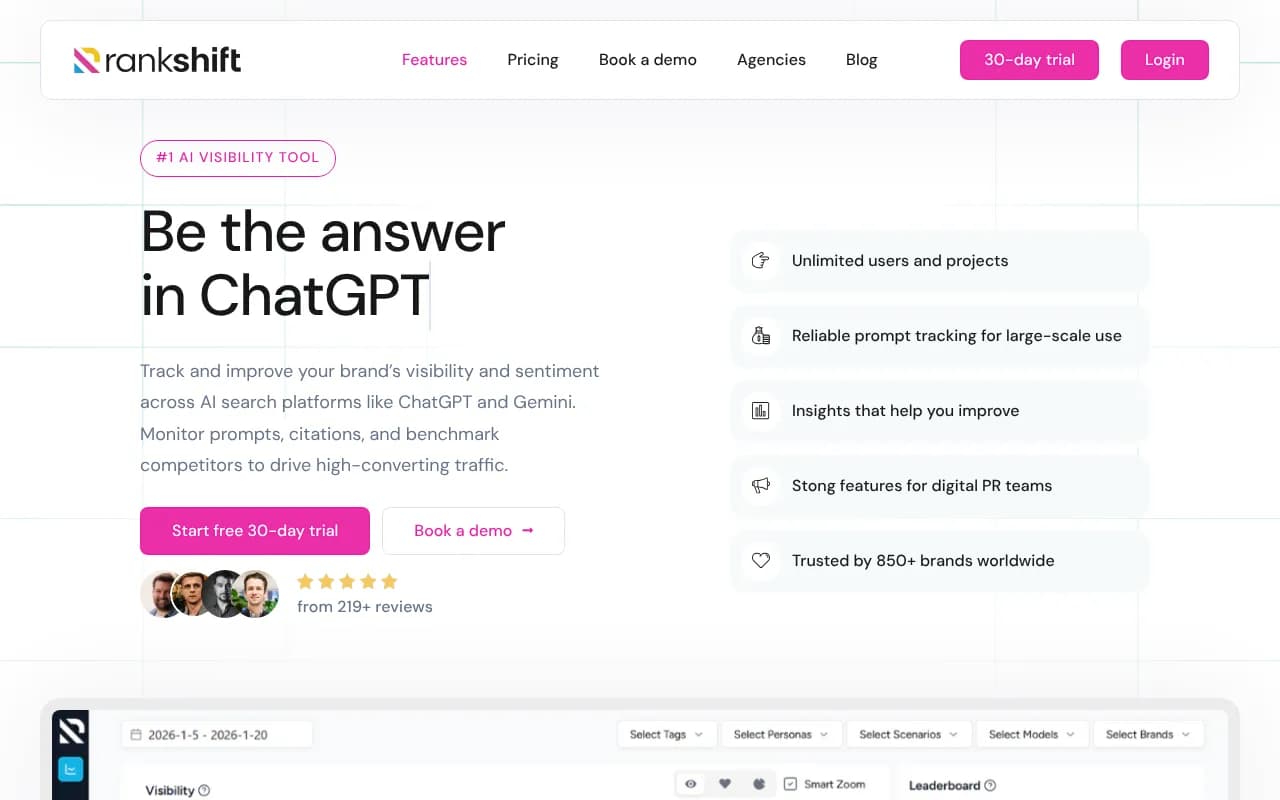
Rankshift covers LLM tracking with a focus on GEO optimization. Worth trialing if you're specifically focused on improving how AI models represent your brand.
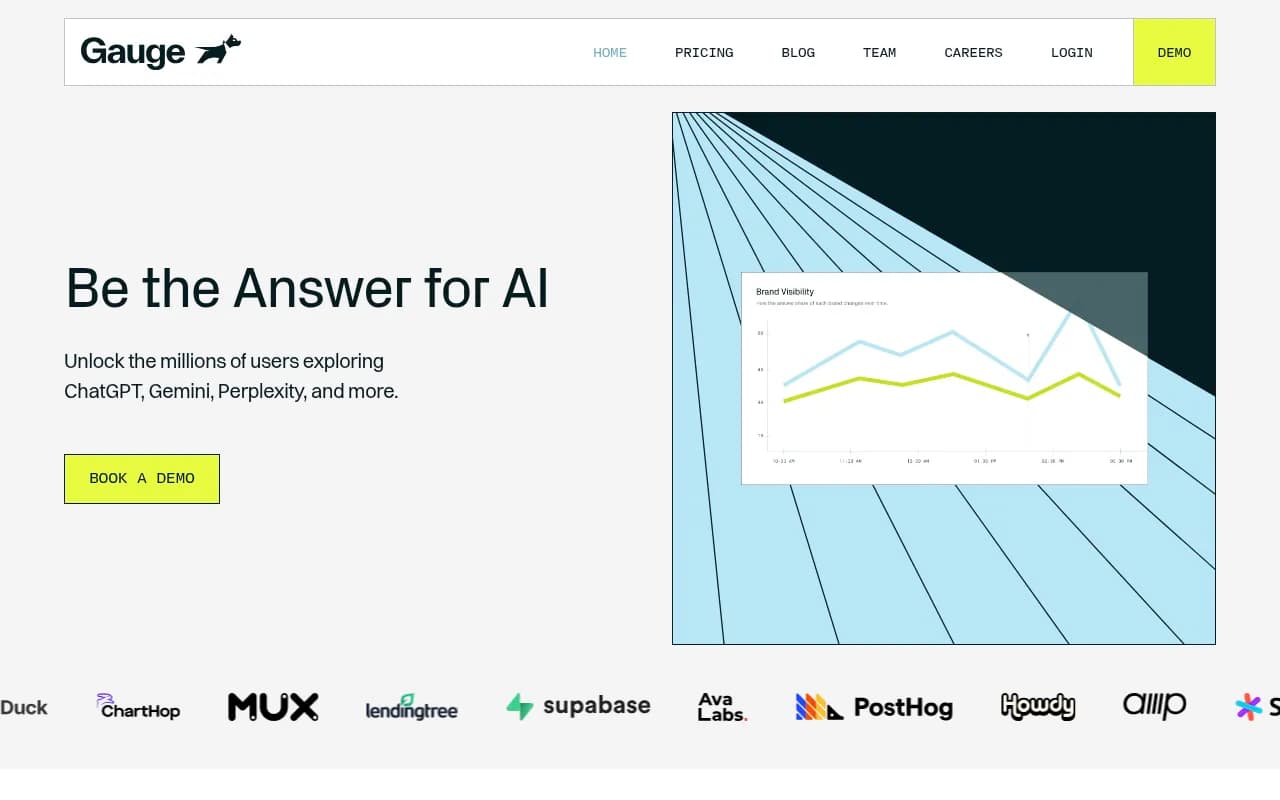
Gauge leans into competitive intelligence -- if understanding why competitors are winning specific prompts is your primary goal, it's worth a look.
Tier 4: Enterprise teams and large agencies ($700+/month or custom)
At the enterprise level, the conversation shifts from "can this tool track AI visibility?" to "can this tool integrate with our existing stack, handle our scale, and give us data we can act on across dozens of markets and brands?"
Most enterprise teams are also dealing with a specific problem: they have the budget for a sophisticated tool, but they've often already bought a monitoring platform that gives them data without direction. The question becomes whether to replace it or layer on top of it.
What to look for at this tier
- API access and custom reporting (Looker Studio integration, etc.)
- Multi-language and multi-region monitoring
- Custom persona tracking (how does a CFO prompt vs. a marketing manager?)
- ChatGPT Shopping tracking if you're in e-commerce
- Reddit and YouTube citation analysis (these sources directly influence AI responses)
- Dedicated support and onboarding
- SSO and enterprise security requirements
Tools worth considering
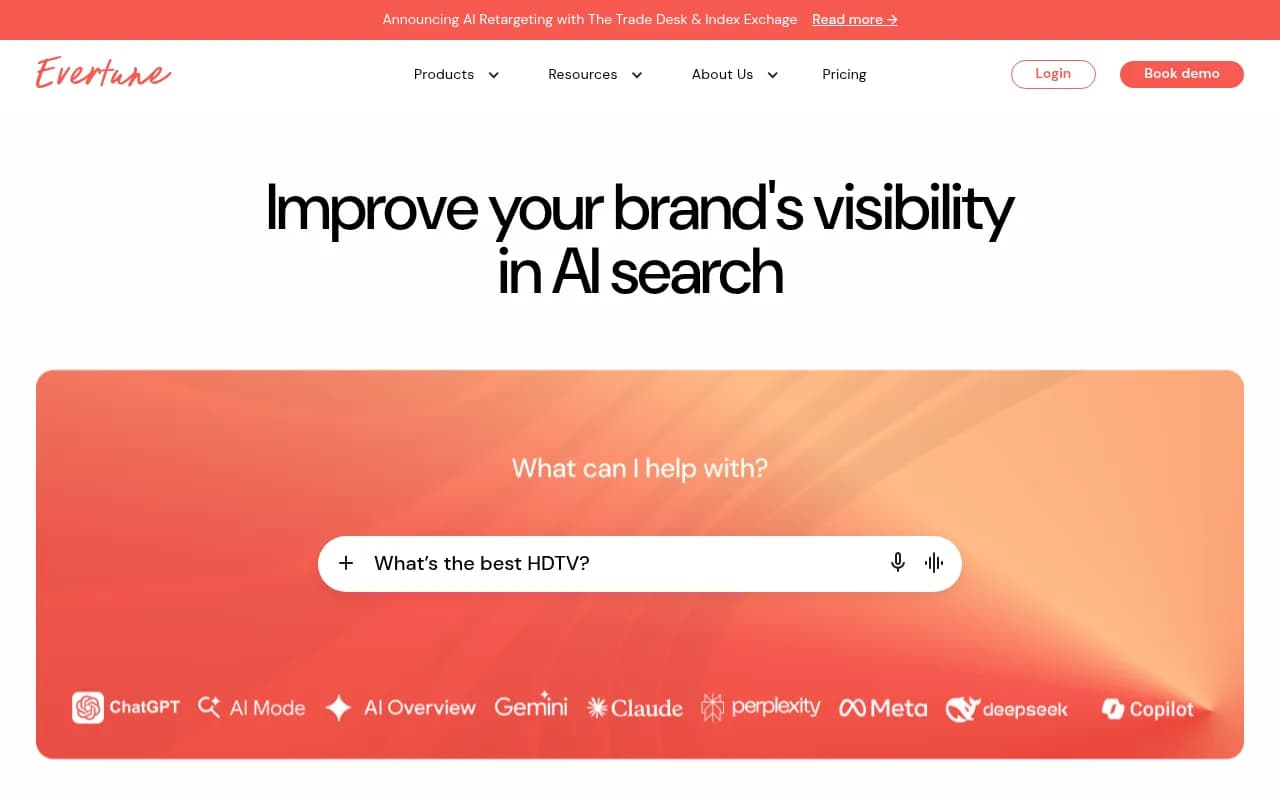
Evertune is positioned squarely at Fortune 500 brands. It has strong GEO insights and enterprise-grade data infrastructure. The tradeoff is price and complexity -- it's not a tool you spin up in an afternoon.
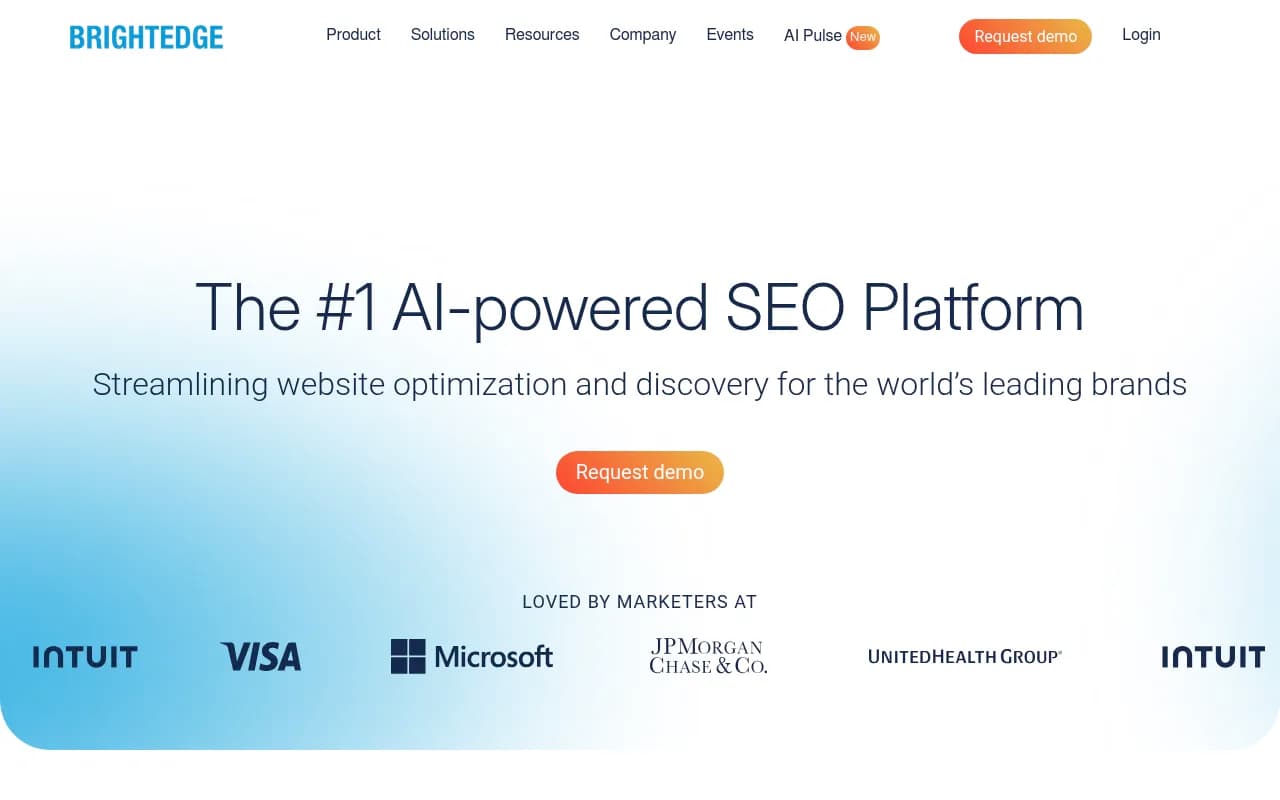
BrightEdge has been an enterprise SEO staple for years and has added AI visibility tracking through its AI Catalyst product. If you're already a BrightEdge customer, it's a natural extension.
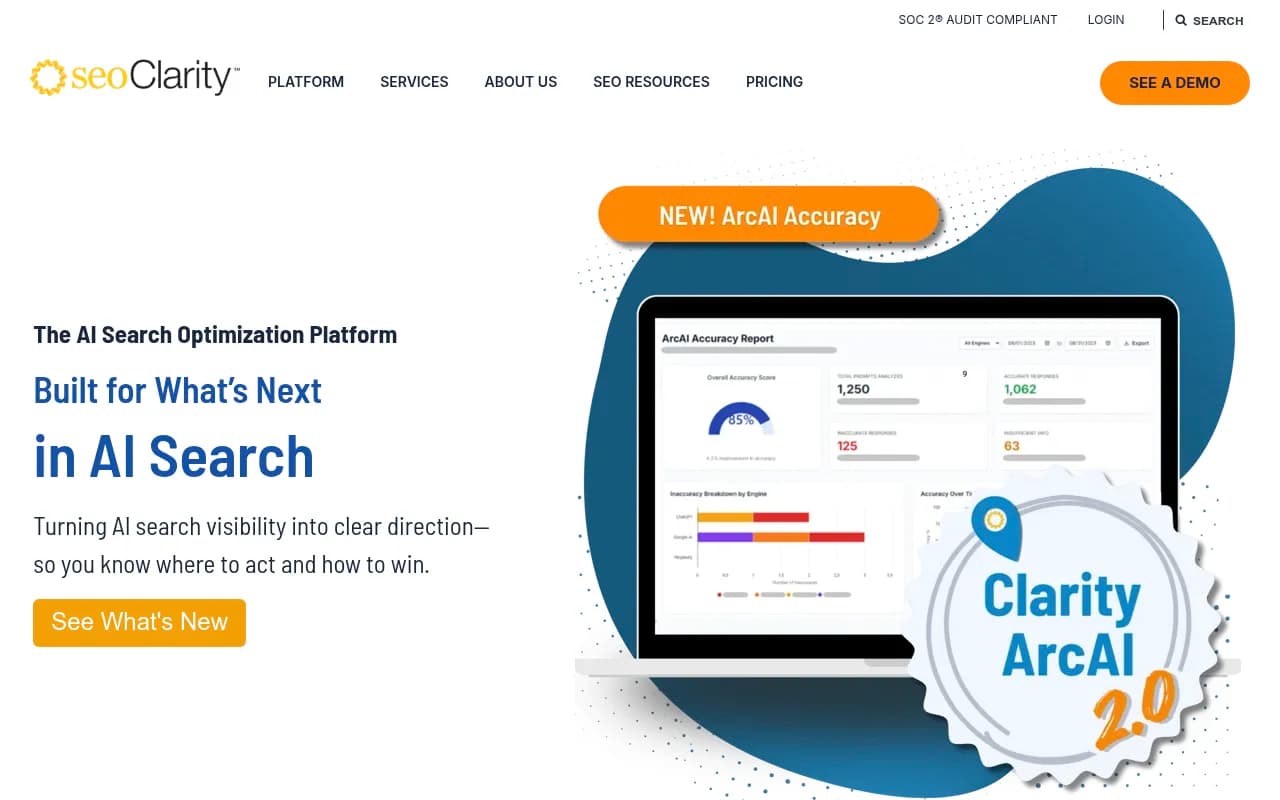
seoClarity is another enterprise SEO platform that has built out AI search visibility tracking. Good for teams that want AI visibility data alongside traditional SEO metrics in one place.
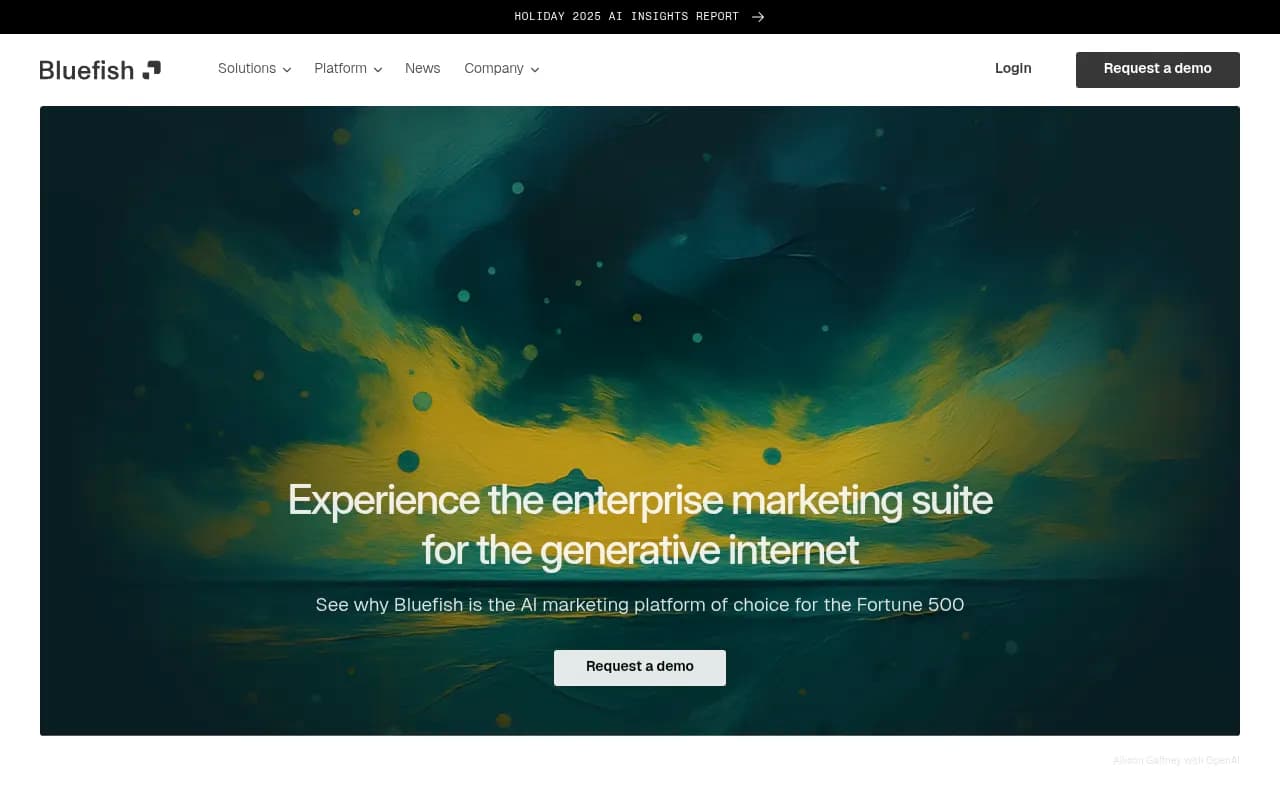
Bluefish targets Fortune 500 brands specifically and has strong enterprise features, though it lacks some of the content optimization capabilities that mid-market teams expect.
For agencies managing many clients at scale, Promptwatch's Business plan ($579/month for 5 sites, 350 prompts, 30 articles) and custom Agency/Enterprise pricing give you the full stack -- tracking, content generation, crawler logs, and attribution -- with the API and Looker Studio integration that enterprise reporting workflows require.
The monitoring-only trap
One pattern worth calling out explicitly: a lot of teams buy a monitoring tool, get excited about the data for a few weeks, and then realize they don't know what to do with it.
You can see that you're invisible for 60 prompts your competitors are winning. Great. Now what?
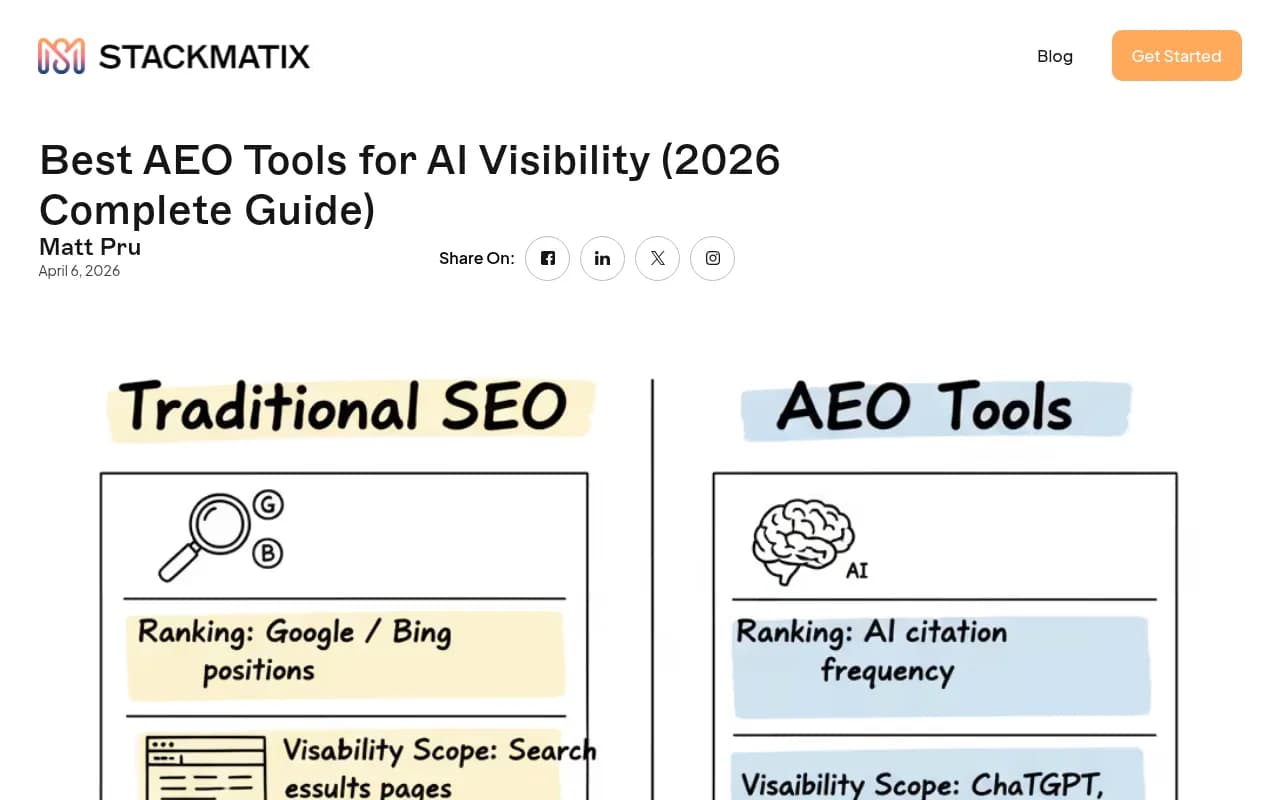
This is the core problem with monitoring-only platforms. They're good at showing you the problem. They're not built to help you solve it. The research from Stackmatix's 2026 AEO tools guide makes this point directly: "In practice the tools overlap significantly for 2026 use cases" -- meaning most tools in the same tier are doing roughly the same thing, which is showing you data.
The tools that stand out are the ones with a clear answer to "what do I do with this data?" That means content gap analysis that shows you specific topics and angles you're missing, content generation that's grounded in actual citation data rather than generic SEO advice, and attribution that closes the loop from content creation to AI visibility improvement to actual traffic.
Matching tool to use case
Beyond team size and budget, your specific use case matters. Here's a quick reference:
| Use case | Recommended tool tier | Key features needed |
|---|---|---|
| "I just want to know if I'm showing up in ChatGPT" | Tier 1 ($0-100) | Basic brand tracking, 2-3 models |
| "I want to track competitors across all major AI models" | Tier 2-3 ($100-300) | Multi-model, competitor share of voice |
| "I want to know what content to create to improve my AI visibility" | Tier 3 ($250-600) | Answer gap analysis, prompt intelligence |
| "I want to generate content that gets cited by AI models" | Tier 3 ($250-600) | AI writing agent, citation-grounded content |
| "I need to understand how AI bots are crawling my site" | Tier 3-4 ($250+) | Crawler logs, indexing error detection |
| "I manage 10+ clients and need white-label reporting" | Tier 4 (custom) | API, Looker Studio, multi-site, agency pricing |
| "I'm in e-commerce and need ChatGPT Shopping tracking" | Tier 3-4 ($250+) | ChatGPT Shopping, product recommendation monitoring |
| "I need multi-language tracking across 5+ countries" | Tier 3-4 ($250+) | Multi-region, multi-language, custom personas |
A note on traditional SEO tools adding AI features
Semrush and Ahrefs have both added AI visibility features to their platforms. If you're already paying for one of these, it's worth checking what's included before buying a dedicated AI visibility tool.
The honest assessment: both are useful for teams that want AI visibility data alongside traditional SEO metrics without adding another subscription. But neither is built primarily for AI visibility. Semrush uses fixed prompts rather than letting you define your own, and Ahrefs Brand Radar has similar constraints plus no AI traffic attribution. They're fine as a starting point, but teams serious about AI search visibility will outgrow them.
How to run a proper tool evaluation
Before committing to any platform, run this process:
- Define 10-15 prompts that represent how your actual customers search for your category. Not generic prompts -- specific ones that reflect real buying intent.
- Sign up for trials of 2-3 tools in your target tier simultaneously.
- Run the same prompts in each tool and compare the results against what you get when you manually query the AI models yourself. This tells you how accurate each tool's data actually is.
- Check whether the tool shows you page-level citation data. "Your brand appeared in 23% of responses" is much less useful than "your /pricing page was cited 47 times by Perplexity this week."
- Ask each vendor specifically: "What do I do when I find a gap?" If the answer is just "create more content," that's not good enough. You want a tool that shows you exactly what content to create and ideally helps you create it.
The bottom line
The AI visibility tool market in 2026 is maturing fast, but it's still uneven. There are genuinely useful platforms at every price point, and there are a lot of dashboards dressed up as strategy tools.
For most teams, the right choice comes down to one question: do you want to know where you stand, or do you want to improve where you stand? If it's the former, almost any tool in your budget tier will do. If it's the latter, you need a platform that combines monitoring with content gap analysis, content generation, and attribution -- and that narrows the field considerably.
The tools that close the loop between "here's where you're invisible" and "here's what to do about it" are the ones worth paying for in 2026.