Key takeaways
- ChatGPT visibility is measured by citations, not keyword rankings -- you need different tools than traditional SEO trackers
- Most tools on the market only monitor; the ones worth paying for help you find gaps and create content to close them
- The market splits into three categories: monitoring-only tools, hybrid SEO+AI tools, and full optimization platforms
- For most marketing teams, the highest ROI comes from tools that connect visibility data to content creation and traffic attribution
- Free tiers exist but are heavily limited -- expect to pay $49-$250/month for anything actionable at scale
Something shifted in 2025 that most marketing teams are still catching up to. According to Forbes, roughly 60% of organic traffic now comes directly from AI-generated responses rather than traditional blue links. People ask ChatGPT a question, get an answer, and never click through to Google at all.
That means ranking on page one of Google is no longer enough. If ChatGPT doesn't cite your brand when someone asks a relevant question, you're invisible to a huge chunk of your potential audience -- and you might not even know it.
The problem is that most SEO tools weren't built for this. They track keyword positions, not AI citations. They audit your site structure, not whether Perplexity or Claude actually mentions you. A whole new category of tools has emerged to fill that gap, and the quality varies enormously.
This guide breaks down what's actually worth using in 2026, organized by what you're trying to accomplish.
What "ranking in ChatGPT" actually means
Before getting into tools, it's worth being precise about what we're tracking. ChatGPT doesn't have a results page. There's no position 1 or position 10. Instead, when someone asks a question, the model generates a response and may cite specific sources -- websites, articles, Reddit threads, YouTube videos -- that informed its answer.
"Ranking" in this context means being cited. It means your brand name appears in the response, or your URL is listed as a source, or your content is the basis for the answer the model gives.
This is fundamentally different from traditional SEO. The signals that drive citations include:
- Whether AI crawlers can access and read your content
- Whether your content directly answers the kinds of questions people ask AI models
- Whether you're cited on third-party sources (Reddit, review sites, industry publications) that AI models trust
- Whether your content covers topics at the right depth and specificity
Most ChatGPT rank tracking tools measure whether you're being cited. The better ones also tell you why you're not being cited and what to do about it.
The three types of tools in this space
The market has split into three fairly distinct categories, and knowing which one you need saves a lot of time.
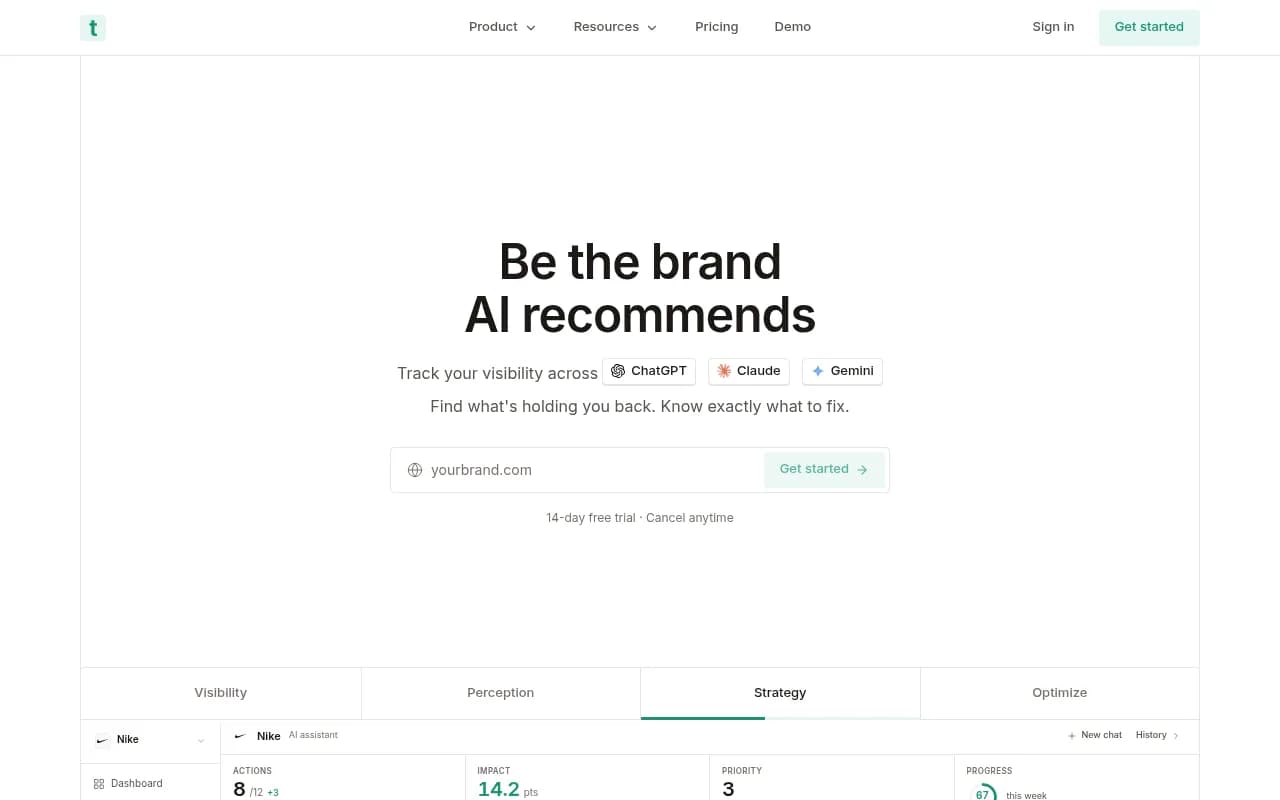
Monitoring-only tools
These tools query AI models with a set of prompts and report back whether your brand appeared. They're useful for awareness -- you get a dashboard showing your "AI visibility score" over time, how you compare to competitors, and which prompts you're winning or losing.
The limitation is that they stop there. You see the data, but the tool doesn't help you do anything about it. You're left figuring out why you're not appearing and what content to create.
Tools in this category include Otterly.AI, Peec AI, Trakkr.ai, and several others. They're often cheaper and easier to get started with.


Hybrid SEO + AI tools
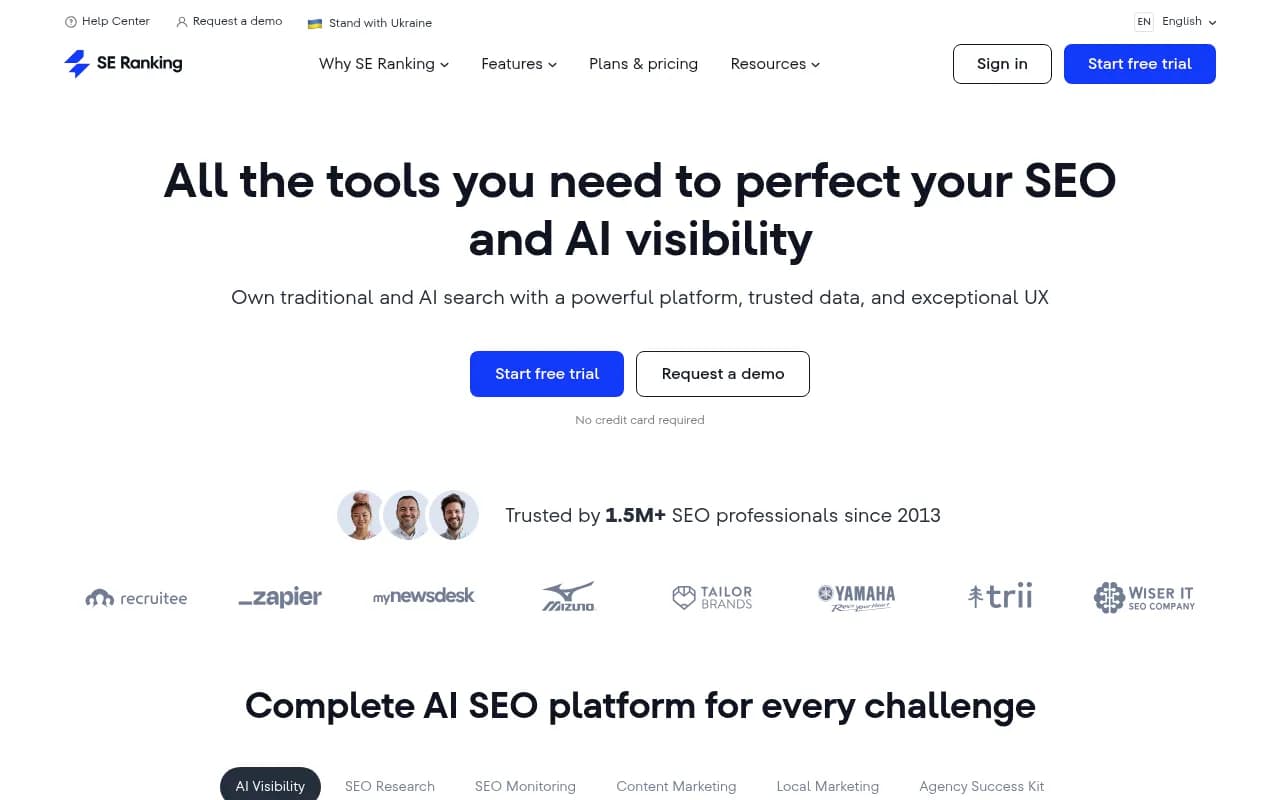
Traditional SEO platforms like SE Ranking and Semrush have added AI visibility modules to their existing toolsets. If you're already paying for one of these platforms, the AI tracking features are a reasonable addition. The downside is that AI visibility is often a secondary feature, not the core product -- so depth and specificity tend to be limited compared to dedicated tools.
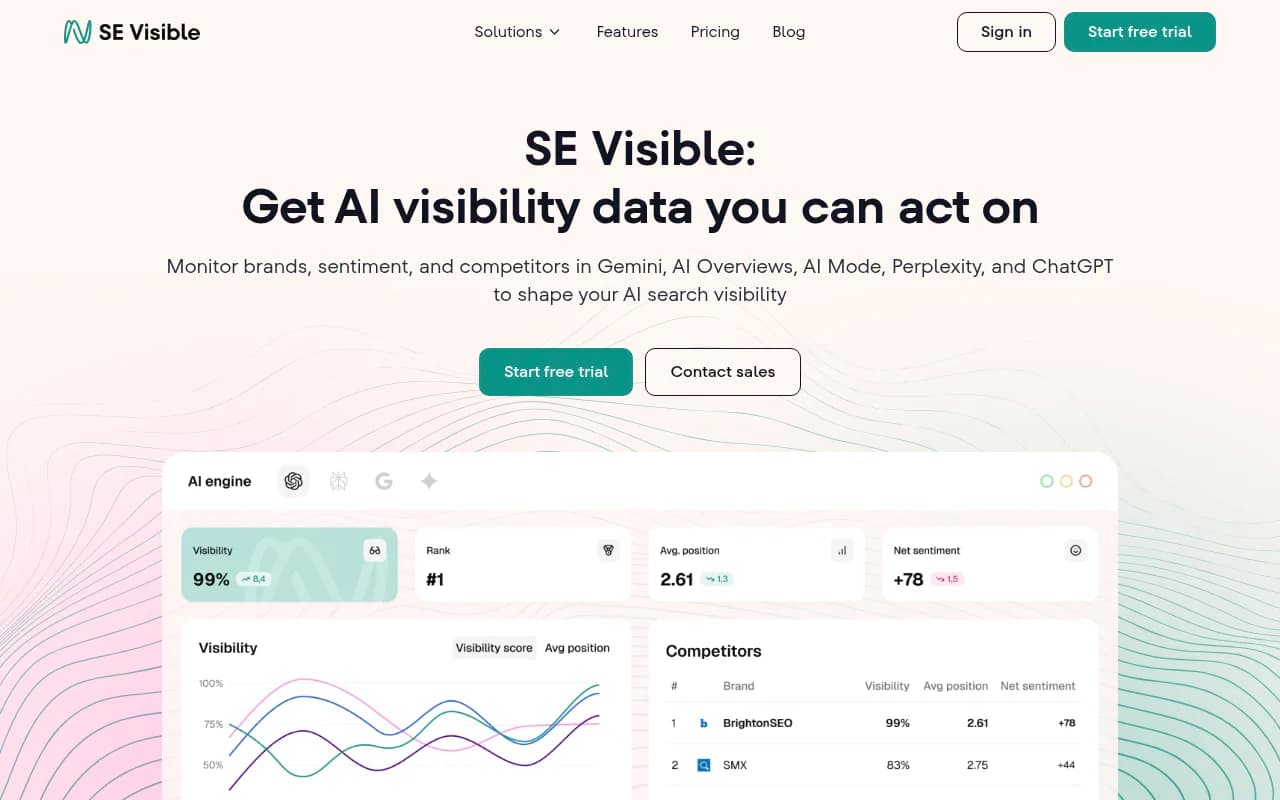
SE Ranking's AI visibility product (SE Visible) is one of the more developed hybrid options, with sentiment tracking, competitor benchmarks, and source analysis built in.
Full optimization platforms
This is where the real action is. These platforms don't just show you where you're invisible -- they help you find the specific content gaps causing it, generate content to fill those gaps, and track whether your visibility improves as a result.
Promptwatch sits in this category. It's built around a loop: find gaps with Answer Gap Analysis, create content with the built-in AI writing agent, and track results with page-level citation tracking and traffic attribution. It's the approach that actually moves the needle rather than just reporting on the problem.

Tool-by-tool breakdown
Here's a closer look at the platforms worth knowing about, organized roughly by use case.
For tracking citations and brand mentions
Promptwatch monitors 10 AI models (ChatGPT, Perplexity, Claude, Gemini, Grok, DeepSeek, Copilot, Meta AI, Mistral, and Google AI Overviews) and tracks which of your pages are being cited, how often, and by which models. The crawler log feature is particularly useful -- it shows you in real time when AI crawlers visit your site, which pages they read, and whether they encounter errors. Most competitors don't offer this at all.
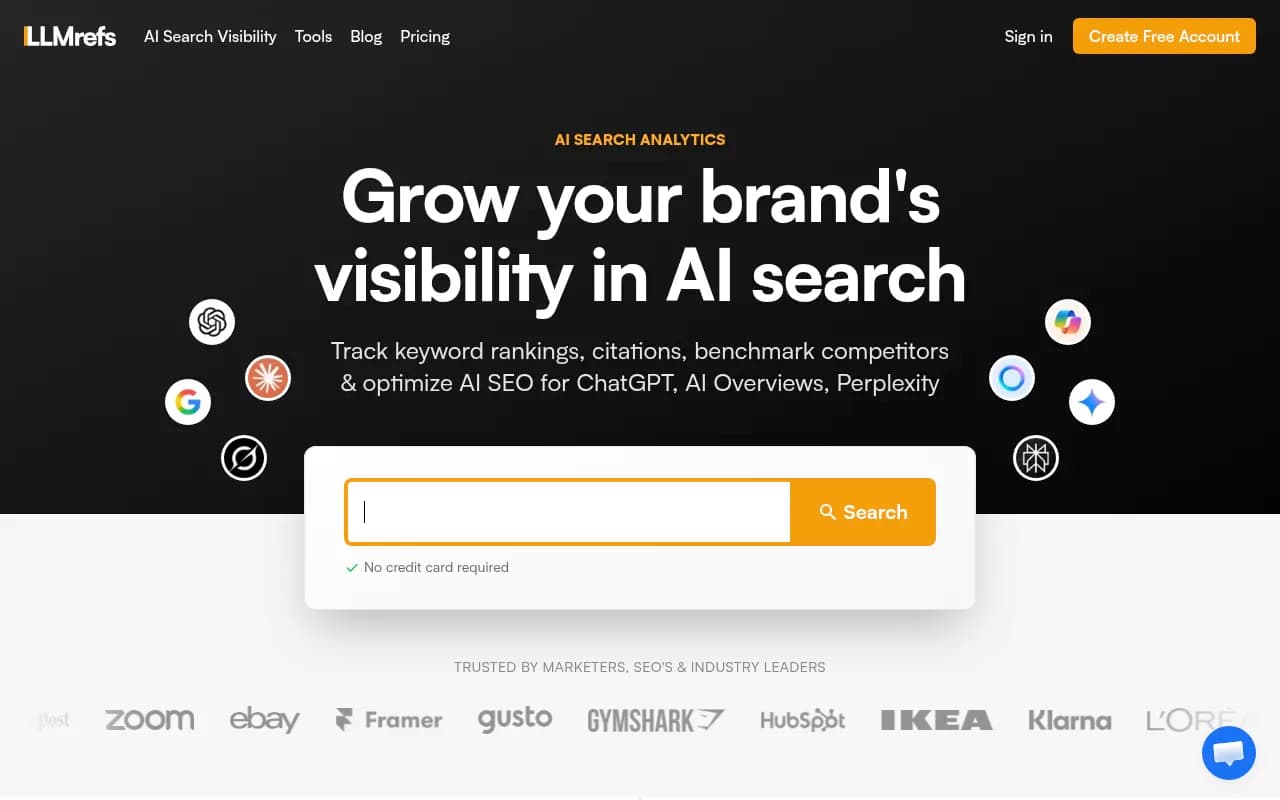
LLMrefs is a simpler citation tracker focused on monitoring brand mentions across ChatGPT and Perplexity. Good for teams that want a lightweight tool without a lot of configuration.
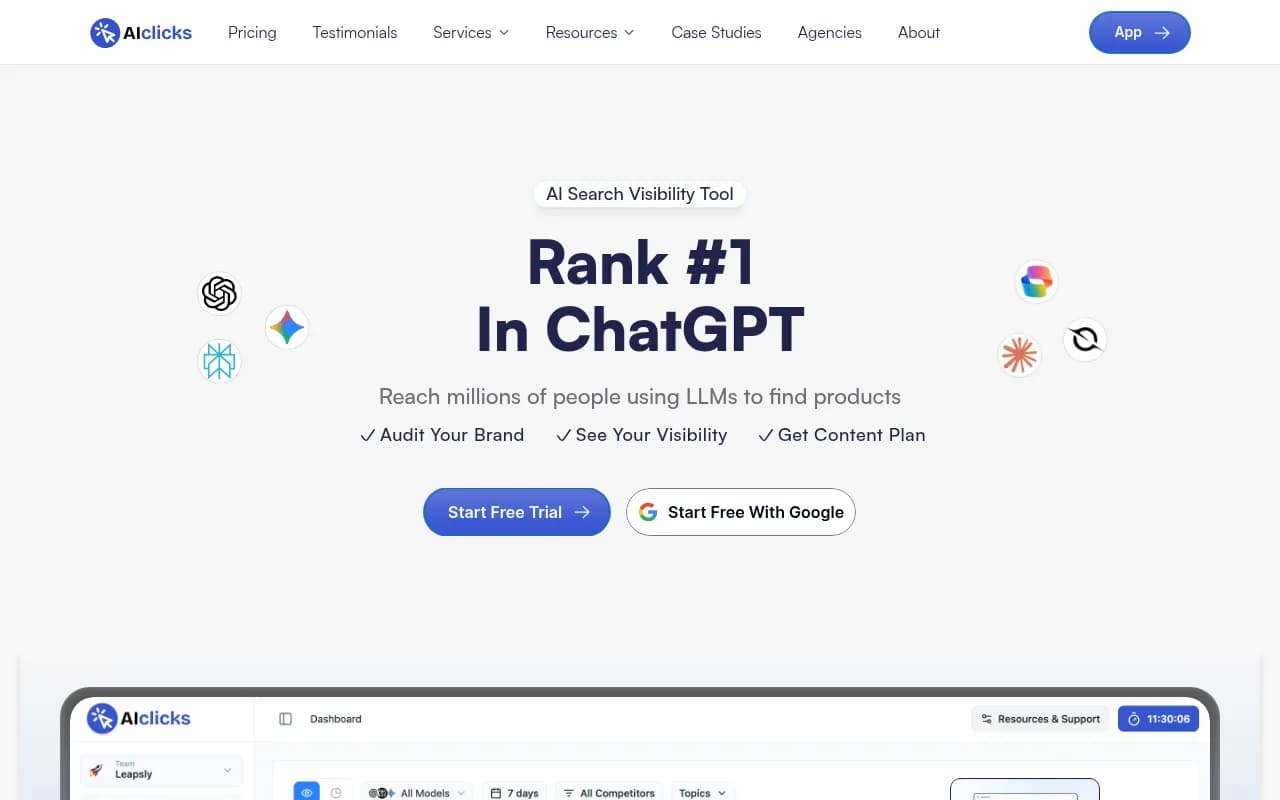
AIClicks positions itself as a monitoring tool with competitive benchmarking. It's been recommended by several roundups for teams focused on purchase-stage visibility -- tracking whether your brand appears when someone asks "what's the best [product category]?"
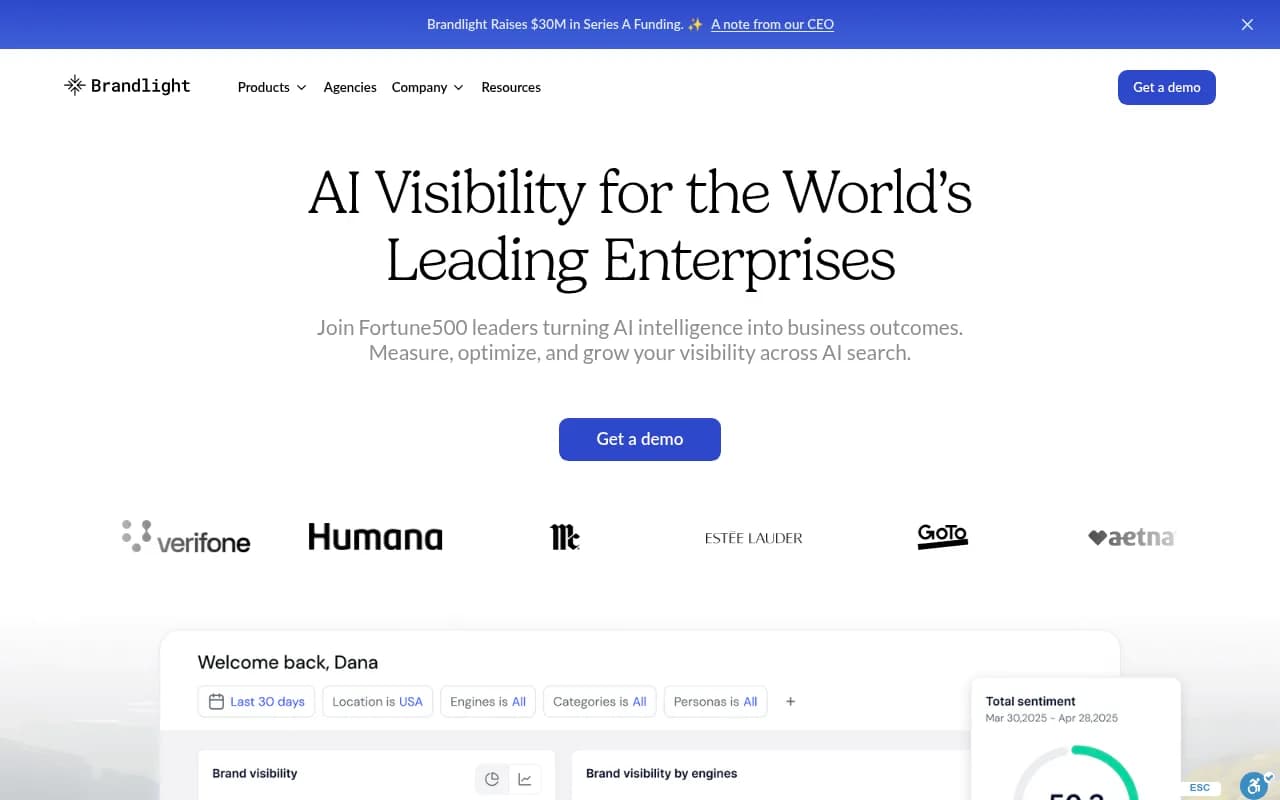
Brandlight focuses specifically on AI brand visibility and reputation, tracking how your brand is described (not just whether it appears) across AI models.
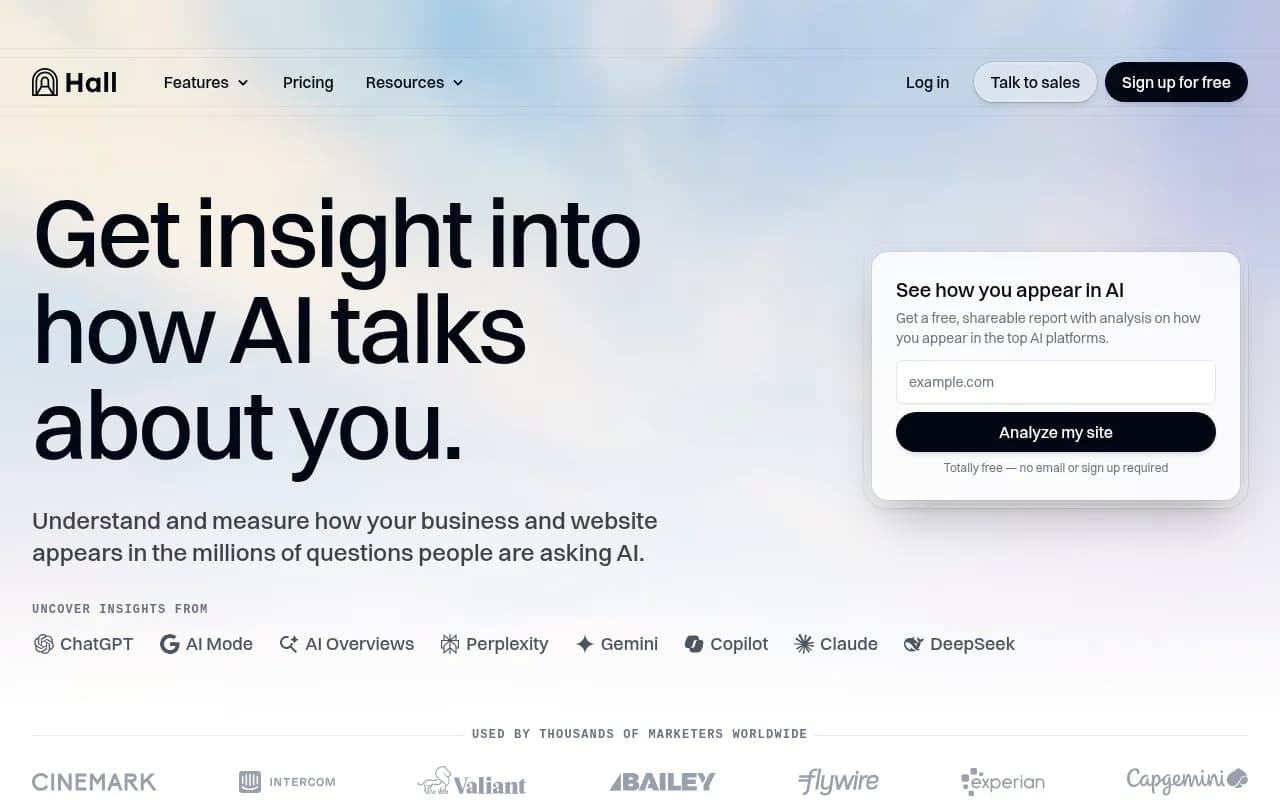
Hall AI tracks how AI platforms cite and describe your brand, with a focus on narrative accuracy -- useful if you're concerned about AI models saying inaccurate things about your company.
For finding content gaps
This is where most tools fall short. Knowing you're not appearing for a prompt is one thing. Knowing exactly what content you need to create to start appearing is another.
Promptwatch's Answer Gap Analysis shows you the specific prompts where competitors are visible but you're not. You see the actual questions, the volume estimates, and the difficulty scores -- so you can prioritize which gaps are worth closing first.
AthenaHQ also has gap analysis features, though it's more monitoring-focused overall and lacks content generation capabilities.

Profound is worth mentioning here. It's a solid enterprise-grade platform with strong visibility tracking and some gap analysis features. The pricing reflects the enterprise positioning.

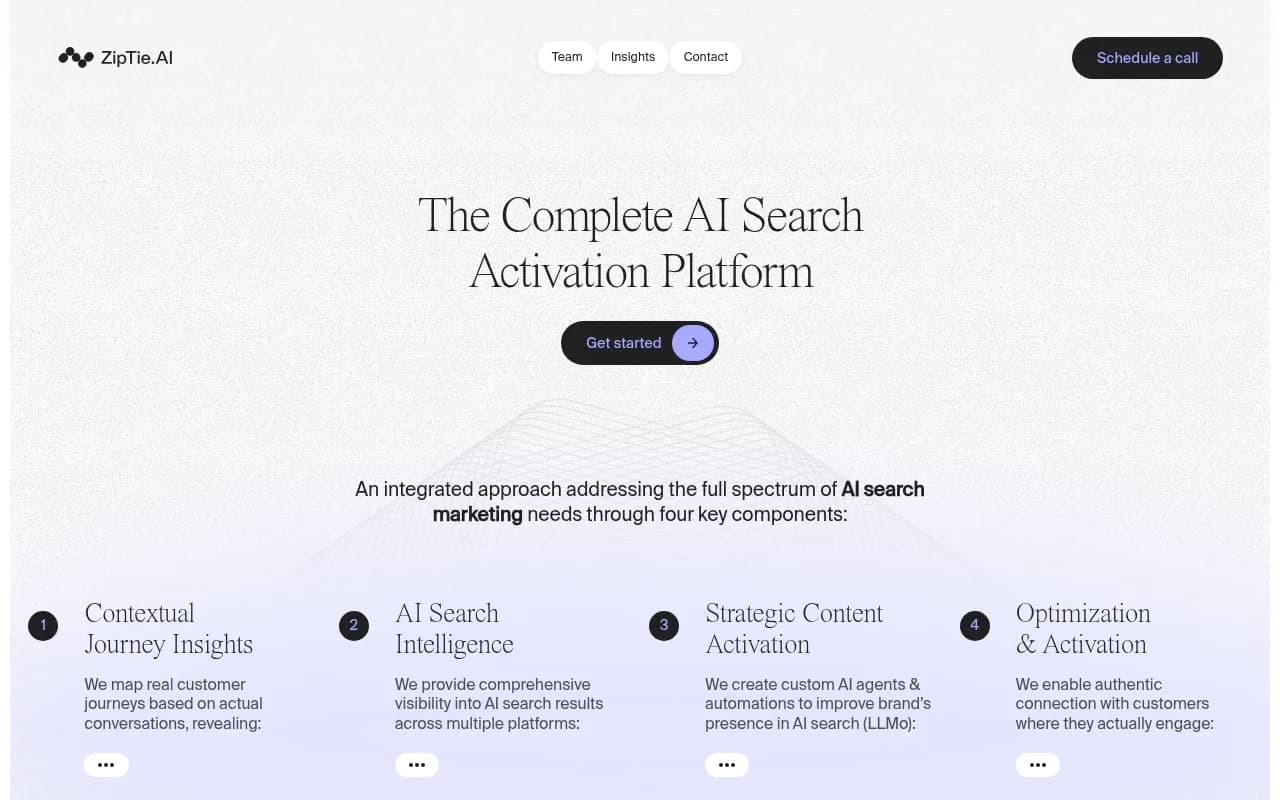
ZipTie offers deep analysis for AI search visibility, including citation optimization recommendations. The credit-based billing model can get expensive at scale.
For creating content that gets cited
This is the piece most tools skip entirely. Once you know what content you're missing, you still have to create it -- and generic AI-written content doesn't get cited. AI models cite content that's specific, authoritative, and directly answers the questions people ask.
Promptwatch's built-in AI writing agent generates articles grounded in real citation data. It analyzes which sources AI models actually cite, what angles they prefer, and what depth of coverage tends to get referenced -- then uses that to produce content engineered for citation rather than just keyword density.
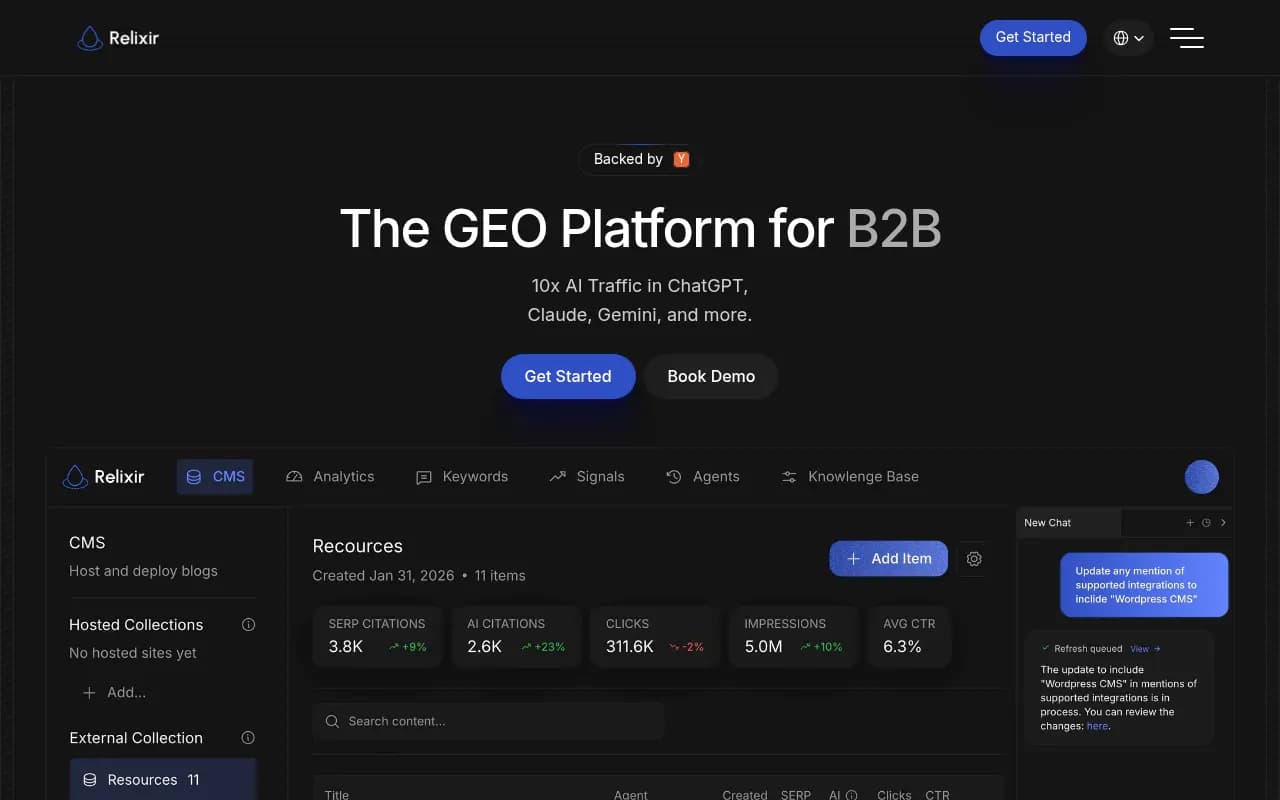
Relixir is another platform in this space, positioning itself as an AI-native CMS with autonomous content generation for GEO.
Whitebox takes an agentic approach -- it identifies AI narrative gaps and automatically generates and publishes fixes. Worth watching, though the fully autonomous approach requires careful oversight.
SnowSEO auto-generates content specifically for AI visibility, with a focus on getting brands cited in AI responses.
For tracking AI traffic and revenue attribution
This is the hardest problem in the space and most tools don't solve it. You can see that ChatGPT cited your page, but did anyone actually click through? Did they convert?
Promptwatch handles this through three methods: a JavaScript snippet, Google Search Console integration, and server log analysis. You can see which AI-referred visitors converted and connect your visibility improvements to actual revenue.
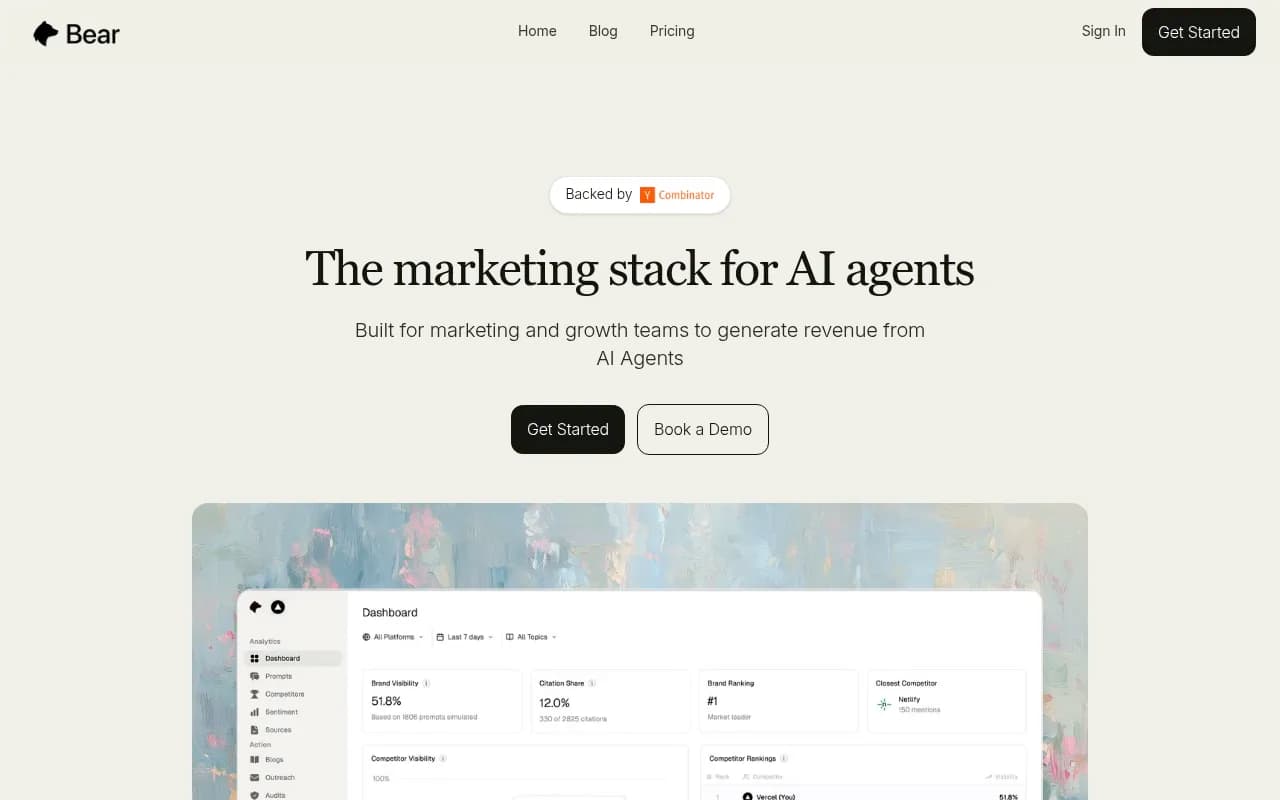
Bear AI focuses specifically on converting AI search traffic into revenue, with attribution features built around the AI referral journey.
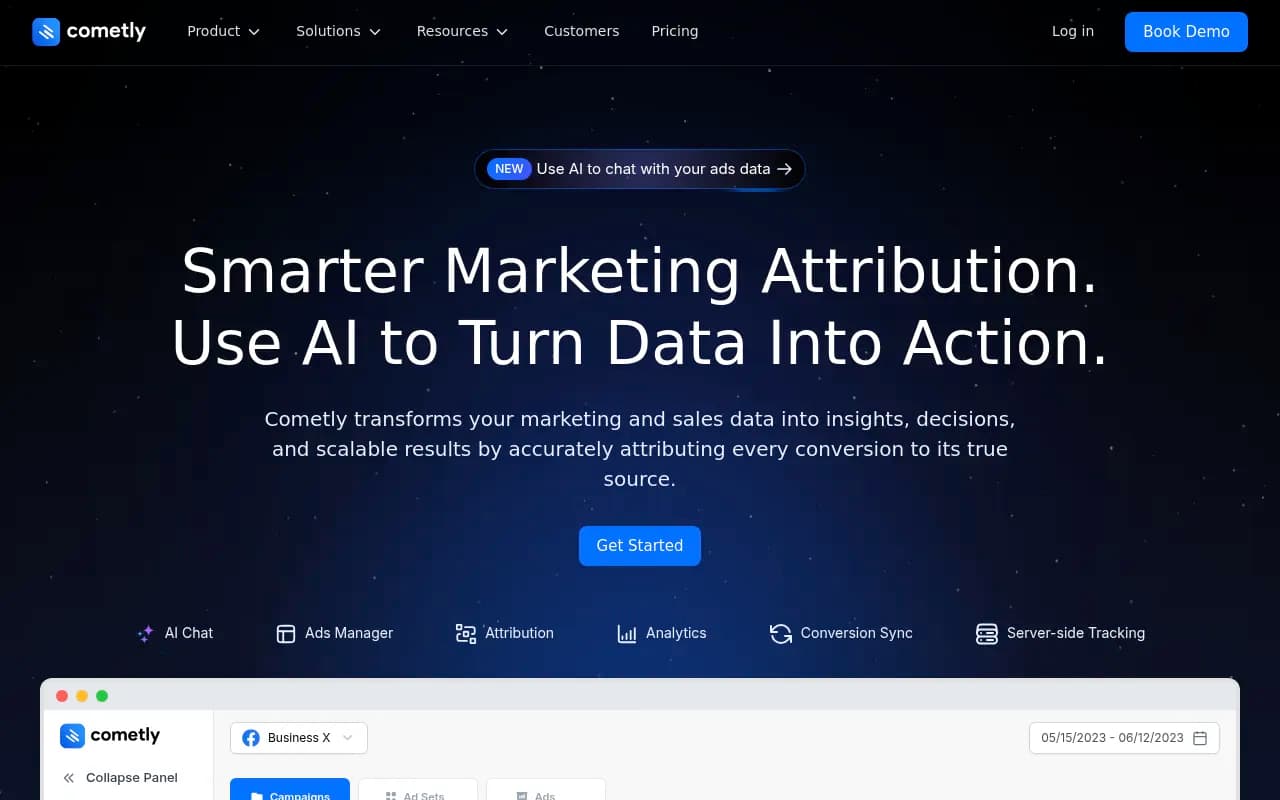
Cometly combines marketing attribution with AI visibility optimization, useful for teams that want everything in one place.
For agencies managing multiple brands
Several tools are built specifically for the agency use case -- managing AI visibility across many clients simultaneously.
Otterly.AI is popular with agencies for its multi-brand monitoring and white-label reporting. The lower price point ($29/month) makes it accessible, though the depth of analysis is limited compared to more expensive options.
Search Party is agency-oriented with strong workflow features, though it lacks prompt volume metrics and content gap analysis.
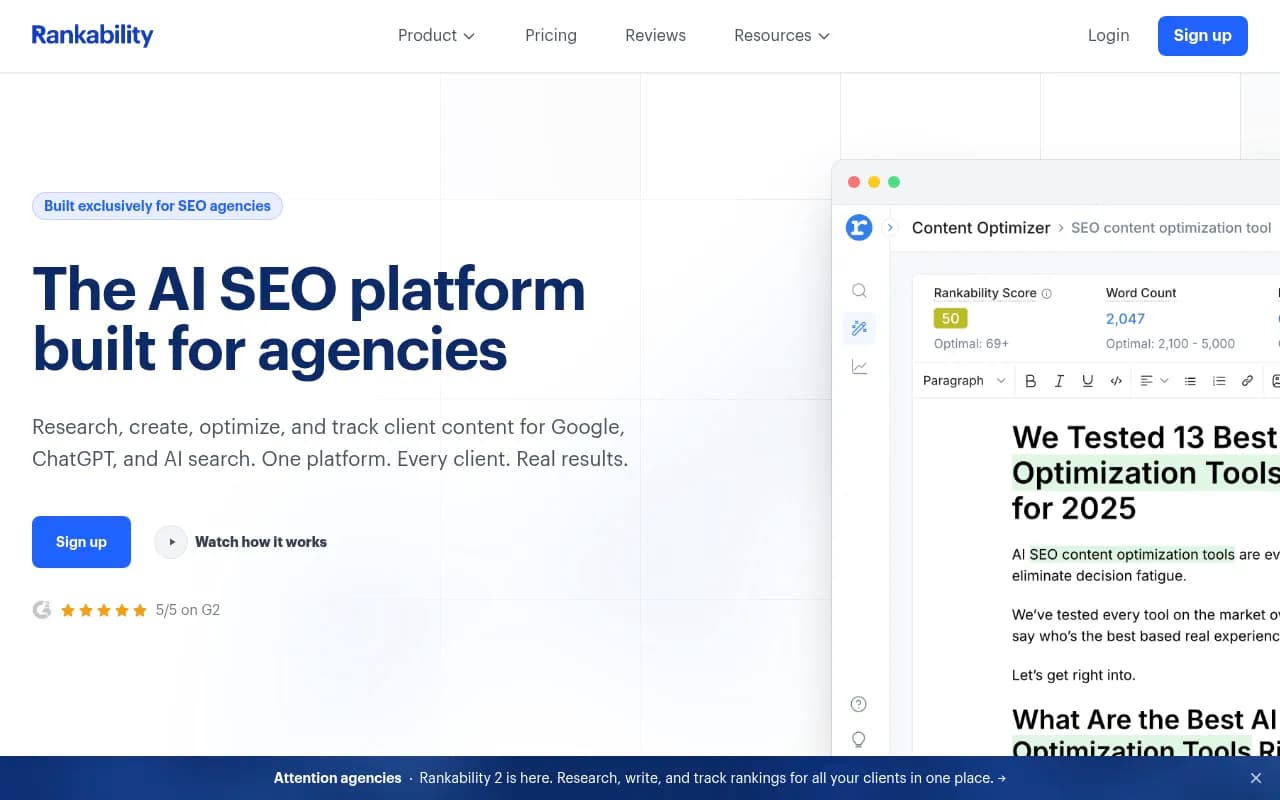
Rankability is positioned specifically for agencies, with analytics and reporting features designed for client presentations.
Promptwatch also has agency and enterprise pricing with multi-site support and API access for custom workflows.
Comparison table
| Tool | Monitoring | Gap analysis | Content generation | Traffic attribution | AI crawler logs | Starting price |
|---|---|---|---|---|---|---|
| Promptwatch | Yes (10 models) | Yes | Yes | Yes | Yes | $99/mo |
| Profound | Yes | Partial | No | No | No | $99/mo |
| Otterly.AI | Yes | No | No | No | No | $29/mo |
| SE Visible | Yes | No | No | No | No | $189/mo |
| AthenaHQ | Yes | Partial | No | No | No | Custom |
| AIClicks | Yes | No | No | No | No | Free / paid |
| Relixir | Yes | Yes | Yes | No | No | Custom |
| ZipTie | Yes | Partial | No | No | No | $69/mo |
| Peec AI | Yes | No | No | No | No | Freemium |
| LLMrefs | Yes | No | No | No | No | Freemium |
What actually moves the needle
Tracking tools are useful, but visibility in AI search is ultimately a content problem. AI models cite sources because those sources have the best answer to a specific question. If your content doesn't exist, or exists but is too generic, or exists but AI crawlers can't access it, you won't be cited regardless of how good your tracking dashboard looks.
The practical steps that improve ChatGPT visibility:
Fix crawler access first. If AI crawlers are blocked by your robots.txt or hitting errors on key pages, nothing else matters. Tools like Promptwatch's crawler logs show you exactly what's happening when ChatGPT or Perplexity tries to read your site.
Map the questions your audience actually asks AI models. These are different from traditional search queries. They're longer, more conversational, and often more specific. Prompt intelligence tools give you volume estimates and difficulty scores so you can prioritize.
Create content that directly answers those questions. Not blog posts optimized for keywords, but pages that give a complete, specific answer to a single question. Think FAQ pages, comparison pages, "best X for Y" articles, and detailed how-to guides.
Build authority on third-party sources. AI models heavily cite Reddit, review sites, industry publications, and YouTube. Getting mentioned on those platforms matters as much as optimizing your own site. Promptwatch's Reddit and YouTube insights surface the specific discussions that are influencing AI recommendations in your category.
Track and iterate. Visibility changes slowly -- usually over weeks, not days. Page-level tracking shows which specific pieces of content are getting cited and which aren't, so you can double down on what's working.
Tools worth knowing about (quick mentions)
A few more tools that didn't fit neatly into the categories above but are worth being aware of:
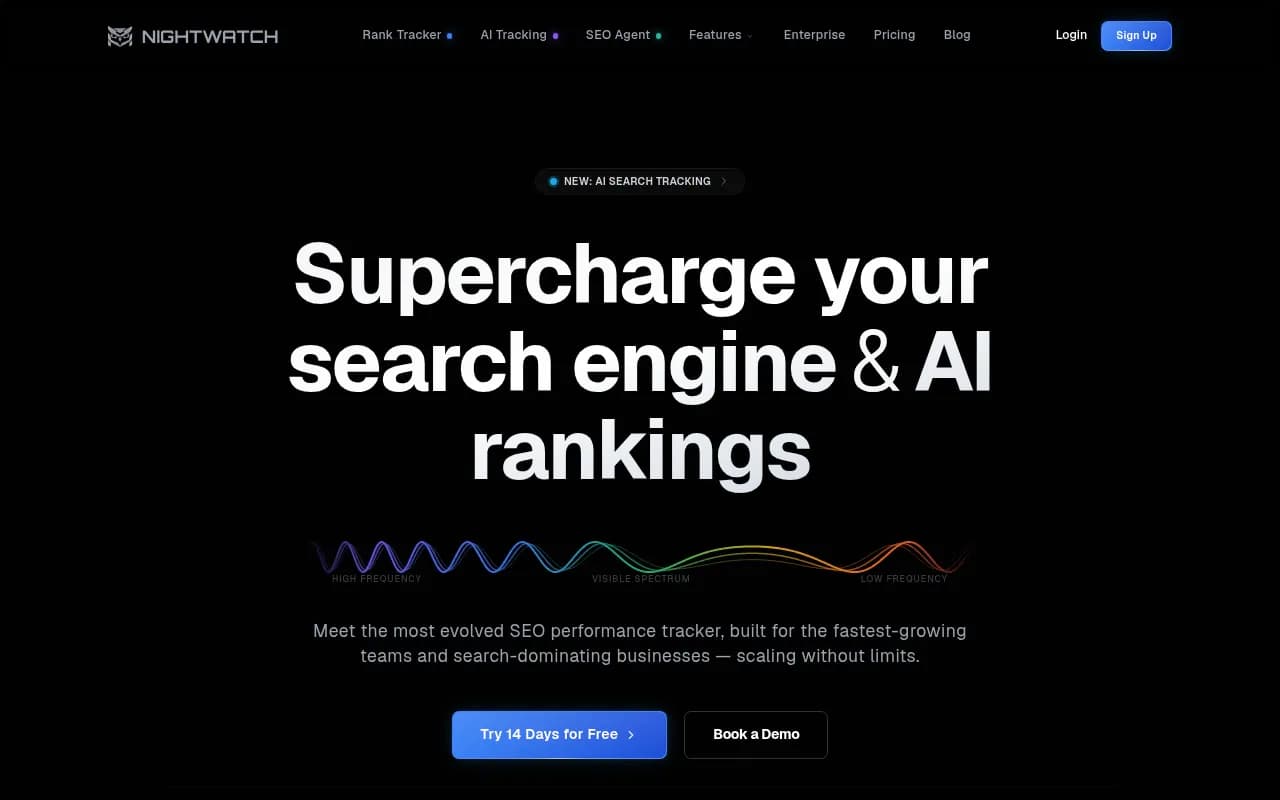
Nightwatch offers hybrid SEO + AI tracking with a separate AI add-on ($99/month on top of the base plan). Good for teams that want traditional rank tracking alongside AI visibility in one interface.
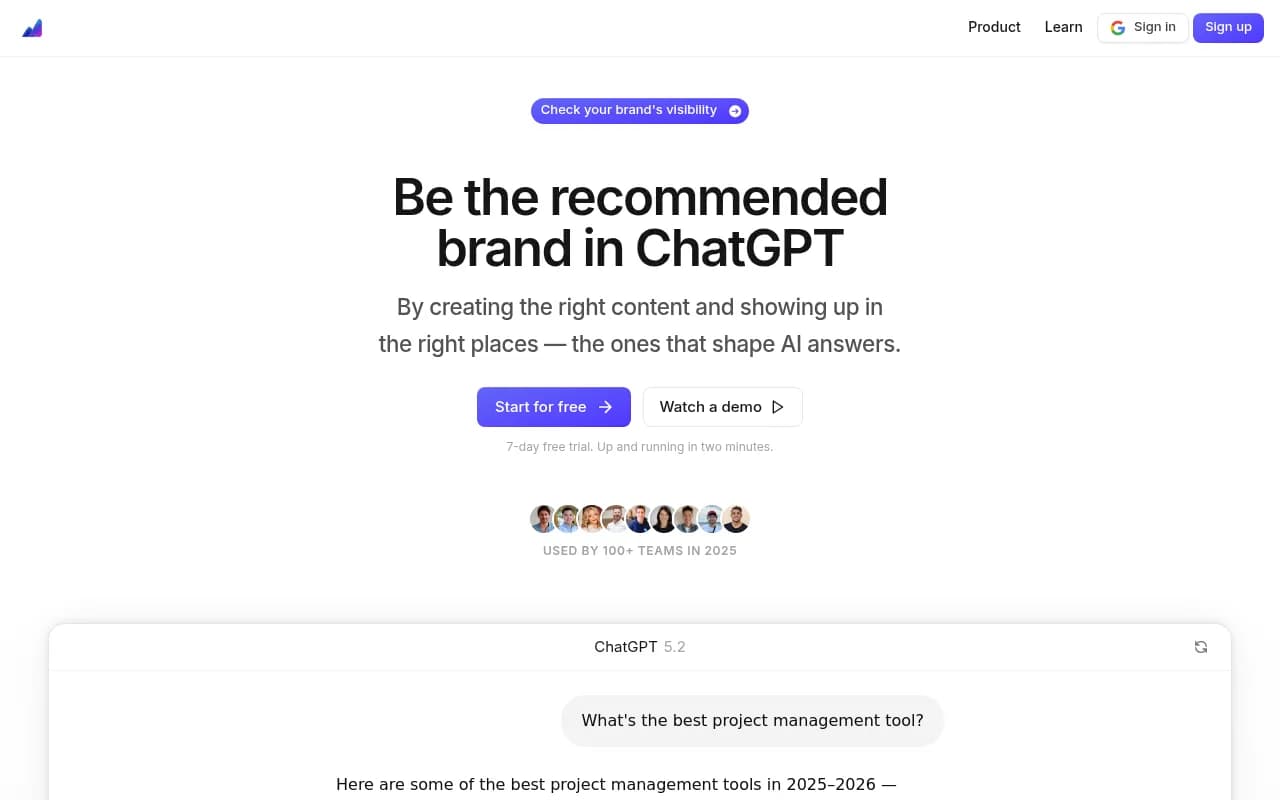
Airefs is an affordable option for smaller teams just getting started with AI visibility tracking.
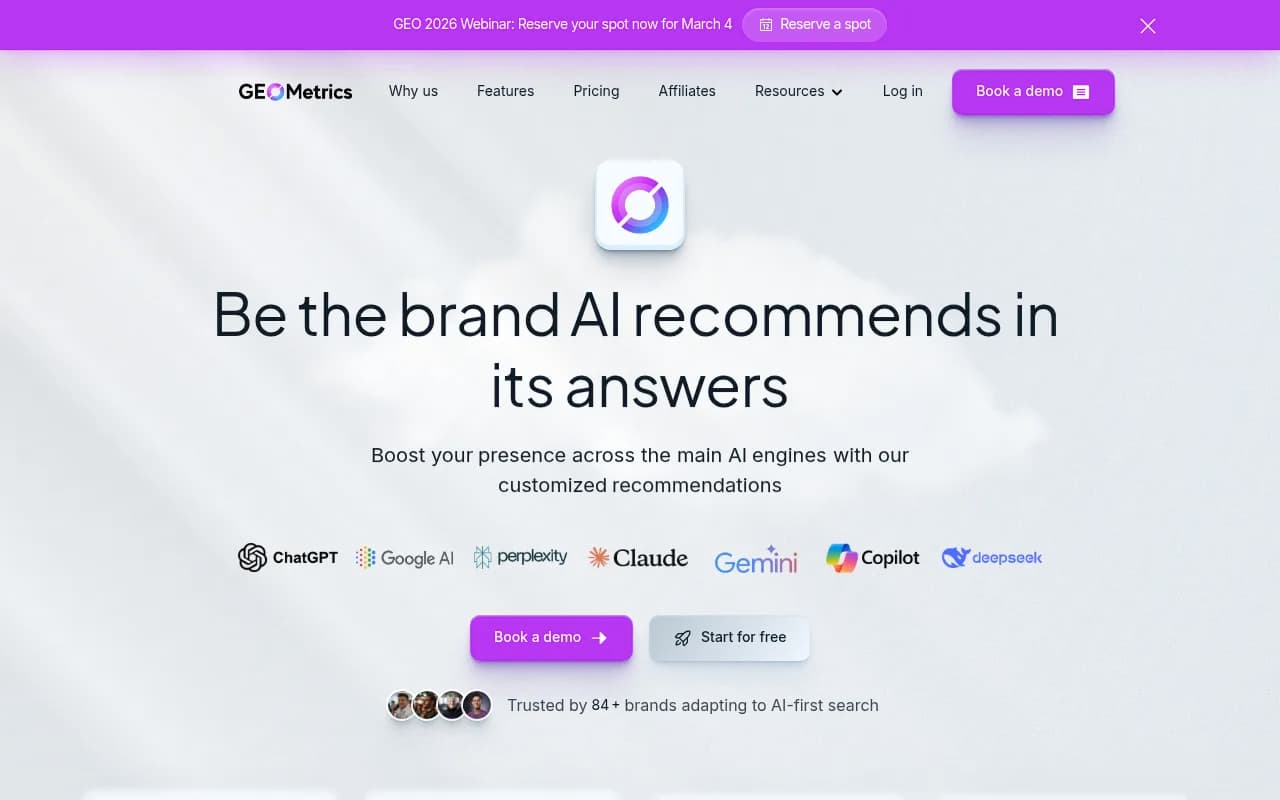
GEO Metrics focuses specifically on tracking how ChatGPT and Gemini mention your brand, with a clean interface and straightforward pricing.
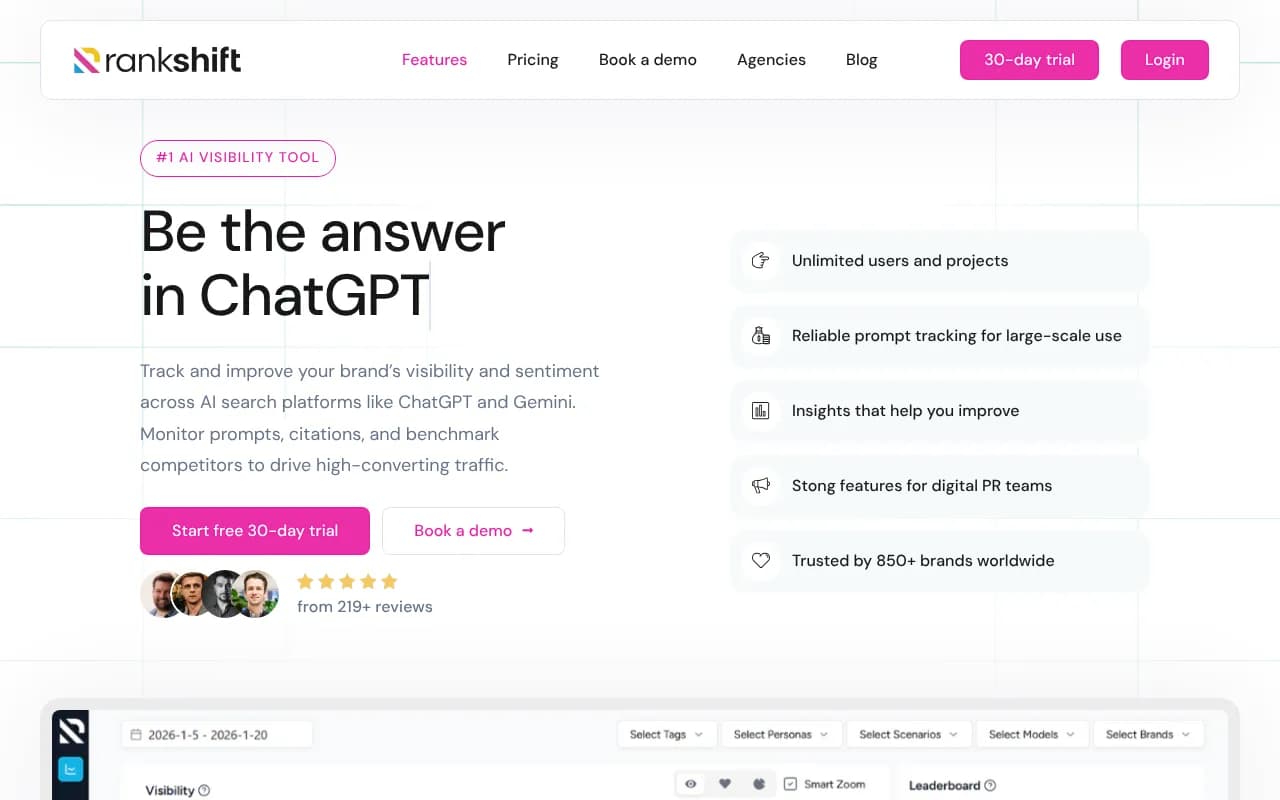
Rankshift is a newer entrant focused on LLM tracking for GEO, worth watching as the space matures.
Conductor has added persona customization to its AI visibility tracking -- useful for brands whose customers prompt AI models in very different ways depending on their role or context.
Gauge focuses on competitive intelligence for AI visibility, showing you not just where you stand but why competitors are winning specific prompts.
How to choose
The right tool depends on where you are in the process.
If you're just starting out and want to understand your current AI visibility before committing to a paid tool, start with a free tier from Peec AI, LLMrefs, or AIClicks. You'll get a rough sense of where you stand.
If you're ready to take action and want a platform that goes beyond monitoring, Promptwatch is the most complete option -- it's the only platform that handles tracking, gap analysis, content generation, and traffic attribution in one place. The Essential plan at $99/month covers one site with 50 prompts and 5 AI-generated articles per month, which is enough to get started and see real results.
If you're an enterprise with complex needs and a large budget, Profound and BrightEdge AI Catalyst are worth evaluating alongside Promptwatch's Business and Enterprise tiers.
If you're an agency managing multiple clients, Otterly.AI's low price point makes it easy to add to your stack, but you'll likely hit its limits quickly. Promptwatch's agency pricing is worth a conversation if you're managing more than a handful of brands.
The one thing I'd push back on is the instinct to just pick a monitoring tool and call it done. Knowing you're invisible is only useful if you do something about it. The tools that help you close the loop -- find the gap, create the content, track the result -- are the ones that actually justify their cost.