Key takeaways
- Over 58.5% of Google searches now end without a click, and 83% of AI-generated queries resolve entirely on the results page -- meaning visibility in AI answers matters more than ranking.
- Only 30% of brands stay visible from one AI answer to the next, and just 20% remain present across five consecutive runs of the same query.
- About 48% of AI citations come from community platforms like Reddit and YouTube -- not brand websites.
- Pages not updated quarterly are 3x more likely to lose citations; structured content with sequential headings and rich schema gets cited 2.8x more often.
- The brands winning AI search aren't just monitoring -- they're finding gaps, creating content engineered for citations, and tracking results in a closed loop.
Why AI search visibility is now a growth channel
Not long ago, "search visibility" meant one thing: your position on a Google results page. You ranked, people clicked, traffic came in. Simple enough.
That model is breaking down fast. A 2026 survey of 100+ digital marketing professionals across 20+ countries found that 76% say the SERP has become an "answer layer" -- a place where queries get resolved without anyone visiting your site. And 65% named AI-driven changes as their single biggest SEO challenge.
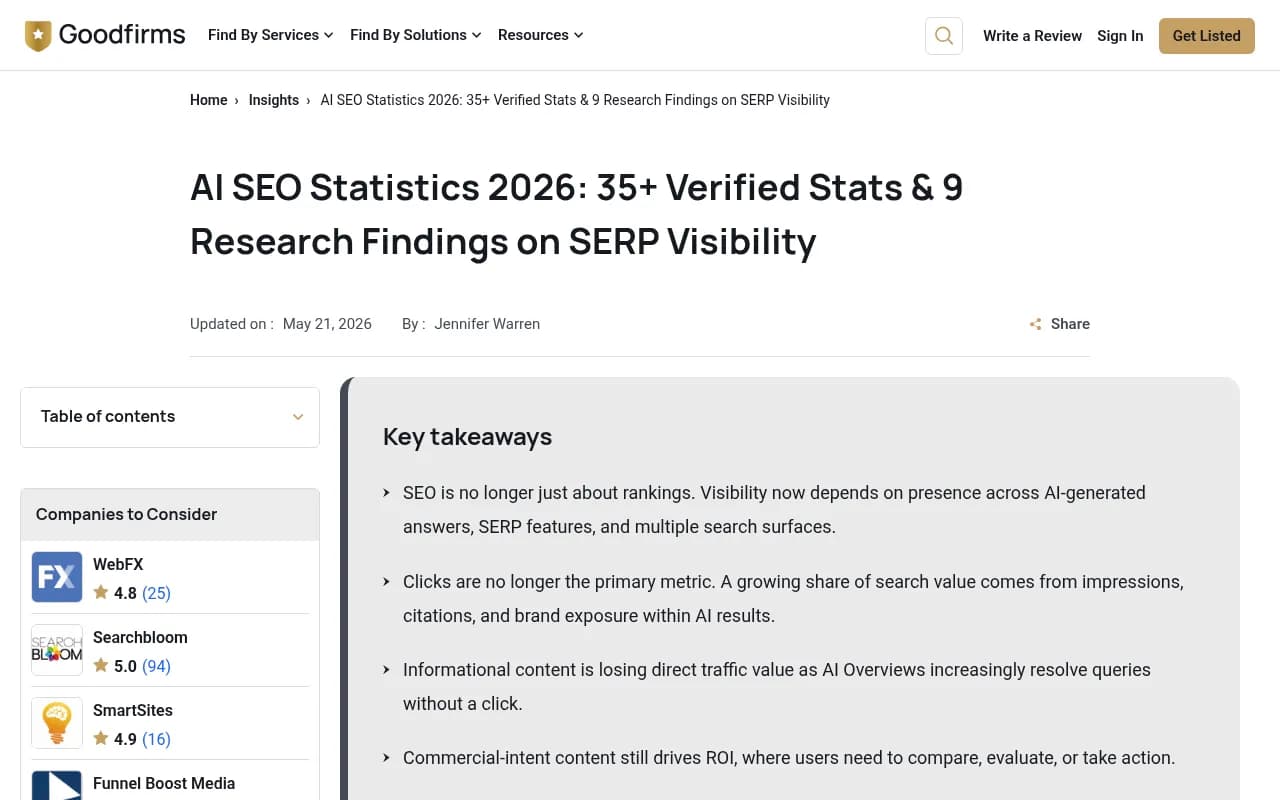
The numbers are stark. According to GoodFirms' 2026 research:
- 58.5% of Google searches now end without a click
- 83% of AI-generated answer queries resolve on the results page
- Only 14% of marketers currently track AI visibility
That last stat is the one that should concern you most. If you're not tracking AI visibility, you have no idea whether ChatGPT, Perplexity, Gemini, or Google AI Overviews are mentioning your brand -- or recommending your competitors instead.
This playbook walks you through the full journey: understanding where you stand, finding the gaps, creating content that actually gets cited, and measuring whether it's working.
Phase 1: Understand your current AI visibility baseline
Before you can improve anything, you need to know where you actually stand. This sounds obvious, but most teams skip it because they don't have the right tools.
What "AI visibility" actually means
AI visibility is how often your brand, products, or content appear in AI-generated answers when someone asks a relevant question. It's not the same as ranking. A page that ranks #8 on Google might get cited constantly by ChatGPT. A page that ranks #1 might never appear in an AI answer.
According to AirOps' 2026 State of AI Search report, roughly 60% of AI Overview citations come from URLs that don't rank in the top 20 organic results. That's a completely different game.
The volatility problem
Here's something that trips up a lot of teams: AI answers aren't consistent. Ask the same question twice and you might get different sources cited. The AirOps data shows only 30% of brands stay visible from one answer to the next, and just 20% remain present across five consecutive runs of the same query.
This means you can't just check once and call it done. You need ongoing monitoring across multiple queries, multiple AI models, and multiple runs.
Setting up your monitoring
At minimum, you want to track:
- Which queries your brand appears in (and which it doesn't)
- Which AI models are citing you (ChatGPT vs. Perplexity vs. Gemini behave differently)
- How often you appear vs. competitors for the same queries
- Which pages on your site are actually being cited
For teams serious about this, Promptwatch tracks all of this across 10 AI models simultaneously -- ChatGPT, Perplexity, Google AI Overviews, Claude, Gemini, Grok, DeepSeek, and more -- with page-level citation data so you know exactly which content is working.

Other tools worth knowing about at this stage:


Phase 2: Find your citation gaps
Monitoring tells you where you are. Gap analysis tells you where you should be.
This is the step most teams skip, and it's why they stay stuck. They see they're not being cited, but they don't know why or for what. So they publish more content and hope something sticks.
What answer gap analysis looks like
The idea is simple: identify queries where your competitors are being cited but you're not. Those are your gaps -- the specific topics, questions, and angles that AI models want answers to but can't find on your site.
A good gap analysis will show you:
- The exact prompts competitors rank for that you don't
- The volume and difficulty of those prompts (so you can prioritize)
- What content exists on competitor sites that's getting cited
- Which AI models are citing competitors for each gap
This is where query fan-outs become useful. One broad question like "what's the best project management tool for remote teams" branches into dozens of sub-queries. Understanding that branching structure helps you see the full opportunity, not just the surface-level prompt.
Prioritizing your gaps
Not all gaps are worth chasing. You want to focus on prompts where:
- The query volume is meaningful (people are actually asking this)
- The difficulty is winnable (you're not going up against Wikipedia and Forbes for every answer)
- The intent matches what you sell or do
Promptwatch's Prompt Intelligence feature gives volume estimates and difficulty scores for each prompt, which makes prioritization much less of a guessing game. Most monitoring-only tools don't offer this -- they show you that a gap exists but leave you to figure out whether it's worth pursuing.
Phase 3: Build content that gets cited
This is where the real work happens, and it's also where most advice falls short. "Create high-quality content" is not a strategy. Here's what actually moves the needle.
The structural signals AI models respond to
The AirOps data is clear on this: sequential headings and rich schema correlate with 2.8x higher citation rates. Pages not updated quarterly are 3x more likely to lose citations.
What this means practically:
- Use proper H1/H2/H3 hierarchy. AI models parse structure to understand what a page is about.
- Add FAQ schema, HowTo schema, and Article schema where relevant.
- Update your most important pages at least quarterly. Freshness matters.
- Write in clear, direct language. AI models cite content they can confidently excerpt.
The off-site credibility problem
Here's the part that surprises most people: 85% of brand mentions in AI answers originate from third-party pages, not owned domains. And about 48% of citations come from community platforms like Reddit and YouTube.
This means your website alone isn't enough. AI models build their understanding of your brand from the full web -- reviews, forum discussions, press coverage, YouTube videos, Reddit threads. If those don't exist or say the wrong things, your on-site content won't compensate.
Practically, this means:
- Actively participate in Reddit communities relevant to your space (genuinely, not spammily)
- Create YouTube content that answers the questions your customers ask
- Earn press mentions and third-party reviews
- Build a presence on industry review sites
Writing content engineered for citations
There's a difference between content that ranks on Google and content that gets cited by AI models. AI models tend to cite content that:
- Directly answers a specific question
- Provides a clear, quotable conclusion
- Has a credible author or publication signal
- Is structured so the relevant section is easy to extract
Listicles, comparisons, and "best X for Y" articles tend to perform well in AI citations because they're inherently structured and answer-forward. Long-form guides that bury the answer in paragraph five do not.
For content creation at scale, tools like Promptwatch include a built-in AI writing agent that generates articles grounded in real citation data -- so the content it produces is specifically designed to be cited, not just to rank. That's a meaningful difference from generic AI writing tools.
Phase 4: Optimize your technical foundation
Content quality matters, but technical issues can silently kill your AI visibility. AI crawlers behave differently from Googlebot, and most sites aren't set up with this in mind.
How AI crawlers work
AI models like ChatGPT, Claude, and Perplexity use their own crawlers to discover and index content. These crawlers visit your pages, read them, and use that data to inform future responses. If they can't access your pages, or if they encounter errors, your content doesn't make it into their training or retrieval systems.
Common technical issues that hurt AI visibility:
- Blocking AI crawlers in robots.txt (sometimes done accidentally)
- Slow page load times that cause crawler timeouts
- JavaScript-heavy pages that crawlers can't render properly
- Thin or duplicate content that gets deprioritized
- Missing or malformed structured data
Monitoring AI crawler activity
Most teams have no idea which AI crawlers are visiting their site, which pages they're reading, or whether they're encountering errors. This is a blind spot that's easy to fix.
Promptwatch's AI Crawler Logs feature shows real-time logs of AI crawler activity -- which pages ChatGPT, Claude, Perplexity, and others are visiting, how often they return, and any errors they hit. Most competitor tools don't offer this at all.
For traditional technical SEO issues that affect crawlability:
Phase 5: Build your off-site presence
Given that 85% of brand mentions in AI answers come from third-party sources, off-site presence isn't optional -- it's the majority of the game.
Reddit and YouTube as citation sources
This is the channel most brands ignore entirely, and it's a real opportunity. AI models frequently cite Reddit discussions and YouTube videos when answering questions. A well-placed Reddit comment or a YouTube video that directly answers a common question in your space can drive consistent AI citations.
The strategy isn't to spam. It's to genuinely participate in communities where your customers already are, and to create YouTube content that's structured like a good answer (clear question, direct answer, supporting detail).
Third-party review sites and press
AI models treat third-party validation as a credibility signal. If G2, Capterra, Trustpilot, or industry publications are talking about your brand, that increases the likelihood of AI citation. If they're not, you're relying entirely on your own domain -- which, as we've established, accounts for only 15% of AI mentions.
A practical approach: identify the 5-10 review sites and publications most relevant to your category, and make sure your brand has a presence on each. This isn't about gaming anything -- it's about making sure the sources AI models trust actually know you exist.
Tracking brand mentions across the web
To manage your off-site presence, you need to know what's being said and where:
Phase 6: Measure what's actually working
This is where most teams fall apart. They create content, they do some off-site work, and then they look at Google Analytics and wonder why traffic hasn't changed. The problem is they're measuring the wrong thing.
The metrics that matter for AI visibility
Traditional SEO metrics -- organic sessions, keyword rankings, click-through rate -- don't capture AI visibility. You need a different measurement framework:
| Metric | What it measures | Why it matters |
|---|---|---|
| Citation rate | How often your brand appears in AI answers | Core visibility signal |
| Share of voice | Your citations vs. competitors for the same queries | Competitive position |
| Model coverage | Which AI models cite you | Diversification |
| Page-level citations | Which specific pages get cited | Content performance |
| AI traffic attribution | Actual visits from AI referrals | Revenue connection |
| Prompt coverage | % of target prompts where you appear | Gap tracking |
Connecting AI visibility to revenue
The hardest part of AI visibility measurement is connecting it to actual business outcomes. AI models often don't pass referral data the way traditional links do, so standard analytics tools undercount AI-driven traffic significantly.
There are a few approaches:
- Server log analysis (most accurate, most technical)
- Google Search Console integration (catches some AI Overview traffic)
- UTM-tagged links in AI-cited content (works when AI models link directly)
- Branded search volume tracking (proxy metric -- if AI visibility rises, branded searches often follow)
Promptwatch connects AI visibility to traffic through GSC integration, a code snippet, or server log analysis, which gives you the clearest picture of how citations translate to actual visits. Most monitoring tools stop at citation counts and leave you to figure out the revenue connection yourself.
A simple reporting cadence
Weekly: Check citation rates for your top 20 prompts. Flag any significant drops.
Monthly: Review share of voice vs. competitors. Identify new gaps. Assess which content published in the prior month is getting cited.
Quarterly: Full audit of prompt coverage. Update underperforming pages. Assess off-site presence. Review AI crawler logs for technical issues.
The tools that support this playbook
Here's a practical overview of where different tools fit in this workflow:
| Tool | Best for | Stage |
|---|---|---|
| Promptwatch | End-to-end: monitoring, gap analysis, content generation, traffic attribution | All phases |
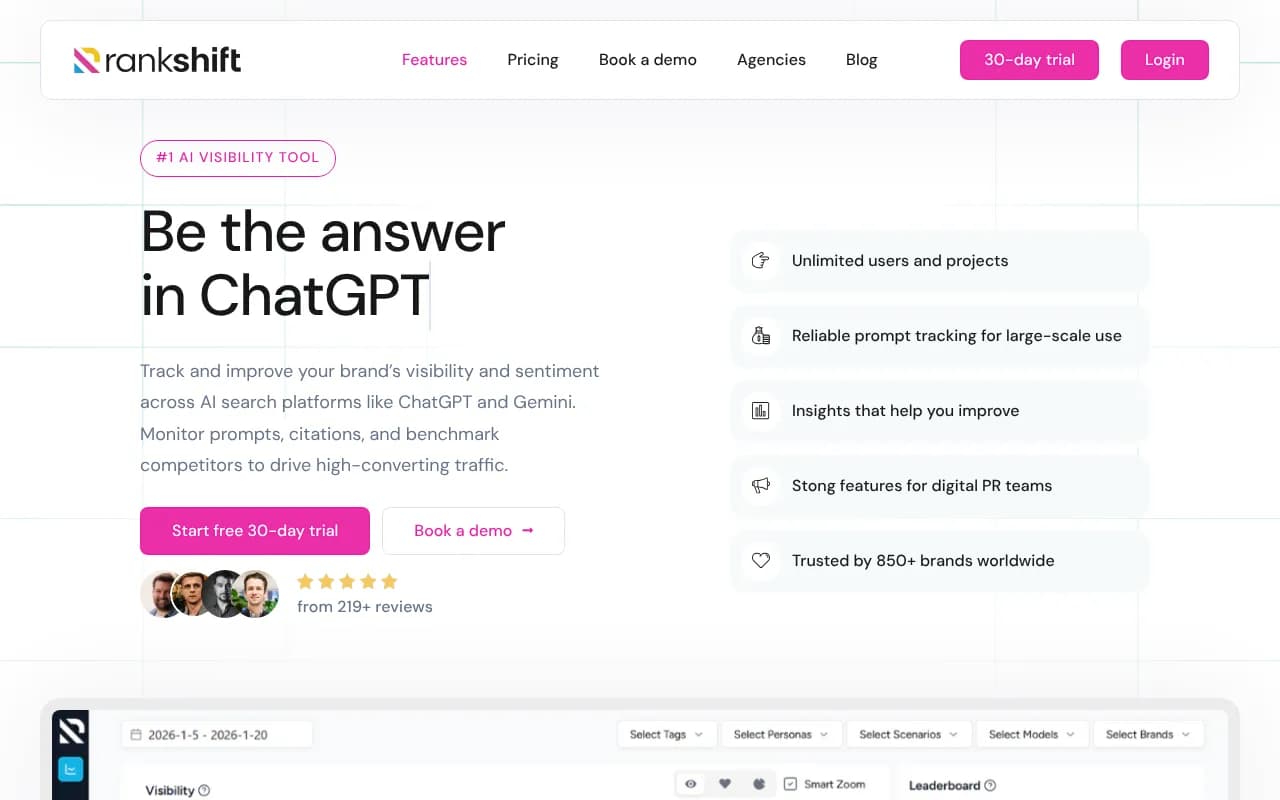
| Otterly.AI | Budget-friendly monitoring | Phase 1 |
| Peec AI | Multi-language monitoring | Phase 1 |
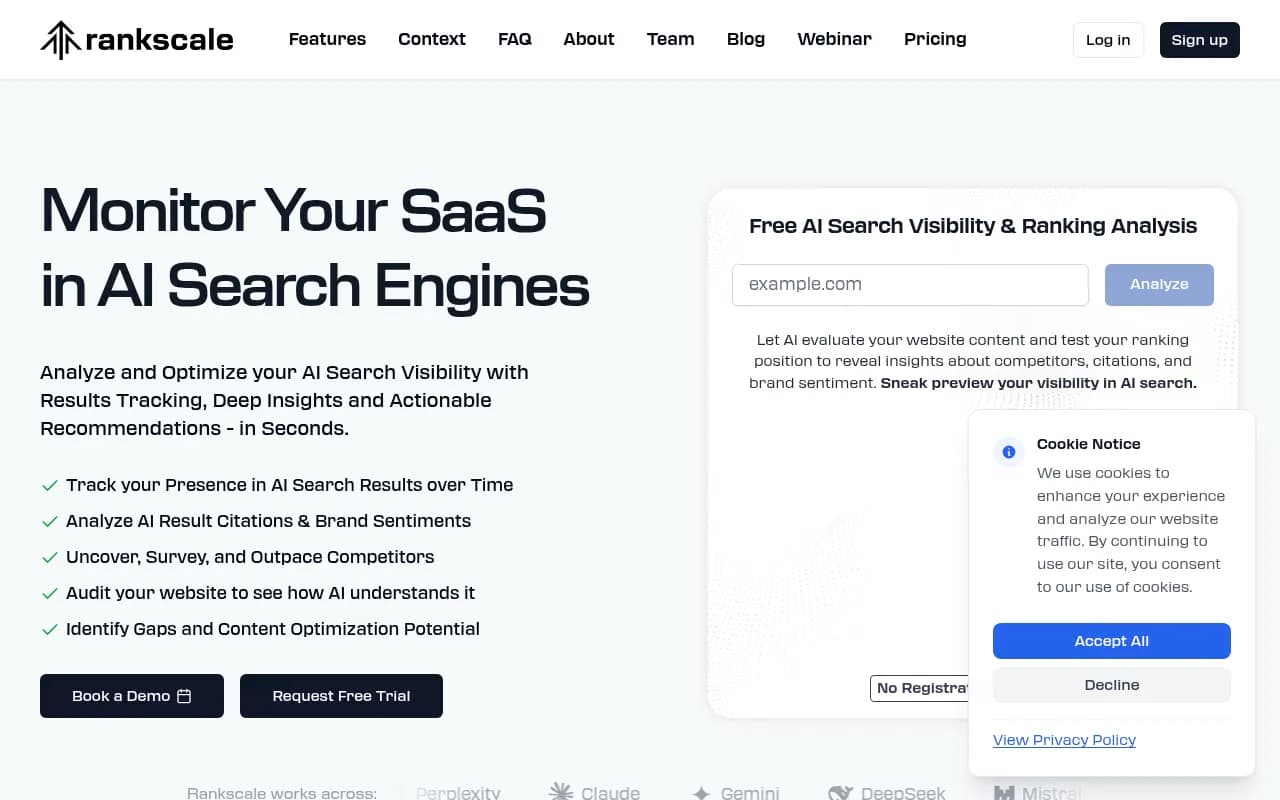
| Rankscale | AI search ranking tracking | Phase 1-2 |
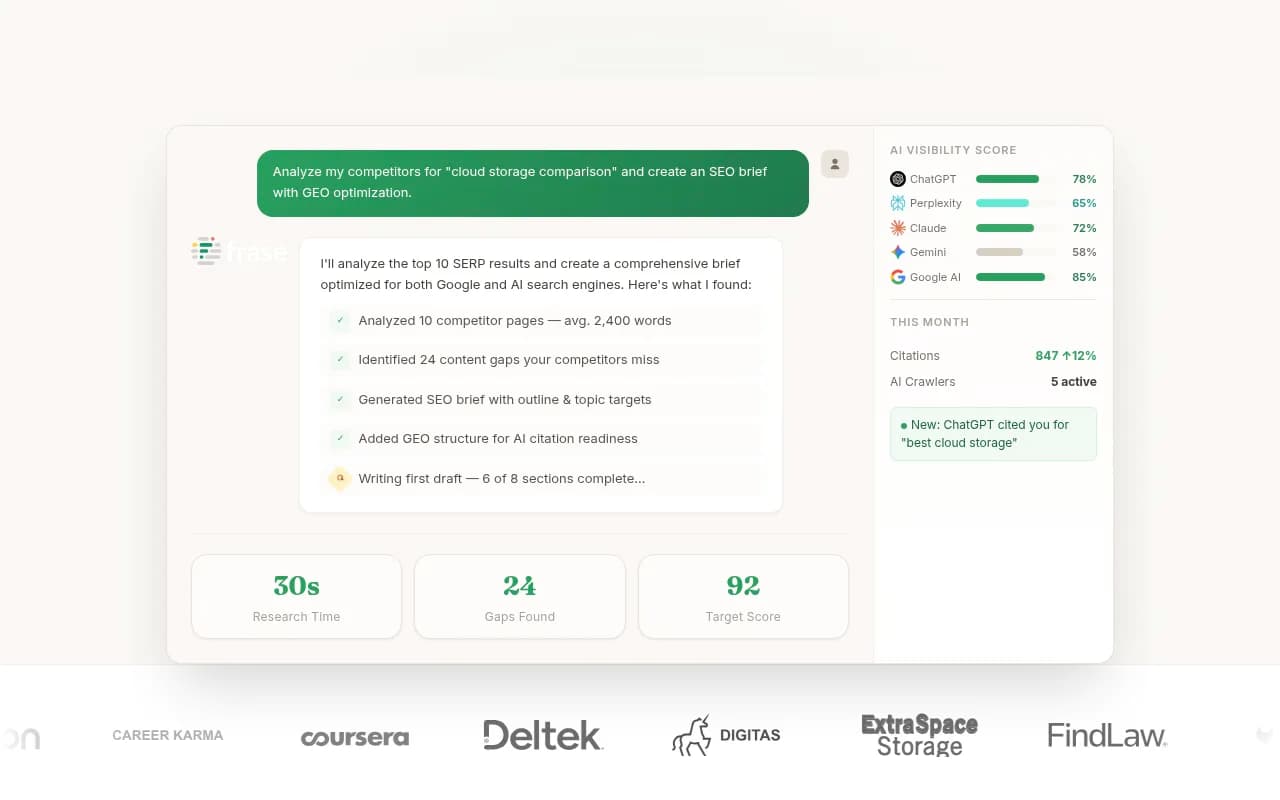
| Frase | Content research and optimization | Phase 3 |
| Surfer SEO | On-page content optimization | Phase 3 |
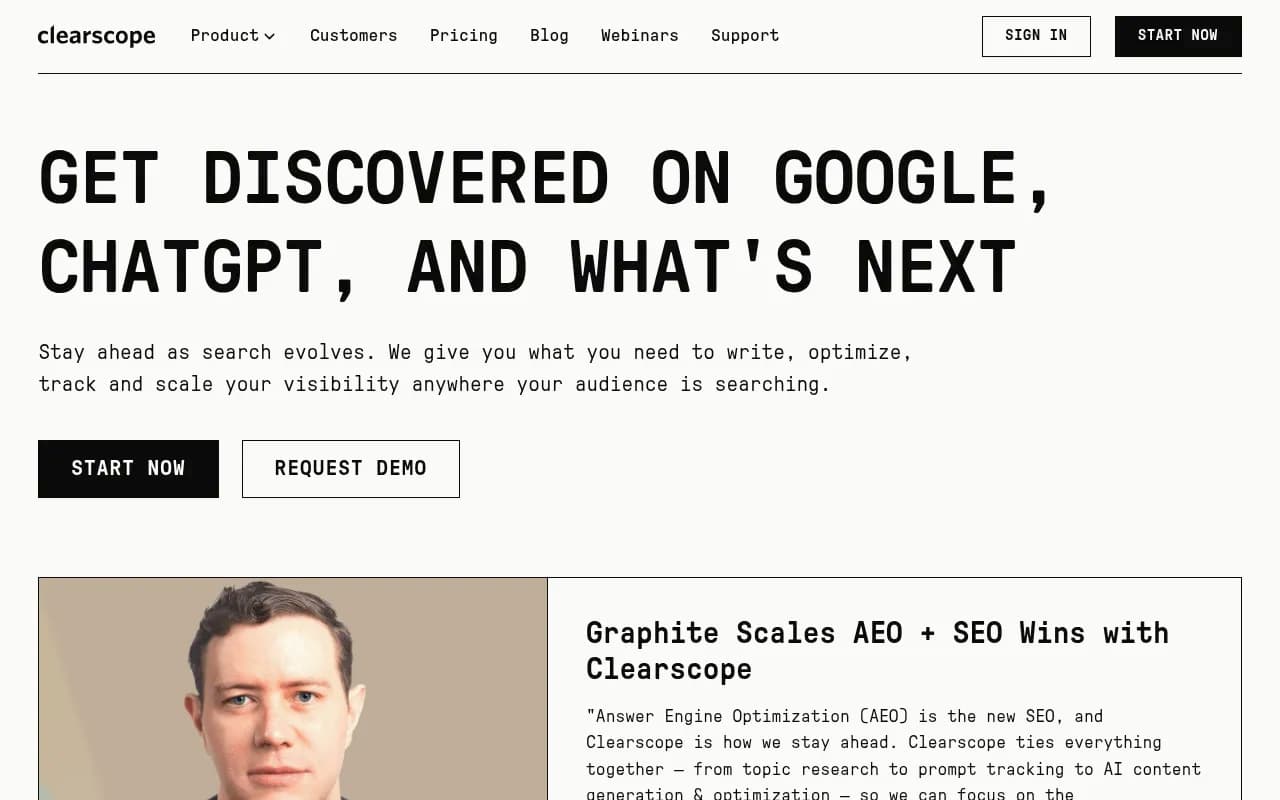
| Clearscope | Content grading and optimization | Phase 3 |
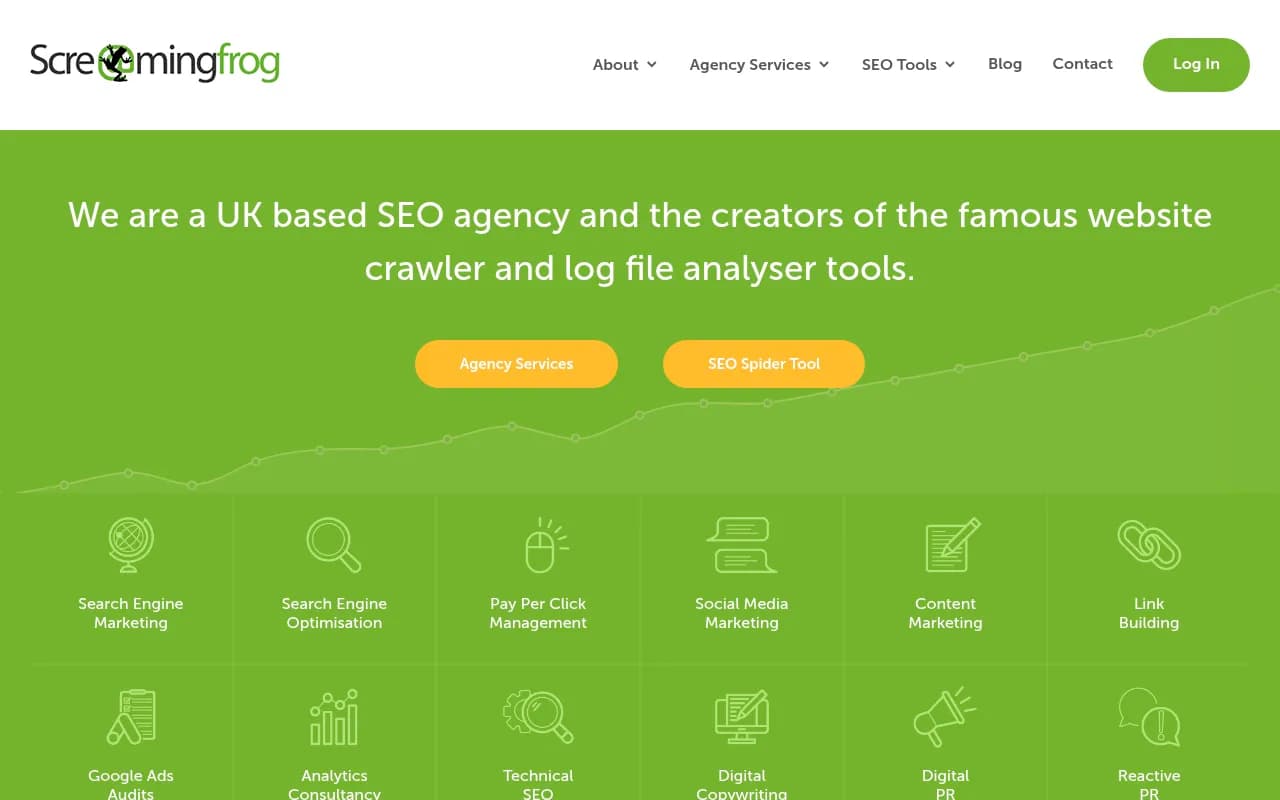
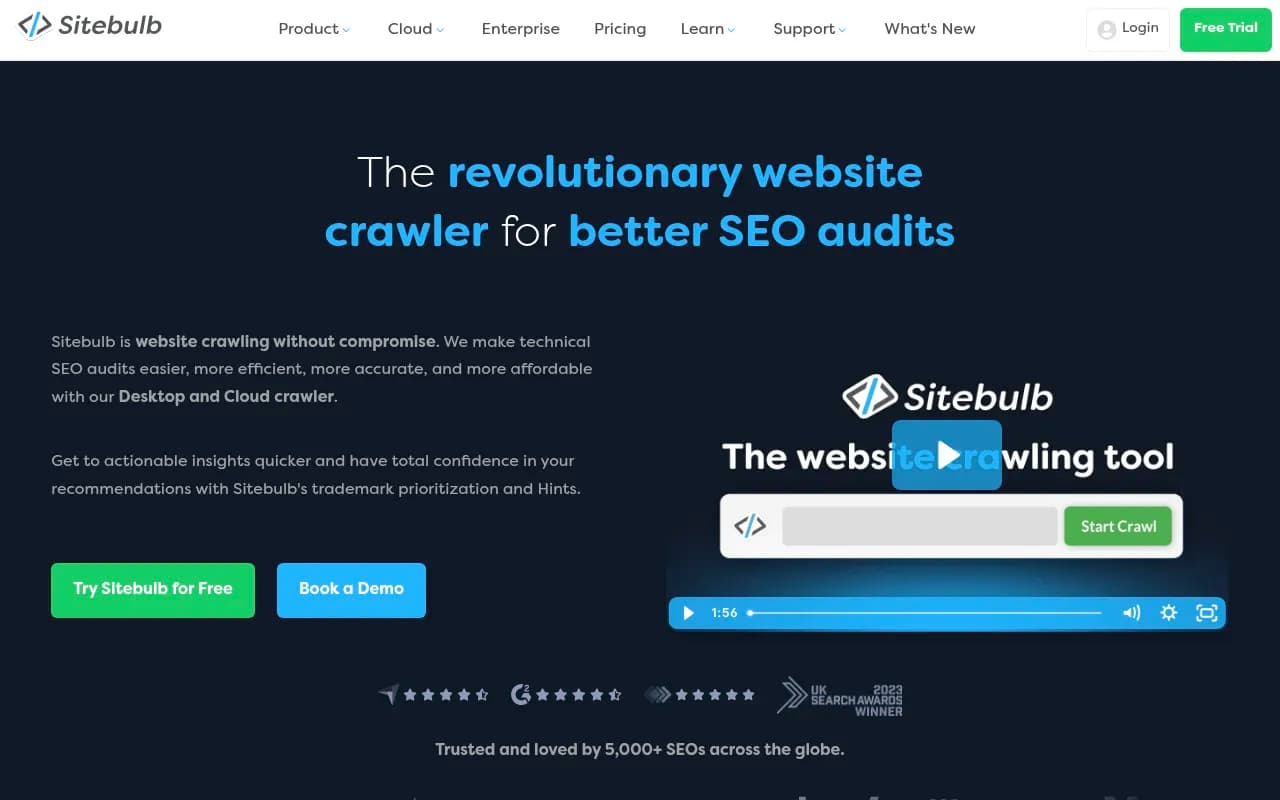
| Screaming Frog | Technical crawl audits | Phase 4 |
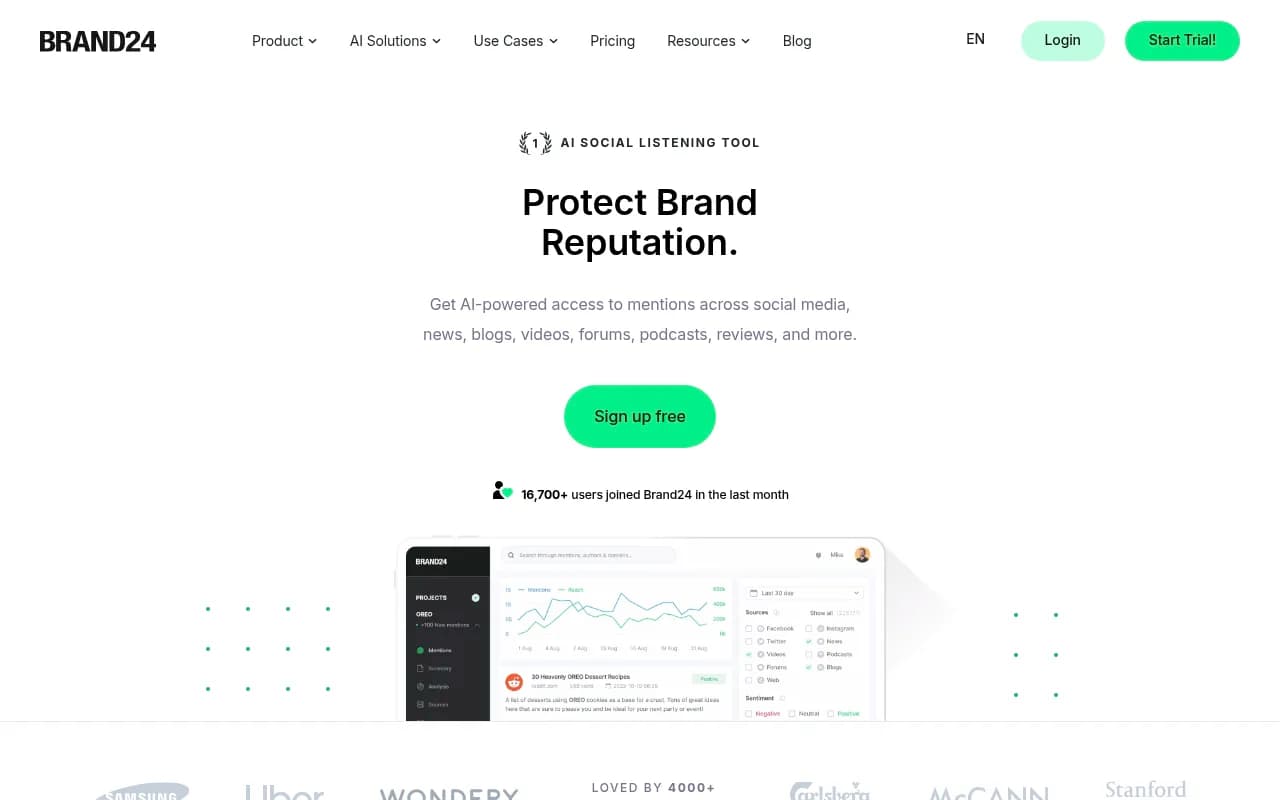
| Brand24 | Brand mention monitoring | Phase 5-6 |
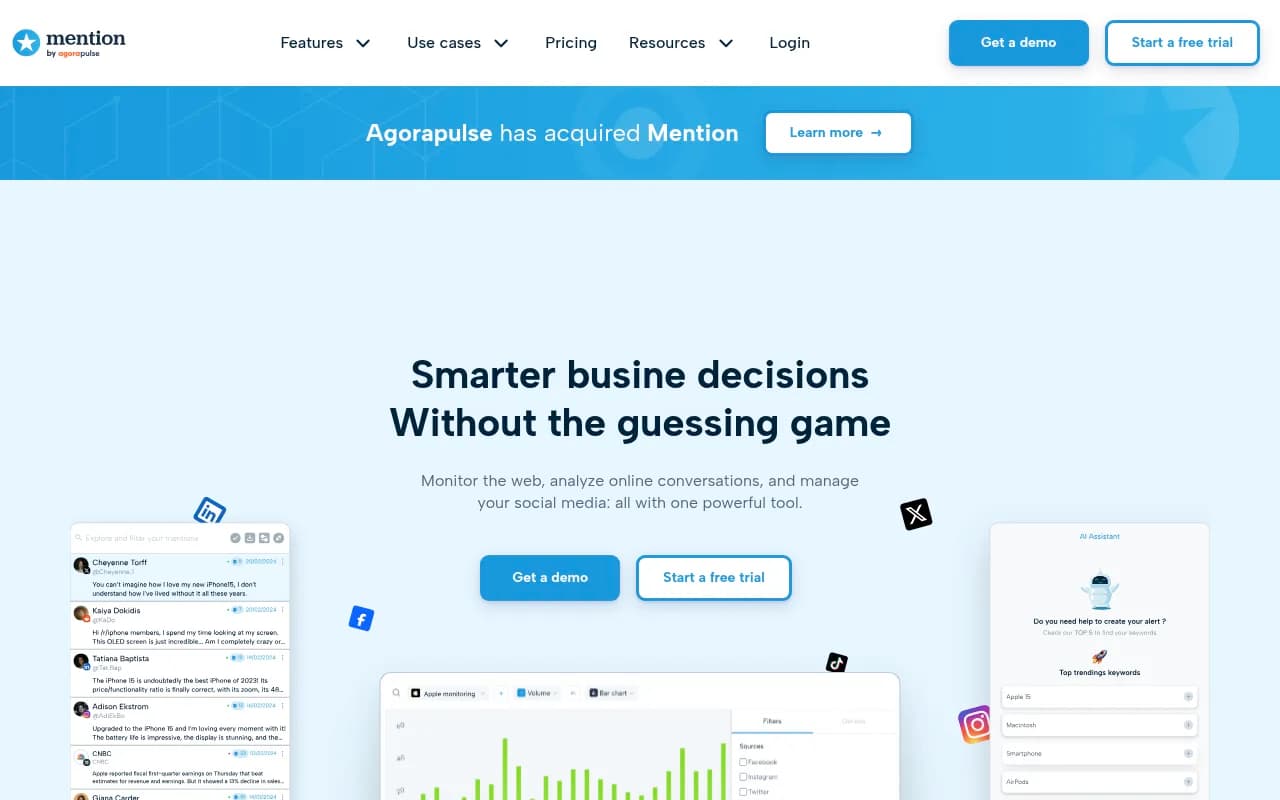
| Mention | Real-time mention tracking | Phase 5-6 |


The mindset shift that makes this work
The brands winning AI search in 2026 aren't doing anything magical. They've made one fundamental shift: they treat AI visibility as a system, not a tactic.
A tactic is "let's write some FAQ content." A system is "we monitor 50 prompts weekly, identify gaps monthly, publish content designed for citations, track which pages are being cited, and connect that back to revenue."
The data from AirOps' research makes this concrete: brands earning both on-site citations and off-site mentions show 40% higher likelihood of reappearing across AI answers. But only 28% of AI answers include brands with that dual visibility. Most brands are doing one or the other, not both.
The playbook above gives you both. It's not fast -- building genuine AI visibility takes months, not weeks. But the brands that start now will have a compounding advantage over the ones that wait until AI search is "more mature."
It's already mature. The question is whether you're in it.
Getting started: your first 30 days
If you're starting from zero, here's a focused first month:
Week 1: Set up monitoring. Pick your top 20 prompts -- the questions your ideal customers are most likely to ask AI models. Start tracking your citation rate for each.
Week 2: Run a gap analysis. Identify 5-10 prompts where competitors appear but you don't. These become your content priorities.
Week 3: Audit your technical foundation. Check robots.txt for AI crawler blocks. Review your structured data. Identify your 10 most important pages and make sure they're crawlable and well-structured.
Week 4: Publish your first citation-optimized piece. Pick your highest-priority gap, write content that directly answers the question, and structure it for easy extraction. Update one existing page that's close to being cited but isn't quite there.
From there, it's about consistency. The brands that win AI search aren't the ones with the biggest budgets -- they're the ones that treat this as an ongoing system rather than a one-time project.