Key takeaways
- AI summaries now appear in roughly 50% of Google searches, and zero-click behavior means visibility in AI responses matters more than traditional rankings.
- A weekly routine beats sporadic bursts. Five repeatable actions, done consistently, compound into measurable AI search visibility over weeks and months.
- The actions cover monitoring, gap analysis, content creation, technical hygiene, and competitor tracking -- in that order.
- Tools exist for every step. The difference between brands winning in AI search and those losing ground is usually execution cadence, not strategy.
- Tracking results closes the loop: you need to see which pages AI models actually cite before you can improve.
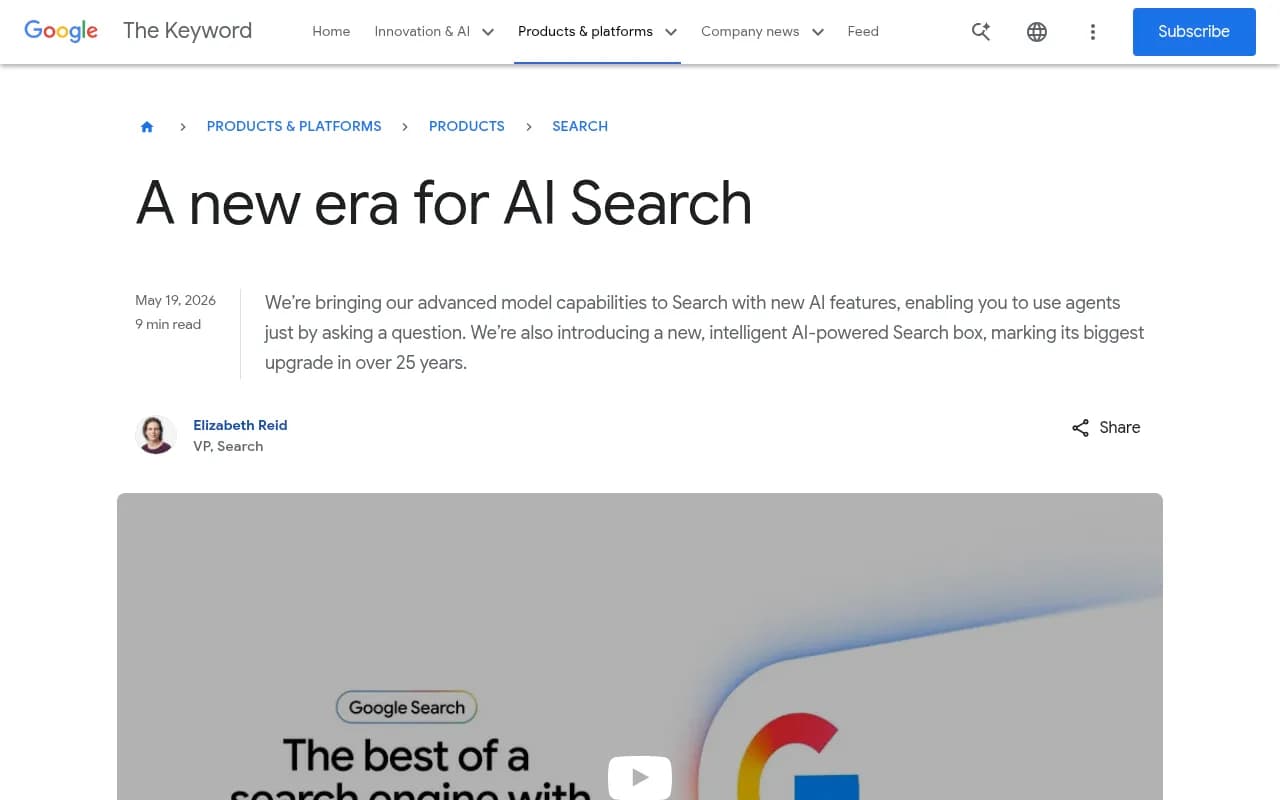
AI search isn't a trend you can catch up on later. Google's I/O 2026 announcements made that clear: Search now supports AI agents triggered by a single question, and the search box itself just got its biggest redesign in over 25 years. Meanwhile, AI-driven search traffic is up 527% year-over-year according to data from Matt Britton's 2026 AI search report. That's not a gradual shift. That's a rupture.
The problem most marketing teams have isn't awareness -- it's execution. Everyone knows AI search matters. Few have a repeatable system for actually improving their visibility in it week over week.
This guide is that system. Five actions, done weekly, that build on each other. Not a one-time audit. Not a quarterly strategy refresh. A routine.
Why weekly cadence matters more than you think
SEO has always rewarded consistency over intensity. AI search is the same, but the feedback loops are faster and the signals are different.
Traditional SEO: publish content, wait months for rankings to move, check Google Search Console quarterly.
AI search: publish content, AI crawlers can index it within days, citation patterns shift within weeks. The window between action and feedback is shorter -- which means a weekly routine actually produces visible results faster than the old model.
The other reason weekly beats monthly: AI models update their knowledge and citation patterns continuously. A competitor who publishes a strong answer to a prompt you're not covering can displace you in ChatGPT or Perplexity responses within weeks. If you're only checking quarterly, you won't notice until the damage is done.
Action 1: Run your visibility check (Monday, 20 minutes)
Every week starts with a baseline. Before you do anything else, you need to know where you stand.
This means checking your brand's citation rate across the AI models that matter to your audience. Are you being mentioned when someone asks ChatGPT about your category? Does Perplexity cite your site when it answers questions your customers are asking? Is Google's AI Mode pulling from your pages?
The brands that win in AI search treat this like checking email -- a non-negotiable Monday morning habit.
Promptwatch makes this fast. You can see your visibility scores across 10 AI models (ChatGPT, Perplexity, Claude, Gemini, Grok, DeepSeek, Copilot, Meta AI, Google AI Overviews, and Google AI Mode) in a single dashboard, with page-level tracking that shows exactly which of your pages are being cited and how often.

The goal of Monday's check isn't to analyze deeply -- it's to flag anomalies. Did your citation rate drop on a specific model? Did a competitor suddenly appear in responses where you used to dominate? Note it. You'll investigate on Tuesday.
For teams that want a lighter-weight starting point, tools like Otterly.AI or Peec AI offer basic monitoring dashboards that cover a narrower set of models.


Action 2: Find one content gap and prioritize it (Tuesday, 30 minutes)
This is where most teams stop. They monitor. They see gaps. They don't act on them.
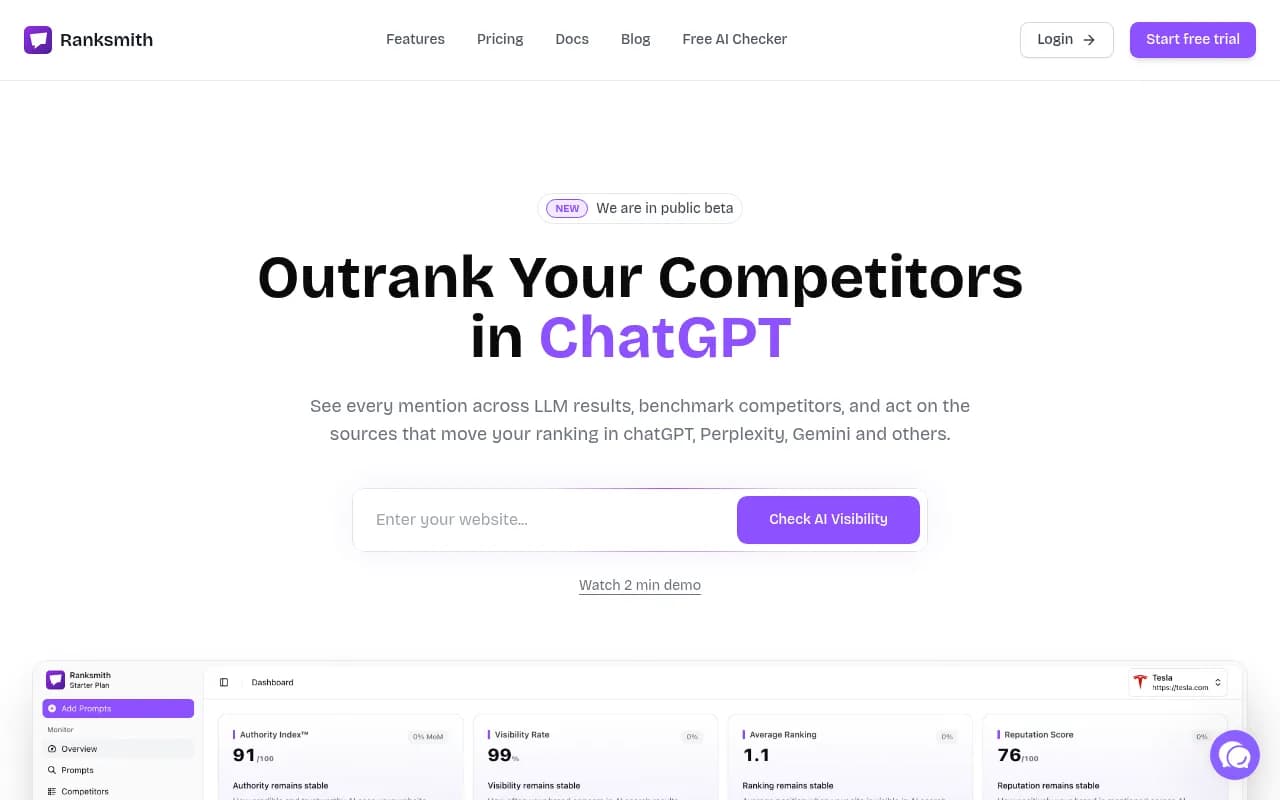
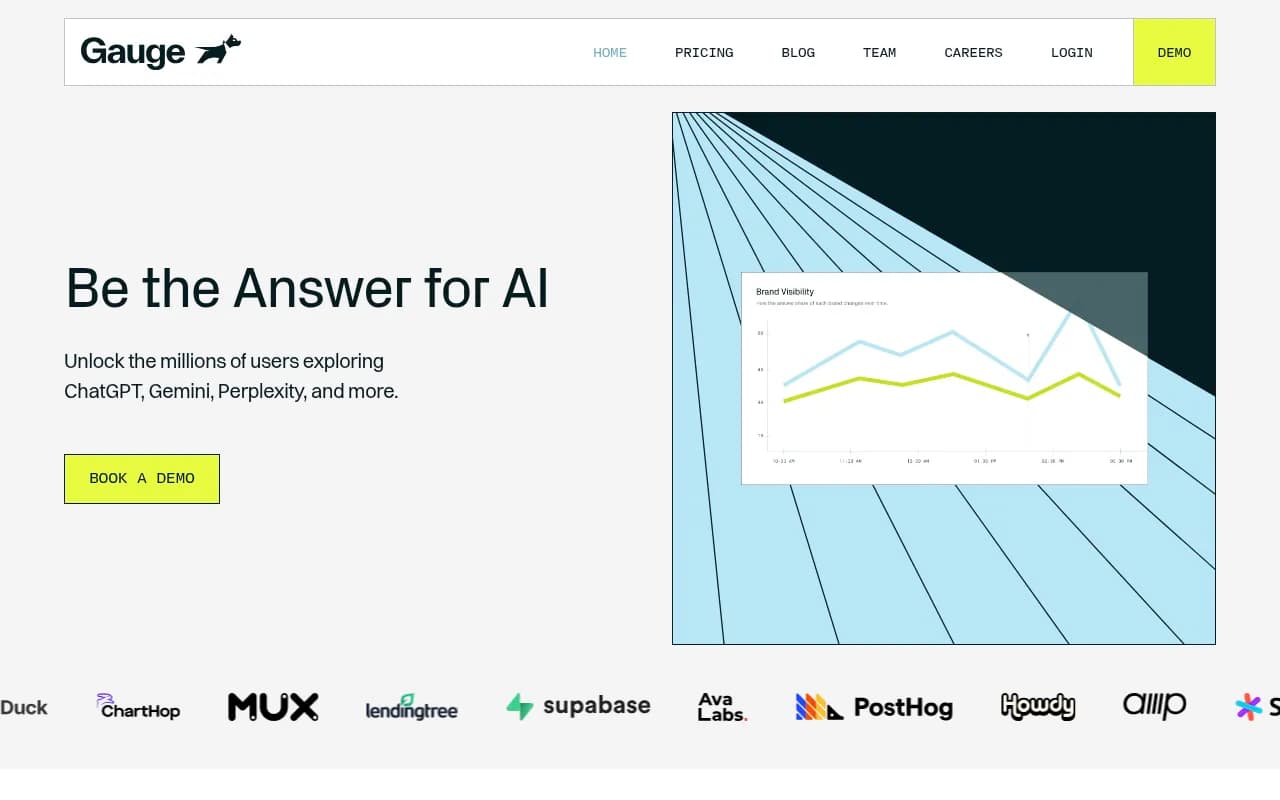
A content gap in AI search terms is a prompt your competitors are getting cited for that you're not. Someone asks "what's the best [your category] for [specific use case]" and ChatGPT recommends three competitors. Your brand isn't mentioned. That's a gap.
The manual version of this is tedious: run dozens of prompts across multiple AI models, note which competitors appear, identify the patterns. It works but it doesn't scale.
The smarter approach is using a platform with Answer Gap Analysis built in. Promptwatch's gap analysis shows you the specific prompts where competitors are visible and you're not -- ranked by prompt volume and difficulty so you can prioritize the ones worth going after first.
Pick one gap per week. Just one. The temptation is to tackle everything at once, which leads to shallow content that doesn't actually get cited. One well-executed piece beats five mediocre ones.
When evaluating gaps, ask:
- Is this a prompt with meaningful volume?
- Do I have genuine expertise to answer it better than what's currently being cited?
- Is the current content being cited actually good, or is there a clear quality gap I can exploit?
If the answer to all three is yes, that's your target for the week.
Action 3: Publish one piece of AI-optimized content (Wednesday-Thursday, 2-3 hours)
This is the action that actually moves the needle. Everything else is preparation.
AI-optimized content is different from traditional SEO content in a few specific ways. AI models favor:
- Direct, declarative answers near the top of the page (not buried after 500 words of preamble)
- Structured content with clear headings that match how people actually ask questions
- Factual specificity -- numbers, dates, named sources -- over vague generalizations
- Content that covers a topic completely rather than superficially touching many topics
What AI models don't particularly care about: keyword density, exact-match anchor text, or the kind of thin "optimized" content that used to game traditional search rankings.
The practical implication: write like you're answering a smart colleague's question, not like you're filling a content brief.
For the content itself, you have options. You can write it yourself (best for topics requiring genuine expertise), use an AI writing assistant to draft and then edit heavily, or use a platform that generates content specifically grounded in citation data.
Promptwatch's built-in AI writing agent generates articles, listicles, and comparisons based on 880M+ citations analyzed -- so the output is calibrated to what AI models actually cite, not generic SEO filler. That's a meaningful difference when your goal is getting cited, not just ranking.
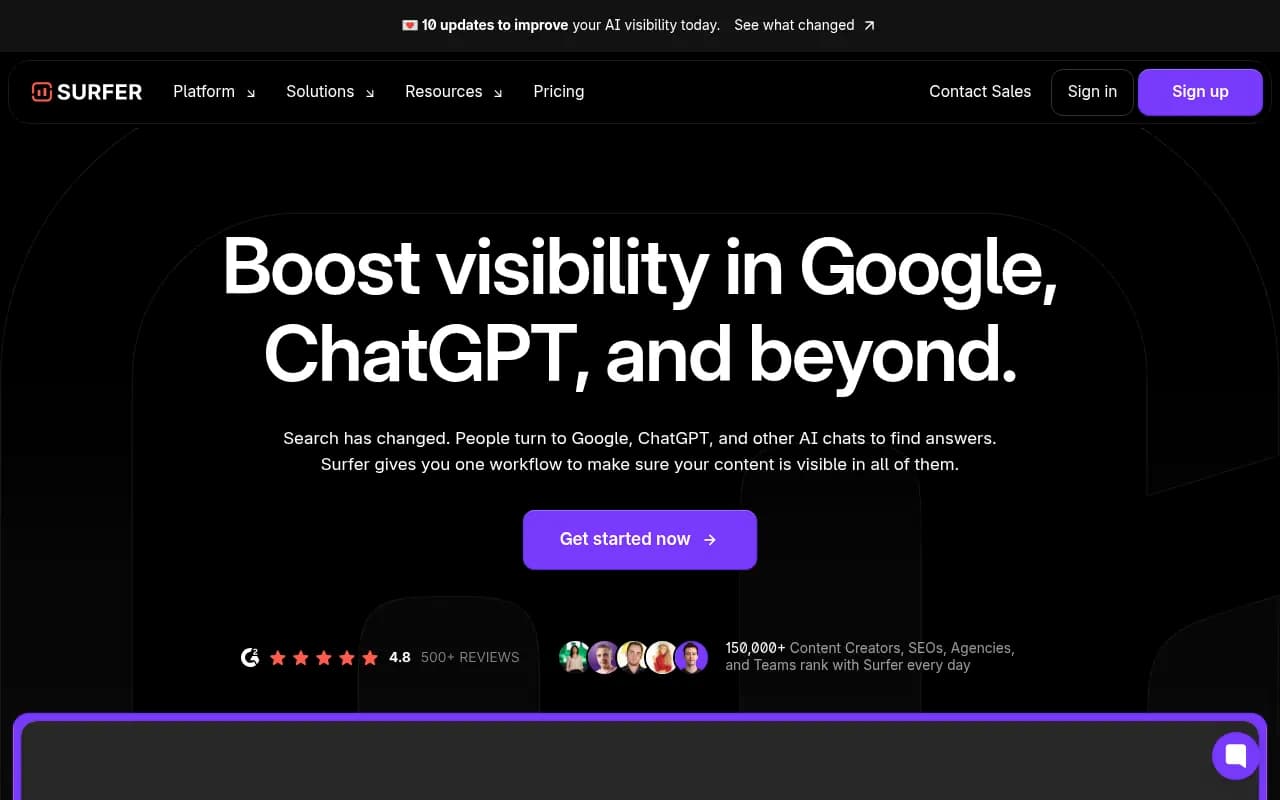
Other content tools worth knowing:
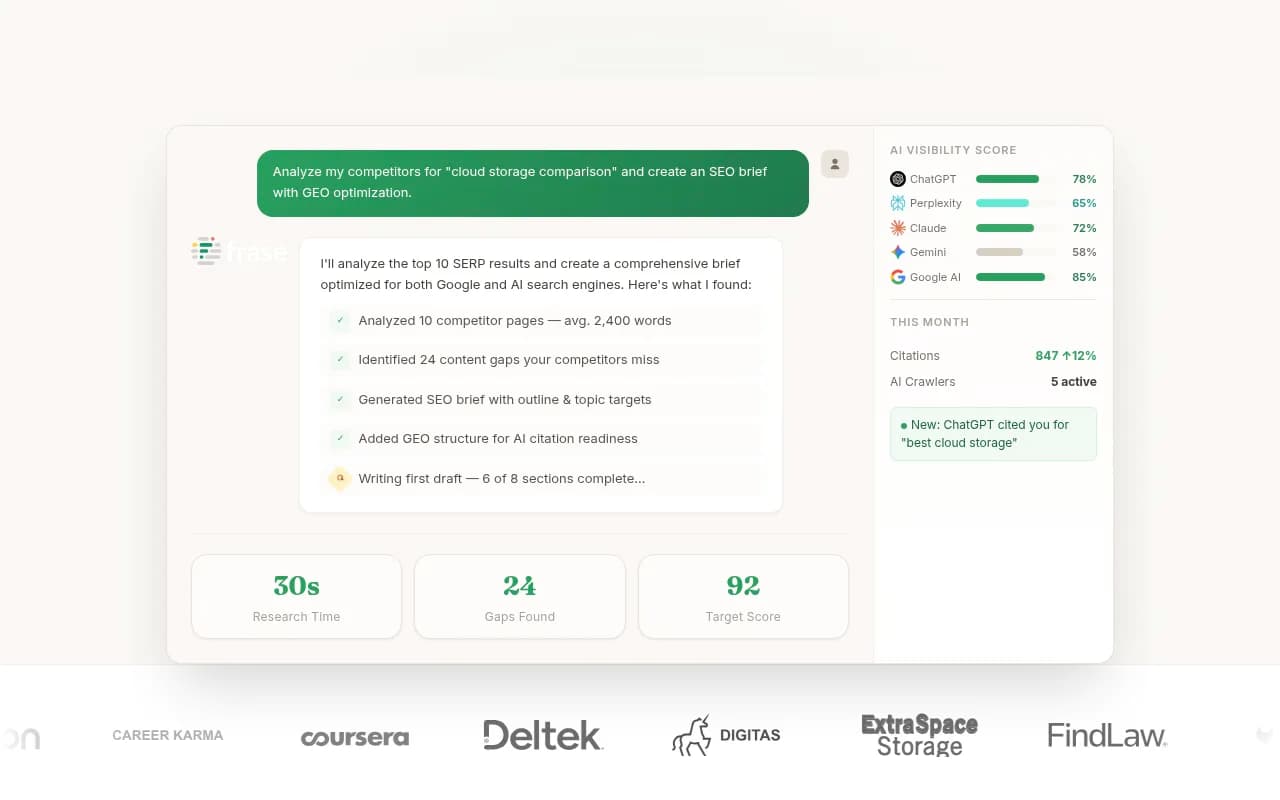

One structural tip that consistently helps: add a dedicated FAQ section at the bottom of each piece. AI models frequently pull from FAQ-style content because it mirrors how people actually prompt. Write the questions the way someone would type them into ChatGPT, then answer them directly.
Action 4: Check your AI crawler logs and fix one technical issue (Friday, 20 minutes)
This is the most underrated action on this list, and almost no one does it.
AI crawlers -- the bots that ChatGPT, Perplexity, Claude, and others send to read your website -- behave differently from Googlebot. They hit different pages, return at different frequencies, and encounter errors that traditional SEO tools don't surface.
If your pages are returning errors when AI crawlers visit, or if key content is blocked by your robots.txt, or if crawlers are spending all their time on low-value pages and never reaching your best content -- you have a problem that no amount of content creation will fix.
Promptwatch's AI Crawler Logs feature shows you real-time logs of which AI crawlers are visiting your site, which pages they're reading, what errors they're hitting, and how often they return. Most competitors don't offer this at all.
The Friday routine is simple: open the crawler logs, look for errors or anomalies, fix one thing. Maybe it's a page returning a 404 that crawlers keep trying to access. Maybe it's a robots.txt rule that's accidentally blocking your most important content. Maybe it's a page that crawlers never visit because it's buried too deep in your site architecture.
One fix per week. Over a year, that's 52 technical improvements that compound into a site that AI models can actually read and cite reliably.
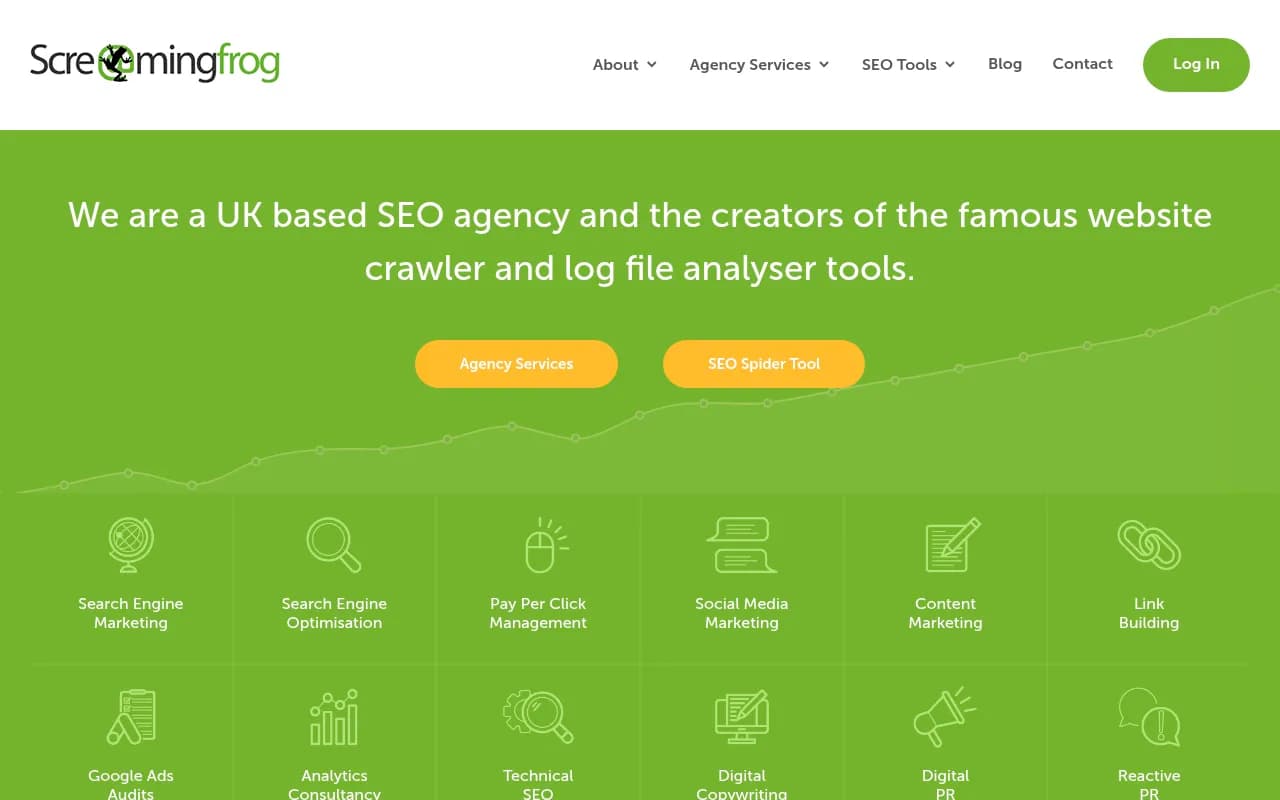
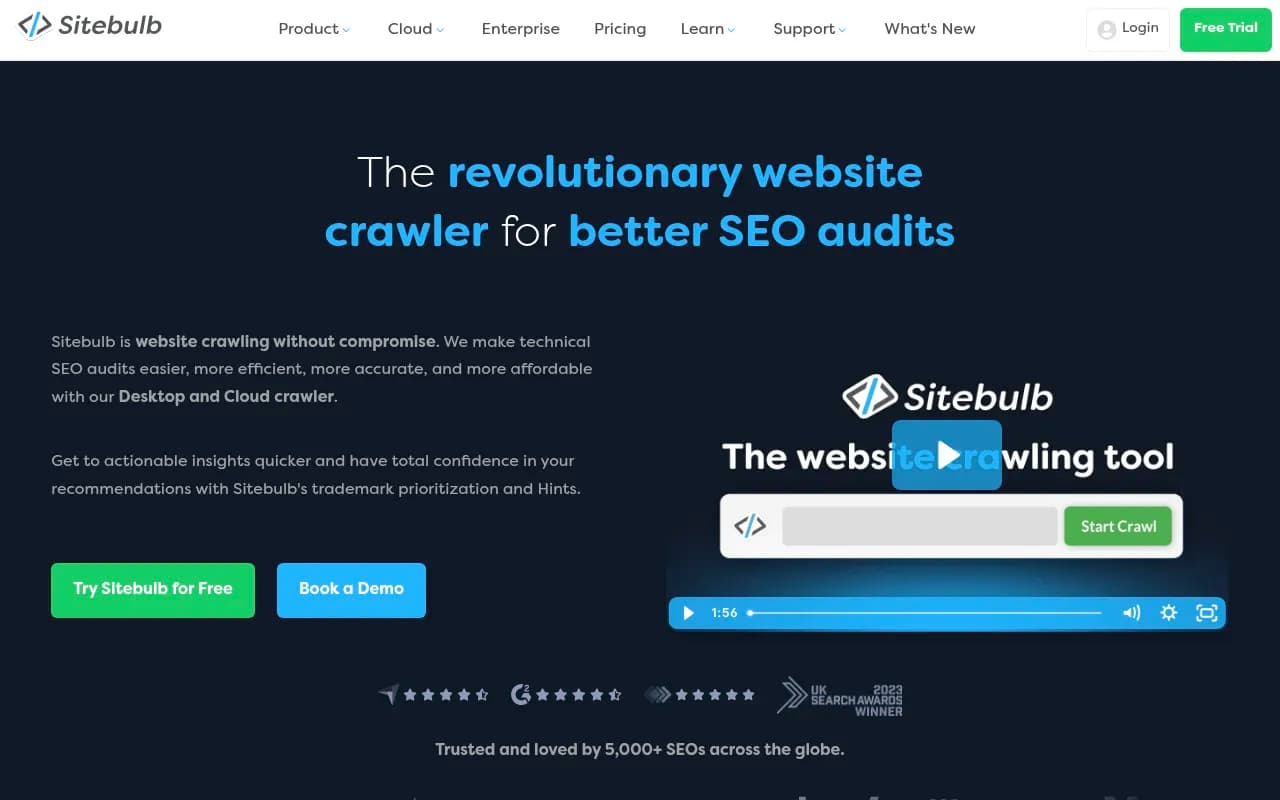
For broader technical SEO hygiene, tools like Screaming Frog and Sitebulb are useful complements:
Action 5: Monitor competitors and note one winning pattern (Friday, 15 minutes)
The last action of the week is competitive intelligence. Not obsessive tracking -- just a structured 15-minute review of what's working for competitors in AI search.
Specifically, look for:
- Which competitor pages are being cited most frequently this week?
- Are there new sources (Reddit threads, YouTube videos, third-party articles) that AI models are pulling from in your category?
- Did a competitor publish something this week that's already getting traction in AI responses?
The goal isn't to copy competitors. It's to understand the patterns that AI models reward in your specific category, then apply those patterns to your own content.
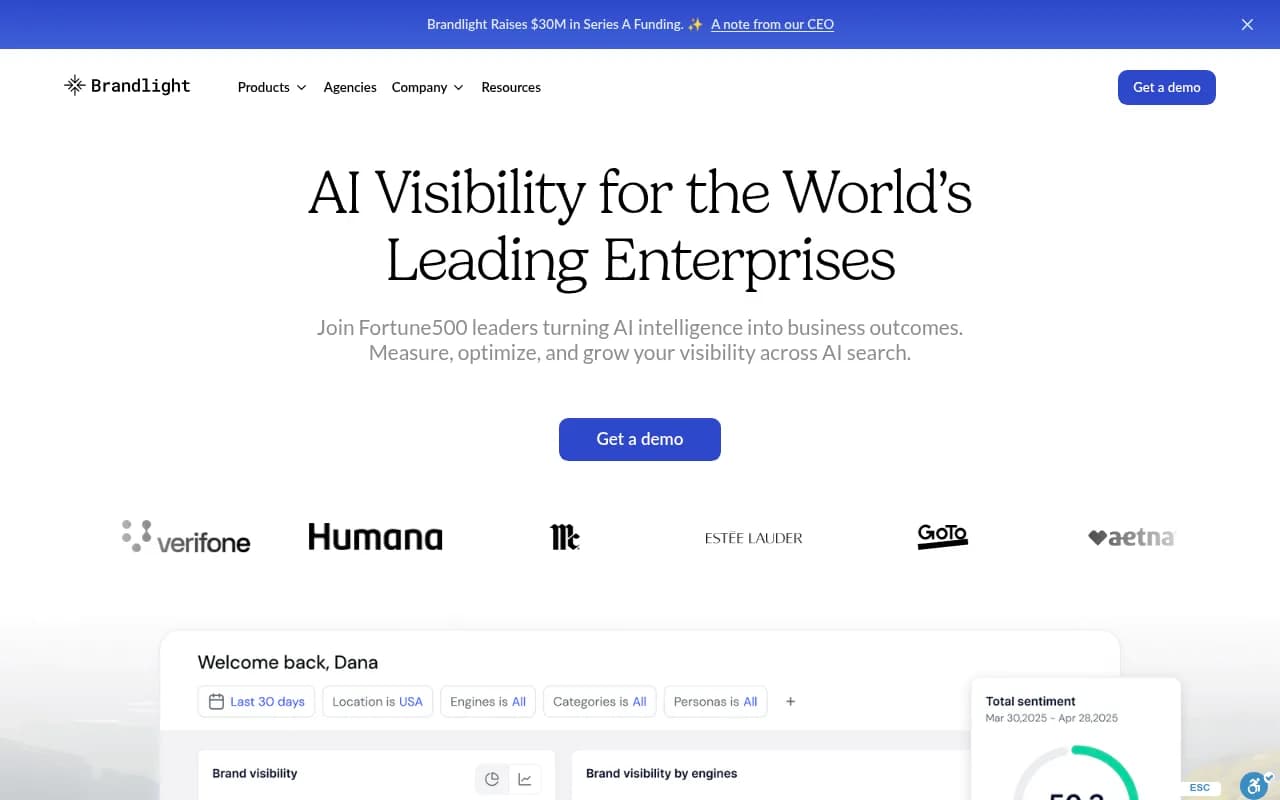
Reddit and YouTube are worth specific attention here. AI models frequently cite Reddit discussions and YouTube content in their responses -- often more than brand websites. If there's a Reddit thread where your category is being discussed and you're not part of that conversation, that's a visibility gap that content on your own site won't fix.
Promptwatch surfaces Reddit and YouTube insights alongside traditional citation data, which is a channel most monitoring tools ignore entirely.
What the weekly routine looks like in practice
| Day | Action | Time | Tool |
|---|---|---|---|
| Monday | Visibility check across AI models | 20 min | Promptwatch, Otterly.AI |
| Tuesday | Identify one content gap to target | 30 min | Promptwatch Answer Gap Analysis |
| Wed-Thu | Publish one AI-optimized piece | 2-3 hrs | Promptwatch, Surfer SEO, Frase |
| Friday AM | Review AI crawler logs, fix one issue | 20 min | Promptwatch Crawler Logs |
| Friday PM | Competitive intelligence review | 15 min | Promptwatch, Hall AI |
Total weekly time investment: roughly 4 hours. That's less than one full workday per week dedicated to AI search visibility.
How the actions compound over time
Week one of this routine produces almost nothing visible. That's normal and expected.
By week four, you've published four pieces of AI-optimized content targeting specific gaps. AI crawlers have likely visited and indexed most of them. You've fixed four technical issues. You have a clear picture of your competitive landscape.
By week twelve, you have a body of content specifically engineered to be cited by AI models, a technically clean site that crawlers can navigate reliably, and a detailed understanding of which prompts you're winning and losing. Citation rates start moving.
By week twenty-four, the compounding effect becomes visible in traffic attribution. Pages that AI models cite regularly start generating referral traffic from ChatGPT, Perplexity, and other AI search engines. That traffic tends to be high-intent -- people who got a recommendation from an AI model and followed the citation.
The math here is straightforward: 50 pieces of AI-optimized content, published consistently over a year, with technical issues fixed along the way, will outperform 200 pieces of traditional SEO content published in a burst and then abandoned.
Tracking results: closing the loop
The routine only works if you can measure it. Otherwise you're flying blind and can't tell which actions are producing results.
At minimum, track:
- Your citation rate per AI model week-over-week
- Which specific pages are being cited (and which aren't)
- Traffic from AI referral sources (ChatGPT.com, Perplexity.ai, etc.) in your analytics
The more sophisticated version connects AI visibility to actual revenue: which cited pages lead to conversions, which AI models drive the highest-intent traffic, which content gaps, when filled, produce the biggest citation improvements.
Promptwatch handles this through a combination of page-level tracking, traffic attribution (via code snippet, Google Search Console integration, or server log analysis), and visibility score trends over time. The goal is closing the loop between "we published this content" and "here's how it affected our AI search visibility and traffic."
Without that loop, the routine becomes busywork. With it, every week's actions inform the next week's priorities.
A note on patience and consistency
The brands that are winning in AI search right now didn't get there with a single viral piece or a one-time technical fix. They built systems. They showed up every week. They treated AI search visibility the way serious companies treat SEO -- as a long-term asset that requires ongoing investment, not a campaign with a start and end date.
The 527% year-over-year growth in AI-driven search traffic means the category is still early enough that consistent effort now creates durable advantages. That window won't stay open indefinitely. The brands that establish citation authority in AI models over the next 12 months will be much harder to displace than those who start 18 months from now.
The routine above is the minimum viable system. Four hours a week, five actions, compounding over time. Start this Monday.