Key takeaways
- The AI search visibility category now has 30+ tools, but most fall into two camps: monitoring-only dashboards vs. full optimization platforms that help you actually fix visibility gaps.
- Model coverage varies wildly -- some tools track 10+ AI engines, others cover just 3 or 4. This matters because ChatGPT, Perplexity, Gemini, Claude, and Google AI Overviews behave differently and cite different sources.
- The biggest differentiator in 2026 isn't what a tool tracks -- it's whether it tells you what to do about it. Content gap analysis, AI content generation, and crawler log access separate the leaders from the dashboards.
- Pricing ranges from $29/month for basic monitoring to custom enterprise contracts. The right tier depends on how many sites, prompts, and AI models you need to cover.
- Before buying anything, run every vendor through the same evaluation framework: model coverage, query volume, source attribution, content tools, crawler access, integrations, and pricing model.
The AI search visibility market has exploded. In early 2024, you could count the serious players on one hand. By mid-2026, there are more than 30 platforms competing for your budget, each claiming to be the definitive answer to the question every marketing team is suddenly asking: "Does our brand show up when someone asks an AI about our category?"
The honest answer is that most of these tools do roughly the same thing at the surface level. They query AI models, check whether your brand appears, and show you a dashboard. The differences that actually matter are buried one layer deeper -- in how they collect data, what they let you do with it, and whether they help you close the gaps they find.
This guide cuts through the noise. We've mapped 30+ platforms across the dimensions that separate useful tools from expensive dashboards.
Why this category is harder to evaluate than traditional SEO tools
With traditional SEO tools, the evaluation is relatively straightforward. You compare keyword databases, crawl limits, rank tracking accuracy, and price. The underlying data source (Google's index) is the same for everyone.
AI visibility is messier. There's no shared index. Each AI model has its own training data, retrieval logic, and citation behavior. A tool that only queries one model via API may get completely different results than one that monitors real user-facing interfaces -- because the answers users actually see can differ from what the API returns.
This means two tools can both claim "ChatGPT monitoring" and produce meaningfully different data. One is hitting the API in a datacenter. The other is simulating real user queries with geographic and persona context. The second approach is harder to build and more expensive to run, but it's what actually reflects your real-world visibility.
Keep that in mind as you read through the comparisons below.
The 7 dimensions that actually matter
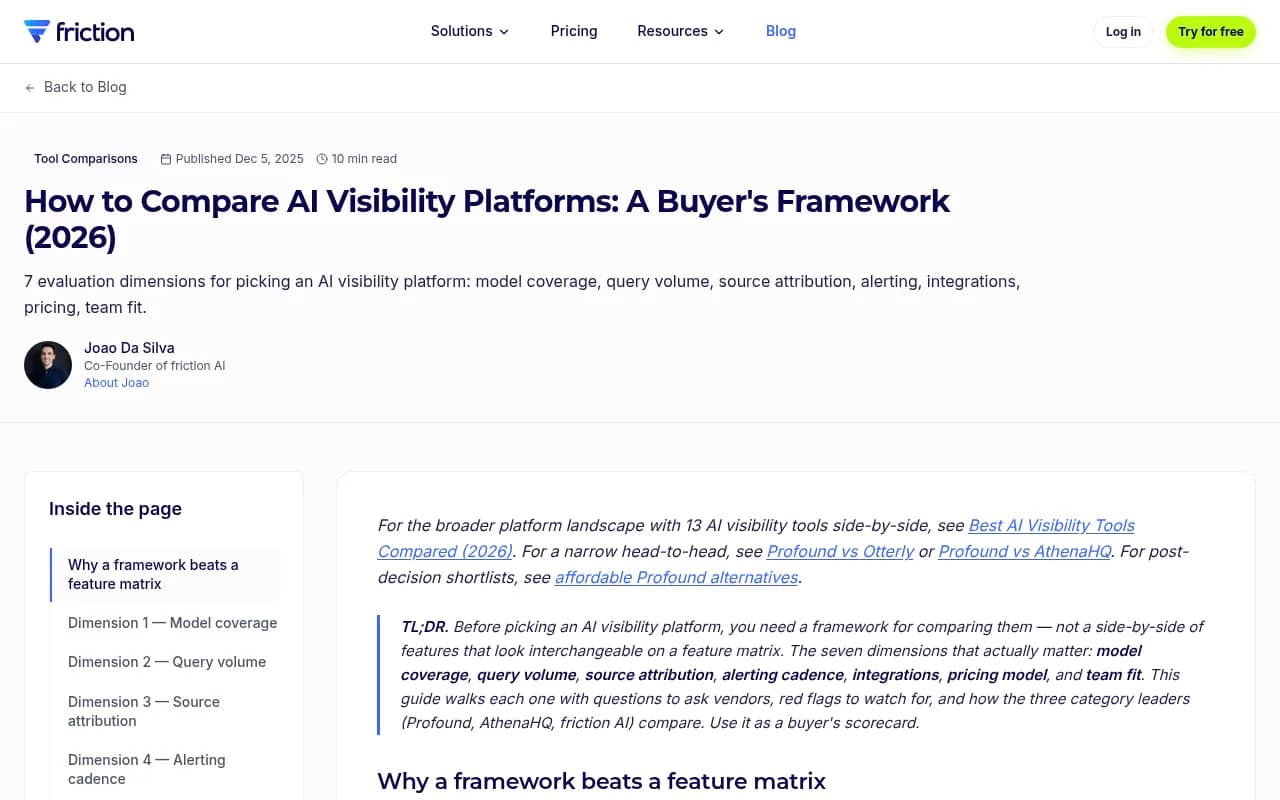
Before getting into specific tools, here's the evaluation framework worth applying to every vendor you consider. Credit to the buyer's framework published by Friction AI -- these seven dimensions cut through feature-list noise:
- Model coverage -- Which specific AI engines are monitored, and how often? "All major models" without specifics is a red flag.
- Query volume and prompt intelligence -- How many prompts can you track? Do you get volume estimates and difficulty scores, or just raw mentions?
- Source and citation attribution -- Can you see exactly which pages, Reddit threads, or third-party sites AI models are citing? Or just that your brand was mentioned?
- Content optimization tools -- Does the platform help you create content to fill gaps, or just show you the gaps exist?
- Crawler and traffic analytics -- Can you see AI bots hitting your site, which pages they read, and whether crawls lead to citations?
- Integrations and reporting -- Does it connect to your existing stack (GSC, Looker Studio, Slack, etc.)?
- Pricing model and team fit -- Is it per-seat, per-site, per-prompt? Does the pricing scale with how you actually work?
The master feature matrix
This table covers the major platforms across the dimensions above. Tools are grouped by category: full optimization platforms, strong monitoring tools, and niche/specialist players.
| Tool | AI models tracked | Content generation | Crawler logs | Prompt intelligence | Reddit/YouTube tracking | Starting price |
|---|---|---|---|---|---|---|
| Promptwatch | 10+ | Yes (AI Content Agents) | Yes | Yes (volume + difficulty) | Yes | $99/mo |
| Profound | Up to 10 | No | No | Partial | No | $99/mo |
| AthenaHQ | 8+ | No | No | Partial | No | Custom |
| Peec AI | Up to 10 | No | No | No | No | €85/mo |
| Otterly.AI | 4 (base) | No | No | No | No | $29/mo |
| SE Visible | 5 | No | No | No | No | $99/mo |
| Scrunch AI | 5+ | No | No | No | No | Custom |
| Semrush AI Toolkit | 5 | No | No | No | No | Bundled |
| Ahrefs Brand Radar | 4 | No | No | No | No | Bundled |
| Nightwatch | 4 | No | No | No | No | $32+$99/mo |
| Searchable | Up to 7 | Partial | No | No | No | $50/mo |
| Writesonic | 5+ | Yes | No | No | No | Custom |
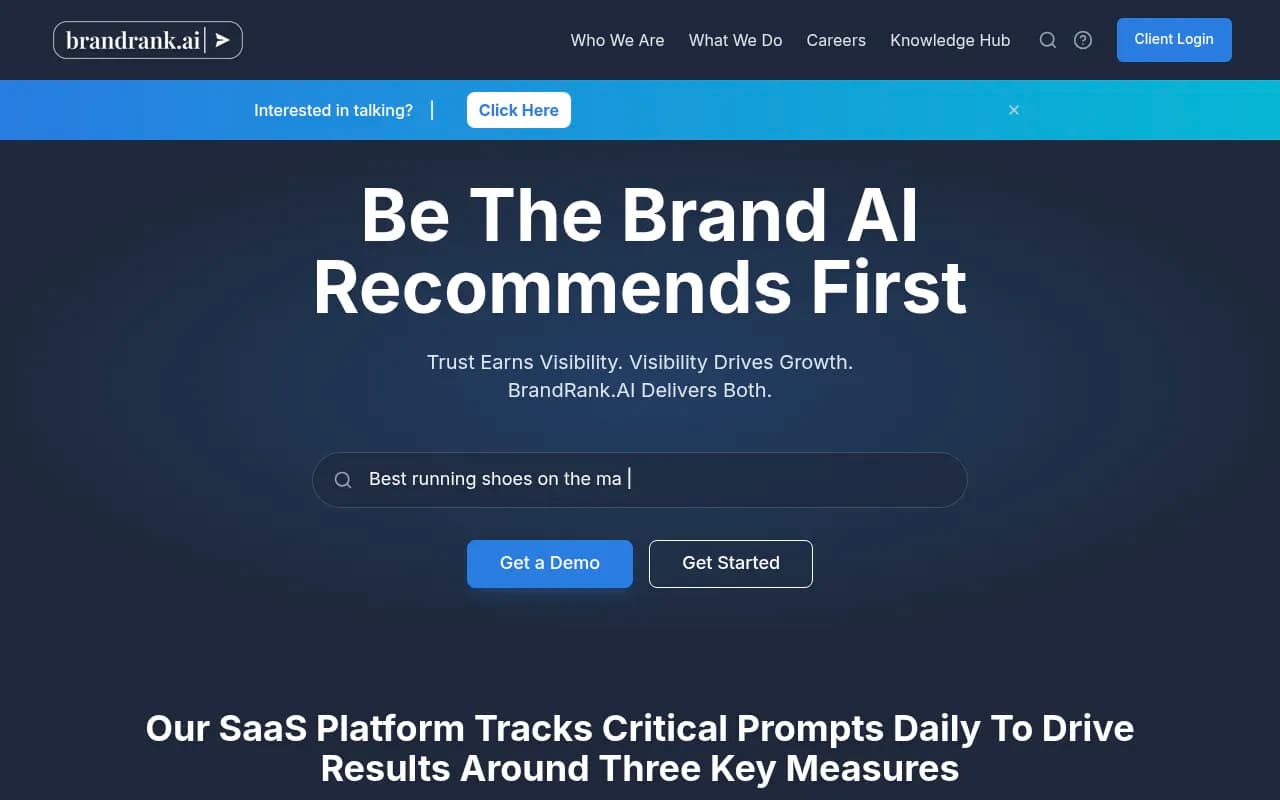
| BrandRank.AI | 6+ | No | No | No | No | Custom |
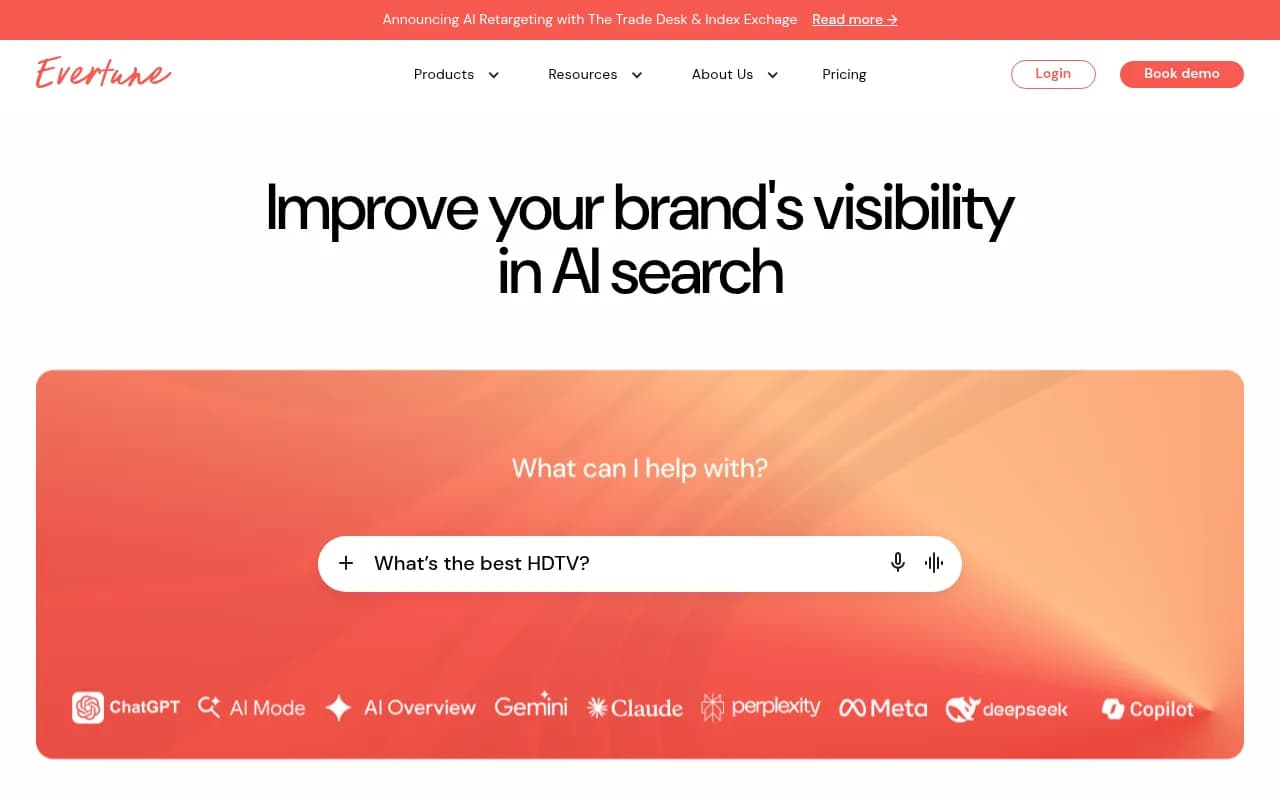
| Evertune | 8+ | Partial | No | No | No | Enterprise |
| Search Party | 5+ | No | No | Partial | No | Custom |
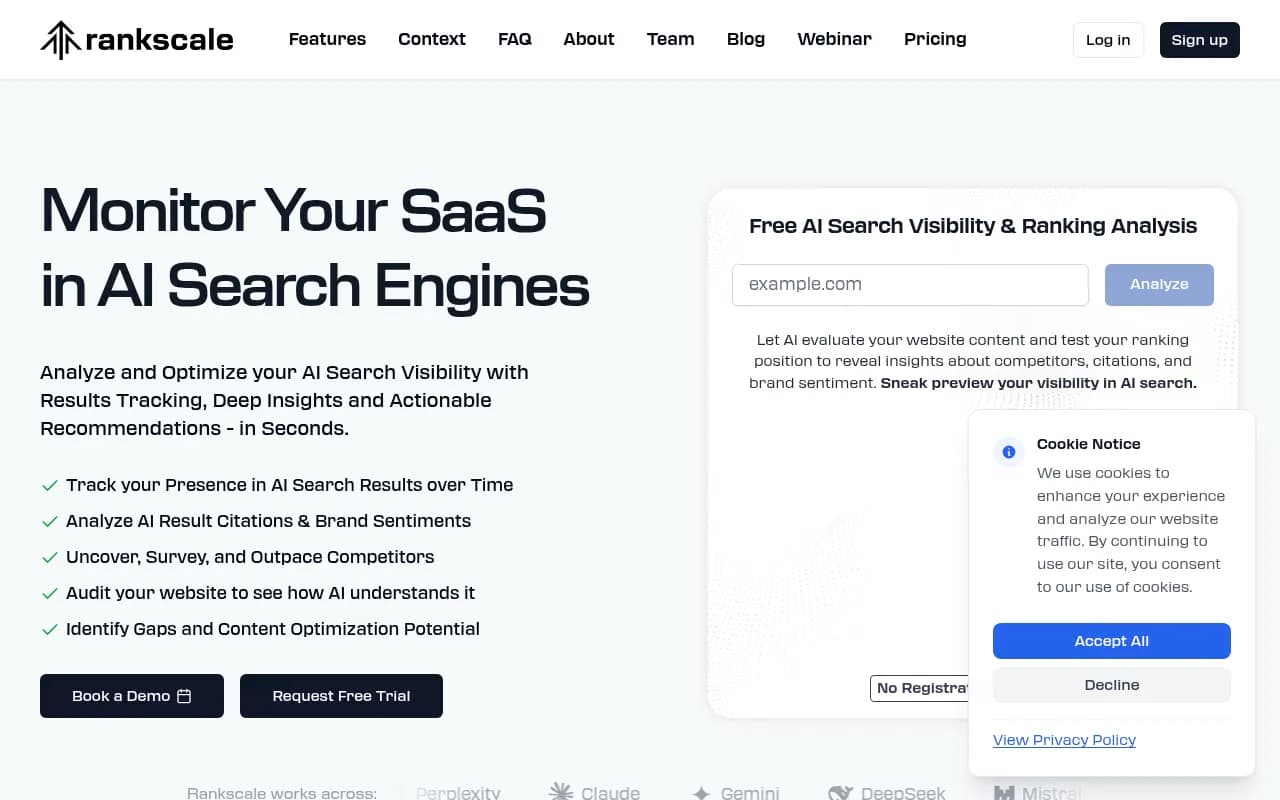
| Rankscale | 5+ | No | No | No | No | Custom |
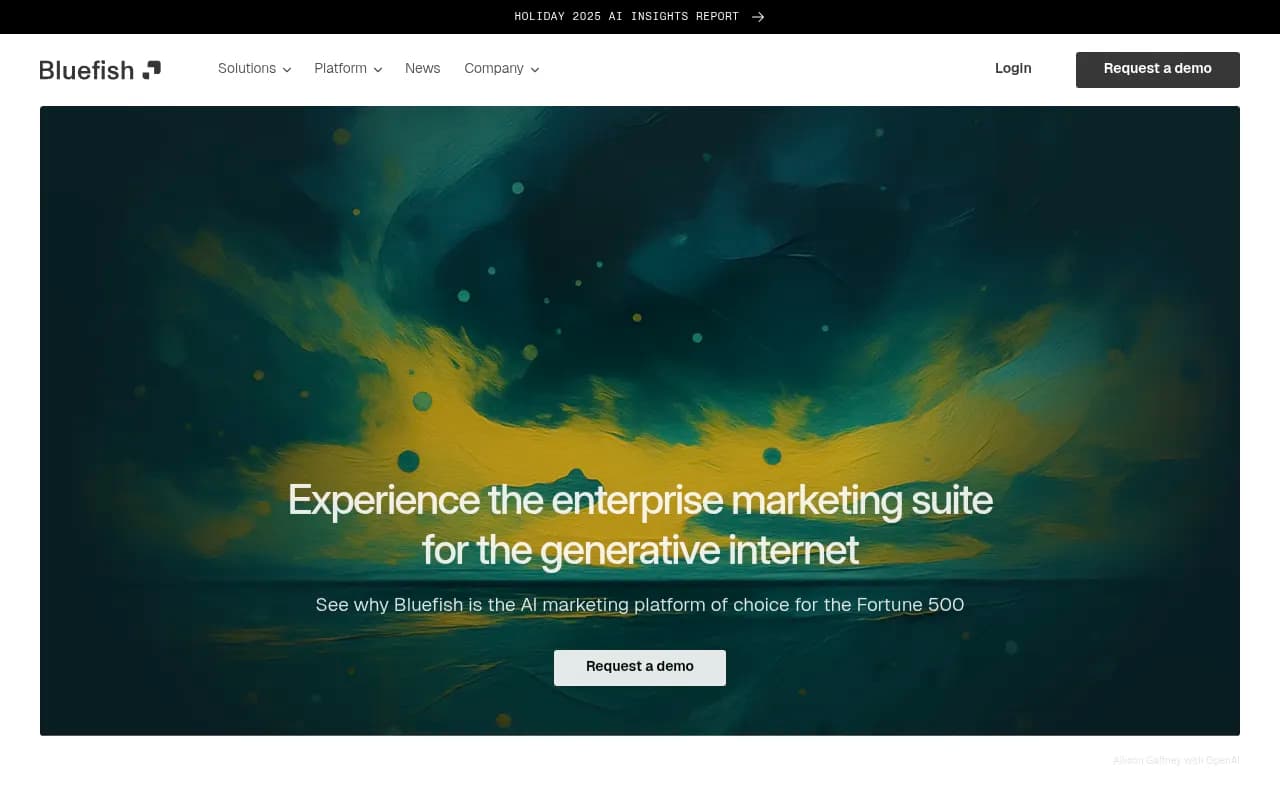
| Bluefish | 6+ | No | No | No | No | Enterprise |
| Conductor | 5+ | No | No | Partial | No | Custom |
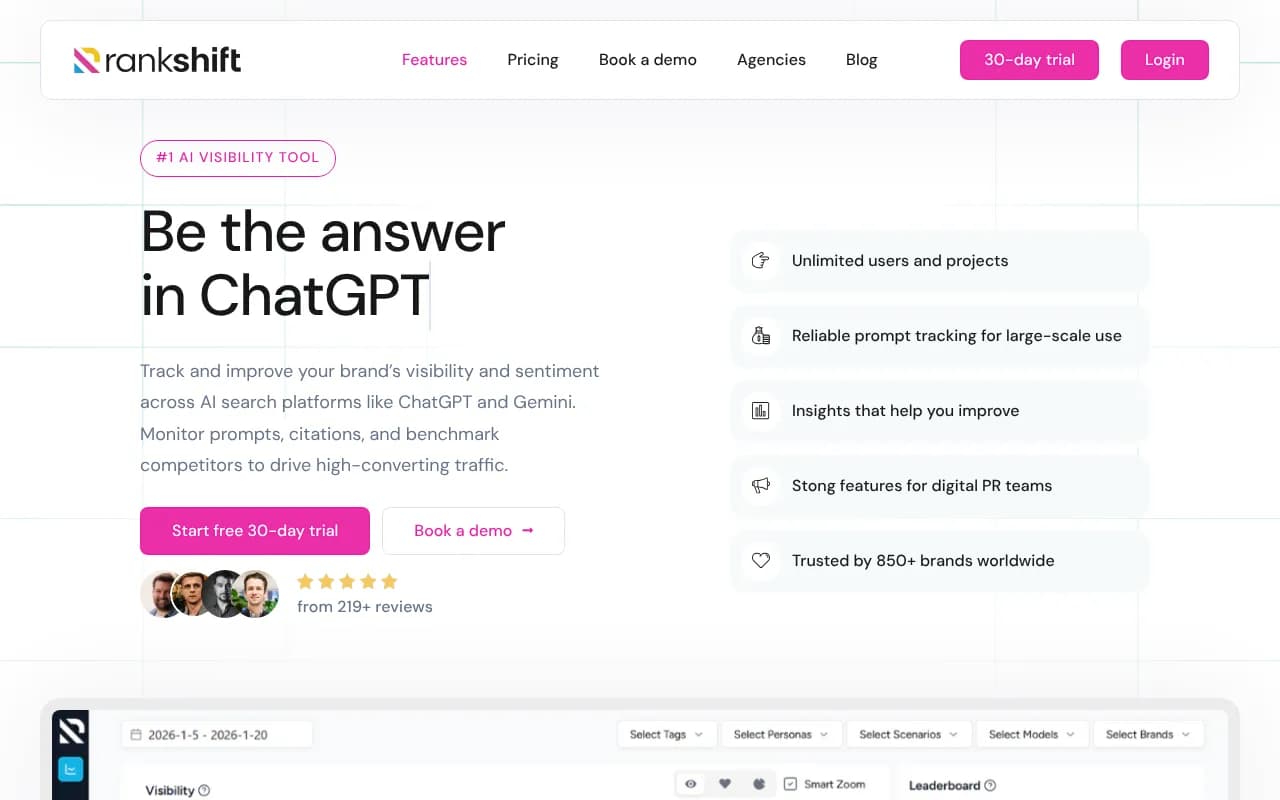
| Rankshift | 5+ | No | No | No | No | Custom |
| Radarkit | 5+ | No | No | No | No | Custom |
| Brandlight | 5+ | No | No | No | No | Custom |
| Relixir | 6+ | Yes | No | No | No | Custom |
| Superlines | 5+ | Partial | No | No | No | Custom |
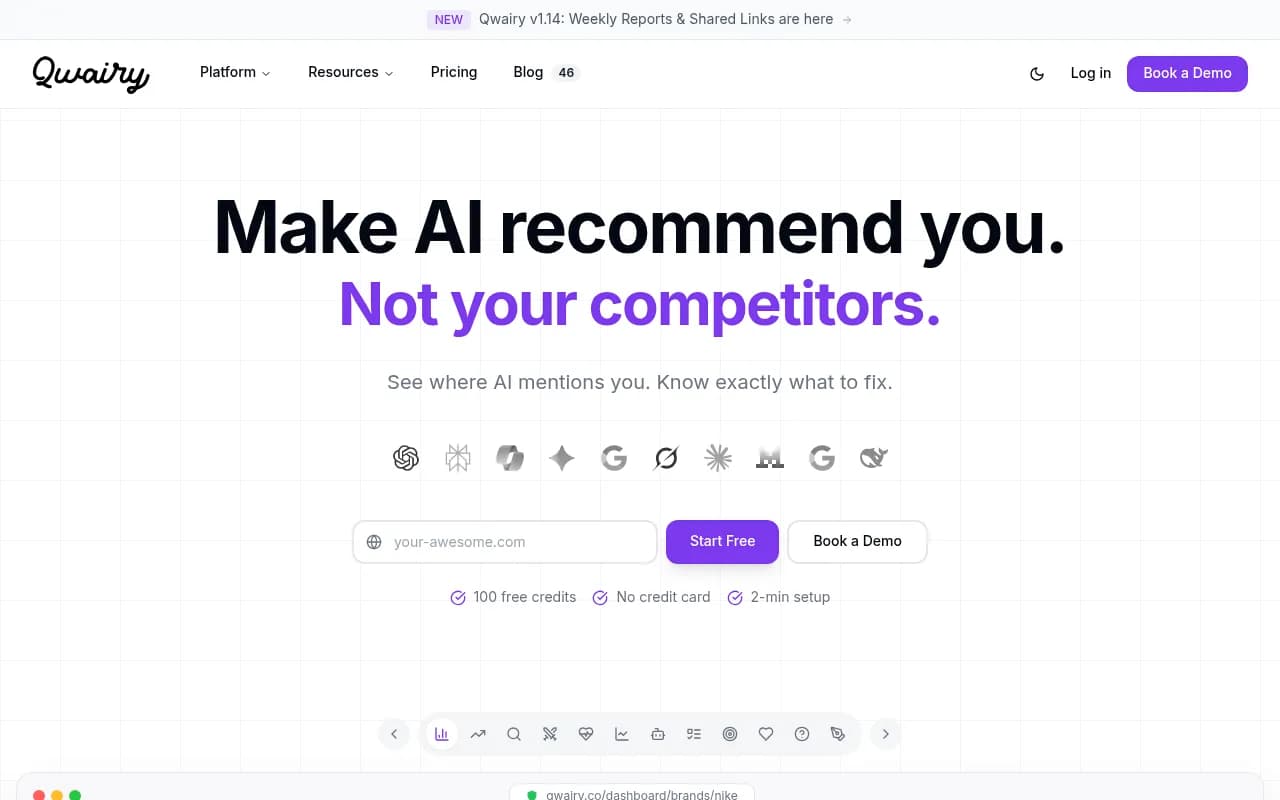
| Qwairy | 5+ | Partial | No | No | No | Custom |
| GetCito | 5+ | No | No | No | No | Custom |
| LLMrefs | 5+ | No | No | No | No | Custom |
| Trakkr.ai | 5+ | No | No | No | No | Custom |
| AIClicks | 5+ | No | No | No | No | Custom |
| Cognizo | 5+ | No | No | No | No | Custom |
| Xfunnel | 5+ | No | Human-assisted | No | No | Custom |
Tier 1: Full optimization platforms
These tools go beyond monitoring. They show you gaps and help you close them.
Promptwatch
Promptwatch is the platform that most directly addresses the "now what?" problem. Most visibility tools show you that you're invisible for certain prompts. Promptwatch shows you that, then generates the content to fix it.

The core workflow is a three-step loop: Answer Gap Analysis identifies which prompts competitors rank for that you don't. Content Agents then generate articles, comparisons, and briefs grounded in real prompt data, citation patterns, and competitor analysis. Page-level tracking then shows whether those new pages get crawled and cited by AI models.
A few things stand out as genuinely unusual in this category. First, Promptwatch tracks real user-facing AI interfaces rather than just API outputs -- which matters because what users actually see often differs from what an API returns. Second, the AI Crawler Logs feature shows you exactly which AI bots are hitting your site, which pages they read, and when a crawl turns into a citation. Most competitors don't have this at all. Third, Reddit and YouTube tracking surfaces discussions that directly influence AI recommendations -- a channel most platforms ignore entirely.
Pricing: $99/month (Essential, 1 site, 50 prompts), $249/month (Professional, 2 sites, 150 prompts, crawler logs), $579/month (Business, 5 sites, 350 prompts). Free trial available.
Profound
Profound is a well-built monitoring platform with strong prompt research capabilities, particularly at the enterprise tier. It covers up to 10 AI models and has solid prompt management. The gap is on the action side -- there's no content generation, no crawler logs, and no Reddit/YouTube tracking. You get excellent data about where you stand; the path to improvement is left to you.

Best for: Enterprise teams with dedicated content resources who need deep prompt research and don't need the platform to generate content for them.
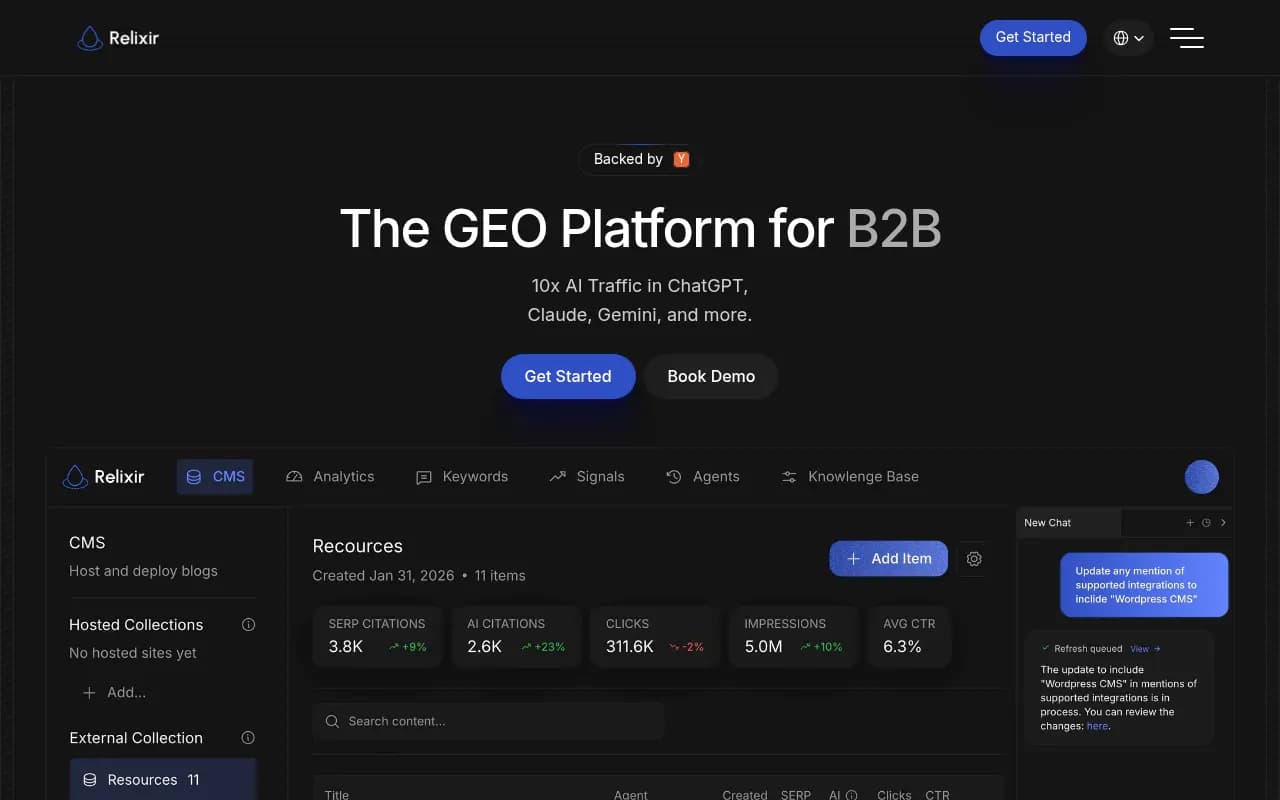
Relixir
Relixir takes an interesting angle -- it's positioned as an AI-native CMS with GEO built in, rather than a monitoring tool that added content features. If your primary need is publishing content that's engineered for AI citation from day one, it's worth evaluating.
Tier 2: Strong monitoring tools
These platforms do monitoring well. They're honest about not being optimization platforms, and for teams that just need reliable tracking data, several are genuinely good.
Peec AI
Peec AI covers up to 10 AI models with flexible model selection -- you can choose which engines matter most for your use case. The interface is clean and the multi-language support is solid. No content generation or crawler logs, but the monitoring data is reliable.

Otterly.AI
The lowest entry price in the category at $29/month. Covers 4 AI models at the base tier. Good for small teams or individuals who want to start tracking AI visibility without a major budget commitment. The feature set is basic, but it does what it says.

AthenaHQ
AthenaHQ covers 8+ AI engines and has a clean interface for tracking brand visibility and share of voice. Monitoring-focused, with no content generation or crawler access. Pricing is custom/enterprise.

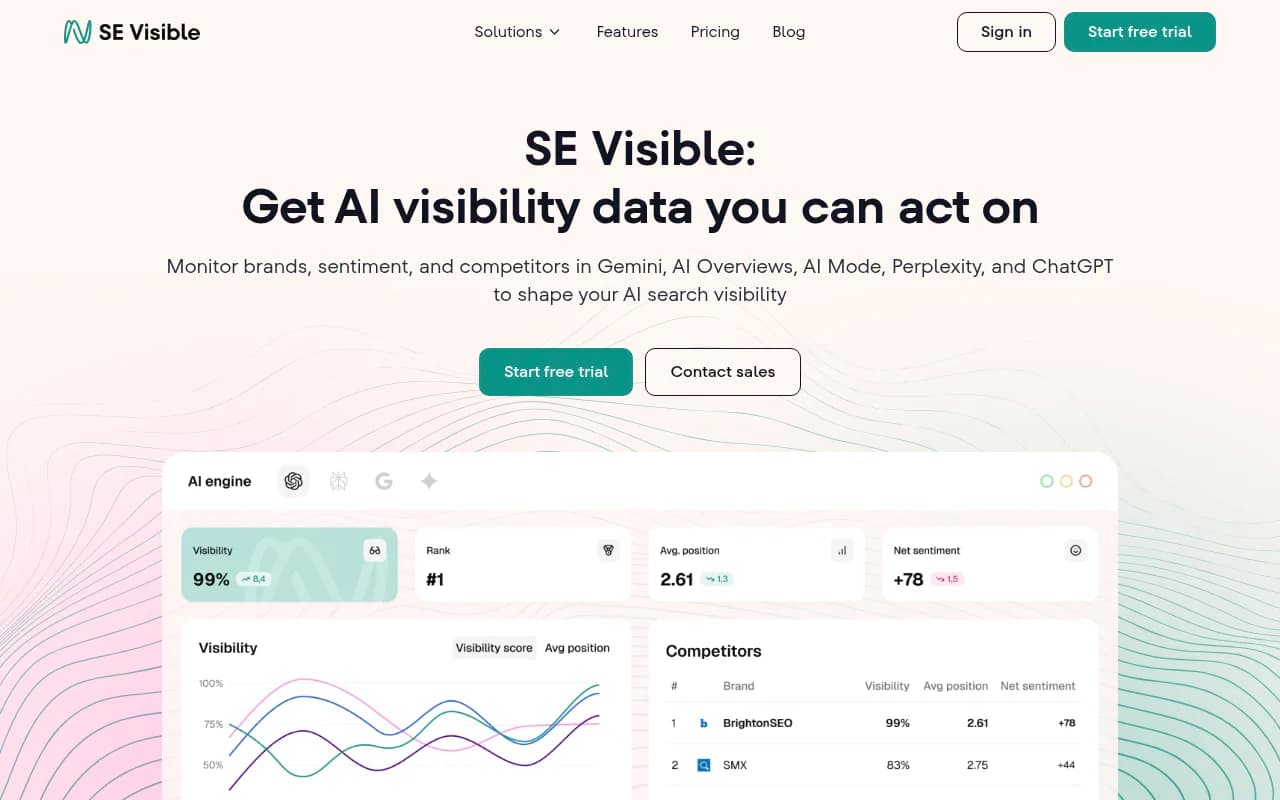
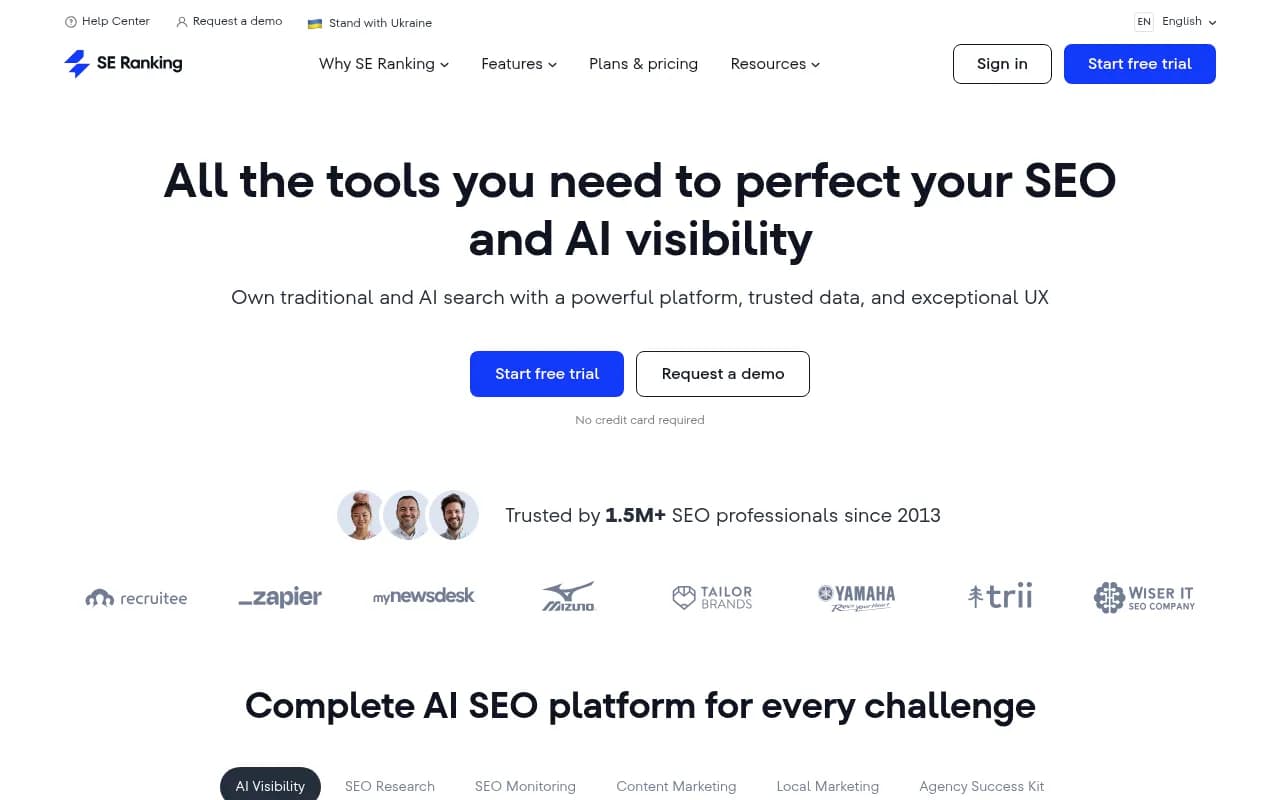
SE Visible
SE Ranking's AI visibility module covers 5 models and integrates with the broader SE Ranking SEO platform. If you're already an SE Ranking customer, this is a natural add-on. As a standalone AI visibility tool, it's solid but not exceptional.
Scrunch AI
Scrunch AI has a clean monitoring interface and covers several major AI engines. It's been around since the early days of this category and has iterated well. No content generation, but the monitoring data is reliable.
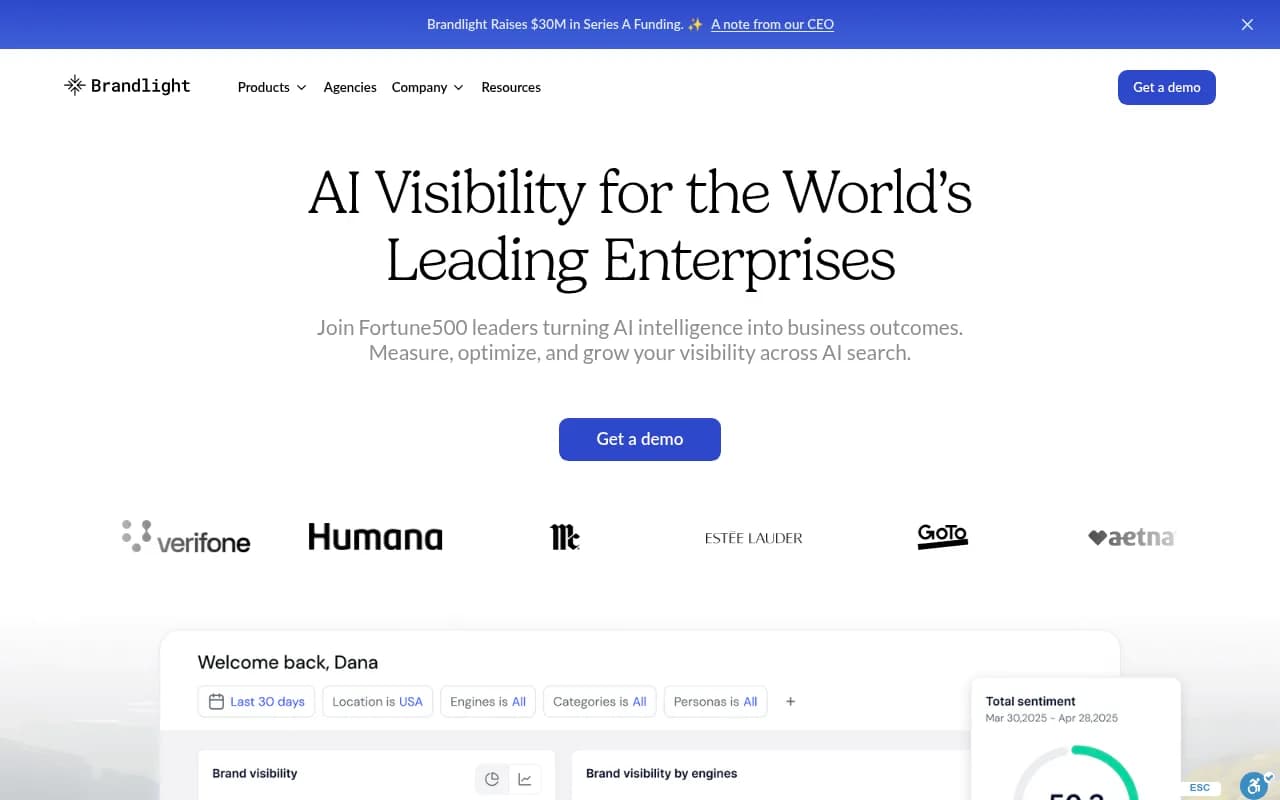
Brandlight
Brandlight focuses on brand visibility tracking across AI models with a clean reporting interface. Good for teams that need straightforward mention tracking without the complexity of a full optimization platform.
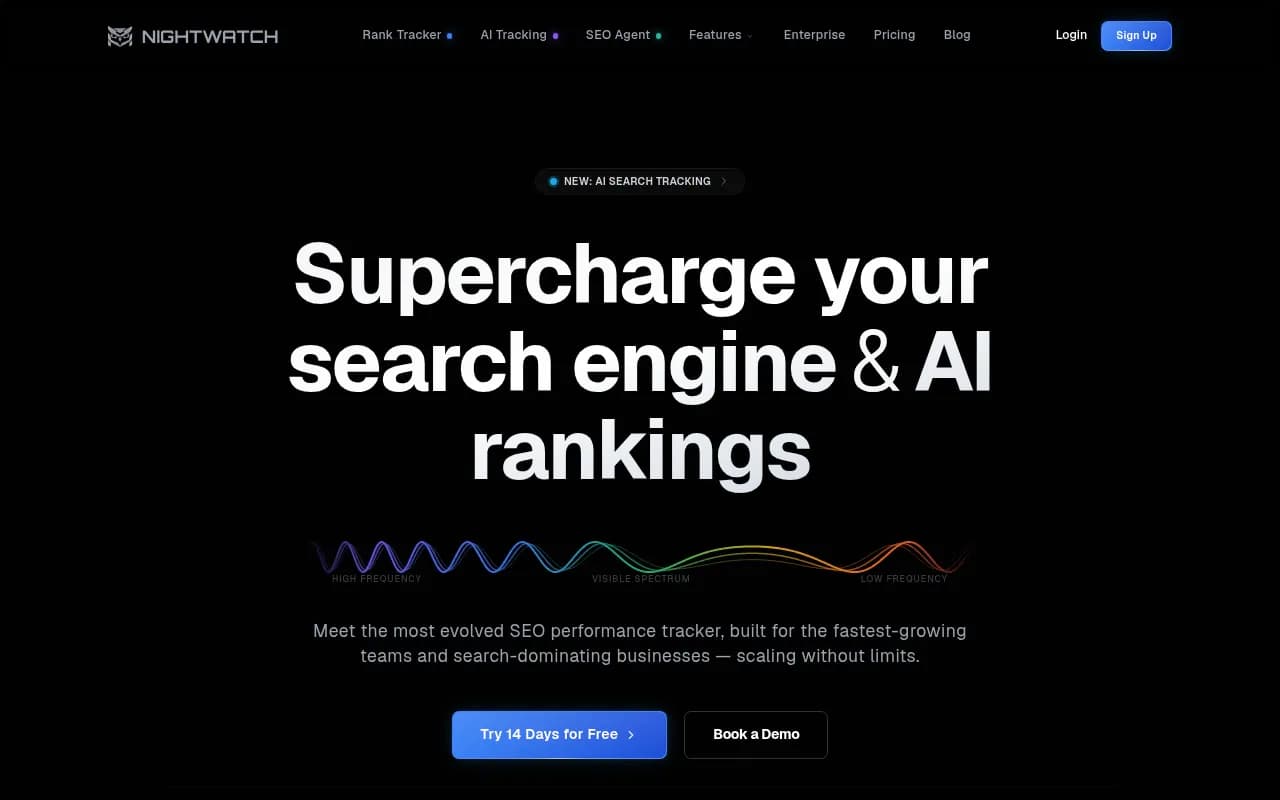
Nightwatch
Nightwatch is primarily an SEO rank tracking tool that added an AI monitoring module. The $32/month base plus $99/month AI add-on pricing is worth noting -- it's not as cheap as it looks at first glance. But if you want traditional rank tracking and AI monitoring in one tool, it's a reasonable option.
Tier 3: Traditional SEO tools with AI visibility features
These are established SEO platforms that have added AI visibility features. They're not purpose-built for this use case, but they're worth knowing about if you're already paying for them.
Semrush
Semrush's AI Toolkit covers 5 AI models and is bundled with existing Semrush plans. The limitation is that it uses fixed prompts -- you can't fully customize the query set to match your actual customer journey. If you're already a Semrush customer, it's a free addition worth using. As a primary AI visibility tool, it's not deep enough.
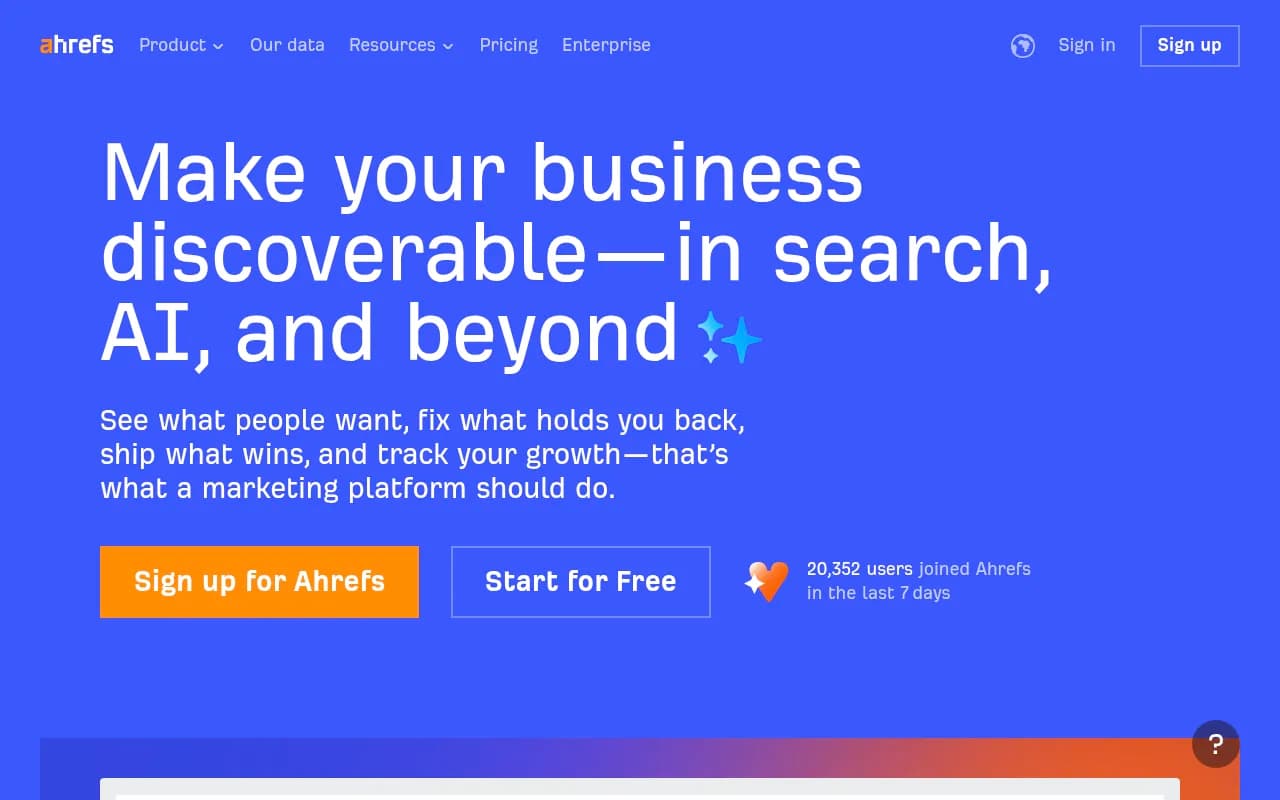
Ahrefs Brand Radar
Ahrefs added Brand Radar to track brand mentions in AI search results. Like Semrush, it uses fixed prompts and has no AI traffic attribution. Useful as a supplementary signal if you're already in the Ahrefs ecosystem.
SE Ranking
The full SE Ranking platform (not just SE Visible) includes keyword tracking, site audits, and the AI visibility module. Worth considering if you want an all-in-one SEO + AI visibility solution at a mid-market price point.
Tier 4: Niche and specialist tools
These tools serve specific use cases or are newer entrants worth watching.
Rankscale
Rankshift
BrandRank.AI
Conductor
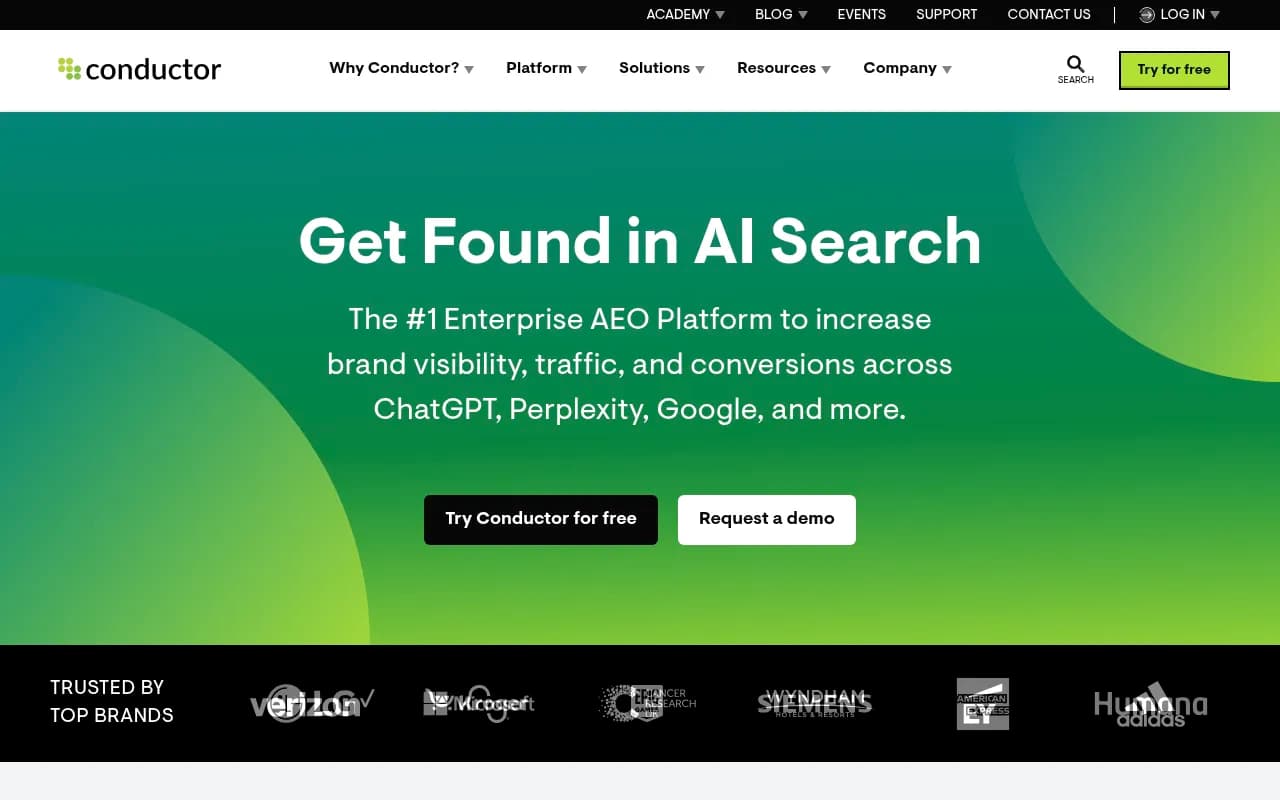
Conductor has been in the enterprise SEO space for years and added AI visibility tracking with persona customization. Worth evaluating for large enterprise teams already in the Conductor ecosystem.
Writesonic
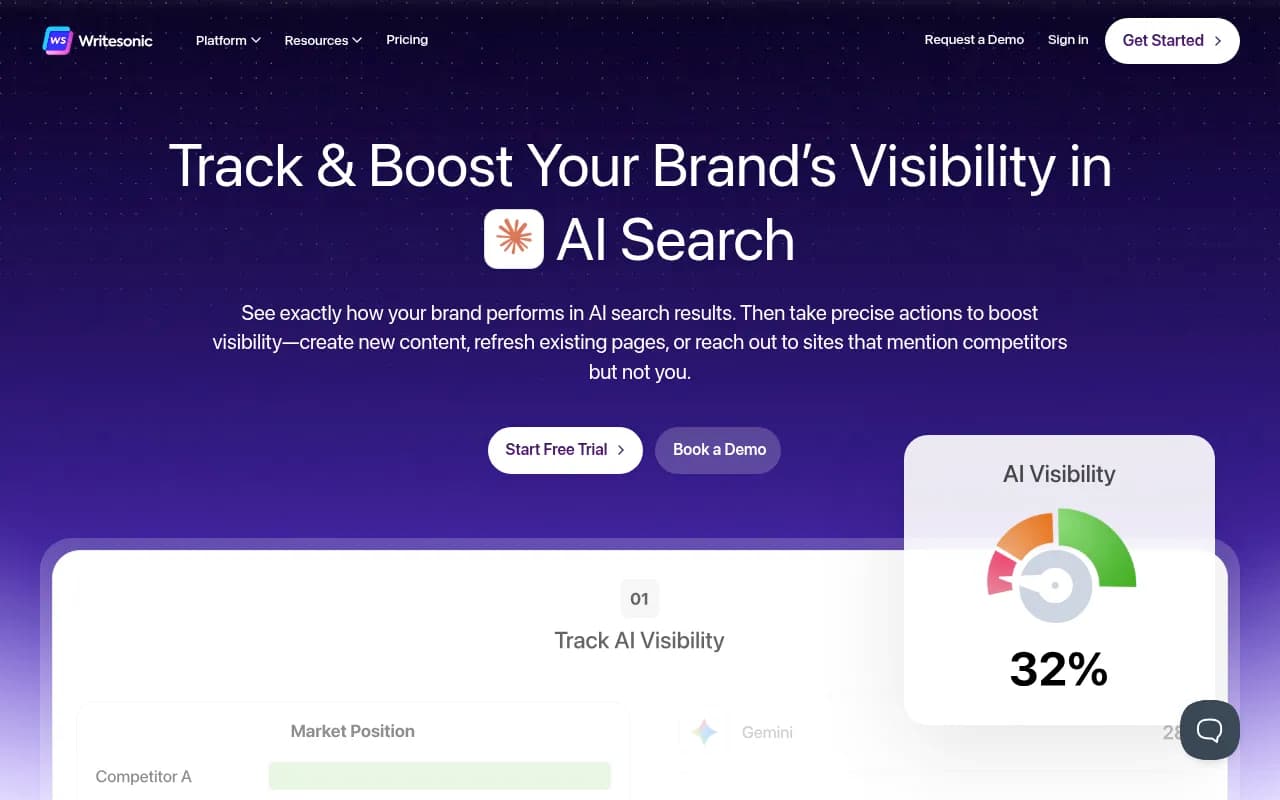
Writesonic started as an AI writing tool and has expanded into AI search visibility monitoring. It's one of the few tools outside of Promptwatch that combines content generation with visibility tracking, though the monitoring depth is lighter.
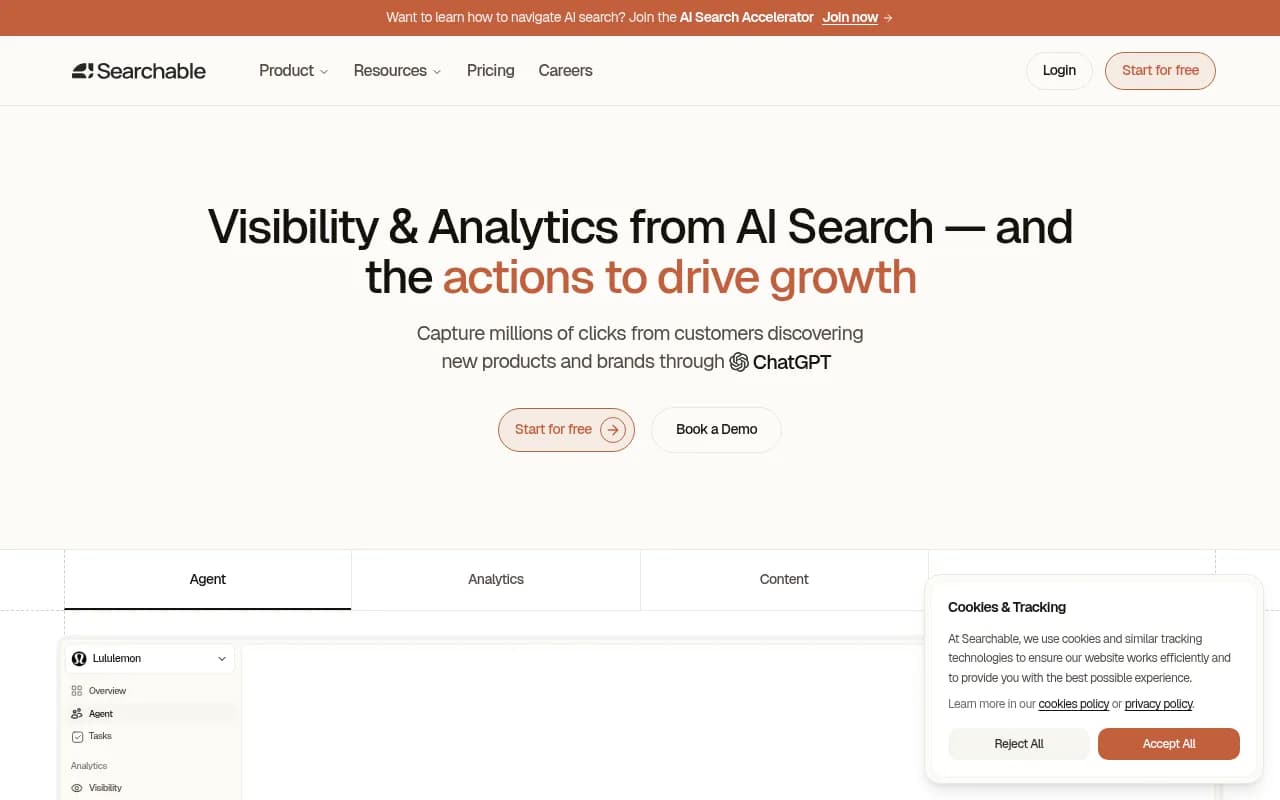
Searchable
Searchable covers up to 7 AI models and has partial content creation features. It's positioned as a monitor-plus-create platform at a lower price point ($50/month), though the content tools are less sophisticated than dedicated optimization platforms.
Radarkit
Trakkr.ai
AIClicks
LLMrefs
GetCito
Cognizo
Superlines
Qwairy
Bluefish
Bluefish is positioned at the enterprise/Fortune 500 end of the market. Strong brand visibility tracking, but no content generation and no crawler logs.
Evertune
Evertune is an enterprise GEO platform with solid monitoring capabilities and some content optimization features. It's positioned for larger brands and agencies.
How to read the feature matrix honestly
A few things worth saying plainly about this comparison:
The "AI models tracked" number is the most commonly inflated metric in this category. A vendor claiming "10 models" might be hitting some of them via API with no geographic context, no persona simulation, and monthly refresh rates. Another vendor claiming "10 models" might be running real user-interface queries daily with regional and persona variation. The number looks the same on a feature matrix. The data quality is completely different.
Ask every vendor: "For each model you track, are you querying the API or the user-facing interface? How often? With what geographic and persona configuration?"
The content generation feature is similarly variable. Some platforms generate generic AI-written articles. Others generate content grounded in real prompt data, citation patterns, and competitor analysis. The output quality difference is significant.
Crawler logs are rare. Most platforms have no visibility into whether AI bots are actually crawling your site, which pages they read, or whether those crawls lead to citations. This is a meaningful gap -- you can't diagnose indexing problems you can't see.
Pricing comparison at a glance
| Tool | Entry price | Mid-tier | Enterprise |
|---|---|---|---|
| Promptwatch | $99/mo | $249/mo | $579/mo+ |
| Otterly.AI | $29/mo | ~$99/mo | Custom |
| Nightwatch | $32+$99/mo | ~$200/mo | Custom |
| Peec AI | €85/mo | ~€200/mo | Custom |
| SE Visible | $99/mo | ~$200/mo | Custom |
| Searchable | $50/mo | ~$150/mo | Custom |
| Profound | $99/mo | ~$299/mo | Custom |
| Semrush (AI Toolkit) | Bundled | Bundled | Custom |
| Ahrefs (Brand Radar) | Bundled | Bundled | Custom |
| AthenaHQ | Custom | Custom | Custom |
| Scrunch AI | Custom | Custom | Custom |
| Evertune | Custom | Custom | Custom |
| Bluefish | Custom | Custom | Custom |
Which tool should you actually buy?
The honest answer depends on where you are in your AI visibility journey.
If you're just starting out and want to understand whether your brand appears in AI answers at all, Otterly.AI or Searchable will get you data quickly at a low cost. Don't over-invest before you know what you're looking at.
If you're past the "do we appear?" stage and want to systematically improve AI visibility, you need a platform that closes the loop between finding gaps and fixing them. Promptwatch is the only platform in this comparison that does all three steps -- gap analysis, content generation, and citation tracking -- in a single workflow. That's not a small difference. Most teams that buy a monitoring-only tool end up exporting data to a spreadsheet, writing briefs manually, publishing content, and then going back to the monitoring tool to check if it worked. Promptwatch automates that cycle.
If you're an enterprise team with a large content operation and just need the best monitoring data, Profound or AthenaHQ are worth evaluating. They have strong monitoring depth, and if you have the internal resources to act on the data yourself, the lack of content generation is less of a limitation.
If you're already paying for Semrush or Ahrefs, turn on their AI visibility features as a baseline. Just don't mistake them for a primary AI visibility strategy -- the fixed prompts and lack of traffic attribution are real limitations.
The question most buyers don't ask
Most people evaluating these tools ask "which models does it track?" and "how much does it cost?" Those are table-stakes questions.
The question that actually separates useful tools from expensive dashboards is: "After I see the data, what does this platform help me do?"
If the answer is "export it and figure it out yourself," that's a monitoring tool. If the answer is "here are the specific prompts you're missing, here's the content that would close those gaps, and here's how to track whether it works," that's an optimization platform.
In 2026, with AI search accounting for a growing share of how buyers discover products and services, the difference between those two categories is the difference between knowing you have a problem and actually fixing it.
Quick reference: tools by use case
| Use case | Recommended tools |
|---|---|
| Full AI visibility optimization (find gaps + fix them + track results) | Promptwatch |
| Deep enterprise prompt research | Profound, AthenaHQ |
| Budget-friendly monitoring | Otterly.AI, Searchable |
| Multi-language / multi-region monitoring | Peec AI, Promptwatch |
| SEO + AI visibility in one tool | SE Ranking / SE Visible, Nightwatch |
| Already using Semrush/Ahrefs | Add their AI modules as a supplement |
| Agency managing multiple brands | Promptwatch (Business/Agency), Peec AI |
| Content generation + monitoring | Promptwatch, Writesonic |
| Crawler log access | Promptwatch |
| Reddit + YouTube influence tracking | Promptwatch |
The AI search visibility market will keep consolidating. Some of the 30+ tools in this matrix will merge, pivot, or disappear. The platforms that survive will be the ones that prove they can move the needle -- not just measure it.