Key takeaways
- Answer Engine Optimization (AEO) is the practice of structuring content so AI systems like ChatGPT, Perplexity, and Google AI Overviews cite your brand in their responses -- not just rank your URL in a list.
- Traditional SEO still matters, but it's no longer enough: over 60% of searches now end without a click, and Gartner projects a 25% drop in traditional search volume by end of 2026.
- AEO success depends on content structure, topical authority, and off-site presence (Reddit, YouTube, review sites) -- not just on-page optimization.
- The biggest mistake brands make is treating AEO as monitoring-only. Tracking your visibility is step one; creating content that fills the gaps is what actually moves the needle.
- Dedicated tools exist to help you track AI citations, find content gaps, and measure results -- the best ones close the loop from insight to action.
Why your current SEO strategy has a blind spot
Here's a scenario that's playing out for thousands of marketing teams right now. Your Google rankings look fine. Organic traffic is holding steady. The dashboard is green. But a potential customer just asked ChatGPT which vendors to consider in your category -- and your brand wasn't mentioned once.
That's the blind spot. And it's getting bigger.
ChatGPT now has over 800 million weekly active users, according to OpenAI CEO Sam Altman. Google's AI Overviews appear in roughly 30% of all U.S. searches, and in business and technology categories that number exceeds 33%. McKinsey research puts it plainly: 44% of AI search users now consider AI their primary source of insight, compared to 31% who still lean on traditional search.
Gartner projects traditional search volume will drop 25% by the end of 2026. Meanwhile, over 60% of searches already end without a click -- users get their answer from the AI summary and move on.
If your brand isn't in that summary, you don't exist for that query. Full stop.
This is the problem Answer Engine Optimization exists to solve.
What is answer engine optimization?
Answer Engine Optimization (AEO) is the practice of structuring your content so that AI-powered answer engines -- ChatGPT, Perplexity, Google AI Overviews, Gemini, Microsoft Copilot, and others -- can extract, understand, and cite it when responding to user questions.
The goal isn't a ranking position. It's a citation. When someone asks an AI "what's the best project management tool for remote teams?" or "which agencies specialize in CPG marketing?", AEO is what determines whether your brand gets named.
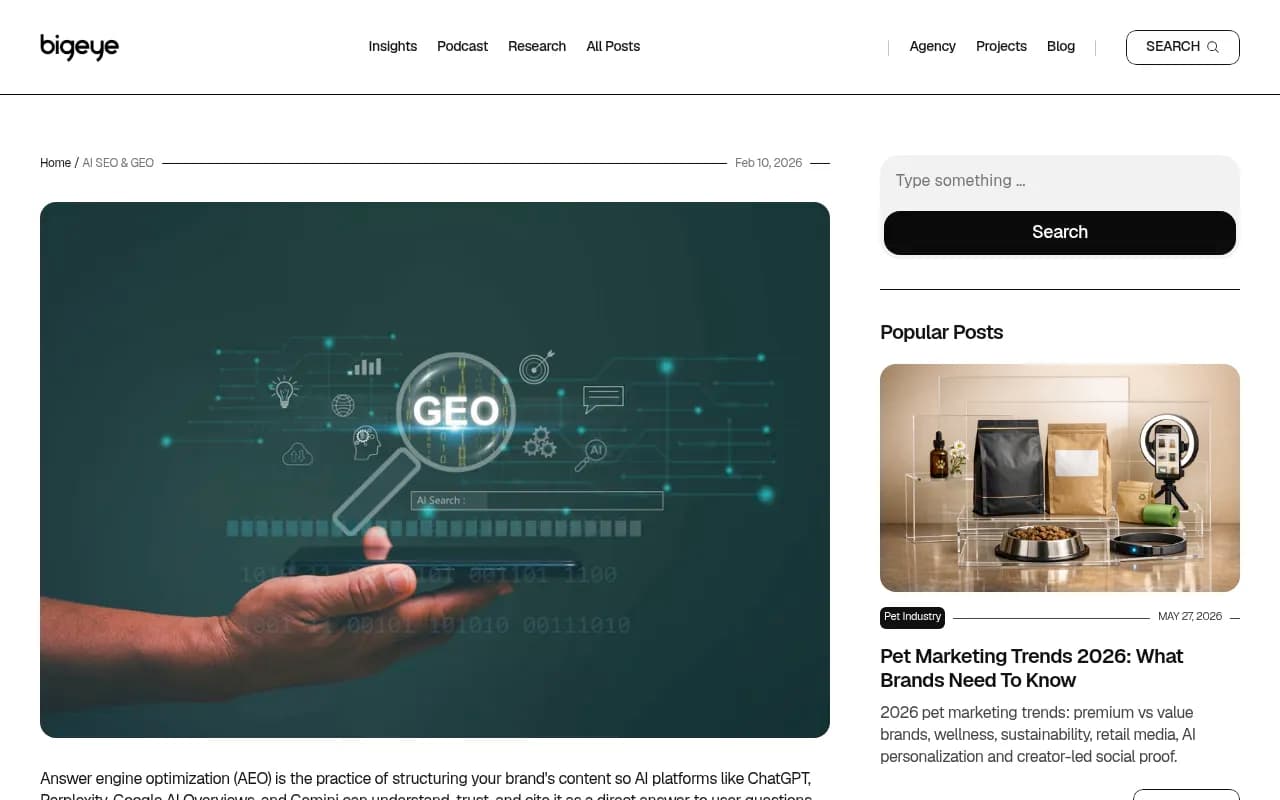
Think of it this way: traditional SEO optimizes for a crawler that indexes pages and ranks URLs. AEO optimizes for a language model that reads your content, evaluates its trustworthiness, and decides whether to include it in a synthesized answer. Those are fundamentally different tasks.
AEO is sometimes used interchangeably with GEO (Generative Engine Optimization) -- and honestly, the distinction is mostly semantic. Both refer to optimizing for AI-generated responses. Some practitioners use AEO to mean optimizing for direct question-answer formats (like voice search or featured snippets), while GEO tends to refer more broadly to visibility across large language models. For practical purposes, treat them as the same discipline.
AEO vs. SEO: what actually changes
The difference isn't that SEO becomes irrelevant. It's that SEO alone is no longer sufficient.
| Dimension | Traditional SEO | Answer Engine Optimization |
|---|---|---|
| Goal | Rank URLs in search results | Get cited in AI-generated answers |
| Success metric | Rankings, organic traffic, CTR | Citation rate, mention frequency, AI visibility score |
| Primary audience | Google's crawlers | LLMs (ChatGPT, Perplexity, Gemini, etc.) |
| Content format | Keyword-optimized pages | Direct answers, structured data, authoritative Q&A |
| Off-site signals | Backlinks | Citations on Reddit, YouTube, review sites, forums |
| Measurement tools | Google Search Console, rank trackers | AI visibility platforms, citation trackers |
| Time to impact | Weeks to months | Weeks to months (similar, but different signals) |
The mechanics overlap more than they diverge. A well-structured, authoritative, technically sound website is good for both SEO and AEO. But AEO adds a layer of requirements that traditional SEO tools don't address: how your content reads to a language model, whether it directly answers questions, and whether you're cited across the web in places AI models actually learn from.
How AI answer engines decide what to cite
This is the part most AEO guides skip over, and it matters a lot.
Large language models don't crawl the web in real time (with some exceptions like Perplexity, which does live retrieval). They're trained on massive datasets and then augmented with retrieval mechanisms. When a user asks a question, the model draws on its training data, retrieval-augmented generation (RAG) from live sources, and signals about which sources are trustworthy.
What makes a source trustworthy to an LLM? A few things:
- Consistent presence across multiple independent sources (your brand appears on your site, in reviews, on Reddit, in industry publications)
- Clear, direct answers to specific questions -- not vague marketing copy
- Structured content that's easy to parse (headers, lists, definitions, FAQ sections)
- Technical accessibility (fast load times, clean HTML, proper schema markup, no crawl errors)
- Topical depth -- a site that covers a subject thoroughly is more likely to be cited than one with a single thin page
This is why AEO isn't just about rewriting your homepage. It's a broader content and distribution strategy.
The core components of an AEO strategy
1. Content that answers questions directly
AI models are looking for answers, not brand narratives. If someone asks "what is answer engine optimization?", a page that opens with a clear, one-paragraph definition will outperform a page that spends three paragraphs on your company's history before getting to the point.
Practical formats that work well for AEO:
- FAQ sections with specific questions and concise answers
- Definition-first content ("X is the practice of...")
- Comparison articles ("X vs. Y: key differences")
- Listicles with clear criteria ("5 things to look for in...")
- How-to guides with numbered steps
These formats aren't just reader-friendly -- they map directly to how LLMs extract and synthesize information.
2. Topical authority, not just keyword coverage
A single well-optimized page won't get you far. AI models favor sources that demonstrate deep, consistent expertise across a topic. If you want to be cited for questions about email marketing, you need a cluster of content covering strategy, tools, metrics, deliverability, segmentation, and more -- not just one "ultimate guide."
This is sometimes called topical authority, and it's one of the clearest signals that an LLM can use to assess whether a source is genuinely knowledgeable.
3. Off-site presence where AI models look
Here's something that catches a lot of marketers off guard: AI models don't only cite your website. They cite Reddit threads, YouTube videos, review sites, industry forums, LinkedIn posts, and third-party publications. If your brand is only optimizing its own domain, you're missing a significant part of the picture.
Practically, this means:
- Encouraging genuine customer reviews on G2, Capterra, Trustpilot
- Participating in (or being mentioned in) relevant Reddit communities
- Publishing on LinkedIn and in industry publications
- Creating YouTube content that answers questions in your category
4. Technical foundation
AI crawlers need to be able to read your content. That means:
- Clean, crawlable HTML
- Schema markup (FAQ schema, HowTo schema, Article schema)
- Fast page load times
- No crawl errors or blocked pages
- An up-to-date sitemap
Some platforms now offer AI crawler logs that show you exactly which pages AI bots are visiting, how often, and whether they're encountering errors. That kind of visibility is hard to get from traditional SEO tools.
5. Tracking and iteration
AEO without measurement is just guessing. You need to know which prompts your brand is being cited for, which competitors are winning the prompts you're missing, and whether your new content is actually moving the needle.
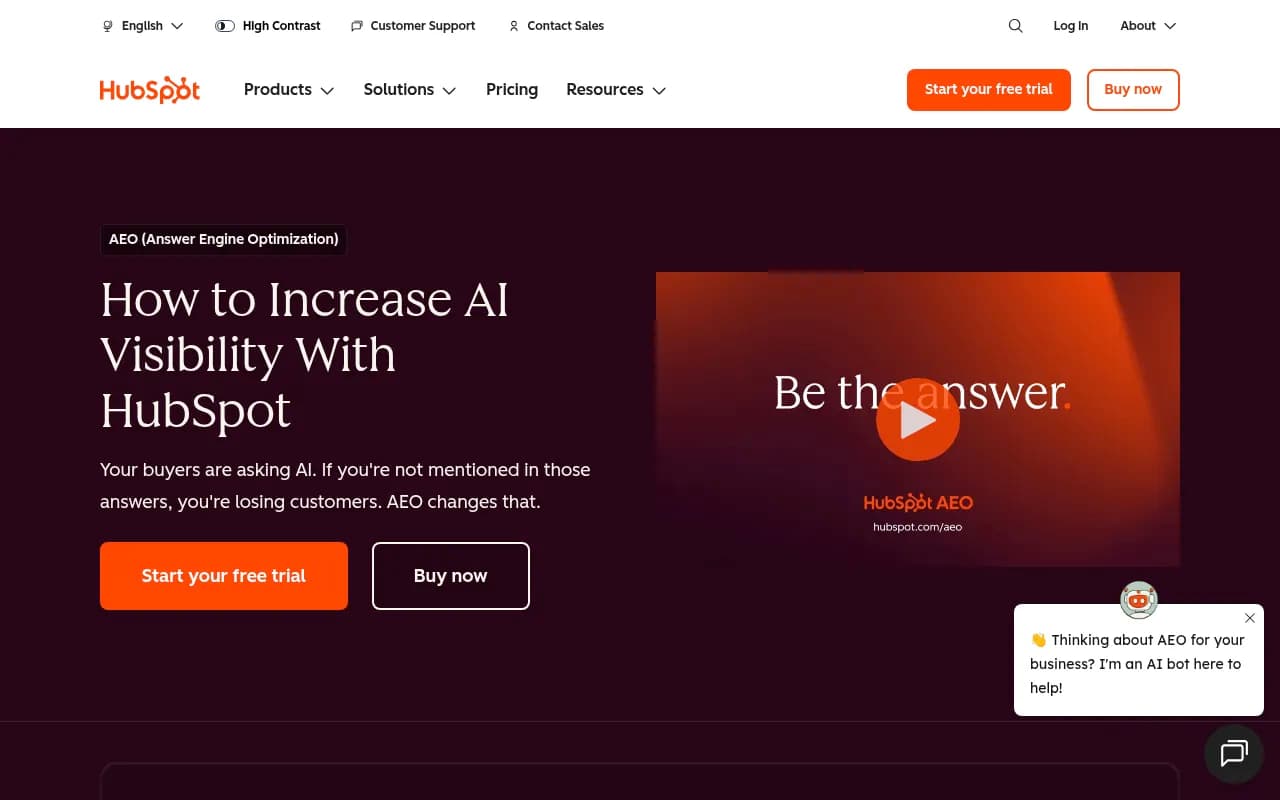
The gap most brands fall into
A lot of teams discover AEO, set up a monitoring tool, and then... stop. They can see their visibility score. They know which prompts they're missing. But they don't have a clear path from "we're not being cited here" to "now we are."
That gap between insight and action is where most AEO efforts stall.
The brands that are actually winning in AI search right now are the ones treating AEO as a cycle: find the prompts where competitors are visible but you're not, create content specifically designed to fill those gaps, and then track whether the new content gets cited. Repeat.
Promptwatch is built around exactly this loop -- it identifies which prompts you're missing, helps generate content grounded in real citation data, and tracks visibility changes at the page level so you can connect content to results.

Tools to help you execute AEO
The tooling landscape for AEO has grown significantly in 2026. Here's a practical breakdown of what's available and what each category is good for.
AI visibility monitoring
These tools track how often your brand appears in AI-generated responses across platforms like ChatGPT, Perplexity, Gemini, and others.




Most monitoring tools are solid for tracking but limited when it comes to telling you what to do about what you find. They're a good starting point, but you'll eventually want something that goes further.
Content gap analysis and optimization
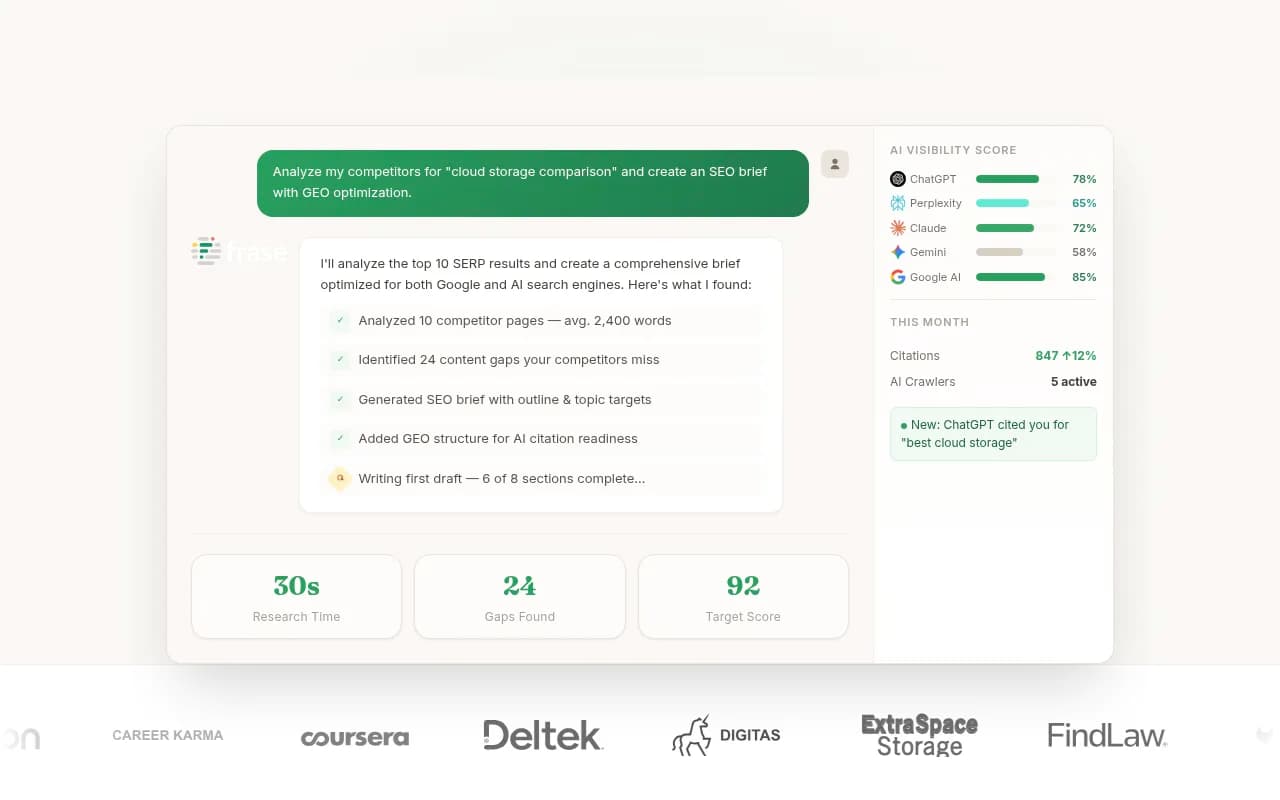
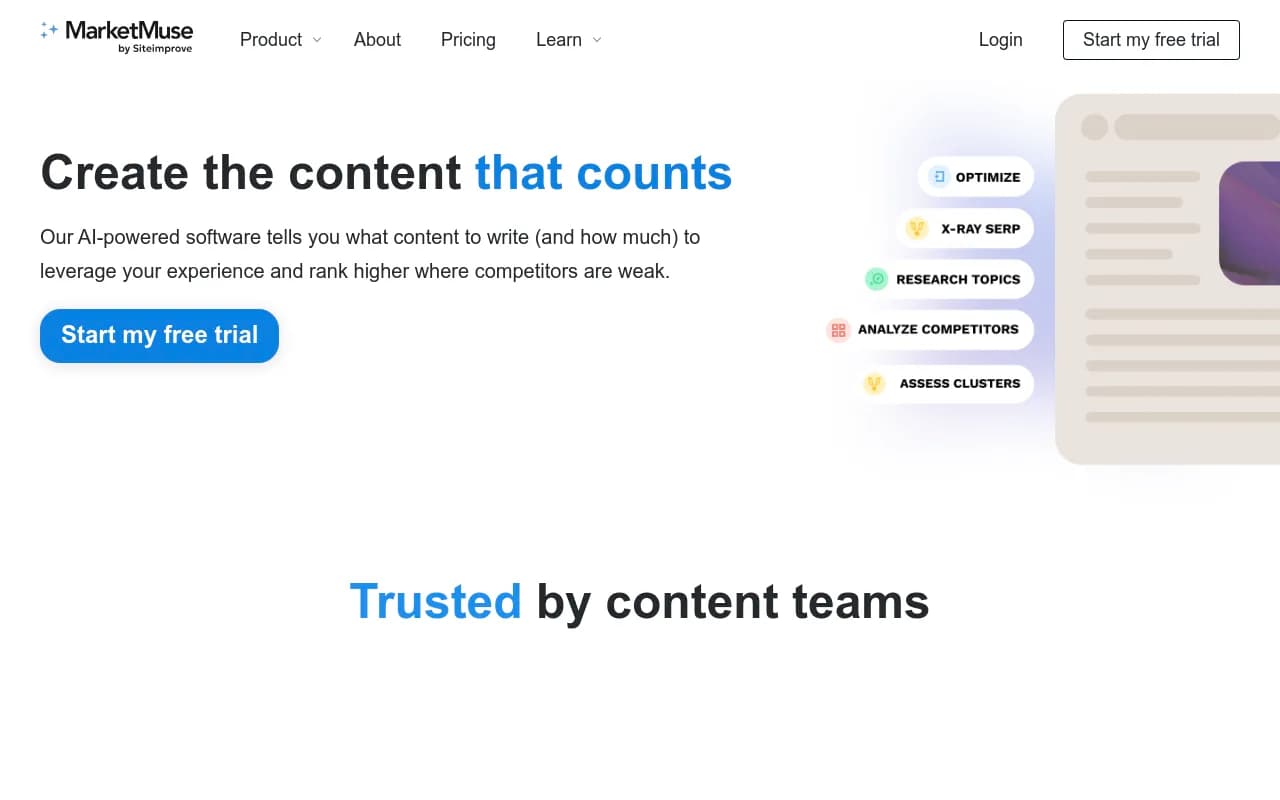
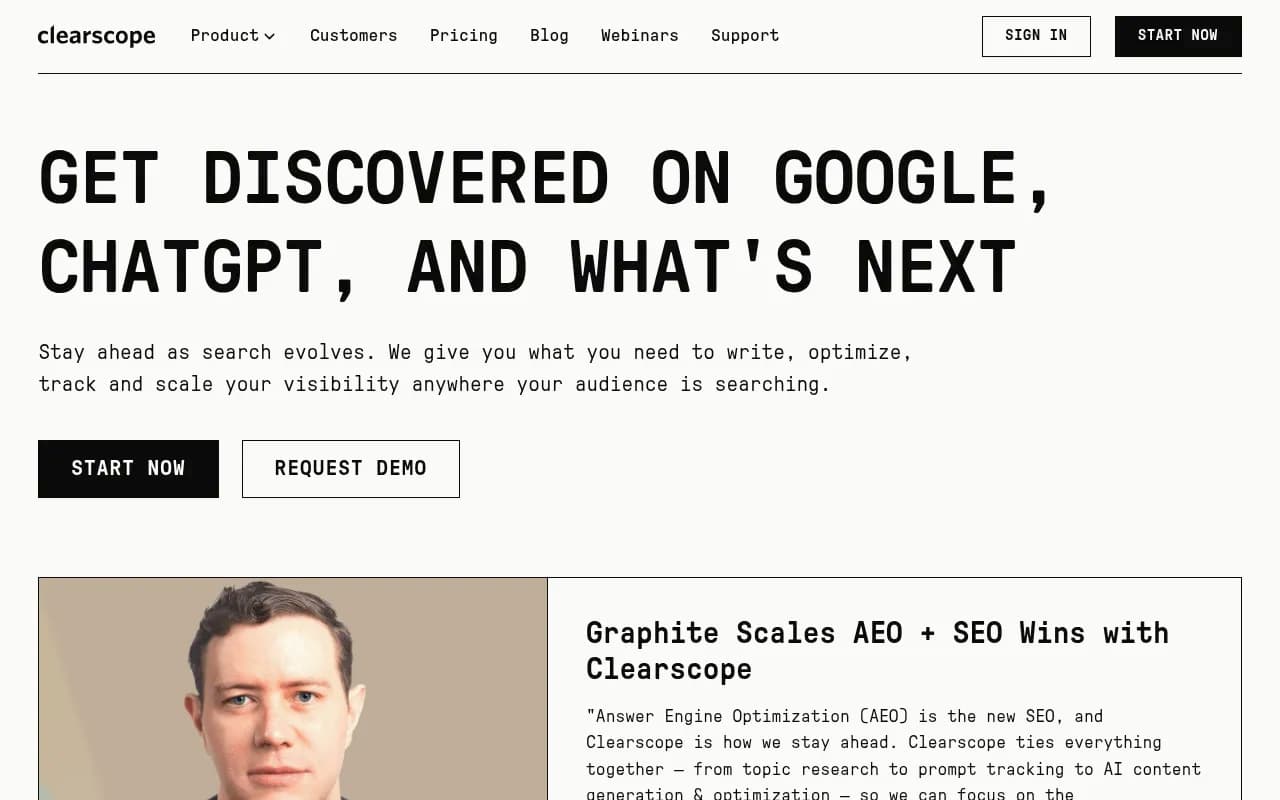
Finding the prompts where you're invisible is only useful if you can act on it. These tools help identify content gaps and, in some cases, generate content to fill them.
Full-cycle AEO platforms
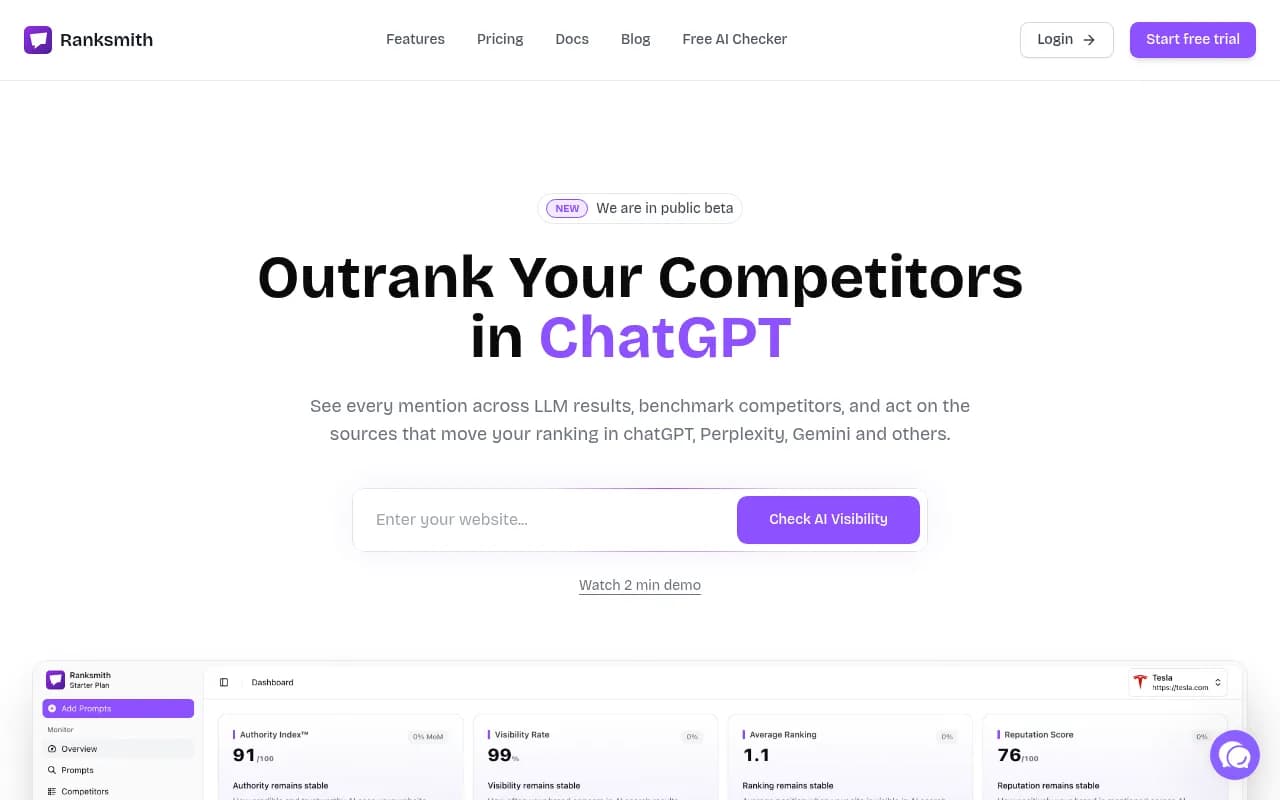
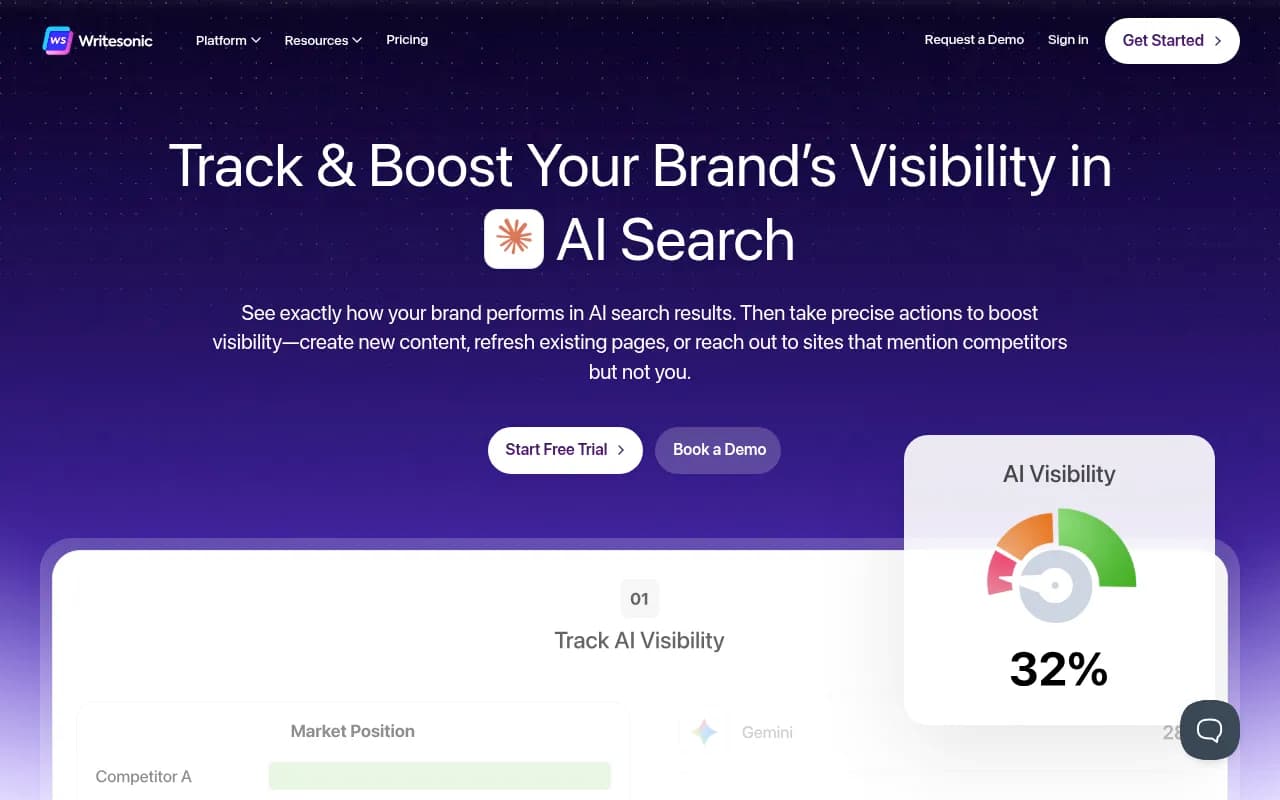
A smaller set of platforms tries to close the full loop: monitor visibility, identify gaps, generate content, and track results.
Traditional SEO tools with AI visibility features
If you're already using a major SEO platform, some have added AI visibility tracking as an add-on or module.
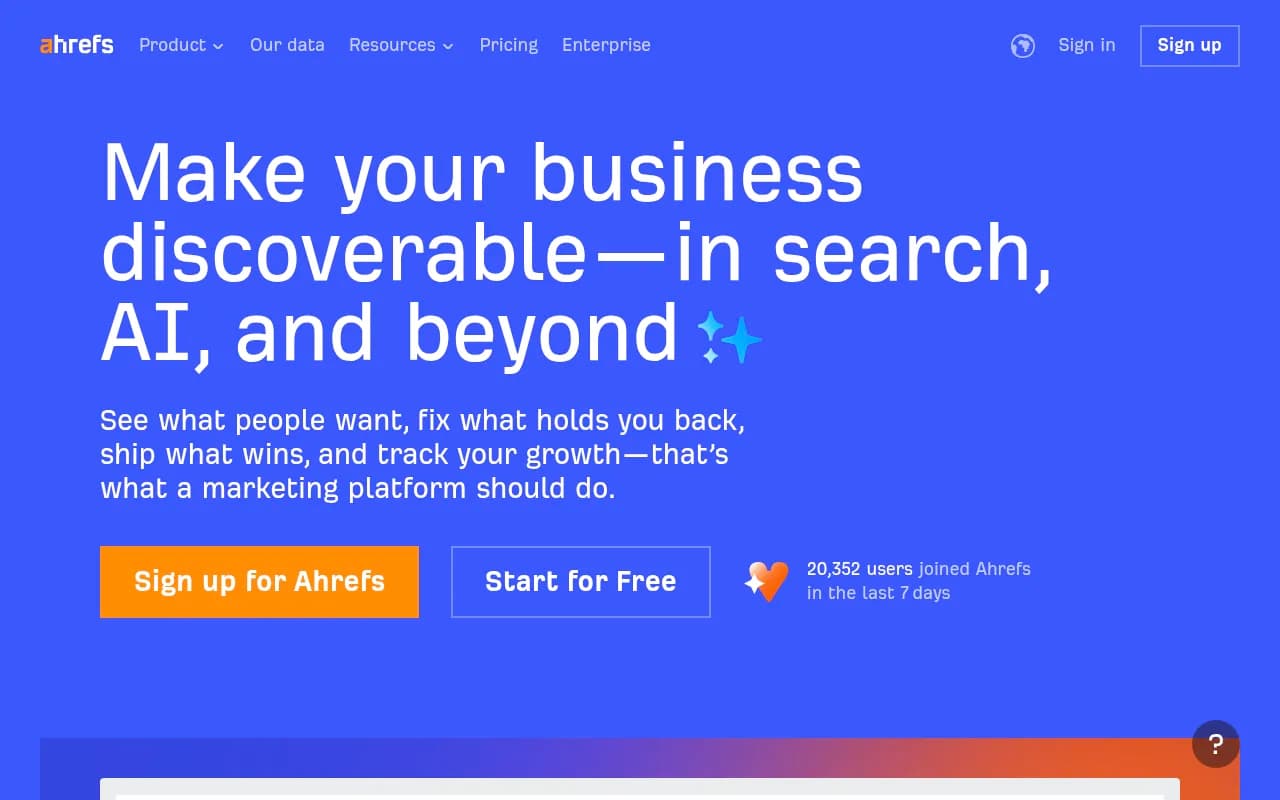
Worth noting: these tools are strong for traditional SEO but their AI visibility features tend to be less comprehensive than dedicated AEO platforms -- fixed prompt sets, limited citation analysis, and no content generation.
AEO in practice: what to prioritize first
If you're starting from zero, here's a realistic order of operations:
Week 1-2: Audit your current AI visibility Pick 10-20 prompts that represent how your customers actually search for what you do. Run them through ChatGPT, Perplexity, and Google AI Overviews manually, or use a monitoring tool to do it at scale. Note which competitors appear and which topics your brand is missing from entirely.
Week 3-4: Fix the technical foundation Make sure AI crawlers can actually access your content. Check for crawl errors, add schema markup to key pages (especially FAQ and how-to content), and verify your sitemap is current.
Month 2: Build out content for your highest-priority gaps Focus on the prompts with the highest commercial intent where you're currently invisible. Write content that directly answers those questions -- not long-form brand narratives, but specific, structured answers.
Month 3+: Track, iterate, expand Monitor whether your new content is getting cited. Double down on what's working. Expand to lower-priority prompts. Build out your off-site presence on the channels AI models actually reference.
Emerging AEO trends worth watching in 2026
A few patterns are becoming clearer as the discipline matures:
Lists and comparisons are outperforming. According to Directive Consulting's 2026 analysis of AEO trends, comparison formats and structured list content are consistently earning more citations than long-form prose. AI models like content they can parse and summarize easily.
Zero-click is the new normal. More users are getting complete answers without visiting any website. This doesn't mean AEO is pointless -- being cited in a zero-click answer still builds brand awareness and influences purchase decisions. But it does mean traffic attribution needs to evolve.
Multi-model visibility matters. Different AI models have different training data and retrieval mechanisms. A brand that's well-cited in Perplexity might be invisible in ChatGPT. Tracking visibility across multiple models -- not just one -- gives a more accurate picture.
Reddit and YouTube are underrated signals. Both platforms are heavily indexed by AI models and appear frequently in citations. Brands that treat these as afterthoughts are leaving real AEO value on the table.
A quick comparison of AEO approaches
| Approach | Effort | Time to results | Best for |
|---|---|---|---|
| Manual prompt testing | Low | Immediate insight, slow improvement | Teams just getting started |
| Monitoring tool only | Low-medium | Ongoing visibility data, no clear action path | Brands that want awareness without commitment |
| Content gap + creation | High | 4-12 weeks to see citation improvements | Teams serious about AEO as a growth channel |
| Full-cycle platform | Medium (tool-assisted) | Faster iteration with built-in content tools | Marketing teams that want to move quickly |
| Agency/specialist | High (cost) | Varies | Brands without in-house capacity |
The honest reality of AEO in 2026
AEO isn't magic, and it's not a quick fix. The brands seeing real results are treating it like they treated SEO in 2012 -- as a long-term investment in being findable where their customers actually look.
The difference is that in 2012, "being findable" meant a Google ranking. In 2026, it means being cited by an AI that millions of people trust to give them a straight answer.
The window to build that kind of authority before your competitors do is still open. But it's narrowing.
Start with an honest audit of where you actually stand in AI search. Then build from there.