Key takeaways
- Answer Engine Optimization (AEO) is the practice of structuring content so AI platforms like ChatGPT, Perplexity, and Google AI Overviews cite your brand as a source -- not just rank your URL.
- Zero-click searches now account for roughly 69% of all Google searches, meaning traditional SEO metrics like organic traffic are increasingly misleading.
- AEO success is measured by citations, brand mentions in AI responses, and assisted conversions -- not just clicks.
- The core tactics: lead with a direct answer, use structured data, build topical depth, and earn trust signals that AI models recognize.
- Tracking your AI visibility requires dedicated tools -- your existing Google Analytics setup won't show you what's happening in ChatGPT or Perplexity.
Why you're probably already losing visibility without knowing it
Here's a situation that's becoming more common: your Google rankings are holding steady, your technical SEO is solid, and yet organic traffic is quietly declining. No penalty, no algorithm update you can point to. Just... fewer clicks.
The reason is that a growing share of your potential customers are getting their answers before they ever reach your website. They're asking ChatGPT. They're using Perplexity. They're reading Google's AI Overview summary at the top of the page and moving on.
According to data cited by CXL, zero-click Google searches went from 56% in 2024 to 69% in 2025. ChatGPT now serves 800 million users weekly. Google AI Overviews appear in roughly 30% of all U.S. searches -- and in business and technology categories, that number exceeds 33%.
The shift isn't coming. It's here. And the marketing discipline built to respond to it is called Answer Engine Optimization.
What is answer engine optimization?
Answer Engine Optimization (AEO) is the practice of structuring your content so that AI-powered answer engines -- ChatGPT, Perplexity, Google AI Overviews, Microsoft Copilot, Gemini, and others -- can extract a clear, accurate answer from your content and cite your brand as the source.
The goal isn't to rank in a list of ten blue links. It's to be the source an AI quotes when it composes a response to a user's question.
Think about what happens when someone asks ChatGPT "what should I look for in a project management tool for remote teams?" The AI doesn't return a list of URLs. It synthesizes an answer, and somewhere in that synthesis, it either cites your brand or it doesn't. AEO is the work of making sure it does.
Three things AEO tries to accomplish:
- Answer questions clearly and in the format AI engines prefer
- Support those answers with context, evidence, and credible sourcing
- Signal trust through content structure, authorship, and entity recognition
That's it at the core. The tactics get more nuanced, but the goal is simple: become the source AI systems quote.
AEO vs. SEO: what actually changes
AEO and SEO share a lot of DNA. Both require high-quality content, strong site structure, and authority signals. But the focus is different enough that treating them as identical will hurt you.
| Dimension | Traditional SEO | Answer Engine Optimization |
|---|---|---|
| Primary goal | Rank in search results | Get cited in AI-generated answers |
| Success metric | Clicks, rankings, impressions | Citations, brand mentions in AI, assisted conversions |
| Content format | Keyword-optimized pages | Direct-answer-first, structured, question-driven |
| Authority signals | Backlinks, domain authority | E-E-A-T, entity recognition, structured data |
| Platform focus | Google (primarily) | ChatGPT, Perplexity, Gemini, Copilot, AI Overviews |
| Traffic model | Click-through to your site | Brand influence before the click (or instead of it) |
| Zero-click impact | Negative (lost traffic) | Neutral to positive (cited without click = still visibility) |
The mindset shift is real. In traditional SEO, a zero-click result is a failure -- you ranked but didn't get the visit. In AEO, being cited in an AI answer without a click is still a win. Your brand got mentioned. Your answer shaped the user's understanding. That's influence, even without a session in your analytics.
McKinsey research found that 44% of AI search users now consider AI their primary source of insight, compared to 31% who still lean on traditional search. That gap is widening.
How answer engines decide what to cite
Understanding this is where AEO gets practical. AI models don't just grab the top-ranking page. They're looking for content that does a few specific things well.
Clarity and directness
Answer engines favor pages that lead with a clear, direct response to the question -- not pages that bury the answer in three paragraphs of preamble. If someone asks "what is answer engine optimization," the ideal page opens with a one or two sentence definition, then expands. Pages that make the AI work hard to extract an answer tend to get skipped.
Structural signals
Headers, bullet points, numbered lists, and FAQ sections all help AI models parse your content. These aren't just UX improvements -- they're signals that your content is organized around answerable questions. Schema markup (especially FAQ schema, HowTo schema, and Article schema) reinforces this further.
Topical depth
A single well-optimized page is less powerful than a cluster of pages that cover a topic from multiple angles. If someone asks a follow-up question after the first answer, you want your site to have that answer too. Topic coverage -- not just individual page optimization -- is what builds AI citation authority over time.
Trust and E-E-A-T signals
AI models are trained to favor authoritative, trustworthy sources. That means author bylines with real credentials, clear "About" pages, consistent entity information (your brand name, location, contact details), and citations to credible external sources within your content. The concept of E-E-A-T (Experience, Expertise, Authoritativeness, Trustworthiness) from Google's quality guidelines applies here too -- possibly more so.
Freshness
Some AI models weight recency, especially for fast-moving topics. Keeping key pages updated matters more than it used to.
The practical AEO checklist: where to start
If you're new to this, the list of things you "should" do can feel overwhelming. Here's a prioritized starting point.
1. Audit your existing content for answer-readiness
Go through your highest-traffic pages and ask: does this page directly answer the question it's targeting? Does it lead with the answer or make the reader scroll to find it? Pages that bury their main point need restructuring, not rewriting.
2. Add FAQ sections to key pages
FAQ sections are one of the highest-leverage AEO tactics available. They mirror the exact format AI models use to extract answers. Add a FAQ section to your product pages, service pages, and cornerstone content. Use real questions your customers ask -- pull them from sales calls, support tickets, and search console data.
3. Implement structured data
FAQ schema, HowTo schema, and Article schema help AI crawlers understand your content's structure. This isn't optional anymore -- it's table stakes. If your CMS doesn't make this easy, there are plugins and tools that handle it without touching code.
4. Build topical clusters, not just individual pages
Pick three to five topics that matter most to your business. For each one, map out the full question landscape: the main question, the follow-up questions, the comparison questions, the "how to" questions. Then make sure your site has a page for each. This is how you build the kind of topical authority that AI models recognize.
5. Strengthen your entity signals
Make sure your brand is clearly and consistently described across your site. Your About page, author bios, and company information should all be consistent and detailed. If you're a local business, your NAP (name, address, phone) consistency across the web matters too. AI models build a picture of who you are from these signals.
6. Get cited in third-party sources
AI models don't only cite your own website. They pull from Reddit threads, YouTube videos, industry publications, and review sites. Getting your brand mentioned and quoted in these places -- through PR, content partnerships, and community participation -- expands your citation surface area significantly.
What AEO success actually looks like
This is where a lot of marketers get confused. If you're measuring AEO success with the same metrics as traditional SEO, you'll think it's not working even when it is.
Traffic might drop while revenue holds steady. That's not a paradox -- it's what happens when users get enough from an AI answer to make a decision without visiting your site. Your brand influenced the outcome. You just don't see it in sessions.
The metrics that matter for AEO:
- How often your brand appears in AI-generated responses for your target queries
- Which AI models cite you and for which topics
- Whether your brand is mentioned positively, neutrally, or negatively in AI answers
- Assisted conversions -- cases where someone interacted with an AI answer mentioning your brand before converting
Tracking these requires tools built specifically for AI visibility. Your standard analytics setup won't capture any of this.
Promptwatch is one platform built specifically for this -- it monitors how your brand appears across ChatGPT, Perplexity, Google AI Overviews, Gemini, Claude, and others, and shows you which pages are being cited, how often, and by which models.

Other tools worth knowing about:




A note on GEO and how it relates to AEO
You'll see the terms AEO (Answer Engine Optimization) and GEO (Generative Engine Optimization) used interchangeably in a lot of places. They're closely related but not identical.
AEO is specifically about optimizing for answer engines -- platforms that respond to questions with direct answers. GEO is broader: it covers optimization for any generative AI system, including ones that might generate product recommendations, comparisons, or summaries rather than just answering a question.
In practice, the tactics overlap heavily. If you're doing AEO well, you're doing most of GEO well too. The distinction matters more at the strategic level than the tactical one.
The tools you'll need
You can't manage what you can't measure. Here's a quick look at the tool categories that matter for AEO.
AI visibility monitoring
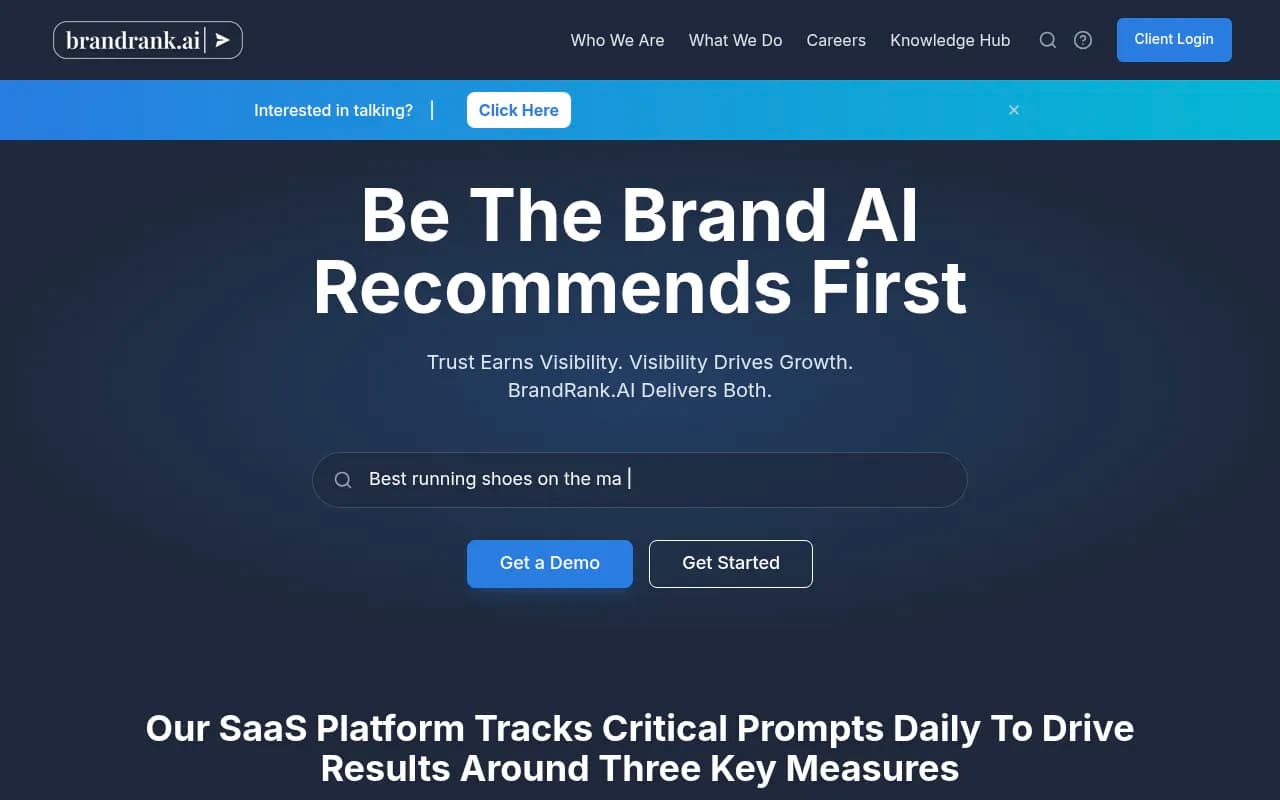
These tools track how your brand appears in AI-generated responses across platforms. Without them, you're flying blind.
| Tool | Best for | Key differentiator |
|---|---|---|
| Promptwatch | Full-cycle AEO (track + fix + measure) | Content gap analysis + AI writing agent + crawler logs |
| Profound | Enterprise monitoring | Deep prompt analytics |
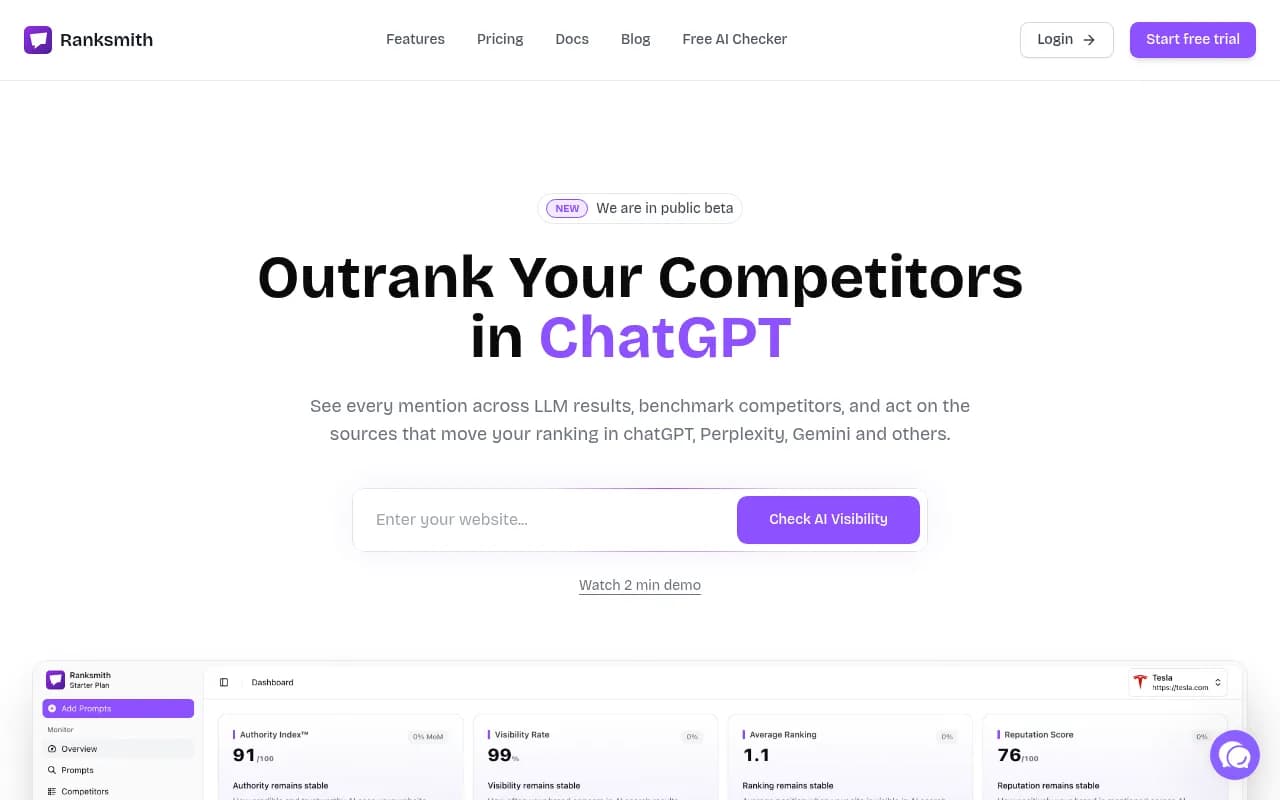
| AthenaHQ | Multi-model tracking | 8+ AI engines monitored |
| Peec AI | Multi-language tracking | Strong international coverage |
| Otterly.AI | Budget-conscious teams | Affordable entry point |
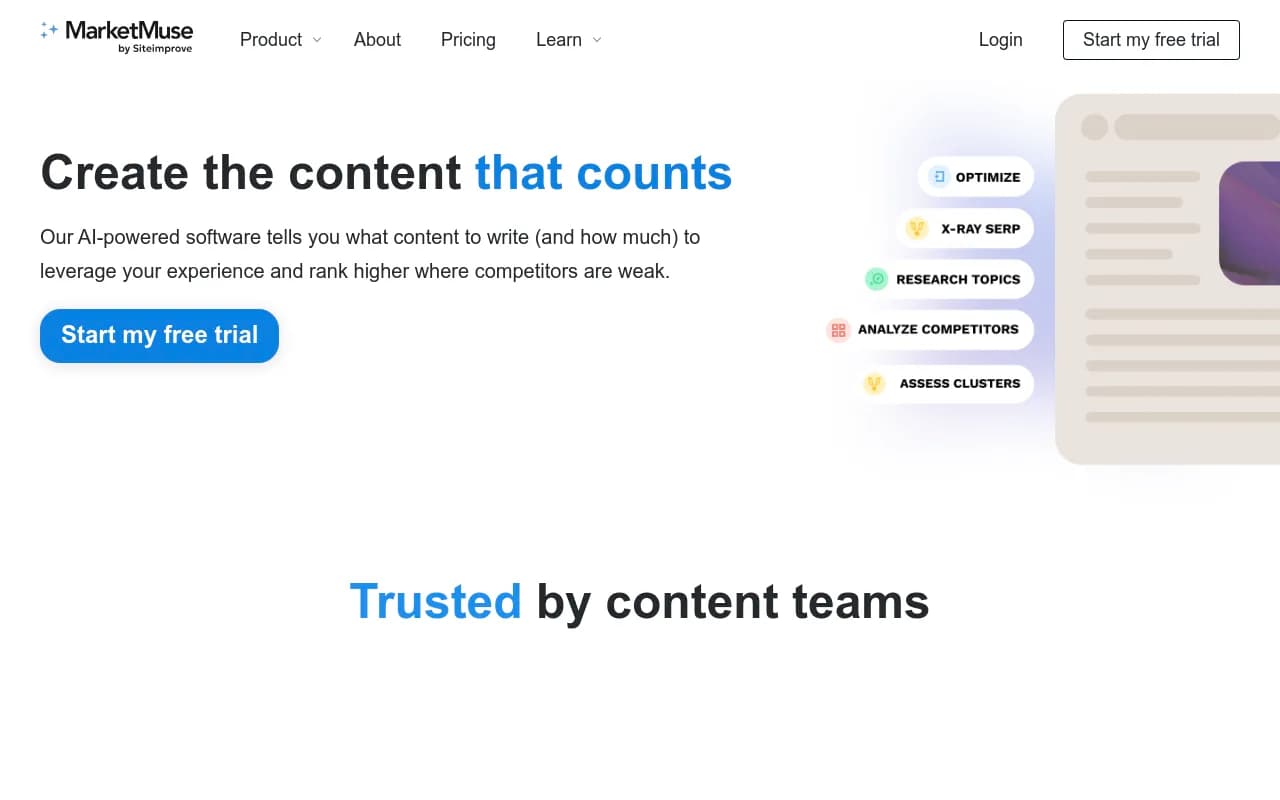
Content optimization
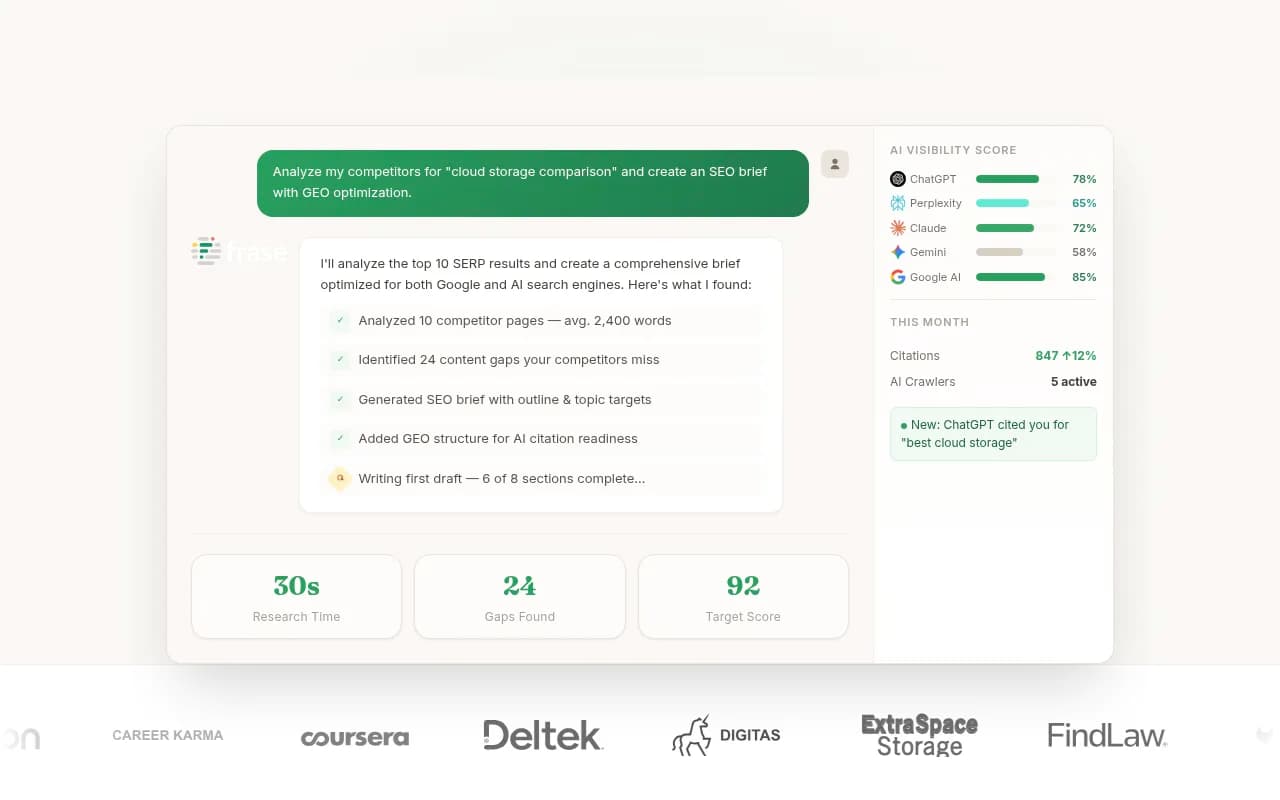
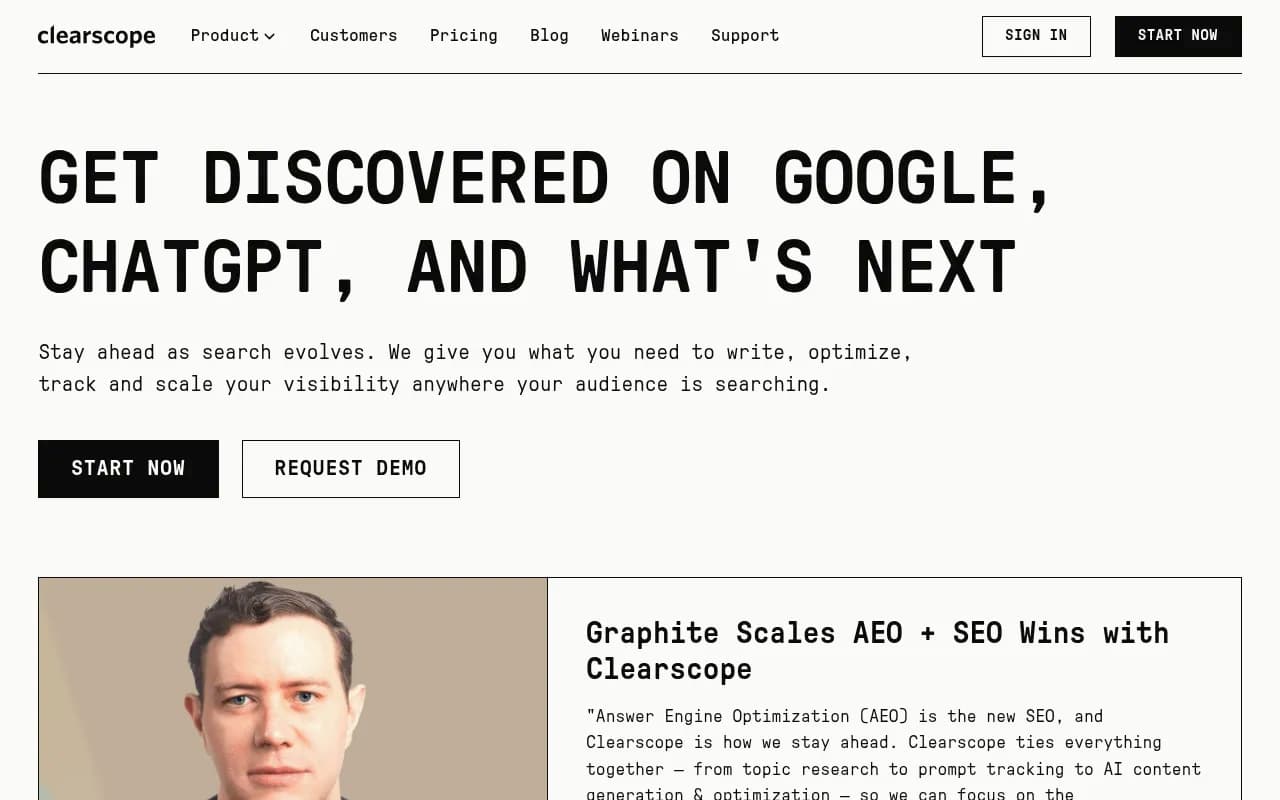
Once you know where you're missing, you need to create content that actually gets cited. These tools help.
Technical SEO and crawling
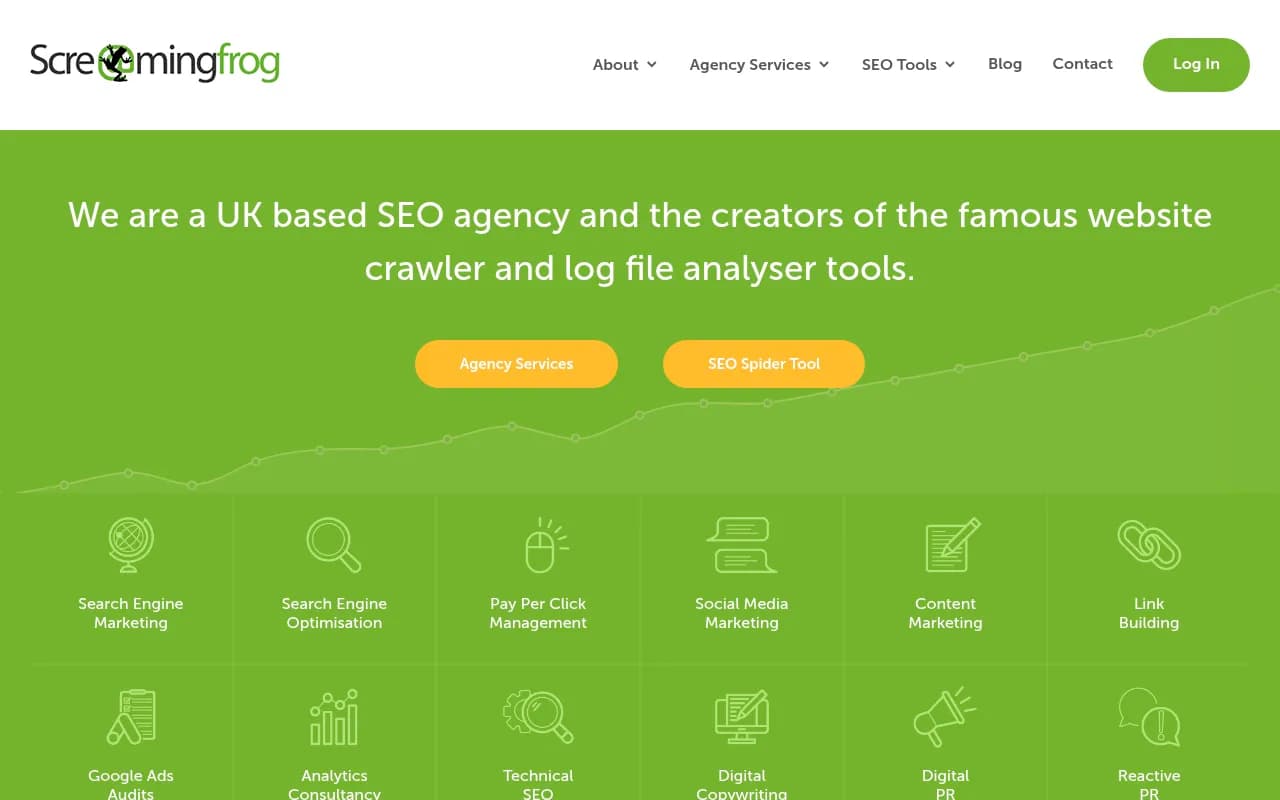
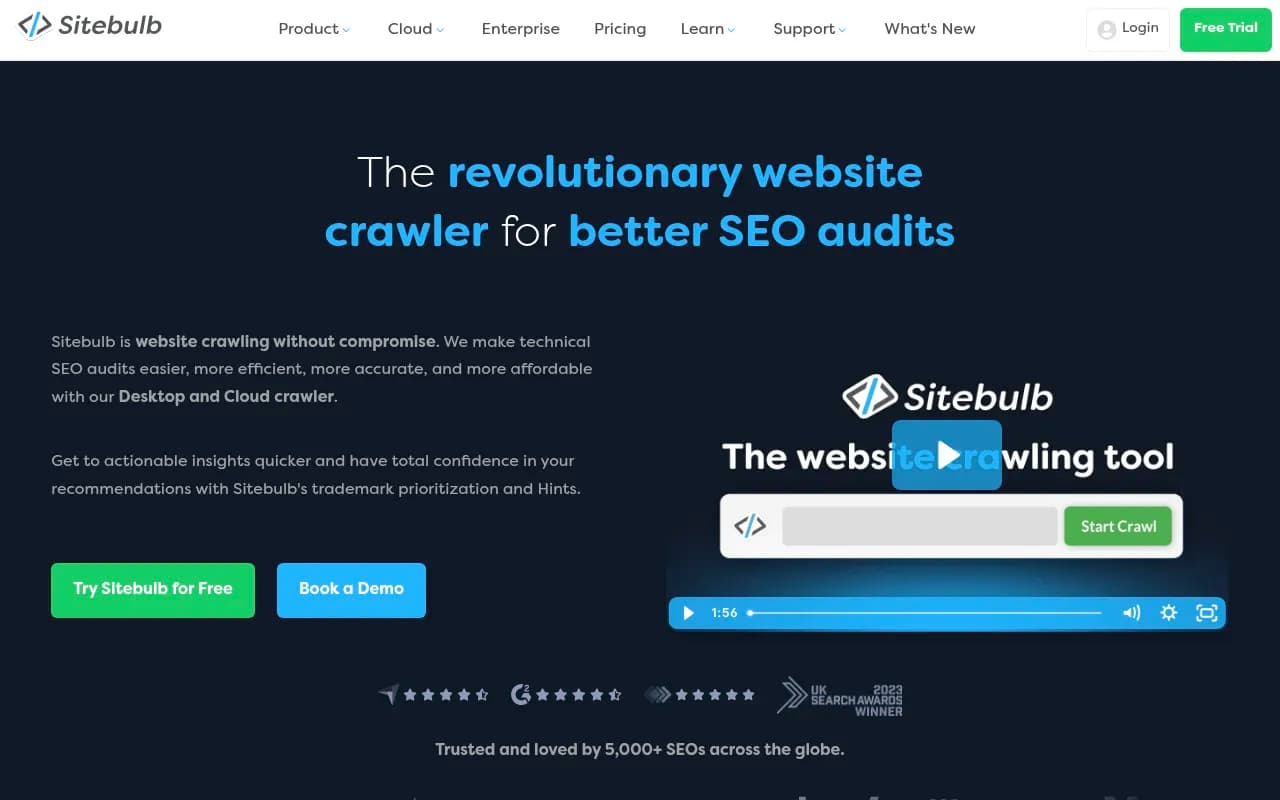
AI crawlers need to be able to access and parse your content. Technical issues that block crawlers -- or confuse them -- will hurt your AEO performance.
Common mistakes to avoid
A few things that trip up marketers who are new to AEO:
Optimizing for clicks instead of citations. If your content is designed to tease the answer and make users click through for the full picture, AI models will skip it. Give the full answer. You'll get cited more, and the brand impression will still happen.
Ignoring the question format. Content that's written as a narrative essay is harder for AI to parse than content structured around questions and direct answers. This doesn't mean your content needs to be dry -- it means the structure should be clear.
Treating AEO as a one-time project. AI models update their training data and citation patterns over time. A page that gets cited today might not get cited six months from now if a better answer appears. AEO is ongoing maintenance, not a one-time fix.
Skipping the measurement step. If you're not tracking your AI visibility, you have no way to know whether your efforts are working. Set up monitoring before you start optimizing so you have a baseline to compare against.
Focusing only on your own website. Third-party citations matter. A Reddit thread where your brand is recommended, a YouTube video that mentions your product, an industry article that quotes your CEO -- these all contribute to how AI models perceive and cite your brand.
Where to go from here
AEO is not a replacement for SEO. Your Google rankings still matter, your technical foundation still matters, and your content quality still matters. What's changed is that those things are now necessary but not sufficient.
The brands that will win in AI search are the ones that structure their content to be directly useful to AI systems, build topical authority across a cluster of related questions, and actively monitor and improve their AI visibility over time.
If you're just getting started, pick one topic that matters to your business, audit the pages you have on that topic, restructure them to lead with direct answers, add FAQ sections, and set up some form of AI visibility monitoring so you can see what's working. That's a realistic first sprint.
The broader work -- building content clusters, earning third-party citations, implementing structured data at scale -- comes after you've got the basics in place and can see the results of your early efforts.
The search experience your customers use is changing. AEO is how you stay visible in it.