Key takeaways
- Long-tail prompts (4+ words) represent 70% of ecommerce AI search traffic and convert at twice the rate of short-tail queries -- yet most brands ignore them entirely.
- AI models like ChatGPT and Perplexity execute multiple long-tail web searches to construct each answer, meaning your content needs to match those specific sub-queries, not just broad topics.
- Answer Gap Analysis is the fastest way to find prompts your competitors rank for in AI results but you don't -- these gaps are your highest-priority content opportunities.
- Prompt volume and difficulty scores let you prioritize which gaps to close first, rather than guessing.
- The full loop is: find the gaps, create content engineered for AI citation, then track whether AI models start citing your new pages.
Everyone's chasing the same short-tail keywords. "Best CRM software." "Project management tool." "Email marketing platform." These are the queries that show up in every competitor's keyword report, and the brands already winning them have years of domain authority and backlinks stacked against you.
Meanwhile, something more interesting is happening in AI search. When someone opens ChatGPT or Perplexity, they don't type "CRM software." They ask: "What's the best CRM for a 10-person B2B SaaS company that needs HubSpot integrations and a free tier?" That's a long-tail prompt. And it's where the real opportunity is in 2026.
The reason this matters: AI models don't answer from memory alone. They execute web searches using retrieval-augmented generation (RAG), pulling in current sources to construct their responses. ChatGPT primarily uses Bing, Claude uses Brave, Gemini pulls from Google directly. Every detailed user prompt triggers multiple long-tail searches behind the scenes -- and if your content matches those sub-queries, you get cited. If it doesn't, your competitor does.
This guide walks through exactly how to find those prompts, analyze the gaps, and turn them into content that gets cited.
Why long-tail prompts are different from long-tail keywords
Traditional long-tail keyword research was about finding lower-competition search terms with decent volume. The logic was simple: rank for enough of them and the traffic adds up.
Long-tail prompt data works differently. You're not just looking at what people search -- you're looking at the exact questions they ask AI models, which tend to be more specific, more conversational, and more intent-driven than anything that shows up in a traditional keyword tool.
A few things make this data uniquely valuable:
The competitive gap is real. Most SEO teams are still optimizing for Google's traditional blue links. They're not systematically tracking which prompts trigger AI responses, which competitors appear in those responses, or what content gaps exist. That's a window that won't stay open forever.
Conversion intent is higher. According to data from AEO Engine, long-tail searches (4+ words) represent 70% of ecommerce traffic and convert at twice the rate of short-tail terms. When someone asks a highly specific question, they're usually close to a decision.
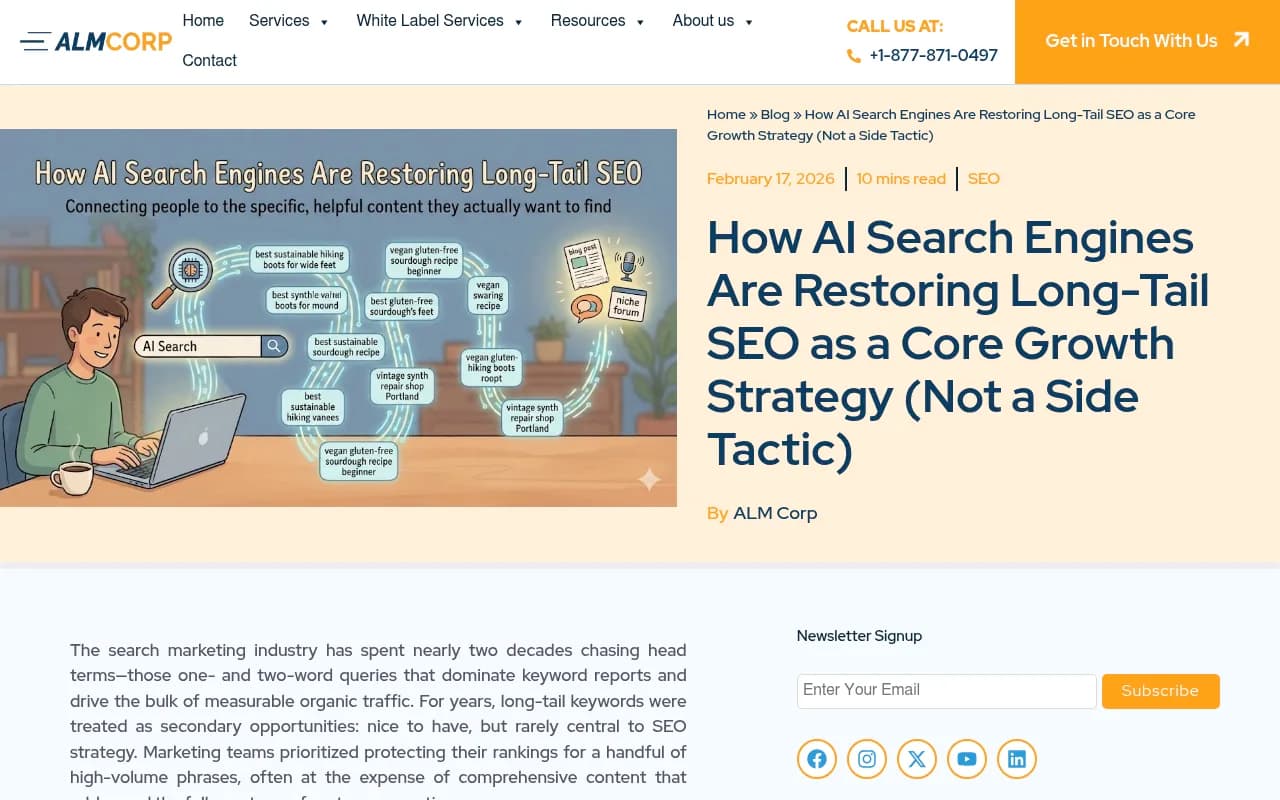
AI models reward specificity. A generic "best project management tools" article competes with thousands of similar pages. An article that directly answers "best project management tools for remote construction teams tracking subcontractor hours" has far less competition and directly matches the kind of specific prompt a user would type into ChatGPT.
Step 1: Build your prompt universe
Before you can find gaps, you need a map of the prompts that matter in your space. This is your "prompt universe" -- the full set of questions real users ask AI models about your category, your competitors, and the problems you solve.
Start with customer language, not marketing language
Your product team calls it "automated revenue recognition." Your customers ask ChatGPT: "how do I stop doing revenue recognition manually in Excel?" Those are very different strings. The prompt universe has to be built from how customers actually talk, not how your brand describes itself.
Good sources for this:
- Sales call transcripts and support tickets (the rawest form of customer language)
- Reddit threads in your niche -- AI models cite Reddit heavily, so the questions people ask there are often the same ones they ask AI models
- "People also ask" boxes in Google results
- Autocomplete suggestions from Perplexity and ChatGPT itself (start typing a question and see what they suggest)
- Your own site search data, if you have it
Expand with query fan-outs
One prompt branches into many. If someone asks "how do I reduce customer churn for a SaaS product," an AI model might execute sub-searches for: churn prediction models, customer success playbooks, NPS benchmarks for SaaS, onboarding best practices, and exit survey templates. Each of those sub-queries is a content opportunity.
Understanding these fan-outs -- how one prompt expands into a cluster of related searches -- is one of the more powerful things you can do with prompt data. It tells you not just what to write, but how to structure a content cluster that covers the full territory an AI model needs to answer a question comprehensively.
Promptwatch maps these query fan-outs automatically, showing how a single prompt branches into sub-queries so you can see the full content territory you need to cover.

Step 2: Run an answer gap analysis
This is where the competitive intelligence gets interesting. An answer gap analysis compares your AI visibility against your competitors' -- specifically, it shows you which prompts your competitors appear in AI responses for, but you don't.
These gaps are your highest-priority opportunities. They're prompts with proven demand (your competitor is already getting cited for them), but where you have zero presence. That's not a content quality problem -- it's usually a content existence problem. You just don't have a page that answers that specific question.
How to approach it manually
If you want to start without a dedicated tool, you can do a rough version manually:
- Pick 20-30 high-intent prompts in your category
- Run each one in ChatGPT, Perplexity, and Google AI Overviews
- Note which brands and domains appear in the citations
- Build a spreadsheet: prompts on one axis, competitors on the other, mark who appears where
- Highlight every prompt where a competitor appears but you don't
This is slow, but it works as a starting point. The problem is scale -- you can manually check 30 prompts, but your competitors might be visible across 300 prompts you haven't even thought to check.
How to do it at scale
Tools built for AI visibility monitoring can run this analysis across hundreds of prompts simultaneously, track changes over time, and surface the gaps automatically. The better ones also give you prompt volume estimates and difficulty scores so you can prioritize which gaps to close first.
Prompt difficulty matters more than people realize. A gap where your competitor ranks for a prompt with high volume and low difficulty is a very different opportunity than a gap on a niche prompt that gets almost no queries. You want to close the high-volume, winnable gaps first.


Step 3: Prioritize by prompt volume and difficulty
Not all gaps are equal. Once you have a list of prompts where competitors appear and you don't, you need to sort them by opportunity size.
Here's a simple prioritization framework:
| Signal | What it tells you | How to use it |
|---|---|---|
| Prompt volume | How often this question gets asked across AI models | Higher volume = bigger potential impact |
| Difficulty score | How hard it is to get cited for this prompt | Lower difficulty = faster wins |
| Competitor count | How many competitors already appear | Fewer competitors = easier to break in |
| Conversion proximity | How close the prompt is to a purchase decision | Higher proximity = more revenue impact |
| Content gap size | How much content you'd need to create | Smaller gap = quicker to execute |
A prompt like "best [your category] for [specific use case]" that has high volume, only one competitor appearing, and clear purchase intent is your first priority. A broad informational prompt with five competitors already cited and low conversion intent goes to the bottom of the list.
The goal is to build a ranked backlog of content opportunities, not a random list of keywords. Each item should have a clear answer to: "why is this worth creating content for right now?"
Step 4: Create content engineered for AI citation
Finding the gaps is only useful if you actually close them. This is where most brands stall -- they identify the opportunities but then create generic content that doesn't actually get cited.
Content that gets cited by AI models has specific characteristics. It's not just "good SEO content." It needs to:
Directly answer the prompt in the first few paragraphs
AI models scan for the most direct, authoritative answer to a query. If your article buries the answer in paragraph seven after three paragraphs of background context, the model may not surface it. Lead with the answer, then support it.
Match the specificity of the prompt
A prompt like "best accounting software for freelance photographers who invoice in multiple currencies" needs an answer that specifically addresses freelance photographers, invoicing, and multi-currency support. A generic "best accounting software" article won't get cited for that prompt, even if it's technically comprehensive.
Include the exact language users use
This sounds obvious but it's frequently missed. If users ask "how do I..." then your content should use "how to..." framing. If they ask about "automating" something, use that word. AI models match language patterns, not just concepts.
Be structured for extraction
Headers, numbered lists, comparison tables, and clear definitions all make it easier for AI models to extract and cite specific sections of your content. A wall of prose is harder to cite than a well-structured article with clear section headings.
Cover the full topic cluster
Remember the query fan-outs from Step 1. A single article that covers the main prompt and its related sub-queries is more likely to get cited across multiple related prompts than five separate thin articles.

Step 5: Track which pages get cited and by which models
Creating content is not the end of the loop -- it's the middle. You need to know whether your new pages are actually being cited, and by which AI models.
This matters for a few reasons. Different AI models have different citation patterns. Perplexity tends to cite more sources per response than ChatGPT. Google AI Overviews favors pages that already rank well in traditional search. Claude's citation behavior is different again. If you're only tracking one model, you're missing most of the picture.
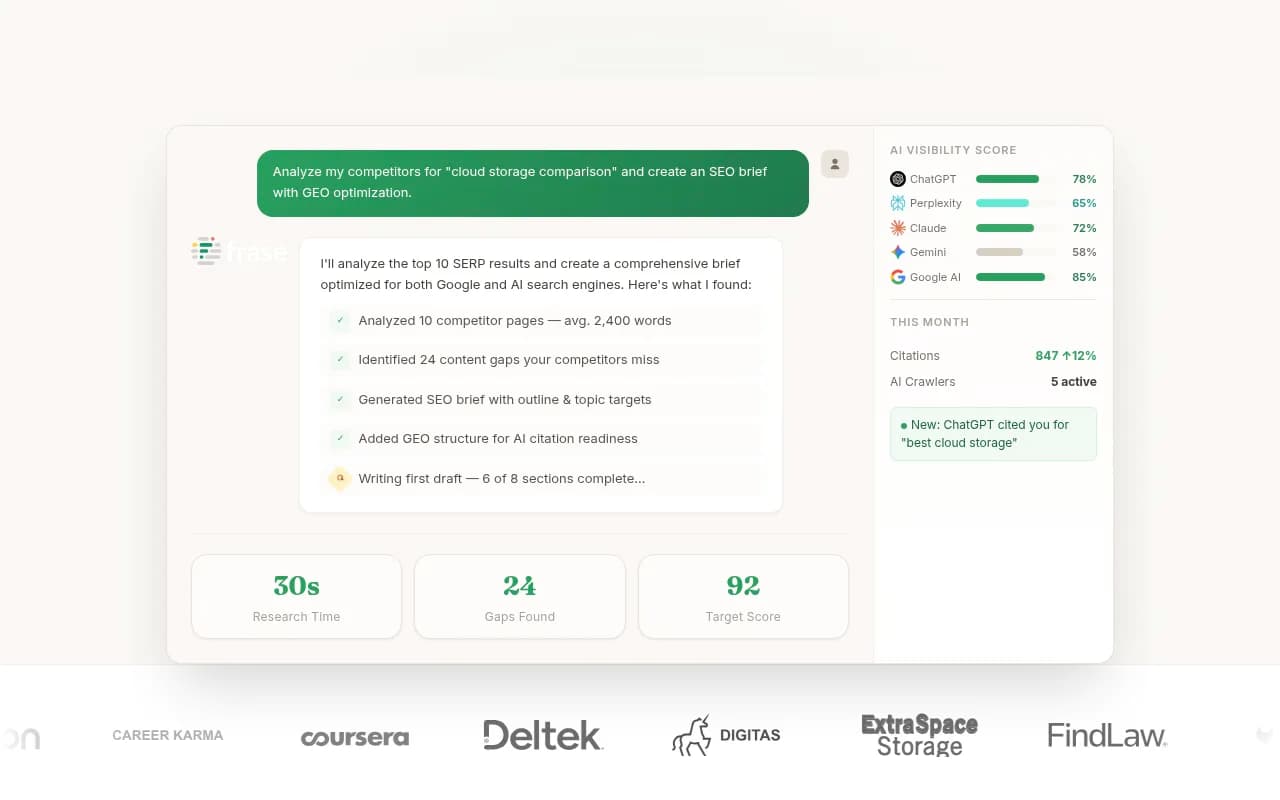
Page-level tracking tells you which specific URLs are being cited, how often, and for which prompts. This is the feedback loop that tells you whether your content strategy is working. If you publish a new article targeting a specific prompt gap and two weeks later it starts appearing in ChatGPT citations, that's a signal to double down on similar content. If it doesn't appear after a month, something is wrong -- either the content isn't specific enough, it's not being crawled, or the prompt difficulty was higher than estimated.
Check that AI crawlers can actually access your content
This is a step a lot of teams skip. AI models can only cite content they can access. If your robots.txt is blocking AI crawlers, or your JavaScript rendering is preventing them from reading your pages, your content doesn't exist from their perspective.
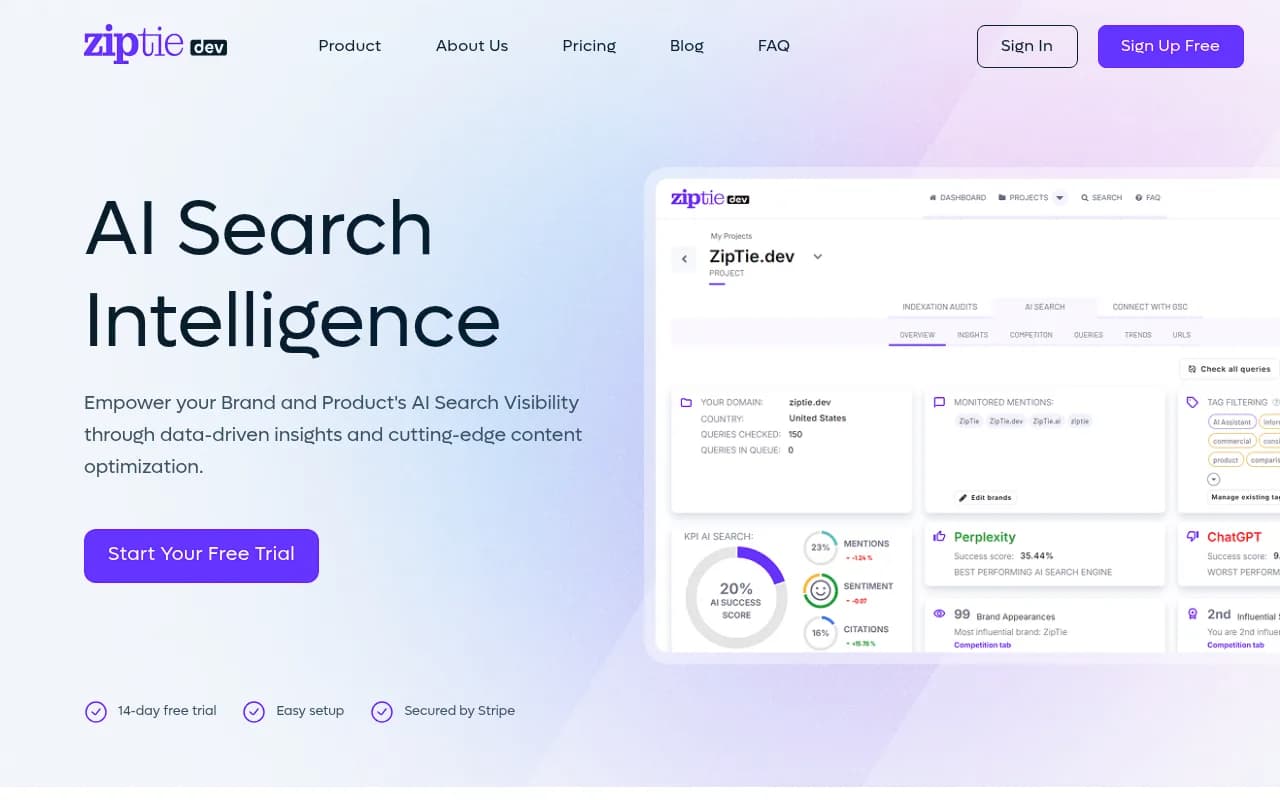
AI crawler logs show you exactly which pages AI bots are visiting, how often, and whether they're encountering errors. It's the same principle as Google Search Console, but for AI models instead of Google's crawler.
Step 6: Close the loop with traffic attribution
The final piece is connecting AI visibility to actual business outcomes. Visibility scores are useful, but what you really want to know is: are people clicking through from AI citations to your website, and are they converting?
This is harder than it sounds because AI search traffic doesn't always show up cleanly in Google Analytics. Users might click a citation in Perplexity, land on your site, and appear as direct traffic or referral traffic with an unclear source. Server log analysis is often more reliable than standard analytics for identifying AI-referred visits.
A few attribution approaches that work:
- UTM parameters on any links you control in AI-cited content
- Google Search Console integration to catch AI Overview clicks
- Server log analysis to identify traffic from AI crawler user agents
- Dedicated code snippets that identify and tag AI-referred sessions
The goal is to build a model that connects prompt visibility to clicks to conversions. Once you have that, you can calculate the revenue impact of closing a specific prompt gap -- which makes it much easier to justify the content investment.
Putting it all together: the practical workflow
Here's what this looks like as a repeatable process rather than a one-time project:
- Weekly: Check your prompt visibility scores across key AI models. Flag any significant drops (a competitor may have published new content).
- Monthly: Run a fresh answer gap analysis. New prompts emerge as user behavior evolves -- the gaps you find in April will be different from the ones you find in July.
- Monthly: Publish 2-4 pieces of content targeting your highest-priority gaps. Quality and specificity matter more than volume.
- Monthly: Review page-level citation data for content published in the previous 30-60 days. Identify what's working and what isn't.
- Quarterly: Audit your crawler accessibility. Make sure AI bots can read your new content and that you haven't accidentally blocked them.
This isn't a set-and-forget strategy. AI search is moving fast, and the prompt landscape shifts as new AI models launch, user behavior evolves, and competitors adapt. The brands that win are the ones that treat this as an ongoing operational process, not a one-time SEO project.
Tools that support this workflow
A few tools worth knowing about for different parts of this process:
For comprehensive AI visibility tracking with built-in content gap analysis and content generation, Promptwatch covers the full loop -- from finding gaps to creating content to tracking results. It's one of the few platforms that goes beyond monitoring to actually help you close the gaps it finds.
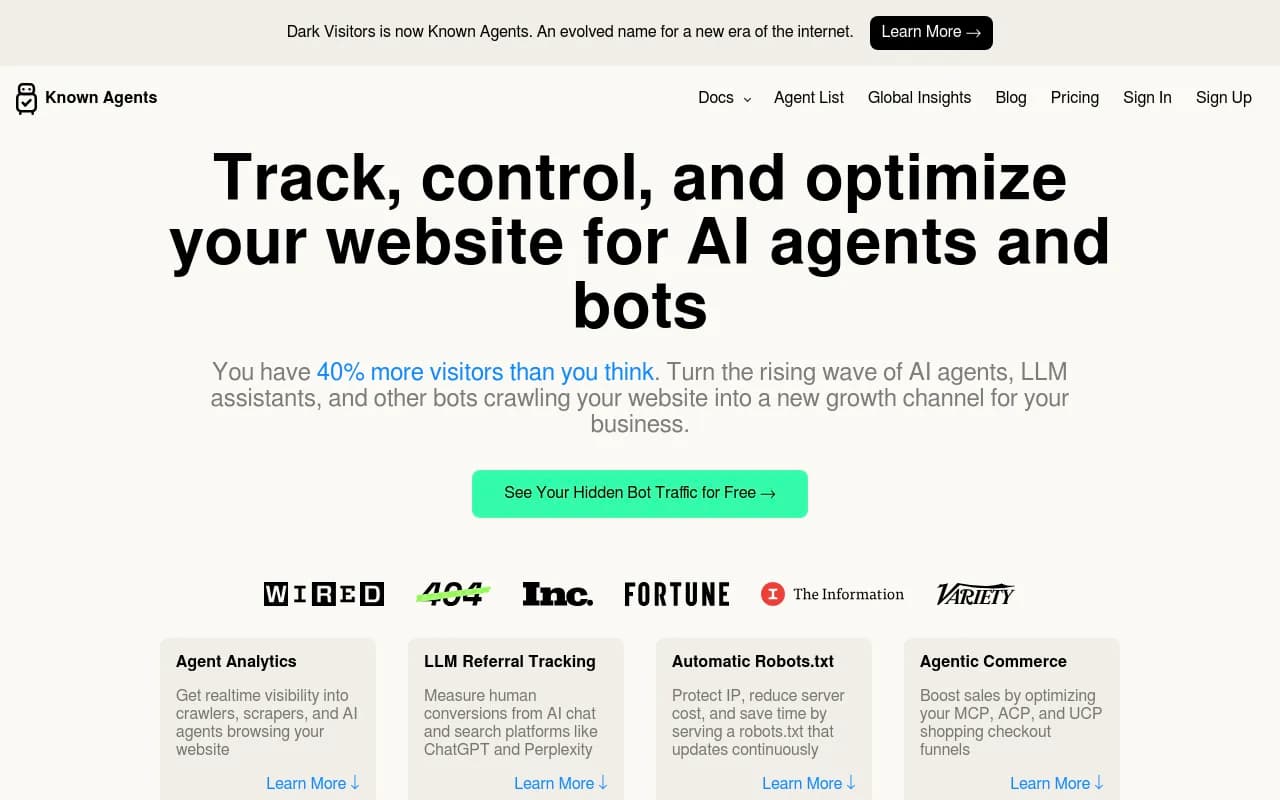
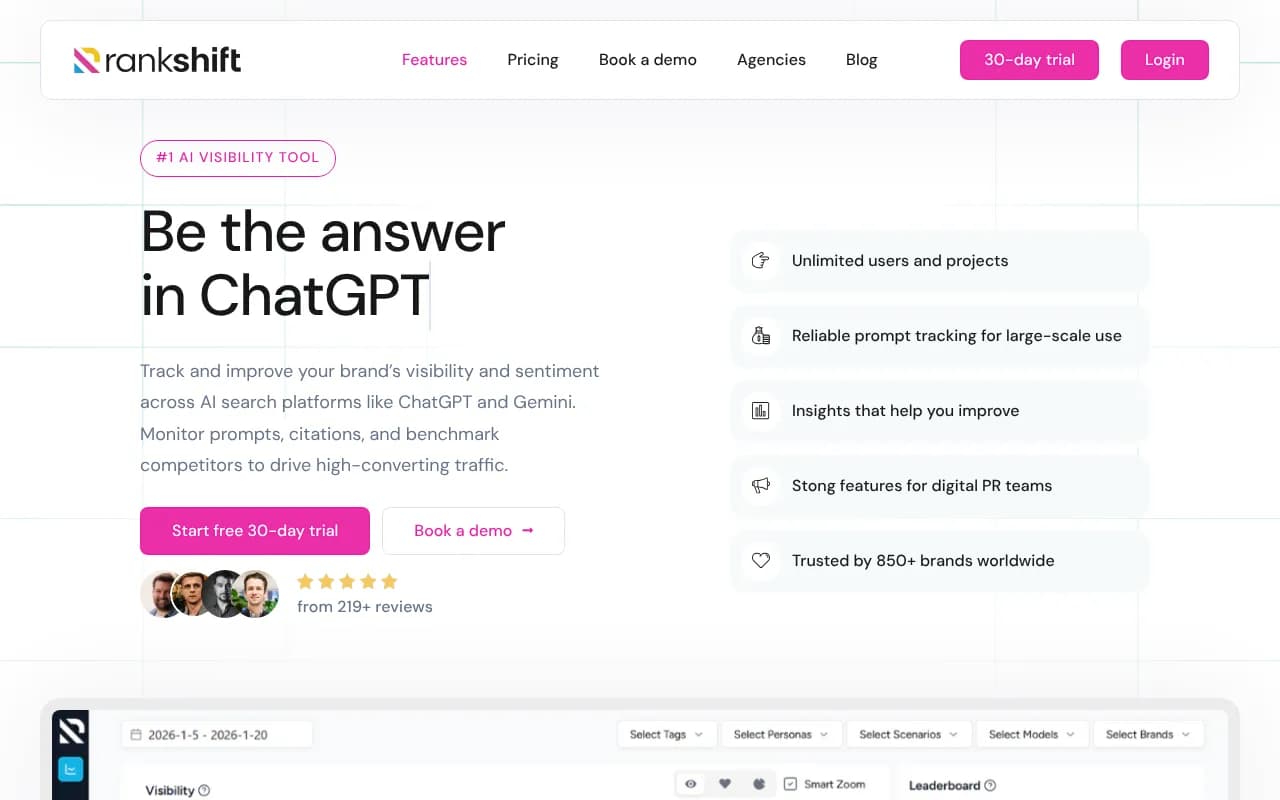
For tracking your visibility across specific AI models with a focus on monitoring:


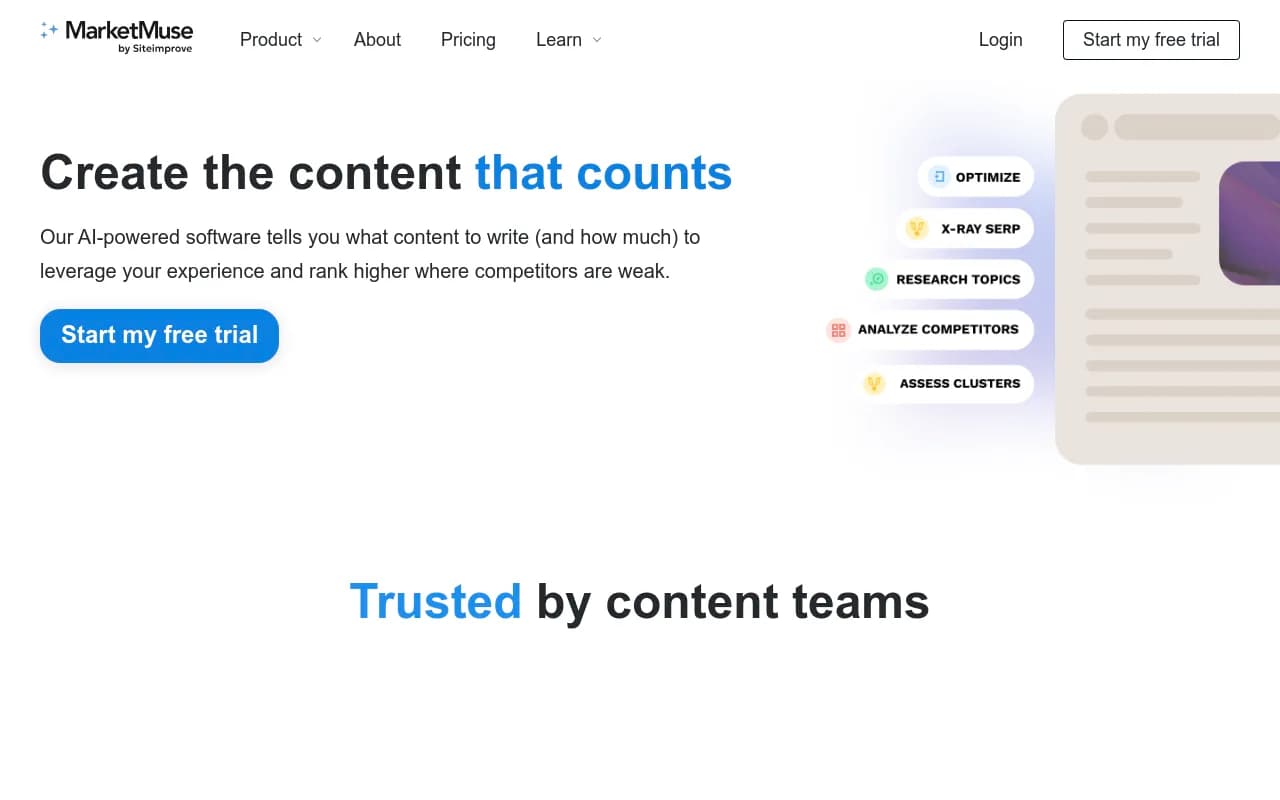
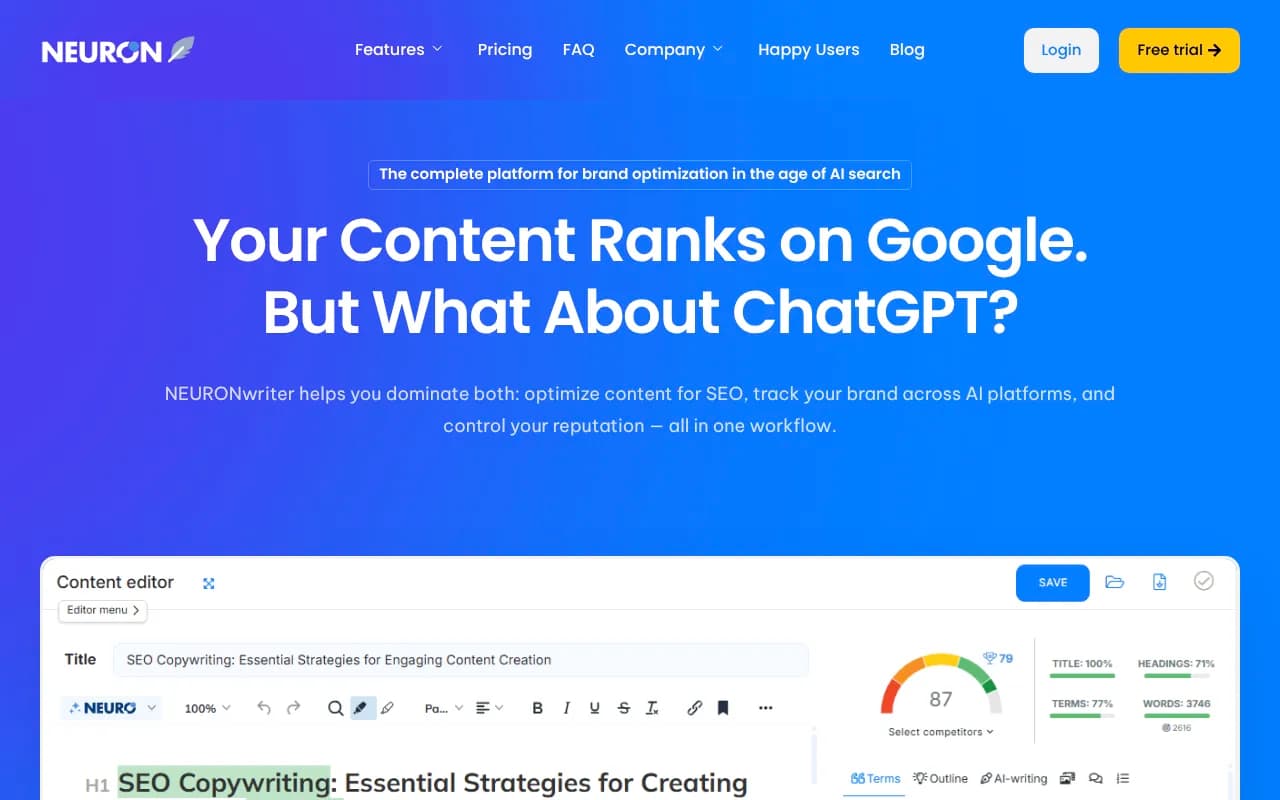
For content creation and optimization once you know what to write:
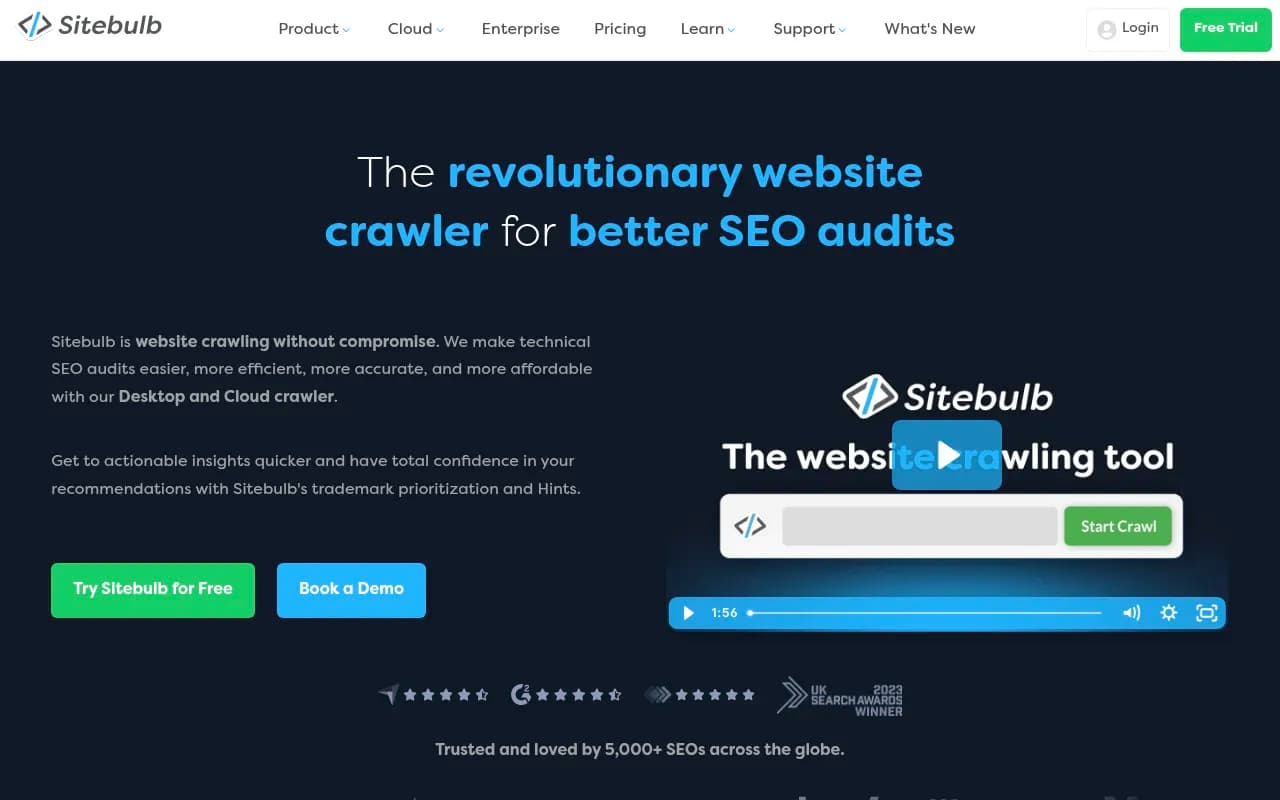
For technical SEO and crawler accessibility:
The window won't stay open forever
Right now, most brands are not doing this systematically. They're not tracking which prompts their competitors appear in. They're not running answer gap analyses. They're not creating content specifically engineered for AI citation.
That's your advantage. The brands that build this capability in 2026 will have a compounding head start -- more content indexed by AI crawlers, more citation history, more visibility data to inform future content decisions. The brands that wait until AI search is as competitive as traditional SEO will find themselves in the same position they're in now with Google: trying to break into a market where the incumbents have years of advantage.
The prompts are there. The gaps are real. The question is whether you find them before your competitors do.