Key takeaways
- GEO tool pricing in 2026 ranges from free tiers to $500+/month for enterprise platforms -- but price alone tells you almost nothing about value.
- The biggest divide is between monitoring-only tools (which show you data) and optimization platforms (which help you act on it). You're often paying the same price for very different capabilities.
- Most platforms at the $99-$249/month range cover basic tracking across 3-5 AI engines. Full-featured platforms covering 10+ engines with content generation and crawler logs start around $249-$579/month.
- Before comparing prices, decide what you actually need: pure tracking, competitive benchmarking, content gap analysis, or end-to-end optimization. The right answer changes the math entirely.
- Free trials are widely available -- use them. Feature lists on pricing pages rarely tell the whole story.
The GEO tool market has gotten crowded fast. Two years ago there were maybe a handful of platforms tracking brand visibility in AI search. Now there are dozens, each with its own pricing page, feature matrix, and claim to be the most comprehensive platform on the market.
That makes the buying decision genuinely confusing. A tool charging $99/month and one charging $499/month can both call themselves "AI visibility platforms" while doing completely different things. One might track three AI engines and show you a mention count. The other might analyze 880 million citations, generate optimized content, and log every time an AI crawler visits your site.
This guide cuts through that. We'll look at what GEO tools actually cost in 2026, what you get at each price point, and where the real value differences lie.
What you're actually paying for
Before comparing prices, it helps to understand what GEO tools actually do -- because the category spans a wide range of functionality.
At the basic end, you have monitoring tools. These run your target prompts through AI engines on a schedule and report back whether your brand appeared. That's useful, but it's essentially a data feed. You still have to figure out what to do with the information.
At the more capable end, you have optimization platforms. These don't just show you where you're invisible -- they help you understand why, and give you tools to fix it. That means content gap analysis (which prompts are competitors winning that you're not?), AI-native content generation grounded in citation data, crawler log analysis to see how AI bots interact with your site, and traffic attribution to connect AI visibility to actual revenue.
The price difference between these two categories is often smaller than you'd expect. That's the core insight of this guide: you can pay $200/month for a monitoring dashboard or $249/month for a platform that actually helps you improve. Knowing which is which matters.
The pricing landscape in 2026
Here's a realistic overview of where GEO tools sit on the pricing spectrum right now.
Free and freemium tools
A handful of tools offer free tiers or free standalone functionality. These are mostly useful for spot-checking or getting a feel for AI visibility before committing to a paid platform.
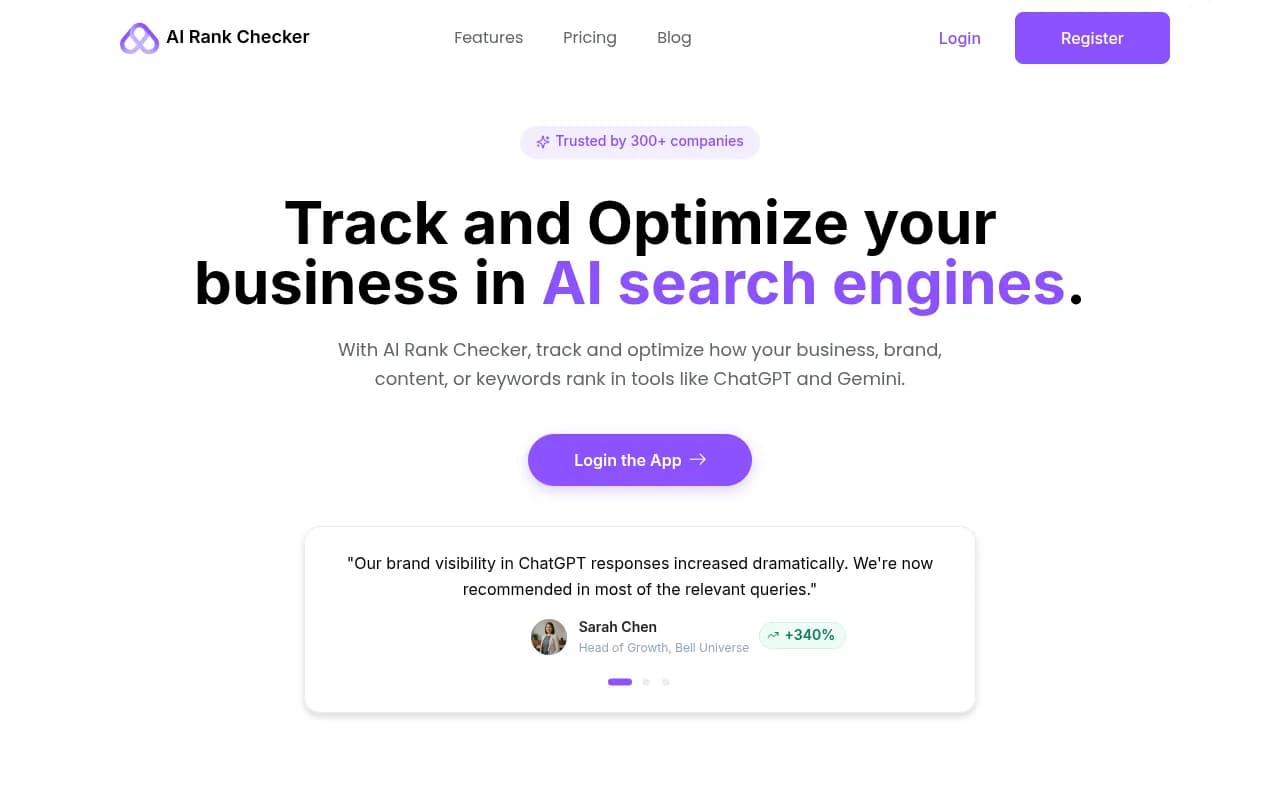
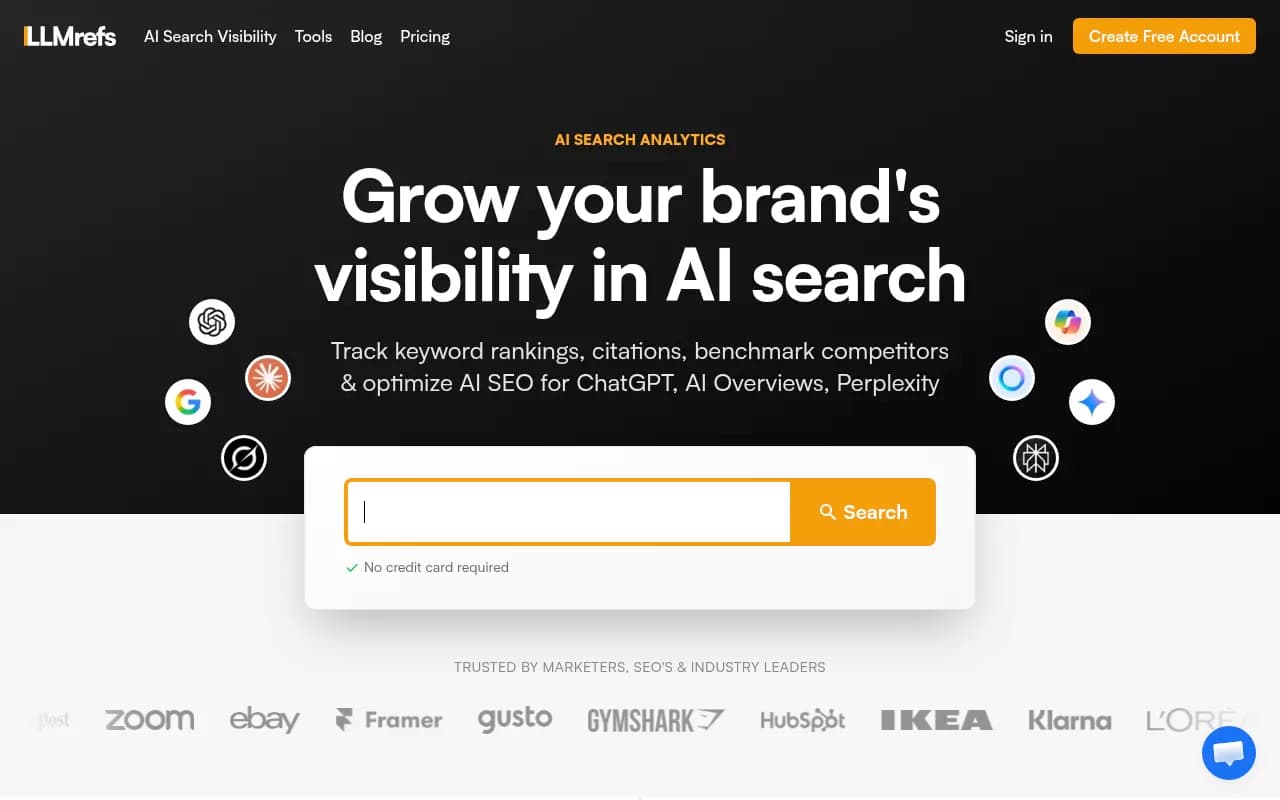
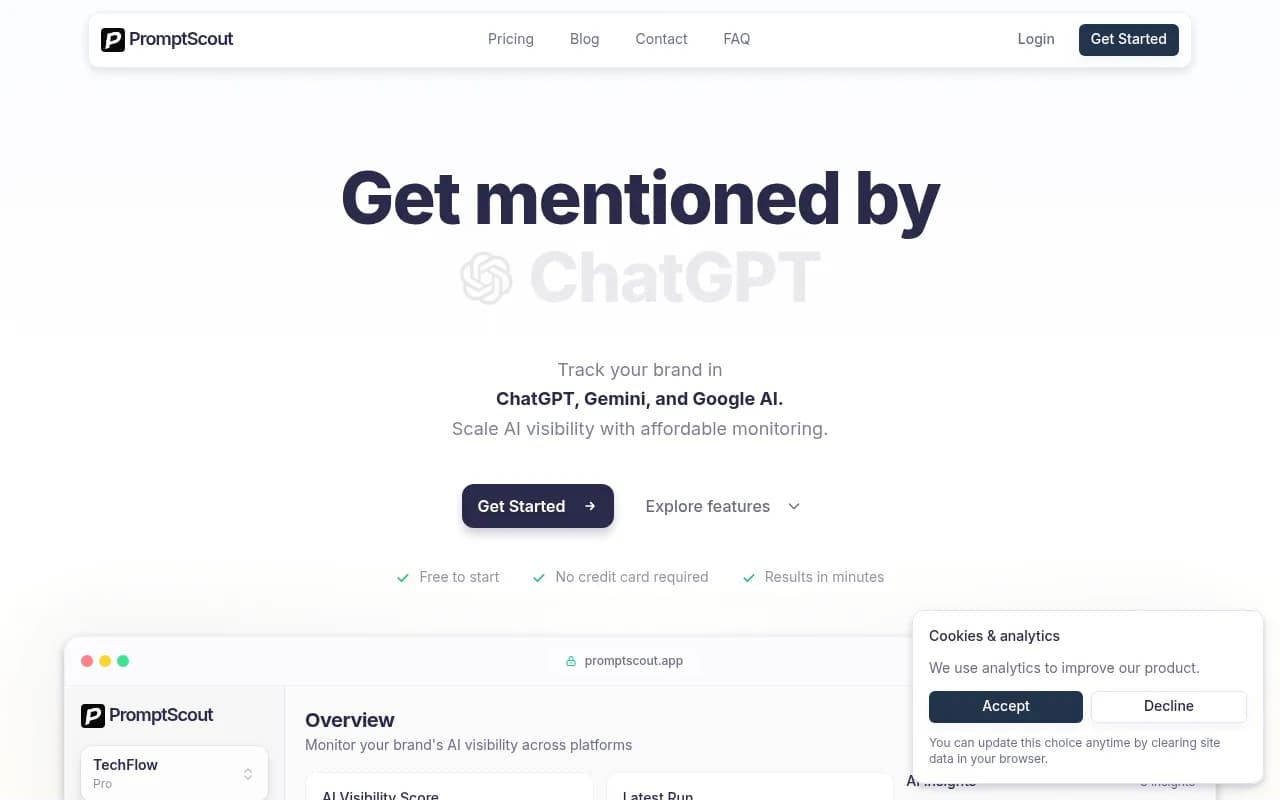
These tools are fine for occasional manual checks. They're not built for ongoing monitoring at any real scale, and they don't offer competitive analysis or content optimization. Think of them as a starting point, not a solution.
Entry-level paid tools ($29-$99/month)
This tier has expanded significantly. Several newer platforms have entered at low price points, targeting solo marketers, small agencies, and brands just starting to think about AI search visibility.


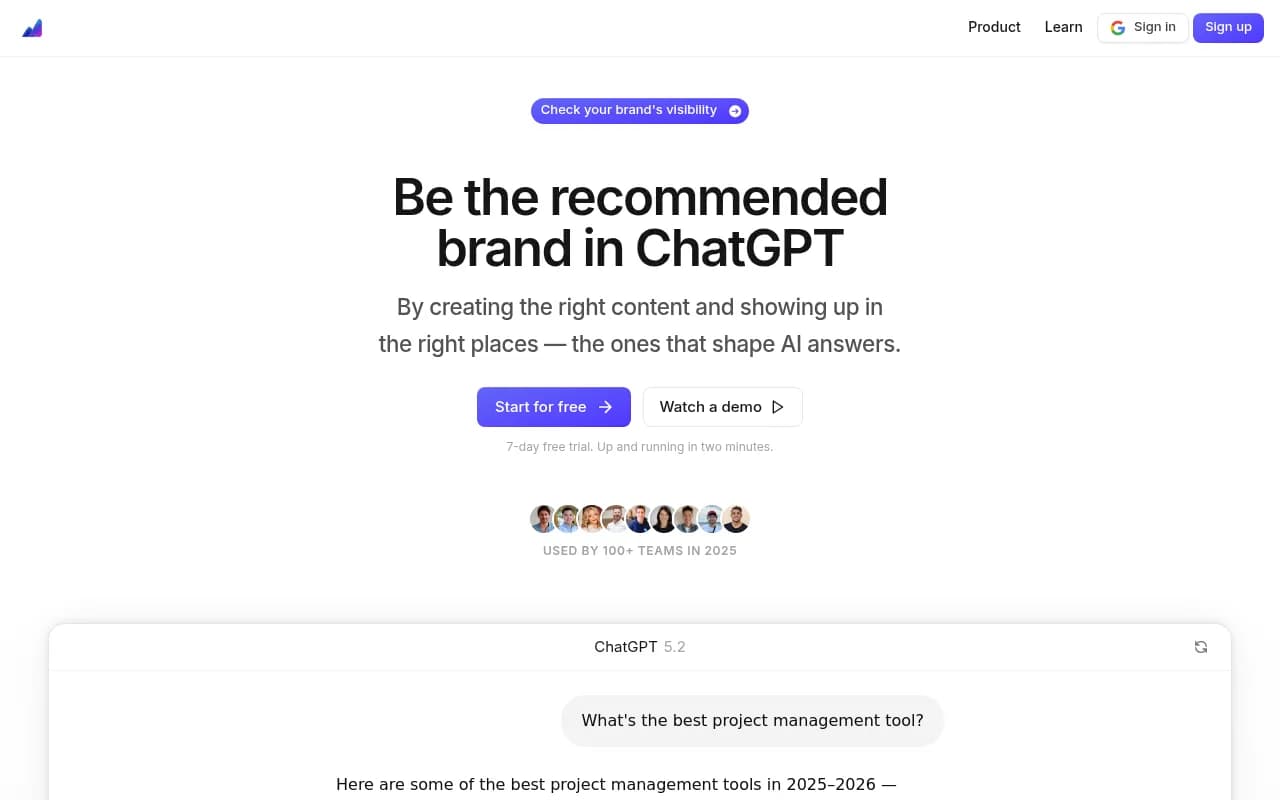
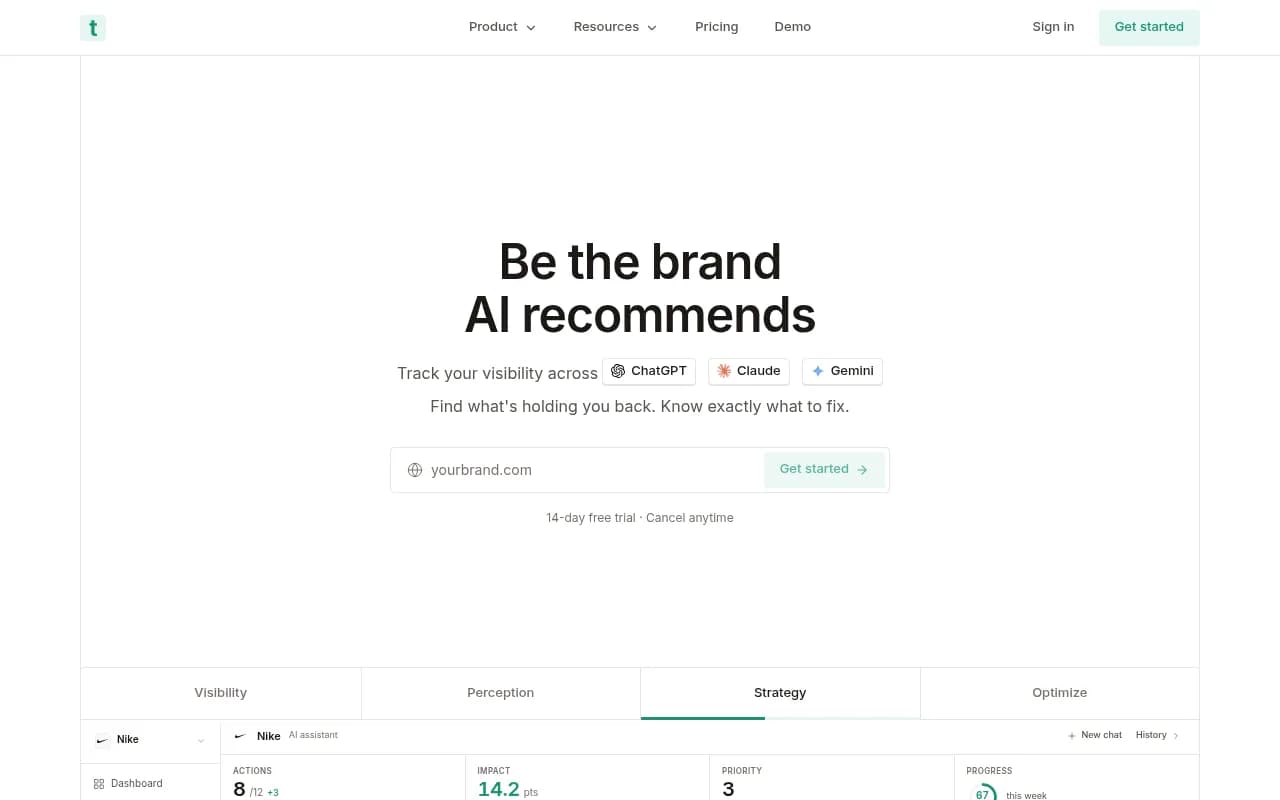
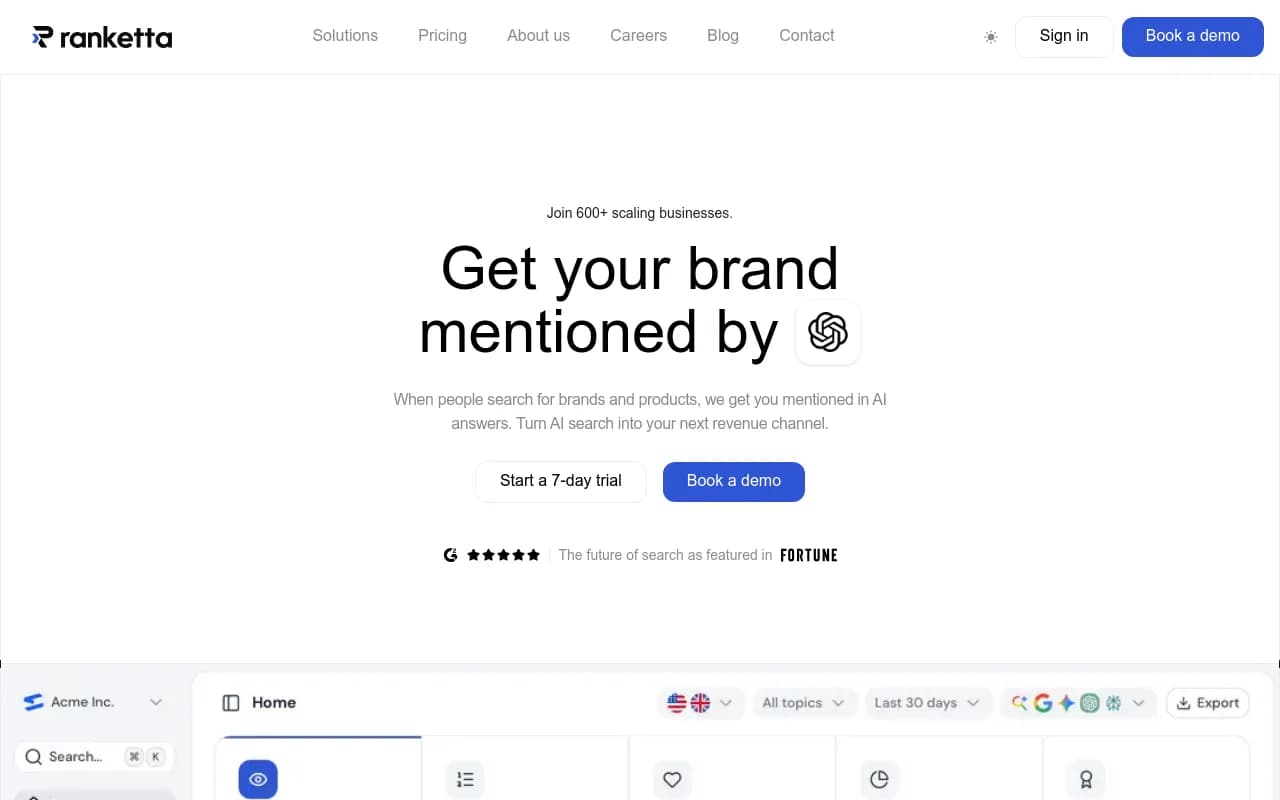
What you typically get at this price point: tracking across 3-5 AI engines, basic brand mention monitoring, limited prompt slots (often 10-50), and simple dashboards. What you usually don't get: content generation, crawler logs, competitive heatmaps, prompt volume data, or traffic attribution.
Otterly.AI and Peec.ai are the most commonly cited options here. Both are solid for basic monitoring. Neither will help you create content that ranks in AI search or tell you why competitors are outperforming you.
Mid-market tools ($99-$299/month)
This is where most serious buyers end up, and where the value differences are sharpest. Platforms in this range vary enormously in what they actually deliver.

Promptwatch sits in this range with its Essential plan at $99/month (1 site, 50 prompts, 5 articles) and Professional at $249/month (2 sites, 150 prompts, 15 articles, plus crawler logs and local tracking). What separates it from most tools at similar prices is the full optimization loop: it doesn't just track visibility, it identifies content gaps, generates AI-optimized articles grounded in citation data, and tracks whether those articles improve your visibility scores over time. Most tools at $99-$249/month stop at the tracking step.

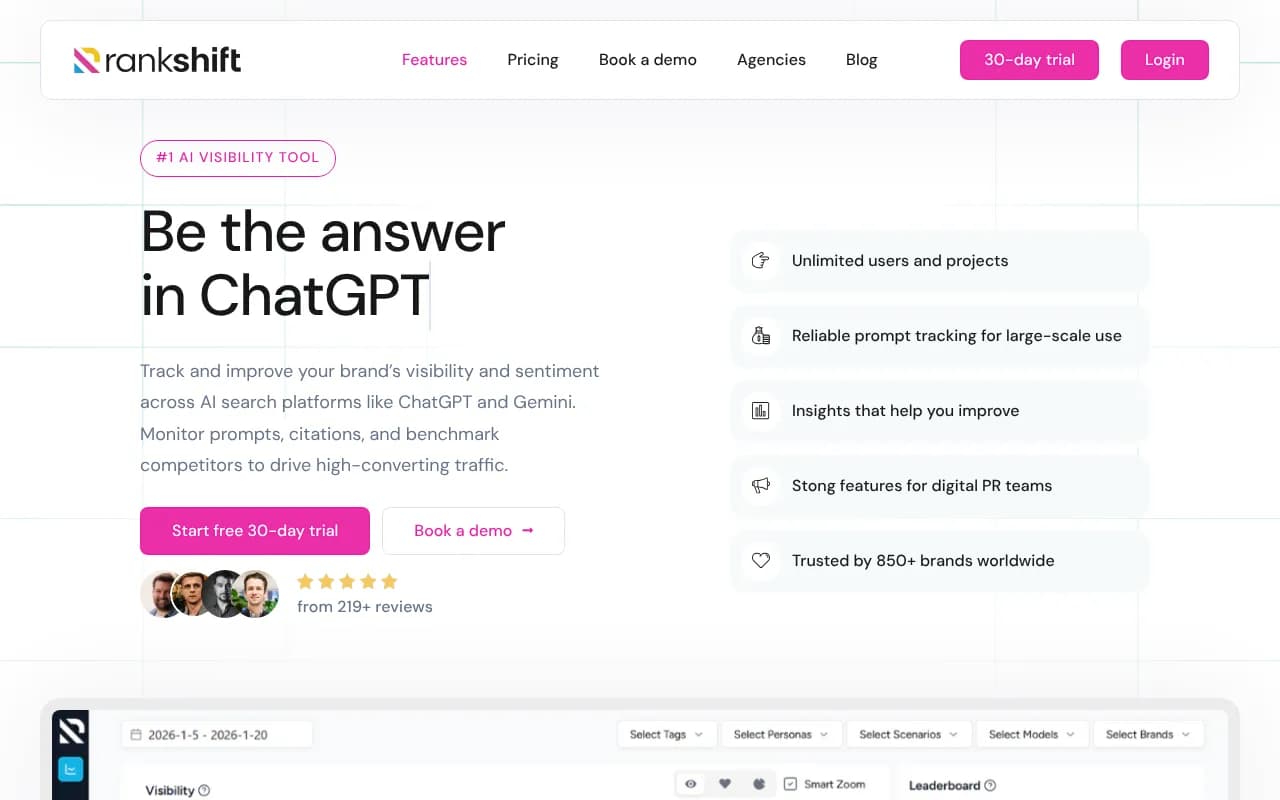
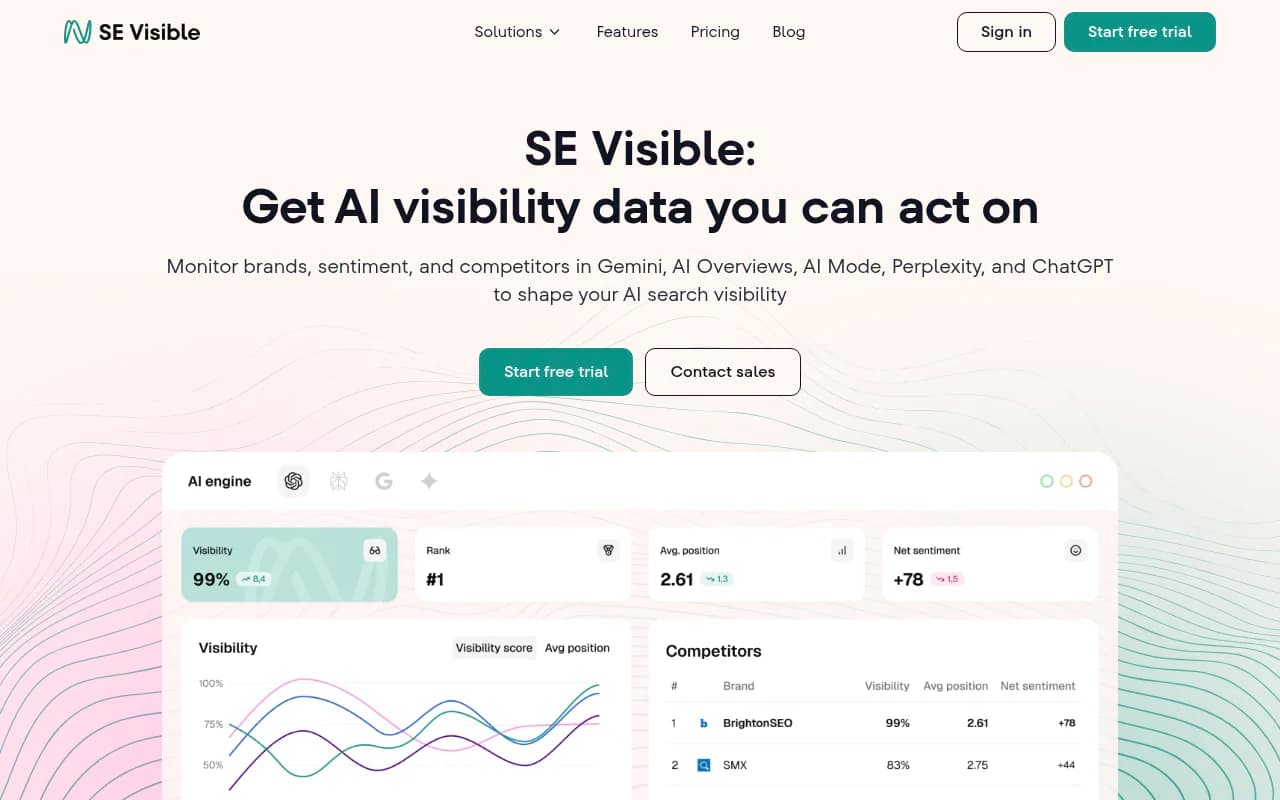

AthenaHQ and SE Visible are both solid trackers with clean interfaces. AthenaHQ covers 8+ AI engines and has good competitive benchmarking. SE Visible (from SE Ranking) integrates well if you're already in that ecosystem. Neither offers content generation or crawler log analysis.
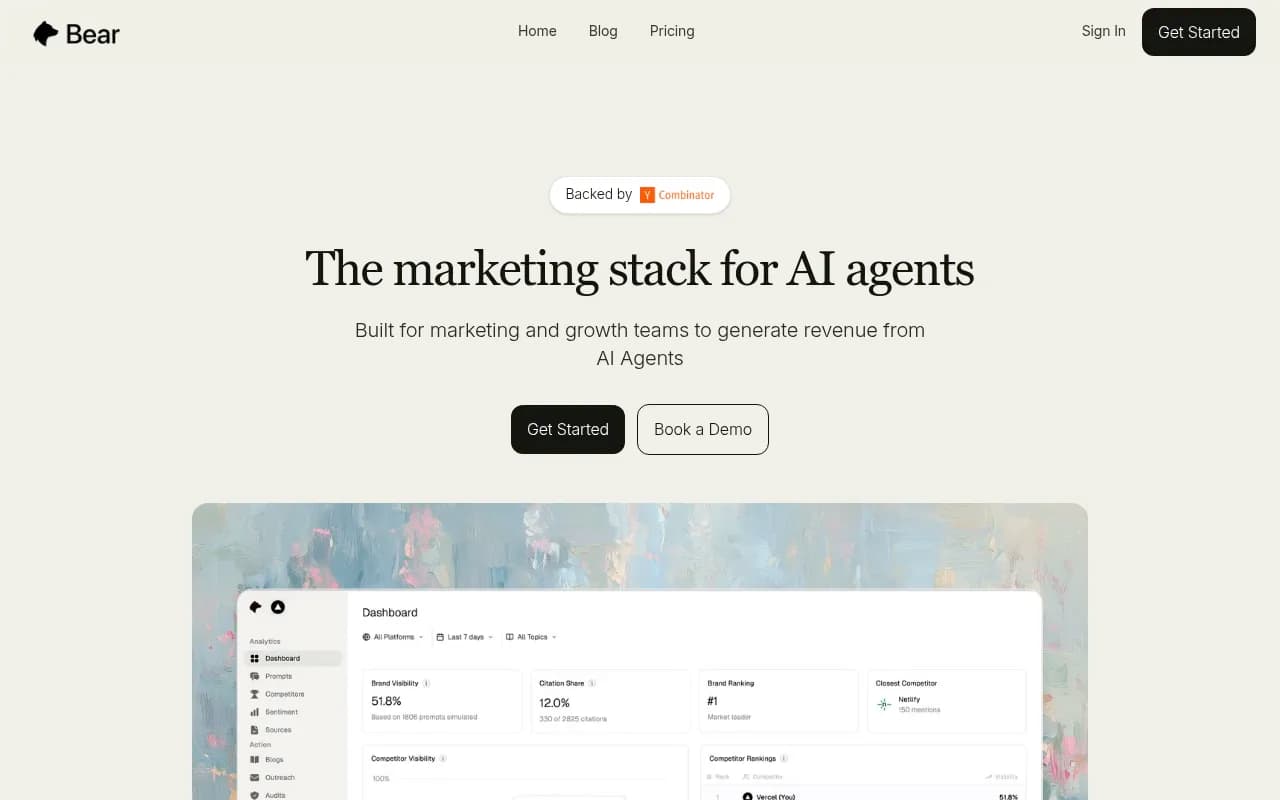
Bear AI takes an interesting angle -- it focuses on connecting AI search traffic to revenue, which is a real gap in most tools. Worth considering if attribution is your primary concern.
Upper mid-market ($299-$499/month)

Profound is the most feature-complete competitor in this range. It starts at $499/month and covers 10+ AI engines including a conversation explorer with 400M+ prompts. It has SOC 2 Type II and HIPAA compliance, which matters for healthcare and finance brands. The price is higher, but for regulated industries with strict compliance requirements, that's often a reasonable trade-off.
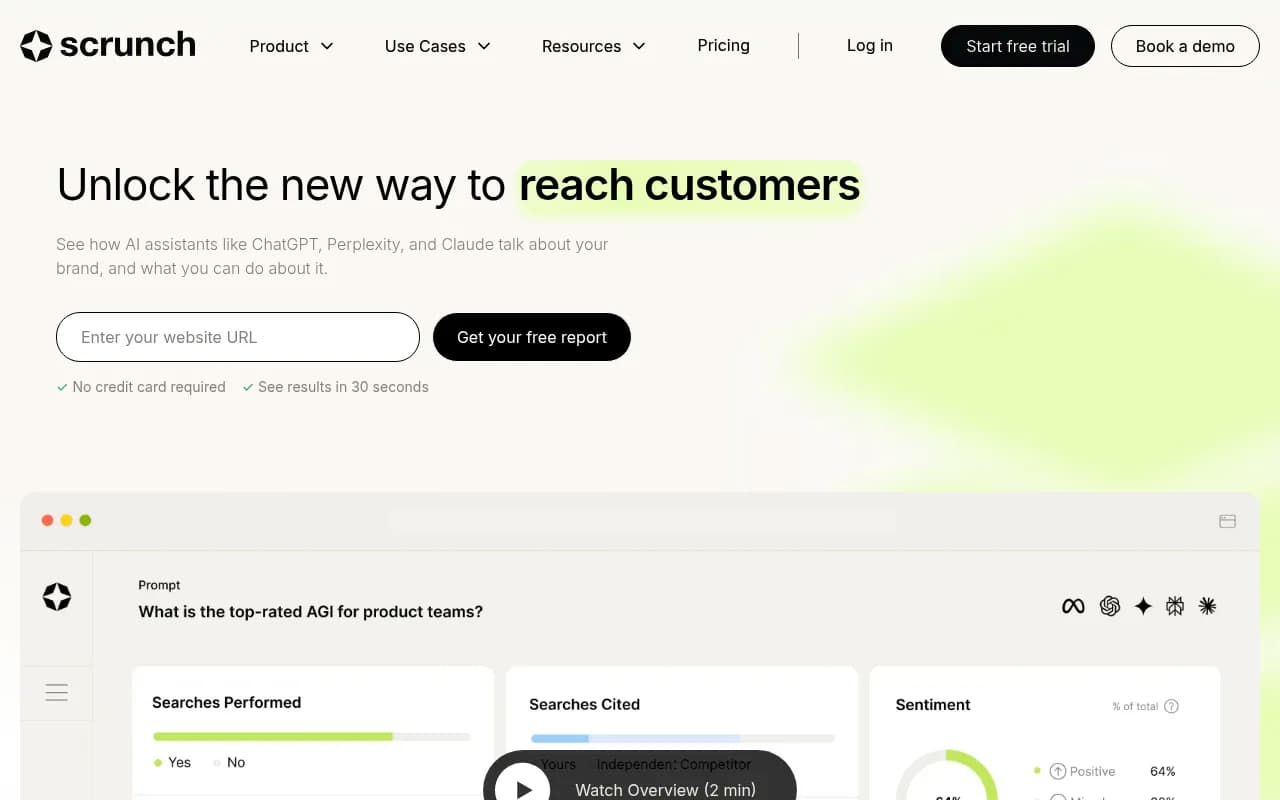
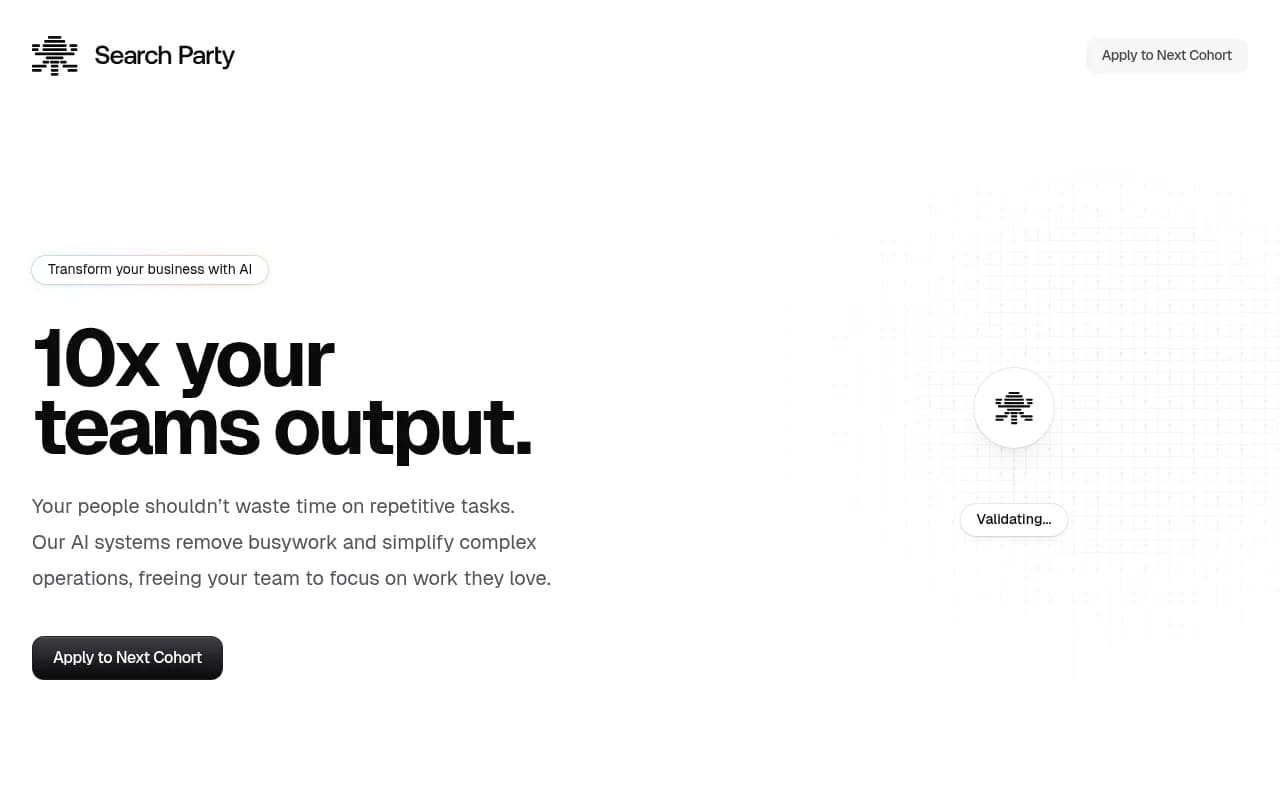
Scrunch and Search Party are more agency-oriented. Search Party in particular is built around agency workflows, though it has limited prompt metrics and no content gap analysis.
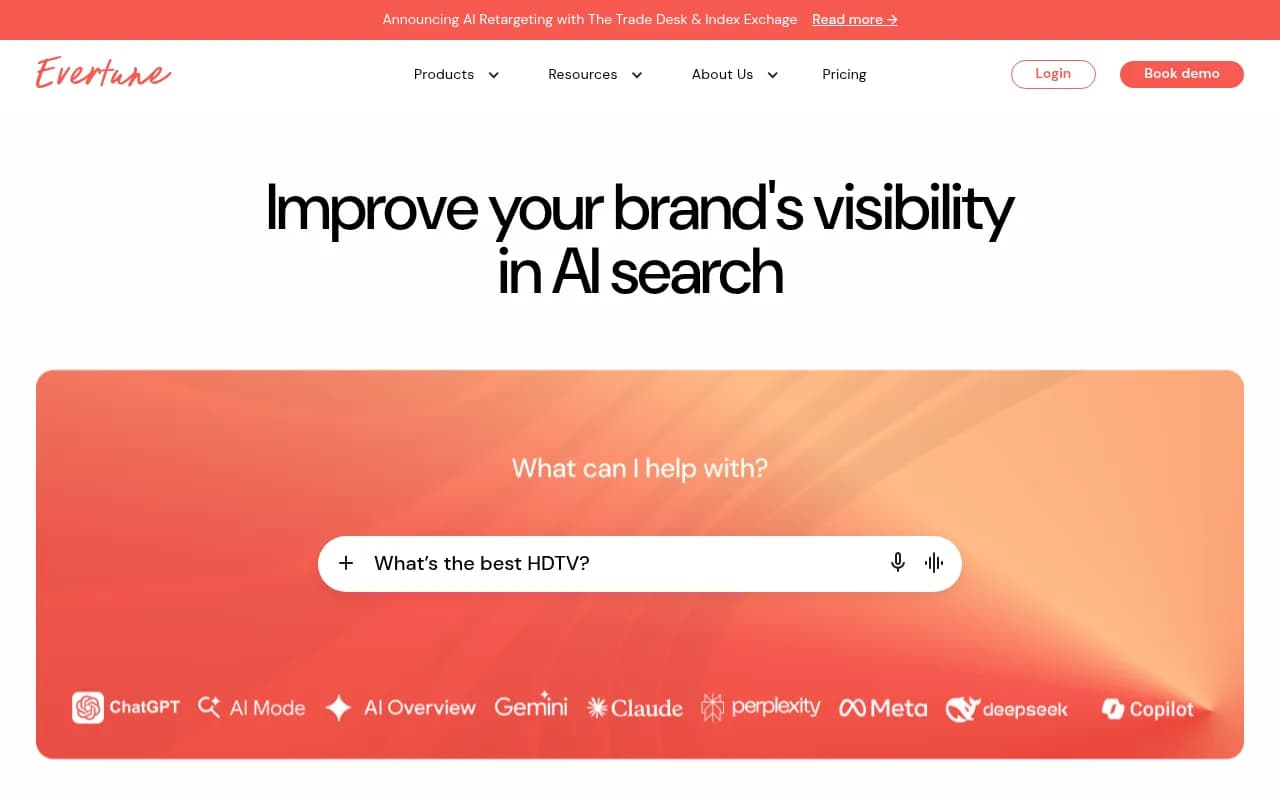
Evertune positions itself as an enterprise GEO platform. It's worth evaluating if you're a larger brand, though pricing isn't publicly listed and requires a demo.
Enterprise tools ($500+/month or custom pricing)
At this tier, you're typically looking at platforms that bundle GEO tracking into broader enterprise SEO suites. BrightEdge and seoClarity have been around for years as enterprise SEO platforms and have added AI visibility tracking. They're worth considering if you're already invested in their ecosystems, but they weren't built for GEO from the ground up.
Bluefish targets Fortune 500 brands with a more specialized focus. Quattr combines SEO and GEO execution but requires a demo for pricing, which usually signals a higher price point.
Feature-by-feature comparison
Here's how the main platforms stack up across the features that actually matter for GEO work.
| Platform | Price (starting) | AI engines tracked | Content generation | Crawler logs | Prompt volume data | Traffic attribution | Free trial |
|---|---|---|---|---|---|---|---|
| Promptwatch | $99/mo | 10+ | Yes | Yes (Pro+) | Yes | Yes | Yes |
| Profound | $499/mo | 10+ | No | No | Yes | No | Demo |
| AthenaHQ | Custom | 8+ | No | No | Limited | No | Yes |
| Otterly.AI | ~$49/mo | 4-5 | No | No | No | No | Yes |
| Peec.ai | ~$49/mo | 4-5 | No | No | No | No | Yes |
| SE Visible | ~$79/mo | 5+ | No | No | No | No | Yes |
| Bear AI | Custom | 5+ | No | No | No | Yes | Demo |
| Scrunch | Custom | 6+ | No | No | Limited | No | Demo |
| Search Party | Custom | 5+ | No | No | No | No | Demo |
| Semrush | $139/mo | 3-4 | Limited | No | No | No | Yes |
| Ahrefs Brand Radar | $129/mo | 3-4 | No | No | No | No | Yes |
| BrightEdge | Enterprise | 5+ | No | No | Limited | Limited | Demo |
Pricing and features based on publicly available information as of March 2026. "Custom" indicates pricing requires a sales conversation.
A few things jump out from this table. First, content generation is rare -- most platforms don't offer it at all. Second, crawler logs (which tell you how AI bots are actually interacting with your site) are almost absent outside of Promptwatch. Third, the tools that require demos for pricing are often significantly more expensive than their feature sets justify.
Where monitoring-only tools fall short
This is worth spending a moment on, because it's the most common mistake buyers make.
A monitoring tool tells you that your brand appeared in 23% of relevant AI responses last month, up from 18% the month before. That's useful context. But it doesn't tell you:
- Which specific prompts you're losing to competitors
- What content you'd need to create to win those prompts
- Whether AI crawlers can even find and parse your existing content
- Which of your pages are actually being cited, and by which models
Without that information, you're essentially watching a scoreboard without being able to influence the game. You can see the score change, but you don't know what plays to run.
This is the practical difference between a tracker and an optimization platform. The tracker shows you the number. The optimization platform helps you change it.
Promptwatch's Answer Gap Analysis is a good example of what this looks like in practice: it surfaces the exact prompts where competitors are visible but you're not, then connects those gaps to specific content you could create. The built-in writing agent generates articles grounded in citation data from 880M+ analyzed citations -- not generic SEO content, but pieces engineered around what AI models actually want to cite.
How to think about value per dollar
Price-per-feature comparisons are useful, but the real question is: what's the cost of not acting?
If AI search is already driving meaningful traffic in your category (and for most B2B and consumer categories it is), then being invisible in ChatGPT, Perplexity, and Google AI Overviews has a real revenue cost. A tool that helps you actually improve your visibility is worth more than one that just measures how invisible you are.
That said, here's a practical framework for matching budget to need:
If you're just getting started and want to understand your current AI visibility before investing further: start with a free trial of an entry-level tool like Otterly.AI or SE Visible. Get a baseline. See where you stand.
If you're a growing brand or agency that needs to actively improve AI visibility, not just monitor it: the $99-$249/month range is where you should be looking, and you should specifically be evaluating whether the tool can help you create and optimize content, not just track mentions.
If you're an enterprise or regulated industry with compliance requirements and large-scale tracking needs: Profound at $499/month or a custom enterprise platform may be justified. Expect to pay for the compliance certifications and dedicated support.
If you're an agency managing multiple clients: look for platforms with multi-site support and white-label reporting. Promptwatch's Business plan at $579/month covers 5 sites with 350 prompts and 30 articles per month. Custom agency pricing is also available.
The hidden costs to watch for
A few things that don't always show up clearly on pricing pages:
Prompt limits: Most tools charge by the number of prompts you track. At 50 prompts, you can cover your core brand queries. At 150-350, you can do meaningful competitive analysis and category-level tracking. Make sure the plan you're evaluating has enough prompt slots for your actual use case.
Per-site pricing: Many tools charge per domain. If you manage multiple brands or client sites, this adds up fast. Check whether the pricing is per site or per account.
AI engine coverage: Some tools prominently advertise "AI search tracking" but only cover Google AI Overviews and one or two chatbots. If you need Perplexity, Claude, Grok, DeepSeek, and Copilot tracked alongside ChatGPT and Gemini, verify that explicitly before signing up.
Data freshness: How often does the platform actually re-run your prompts? Daily? Weekly? Monthly? For fast-moving competitive situations, weekly or monthly data is often too stale to be actionable.
Reporting and export: If you need to share results with clients or stakeholders, check whether the tool supports white-label reports, Looker Studio integration, or API access. Some platforms charge extra for these.
Our take
The GEO tool market in 2026 is maturing, but it's still uneven. There are genuinely useful platforms at every price point, and there are overpriced dashboards that charge enterprise rates for monitoring-only functionality.
The clearest value story right now is in the $99-$249/month range, where a few platforms have built actual optimization capabilities on top of solid tracking infrastructure. That's where the gap between "seeing the problem" and "fixing the problem" is smallest, and where most marketing teams will get the best return on their investment.
Whatever you choose, run the free trial with real prompts from your actual category. The difference between a tool that works for your use case and one that doesn't usually becomes obvious within the first week.