Key takeaways
- Public sector GEO is less about winning share and more about accuracy. If an AI answer sends someone to the wrong benefits office, that is a service failure, not a lost click.
- Government and public health sites already earn a large slice of ChatGPT citations in regulated topics. In Promptwatch Data's healthcare report (Sep 9 to Oct 8, 2026), NIH alone took 5.46% of citations.
- Pick a tool that goes beyond monitoring: crawler logs, claim-level accuracy checks, and a way to ship fixes matter more than a pretty score.
- Procurement is the hard part. Ask about security certifications, data residency, and role-based access before you ask about features. I did not verify FedRAMP or similar status for any vendor here, so confirm it directly.
- Start with a narrow pilot: 30 to 50 high-stakes prompts, one or two engines, 90 days.
Why public sector GEO is a different problem
Most GEO advice is written for SaaS marketers chasing share of voice. A state agency, a public health body, or a university has a different job. Residents ask AI engines how to replace a lost benefits card, whether a vaccine is safe, or which form applies to them. The engine answers in prose, often without sending anyone to your site.
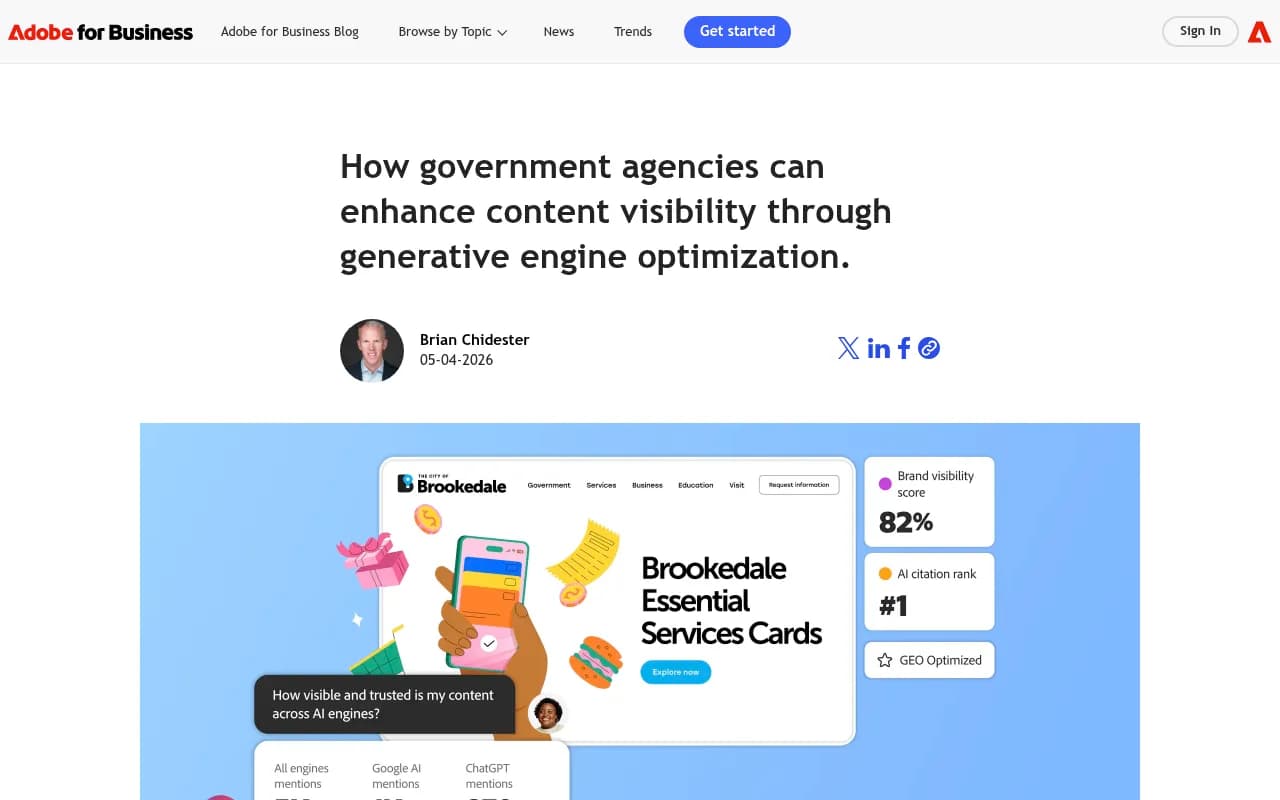
Adobe's guide to government agencies and GEO uses a good example: a resident replacing a lost SNAP card. If the agency page is not readable and authoritative, the model can mix up guidance across states or send people to third-party sites that profit from confusion and skip accessibility options. That risk is the whole reason to care.
Who counts as government-adjacent? Think:
- Federal, state, and municipal agencies
- Public health and education bodies, including universities
- Nonprofits and associations that publish guidance
- Contractors, civic tech vendors, and regulated utilities
- Healthcare and legal brands whose answers get compared against official guidance
For the last group, the competition is the agency itself. In regulated topics the official source usually wins the citation, so your job is to be consistent with it.
What the citation data says about official sources
Government domains are not an afterthought in AI answers. In Promptwatch Data's healthcare citation report (organic healthcare prompts in ChatGPT, Sep 9 to Oct 8, 2026), NIH was the top source at 5.46% of all healthcare citations, spread across six nih.gov subdomains. The FDA was second at 1.76% and the NHS third at 1.1%. Government and public health sites together earned 7.06% of citations, which is almost half of the citations among the 20 sites charted.
Two takeaways for this audience:
- If you are an agency in a regulated topic, you start with an advantage. Protect it by keeping pages crawlable, current, and clearly dated.
- If you are a hospital, association, or contractor, the report's advice applies: link claims to PubMed or PubMed Central, keep pages consistent with FDA, CDC, NHS, and NICE guidance, and keep directory profiles complete.
The other half of the story is crawling. Promptwatch's AI crawler traffic data (IP-verified requests, June 8 to September 6, 2026) showed OpenAI at 79.8% of verified AI crawler requests in the week of Aug 31 to Sep 6, down from 94.8% in early June. The mix is shifting. Government sites often sit behind aggressive WAF rules and bot protection, so a provider can be blocked without anyone noticing. Compare your logs against the overall mix: a provider that is big in the mix but near zero on your site is probably blocked.
The wider citation picture is in the Promptwatch Data hub if you want to check other sectors.
What to look for in a GEO tool as a public sector buyer
The generic checklist (mention tracking, citation tracking, sentiment, share of voice) is a starting point. Olostep's buyer's guide covers those basics well and stays vendor-neutral.
For government-adjacent work I would weigh these more heavily:
- Accuracy over visibility. Can the tool extract the individual claims AI makes about you and flag the wrong ones? A visibility score tells you nothing about whether the answer is correct.
- Crawler visibility. You need to know whether AI bots can read your pages at all, and where they fail. Many tools skip this entirely.
- Jurisdiction and language. Local rules differ by state, city, and country. Look for location-specific monitoring and multi-language support.
- Security and procurement fit. ISO 27001, GDPR, SSO, audit logs, and role-based access. Government buyers get blocked here more often than on features.
- Execution. A tool that ends at a dashboard leaves an overstretched comms team with a to-do list nobody owns.
- Reporting. Scheduled PDFs for leadership, and exports for audit or oversight bodies.
Best GEO tools by use case
Promptwatch: best end-to-end option for accuracy and action
Promptwatch is the one I would put first for teams that need to find wrong answers and fix them. It monitors the real interfaces of ChatGPT, Google AI Overviews, Google AI Mode, Gemini, Perplexity, Copilot and others in the countries and languages you choose, and Brand Narrative pulls the individual claims AI makes about you into themes you can score.

For a public body the useful pieces are:
- Fact Check, which lets you mark a claim as inaccurate and then finds the pages on your site that state it, so you know which page the model is learning from (Business plan and up).
- IP-verified AI crawler logs, which separate an access problem from a content problem.
- Local GEO/SEO targeting at exact coordinates, handy for city and county services.
- A weekly site audit with 21 checks, including orphaned pages and pages missing from the sitemap.
- ISO/IEC 27001 certification and GDPR compliance, with an EU-based operator. SSO, a white-label portal, and audit logs sit on Enterprise and the higher tiers.
Pricing starts at $95/mo (Essential) and reaches $579/mo on Business, which is the first plan with Fact Check, local targeting, and the Content Agent. Confirm current numbers at promptwatch.com/pricing. There is a 7-day free trial and a free AI visibility report if you want a baseline before talking to procurement.
It is not built for classified or air-gapped environments, and I would not pretend otherwise.
Adobe Brand Visibility and Adobe LLM Optimizer: for teams already in Adobe
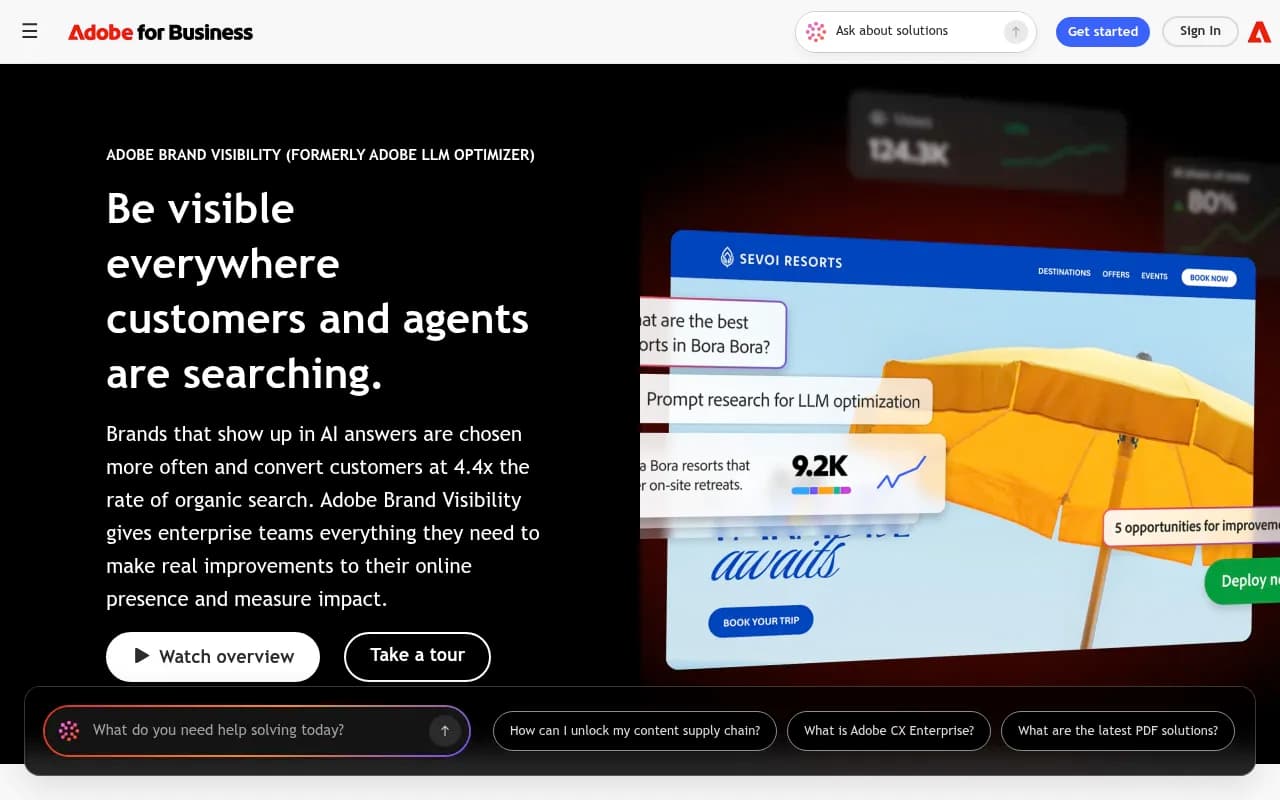
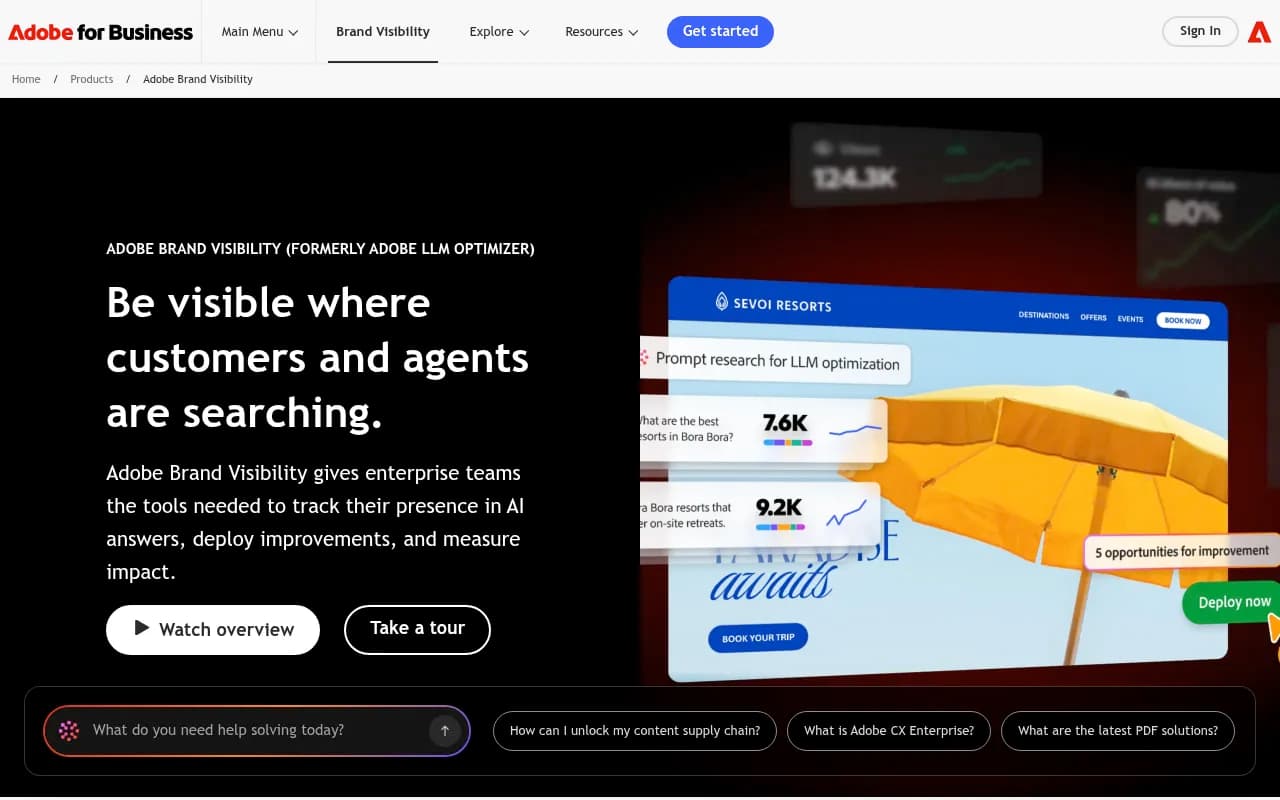
Many agencies already run Adobe Experience Manager. Adobe's two products target that audience, and the company has published government-specific guidance on GEO. I have not verified details of the products beyond Adobe's own description, so check capabilities and compliance directly.
This route makes sense when your CMS, analytics, and procurement vehicle are already Adobe. It is a harder sell if you are not.
Enterprise SEO suites: BrightEdge, Botify, seoClarity, Conductor
If your agency already has an enterprise SEO contract, adding AI visibility from the same vendor can simplify purchasing. The trade-off is usually shallower AI-specific data than a dedicated platform.
Profound, Scrunch, and Peec AI: monitoring-first platforms
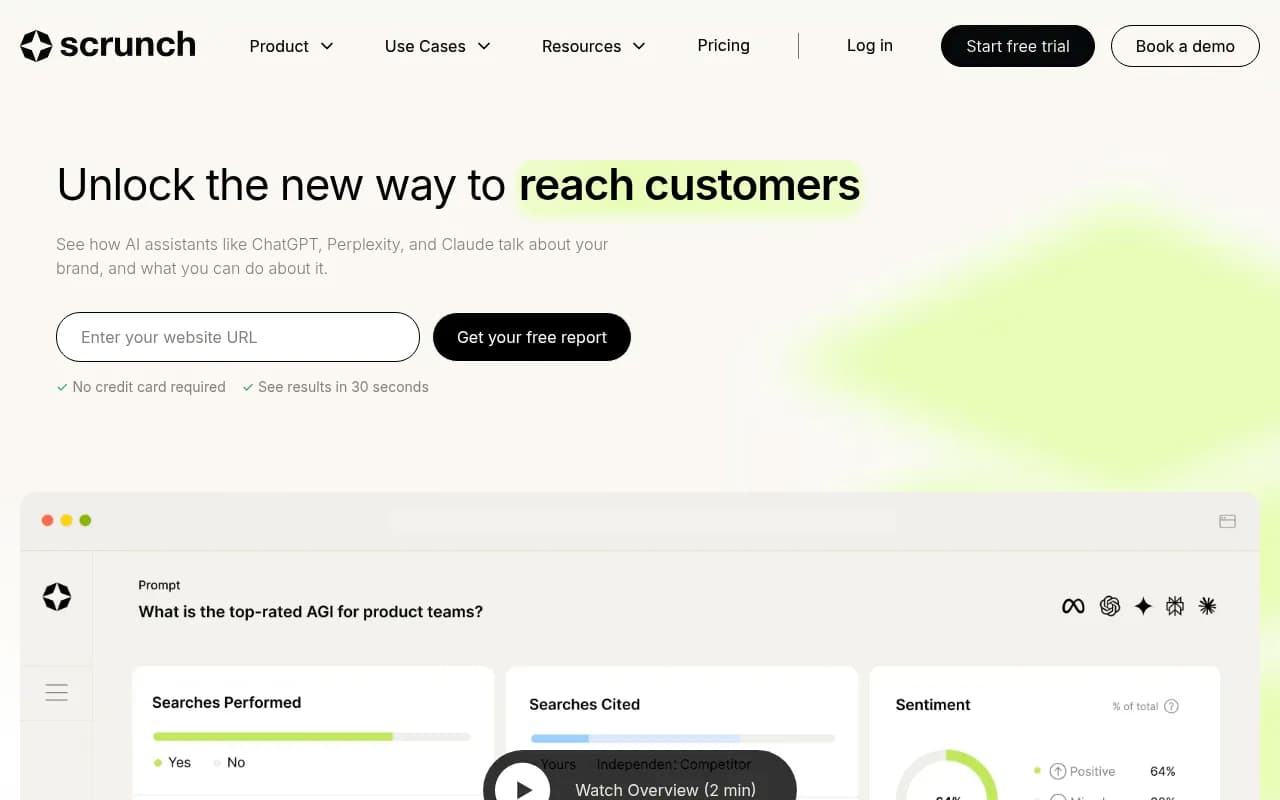
Sitefinity's practical guide names Profound, Scrunch, and Peec AI as leading platforms in early 2026. They are solid for measurement. They tend to stop at reporting, so you need a separate workflow to fix what they find.


A quick note for anyone also weighing price: Otterly.AI is often the cheapest way to get a first look at mentions.

Siteimprove: for accessibility and content quality alongside SEO
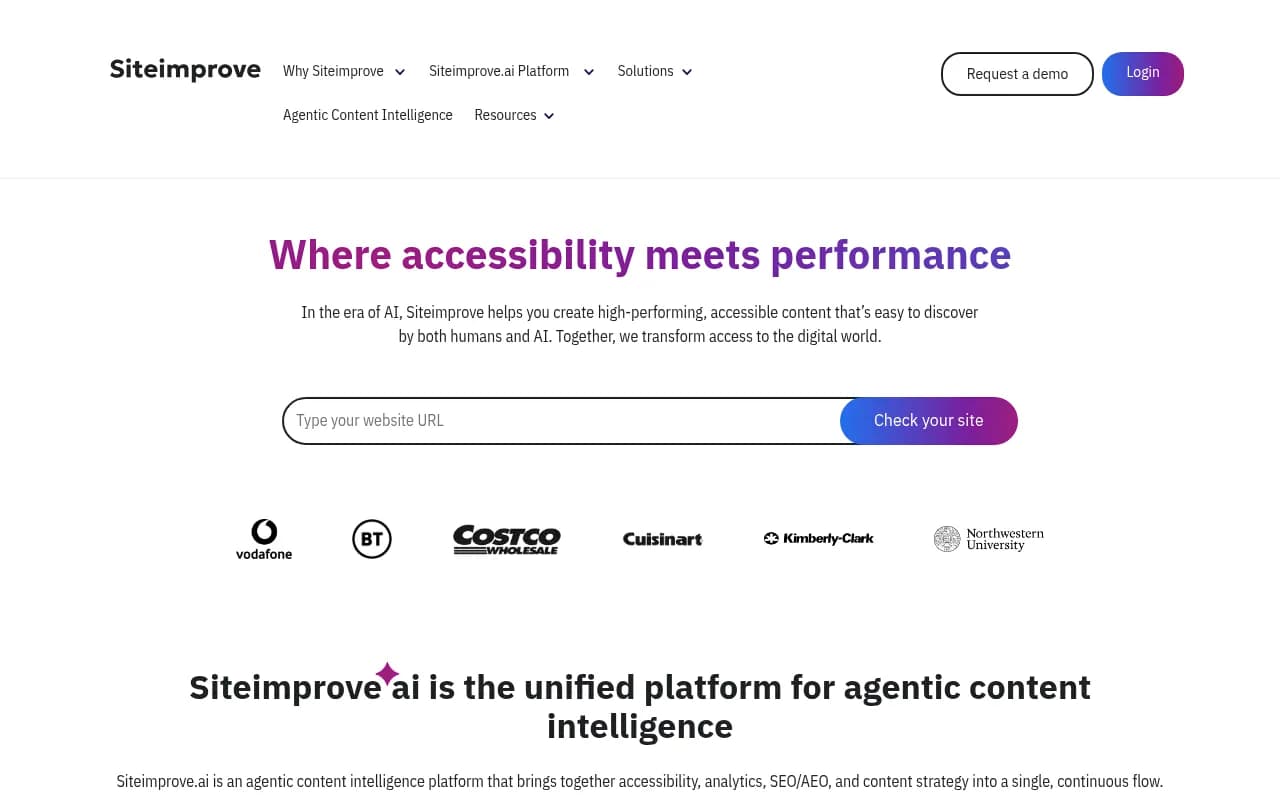
Government sites live under accessibility mandates, and Siteimprove combines accessibility, SEO, and analytics. It is not a GEO tracker in the strict sense, but it fits the same budget line and the same team.
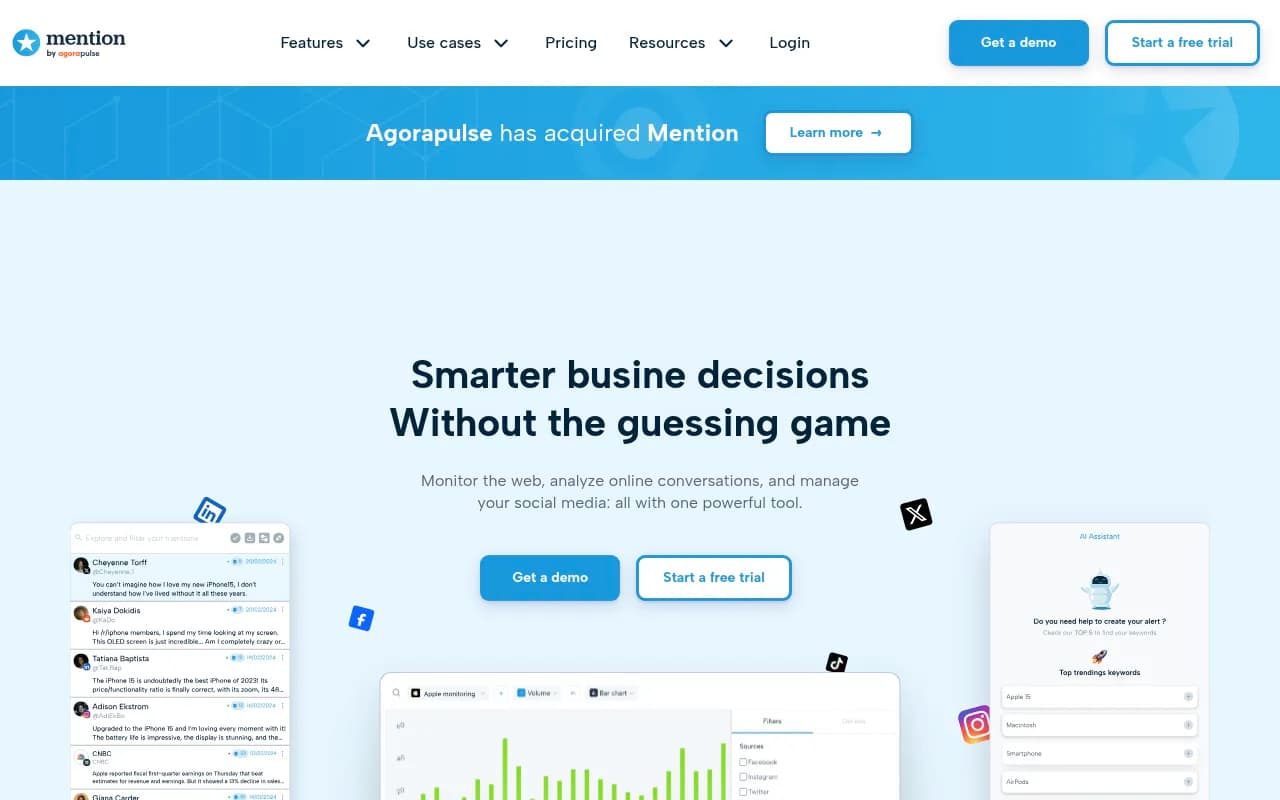
Brand and media monitoring: Meltwater, Brandwatch, Mention
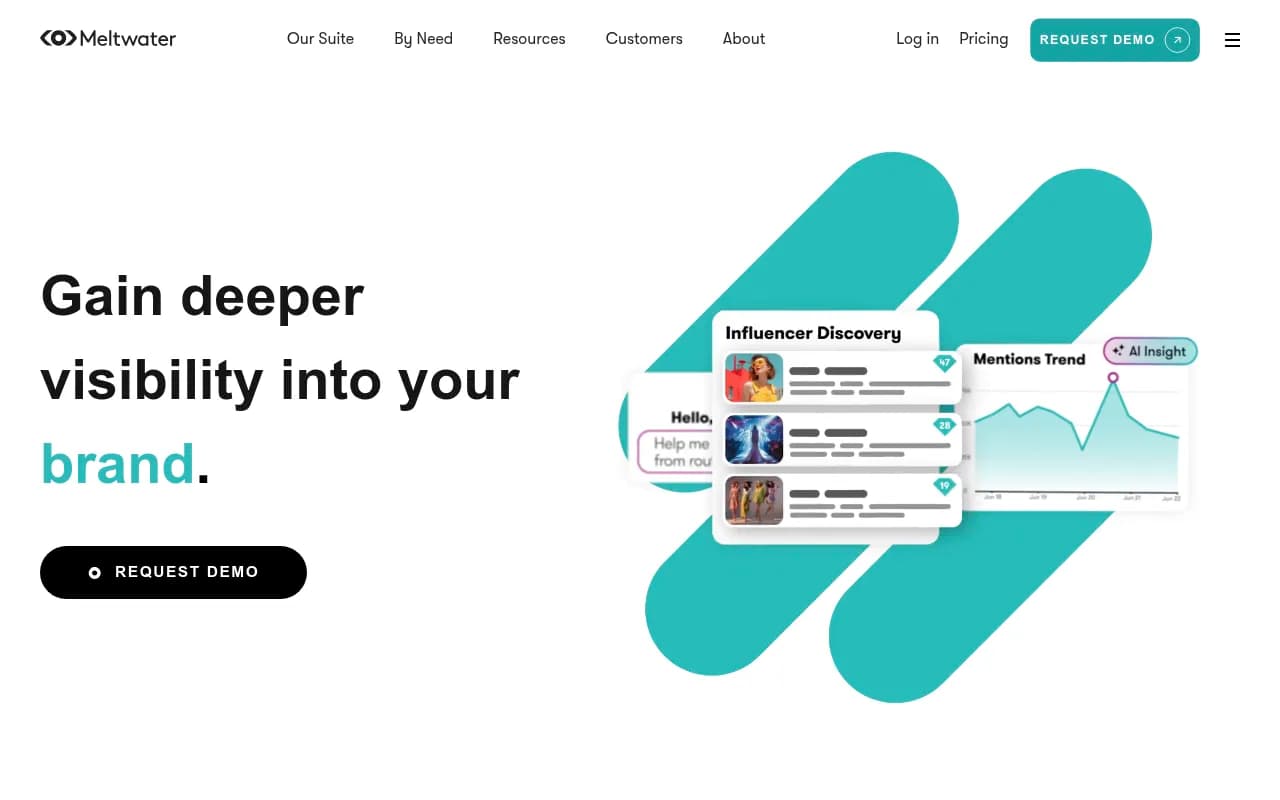
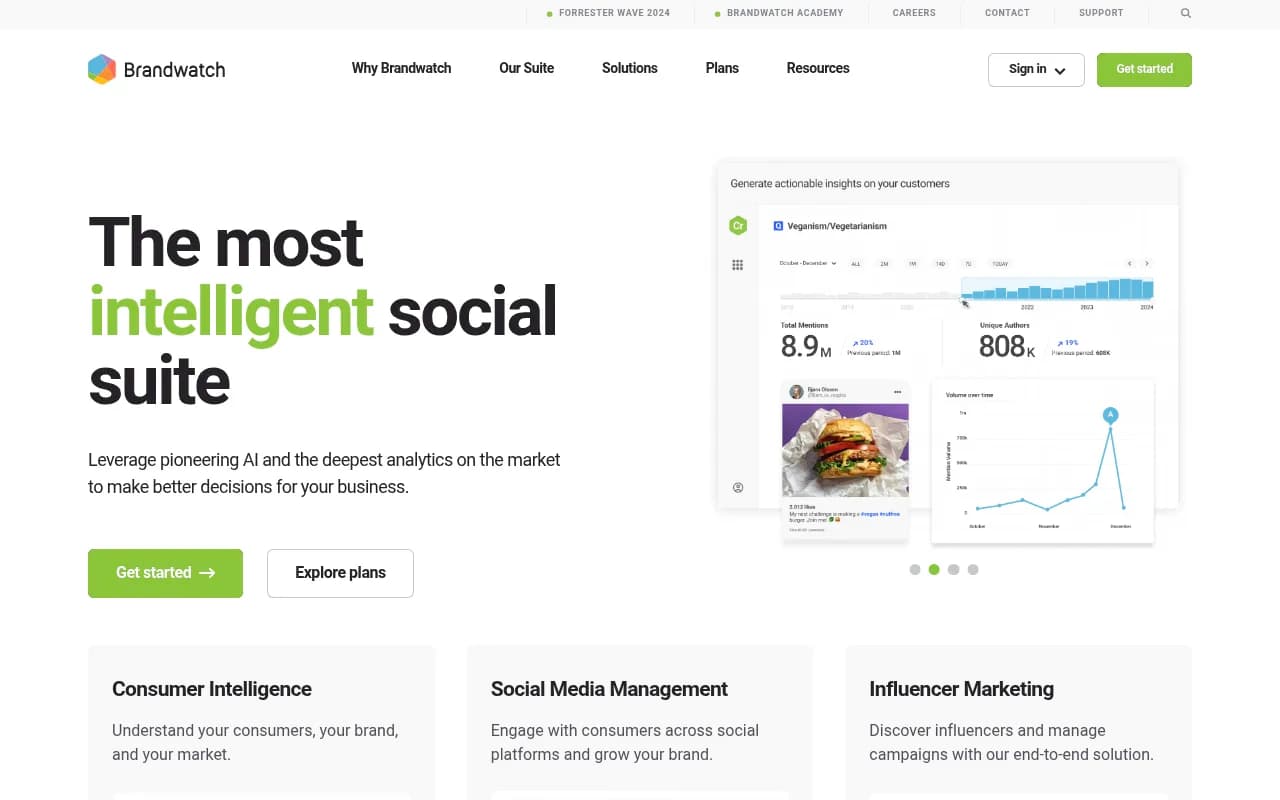
Communications teams in public bodies usually run media monitoring already. These tools catch press and social, which AI engines then repeat. They complement a GEO platform rather than replacing one.
Brandwatch Consumer Intelligence
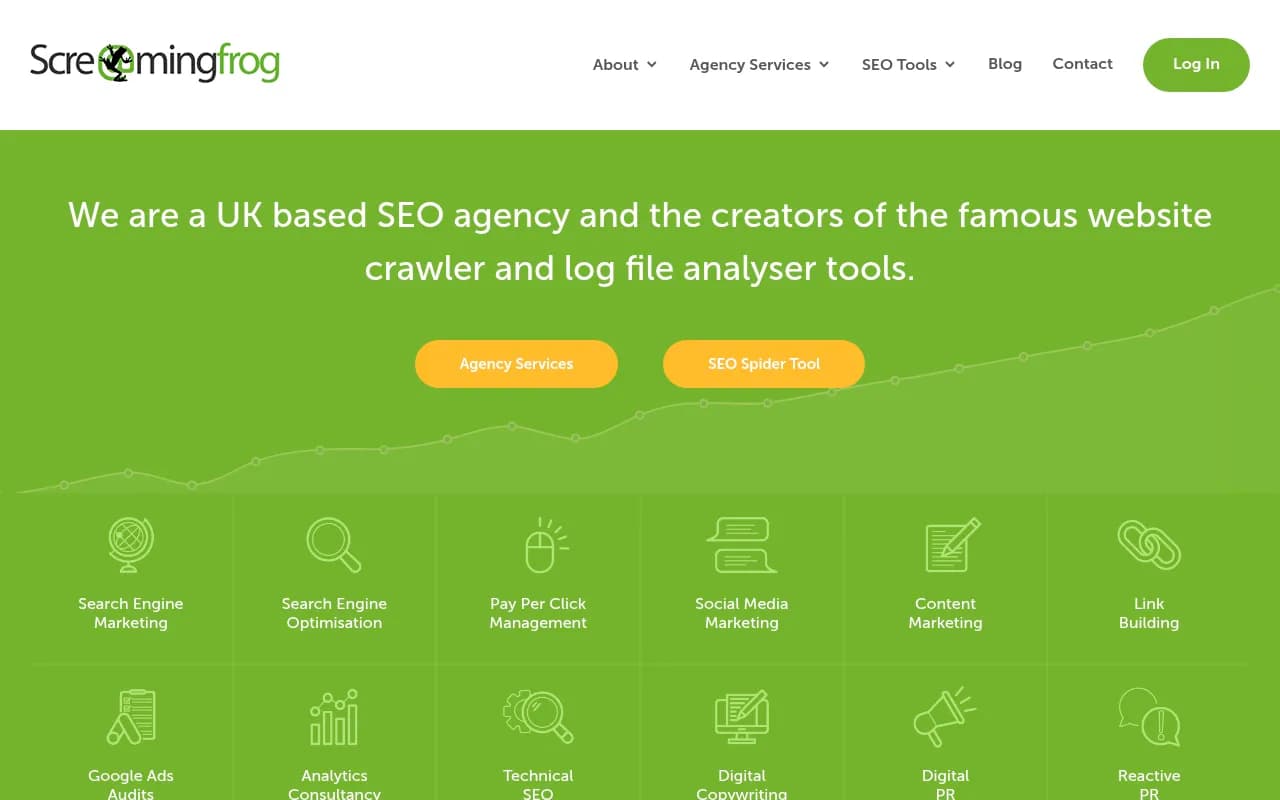
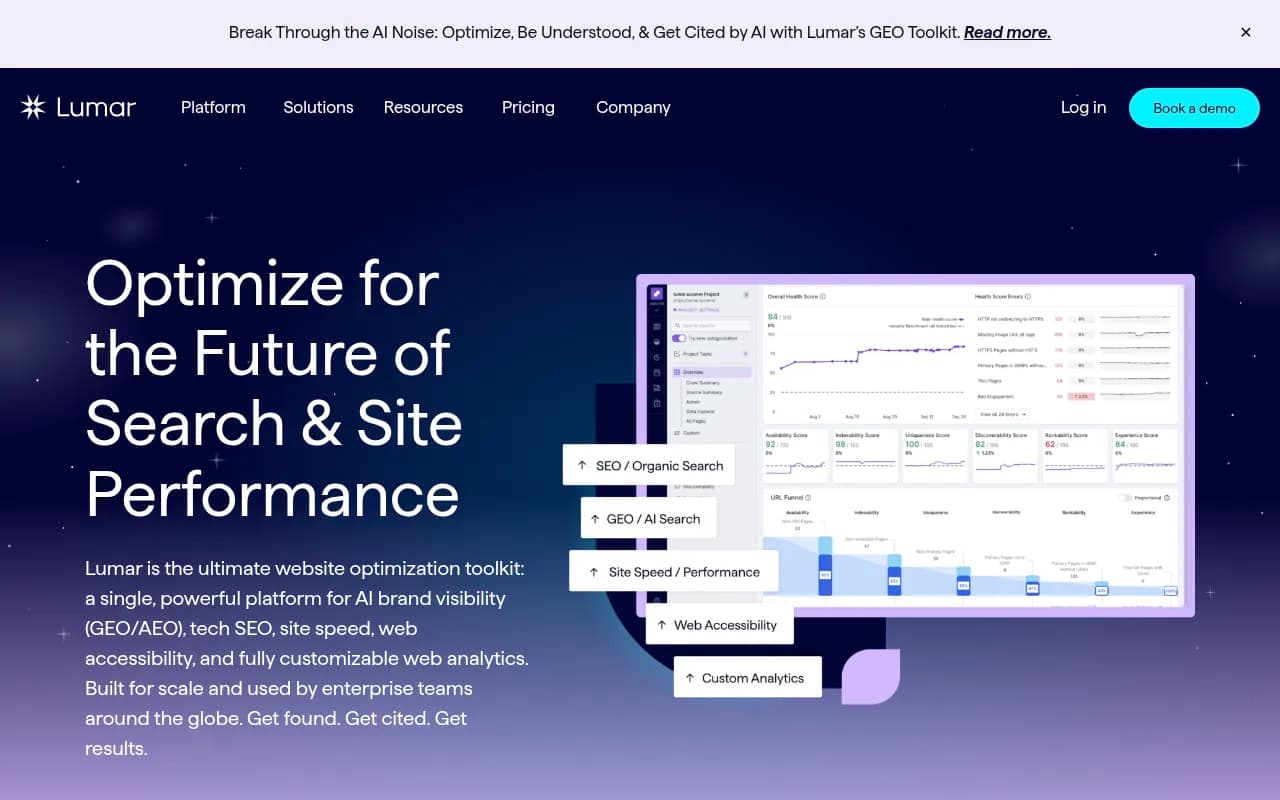
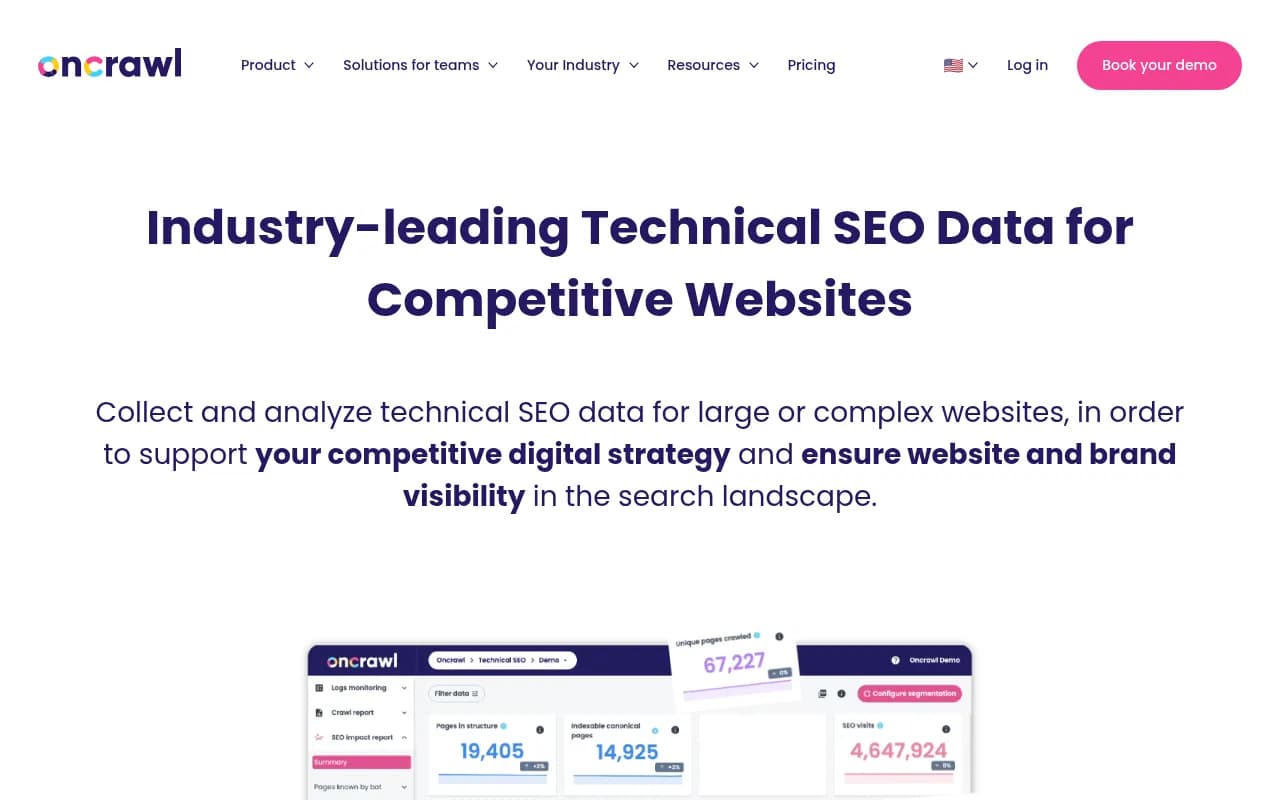
Technical crawlers: Screaming Frog, Lumar, Oncrawl
Before buying any GEO tool, audit the basics: canonical pages, structured data, broken links, sitemap coverage. Sitefinity's guide calls structured data the most impactful action this year, and a crawler will show where it is missing.
Comparison table
| Tool | Best for | Monitoring | Fixes and content | Crawler insight |
|---|---|---|---|---|
| Promptwatch | Accuracy checks and action | Real-UI, multi-country | Content Agent, Action Board | IP-verified logs |
| Adobe Brand Visibility / LLM Optimizer | Adobe-based agencies | Yes | Edge-deployed fixes (per Adobe) | Verify with vendor |
| BrightEdge / Botify / seoClarity | Existing enterprise SEO contracts | Yes | Varies | Strong site crawling |
| Profound / Scrunch / Peec AI | Measurement-focused teams | Yes | Limited | Limited |
| Otterly.AI | Cheap first look | Basic | No | No |
| Siteimprove | Accessibility plus SEO | Not GEO-first | Content quality | Site checks |
| Meltwater / Brandwatch | Press and social monitoring | Media-focused | No | No |
Fixing the content, not just measuring it
Tools will not fix a vague page. The Adobe example is a good template: one canonical page scoped to the jurisdiction, an answer-first opening, a visible last-updated date, and short FAQ and step blocks. Apply it to your top 20 service pages first.
A few rules I would follow:
- One canonical page per task. Duplicates across departments confuse both residents and models.
- Put the phone number, URL, and deadline in the first two sentences.
- Date everything. Models and people both prefer fresh pages, and Promptwatch's content half-life data shows news pages lose half their citations within 36 days while landing pages and docs last longest. Service pages should be built like the latter.
- Do not publish a markdown or llms.txt file expecting it to rescue you. Markdown is only 0.05% of AI search citations; it serves agents, not AI search.
- Check robots.txt, CDN, and WAF rules for each AI provider, separating training crawlers from answer-time fetchers.
The free AI crawler URL inspector and Agentic Readiness Check are a decent place to start before spending anything.
A 90-day pilot plan
Government buyers rarely get to sign a big contract on faith. A pilot fits how procurement works.
- Weeks 1 to 2: pick 30 to 50 prompts that residents or customers actually ask, weighted toward high-stakes ones (benefits, health, deadlines, safety). Include jurisdiction-specific variants.
- Weeks 2 to 4: baseline visibility, sentiment, and the claims AI makes. Mark wrong ones. Check crawler access.
- Weeks 4 to 8: fix the canonical pages, structured data, and any blocked bots. Log each change.
- Weeks 8 to 12: re-measure, report to leadership, and decide whether the tool earned its renewal.
If the team lacks capacity, an agency can run this. 1001 SEO Media works on GEO and technical SEO for organizations that want that support, and uses Promptwatch for AI visibility measurement.
Questions to ask every vendor
- Which security certifications do you hold, and can you share the reports?
- Where is data stored and processed, and by which legal entity?
- Do you support SSO, role-based access, and an audit log?
- Can I monitor by country, state, and city?
- How do you collect data: real interfaces or API calls only? (They can give different answers.)
- Can you show which of my pages AI bots fetched, and which they failed on?
- What happens to my data if we stop paying?
For more options by category, the GEO software directory lists a wide range of tools.
Bottom line
If you have one budget line and a mandate to prevent wrong answers, start with a platform that checks accuracy and crawler access, then fixes the pages. Promptwatch is the strongest fit I know for that. If you are locked into Adobe or an enterprise SEO suite, ask those vendors the procurement questions above and compare them against a 90-day pilot. Whichever you pick, begin with your top 30 high-stakes prompts, not a thousand vanity ones.