Key takeaways
- The best AI SEO stacks in 2026 combine a content optimizer (Surfer SEO, Clearscope, NeuronWriter), an AI writer (Jasper, GrowthBar, Scalenut), and an AI visibility tracker to cover both Google and LLM search.
- "Ranking" now means two things: appearing in Google SERPs and being cited by ChatGPT, Perplexity, Claude, and Gemini. Tools that only handle one of these leave a growing gap in your strategy.
- Content teams get the most leverage from tools that close the full loop: find what's missing, generate content that fills it, then track whether it worked.
- Budget matters. There are solid options at every price point, from Mangools for small teams to Semrush or BrightEdge for enterprise.
- AI visibility tracking is still maturing fast. If you're not already monitoring how AI models cite your brand, you're flying blind on a channel that's eating into organic click share.
The phrase "write once, rank everywhere" used to mean repurposing a blog post into a few social snippets. In 2026, it means something more demanding: writing content that ranks in Google, gets cited by ChatGPT, surfaces in Perplexity answers, and shows up in Gemini's AI Overviews -- all from the same piece.
That's a tall order. And no single tool handles all of it perfectly. But the right stack comes close.
This guide is for content teams who are tired of guessing. We'll walk through the categories of tools you actually need, which ones are worth paying for, and how to think about building a workflow that covers both traditional SEO and the AI search layer that's now sitting on top of it.
Why the "AI SEO tool" category split in two
Until about 18 months ago, AI SEO tools mostly meant one thing: tools that use AI to help you write or optimize content for Google. Surfer SEO, Clearscope, MarketMuse, NeuronWriter -- these are the classics. They analyze top-ranking pages, extract semantic signals, and tell you what to include in your content.
That category is still very much alive and useful.
But a second category has emerged alongside it: tools that track and optimize your visibility inside AI search engines themselves. ChatGPT, Perplexity, Claude, Gemini, and others are now answering questions directly -- and they're citing sources when they do. Those citations are becoming a meaningful traffic channel. Platforms like Promptwatch were built specifically to track and improve that kind of visibility.

The two categories overlap but they're not the same thing. A tool that helps you write a well-optimized blog post doesn't automatically tell you whether ChatGPT is citing it. And a tool that tracks your AI citations doesn't write the content for you.
Most content teams in 2026 need both layers. Let's go through each.
Layer 1: Content writing and optimization for Google
These are the tools that help you produce content that ranks in traditional search. They're mature, well-tested, and genuinely useful.
Content optimizers
Content optimizers analyze the top-ranking pages for a keyword and tell you what topics, entities, and terms your content needs to cover. They don't replace good writing -- they tell you what to write about.
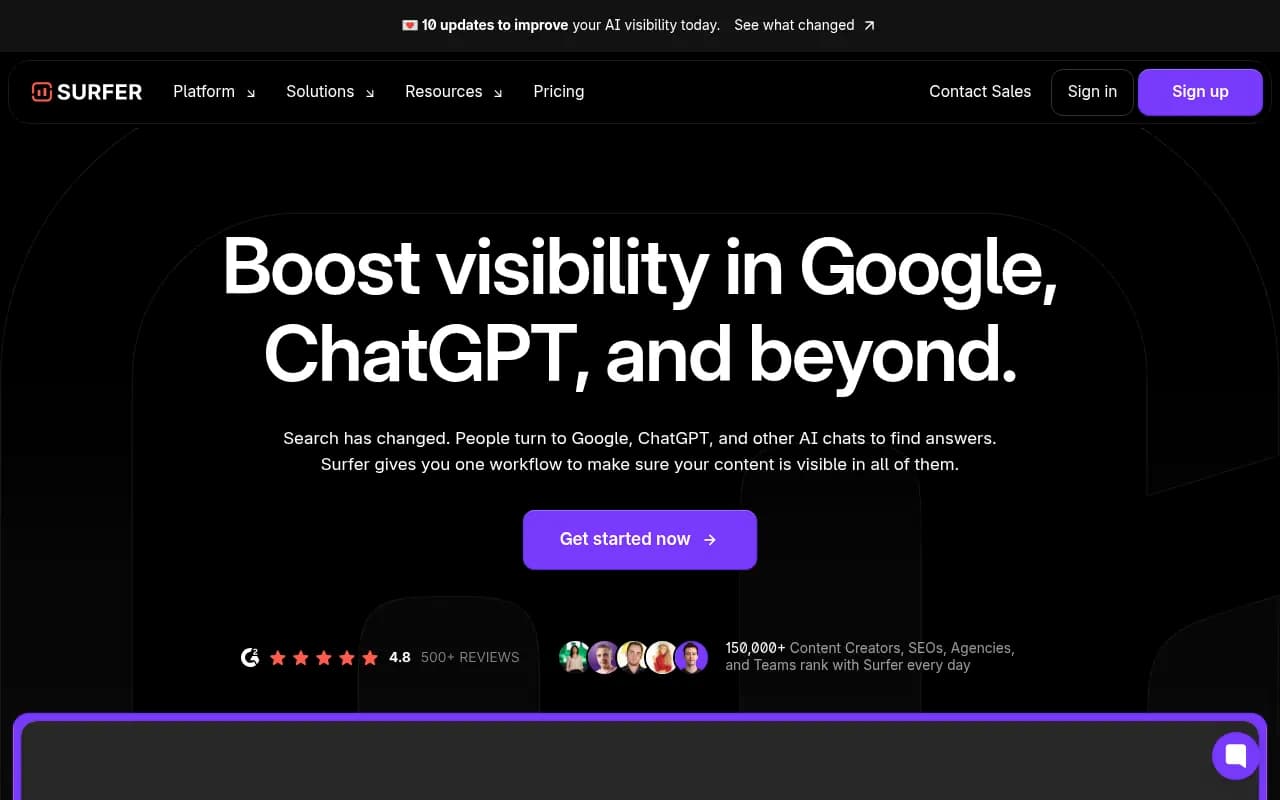
Surfer SEO is probably the most widely used. It gives you a real-time content score as you write, with recommendations for word count, headings, and NLP terms. It integrates with Google Docs and WordPress, which matters for teams with existing workflows.
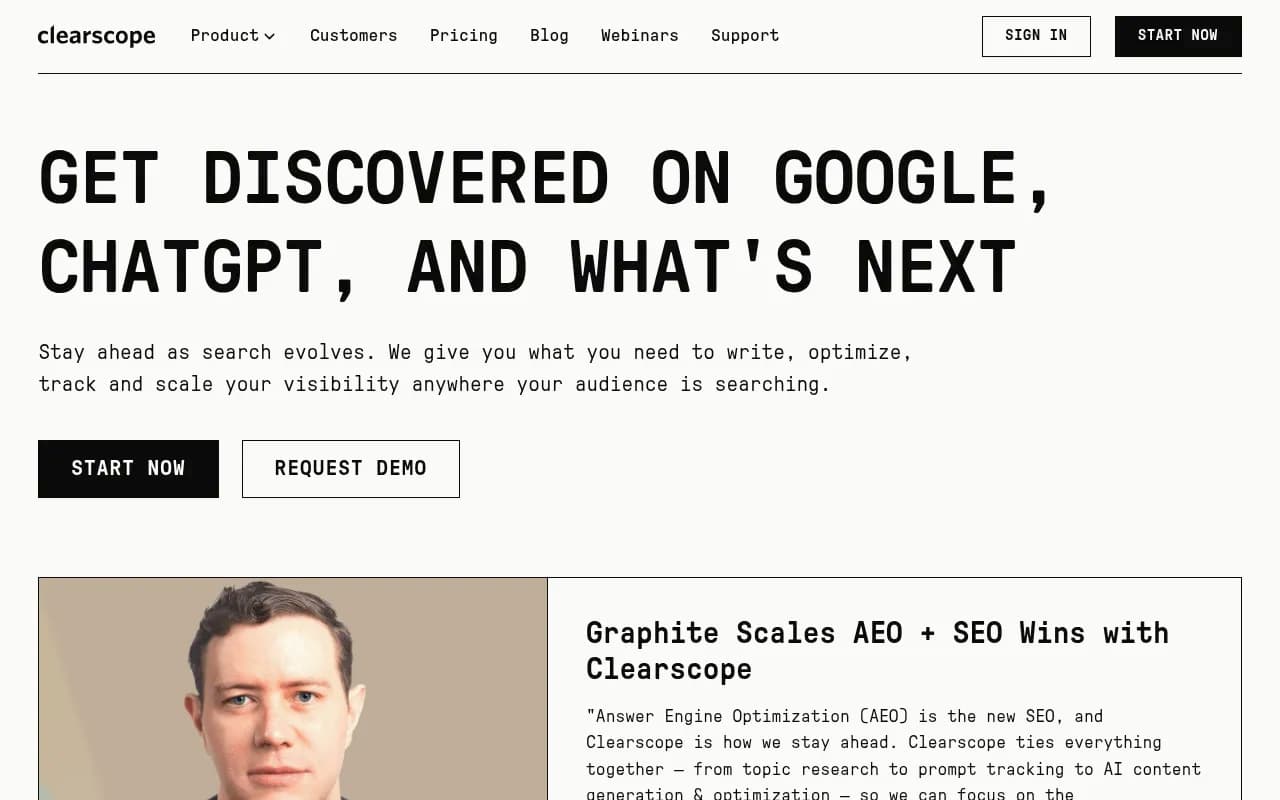
Clearscope is the other name that keeps coming up in serious SEO circles. It's cleaner and arguably easier to use than Surfer, with a focus on term frequency and content grade. Teams at larger companies tend to prefer it because the interface is less overwhelming for writers who aren't SEO-native.
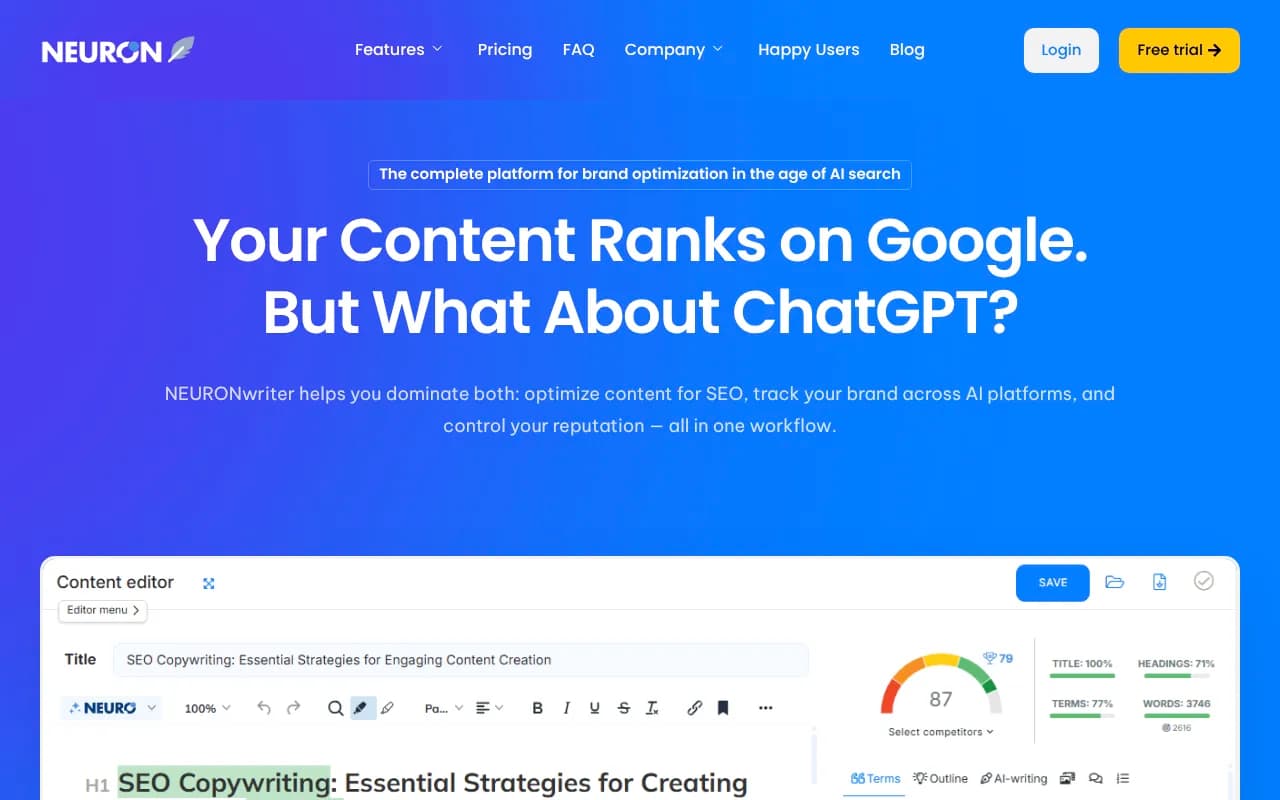
NeuronWriter is worth mentioning for teams on tighter budgets. It does semantic content optimization with SERP analysis and competitor comparisons, and it's considerably cheaper than Surfer or Clearscope without cutting too many corners.
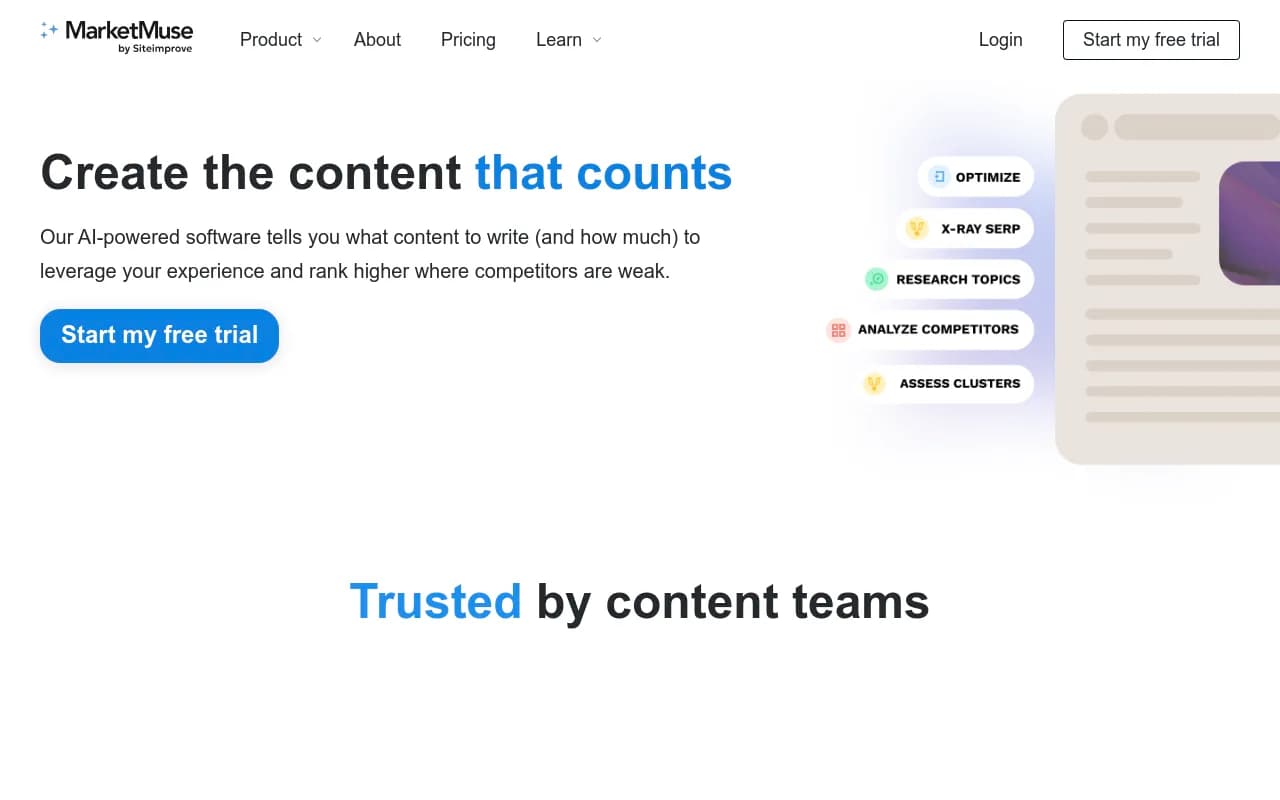
MarketMuse sits at the more strategic end. It's less about optimizing a single article and more about planning your entire content program -- finding topic clusters, identifying content gaps across your site, and prioritizing what to build next. It's expensive, but for content teams managing hundreds of pages, the ROI case is real.
AI writing assistants
Once you know what to write, you need to actually write it. These tools help.
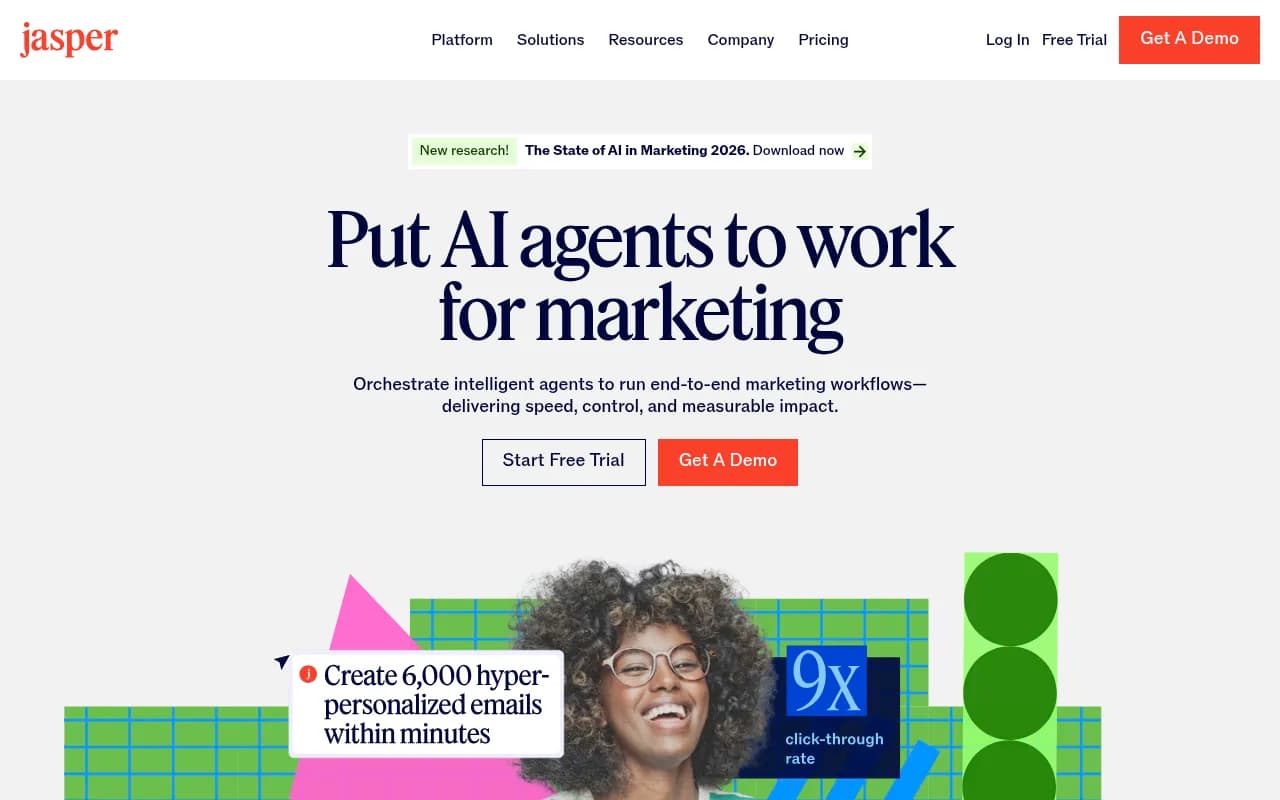
Jasper has matured into a full marketing workflow platform. It handles long-form articles, brand voice consistency across teams, and integrates with content optimizers. It's not cheap, but it's one of the few AI writers that actually tries to solve the "sounds like a robot" problem with brand voice controls.
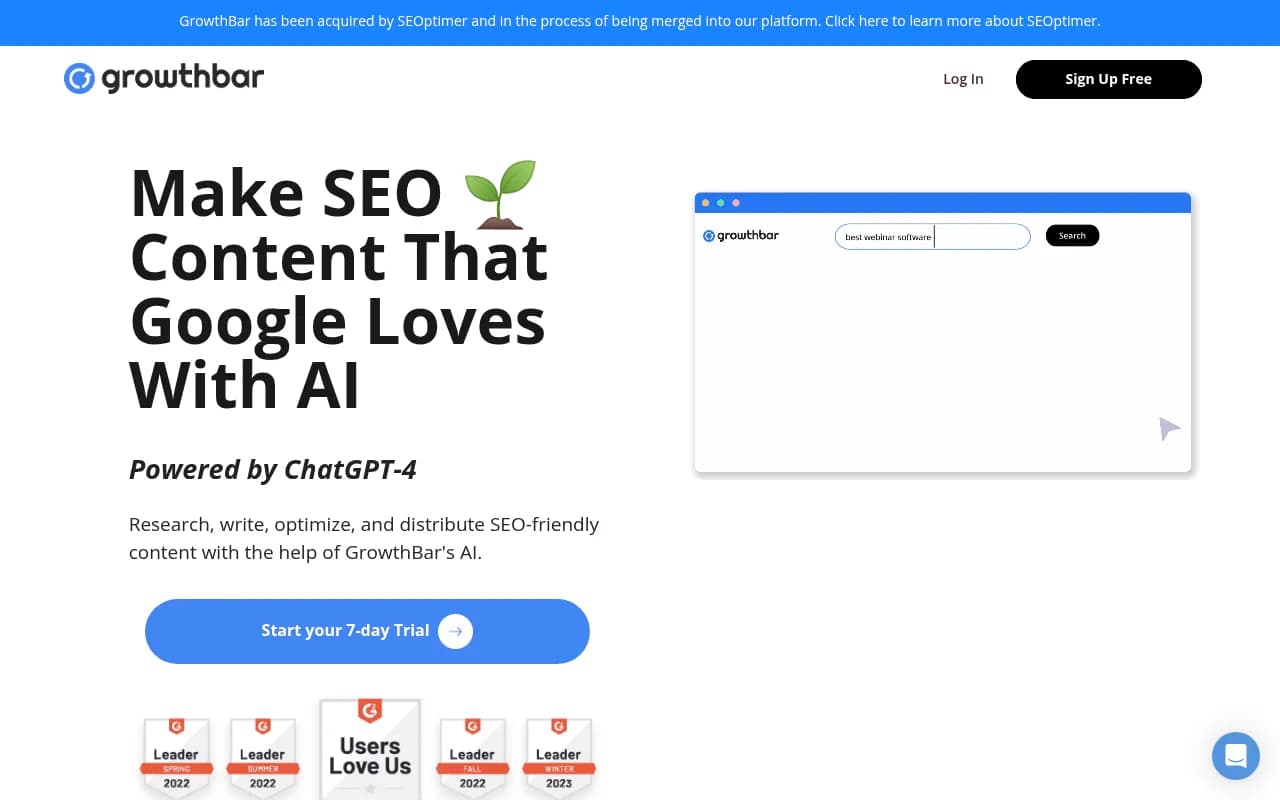
GrowthBar is specifically built for SEO content. It combines keyword research with AI writing in one interface, which reduces the number of tabs you need open. Good fit for smaller teams or solo operators who want an all-in-one without paying enterprise prices.
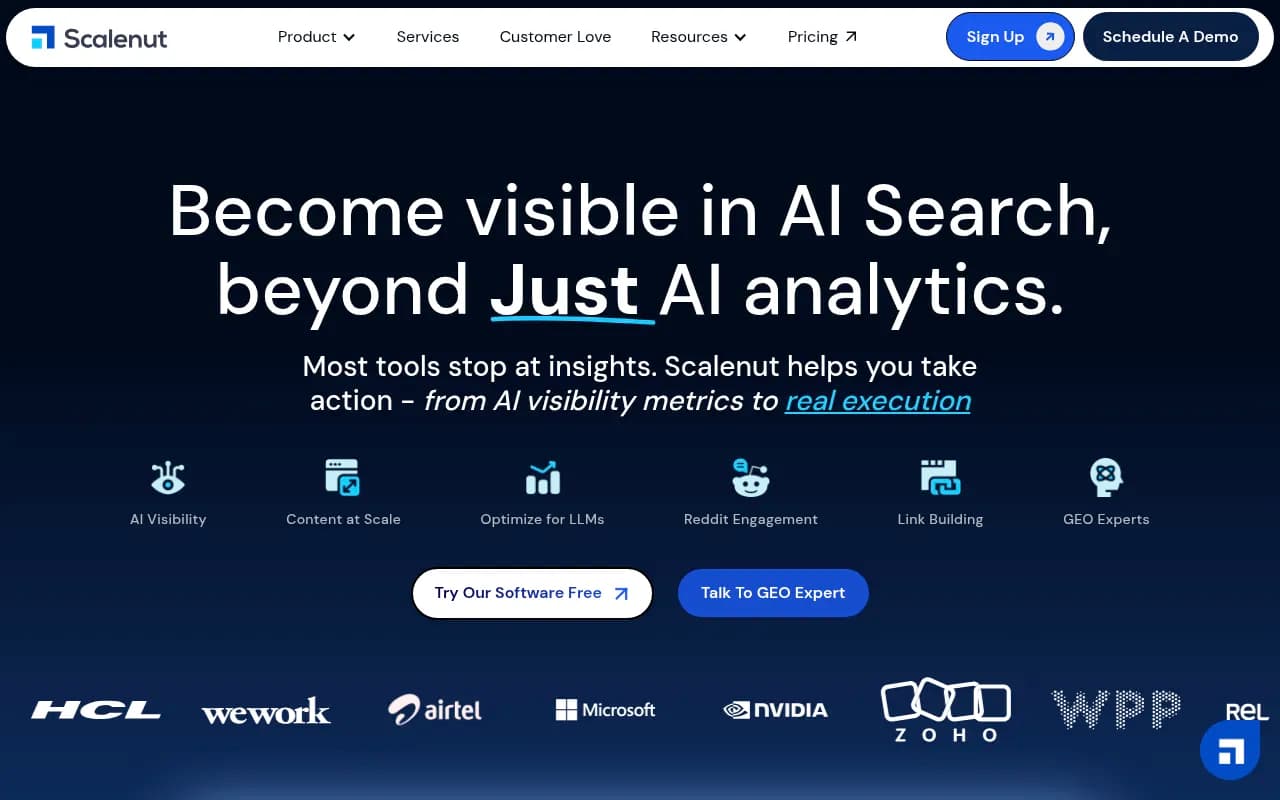
Scalenut takes a similar all-in-one approach -- research, outline, write, optimize -- and has gotten solid reviews from content teams who need to produce at volume without sacrificing SEO fundamentals.
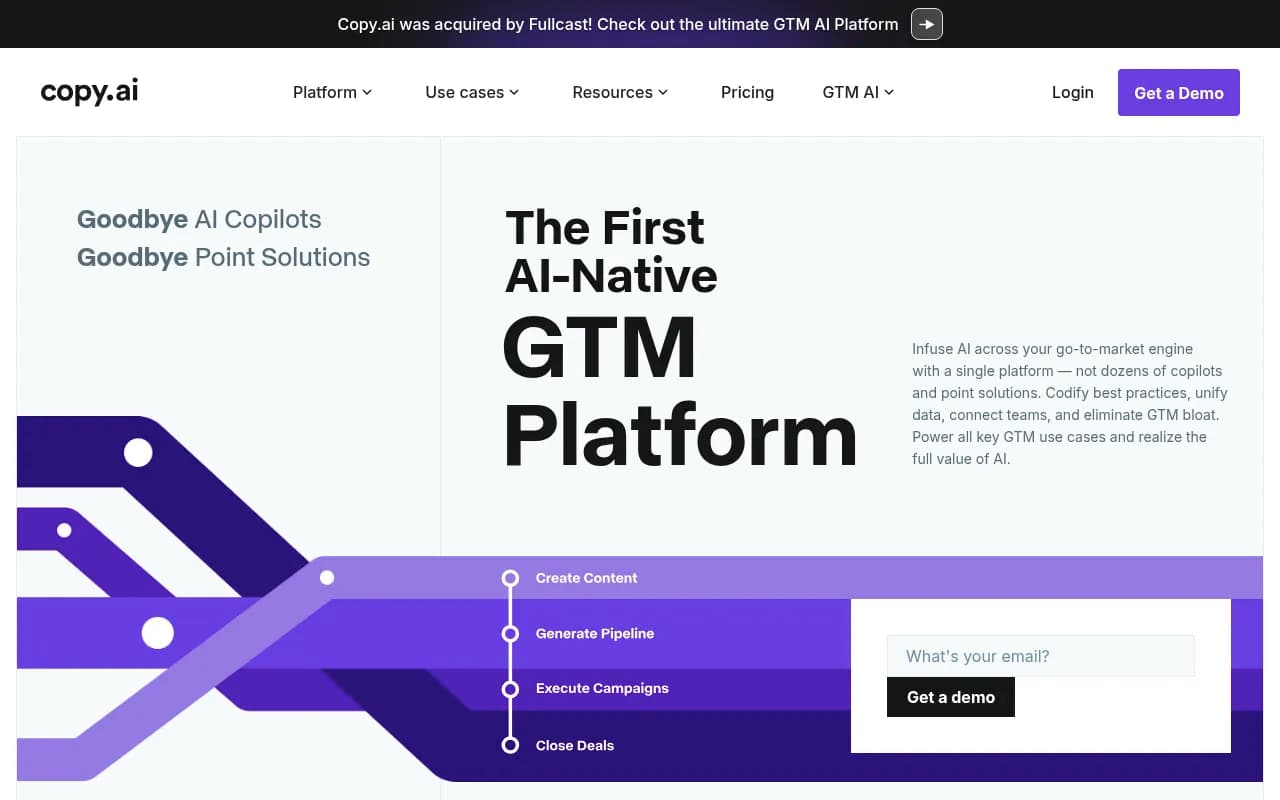
Copy.ai has pivoted toward go-to-market automation but still does solid content work. Worth considering if your team also needs sales copy, email sequences, and social content from the same platform.
Content briefs
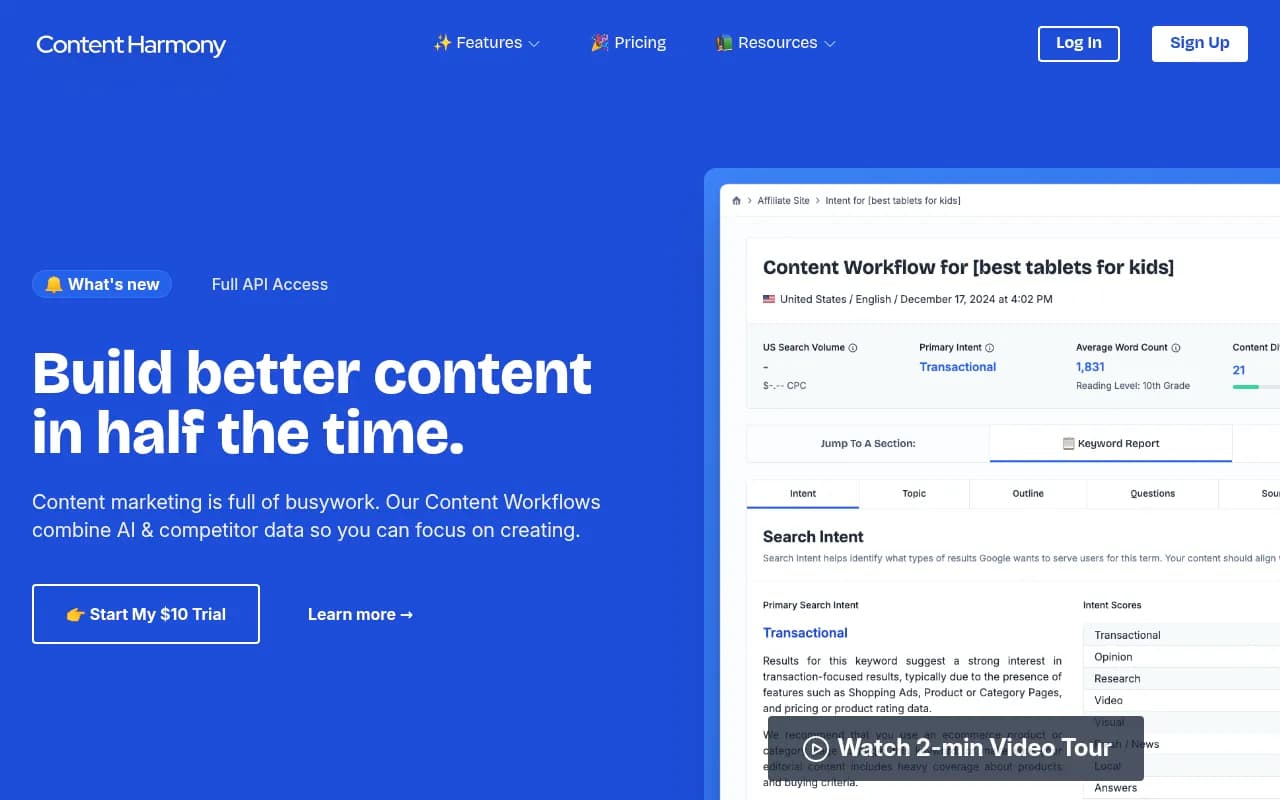
If your workflow involves briefing writers (human or AI), Content Harmony is worth a look. It turns keyword research into structured briefs with SERP analysis, question data, and competitive insights baked in. The brief quality is noticeably better than what you'd get from a generic template.
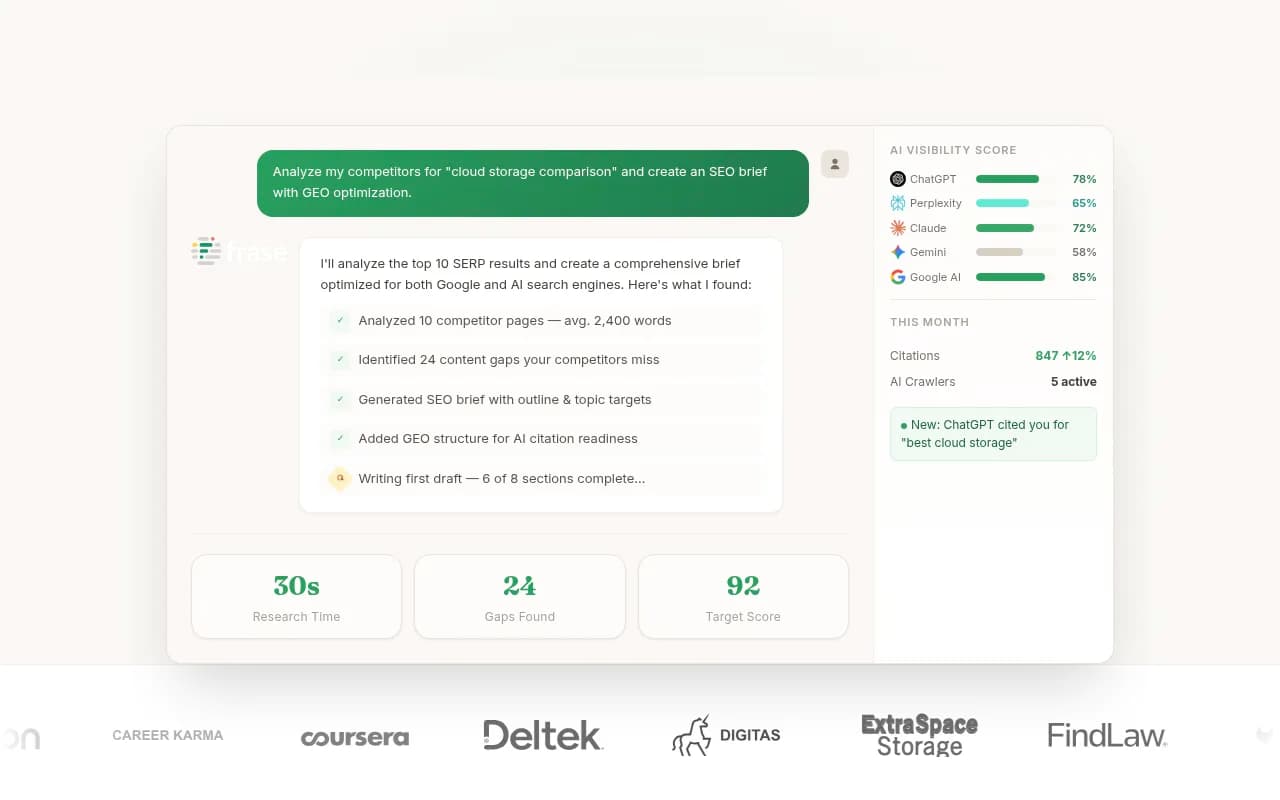
Frase does something similar -- research, brief, and write in one tool -- and has been adding GEO-oriented features to help content rank in AI answers, not just Google.
Layer 2: AI search visibility (the new frontier)
This is where most content teams are behind. Google's AI Overviews, ChatGPT, Perplexity, and Claude are now answering a meaningful percentage of queries that used to drive clicks to your site. If you're not tracking whether your content is being cited in those answers, you don't have a complete picture of your search performance.
The tools in this category are newer and evolving faster than the content optimization tools above. Here's how to think about them.
What to look for
The basic capability is monitoring: you give the tool a set of prompts, it queries AI engines, and it tells you whether your brand or content appears in the responses. Most tools in this category do this.
The more valuable capability is optimization: understanding why you're not appearing, what content you'd need to create to change that, and then tracking whether new content actually moves the needle. That's a harder problem, and fewer tools solve it well.
Tracking tools worth knowing
Semrush has added AI visibility tracking to its platform, which is convenient if your team is already using it for traditional SEO. The integration is useful but the AI tracking features are less deep than dedicated tools.
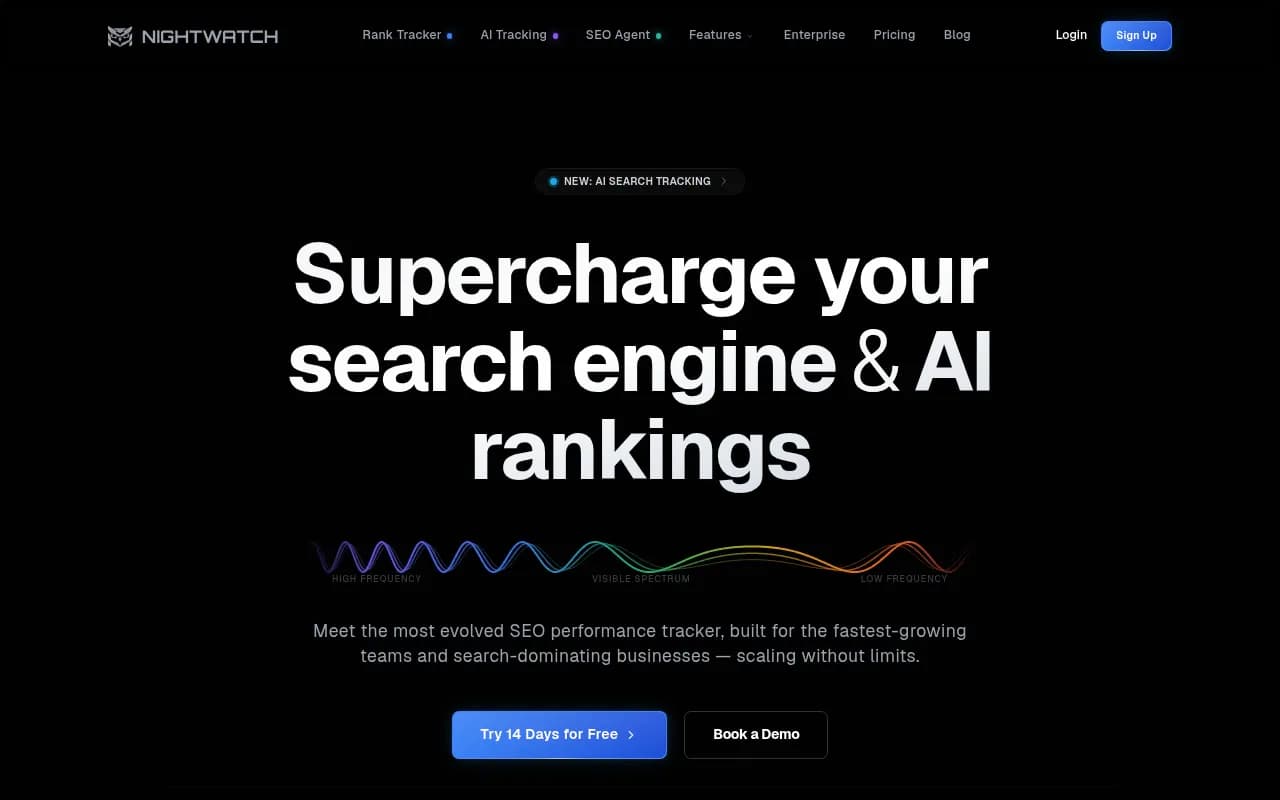
Nightwatch has been building out AI tracking alongside its rank tracking core. Good option if you want a single tool for Google rankings and AI visibility without a big jump in complexity.
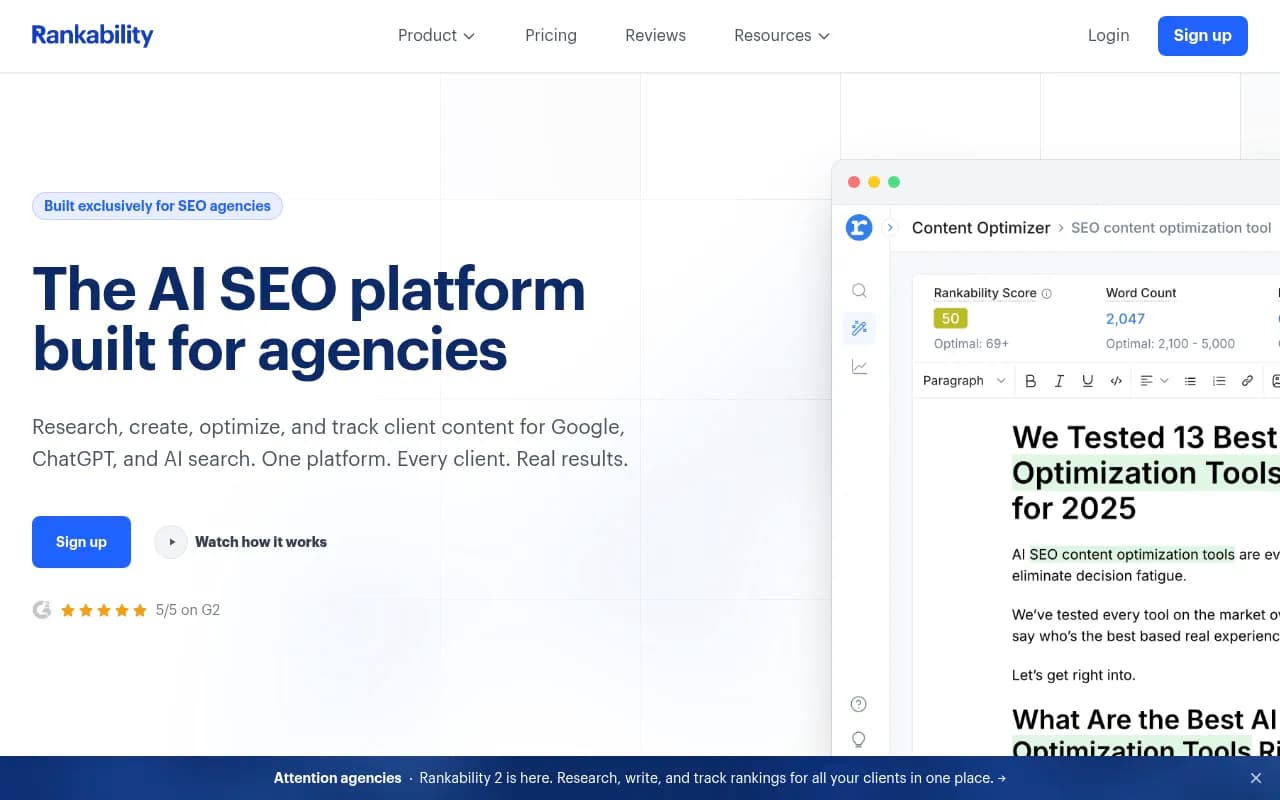
Rankability is interesting because it's trying to bridge the gap between content optimization and AI visibility tracking. The content optimizer is solid, and the AI search tracking features are coming online.
AthenaHQ focuses on AI visibility monitoring across multiple LLMs. It's thorough on the tracking side but lighter on the optimization and content generation side.

Profound tracks brand visibility across AI search engines and gives you competitive context -- useful for understanding where you stand relative to competitors in AI answers.

For teams that want the full loop -- gap analysis, content generation grounded in citation data, and visibility tracking -- Promptwatch covers all three. It's the only platform in the 2026 comparison of GEO tools that was rated a leader across every category, largely because it doesn't stop at monitoring.
How to build your stack
The right stack depends on your team size, budget, and how much of your traffic is already coming from AI search. Here's a practical framework.
Small teams (1-3 people, limited budget)
Pick one content optimizer and one AI writer. NeuronWriter + GrowthBar is a solid combination under $150/month combined. Add a basic AI visibility tracker like Nightwatch or Otterly.AI to at least know what's happening in AI search, even if you're not optimizing for it yet.

Mid-size teams (4-10 people, moderate budget)
You can afford to specialize. Surfer SEO or Clearscope for optimization, Jasper for writing at scale, and a dedicated GEO platform for AI visibility. At this stage, the gap analysis features in tools like Promptwatch start paying for themselves -- knowing exactly which prompts your competitors are visible for (and you're not) is genuinely actionable.
Enterprise teams
Semrush or BrightEdge for the SEO foundation, with dedicated AI visibility tooling layered on top. At enterprise scale, the crawler log data that Promptwatch provides (showing which AI bots are hitting which pages, and how often) becomes important for understanding indexation, not just rankings.
Comparison: key tools at a glance
| Tool | Primary use | AI search tracking | Content generation | Best for |
|---|---|---|---|---|
| Surfer SEO | Content optimization | No | Yes (basic) | Mid-size teams |
| Clearscope | Content optimization | No | No | Enterprise writers |
| NeuronWriter | Content optimization | No | Yes | Budget-conscious teams |
| MarketMuse | Content strategy | No | No | Content planning |
| Jasper | AI writing | No | Yes (advanced) | Brand-consistent writing |
| GrowthBar | SEO + writing | No | Yes | Solo/small teams |
| Scalenut | Research + writing | No | Yes | Volume content |
| Semrush | All-in-one SEO | Basic | Via ContentShake | Teams already on Semrush |
| Nightwatch | Rank + AI tracking | Yes | No | Combined tracking |
| Promptwatch | GEO/AI visibility | Yes (10 models) | Yes (AI agent) | Full-loop AI visibility |
| AthenaHQ | AI visibility | Yes | No | Monitoring-focused |
| Profound | AI visibility | Yes | No | Competitive analysis |
| Frase | Brief + write + GEO | Partial | Yes | Research-heavy teams |
The workflow that actually works in 2026
Here's the honest version of how the best content teams are operating right now.
They start with keyword and prompt research -- not just "what does Google want" but "what are people asking AI engines, and who's answering those questions right now?" Tools with prompt volume data and difficulty scoring help prioritize where to focus.
Then they create content that's optimized for both audiences. That means NLP-rich, entity-dense writing that Google's algorithms can parse, and content that directly answers the specific questions AI models are trying to resolve. These aren't always the same thing, but they overlap more than you'd expect.
Then they track. Not just Google rankings, but citation rates in ChatGPT, Perplexity, Claude, and Gemini. Page-level tracking shows which specific articles are getting picked up by AI models and which aren't.
And then they close the loop. When a page isn't being cited, they look at why -- is the content too thin? Is a competitor's page more authoritative on that topic? Is there a Reddit thread or YouTube video that AI models are preferring over your site? That last point is something most teams haven't thought about yet, but it's real.
The teams pulling ahead in 2026 aren't using more tools. They're using tools that connect these steps instead of treating them as separate workflows.
A note on tool fatigue
One thing worth saying plainly: the AI SEO tool market is overcrowded right now. There are dozens of platforms promising to track your "AI visibility" and many of them are monitoring dashboards with a nice UI and not much else.
Before adding another subscription, ask: does this tool help me do something, or does it just show me data? Data without action is expensive noise.
The tools worth paying for in 2026 are the ones that tell you what to fix and give you a path to fixing it. That's a shorter list than the marketing would suggest -- but it's the list that matters.
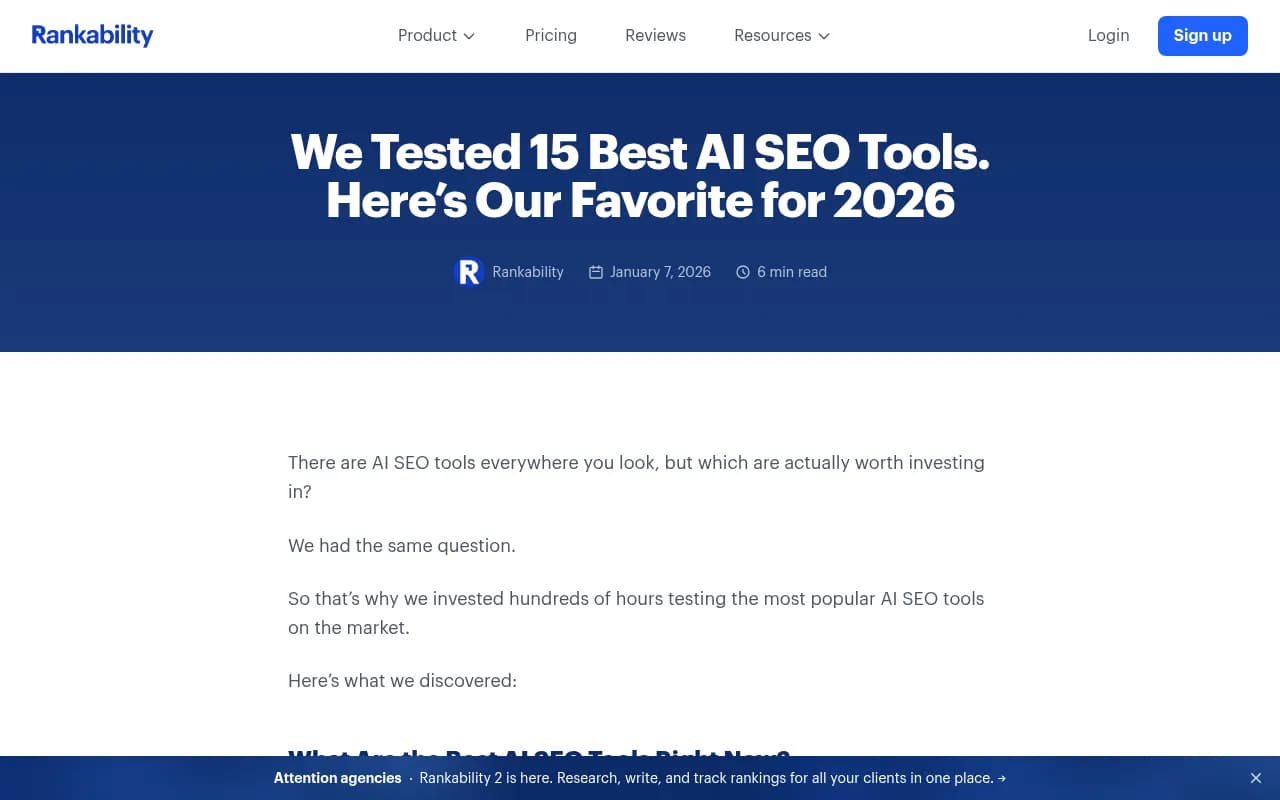
Rankability's content optimizer uses NLP entity extraction to show writers exactly which terms to cover -- the same signals Google and ChatGPT use to understand page relevance.