Key takeaways
- Most AEO tools are monitoring dashboards -- they show you where you're invisible but don't help you fix it. A small number of platforms actually close the loop with content generation and optimization.
- For B2B SaaS, third-party citations (G2, Reddit, comparison articles) often matter more than your own website for AI visibility. Your tool stack needs to cover both.
- The platforms worth paying for in 2026 combine prompt tracking, gap analysis, and content creation -- not just brand mention counts.
- Budget matters: there are solid entry-level options under $100/month and enterprise platforms that justify five-figure contracts. Know which tier you actually need.
- The action loop -- find gaps, create content, track results -- is what separates tools that move revenue from tools that generate reports.
If you've been watching your demo request volume quietly decline while your Google rankings stay flat, you've probably already figured out what's happening. Buyers aren't typing "best [your category] software" into Google anymore. They're asking ChatGPT. They're asking Perplexity. They're getting back a confident three-name shortlist, and if your product isn't on it, you don't exist for that buyer.
This is the AEO problem for B2B SaaS in 2026. And the tooling landscape has exploded in response -- dozens of platforms claiming to solve it, most of them doing roughly the same thing: showing you a dashboard of how often your brand gets mentioned in AI responses.
That's useful. It's not sufficient.
This guide cuts through the noise. I'll cover what actually matters when evaluating AEO tools, which platforms are worth your time across different use cases and budgets, and what the research says about what actually drives AI citations for SaaS products.
What "moving the needle" actually means for B2B SaaS
Before getting into tools, it's worth being precise about what you're trying to achieve. AEO for B2B SaaS isn't about brand awareness in the abstract. It's about showing up when a potential buyer asks an AI assistant for a recommendation in your category.
That means the metric that matters is citation rate on buying-intent prompts -- things like "what's the best [category] software for [use case]" or "compare [your product] vs [competitor]." Not general brand mentions. Not sentiment scores. Actual presence in the responses that influence purchase decisions.
Research from The Digital Bloom, analyzing over 680 million AI citations, found that brands with a presence across four or more third-party platforms are 2.8 times more likely to be cited by LLMs. That's a striking number, and it has real implications for how you should think about your tool stack. You need visibility into what's happening on G2, Reddit, Capterra, and comparison sites -- not just your own domain.
The saas.group portfolio data makes this even more concrete. picdrop, a photo delivery platform, is 6.5 times more likely to be cited by LLMs through third-party sources than through its own domain. If your AEO tool only monitors your website, you're watching the wrong thing.
The three things a good AEO tool needs to do
Most tools on the market do one of these well. The best do all three.
1. Track the right prompts. Not just "is my brand mentioned in AI responses" but "which specific buying-intent queries am I appearing in, which ones am I missing, and how does that compare to my competitors?" Volume estimates and difficulty scores matter here -- you want to prioritize winnable prompts, not just the highest-traffic ones.
2. Diagnose the gaps. Show you exactly which prompts your competitors are winning that you're not. This is the difference between knowing you're invisible and knowing why you're invisible and what to do about it.
3. Help you fix it. This is where most tools fall short. Knowing you're not cited for "best project management software for remote teams" is only useful if you can act on it. The tools that actually move revenue help you create the content -- articles, comparison pages, FAQ content -- that gets you cited.
The tools worth knowing in 2026
Full-stack AEO platforms (track + optimize + create)
These are the platforms that go beyond monitoring. If you're serious about improving your AI visibility rather than just measuring it, this is where to start.
Promptwatch is the platform I'd recommend first for most B2B SaaS teams. It covers 10 AI models (ChatGPT, Perplexity, Claude, Gemini, Google AI Overviews, Grok, DeepSeek, Copilot, Meta AI, Mistral), and the core differentiator is that it doesn't stop at tracking. The Answer Gap Analysis shows you exactly which prompts competitors rank for that you don't -- with specific content recommendations, not vague suggestions. There's a built-in AI writing agent that generates articles and comparison pages grounded in actual citation data, and AI crawler logs that show you which pages ChatGPT and Perplexity are actually reading on your site. For B2B SaaS teams that want to close the loop between visibility data and content production, it's the most complete option available.

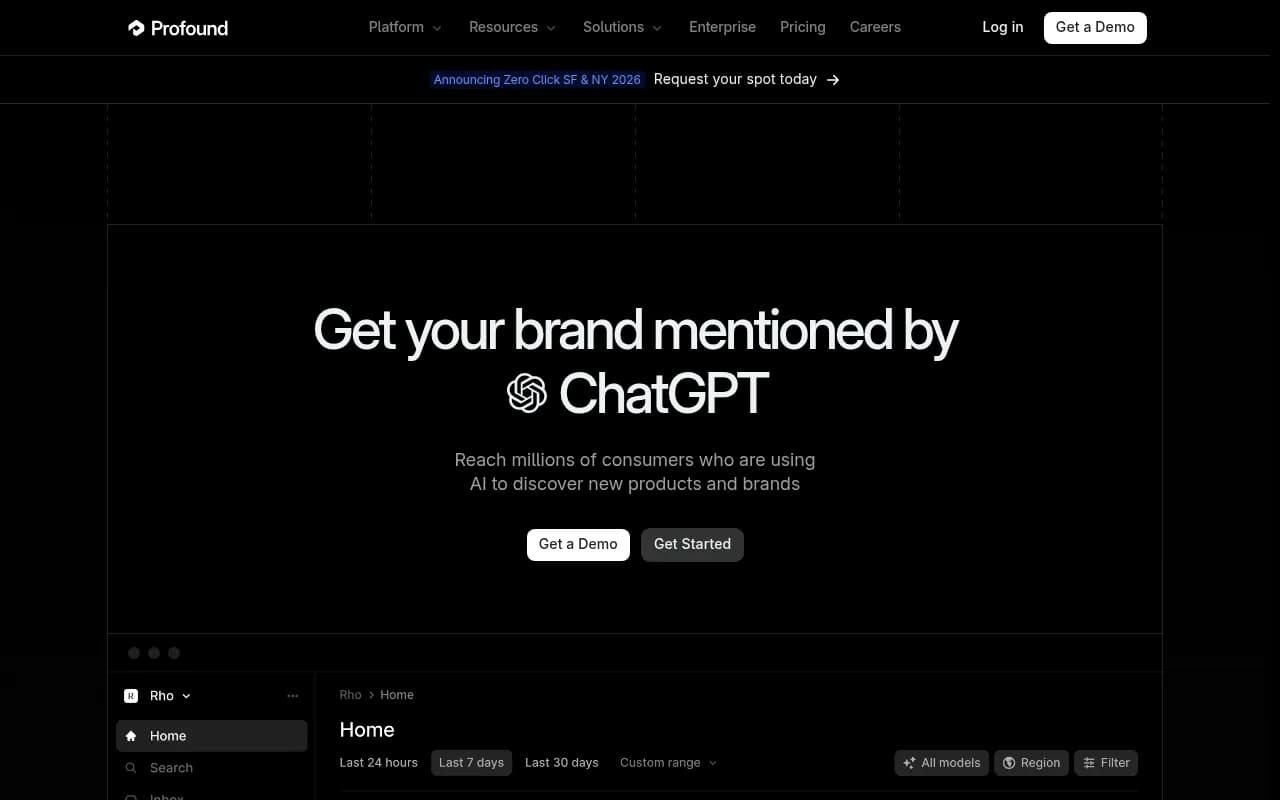
Profound has a strong analytics layer and is frequently cited as one of the more serious platforms for enterprise teams. The reporting is detailed and the prompt tracking is solid. The service tier is still maturing compared to the self-serve experience, but it's worth evaluating if you're at the higher end of the market.
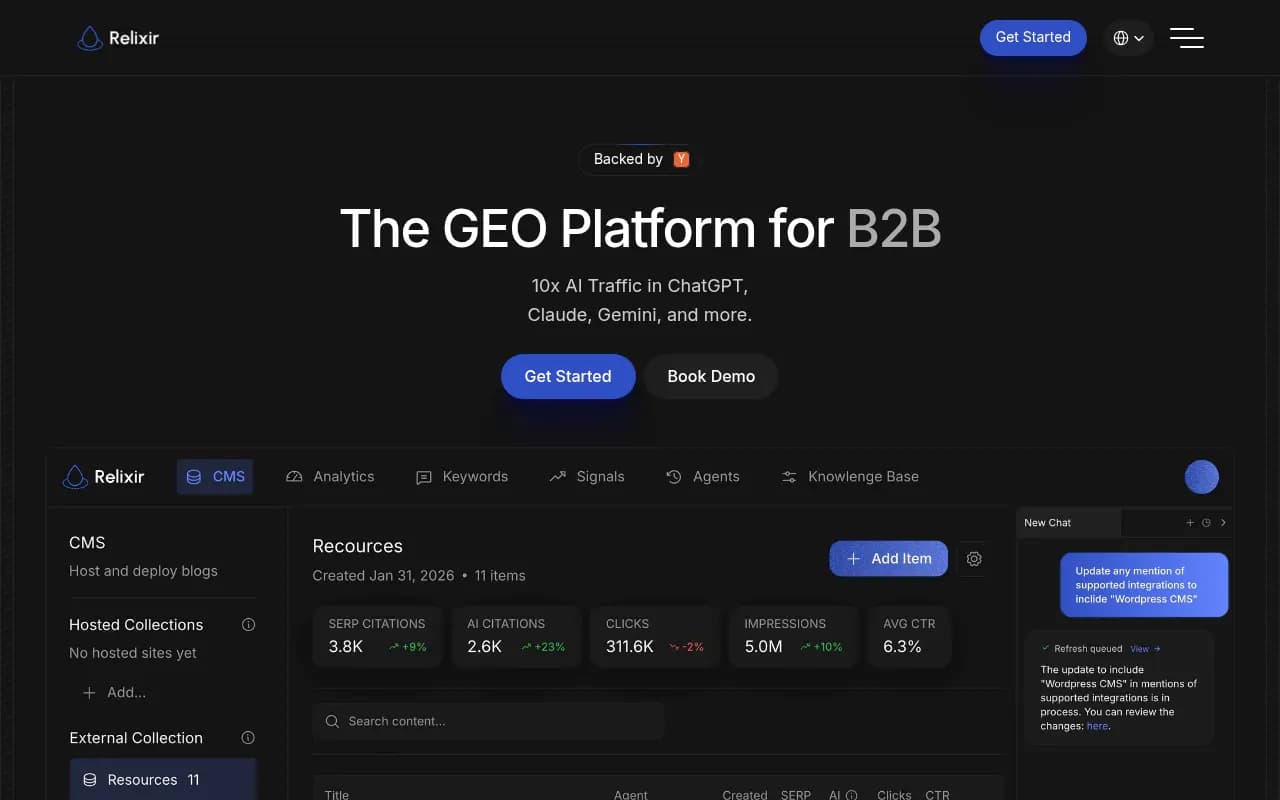
Relixir takes an interesting angle -- it's built around an AI-native CMS that's designed to generate and publish content specifically optimized for LLM citation. If your bottleneck is content production rather than tracking, it's worth a look.
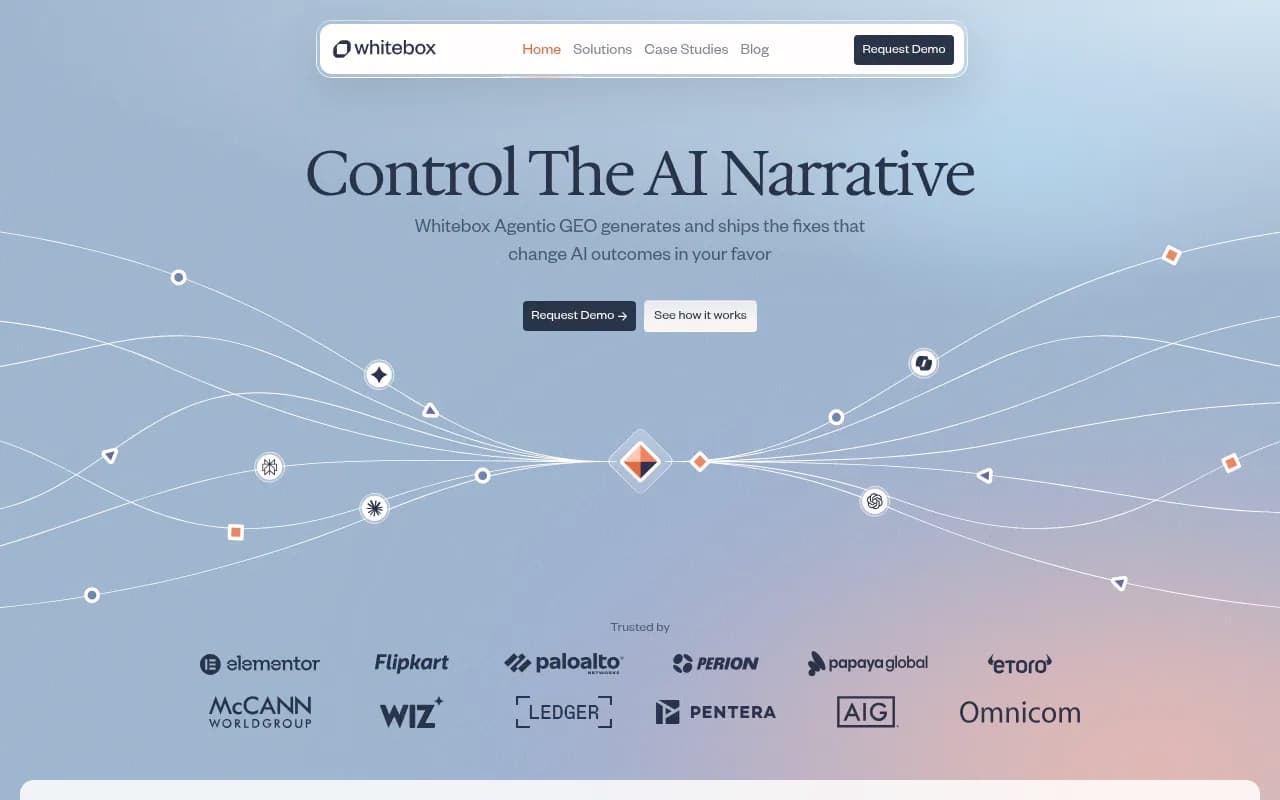
Whitebox is newer but notable. It's an agentic GEO platform that automatically generates and ships AI narrative fixes -- meaning it doesn't just tell you what's wrong, it pushes changes. Useful for teams that want to automate more of the optimization workflow.
Monitoring-focused platforms (strong tracking, limited optimization)
These tools are genuinely useful for visibility tracking. The honest caveat: they'll tell you what's happening but won't help you change it. That's fine if you have a content team that can act on the data independently.
AthenaHQ is well-regarded for brand visibility tracking across multiple AI engines. The reporting is clean and the competitive benchmarking is useful. It lacks content generation and crawler log features, but as a monitoring layer it's solid.
Otterly.AI is one of the more affordable options in this category. Good for teams that are just getting started with AEO and want to understand their baseline before investing in more sophisticated tooling.

Peec AI is worth mentioning for international B2B SaaS teams -- it has strong multi-language tracking, which matters if you're selling into non-English markets where most tools have gaps.

Brandlight focuses specifically on brand visibility and sentiment across AI engines. It's a narrower tool but does that specific job well.
SE Ranking has added AI visibility tracking to its existing SEO platform. If you're already using SE Ranking for traditional SEO, the AI visibility module is a reasonable addition rather than a separate subscription.
Traditional SEO platforms with AI visibility add-ons
These are tools you probably already know. Their AI visibility features are real but limited compared to dedicated AEO platforms.
Semrush has added AI visibility tracking, but it uses fixed prompts rather than letting you define your own buying-intent queries. That's a meaningful limitation for B2B SaaS where the specific language buyers use matters a lot.
Ahrefs Brand Radar monitors brand mentions in AI search results. Like Semrush, it uses fixed prompts and doesn't include AI traffic attribution, which makes it hard to connect visibility data to actual pipeline.
Both are worth using for their core SEO capabilities. For serious AEO work, treat them as a supplement rather than a primary tool.
Specialized tools for specific use cases
A few tools that solve specific problems within the AEO workflow:
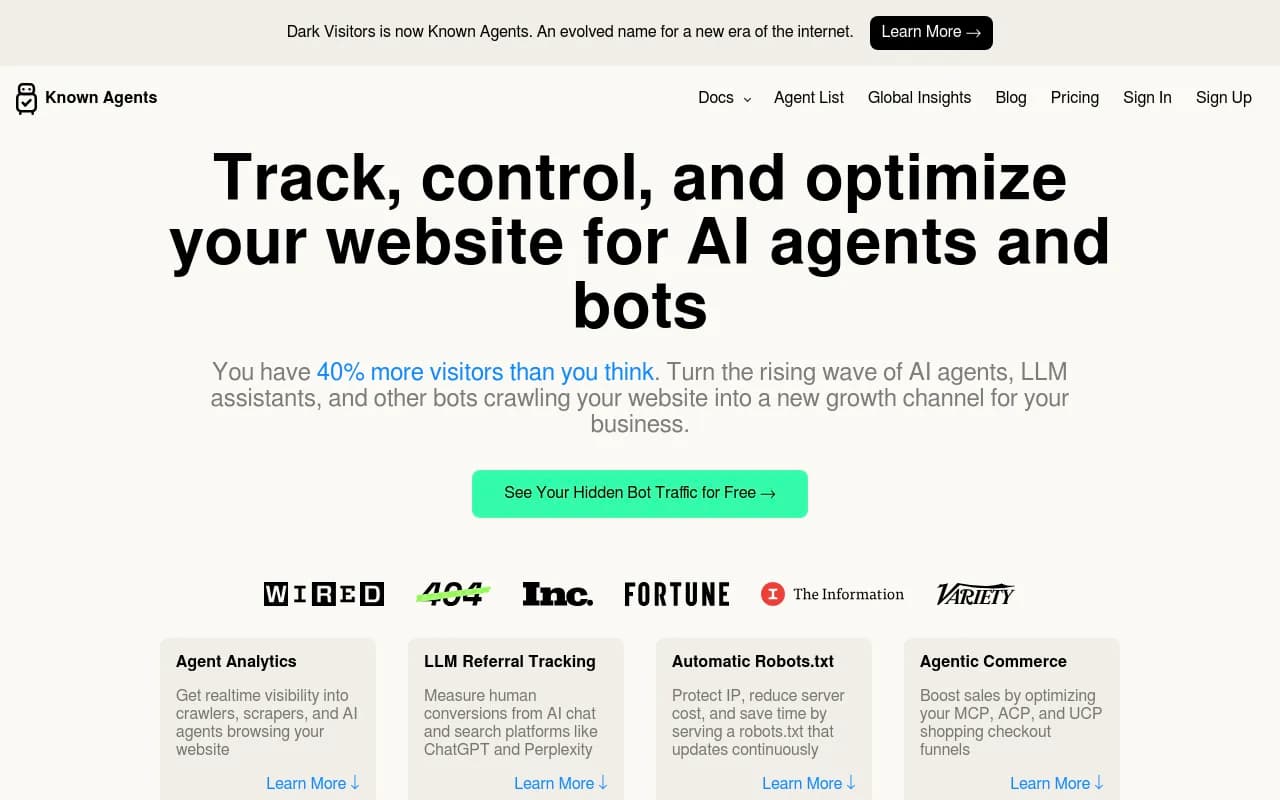
DarkVisitors tracks AI crawlers and bots visiting your website. If you want to understand which AI engines are reading your content and how often, this is a useful diagnostic layer.
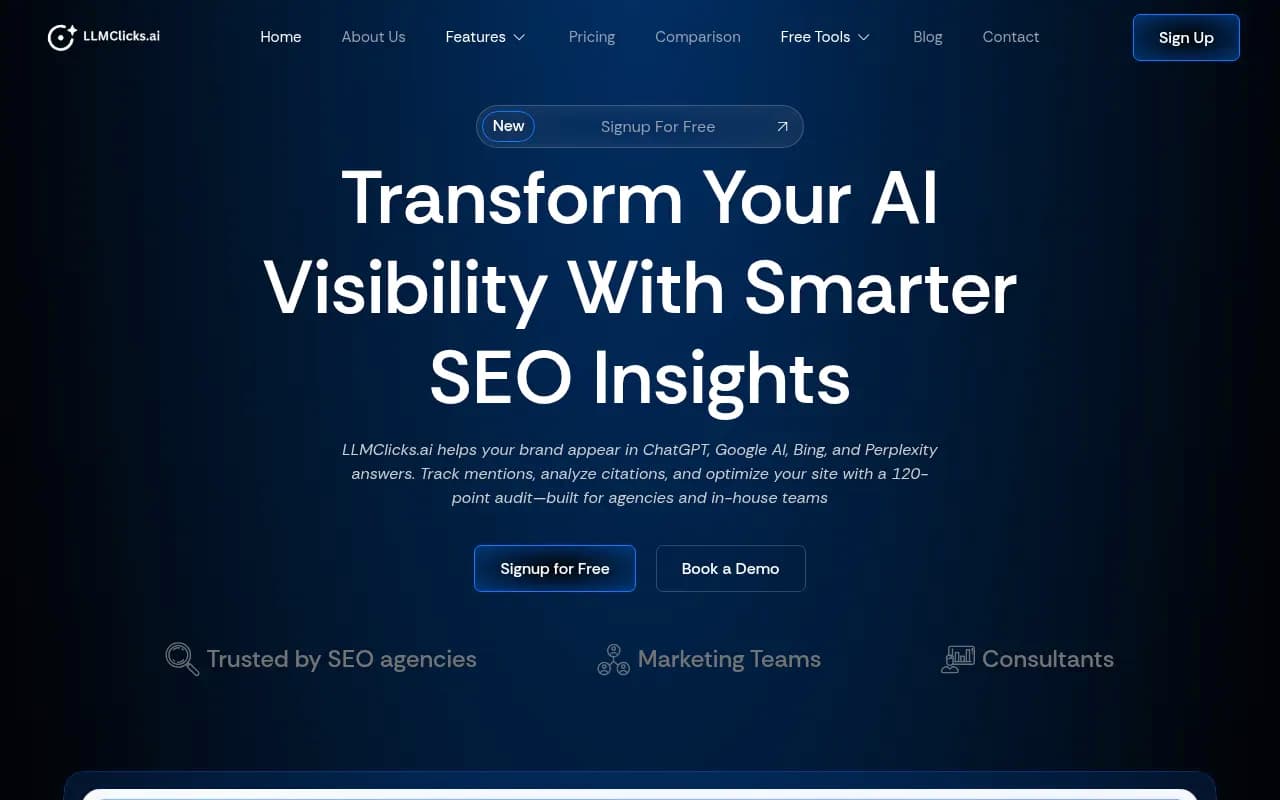
LLM Clicks focuses specifically on citation tracking -- understanding which of your pages are being cited by AI models and how that translates to traffic. Narrow scope, but useful if that's your specific question.
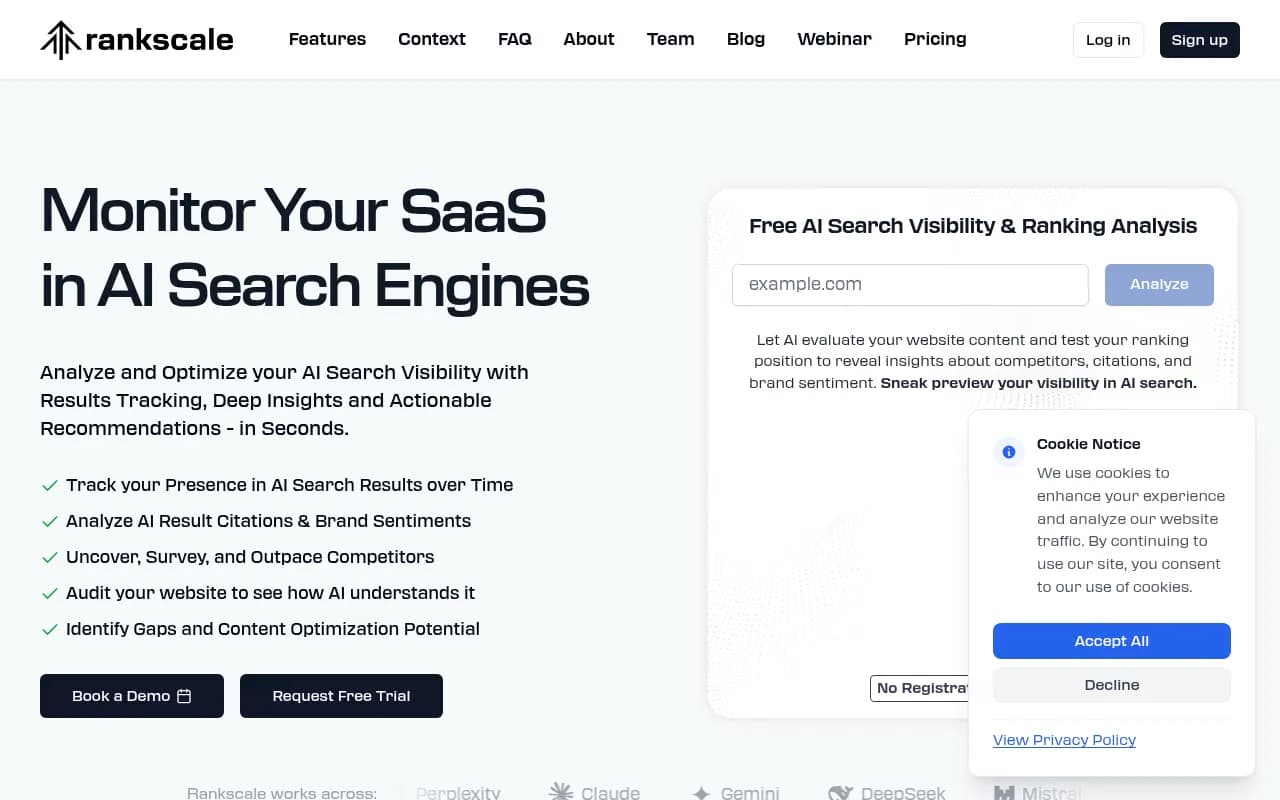
Rankscale is a solid option for teams that want AI search ranking data without the full platform overhead. Good for smaller SaaS companies that need the basics without enterprise pricing.
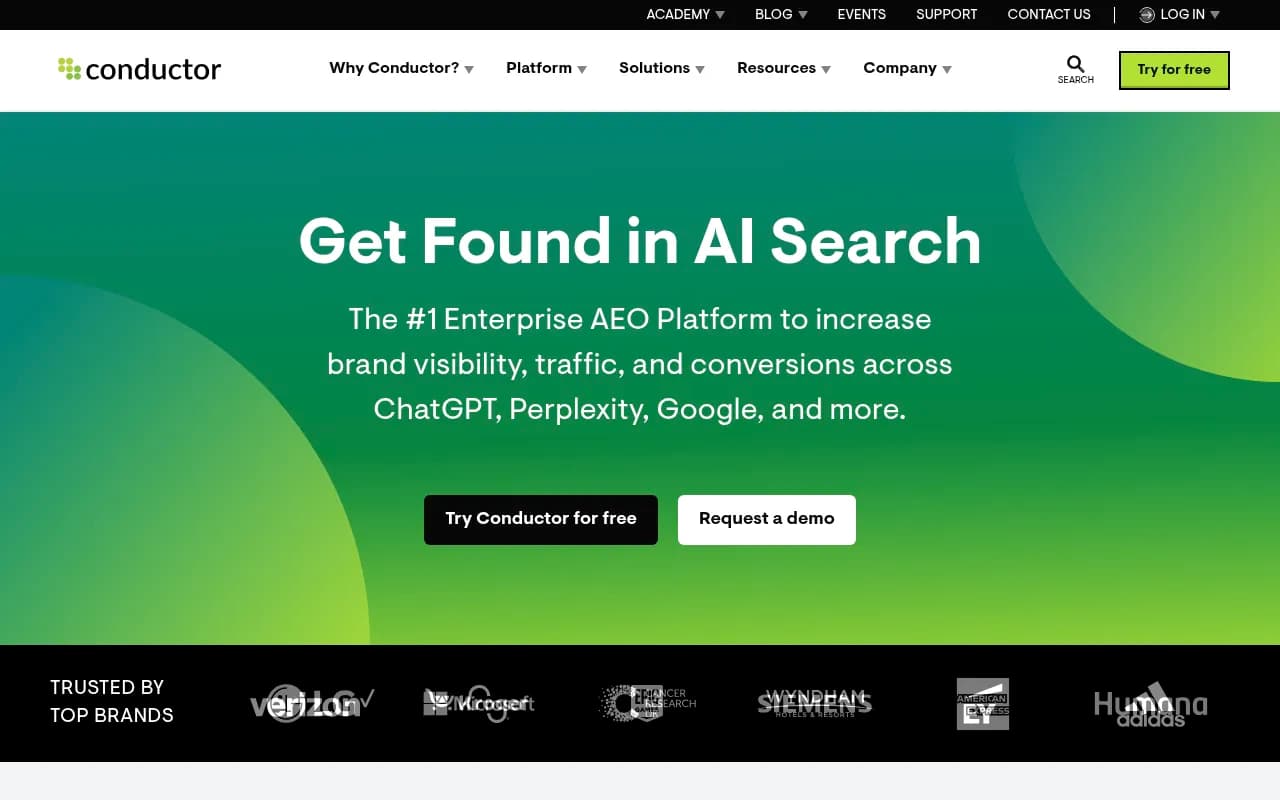
Conductor has persona customization for AI visibility tracking -- you can configure it to simulate how different buyer types prompt AI models. Useful for B2B SaaS with multiple ICP segments.
How the major platforms compare
| Platform | Prompt tracking | Gap analysis | Content generation | Crawler logs | Reddit/3rd-party tracking | Pricing (from) |
|---|---|---|---|---|---|---|
| Promptwatch | Yes (10 models) | Yes | Yes (AI writing agent) | Yes | Yes | $99/mo |
| Profound | Yes | Partial | No | No | No | Higher |
| AthenaHQ | Yes | Limited | No | No | No | Mid-range |
| Otterly.AI | Yes | No | No | No | No | Low |
| Peec AI | Yes (multi-language) | No | No | No | No | Low-mid |
| Relixir | Yes | Yes | Yes (AI-native CMS) | No | No | Mid-range |
| Semrush | Fixed prompts | No | Via ContentShake | No | No | $139/mo+ |
| Ahrefs Brand Radar | Fixed prompts | No | No | No | No | Bundled |
| SE Ranking | Yes (add-on) | No | No | No | No | $44/mo+ |
What the research says about what actually drives AI citations
A few findings from the data that should shape how you use these tools:
Third-party presence dominates. The 2.8x citation multiplier for brands on four or more third-party platforms isn't a minor effect -- it's the dominant signal. Your AEO tool needs to help you monitor and improve your presence on G2, Capterra, Reddit, and industry comparison sites, not just your own domain.
Brand search volume is a stronger predictor of AI citation than backlinks. This is a meaningful departure from traditional SEO logic. Tools that track brand search volume alongside AI mentions give you a more complete picture.
Content that answers specific questions outperforms generic thought leadership. AI models cite sources that directly answer the query being asked. Comparison pages, FAQ content, and specific use-case articles tend to perform better than broad category content.
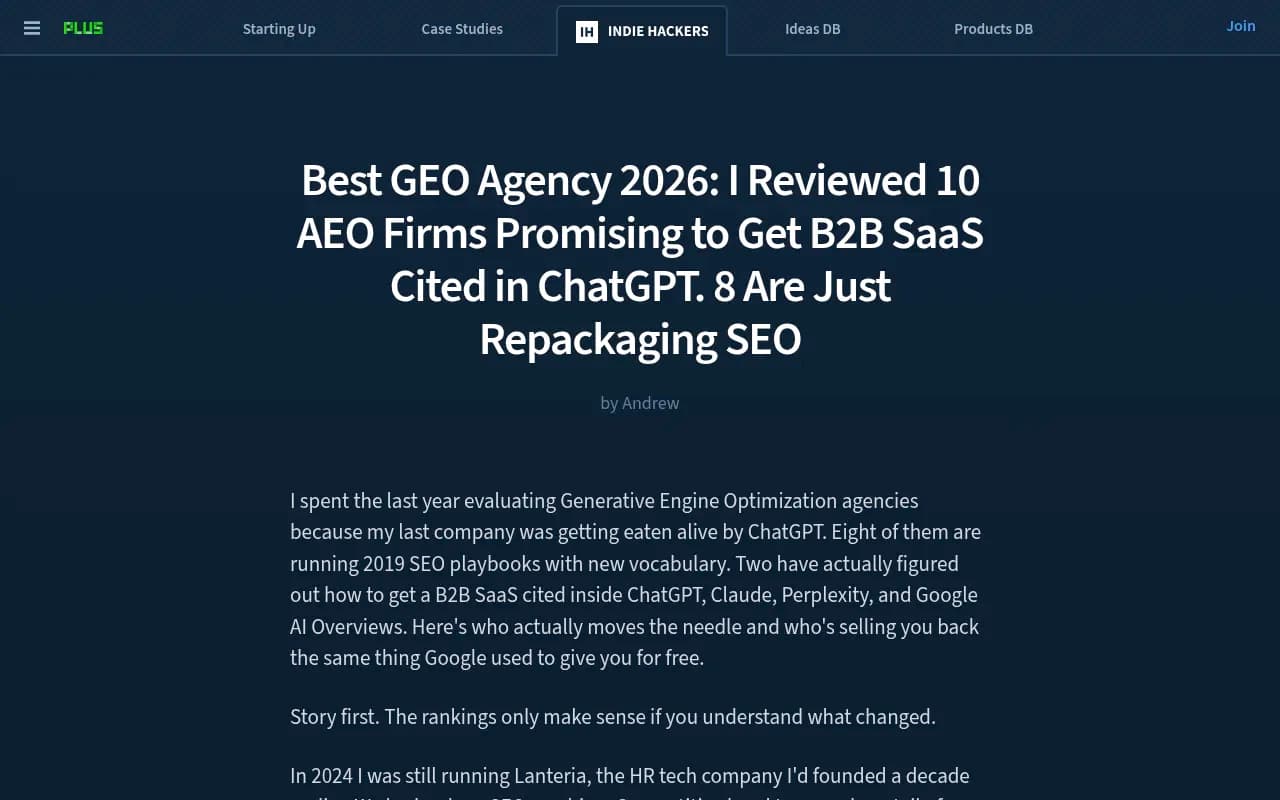
The Indie Hackers review of GEO agencies is worth reading in full -- the author ran an HR tech company that saw demo requests collapse when buyers shifted to AI-assisted research. His conclusion after testing multiple agencies: most are running 2019 SEO playbooks with new vocabulary. The ones that work are citation-first, not keyword-first.
How to choose the right tool for your stage
Early-stage SaaS (pre-Series A, small team): Start with a monitoring tool to understand your baseline. Otterly.AI or Peec AI are reasonable starting points. Once you understand which prompts matter for your category, upgrade to a platform with gap analysis and content generation -- the ROI on fixing specific visibility gaps is much higher than general monitoring.
Growth-stage SaaS (Series A-B, dedicated marketing team): You need the full stack. Prompt tracking, gap analysis, content generation, and traffic attribution to connect visibility to pipeline. Promptwatch's Professional or Business tier covers this. The AI crawler logs are particularly useful at this stage -- understanding which pages AI models are reading tells you where to focus content investment.
Enterprise SaaS (large marketing org, multiple products): You need multi-site tracking, custom personas, and API access for custom reporting. Promptwatch's Business and Agency tiers, Profound, or BrightEdge AI Catalyst depending on your existing tech stack.
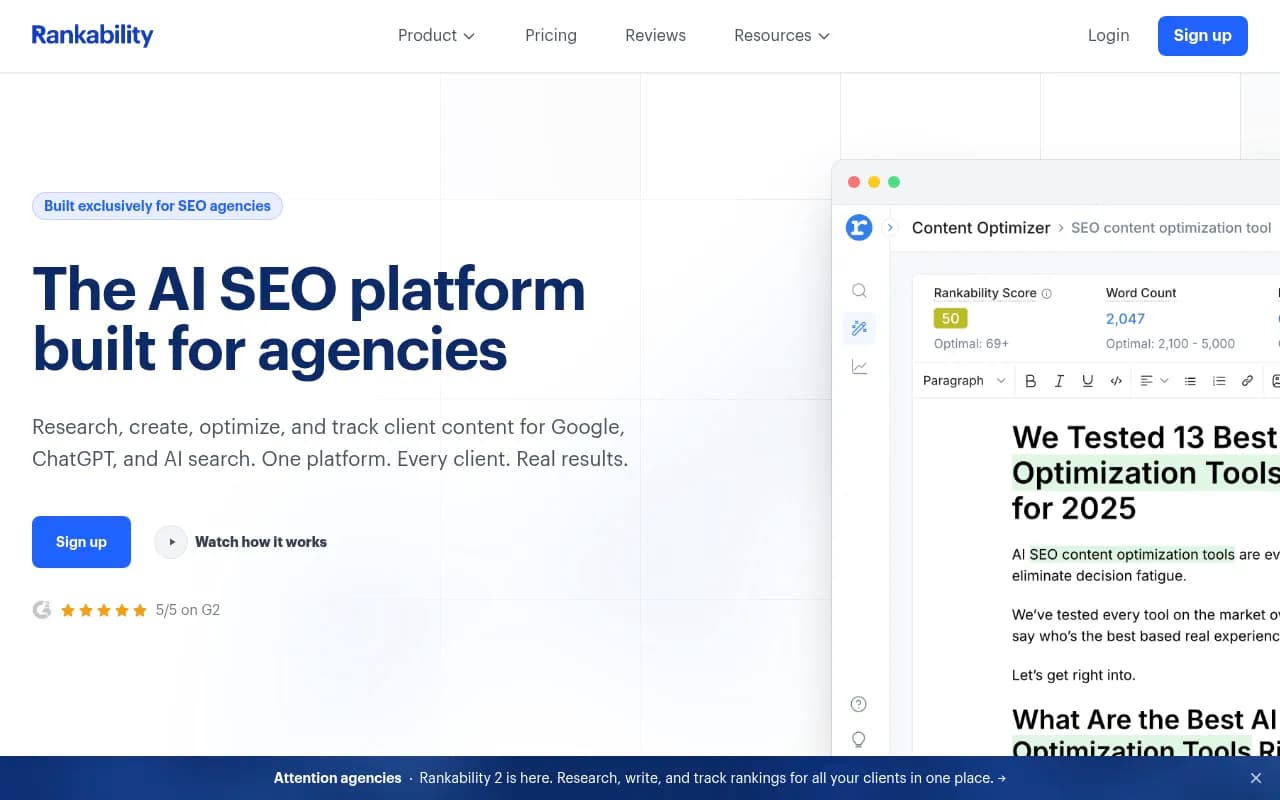
Agencies managing multiple SaaS clients: Look for white-label reporting, multi-client dashboards, and API access. Promptwatch has agency-specific pricing. Rankability is another option built specifically for agency workflows.
The mistake most B2B SaaS teams make
They treat AEO as a monitoring exercise. They set up a dashboard, watch their mention count, and feel like they're doing something. They're not.
The teams that actually improve their AI visibility treat it as a content problem. They use tracking data to find specific prompts where competitors are cited and they're not. They create content that directly answers those prompts. They track whether that content gets cited. Then they repeat.
That cycle -- find gaps, create content, track results -- is the whole game. The tool you choose should support all three steps, not just the first one.
Most platforms on the market right now only do step one. That's worth knowing before you sign up for anything.