Key takeaways
- SEO, AEO, and GEO are not the same thing with different names -- they target different surfaces, measure different outcomes, and require different tactics
- SEO still matters (Google processes 8.5 billion searches a day), but it no longer covers the full picture of how people find information
- AEO (Answer Engine Optimization) focuses on getting cited in AI-generated answers; GEO (Generative Engine Optimization) focuses on getting recommended by LLMs like ChatGPT and Perplexity
- Most traditional SEO tools don't track AI visibility at all -- you need purpose-built tools for AEO and GEO
- The biggest mistake in 2026 is treating these as competing strategies rather than complementary layers
Why this conversation is happening now
Ranking #1 on Google used to be the whole game. You optimized, you ranked, people clicked, you won.
That's still partially true. But a growing share of search behavior now bypasses the blue links entirely. Someone asks ChatGPT which project management tool to use. Another person asks Perplexity to compare two SaaS products. Google's AI Overviews answer the question before the user sees any organic results. Gemini summarizes a topic and cites three sources -- none of which are the #1 ranking page.
This is why SEO practitioners started coining new terms. Not to confuse you, but because the old vocabulary genuinely doesn't cover what's happening. A brand can rank on page one and still be invisible in AI-generated answers. A brand with mediocre traditional SEO can get cited constantly by ChatGPT. These are different problems.
Let's break down what each term actually means.
SEO: still the foundation, but no longer the ceiling
Search Engine Optimization is the practice of making your content rank in traditional search engines -- primarily Google and Bing. It has three main components:
- Technical SEO: site speed, crawlability, mobile optimization, structured data, XML sitemaps
- On-page SEO: title tags, headers, keyword placement, content quality, internal linking
- Off-page SEO: backlinks, brand mentions, domain authority
None of this is going away. Google still handles the majority of search volume globally, and organic traffic from traditional search is still a major revenue driver for most businesses. The fundamentals -- write useful content, earn authoritative links, keep your site technically healthy -- remain valid.
What changed is the ceiling. SEO used to cover everything. Now it covers one channel. If your entire visibility strategy is built around Google rankings, you're missing a significant and growing portion of how people discover products, brands, and information.
The tools for traditional SEO are mature and well-established:
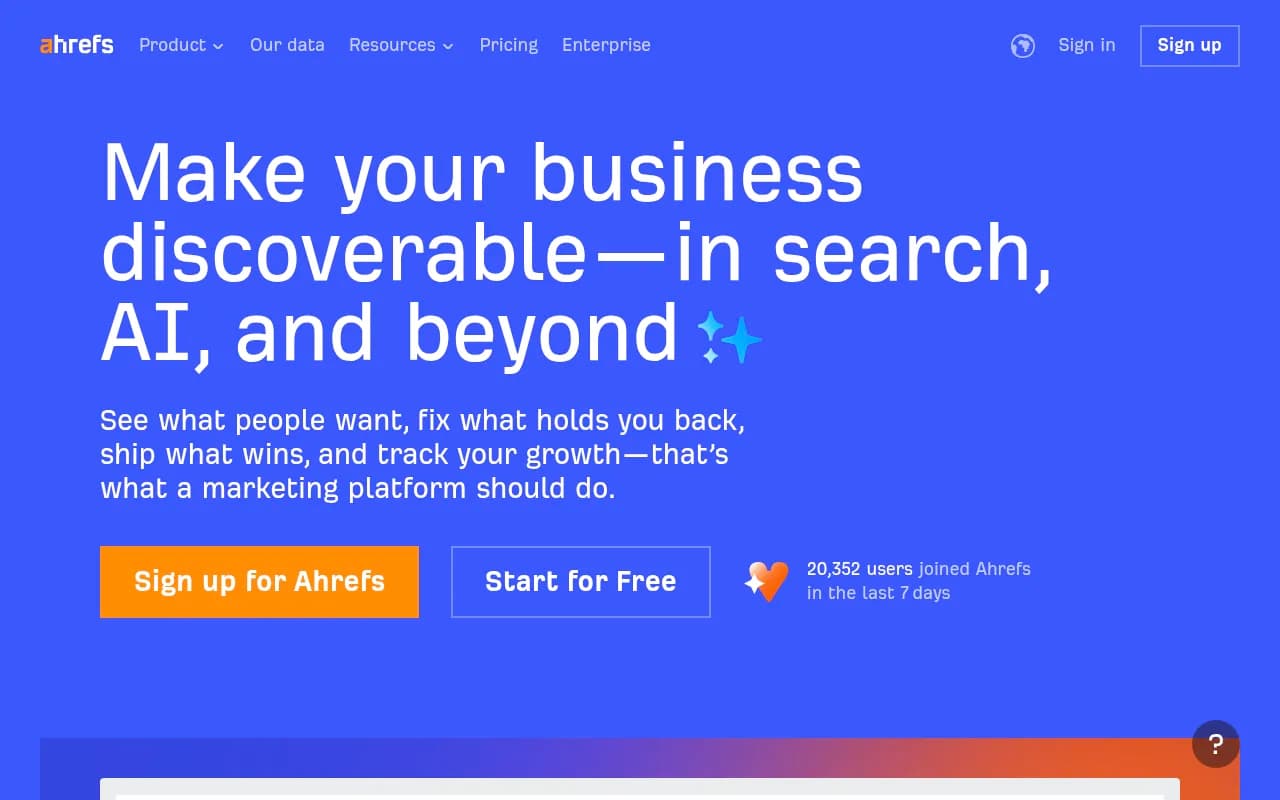
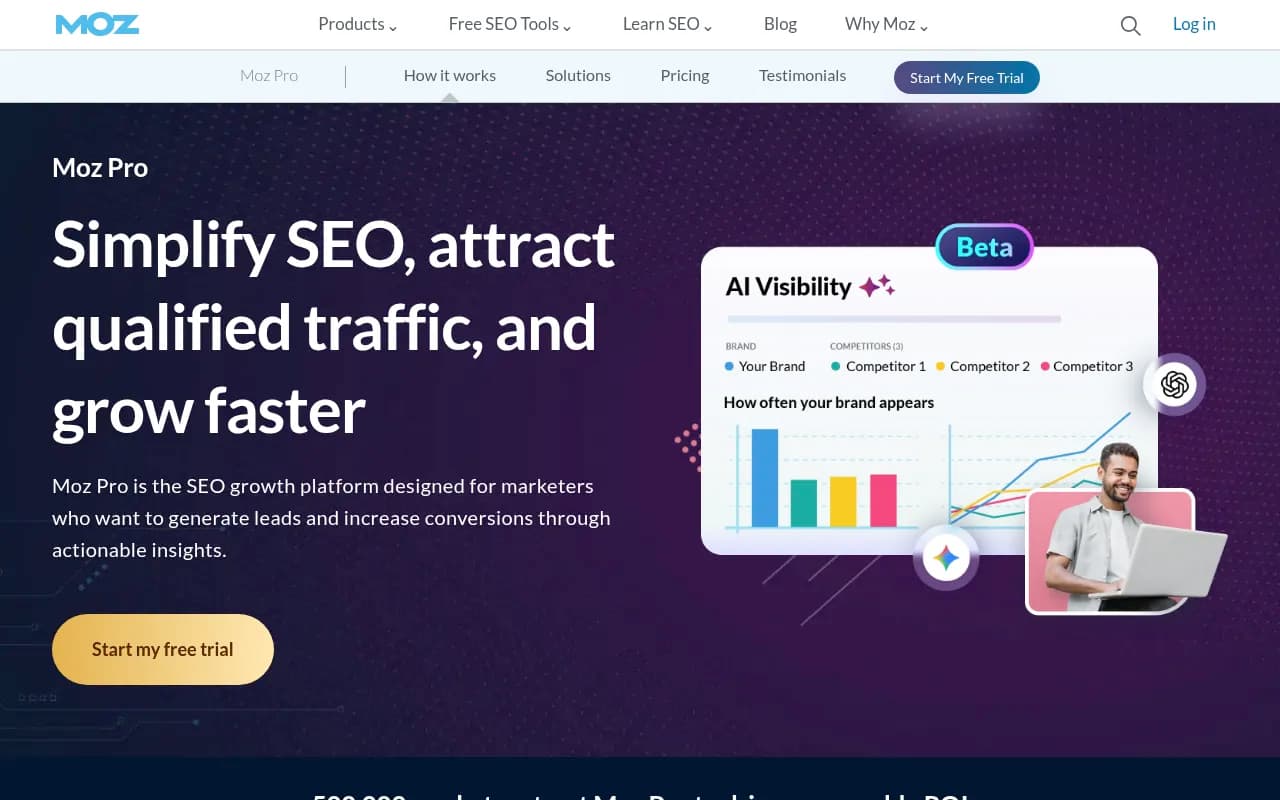
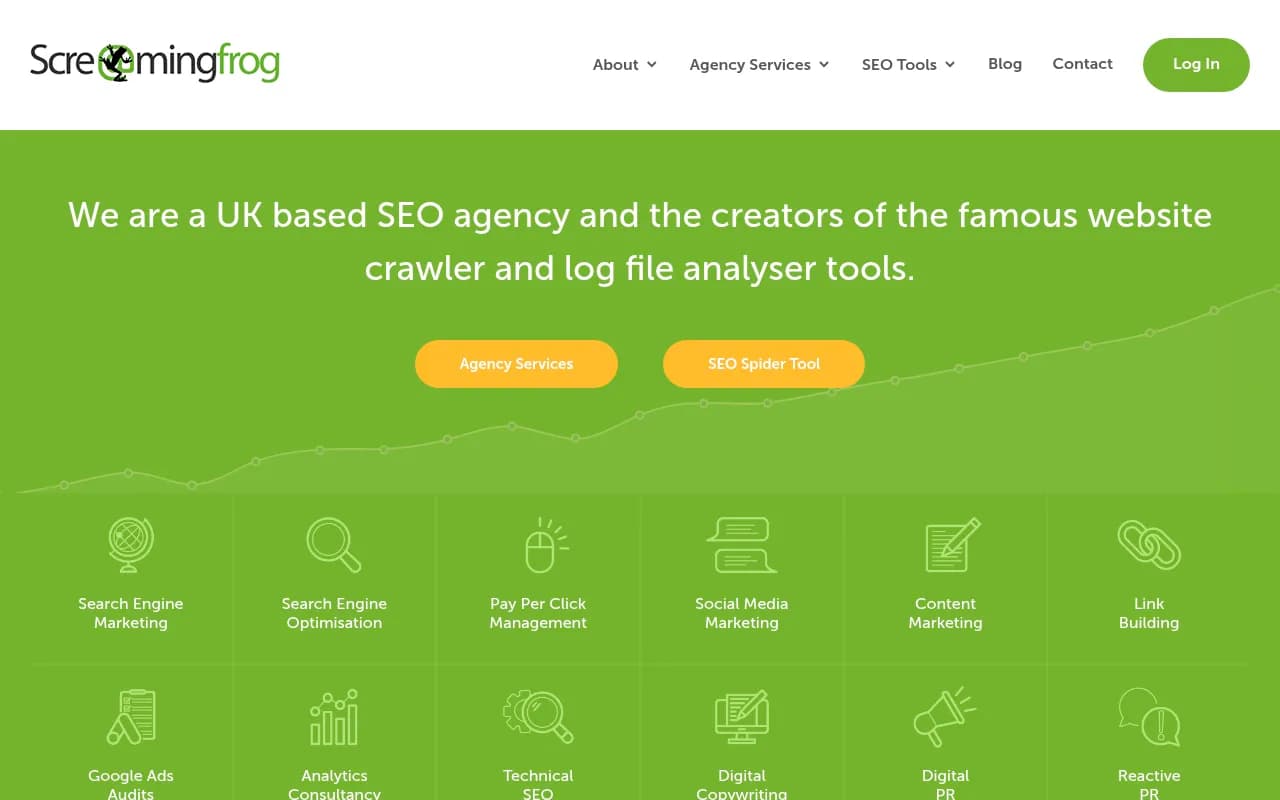
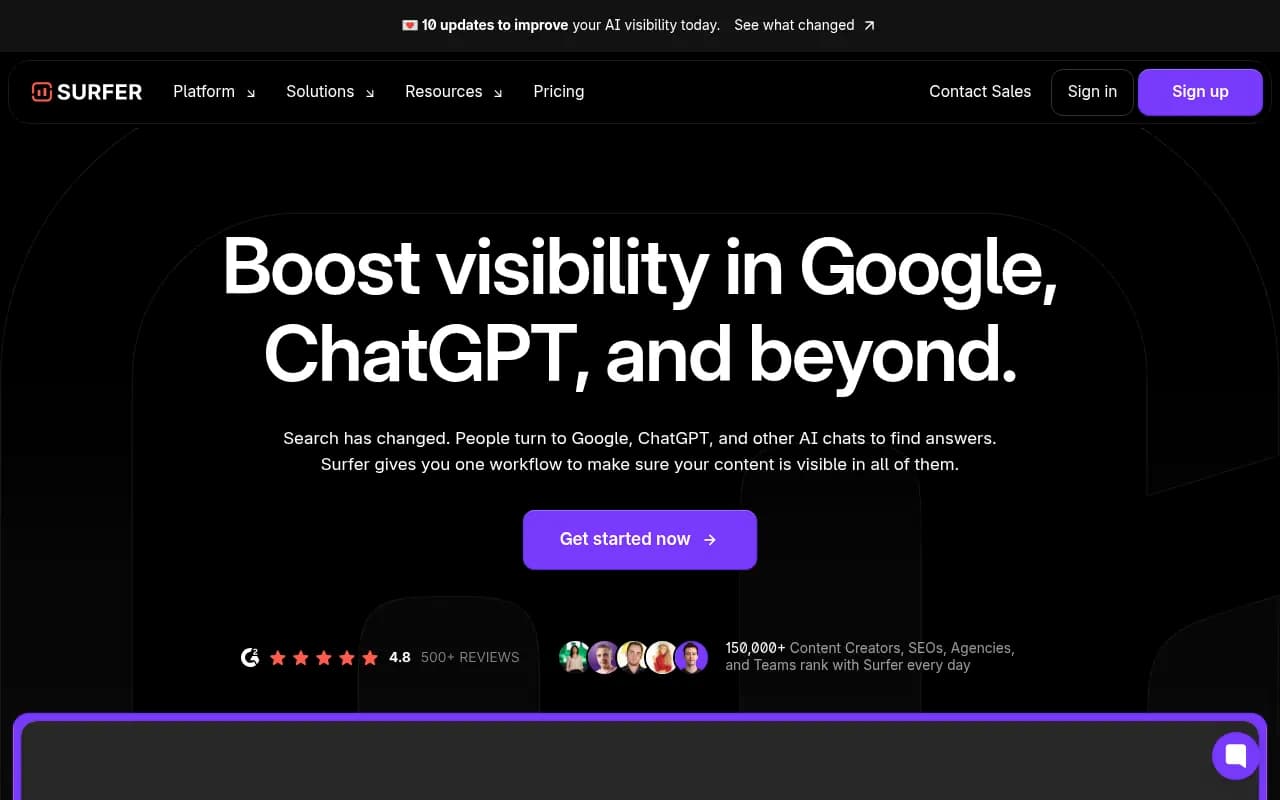
These tools are excellent at what they do. The problem is they weren't built to answer questions like "does ChatGPT recommend my brand?" or "which AI models are citing my competitors?"
AEO: optimizing for AI-generated answers
Answer Engine Optimization is the practice of structuring your content so it gets cited directly in AI-generated responses -- particularly in Google's AI Overviews, but also in tools like Perplexity, ChatGPT (when browsing), and similar platforms.
The core idea: AI models don't just rank pages. They synthesize information and deliver answers. To get cited, your content needs to be structured in a way that makes it easy for AI to extract and use. That means:
- Clear, direct answers to specific questions (not buried in paragraphs)
- Proper use of schema markup and structured data
- FAQ sections that match how people actually phrase queries
- Content that answers the question in the first paragraph, not the fifth
AEO overlaps significantly with traditional SEO -- a well-structured, authoritative page tends to do well in both. But the emphasis shifts. For traditional SEO, you're optimizing for ranking signals. For AEO, you're optimizing for extractability and citation-worthiness.
One useful mental model: traditional SEO asks "can Google find and rank this page?" AEO asks "can an AI model pull a clean answer from this page and attribute it?"
GEO: getting recommended by LLMs
Generative Engine Optimization is about being recommended by large language models -- ChatGPT, Claude, Gemini, Perplexity, Grok, and others -- when users ask questions that relate to your brand, product, or category.
This is meaningfully different from AEO. AEO is mostly about structured content and technical signals. GEO is about something harder to pin down: does the AI "know" your brand exists, trust it, and feel confident recommending it?
The signals that influence GEO include:
- How often your brand appears in the training data and real-time sources AI models draw from
- Whether authoritative third-party sources (review sites, forums, publications) mention and validate your brand
- The consistency of your brand positioning across the web
- Whether your content answers the kinds of questions users ask LLMs in your category
- Off-site signals: Reddit threads, YouTube videos, comparison articles, and review platforms that AI models frequently cite
This last point is worth sitting with. When someone asks ChatGPT "what's the best CRM for a small agency?", the model isn't crawling your website in real time. It's drawing on patterns from its training data and, in some cases, live sources it can browse. If your brand appears consistently in relevant discussions on Reddit, in comparison articles, in review platforms -- you're more likely to get recommended. If you only exist on your own website, you're at a disadvantage.
GEO also requires tracking. You need to know whether AI models are actually mentioning your brand, in what context, and how that compares to competitors. That's where purpose-built AI visibility tools come in.

Promptwatch is worth highlighting here because it goes beyond just monitoring. Most GEO tools show you a dashboard of mentions and leave you to figure out what to do next. Promptwatch's Answer Gap Analysis shows you exactly which prompts your competitors are visible for that you're not -- and then its built-in AI writing agent helps you create content engineered to close those gaps. It also logs AI crawler activity on your site, so you can see which pages ChatGPT, Claude, and Perplexity are actually reading.
How they actually relate to each other
The terms get muddled because they overlap. Here's a cleaner way to think about it:
| Dimension | SEO | AEO | GEO |
|---|---|---|---|
| Primary target | Google/Bing rankings | AI-generated answer citations | LLM recommendations |
| Key signals | Backlinks, technical health, on-page optimization | Structured content, schema, direct answers | Brand authority, third-party mentions, training data presence |
| Measurement | Rankings, organic traffic | Citation rate in AI Overviews, Perplexity | Brand mentions in ChatGPT, Claude, Gemini responses |
| Main tools | Semrush, Ahrefs, Moz | SE Ranking, Clearscope, structured data tools | Promptwatch, AthenaHQ, Profound, Otterly.AI |
| Content approach | Keyword-optimized long-form | Answer-first, FAQ-structured | Authoritative, cited across multiple platforms |
| Time to results | Weeks to months | Weeks to months | Months (training data lag) |
The honest answer is that good SEO helps AEO, and good AEO helps GEO. A technically healthy, well-structured, authoritative site is more likely to get cited by AI models. But the reverse isn't guaranteed -- you can have strong GEO presence without ranking well in traditional search, especially if your brand is well-represented in third-party sources that AI models trust.
Which tools cover which problem
For traditional SEO
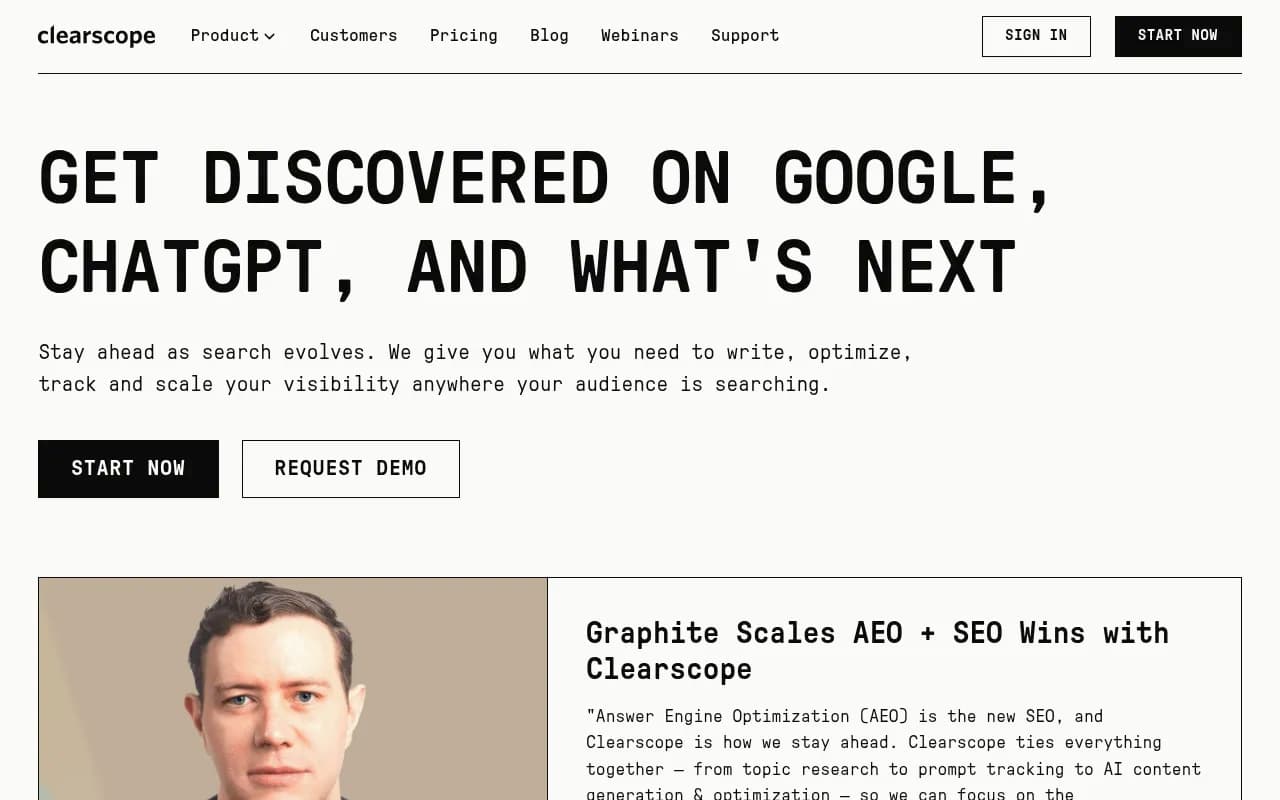
The established platforms handle this well. Semrush and Ahrefs are the industry standards for keyword research, backlink analysis, and rank tracking. Screaming Frog remains the go-to for technical crawls. Surfer SEO and Clearscope handle on-page content optimization.
For AEO (AI Overview and answer citation tracking)
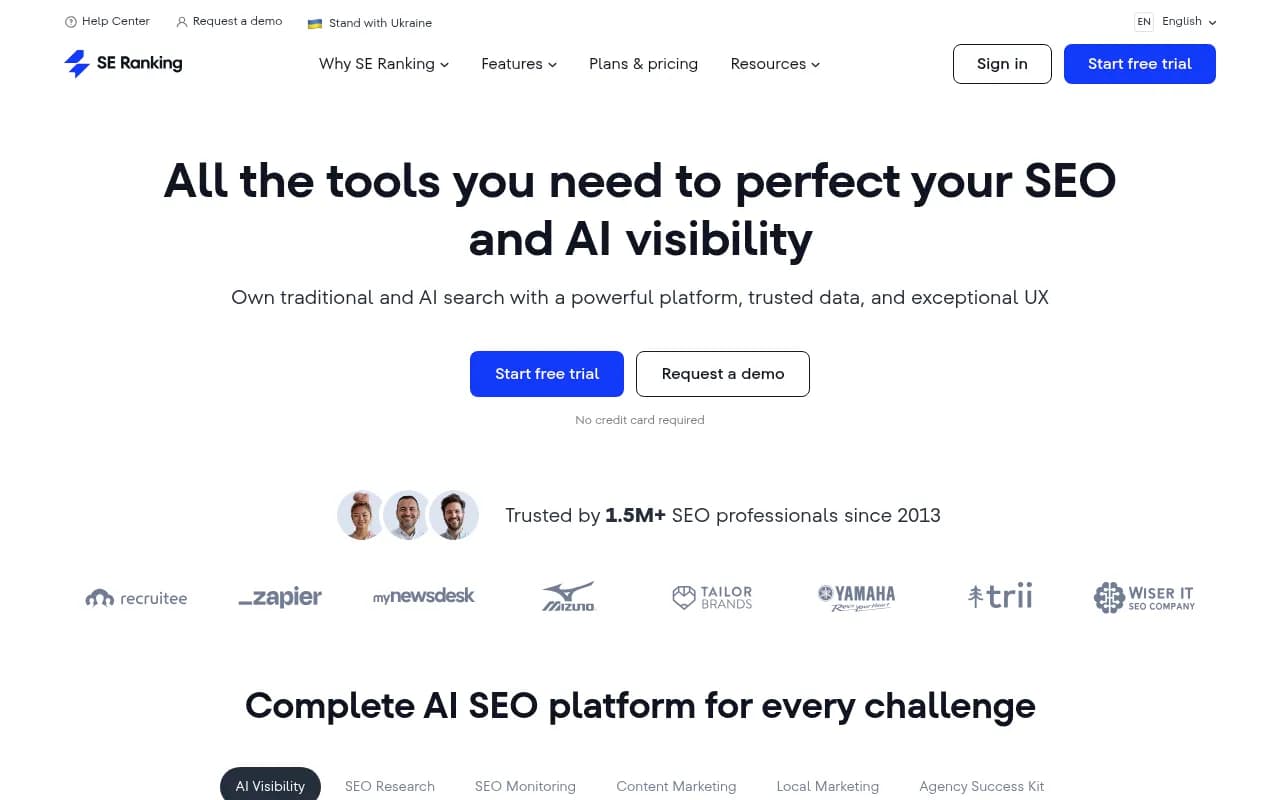
SE Ranking has added an AI visibility toolkit that tracks Google AI Overviews. Thruuu is specifically built for monitoring AI Overview appearances. Authoritas has an AI tracker for brands and publishers.

For GEO (LLM brand visibility and optimization)
This is where the tool landscape gets interesting -- and where most traditional SEO platforms fall short. The purpose-built GEO tools vary significantly in depth:

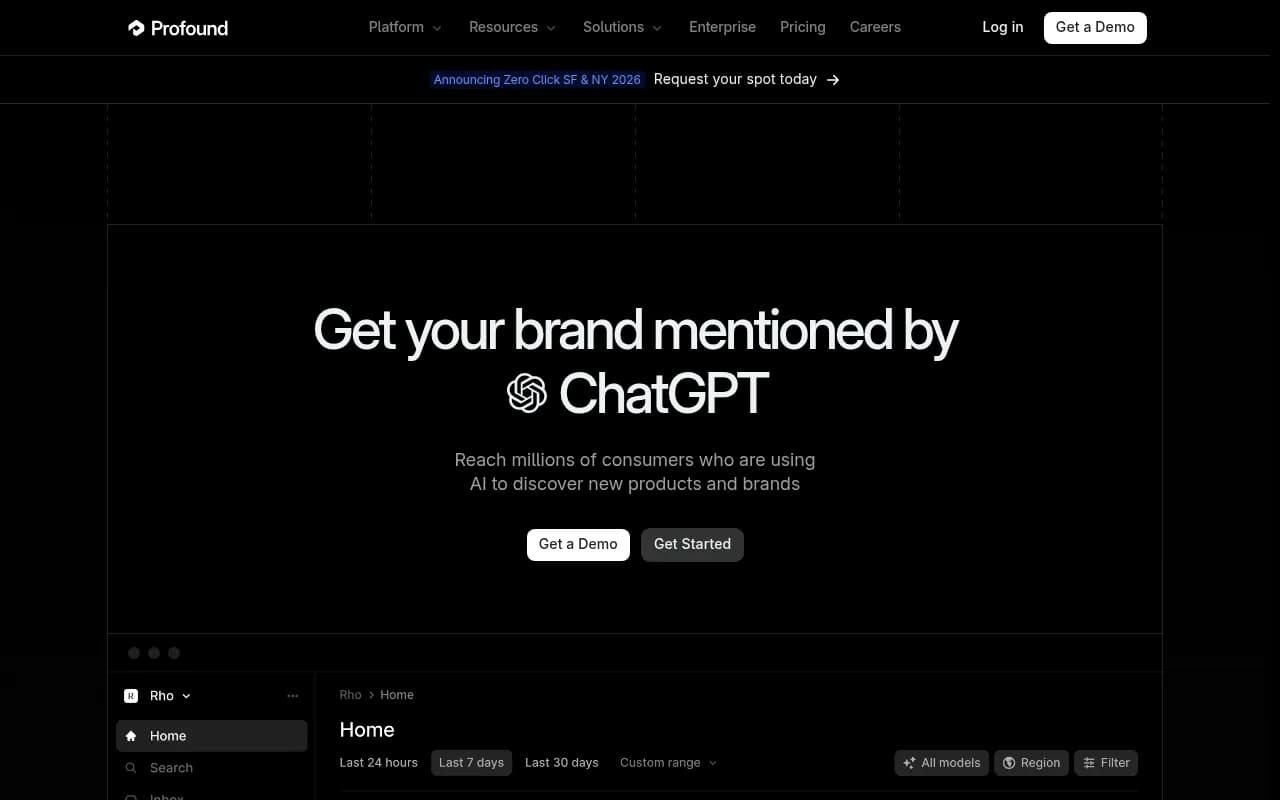


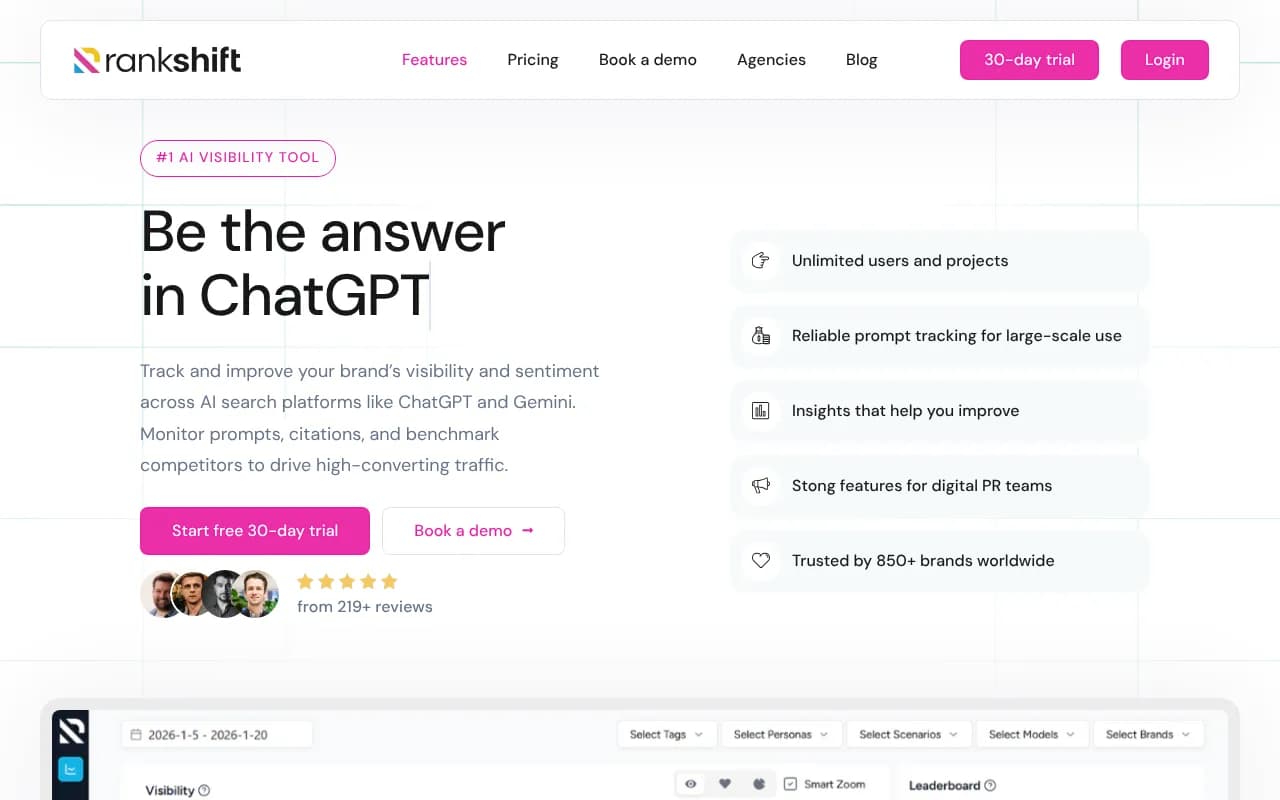
Most of these tools are monitoring dashboards -- they show you where you appear (or don't) in AI responses. That's useful, but it's only half the job. Knowing you're invisible doesn't tell you what to do about it.
The tools that go further -- offering content gap analysis, AI writing assistance, or crawler log data -- are more valuable for teams that want to actually improve their GEO standing rather than just measure it.
The measurement problem
One of the trickier aspects of AEO and GEO is that the metrics are genuinely different from traditional SEO.
With SEO, you watch rankings and organic traffic. The feedback loop is relatively clear.
With AEO and GEO, you're measuring things like:
- Citation rate: how often does an AI model mention your brand when answering relevant prompts?
- Share of voice: compared to competitors, how often do you appear?
- Sentiment: when AI mentions your brand, is the context positive, neutral, or negative?
- Source attribution: which of your pages are being cited, and by which models?
- Traffic attribution: are AI citations actually driving clicks and revenue?
That last one is the hardest. AI models often answer questions without sending users anywhere -- zero-click, essentially. Connecting AI visibility to actual business outcomes requires either a tracking code snippet, Google Search Console integration, or server log analysis to identify AI-referred traffic.
This is why the "monitoring only" criticism of many GEO tools matters. Seeing that your brand appears in 12% of relevant ChatGPT responses is interesting. Knowing that those appearances drove 340 website visits last month that converted at 3.2% -- that's actionable.
Common mistakes teams make in 2026
A few patterns come up repeatedly when brands try to navigate SEO, AEO, and GEO simultaneously:
Treating them as separate strategies with separate teams. The content that helps your traditional SEO (authoritative, well-structured, answering real questions) is largely the same content that helps AEO and GEO. Siloing these efforts creates duplication and misses the compounding effect of doing them together.
Assuming good SEO automatically means good AI visibility. It doesn't. A brand with strong domain authority and high rankings can still be invisible in ChatGPT responses if it lacks third-party validation, if its content isn't structured for extraction, or if competitors have better representation in the sources AI models trust.
Chasing every AI platform equally. ChatGPT, Perplexity, Claude, Gemini, Grok, and others have different user bases and different use cases. A B2B software company probably cares more about Perplexity (research-heavy users) than about Grok. Prioritize based on where your actual customers are asking questions.
Ignoring Reddit and YouTube. This sounds odd, but AI models frequently cite Reddit discussions and YouTube content when generating answers. If your brand or category is being discussed on Reddit and you're not part of that conversation (through genuine participation, not spam), you're missing an indirect GEO signal.
Not tracking at all. Some teams know they should care about AI visibility but haven't set up any monitoring. If you don't know whether AI models are mentioning your brand, you can't improve it.
A practical starting point
If you're trying to figure out where to focus, here's a reasonable sequence:
-
Make sure your technical SEO foundation is solid. Crawlable, fast, mobile-friendly, structured data in place. This helps all three disciplines.
-
Audit your content for answer-readiness. Do your key pages answer specific questions directly? Do you have FAQ sections? Is your schema markup complete? This is AEO work.
-
Check your AI visibility baseline. Run your brand name and key category queries through ChatGPT, Perplexity, and Gemini. Are you mentioned? In what context? How do competitors compare? This gives you a starting point for GEO.
-
Set up proper tracking. You need to know when things change. A purpose-built AI visibility tool will catch shifts you'd miss by manually checking every week.
-
Identify content gaps. What questions are AI models answering in your category where your brand isn't appearing? Those gaps are your content roadmap.
The tools that help most with steps 3-5 are the dedicated GEO/AEO platforms. For teams that want to both track and act on what they find, platforms with built-in content generation and gap analysis save significant time compared to monitoring-only tools that leave you to figure out the "so what" yourself.
The bottom line
SEO, AEO, and GEO are not competing philosophies. They're layers. SEO is the foundation -- it's still how most organic discovery happens and it's not going away. AEO is about making your content extractable and citable in AI-generated answers. GEO is about building the kind of brand presence and authority that makes LLMs confident recommending you.
The brands that will win in 2026 are the ones treating all three as part of a single visibility strategy -- not picking one and ignoring the others. The tools to support that strategy exist. The question is whether you're using them.