Key takeaways
- AEO tool pricing in 2026 spans from roughly $29/month for basic monitoring to $500–$5,000+/month for mid-market platforms, with enterprise tiers often custom-quoted above that
- Most tools under $100/month are monitoring-only: they show you visibility scores but don't help you act on them
- The meaningful capability jump happens around the $200–$300/month range, where you start getting content gap analysis, prompt volume data, and multi-LLM tracking
- Content generation, crawler logs, and traffic attribution are almost exclusively found at $250/month and above
- Agency and enterprise buyers should budget for custom pricing -- most platforms at that level won't publish rates
The AEO tool market exploded between 2024 and 2026. What started as a handful of niche trackers has turned into dozens of platforms, each claiming to be the definitive way to measure and improve your brand's visibility in ChatGPT, Perplexity, Gemini, and the rest. Pricing ranges from $29/month to six figures annually, and the feature differences between tiers are genuinely dramatic.
This guide breaks down what you actually get at each price point -- so you can stop guessing and start spending where it matters.
How AEO tools are priced in 2026
Before getting into tiers, it helps to understand the pricing levers platforms use. Most AEO tools charge based on some combination of:
- Number of tracked prompts (the queries you want to monitor across AI engines)
- Number of domains or brands
- Number of AI models covered (ChatGPT, Perplexity, Claude, Gemini, etc.)
- Frequency of data refreshes
- Access to content generation or optimization features
- Number of seats/users
The more prompts you track, the more models you cover, and the more you want to do with the data (rather than just look at it), the higher the price. That's the core logic. Keep it in mind as we go through each tier.
The free and sub-$50/month tier: awareness, not action
A handful of tools offer free plans or entry pricing under $50/month. These are useful for getting a feel for AI visibility as a concept, but they're not built for serious ongoing work.
At this level, you typically get:
- A small prompt allowance (often 10–25 prompts)
- Coverage of 1–2 AI models
- Basic brand mention tracking
- No content recommendations
- No competitor analysis worth speaking of
Tools like Otterly.AI have a presence at this end of the market, offering lightweight monitoring for solo marketers or founders who just want to know whether their brand shows up at all.

The honest assessment: free and sub-$50 tools are fine for a sanity check. They're not a strategy. If you're running any kind of real marketing program, you'll outgrow them within a month.
The $50–$150/month tier: monitoring with some depth
This is where most "starter" plans from established platforms land. You're getting more prompts (typically 50–100), broader model coverage, and some basic competitive benchmarking.
What you generally get at this tier:
- 50–100 tracked prompts
- Coverage of 3–5 AI models
- Brand mention frequency and sentiment
- Basic share-of-voice comparisons against competitors
- Weekly or daily data refreshes (varies by platform)
What you still don't get:
- Content gap analysis (which prompts you're losing and why)
- Prompt volume or difficulty data
- AI crawler logs
- Content generation
- Traffic attribution
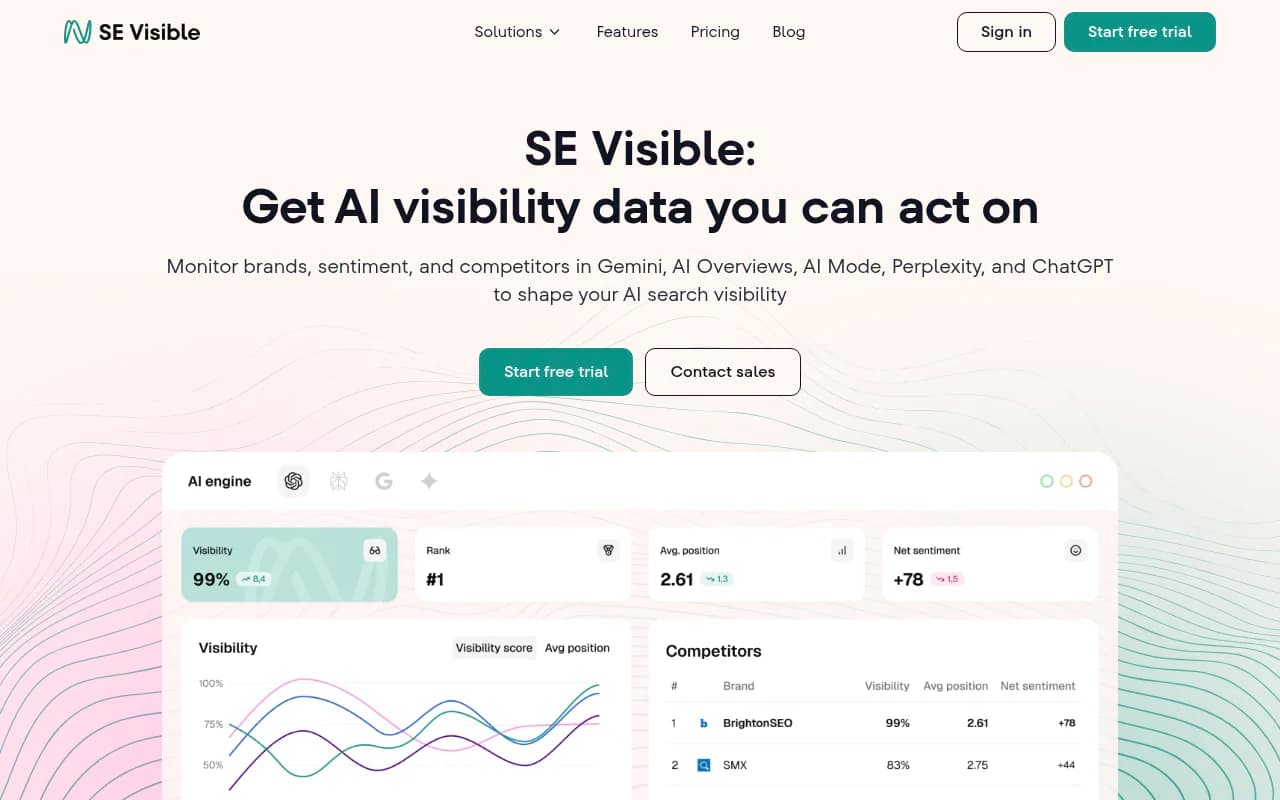
Tools like Peec AI, SE Visible, and Airefs operate in this range. They're solid for teams that want a dashboard to monitor trends and report upward, but they leave the "what do I do about it?" question entirely unanswered.

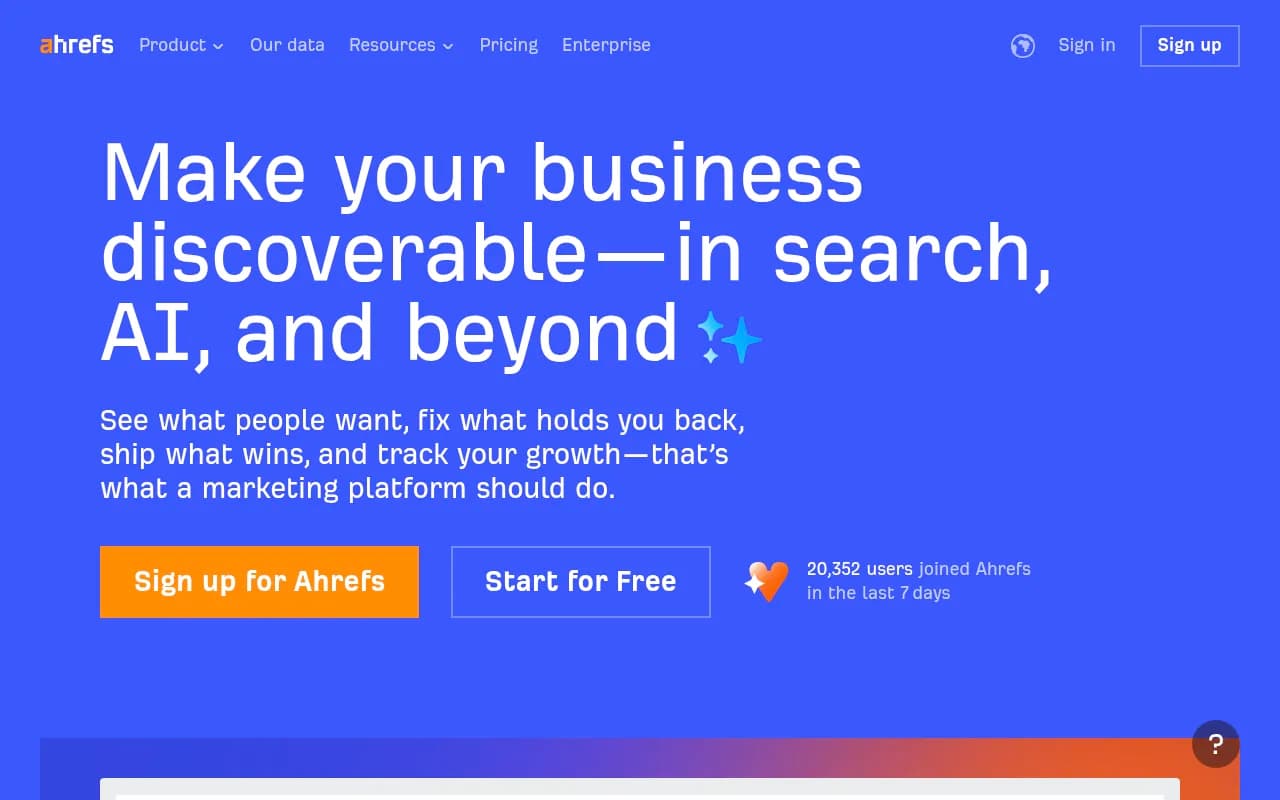
Semrush and Ahrefs have added AI visibility features to their existing platforms at this price point too. Semrush's AI tracking uses fixed prompt sets, and Ahrefs Brand Radar similarly lacks custom prompt flexibility and traffic attribution. If you're already paying for these tools, the AI features are a nice addition -- just don't expect them to replace a dedicated AEO platform.
The $150–$300/month tier: where it starts getting useful
This is the range where AEO tools start earning their keep. The jump from $100 to $250/month isn't just more prompts -- it's a qualitatively different kind of product.
At this tier, you typically unlock:
- 100–200 tracked prompts
- Coverage of 6–10 AI models
- Competitor visibility heatmaps
- Prompt volume estimates and difficulty scoring
- Answer gap analysis (prompts competitors rank for that you don't)
- Some form of content recommendations or briefs
- Multi-region or multi-language support
This is where the monitoring-to-optimization shift starts happening. Instead of just seeing that your visibility score dropped, you can see which specific prompts you're losing, which competitors are winning them, and what content might close the gap.
Promptwatch's Professional plan at $249/month sits squarely in this tier. It covers 10 AI models, includes AI crawler logs (which most competitors at any price point don't offer), and adds city/state-level tracking on top of the standard prompt monitoring. The content generation feature -- which writes articles grounded in citation data rather than generic SEO filler -- is available from the Essential plan at $99/month.

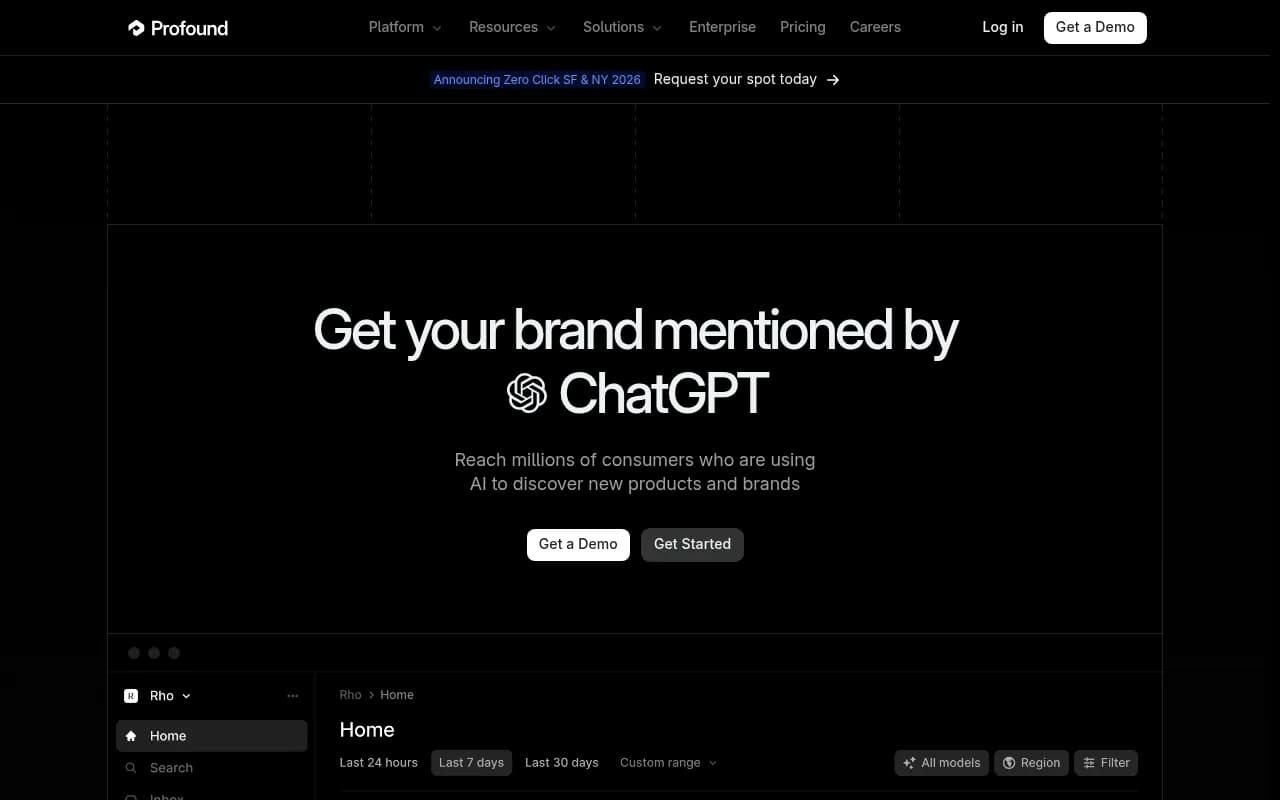
Profound is another platform worth considering at this level, with strong monitoring depth and prompt volume data. It's well-regarded for enterprise-leaning teams that want rigorous data, though its content optimization capabilities are more limited than platforms built around the full optimization loop.
AthenaHQ covers 8+ AI engines and has clean competitive tracking, but it's primarily a monitoring platform -- content optimization and generation aren't part of its core offering.
The $300–$600/month tier: serious teams doing serious work
At this price point, you're getting multi-site coverage, higher prompt volumes, and the full suite of optimization capabilities. This is the range for in-house marketing teams at mid-size to larger companies, or agencies managing multiple clients.
What distinguishes this tier:
- 3–5 tracked domains
- 300–500 prompts
- Full content generation workflows (not just recommendations)
- Traffic attribution (connecting AI visibility to actual site visits and revenue)
- API access for custom reporting
- Advanced competitor analysis
- Reddit and social signal tracking that influences AI recommendations
Promptwatch's Business plan at $579/month covers 5 sites and 350 prompts, with 30 AI-generated articles per month and the full attribution stack. The traffic attribution piece -- connecting AI crawler data to actual revenue via GSC integration, code snippet, or server log analysis -- is genuinely rare at any price point.
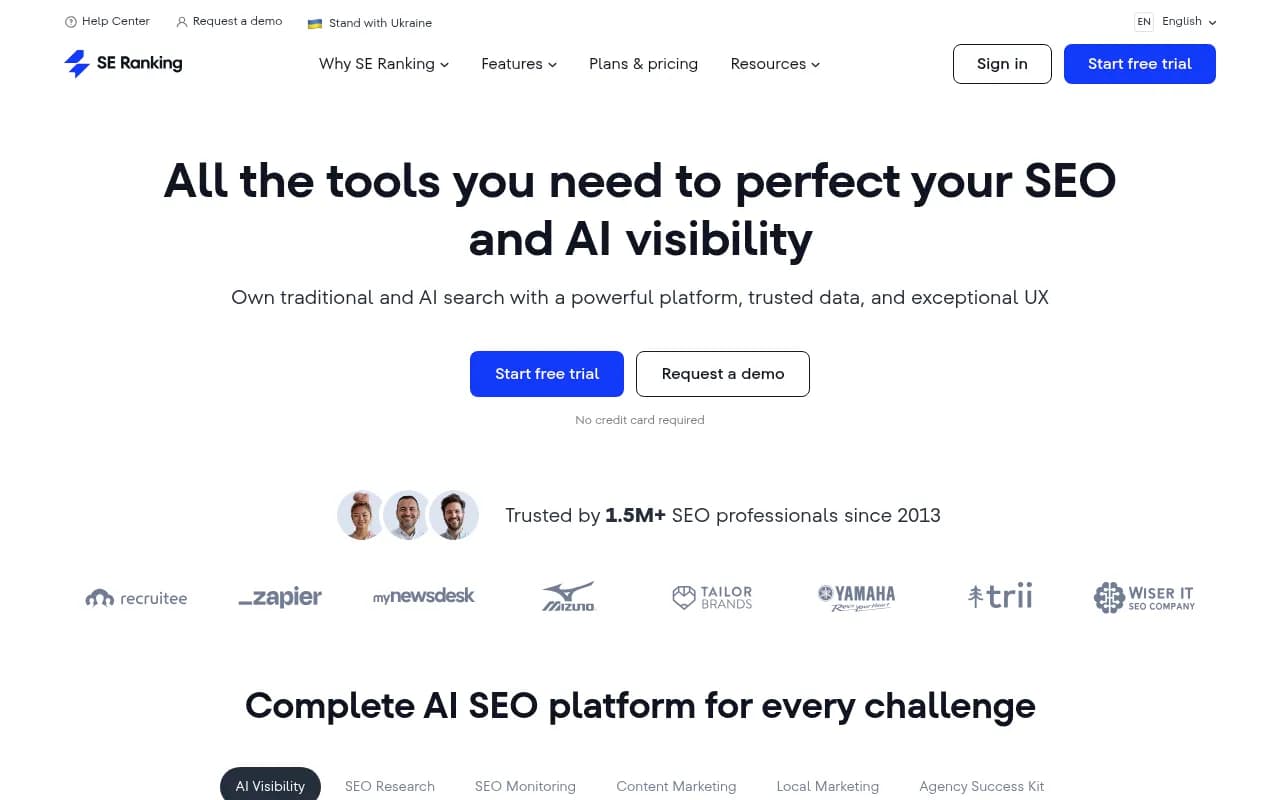
SE Ranking has expanded its AI visibility toolkit and sits in this range for teams that want a broader SEO platform with AEO capabilities layered on top.
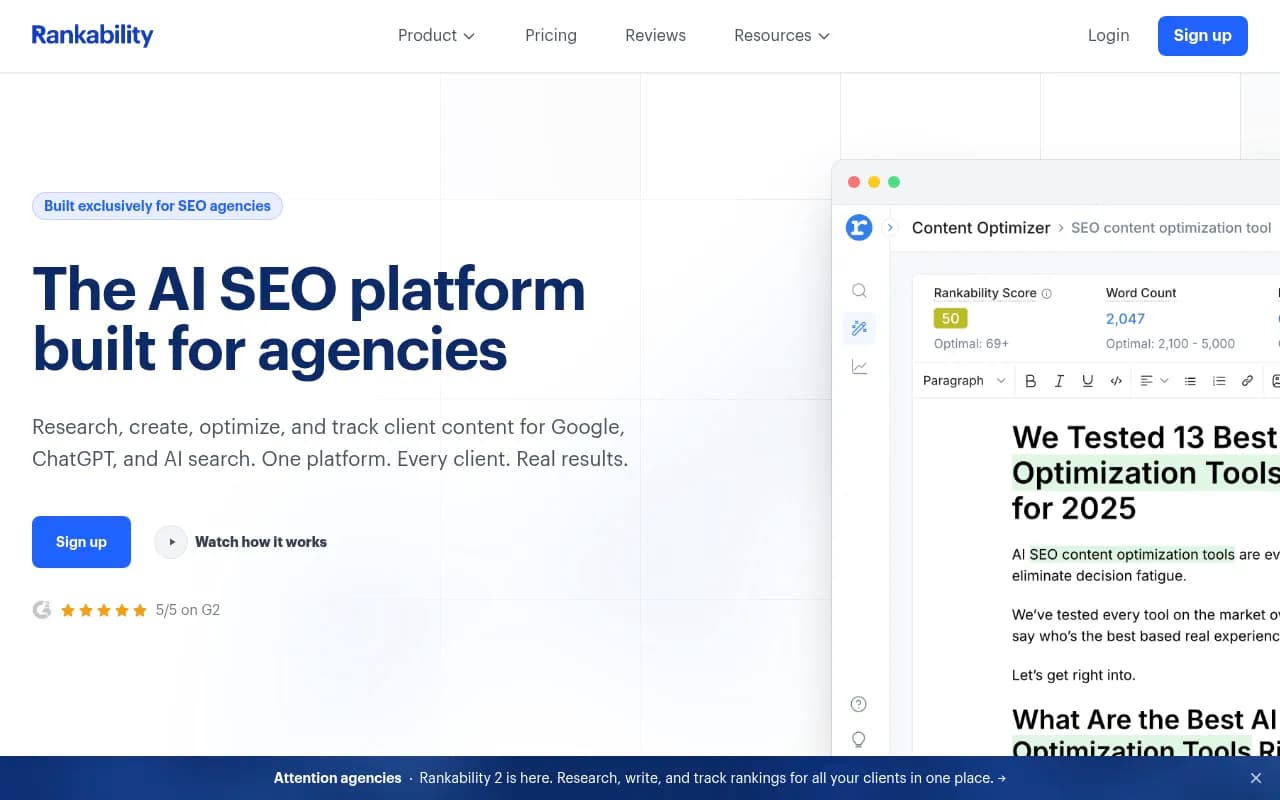
Rankability is worth a look for agencies specifically -- it's built around agency workflows and handles multi-client reporting reasonably well.
The $600–$2,000/month tier: agency and advanced enterprise entry
This is where dedicated agency platforms and lower-end enterprise tools live. You're paying for scale: more clients, more prompts, more models, more data exports.
Key capabilities at this tier:
- Unlimited or high-volume prompt tracking
- White-label reporting for agencies
- Full API access
- Custom persona targeting (tracking how AI responds to different user types)
- Dedicated onboarding and support
- Advanced attribution modeling
Search Party and Scrunch AI operate in this space, with agency-oriented features and infrastructure-level capabilities respectively. Scrunch AI's CDN-based approach to AI crawler optimization is technically interesting -- it sits closer to the infrastructure layer than most monitoring tools.
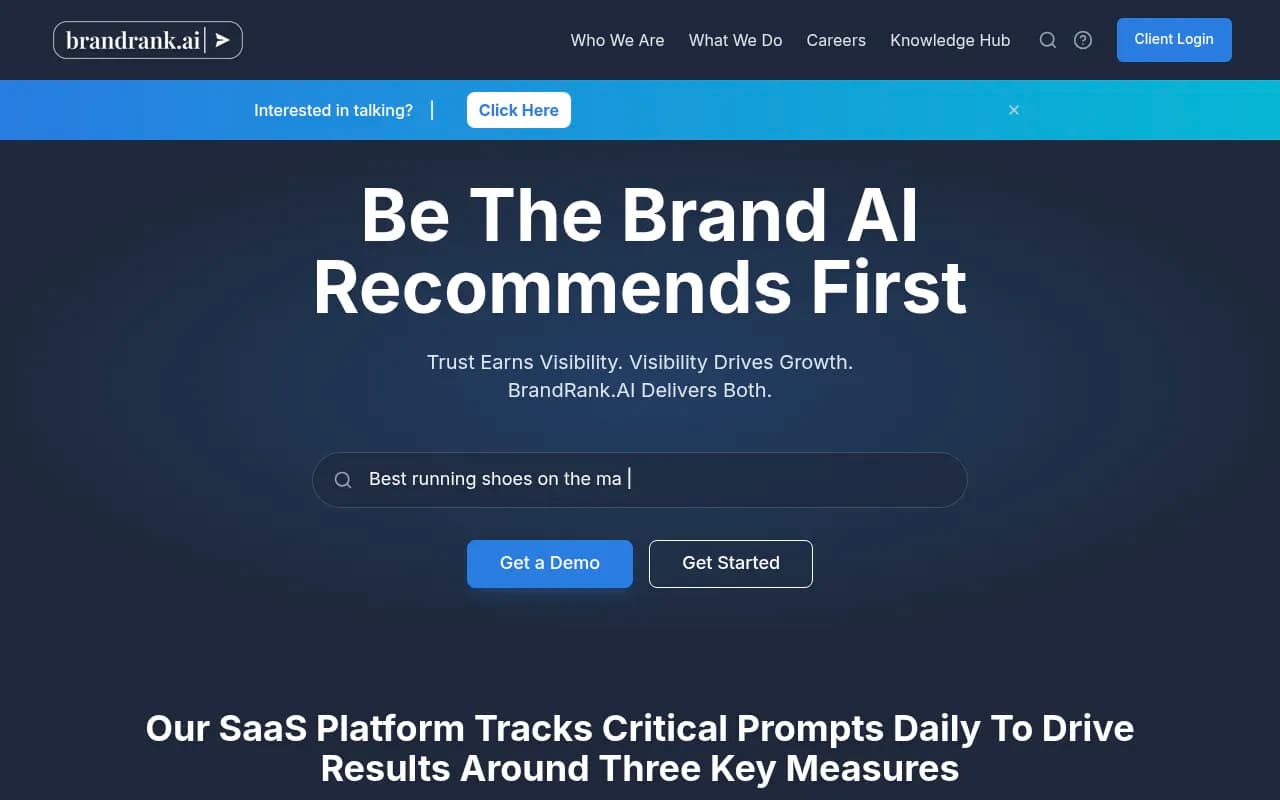
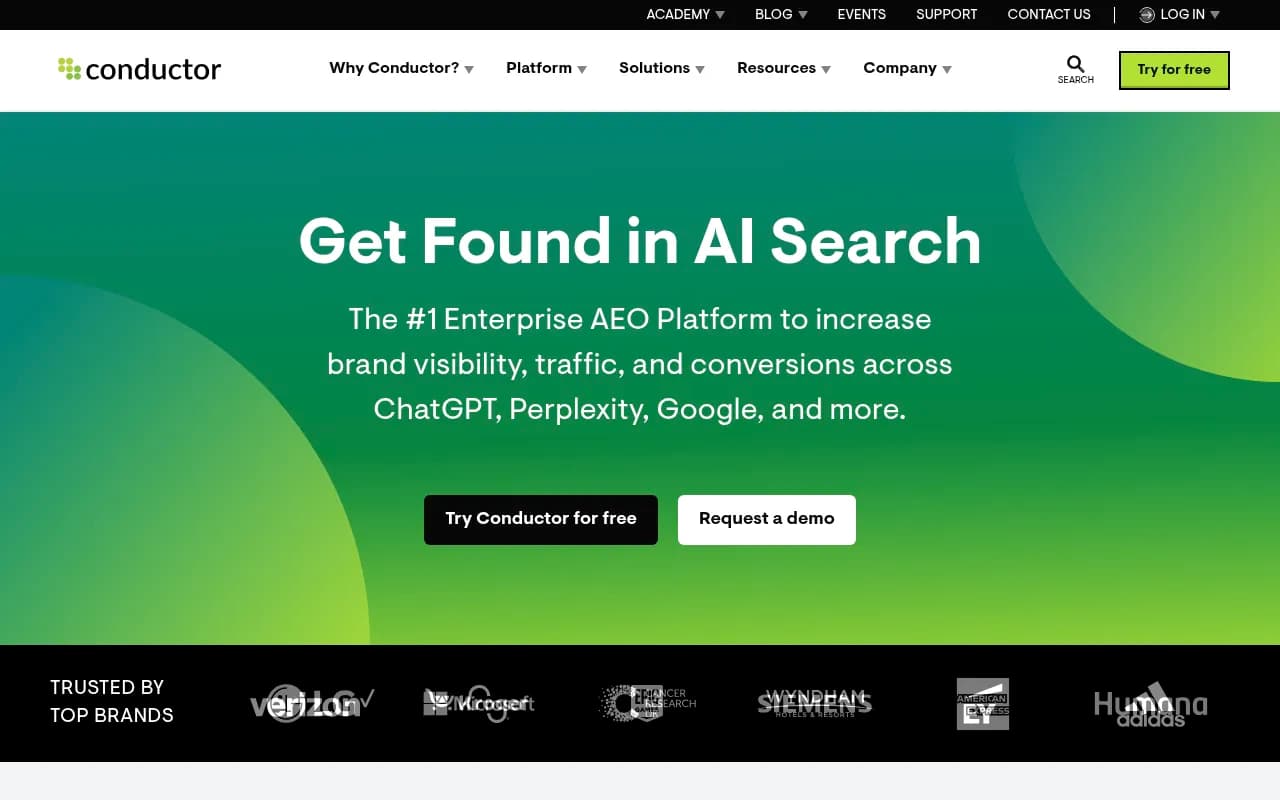
BrandRank.AI and Conductor also sit in this range, with Conductor offering notable persona customization for tracking how AI responses vary by audience type.
The $2,000+/month tier: enterprise platforms
Above $2,000/month, you're in custom-quote territory for most platforms. According to pricing data from The Digital Elevator, most mid-market AEO/GEO retainers run between $2,000 and $8,000/month, with enterprise programs going well beyond that.
At this level, the differentiators are usually:
- Dedicated customer success and strategy support
- Custom data integrations (Salesforce, Looker, custom BI tools)
- SLA guarantees on data freshness
- Compliance and security certifications (important for regulated industries)
- Custom LLM coverage or proprietary model access
- Managed services alongside the software
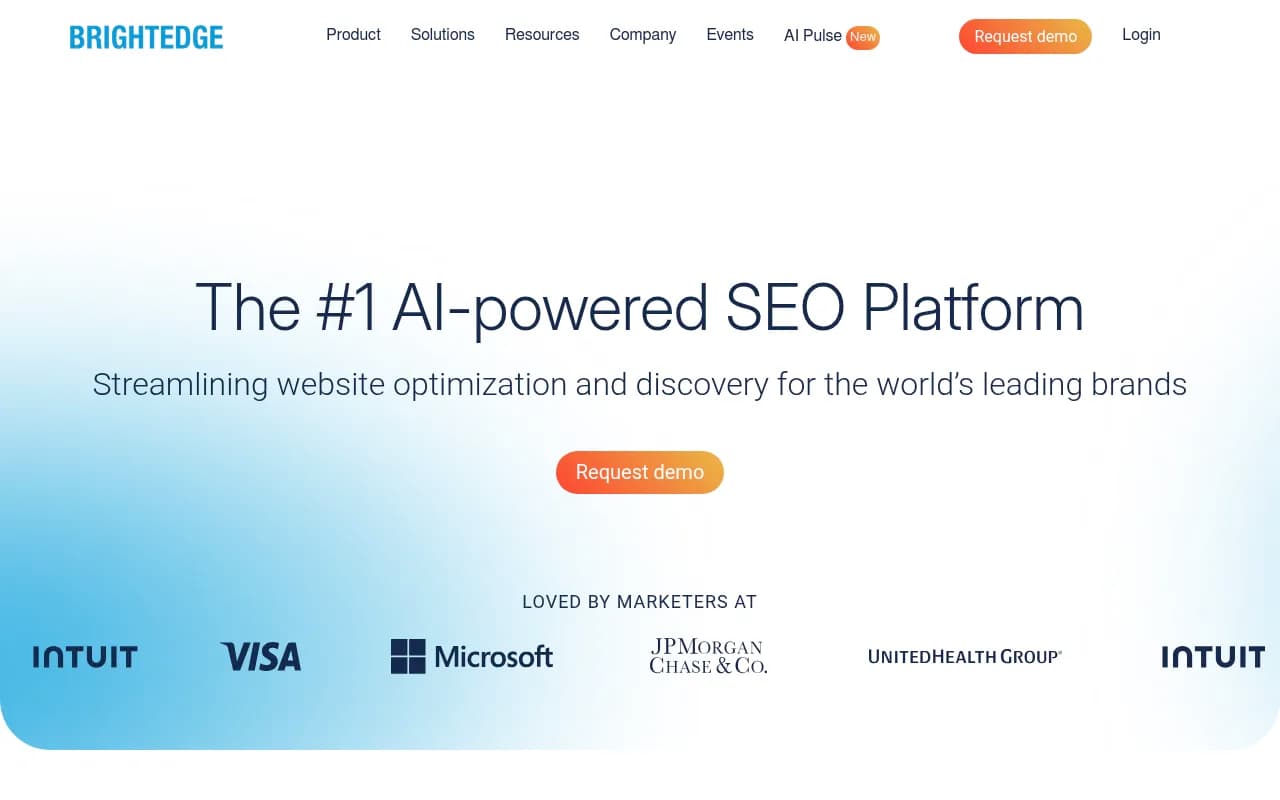
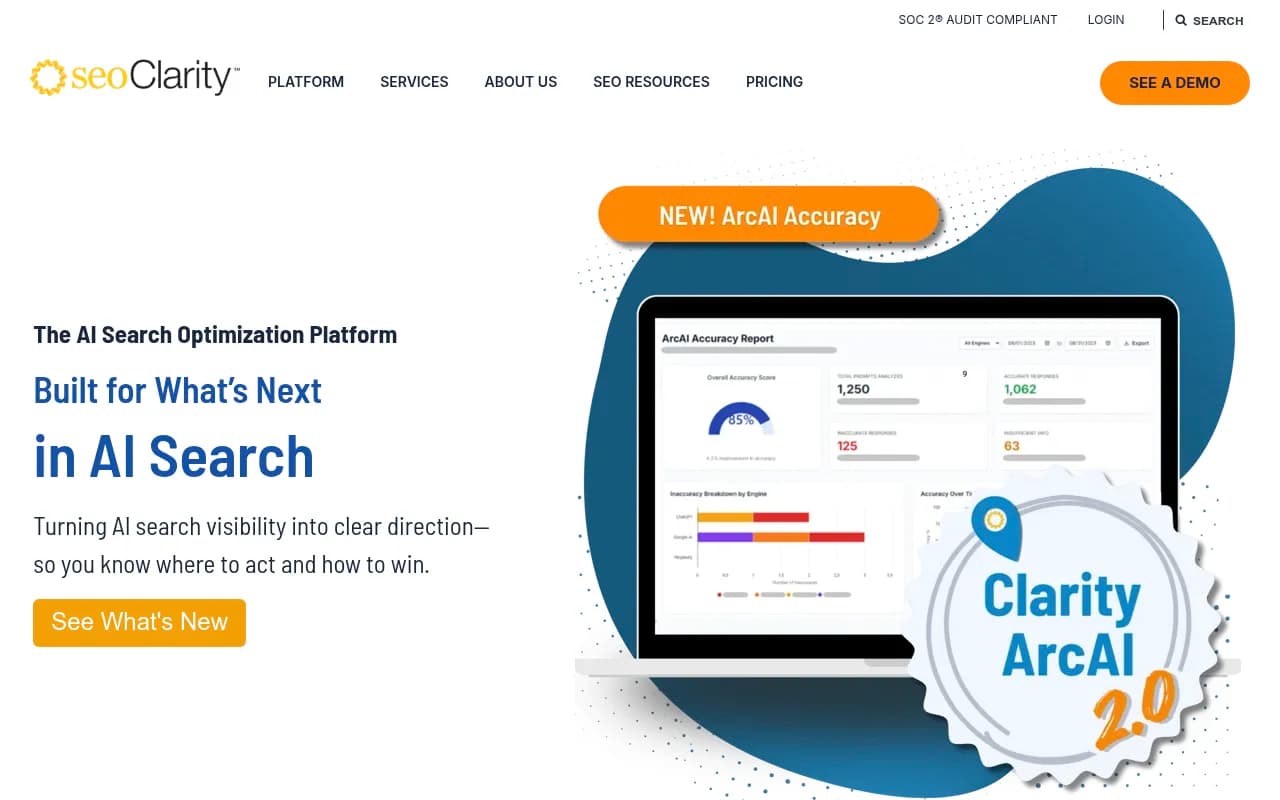
BrightEdge, seoClarity, and Botify are the established enterprise SEO platforms that have added AI visibility layers. They bring the trust and integration depth that large enterprises need, though their AEO features are often less specialized than dedicated platforms.
Bluefish and Evertune are purpose-built for Fortune 500 brands, with pricing to match. If you're at that scale, the investment is justified -- but for most teams, you're paying for account management and brand safety features more than raw capability.
Feature comparison by price tier
| Feature | Sub-$50/mo | $50–$150/mo | $150–$300/mo | $300–$600/mo | $600–$2,000/mo | $2,000+/mo |
|---|---|---|---|---|---|---|
| Basic brand monitoring | Yes | Yes | Yes | Yes | Yes | Yes |
| Multi-LLM coverage (5+) | Rarely | Sometimes | Yes | Yes | Yes | Yes |
| Prompt volume/difficulty data | No | Rarely | Yes | Yes | Yes | Yes |
| Answer gap analysis | No | No | Yes | Yes | Yes | Yes |
| AI content generation | No | No | Some | Yes | Yes | Yes |
| AI crawler logs | No | No | Some | Yes | Yes | Yes |
| Traffic attribution | No | No | Rarely | Yes | Yes | Yes |
| Reddit/social signal tracking | No | No | Some | Yes | Yes | Yes |
| Multi-site/multi-client | No | No | Rarely | Yes | Yes | Yes |
| API access | No | No | Rarely | Some | Yes | Yes |
| White-label reporting | No | No | No | Rarely | Yes | Yes |
| Custom personas | No | No | Rarely | Some | Yes | Yes |
| Dedicated support/CSM | No | No | No | No | Sometimes | Yes |
The monitoring-only trap
One thing worth saying directly: the majority of AEO tools -- at almost every price point -- are monitoring dashboards. They show you visibility scores, citation counts, and competitor comparisons. That's useful data. But data without action doesn't move the needle.
The tools that actually improve your AI visibility do three things in sequence: they find the gaps (which prompts you're losing), help you create content to close those gaps, and then track whether that content actually gets cited. Most platforms only do step one.
Before committing to any tool, ask specifically: "After I see my visibility score, what does this platform help me do about it?" If the answer is "export a report and figure it out yourself," that's a monitoring tool, not an optimization platform.
How to choose the right tier for your situation
A few practical frameworks:
If you're just starting out and want to understand whether AI visibility is a real issue for your brand, start at the $99–$150/month range. You'll get enough data to make a case internally without overcommitting.
If you're a marketing or SEO team at a mid-size company, the $250–$600/month range is where you'll find tools that can actually drive results, not just measure them. Prioritize platforms with content generation and traffic attribution -- those are the features that connect visibility to revenue.
If you're an agency managing multiple clients, look carefully at the $600–$2,000/month range and evaluate white-label capabilities, API access, and per-client reporting. The economics only work if you can serve multiple clients from one platform.
If you're enterprise, you're probably already talking to vendors directly. Focus your evaluation on integration depth, compliance certifications, and whether the platform has dedicated AEO expertise or is just bolting AI features onto a legacy SEO tool.
What the pricing data actually tells us
The range from $29/month to six figures isn't just about features -- it reflects how mature your AI visibility strategy needs to be. Early-stage teams need awareness. Growth-stage teams need optimization. Enterprise teams need governance and scale.
The mistake most teams make is buying a monitoring tool when they need an optimization platform, or buying enterprise software when a mid-market tool would do the job. Match the tier to the stage of your program, not to your aspirations.
The good news: most platforms in the $150–$600/month range now offer free trials. Use them. The difference between a tool that shows you data and one that helps you act on it becomes obvious within a week.