Key takeaways
- Over 58.5% of Google searches now end without a click, and AI-generated answers are the primary reason -- yet most SEO tools still optimize for clicks and rankings
- Only 22% of marketers have fully integrated AI search into their strategy, according to a Semrush study, largely because their tools don't support it
- Traditional SEO platforms lack nine core capabilities that AI search demands: prompt tracking, citation monitoring, AI crawler logs, answer gap analysis, entity tracking, offsite citation analysis, prompt volume data, AI traffic attribution, and content generation grounded in real AI data
- Purpose-built GEO platforms like Promptwatch cover all nine; most traditional tools cover one or two at best
The honest version of what's happening in search right now: the tools most marketing teams rely on were designed for a fundamentally different system. Google's blue links. Keyword rankings. Backlink profiles. Click-through rates. These metrics made sense when search was about retrieval -- find the page, rank it, send traffic.
AI search doesn't retrieve. It synthesizes. ChatGPT, Perplexity, Gemini, Claude, and Google's AI Overviews read sources, weigh them, and generate answers. Your brand either gets cited in that answer or it doesn't. There's no position 1 through 10. There's cited or invisible.
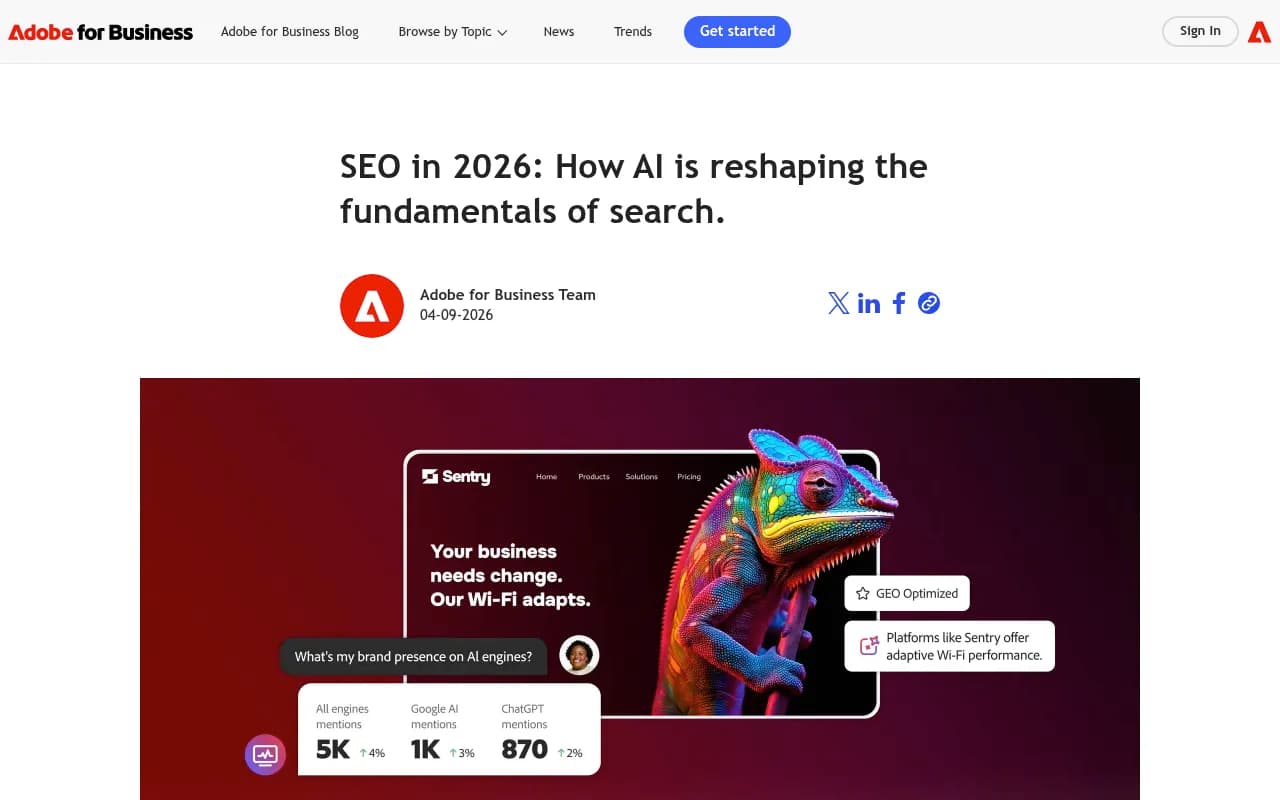
The gap between what traditional SEO tools measure and what AI search actually requires is real, wide, and growing. Here are the nine specific capabilities that matter -- and where the industry currently falls short.
1. Prompt tracking (not keyword tracking)
Traditional SEO tools track keywords. You put in "best project management software" and you get a ranking position, search volume, and difficulty score. That's useful for Google. It's mostly irrelevant for AI search.
When someone asks ChatGPT "what's the best project management tool for a remote team of 10?", that's a prompt, not a keyword. It's conversational, contextual, and specific. The AI doesn't return a ranked list of pages -- it synthesizes an answer, possibly mentioning your brand, possibly not.
Tracking whether your brand appears in responses to prompts like that requires a completely different infrastructure. You need to actually query the AI models, capture their responses, and analyze what they say. Keyword rank trackers don't do this. They can't.
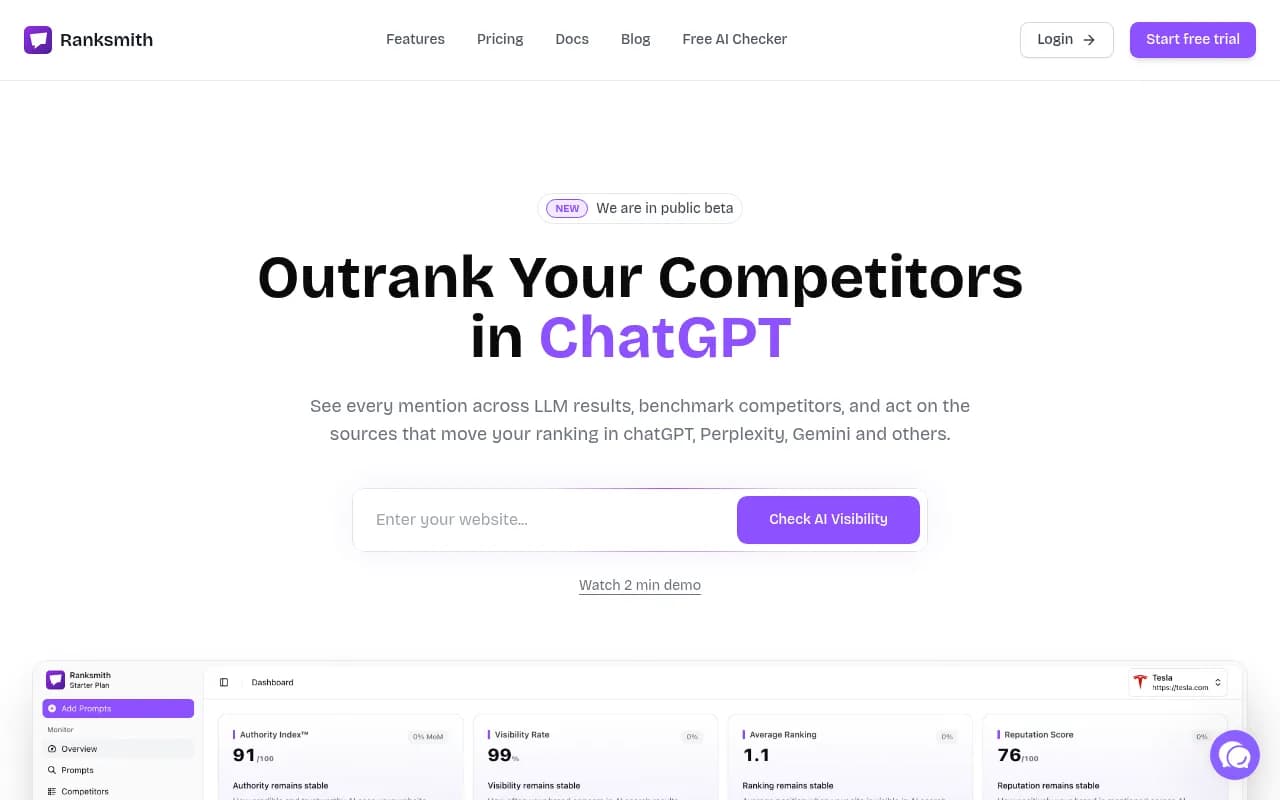
Tools like Promptwatch are built around prompt tracking -- running real queries across ChatGPT, Perplexity, Gemini, Claude, and others, then recording whether your brand appears, how it's described, and what competitors are mentioned alongside you.

Most traditional platforms have either bolted on a basic "AI visibility" module or ignored the problem entirely. Semrush One has made moves here, and it's worth acknowledging.
But the depth of prompt tracking -- volume estimates, difficulty scoring, query fan-outs that show how one prompt branches into sub-queries -- is where purpose-built tools pull ahead.
2. Citation monitoring across AI models
When an AI model answers a question, it sometimes cites sources. Sometimes it doesn't. When it does, those citations drive real traffic -- and they signal that the model trusts your content enough to reference it.
Traditional SEO tools track backlinks. A backlink is a hyperlink from one webpage to another. An AI citation is something different: it's a language model deciding your content is authoritative enough to surface in a synthesized response. The mechanisms are unrelated.
Monitoring citations means knowing which of your pages are being cited, by which AI models, in response to which prompts, and how often. None of that maps onto traditional link analysis.


The brands winning in AI search right now are the ones who know their citation profile -- which pages get cited, which don't, and why. Without citation monitoring, you're flying blind.
3. AI crawler logs
This one is almost entirely absent from traditional SEO tools, and it's arguably the most technically interesting gap.
When Googlebot crawls your site, you can see it in your server logs. You can track which pages it visits, how often, and whether it encounters errors. This data is foundational for technical SEO -- you use it to fix crawl budget issues, identify blocked pages, and understand indexing.
AI models have their own crawlers. GPTBot (OpenAI), ClaudeBot (Anthropic), PerplexityBot -- these agents crawl the web to build the knowledge that informs AI responses. If they can't access your pages, your content won't get cited. If they're hitting errors, you won't know unless you're specifically watching for them.
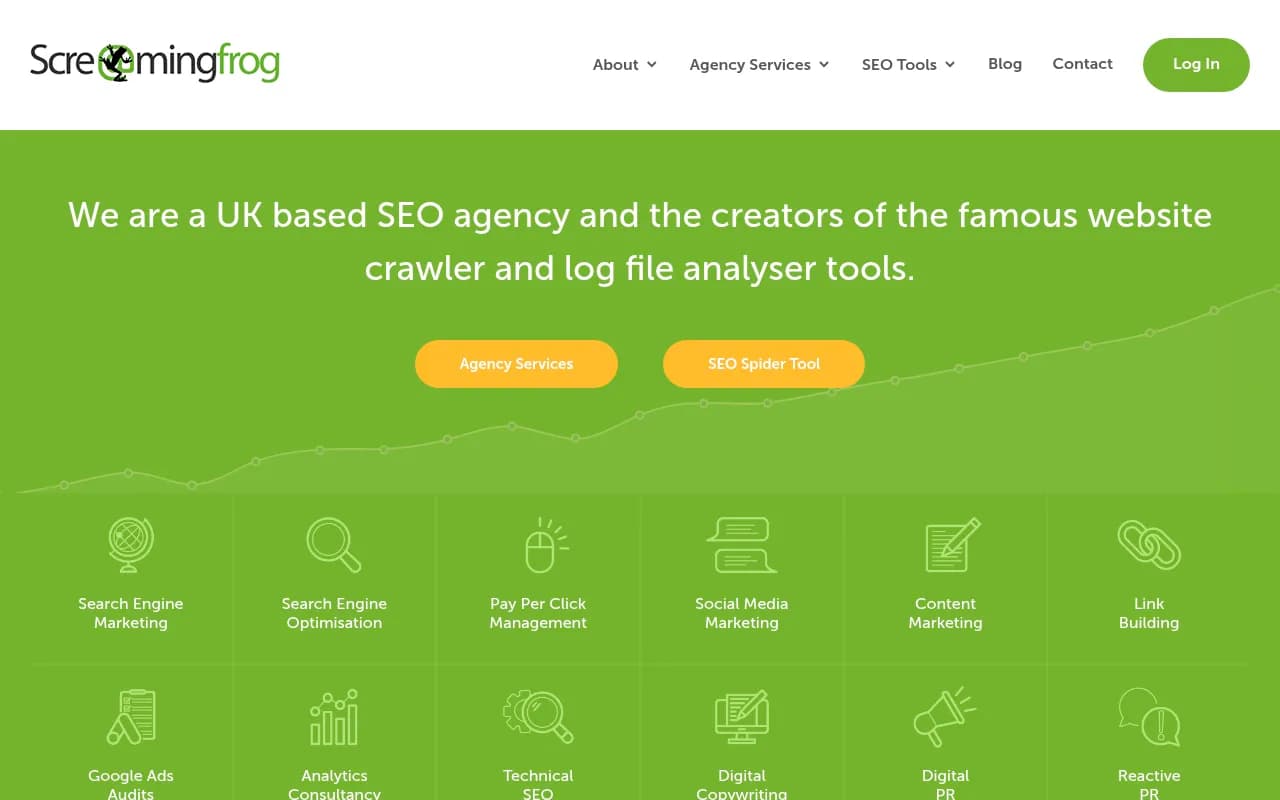
Traditional crawlers like Screaming Frog are excellent at simulating Googlebot. They weren't built to track AI-specific crawlers or tell you when a page moves from "crawled by GPTBot" to "cited in a ChatGPT response."
Promptwatch's AI Crawler Logs feature does exactly this -- real-time logs of AI crawlers hitting your site, which pages they read, errors they encounter, and the timeline from crawl to citation. It's the kind of data that lets you diagnose why certain pages aren't getting cited and fix it.
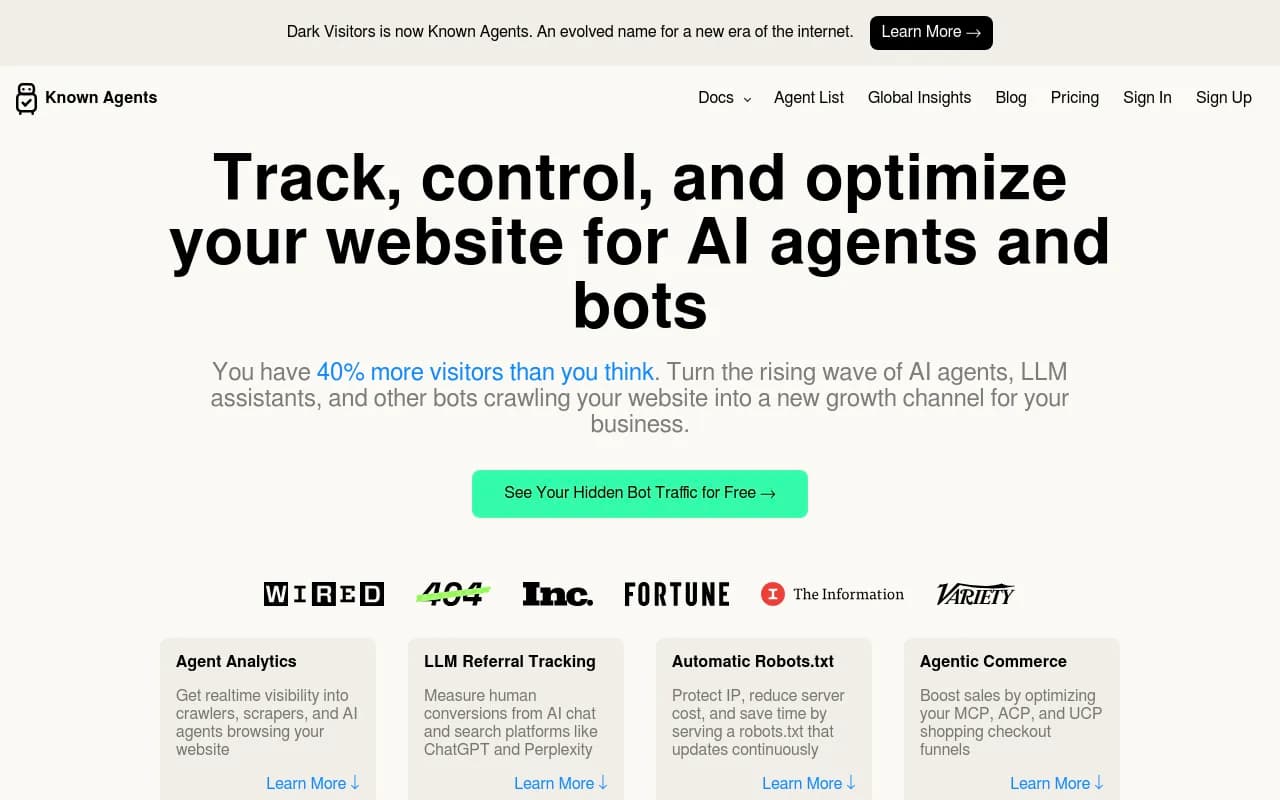
DarkVisitors is worth a mention here too -- it tracks AI agents and bots visiting your site, which is useful for understanding the crawl landscape even if it doesn't connect crawl data to citation outcomes.
4. Answer gap analysis
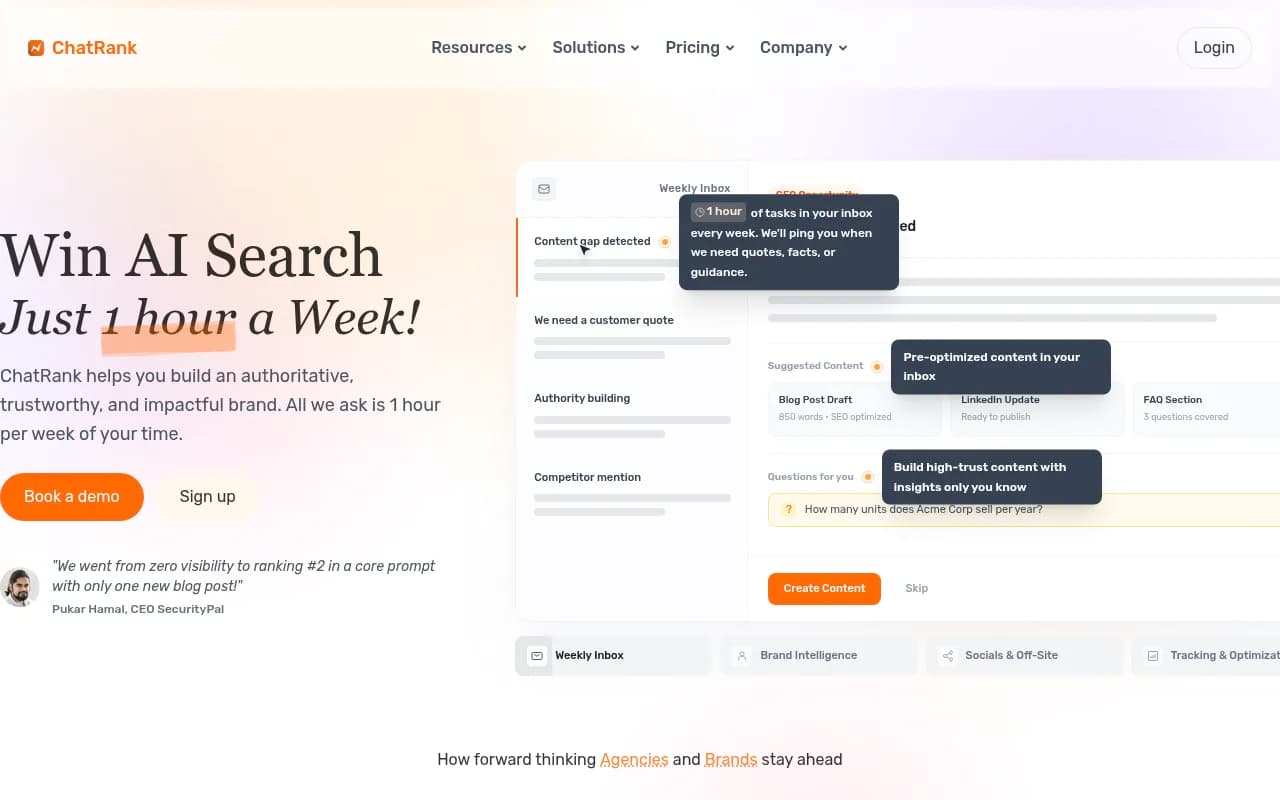
This is where most monitoring-only tools hit their ceiling. They'll show you that you're not appearing in AI responses to certain prompts. What they won't tell you is why -- or more importantly, what content you'd need to create to fix it.
Answer gap analysis maps the prompts where competitors are getting cited against your own content. It shows you the specific topics, questions, and angles that AI models are synthesizing answers about -- but can't find on your site. That's actionable. "You're invisible for prompts about X because you have no content covering Y" is something you can do something about.
Traditional SEO tools have content gap analysis, but it's built around keyword rankings. It tells you which keywords competitors rank for that you don't. That's useful, but it doesn't tell you what an AI model needs to see in your content to trust it enough to cite it.
The distinction matters because AI models don't just want content that contains a keyword -- they want content that actually answers a question with enough depth, structure, and verifiability to be worth synthesizing.
5. Entity tracking and brand sentiment in AI responses
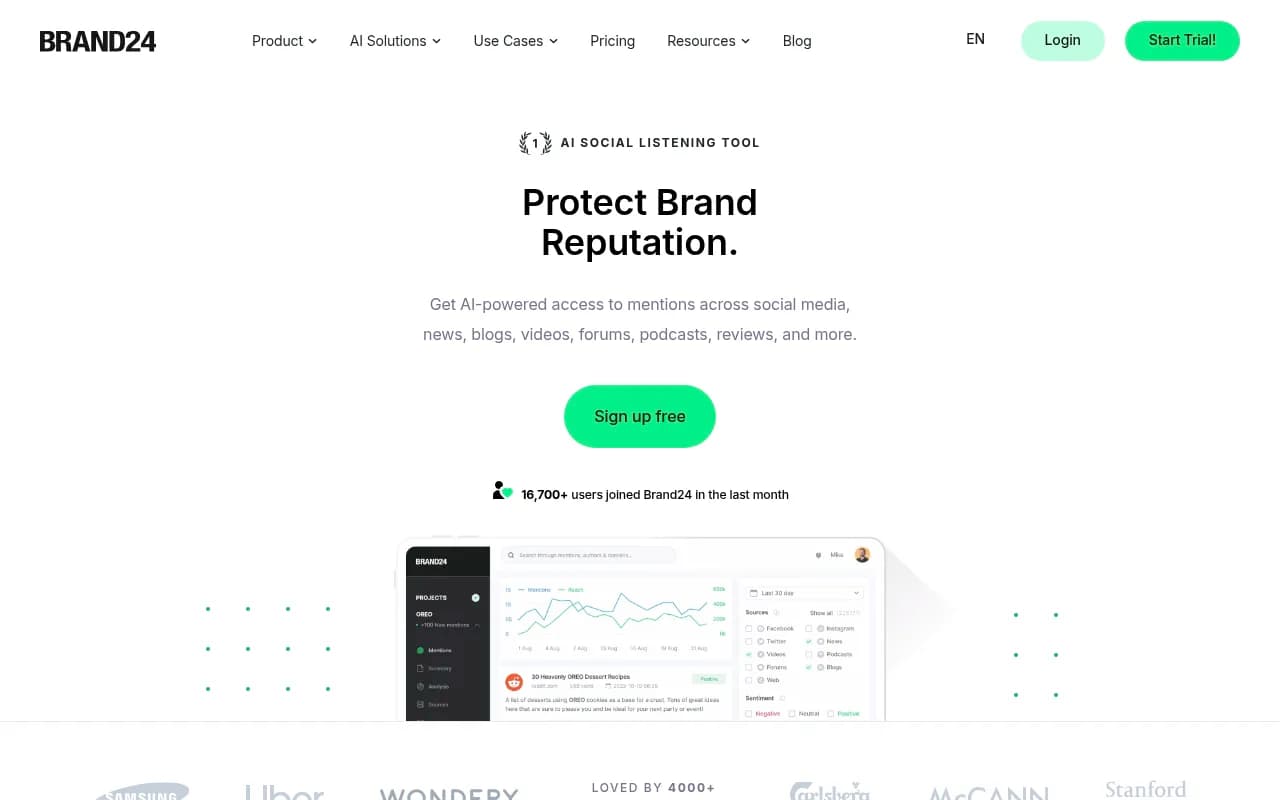
Traditional brand monitoring tools track mentions across social media, news sites, and forums. They're good at what they do. But they weren't built to analyze how a language model characterizes your brand.
When ChatGPT mentions your company, what does it say? Does it describe you accurately? Does it associate you with the right product categories? Does it mention a competitor in the same breath? Is the sentiment neutral, positive, or subtly negative?
These questions matter because AI models are increasingly the first touchpoint in a purchase decision. If Gemini describes your software as "good for small teams" when you're targeting enterprise, that's a positioning problem -- and you'd never catch it with a traditional brand monitoring tool.
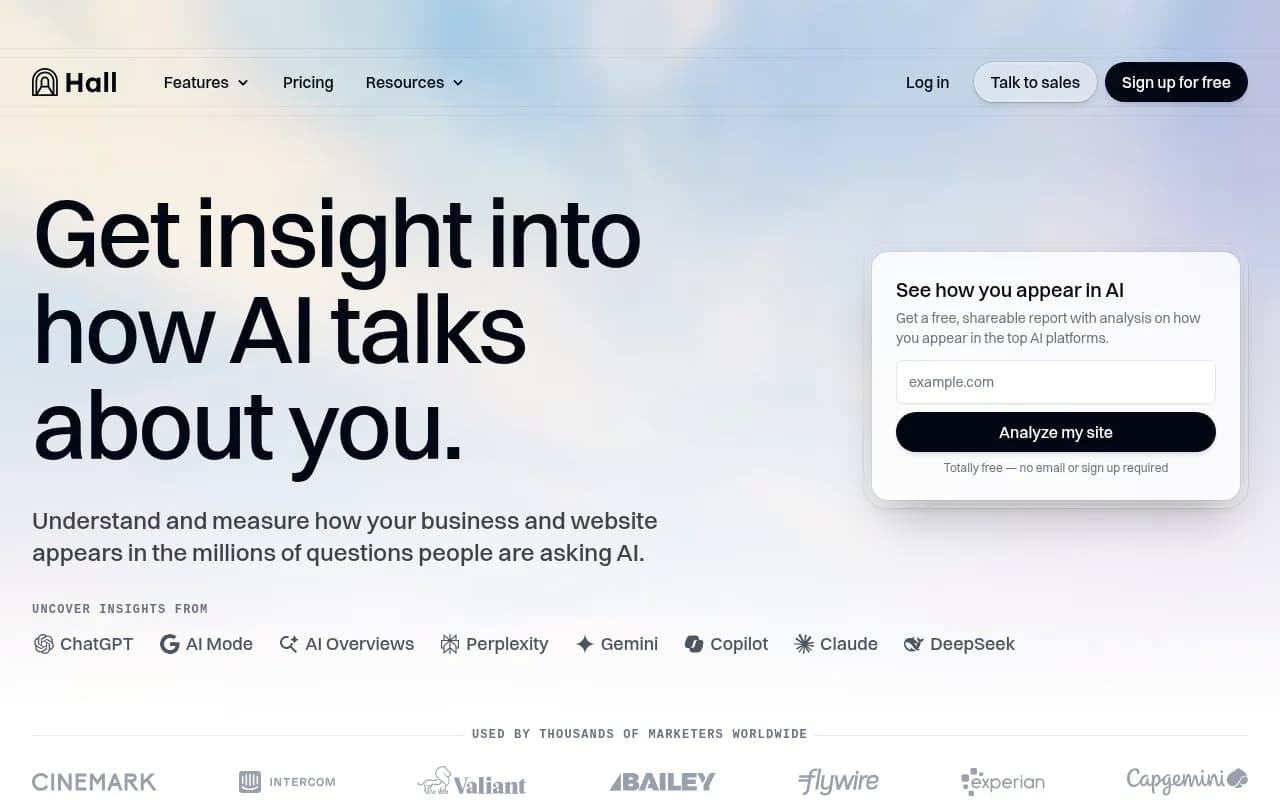
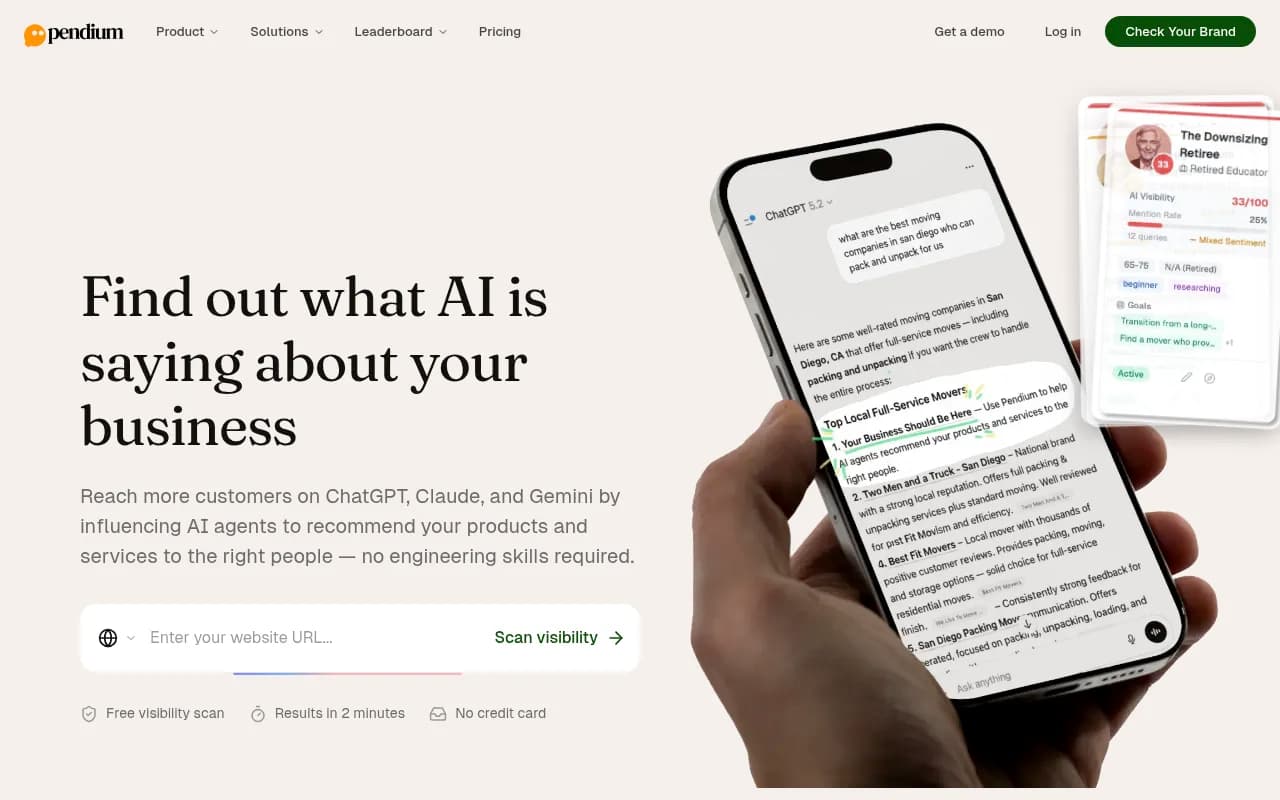
Entity tracking in the context of AI search means understanding how models represent your brand as a concept, not just whether they mention your name. That requires actually querying the models and analyzing the language they use.
6. Offsite citation analysis (Reddit, YouTube, third-party sources)
Here's something most people don't realize: AI models don't just cite your website. They cite Reddit threads, YouTube videos, review sites, industry publications, and forum discussions. When Perplexity answers a question about your product category, it might pull from a Reddit thread you've never seen.
Traditional SEO tools track your backlink profile. They don't track which Reddit discussions are influencing AI responses about your industry, or which YouTube videos are being cited when someone asks about your competitors.
This matters because your AI visibility strategy isn't limited to your own website. If a Reddit thread is consistently cited when people ask about your product category, you want to know about it. If a YouTube review is shaping how Claude describes your brand, that's intelligence you need.
Promptwatch tracks offsite citations -- Reddit posts, YouTube videos, third-party pages, and external brand mentions that are driving AI visibility outside your own site. Most competitors in this space focus exclusively on your owned content.
7. Prompt volume and difficulty scoring
Traditional keyword tools give you search volume and keyword difficulty. These metrics help you prioritize -- go after high-volume, winnable keywords first.
AI search needs equivalent data for prompts. Which prompts are users actually asking AI models? How often? How competitive is it to appear in the response? If you're going to invest in creating content to improve your AI visibility, you need to know which prompts are worth targeting.
This data is genuinely hard to collect. It requires tracking real user behavior in AI interfaces, not just API calls, because the prompts people type into ChatGPT's UI can differ significantly from what developers query through the API.


Most monitoring tools show you whether you appear for a given prompt. Fewer tell you how much that prompt matters -- how often it's asked, how competitive the response landscape is, and whether it's a realistic target given your current content.
8. AI traffic attribution
This is where the business case for AI visibility either gets made or falls apart. You can track all the citations in the world, but if you can't connect them to actual revenue, it's hard to justify the investment.
Traditional attribution tools track clicks from Google, social media, email, and paid ads. AI referral traffic is different. When someone reads a ChatGPT response that cites your site and then visits it, that visit might show up as direct traffic in Google Analytics. The attribution chain breaks.
Purpose-built AI visibility platforms are starting to solve this. Promptwatch connects AI visibility scores to actual traffic and revenue through website integrations -- Cloudflare, Fastly, Vercel, server logs, or a tracking snippet. The goal is to show the full journey: prompt to citation to visit to conversion.
Without this, AI search remains a vanity metric. With it, you can make the same ROI argument you'd make for any other channel.
9. AI-grounded content generation
The final gap is arguably the most consequential. Traditional SEO content tools -- and there are good ones -- generate content based on keyword data, competitor analysis, and readability scores. That's fine for Google. It's not sufficient for AI search.
Content that gets cited by AI models needs to be structured differently. It needs to answer specific questions directly. It needs verifiable claims. It needs to demonstrate topical authority in ways that language models can parse. Generic SEO content, even well-optimized generic SEO content, often doesn't meet that bar.
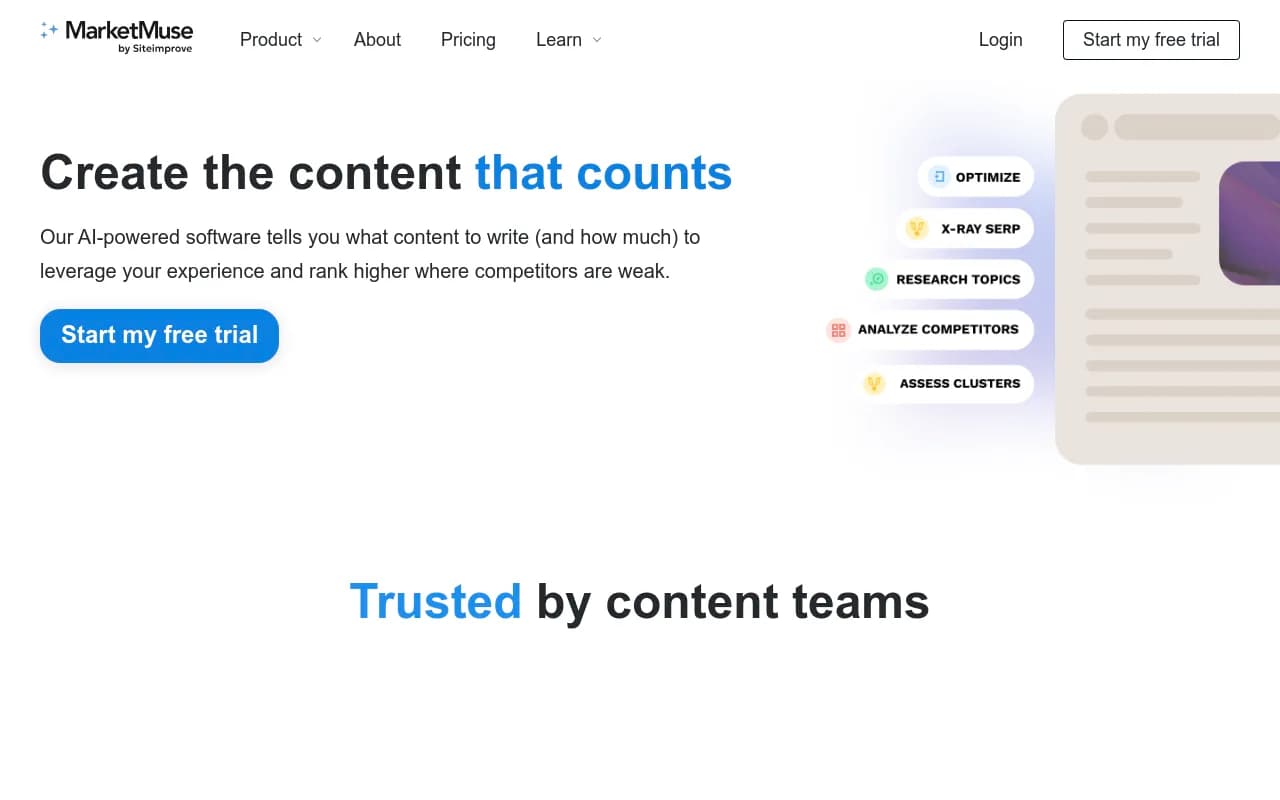
These are solid content optimization tools. But they optimize for Google's ranking signals, not for the extractability and verifiability that AI models look for.
The next level is content generation that's grounded in real prompt data -- knowing which questions AI models are being asked, which sources they currently cite, and what gaps your content needs to fill. Promptwatch's Content Agents work this way: they generate articles and briefs based on actual citation data, prompt volumes, and answer gap analysis, not just keyword frequency.
How the tools stack up
Here's a direct comparison of what traditional SEO platforms cover versus what AI search requires:
| Capability | Traditional SEO tools | Monitoring-only GEO tools | Full GEO platforms (e.g. Promptwatch) |
|---|---|---|---|
| Keyword/prompt tracking | Keywords only | Basic prompt tracking | Prompt tracking with volume + difficulty |
| Citation monitoring | Backlinks only | Yes | Yes, with page-level detail |
| AI crawler logs | No | No | Yes |
| Answer gap analysis | Keyword gaps only | No | Yes, with content recommendations |
| Entity/brand sentiment in AI | No | Partial | Yes |
| Offsite citation analysis (Reddit, YouTube) | No | No | Yes |
| Prompt volume and difficulty | No | Partial | Yes |
| AI traffic attribution | No | No | Yes |
| AI-grounded content generation | No | No | Yes |
The pattern is clear. Traditional SEO tools cover none of these nine capabilities natively. Monitoring-only GEO tools (Otterly.AI, Peec.ai, AthenaHQ, and similar) cover a few -- typically prompt tracking and basic citation monitoring -- but stop short of the action layer. Full GEO platforms cover the whole stack.
What this means practically
A Semrush study found that only 22% of marketers have fully integrated AI search into their strategy, and only 9% can measure the relevant metrics. That's not a motivation problem. It's a tooling problem. Most teams are trying to do AI search optimization with instruments that weren't built for it.
The practical implication: if you're serious about AI visibility, you need at least one purpose-built tool in your stack. The traditional platforms are catching up -- Semrush One and Ahrefs Brand Radar have both made moves -- but the gap between "bolt-on AI module" and "built from the ground up for AI search" is still significant.
The nine gaps above aren't theoretical. They represent real decisions you can't make well without the right data: which prompts to target, which pages to fix, which content to create, and whether any of it is actually driving revenue. Traditional SEO tools, for all their strengths, weren't designed to answer those questions.
The brands figuring this out now -- before AI search visibility becomes as competitive as Google rankings -- are the ones who'll have a structural advantage when the rest of the market catches up.