Key takeaways
- AI search traffic grew 527% year-over-year, but most traditional SEO platforms have responded with surface-level features rather than genuine investment
- The gap between "monitoring" and "optimization" is the defining divide in 2026 -- most tools stop at showing you data, few help you act on it
- Traditional SEO giants like Semrush and Ahrefs have added AI search features, but their architectures were built for Google and it shows
- Purpose-built GEO platforms (Promptwatch, Profound, AthenaHQ) go deeper on AI-specific metrics like citation tracking, prompt volume, and answer gap analysis
- The tools worth paying for in 2026 are the ones that close the loop: find gaps, generate content, track results
Something real happened between 2024 and 2026. AI search traffic didn't just tick upward -- it exploded. Semrush's own data puts the growth at 527% in a single year. Over 58.5% of Google searches now end without a click, and up to 83% of AI-generated answer queries never send a user to a website at all.
That's not a trend. That's a structural shift in how people find information.
The SEO tool market's response has been... uneven. Some platforms saw this coming and built seriously. Others added an "AI Visibility" tab to their dashboard in Q4 2025 and called it a day. And a new category of purpose-built GEO (Generative Engine Optimization) platforms emerged specifically to fill the gap.
This guide breaks down where things actually stand in mid-2026 -- which tools invested seriously in AI search features, which are playing catch-up, and what you should actually be using depending on your situation.
Why traditional SEO tools struggle with AI search
Traditional SEO tools were designed around a specific mental model: Google crawls pages, ranks them by relevance and authority, and users click through to websites. Your job is to optimize for that crawl and that ranking.
AI search works differently. ChatGPT, Perplexity, Claude, and Google's AI Overviews don't rank pages in a list -- they synthesize answers and cite sources selectively. The signals that drive citation are different from the signals that drive rankings. Entity recognition, answer completeness, topical authority, and how well your content directly answers specific prompts all matter in ways that traditional keyword density and backlink metrics don't capture.
This isn't a knock on tools like Semrush or Ahrefs -- they're excellent at what they were built for. But retrofitting AI search monitoring onto a Google-first architecture is genuinely hard, and the seams show.
The result is a market split into three rough tiers:
- Traditional SEO platforms that added AI search features (Semrush, Ahrefs, SE Ranking, Moz)
- Enterprise SEO platforms that built more seriously (BrightEdge, seoClarity, Botify)
- Purpose-built GEO/AI visibility platforms (Promptwatch, Profound, AthenaHQ, and a growing field of specialists)
Tier 1: Traditional SEO platforms -- useful, but limited
Semrush
Semrush has the largest user base of any SEO platform and has moved faster than most traditional tools to address AI search. Their AI Overviews tracking is real and useful. ContentShake AI generates content with SEO intent baked in.
The limitation is structural. Semrush tracks AI Overviews using fixed prompts -- you get visibility into a predefined set of queries rather than the actual prompts your target audience is using. There's no AI traffic attribution connecting AI search visibility to actual website traffic or revenue. Reddit and YouTube tracking (which matter a lot for AI citations) are absent.
For teams already deep in the Semrush ecosystem, the AI features are worth using. But they're not a complete solution for AI search optimization.
Ahrefs
Ahrefs Brand Radar is their answer to AI search monitoring. It tracks brand mentions across AI responses, which is genuinely useful for brand teams.
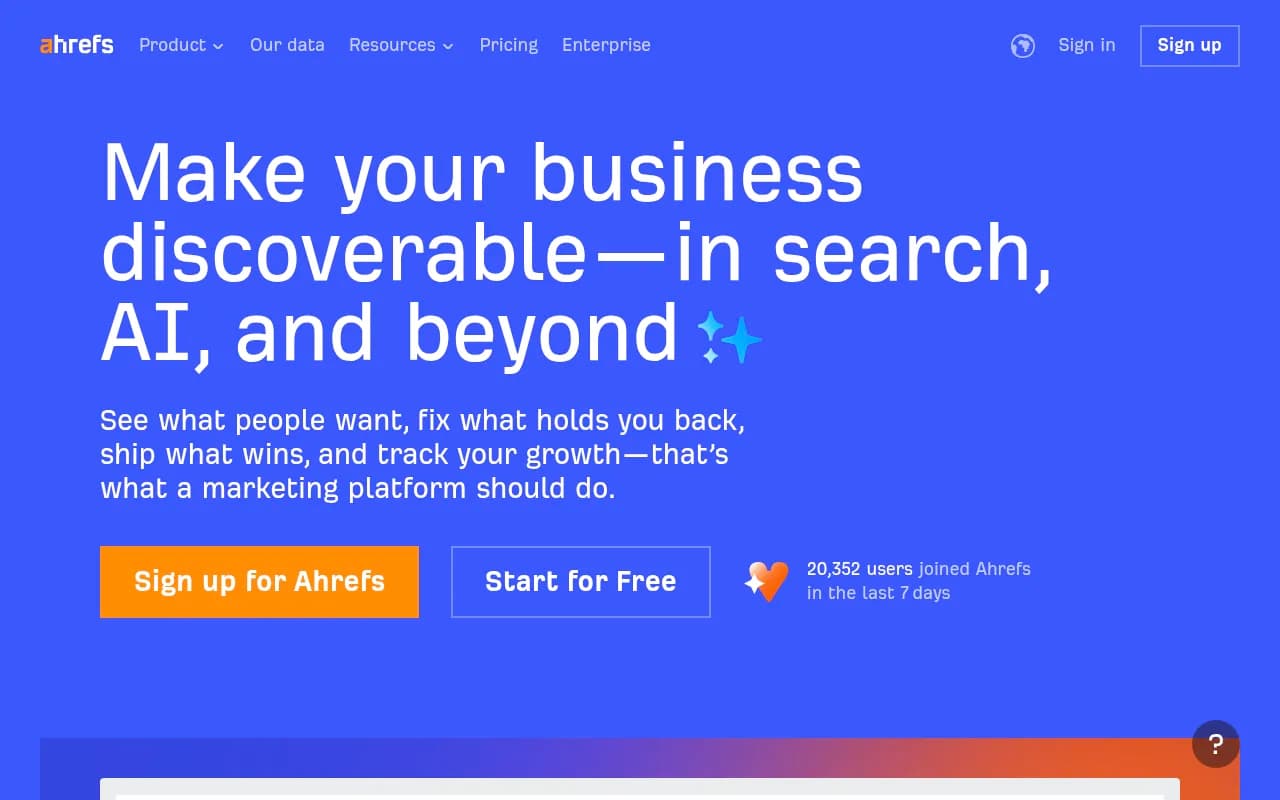
The same fixed-prompt problem applies here. Ahrefs Brand Radar uses a preset prompt library, so you're seeing your visibility through their lens rather than through the actual queries your customers type. No AI traffic attribution either. Ahrefs remains the best tool in the market for backlink analysis and keyword research -- it just hasn't translated that depth into AI search.
SE Ranking
SE Ranking has been one of the more aggressive traditional platforms in adding AI visibility features. Their AI Visibility Toolkit covers multiple AI engines and includes some content optimization guidance.
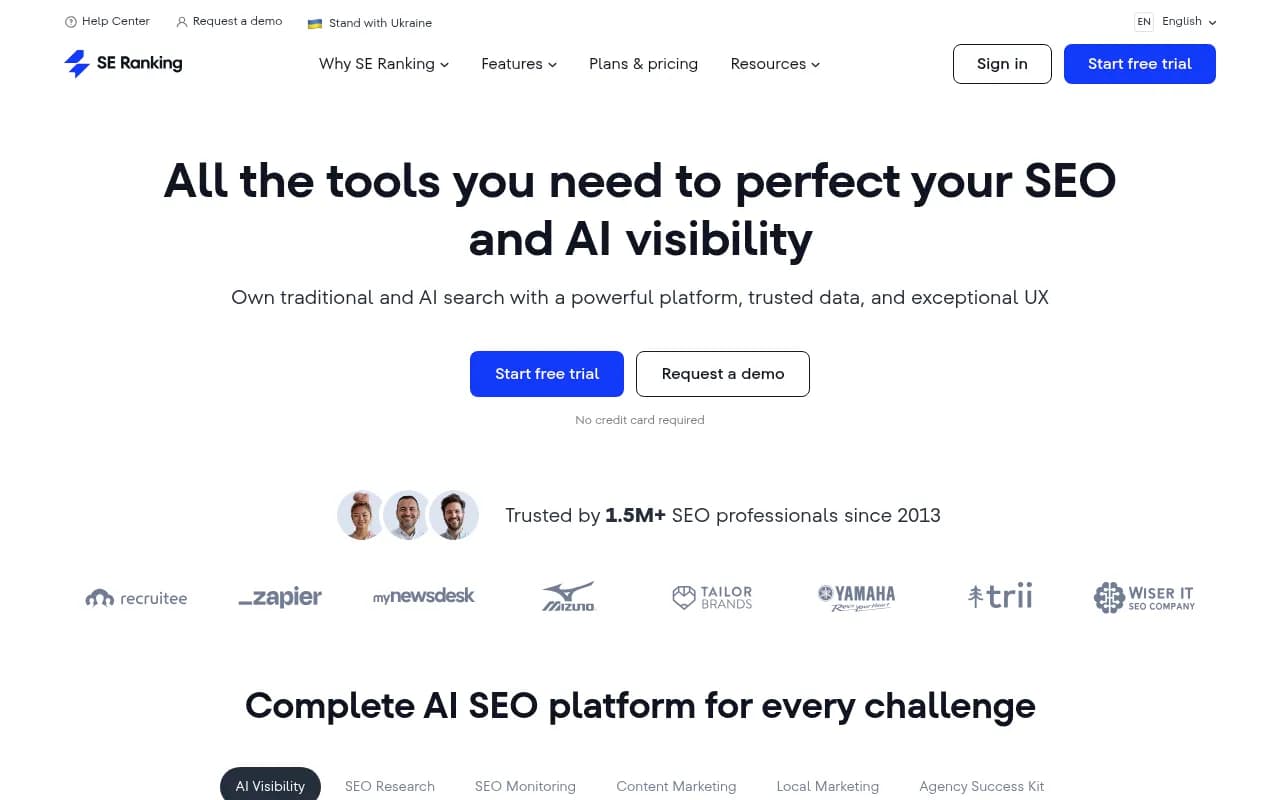
It's a reasonable mid-market option, especially for agencies that want one platform covering both traditional and AI search. The depth isn't there compared to purpose-built platforms, but the price-to-feature ratio is competitive.
Moz Pro
Moz has been slower to move on AI search than Semrush or Ahrefs. Their core product remains strong for traditional SEO -- domain authority metrics, keyword research, link building -- but AI search monitoring is thin.
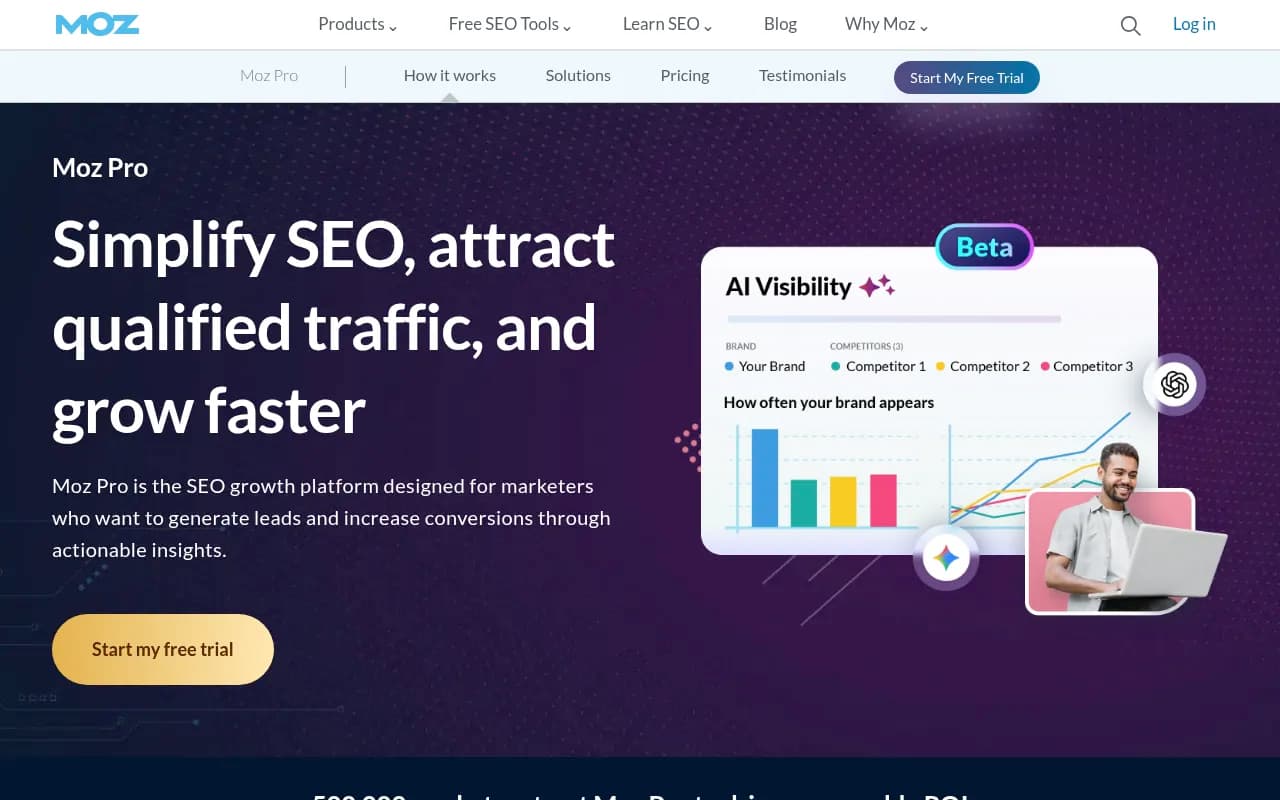
If Moz is your primary SEO tool, you'll need to supplement it with something purpose-built for AI visibility.
Tier 2: Enterprise SEO platforms that built more seriously
BrightEdge
BrightEdge has been an enterprise SEO platform for over a decade and has invested meaningfully in AI search. Their AI Catalyst product tracks AI Overviews and other AI search features with more sophistication than most traditional tools.
The enterprise price point puts it out of reach for most teams, but for large brands with complex content operations, BrightEdge's combination of traditional SEO depth and AI search tracking is one of the more complete offerings in the traditional-platform category.
seoClarity
seoClarity sits in a similar position -- enterprise-grade, genuinely invested in AI search visibility, and priced accordingly.
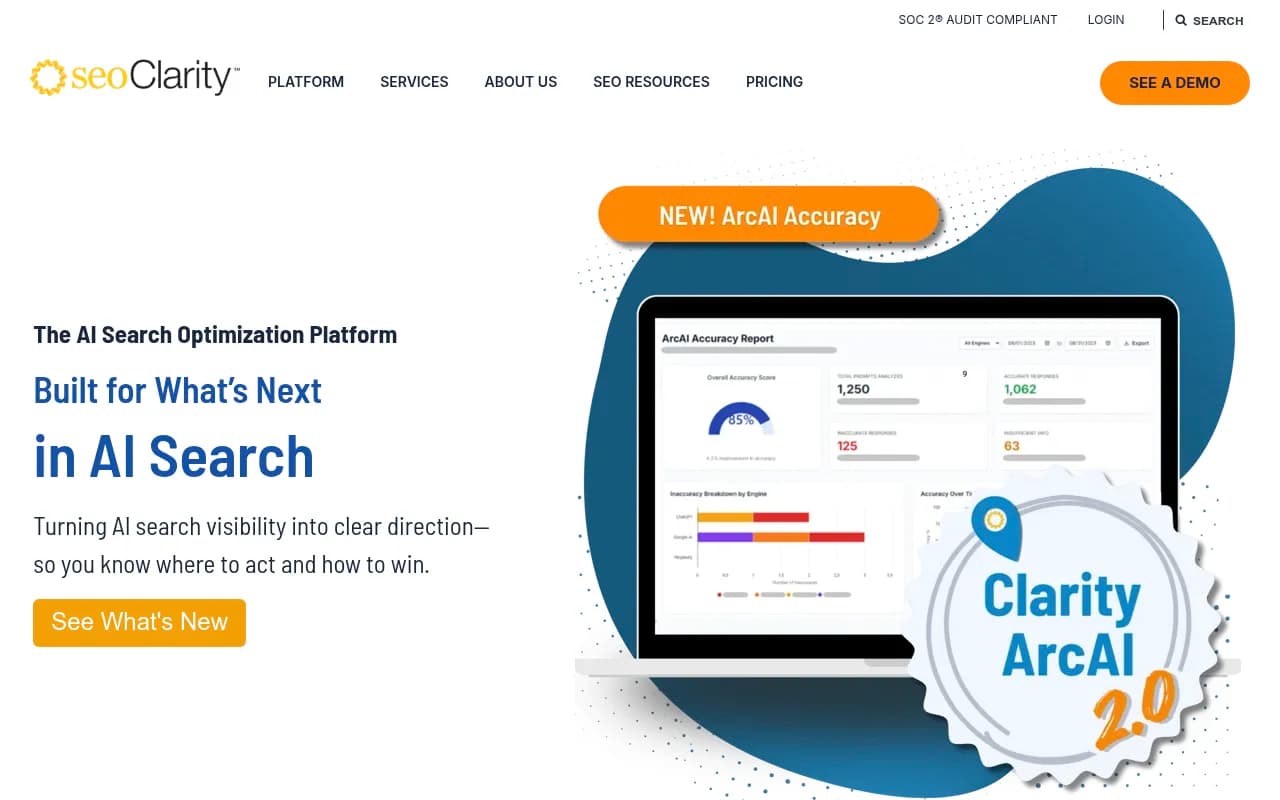
Their AI search tracking covers multiple models and includes some content optimization guidance. Worth evaluating if you're at the enterprise tier and want to minimize the number of platforms you manage.
Botify
Botify has historically focused on technical SEO at scale -- crawl optimization, log file analysis, rendering. They've extended this into GEO with AI crawler tracking and content optimization features.
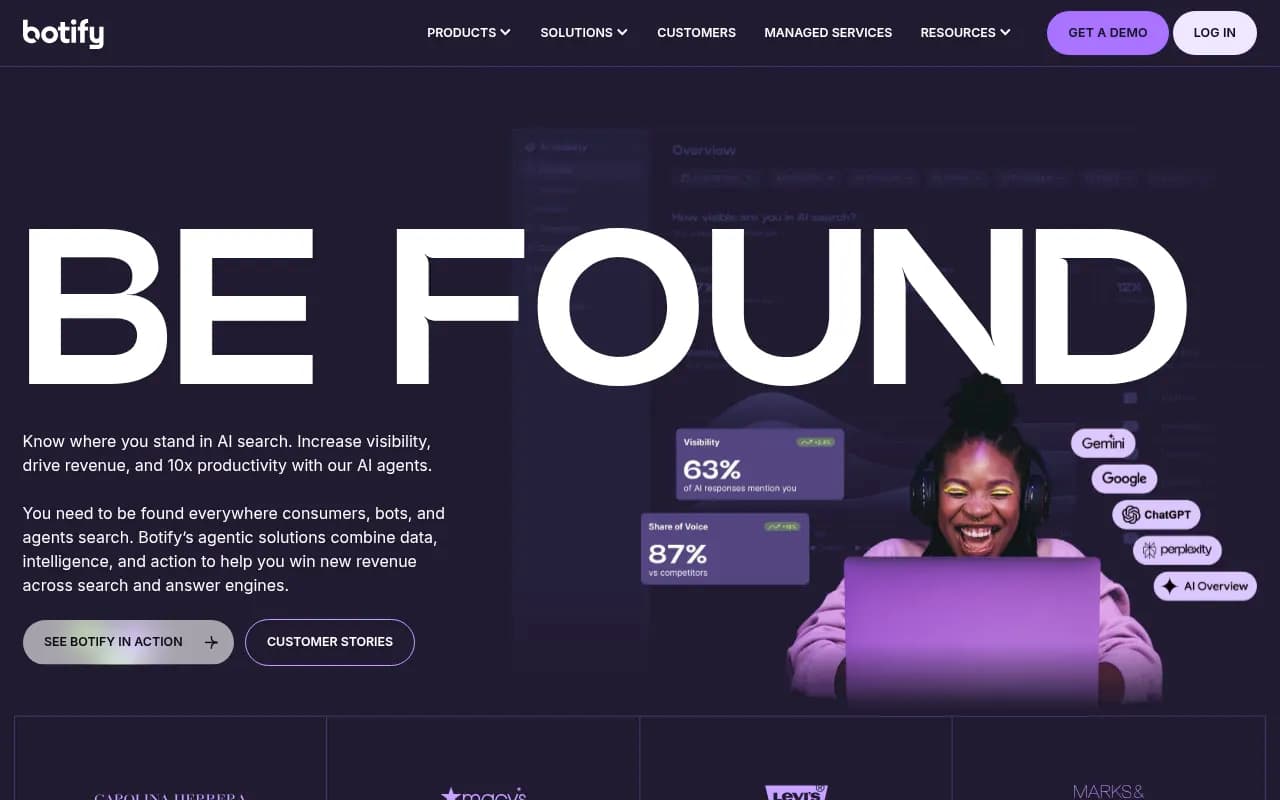
The technical SEO angle is actually a differentiator here. Understanding how AI crawlers behave on your site (which pages they read, what errors they hit, how often they return) is genuinely important for AI visibility, and Botify's infrastructure is well-suited to that problem.
Tier 3: Purpose-built GEO and AI visibility platforms
This is where the most interesting development has happened in 2026. A new category of tools built specifically for AI search visibility has emerged, ranging from comprehensive platforms to focused specialists.
The comprehensive platforms
Promptwatch is the most complete platform in this category. What separates it from monitoring-only tools is the full optimization loop: Answer Gap Analysis shows which prompts competitors are visible for but you aren't, Content Agents generate articles and briefs grounded in real prompt data, and page-level tracking shows exactly which pages are being cited and by which AI models.

The crawler log feature is particularly useful -- real-time logs of AI crawlers hitting your site, showing which pages they read, errors they encounter, and when pages move from crawl to citation. Most competitors lack this entirely. Promptwatch also tracks Reddit and YouTube discussions that influence AI recommendations, monitors ChatGPT Shopping appearances, and covers 10 AI models including Google AI Mode, DeepSeek, and Grok.
Profound is another serious player in this space, with strong tracking across multiple AI engines and good reporting for enterprise teams.

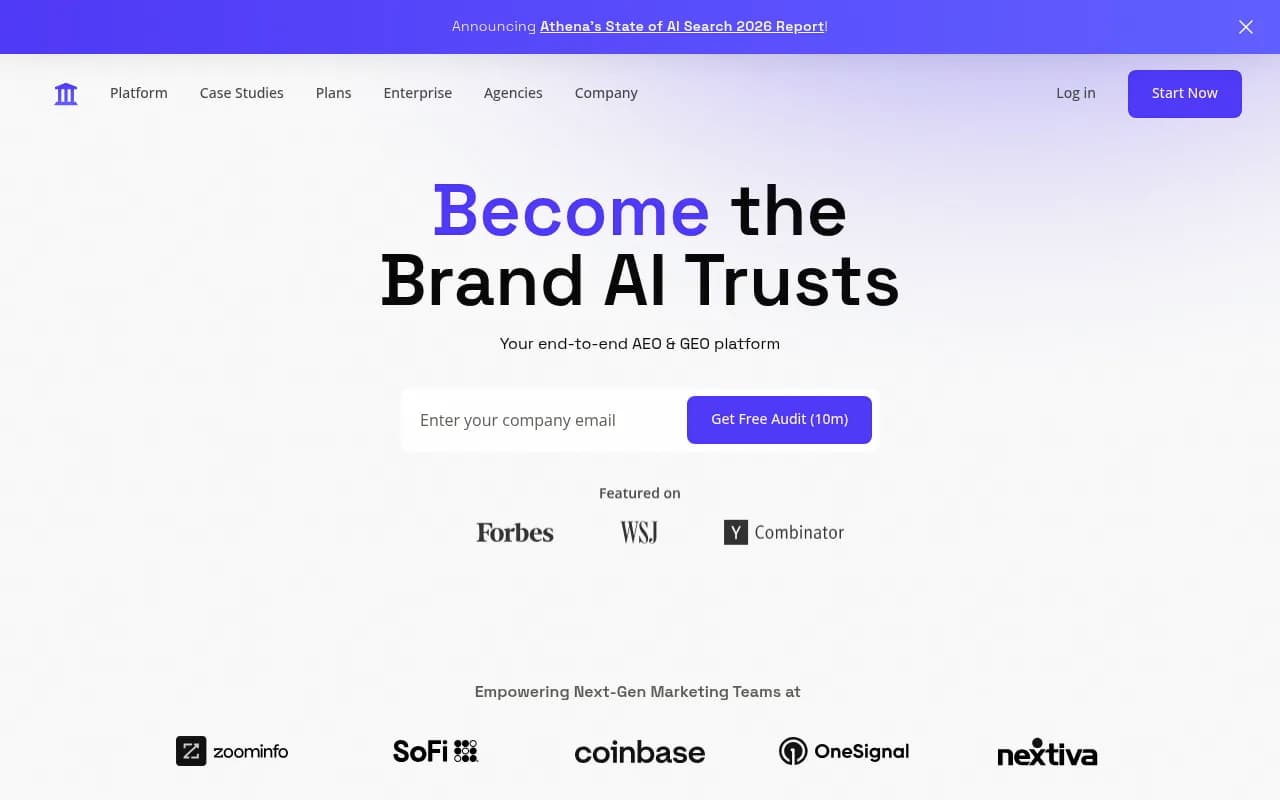
AthenaHQ covers 8+ AI search engines and has solid monitoring features, though it's more focused on tracking than on content optimization.
The monitoring specialists
A large number of tools have launched in 2025-2026 focused specifically on AI visibility monitoring. These vary significantly in depth and reliability.
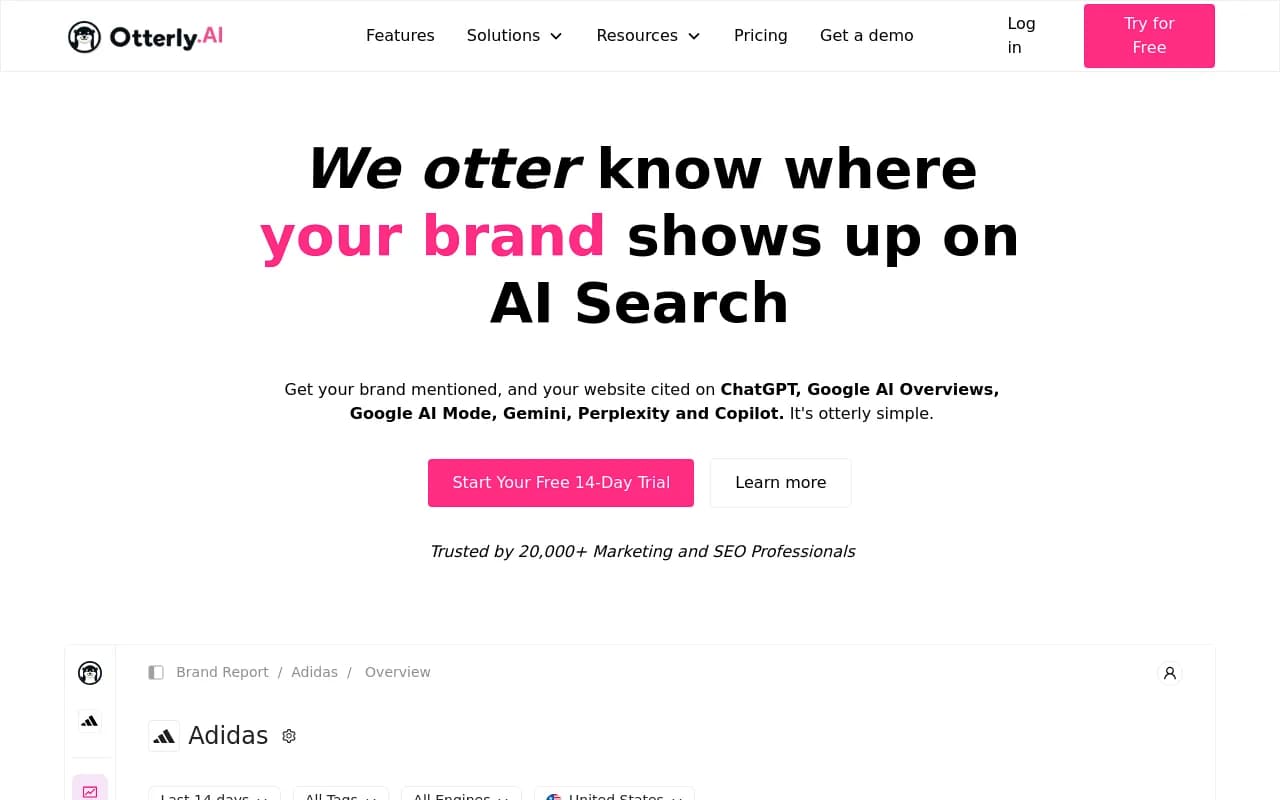
Otterly.AI is one of the more established monitoring-focused tools, with reasonable coverage across major AI engines at an accessible price point.
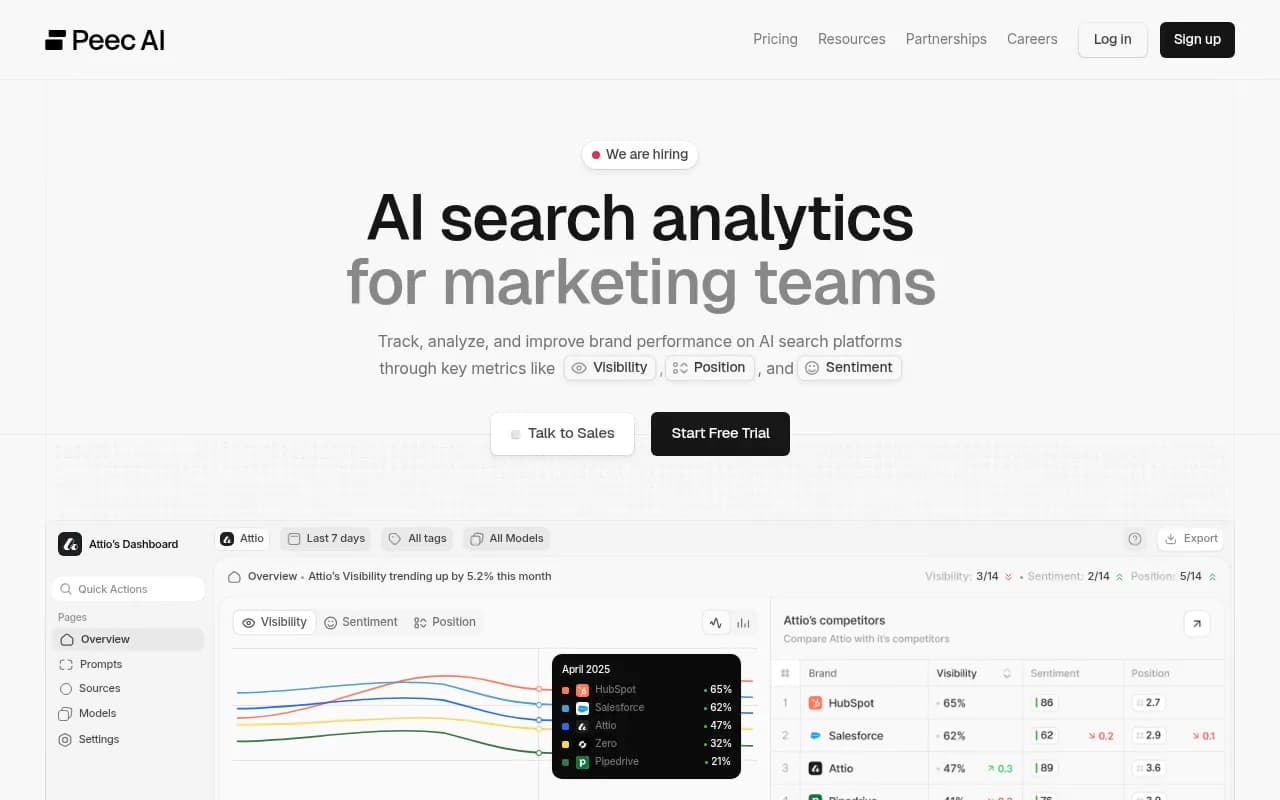
Peec AI offers multi-language tracking, which is genuinely useful for international brands.
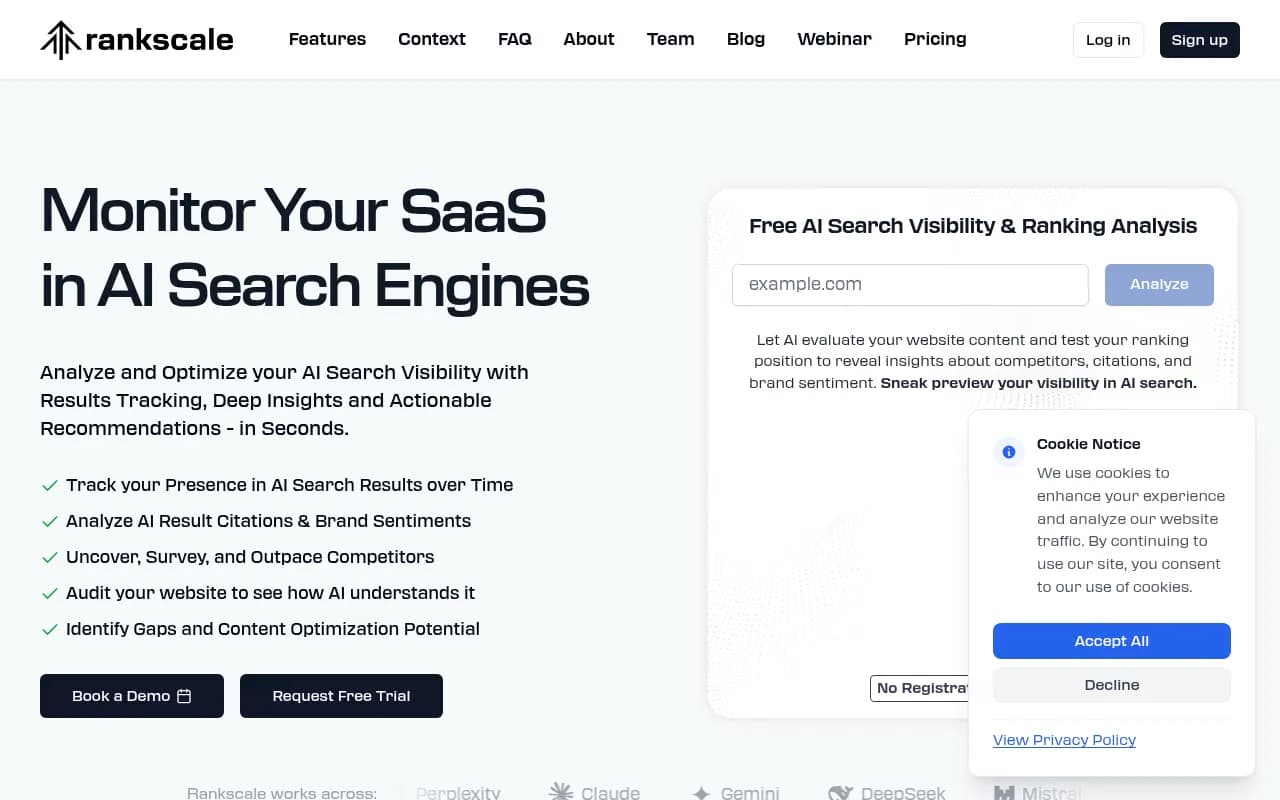
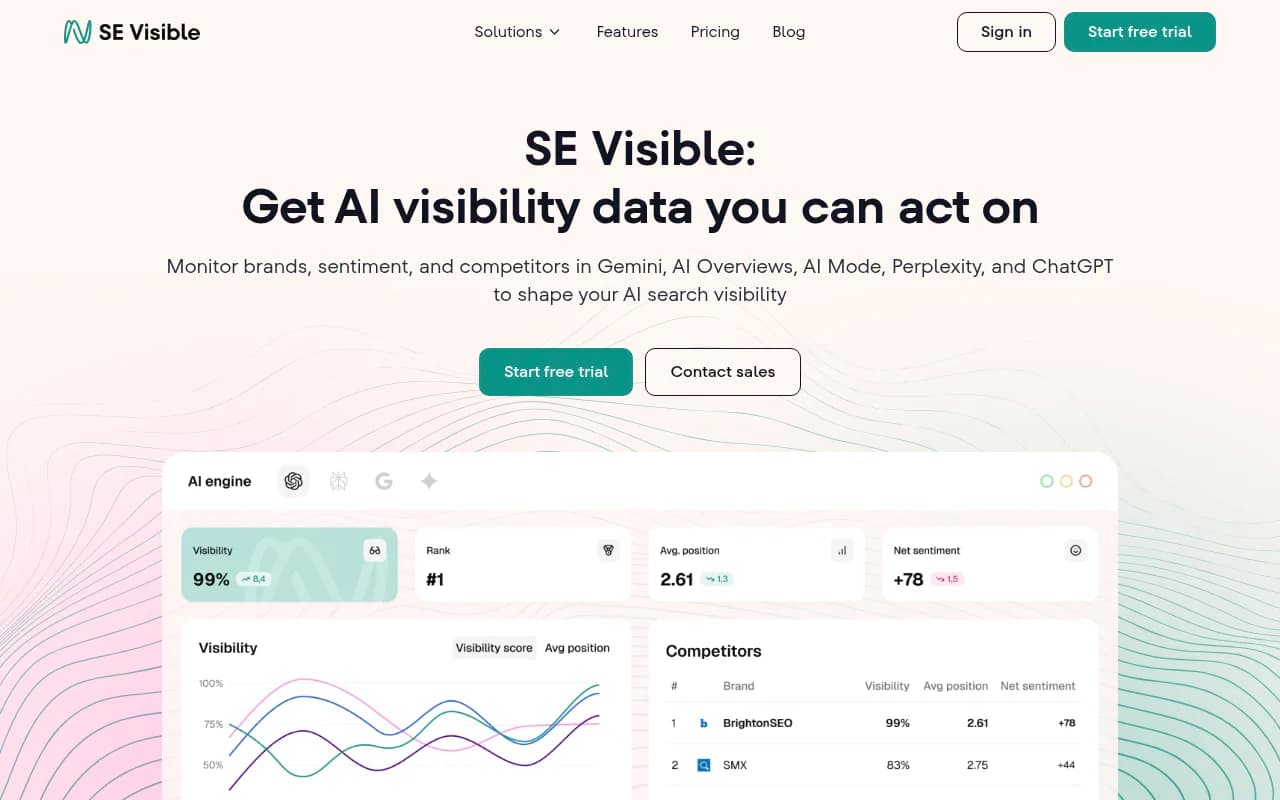
Rankscale and SE Visible (from SE Ranking) cover the basics of AI rank tracking.
For teams that just need to know whether they're appearing in AI responses and don't yet need optimization capabilities, these tools are fine starting points. The limitation is that monitoring without action doesn't move the needle.
Content-focused AI SEO tools
Some platforms focus specifically on the content side of AI search optimization -- generating content that's more likely to be cited by AI models.
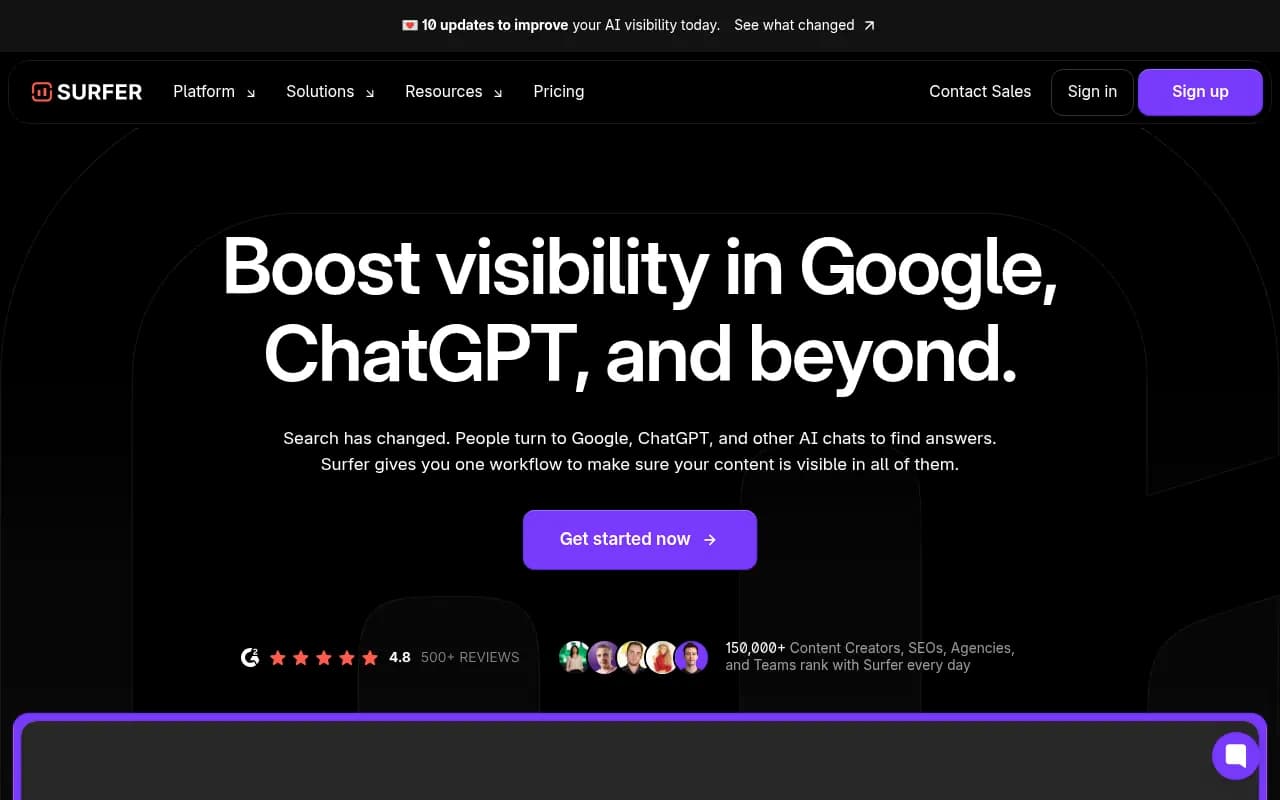
Surfer SEO has been one of the more serious investments in AI-optimized content. Their content scoring now factors in AI Overview presence, not just traditional Google rankings.
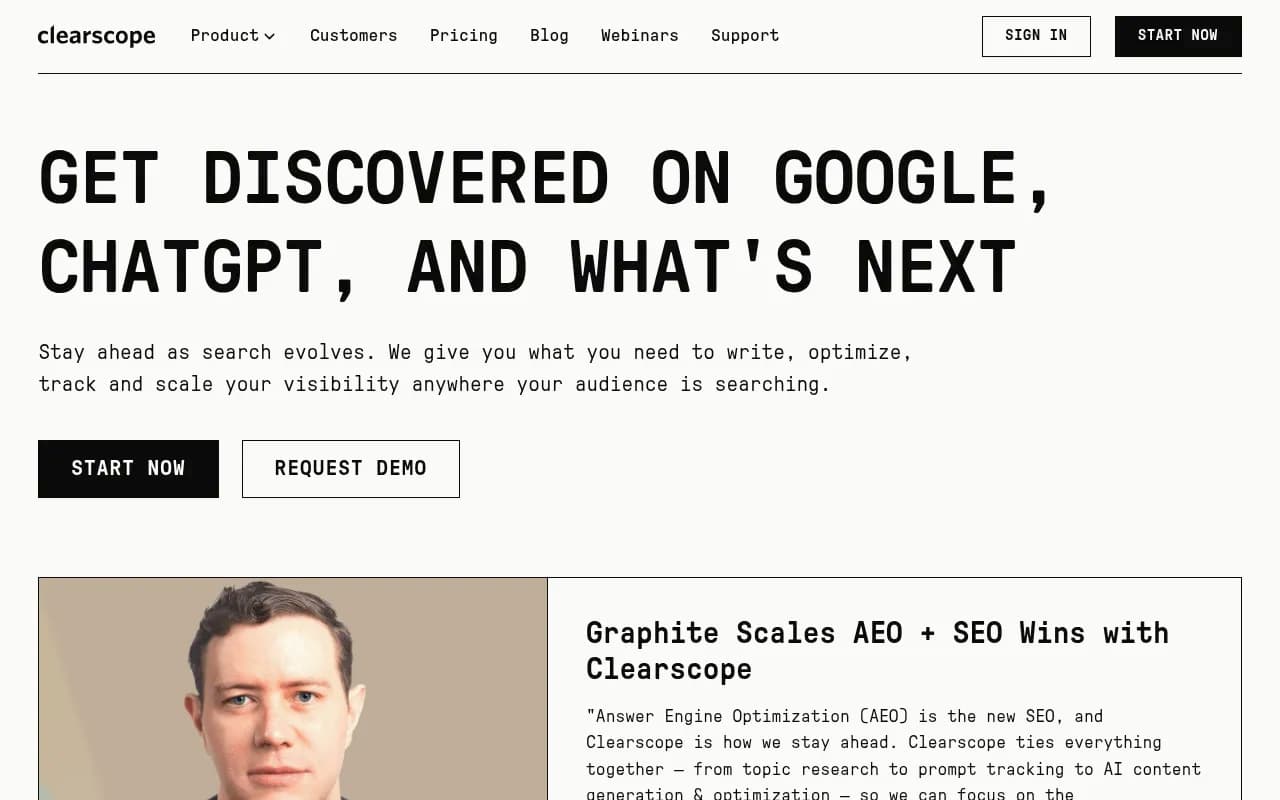
Clearscope similarly has extended its content optimization signals to account for AI search patterns.
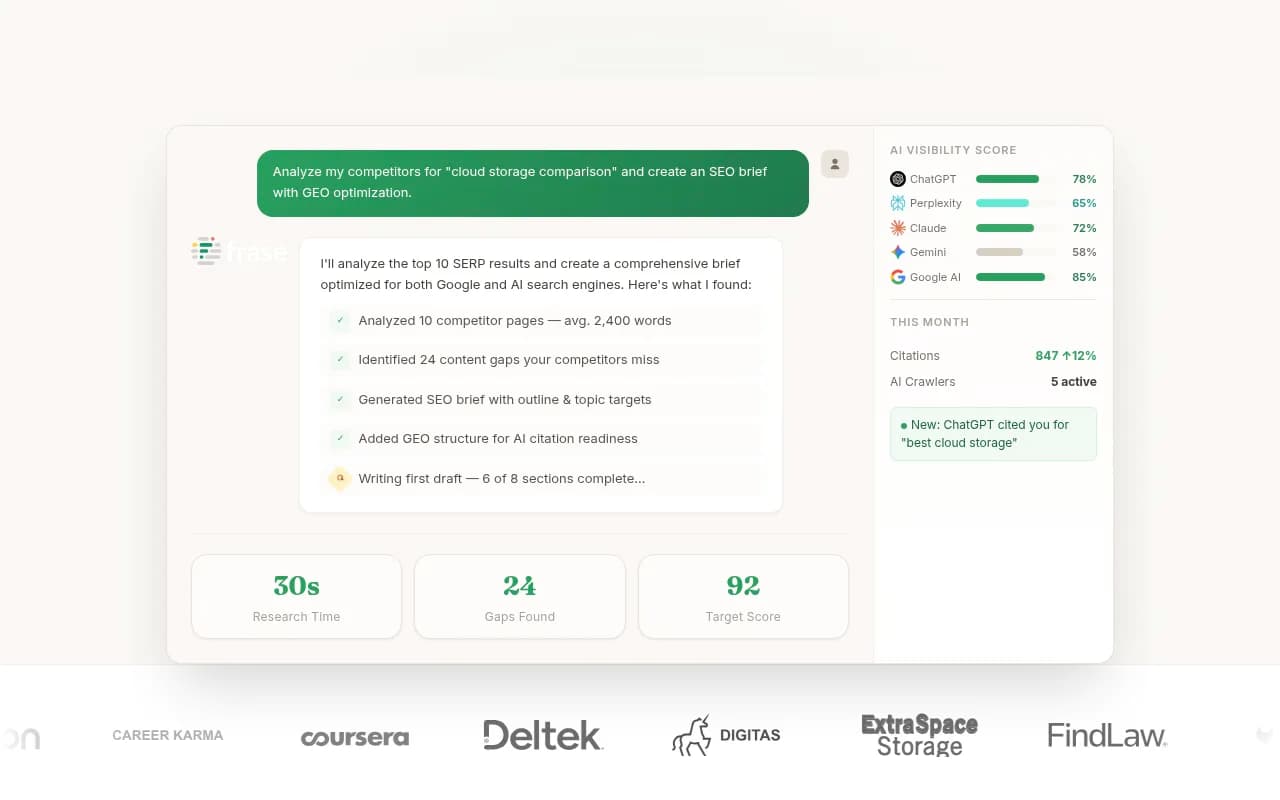
Frase has positioned itself explicitly at the intersection of SEO and GEO, with content briefs that incorporate AI search data.
SearchAtlas has built an AI-powered SEO automation platform with conversational agents for content creation.
Feature comparison: what actually matters in 2026
Here's how the major platforms stack up on the features that matter most for AI search visibility:
| Platform | AI models tracked | Custom prompts | Content generation | Crawler logs | Reddit/YouTube | Traffic attribution | Price range |
|---|---|---|---|---|---|---|---|
| Promptwatch | 10 | Yes | Yes (Content Agents) | Yes | Yes | Yes | $99-$579/mo |
| Profound | Multiple | Yes | Limited | No | No | Limited | Higher |
| AthenaHQ | 8+ | Yes | No | No | No | No | Mid-high |
| Semrush | Limited | No (fixed) | Yes (ContentShake) | No | No | No | $130+/mo |
| Ahrefs Brand Radar | Limited | No (fixed) | No | No | No | No | Bundled |
| SE Ranking | Multiple | Partial | Partial | No | No | No | $65+/mo |
| BrightEdge | Multiple | Yes | Partial | No | No | Partial | Enterprise |
| Otterly.AI | Multiple | Yes | No | No | No | No | $49+/mo |
| Surfer SEO | Limited | No | Yes | No | No | No | $89+/mo |
The "custom prompts" column matters more than it might seem. Tools that use fixed prompt libraries are showing you a curated view of AI search -- not the actual queries your customers use. Custom prompt tracking lets you monitor the specific questions your audience asks AI engines about your category.
What "playing catch-up" actually looks like
It's worth being specific about what the laggards are missing, because "AI features" can mean almost anything.
The most common pattern is a dashboard that shows you a visibility score across a few AI engines, based on a fixed set of prompts the vendor chose. You can see the number go up or down. You can't see which specific prompts you're winning or losing. You can't see what content gaps are causing you to lose. You can't generate content to fix those gaps. You can't track whether your new content gets crawled and cited.
That's monitoring theater. It looks like AI search capability but doesn't help you actually improve your visibility.
The tools that have invested seriously share a few characteristics:
- They track real user-facing AI responses, not just API outputs (which can differ significantly from what users actually see)
- They give you prompt-level granularity, not just aggregate scores
- They connect visibility data to content gaps and content creation
- They track the full journey from AI crawl to citation to traffic
Which tool should you actually use?
The honest answer depends on your situation.
If you're a small team or solo operator just getting started with AI search visibility, something like Otterly.AI or Peec AI gives you a low-cost way to understand where you stand. Don't expect to optimize from that data alone, but it's a reasonable starting point.
If you're a marketing team or agency that needs to actually move the needle on AI visibility -- not just report on it -- you need a platform with content gap analysis and content generation built in. Promptwatch is the most complete option here, covering the full loop from gap identification to content creation to citation tracking. The Professional plan at $249/month covers two sites with 150 prompts and includes crawler logs.
If you're an enterprise with existing investments in BrightEdge or seoClarity, their AI search features are worth using as a complement to your existing workflow. They won't replace a purpose-built GEO platform for optimization depth, but they reduce the number of tools you need to manage.
If content optimization is your primary concern, Surfer SEO and Clearscope have both made genuine investments in AI search signals and remain strong choices for on-page optimization.
The broader picture
The SEO tool market in 2026 is genuinely fragmented in a way it hasn't been before. For the past decade, the answer to "what SEO tools should I use?" was basically "Semrush or Ahrefs, plus a content tool." That duopoly is under real pressure now -- not because those tools got worse, but because the problem space expanded in a direction they weren't built for.
The brands that are winning in AI search right now aren't the ones with the biggest SEO budgets. They're the ones that understood early that AI citation is a different game from Google ranking, and invested in understanding and optimizing for it specifically.
The tools that help you do that -- the ones that show you exactly which prompts you're missing, help you create content that fills those gaps, and track whether AI models actually start citing you -- are the ones worth paying for in 2026. Everything else is just a dashboard.