Key takeaways
- The AI visibility tool market saw a wave of new entrants in 2025-2026, but many launched as monitoring-only dashboards with no path to helping users actually improve their rankings.
- Platforms that struggled most had one thing in common: they showed you data but left you stuck with nothing actionable to do with it.
- Consolidation is already happening -- smaller single-feature tools are getting absorbed or quietly sunsetting while full-stack platforms pull ahead.
- The tools that survived and grew are the ones that closed the loop between finding gaps, creating content, and tracking results.
- Before committing to any GEO platform, check whether it does more than monitor -- content generation, crawler logs, and traffic attribution separate the survivors from the next wave of casualties.
The GEO tool market in 2025 looked a lot like the martech explosion of 2012. Dozens of startups launched within months of each other, all promising to tell you how visible your brand was in ChatGPT, Perplexity, and Gemini. Investors poured money in. Marketing blogs ran breathless roundups. And then, quietly, a lot of those tools stopped updating their roadmaps, started pivoting their messaging, or just... went dark.
This isn't a story about failure. It's a story about what the market was actually asking for versus what most founders built. And if you're evaluating GEO platforms right now, understanding this history will save you from buying a tool that's already on its way out.
Why so many tools launched at once
The trigger was obvious. When ChatGPT started driving meaningful referral traffic in late 2023 and Google launched AI Overviews in mid-2024, brands suddenly realized they had zero visibility into how AI models were describing them. The old SEO playbook -- rank on page one, get clicks -- started breaking down. According to a LinkedIn post by Ted Skinner citing 2026 state-of-AI-search data, 30% of brands effectively disappeared from AI-driven search results without ever knowing it happened.
That gap created a gold rush. Brandi AI's 2026 GEO trends report (published via PR Newswire in February 2026) called it explicitly: "New software tools and platforms will emerge to capture this opportunity." They were right, but they buried the more important point -- most of those tools would be built around the easiest thing to build, not the most useful thing for customers.
The easiest thing to build is a monitoring dashboard. Query a few LLMs, parse the responses, count how often your brand appears, display a score. You can ship a v1 of that in a few weeks. The hard thing is what comes after: helping users understand why they're invisible, what content they need to create, and whether that content actually worked.
The three types of tools that struggled
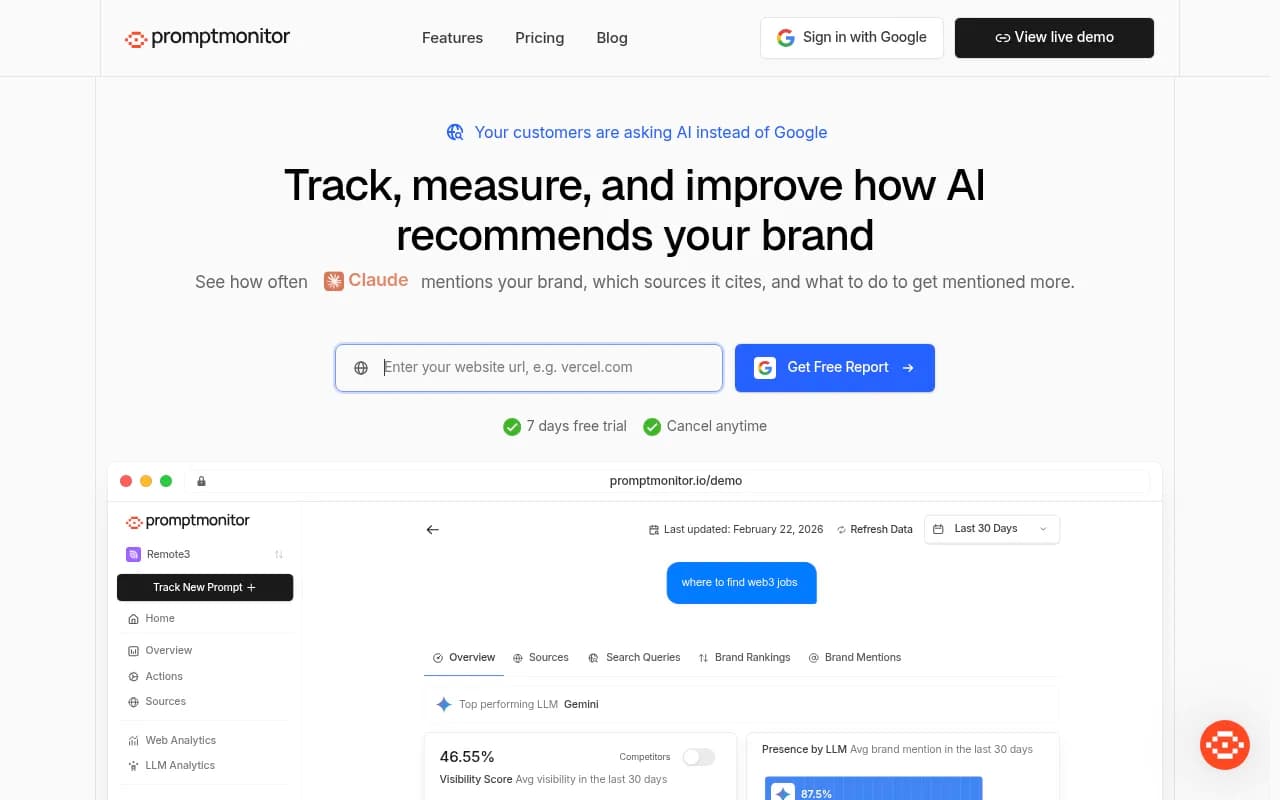
The pure monitoring dashboards
These tools launched with clean UIs and impressive-looking visibility scores. They could tell you that your brand appeared in 23% of relevant ChatGPT responses. What they couldn't tell you was what to do about the other 77%.
The problem isn't that monitoring is useless -- it's genuinely valuable to know your baseline. The problem is that monitoring alone is a feature, not a product. When users asked "okay, so what do I do now?", these platforms had no answer. Churn rates were brutal. After the initial novelty wore off, there was no reason to log back in.
Several tools in this category tried to pivot by adding basic recommendations ("you should publish more content about X topic"), but without actual content generation capabilities or citation data to back those recommendations, the advice was too generic to act on.


The over-engineered enterprise plays
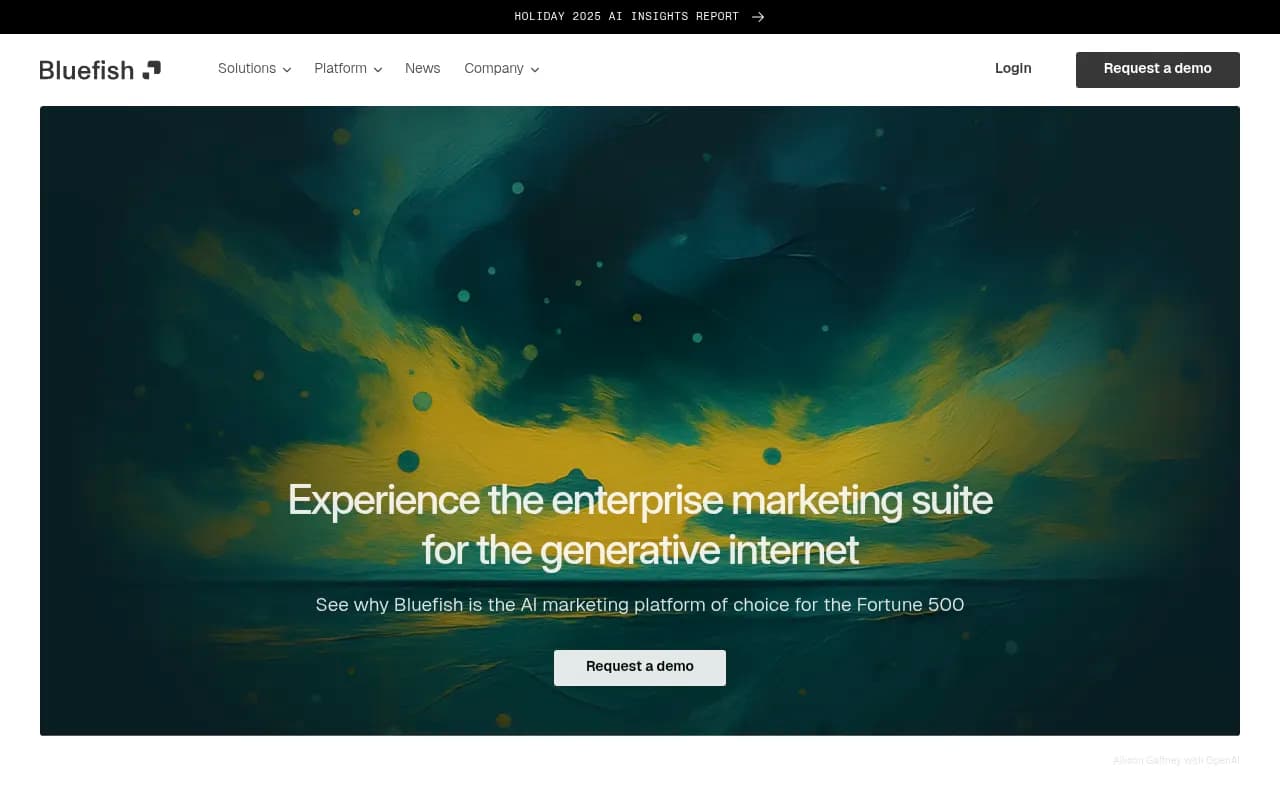
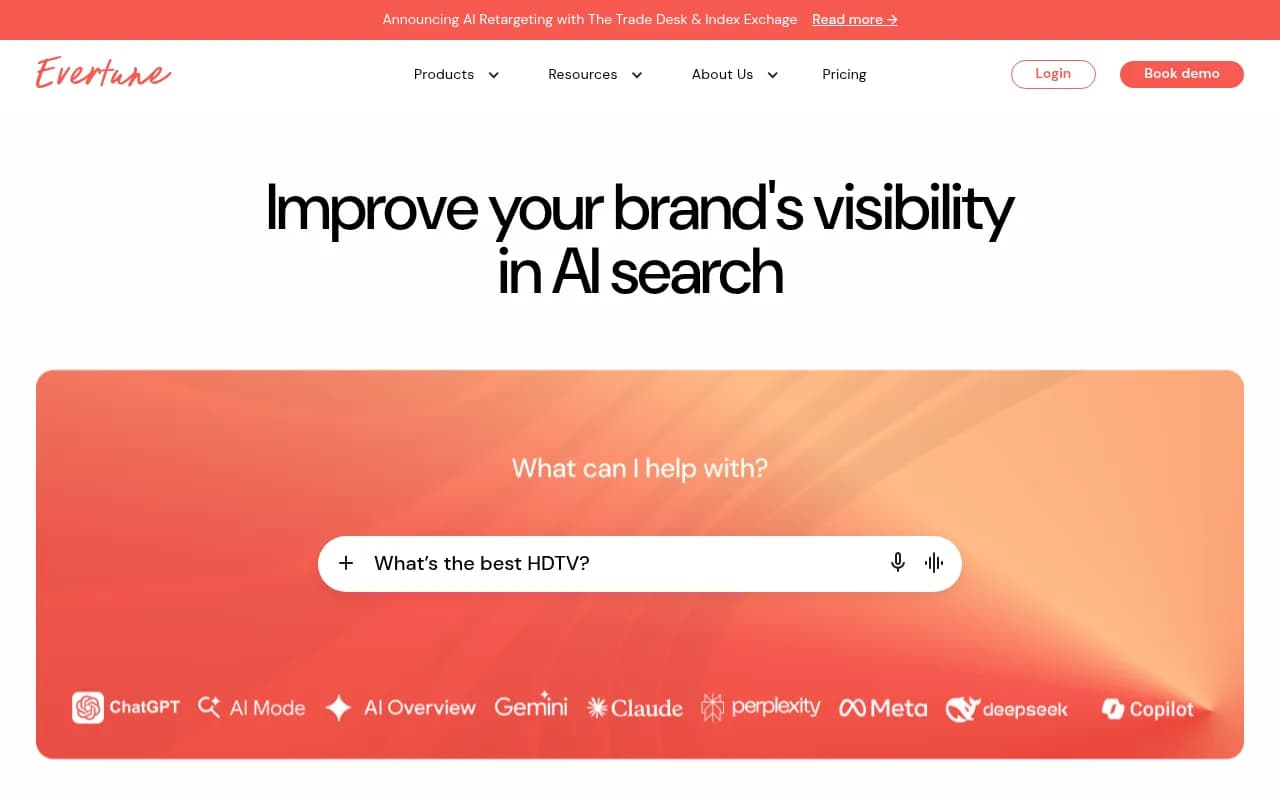
On the other end of the spectrum, some platforms launched targeting Fortune 500 companies with complex implementations, six-figure contracts, and feature sets that took months to configure. A few of these are still around, but they've struggled to expand beyond their initial enterprise logos because the mid-market and agency segments -- where most of the actual buying volume is -- found them too expensive and too slow to deploy.
The irony is that enterprise buyers in 2025-2026 were often the least ready to act on GEO data. Large organizations move slowly. By the time an enterprise tool completed an onboarding, the AI search landscape had already shifted.
The SEO tool bolt-ons
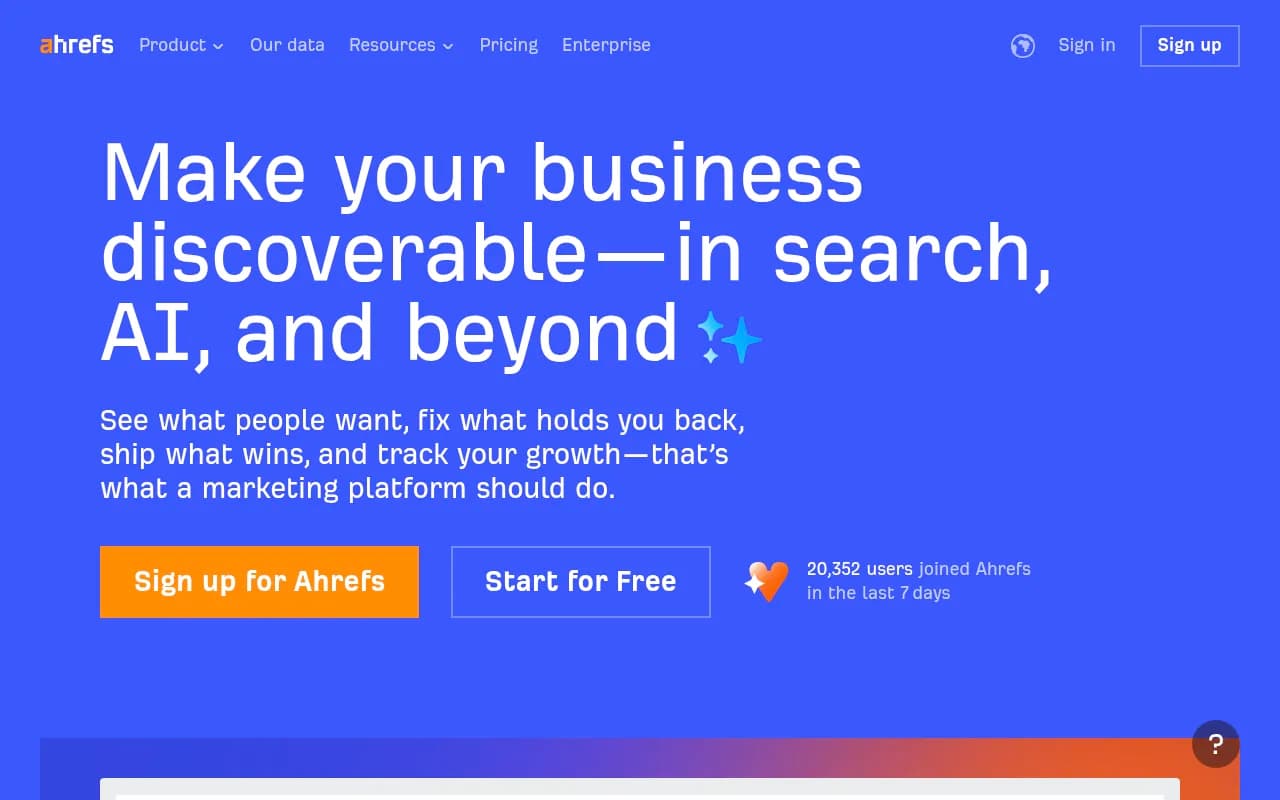
Traditional SEO platforms saw the GEO wave coming and bolted on AI visibility features to their existing products. The results were mixed. Some did it well -- building real infrastructure for querying LLMs at scale. Others essentially added a marketing page that said "now tracks AI search" while the actual feature was a thin layer on top of their existing rank tracking.
The tell: fixed prompt sets. If a platform only tracks a predetermined list of prompts that you can't customize, it's not really doing GEO -- it's doing a demo of GEO. Semrush's AI tracking, for instance, uses fixed prompts. Ahrefs Brand Radar similarly offers fixed prompts with no AI traffic attribution. These are useful for getting a rough sense of AI visibility, but they're not built for the kind of granular, prompt-specific optimization that actually moves the needle.
What the pivots looked like
The most interesting data point from 2025-2026 isn't which tools failed -- it's which ones pivoted and what direction they pivoted toward.
Several monitoring-only tools added content generation features, usually powered by generic LLM APIs with no citation data behind them. The content they produced was plausible but not engineered to get cited by AI models. It read like SEO filler with a GEO label on it.
A smaller number of tools went the other direction: they doubled down on data depth rather than breadth. Instead of tracking more AI models, they focused on understanding why AI models cite certain sources -- analyzing citation patterns, Reddit threads, YouTube content, and domain authority signals that influence LLM training and retrieval. This turned out to be the more defensible position.
The tools that pivoted toward action -- content creation grounded in real citation data, crawler log analysis, traffic attribution -- are the ones that retained users. The ones that stayed pure monitoring are still fighting churn.
What actually survived: the full-stack platforms
The platforms that are winning in 2026 share a common architecture. They don't just show you a visibility score -- they show you the specific prompts where competitors appear and you don't, help you create content designed to close those gaps, and then track whether that content actually got cited.
This "find gaps, create content, track results" loop is what separates a tool from a platform. It's also what makes a GEO tool defensible against the next wave of competitors.
Promptwatch is the clearest example of this architecture working at scale. It's the only platform in a 2026 comparison of 12 GEO tools rated as a "Leader" across all evaluation categories -- specifically because it closes the full loop rather than stopping at monitoring. The Answer Gap Analysis shows exactly which prompts competitors rank for that you don't. The built-in AI writing agent generates content grounded in 880M+ citations analyzed. And page-level tracking connects that content back to actual traffic and revenue.



A comparison of where platforms stand today
Here's a realistic snapshot of the current market, based on what these tools actually do versus what they claim:
| Platform | Monitoring | Content generation | Crawler logs | Traffic attribution | Reddit/YouTube tracking | Prompt customization |
|---|---|---|---|---|---|---|
| Promptwatch | Yes | Yes (AI agent) | Yes | Yes | Yes | Yes |
| Profound | Yes | Limited | No | No | No | Yes |
| AthenaHQ | Yes | No | No | No | No | Yes |
| Otterly.AI | Yes | No | No | No | No | Limited |
| Peec.ai | Yes | No | No | No | No | Yes |
| Semrush | Yes | Via ContentShake | No | No | No | Fixed only |
| Ahrefs Brand Radar | Yes | No | No | No | No | Fixed only |
| Search Party | Yes | No | No | No | No | Limited |
The pattern is clear. Most tools cover the first column. Very few cover all six.
What this tells you about buying a GEO tool right now
Don't buy on monitoring alone
If a platform's primary value proposition is "see how often your brand appears in AI responses," that's table stakes in 2026. Every serious tool does this. The question is what happens after you see the number.
Ask about the action layer
Before signing up for any GEO platform, ask: "If I discover that a competitor appears in 40% of prompts about my category and I appear in 8%, what does your tool do to help me close that gap?" If the answer is "we show you the gap," that's a monitoring tool. If the answer involves content generation, citation analysis, or specific recommendations tied to real data, you're talking to a platform.
Check for traffic attribution
This is the feature that separates tools built for marketers from tools built for demos. Can the platform show you that a specific piece of content you published led to AI citations that drove actual website visits? Without this, you're optimizing in the dark. Very few platforms have solved this -- it requires either a JavaScript snippet, Google Search Console integration, or server log analysis.
Look at prompt flexibility
Fixed prompt sets are a red flag. Your customers don't search in fixed prompts. They ask questions in their own words, from their own context, in their own language. A GEO platform that can't track custom prompts across multiple regions and languages isn't built for how AI search actually works.
Consider the crawler log question
AI crawlers -- the bots that ChatGPT, Claude, Perplexity, and others send to read your website -- are a largely ignored signal. Which pages are they reading? How often? Are they hitting errors? This data tells you whether AI models can even access your content before you worry about whether they'll cite it. Most platforms don't track this at all.
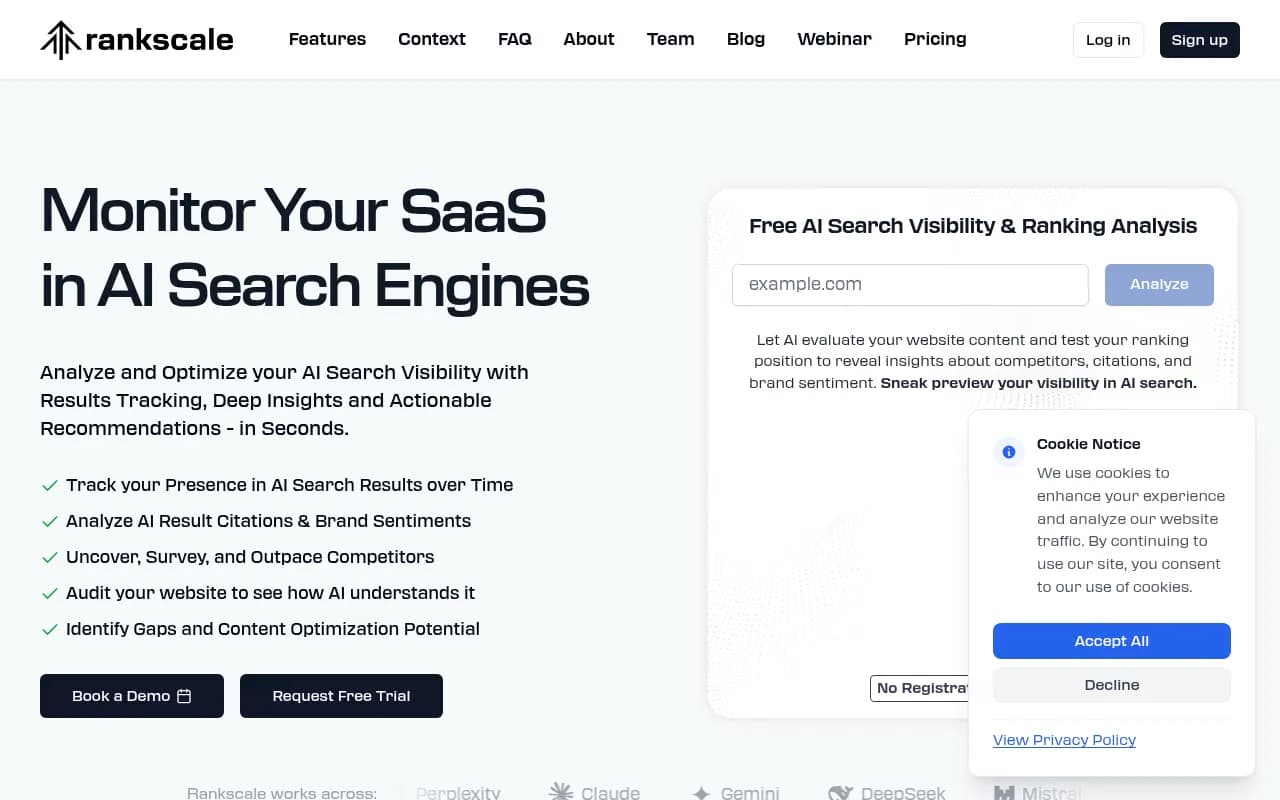
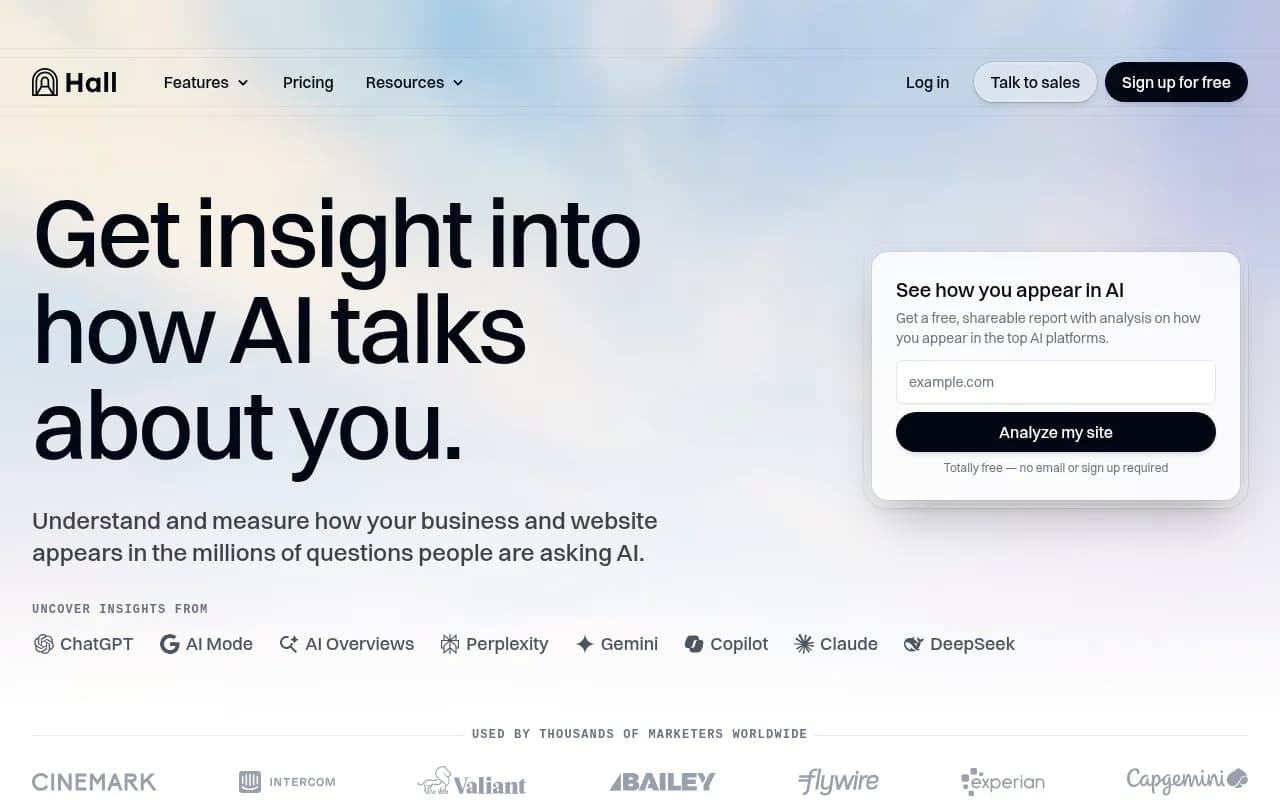
The tools worth watching in 2026
Beyond the established players, a few newer entrants are doing interesting things:
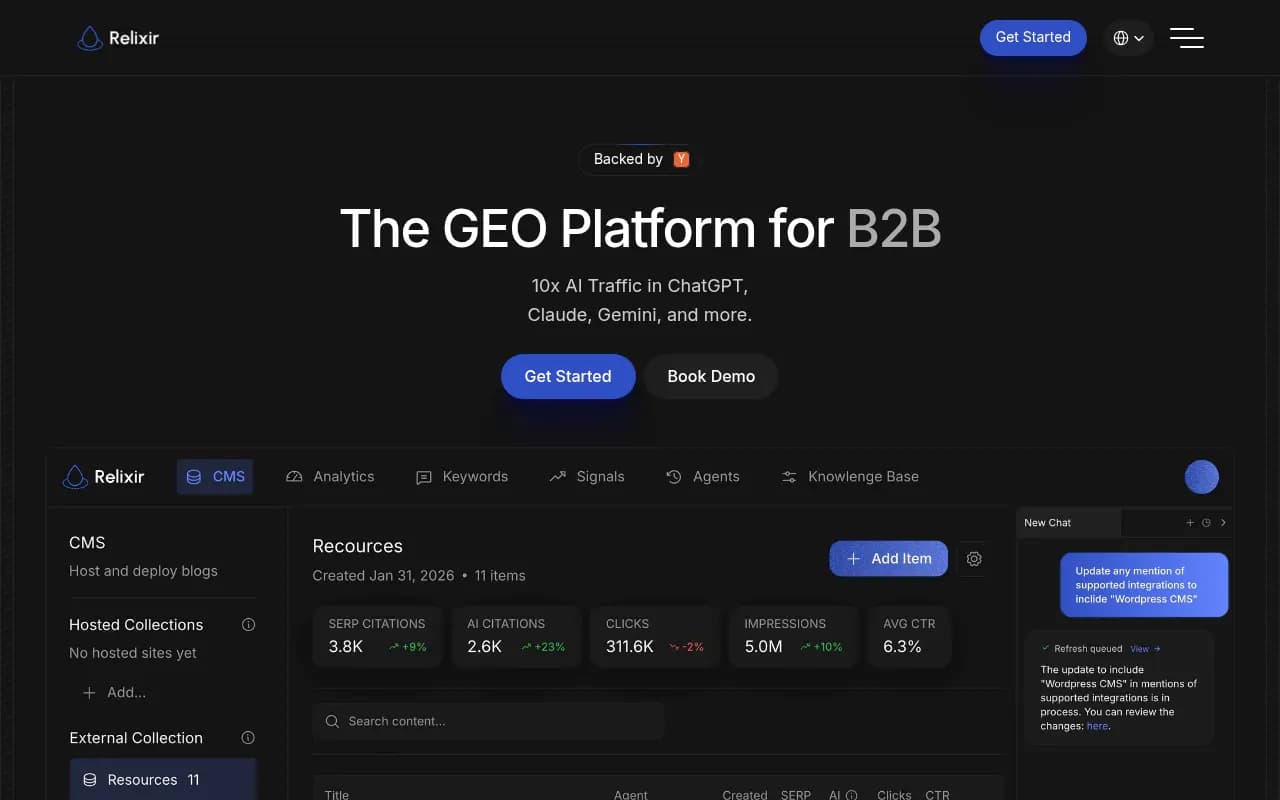
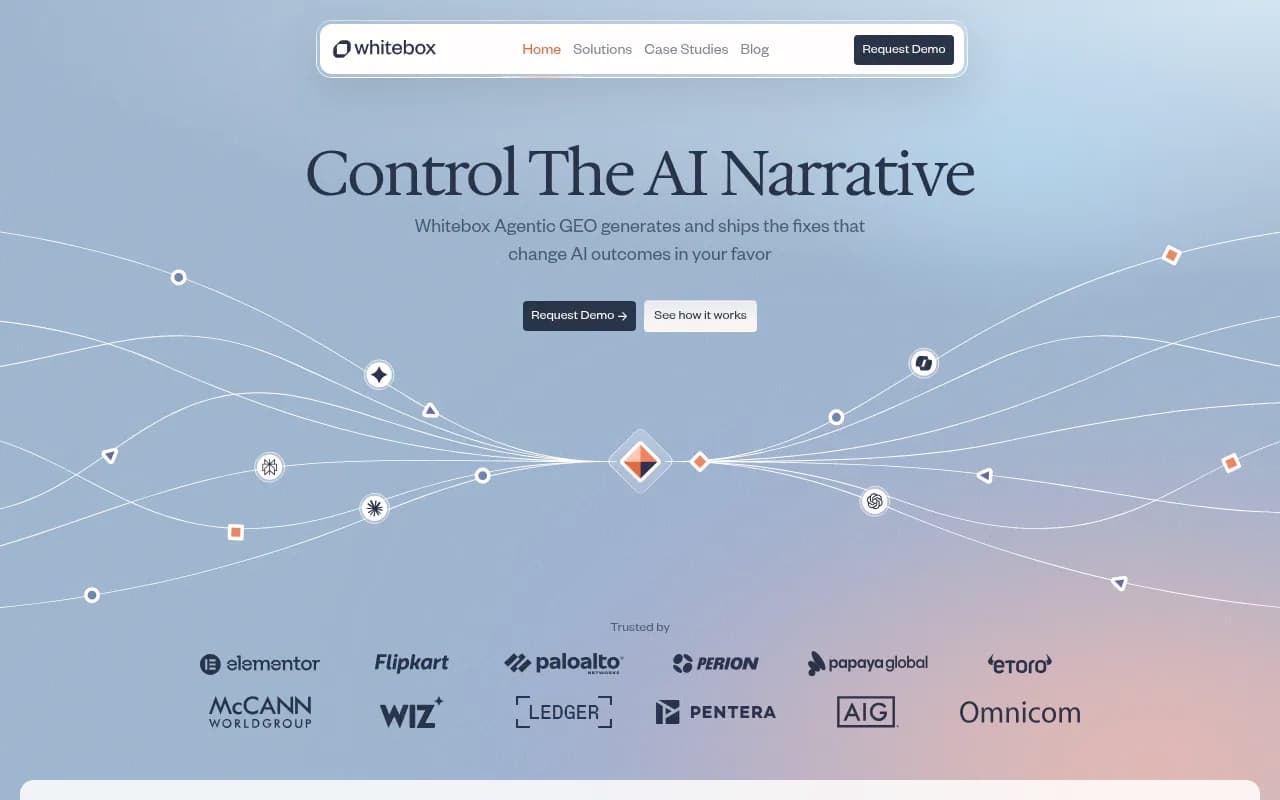
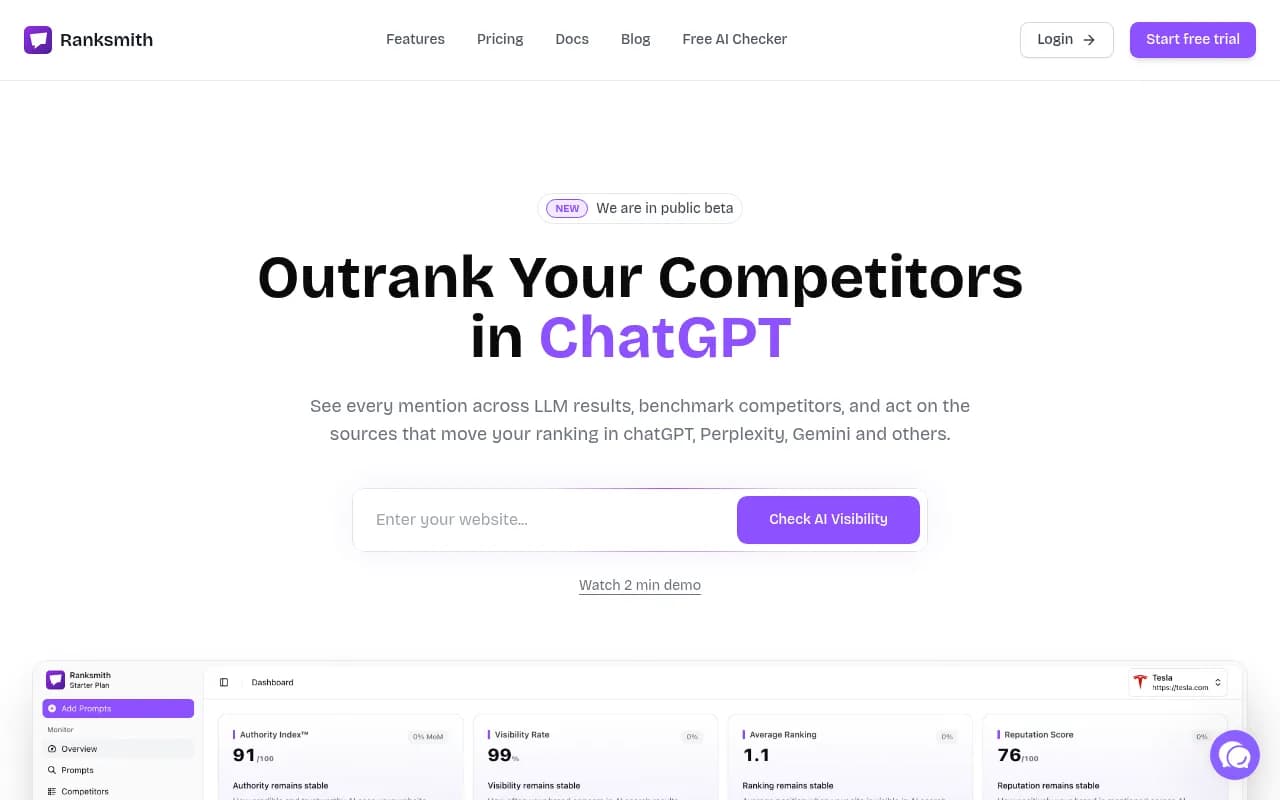
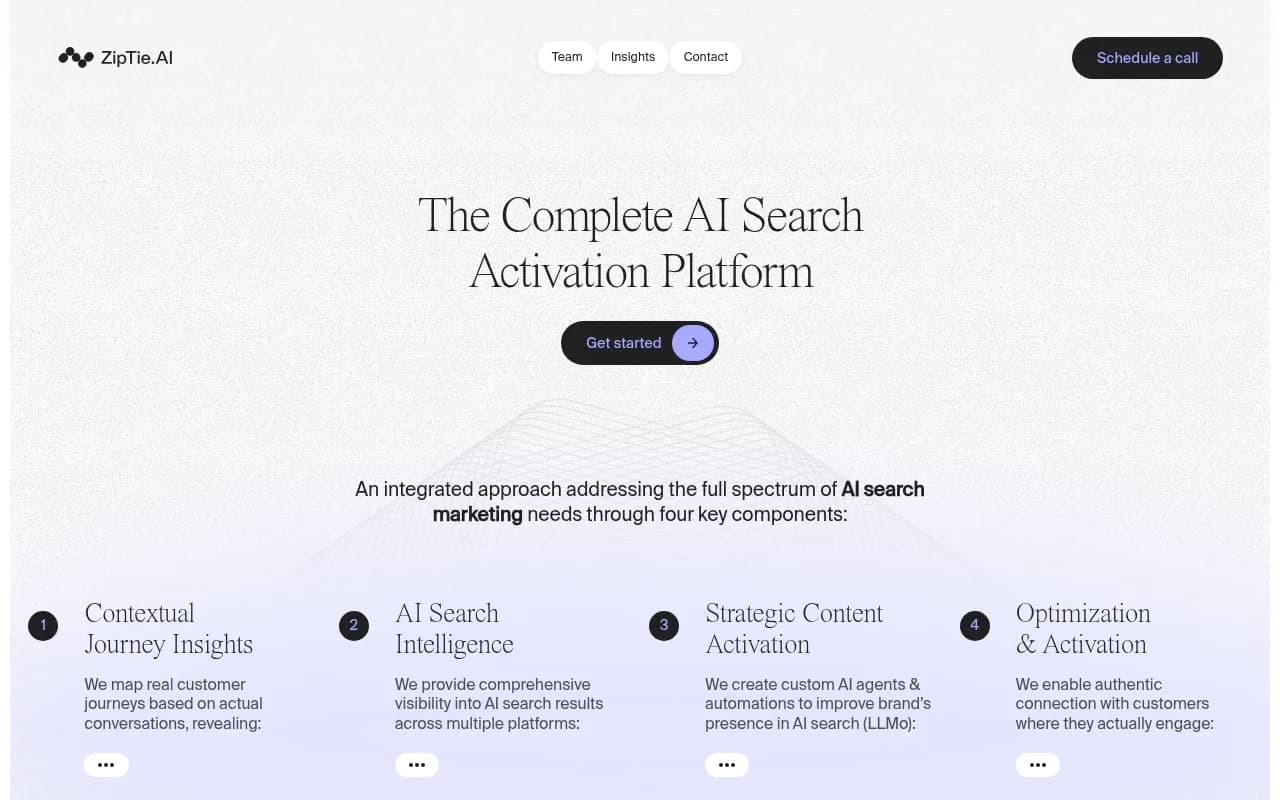
Relixir is building an AI-native CMS specifically designed for GEO -- the idea being that content structure and publication workflow should be designed around AI citation patterns from the start, not retrofitted. Whitebox takes an agentic approach, automatically generating and deploying fixes to your AI narrative rather than just flagging issues. These are genuinely different bets on where the market goes next.
Whether they survive the next consolidation wave depends on whether they can close the full loop or whether they remain single-feature tools waiting to be absorbed.
The broader market signal
The GEO tool graveyard isn't just a story about bad products. It's a signal about what the market actually values. Brands don't want another dashboard. They have enough dashboards. They want to know what to do and then have help doing it.
According to a Medium post by Jaxon Parrott citing 2026 B2B research, 66% of senior decision-makers with buying power now use AI tools to research suppliers, and 90% of those buyers trust the recommendations they get. That's not a trend you can afford to monitor passively. You need to be in those recommendations.
The tools that understood this from the start -- that visibility without action is just anxiety -- are the ones still standing. The ones that built beautiful dashboards showing you how invisible you are, with no path forward, are the ones in the graveyard.
When you're evaluating platforms, the question isn't "does this tool track AI visibility?" Every tool claims to. The question is: "Does this tool help me improve my AI visibility?" That's a much shorter list.
The GEO market will keep consolidating through 2026. The next wave of casualties will likely be the tools that added content generation as a bolt-on without real citation data behind it. Watch for that.