Key takeaways
- Most budget stacks fail through overlap, not shortage. Paying for three content tools and zero visibility trackers is the common mistake.
- Five categories deserve money: an SEO suite or rank tracker, a content optimizer, an AI visibility tracker, a technical crawler, and a general AI assistant.
- A solid stack fits in $150 to $290 a month, and the free tier of a crawler like Screaming Frog covers most audits.
- Pricing in this space moves constantly and the figures below come from vendor and third-party roundups. Check each pricing page before you buy.
- Start with the part of the funnel that is leaking: ranking, content output, or AI citations. Do not buy everything at once.
Why a stack, and why $300
One vendor claims that stacking separate tools for rank tracking, audits, AI visibility, and content easily costs $300 to $500 a month. That is a self-interested number from a company selling an all-in-one product, but it matches what I see: people subscribe to a suite, then a content tool that duplicates half of it, then a tracker, and the bill creeps up.
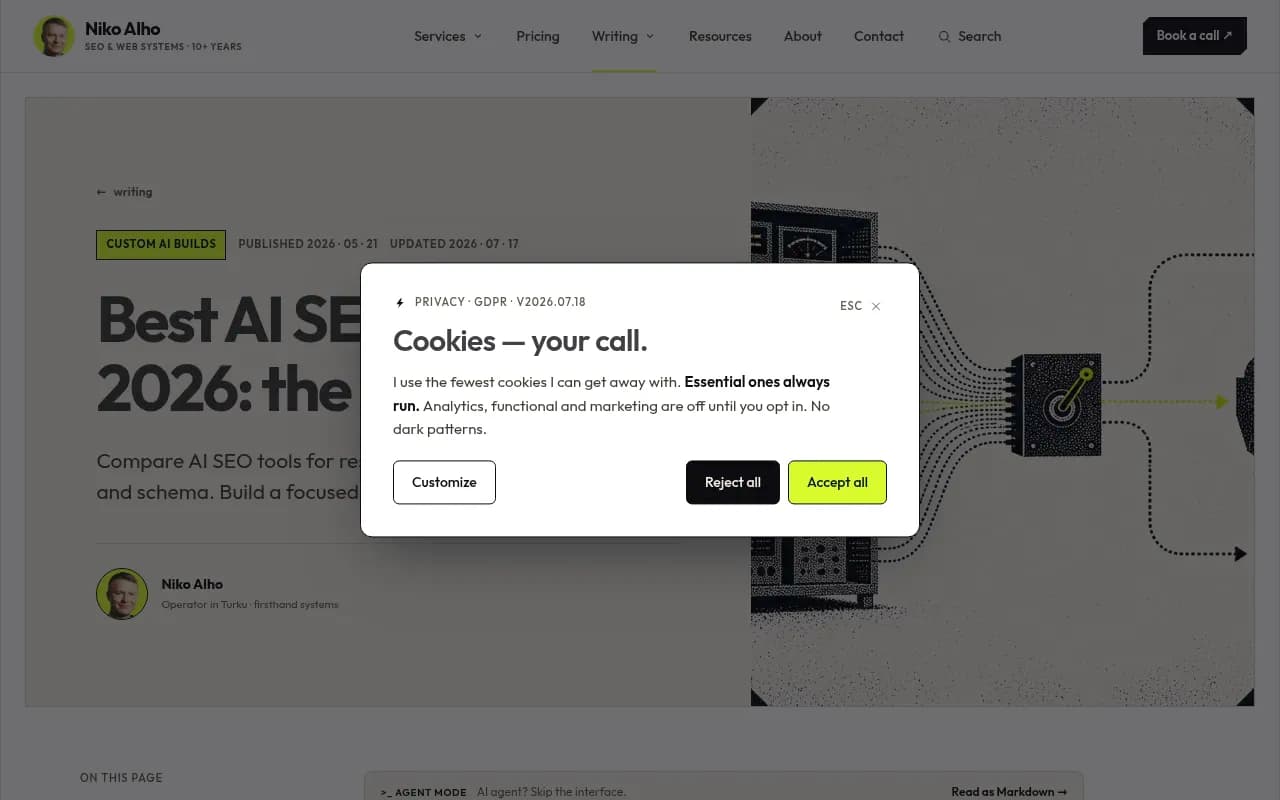
Niko Alho, an SEO consultant, puts the minimum viable stack at one all-purpose suite, one content brief tool, and one LLM visibility tracker. He also says the content brief category (Surfer, Frase, NeuronWriter, Clearscope) has converged on roughly the same output quality, so it is a commodity. That is useful. It means you should buy the cheapest one that you will actually open.
$300 is a ceiling, not a target. Many teams will land well under it.
The five categories worth paying for
1. SEO suite or rank tracker
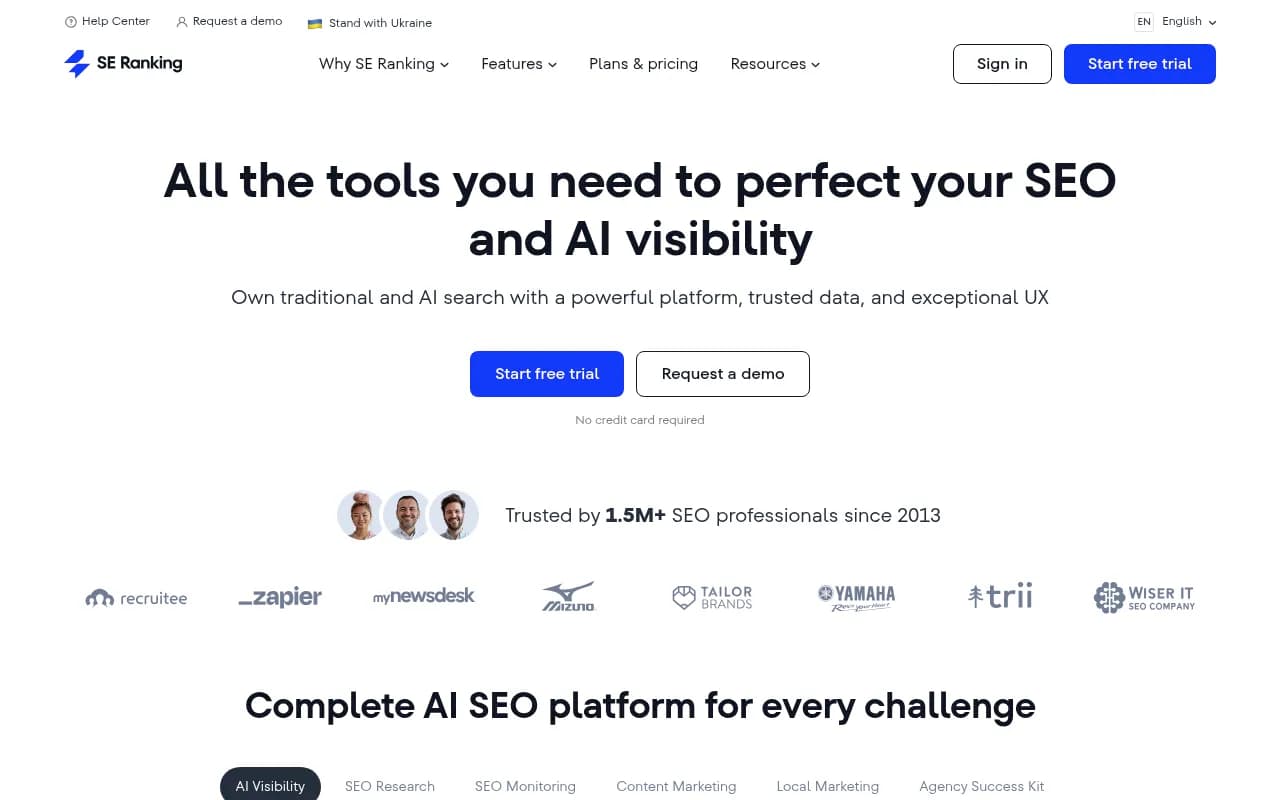
This covers keyword research, rank tracking, and backlinks. The big suites are expensive. Roundups list Semrush and Ahrefs starting around $129 a month, though those figures may be stale, so confirm them. SE Ranking is the usual budget alternative, with one source listing about $52 a month and another listing its Core plan near $92. That conflict suggests tier or billing differences, so read the plan page carefully.
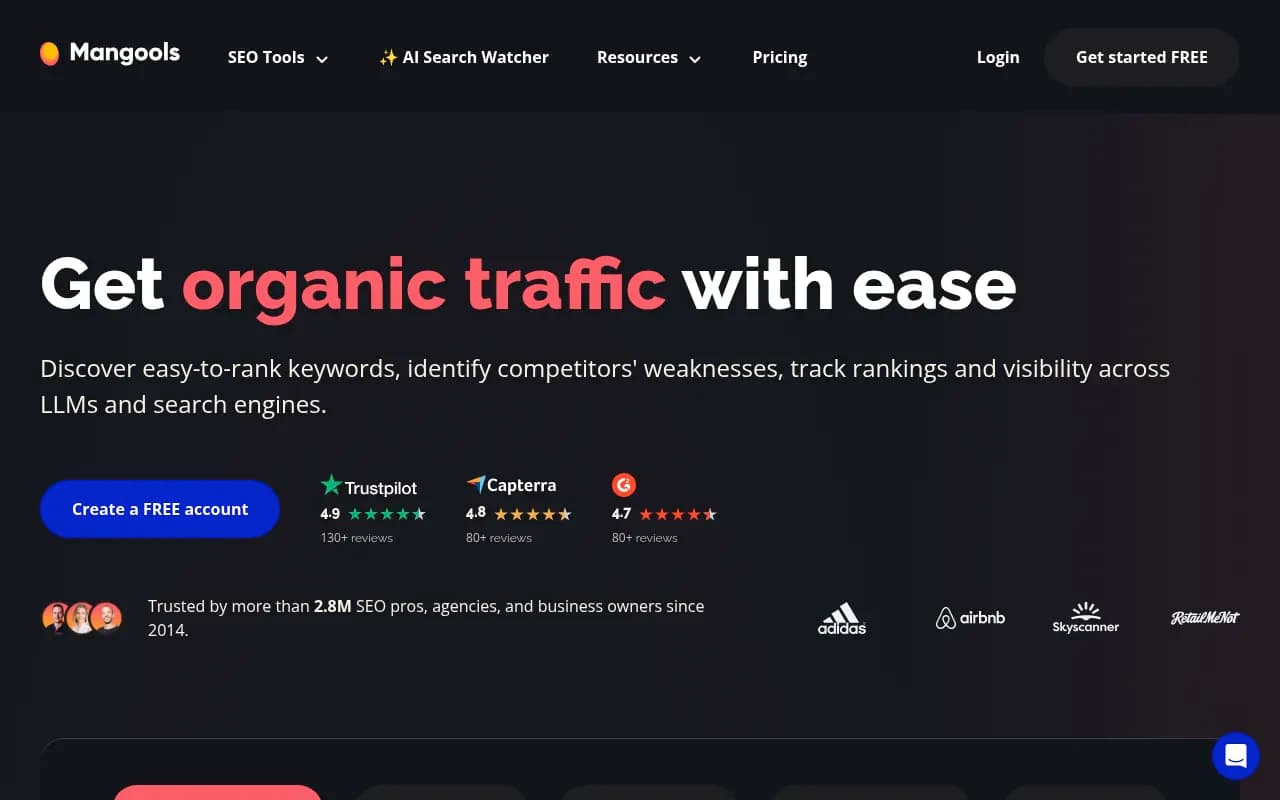
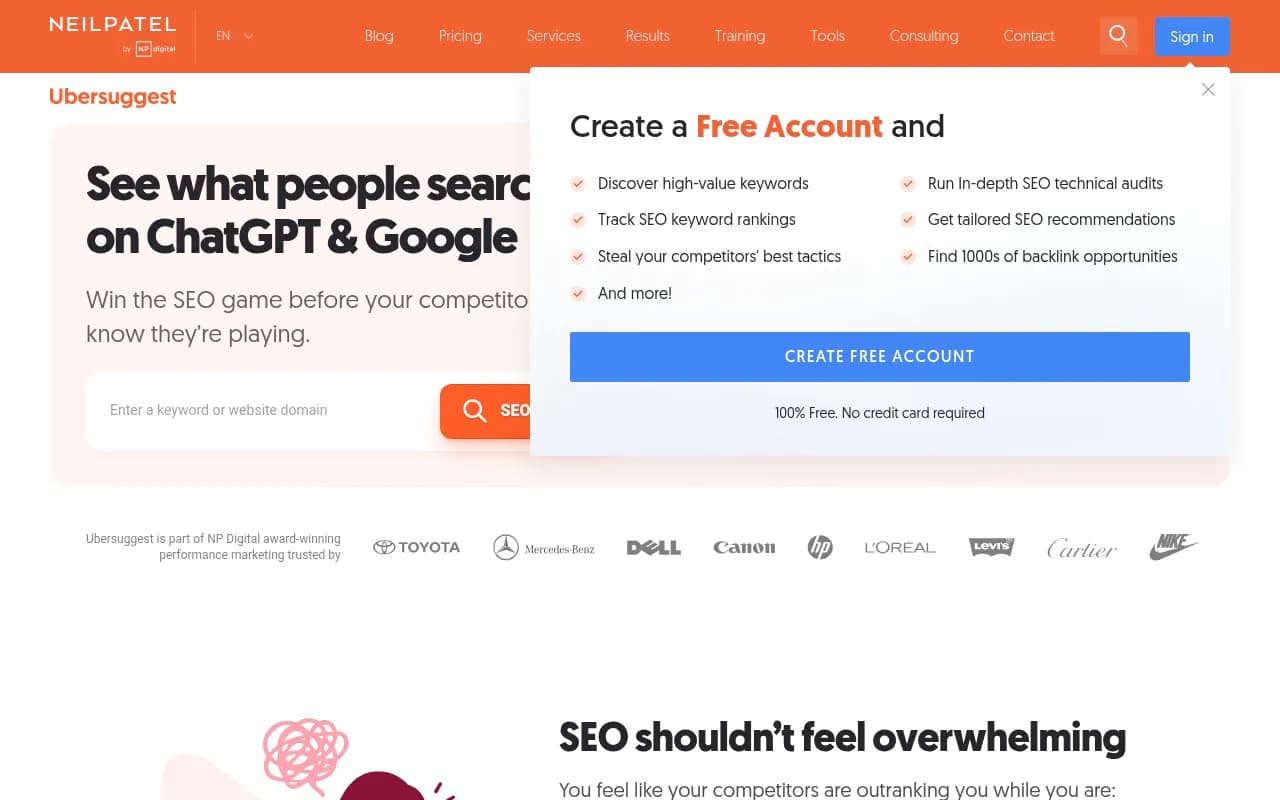
If you want even cheaper, Mangools and Ubersuggest cover the basics for solo operators.
2. Content optimization
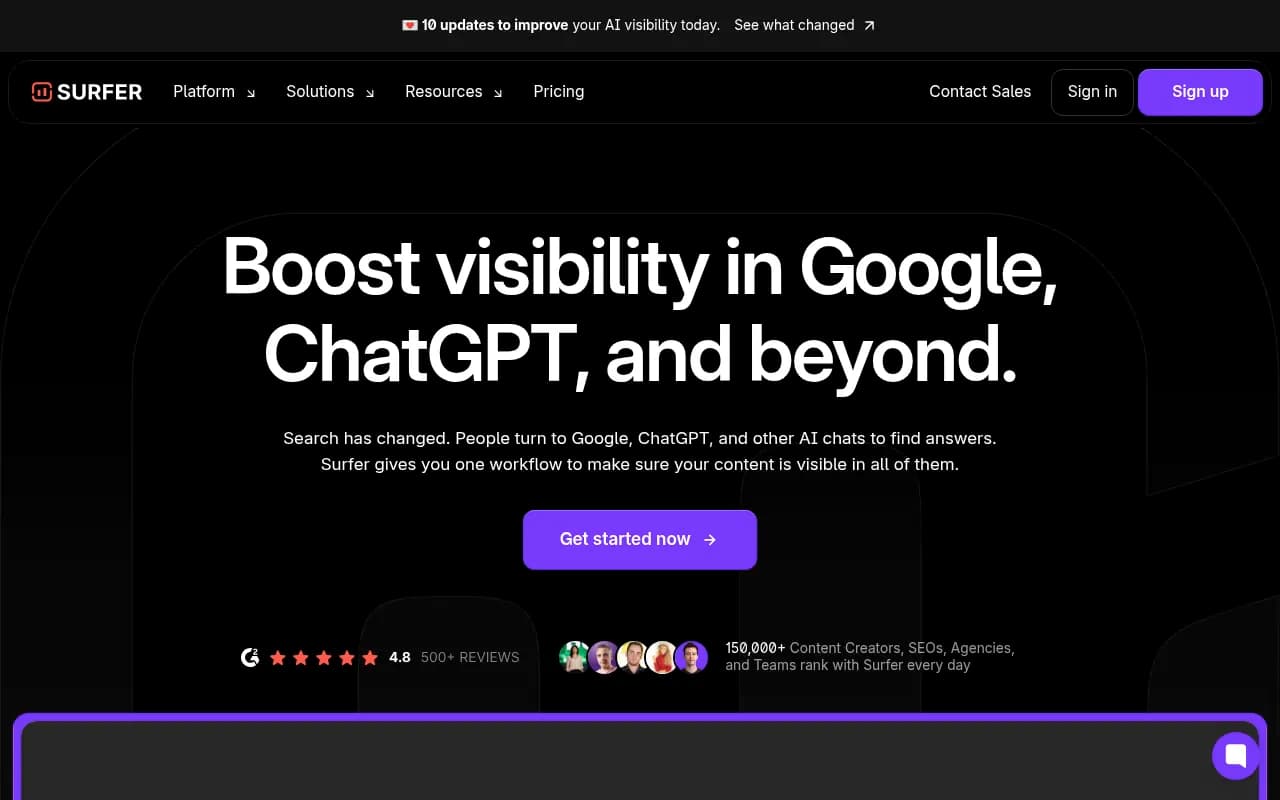
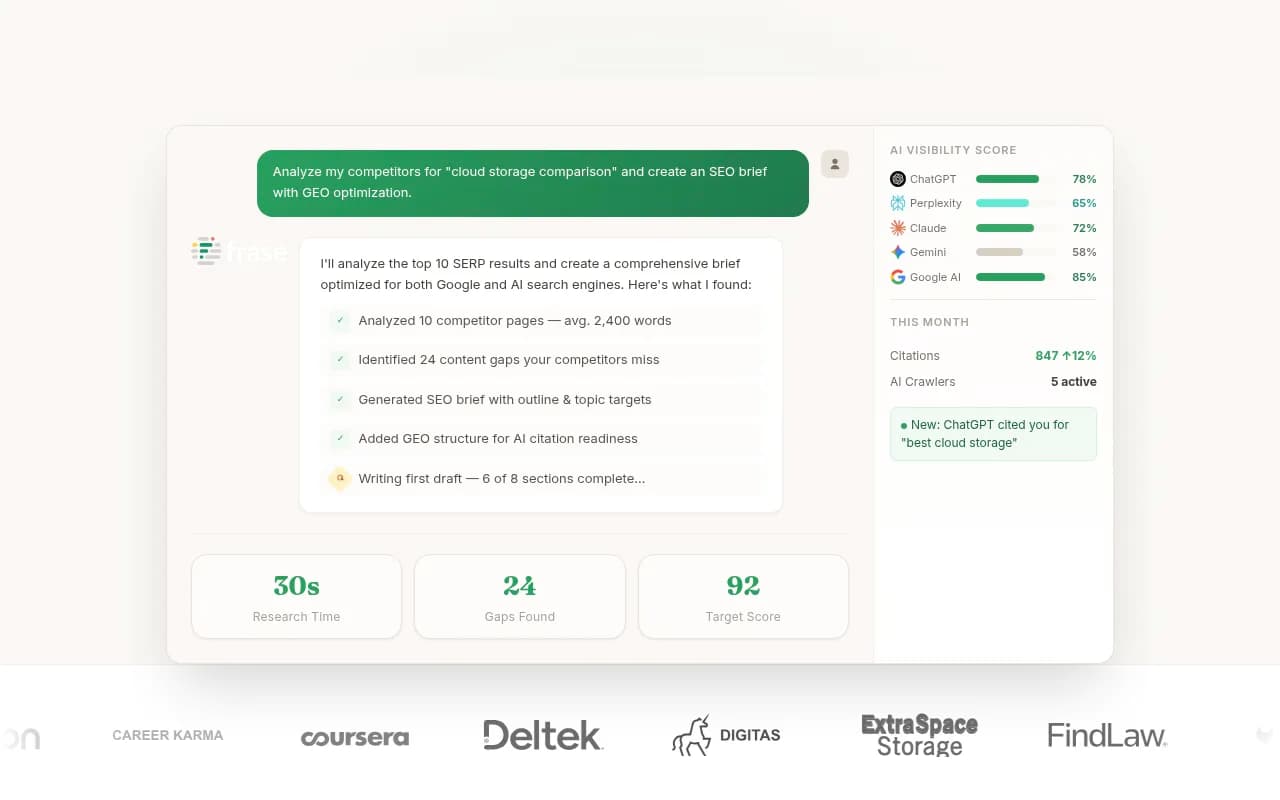
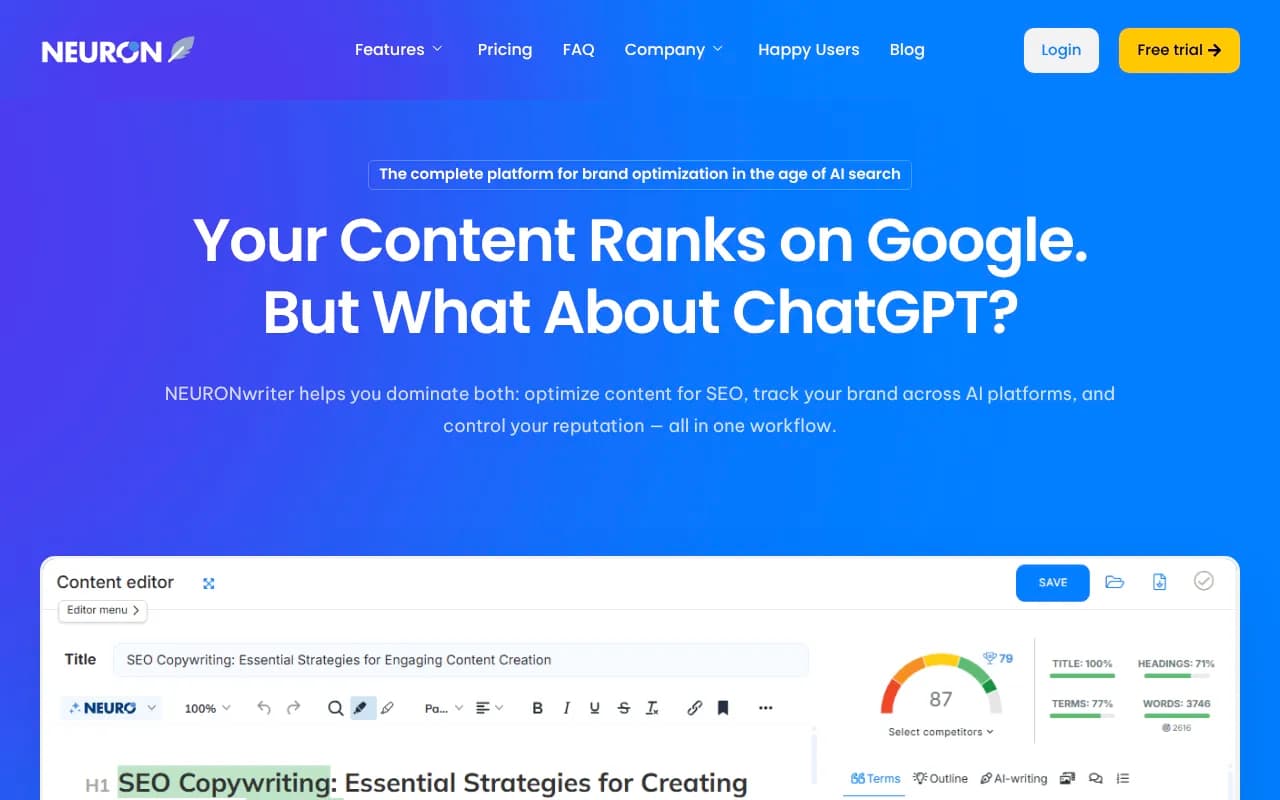
Surfer's Standard plan is listed at $99 a month with 25 tracked AI prompts. Frase starts at $39 a month with 10 AI articles and basic AI visibility. NeuronWriter is cited around $23 a month in one roundup. Since the category is a commodity, I would start with the cheap ones.
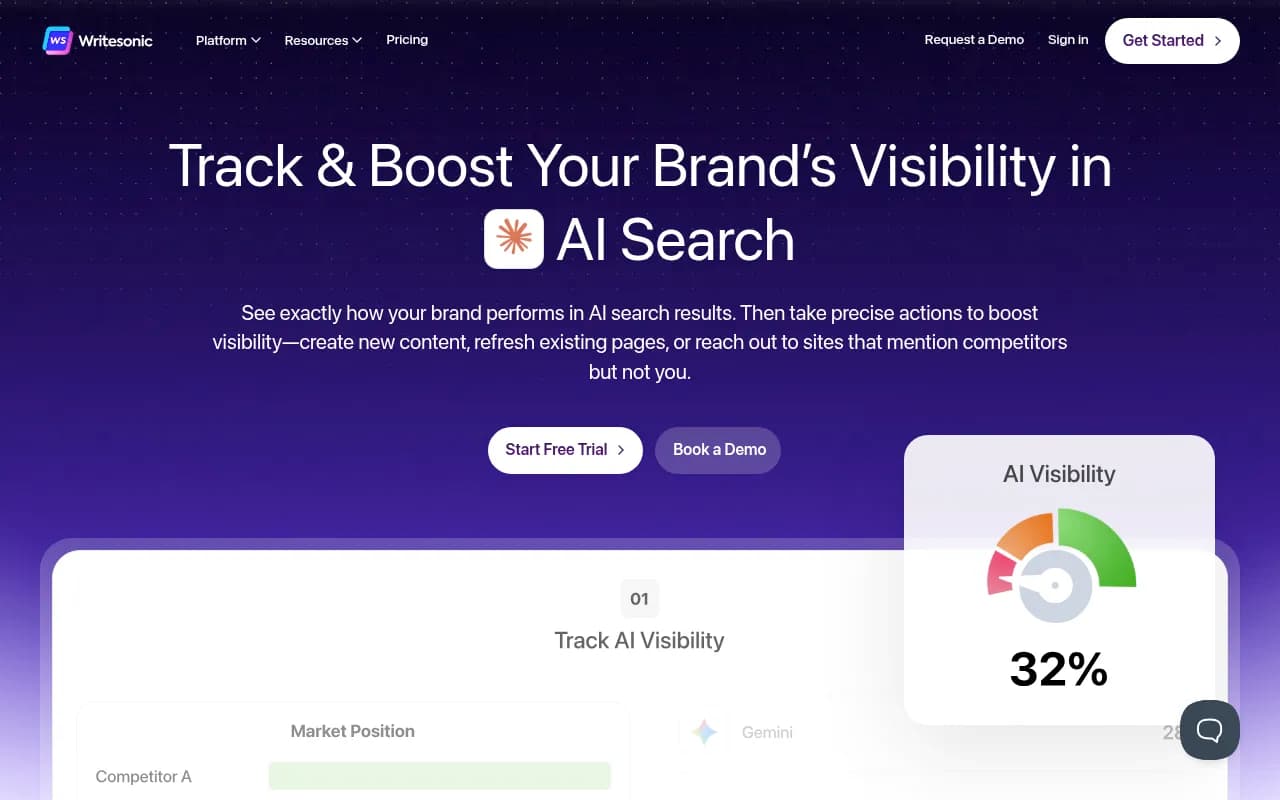
Writesonic is another option, with a Lite plan listed at $49 a month for 15 AI articles and 6 site audits.
3. AI visibility tracking
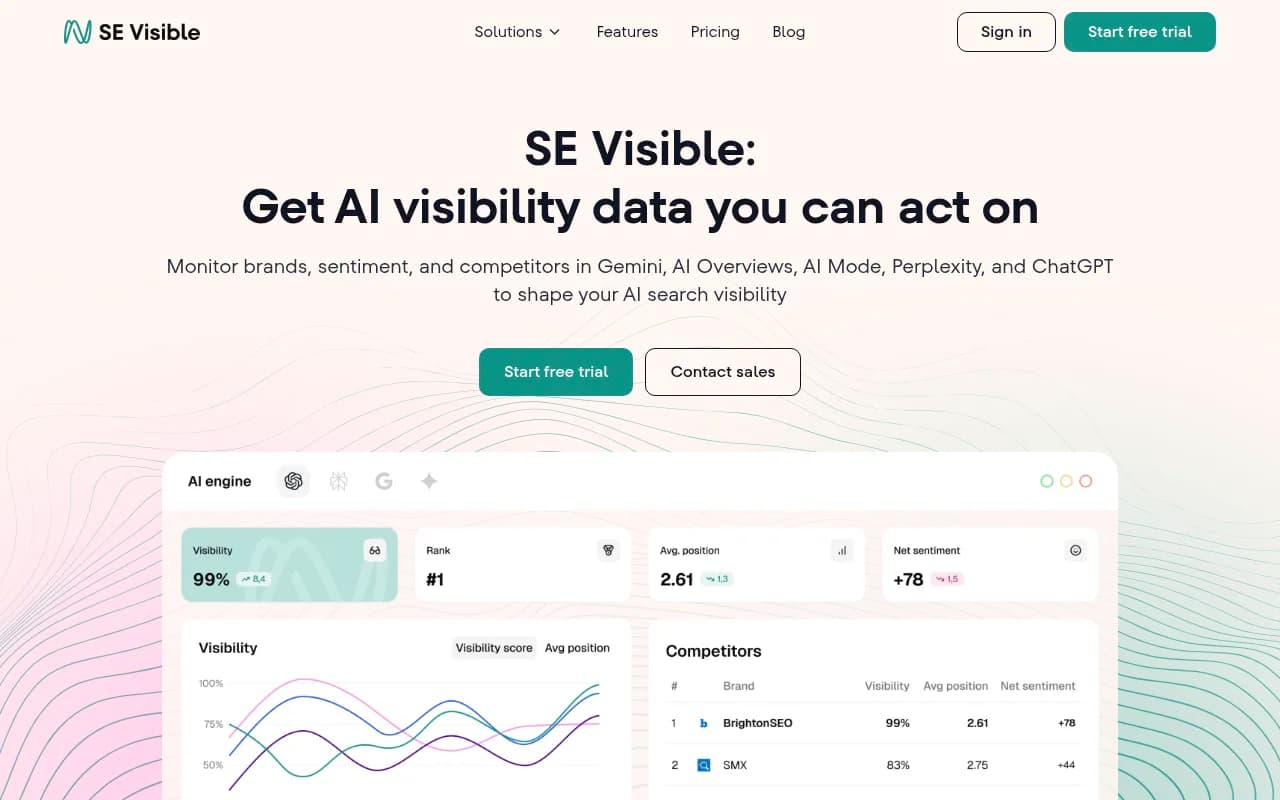
This is the category people skip, and it is the one that tells you whether ChatGPT, Perplexity, and AI Overviews mention you at all. Budget options include Otterly.AI, Peec AI, Rankscale, and SE Visible, which sits inside the SE Ranking ecosystem. Ahrefs Brand Radar has a standalone Basic plan listed at $50 a month for 2,500 custom prompt checks.



If you want tracking plus the work of fixing what you find, Promptwatch is the one I would look at first. Its Essential plan is $95 a month and includes 50 prompts, all AI models, crawler-aware site audit, content gap analysis, and 500 Agent Credits. Check promptwatch.com/pricing for current numbers.

For a longer list of options, the GEO software directory at bestgeosoftware.com is a decent place to browse, and ai-rank-tools.com focuses on rank trackers.
4. Technical crawling
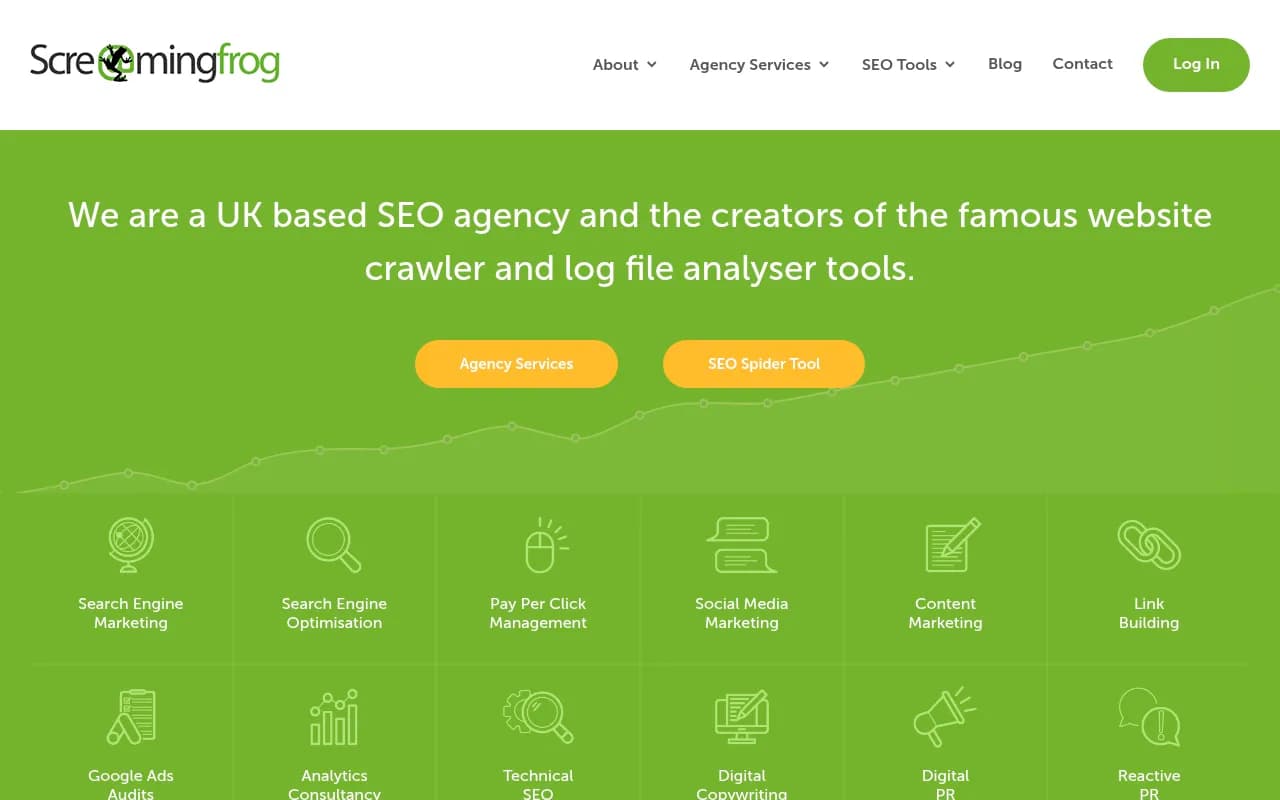
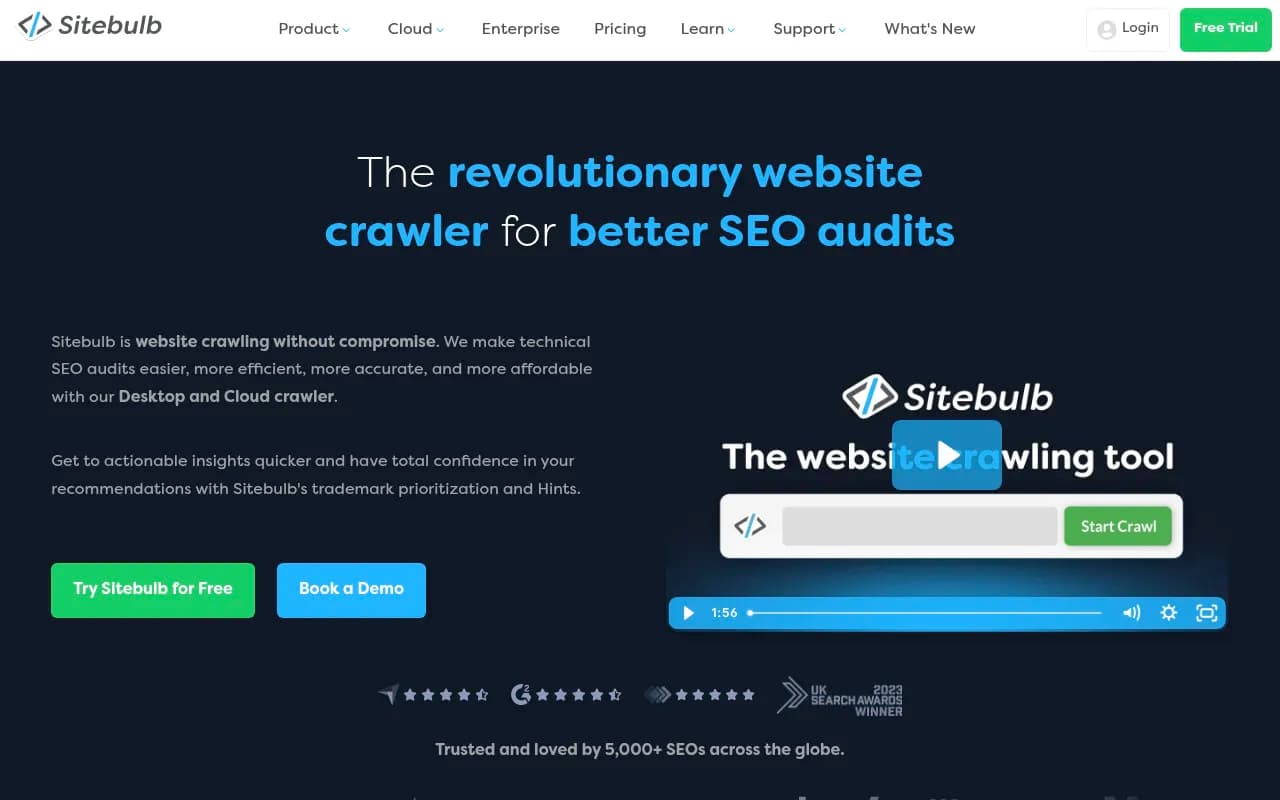
Screaming Frog is free up to 500 URLs and a paid licence is roughly $259 a year per the roundups, which is about $22 a month. Sitebulb is the friendlier desktop alternative. For most small sites, the free crawl is enough.
5. A general AI assistant
ChatGPT Plus is listed at $20 a month. Claude is the usual alternative. You need one, not both. Use it for briefs, outlines, schema drafts, and spreadsheet cleanup.
Three sample stacks
Prices are approximate and based on the research roundups above. Annual billing usually lowers them.
| Stack | Suite | Content | AI visibility | Crawler | Assistant | Approx. monthly |
|---|---|---|---|---|---|---|
| Solo budget | SE Ranking (~$52) | NeuronWriter (~$23) | Free checks | Screaming Frog free | ChatGPT Plus ($20) | ~$95 |
| Lean growth team | SE Ranking (~$92) | Frase ($39) | Ahrefs Brand Radar Basic ($50) | Screaming Frog (~$22) | ChatGPT Plus ($20) | ~$223 |
| AI-first team | SE Ranking (~$52) | Frase ($39) | Promptwatch Essential ($95) | Screaming Frog (~$22) | ChatGPT Plus ($20) | ~$228 |
The third build leaves about $70 of headroom under the ceiling. I would spend it on annual billing discounts or on an extra Promptwatch credit pack once you know how often you use the agent features.
What to look for in the AI visibility slot
Cheap trackers differ in ways that matter more than price.
- Real interface data versus API output. Answers in the actual ChatGPT or AI Overviews interface can differ from what an API returns.
- Prompt count and refresh rate. Frase and Surfer refresh weekly in some plans. Daily tracking costs more.
- Whether it tells you what to do. A dashboard that shows you are invisible is one thing. A tool that flags content gaps and crawler problems is another.
- Crawler visibility. If AI bots cannot reach your pages, no content will fix that.
On the last point, Promptwatch Data's AI crawler traffic report found OpenAI made up 79.8% of verified AI crawler requests in Aug 31 to Sep 6, 2026, down from 94.8% in Jun 8 to 14. If a major provider shows up big in that mix but near zero in your logs, you may be blocked. See the AI crawler traffic report and check robots.txt and CDN rules first, which costs nothing.
Spend your content budget where AI actually cites
A stack is only useful if the content it helps you produce is the kind that gets cited. Promptwatch Data looked at ChatGPT citations from Sep 28 to Oct 4, 2026: product pages were 22.4% of classified citations and landing pages 16.8%. Listicles were 13.6%, documentation 7.5%, and how-to guides 8.7%. See the content type report.
For a budget team, that points to a plain priority list:
- Make product and landing pages complete, with pricing, specs, and clear positioning.
- Publish a few listicles, comparisons, and how-tos.
- Keep docs and FAQs public and crawlable.
- Do not lean on news-style posts for lasting citations. In Promptwatch's content half-life data, news lost half its cited pages within 36 days, while landing pages and docs held on much longer.
This is one reason I would not spend a big share of the budget on a high-volume article generator. Ten mediocre posts rarely beat two strong landing pages.
Cutting overlap
One Cited analysis claims 73% of small businesses waste $400 to $800 a year on overlapping features. I cannot verify that number, but the pattern is real. Before buying, check these overlaps:
- Many suites now include a basic AI visibility add-on. If you already pay for one, test it before adding a tracker.
- Content tools often include site audits. If you use Screaming Frog, you may not need the audit module.
- Several writers include AI visibility tracking for a couple of platforms. That might be enough for a very small site.
- A general assistant can draft briefs, so a standalone brief tool is optional if you are comfortable prompting.
Free tools that replace paid ones
Four of six SEO activities can be done free, according to one low-cost roundup. In practice:
- Google Search Console and Bing Webmaster Tools for real query and indexing data.
- Screaming Frog free crawl for audits under 500 URLs.
- Free AI visibility scans, such as Promptwatch's no-login AI Visibility Report, to see how ChatGPT, Gemini, and Perplexity describe you before paying for tracking.
- Free llms.txt generators like llmtxt.info if you want to publish one.
How to decide what to buy first
- If you do not know your baseline, run free scans and a Search Console review for a week.
- If you rank but never get cited, buy visibility tracking and fix crawler access first.
- If you have visibility data but little output, add a content optimizer.
- If you have output but rankings stall, add the suite for keyword and backlink research.
Add tools one at a time and give each 60 days. If you cannot name a decision it changed, cancel it.
Common mistakes
- Buying annual plans before testing. Most tools have a trial. Promptwatch offers 7 days on monthly Essential and Professional, and Leapd lists 2 days.
- Treating vendor ROI claims as fact. Several figures in roundups (average ROI in 2.4 months, 527% growth in AI-referred sessions) are uncited or vendor-supplied.
- Tracking too many prompts. Fifty well-chosen prompts that mirror customer questions beat 500 vague ones.
- Ignoring renewal price changes. Check pricing pages each quarter.
Final recommendation
If I had $250 a month and a small site, I would take a cheap suite, Frase or NeuronWriter, Screaming Frog, one assistant, and a visibility platform that also tells me what to fix. That is the AI-first stack above, around $228 a month. Re-check every price on the vendor pages before you commit, because the numbers in roundups age quickly.