Key takeaways
- AI citations are the new top-of-funnel touchpoint -- but most brands track visibility without connecting it to conversion outcomes
- A full-funnel AI search strategy requires different content types, different optimization tactics, and different measurement approaches at each stage
- The biggest mistake brands make is treating AI visibility as a PR metric rather than a revenue driver
- Closing the loop between AI citation and conversion requires traffic attribution, not just mention counting
- Tools like Promptwatch help you find content gaps, generate citation-ready content, and track which pages are actually driving AI-referred traffic
Something changed in 2025 that most marketing teams still haven't fully processed. When someone asks ChatGPT "what's the best project management tool for remote teams" or Perplexity "which CRM is easiest to set up," those answers are now buying decisions. Not research. Not exploration. Decisions.
The brands that get cited in those responses have a massive advantage. The brands that don't are invisible at the exact moment intent is highest.
But here's the problem: most teams treating AI visibility as a goal in itself. They track whether they appear in AI responses, celebrate when they do, and stop there. That's monitoring. It's not a strategy.
A real strategy connects the citation to what happens next -- the click, the visit, the signup, the purchase. That's what this guide is about.
Why traditional funnels break in AI search
The classic funnel -- awareness, consideration, conversion -- was built around a world where users clicked links, visited pages, and moved through a predictable journey. AI search compresses that journey dramatically.
When someone asks an AI assistant a detailed comparison question, they're often already in consideration mode. The AI does the awareness and research work for them. By the time they click through to your site (if they do), they're closer to a decision than any traditional "top of funnel" visitor would be.
This creates two problems:
First, your content needs to work at multiple funnel stages simultaneously. A single AI response might answer an awareness question, compare options, and recommend a specific product -- all in one go. Your content needs to be citable at each of those moments.
Second, your measurement model needs to change. Tracking "did we appear in AI responses" is like tracking impressions without tracking clicks. It tells you something, but not whether any of it matters commercially.
The Search Engine Land framework for AI visibility measurement gets at this well: the unit of measurement isn't a single query, it's a cohort of queries mapped to intent. You're not asking "did we appear for this keyword" -- you're asking "are we visible across the full pathway a buyer takes from first question to purchase decision."
Stage 1: Awareness -- getting cited when people don't know you yet
Top-of-funnel AI queries are broad. "What are the best tools for X," "how does Y work," "what should I consider when buying Z." These are the prompts where AI models synthesize information from dozens of sources and produce a summary response.
Getting cited here is about authority and coverage, not conversion copy. The content that wins at this stage tends to be:
- Comprehensive guides that answer the question completely
- Well-structured pages with clear headings that AI can parse and excerpt
- Content that cites data, research, or original insights (AI models prefer citable sources)
- Pages that rank in traditional Google search (there's strong correlation between Google rankings and AI citation probability)
The Digital Bloom's 2026 AI Citation Position & Revenue Report found a direct chain from SERP position to AI citation probability to conversion -- meaning your traditional SEO foundation still matters enormously. If you're not ranking on Google, you're unlikely to be cited by AI models either.
What to build at this stage: educational content, category explainers, comparison guides, and "best of" listicles. These are the formats AI models reach for when answering awareness-stage questions.

Promptwatch's Answer Gap Analysis is particularly useful here -- it shows you which awareness-stage prompts your competitors are being cited for that you're not. That's your content roadmap.
Stage 2: Consideration -- winning the comparison moment
This is where AI search gets commercially interesting. Consideration-stage prompts look like:
- "Promptwatch vs [competitor] -- which is better for agencies?"
- "What are the pros and cons of [your product]?"
- "Is [your product] worth it for small businesses?"
These queries have high commercial intent. The person asking has already narrowed their options. Being cited favorably here is worth far more than appearing in a generic "best tools" roundup.
Winning at consideration requires a different type of content. You need:
- Honest, specific comparison pages (not marketing fluff -- AI models can tell the difference and so can the people reading)
- Clear articulation of your differentiation, written in the language buyers actually use
- Third-party validation -- reviews, case studies, user quotes that AI models can cite as evidence
- FAQ content that directly addresses objections and comparison questions
One thing most brands get wrong here: they write comparison content from their own perspective only. "Why we're better than X." But AI models synthesize multiple sources. If the only comparison content that exists is written by you, AI models will often look elsewhere for more neutral perspectives. Publishing on third-party sites, getting reviewed on G2 or Capterra, and appearing in independent roundups all feed into this.
Reddit is also a significant source for AI citations at the consideration stage. Perplexity and ChatGPT regularly pull from Reddit threads when answering comparison questions. If your brand isn't being discussed positively on relevant subreddits, that's a gap worth addressing.
Stage 3: Decision -- being present at the buying moment
Decision-stage queries are the most valuable and the hardest to win in AI search. They look like:
- "How do I get started with [your product]?"
- "What's included in [your product] pricing?"
- "Is [your product] right for [specific use case]?"
At this stage, the person has essentially decided they want what you offer -- they're just confirming details before committing. AI citations here can directly drive signups and purchases.
The content that wins at decision stage is highly specific: pricing pages, onboarding guides, use case pages for specific industries or roles, and "getting started" documentation. These pages need to be structured so AI models can extract and cite specific facts (pricing tiers, feature lists, integration options).
Schema markup matters here. FAQ schema, HowTo schema, and Product schema all help AI models understand and cite your content accurately. This isn't optional anymore -- it's table stakes.
ChatGPT Shopping is also worth watching if you sell physical products or software with a clear price point. Promptwatch tracks when brands appear in ChatGPT's product recommendation carousels, which is a distinct visibility layer from standard citation tracking.
Stage 4: Retention and expansion -- AI search doesn't stop at purchase
Most AI visibility strategies focus entirely on acquisition. That's a mistake.
Your existing customers use AI assistants too. They ask questions like "how do I use [your product] to do X," "what's the best way to set up [your product] for Y," and "what are advanced features of [your product] I might be missing."
If AI models can't answer those questions by citing your documentation, help center, and tutorials, customers will get their answers from somewhere else -- possibly a competitor's content, possibly a Reddit thread with outdated information.
Building AI-citable retention content means:
- Comprehensive help documentation structured for AI parsing
- Tutorial content that answers specific "how do I" questions
- Use case guides that help customers get more value from your product
- Community content (forums, user groups) that AI models can reference
This is an underserved area. Most brands have decent acquisition content but thin retention content. The brands that build this layer will see lower churn and higher expansion revenue from existing customers who discover new use cases through AI search.
Measuring the full funnel: connecting citations to revenue
Here's where most AI visibility programs fall apart. Teams track mentions, visibility scores, and citation rates -- but they can't connect any of that to actual revenue. So when budget discussions come up, they can't defend the investment.
Closing this loop requires a few things working together:
Traffic attribution
You need to know when visitors arrive from AI search. This means tracking referrals from ChatGPT, Perplexity, Claude, and other AI platforms. Some of this shows up in Google Analytics as direct traffic or as referrals from specific domains. A code snippet or server log analysis can catch what GA misses.
Promptwatch offers three attribution methods: a lightweight tracking snippet, Google Search Console integration, and server log analysis. The combination catches most AI-referred traffic.
Page-level citation tracking
Knowing your brand appears in AI responses is useful. Knowing which specific pages are being cited, how often, and by which AI models is actionable. Page-level tracking lets you see which content is pulling its weight and which pages need optimization.
Prompt-to-conversion path analysis
The most sophisticated measurement approach maps the full pathway: which prompts lead to citations, which citations lead to clicks, which clicks lead to conversions. This is the "funnel query pathway" framework from Search Engine Land -- building a tree from the conversion moment backward through the prompts that precede it.
In practice, this means tagging your AI-referred traffic with enough context to see which types of prompts (awareness vs. consideration vs. decision) are driving the most valuable visitors.
Attribution tools worth knowing
For connecting AI visibility to downstream revenue, a few tools are worth having in your stack:
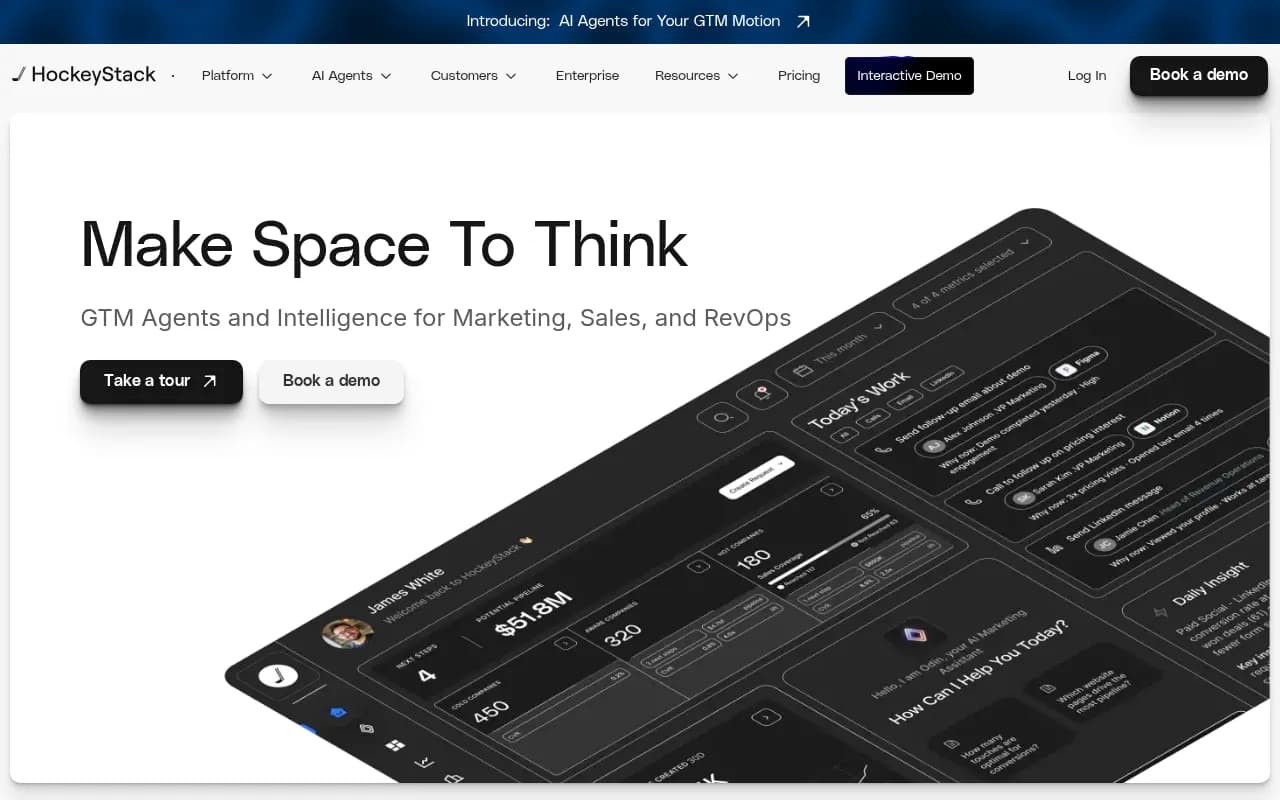
HockeyStack is strong for B2B teams -- it unifies marketing touchpoints including AI-referred traffic into a single revenue view.
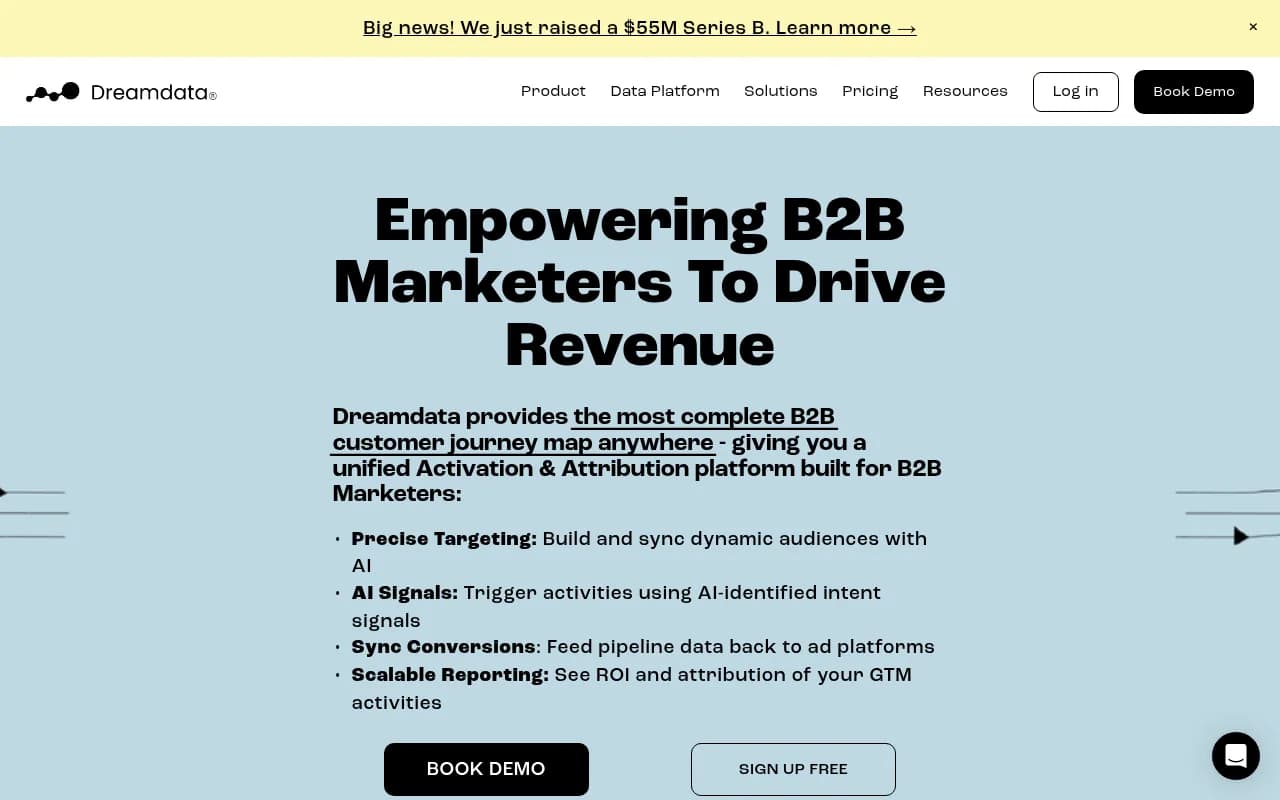
Dreamdata maps complete customer journeys for B2B, which is useful when AI citations are one of many touchpoints in a long sales cycle.
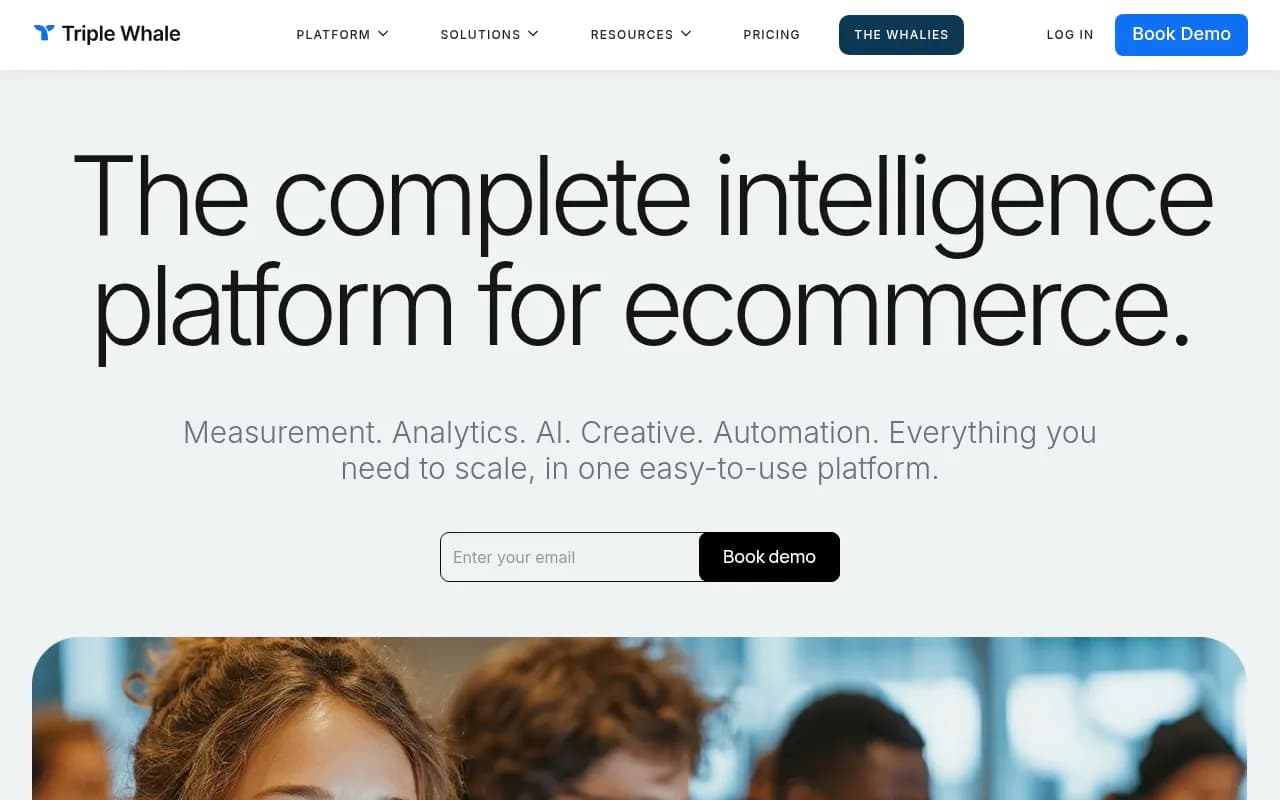
Triple Whale works well for ecommerce brands trying to connect AI product citations to actual purchases.
Building the content engine that feeds the funnel
Understanding the funnel is one thing. Producing enough content to be visible across all stages is another problem entirely.
The volume of prompts you need to be visible for is large. A mid-sized SaaS company might have hundreds of relevant prompts across awareness, consideration, and decision stages -- each requiring specific content to win. You can't write that manually at any reasonable pace.
This is where AI-assisted content creation becomes genuinely useful (not just as a buzzword). The key is generating content that's grounded in real citation data -- understanding what sources AI models already trust, what angles they favor, and what questions they're trying to answer.
Generic AI content won't get cited. Content engineered around actual prompt patterns and citation signals will.
Promptwatch's built-in writing agent generates articles, listicles, and comparisons using data from 880M+ citations analyzed. It's not producing generic SEO filler -- it's producing content calibrated to what AI models actually cite.
For teams that want to handle content creation separately, a few tools integrate well into this workflow:
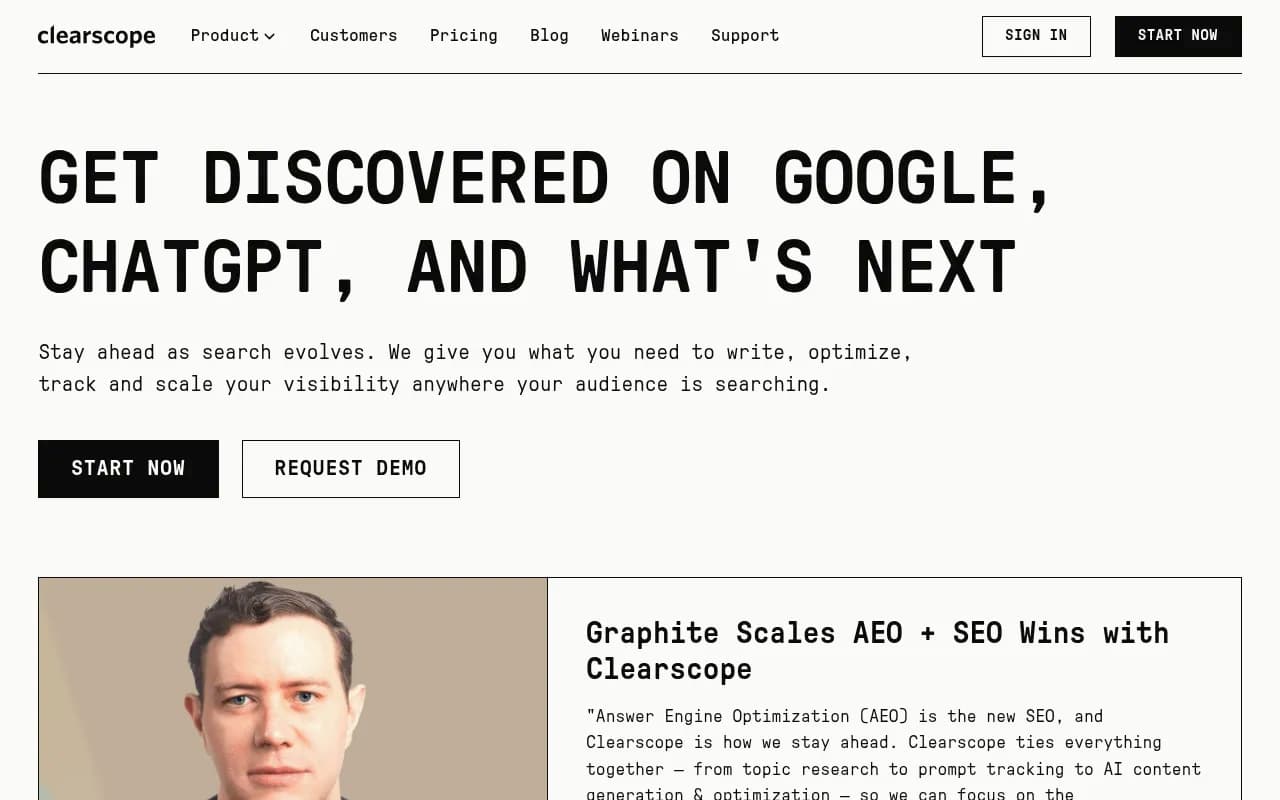
Clearscope helps optimize content for both traditional search and AI search, with semantic coverage scoring that maps to citation likelihood.
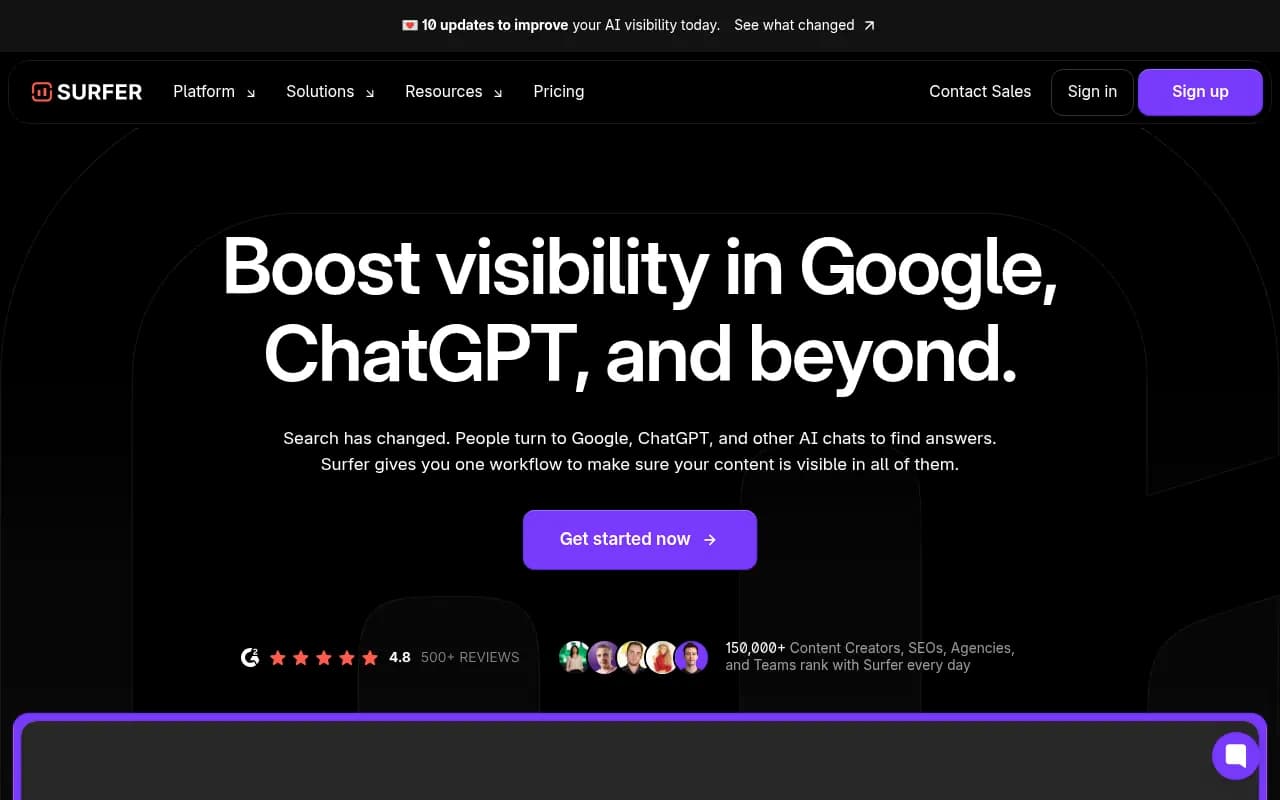
Surfer SEO's content editor is useful for ensuring your pages have the structural and semantic signals that correlate with AI citation.
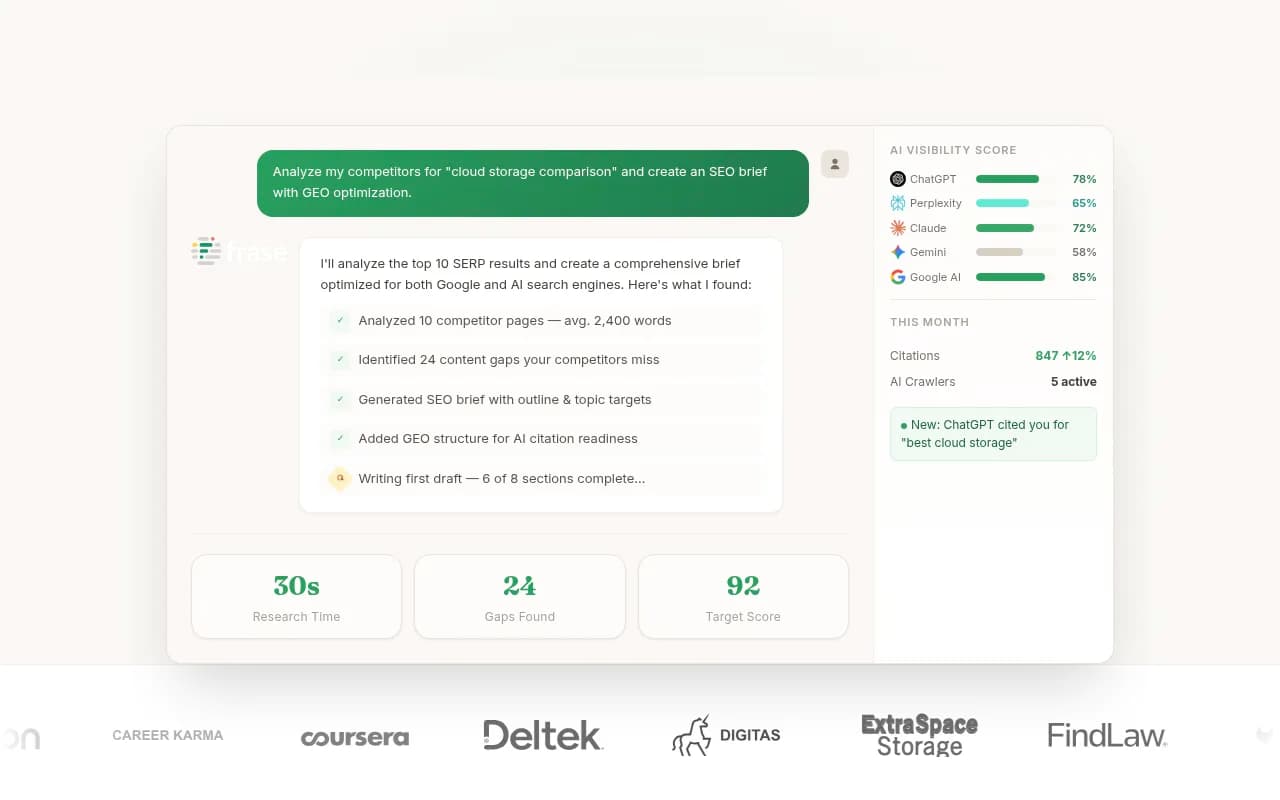
Frase combines research, brief creation, and content optimization in one workflow -- good for teams producing high volumes of AI-targeted content.
A practical comparison: monitoring vs. full-funnel AI visibility
Not all AI visibility tools are built for this kind of full-funnel work. Most are monitoring dashboards -- they show you where you appear, but they don't help you fix gaps or connect visibility to revenue.
| Capability | Monitoring-only tools | Full-funnel platforms (e.g. Promptwatch) |
|---|---|---|
| Track AI citations | Yes | Yes |
| Page-level citation data | Sometimes | Yes |
| Prompt volume & difficulty | Rarely | Yes |
| Answer gap analysis | No | Yes |
| AI content generation | No | Yes |
| Crawler log analysis | No | Yes |
| Traffic attribution | No | Yes |
| Reddit/YouTube citation tracking | No | Yes |
| ChatGPT Shopping tracking | No | Yes |
| Competitor visibility heatmaps | Sometimes | Yes |
The monitoring-only tools (Otterly.AI, Peec.ai, many others) are fine for basic brand tracking. But if you're trying to build a strategy that actually drives revenue, you need the full loop: find gaps, create content, track results, attribute revenue.



These tools are worth knowing -- they each do monitoring reasonably well. But none of them close the loop to conversion.
The crawler layer: understanding how AI engines discover your content
One thing most teams overlook entirely: AI models don't just index content passively. They send crawlers to your site, and those crawlers behave differently from Googlebot.
Knowing which pages AI crawlers are visiting, how often they return, and what errors they encounter is genuinely useful. If ChatGPT's crawler is hitting your homepage but never reaching your comparison pages, that's a structural problem you can fix.
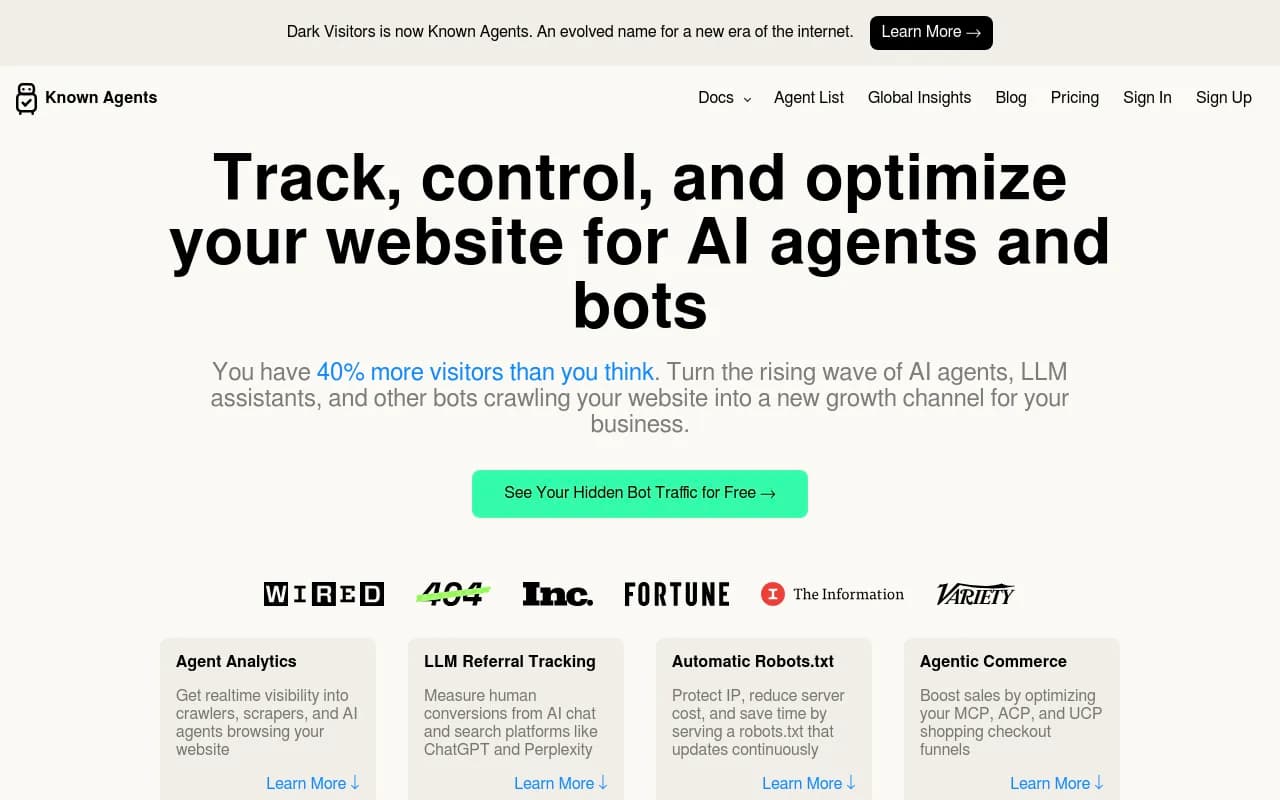
DarkVisitors tracks AI agent activity on your site -- useful for understanding the crawl patterns of different AI systems.
Promptwatch's AI Crawler Logs go further, showing real-time logs of which AI crawlers are hitting which pages, with error detection and frequency data. This is a layer of insight that most competitors don't offer at all.
Putting it together: a 90-day action plan
If you're starting from scratch, here's a reasonable sequence:
Weeks 1-2: Audit and baseline
- Set up AI visibility tracking across the models your audience uses (ChatGPT, Perplexity, Google AI Overviews at minimum)
- Run an answer gap analysis to see which prompts competitors are winning that you're not
- Identify your highest-value funnel stages (where is the gap biggest? Where would visibility drive the most revenue?)
Weeks 3-6: Content creation
- Prioritize 10-15 high-value prompts across awareness, consideration, and decision stages
- Create or optimize pages specifically targeting those prompts
- Ensure structural elements are in place: clear headings, FAQ schema, specific factual claims AI can cite
Weeks 7-10: Attribution setup
- Implement AI traffic attribution (tracking snippet, GSC integration, or server logs)
- Tag AI-referred traffic in your analytics
- Set up conversion tracking to connect AI visits to signups, trials, or purchases
Weeks 11-12: Measure and iterate
- Review which new pages are getting cited
- Check whether AI-referred traffic is converting at expected rates
- Identify the next batch of content gaps to address
This isn't a one-time project. The prompts people use evolve, AI models update their citation patterns, and competitors keep publishing. The brands that win in AI search treat it as an ongoing program, not a campaign.
The bottom line
AI citations are valuable. But a citation that doesn't lead to a conversion is just a vanity metric with extra steps.
The brands that will win in AI search over the next few years are the ones that build the full infrastructure: content that earns citations at every funnel stage, attribution that connects those citations to revenue, and an ongoing process for finding and closing visibility gaps.
That's a real competitive advantage -- and right now, most of your competitors are still stuck at step one.