Key takeaways
- Manual ChatGPT visibility tracking (copy-pasting responses, prompt logs, spreadsheets) is free but breaks down fast at scale -- it's inconsistent, time-consuming, and impossible to run across multiple AI models simultaneously.
- Automated tools solve the scale problem but vary wildly: some only monitor, while others help you act on what they find.
- The most common mistake teams make is treating tracking as the end goal. Knowing you're invisible in ChatGPT doesn't help unless you know what to do next.
- For teams serious about AI search visibility, a dedicated GEO platform that combines monitoring with content gap analysis and optimization is worth the investment over patched-together manual workflows.
There's a moment most marketing teams hit in 2026: someone asks "are we showing up in ChatGPT?" and nobody has a good answer. So someone opens ChatGPT, types a few prompts, screenshots the results, and pastes them into a Google Sheet. Problem solved, right?
Not really. That approach works once. It doesn't work as a system.
This guide breaks down exactly what manual ChatGPT visibility tracking looks like in practice, where it falls apart, and how automated tools compare -- including what to look for when the options range from basic dashboards to full optimization platforms.
What "ChatGPT visibility" actually means
Before comparing methods, it's worth being precise about what you're tracking.
When someone asks ChatGPT "what's the best project management software for remote teams?" or "which CRM do most B2B companies use?", ChatGPT generates an answer. Your brand either appears in that answer or it doesn't. If it does, you might be mentioned by name, cited as a source, or recommended in a list. If it doesn't, you're invisible to that user at that moment -- and they may never visit Google at all.
ChatGPT visibility tracking means systematically monitoring how often your brand appears in those AI-generated responses, for which types of questions, and how your presence compares to competitors. It's conceptually similar to rank tracking in traditional SEO, but the mechanics are completely different. There's no position 1-10. Responses vary by phrasing, user context, and model version. And unlike Google, ChatGPT doesn't give you a Search Console.
Manual tracking methods: what they look like in practice
Manual tracking isn't one thing -- it's a collection of workarounds that teams cobble together when they don't have a dedicated tool.
The copy-paste spreadsheet approach
The most common starting point. You define a list of prompts relevant to your category ("best tools for X", "how to solve Y problem", "compare A vs B"), run them in ChatGPT, copy the responses, and log whether your brand appeared. You might track: date, prompt, model version, whether you were mentioned, what competitors were mentioned, and any direct quotes.
This actually works reasonably well for a handful of prompts run weekly. The problems start when you try to scale it:
- ChatGPT responses vary between sessions even for identical prompts. A single run gives you one data point, not a reliable signal.
- Running 50 prompts manually takes hours. Running them across ChatGPT, Perplexity, Gemini, and Claude multiplies that by four.
- Tracking trends over time requires consistent methodology that's hard to maintain manually.
- You can't catch changes between your scheduled checks.
Using the ChatGPT API for DIY tracking
More technical teams sometimes build their own tracking scripts using the OpenAI API. You write a script that sends your prompt list to the API on a schedule, parses the responses for brand mentions, and logs the results.
This solves the consistency problem (same prompt, same conditions, automated runs) and is genuinely useful for teams with engineering resources. But it has its own limitations:
- API costs add up, especially at scale.
- Parsing responses for brand mentions requires careful string matching or a secondary LLM call to interpret results.
- You're only tracking one model. Perplexity, Claude, and Gemini each require separate integrations.
- You still have to build the reporting layer yourself.
- Maintenance burden is real -- API changes, rate limits, and response format shifts require ongoing attention.
Prompt logs and qualitative audits
Some teams do periodic "AI audits" -- a structured session where someone manually queries a range of prompts, documents the responses, and writes up observations. This is more about qualitative understanding than systematic tracking. It's useful for getting a feel for how AI models talk about your brand, but it's not a tracking system.
Where manual tracking breaks down
The honest summary: manual methods are fine for initial exploration and for very small teams with narrow scope. They break down in four specific ways.
Consistency. ChatGPT responses are non-deterministic. A single manual check tells you what happened once, not what typically happens. Automated tools run prompts repeatedly and aggregate results to give you a reliable signal.
Coverage. Your brand's AI visibility isn't just about ChatGPT. Perplexity, Google AI Overviews, Claude, Gemini, Grok, and others are all part of the picture. Manually tracking across all of them is practically impossible.
Speed. AI models update their training data and behavior over time. Manual checks on a weekly or monthly cadence miss changes that happen in between. Automated tools can run daily or more frequently.
Actionability. Even if you manually track well, you end up with a spreadsheet of observations. What do you do with it? Which prompts should you prioritize? What content is missing from your site that would help you appear? Manual tracking doesn't answer those questions.
Automated tools: the landscape in 2026
The market for AI visibility tools has grown fast. In 2026, there are roughly four categories of tools that touch this problem.
Dedicated GEO/AEO platforms
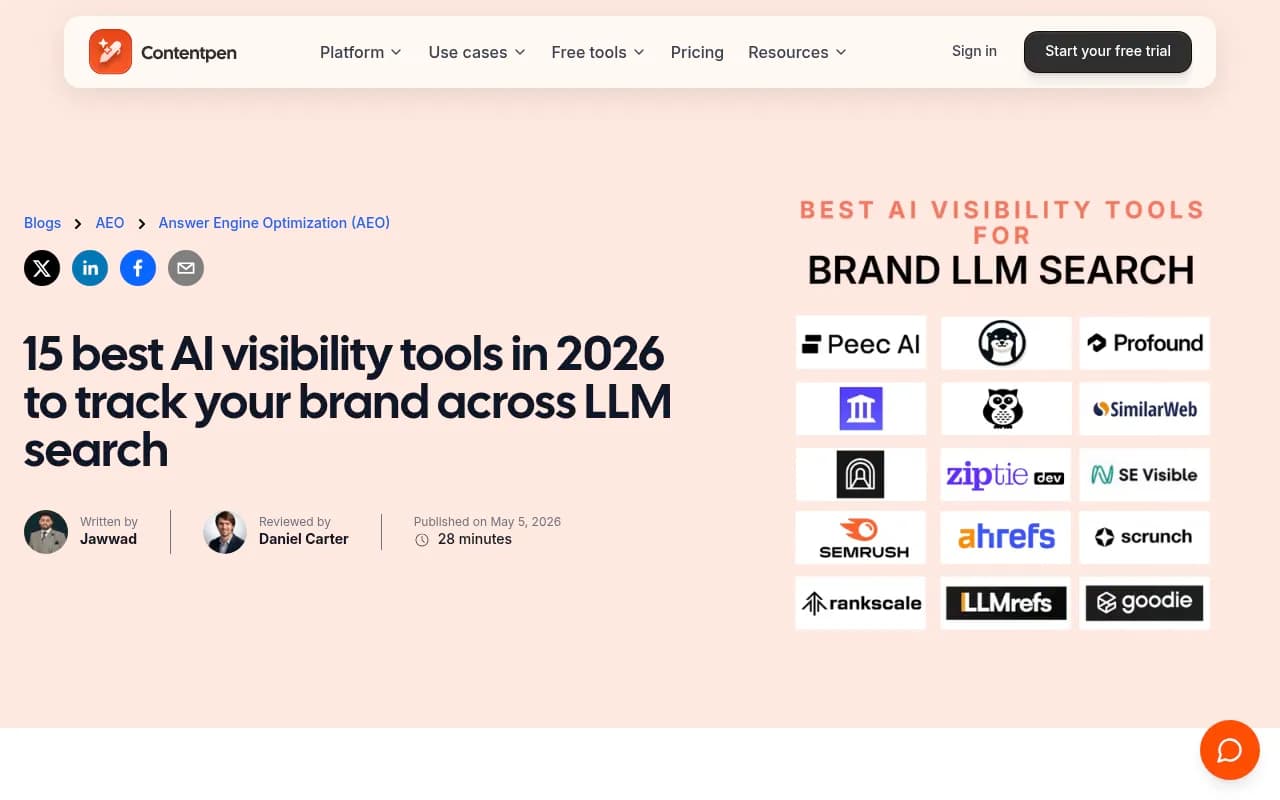
These are purpose-built for tracking and improving visibility in AI search engines. They typically monitor multiple AI models, track brand mentions and citations, and provide some form of competitive benchmarking. The better ones go further and help you identify content gaps and create content that's more likely to get cited.
Promptwatch sits at the top of this category. It monitors 10 AI models (ChatGPT, Perplexity, Claude, Gemini, Grok, DeepSeek, Copilot, Meta AI, Google AI Overviews, and Google AI Mode), tracks which pages on your site are being cited, and -- this is the part most tools skip -- helps you find the prompts where competitors appear but you don't, then generates content to close those gaps.

Other dedicated platforms worth knowing:
Profound has a strong feature set and is well-regarded for enterprise use, though it comes at a higher price point.

Otterly.AI is on the more affordable end and works well for basic monitoring, but doesn't offer content generation or crawler log analysis.

AthenaHQ tracks visibility across multiple AI engines and is solid for monitoring, but is more limited on the optimization side.

Peec AI handles multi-language tracking well, which matters if your audience is international.

Scrunch AI covers AI search visibility monitoring with a clean interface.
Traditional SEO platforms with AI tracking added
Tools like Semrush and Ahrefs have added AI visibility features to their existing platforms. This is convenient if you're already using them, but the AI tracking tends to be less deep than dedicated platforms. Semrush uses fixed prompts rather than letting you define your own, and Ahrefs Brand Radar similarly has limited customization and no AI traffic attribution.
Brand monitoring tools
Tools like Brand24 and Mention track brand mentions across the web, including some AI-generated content. They're not purpose-built for AI visibility and miss a lot of the nuance (which prompts trigger mentions, competitor comparison, citation-level tracking), but they can be a starting point.
DIY automation tools
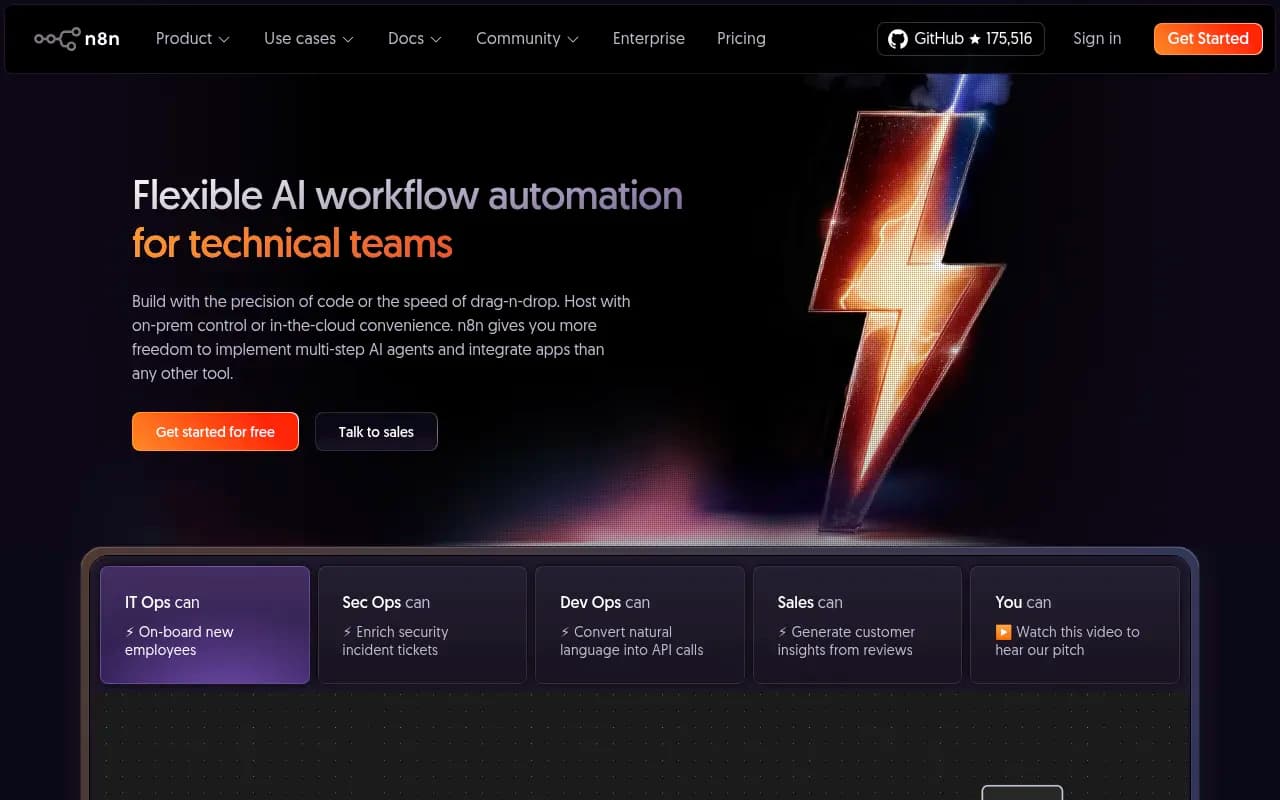
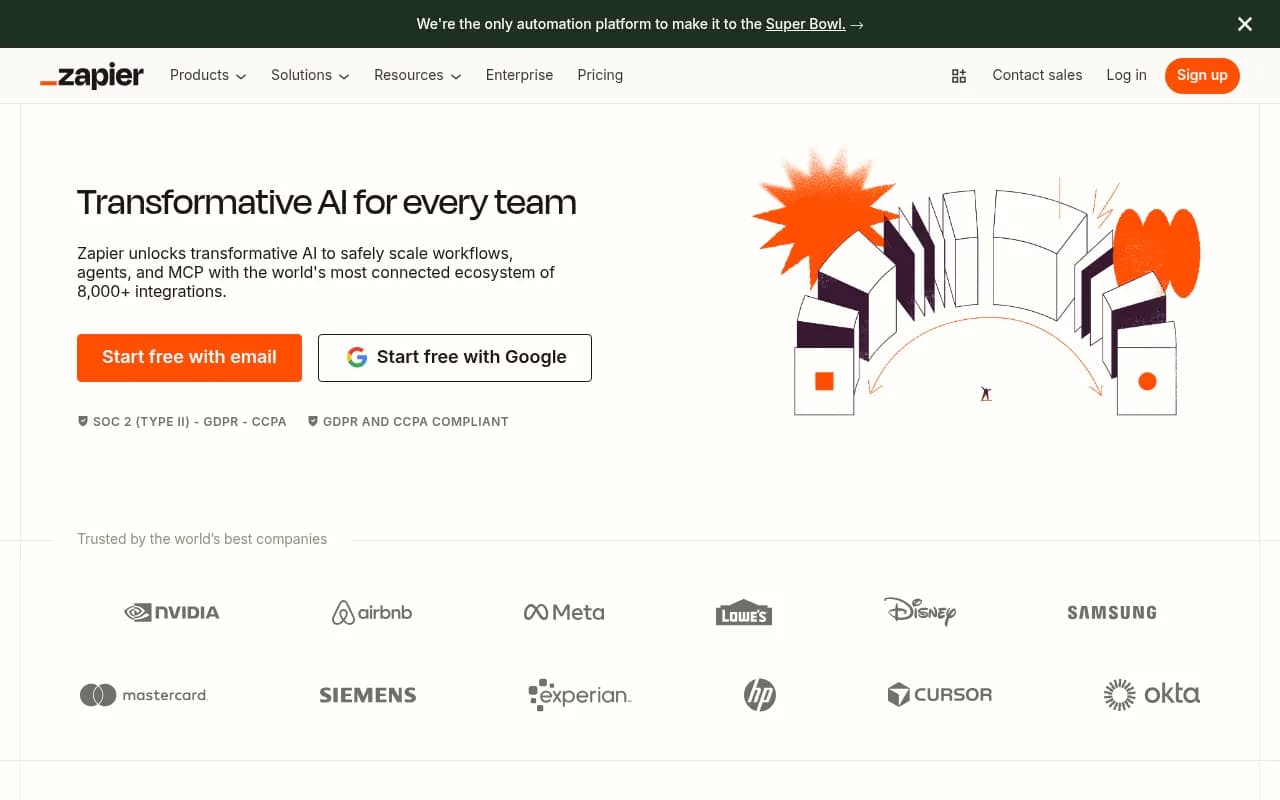
If you want to build your own tracking without writing code from scratch, tools like n8n or Zapier can help you automate prompt runs and log results. This is the middle ground between fully manual and a dedicated platform.
Feature comparison: manual vs automated
| Capability | Manual (spreadsheet) | Manual (API script) | Dedicated GEO platform |
|---|---|---|---|
| Multi-model tracking | No (one at a time) | Partial (requires separate integrations) | Yes (10+ models) |
| Consistent, repeatable runs | No | Yes | Yes |
| Trend tracking over time | Difficult | Yes (if you build it) | Yes |
| Competitor benchmarking | Manual only | Partial | Yes |
| Citation-level tracking | No | No | Yes |
| Content gap analysis | No | No | Yes (best platforms) |
| Content generation | No | No | Yes (best platforms) |
| AI crawler logs | No | No | Yes (some platforms) |
| Prompt volume/difficulty data | No | No | Yes (some platforms) |
| Traffic attribution | No | No | Yes (some platforms) |
| Cost | Free | Low-medium (API costs) | $99-$579+/mo |
| Time investment | High | Medium (setup) + Low (ongoing) | Low |
The gap most teams miss: monitoring vs optimization
Here's the thing about most automated tools: they tell you where you stand, but not what to do about it. You get a dashboard showing your brand appears in 12% of relevant ChatGPT responses. Your competitor appears in 34%. Now what?
This is where the distinction between monitoring-only tools and optimization platforms matters. Most tools in the market -- including some well-known ones -- stop at the monitoring step. They show you the data and leave you to figure out the next move.
The more useful approach is a closed loop: find the prompts where you're invisible, understand what content would help you appear, create that content, and track whether it moves the needle. That's the workflow that actually improves visibility rather than just measuring it.
Promptwatch is built around this loop explicitly. The Answer Gap Analysis shows you specific prompts where competitors rank but you don't. The built-in writing agent generates content grounded in citation data from 880M+ analyzed citations. And page-level tracking shows you which new pages start getting cited after you publish.
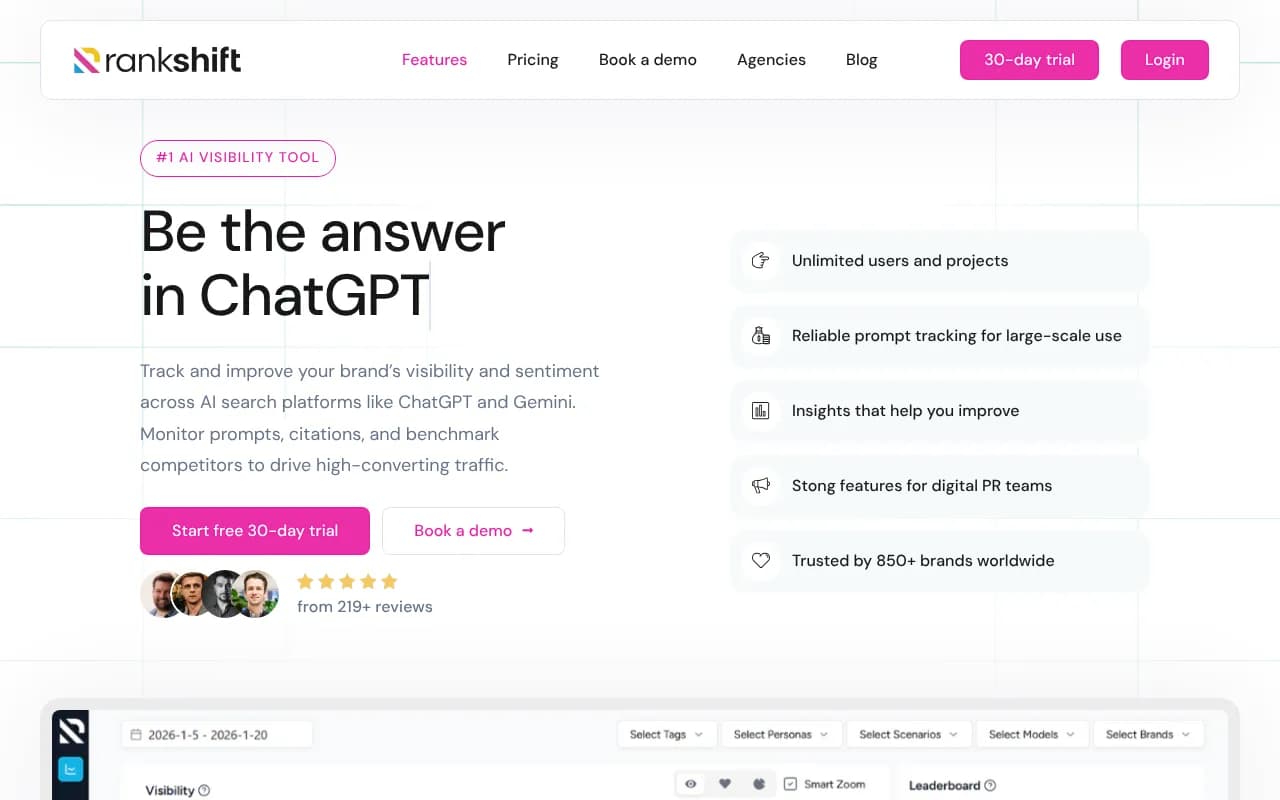
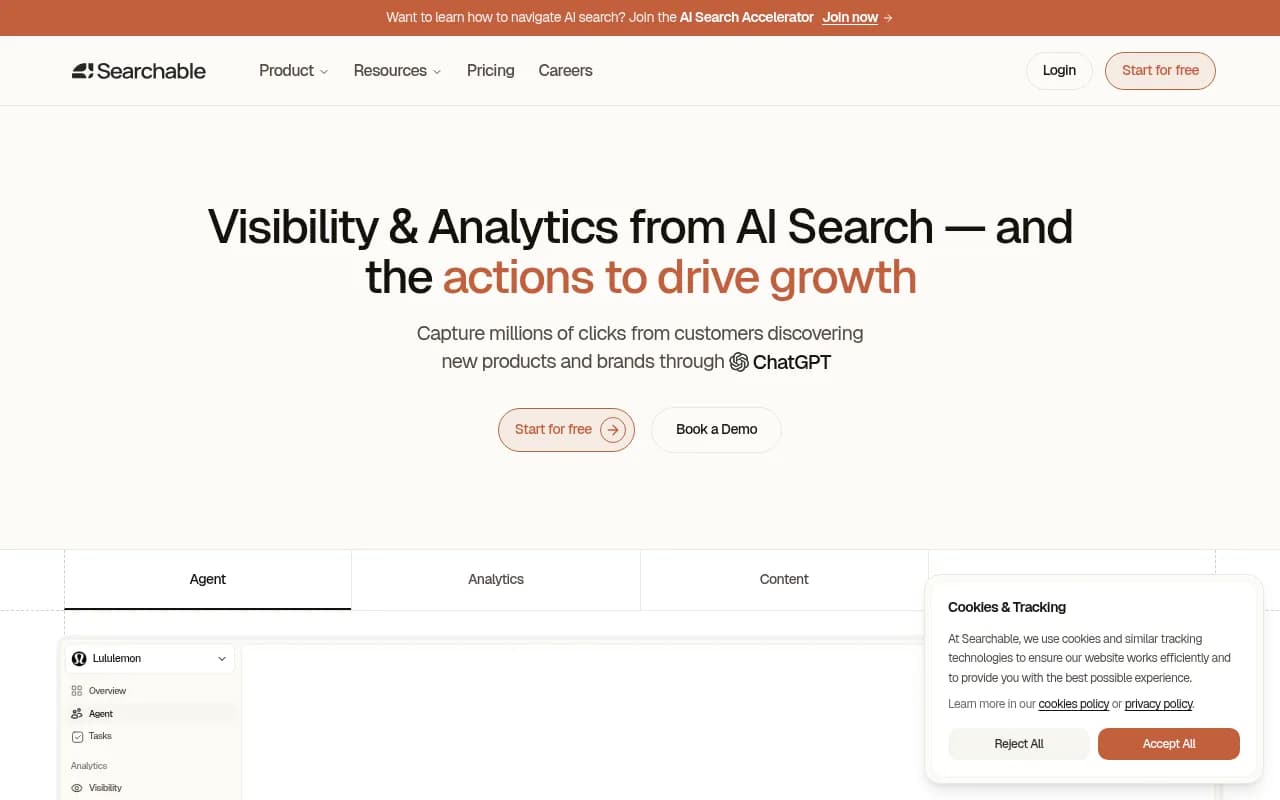
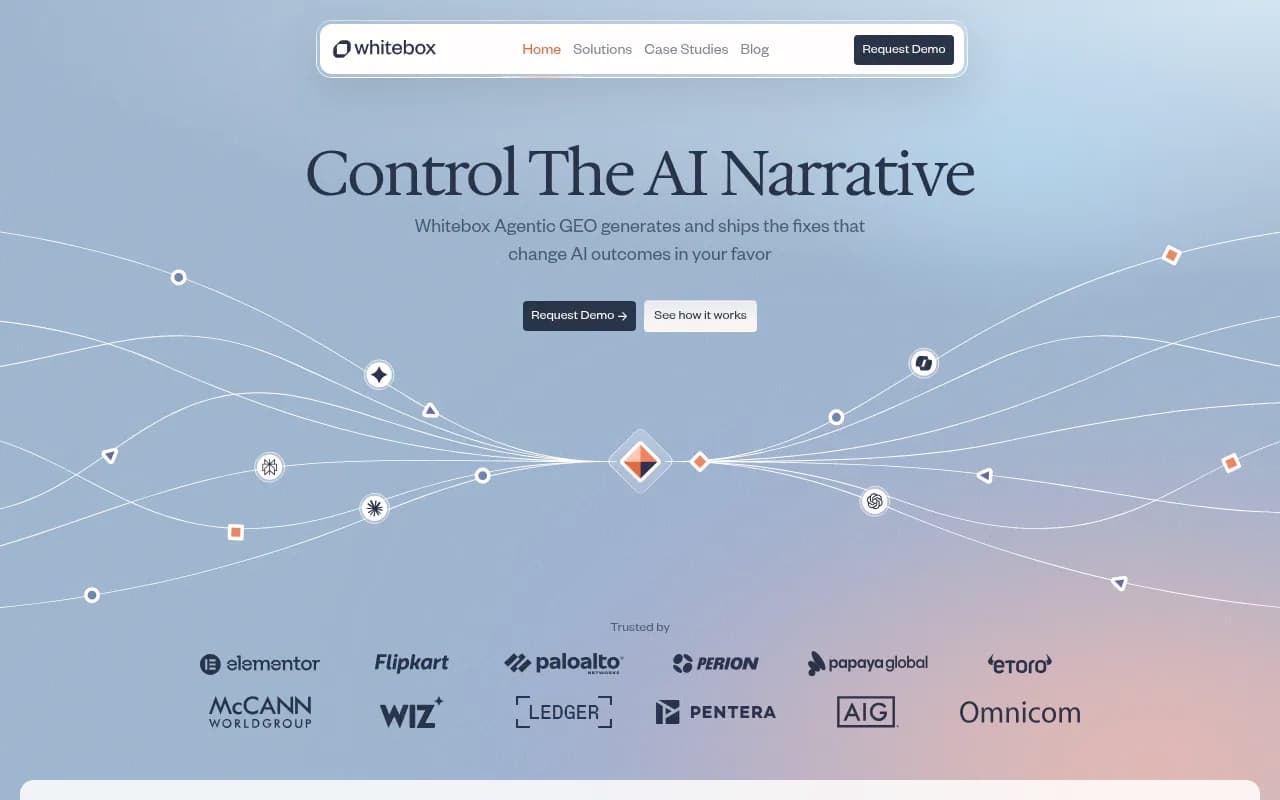
Other tools worth looking at for the optimization side:
Choosing the right approach for your situation
The right choice depends on your team size, technical resources, and how seriously AI search visibility matters to your business.
If you're just getting started and want to understand the basics: Manual tracking with a structured spreadsheet is fine for a few weeks. Pick 20-30 prompts relevant to your category, run them weekly across ChatGPT and Perplexity, and log the results. This gives you a baseline before you invest in tooling.
If you have engineering resources and a narrow scope: A DIY API script can work well. You get consistency and automation without a monthly tool cost. The tradeoff is maintenance burden and the fact that you're only solving the tracking problem, not the optimization problem.
If AI search is a meaningful traffic channel (or you want it to be): A dedicated platform is worth the investment. The time savings alone justify the cost for most teams -- manual tracking at any real scale takes 10+ hours per week. Beyond time, the content gap analysis and optimization features are things you simply can't replicate manually.
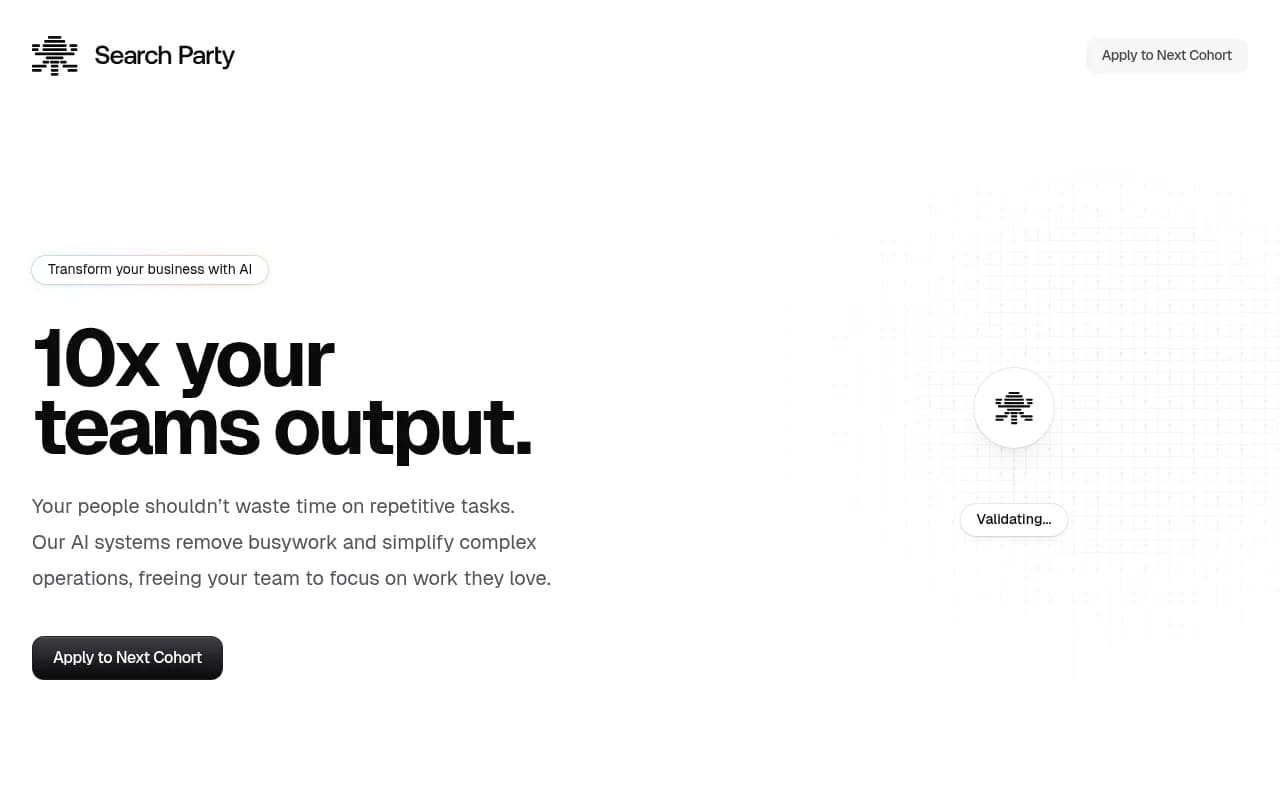
If you're an agency managing multiple clients: Look for platforms with multi-site support, white-label reporting, and API access. Promptwatch has agency and enterprise tiers with custom pricing. Search Party is another option oriented toward agencies.
A few tools worth calling out specifically
For teams that want to start with something lightweight before committing to a full platform:
Otterly.AI is genuinely affordable and covers the basics of brand mention tracking across AI models.
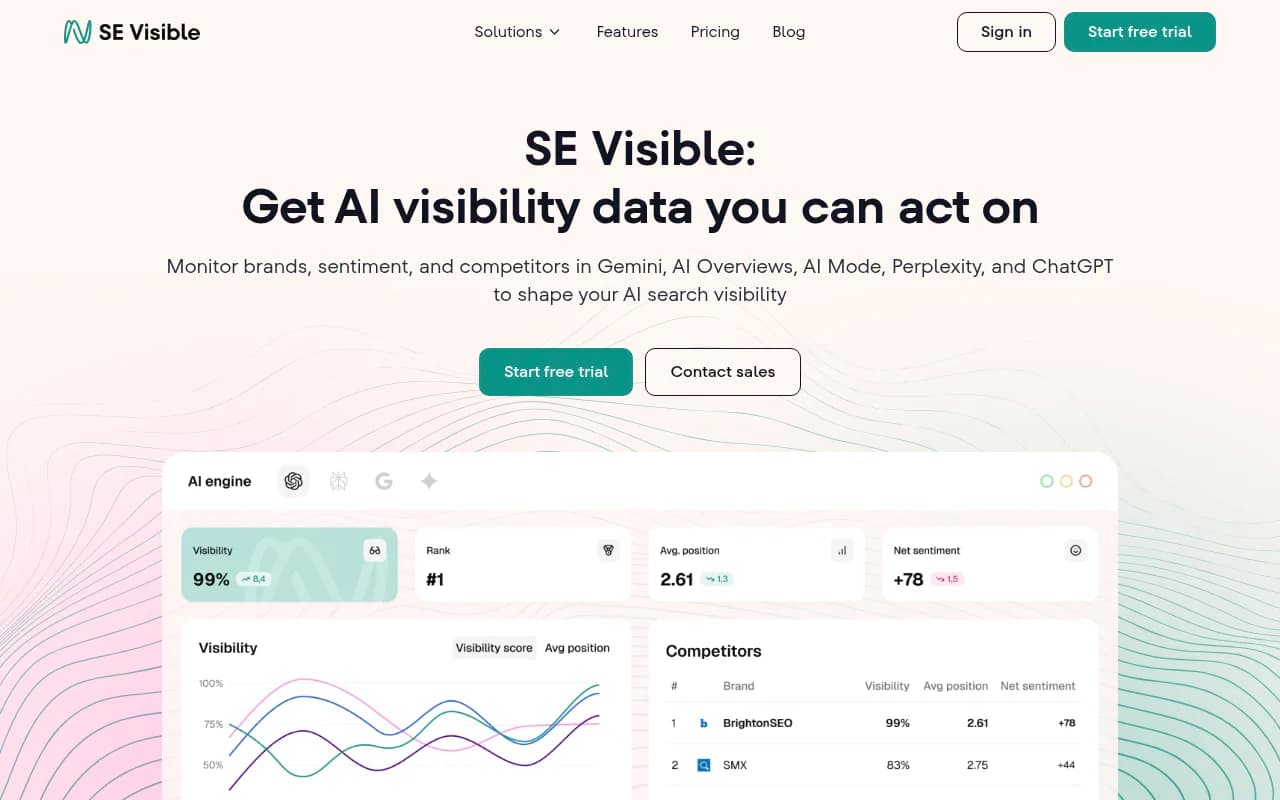
SE Visible (from SE Ranking) has a user-friendly interface and is a reasonable entry point if you're already in the SE Ranking ecosystem.
Rankshift focuses specifically on LLM tracking and GEO, with a clean workflow for identifying where you're losing ground.
For enterprise teams that need depth:
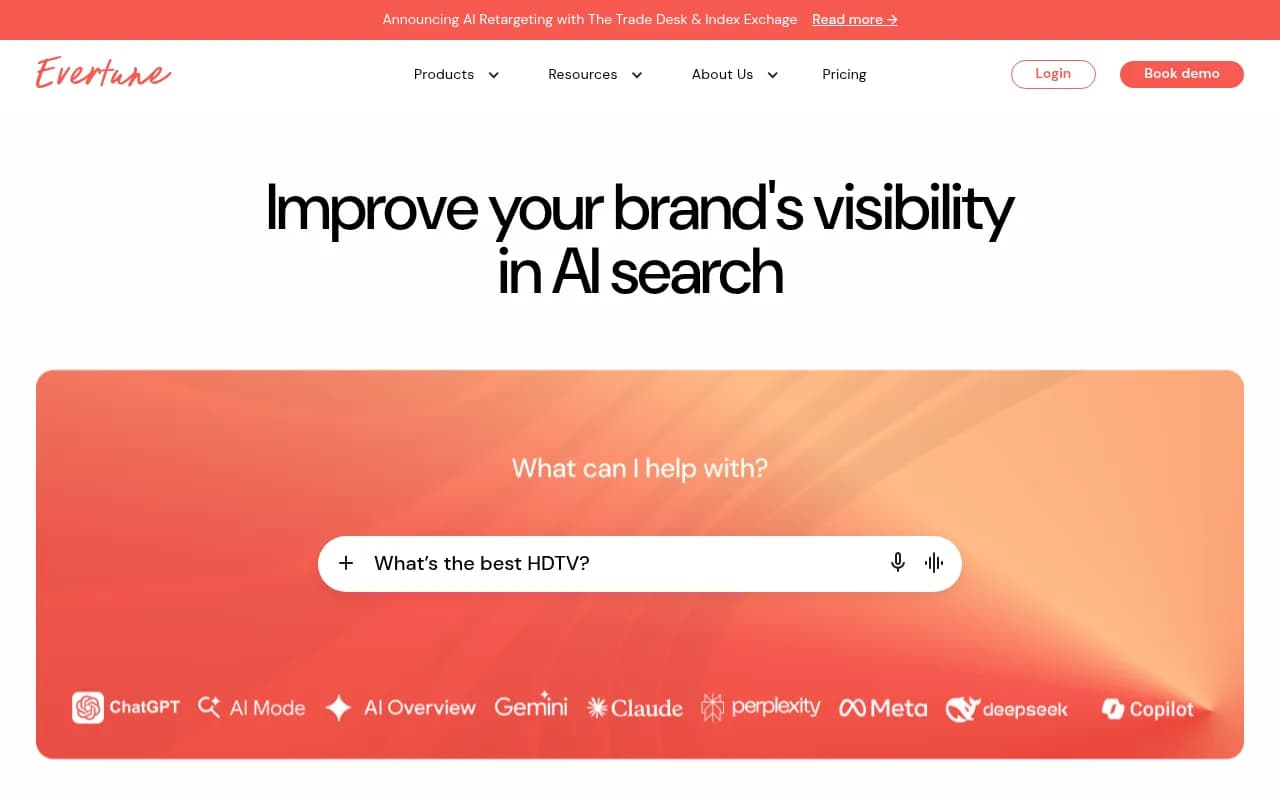
Profound and Evertune both serve larger organizations well, though they come at higher price points and are more monitoring-focused.
BrightEdge has added AI search tracking to its enterprise SEO platform and is worth evaluating if you're already a customer.
The bottom line
Manual ChatGPT visibility tracking isn't useless -- it's a reasonable starting point and a good way to build intuition about how AI models talk about your category. But it has a ceiling. You can't run it consistently across multiple models at scale, you can't catch changes between manual checks, and you can't use it to systematically close the gap between where you are and where you want to be.
Automated tools solve the consistency and scale problems. The better ones go further and help you act on what they find. In 2026, with AI search eating into traditional search traffic for more categories every month, the teams that are winning aren't just monitoring their visibility -- they're actively working to improve it.
The question isn't really "manual or automated." It's "are you tracking to feel informed, or tracking to get better?"