
Key takeaways
- Software is the cheapest line item in any AEO program. The real cost is the hours someone spends shipping fixes, refreshing pages, and earning third-party mentions.
- DIY scripts get you raw answers, but you then own prompt design, scraping upkeep, and analysis. The AI engines change behavior overnight, so maintenance never stops.
- Agency retainers commonly run $3,500 to $11,500 per month (OutreachBloom's guide) and up to $25,000+ for serious multi-surface work (Hamster Garage's pricing breakdown). Both are vendor-published figures, so treat them as ranges, not benchmarks.
- For most teams the best answer is a hybrid: buy a platform for measurement and execution support, keep the strategy in-house, and hire out the parts that scale with headcount, like digital PR and citation building.
- Pick your path based on who will actually ship the work each month, not on feature lists.
The real question behind build vs buy vs hire
Most comparisons of AEO options start with features. I think that's the wrong starting point. Tracking whether ChatGPT names your brand is the easy 10% of the job. The other 90% is writing pages AI engines can quote, fixing crawl problems, earning mentions on sites the models already trust, and then checking whether any of it worked.
So the three paths really answer one question: who does that 90%?
- Build means you wire up your own prompt runs, scrapers or API calls, and spreadsheets or dashboards. Your team does all the work.
- Buy means a platform handles monitoring, analysis, and (in some cases) content and technical execution. Your team still decides and approves.
- Hire means an agency or consultant owns strategy and execution. You review and hold them to a number.
One research note from OutreachBloom (an agency, so it has a stake) puts it bluntly: once you price the hours, DIY and an agency retainer land within a few hundred dollars of each other. Their "10 to 20 hours a month of a marketer's time" figure is their own working estimate, not a verified benchmark. But the direction is believable. Software is cheap. People are not.
Why AEO is harder to DIY than it looks
AI search is not a stable target. Promptwatch Data shows how often the ground shifts under teams that built their own tracking:
- On August 8, 2026, the share of ChatGPT fanout queries using the
site:operator jumped from 0.37% to 16.8% overnight, and searches per response rose from about 1.08 to 1.83. Keyword mappings built before that date went stale in a day. (ChatGPT site: operator report) - Reddit's share of ChatGPT citations fell from about 4% to 0.5% on August 14, 2026. (Reddit citations report)
- Average citations per ChatGPT response dropped around the GPT-5.3 rollout on March 4, 2026. (ChatGPT citation drop)
A script that ran fine in July can quietly produce misleading numbers in September. If you build, someone owns that drift. That's a job, not a weekend project.
There is also the question of what you're measuring. Answers from a consumer interface can differ from API output, including citations and shopping results. A homemade script calling an API tells you what a model believes from training data, not necessarily what a buyer sees in the app. Promptwatch's explanation of how it collects data is a decent primer on why that gap matters.
Option 1: Build it yourself
What DIY actually involves
A realistic DIY stack has four layers:
- Prompt set design, including personas, countries, and intent types.
- Data collection, through model APIs, search APIs, or scraping real interfaces.
- Storage and analysis, meaning citations, mention rates, positions, sentiment.
- Execution, which is the content, schema, internal linking, and outreach that move the numbers.
For layers 2 and 3, the catalog has building blocks. Automation tools like n8n and Zapier can schedule runs and push results into a sheet.
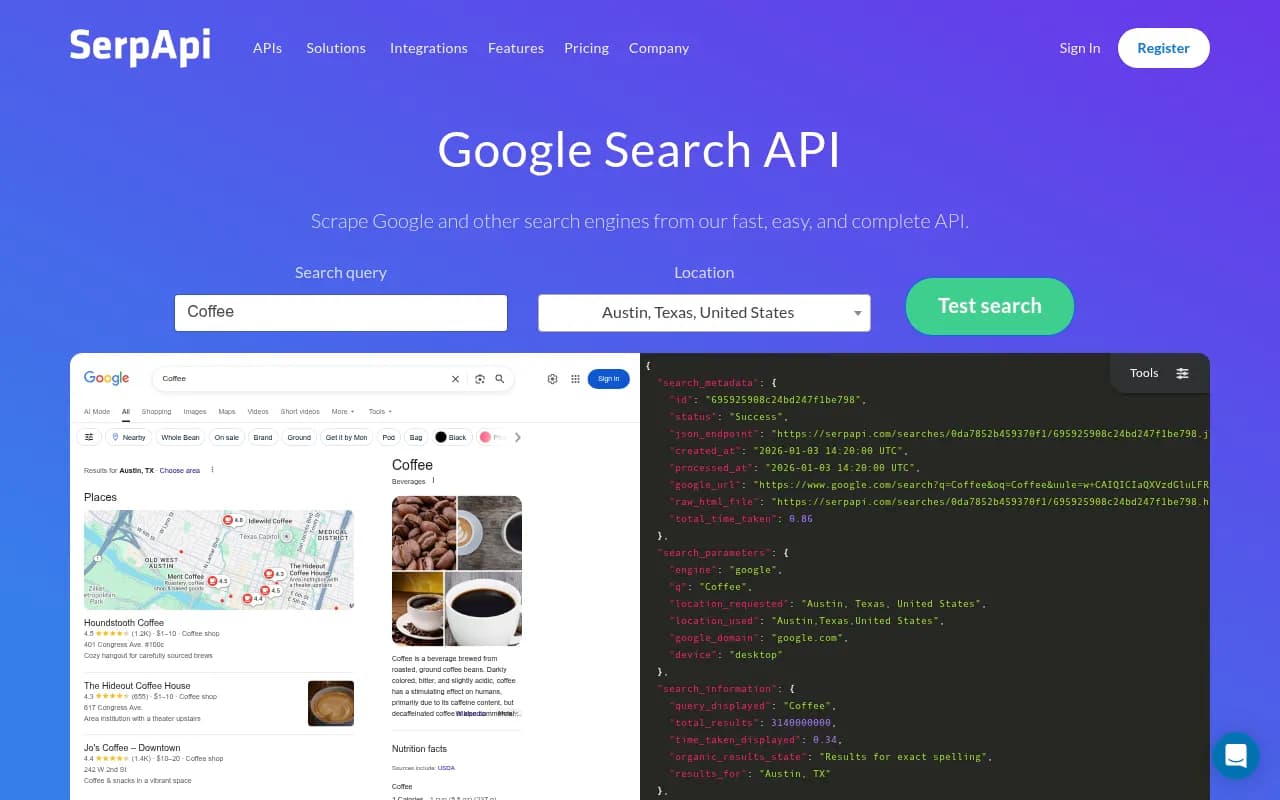
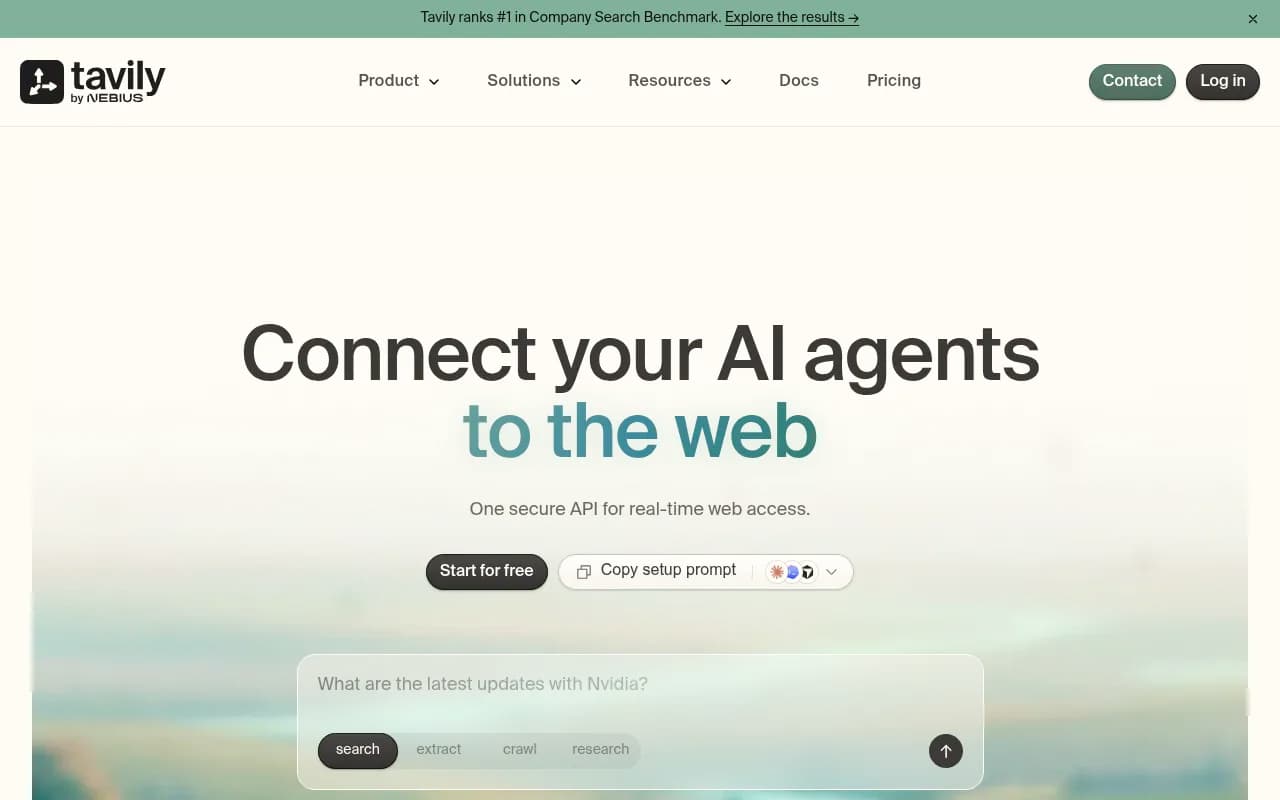
If you want data feeds rather than dashboards, DataForSEO and SerpApi provide structured search results, and Tavily offers search APIs built for AI agents.
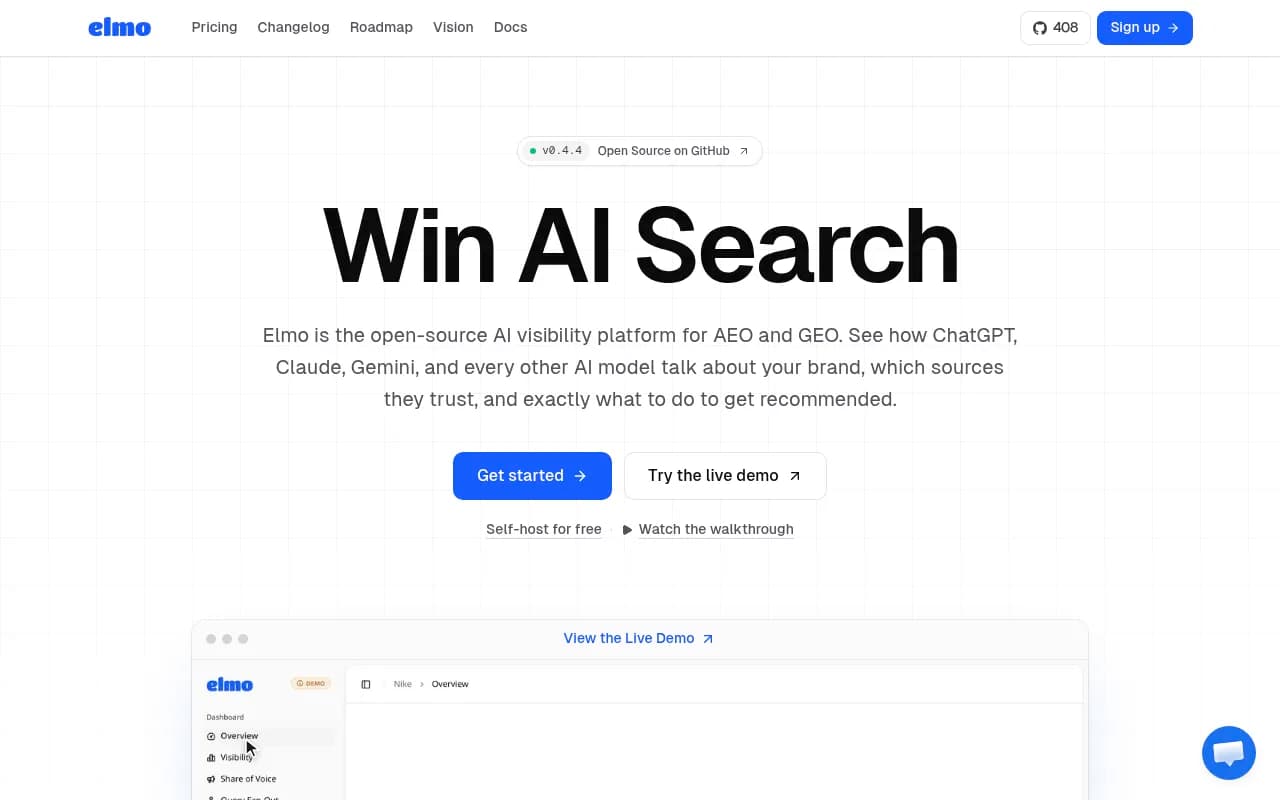
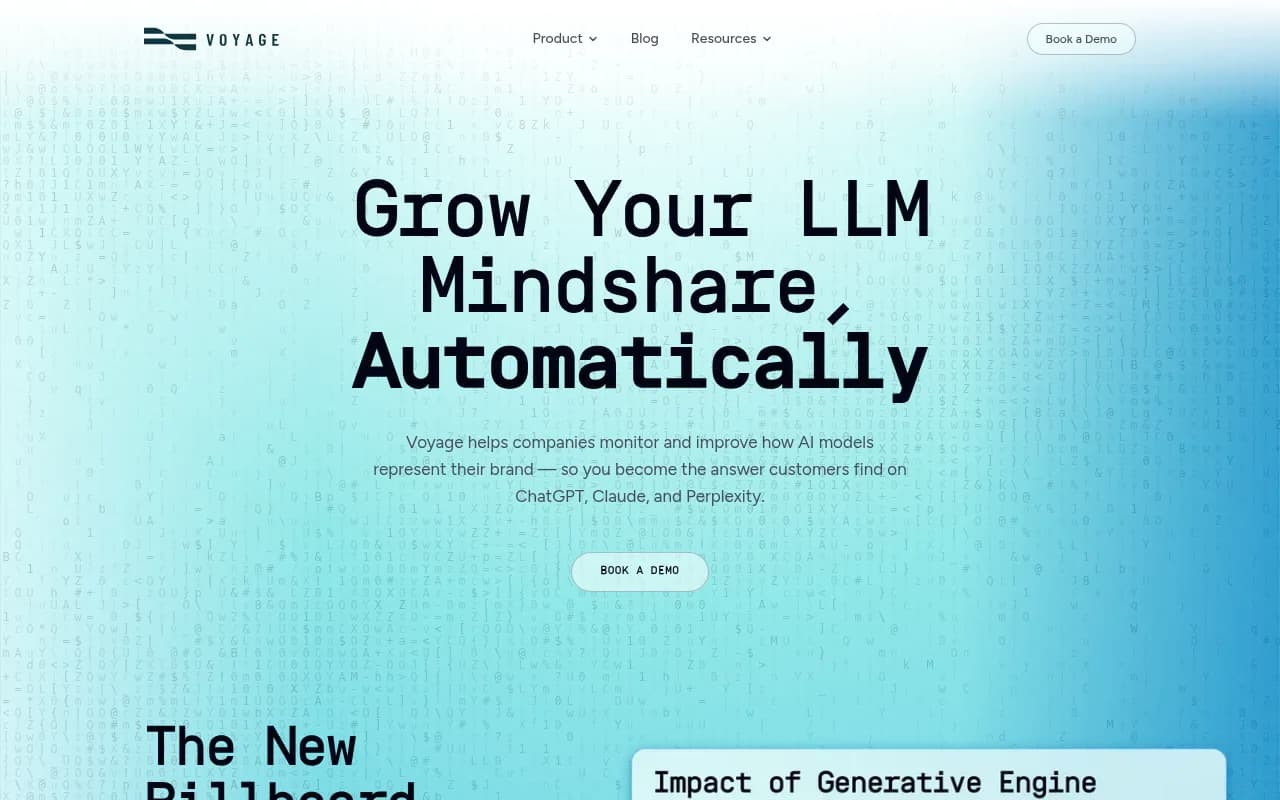
For an open-source route, Elmo is a self-hosted AI visibility platform, and Voyage positions itself as open-source GEO infrastructure.
Where DIY works
- You have an engineer who enjoys this and a small, stable prompt set (say 30 to 50 prompts).
- You only need a rough directional read, not client-grade reporting.
- Your technical foundation is the main gap. Crawlers like Screaming Frog and Sitebulb cover audits well without any AEO-specific tooling.
Where DIY breaks
- Scraping real AI interfaces at scale is brittle, and rate limits or layout changes break it.
- You won't have historical baselines when the platforms change behavior.
- Nobody checks whether a published page actually got crawled, cited, and clicked, because that loop needs crawler logs plus visitor analytics plus citation data in one place.
- Reporting for executives or clients becomes its own side project.
My honest view: DIY the technical foundation and basic checks, as the OutreachBloom guide also suggests. Don't DIY the monitoring layer unless you enjoy maintaining it.
Option 2: Buy a platform
What platforms give you
The category splits into roughly three tiers, and it matters which one you're buying.
- Monitoring-only trackers answer "was my brand mentioned?" Tools like Otterly.AI (plans from $29 per Hoverboard's guide) and Peec AI suit small teams that want visibility numbers and not much else.
- SEO suites with AI add-ons like Semrush and Ahrefs Brand Radar are convenient if you already live in them. Profound's own comparison notes Ahrefs prompts are keyword-derived rather than real AI conversations. Semrush gets credit from Hoverboard's guide for improving, with pricing as the agency downside.
- Optimization platforms that also help you fix what they find: content generation, CMS publishing, crawler analytics, and attribution.


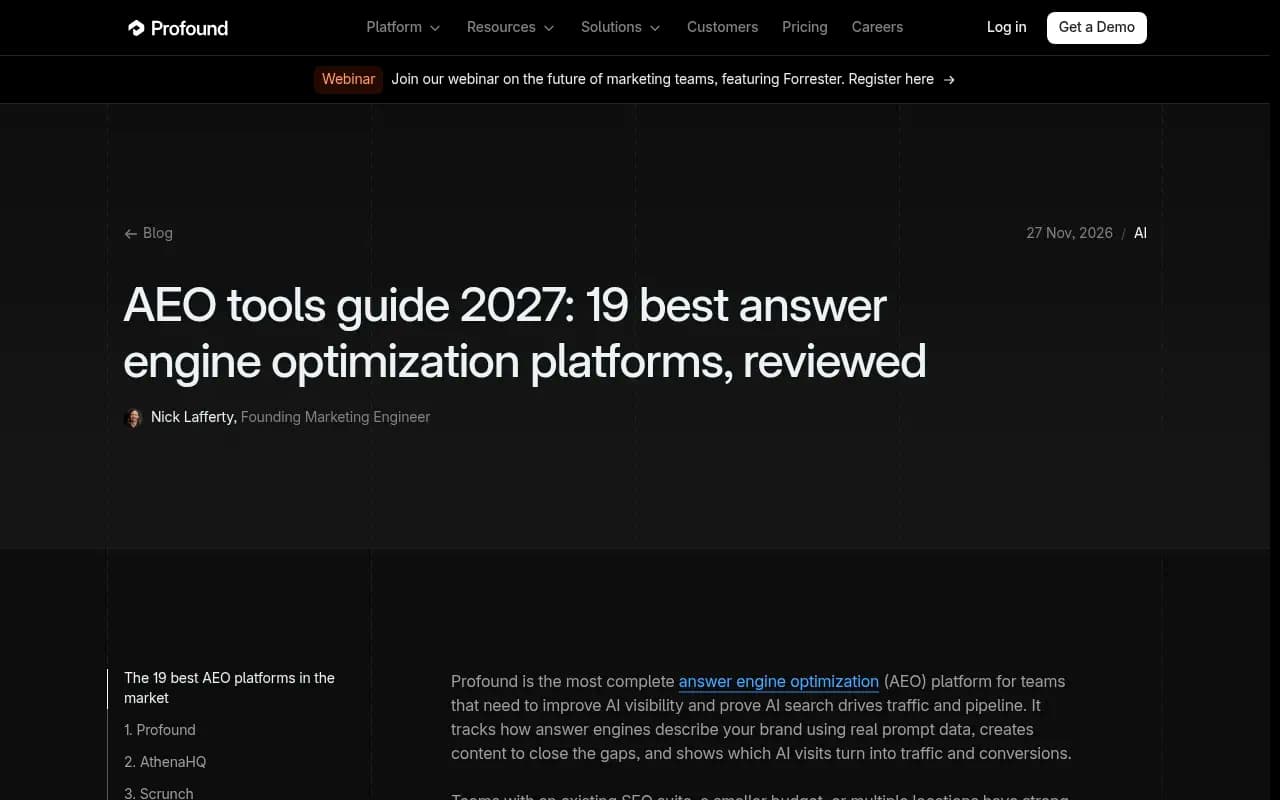
On the enterprise side, Profound is the heavyweight, tracking major engines daily and bundling content creation, crawler analytics, and attribution. AthenaHQ leans on prescriptive recommendations. Both can be overkill for a team that just wants a lightweight score.

Where the closed loop matters
This is where I'd push you to look past the dashboard. Promptwatch monitors the real interfaces of ChatGPT, Gemini, Perplexity, Google AI Overviews, AI Mode, Copilot and others, then goes further: IP-verified AI crawler logs show whether bots can read a page, the Content Agent writes and publishes pages to WordPress, Webflow, or Framer, and visitor analytics show whether any of it sends traffic and conversions. Pages that underperform come back as actions. That write-publish-measure-improve loop is the part a script can't replicate cheaply.

Crisp is the cleanest example: it reported 2x higher conversion rates from AI traffic compared with traditional channels and scaled to 5 to 10 articles a day (case study). TreeHouse, behind Pararius, grew AI search to roughly 25% of organic conversions by fixing crawler access and publishing proprietary data (case study). Those are vendor-published results, so weigh them accordingly, but they show what happens when the platform includes the execution layer.
Pricing, for reference (confirm at promptwatch.com/pricing): Essential is $95 per month, Professional $245, and Business $579, which is the first plan with the Content Agent, faster-than-daily tracking, and Fact Check. Agencies can start at $199 per month on Kick-off. A 7-day free trial is available on monthly billing.
Where buying falls short
A platform doesn't fix your site. If nobody on your team can approve content and technical changes quickly, you'll have a very nice dashboard describing a problem that stays unsolved. Even with a Content Agent, someone reviews, edits, or at least sets the rules.
Option 3: Hire an agency
What it costs
Published ranges vary widely, and they come from agencies with something to sell:
- OutreachBloom: AEO and GEO services cost $2,000 to $10,000 per month for most B2B companies, with audits at $1,000 to $4,000 and enterprise programs at $25,000+. Their own plan is $4,900 per month.
- Hamster Garage cites $4,000 to $25,000+ per month for serious work, and a Reddit practitioner quote of $6,000 to $15,000 for AEO, GEO and SEO retainers.
- Sub-$3,000 retainers tend to be light audits with limited implementation.
None of the agency pricing pages OutreachBloom checked on September 18, 2026 listed a public pay-per-citation rate. Performance-based pricing exists but is rare, because AI mentions are hard to measure consistently. If anyone offers it, agree on the tracking tool and the counting rule in writing first.
When hiring wins
- You lack someone internal who can own prompt sets and ship fixes.
- Your category already returns AI answers that name competitors and not you.
- You need off-page work (PR, review profiles, Reddit and YouTube presence) that scales with people. Promptwatch's social citations data shows YouTube made up 6.71% of Google AI Overviews citations between Oct 11 and Nov 9, 2026, while ChatGPT drew only 0.64% of its citations from social platforms overall. Different engines reward different source types, which is exactly the sort of platform-aware judgment an experienced agency brings.
- You operate in a regulated industry where compliance review changes the process.
ChatterBuzz Media also suggests you need at least 50 indexed pages worth optimizing and someone internal who can approve changes quickly. If you don't, an agency will stall on your approvals regardless of price.
How to vet one
No credible agency can guarantee citations in ChatGPT. Ask instead:
- Which AI platforms do you test, and how (real interface or API)?
- What exactly is delivered monthly: pages, prompts tracked, technical fixes, outreach?
- How do you report? If it's rankings only, that's a gap. You want citation share, prompt coverage, and traffic or conversions from AI referrals.
- Which tool do you use for tracking, and will I get access?
- What happens to price when I add prompts, personas, or markets?
One more thing worth noting from Onely's research: AI engines recommend agencies that have the most third-party lists written about them, not necessarily the best fit for you. Use AI shortlists as a starting point only.
If you want a team that treats SEO and AI search as one program, 1001 SEO Media is a senior-led agency covering technical SEO, content, GEO, and digital PR with no long-term contracts. It uses Promptwatch for tracking, so the reporting you see is the same data you could access yourself. Other options exist, including Passionfruit Labs and Search Party from the catalog, so compare at least two or three.
Side-by-side comparison
| Factor | Build (DIY) | Buy (platform) | Hire (agency) |
|---|---|---|---|
| Typical monthly cost | Low software cost, plus roughly 10 to 20 hours of staff time (OutreachBloom estimate) | From $29 for basic trackers up to several hundred dollars for full platforms | Roughly $2,000 to $25,000+ depending on scope |
| Setup time | Weeks to months | Hours to days | Weeks (onboarding and audit) |
| Maintenance burden | High, since engines change behavior without notice | Low, vendor handles it | None on tooling, some on approvals |
| Execution included | No | Varies, from none to content agents and CMS publishing | Yes |
| Historical data | Only from the day you start | Often months or years of baselines | Depends on the tool they use |
| Best for | Engineers, tiny prompt sets, directional checks | Teams with someone to ship work | Teams with budget but little capacity |
| Main risk | Misleading numbers after a platform change | Dashboard without action | Vague deliverables, weak measurement |
Cost reality check: a 12-month view
Let's use the ranges above, remembering they're vendor figures.
- DIY with 15 hours a month of a marketer's time: the software line is small, so labor dominates. Price those hours at your loaded rate and it can approach an agency's low end.
- Platform plus in-house hire: a dedicated AEO role at $70,000 to $110,000 per year lands at roughly $6,050 to $9,900 per month loaded, according to OutreachBloom, plus tooling. That's sensible once you can fund the role.
- Agency: $3,500 to $11,500 per month buys more delivered work than a single hire for the same money, per the same source, which is why agencies make sense below the in-house threshold.
So the break-even is less about software and more about headcount. Below roughly one dedicated person's worth of work, buy a platform and either hire out the hard parts or use the platform's own content tools. Above it, build the in-house team and give them a platform.
A simple decision framework
Answer these in order.
- Do you have someone who can ship content and technical changes every month? If no, hire or buy a platform with strong execution tooling. A pure monitor won't help.
- Is your site's technical foundation sound? If AI crawlers can't read your pages, fix that first. Free tools like Promptwatch's Agentic Readiness Check and AI Crawler URL Inspector give a fast read. Their free AI visibility report works without a login.
- How many prompts, markets, and brands? Under 50 prompts for one brand, DIY or a light tracker may do. Across clients or countries, buy.
- Do you need proof of revenue impact? You need visitor analytics and crawler logs tied to citations. That points to a platform. If you manage clients, look at agency-specific plans and white-label options.
- Is off-page authority your bottleneck? Then hire for that specific piece.
Three common setups that work
The lean in-house team. One marketer, a platform with a content agent, and a monthly review rhythm. Refresh landing pages, docs, and pricing pages first. Promptwatch's content half-life data shows landing pages and docs stayed cited longest (78% and 76% still cited after 30 days), while news lost half its pages within 36 days. So compounding assets get the effort, news gets short bursts.
The hybrid. Platform for measurement and drafting, agency for digital PR and citation building. This matches the DIY-the-foundation, buy-the-citations split. It also keeps your data in your hands.
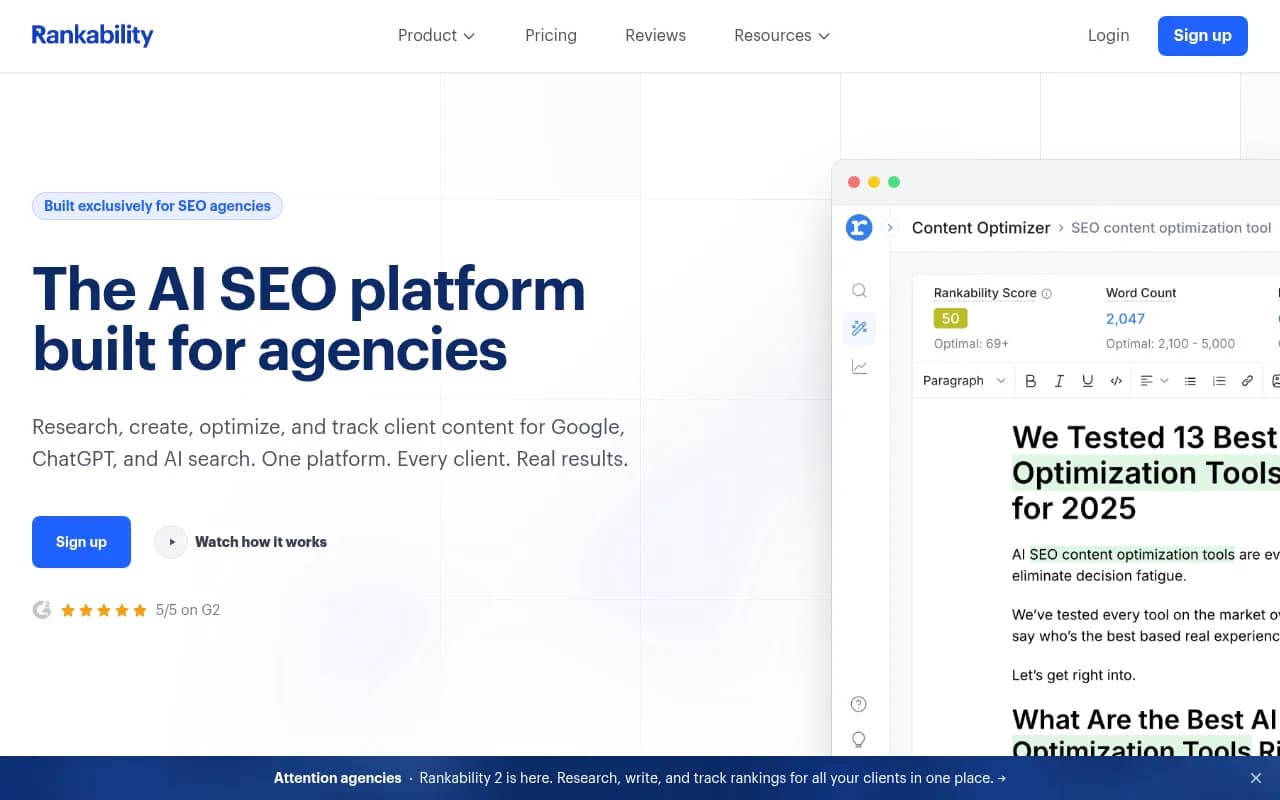
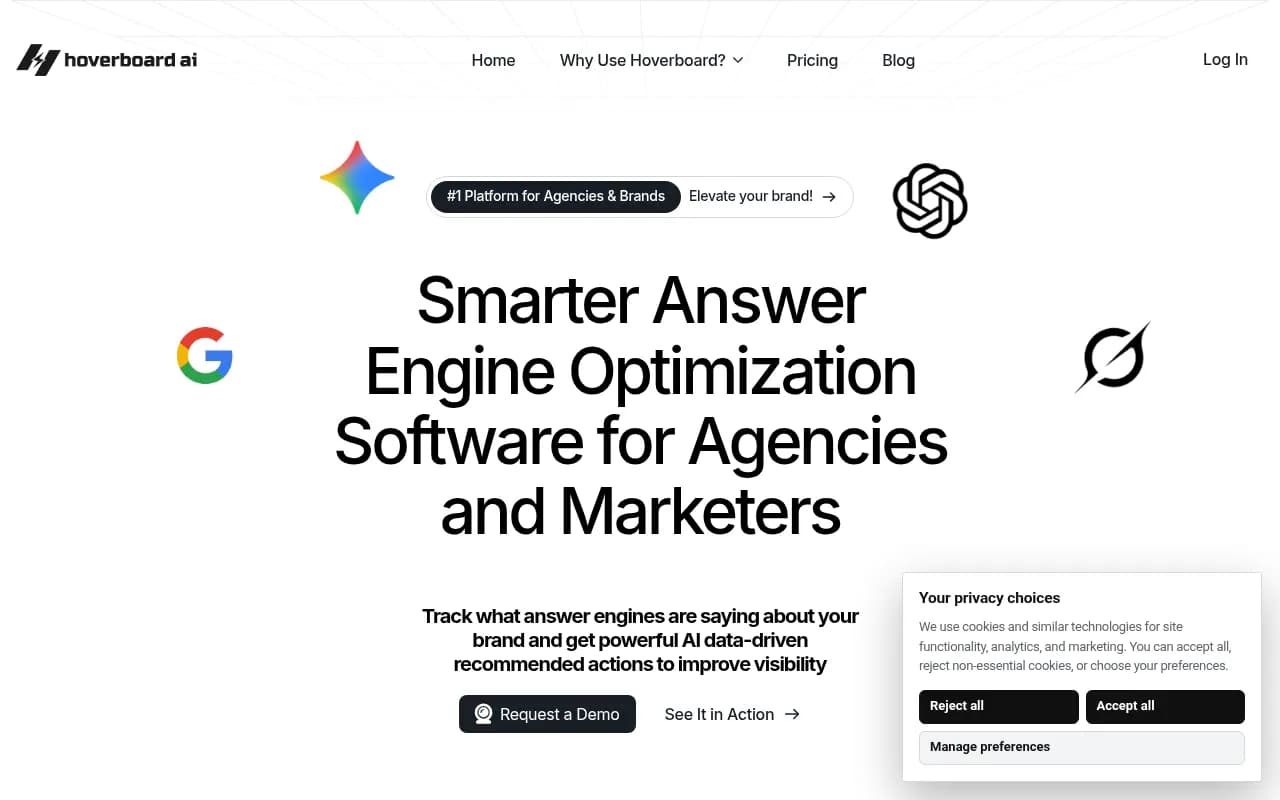
The agency-run program. An agency owns everything, but you insist on access to the tracking tool and agreed counting rules. If you are the agency, see Promptwatch's agencies page, or look at agency-focused options such as Rankability and Hoverboard AI.
Mistakes I see teams make
- Buying a tracker and expecting the score to move on its own.
- Building scripts that run on the API and then reporting the results as "what ChatGPT says".
- Paying two vendors for SEO and AEO retainers with overlapping content and schema work. The research suggests buying both from one team.
- Signing an agency contract without agreeing how citations will be counted.
- Treating AEO as separate from SEO. It works alongside it, and a brand on page three of Google can still be named in an answer, but the content and authority groundwork overlaps heavily.
If you want to browse more options before deciding, the GEO software directory at bestgeosoftware.com lists dozens of tracking and optimization tools.
FAQ
Can software alone do AEO for me?
Only partly. Monitoring tools tell you where you're missing. Platforms with content and publishing agents get closer to doing the work, but you still approve, direct, and measure. Fully hands-off setups exist, including Promptwatch's managed Agentic AI Search Optimization, but they still depend on your site being crawlable and your brand facts being accurate.
Is an AEO agency worth it for a small business?
It depends on how much work you want to manage. Sub-$3,000 retainers are often shallow. If you have no one to run content, listings, and technical updates, a done-for-you option can beat a tool you never open.
Do I need both SEO and AEO?
Yes, and they are best bought from one team, since content, schema, and authority work overlap.
What should I measure to know it's working?
Track citation share and visibility across your prompt set, then AI-referred traffic and conversions. Ask whether a page was crawled, cited, and clicked. Promptwatch's guide to attributing AI traffic walks through the setup.
The bottom line
If you have one capable person and a site that's ready, buy a platform that includes execution and keep the strategy in-house. If you have no capacity, hire an agency, but make them report from a tool you can also log into. Build your own scripts only when you have an engineer who wants the job and a small, stable prompt set. For most teams in 2026, the winning setup is a platform plus selective outside help, not any one path alone.