
Key takeaways
- A CFO cares about cost per useful data point, evidence of revenue impact, and what happens if you cancel. Build the trial around those three things.
- Run the trial with a fixed prompt list, a baseline, and a pass/fail rule written down before day one.
- Check that the tool measures AI traffic and crawler activity, not just mentions. Mentions alone rarely survive a finance review.
- Citation sources shift fast, so a trial needs a 7 to 14 day window and comparison against your own baseline, not a vendor's headline score.
- Verify current pricing and trial terms on each vendor's pricing page before you present anything. Plans change.
Why the CFO conversation goes sideways
Most AEO budget requests die in the same way. The marketer shows a dashboard with a visibility score, the CFO asks "what does that number mean in dollars," and the room goes quiet.
That is a fair question. Answer engine optimization is new enough that nobody has a decade of benchmarks to lean on. So the way to win the budget conversation is not a better pitch. It is a better trial. You walk in with a baseline, a hypothesis, and a result.
This guide lists the questions a finance lead is likely to ask, in roughly the order they come up, and what you can collect during a free trial to answer each one. I have kept the advice tool-neutral where I can. The catalog of AEO and GEO platforms is huge now, and the right pick depends on whether you are a brand team, an agency, or a three-person startup.
Question 1: What exactly are we buying?
Start by separating three things that get sold under one label.
| Category | What it answers | Typical gap |
|---|---|---|
| Prompt tracker | Was my brand mentioned? | No action, no traffic data |
| AI visibility platform | Where, how often, why, and against whom? | Varies a lot by vendor |
| Content and execution layer | What do we publish to fix it? | Often sold separately |
A CFO will ask whether this is a reporting tool or something that changes outcomes. Be honest. A pure tracker is a reporting cost. A platform that also shows crawler activity, AI-referred visits, and content gaps is closer to an operating system for a channel. Those cost different amounts and deserve different justification.
As a reference point, Promptwatch sits in the second and third buckets: it tracks prompts across ChatGPT, Gemini, Perplexity, Claude, Google AI Overviews and others, then connects that to crawler logs, visitor analytics, and a Content Agent that writes and publishes pages.

Many others are trackers first, including Otterly.AI, Peec AI and Rankscale. That is not a criticism. If your question is simply "are we named," a tracker can be enough.


Question 2: Why is this a real channel and not a fad?
Expect this one early. You need evidence that AI answers send visits and shape decisions, and ideally evidence from your own site rather than a podcast.
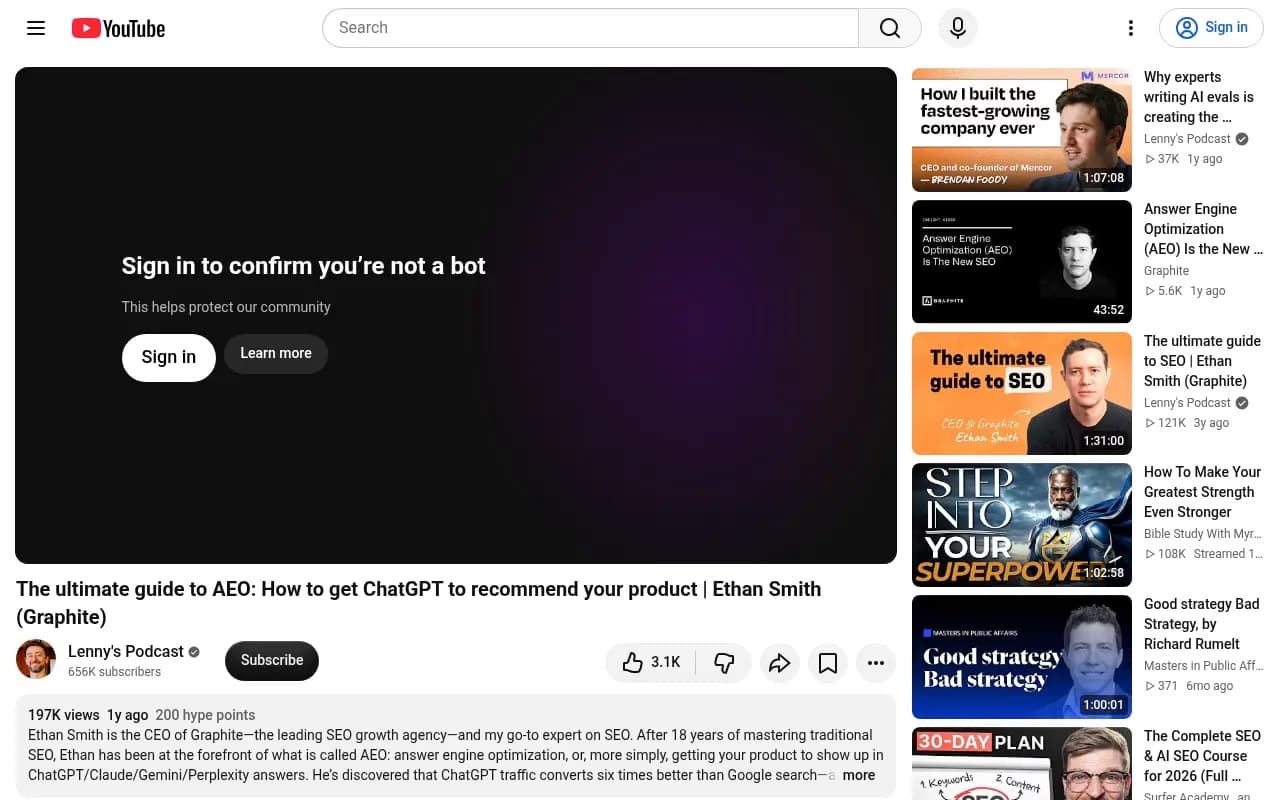
Two outside data points are worth having ready. Ethan Smith of Graphite told Lenny's Podcast in September 2025 that ChatGPT traffic converts about six times better than Google search. That is one practitioner's claim from his client work, so present it as a hypothesis to test, not a fact about your business.
The second is more useful: Promptwatch's research on how often ChatGPT cites different sources. Promptwatch's November 2026 ChatGPT citation share data (Nov 1 to 25) shows Reddit as the most cited popular site at just 0.23% of citations, with G2 and LinkedIn at 0.18% each. The top 20 popular sites together earn under 2%. The rest is spread over hundreds of thousands of domains. In June 2026 Reddit led with 3.71%, so the ground moves.
That last point is your answer to the "is it stable" objection. It is not stable, which is exactly why you measure it on an ongoing basis rather than doing a one-off audit.
To see where your own site stands today, a free scan costs nothing. The free AI visibility report shows how ChatGPT, Gemini and Perplexity talk about your brand, and the Agentic Readiness Check shows whether AI crawlers can even read your site.
Question 3: How much will it really cost?
The sticker price is rarely the real price. Before you take a number to finance, collect these:
- Monthly price at the tier you actually need, not the entry tier
- What is capped: prompts, responses per month, projects, users
- Whether all AI models are included or priced per engine
- Whether content, crawler logs and analytics are included or add-ons
- Annual versus monthly pricing, and the cancellation terms
- Overage costs, since heavy tracking can blow through a response cap
I could not verify current pricing for most vendors while writing this, so check each pricing page directly. For Promptwatch, the published tiers at the time of writing are Essential at $95 a month, Professional at $245, and Business at $579, with agency plans from $199. Annual billing gives 12 months for the price of 10, and there is a 7-day free trial on monthly billing. Confirm at promptwatch.com/pricing before quoting any of it.
A note on the cap math, because CFOs love it. If you track 150 prompts daily across several engines, you consume responses fast. Ask each vendor how many responses a month the plan includes and divide the price by that number. Cost per response is a more honest comparison than cost per seat.
Question 4: How do we know the data is accurate?
This is the question that separates a serious evaluation from a demo. AI answers are variable. Ask the same question twice and you may get two different brand lists.
Good questions to put to any vendor during the trial:
- Is data collected from the real user interface of each engine, or from an API? The two can give different answers and different citations.
- How are responses sampled, and how often?
- Can I see the raw response behind every score?
- How is a mention defined when my brand name is a common word?
The number of sources per answer also matters when you read trends. Promptwatch Data on sources per response (daily tracking, page dated September 2025, so figures may have drifted) shows ChatGPT citing about 5 sources per web-search answer, Google AI Overviews about 10, and Perplexity almost exactly 10 every day. Copilot swung from under 2 to nearly 17 within a few weeks. The practical lesson for your trial: judge each engine separately, read Copilot on monthly trends, and treat Perplexity as the steadiest place to test whether a content change worked.
Question 5: What will we do with the findings?
A dashboard that nobody acts on is the fastest way to lose a renewal. The CFO will ask who owns the output and what changes in the content calendar.
Put the workflow on a page before the trial starts:
- Weekly, someone reviews prompts where competitors appear and you do not.
- Those gaps become a short list of pages to write or refresh.
- Pages ship, then get tracked for crawls, citations and visits.
This is where the tools diverge. Some stop at step one. Others help with all three. Examples with execution built in include Promptwatch, AirOps, Relixir and Writesonic. Others, like Profound and Scrunch, lean toward monitoring and enterprise reporting.
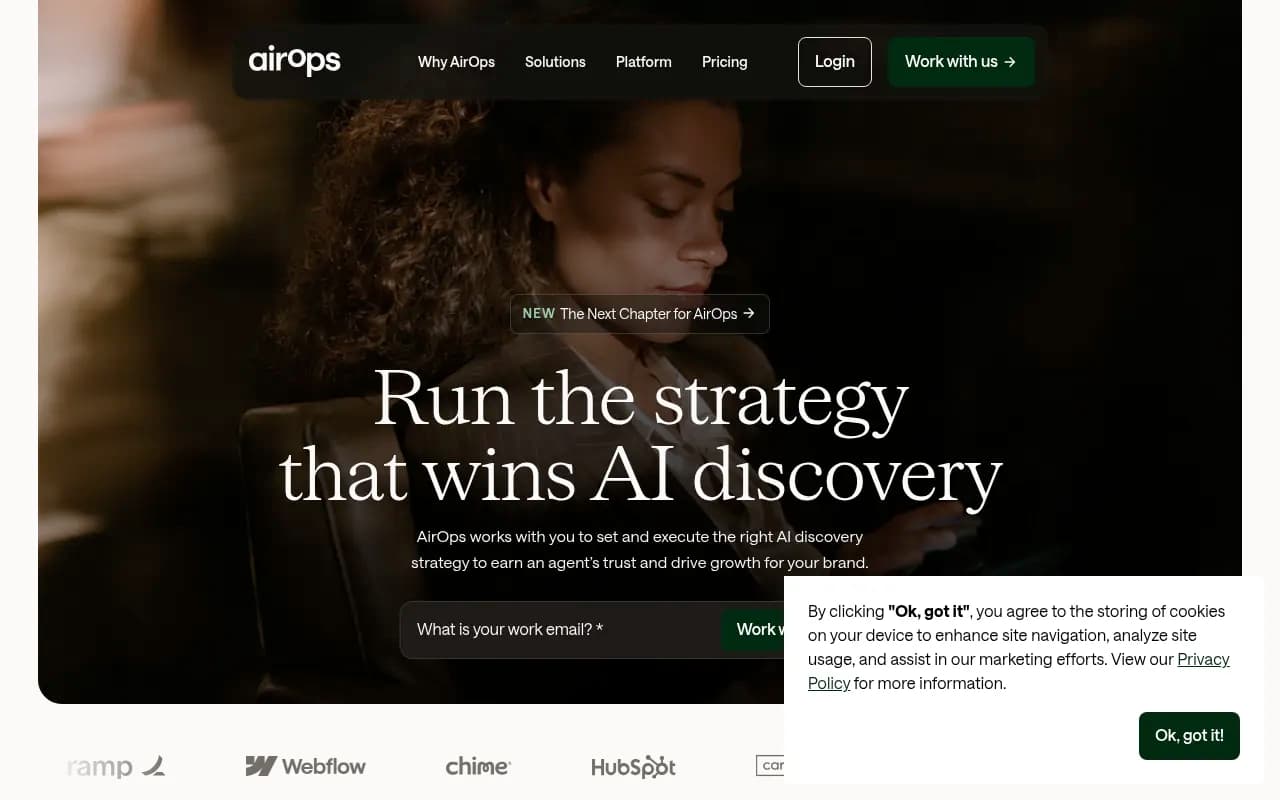
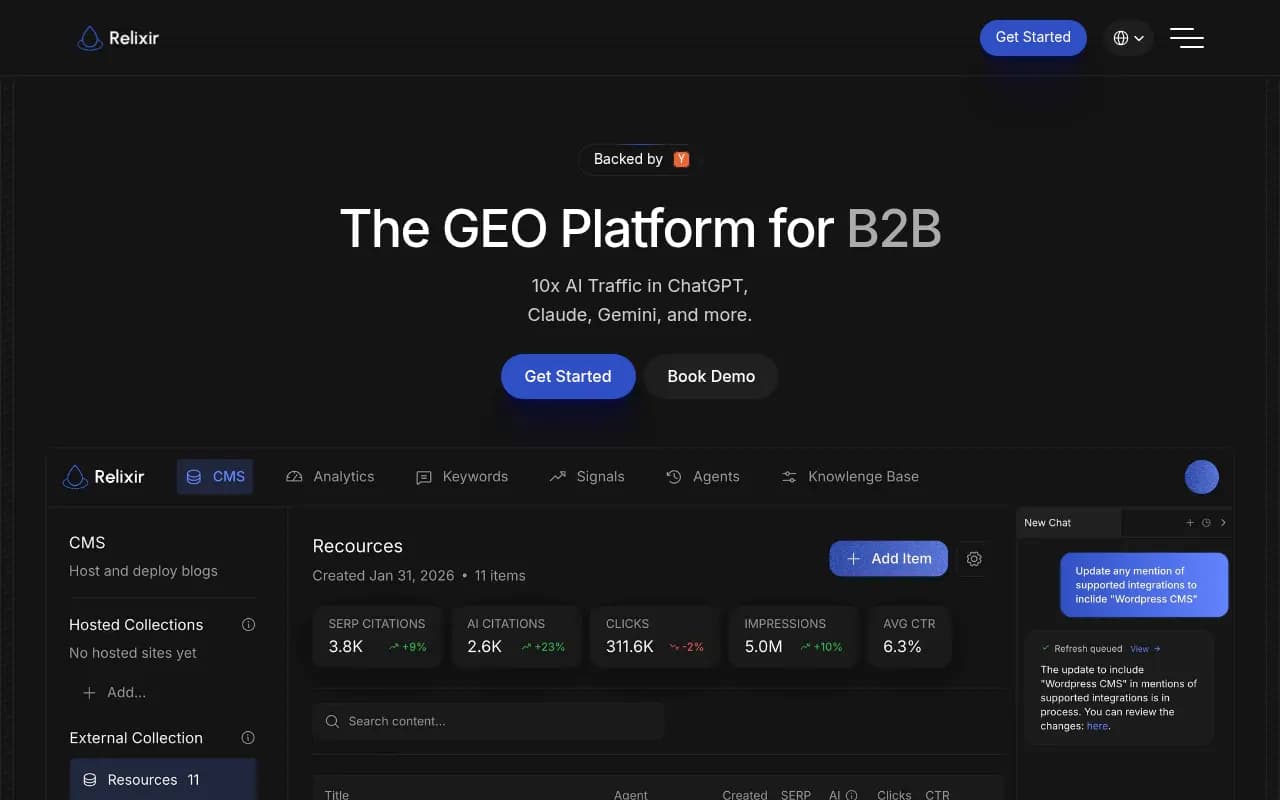

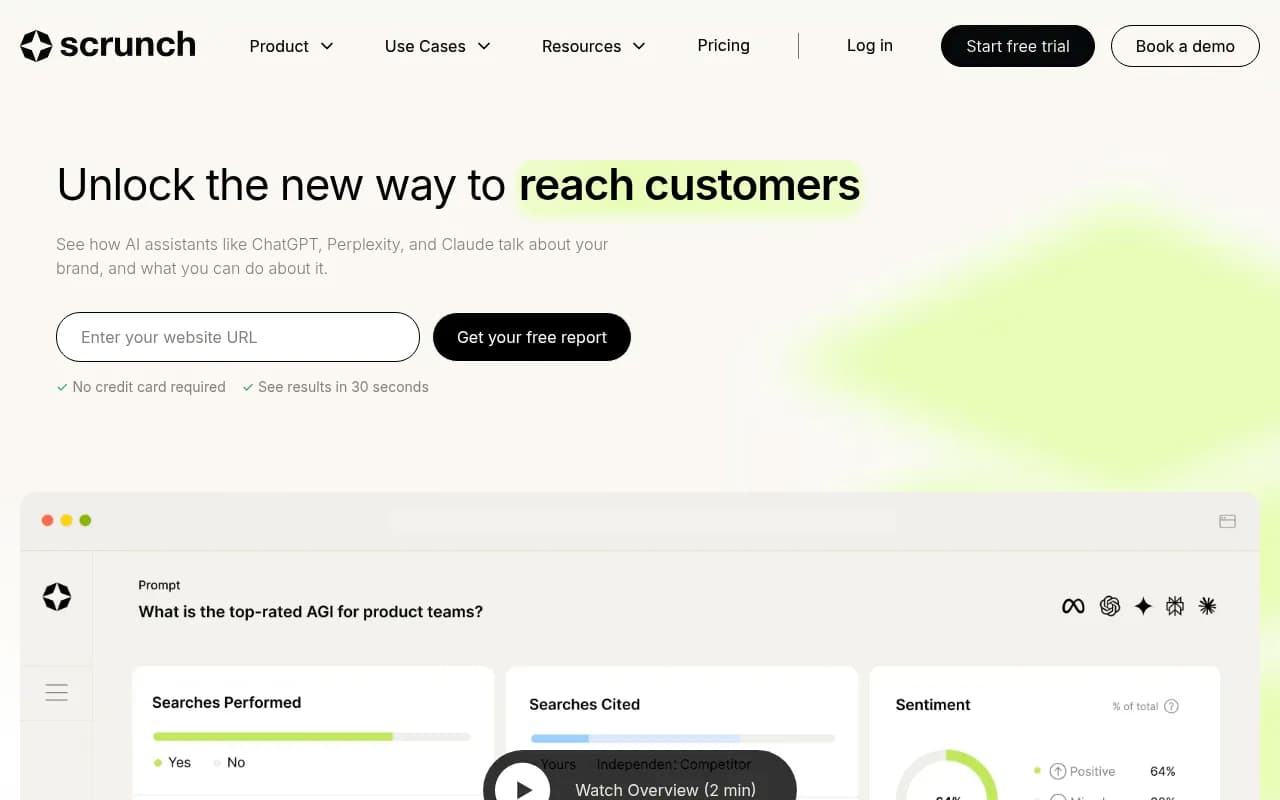
If you want a second opinion on the category, the GEO software directory at bestgeosoftware.com lists a lot more options than fit in this guide.
Question 6: Can it tie to revenue?
This is the one that decides budget. A visibility score does not pay anyone's salary. You need at least one of these connections:
- AI-referred visits and conversions in your analytics
- Crawler logs that show AI bots actually reading the pages you are trying to win with
- A before and after on pages you changed
A caution on attribution. Referrer data from AI platforms is messy, and the picture shifts as vendors change how links are tagged. Promptwatch's Academy guide on attributing AI traffic is a decent starting point for setting up UTM handling and analytics filters.
If your platform does not measure traffic, you can still do this with your existing analytics tool. It is clumsier, but a CFO will take a rough number from a system they already trust over a precise number from one they do not.
| Evidence type | How strong for a CFO | Where it comes from |
|---|---|---|
| Mentions and visibility score | Weak | Any tracker |
| Citations to your own pages | Medium | Citation tracking |
| AI crawler activity on target pages | Medium | Crawler logs or server logs |
| AI-referred sessions and conversions | Strong | Visitor analytics or GA4 |
| Pipeline from AI-sourced leads | Strongest | CRM with source field |
Question 7: How is this different from our SEO suite?
Someone will ask why you cannot just use Semrush or Ahrefs. It is a reasonable challenge, and the answer is partial overlap.
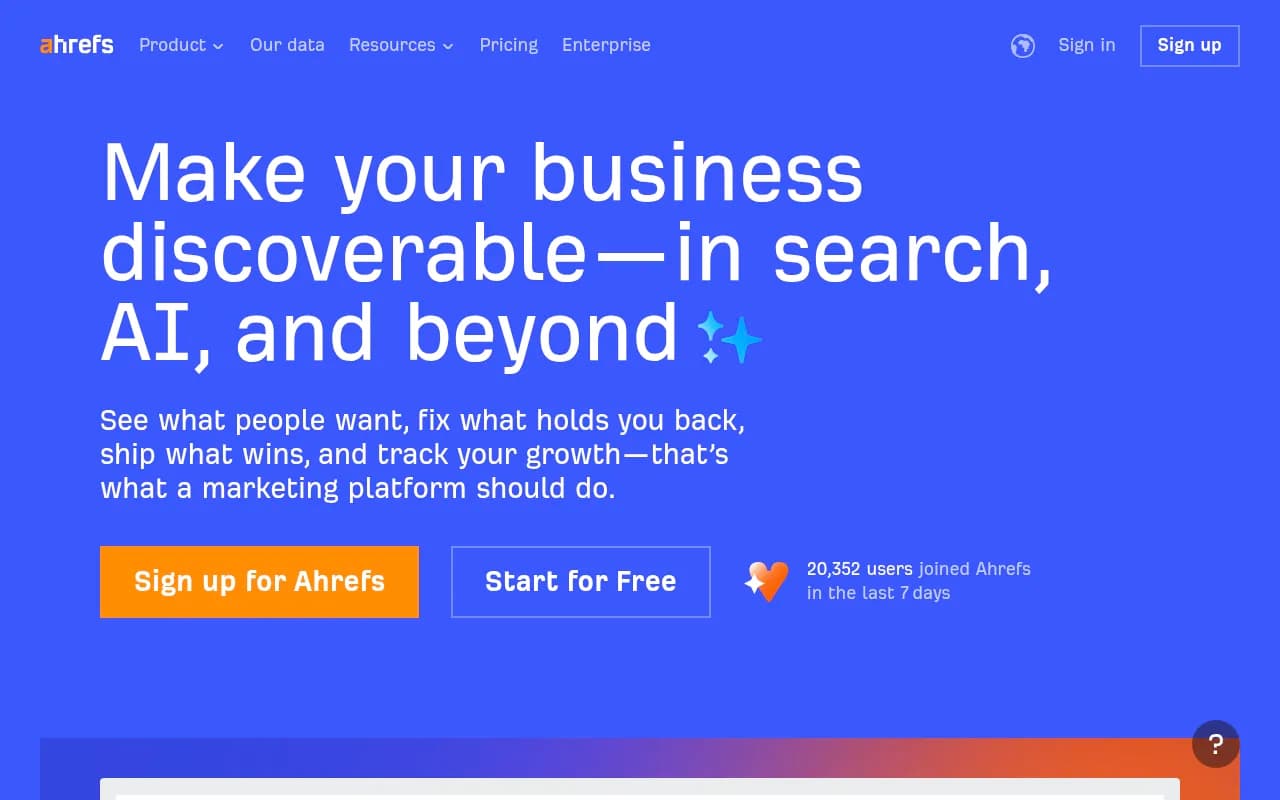
Semrush and Ahrefs Brand Radar now include AI tracking, and for teams already paying for those suites the incremental cost can be low. The trade-off is that the AI features are often add-ons with fixed prompt sets and less depth on crawlers and traffic. If your needs are modest, start there. If AI search is becoming a primary channel, a dedicated platform usually goes deeper.
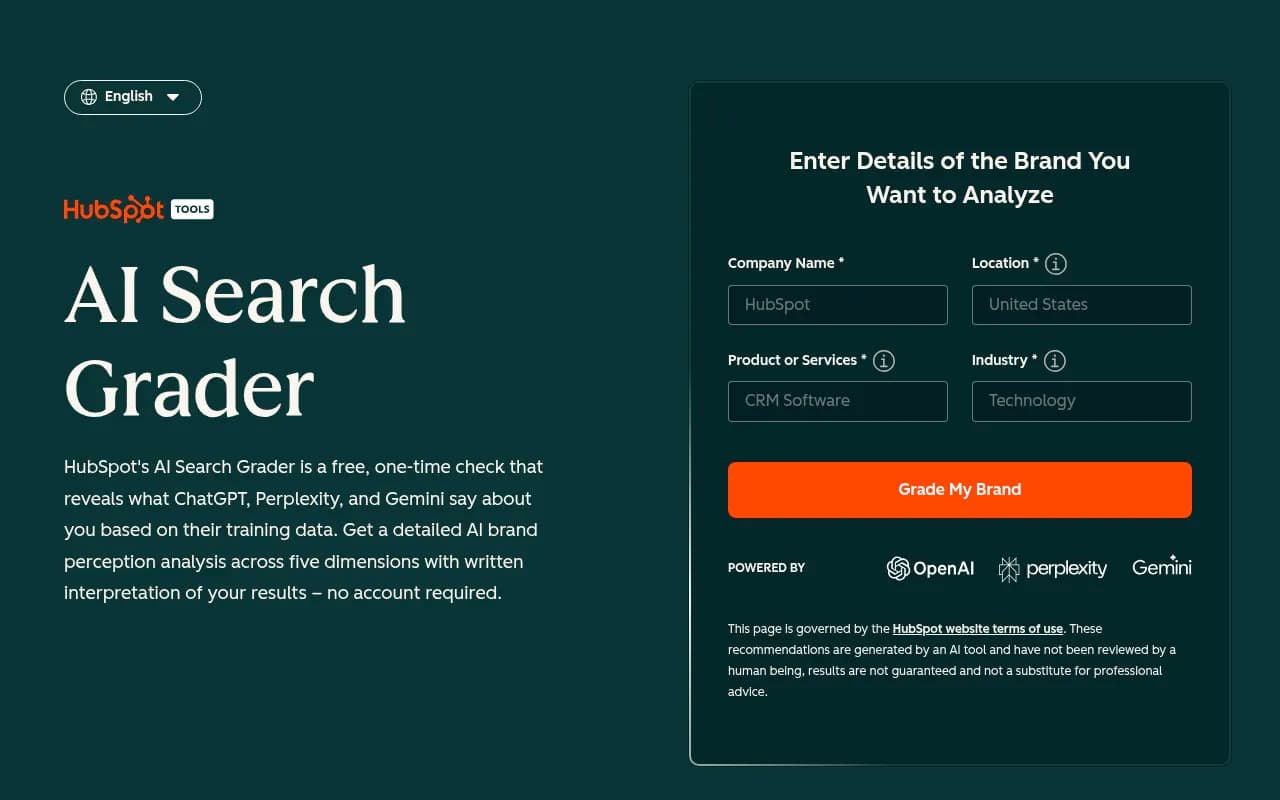
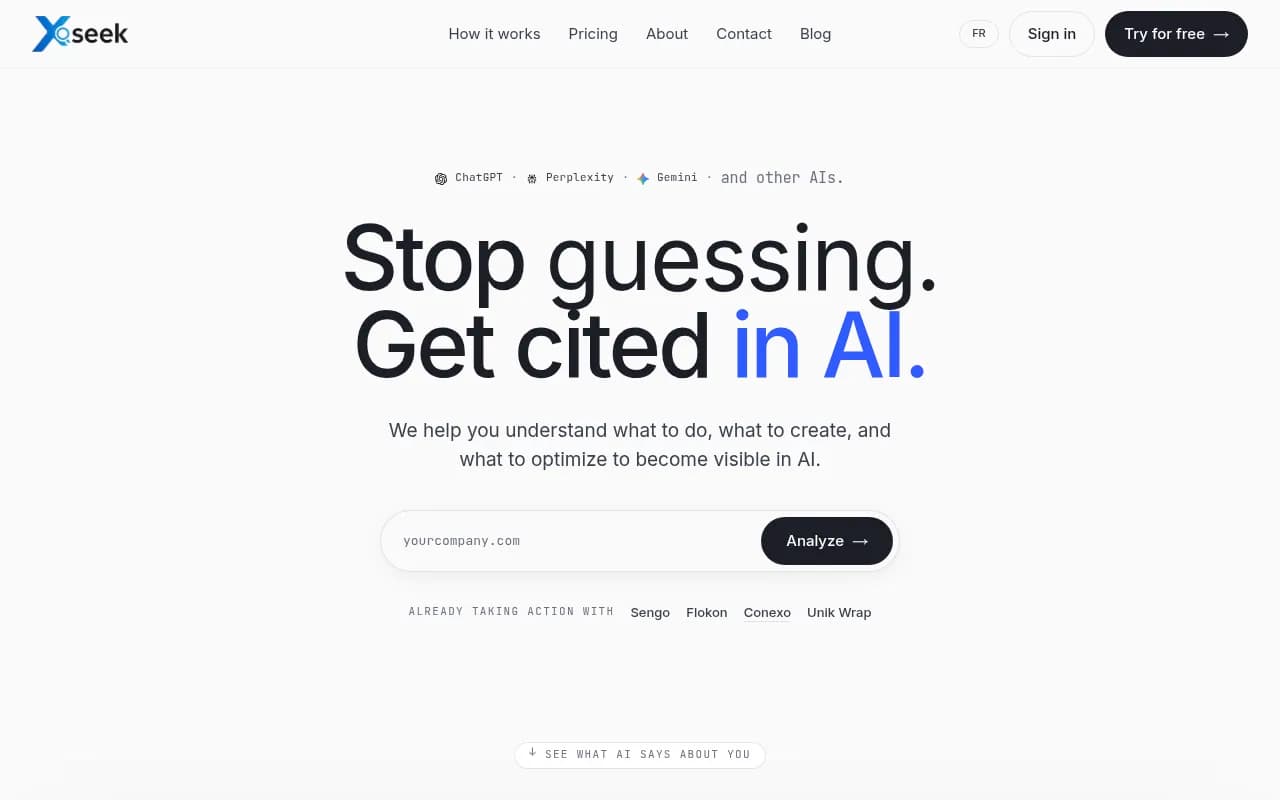
There is also the free end. HubSpot's AEO Grader gives a one-off check, and xSeek's free workspace runs up to 15 questions once and previews an action plan. Those are fine for orienting yourself, but a one-off snapshot cannot show a trend, which is what finance will ask for.
One vendor claim to treat with care: Finseo's marketing page says it covers 22 engines and "500+ teams." Those are vendor claims that I could not independently verify. Ask for a list of engines and test two or three yourself during the trial.
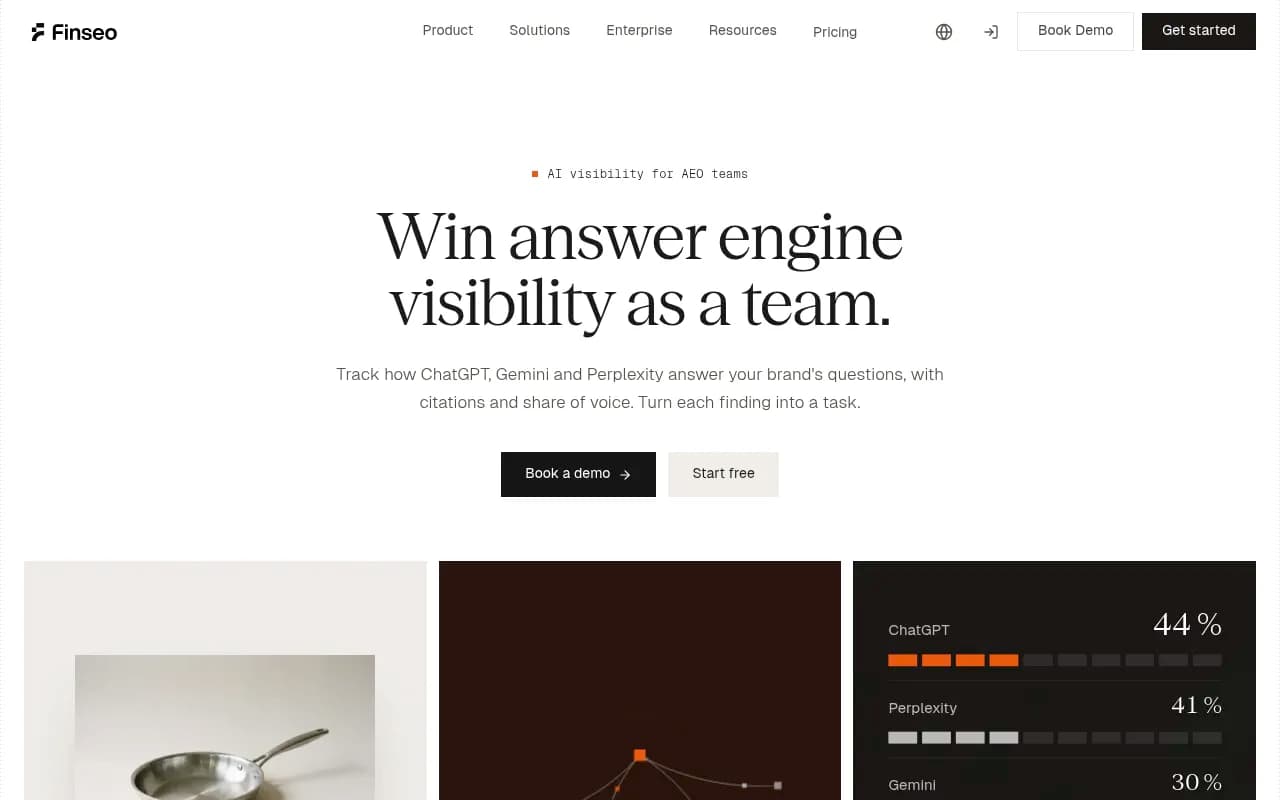
The useful idea on that page, regardless of vendor, is that each role wants a different number from the same data: the SEO lead wants visibility per prompt, the content lead wants gaps, and the CMO wants share of voice over time. If you present one headline number to a CFO, you will be asked for the other five.
Question 8: What does a fair trial look like?
This is where you turn all of the above into something you can run. Most trials are 7 to 14 days. That is short, so prepare before you click sign up.
Before day one
- Write 20 to 40 prompts that match how your buyers actually ask. Avoid prompts auto-suggested from your own content, since those rarely resemble real demand. Ethan Smith makes the same warning in the Lenny's Podcast episode.
- Split them into branded, category, and competitor-comparison prompts.
- Record a baseline by hand for 5 to 10 of them. Ask ChatGPT, Gemini, Claude and Perplexity, and log which sources they cite. The Aspen guide for financial advisors suggests exactly this weekly habit, and it works for any industry.
- Write the pass rule down. For example: "The tool must surface at least three content gaps we did not already know, and show AI-referred sessions in our analytics."

During the trial
- Compare the tool's output with your manual baseline. If they disagree wildly, ask why.
- Check that every score links to a raw response.
- Test one fix. Refresh a single page, then see whether it is crawled and whether citations move. A week is short, so treat this as a signal about the workflow, not proof of impact.
- Export data. If you cannot get your data out, that is a finance risk in itself.
At the end
Bring the CFO a one-page summary: cost per month at the real tier, what the trial found, what you would do with the findings, and what you would measure at 90 days. That last item matters. Promising a 90-day review with a clear metric beats asking for open-ended spend.
Question 9: What if it does not work?
A good CFO will ask about the exit. Answer it before they do.
- Prefer monthly billing for the first quarter, even though annual is cheaper. Move to annual once the metric is proven.
- Confirm what happens to your data on cancellation.
- Check whether tracking continues during a billing lapse, so you do not end up with gaps in your trend lines.
- Define the kill criterion in advance. For example, if no AI-referred conversions show up after 90 days and no cited-page lift appears on refreshed content, cancel.
Promptwatch's 90-day GEO program in its Academy is a ready-made structure if you want a plan to attach to the request.
Question 10: Should we hire an agency instead?
Sometimes yes. If nobody on the team has capacity to act on findings, software alone becomes shelfware. A software tool plus a managed service can cost more, but it removes the ownership problem. 1001 SEO Media, which publishes this site, offers GEO and AI search services alongside technical SEO and content, with no long-term contracts. Whether you go that way or hire in-house, decide who owns the weekly review before you sign anything.
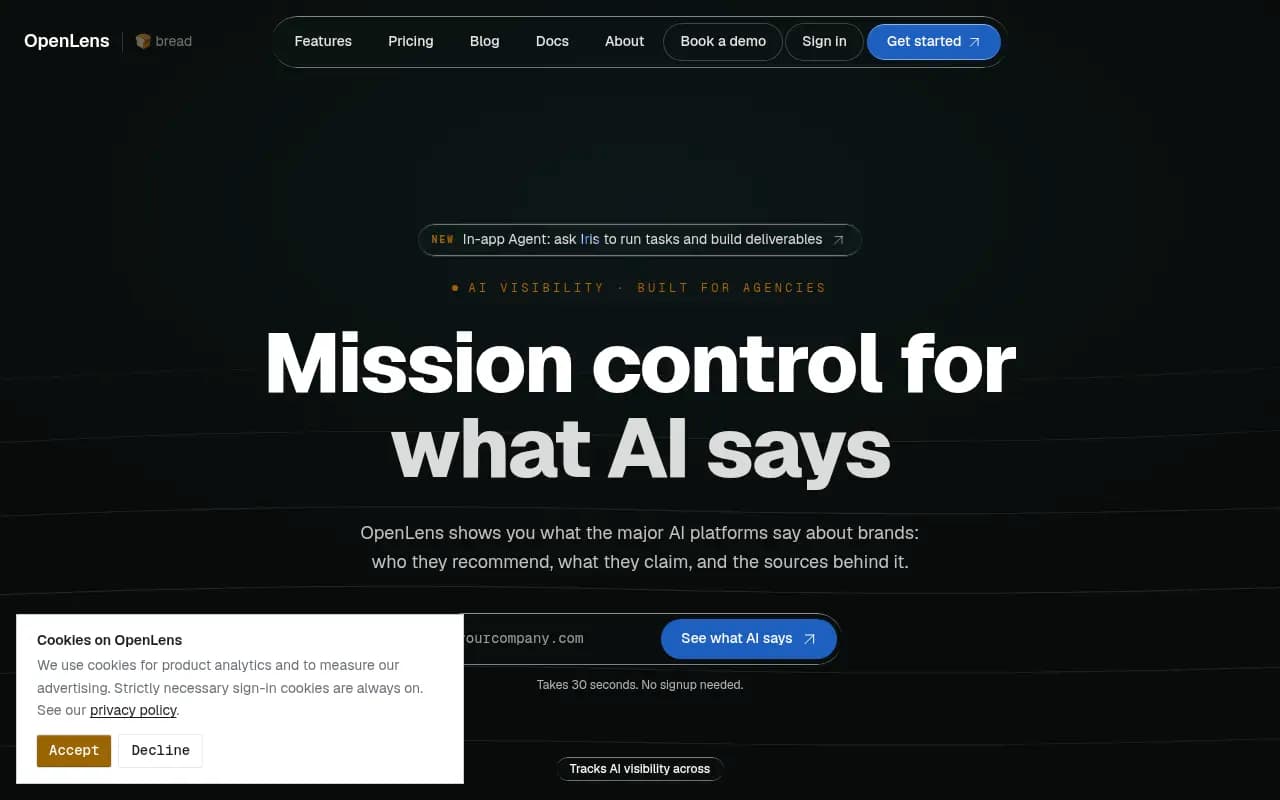
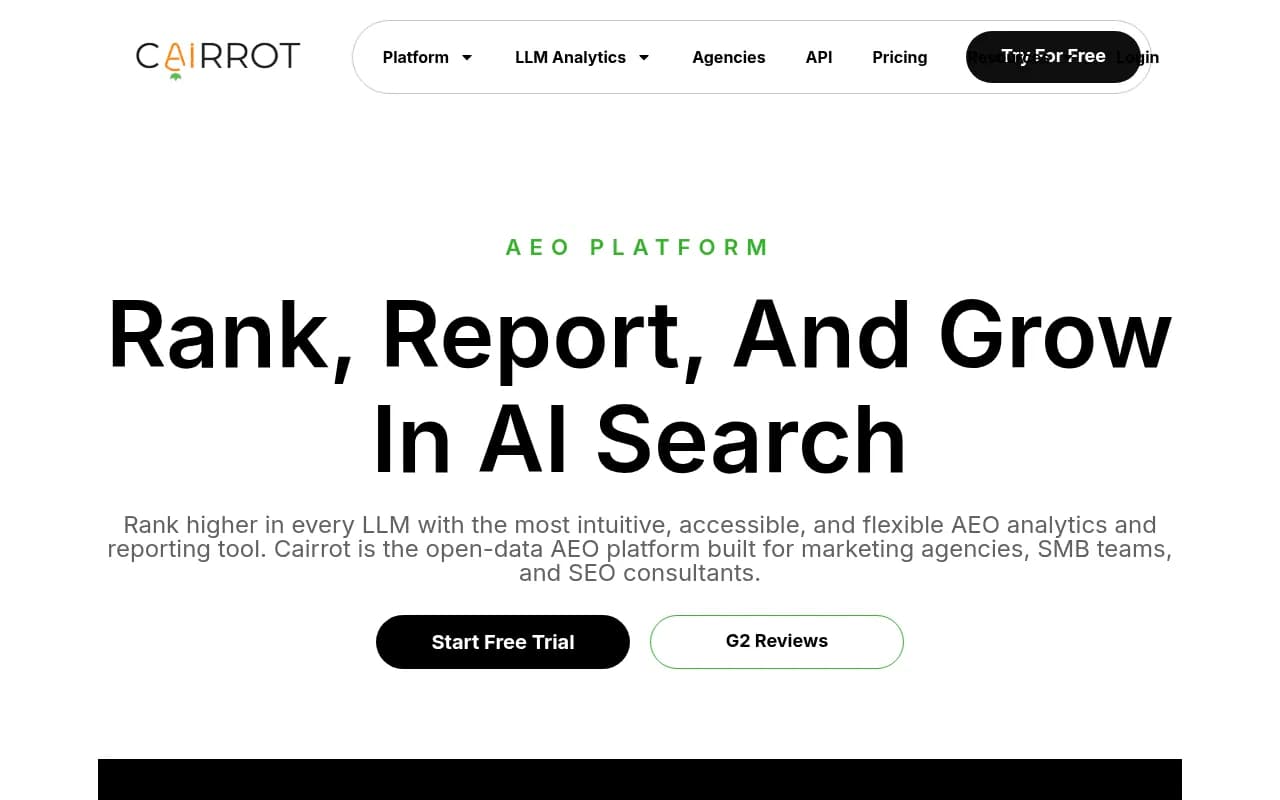
For agencies evaluating tools for client work, look at plans with unlimited projects and exportable reports. OpenLens, Cairrot and Promptwatch's agency tiers are examples worth testing. The directory at ai-rank-tools.com is a handy place to browse more.
A short cheat sheet for the meeting
| CFO question | What to bring |
|---|---|
| What are we buying? | Category (tracker, platform, execution) and why |
| Is this real demand? | Your own AI-referred sessions plus one outside data source |
| What is the full cost? | Price at real tier, response caps, add-ons, cost per response |
| Can we trust the data? | Manual baseline vs tool output, raw responses |
| What will we do with it? | Weekly workflow and named owner |
| How does it tie to revenue? | Traffic, conversions, or crawl and citation lift on changed pages |
| What if it fails? | Monthly billing, 90-day kill criterion, data export |
What I would do
If I were walking into that meeting next week, I would shortlist two or three tools, run all of them through the same prompt list in overlapping trials, and compare against a hand-built baseline. I would favor whichever one showed me traffic and crawler data in addition to mentions, because that is the evidence a finance person can follow. And I would keep the first commitment small and monthly.
The goal of the trial is not to prove AEO works in general. It is to show that you can measure it, act on it, and stop spending if it does not pay back. That is a much easier thing to sign off on.
FAQ
How long should an AEO platform trial run?
Seven days is the common minimum, and it is enough to test data quality and workflow. It is not long enough to prove content changes moved citations. Plan a 90-day review for that.
What should I measure first?
Start with visibility per prompt across engines, citations to your own pages, and AI-referred sessions in your analytics. Add crawler activity if the tool supports it.
Do I need a paid tool at all?
Not always. A spreadsheet and a weekly manual check of your key prompts is a legitimate start, and the free graders are fine for a first look. Move to a paid platform when the manual work becomes the bottleneck.
Which engines matter most?
That depends on your audience, so check your own referral data. Judge each engine separately, since citation behavior differs a lot between ChatGPT, AI Overviews and Perplexity.
Is Reddit worth building a plan around?
Probably not as the center of it. Promptwatch's November 2026 data shows Reddit's share of ChatGPT citations has dropped sharply since June, and the advice from that report is to list and get reviewed on sites like G2, Capterra and Trustpilot, and to publish answers on your own site.