Key takeaways
- Checking AI citations is three separate jobs: can AI crawlers reach your site, do engines cite your pages, and does that citation send traffic. Most tools only do the second one.
- Free checkers like HubSpot's AEO Grader or a manual prompt test are fine for a first look. They don't give you history, volume or competitor context.
- Measure each engine on its own. In Promptwatch Data, ChatGPT cites about 5 sources per web-search answer, while Google AI Overviews and Perplexity cite about 10.
- A tool that tracks only ChatGPT misses most social-platform citations, because those now sit mostly in AI Overviews.
- Pick by job: a free grader for a quick check, a mid-priced tracker for ongoing monitoring, a full platform if you want to act on the data.
What does it mean to be cited by AI?
A mention and a citation are different things. A mention means the model names your brand in its answer. A citation means your URL shows up in the source list. You can have one without the other. A model might recommend you from training data without linking, or link to your page while naming a competitor in the text.
That difference matters when you choose a tool. Some products only count mentions. Others show the exact cited URLs per prompt, which is what you need if you want to know which pages are working.
There is also the access question. If GPTBot or PerplexityBot gets blocked by your robots.txt, CDN or firewall, no amount of content work will help. So a proper check has three layers:
- Access: can AI bots fetch your pages?
- Citation: do AI answers link to you for the prompts you care about?
- Outcome: do those citations bring visits and conversions?
Why you need to check each engine separately
Engines behave very differently. Promptwatch's data on sources per response shows ChatGPT averaging about 5 sources when it searches the web, Google AI Overviews about 10, and Perplexity almost exactly 10 every day. Copilot swung from under 2 to nearly 17 within a few weeks before settling low.
The practical upshot: a page that narrowly misses ChatGPT's shortlist can still show up in AI Overviews. Perplexity's stable count also makes it a decent test bench. If your pickup changes there, it is more likely your content than engine noise.
Social citations show the same split. In Promptwatch's social media citations report for Sep 28 to Oct 4, 2026, social platforms made up 0.46% of ChatGPT citations but 12.2% of Google AI Overviews citations. Reddit's share in ChatGPT collapsed in August. If your tool covers only ChatGPT, you would conclude Reddit and YouTube don't matter when they still do in Google's surfaces.
Step 1: check whether AI crawlers can reach you
Start here, because it is the cheapest fix. There are two ways to check.
Free crawl checkers
Pixelmojo's free AI Crawl Checker tests how GPTBot, Claude, Perplexity and about 11 other bots see your site, covering robots.txt, structured data, llms.txt and content accessibility. It is a one-scan answer to "can they even get in?". Your own robots.txt is worth reading by hand too. Look for blanket Disallow rules and for CDN or WAF bot protection that blocks everything unfamiliar.
Real crawler logs
A scan tells you what should work. Logs tell you what happened. Promptwatch's AI crawler traffic report found OpenAI accounted for 79.8% of verified AI crawler requests in Aug 31 to Sept 6, 2026, down from 94.8% in early June. Its advice is a good rule: compare your own logs to that mix. If a provider is large overall but near zero in your logs, you are probably blocked.
Training crawlers and answer-time fetchers are different bots, so check both. Only IP-verified requests count, since user agents are easy to spoof.
For log-level visibility, Promptwatch ships IP-verified crawler logs that work with Cloudflare, Vercel, Fastly and raw server logs.

DarkVisitors is a lighter option that tracks AI agents, bots and LLM referrals visiting your site.
If you want to audit the technical side separately, a crawler like Screaming Frog or Sitebulb will surface blocked resources, orphaned pages and broken links that can also keep AI from reading you.
Step 2: free ways to test whether you get cited
Before paying for anything, spend 30 minutes on a manual test. Write 10 to 20 prompts a buyer might ask, run them in ChatGPT, Perplexity, Gemini and Google AI Mode, and note whether your domain appears in the sources. It is tedious and results vary run to run, but it tells you whether the problem is big enough to need tooling.
These free tools shorten the process:
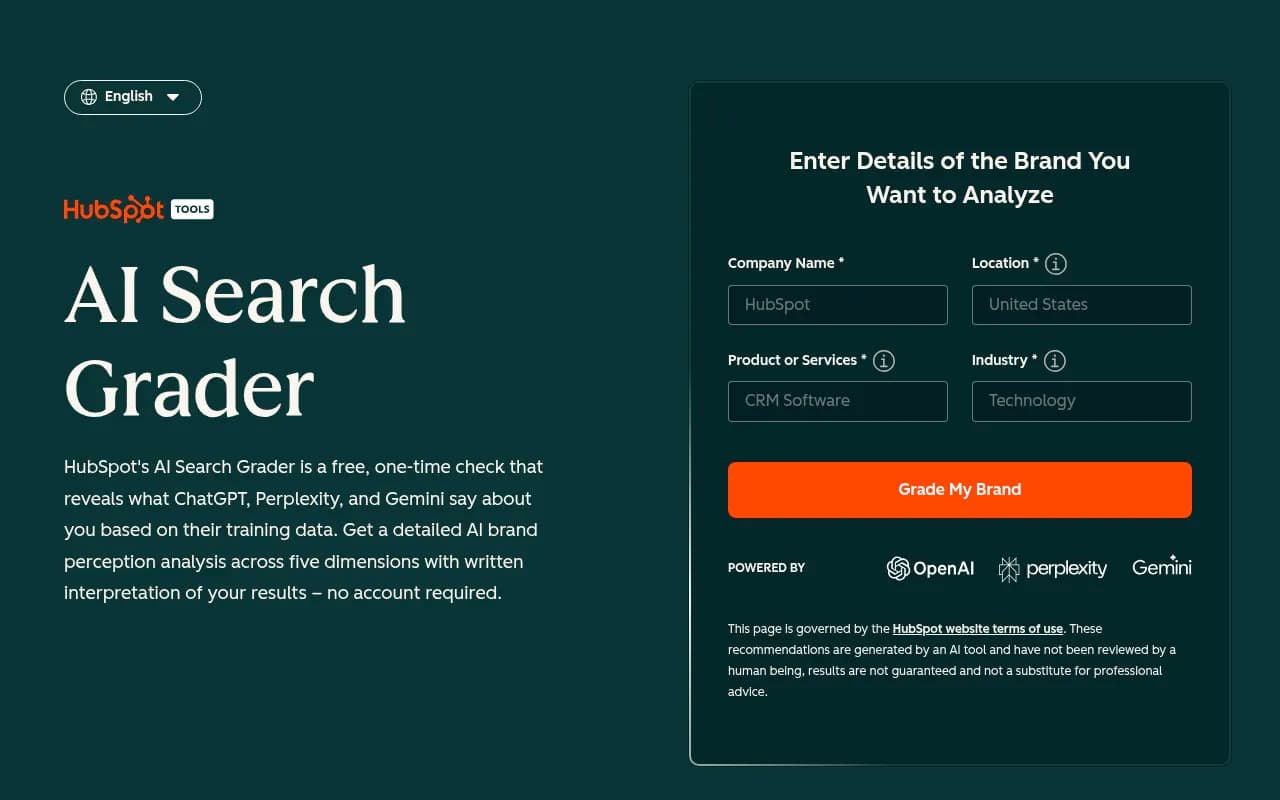
- HubSpot's AEO Grader gives a quick analysis of how your brand shows up in answer engines. ZDNET specifically points to it as a decent free starting point.
- Pixelmojo's Answer Engine Citation Tester takes one URL and one question, queries ChatGPT, Perplexity, Claude and Gemini, and reports direct citations, content alignment and which competitor URLs were cited instead. It is the most granular free test I've seen for page-level checks.
- SEO.com's AI Overview Checker allows 3 checks per day by country and lists cited URLs. No history, no bulk upload, and expect an upsell.
- Promptwatch's free AI Visibility Report and GEO Inspector Chrome extension show fan-outs and fetched versus cited sources for ChatGPT.
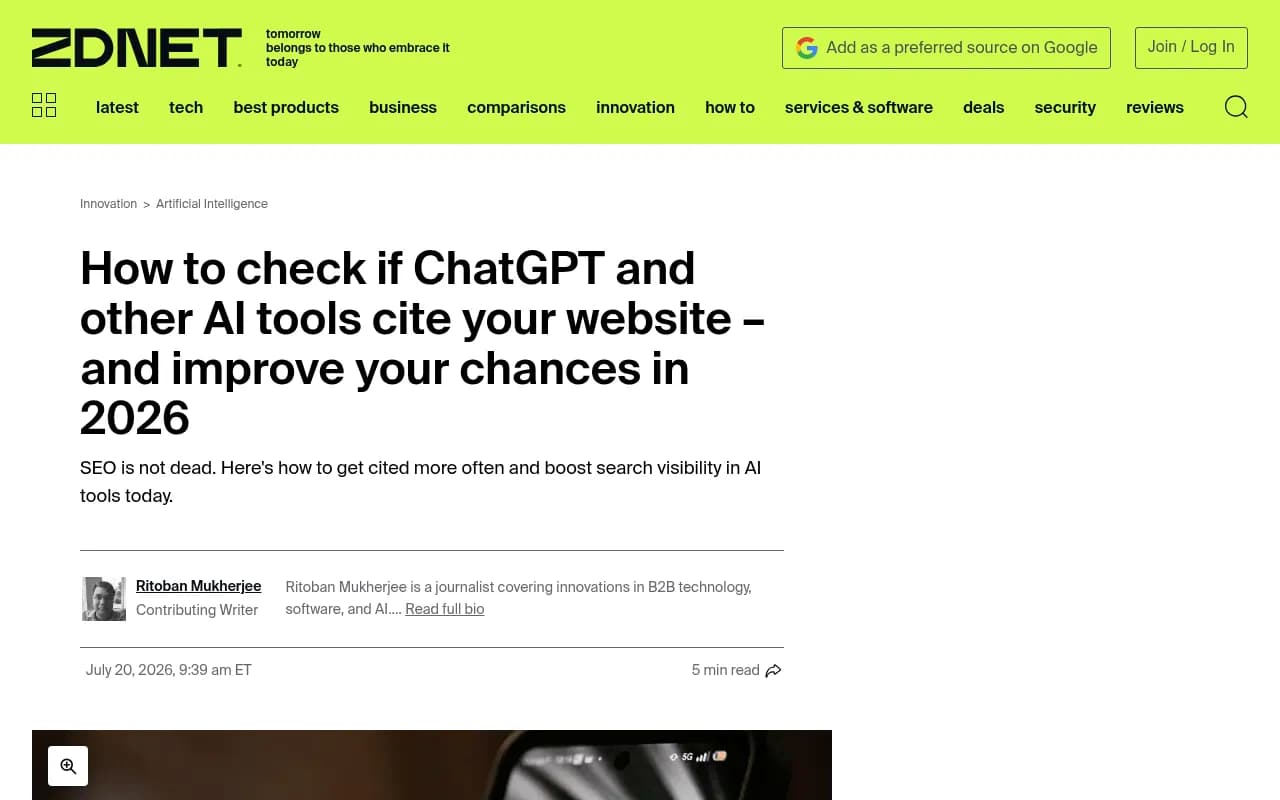
The screenshot above is ZDNET's walkthrough, which is a good companion if you want the manual method explained step by step.
One caution on free tools. Several of them call APIs rather than the real ChatGPT or Gemini interface, and user-facing answers can differ from API output. Treat the results as directional, not as a measurement.
Step 3: paid trackers for ongoing monitoring
When you need history, many prompts, and competitor comparison, you need a tracker. The market is crowded. Here are the ones worth looking at, with the caveat that pricing and features change often and you should confirm on each vendor's page.
Promptwatch
Promptwatch tracks ChatGPT, Google AI Overviews, AI Mode, Gemini, Perplexity, Copilot, Claude and others using real UI monitoring, with country-level tracking. For the specific question in this guide it shows which of your pages get cited, where your domain lands in the source list, and a citation rate per page. Reddit, YouTube and LinkedIn citation reports are included, which many trackers ignore. It also goes past checking: an Action Board and Content Agent turn gaps into content you can publish, and visitor analytics show whether citations produce traffic. Paid plans start at $95/month (Essential), with a free Explore tier limited to 10 prompts on ChatGPT. Confirm current pricing at promptwatch.com/pricing.
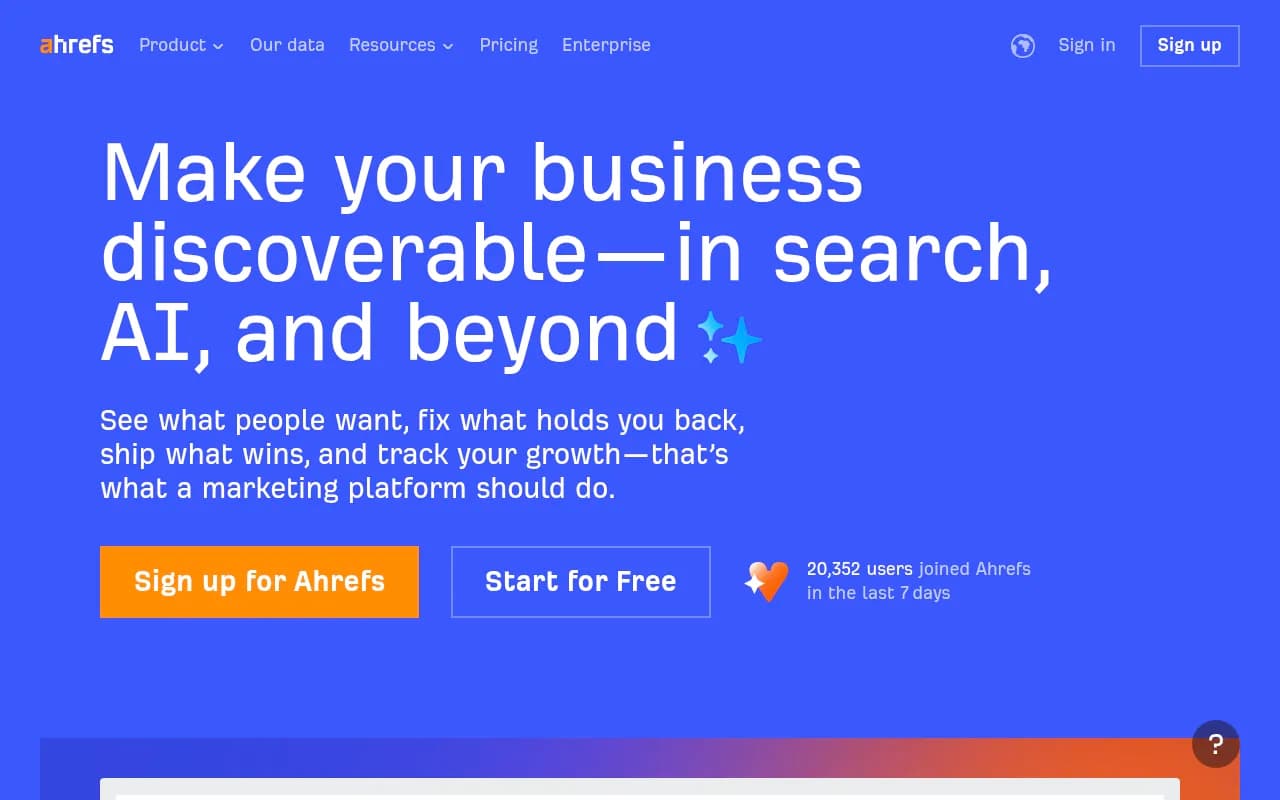
Semrush and Ahrefs Brand Radar
If you already pay for an SEO suite, the add-on is the lowest-friction way in. Data-Mania ranked Semrush's AI Visibility Tracking best overall, citing 8 tracked engines, a large prompt database and an AI site audit that flags blocked LLM crawlers, at $99/month as an add-on. Ahrefs' Brand Radar monitors mentions, citations and share of voice and can compare you with up to 20 competitors. Style Factory notes it is one of the few that tracks Copilot and Grok.
Profound
Profound is the enterprise-leaning pick, with topic tracking, citation share and AI referral traffic views. It is a strong monitoring product and priced accordingly. It doesn't do the content execution side.

Peec AI and Otterly.AI
Both are focused prompt trackers. Peec AI offers source analysis (which third-party sites get cited, and where you are referenced) and prompt management. Otterly.AI is positioned as affordable monitoring. Good if all you want is a dashboard of mentions and citations, but expect no crawler logs or content generation.


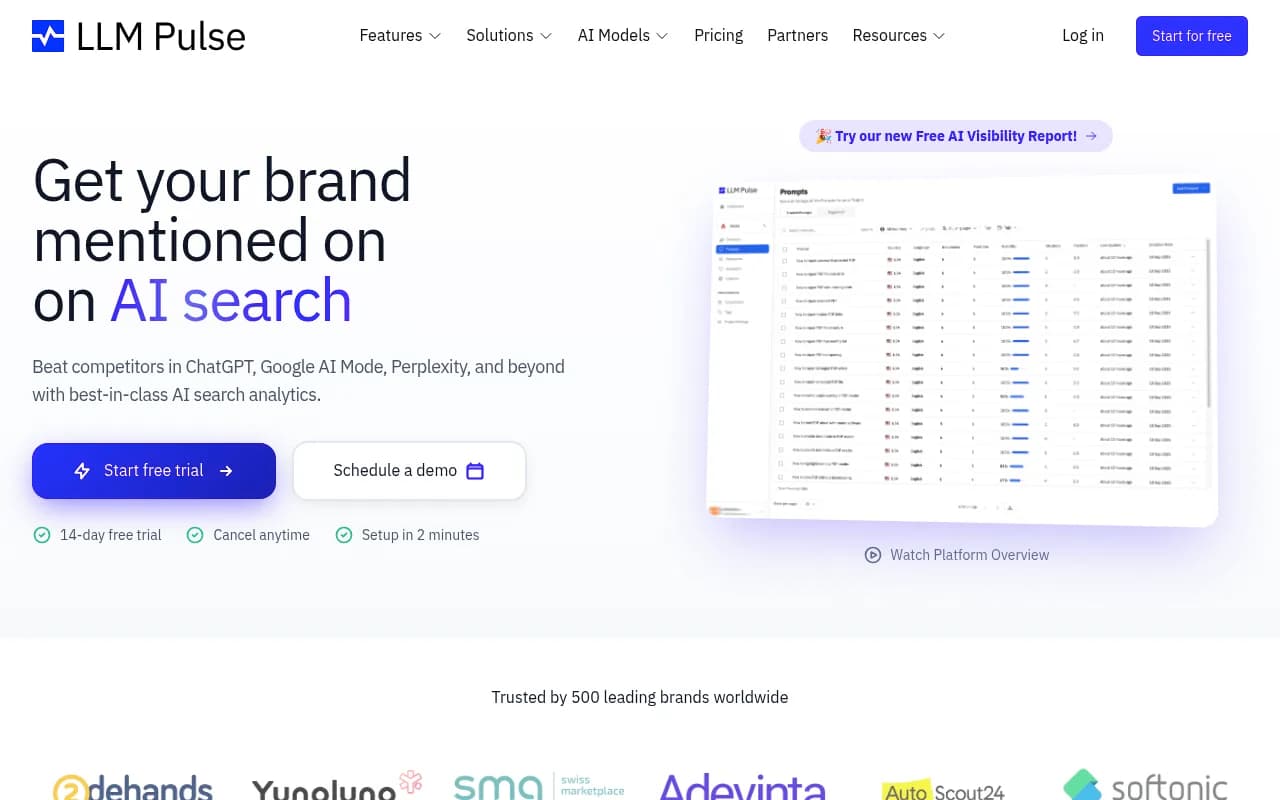
LLM Pulse
LLM Pulse tracks ChatGPT, Perplexity, Gemini, AI Mode and AI Overviews with per-URL citation tracking, query fan-out, GA4 integration and a Looker Studio connector. It is the tool its own blog picks for ongoing multi-model tracking rather than one-off checks, which is a fair self-assessment.
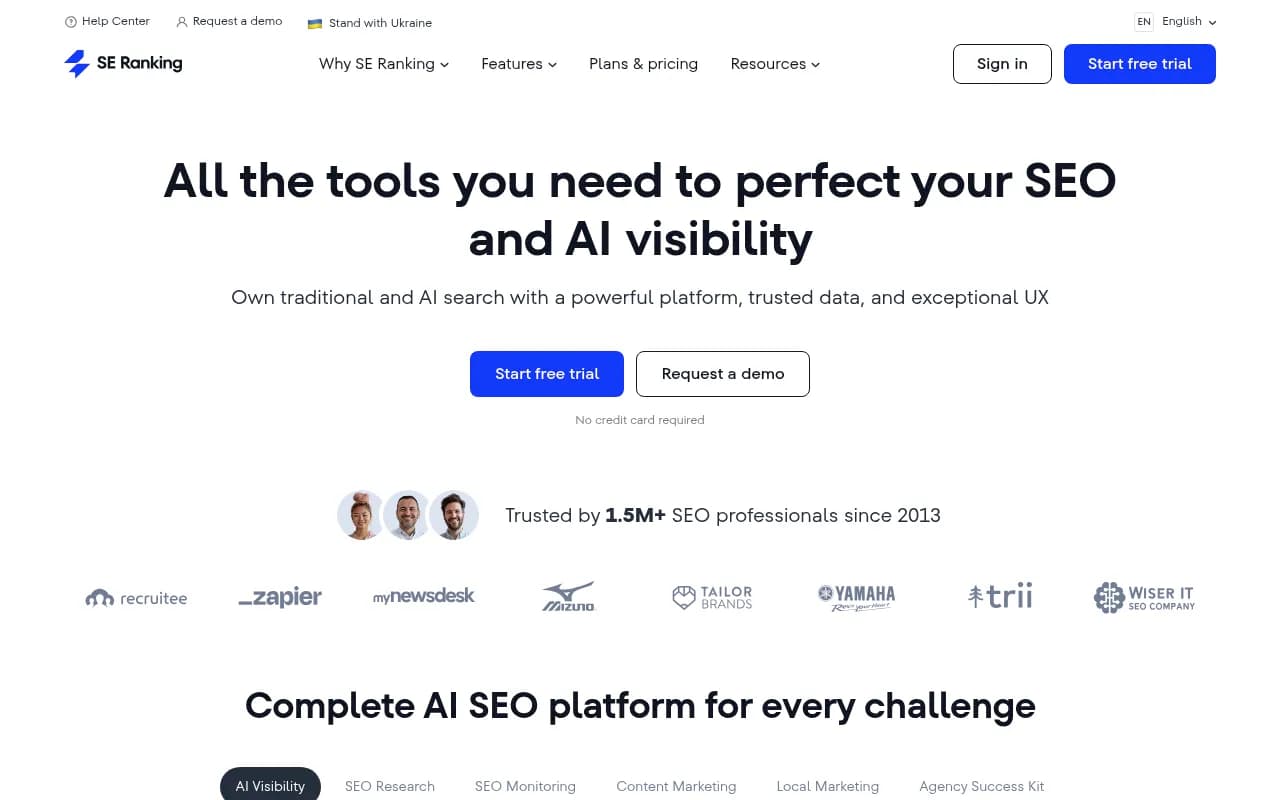
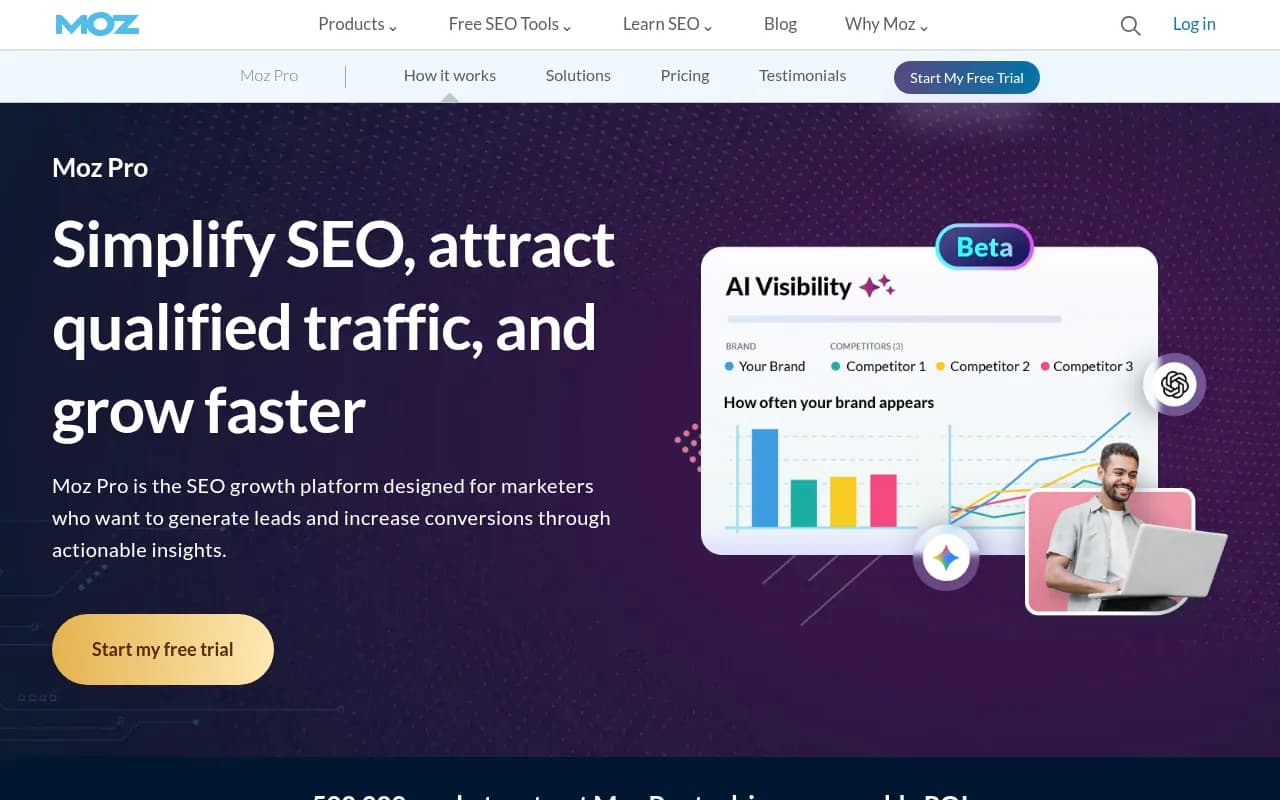
SE Ranking, Moz and Scrunch
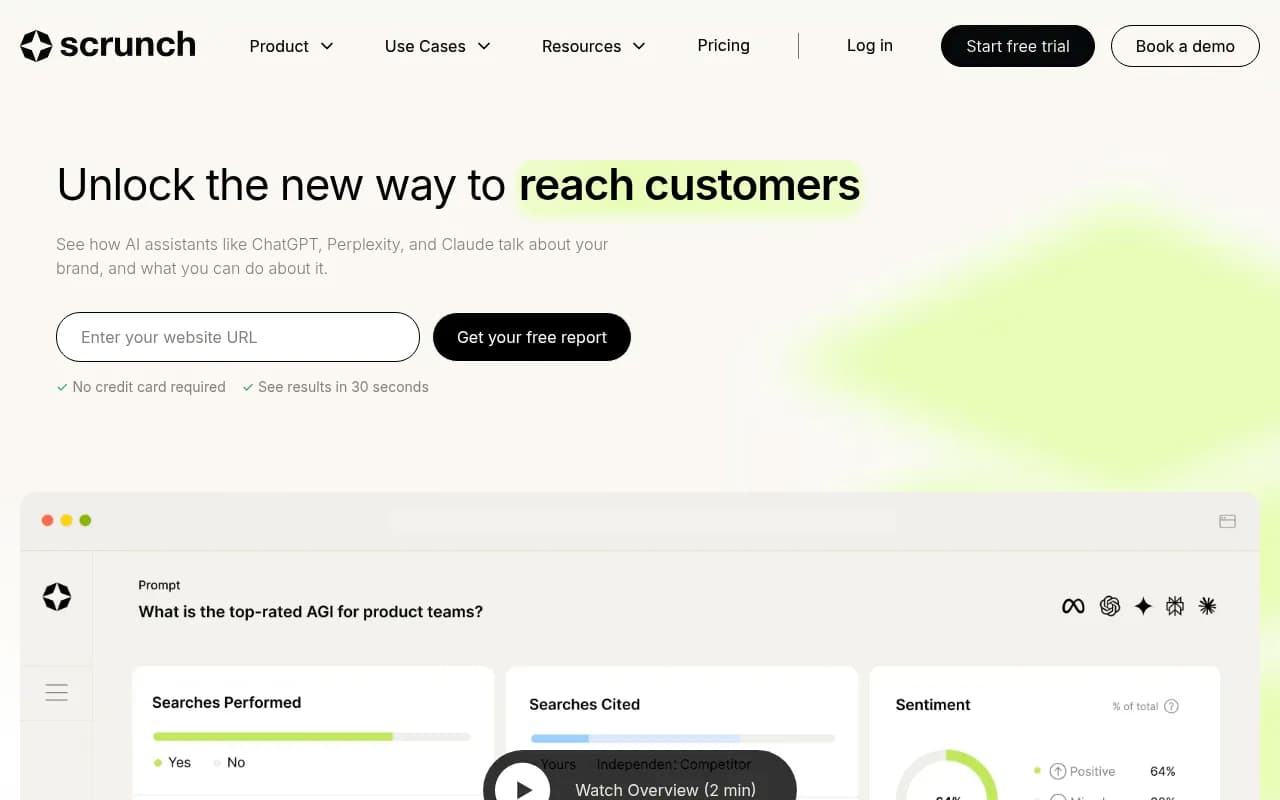
SE Ranking and Moz both bolt AI visibility onto familiar SEO platforms. Moz's AI Visibility tool covers ChatGPT, Gemini and AI Mode and pairs with a site auditor. Scrunch is worth a look if your site is JavaScript-heavy and you suspect AI crawlers can't read it.
Smaller and cheaper options
If budget is tight, the catalog is full of lightweight trackers such as LLMrefs, Rankscale, Airefs and Mentionable. Test them on a free trial before committing, since coverage and data quality vary a lot. For a wider scan of the category, the GEO software directory at bestgeosoftware.com is a good place to compare more options.
Comparison table
| Tool | Type | Cited URLs shown | Crawler logs | Takes action on gaps | Good for |
|---|---|---|---|---|---|
| HubSpot AEO Grader | Free grader | Limited | No | No | A quick first look |
| Pixelmojo Citation Tester | Free page-level test | Yes | No | No | One URL, one question |
| SEO.com AI Overview Checker | Free, 3/day | Yes | No | No | Spot-checking keywords |
| Promptwatch | Full platform | Yes | Yes, IP-verified | Yes | Tracking plus fixing |
| Semrush AI Visibility | Suite add-on | Yes | No | Partial (site audit) | Existing Semrush users |
| Ahrefs Brand Radar | Suite add-on | Yes | No | No | Competitor share of voice |
| Profound | Enterprise tracker | Yes | Server-level in some plans | No | Large brands |
| Peec AI / Otterly.AI | Prompt trackers | Yes | No | No | Simple dashboards |
| LLM Pulse | Tracker | Yes, per URL | No | GEO Writer | Multi-model monitoring |
Vendor feature sets change quickly, so verify specifics before buying.
Step 4: connect citations to traffic
A citation count alone doesn't prove anything. You want to know whether cited pages bring visits. Two ways to do that:
- Filter GA4 for referrals from chatgpt.com, perplexity.ai, gemini.google.com and copilot.microsoft.com. It is crude, and a lot of AI traffic arrives without clean referrers.
- Use a tool that joins citations, crawls and clicks per page. Promptwatch's visitor analytics and its Search Console and Bing overlays are built for the question "which pages rank in Google but never get cited by AI?". LLM Pulse integrates GA4 and Plausible.
The case for caring: Crisp reported 2x higher conversion rates from AI traffic than from traditional channels, and TreeHouse (Pararius) grew AI search to about 25% of organic conversions after fixing crawler access and publishing proprietary data. Those are vendor-published case results, so treat them as examples, not benchmarks.
Which kinds of pages actually get cited
When your check turns up zero citations, content type is the next thing to look at. Promptwatch's content-type data shows product pages were the most cited type in ChatGPT at 22.4% of citations from Sep 28 to Oct 4, 2026, followed by landing pages and listicles. Its half-life study found landing pages and docs stayed cited longest, while news lost half its pages within 36 days. And almost half of ChatGPT responses cite 10 or more unique domains, so there is room for you on a shortlist if your page is a good fit.
Industry matters too. For software prompts, GitHub, Microsoft's docs and G2 lead, and documentation and help centers earn the largest share (software report). If you sell software and have thin docs, that is your first fix.
A simple monthly routine
- Run your 20 core prompts across at least ChatGPT, Perplexity, AI Overviews and Gemini. Use a tracker once the list passes about 20.
- Record which engines cite you, which pages, and which competitors take the slots.
- Check crawler logs or run a crawl checker for any provider that disappeared.
- Review the pages that are cited by Google but not by AI.
- Fix or refresh two or three of those pages, then re-check in a few weeks. Don't judge Copilot on weekly changes. Use monthly trends.
If you would rather have a team handle the measurement and the fixes, an agency that works on GEO such as 1001 SEO Media can run this process for you. For most readers, though, a free grader plus one tracker is plenty to start.
How to choose
- Just curious: HubSpot's AEO Grader and the Pixelmojo tests. No account needed.
- Already on Semrush or Ahrefs: try their add-on first, mainly for convenience.
- Need ongoing tracking and want to act on gaps: Promptwatch, since it covers crawler logs, citations, traffic and content actions in one place.
- Enterprise reporting only: Profound.
- Tight budget: a prompt tracker like Peec AI or Otterly.AI, or a cheaper entry from the catalog.
Whatever you pick, check that it monitors the real interfaces of the engines your customers use, shows the cited URLs rather than just mentions, and lets you export the data. If it can't do those three, keep looking. For more rank-tracking options, see the AI rank tools directory.