Key takeaways
- No single tool is best at everything. Classic SERP trackers and AI visibility platforms were built for different jobs, and the "hybrid" products usually lean one way.
- AI Mode coverage is often hidden behind add-ons or higher tiers. Check the plan, not the feature page.
- ChatGPT cites roughly 5 sources per web-search answer, while Google AI Overviews and Perplexity cite about 10, so each engine has to be measured separately.
- Prices below come from vendor listicles and were not independently verified. Confirm everything on each vendor's pricing page.
- For a team that wants tracking plus the work of fixing gaps, an end-to-end platform like Promptwatch fits better than a dashboard alone. For SEO teams that want one login, Semrush, SE Ranking, Ahrefs or Nightwatch are the practical hybrids.
Why "rank" means three different things now
Classic Google gives you a position in a list. You are number 3 for a keyword, or you are not. That model is easy to track, and tools have done it well for twenty years.
ChatGPT and Google AI Mode do not return a list. They break a question into sub-searches, pull sources, and write an answer that names a handful of brands. There is no position 3. There is whether you were mentioned, whether you were cited, where in the answer you showed up, and how that compares to your competitors.
That is why a "rank tracker that covers all three" is really three measurement problems wearing one label:
- Classic Google: position per keyword, per location and device.
- ChatGPT: mention rate, citation rate and share of voice across prompts.
- AI Mode: the same metrics, but from Google's AI Mode tab, which is a different surface from AI Overviews.
That last point trips people up. AI Overviews sit above a normal results page. AI Mode replaces the page with a conversational answer. A tool that says it covers "Google AI" may only be scraping Overviews. Ask the vendor which one, and test it (more on that below).
What the data says about how engines differ
The engines do not behave alike, so one number from one engine tells you little about the others.
According to Promptwatch's average sources per response data, ChatGPT cites about 5 sources per web-search answer. Google AI Overviews cites about 10, and Perplexity sits almost exactly at 10 every day. Microsoft Copilot swings wildly, from under 2 to nearly 17 within a few weeks. The practical reading: ChatGPT has fewer citation slots, so each one is more contested, and Copilot should be judged on monthly trends rather than daily noise.
There is a second wrinkle for anyone building a prompt set. Promptwatch's ChatGPT query fanout data shows the average fanout search fell from around 2.15 per response in early December 2025 to roughly 1.84 by early March 2026, and fanout queries got much shorter, from about 117 characters to the high 80s and then around 53 once fanouts returned in April. Short, keyword-like searches are what ChatGPT actually sends. So a tracker whose prompts are all long conversational questions may be measuring something your buyers (and the model) are not doing.
For wider context on what ChatGPT cites and when, the Promptwatch Data hub has the citation-share reports by industry and month.
What to look for before you buy
The feature checklist is short. The gotchas are in the details.
Does it query the real AI Mode tab?
The best AI Mode tracker, as one vendor comparison puts it, is the one that actually queries Google's AI Mode, says plainly what it can and cannot see, and does not bury the price of AI Mode behind a higher tier. A simple test: pick a prompt where you know AI Mode and AI Overviews give different answers, run it in the tool, and compare against the live AI Mode tab.
Is AI Mode in the base plan?
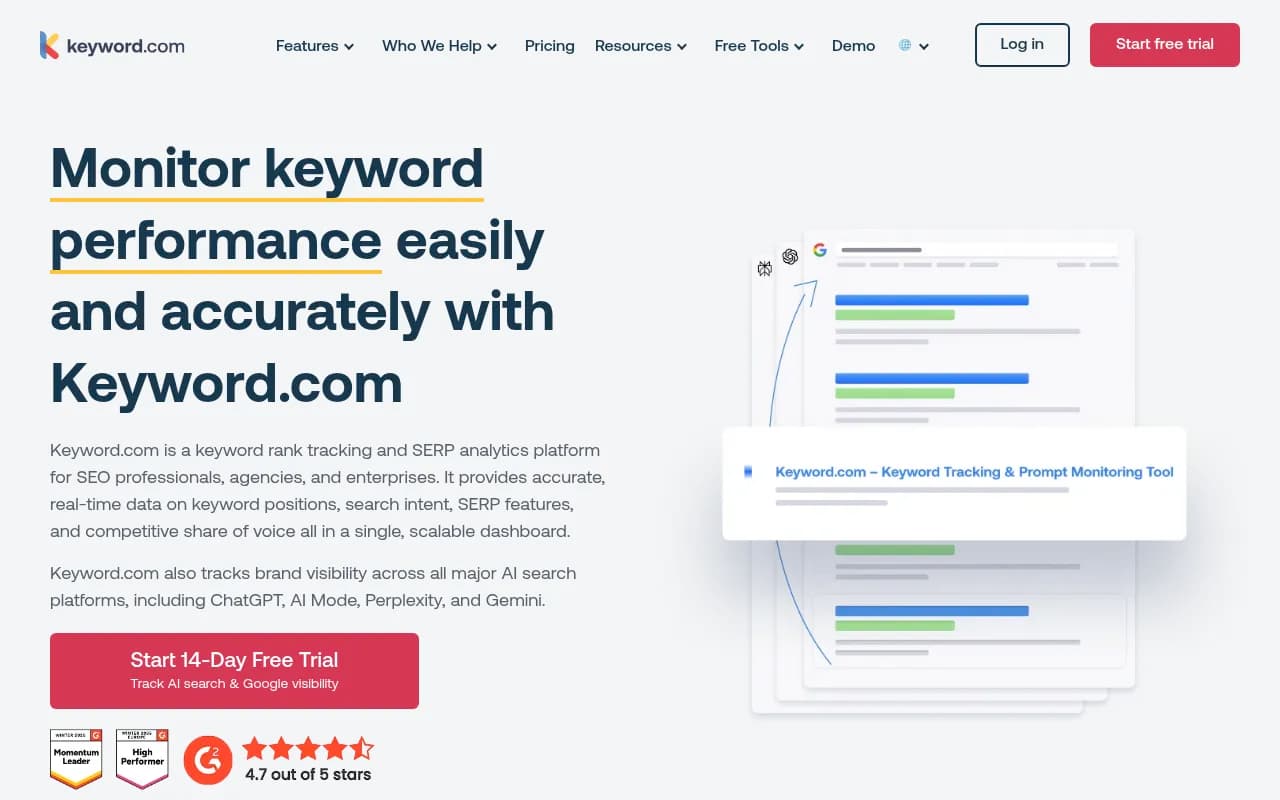
This is where pricing gets slippery. Otterly lists Google AI Mode, Gemini and Claude as add-ons. Nightwatch's AI tracking is a paid add-on on top of its SEO platform. Peec's base plan limits you to any 3 models. Keyword.com bills in credits, at 0.25 credit per run for Google surfaces and 1 credit for API models. None of that is bad, but your real monthly cost is not the headline number.
Can you see sources, not just mentions?
A mention count is a vanity metric on its own. You want the cited URLs and domains, so you know which page to fix. Trackers that stop at a score leave you guessing.
Does it handle location and sampling?
AI answers shift by location, device and timing. Position-based tracking is unreliable for that reason, so look for repeated sampling, country or city settings, and a clear explanation of how numbers are averaged. I could not find any head-to-head accuracy test of these tools, so treat vendor accuracy claims with caution.
The comparison at a glance
Pricing is from vendor roundups and is unverified. Check each pricing page.
| Tool | Classic SERP tracking | ChatGPT | Google AI Mode | Starting price (reported) | Best for |
|---|---|---|---|---|---|
| Promptwatch | Search Console and Bing data, not a SERP rank tracker | Yes, real UI | Yes, real UI | $95/mo | Teams that want tracking plus fixes |
| Semrush | Yes | Yes | Yes | $99/mo | Teams already in Semrush |
| SE Ranking / SE Visible | Yes | Yes | Yes | $129/mo | SEO teams reporting both together |
| Ahrefs Brand Radar | Yes (Ahrefs plan) | Yes | Yes | $129/mo | Market-level benchmarking |
| Nightwatch | Yes | Yes (add-on) | Via AI add-on | $39/mo + add-on | Agencies wanting hybrid reports |
| ZipTie | Compares to organic | Yes | Yes | $25.65/mo | Technical SEOs |
| Otterly.AI | No | Yes | Add-on | $29/mo | Small teams on a budget |
| Peec AI | No | Yes | Yes (any 3 models) | $95/mo | In-house prompt-level sentiment |
| Keyword.com | Yes | Yes | Yes | $9.80/mo | Freelancers, low-cost checks |
| Rankability | No | Yes | Yes, in base plan | $99/mo | Agencies |
The tools, grouped by what you actually need
Best if you want tracking and the work of fixing gaps
Most tools in this category give you a dashboard and a score. The question afterwards is always "so what do I do?" Promptwatch is built around that gap. It monitors the real interfaces of ChatGPT, Google AI Overviews, Google AI Mode, Gemini, Perplexity, Copilot and others in the countries and languages you choose, then traces which pages and third-party sources get cited, and acts on the gaps with an Action Board, content gap analysis and a Content Agent that can publish to WordPress, Webflow or Framer. IP-verified AI crawler logs and visitor analytics then show whether the new page got read, cited and clicked.
Two honest caveats. It is not a classic SERP rank tracker, though it brings in Google Search Console and Bing data per page, overlaid with AI crawls and citations. And the Content Agent starts on the Business plan ($579/mo); Essential is $95/mo and Professional is $245/mo. Confirm at promptwatch.com/pricing. There is a 7-day free trial on monthly billing, and a free AI visibility report if you want a quick look first. For agencies, the agency page covers the Kick-off, Growth and Scale plans.

How it compares with specific rivals is laid out in Promptwatch vs Profound and Promptwatch vs Peec.
Best if you live in an SEO suite already
The appeal of Semrush, Ahrefs and SE Ranking is one login and one report. Keyword rankings sit next to AI visibility.
Semrush tracks Google AI Overviews, AI Mode, Gemini and ChatGPT Search with daily prompt tracking, per the roundups, and is reported to start around $99/mo.
Ahrefs Brand Radar covers AI Overviews, AI Mode, ChatGPT, Perplexity, Gemini and Copilot, with Claude through custom prompts. It is strong for benchmarking a whole market. Reported pricing is $129/mo plus check packages.
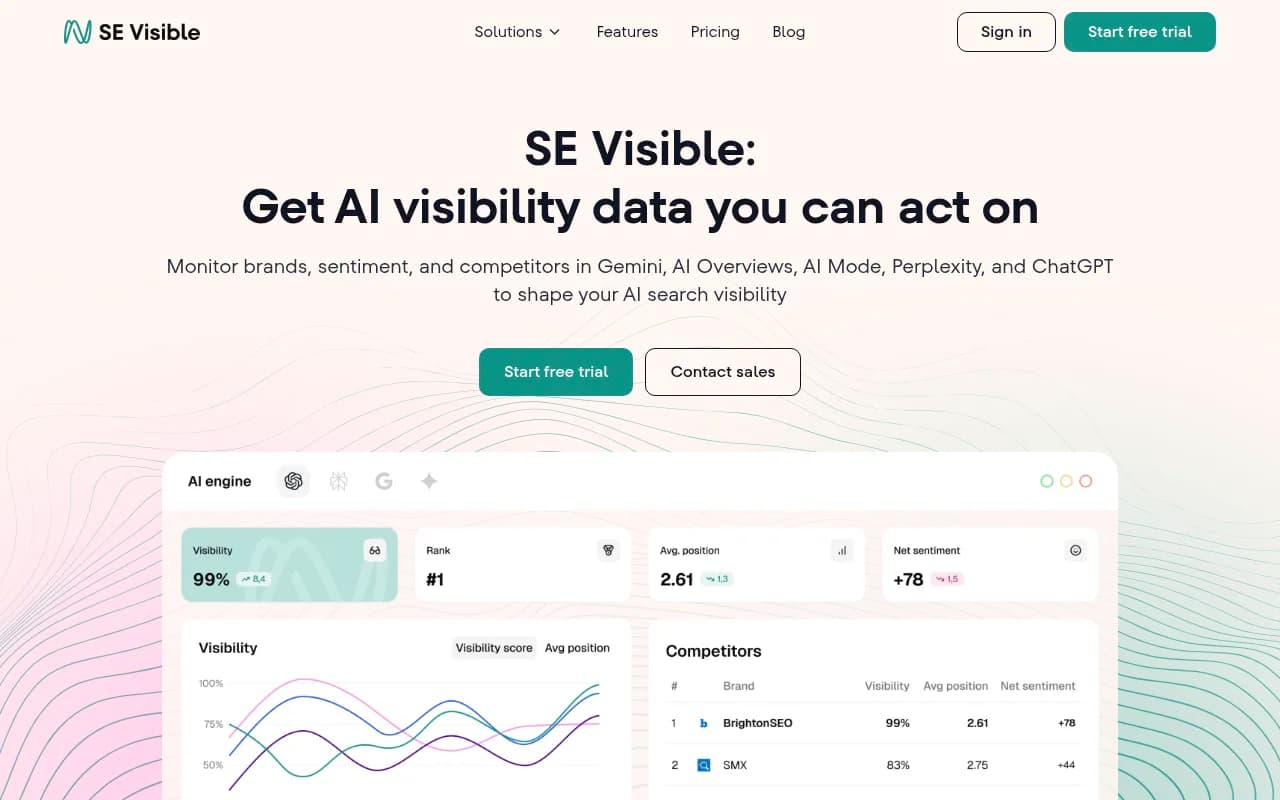
SE Ranking sells its AI tracking as SE Visible and as an add-on to its SEO plans, covering ChatGPT, Perplexity, AI Mode, AI Overviews and Gemini.
The trade-off with suites: prompt sets are often fixed or limited, and the AI data tends to be shallower than what a dedicated platform collects. Fine for reporting. Less useful for diagnosing why you are not cited.
Best hybrid trackers for agencies
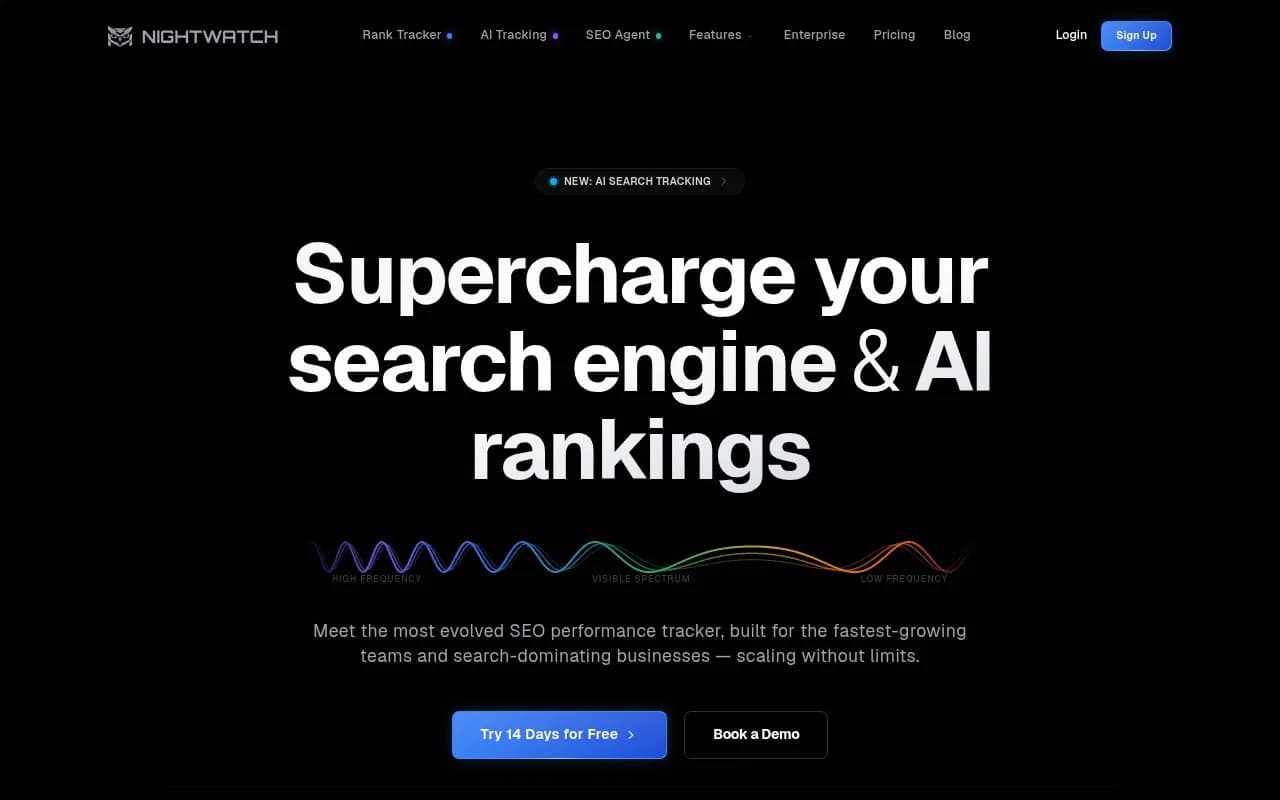
Nightwatch combines traditional SERP tracking with ChatGPT and AI search visibility, though the AI module is a paid add-on layered over the base platform. That is the pattern to expect from classic rank trackers adding AI coverage.
Keyword.com is the cheapest route to classic rankings plus AI Overviews, AI Mode and ChatGPT checks, using credits instead of fixed prompt counts. It suits freelancers who want low-cost spot checks.
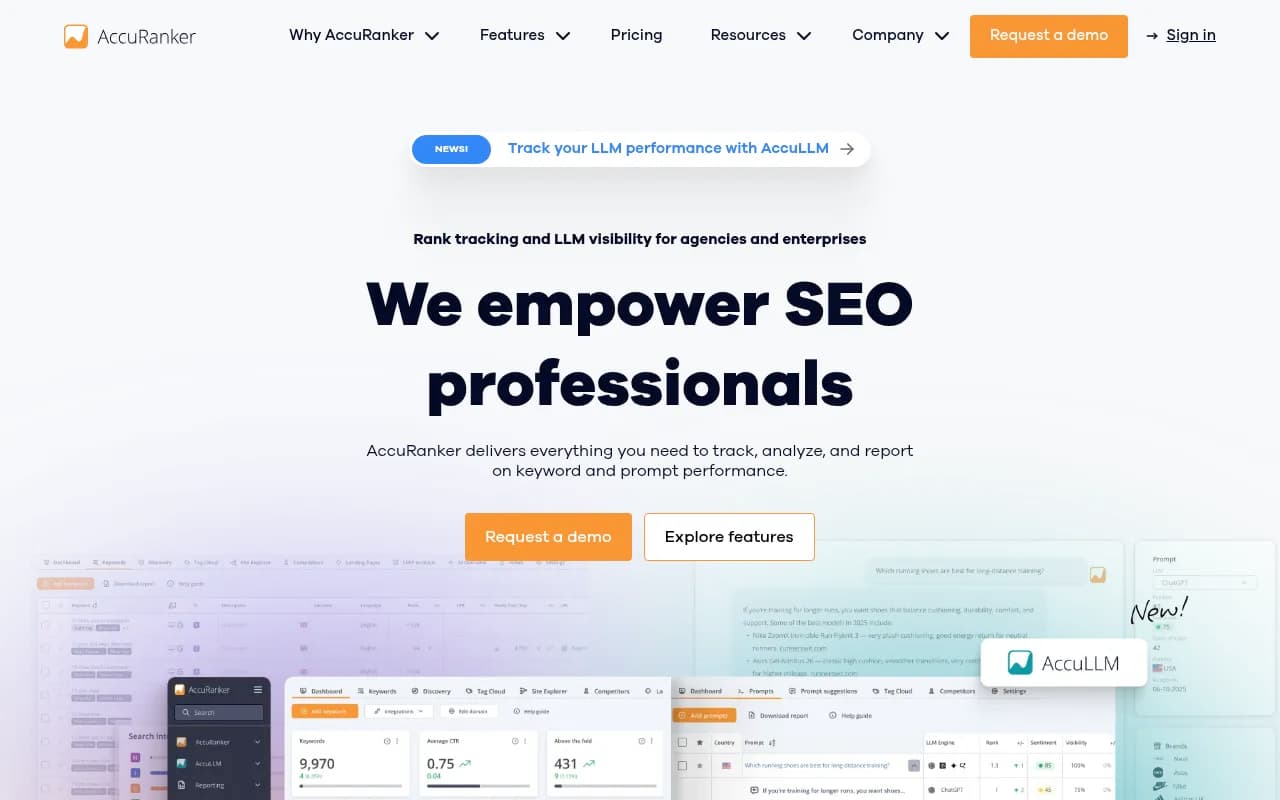
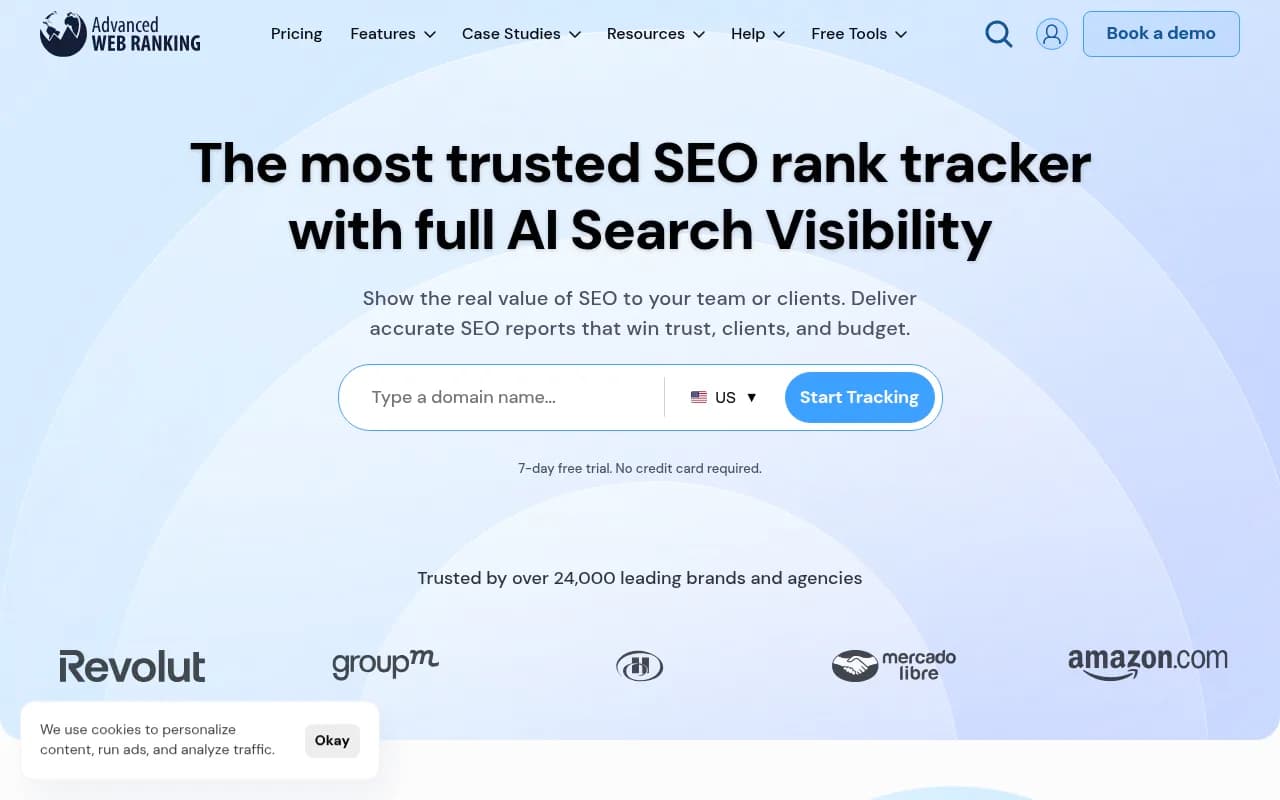
AccuRanker and Advanced Web Ranking also appear in the catalog as long-standing SERP trackers that now report AI search monitoring.
Best on a tight budget
Otterly.AI is the common starter pick. It monitors ChatGPT, AI Overviews, Perplexity and Copilot from a reported $29/mo, with AI Mode as an add-on. It is a monitor, not an optimizer.

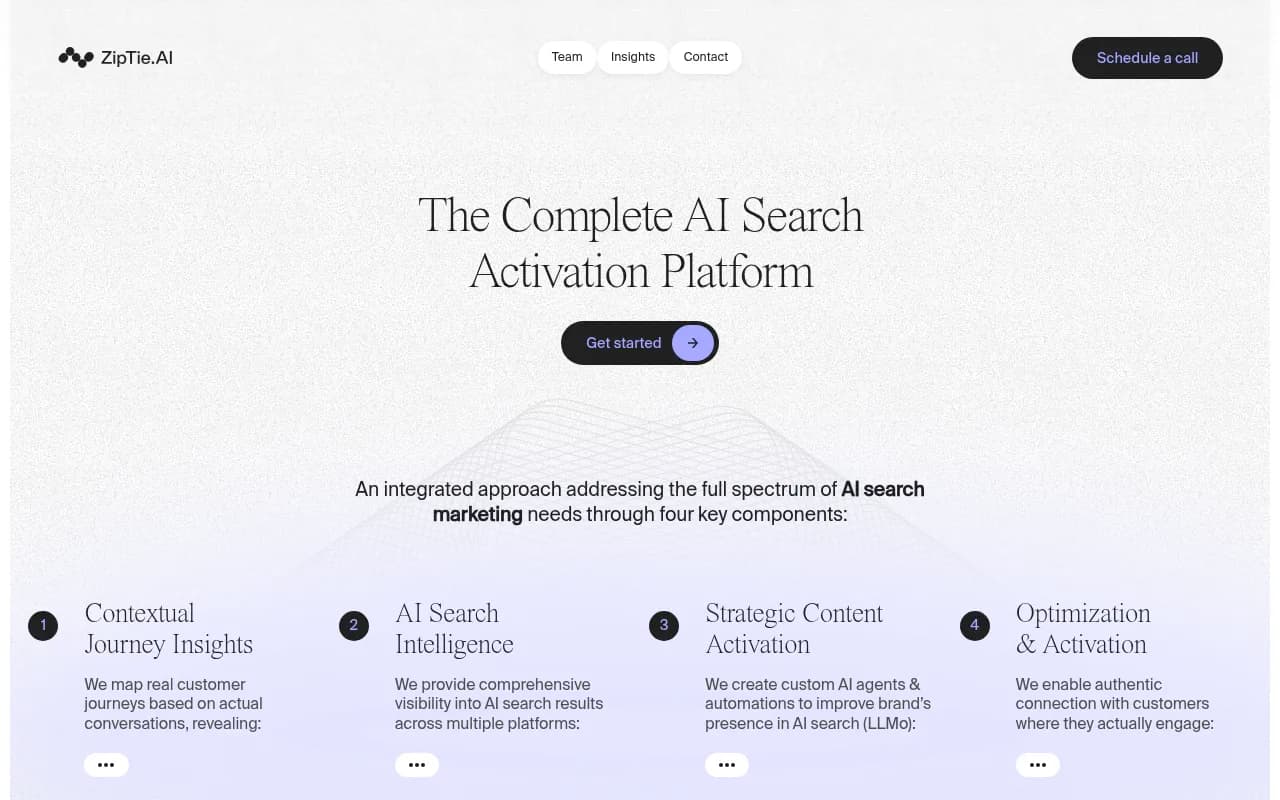
ZipTie is usage-based (prompts times engines) and appeals to technical SEOs who want to compare AI Overviews with organic rankings.
Rankscale claims coverage of 17+ engines including ChatGPT, Gemini, AI Mode, Claude and Copilot, at a low price point.
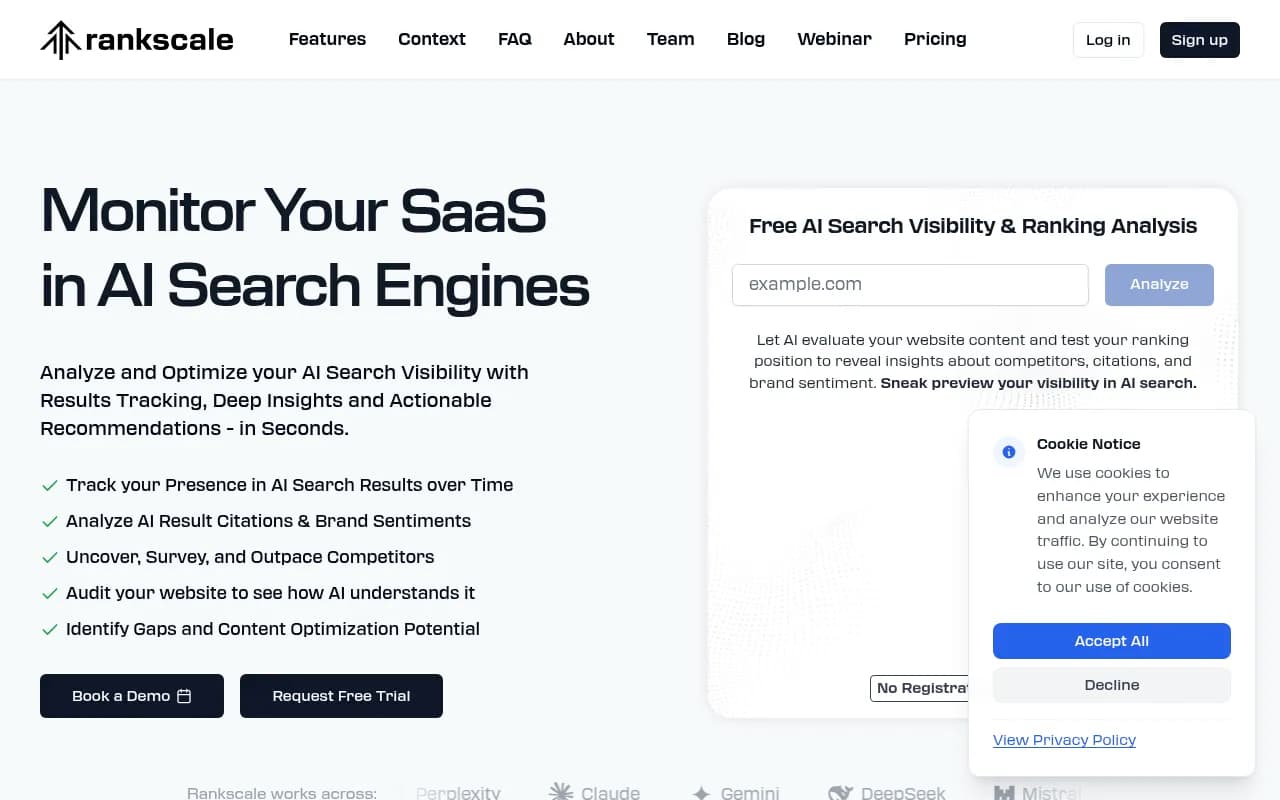
Best for prompt-level sentiment on a few chosen models
Peec AI lets you pick three models on the base plan and gives prompt-level sentiment. The cap is the catch if you need the full set of engines.

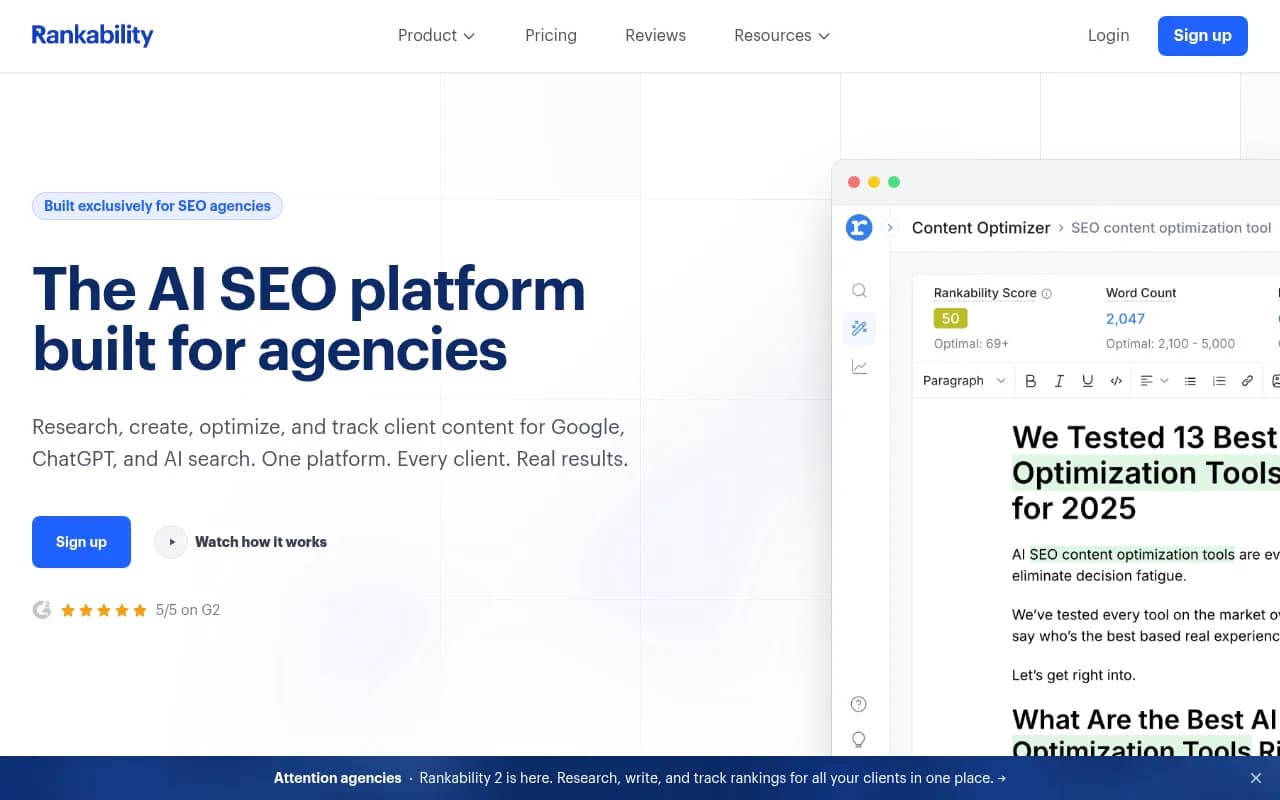
Rankability puts AI Mode in the Starter plan alongside ChatGPT and Claude, with daily refresh and citation-gap analysis, per one vendor comparison. It is agency-focused.
Enterprise tier
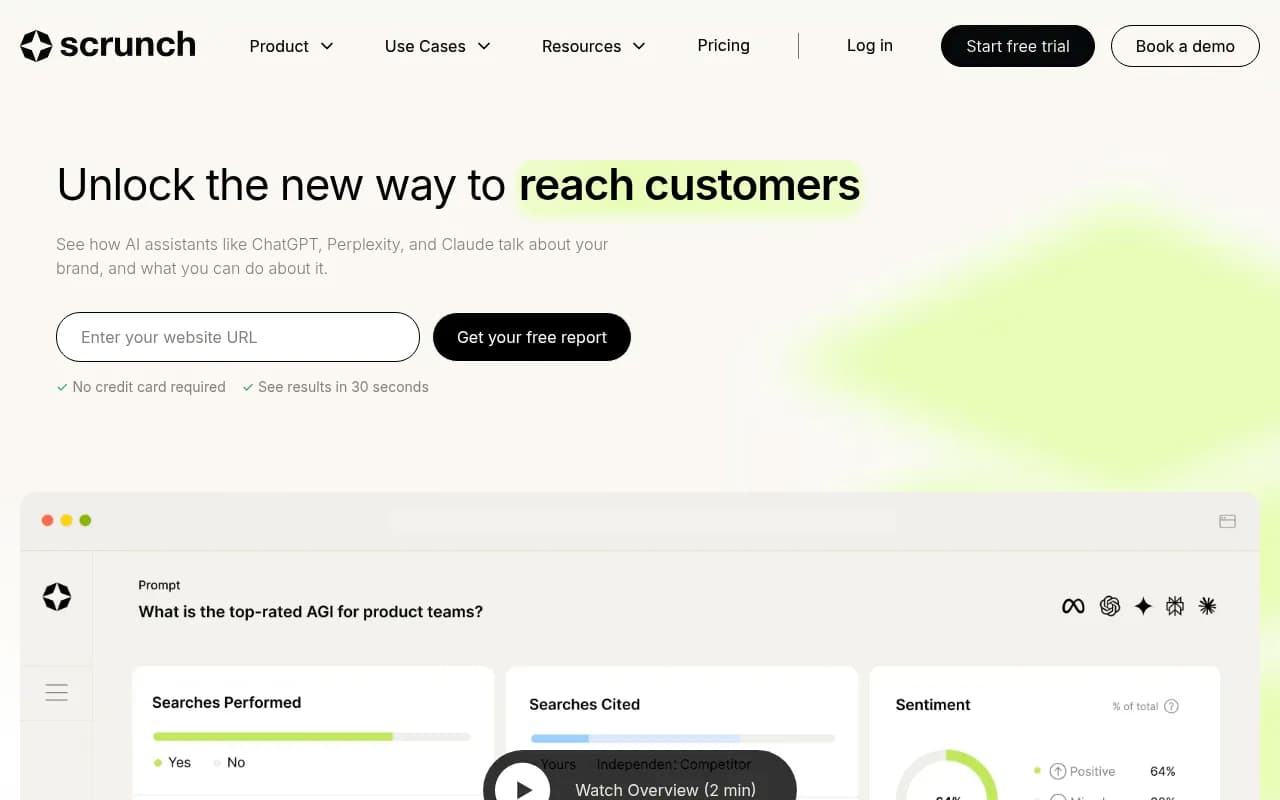
Profound, Scrunch and BrightEdge sit in the enterprise-gated tier, where fuller AI Mode coverage tends to require a sales conversation. If you are a large brand with procurement requirements, they belong on the shortlist.

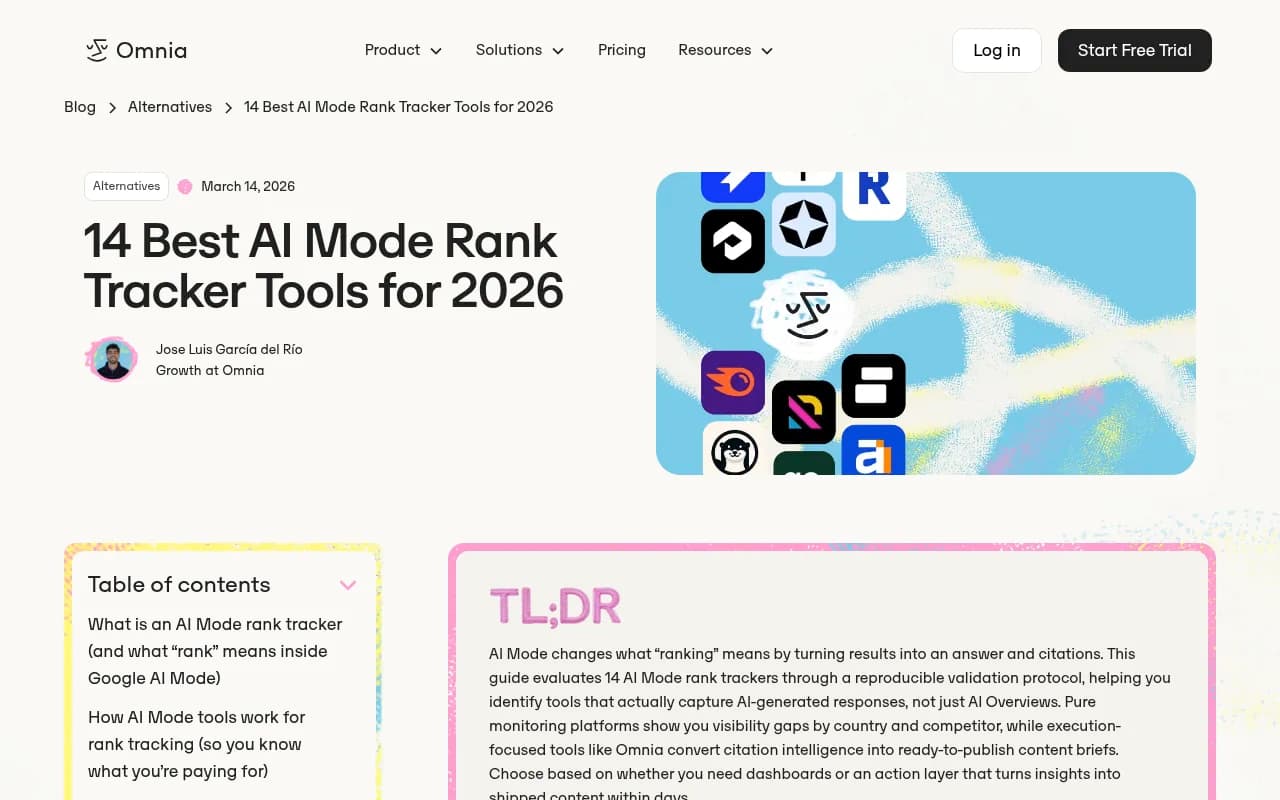
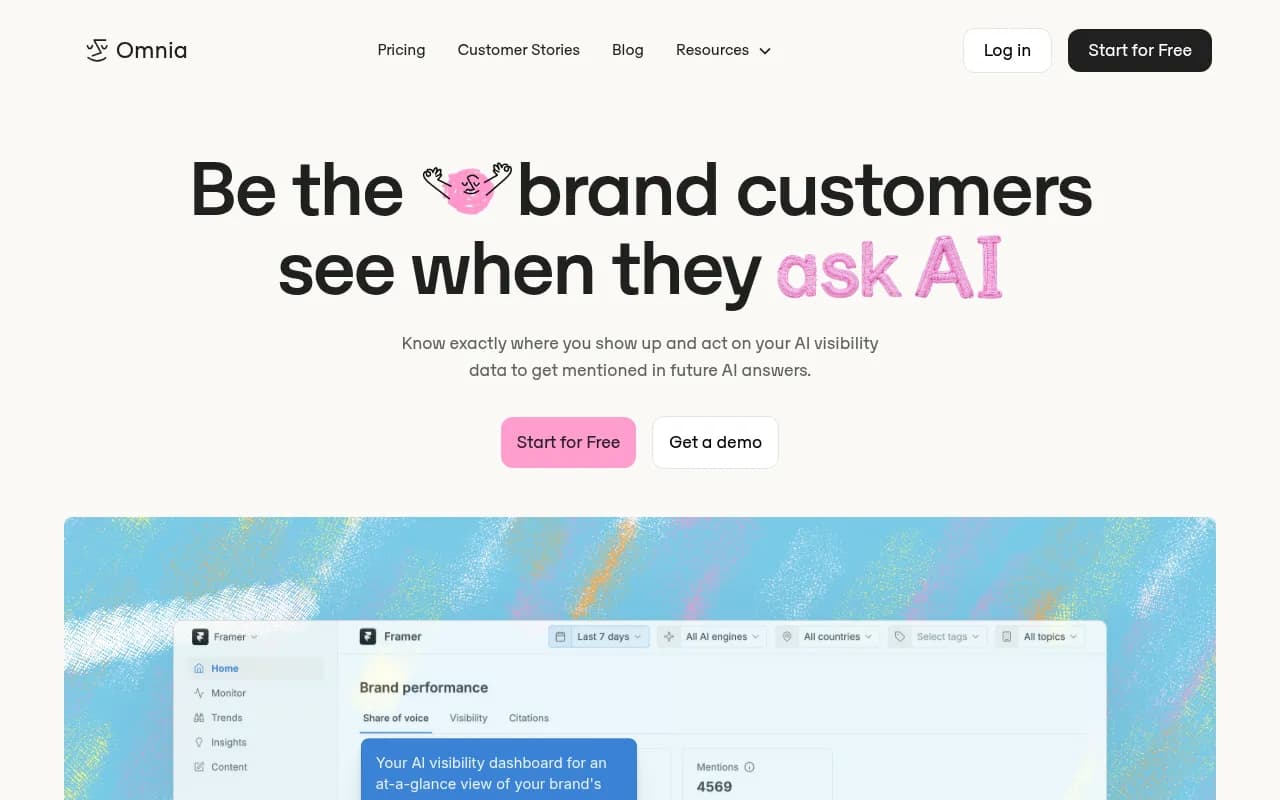
Omnia, which published the screenshot above, is itself in the catalog and positions as an execution layer that turns citation data into content briefs.
How to confirm a tool really tracks AI Mode
Vendor pages blur this. Run a five-minute check before you pay:
- Choose three prompts where AI Overviews do not appear but AI Mode gives a full answer.
- Run them in the tool's trial.
- Open the real AI Mode tab in an incognito window set to the same country.
- Compare cited domains. They will not match exactly, since answers vary, but the overlap should be obvious.
- If the tool returns data for prompts that have no AI Overview at all, ask whether it is mapping AI Mode or inferring from something else.
A practical way to choose
Start from the problem, not the feature list.
- You need one report for a client that covers keyword positions and AI visibility: Semrush, SE Ranking, Ahrefs or Nightwatch.
- You need to know why you are not cited and then fix it: an end-to-end platform such as Promptwatch.
- You need a cheap pulse check on a few prompts: Otterly, ZipTie or Keyword.com.
- You need regulated-industry controls (SSO, audit logs, ISO 27001): Promptwatch's Business and Enterprise tiers or the enterprise players above.
Whatever you pick, build the prompt set from short, keyword-like queries as well as natural questions, track each engine separately, and judge trends over weeks. A single day's mention rate in any AI engine is noise.
If you want to browse beyond this list, the GEO software directory and the AI rank tracking directory cover many more options.
The ChatGPT-only tools
If ChatGPT is your only concern right now, roundups also name KIME, Xofu, Morningscore and AI Rank Checker. Xofu focuses on high-intent prompts, Morningscore is beginner-friendly, and AI Rank Checker charges per check (around $0.13), which suits one-off audits.
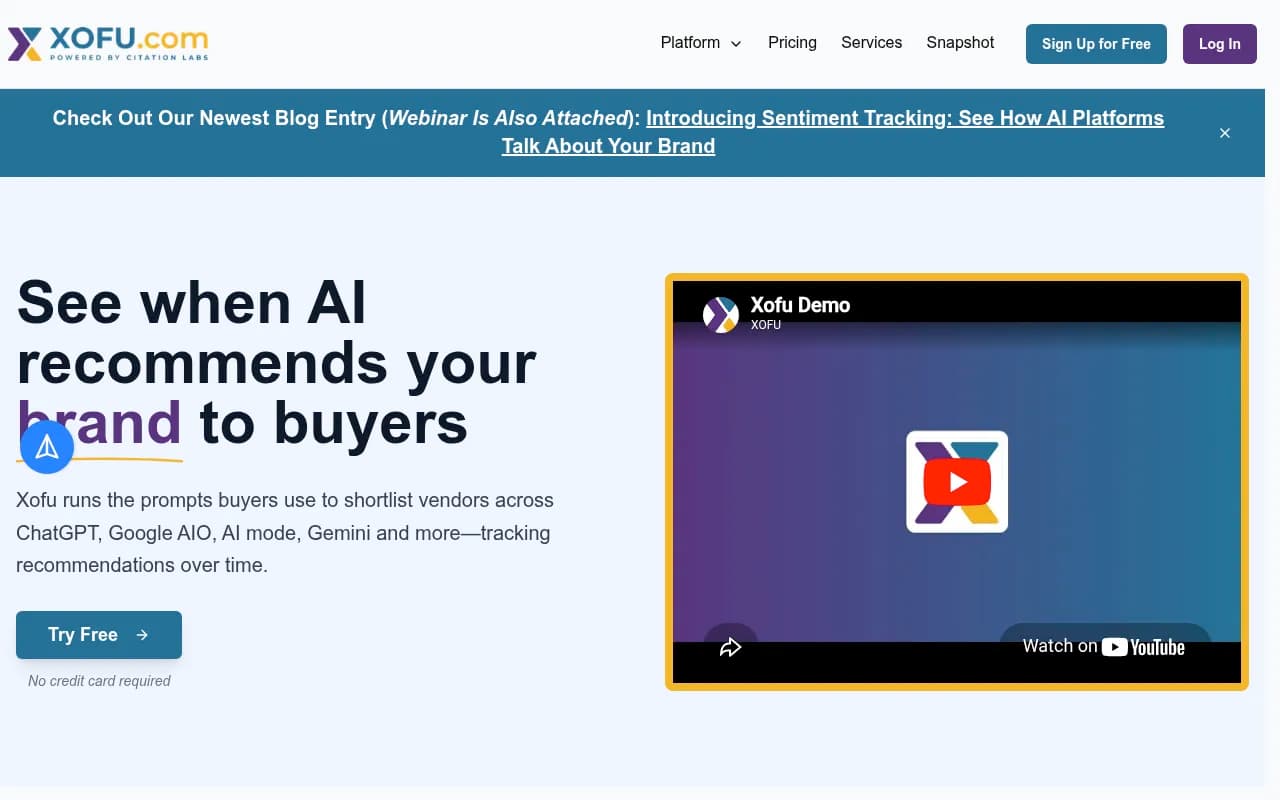
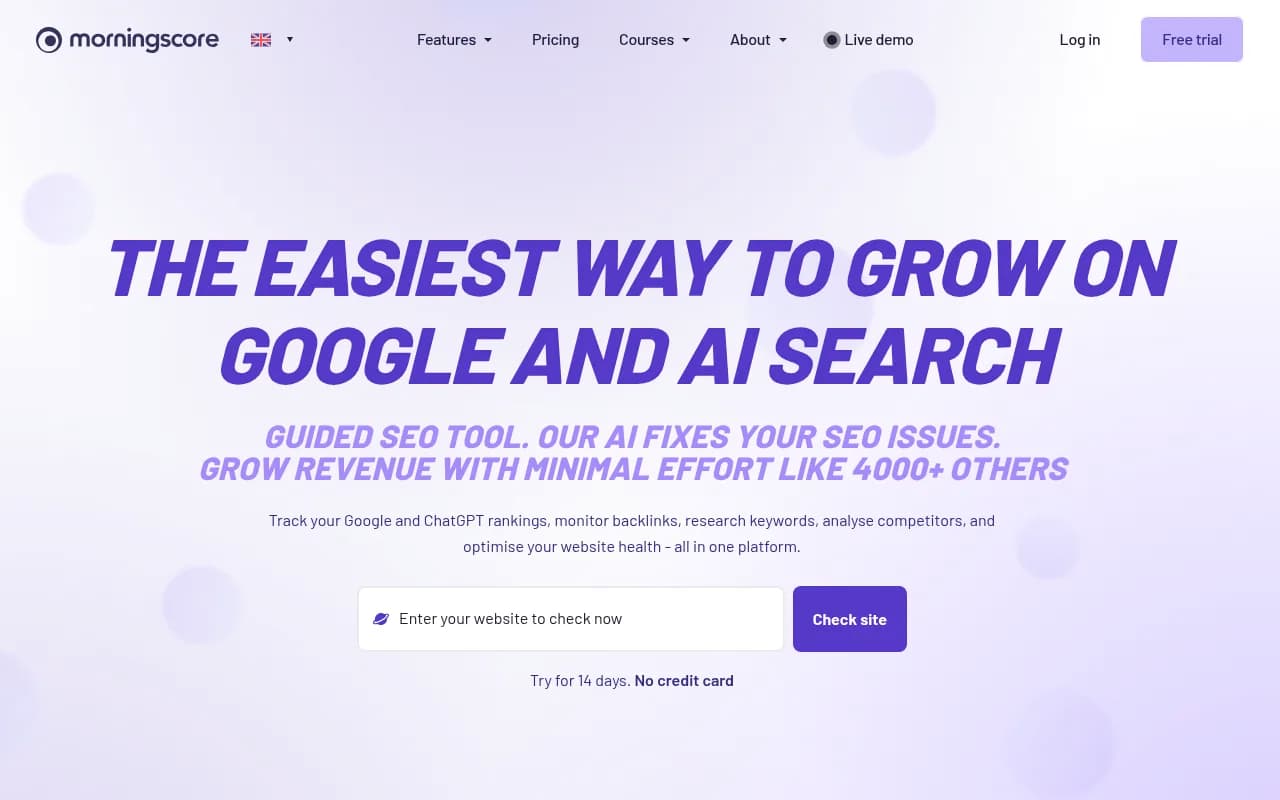
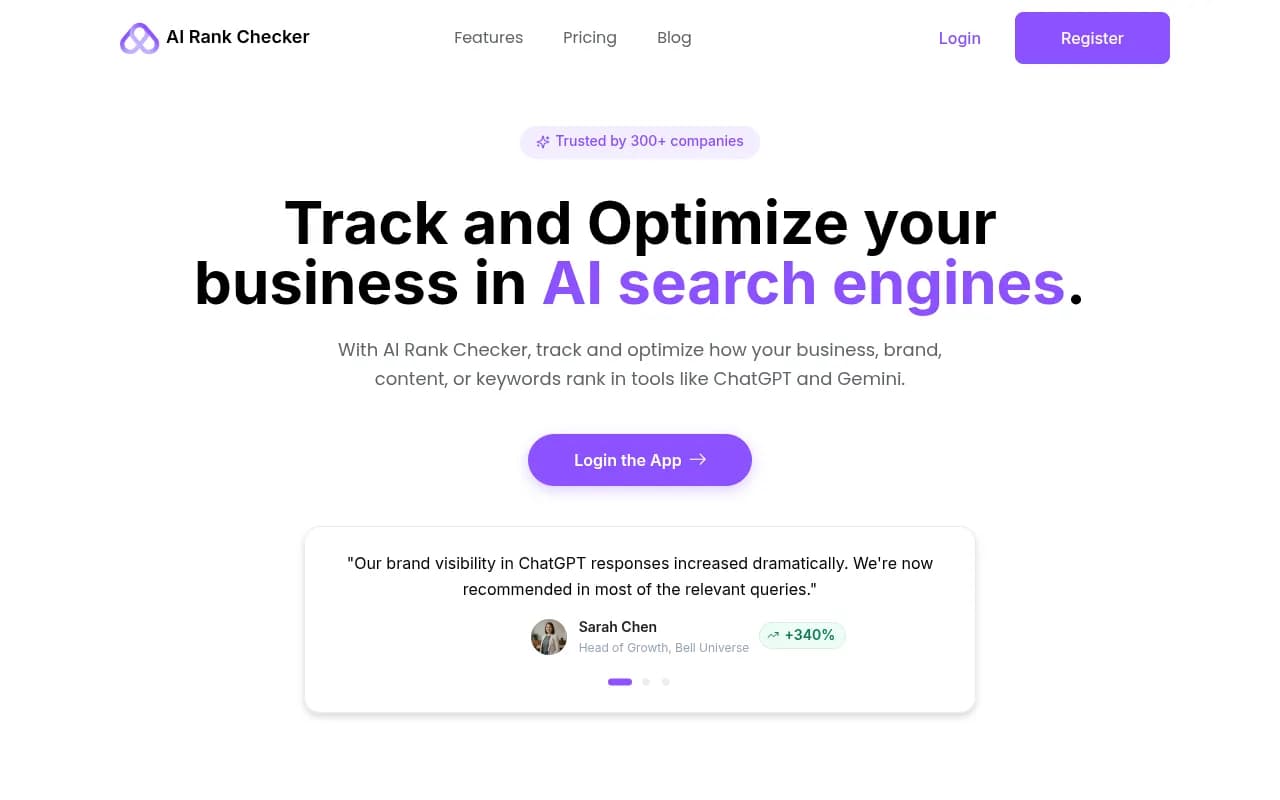
These are narrower than what the headline asks for, since they do not give you classic Google tracking. Use them as a supplement, not a replacement.
One caution on the sources
Nearly every comparison I found is written by a vendor who ranks itself first. Geotoolbox, Omnia, KIME and Leapd all do it. I have used their feature claims and pricing as starting points, not facts. Run your own trial, confirm AI Mode coverage on your actual plan, and read the add-on fine print before you commit.
If the real goal is picking and running a GEO programme rather than a tool, an agency like 1001 SEO Media handles that end to end and uses Promptwatch for AI visibility work.