Key takeaways
- A dashboard answers "was my brand mentioned?" An actionable platform answers "what do I publish, fix, or earn next, and did it work?"
- Look for four things: prioritized recommendations, content briefs or drafts tied to gaps, crawler and traffic data, and a way to measure whether the fix landed.
- Promptwatch, Profound, Scrunch, Evertune, Omnia, and AirOps all take different routes from monitoring to action. Several of the best-known "top 10" lists are written by the vendors ranking themselves first, so read them with that in mind.
- Your content mix matters. ChatGPT cites product pages and landing pages far more than blog posts, so a recommendation engine that only says "write more articles" is guessing.
- Run a 30-day test with the same prompts on two or three platforms before you commit to an annual plan.
Why dashboards are not enough
I have looked at a lot of AI visibility tools this year, and the pattern is consistent. The demo opens on a chart. Visibility score is 34, a competitor is at 51, here is a line going up and to the right. Then you ask the obvious question, "so what do I do on Monday?", and the answer is a vague suggestion to "create more content."
That is a monitoring tool. Monitoring has value, but it is the cheap part. Anyone can send 50 prompts to ChatGPT and log the answers. The hard parts are explaining why a competitor gets cited, finding the exact page or source that is missing, and getting the fix shipped.
Two of the long listicles in the search results, from Omnia and Evertune, each rank their own product number one. Fair enough, it is their blog. But it means you cannot treat those rankings as neutral. Even the more independent write-up from Position Digital says plainly that prompts are "still a big question mark," because most tools make you type in your own list or accept AI-generated suggestions that do not mirror real customer behavior. That caveat applies to nearly every product below.
What "actionable" should mean
Before comparing tools, agree on a definition. I use five tests.
1. Recommendations are prioritized
A list of 200 findings is just a dashboard in a different format. You want a ranked to-do list that says which three things to do first and why, ideally with evidence attached (the prompt, the cited source, the competitor page).
2. Recommendations match the content type AI actually cites
This is where most tools get shallow. According to Promptwatch Data, covering Sep 28 to Oct 4, 2026, product pages are 22.4% of ChatGPT citations, landing pages 16.8%, and listicles 13.6%. How-to guides are 8.7% and documentation 7.5%.
The mix shifts with intent. For commercial prompts like "best CRM for small businesses," product pages, landing pages, listicles, and comparisons add up to almost 70% of citations. For branded prompts, reviews rise to 5.6%, more than three times their overall share. A good platform should tell you "build a comparison page for this prompt cluster," not just "publish a blog post."
Also worth knowing: news content decays fast, losing half its cited pages within about 36 days, while landing pages and docs stay cited for months (ChatGPT content half-life). So recommendations should include refresh cycles, not only new pages.
3. The tool can see technical causes
Sometimes you are invisible because AI crawlers hit errors on your site, not because your content is weak. Platforms with crawler logs or site audits can find that. Platforms that only sample answers cannot. For context on how busy this traffic is, Promptwatch's AI crawler traffic report breaks down weekly IP-verified requests from OpenAI, Anthropic, Google, Perplexity, and Mistral.
4. It helps you produce the fix
Briefs, drafts, refresh diffs, or CMS publishing. If the platform stops at advice, you still need a content team and a process.
5. It closes the loop
Did the page get crawled? Did it get cited? Did anyone click? Without that, you cannot tell a recommendation that worked from one that did nothing.
Comparison table
Pricing changes often and I could not verify current numbers for every vendor, so check each pricing page. The "action depth" column is my read of positioning, not a benchmark.
| Platform | Recommendations | Content production | Crawler or traffic data | Best for |
|---|---|---|---|---|
| Promptwatch | Action Board, content gap analysis | Content Agent with CMS publishing | Yes, IP-verified crawler logs and visitor analytics | Teams that want monitoring through publishing in one place |
| Profound | Strong analysis and recommendations | Limited compared to agent-style tools | Varies by plan | Enterprise monitoring budgets |
| Scrunch | Actionable GEO insights (Position Digital's top pick) | Some | Some | Brands wanting guidance on AI-readable content |
| Evertune | Prioritized by impact | Yes | Not verified | Large brands, Fortune 500 focus |
| Omnia | Citation pattern analysis, action plans | Recommendations | Not verified | Teams that want citation-driven content strategy |
| AirOps | Playbooks and workflows | Strong, workflow-based | No | Content teams that want to engineer pages |
| Semrush | Moderate | Via its content tools | Existing SEO data | Established SEO teams adding AI tracking |
| Peec AI | Suggestions | No | No | Agencies and lean tracking |
| Otterly.AI | Sentiment and monitoring | No | No | Affordable monitoring |
Platforms worth testing
Promptwatch
Promptwatch is the one I would put first on a shortlist for this specific criterion, partly because it is built around the gap between "you are invisible" and "here is the page that fixes it." The Action Board gives a prioritized GEO to-do list, content gap analysis shows which prompts competitors win that you do not, and the Content Agent can write and publish to WordPress, Webflow, or Framer, with a review inbox if you want a human in the loop. Then it tracks whether the published page is crawled, cited, and clicked, and sends underperformers back as new actions.
The second thing it does that most trackers do not is show why. IP-verified crawler logs, weekly site audits, and visitor analytics sit next to citation data, so you can tell a content problem from a crawlability problem. It also monitors real ChatGPT, AI Overviews, AI Mode, Gemini, Perplexity, and Copilot interfaces, not only API outputs. Plans start at $95/month for Essential, with a 7-day trial on monthly paid plans. Confirm on promptwatch.com/pricing.

One honest note: it is a lot of platform. If you only want a weekly mention count for one brand, a lighter tracker costs less.
Profound
Profound is the name that comes up most in enterprise conversations, and one ranking in the research gave it a 92/100 AEO score across 10+ AI engines. That is a self-defined scoring system, so take it as a signal, not proof. Monitoring and analysis are strong. The price points are higher, and the execution side (writing and publishing) is thinner than the agent-style tools.

Scrunch
Position Digital named Scrunch its top pick for actionable GEO insights. It provides recommendations for improving how AI sees your brand, and it leans toward making your site more legible to AI systems. Worth a trial if technical content structure is your main worry.
Evertune
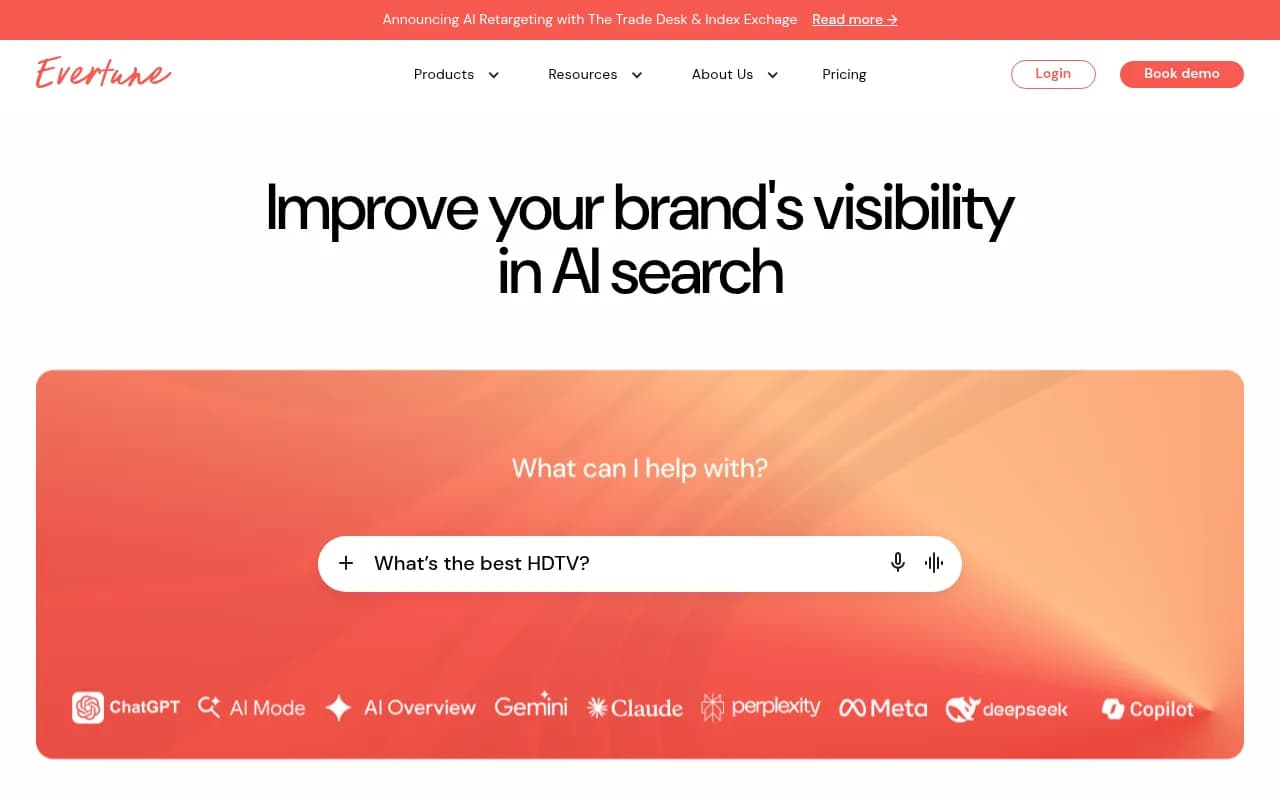
Evertune pitches itself as an end-to-end platform where recommendations are prioritized by impact potential, and it recommends specific content and messaging changes rather than just gaps. It targets large brands. Since the source ranking is Evertune's own, ask for a live walkthrough using your category before believing it.
Omnia
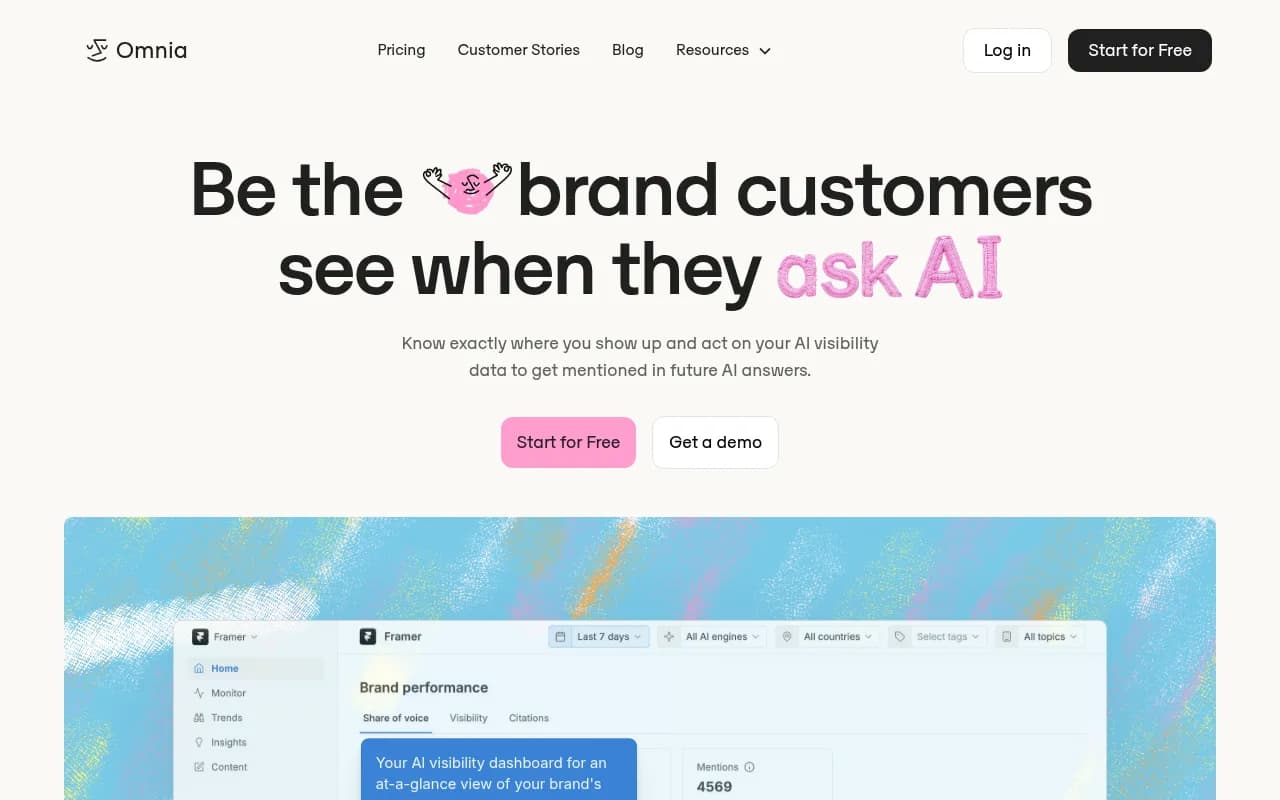
Omnia analyzes top citations, looks for patterns in the winning content, and produces action plans for content creation. It also segments by country and topic. The pattern analysis idea is sound: copying the structure of what AI already cites beats guessing.
AirOps
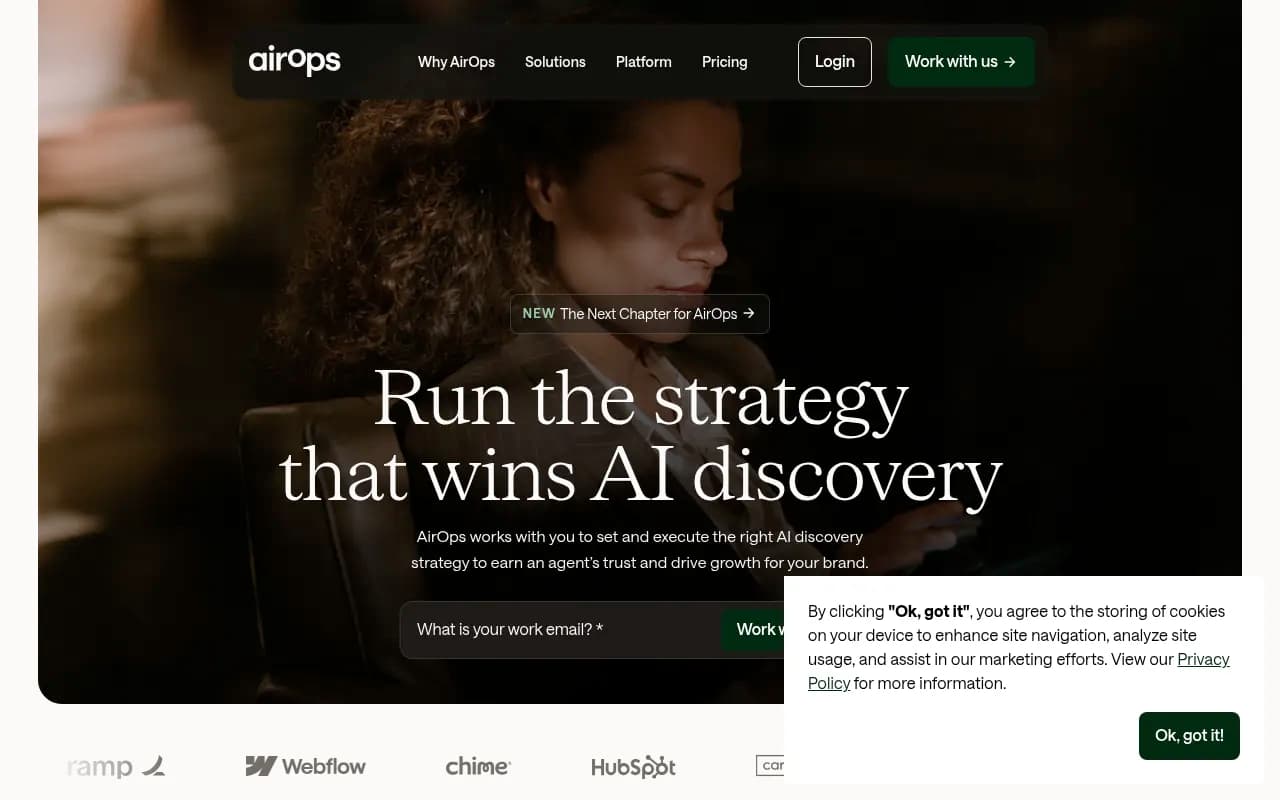
AirOps is a content engineering tool more than a tracker. One reviewer in the research chose it for the learning materials, free cohorts, and easy workflows (they call them playbooks). If you already have a strong tracker and need a production engine, pair them. If you need the monitoring data to ground the content, it is not enough on its own.
Semrush and its AI toolkit
Position Digital recommends Semrush for established SEO teams that want AI tracking inside the workflow they already use. The trade-off is that the AI-specific data is shallower than in dedicated platforms. Fine as a starting point.
Peec AI and Otterly.AI
Peec AI gets credit from Zapier for smart suggestions, and from Position Digital for sample projects that agencies can use in pitches. Otterly.AI is popular for affordable monitoring with sentiment per prompt. Both are good at tracking. Neither is where I would go for an end-to-end fix loop.


Newer action-focused tools
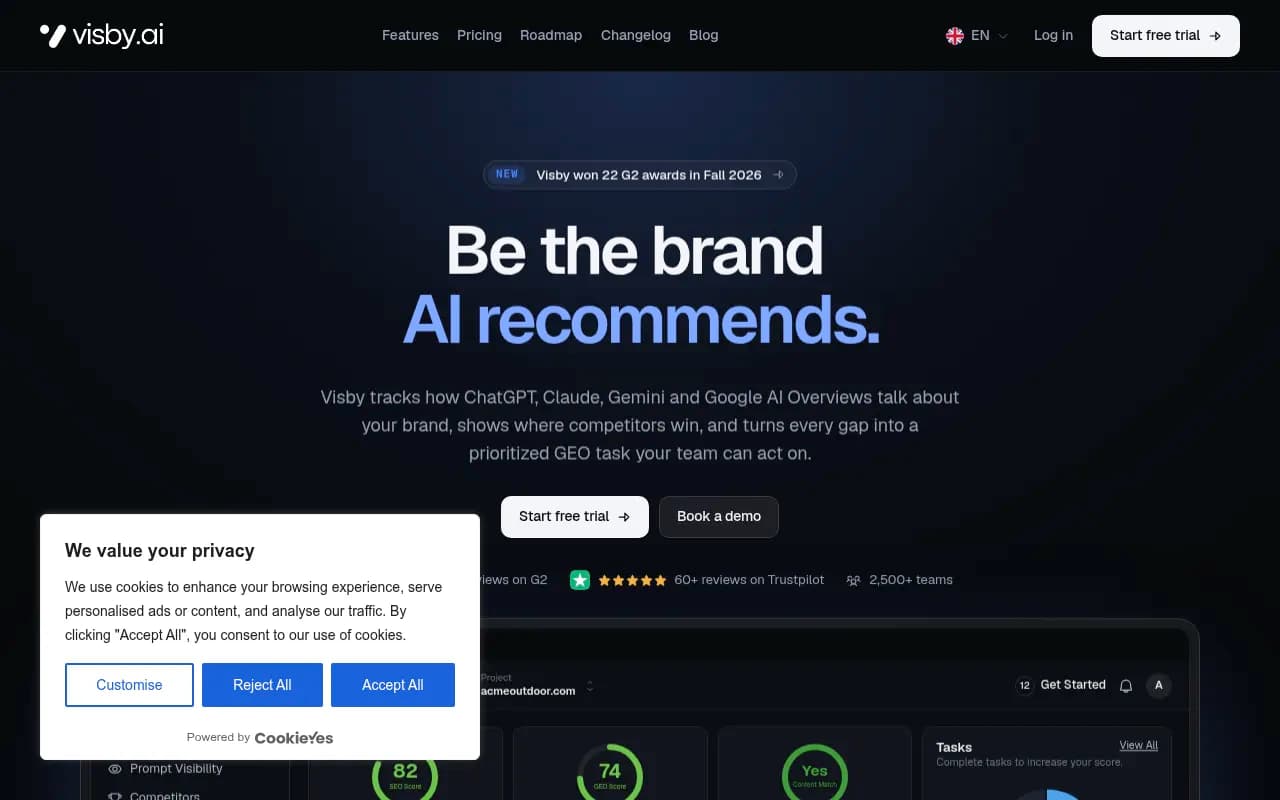
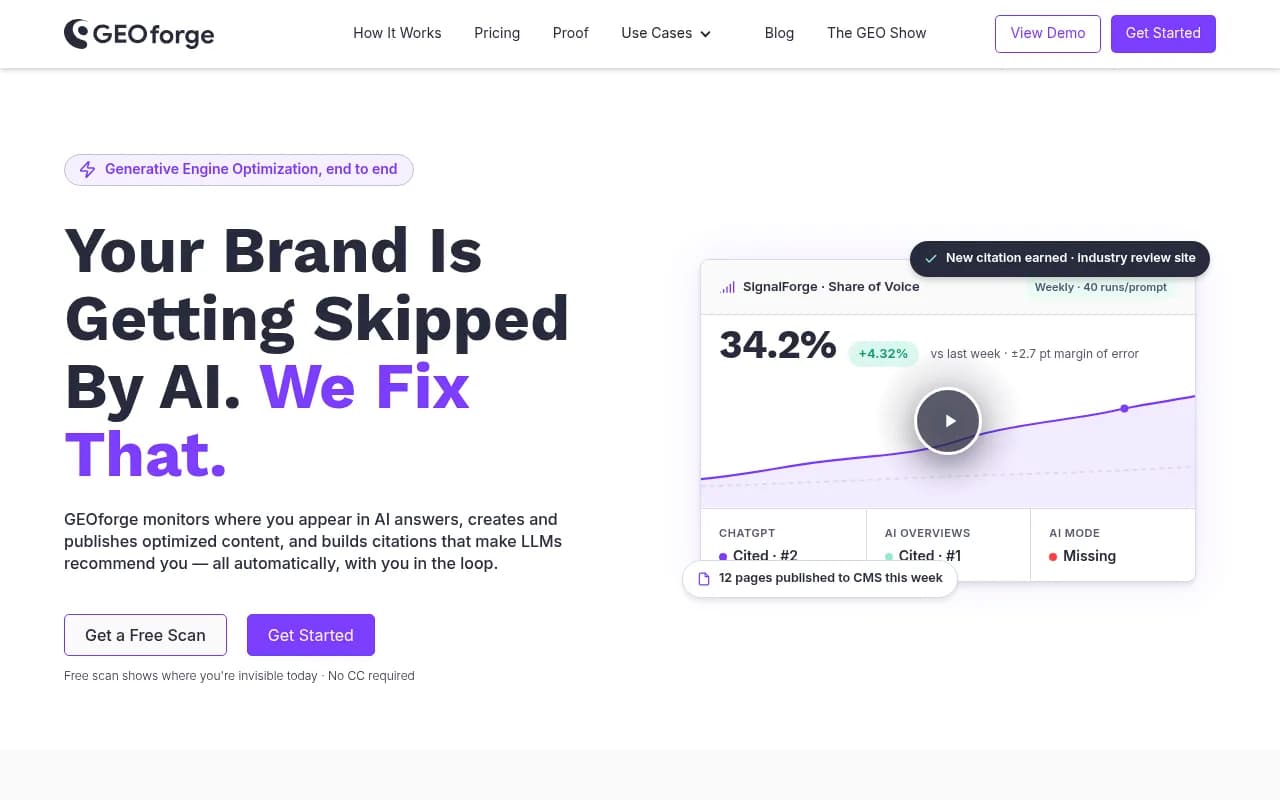
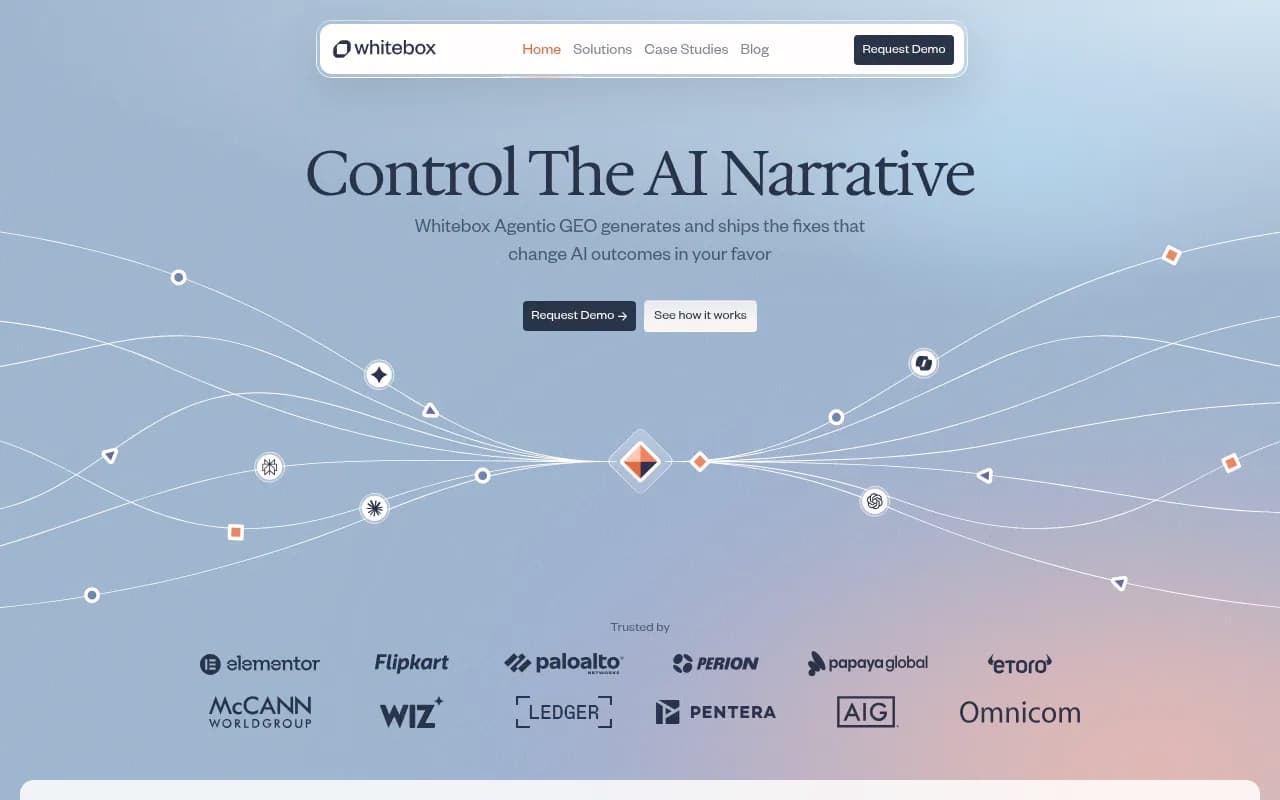
Several smaller products in our catalog position specifically around fixes instead of charts: Visby (ranks fixes by impact), GEOforge (closed-loop monitoring to published content), OGTool, ChatRank (built-in action plan), Whitebox, and Nuwtonic (agentic fixes), plus Ranksmith and Dageno AI. I have not tested all of them and the category moves fast, so treat these as trial candidates.
For a wider scan, the GEO software directory at bestgeosoftware.com lists more options by category.
How to run a fair 30-day test
Demos are polished. Your data is not. Here is the process I would follow.
- Pick 30 to 50 prompts that reflect real buying questions, including at least 10 commercial ones and a handful of branded ones. Do not let the tool choose them all.
- Load the same set into two or three platforms.
- In week one, compare what each tells you to do. Count recommendations that are specific (page type, topic, evidence) versus generic.
- In weeks two and three, ship the top three recommendations from each. Same effort, same team.
- In week four, check whether the new pages got crawled, cited, or clicked, and whether the platform could show you that.
Engines vary in how stable they are, which matters for reading results. Per Promptwatch's sources-per-response data (a September 2025 report), Perplexity cites almost exactly 10 sources daily, so it makes a steady test bench, while ChatGPT averages about 5 sources and drifts with model updates. Copilot swung wildly, from under 2 to nearly 17 sources over a few weeks. Judge Copilot on monthly trends, not weekly snapshots.
Also check how widely ChatGPT spreads its citations. Almost half of responses cite 10 or more unique domains (ChatGPT unique domains per response, Sep 28 to Oct 4, 2026), so a single page rarely wins alone. Recommendations that include earning mentions on third-party pages are not filler.
Red flags in vendor pitches
- Recommendations that read the same for every brand. Ask for an example from a competitor in your space.
- A single "visibility score" with no breakdown. Read it alongside share of voice, position, and citations, so you know whether the issue is coverage, prominence, or content.
- No way to see AI crawler activity or AI-referred traffic. You will be guessing at causes.
- Prompt volumes presented as precise. The industry does not have clean search-volume data for prompts yet. Treat any number as directional.
- Self-ranked listicles used as the main evidence. Ask for customer references instead.
Picking by situation
| Your situation | Where I would start |
|---|---|
| Want monitoring, fixes, and publishing in one tool | Promptwatch |
| Enterprise, big budget, heavy monitoring needs | Profound or Evertune |
| Already live in Semrush | Semrush AI toolkit, then re-evaluate |
| Content team that needs a production engine | AirOps, paired with a tracker |
| Agency with many clients | Peec AI, OpenLens, or Promptwatch agency plans |
| Tight budget, just need tracking | Otterly.AI or another lightweight tracker |
If you would rather have someone run this for you, an SEO agency that handles GEO can set up tracking and execution together. 1001 SEO Media works this way and uses Promptwatch for AI visibility work.
Bottom line
A platform earns the word "actionable" if it can tell you which page to build, explain the evidence, help you ship it, and report back on whether AI picked it up. Test with your own prompts, and ask every vendor to show you the last recommendation it gave a customer and what happened next.