Key takeaways
- Most AI visibility tools under $100/month are monitoring-only: they show you where you appear in AI responses but don't help you fix gaps or create content.
- The cheapest entry points (Otterly.AI at ~$25/mo, Rankscale at ~$20/mo) cover basic brand mention tracking but typically limit you to 1-2 AI engines and a small prompt set.
- Mid-budget tools ($50-99/mo) like LLMrefs, SE Visible, and Peec AI add multi-engine coverage and some competitive context, but content optimization remains rare at this price point.
- If you need to actually improve your AI visibility — not just measure it — you'll likely hit the ceiling of sub-$100 tools quickly and need to consider platforms that close the loop between tracking and content creation.
- Free tiers exist (Hall AI, some Mangools features) but are genuinely limited to spot-checks, not ongoing monitoring.
The GEO tool market has exploded. Two years ago there were maybe a dozen platforms tracking AI search visibility. Now there are well over 50, and a growing number have pushed entry-level pricing below $100/month to capture teams who can't justify enterprise spend.
That's good news on the surface. But there's a real gap between what these tools advertise and what they actually deliver at the budget tier. Some are genuinely useful starting points. Others are dashboards that show you a number and leave you wondering what to do with it.
This guide breaks down 20 tools that either have a plan under $100/month or offer meaningful free tiers. For each one, I've tried to be honest about what you actually get — prompt limits, engine coverage, whether there's any optimization capability, and where the walls are.
What "AI visibility" actually means at the $100 price point
Before getting into individual tools, it's worth being clear about what you're buying at this tier.
Most sub-$100 GEO tools do one thing: they run a set of prompts through AI engines (ChatGPT, Perplexity, Google AI Overviews, etc.) and check whether your brand gets mentioned. That's monitoring. It's useful baseline data, but it's not optimization.
The things that tend to be missing at lower price points:
- Content gap analysis (which prompts are your competitors winning that you're not?)
- AI crawler logs (is ChatGPT even reading your pages?)
- Content generation or recommendations
- Traffic attribution (connecting AI mentions to actual website visits)
- Prompt volume data (which queries actually matter?)
- Multi-region or multi-language support
Keep that list in mind as we go through the tools. The question isn't just "does it track AI visibility" — it's "what can I actually do with the data?"
The tools: what you get for under $100/month
Free and near-free options
Hall AI has a free tier that lets you run manual checks on how AI platforms describe your brand. It's genuinely useful for a one-time audit — paste in a few prompts, see what ChatGPT or Perplexity says about you. But it's not automated monitoring, so you'd need to remember to check it yourself.

Mangools includes an AI Search Grader in its toolkit, which gives you a basic visibility score. Mangools plans start around $38/month, and the AI features are more of an add-on than a core capability. Fine if you're already using Mangools for keyword research and want a quick AI visibility snapshot.
Otterly.AI is probably the most-cited budget option in this space. Plans start around $25/month. You get brand mention tracking across a handful of AI engines, a basic share-of-voice metric, and some competitor comparison. The prompt limits are tight at the entry tier — typically around 10-20 prompts — and there's no content optimization. But for a small brand that just wants to know "am I showing up in ChatGPT answers about my category?", it's a reasonable starting point.

Rankscale comes in at around $20/month, making it one of the cheapest dedicated GEO tools available. It tracks AI search rankings and gives you a visibility score over time. Coverage is limited compared to mid-tier tools, and the feature set is basic — but the price reflects that honestly.
The $25-$50 range
Peec AI sits in this range and is worth highlighting because it has genuine multi-language support, which most budget tools skip entirely. If you're tracking visibility in non-English markets, Peec AI is one of the few affordable options that handles this. The monitoring is solid; content optimization isn't part of the package.

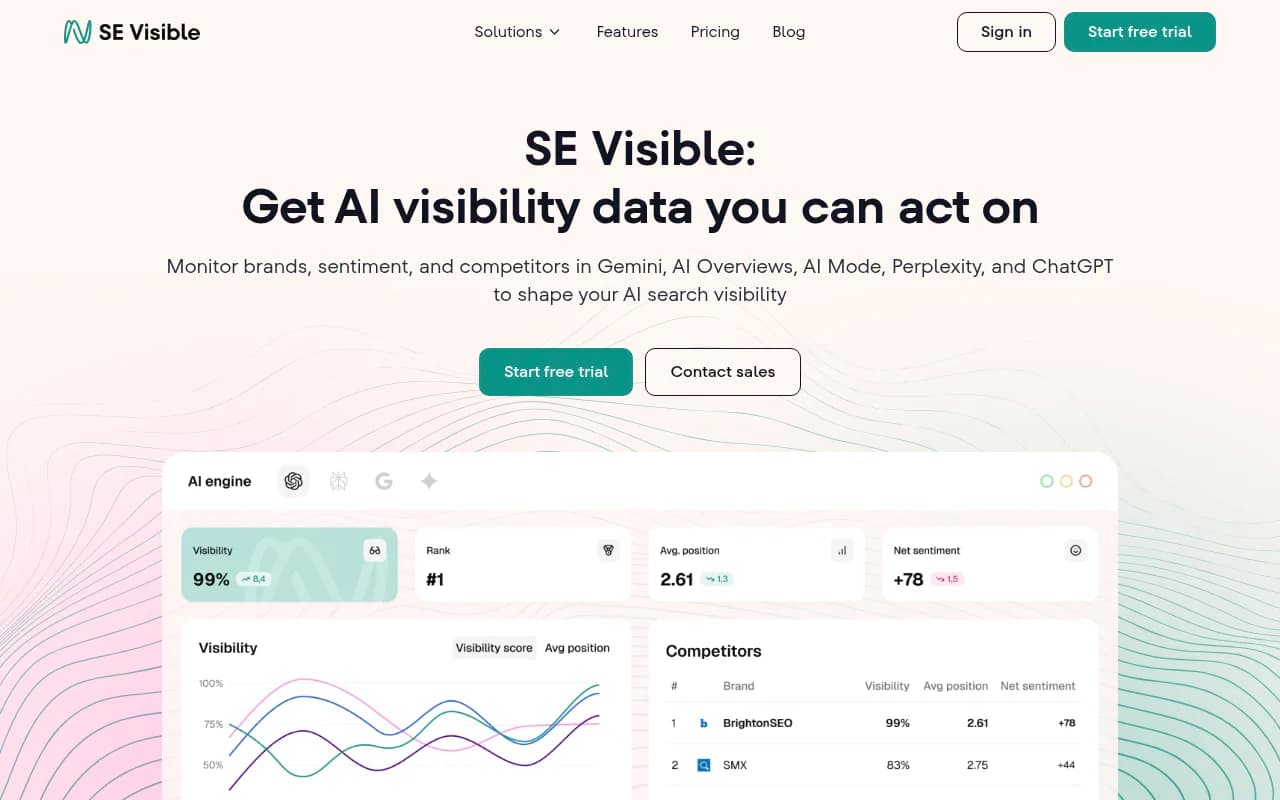
SE Visible (SE Ranking's AI search add-on) is interesting because it plugs into an existing SEO platform rather than being a standalone tool. If you're already on SE Ranking, the AI visibility features add meaningful context without a big price jump. Standalone, the value proposition is less clear.
Omnia positions itself as an AI visibility and share-of-voice analytics platform. The entry pricing is competitive and the interface is cleaner than some older tools in this space. Worth evaluating if share-of-voice tracking across AI engines is your primary need.
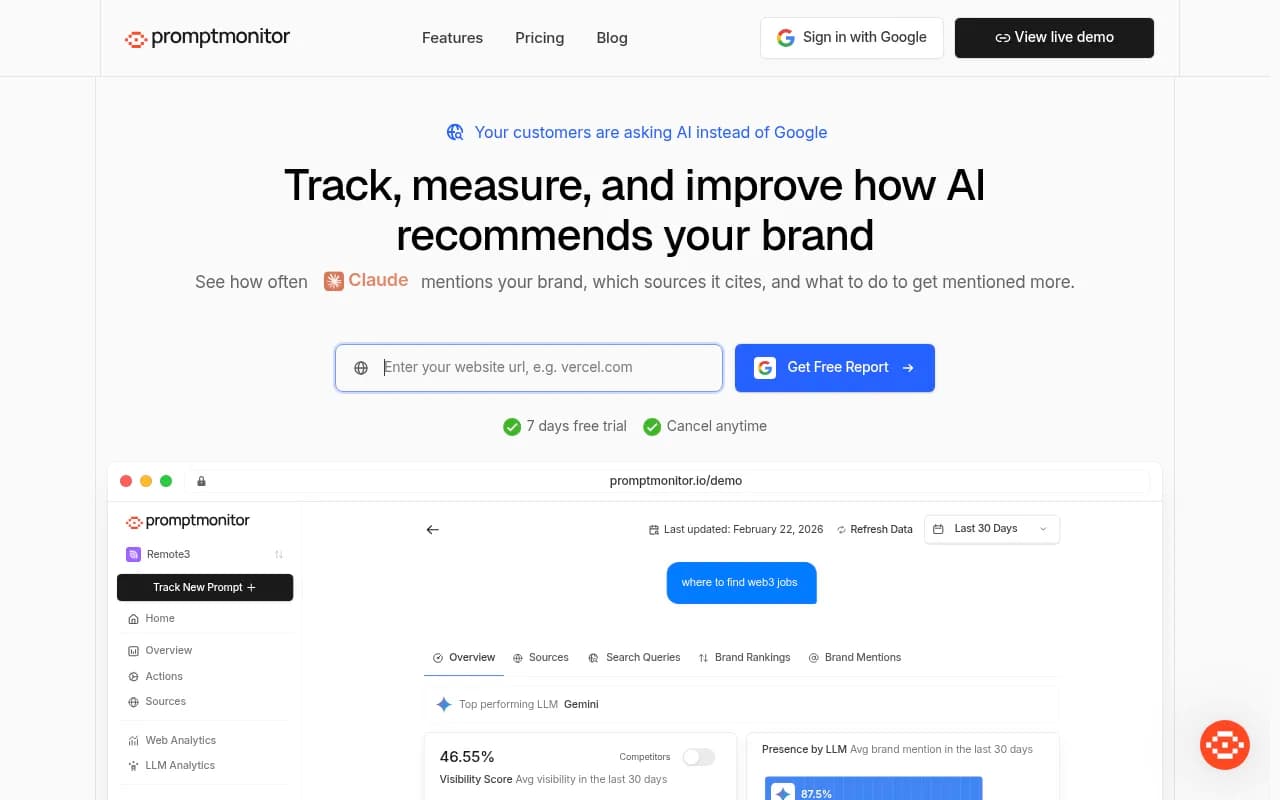
Promptmonitor offers basic AI visibility tracking at an accessible price point. It covers the major engines and gives you mention frequency data. Like most tools in this range, it stops at monitoring.
The $50-$99 range
This is where things get more interesting, because a few tools start adding features beyond pure monitoring.
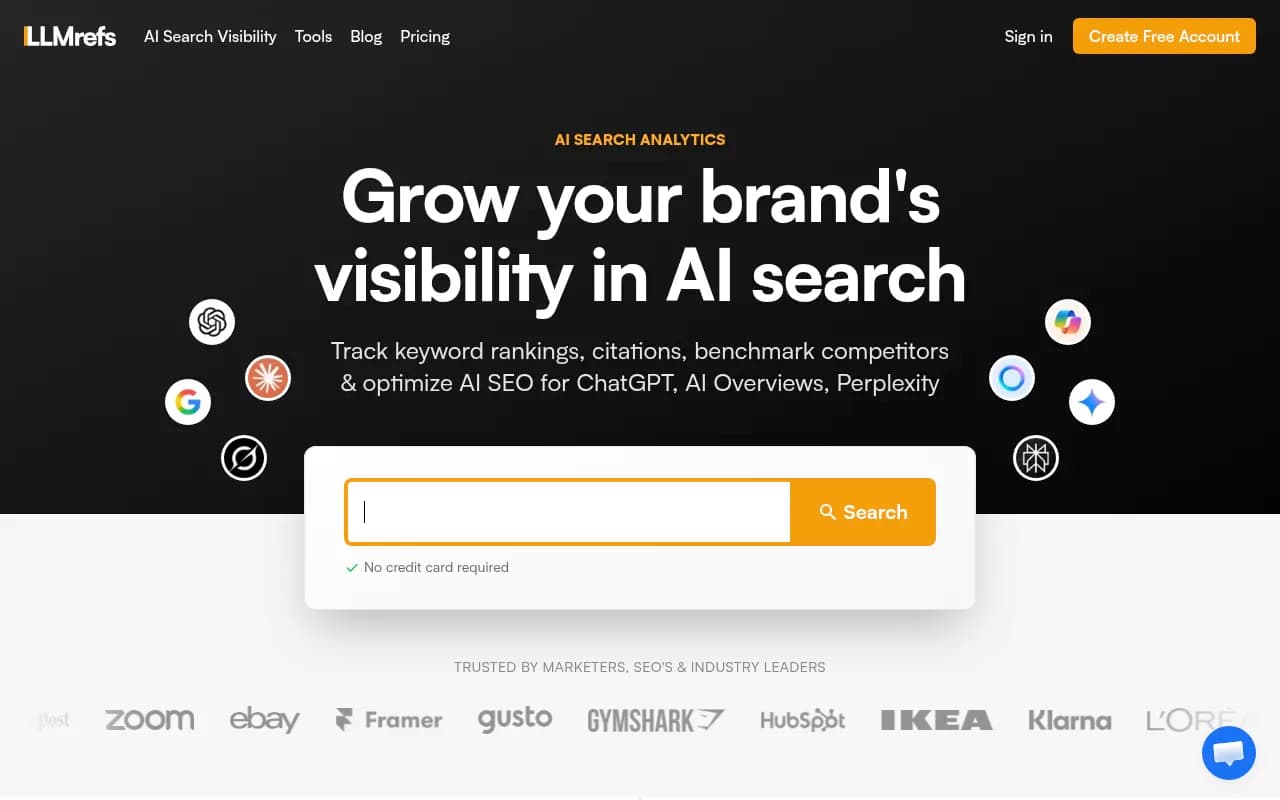
LLMrefs ($79/month entry) tracks your brand across ChatGPT, Perplexity, and a few other engines. The differentiator is citation tracking — it tries to show you which pages are actually being cited in AI responses, not just whether your brand name appears. That's more actionable than a simple mention count. Still no content generation, but knowing which pages to optimize is a step up.
Peasy tracks AI performance with a focus on making the data readable for non-technical marketers. The interface is clean and the reporting is straightforward. Good for teams that need to present AI visibility data to stakeholders without a lot of data wrangling.
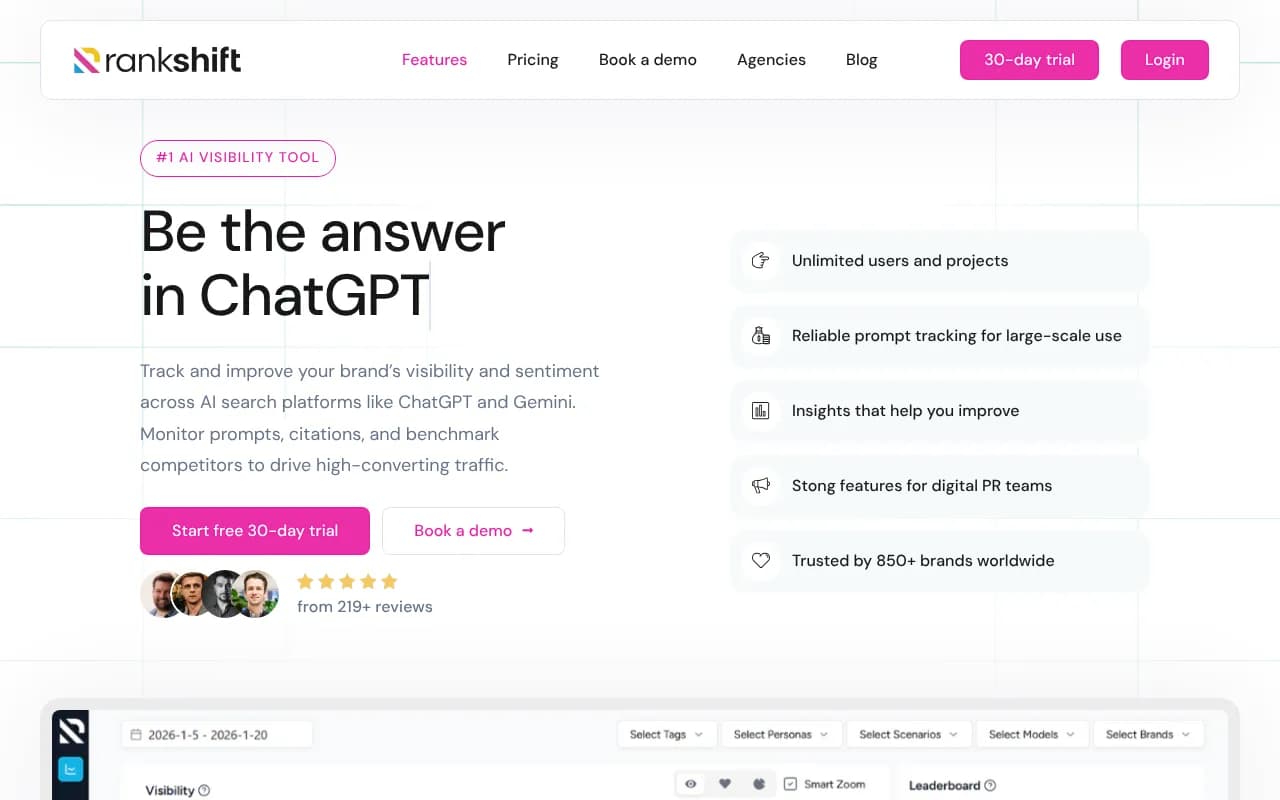
Rankshift is an LLM tracking tool aimed at GEO practitioners. It covers multiple AI engines and gives you competitive context. The prompt tracking is more granular than the cheapest tools, and it's built specifically for GEO rather than being an SEO tool with AI features bolted on.
Trakkr.ai tracks brand visibility across ChatGPT, Claude, Perplexity, and others. It's in the sub-$100 range for smaller plans and gives you historical tracking so you can see visibility trends over time. Useful for demonstrating progress (or decline) to clients or internal stakeholders.
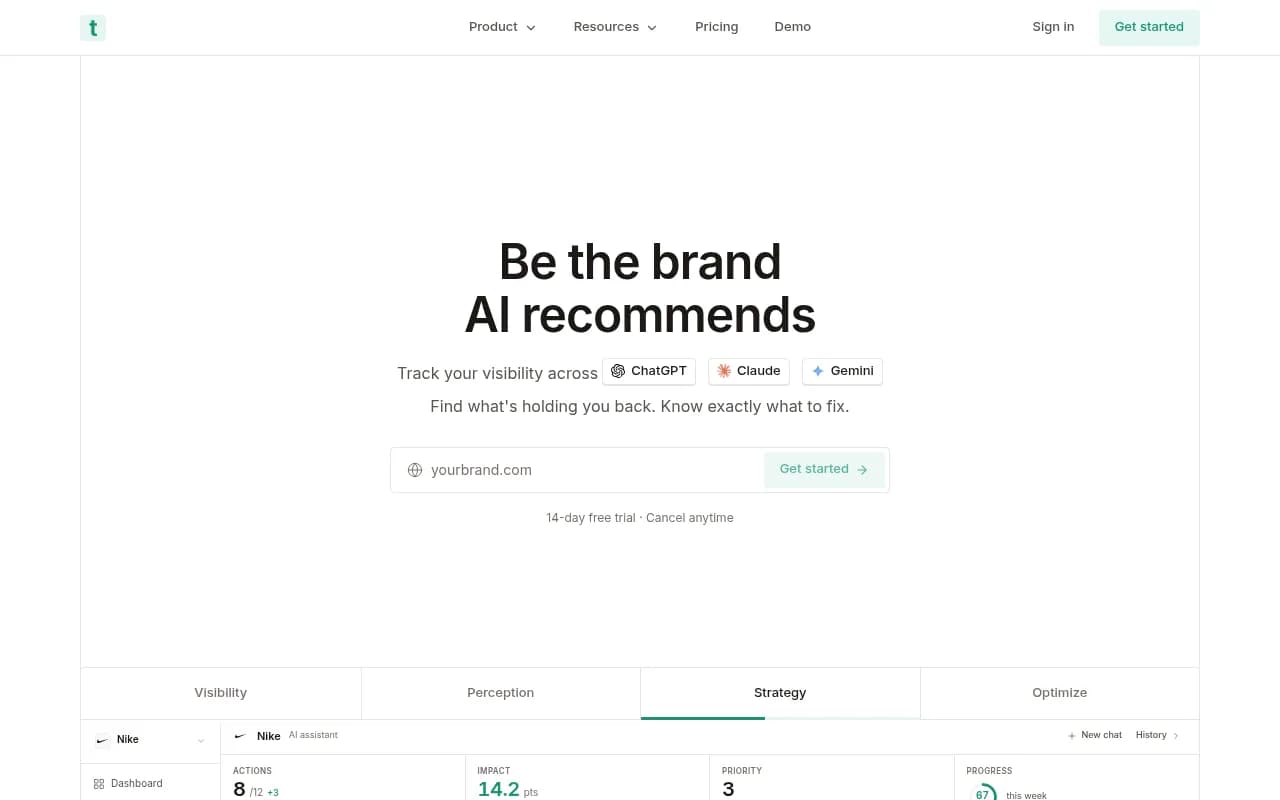
Brandlight focuses on AI brand visibility with a monitoring-first approach. It covers the major AI engines and gives you sentiment context alongside mention frequency — not just "did they mention you" but "how did they describe you."
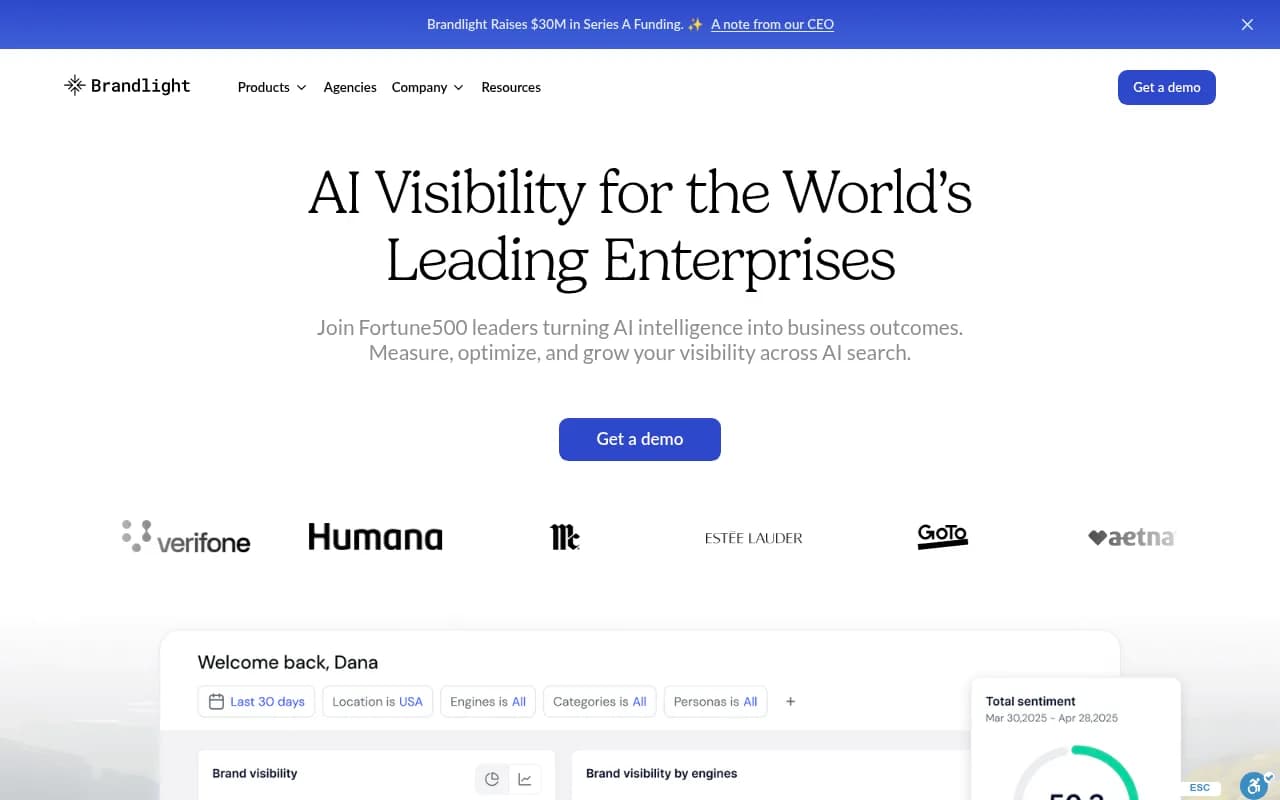
Nightwatch has a base plan that includes some AI search monitoring alongside its traditional rank tracking. If you're already using Nightwatch for Google rankings, the AI visibility data is a useful addition. As a standalone AI visibility tool it's not the strongest option, but as part of a broader SEO stack it makes sense.
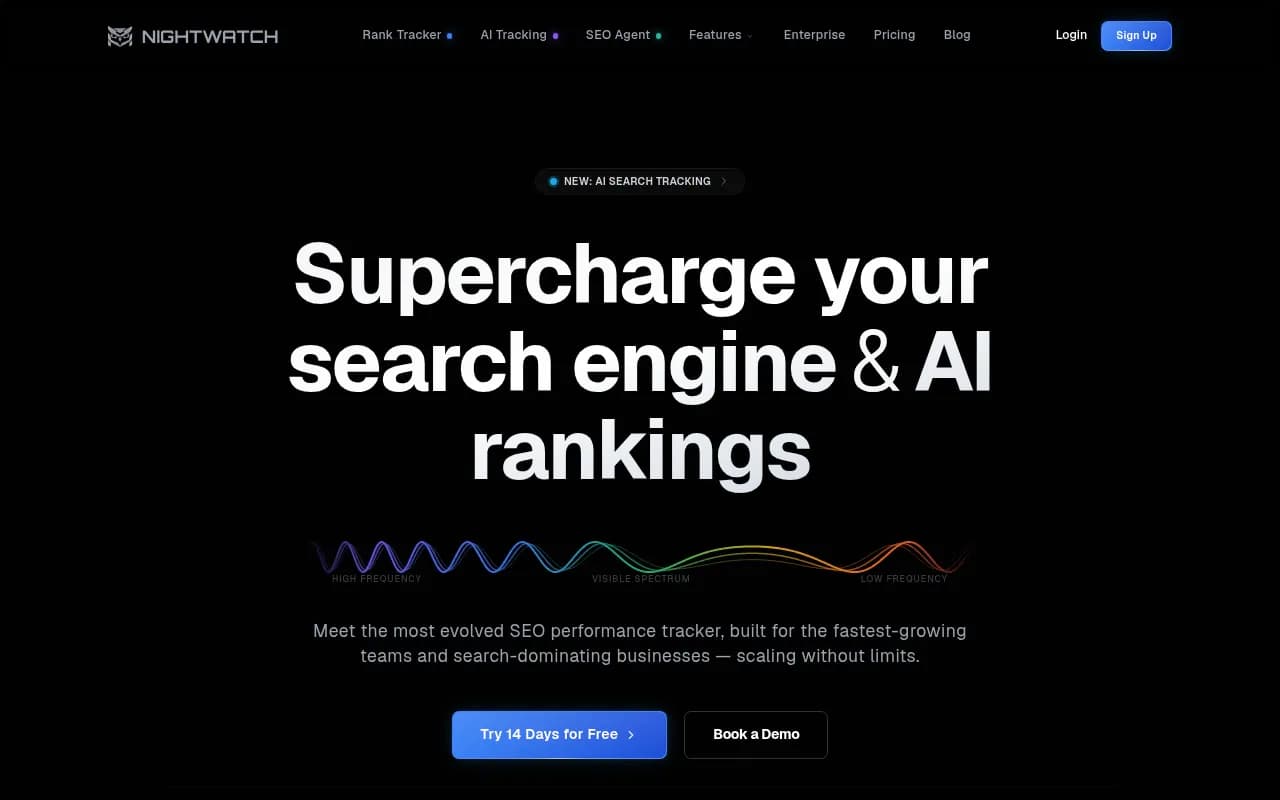
Airefs is a newer entrant focused specifically on affordable AI search visibility tracking. It covers the main engines and is designed for smaller teams who want GEO data without enterprise pricing.
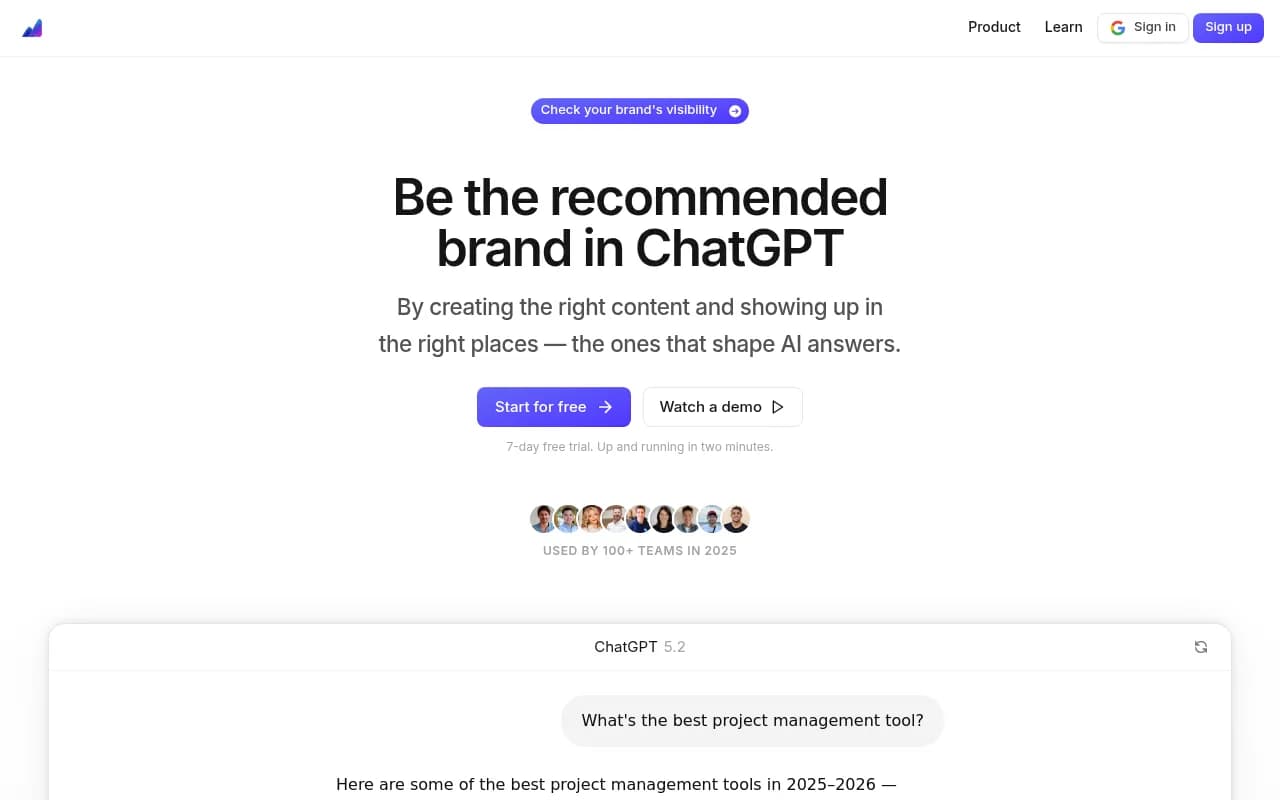
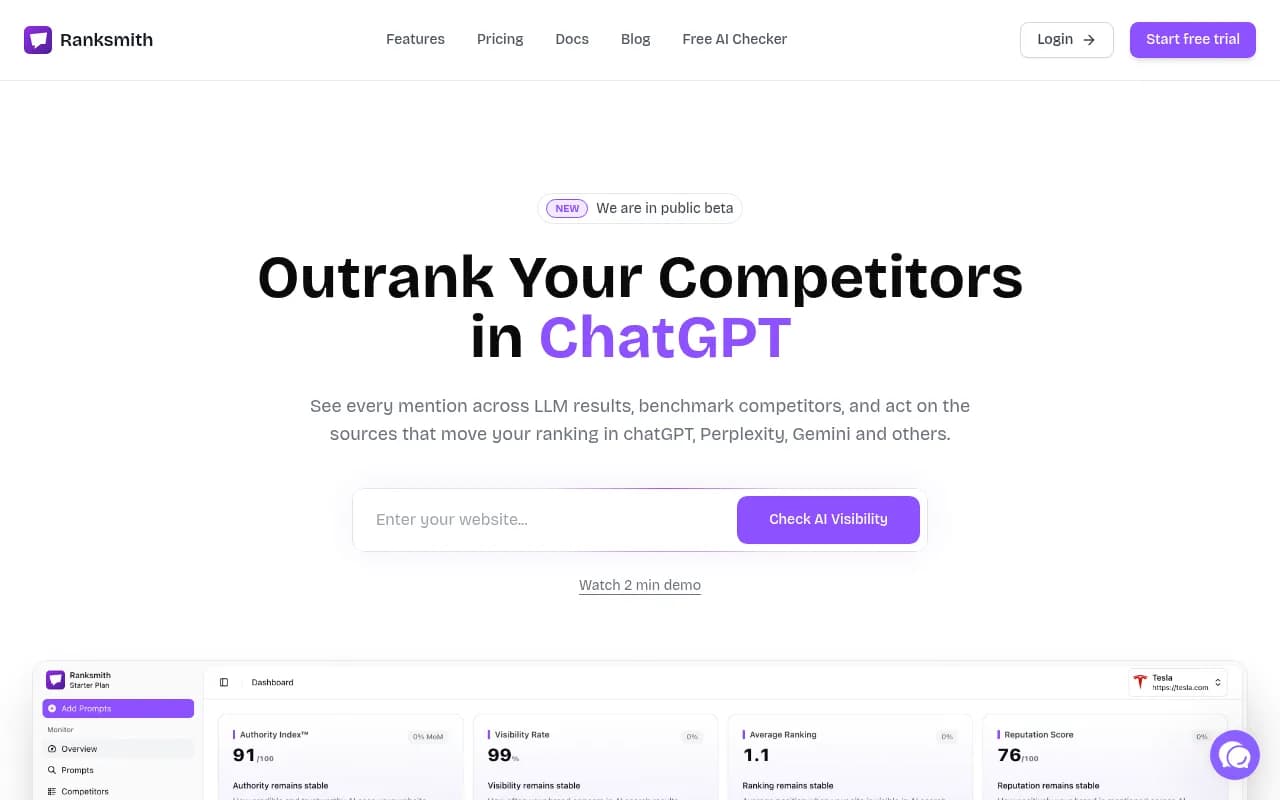
Ranksmith offers actionable AI visibility insights at a price point that fits smaller budgets. The focus is on making the data interpretable — less raw numbers, more "here's what you should pay attention to."
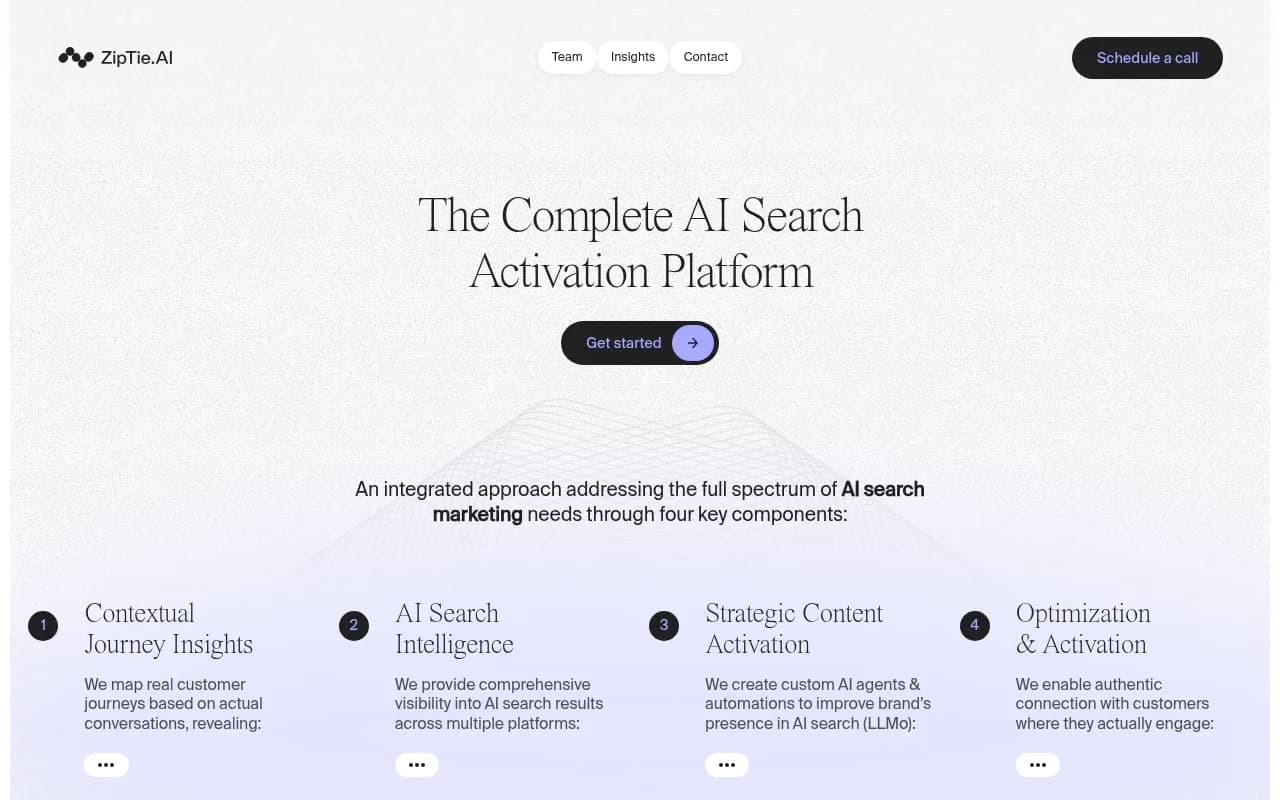
ZipTie does deeper analysis for AI search visibility than most tools in this price range. It's worth looking at if you want more than surface-level mention tracking.
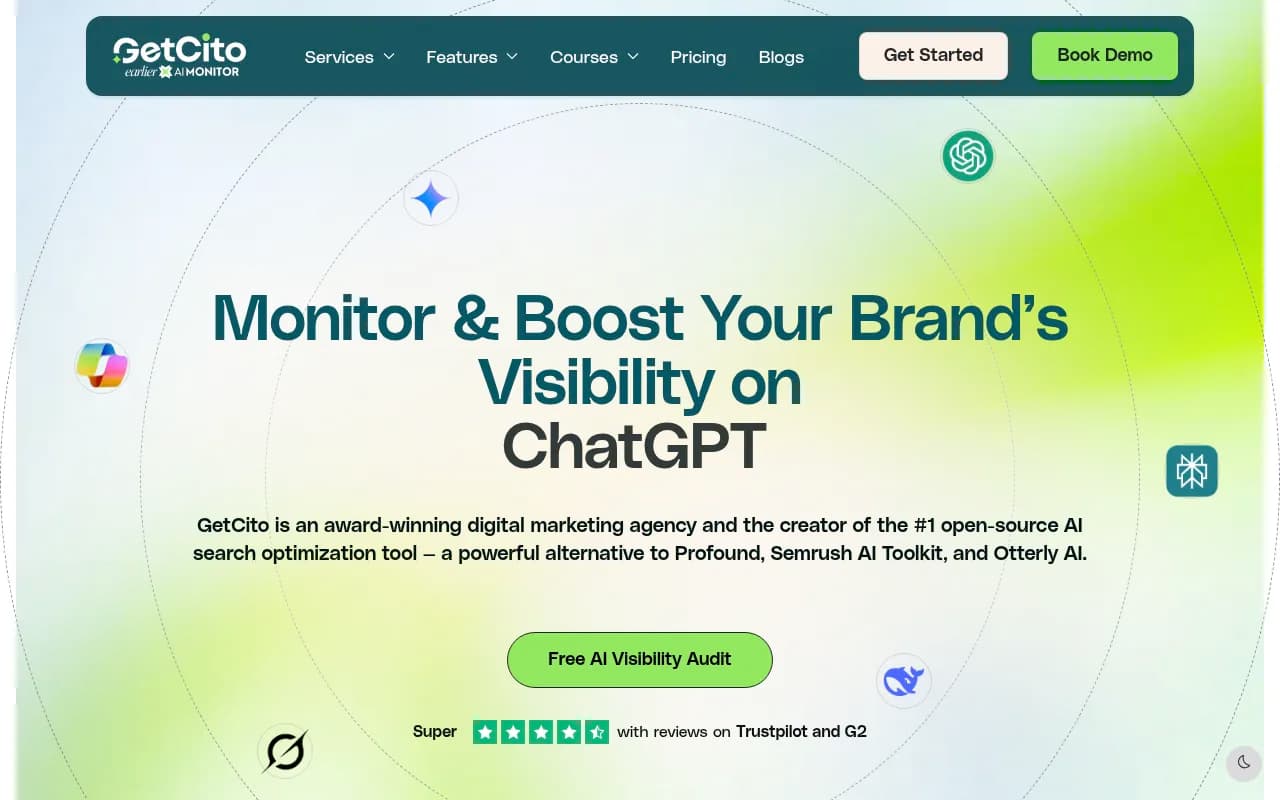
GetCito is an AI visibility tracking and optimization platform with plans accessible at the budget tier. It has some optimization features that are unusual at this price point.
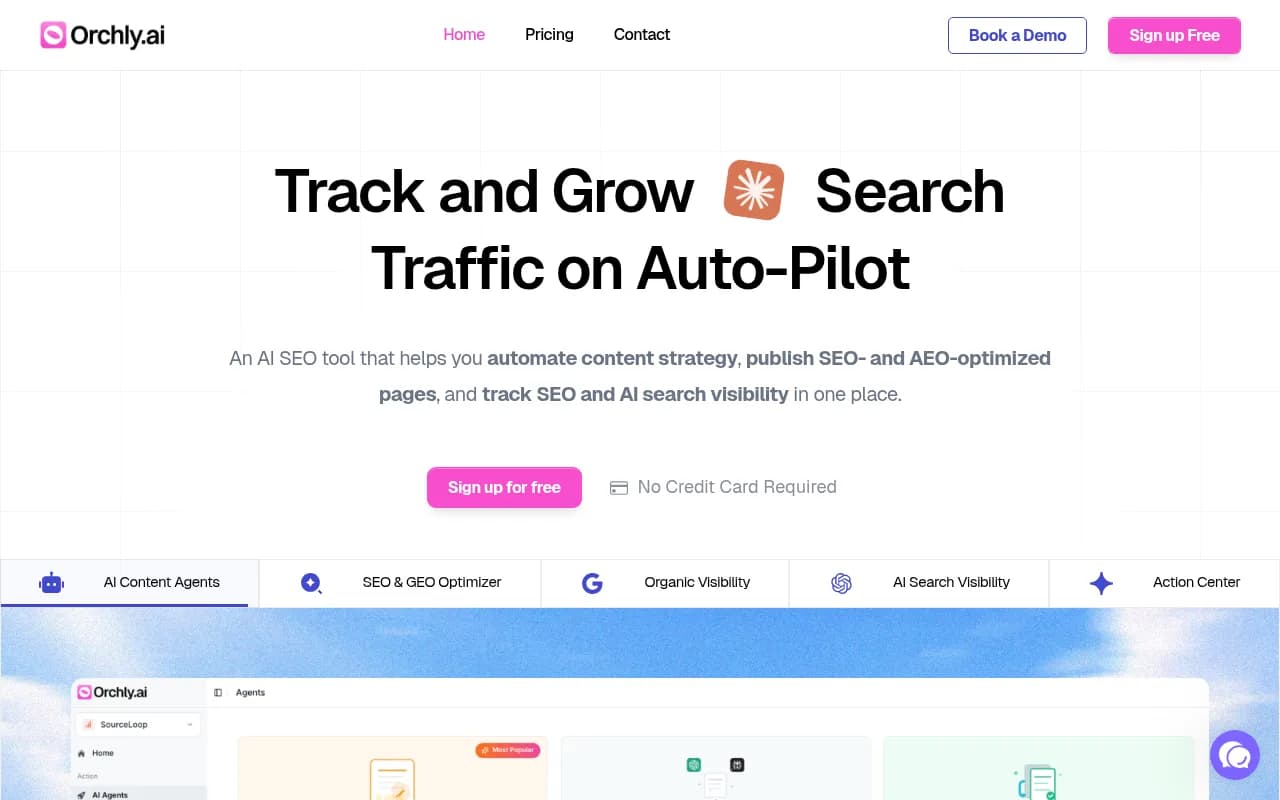
Orchly covers AI visibility monitoring with a clean interface. It's a newer tool but has been building out its engine coverage steadily.
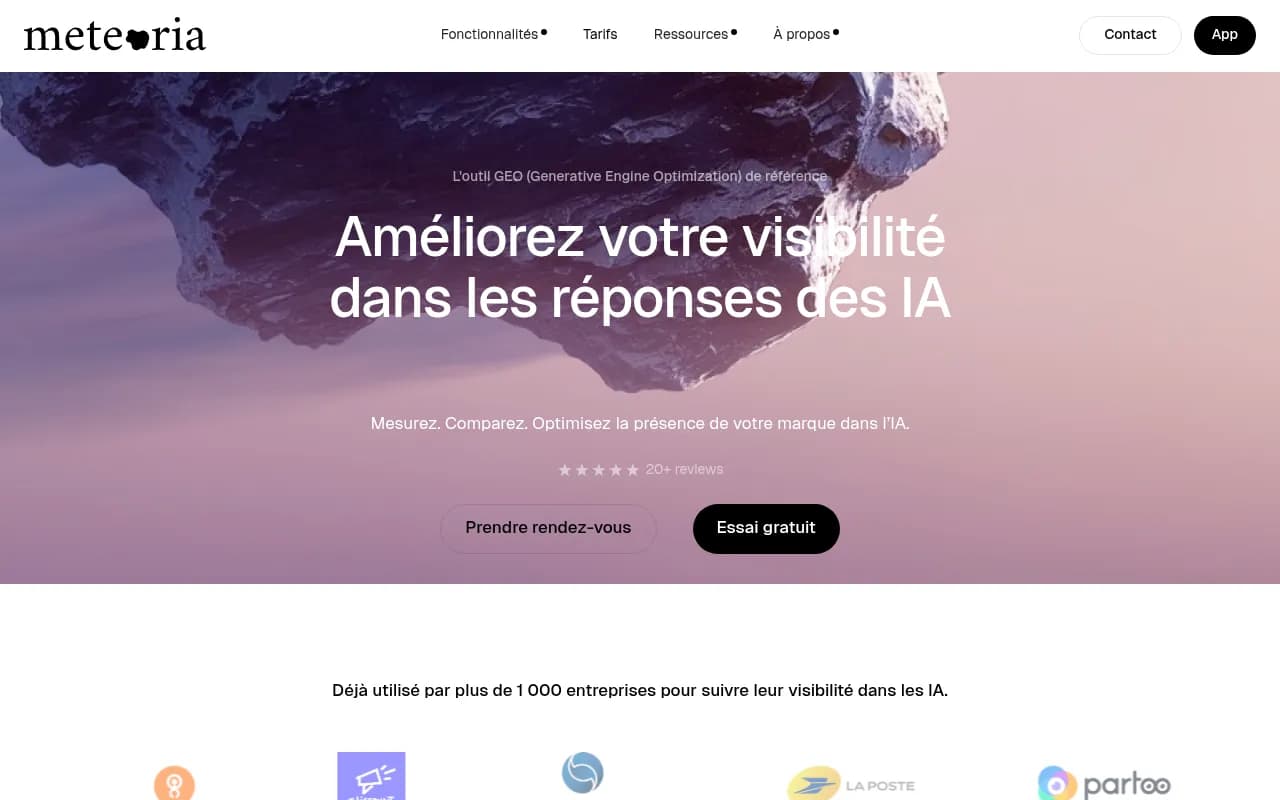
Meteoria tracks brand visibility across AI search engines with a focus on making the data actionable for marketing teams.
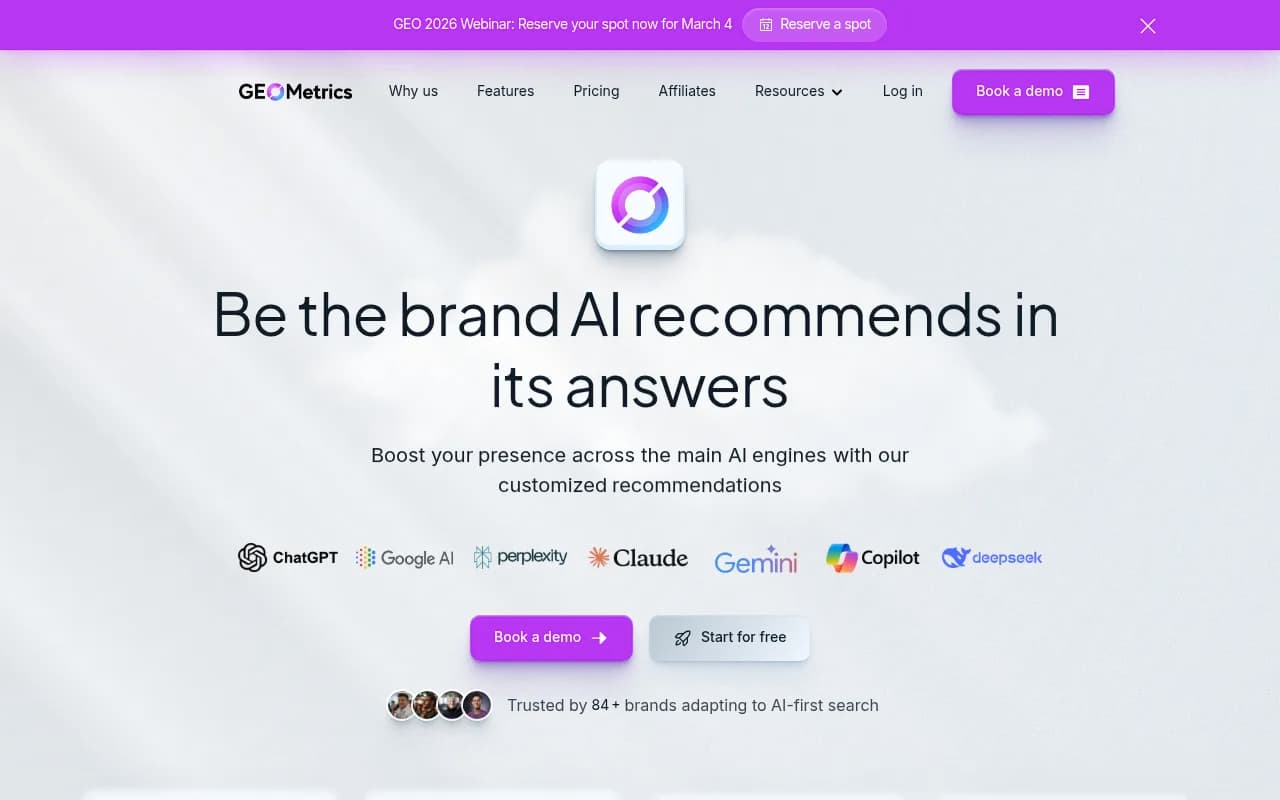
GEO Metrics lets you track how ChatGPT, Gemini, and other AI engines mention your brand, with a simple interface that doesn't require a lot of setup.
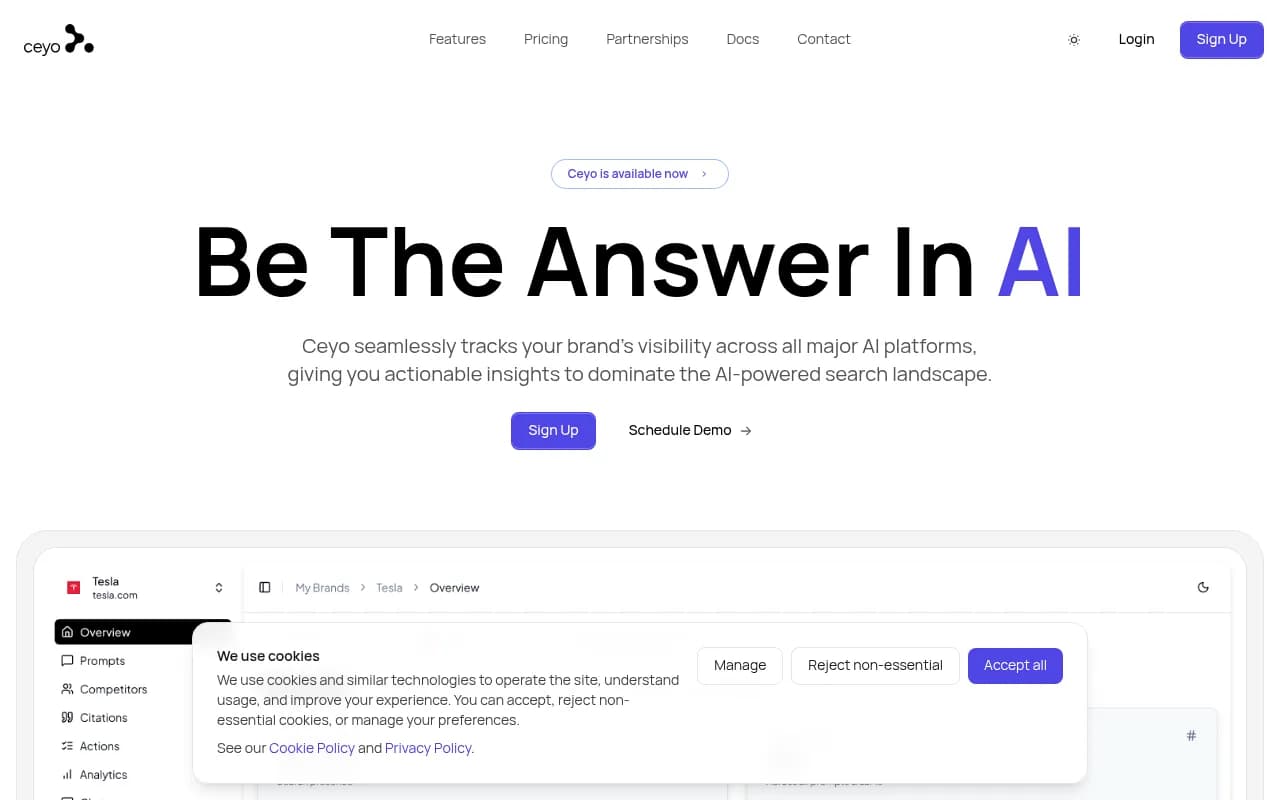
Ceyo AI monitors your brand across ChatGPT, Perplexity, Claude, and Gemini. It's designed for teams who want straightforward coverage of the major models without complexity.
Feature comparison: what you actually get
Here's how the main budget tools stack up across the features that matter most:
| Tool | Starting price | AI engines covered | Prompt limits (entry) | Content gap analysis | Content generation | Citation tracking | Traffic attribution |
|---|---|---|---|---|---|---|---|
| Otterly.AI | ~$25/mo | 3-4 | ~10-20 prompts | No | No | Basic | No |
| Rankscale | ~$20/mo | 2-3 | Limited | No | No | No | No |
| Peec AI | ~$30/mo | 4+ | Moderate | No | No | No | No |
| LLMrefs | ~$79/mo | 4-5 | Moderate | No | No | Yes | No |
| SE Visible | Add-on | 3-4 | Moderate | No | No | Basic | No |
| Omnia | ~$49/mo | 4-5 | Moderate | No | No | Basic | No |
| Nightwatch (base) | ~$39/mo | 2-3 | Limited | No | No | No | No |
| Trakkr.ai | ~$49/mo | 4-5 | Moderate | No | No | Basic | No |
| Rankshift | ~$49/mo | 4-5 | Moderate | No | No | Basic | No |
| ZipTie | ~$69/mo | 4-5 | Moderate | Partial | No | Yes | No |
| Hall AI | Free tier | 3-4 | Manual only | No | No | No | No |
| Promptwatch Essential | $99/mo | 10+ | 50 prompts | Yes | Yes (5 articles) | Yes | Yes |
That last row is intentional. Promptwatch sits at exactly $99/month for its Essential plan, which puts it at the edge of this price range. I've included it because it's the clearest illustration of what you give up by staying strictly under $100: at $99/mo, you get content gap analysis, AI article generation, and traffic attribution — features that simply don't exist in the tools priced below it.

The monitoring-only problem
Here's the honest reality of the sub-$100 GEO market: almost everything in it is a monitoring dashboard.
That's not useless. Knowing that you appear in 12% of relevant ChatGPT responses while your main competitor appears in 34% is genuinely valuable information. It tells you there's a problem. But it doesn't tell you what to write, which pages to fix, or whether the content you publish actually moves the needle.
The tools that start to break out of pure monitoring — LLMrefs with citation tracking, ZipTie with deeper analysis — are doing something more useful. But even they stop short of telling you "here are the specific content gaps you need to fill, and here's a draft article that addresses them."
That gap matters more than it sounds. Most marketing teams don't have unlimited time to interpret data and figure out what to do with it. The value of a GEO tool isn't just the data — it's the time saved in going from data to action.
How to choose at the budget tier
A few practical filters:
If you just need to know your baseline visibility: Otterly.AI or Hall AI's free tier will get you there. Run your 10-15 most important prompts, see where you stand, and use that as a starting point for conversations about budget.
If multi-language or multi-region matters: Peec AI is one of the few budget tools that handles this seriously. Most others are English-first with limited international coverage.
If citation tracking is your priority: LLMrefs is the strongest option in the sub-$100 range for understanding which specific pages are being cited in AI responses.
If you're already on an SEO platform: Check whether it has AI visibility features before buying a separate tool. SE Ranking's SE Visible add-on and Nightwatch's base plan both add AI monitoring to existing SEO workflows without requiring a separate subscription.
If you need to show results to clients or leadership: Tools with historical tracking and clean reporting (Trakkr.ai, Ranksmith) are worth prioritizing over raw data dumps.
If you're hitting the ceiling of monitoring-only tools: That's when it's worth looking at what $99/month actually buys you in a platform like Promptwatch — the jump from "here's your visibility score" to "here's the content you need to create, and here's a draft" is significant.
What the research shows about budget GEO tools
Multiple roundups in 2026 have noted the same pattern: budget GEO tools have proliferated, but the feature gap between the cheapest and mid-tier options is substantial. Geoptie's analysis found that budget options like Rankscale ($20/mo) and Otterly.AI ($25/mo) offer genuine entry points, but "mid-tier tools run $100-200/mo" for a reason — that's where content optimization and deeper analytics tend to start.
The Data-Mania comparison of 20 AI search visibility tools found that tools like Profound and Peec AI "show where your brand appears in AI-generated responses" but that optimization features — recommendations to fix content, identify gaps, improve citation rates — tend to live at higher price points.
This isn't a criticism of budget tools. They serve a real purpose: getting teams started with AI visibility data before committing to higher spend. The mistake is treating them as a complete solution when they're really a starting point.
The honest bottom line
The sub-$100 GEO market is genuinely useful for teams that are just getting started with AI visibility tracking. You can get real data about where your brand appears in AI responses, how that compares to competitors, and which AI engines are most relevant for your category — all for less than a monthly software subscription most teams wouldn't blink at.
What you can't get for under $100 is a complete GEO workflow. The content gap analysis, AI-powered content generation, crawler log access, and traffic attribution that turn monitoring data into actual visibility improvements — those features consistently live above the $100/month threshold.
If you're evaluating budget tools, the right question isn't "which of these is best?" It's "what do I actually need right now, and when will I outgrow this?" Start with monitoring to establish a baseline. When you find yourself staring at a visibility score and not knowing what to do next, that's when it's time to move up.