Key takeaways
- AI visibility and actual website traffic are two different things — growing one doesn't automatically grow the other
- Zero-click AI responses are the biggest culprit: AI models cite you but answer the question themselves, so users never click through
- E-commerce sites have already seen a 22% drop in search traffic tied to AI-generated answers replacing traditional clicks
- The fix isn't to stop optimizing for AI — it's to optimize smarter, targeting prompts that drive clicks, not just citations
- Tracking tools, content gaps, and attribution setup all play a role in closing the gap between visibility and revenue
You check your AI visibility dashboard and the numbers look good. Your brand is getting cited by ChatGPT, Perplexity is mentioning you, and your citation score is trending up. But then you look at Google Analytics and... nothing. Traffic is flat. Maybe it's even down.
This is one of the most confusing situations in digital marketing right now, and it's happening to a lot of brands. The good news: there are specific, fixable reasons for the disconnect. Here are ten of them.

Reason 1: AI models are citing you in zero-click responses
This is the big one. When ChatGPT or Perplexity answers a question, they often include your brand as a source — but the user gets a complete answer right there in the chat. There's no reason to click through to your site.
Research from 2026 puts the zero-click rate in AI search at around 93%. That means the vast majority of AI-generated responses that mention your brand result in no visit to your website at all.
The fix here isn't to abandon AI visibility — it's to target prompts where the AI response naturally leads to a click. Comparison queries ("X vs Y"), purchase-intent queries ("best X for Y use case"), and queries that require visiting your site to complete an action (booking, downloading, signing up) are all better targets than purely informational questions where AI can answer everything in one paragraph.
Reason 2: You're being cited on the wrong pages
AI models don't cite your homepage or your brand — they cite specific pages. If the pages getting cited are your blog posts from three years ago, your old press releases, or a category page with thin content, visitors who do click through will land somewhere that doesn't convert.
Check which pages are actually being cited. If you're using a platform like Promptwatch, the page-level tracking shows you exactly which URLs are appearing in AI responses and how often.

Once you know which pages are cited, audit them. Are they up to date? Do they have a clear next step? Do they match what the AI response is promising the user? A cited page that disappoints visitors is worse than not being cited at all.
Reason 3: You're visible on one AI model but not the ones your audience uses
A lot of brands check ChatGPT, see their name, and assume they're covered. But your audience might be using Perplexity, Claude, Gemini, or Google AI Overviews — and your visibility across those could be completely different.
Each model has different training data, different citation behavior, and different update cycles. A brand can be the top recommendation in ChatGPT and invisible in Perplexity for the exact same query.
The fix is multi-model monitoring. You need to know your visibility score across all the major AI engines, not just one. Tools like Promptwatch, Profound, and AthenaHQ all track across multiple models.


| AI model | Typical citation behavior | Update frequency |
|---|---|---|
| ChatGPT | Cites sources in browsing mode; training data varies by model | Varies by GPT version |
| Perplexity | Heavily citation-based; links sources prominently | Near real-time web search |
| Google AI Overviews | Pulls from indexed content; strong preference for authoritative domains | Continuous |
| Claude | More conservative with citations; prefers established sources | Training data + web access |
| Gemini | Google-integrated; favors Google-indexed content | Continuous |
| Grok | Real-time X/Twitter data; different source pool | Real-time |
Reason 4: Your content answers questions but doesn't invite action
AI models love content that directly answers questions. But "directly answering questions" and "driving clicks" are sometimes in tension. If your content is so complete that the AI can summarize everything in two sentences, you've optimized yourself out of a click.
The fix is to write content that answers the question but leaves something valuable on the other side of the click. That could be a tool, a calculator, a detailed comparison table, a free template, or a product that solves the problem. The AI response becomes a preview; your page is the full experience.
Reddit discussions on this topic from 2026 consistently point to comparison pages and direct-answer FAQs as the content types that drive the most AI-to-site traffic. The pattern: AI mentions you as a solution, user clicks to see if you're actually the right fit.
Reason 5: You're not tracking AI-referred traffic correctly
Here's an uncomfortable truth: a lot of brands think their AI traffic is zero because they're not measuring it properly. AI referrals don't always show up cleanly in Google Analytics. Perplexity traffic often appears as direct. ChatGPT referrals can be misattributed.
Before you conclude that AI visibility isn't driving traffic, check whether you're actually capturing it. Options include:
- UTM parameters on any links you control in AI-indexed content
- Server log analysis to catch referrals that GA misses
- Google Search Console integration to capture AI Overview-driven clicks
- A dedicated tracking snippet that identifies AI crawler and referral patterns
Promptwatch handles this with a code snippet, GSC integration, and server log analysis — the idea being to connect visibility scores to actual traffic and revenue, not just citation counts.
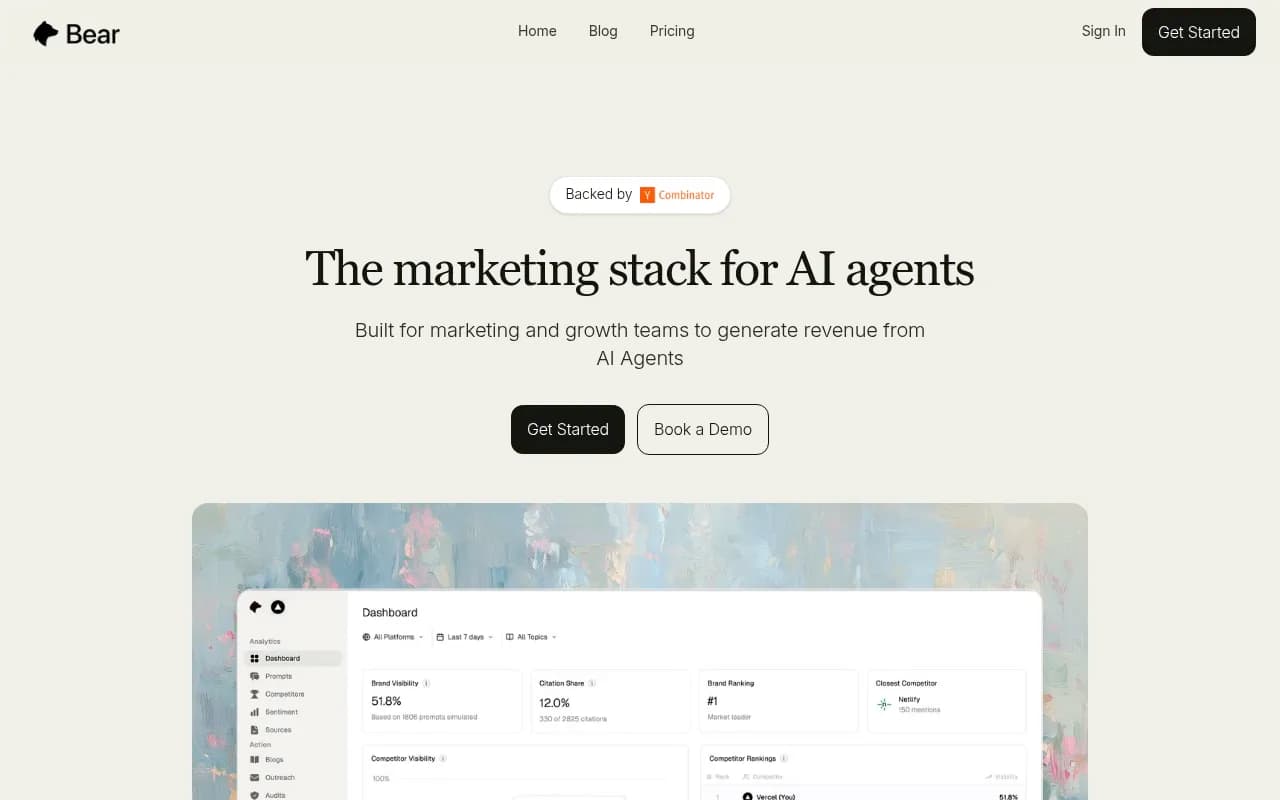
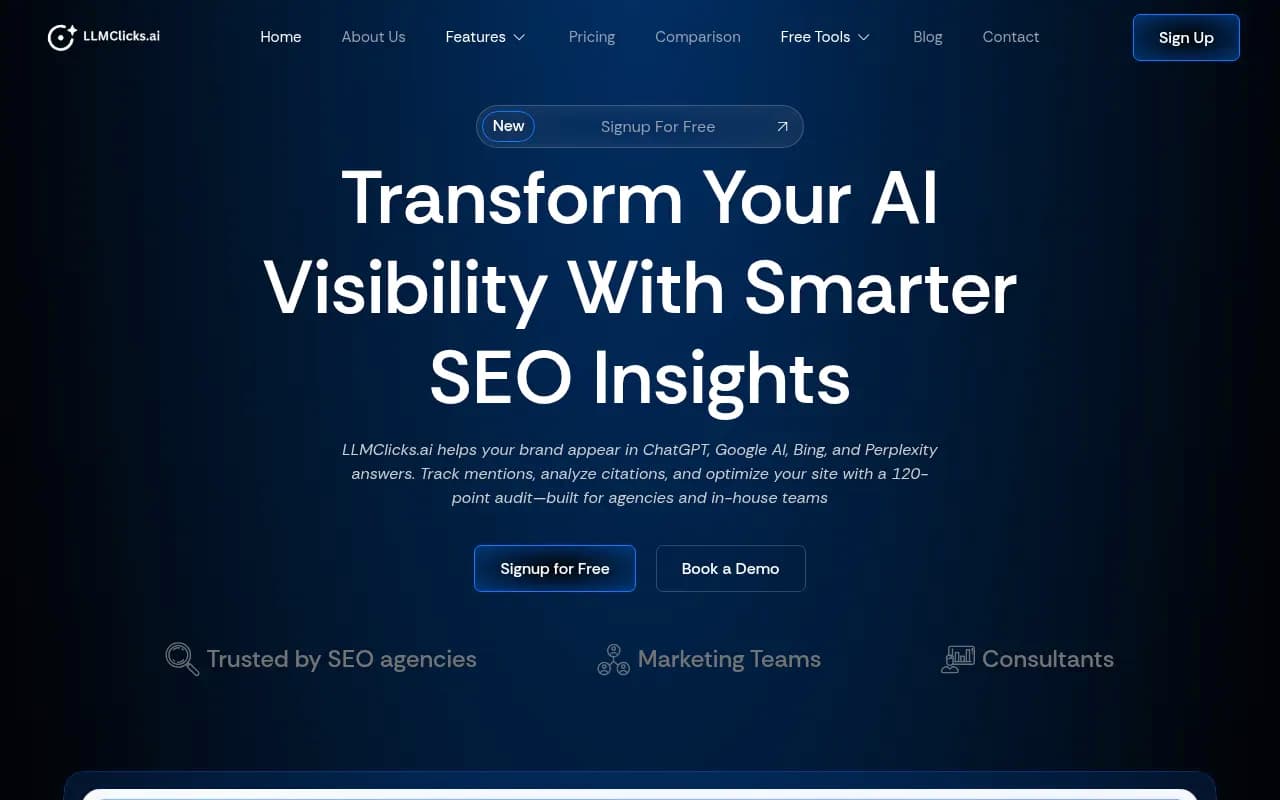
Tools like Bear AI and LLM Clicks also focus specifically on capturing and attributing AI-referred traffic.
Reason 6: Your brand appears in AI responses but with wrong or outdated information
If an AI model is citing you but describing your product incorrectly, quoting an old price, or mentioning a feature you discontinued, users who click through will bounce immediately. Worse, some won't click at all because the AI's description doesn't match what they're looking for.
This is an entity accuracy problem. AI models build their understanding of your brand from everything they've indexed — your website, third-party reviews, press mentions, Reddit threads, and more. If that information is inconsistent or outdated, the model's representation of you will be too.
The fix involves auditing what AI models actually say about you. Run your brand name through ChatGPT, Perplexity, Claude, and Gemini with specific questions ("What does [brand] do?", "How much does [brand] cost?", "What are [brand]'s main features?"). Note discrepancies. Then update your website content, your structured data, your knowledge panel, and your third-party listings to reflect accurate, consistent information.
Reason 7: You're winning on informational prompts but missing commercial ones
There's a big difference between "what is X" and "best X for Y." The first is informational — great for brand awareness, terrible for driving traffic that converts. The second is commercial — users are evaluating options and ready to make a decision.
Many brands end up optimizing for informational visibility because that's where it's easiest to get cited. AI models love clear, factual explanations. But the traffic that matters — the traffic that leads to signups, purchases, and demos — comes from commercial and navigational prompts.
Look at your prompt tracking data and filter by intent. If 80% of your citations are on informational queries, you have a gap. You need content that targets comparison queries, "best of" queries, and use-case-specific queries where your product is the answer.
Promptwatch's Answer Gap Analysis is built for exactly this — it shows which commercial prompts your competitors are visible for that you're not.
Reason 8: AI crawlers can't properly access your content
This one is technical but important. AI models can only cite content they can actually read. If your site has crawlability issues — JavaScript-rendered content that bots can't parse, pages blocked in robots.txt, slow load times that cause crawler timeouts, or thin content that gets deprioritized — you might be invisible to AI crawlers even if your content is excellent.
The fix starts with understanding how AI crawlers actually interact with your site. Which pages are they visiting? How often? Are they hitting errors? Most SEO tools don't capture this because they focus on Googlebot, not AI-specific crawlers like GPTBot, ClaudeBot, or PerplexityBot.
Promptwatch's AI Crawler Logs show real-time data on which AI crawlers are hitting your site, which pages they read, and what errors they encounter. This is a capability most monitoring tools lack entirely.
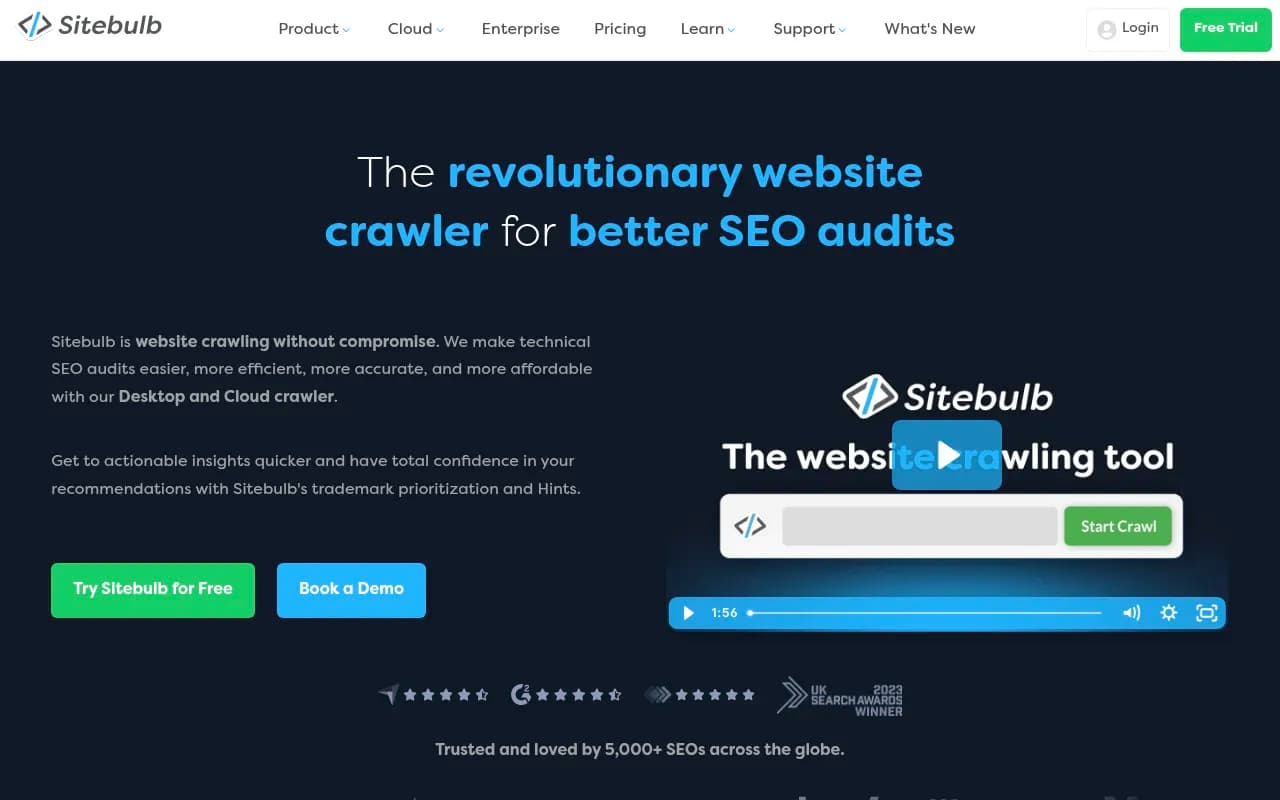
Tools like Screaming Frog and Sitebulb can help you audit general crawlability, and you can check your server logs manually for AI crawler user agents.
Reason 9: Your competitors are getting cited instead of you for the prompts that matter
You might have solid overall visibility, but if your competitors are dominating the specific prompts that drive purchase decisions, your traffic stays flat regardless of your citation score.
This is the competitive visibility problem. Aggregate scores hide it. You need prompt-level data: for each query your customers are likely to ask, who is the AI recommending? If it's consistently your competitors on the high-intent queries, that's where your traffic gap is coming from.
The fix is a competitive gap analysis. Map out the prompts that matter to your business, check who's winning each one, and build content specifically designed to compete on those prompts. This isn't guesswork — it's a systematic process.
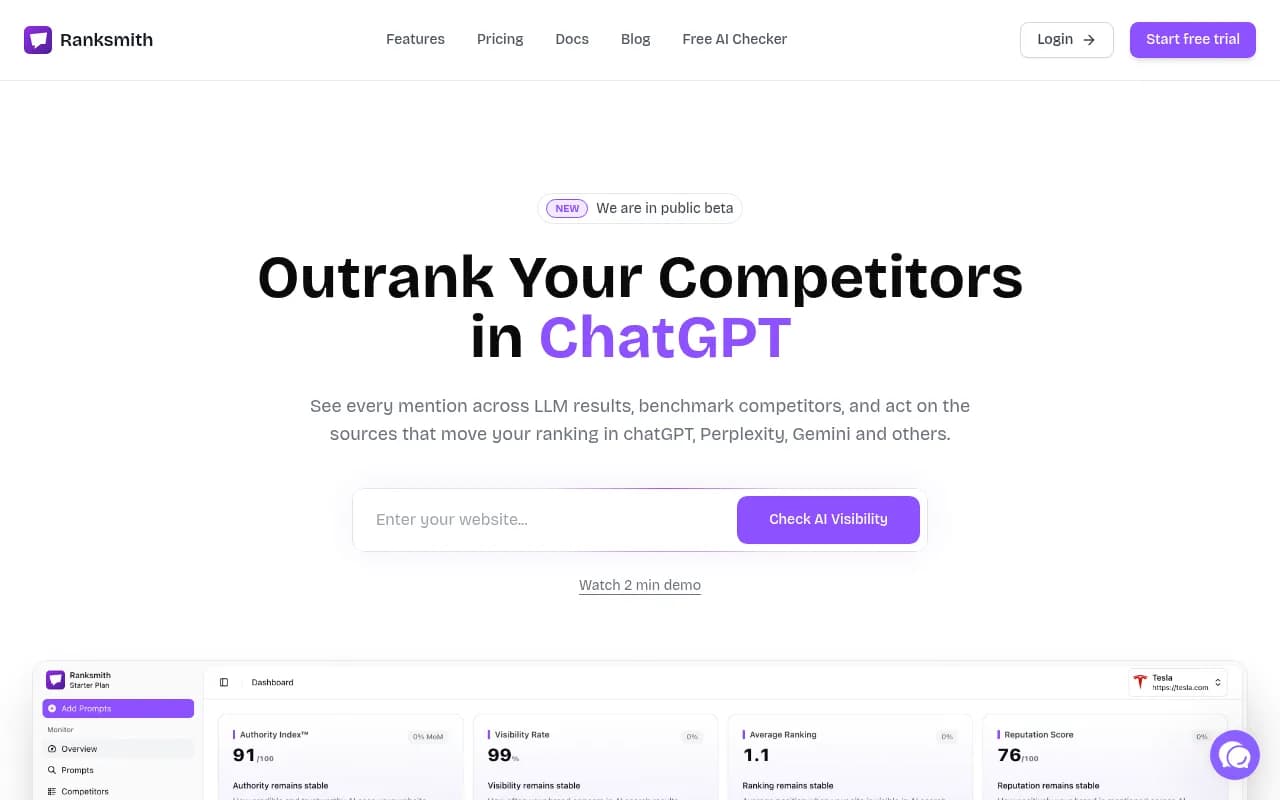
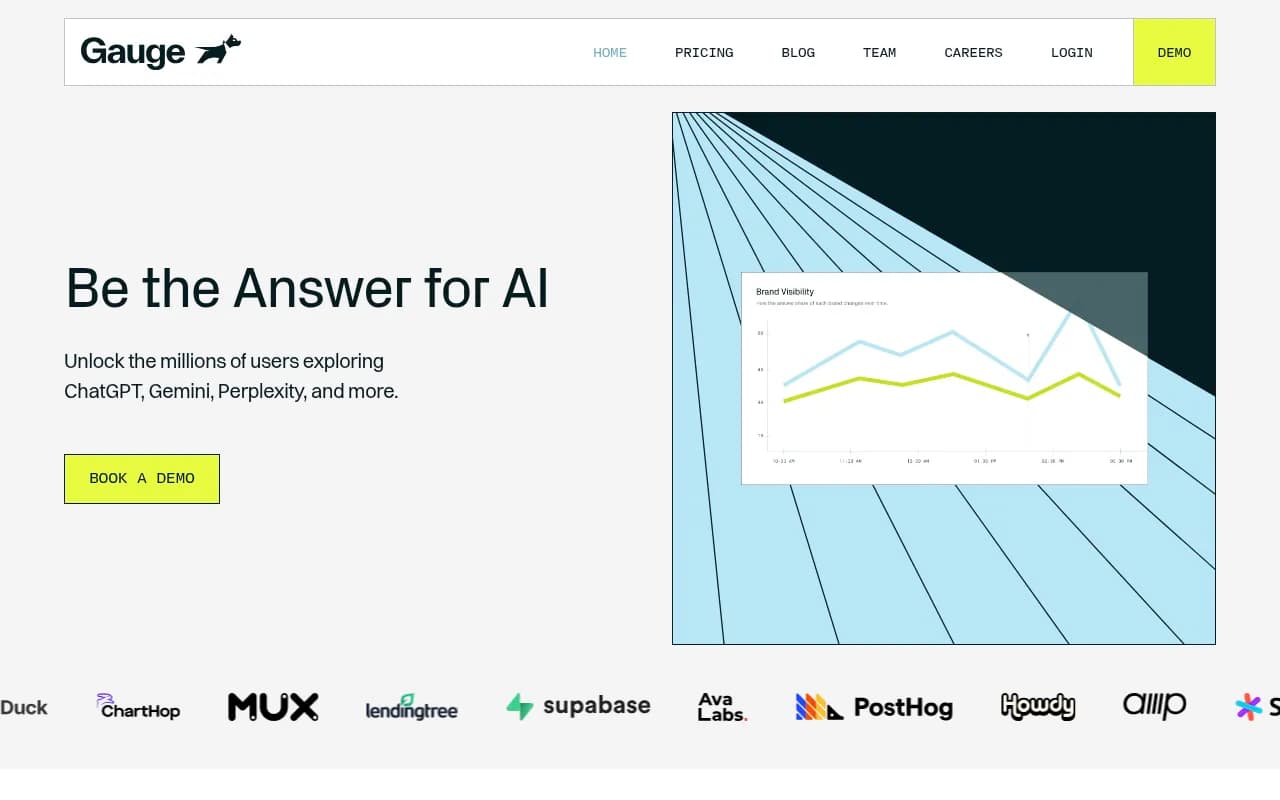
Several tools support this kind of competitive analysis:
A comparison of approaches:
| Approach | What it tells you | What it doesn't tell you |
|---|---|---|
| Overall citation score | General brand presence in AI | Which specific prompts drive traffic |
| Competitor heatmaps | Who's winning by model | Why they're winning |
| Prompt-level tracking | Exactly which queries you're missing | How to fix the content gap |
| Answer gap analysis | Specific content you need to create | Traffic volume estimates |
The most useful combination is prompt-level tracking plus answer gap analysis — you see where you're losing and what content would fix it.
Reason 10: You're creating content for AI visibility but not distributing it where AI models look
AI models don't just pull from your website. They pull from Reddit, YouTube, industry publications, review sites, and third-party sources. If your brand is only visible on your own domain, you're working with a fraction of the available surface area.
Research consistently shows that Reddit discussions have an outsized influence on AI recommendations — models treat community consensus as a signal of trustworthiness. YouTube content is increasingly indexed and cited. Third-party reviews on G2, Capterra, and similar platforms appear frequently in AI responses about software products.
The fix is a distribution strategy that goes beyond your own site. That means:
- Building a presence in relevant Reddit communities (genuinely helpful participation, not spam)
- Creating YouTube content that answers the questions your customers ask AI
- Actively managing your profiles on third-party review platforms
- Getting mentioned in industry publications that AI models treat as authoritative sources
Promptwatch tracks Reddit and YouTube insights specifically because these channels influence AI recommendations — most monitoring tools ignore them entirely.
Putting it together: the gap between visibility and traffic
The core issue is that AI visibility metrics and traffic metrics measure different things. Visibility tells you whether AI models know about you. Traffic tells you whether users are actually coming to your site. The gap between them is where most brands are stuck right now.
Closing that gap requires working through each of these ten reasons systematically:
- Target prompts that lead to clicks, not just citations
- Audit and optimize the specific pages being cited
- Monitor visibility across all major AI models, not just one
- Create content that invites action beyond the AI response
- Set up proper attribution to actually measure AI traffic
- Ensure AI models have accurate, current information about your brand
- Shift focus toward commercial and high-intent prompts
- Fix technical crawlability issues for AI-specific bots
- Run competitive gap analysis on the prompts that matter most
- Distribute content across the sources AI models actually cite
The brands that figure this out in 2026 will have a real advantage. The ones that keep optimizing for citation scores without connecting them to traffic and revenue will keep scratching their heads at flat analytics dashboards.
If you want a single platform that handles the full loop — finding gaps, generating content to fill them, and tracking whether it's working — Promptwatch is worth a look. It's one of the few tools built around the full optimization cycle rather than just the monitoring piece.