Key takeaways
- Around 80% of URLs cited by ChatGPT, Perplexity, and Google AI Mode don't rank in Google's traditional top results -- so classic SEO alone won't get you there
- AI engines select sources based on topical authority, entity recognition, structured information, and external validation -- not just keyword density
- The strategy for ranking across all three platforms overlaps more than you'd think: trustworthy, well-structured, deeply specific content wins everywhere
- Dedicated GEO/AEO tools now exist to track your citations, find content gaps, and measure visibility across AI models
- Content that gets cited is written for humans but structured for machines -- clear headings, cited stats, direct answers, and genuine expertise
Why traditional SEO is no longer the whole game
Here's a stat worth sitting with: research from Ahrefs found that roughly 80% of URLs cited by ChatGPT, Perplexity, Copilot, and Google AI Mode do not rank in Google's top results. Not page two. Not top 20. They're largely invisible in traditional search.
That's not a small gap. That's a completely different population of content being rewarded.
What it means practically: you can have a perfectly optimized page sitting at position three on Google and still not get a single citation from any AI engine. And conversely, a well-structured article on a mid-authority domain can get cited constantly in Perplexity responses if it answers questions clearly and specifically.
The shift is real. People are asking ChatGPT "what's the best CRM for a 10-person sales team" and getting a synthesized answer with three or four cited sources. They're asking Perplexity "how do I fix a React hydration error" and getting a direct answer with links. Google AI Mode is doing the same thing on top of Google's own index.
If your brand isn't showing up in those answers, you're not just missing clicks -- you're missing the moment when someone is actively deciding what to buy or use.
How AI engines actually pick their sources
Before you can optimize for these platforms, you need to understand what they're optimizing for. They're not running PageRank. They're doing something closer to "which source would a knowledgeable person trust to answer this specific question?"
Topical authority
AI models favor sites that cover a topic deeply and consistently. A site with 40 articles on email marketing will tend to get cited for email marketing questions more than a general marketing blog with one email article. This isn't new -- Google has been moving this direction for years -- but AI engines apply it more aggressively.
The implication: going narrow and deep beats going broad and shallow. Pick your core topics and build genuine coverage.
Entity recognition
AI engines understand entities -- brands, people, products, concepts -- and their relationships. If your brand is clearly defined across your own site, your Wikipedia entry, your LinkedIn, your press mentions, and third-party reviews, models are more likely to recognize you as a real, trustworthy entity worth citing.
Thin or inconsistent brand presence makes you harder to cite confidently.
Structured information
AI models love content they can parse quickly. Clear H2/H3 headings, FAQ sections, numbered steps, comparison tables, and direct answers to specific questions all make it easier for a model to extract and cite your content.
Walls of prose are harder to cite. A section that directly answers "what is X" or "how do you do Y" is much easier.
External validation
Citations, backlinks, mentions in industry publications, Reddit threads, and YouTube videos all signal that your content is worth trusting. Perplexity in particular pulls heavily from Reddit and other community sources. If your brand or content is being discussed positively in those spaces, that feeds directly into your AI visibility.
The three platforms and what makes each one different
ChatGPT
ChatGPT (especially with web browsing enabled) pulls from pages that are crawlable, clearly structured, and authoritative on their topic. It tends to cite sources that directly answer the question being asked -- not sources that are tangentially related.
ChatGPT also has a memory of its training data, which means older, well-established content from high-authority domains has a baseline advantage. But fresh, crawlable content can override that for timely or specific queries.
Key moves: make sure your site is crawlable (check your robots.txt isn't blocking AI crawlers), write content that directly answers specific questions, and build topical depth.
Perplexity
Perplexity is essentially a real-time web search engine layered with an LLM. It runs live queries, pulls recent pages, and synthesizes answers with citations. This makes it more responsive to new content than ChatGPT's base model.
Perplexity also pulls heavily from Reddit, YouTube, and niche forums -- not just traditional web pages. If your brand or content is being discussed in those communities, that matters.
Key moves: publish content that answers specific, conversational questions. Get mentioned in Reddit threads. Make sure your pages load fast and are easy to parse.
Google AI Mode
Google AI Mode sits on top of Google's existing index, which means traditional SEO signals still matter here -- but they're not sufficient. Google AI Mode synthesizes answers from multiple sources and tends to favor content that demonstrates E-E-A-T (Experience, Expertise, Authoritativeness, Trustworthiness).
First-hand experience signals matter a lot here. Content written by someone who has actually done the thing, with specific details and original observations, outperforms generic summaries.
Key moves: strengthen your E-E-A-T signals, use structured data markup, and make sure your content has genuine depth rather than surface-level coverage.
The content strategy that works across all three
The good news: the overlap between what works for ChatGPT, Perplexity, and Google AI Mode is large. You don't need three separate content strategies. You need one strategy that's good enough to satisfy all three.
Write for specific questions, not broad topics
"Email marketing" is a topic. "How do you write a re-engagement email for SaaS users who haven't logged in for 30 days" is a question. AI engines are answering questions. Your content needs to match that specificity.
Use your keyword research tools to find the actual questions people are asking, then write content that answers them directly and completely.
Lead with the answer
Don't bury the answer at the bottom of a 2,000-word article. State it clearly in the first paragraph, then support it with detail. This is how AI engines extract citations -- they pull the most direct, clear answer to the query.
Use statistics and cite your sources
Matt Diggity put it well in his 2026 SEO strategy notes: AI doesn't reward "more content," it rewards better signals -- hierarchy, stats, citations, and depth. A claim backed by a specific study or data point is more citable than the same claim stated without evidence.
Build genuine topical coverage
If you want to be cited for questions about your core topic, you need to cover that topic comprehensively. Not just the main article, but the supporting questions, the edge cases, the comparisons, the how-tos.
Think about the cluster of questions someone might ask around your topic and make sure you have a page that answers each one.
Don't block AI crawlers
This sounds obvious but it's a real issue. Some sites have robots.txt rules that block GPTBot, ClaudeBot, PerplexityBot, or other AI crawlers -- either intentionally or accidentally. If AI engines can't crawl your pages, they can't cite them.
Check your robots.txt file and make sure you're not inadvertently blocking the crawlers you want visiting your site.
Tools that help you track and improve AI visibility
Tracking your visibility across ChatGPT, Perplexity, and Google AI Mode manually is genuinely painful. You'd need to run hundreds of queries across multiple platforms, log the results, and compare them over time. That's where dedicated GEO tools come in.
Promptwatch is the most complete option here -- it monitors 10 AI models, shows you exactly which prompts your competitors are being cited for that you're not, and has a built-in content generation tool that creates articles specifically engineered to get cited. It also logs AI crawler activity on your site, which is something most tools don't offer.

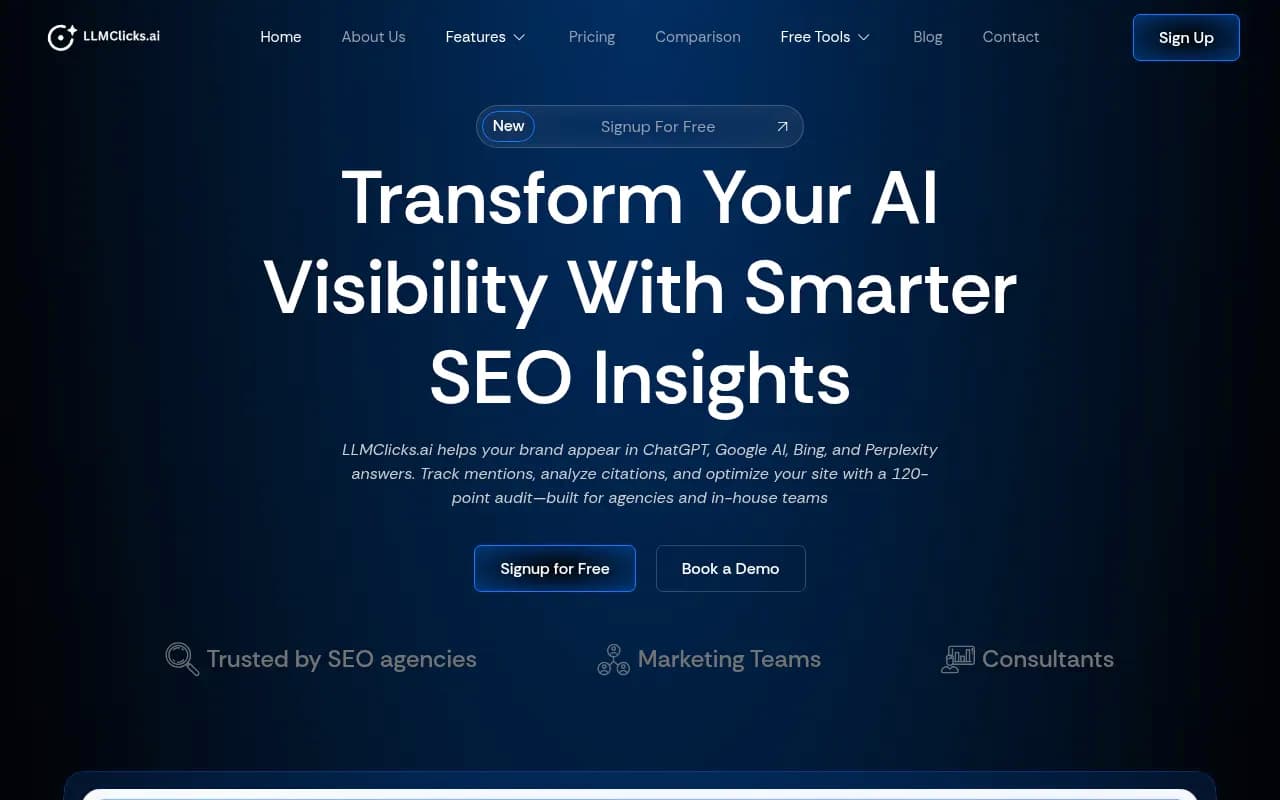
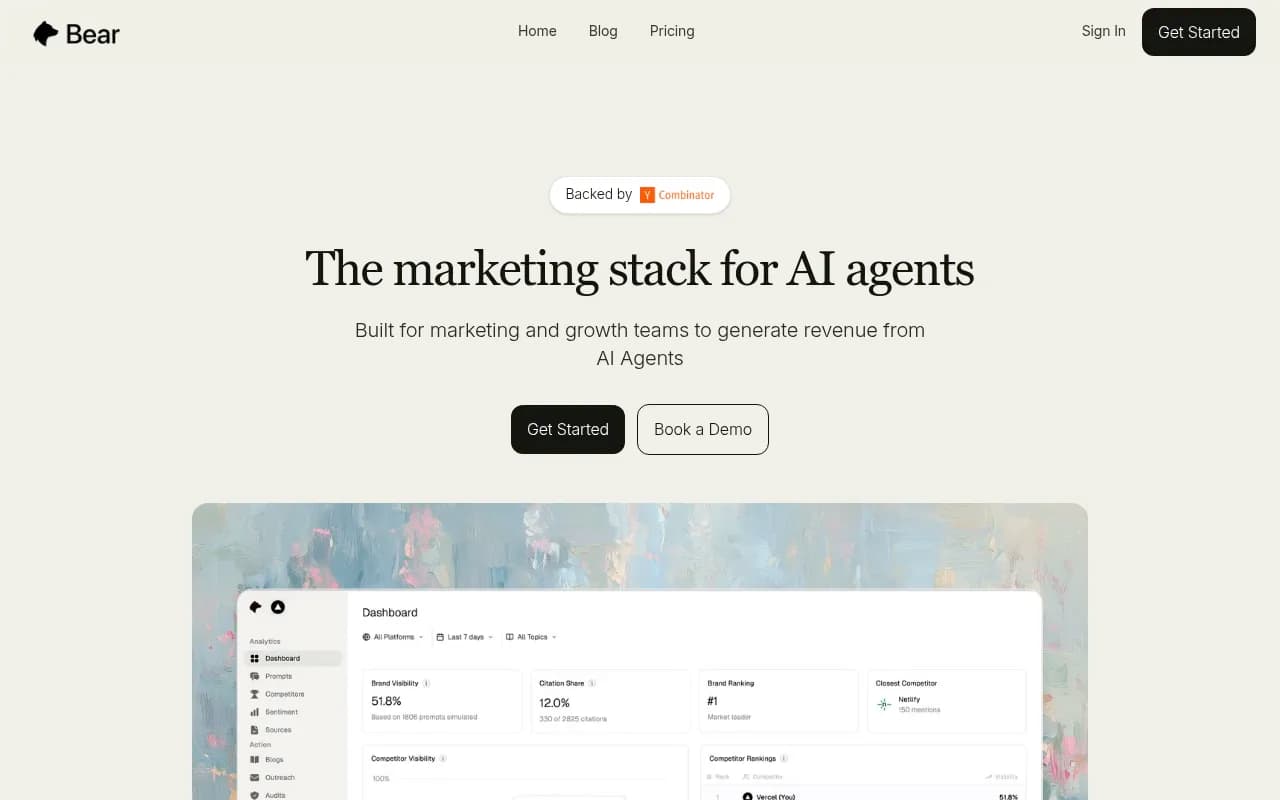
For tracking specifically, there are several solid options depending on your budget and needs:




Here's a quick comparison of the main tracking tools:
| Tool | AI models tracked | Content gap analysis | Content generation | Crawler logs | Starting price |
|---|---|---|---|---|---|
| Promptwatch | 10 (ChatGPT, Perplexity, Claude, Gemini, Grok, DeepSeek, Copilot, Meta AI, Google AI Overviews, Google AI Mode) | Yes | Yes (AI writing agent) | Yes | $99/mo |
| Profound | ChatGPT, Perplexity, Gemini, Claude | Limited | No | No | Higher |
| AthenaHQ | 8+ models | Monitoring-focused | No | No | Mid-range |
| Peec AI | Multiple models | No | No | No | Lower |
| Otterly.AI | Multiple models | No | No | No | Lower |
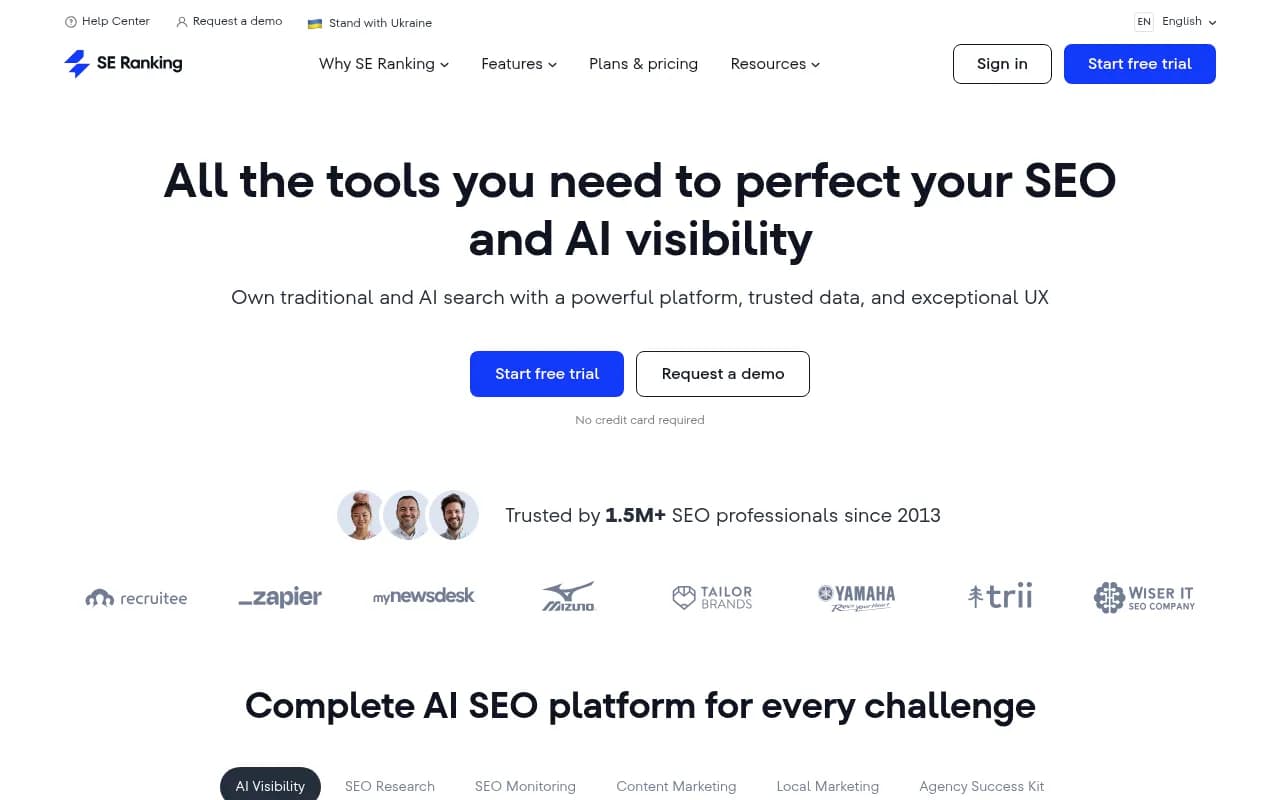
| SE Ranking | Google AI Overviews + more | Limited | No | No | Varies |
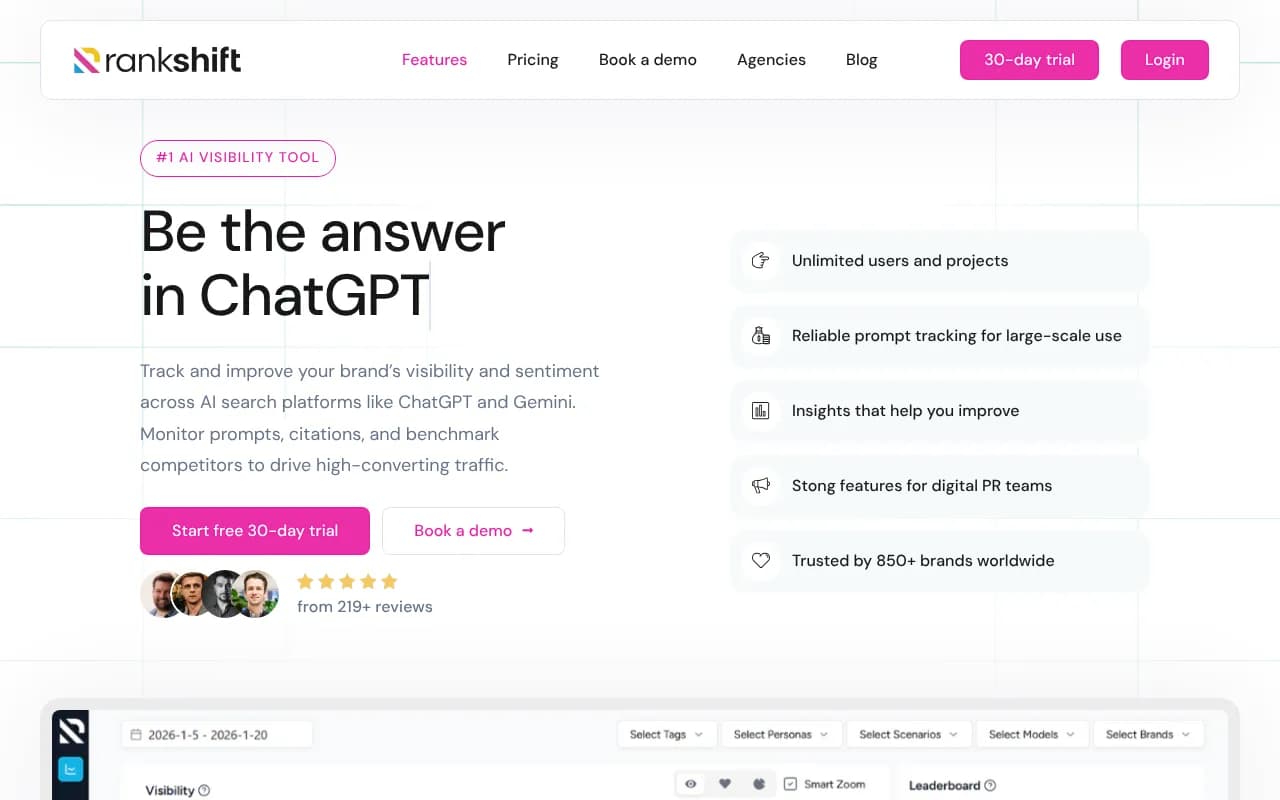
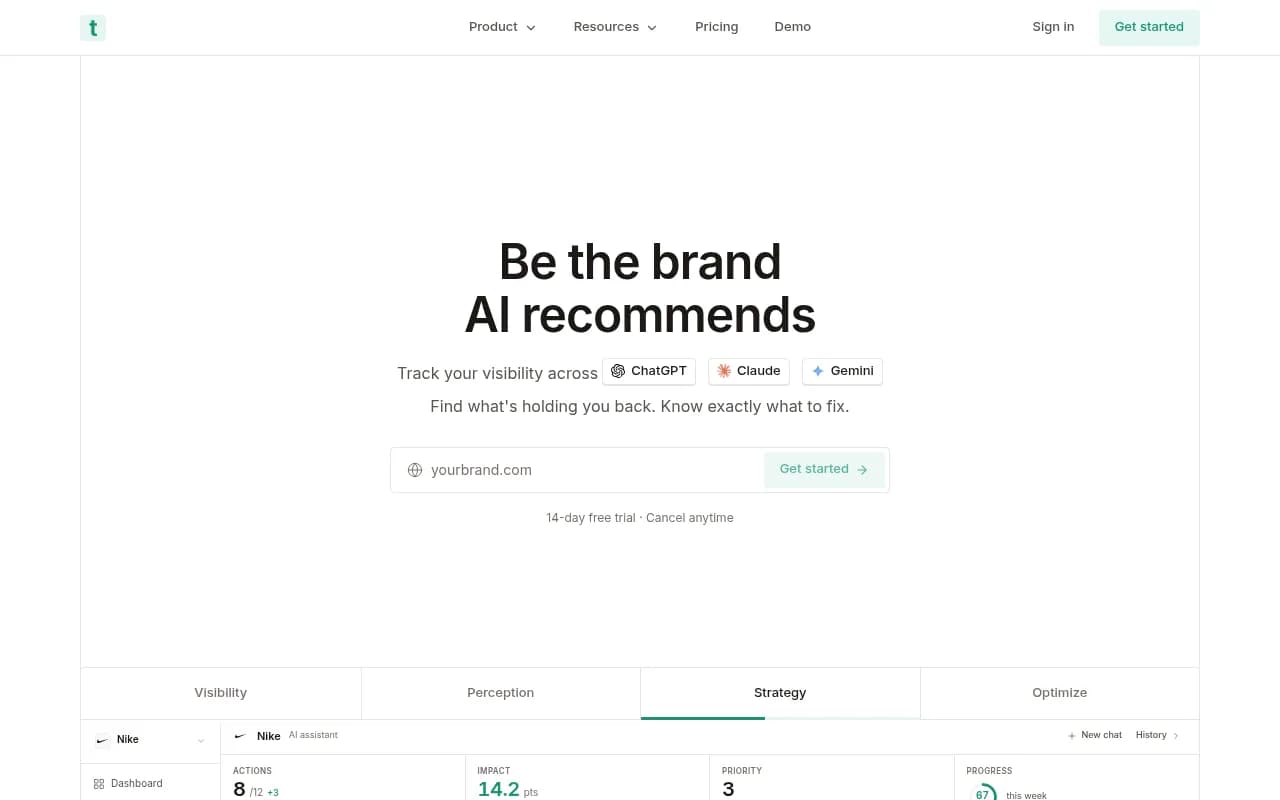
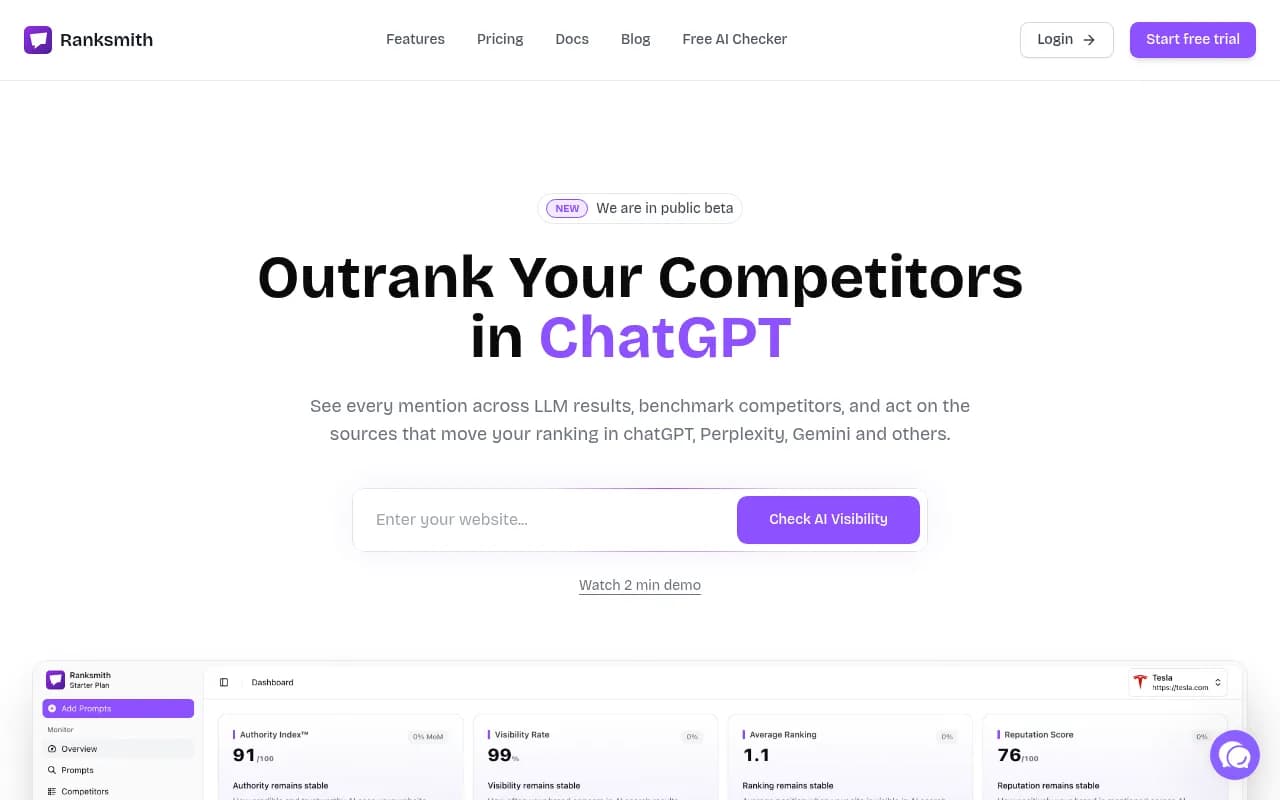
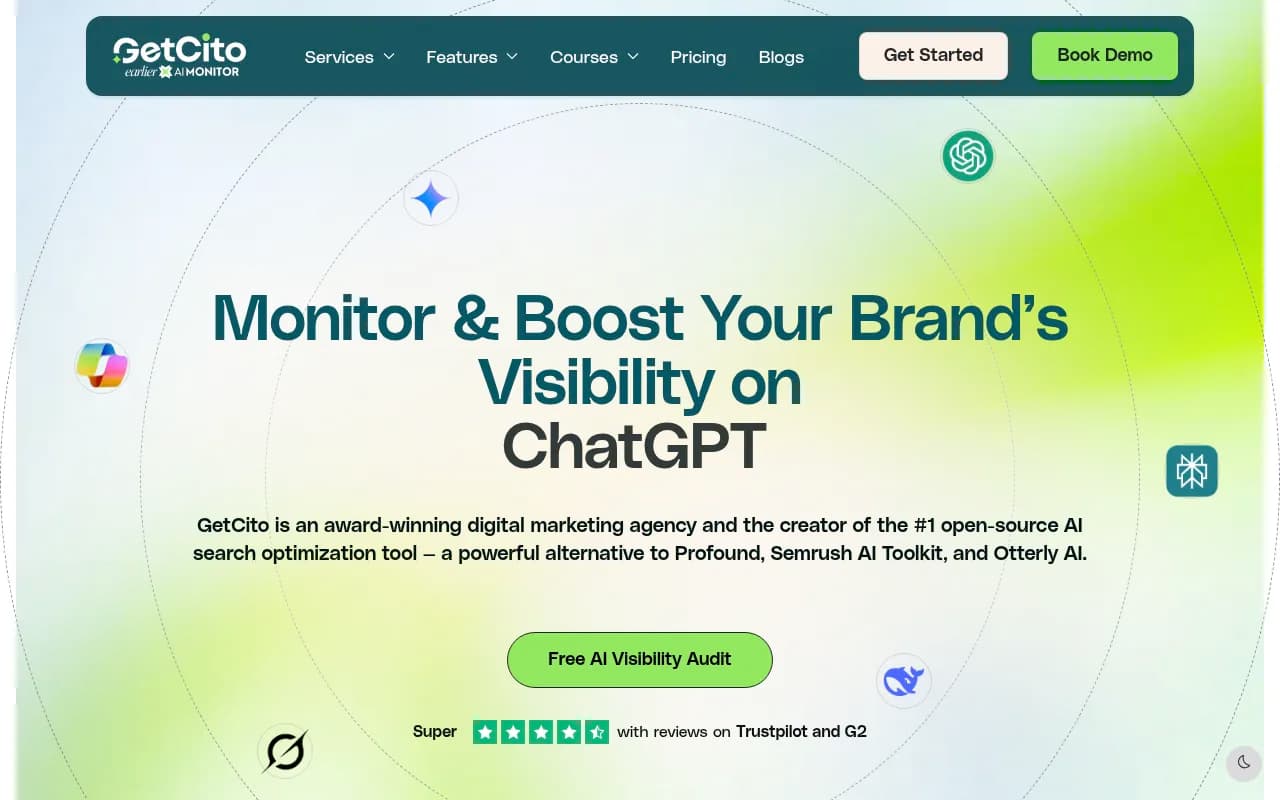
The pattern is clear: most tools stop at monitoring. They show you a dashboard of where you appear and where you don't, but they don't help you do anything about it. If you're serious about improving your AI visibility rather than just measuring it, you need a tool that closes the loop.
Finding your content gaps
The most actionable thing you can do right now is figure out which questions your competitors are getting cited for that you're not. These are your content gaps -- the specific topics and angles where AI engines have found a better answer than yours (or no answer from you at all).
There are a few ways to do this:
Manual research: Run the queries you care about in ChatGPT, Perplexity, and Google AI Mode. Note which sources get cited. Are your competitors there? Are you? This is slow but gives you a direct view of the landscape.
Competitor analysis tools: Tools like Promptwatch's Answer Gap Analysis automate this -- they show you the specific prompts where competitors are visible and you're not, at scale.
Reddit and community monitoring: Since Perplexity pulls heavily from Reddit, monitoring discussions in your niche can surface the questions your audience is actually asking AI engines.
Technical foundations you can't skip
Content strategy gets most of the attention in GEO discussions, but technical setup matters too.
Schema markup
Structured data (FAQ schema, HowTo schema, Article schema) helps AI engines understand what your content is about and extract specific answers. It's not a magic bullet, but it's a signal worth sending.
Page speed and crawlability
AI crawlers behave differently from Googlebot, but they still need to be able to access and parse your pages quickly. Slow pages, JavaScript-heavy rendering, and broken links all create friction.
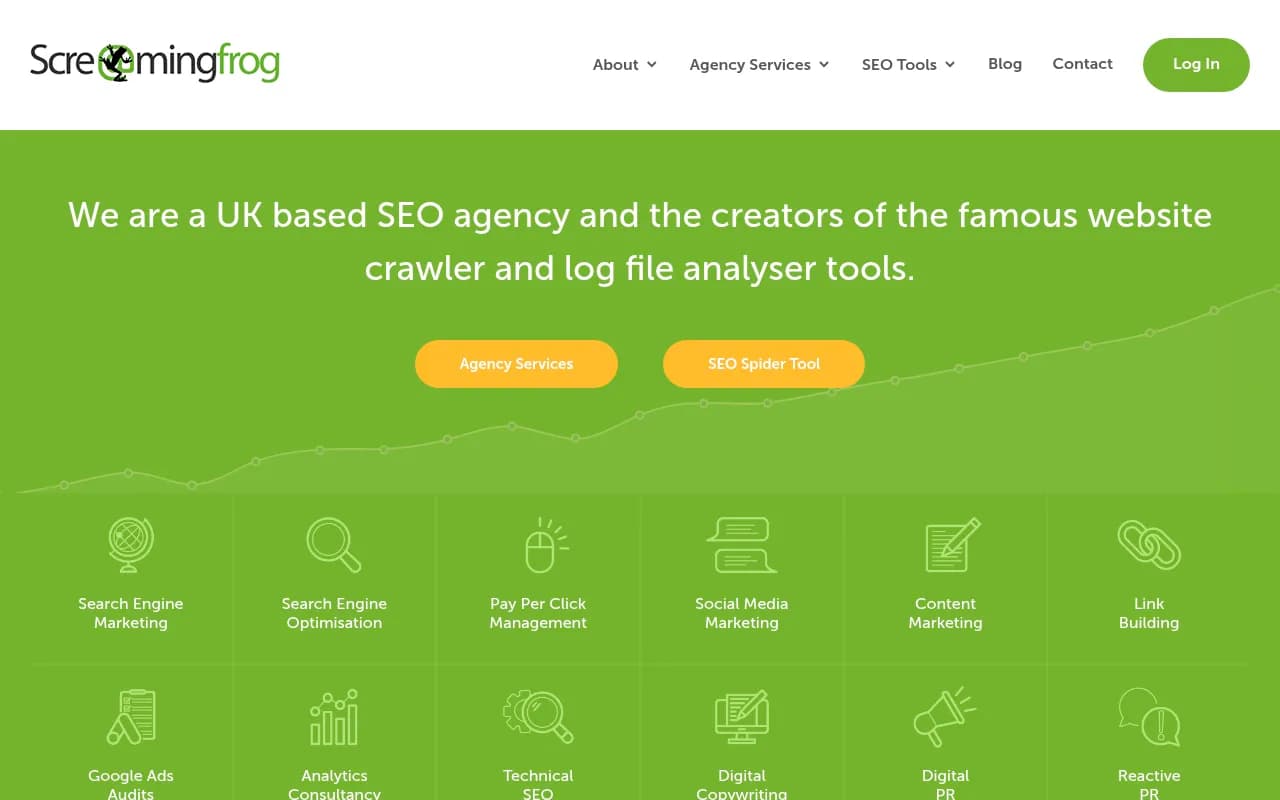
Running a regular technical audit with a tool like Screaming Frog will catch the issues that prevent AI crawlers from properly indexing your content.
Internal linking
A well-linked site helps AI engines understand the relationships between your pages and the depth of your topical coverage. If your best content is buried and poorly linked, crawlers may not find it or may not weight it appropriately.
Measuring what's actually working
The final piece is attribution -- connecting your AI visibility to actual traffic and revenue. This is harder than it sounds because most analytics platforms weren't built to track AI referral traffic.
A few approaches:
- Google Search Console now shows some AI Mode data, which is a start
- UTM parameters on any links you control in AI-adjacent content
- Server log analysis to see which AI crawlers are visiting which pages and how often
- Dedicated AI traffic attribution tools that can separate AI-referred visits from organic
Promptwatch handles this with a code snippet, GSC integration, or server log analysis -- and it's one of the few tools that connects crawler activity to actual citation data, so you can see which pages are being read by AI crawlers and which ones are actually getting cited in responses.
A practical starting point
If you're starting from scratch, here's a reasonable sequence:
- Audit your robots.txt and make sure you're not blocking AI crawlers
- Run 20-30 queries relevant to your business in ChatGPT, Perplexity, and Google AI Mode -- note who's being cited
- Pick the 5-10 gaps where competitors are visible and you're not
- Write content that directly answers those questions, with specific detail, cited data, and clear structure
- Set up a tracking tool so you can measure whether your visibility improves over time
The brands winning in AI search right now aren't doing anything exotic. They're publishing content that's genuinely useful, structured clearly, and backed by real expertise. The tools just help you find where to focus and measure whether it's working.