Key takeaways
- AirOps is a workflow and content engineering platform. Teams that mainly want to see where AI cites them, and fix it fast, often find it heavier than they need.
- Alternatives fall into three groups: monitoring-only trackers, SEO suites that added AI tracking, and platforms that connect citation data to content work.
- A mention is when an AI engine names your brand. A citation is when it links to your page as a source. Tools that blur the two will mislead you.
- Promptwatch is the pick if you want tracking, crawler logs, traffic attribution and content creation in one place. Otterly, Peec AI and similar trackers are cheaper if you only need monitoring.
- Verify pricing and features on each vendor's site before buying. Citation patterns also shift fast, so weekly monitoring beats one-off audits.
Why people look for AirOps alternatives
AirOps is a content engineering platform built around workflows, templates and programmatic content. It does that job well. The friction shows up when the question is simpler: which of my pages get cited in ChatGPT, which competitor URLs win the prompts I care about, and what do I do next?
Three complaints come up repeatedly across the roundups I read (Indexly, SlateHQ, Rankability):
- Setup effort. Workflows have to be designed and maintained, which slows time to first insight.
- A learning curve for non-technical marketers.
- Citation tracking treated as one feature inside a larger content system, rather than the center of the product.
One caveat worth stating plainly. AirOps publishes its own roundup of citation tracking tools and ranks itself first, so treat that as vendor content. The same goes for Indexly and Slate listing themselves in their own AirOps alternatives posts. Everyone here has a horse in the race, including us, so check claims against each vendor's own pages.
What "built-in citation tracking" should mean
The phrase gets stretched. A tool that tells you your brand appeared in 40% of tracked answers is doing mention tracking. Real citation tracking tells you which of your URLs were linked, where they sat in the source list, and which competitor pages took the slots you didn't.
A useful checklist:
- Per-URL citation data, not only brand-level visibility scores.
- Coverage of the surfaces that matter: ChatGPT, Gemini, Perplexity, Google AI Overviews and AI Mode at minimum.
- Competitor citation comparison, so you can see which of their pages win a prompt.
- A path from gap to action. Seeing a gap is half the job.
- Some way to confirm the fix worked, such as crawler data or AI-referred traffic.
The last two are where tools separate. AirOps itself makes this distinction, splitting the category into tools that monitor and tools that help you improve. I agree with the framing, even if we'd sort the vendors differently.
Why citations are worth tracking weekly
Citation behavior moves around a lot, and sometimes overnight. Promptwatch Data recorded reddit.com's share of ChatGPT citations falling from roughly 4% to 0.5% on August 14, 2026, in its Reddit citations report. Its social media citations report shows the gap between engines: from Sep 28 to Oct 4, 2026, ChatGPT drew 0.46% of its citations from social platforms while Google AI Overviews drew 12.2%.
The content type matters too. In the content type report, product pages were the most cited type in ChatGPT at 22.4% of citations over the same week. A tracker that shows you only a visibility score would never tell you that.
The practical lesson: a single audit goes stale. Pick a tool you will actually check every week. The live ChatGPT top domains view makes the same point, and its own takeaway is to monitor citation share weekly instead of relying on one platform.
Quick comparison
| Tool | Type | Citation tracking | Acts on the gaps? | Best for |
|---|---|---|---|---|
| Promptwatch | End-to-end GEO platform | Per-page citations, crawler logs, AI traffic | Yes, content agent and action board | Teams that want tracking plus execution |
| Profound | Enterprise monitoring | Wide engine coverage | Limited | Large brands that need breadth |
| Scrunch AI | Monitoring | Source analysis, multi-brand | Limited | Compliance-heavy, multi-brand teams |
| Conductor | SEO suite with AEO | Tracking inside the suite | Content and technical SEO | Existing Conductor customers |
| BrightEdge | Enterprise SEO suite | AI tracking inside the suite | Some | Mature enterprise SEO programs |
| Otterly.AI | Light monitor | Basic | No | Low-cost monitoring |
| Peec AI | Monitor | Multi-language tracking | No | Teams tracking many markets |
| SE Ranking | SEO suite | AI visibility toolkit | Some | Affordable all-in-one |
| Ahrefs Brand Radar | Add-on to Ahrefs | Brand and citation data | No | Teams already on Ahrefs |
| Omnia | Monitor plus backlog | Tracking tied to priorities | Partly | Teams wanting a prioritized to-do list |
The alternatives, in detail
Promptwatch
Promptwatch is the one I'd shortlist first when the goal is to close the loop from citation data to published content. It tracks the real interfaces of ChatGPT, Google AI Overviews, AI Mode, Gemini, Perplexity, Copilot and others, then goes further than most trackers: IP-verified AI crawler logs show which pages bots actually read, citation analytics show which of your URLs get linked, and visitor analytics tie it to AI-referred traffic.
The action side is what separates it from monitoring-only tools. Content gap analysis maps your pages against the prompts AI answers, the Action Board turns findings into a prioritized to-do list, and the Content Agent (Business and Enterprise) writes and publishes to WordPress, Webflow or Framer, then tracks whether each page gets crawled and cited. It also covers Reddit, YouTube and LinkedIn citations, which many competitors skip.
Pricing starts with a free tier limited to ChatGPT and 10 prompts. Paid plans begin at $95 a month (Essential), and the automated Content Agent sits on Business at $579 a month. Confirm current numbers at promptwatch.com/pricing.

The honest downside: if all you want is a lightweight dashboard to show a stakeholder, this is more product than you need.
Profound
Profound is known for wide AI engine coverage and a strong enterprise monitoring feature set. It costs more than most of the tools here, and it is mainly a monitoring product. Good if breadth of coverage is the priority and you have the team to act on the data elsewhere.

Scrunch AI
Scrunch AI sits in the monitoring camp, with citation analysis that identifies which sources AI systems use and a pitch aimed at multi-brand, compliance-conscious organizations. Indexly's roundup and AirOps's own list both include it.
Conductor and BrightEdge
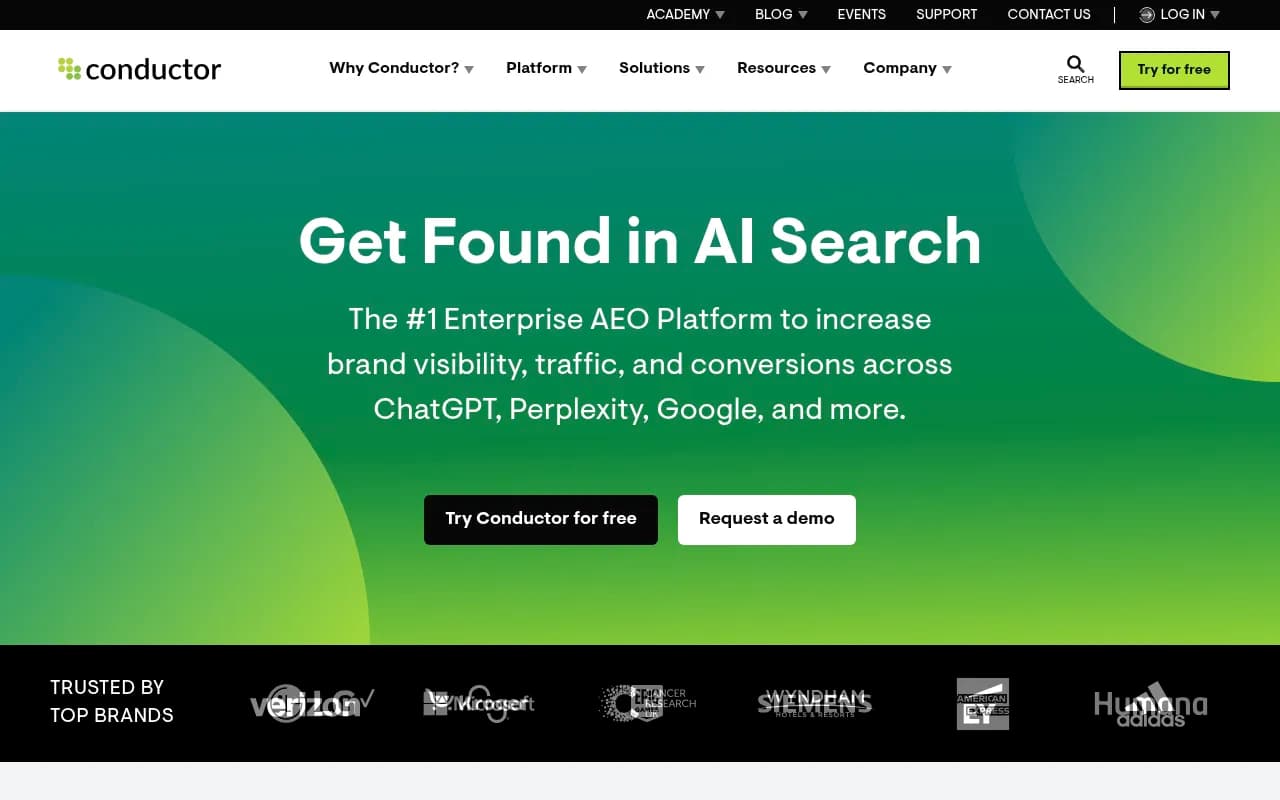
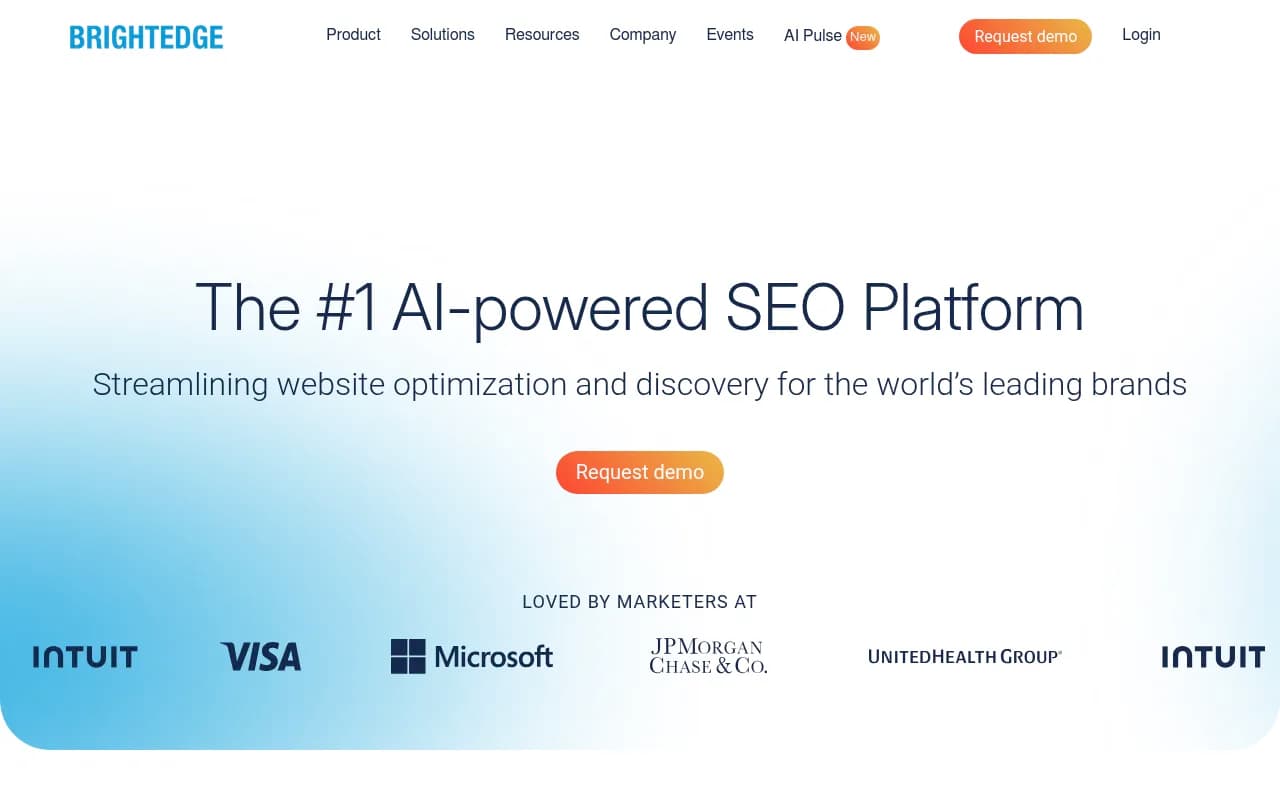
Both fold AI tracking into an existing enterprise SEO suite. If you already run your program in either, using the built-in AI features avoids another vendor and another login. If you don't, buying a whole suite for the citation module is hard to justify.
SE Ranking and Ahrefs Brand Radar
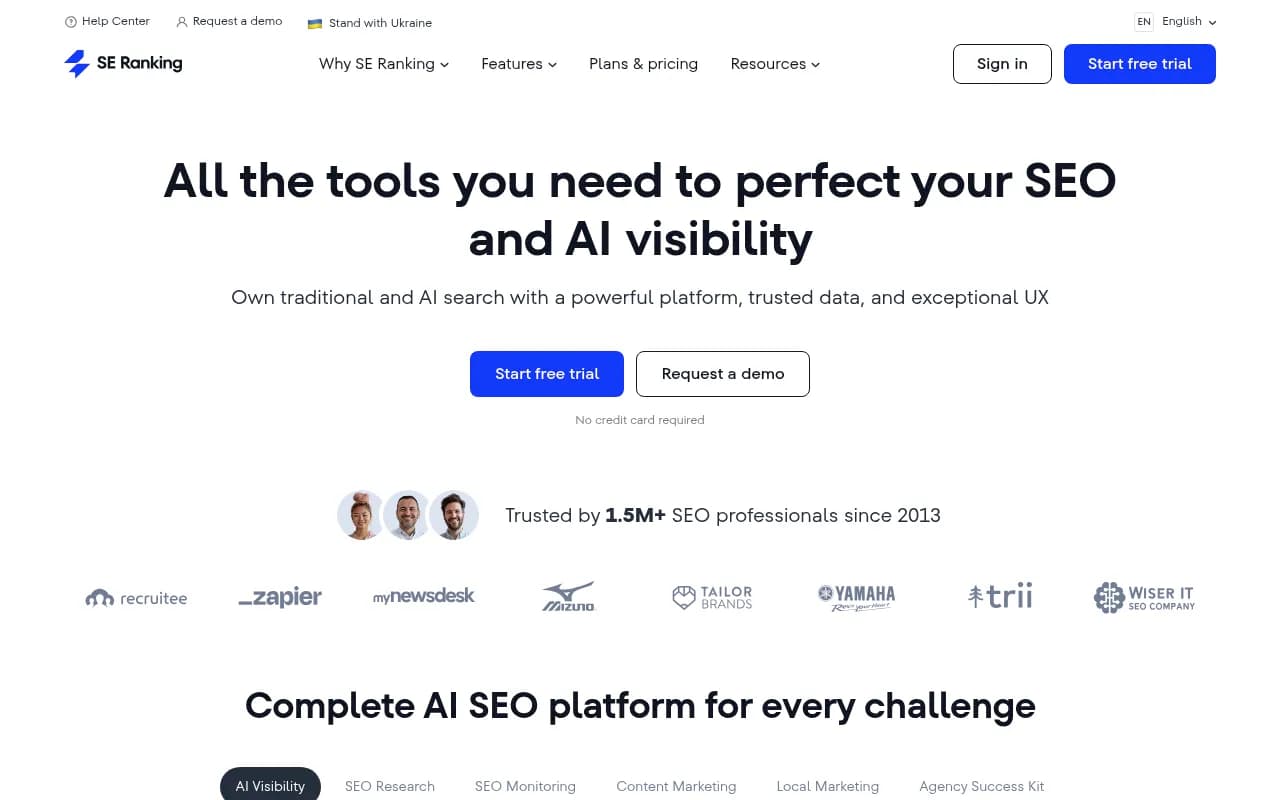
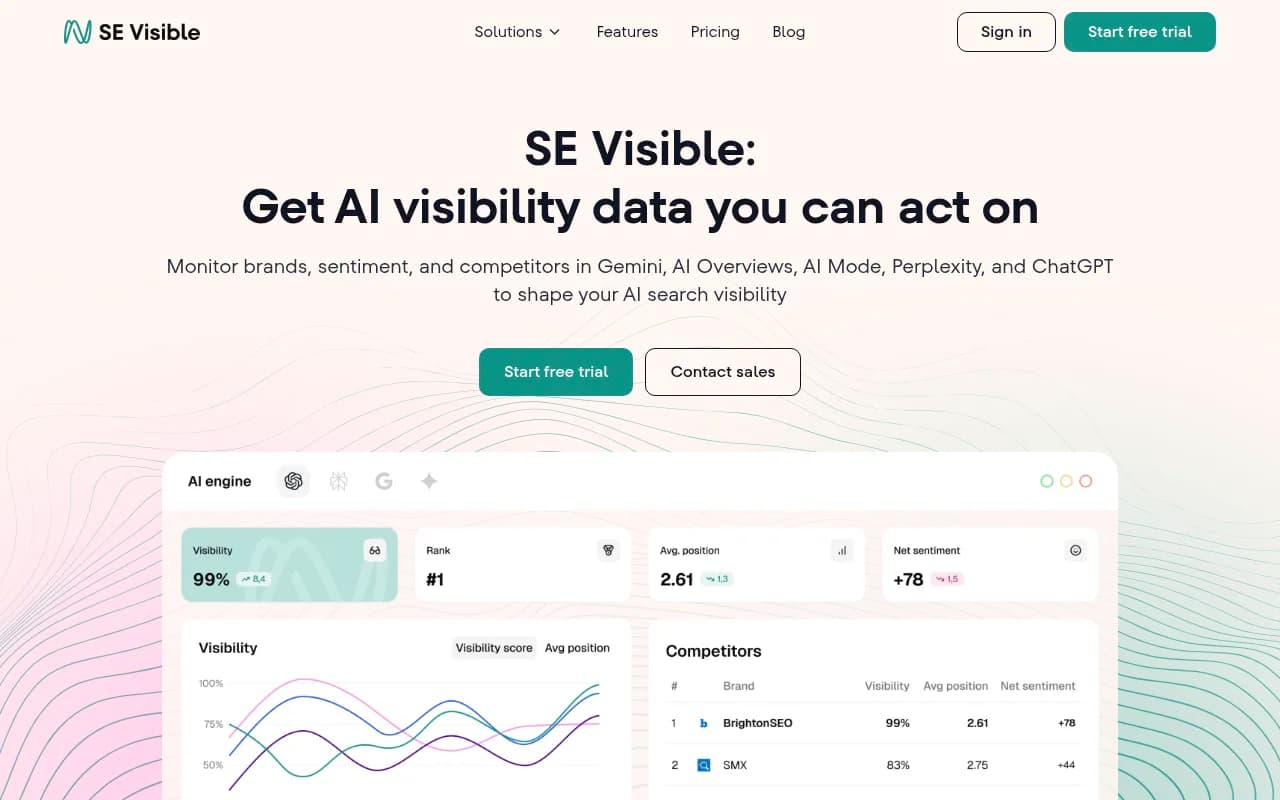
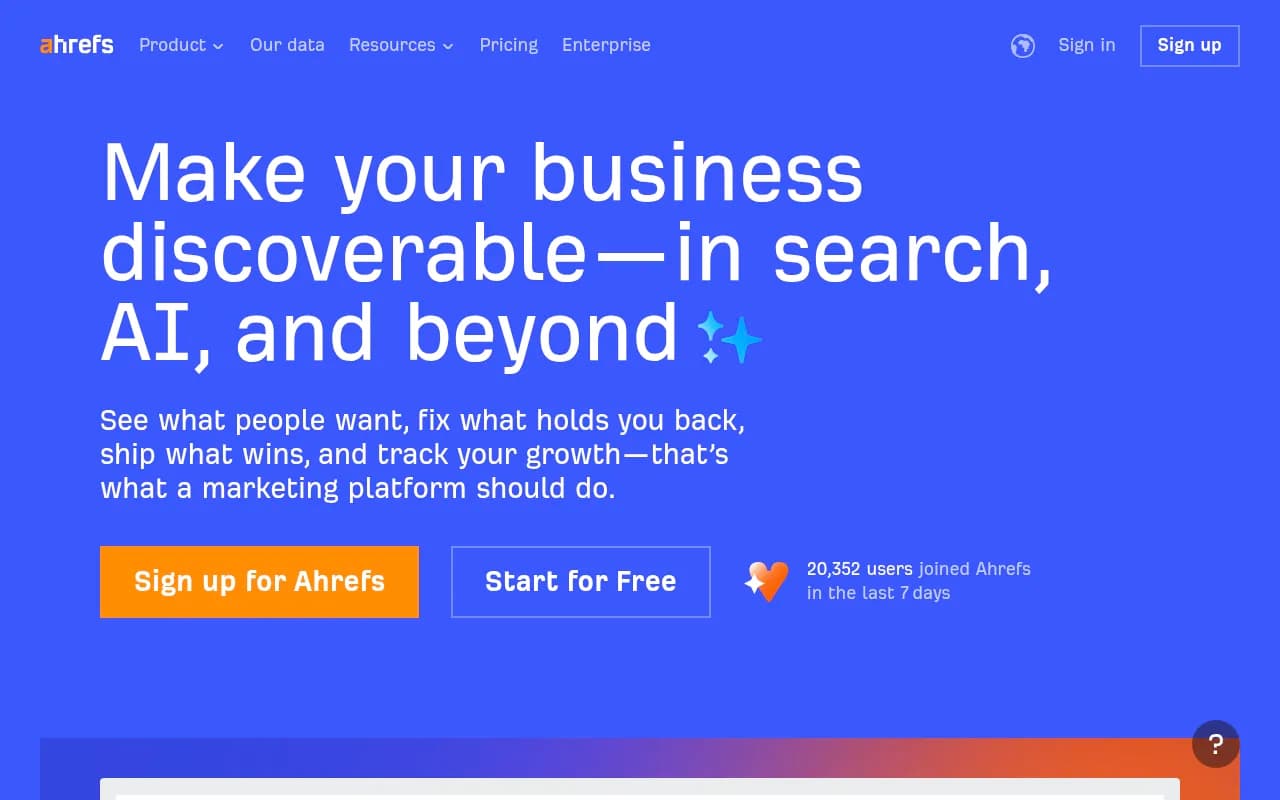
SE Ranking has an AI visibility toolkit inside a familiar, affordable SEO platform, and SE Visible is its standalone product. Ahrefs Brand Radar suits teams already living in Ahrefs. Neither is built around the content workflow side, so expect to pair them with something that writes and ships pages.
Otterly.AI and Peec AI
These are the straightforward trackers. Otterly.AI is pitched at low-cost monitoring with fast onboarding, and Peec AI leans on multi-language tracking. Neither gives you crawler logs or content generation, so they are the answer to a narrow question: are we showing up, and how is that trending?


Omnia
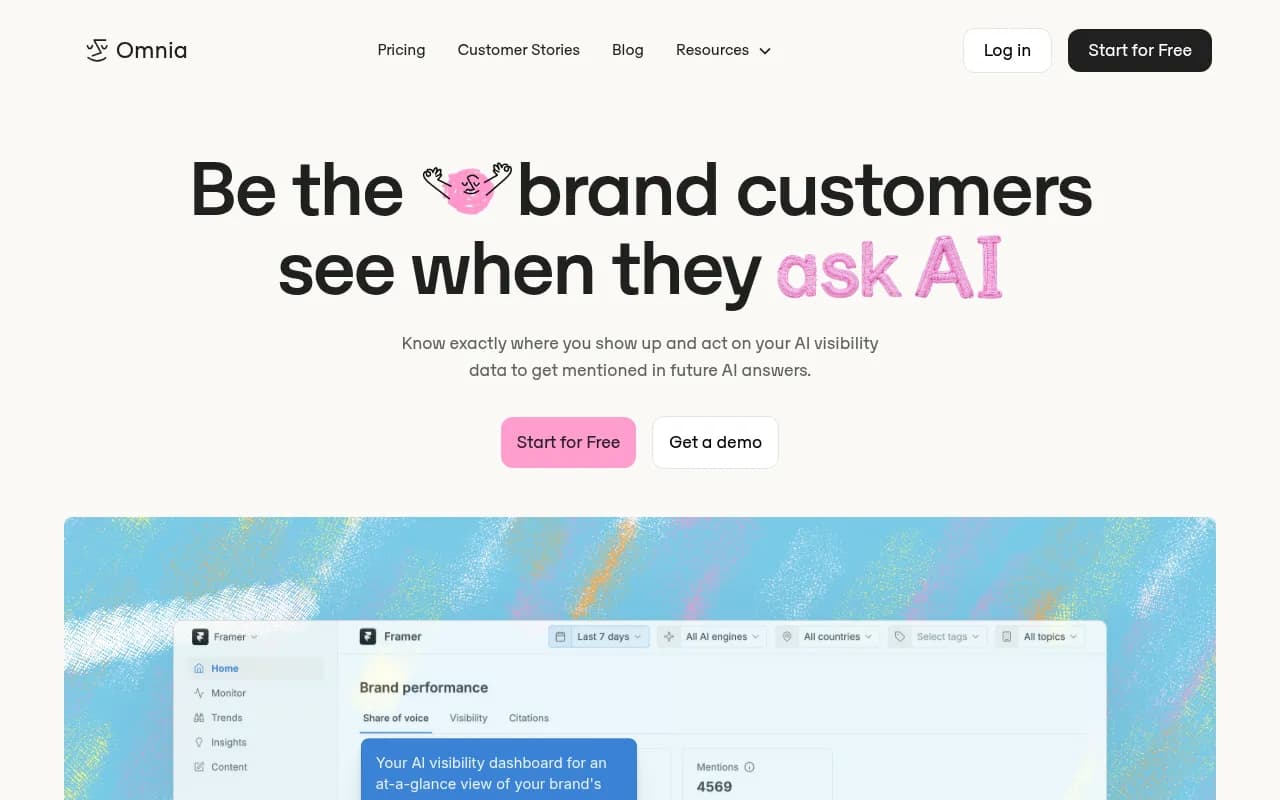
Omnia ties tracking to a prioritized action backlog, which is a sensible middle path between a dashboard and a full content platform.
Citation-to-content tools from the smaller field
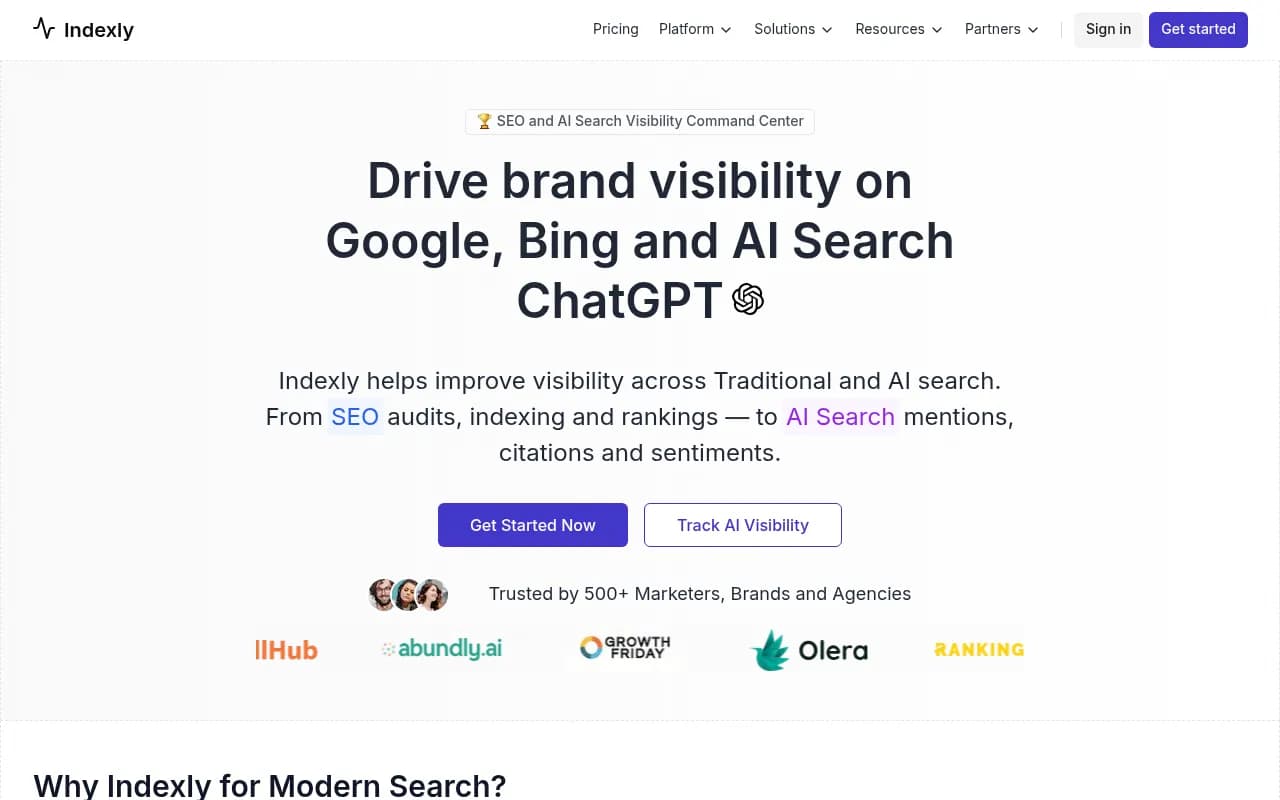
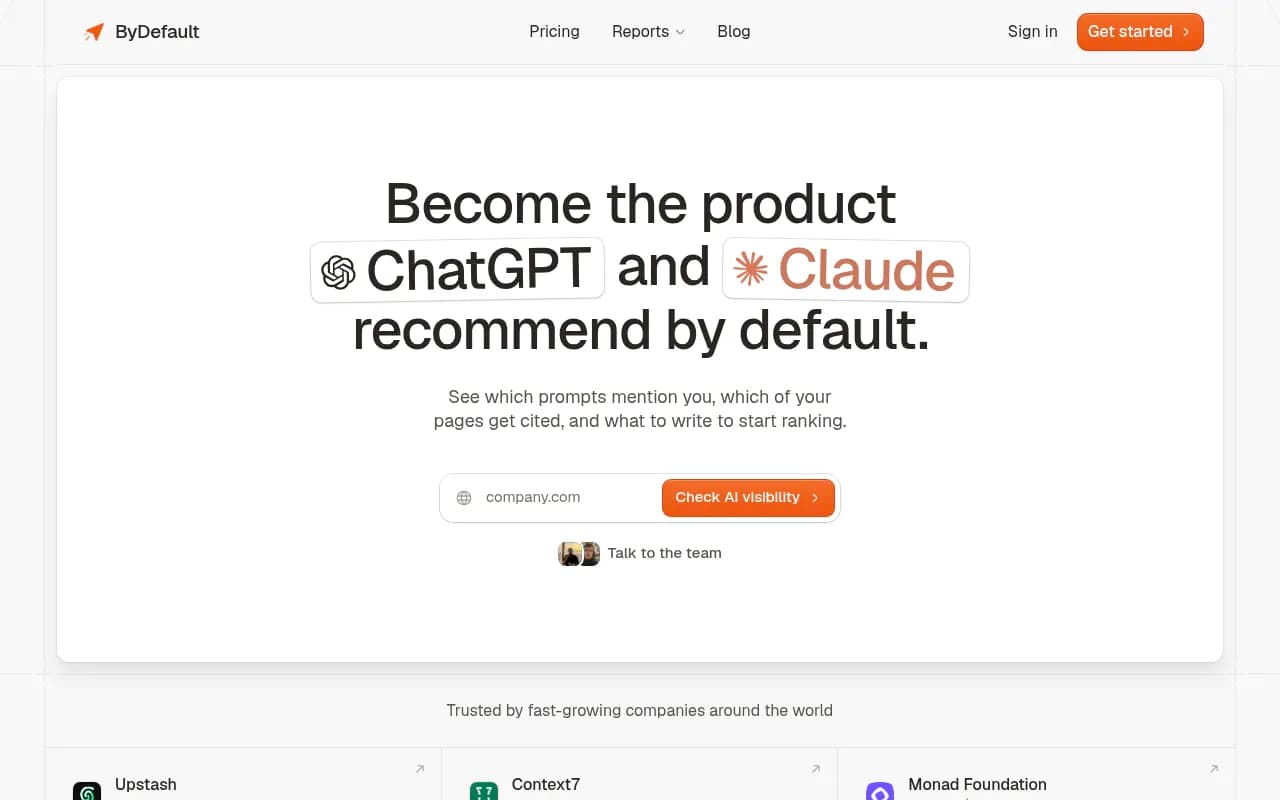
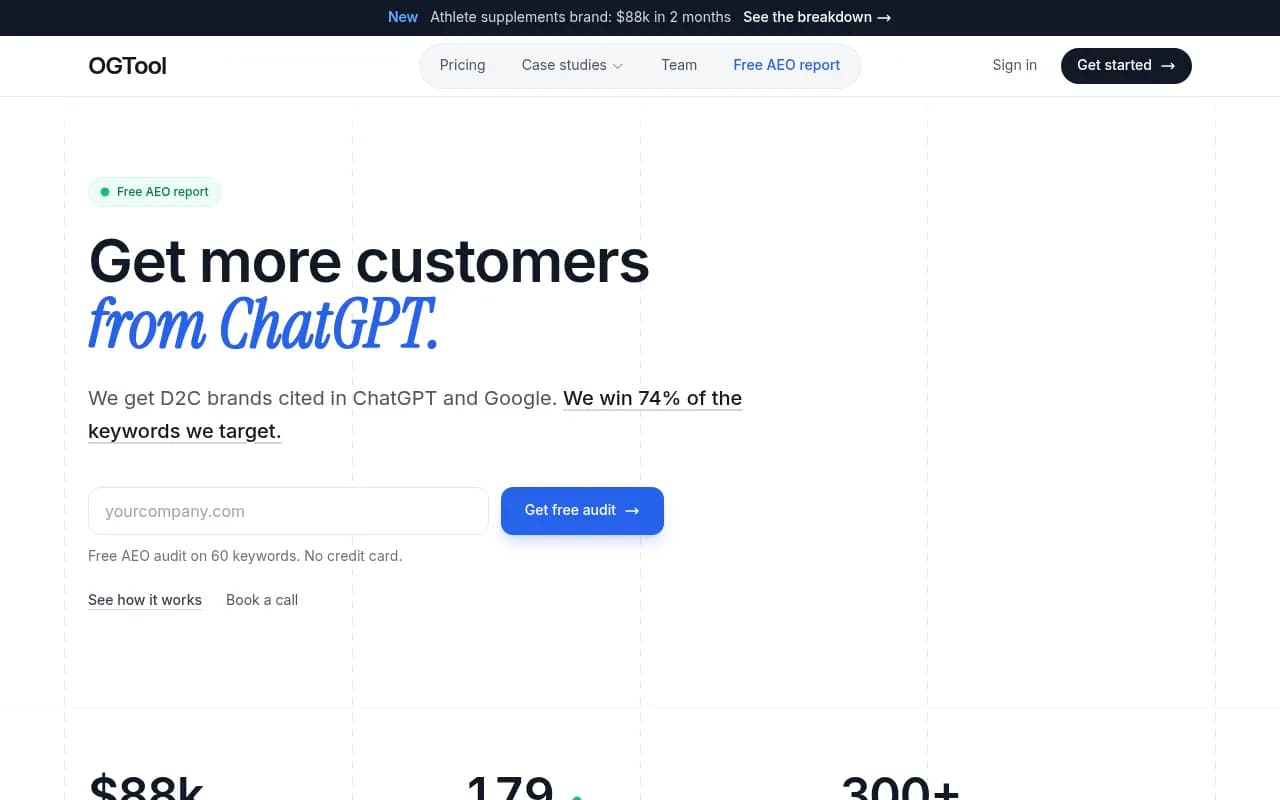
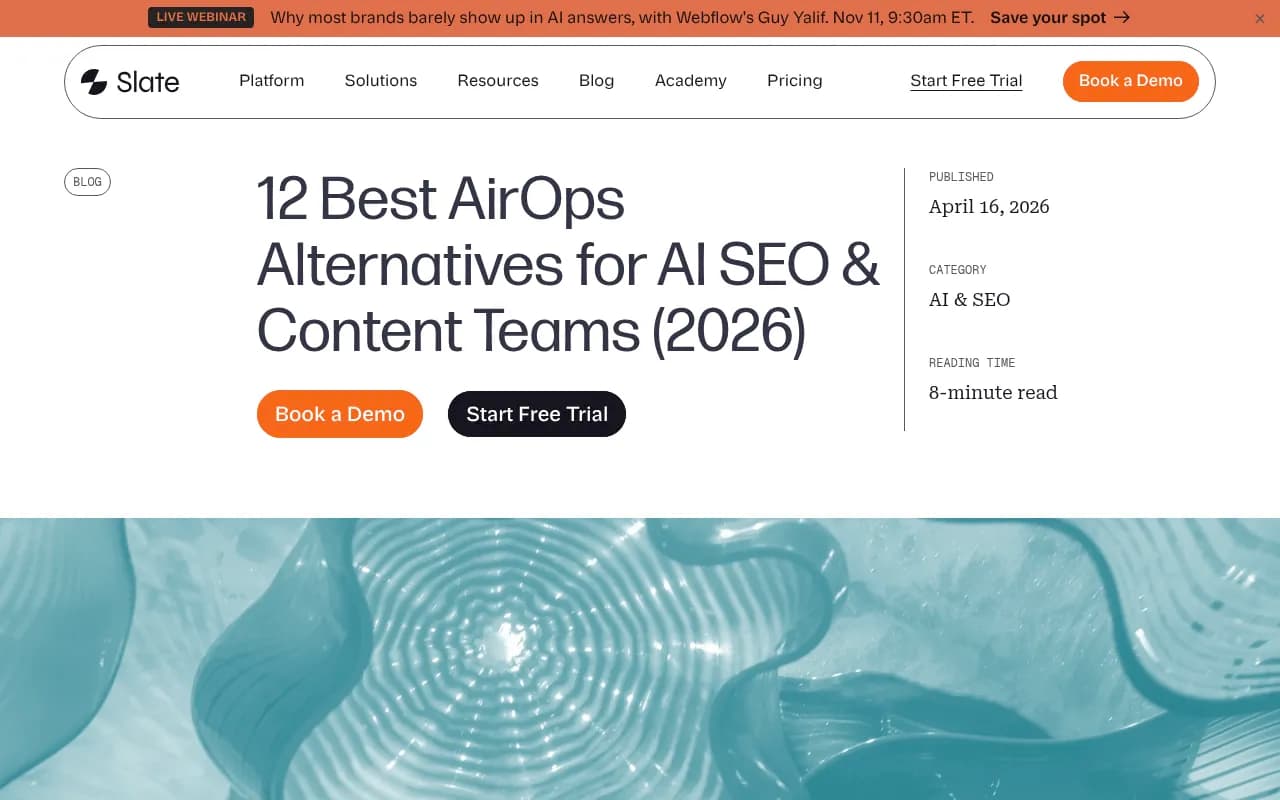
A newer group links citation data directly to content output. Slate pairs citation tracking with content execution and has its own AirOps alternatives roundup. bydefault and OGTool both pitch tracking AI citations and publishing the content that wins them. Indexly covers Google, Bing and AI search together. I haven't verified their feature claims against vendor pages, so run a trial before committing.

Content optimizers: a different category
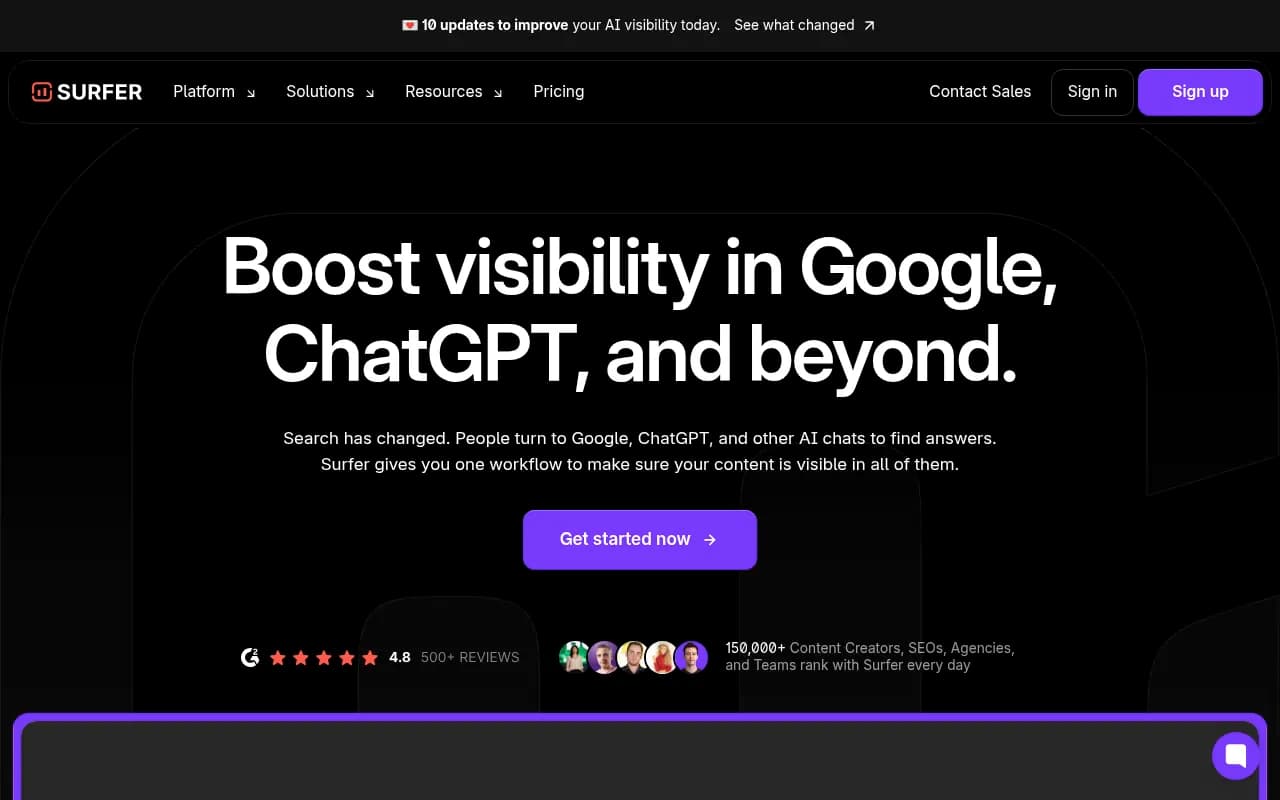
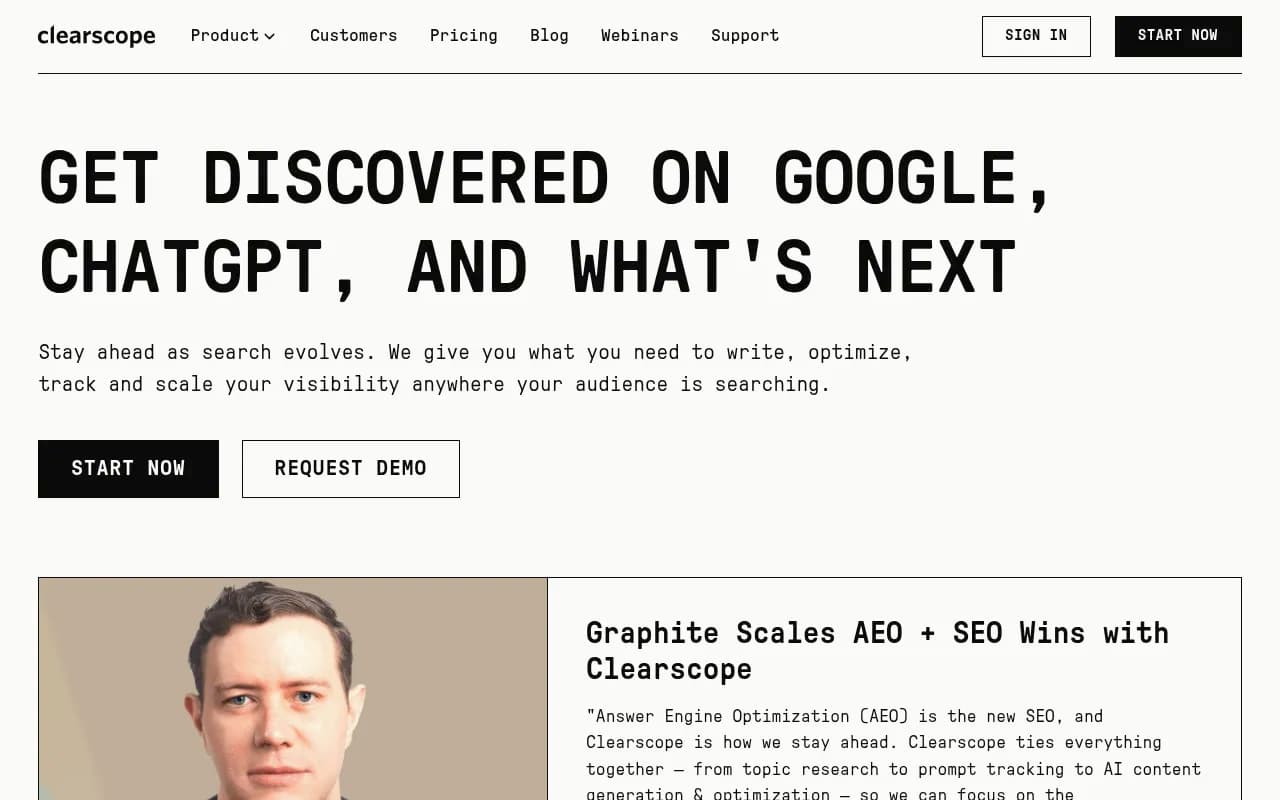
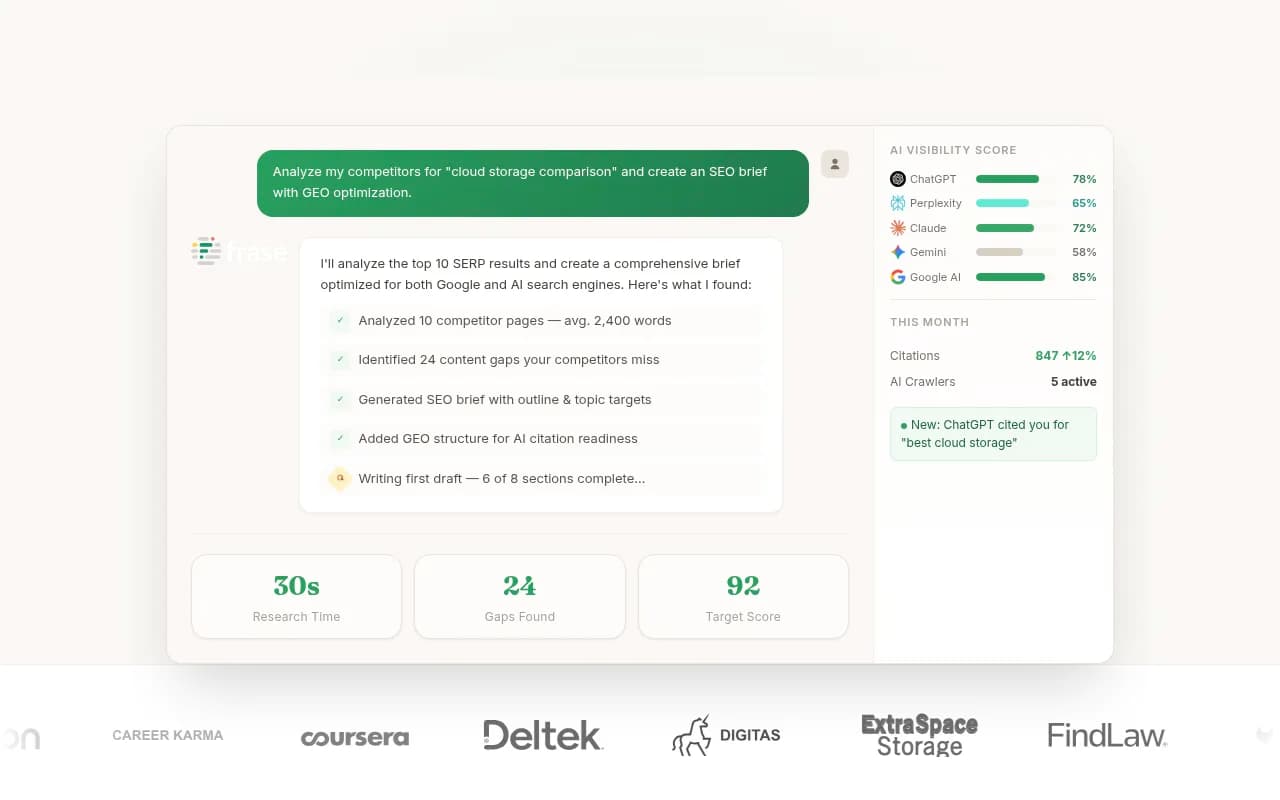
The Aikenhouse and Rankability roundups lean on Surfer, Clearscope, Frase and Jasper as AirOps alternatives. They are fair substitutes for the writing half of AirOps, but they are not citation trackers. If you pick one, you still need something else to see what AI engines cite. Surfer and Frase have added AI visibility features, so check how deep those go before assuming parity.
How to choose
Start with the job, not the vendor list.
- You need proof for a stakeholder that AI visibility exists: a light tracker such as Otterly.AI or Peec AI.
- You already pay for an enterprise SEO suite: try its AI module first.
- You want to find gaps and ship fixes without stitching tools together: a platform that includes content generation and publishing, like Promptwatch.
- You are an agency: look at plans with unlimited projects and white-label reporting. Rankability is built specifically for agencies.
Then run the same test on two or three finalists. Take 20 prompts that matter to your business, run them in each tool for two weeks, and compare. Ask each tool three questions: which of my URLs got cited, which competitor URLs beat me, and what would I do differently on Monday morning because of this data?
The third question usually eliminates half the field.
Questions worth asking vendors
- Is the data collected from the actual product interfaces or from APIs? Answers and citations can differ between the two.
- How often do prompts run, and can I choose the countries and languages?
- Can I see citations per URL and export them?
- Is there crawler or traffic data to confirm that a change worked?
- What does cost look like per response, not just per seat?
For more options by category, the GEO software directory at bestgeosoftware.com lists many of these tools side by side.
Bottom line
AirOps remains a reasonable choice if workflow automation is your main need. If citation tracking is the main need, you have better-fitted options, and which one depends on whether you want to watch, or watch and fix. For the second case, Promptwatch is the most complete I'd test first. For the first, Otterly.AI and Peec AI will do the job at a lower price. Whichever you choose, set a weekly review in the calendar. The data changes faster than most teams expect.