Key takeaways
- Topical authority built for Google does transfer to AI search engines like ChatGPT and Perplexity -- but only partially. Depth and structure matter; keyword density does not.
- AI models don't crawl the web in real time. They rely on training data, indexed content, and retrieval-augmented generation (RAG). Being cited in AI responses requires a different optimization mindset than ranking #1.
- The biggest shift: AI engines reward being a credible, citable source -- not just a page that matches a query. Brand mentions, structured content, and clear entity relationships all influence whether you get cited.
- Monitoring your AI visibility separately from your Google rankings is now necessary. They don't always move together.
- Tools exist to close the gap between traditional SEO and AI search optimization -- and the best ones don't just show you data, they help you act on it.
The question everyone is asking wrong
Most SEOs are asking: "Does topical authority still work?"
That's the wrong question. The better question is: "What does topical authority actually signal to an AI model, and is that signal the same as what it signals to Google?"
The answer is: sort of, but not entirely. And the gap between "sort of" and "entirely" is where a lot of brands are quietly losing ground in 2026.
Let's break it down properly.
What topical authority actually means (and what it doesn't)
Topical authority is the idea that Google rewards websites that cover a subject comprehensively -- not just individual pages that match keywords, but entire domains that demonstrate deep expertise across a topic cluster.
The practical implementation looks like this: instead of writing one article about "project management software," you write 30 articles covering every angle -- templates, team sizes, integrations, pricing comparisons, use cases by industry. Google sees you as the authoritative source on project management software, and your whole site lifts.
This strategy worked because Google's ranking algorithm weighs domain-level signals alongside page-level signals. A site with 30 well-structured articles on a topic outranks a site with one perfect article, all else being equal.
The keyword-stuffing era is genuinely dead. What replaced it isn't topical authority exactly -- it's something closer to "be the best source on the internet for this subject." Topical authority is just the SEO industry's name for that.
How ChatGPT and Perplexity actually find sources
Here's where it gets interesting -- and where most SEO advice falls apart.
Google is a retrieval system. You publish content, Google crawls it, indexes it, and ranks it against queries. The ranking happens at query time.
ChatGPT (specifically the web-browsing version) and Perplexity work differently:
- ChatGPT's base model was trained on a static dataset. The model "knows" things from that training. When you ask it a question without web search enabled, it answers from memory. Your content only influences this if it was in the training data and cited enough times to register as authoritative.
- ChatGPT with web search and Perplexity both use retrieval-augmented generation (RAG). They search the web, pull relevant pages, and synthesize an answer. This is closer to Google -- but the selection criteria are different.
- Google AI Overviews sits somewhere in between: it uses Google's existing index but applies its own summarization layer on top.
What this means practically: your content needs to be findable (indexed, crawlable), credible (cited by others, structured clearly), and citable (written in a way that an AI can extract a clean, quotable answer from it).
Ranking #1 on Google helps with the "findable" part. But it doesn't guarantee the "credible" or "citable" parts.
Where topical authority transfers directly
The good news: a lot of what you've already built for Google does carry over.
Depth and comprehensiveness. AI models prefer sources that cover a topic thoroughly. A site with 30 articles on a subject is more likely to be cited than a site with one. This is the core of topical authority, and it applies directly.
Internal linking and entity relationships. When your content clearly connects related concepts -- linking your "project management templates" article to your "project management for remote teams" article -- you're helping both Google and AI models understand the relationships between ideas. AI models are essentially entity-recognition machines. Clear entity relationships in your content make you easier to cite accurately.
E-E-A-T signals. Experience, Expertise, Authoritativeness, Trustworthiness -- Google's quality framework -- maps reasonably well onto what AI models look for. Author credentials, citations from other credible sources, and factual accuracy all matter.
Structured content. Headers, bullet points, clear definitions, and FAQ sections all help AI models extract answers. If you've been writing for featured snippets, you've been accidentally writing for AI citations too.
Where topical authority doesn't transfer (and what to do instead)
Here's where the strategy diverges.
Keyword optimization is nearly irrelevant for AI citations. Perplexity doesn't care if you used your target keyword 12 times. It cares whether your page clearly answers the question. These are related but not the same thing.
Backlink profiles matter less. Google uses backlinks as a proxy for authority. AI models don't have direct access to link graphs -- they infer credibility from other signals: how often a source is cited across the web, whether it appears in training data, whether other credible sources reference it. Brand mentions (unlinked) matter more in the AI world than they do in traditional SEO.
Ranking position doesn't guarantee citation. This is the one that surprises people most. You can rank #1 on Google for a query and still not appear in ChatGPT's or Perplexity's answer for the same question. The AI might prefer a different source that it finds more citable -- clearer structure, more direct answer, stronger brand recognition.
Freshness signals work differently. Google rewards freshness for certain query types. AI models trained on static data don't. For Perplexity (which does real-time retrieval), freshness matters again -- but the mechanism is different from Google's freshness algorithm.
The new signals that AI search actually rewards
If topical authority is the foundation, these are the walls you need to build on top of it in 2026:
Brand mentions across the web. When Reddit threads, YouTube videos, news articles, and other websites mention your brand in the context of a topic, AI models pick that up as a credibility signal. This is why PR and community presence matter more than they used to.
Being cited in AI responses already. There's a compounding effect: if ChatGPT already cites you for related queries, it's more likely to cite you for new ones. Getting into the citation loop early matters.
Clear, direct answers. AI models are trying to synthesize answers, not rank pages. Content that directly answers a question -- ideally in the first paragraph, with supporting detail below -- gets cited more often than content that buries the answer.
Schema markup and structured data. This helps AI crawlers understand what your content is about and how it relates to other entities. FAQ schema, HowTo schema, and Article schema all help.
Consistent entity presence. Your brand should appear consistently across your website, social profiles, Wikipedia (if applicable), and third-party directories. AI models build entity graphs, and inconsistency creates uncertainty about who you are.
The practical strategy: what to actually do in 2026
This isn't a "pick one" situation. The brands winning in AI search in 2026 are doing both -- maintaining their Google topical authority strategy while layering on AI-specific optimizations.
Here's what that looks like in practice:
Build your topic map first
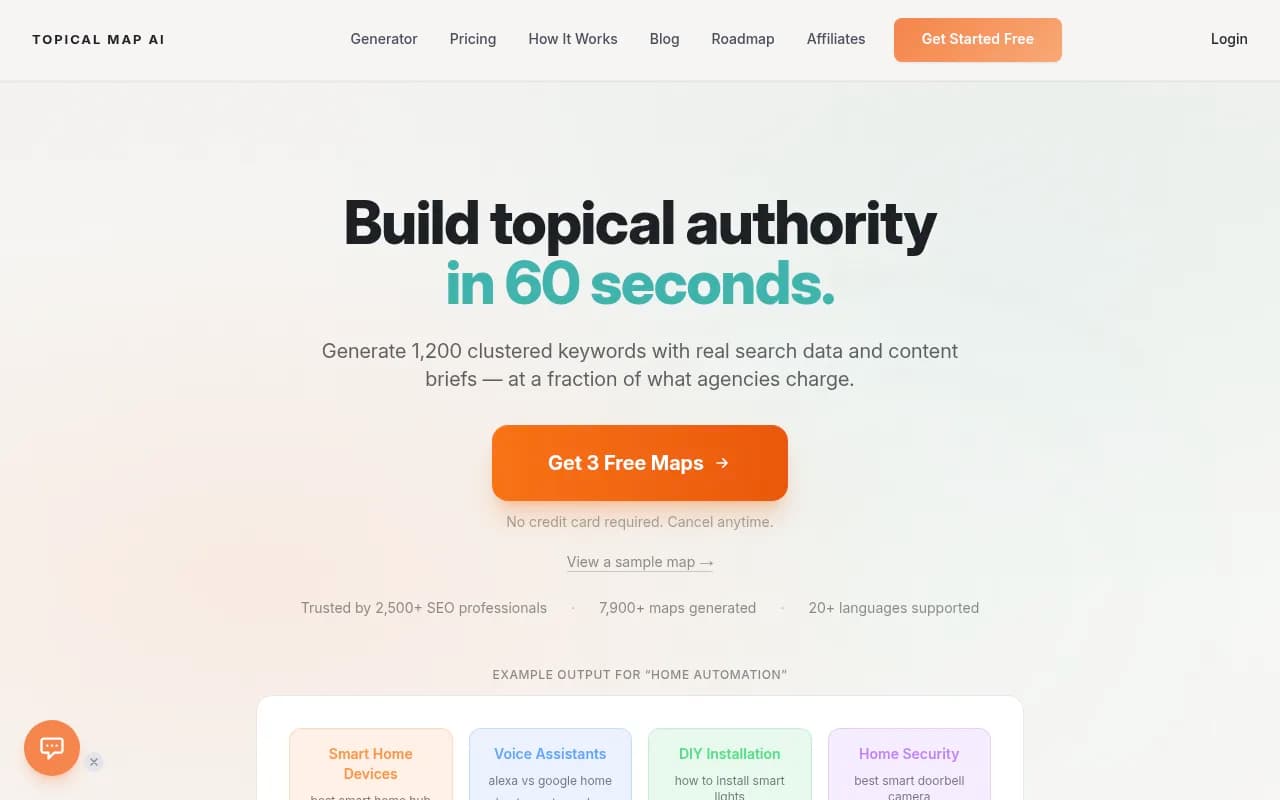
Before writing anything, map out the full topic cluster. What are all the questions someone might ask about your subject? What are the sub-topics, the adjacent topics, the comparison queries? Tools like Topical Map AI can help automate this.
Write for extraction, not just ranking
Every piece of content should have a clear, extractable answer near the top. Think of it as writing for a journalist who needs a quote -- give them the clean, quotable sentence first, then support it.
Get your brand mentioned, not just linked
Pursue mentions in Reddit discussions, YouTube videos, industry publications, and community forums. These are the sources AI models are trained on and retrieve from. A mention in a popular Reddit thread about your category is worth more for AI visibility than a backlink from a low-traffic blog.
Fix your technical foundation
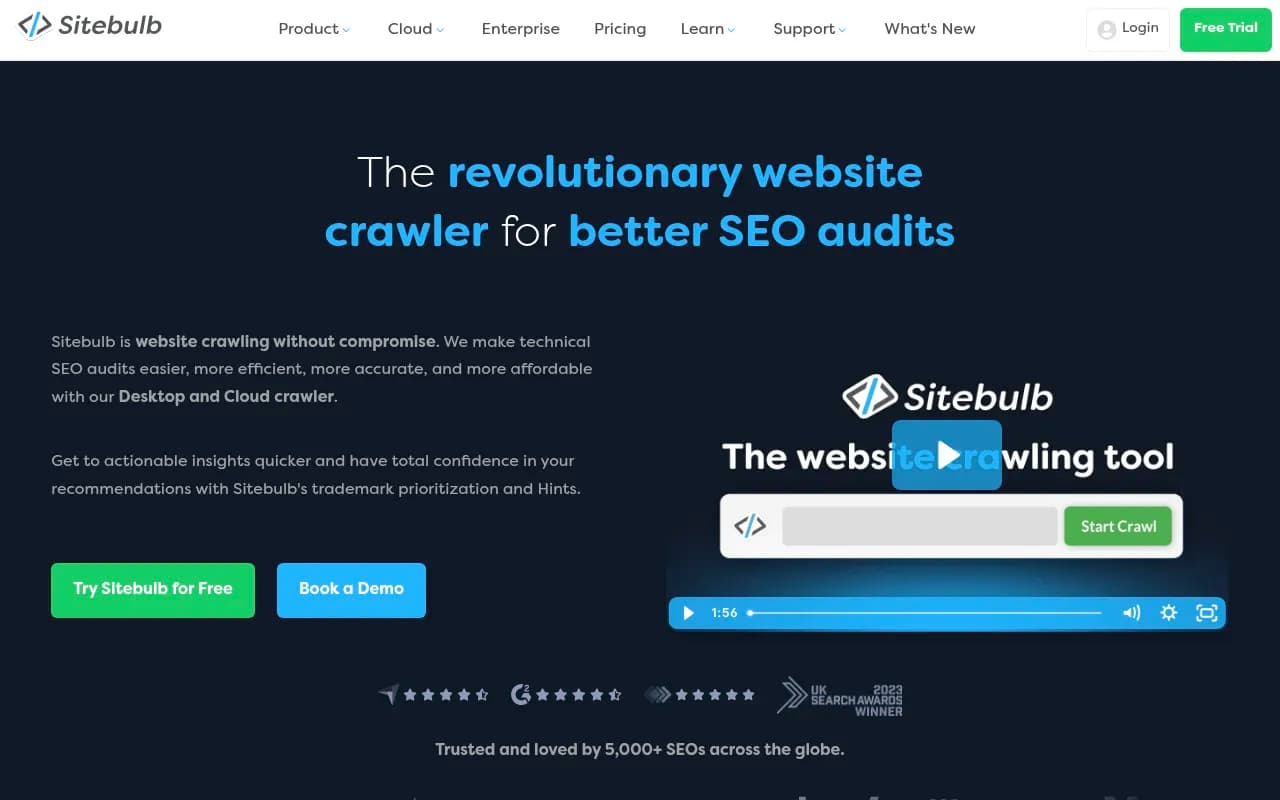
AI crawlers need to be able to read your site. Ensure your pages load fast, aren't blocked by robots.txt, have clean HTML, and use structured data. Tools like Screaming Frog are useful for auditing this.
Track your AI visibility separately
Your Google rankings and your AI citation rates are different metrics. You need to monitor both. A page can rank #3 on Google and never appear in a ChatGPT response. Another page might not rank in the top 10 but gets cited constantly by Perplexity.
Tools for tracking and improving AI visibility
This is where the market has exploded in 2026. There are now dozens of tools claiming to help with AI search visibility. They're not all equal.
The most important distinction: monitoring vs. optimization. Most tools show you where you're visible (or not). Fewer help you actually improve.
Promptwatch sits in the optimization category. It tracks your visibility across 10 AI models -- ChatGPT, Perplexity, Claude, Gemini, Grok, and others -- but the more useful part is what it does with that data. The Answer Gap Analysis shows you which prompts your competitors appear in that you don't. The built-in content generation tools then help you create content designed to close those gaps. It also logs AI crawler activity on your site, so you can see which pages AI models are actually reading and which ones they're ignoring.

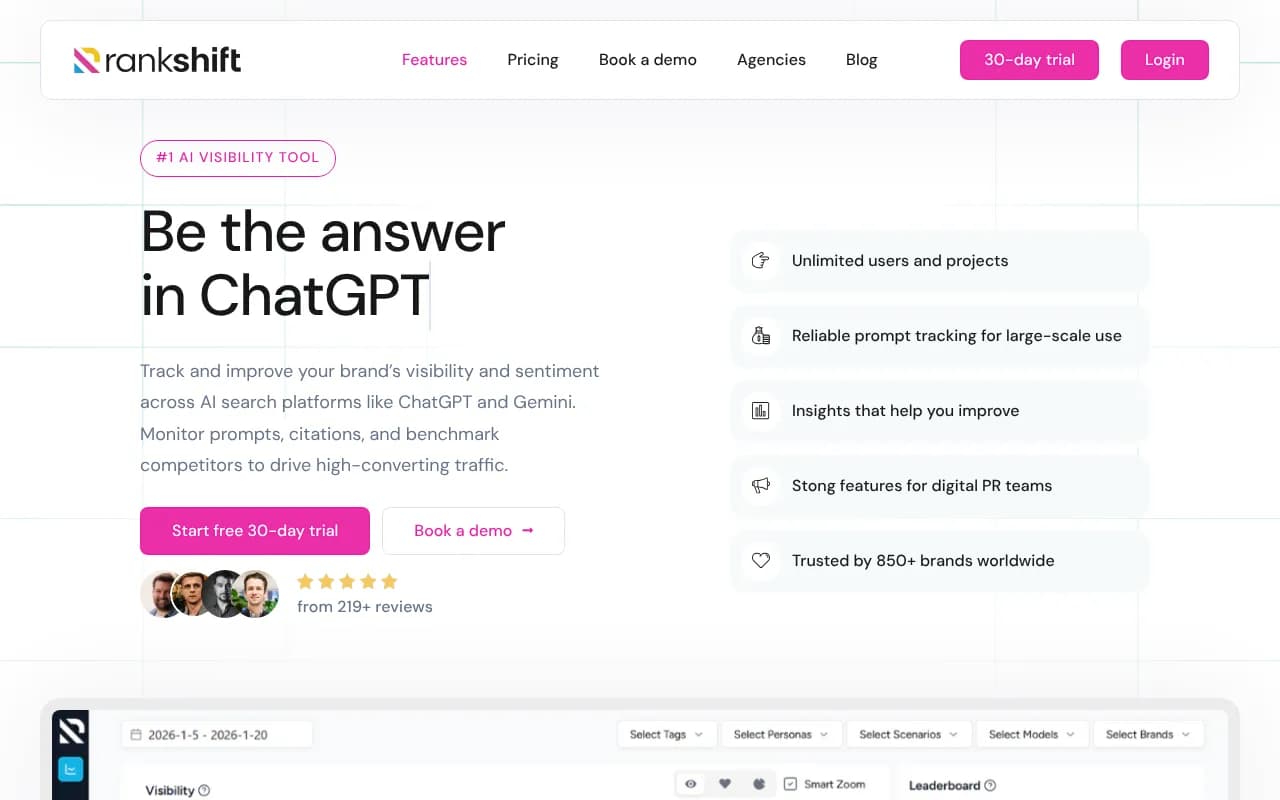
For teams that want simpler monitoring without the optimization layer, there are lighter options:


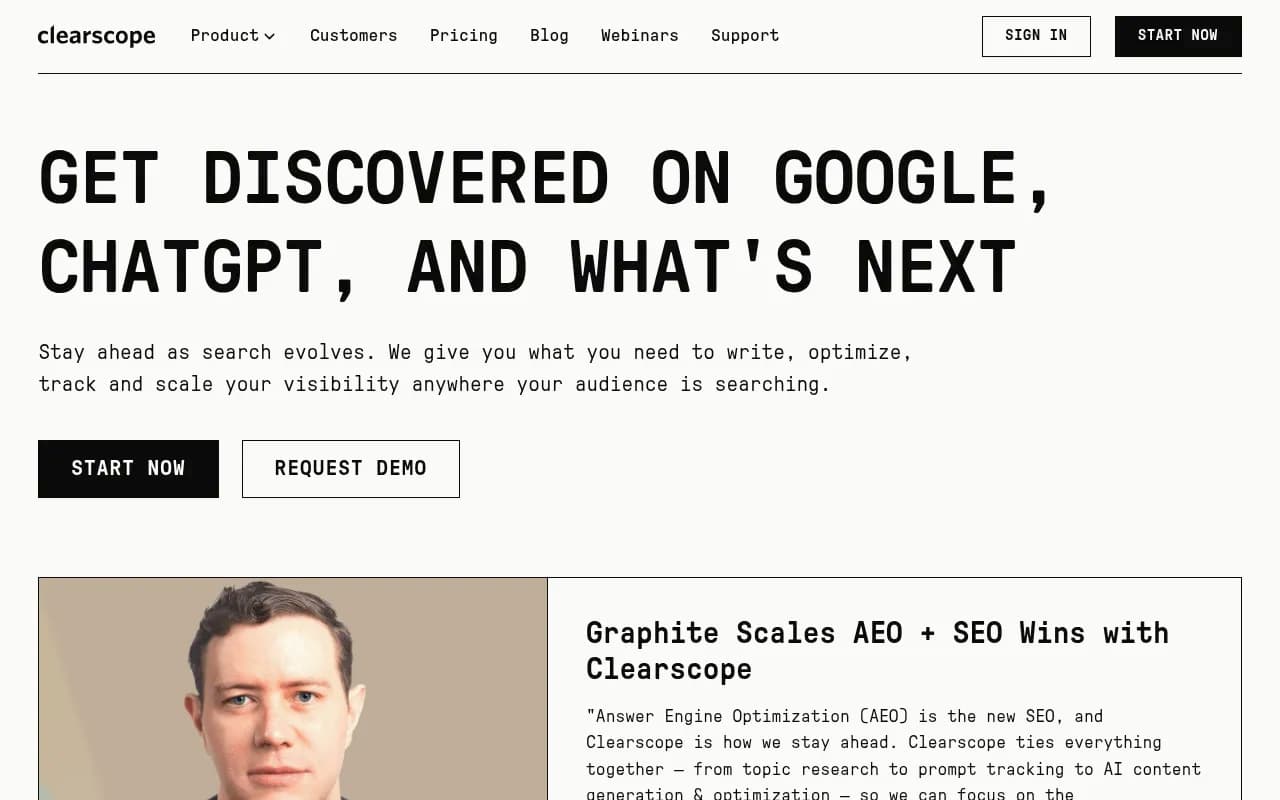
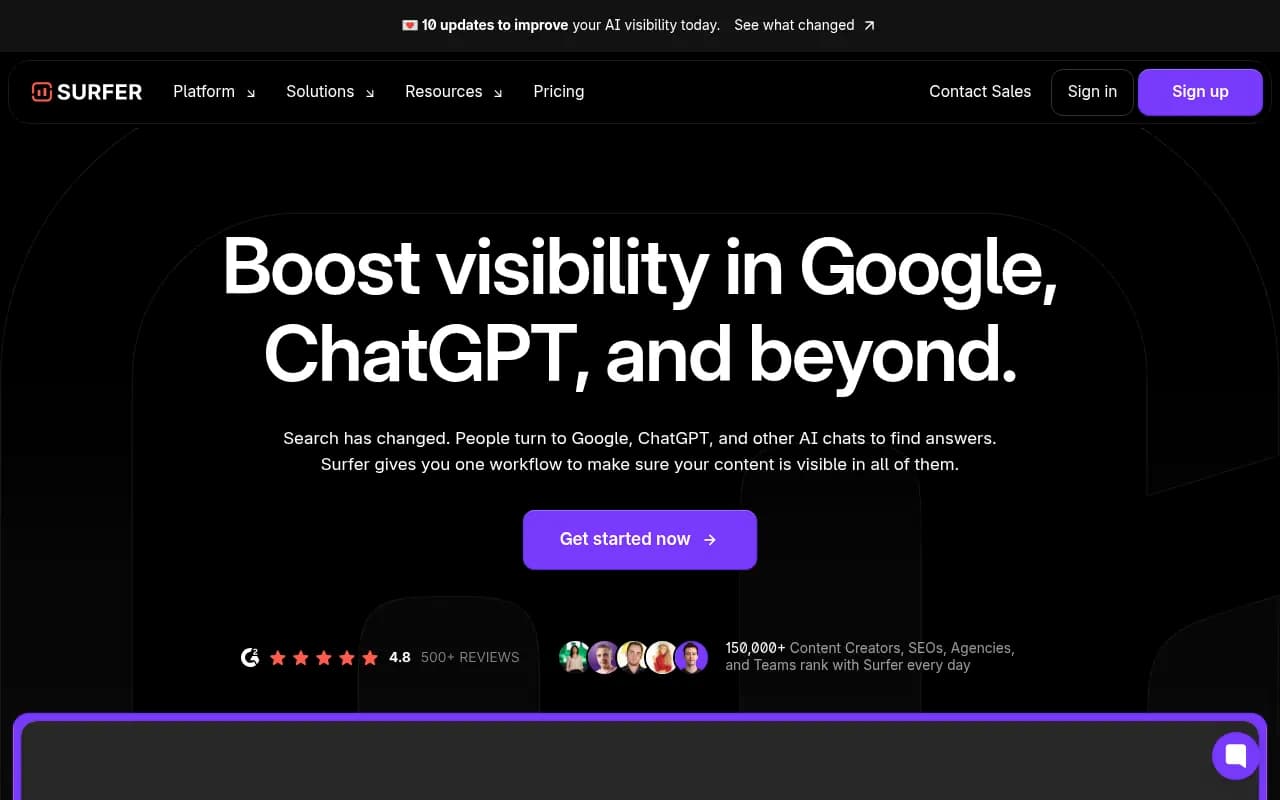
For content optimization specifically -- making sure your existing pages are structured to be citable -- tools like Clearscope and Surfer SEO help with semantic coverage, which matters for both Google and AI search.
Here's a quick comparison of approaches:
| Goal | Tool type | Examples |
|---|---|---|
| Track AI citations across models | AI visibility monitoring | Promptwatch, Otterly.AI, Peec AI |
| Find content gaps vs. competitors | Answer gap analysis | Promptwatch |
| Generate AI-optimized content | AI content creation | Promptwatch, Surfer SEO |
| Optimize existing content for AI | Semantic/content optimization | Clearscope, Surfer SEO |
| Audit technical crawlability | Site crawler | Screaming Frog, Sitebulb |
| Map topic clusters | Topical planning | Topical Map AI |
| Monitor brand mentions | Brand monitoring | Brand24, Mention |
The honest answer to the original question
Does building topical authority for Google still help you rank in ChatGPT and Perplexity?
Yes -- but it's necessary, not sufficient.
A site with strong topical authority has a head start. The content depth, entity relationships, and structured writing that topical authority requires all transfer to AI search. You're not starting from zero.
But topical authority alone won't get you cited. You also need brand presence across the web, content written for extraction rather than ranking, technical accessibility for AI crawlers, and active monitoring to know where your gaps are.
The brands that are winning in AI search right now aren't the ones who abandoned their Google strategy. They're the ones who extended it -- keeping the topical depth while adding the AI-specific layer on top.
The ones who are losing are treating AI search as a separate problem to solve later. By the time they get around to it, the citation patterns will be established and harder to break into.
Start tracking your AI visibility now, find the gaps, and fill them. That's the whole strategy.