Key takeaways
- AI search visibility is now a separate discipline from traditional SEO -- ranking on Google doesn't mean you're being cited by ChatGPT or Perplexity
- A quarterly audit cadence balances thoroughness with speed: monthly tracking catches drift, quarterly deep dives reveal structural problems
- The audit has five phases: baseline measurement, competitor benchmarking, content gap analysis, technical health check, and action planning
- Most teams skip the "fix it" step entirely -- the audit is only useful if it produces a prioritized content and optimization backlog
- Tools that combine monitoring with content generation close the loop faster than monitoring-only dashboards
You can rank on page one of Google and still lose the sale. A prospect asks ChatGPT for the best project management tools for remote teams, your competitor gets named, you don't, and the decision is half-made before anyone opens a browser tab.
That's the situation in 2026. AI search engines -- ChatGPT, Perplexity, Gemini, Google AI Overviews, Claude -- now answer questions directly. They don't send traffic to ten blue links. They synthesize a response from sources they've decided to trust, and if your content isn't one of those sources, you're invisible in a channel that's growing fast.
The fix isn't a one-time optimization. It's a repeatable audit process. Here's how to run one every quarter.
Why quarterly, not monthly or annually
Monthly tracking makes sense for watching metrics move. But a monthly cadence is too frequent for the kind of deep structural work that actually improves AI visibility -- auditing your content gaps, reviewing competitor citation patterns, checking technical crawl health, and building a content backlog.
Annual audits are too slow. AI models update their training data and citation behaviors more often than that. A competitor who publishes a well-structured comparison article in Q2 can start appearing in AI responses by Q3.
Quarterly hits the right frequency: enough time to implement changes from the last audit and see results, not so long that you're flying blind.
Phase 1: Establish your baseline
Before you can improve anything, you need numbers. Specifically, you need to know your current citation rate across the AI models that matter to your audience.
Start by defining your prompt set. These are the questions your target customers actually ask AI tools -- not keyword lists, but full natural-language queries. Think "what's the best CRM for a 10-person sales team" rather than "CRM software." Aim for 30-50 prompts that cover your core use cases, product category, and competitor comparisons.
Then run those prompts across the AI platforms your audience uses. For most B2B brands, that's ChatGPT, Perplexity, and Google AI Overviews at minimum. For consumer brands, add Gemini and Grok.
Record:
- How often your brand is mentioned (citation rate)
- Whether you're mentioned positively, neutrally, or not at all
- Which specific pages are being cited when you do appear
- Which competitors appear in responses where you don't
This is your Q1 baseline. Every subsequent quarter, you run the same prompts and compare.
Promptwatch automates this across 10 AI models simultaneously, with page-level tracking that shows exactly which URLs are being cited and how often -- useful when you're managing more than a handful of prompts.

Phase 2: Benchmark against competitors
Your absolute citation rate matters less than your relative position. If you're cited in 20% of relevant prompts but your top competitor appears in 60%, that gap is the real problem.
For each prompt in your set, note which competitors appear. Over a full quarter, patterns emerge: there are usually two or three competitors who dominate AI responses in your category, and they're not always the same brands winning on Google.
Look at what those competitors are doing differently. Common patterns:
- They publish structured comparison content ("X vs Y" articles, "best tools for Z" listicles) that AI models find easy to extract and cite
- They have clear, quotable definitions and explanations of category concepts
- Their content is organized with descriptive headings that match how people phrase questions
- They're active on sources AI models pull from heavily -- Reddit discussions, YouTube, industry publications
This competitor analysis is where the audit gets actionable. You're not just measuring a gap; you're identifying the specific content types that are filling it.
Tools like Profound and AthenaHQ track competitor visibility alongside your own.


Phase 3: Content gap analysis
This is the most important phase and the one most teams skip.
A content gap in AI visibility isn't just a missing keyword -- it's a missing answer. When a user asks an AI tool a question relevant to your business and your brand doesn't appear, it's usually because you don't have content that directly and clearly answers that question.
Go through your prompt set and identify every prompt where you're absent. For each one, ask:
- Do we have any content that answers this question?
- If yes, is it structured in a way that AI models can easily extract?
- If no, what would we need to write?
The output of this phase is a prioritized content backlog. Prioritize by two factors: prompt volume (how often people ask this) and competitive difficulty (how entrenched are the competitors who currently appear).
High-volume, low-competition prompts are your quick wins. Write those first.
One structural note: AI models cite content that is self-contained and quotable. A 3,000-word article that buries its main point in paragraph 14 is harder to cite than a 600-word piece that leads with a clear answer and supports it with specifics. When you're writing for AI citation, clarity and structure matter more than length.
Phase 4: Technical health check
Content quality matters, but AI models can't cite content they can't read. The technical side of AI visibility is often overlooked, and it's where a lot of silent failures happen.
Check your robots.txt and AI crawler access
AI crawlers -- GPTBot (OpenAI), ClaudeBot (Anthropic), PerplexityBot, Google-Extended -- are distinct from Googlebot. Many sites that haven't thought about this are inadvertently blocking AI crawlers while allowing Google. Check your robots.txt file and confirm you're not blocking the crawlers for the AI platforms you want to appear in.
If you want to block certain AI crawlers (for training data reasons) while allowing others (for citation purposes), you need to be specific. A blanket "Disallow: /" for all bots will kill your AI visibility.
Review crawl frequency and errors
How often are AI crawlers actually visiting your site? Which pages are they reading? Are they hitting 404s or redirect chains on your most important content?
This is harder to see without dedicated tooling. Server logs can show AI crawler activity, but parsing them manually is tedious. Platforms like Promptwatch include AI crawler logs that show exactly which pages each AI crawler is reading, how often they return, and what errors they encounter -- which makes this part of the audit much faster.
Check your structured data
Schema markup (FAQ schema, Article schema, HowTo schema) helps AI models understand what your content is about and how to use it. Run your key pages through Google's Rich Results Test and check for schema errors. If you're not using any structured data on your most important content pages, adding it is a relatively quick technical win.
Page speed and mobile experience
AI models pull from pages that load reliably. Slow pages and mobile rendering issues can affect crawl depth. Run your key pages through PageSpeed Insights and fix anything below 50 on mobile.
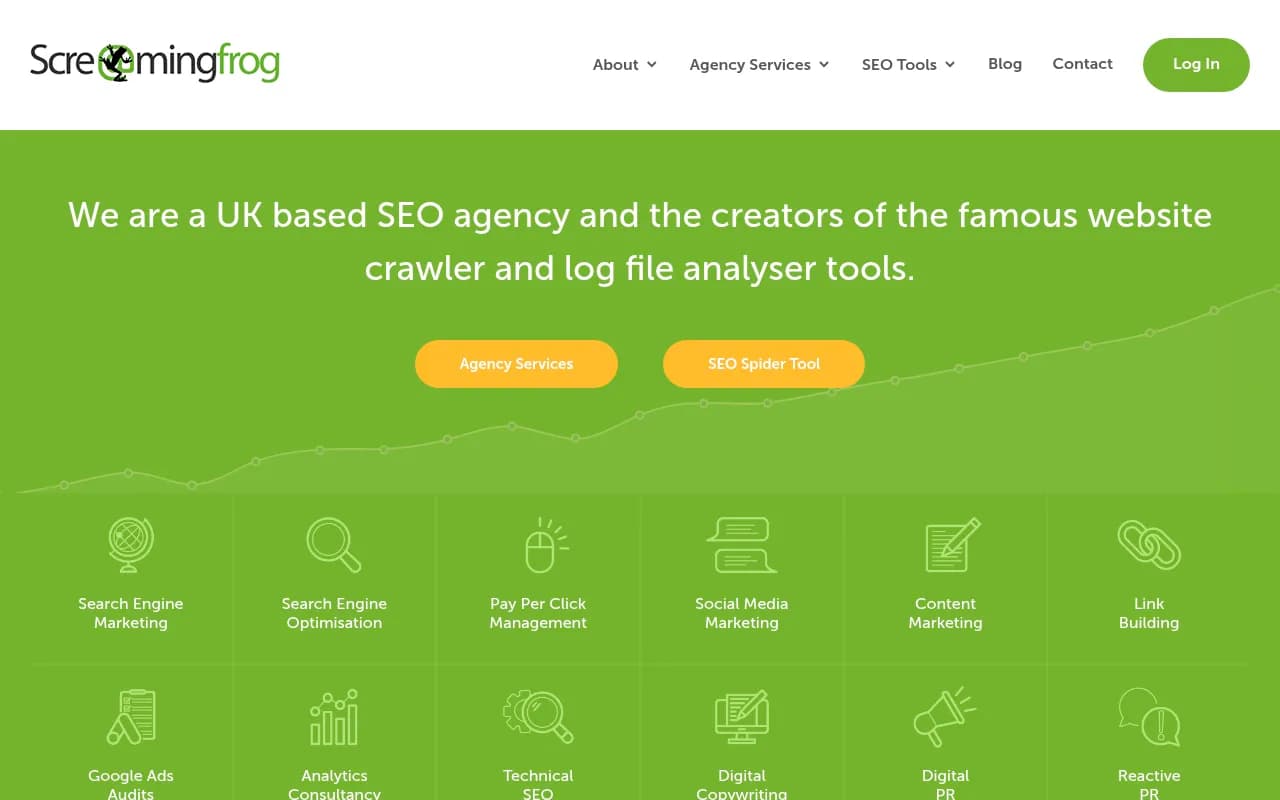
Screaming Frog remains the most thorough tool for crawl-level technical audits.
Phase 5: Build your action plan
An audit without an action plan is just a report. The output of your quarterly AI visibility audit should be a concrete backlog with owners, deadlines, and success metrics.
Structure it in three buckets:
Content to create -- new articles, comparisons, and explainers targeting prompts where you're currently absent. Assign each piece to a writer or content tool, set a publish date, and note which prompts it's targeting.
Content to optimize -- existing pages that are close to being cited but need structural improvements. This usually means adding clearer headings, leading with the answer, adding a summary section, or improving schema markup.
Technical fixes -- crawler access issues, schema errors, page speed problems. These tend to be quick wins with disproportionate impact.
For each item, note the target prompts it affects and the expected impact. After the next quarter's audit, you can check whether those prompts moved.
Tracking results between audits
The quarterly audit is your deep-dive. Between audits, you need lighter-weight monitoring to catch significant changes -- a competitor suddenly dominating a prompt you were winning, a page that drops out of citations after a site change, a new AI model gaining traction in your industry.
Set up weekly or bi-weekly prompt checks on your 10-15 highest-priority prompts. This doesn't need to be comprehensive -- it's an early warning system, not a full audit.
Several tools handle this kind of ongoing monitoring well:


For teams that want a single platform covering monitoring, gap analysis, and content generation, Promptwatch's Professional and Business tiers include all three, plus the crawler logs that make the technical health check much faster.
What a complete quarterly audit looks like in practice
Here's a realistic timeline for a marketing team running this for the first time:
| Week | Activity | Time investment |
|---|---|---|
| Week 1 | Define prompt set, run baseline across AI models | 4-6 hours |
| Week 1 | Competitor benchmarking -- identify who's winning and why | 3-4 hours |
| Week 2 | Content gap analysis -- map missing answers to content needs | 4-5 hours |
| Week 2 | Technical health check -- crawlers, schema, page speed | 2-3 hours |
| Week 3 | Build action plan, assign owners, set deadlines | 2 hours |
| Weeks 4-12 | Execute content backlog, implement technical fixes | Ongoing |
Total audit time: roughly 15-20 hours for the first run. Subsequent quarters are faster because you're comparing against a baseline rather than building one from scratch.
Common mistakes that make audits useless
Using too few prompts. Fifty prompts sounds like a lot, but AI visibility is highly specific to how questions are phrased. A prompt about "best CRM for startups" and "best CRM for small teams" can return completely different results. Cast a wide net.
Only checking one AI model. ChatGPT and Perplexity have different citation behaviors. Google AI Overviews pulls from different sources than Claude. Your visibility profile varies significantly across models. Audit all the ones your audience uses.
Ignoring the "why." Knowing you're absent from a prompt is step one. Understanding why -- missing content, blocked crawlers, weak authority signals, poor structure -- is what makes the fix possible.
Not connecting visibility to traffic. Citation rate is a leading indicator. The lagging indicator is actual traffic from AI referrals. If you're being cited but not getting clicks, something is off with how your brand is being presented. If you're getting clicks but they're not converting, that's a different problem. Connect your AI visibility data to traffic attribution -- Google Search Console, server logs, or a UTM-based snippet -- to close the loop.
Treating it as a one-time project. AI search is changing fast. A competitor who wasn't visible six months ago might be dominating your category now. The quarterly cadence exists precisely because this isn't a set-and-forget optimization.
Tools worth knowing for each phase
Different phases of the audit call for different tools. Here's a quick reference:
| Phase | What you need | Tools to consider |
|---|---|---|
| Baseline measurement | Multi-model citation tracking | Promptwatch, Profound, AthenaHQ |
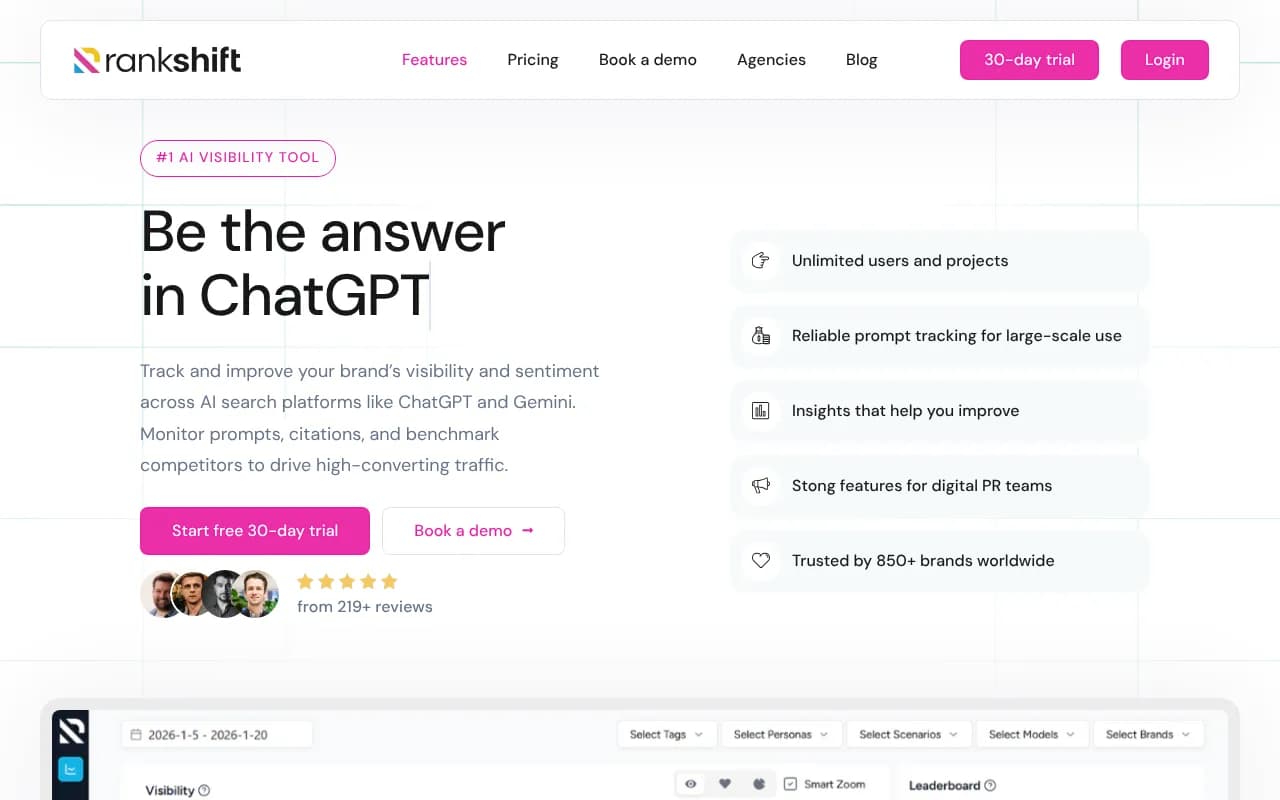
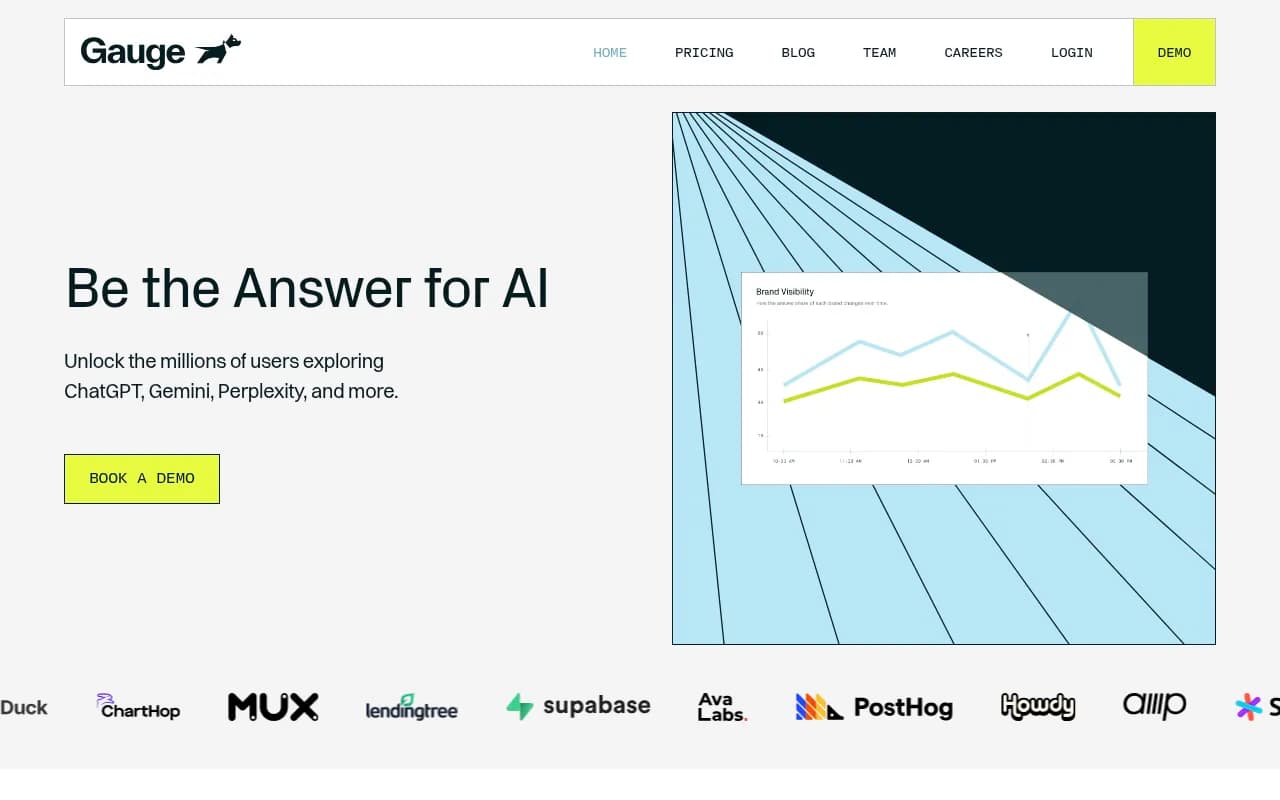
| Competitor benchmarking | Share of voice, competitor heatmaps | Promptwatch, Gauge, Rankshift |
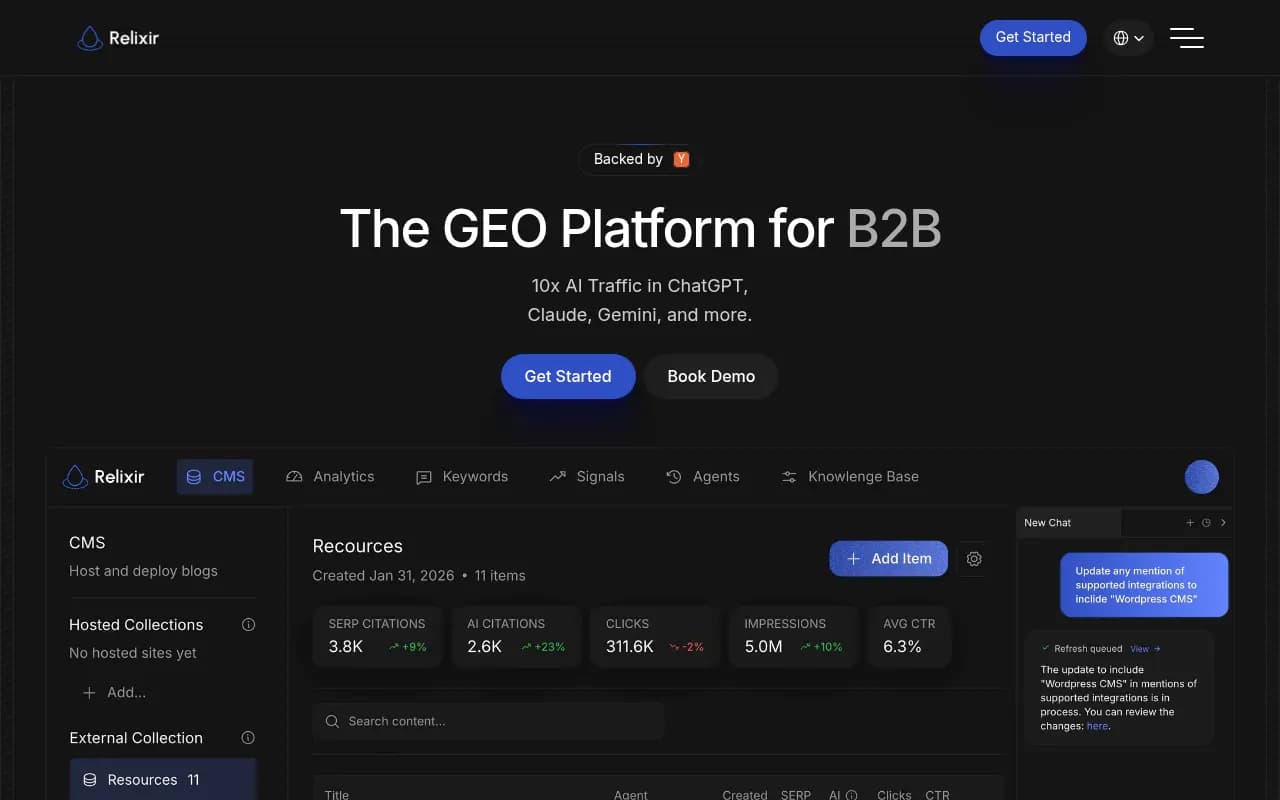
| Content gap analysis | Prompt-level gap identification, content generation | Promptwatch, Relixir, Qwairy |
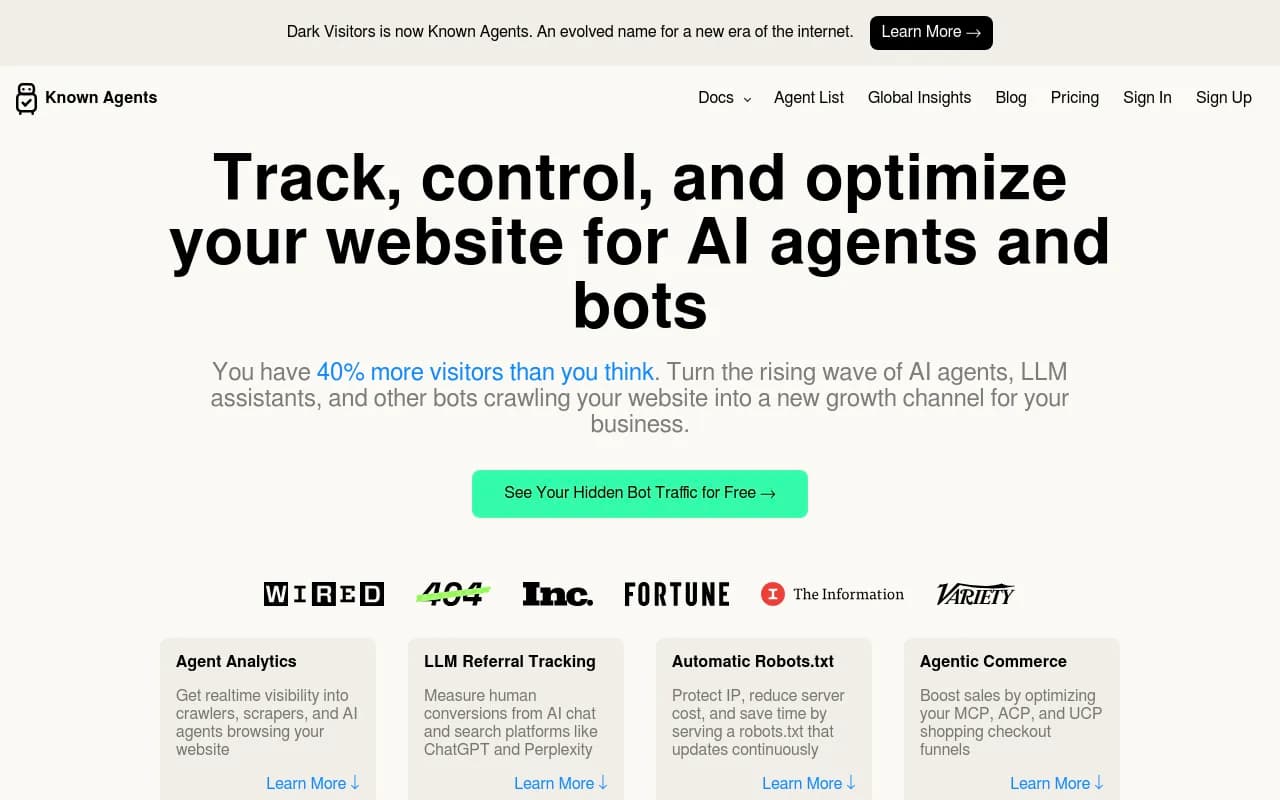
| Technical health | Crawler logs, schema audit, site crawl | Promptwatch, Screaming Frog, DarkVisitors |
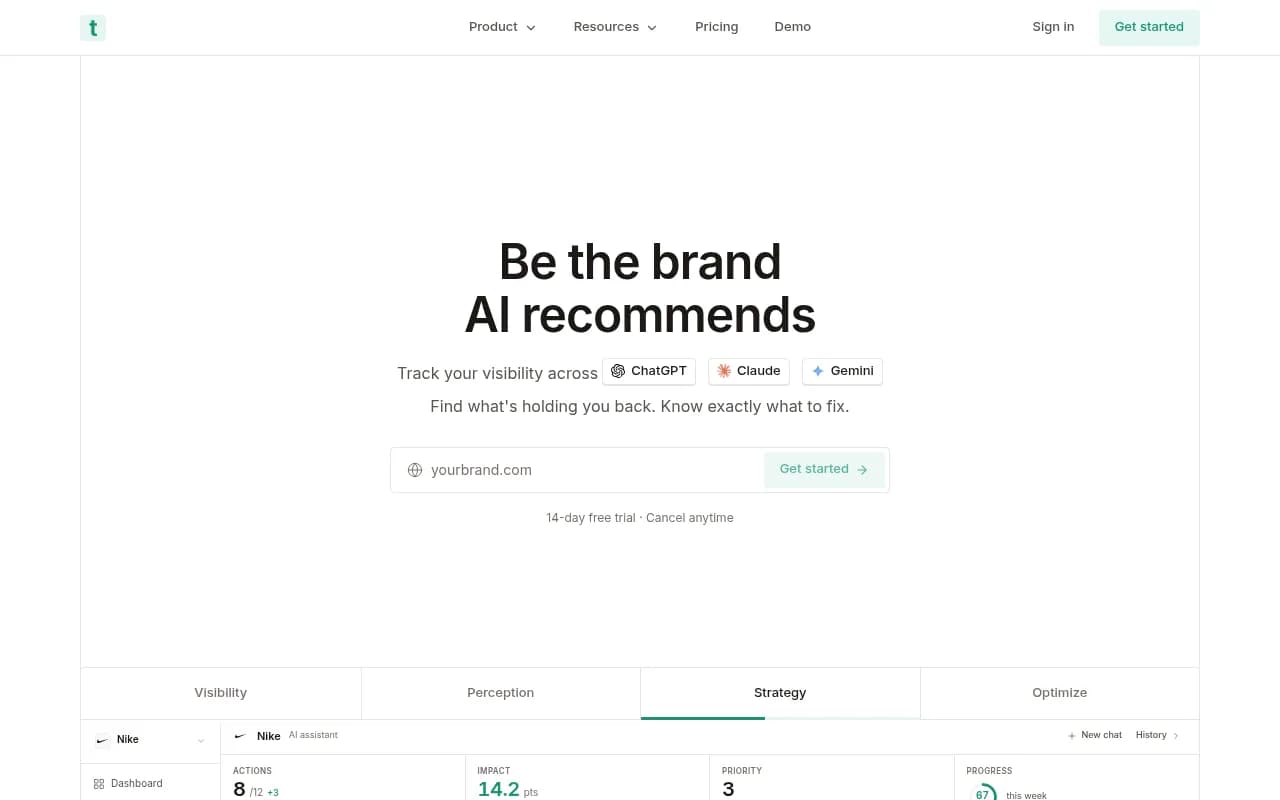
| Ongoing monitoring | Lightweight prompt tracking | Otterly.AI, Peec AI, Trakkr.ai |
The bottom line
AI search visibility isn't a trend you can wait out. ChatGPT alone processes over a billion queries per week, and a growing share of those queries are the kind of high-intent, category-level questions that used to drive organic search traffic.
The brands that will win in AI search over the next 12 months are the ones running systematic audits right now -- finding the gaps, creating the content, and tracking what moves. The brands that won't are the ones still treating AI visibility as someone else's problem.
Run the audit. Build the backlog. Ship the content. Then do it again in 90 days.