Key takeaways
- AI Overviews and AI Mode are separate Google surfaces. A tracker that covers one does not automatically cover the other, and some vendors blur the two on their pages.
- "Rank" is the wrong mental model for both. Track inclusion, mentions, citations and share of voice instead.
- Google AI Mode has no public API, so every tool samples it with a real browser session. Treat the numbers as modeled estimates and watch trends, not single checks.
- Classic rank trackers (SE Ranking, Advanced Web Ranking, AccuRanker) fit teams that want organic position next to AI Overview data. AI visibility platforms fit teams that need AI Mode, other engines and fixes.
- Ask every vendor to show you an AI Mode result (the udm=50 tab) before you pay. Pricing for real AI Mode coverage is often gated above the entry tier.
Why the two surfaces need separate tracking
It is tempting to treat Google's AI features as one thing. They are not. A classic result page is a ranked list of roughly ten links, and you measure it by position. An AI Overview is a summary block that appears on select queries, and you measure it by whether you are included and which sources are cited. AI Mode is a separate full-page conversational tab (the udm=50 parameter in the URL), and you measure it by inclusion, mention and citation share.
The citation mix is different too. Promptwatch Data's Google AI Mode citation share for June 2026 (May 31 to Jun 26, month-to-date) shows google.com taking 7.31% of all AI Mode citations, more than YouTube (2.88%) and Reddit (2.52%) combined. In the AI Overview citation share report for the same period, google.com sits at 2.30% while YouTube leads at 4.16% and Reddit has 2.72%.
So AI Mode is far more self-referential. If your tracker only watches AI Overviews, you are looking at a skewed picture of AI Mode, and the reverse is also true. And neither one tells you much about ChatGPT: Searchable reports that of 80,525 prompt-and-domain pairs cited by AI Overviews in its data, only 25.2% were also cited by ChatGPT. That is a vendor figure, so take it as directional, but it matches what I see elsewhere. Each surface has its own winners.
One more scale point. Google said at I/O 2026 that AI Mode passed 1 billion monthly users, which is why ignoring it is no longer a reasonable option.
What "rank" means (and does not mean) here
AI Mode returns one synthesized answer with a few inline citations. There is no position 4. AI Overviews are similar. So the metrics worth tracking are:
- Inclusion: did the surface appear for the query at all?
- Mention: was your brand named in the answer text?
- Citation: was a URL of yours linked as a source?
- Share of voice: your slice of all brand mentions across the prompt set.
Being named and being cited are different things. A brand can be mentioned in 40% of answers and cited in 10%. If a tool reports a single blended "visibility" number with no split, you cannot tell a content problem from a prominence problem. Also note that most AI Overview trackers record only whether a citation is present, not where it sits in the source list.
The no-API problem
Google offers no public API for AI Mode rank tracking. Every vendor drives a real browser session, usually through proxies, and samples the answer repeatedly. Answers vary by run, by location and by account state. That means:
- A single check is anecdote. Trends over weeks are signal.
- Two tools can disagree for the same prompt and both be reasonable.
- Frequency, location control and sample size matter more than the dashboard polish.
AI Overviews are easier to detect in a standard SERP scrape, which is why more classic rank trackers added them first. AI Mode support tends to arrive later.
Three kinds of tools
Classic rank trackers with AI Overview add-ons
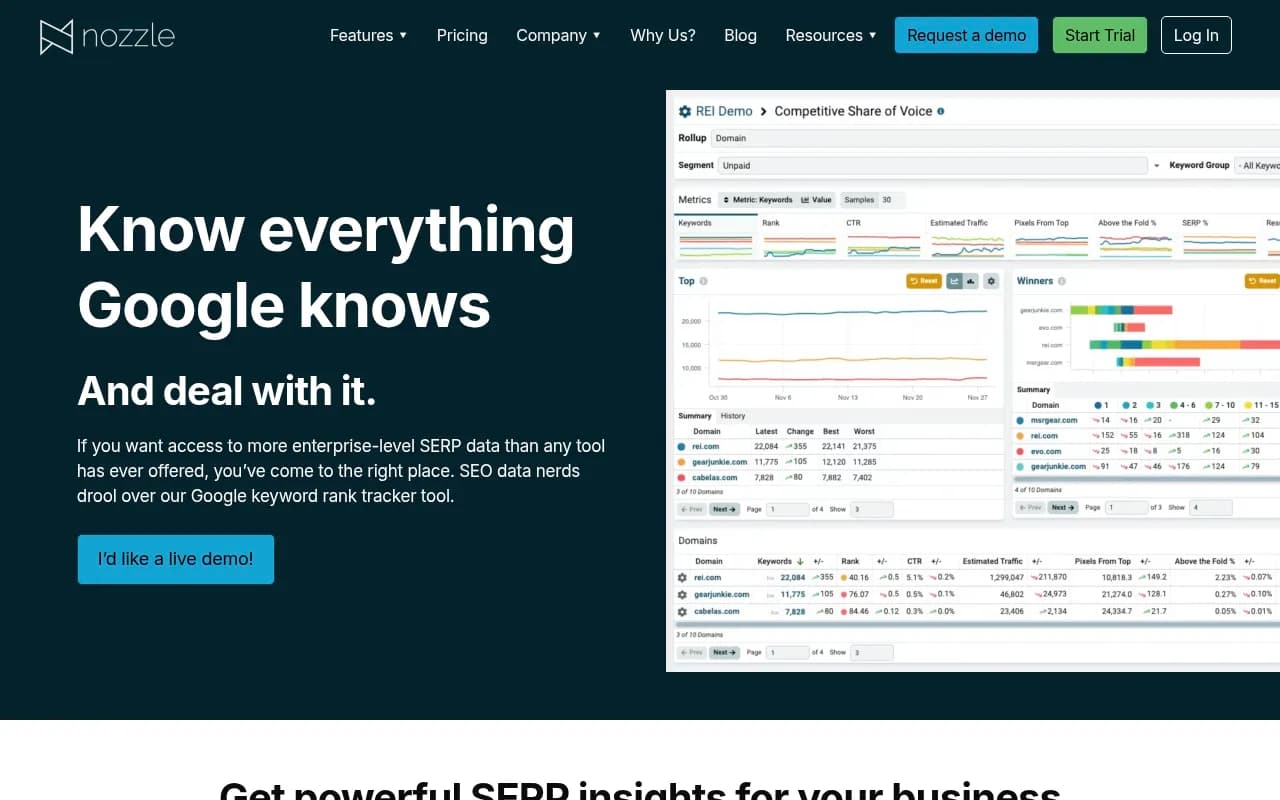
These keep your organic position, SERP features and AI Overview presence in one table. That is useful if your reporting is already built on keyword rankings. SE Ranking and Advanced Web Ranking are the two the Searchable roundup suggests for this job, and AccuRanker, Nightwatch and Nozzle sit in the same family.
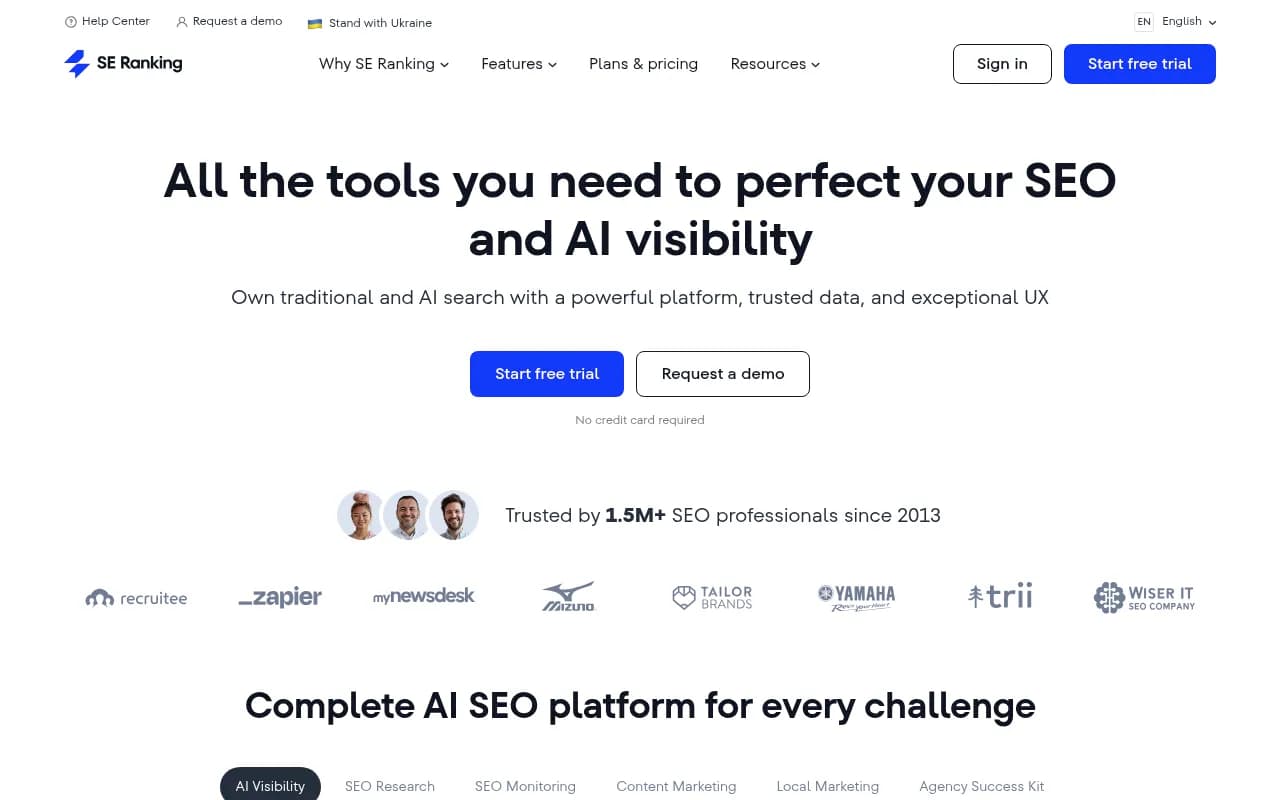
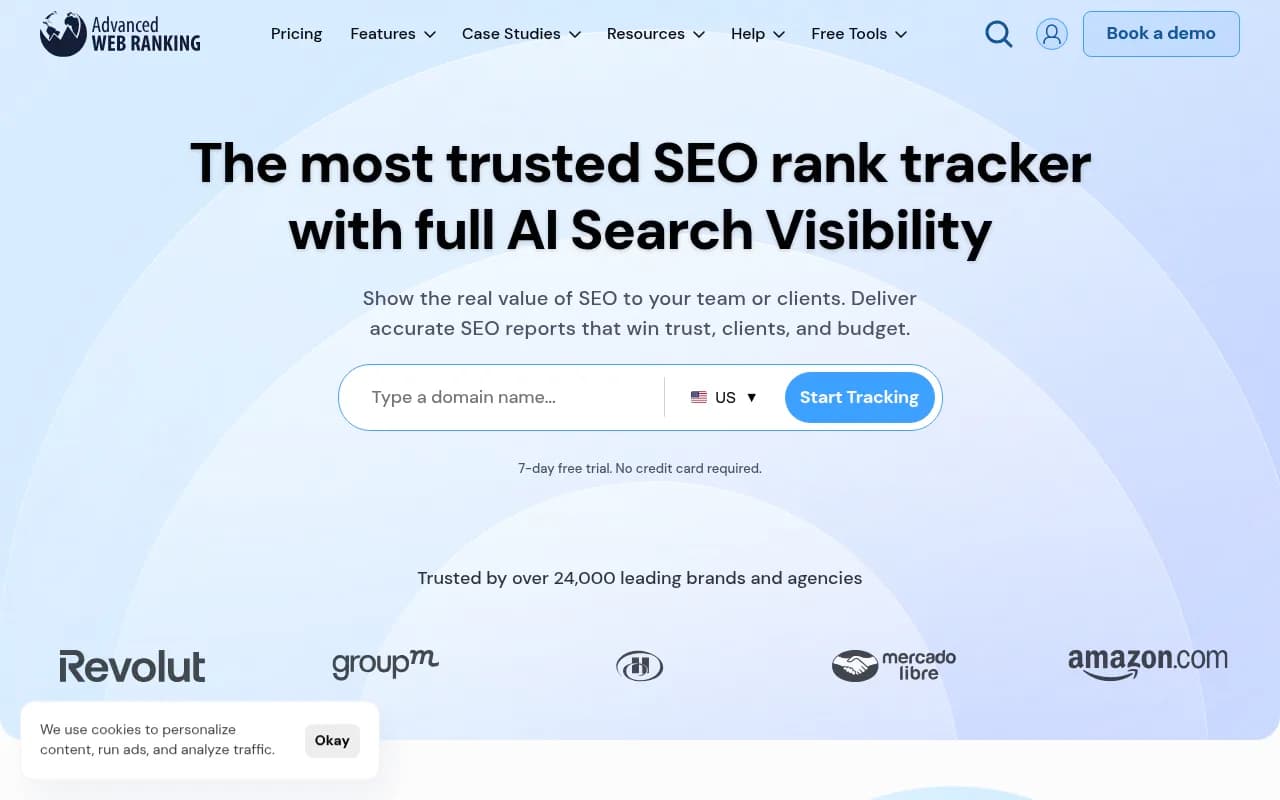
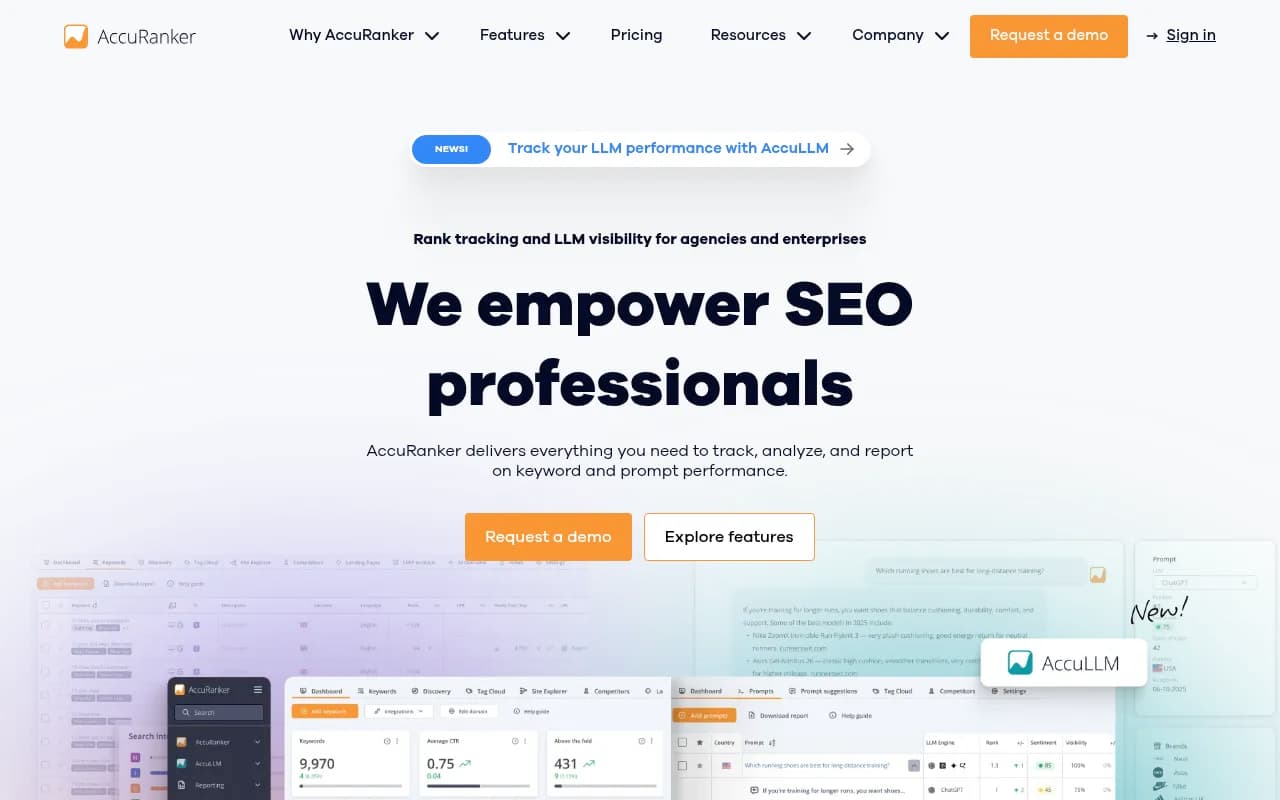
A caution: a September 2026 comparison from geotoolbox notes that, as of September 1, 2026, AccuRanker and one other tool name only AI Overviews on their own pages, not AI Mode. geotoolbox sells a competing product, so weigh that accordingly, but it is exactly the kind of gap you should check yourself.
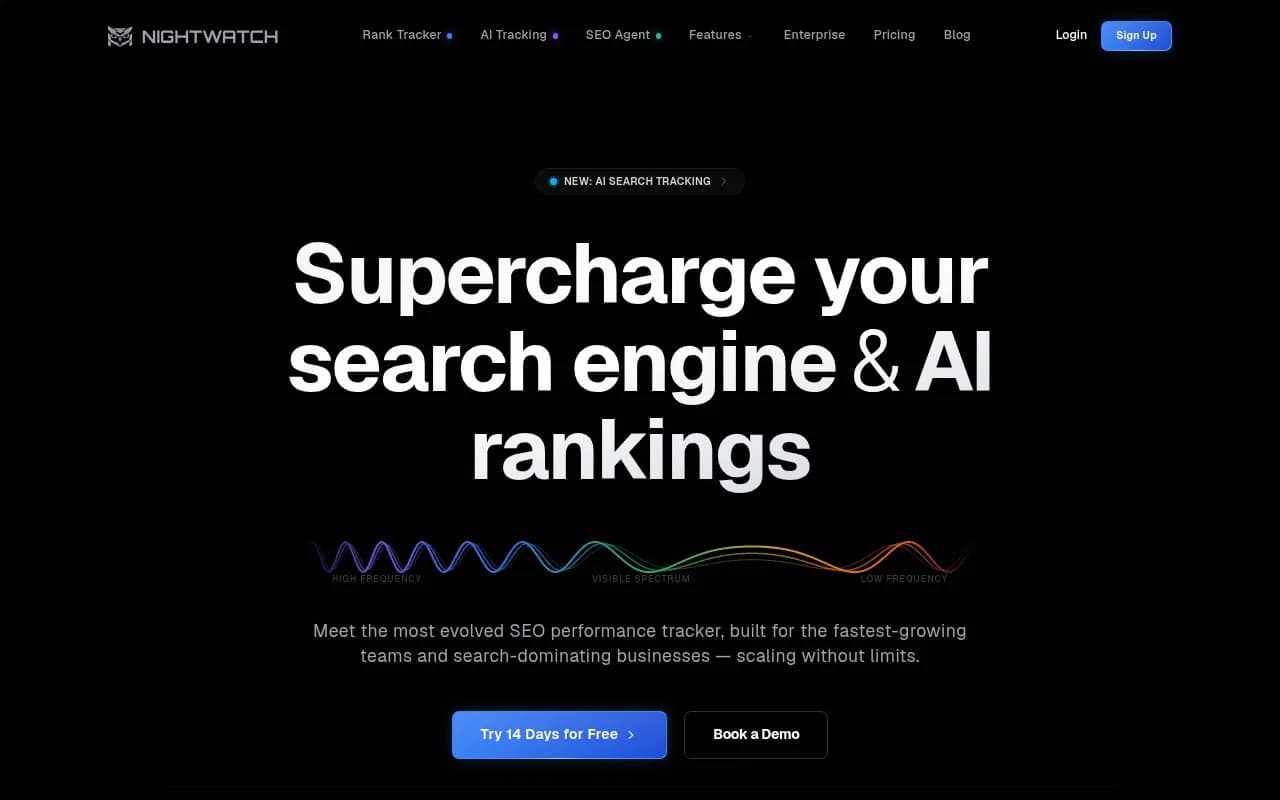
SEO suites with AI visibility modules
Semrush, Ahrefs Brand Radar and Moz-style suites bolt AI tracking onto a large existing data set. They are convenient if you already pay for them. The trade-offs are usually fixed prompt or keyword sets and shallower AI-specific detail.
AI visibility platforms
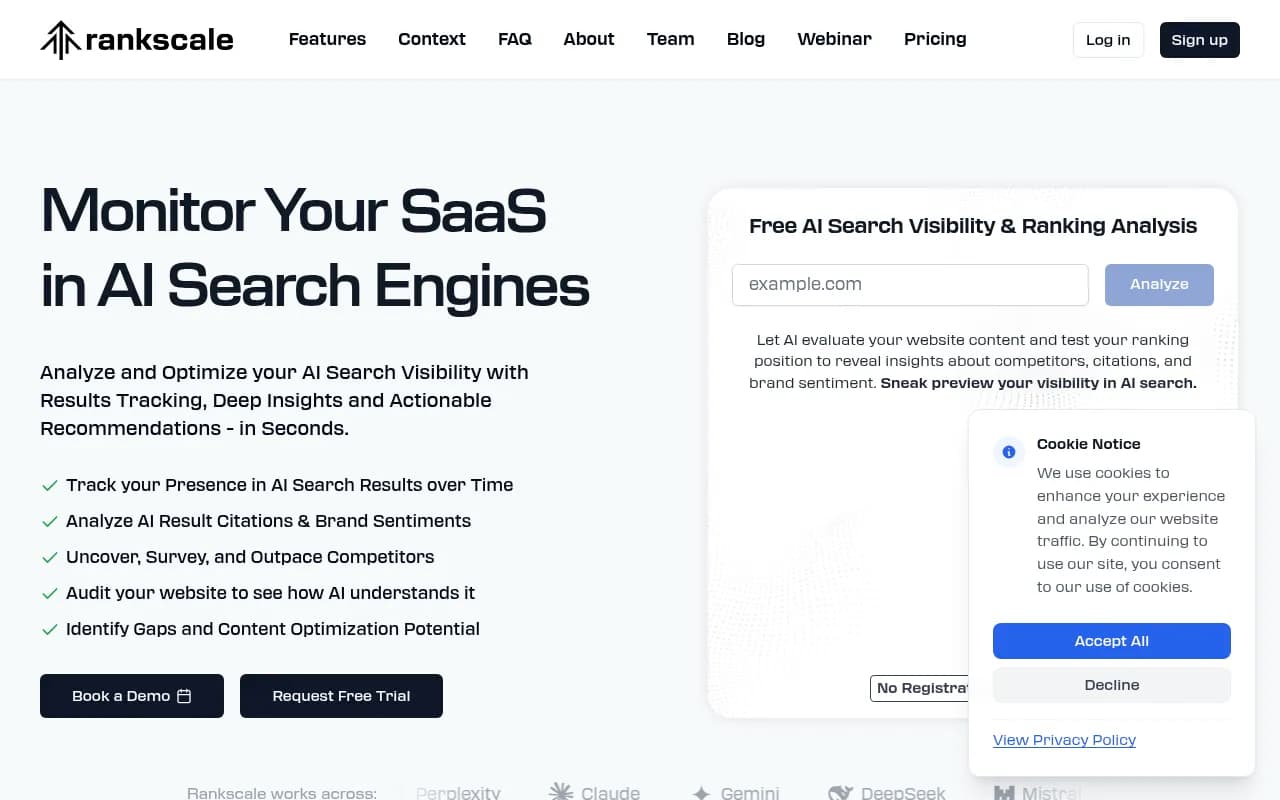
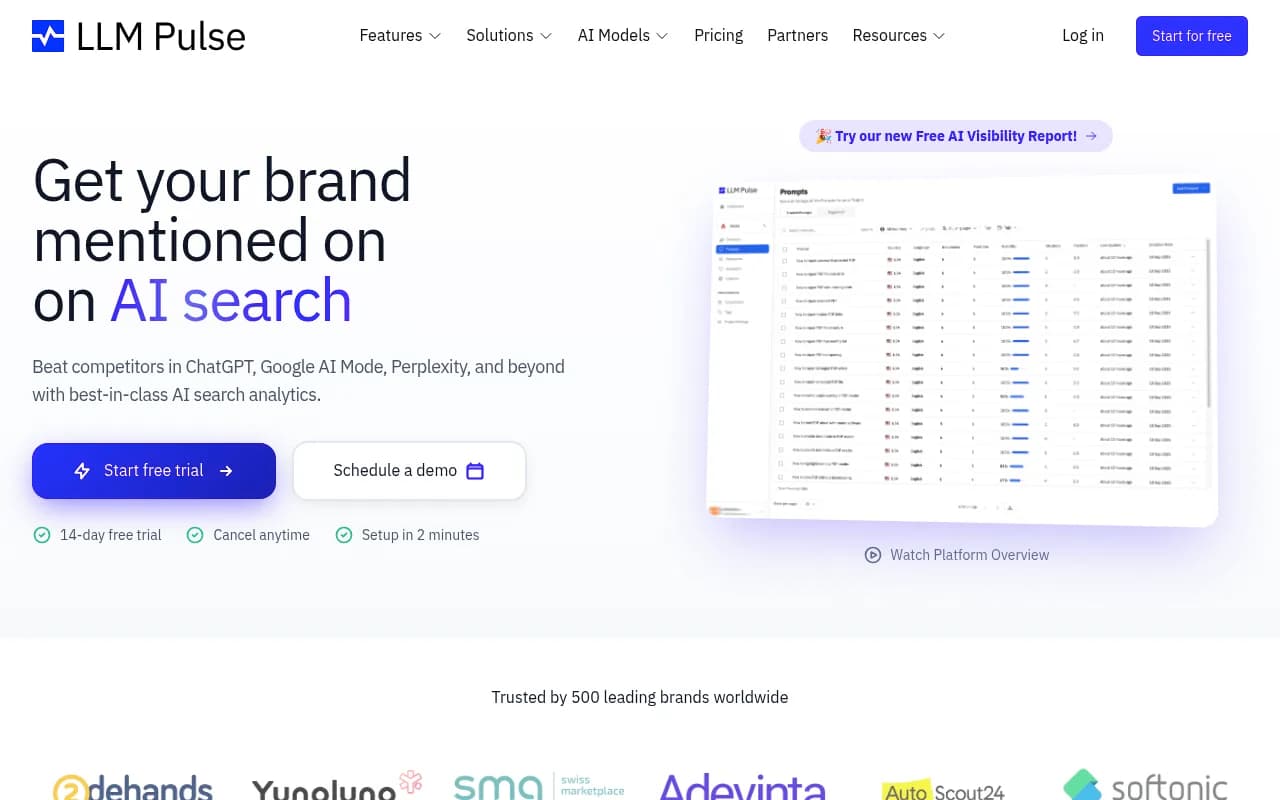
These are built around prompts across several engines, including AI Mode and AI Overviews, and report mentions, citations and sentiment. The long list of options in this category includes Rankscale, Otterly.AI, Peec AI, LLM Pulse, Profound, Scrunch, Knowatoa and Finseo, plus a few that focus specifically on Google's two surfaces.


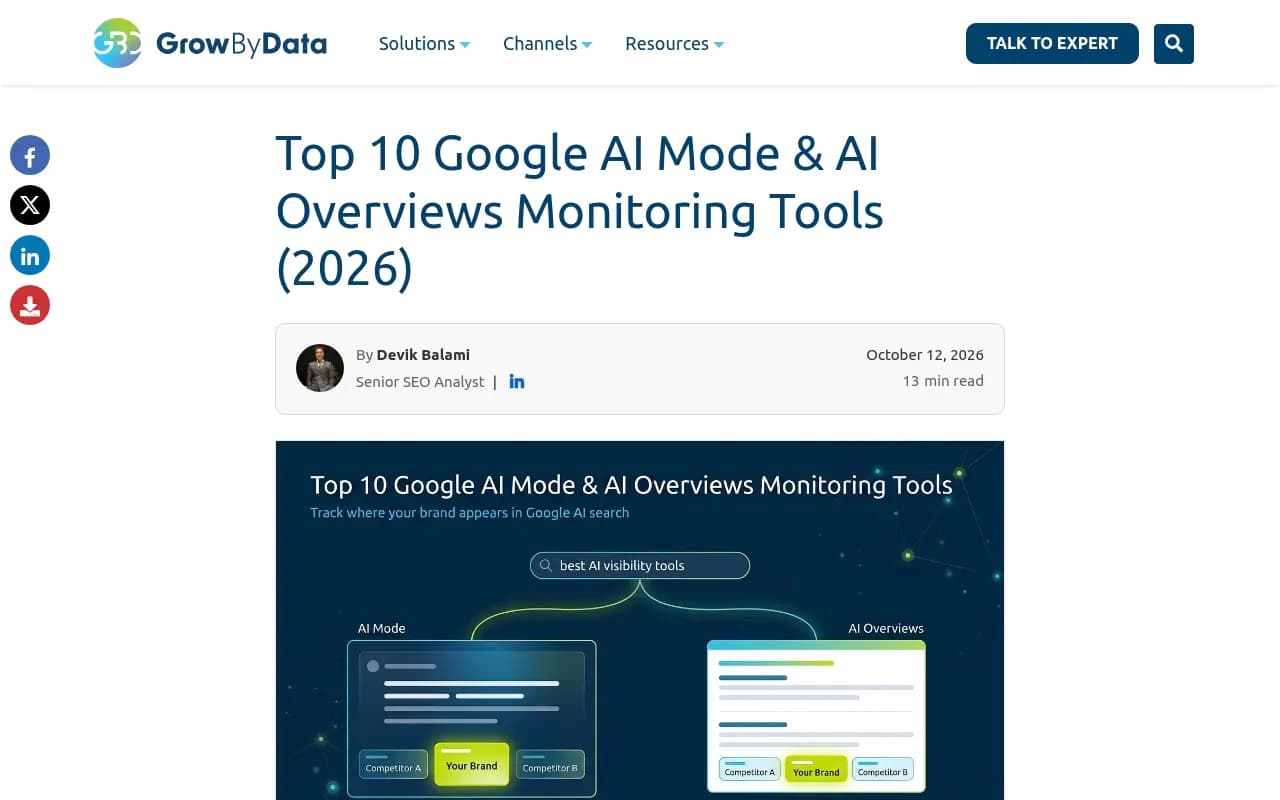
GrowByData claims in its own listicle to be the only tool that puts AI Mode and AI Overviews monitoring next to organic rankings, SERP features and Google Shopping Ads data on one keyword set, updated daily. That is a vendor claim, and I would test it against a trial before believing it.
Comparison: who covers what
I have not verified current per-tool pricing or plan tiers, so none are listed. Coverage below reflects how each vendor positions itself in the sources reviewed. Confirm every cell in a trial.
| Tool | Type | AI Overviews | AI Mode | Organic rank alongside | Notes |
|---|---|---|---|---|---|
| SE Ranking | Rank tracker + AI toolkit | Yes | Verify | Yes | Suggested for rank plus AIO side by side |
| Advanced Web Ranking | Rank tracker | Yes | Verify | Yes | Same use case as SE Ranking |
| AccuRanker | Rank tracker | Yes | Not named on its pages (per geotoolbox, Sept 2026) | Yes | Check for updates |
| Semrush One | SEO suite | Yes | Verify | Yes | Fixed prompt sets |
| Ahrefs Brand Radar | SEO suite | Yes | Verify | Partial | Brand-level view |
| Rankscale | AI visibility | Yes | Yes | Limited | Budget-friendly, SEO-adjacent |
| Otterly.AI | AI visibility | Yes | Verify | No | Also covers other engines |
| LLM Pulse | AI visibility | Yes | Yes | No | Multi-model tracking |
| Knowatoa | AI visibility | Yes | Yes | No | Focused on the two Google surfaces |
| Finseo | AI visibility | Yes | Yes | No | Focused on the two Google surfaces |
| GrowByData | Search intelligence | Yes | Yes | Yes (claimed) | Includes Shopping Ads data |
| Promptwatch | AI visibility + optimization | Yes | Yes | Search Console and Bing data | Real-UI monitoring, plus content actions |
Where Promptwatch fits
If your goal is not just seeing AI Mode and AI Overviews numbers but changing them, Promptwatch is the option I would put in front of an SEO team. It monitors the real interfaces of Google AI Overviews and Google AI Mode (region-specific), alongside ChatGPT, Gemini, Perplexity, Copilot and others, rather than relying only on API outputs that can differ from what users see. It then shows which of your pages get cited, runs IP-verified AI crawler logs, and layers Google Search Console and Bing data over AI crawls and citations, so you can ask which pages rank but never get cited. The Content Agent and Action Board turn gaps into pages and tasks, and the loop checks whether the fix worked.

The split matters because the two surfaces behave differently. A page that earns AI Overview citations because it is a strong YouTube-adjacent explainer may be invisible in AI Mode, where Google's own properties take a bigger share. Promptwatch's per-surface Visibility Score, Share of Voice and citation views make that visible. Plans start at $95/month on Essential, and the 7-day free trial or the free AI visibility report are the low-risk way in. Confirm current prices at promptwatch.com/pricing. For deeper background on Google's surface, the Google AI Overviews page is a good start.
If you would rather see how the field compares in general, Promptwatch's 2026 platform comparison and the GEO software directory at bestgeosoftware.com list more options.
How to verify a tool really tracks AI Mode
Vendor pages are vague on this, and listicles (including the ones I drew on) rank their own products first. Do these checks during any trial:
- Ask for a raw result. A real AI Mode capture is the conversational tab with follow-up chips, not the summary block above ten blue links.
- Look for the surface label. Reports should split AI Mode from AI Overviews. If there is one combined "Google AI" column, you are probably getting AI Overviews only.
- Check the prompt format. AI Mode is conversational, so a keyword-style list is a hint that the tool is repurposing SERP data.
- Ask about location and language controls. Both surfaces change by market, so a monitor should be fixed to a country and language.
- Check sampling frequency. Daily is the baseline. Faster cadence is useful during launches.
- Confirm the mention versus citation split, and whether citation position is recorded.
- Check the pricing page for AI Mode gating. In several tools, true AI Mode coverage sits above the entry plan.
Picking by situation
You live in a rank tracker already
Start with SE Ranking or Advanced Web Ranking and see whether AI Overview data covers your keyword set. Then ask directly about AI Mode. If it is missing, run a small dedicated AI Mode tool next to it rather than switching your whole workflow.
You need both surfaces and other AI engines
Choose an AI visibility platform. Budget teams look at Rankscale, Otterly.AI, Peec AI or LLM Pulse. Teams that also want the fix loop (content gaps, publishing, crawler visibility, AI traffic) lean toward Promptwatch.
You are enterprise or agency
Profound and Scrunch sit in what geotoolbox calls an enterprise-gated tier. Agencies should check multi-client structure, white-label reporting and API access. Promptwatch has dedicated agency plans from $199/month, and the agencies page covers the structure.

You run Google Shopping or local
A tool that puts Shopping Ads or local data next to AI surfaces (GrowByData, per its own claim) may justify its own place in the stack. Test it on a live keyword set.
Free ways to sanity-check
Free AI Overview checkers run a handful of queries per day, per the LLM Pulse roundup. They are fine for spot checks. Paid tools earn their keep through bulk checks, history and recurring tracking. For AI Mode, a manual check in the udm=50 tab from a clean browser profile still works, but it does not scale and it will not give you share of voice.
A simple setup that works
- Build one prompt set of 50 to 150 queries that mix branded, commercial and informational intent.
- Track it on both surfaces, in one market and language per monitor.
- Report four numbers weekly: inclusion rate, mention rate, citation rate and share of voice, split by surface.
- Read them together. Low inclusion is a coverage problem. Mentions without citations point to content or crawlability problems.
- Review trends monthly. Because these are sampled estimates, ignore day-to-day swings.
For more on rank trackers in this category, the AI rank tracking directory at ai-rank-tools.com is a handy place to browse.
Bottom line
Coverage of both surfaces is the exception, not the rule, and the labels on vendor pages are not reliable. Pick a tool, demand a real AI Mode capture in the trial, and compare its AI Mode and AI Overview columns separately. If they are the same column, you are only getting one surface.