Key takeaways
- ChatGPT changes arrive as abrupt, platform-wide step changes. Google AI Overviews and AI Mode tend to drift gradually. Daily tracking catches the steps, weekly is usually enough for the drifts.
- A single AI answer is not a ranking. A third-party study of 70,000+ responses found only about a quarter of ChatGPT's cited pages reappeared the next day, versus about half for AI Overviews.
- Cited pages churn at different speeds by content type. News decays fast, landing pages and docs last. Match your tracking cadence to the content you care about.
- The practical answer for most teams: daily for active campaigns and volatile topics, weekly for stable brands, and always read a rolling trend rather than one day.
Why this question is harder in 2026
Classic rank tracking was simple. You had a keyword, a position from 1 to 100, and a line on a chart. Whether you checked that line daily or weekly mattered mostly for how fast you spotted a drop.
AI search breaks that model. ChatGPT, Google AI Mode and AI Overviews give a synthesized answer with a handful of citations, and the answer can be different each time you ask. There is no stable position 3. There is a mention, a citation, an order in the source list, and a probability that you show up at all.
So "how often do positions change?" has two answers. Individual citations change constantly. Your overall presence, meaning visibility and share of voice across many prompts, changes much more slowly. The cadence you need depends on which of those you are trying to measure.
What the data says about volatility
Individual citations churn fast
A September 2026 study by Glen Allsopp at Detailed analyzed over 70,000 responses across 28 days. Only about a quarter of ChatGPT's cited pages reappeared the next day, compared with around half for AI Overviews. Answer content changed between consecutive observations 70% of the time, and cited URLs overlapped by 54.5% on average. This is a third-party study, and its percentages measure different things, so treat the numbers as directional rather than as one benchmark.
The more interesting finding is on the brand side. The most frequently mentioned brand still appeared on 82% (ChatGPT) and 89% (AI Overviews) of days. The list of sources reshuffled while the familiar names stayed. That is the core reason a single-day snapshot misleads you: the page-level picture is noisy, the brand-level picture is stable.
Citation lifespan depends on content type
Promptwatch Data followed every page ChatGPT cited on July 6, 2026 for 90 days. The results split sharply by content type:
| Content type | Still cited after 30 days | Still cited after 60 days | Notes |
|---|---|---|---|
| Landing pages | 78% | 69% | Half-life likely at or beyond 90 days |
| Docs | 76% | 67% | 93% were cited again at some later point |
| Comparisons | 72% | 63% | |
| Listicles | n/a | 60% | |
| Product pages, reviews, how-tos | n/a | about 55% | Half-life of 74 to 77 days |
| News | n/a | 41% | Half gone by day 36; almost a quarter never cited again after day 0 |
The tracking implication is a reasonable inference rather than something the report prescribes: if your prompts pull in news-type sources, a weekly check can miss an entire citation lifecycle. If they pull in docs and landing pages, daily checks mostly confirm what you already knew.
Platform changes move everything at once
The biggest swings do not come from your content. They come from the platforms.
Promptwatch's data on Reddit citations in ChatGPT is the cleanest example. Reddit held a steady 3.83% share of ChatGPT citations from July 18 to August 7, 2026. On August 8 it fell to the mid-2s, the same day ChatGPT changed its fanout behavior. On August 14 it dropped below 1%, averaging 0.52% from August 14 to 17, an 86.4% relative drop. Promptwatch cautions that a data-collection issue can't be ruled out, so the size of the drop is provisional.
Google's surfaces behaved differently over the same period. In AI Overviews, Reddit's share eased from 2.37% to 2.10%. In AI Mode it fell from 2.22% to 1.54%, with the clearest step at the end of July. Gradual drift, not a cliff.
The August 8 change is documented separately: ChatGPT started using the site: operator at scale, jumping from about 0.4% to about 17% of fanout queries overnight. Earlier, average citations per response dropped around the GPT-5.3 rollout on March 4, 2026. And the query fanout report shows average fanouts per response falling from 2.15 in December 2025 to about 1.84 in early March, then to exactly 1.0 in April, with average query length falling from about 117 to about 53 characters.
When the platform changes how it searches, every position you track can move on the same day. If you only look weekly, you see the effect days late and cannot tell which day it started.
So which cadence should you pick?
The vendors' own advice is consistent. Daily tracking is ideal for brands actively publishing and needing to measure immediate impact, while weekly snapshots work for established brands with stable content. Octiv Digital puts it similarly: go daily for active campaigns, migrations or client SLAs, and weekly for stable, low-volatility keyword sets. I agree, with one AI-specific addition: daily data is also what lets you separate a platform step change from a real change in your visibility.
| Situation | Cadence | Why |
|---|---|---|
| Publishing new content weekly or faster | Daily | You need to see when a page first gets cited |
| Launches, migrations, rebrands | Daily | Catch drops while you can still fix them |
| News, trends, fast-moving topics | Daily | Citations decay within weeks |
| ChatGPT-heavy audience | Daily | Abrupt platform-level steps |
| Established brand, evergreen docs and landing pages | Weekly | Citations last and brand presence is stable |
| Google AI Overviews and AI Mode trend reporting | Weekly is fine | Changes drift gradually |
| Executive reporting | Weekly or monthly rollups | Daily noise is not useful in a board deck |
Collect daily, report weekly
This is the setup I would choose for most teams. Collecting daily costs little extra on most platforms and gives you the raw material to smooth. Then you report on rolling 7-day averages. The Promptwatch report itself warns against single-day comparisons and says to check collection volume before reacting to a sudden change. Good advice for any tool.
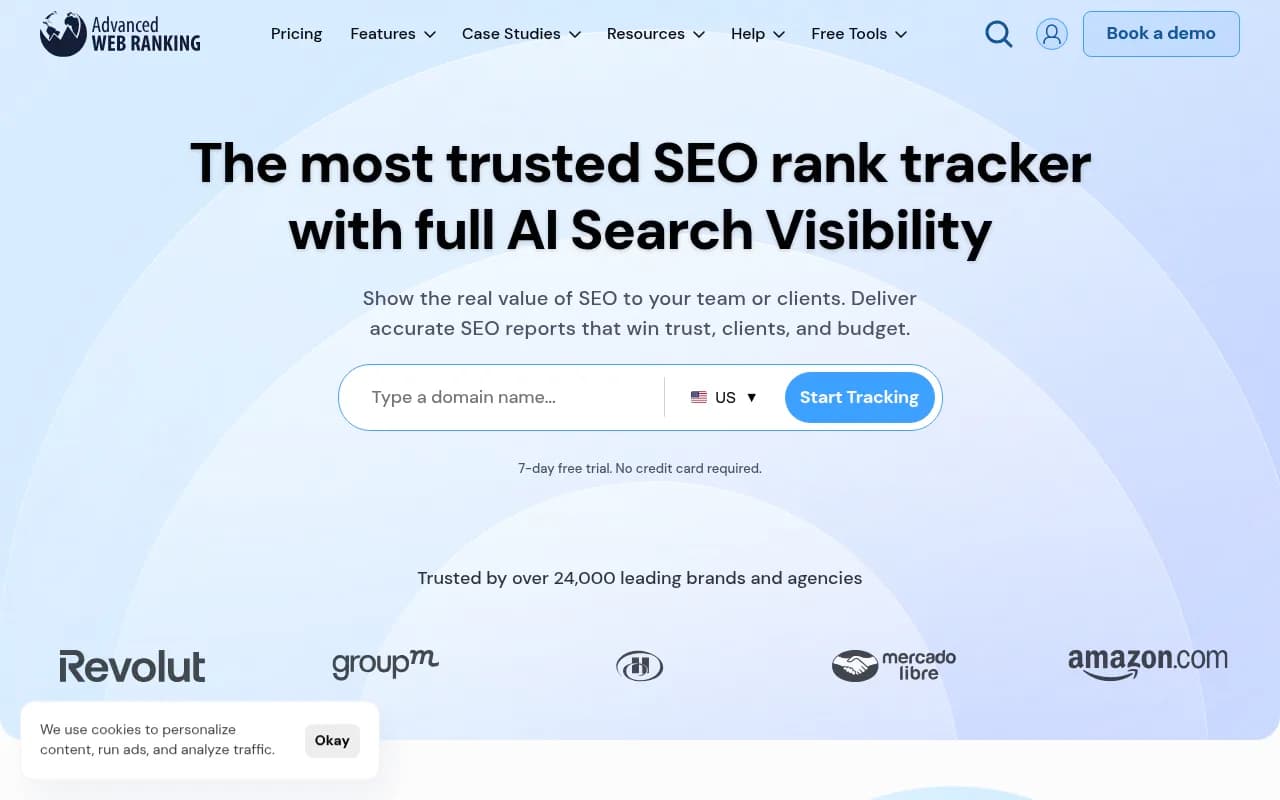
The catch is cost. Some traditional trackers default to weekly and charge more for daily. Advanced Web Ranking, for example, lists weekly refresh with daily costing 7x the credits, according to a 2026 roundup. Always check how daily affects your quota.
What to measure instead of position
Because individual positions are noisy, the metrics that survive a daily or weekly cadence are aggregates:
- Visibility or mention rate across a panel of prompts, not one prompt
- Share of voice against named competitors
- Citation rate for your own domain (are you mentioned and linked, or just mentioned?)
- Position within the answer, as a rolling average
- Sentiment, which moves slowly and rarely needs daily review
Read together, they tell you where the problem is. Low share of voice is a coverage problem. Late position is a prominence problem. Mentions without citations usually point to content or crawlability. A weekly trend of these metrics is far more useful than a daily table of who was number 2 yesterday.
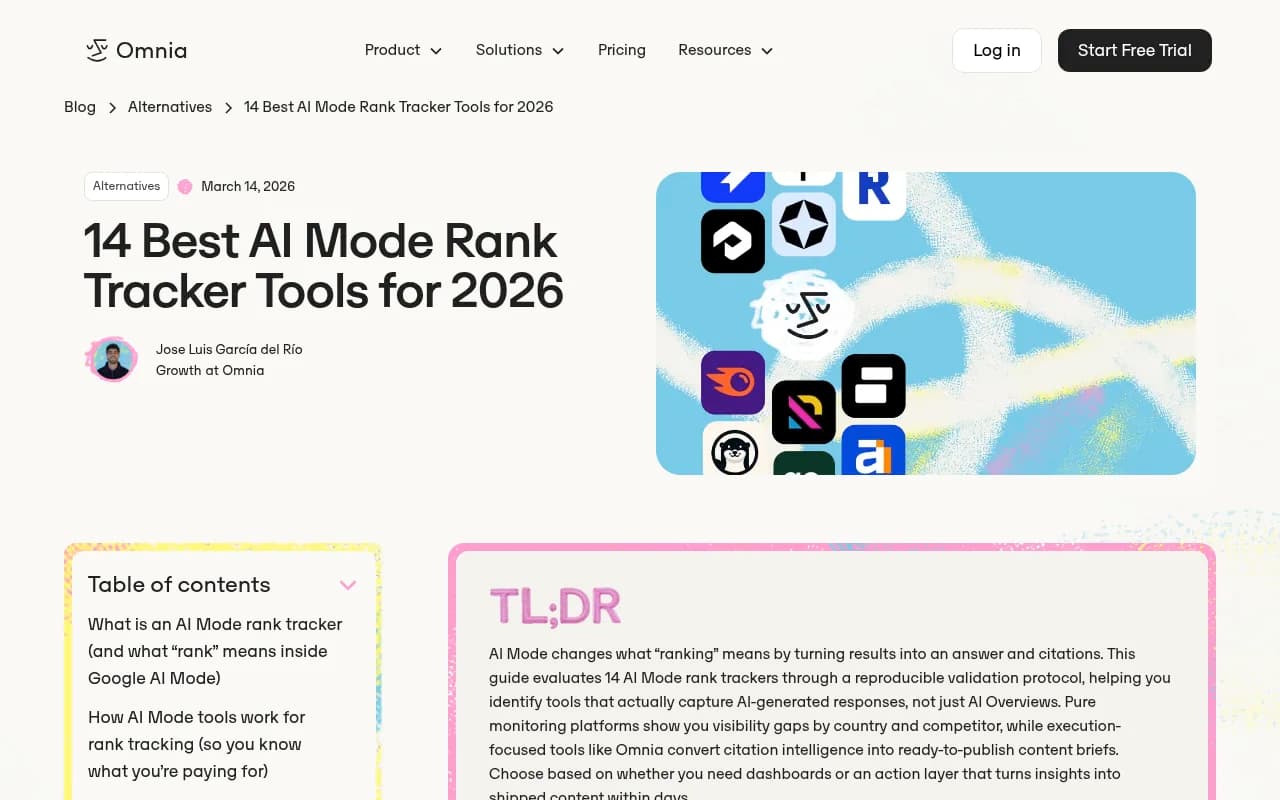
Omnia's roundup of AI Mode trackers is a handy reference because it lists refresh cadence per tool: most of the big names are daily, and a few such as Rankshift run daily to weekly.
Tools and their refresh cadence
Cadence varies more than the marketing suggests. The table below mixes AI visibility trackers with classic rank trackers, based on the 2026 roundups cited above. Pricing comes from third-party articles and was not verified against vendor pages, so confirm before buying.
| Tool | Type | Refresh | Starting price (third-party) |
|---|---|---|---|
| Promptwatch | AI visibility and optimization | Daily monitors across models, countries, languages | See promptwatch.com/pricing |
| Peec AI | AI visibility | Daily | From about 89 EUR |
| Semrush | SEO suite with AI tracking | Daily (plan-capped) | From $99 to $139.95 |
| Ahrefs | SEO suite with Brand Radar | Daily/on-demand | $129 to $199+ |
| Rankshift | AI visibility | Daily to weekly | $92 to $473 |
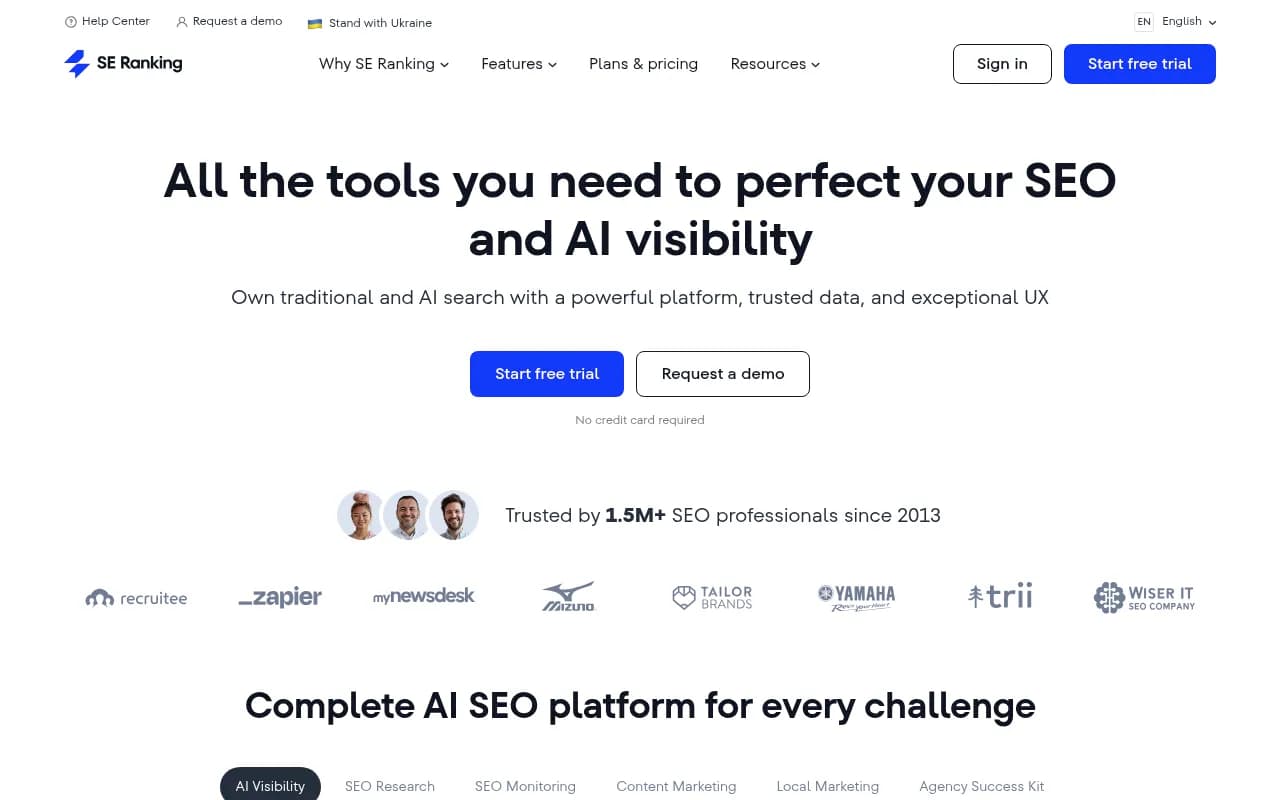
| SE Ranking | SEO platform with AI tracking | Daily/on-demand | From $129 |
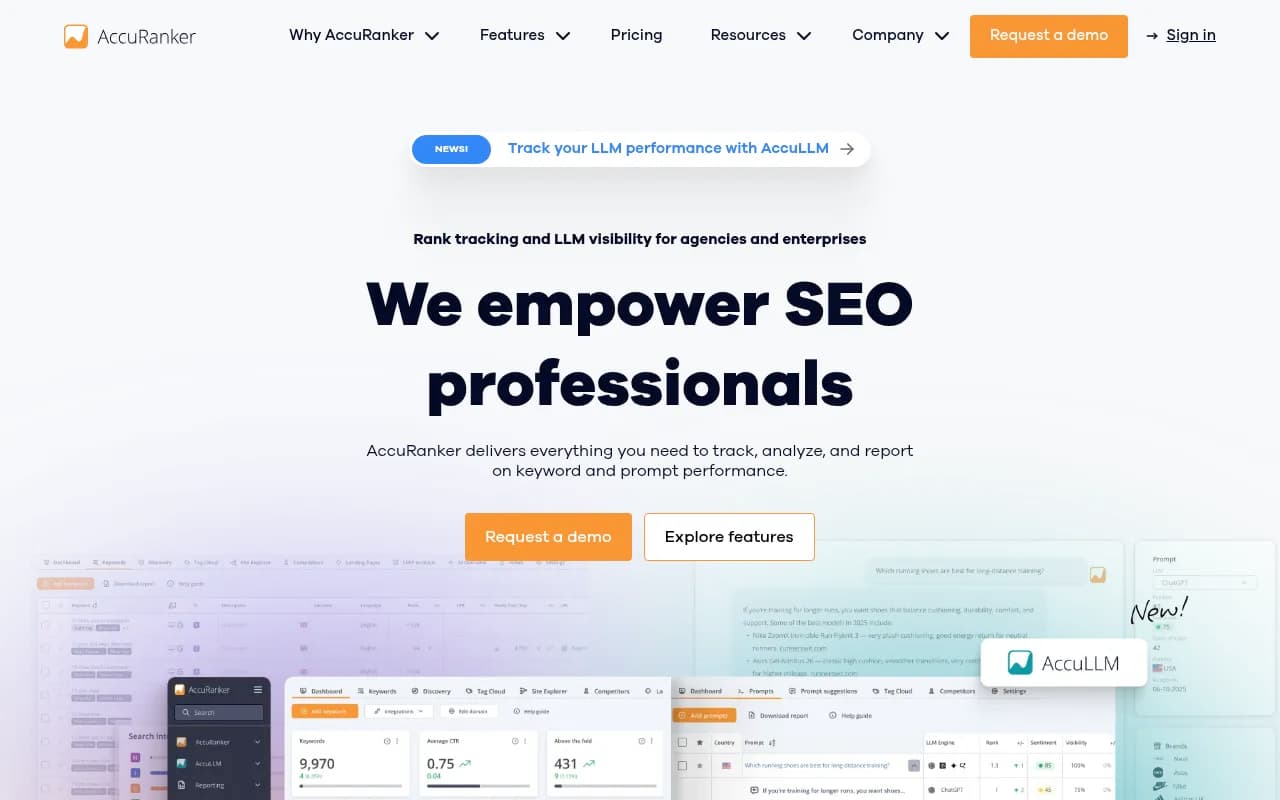
| AccuRanker | Rank tracker | Daily plus on-demand | From $224 |
| Wincher | Rank tracker | Daily | From about $49 |
| Advanced Web Ranking | Rank tracker | Weekly, daily at 7x credits | From $139 |
AI visibility platforms
If you are tracking ChatGPT, AI Overviews and AI Mode, you want a tool that queries the real interfaces rather than only APIs, since user-facing answers can differ. Promptwatch runs prompt monitors daily across models, countries and languages, and layers on citation trends and AI crawler logs, which helps you tell whether a drop is on your side or the platform's.

Peec AI is a straightforward daily tracker popular with B2B teams.

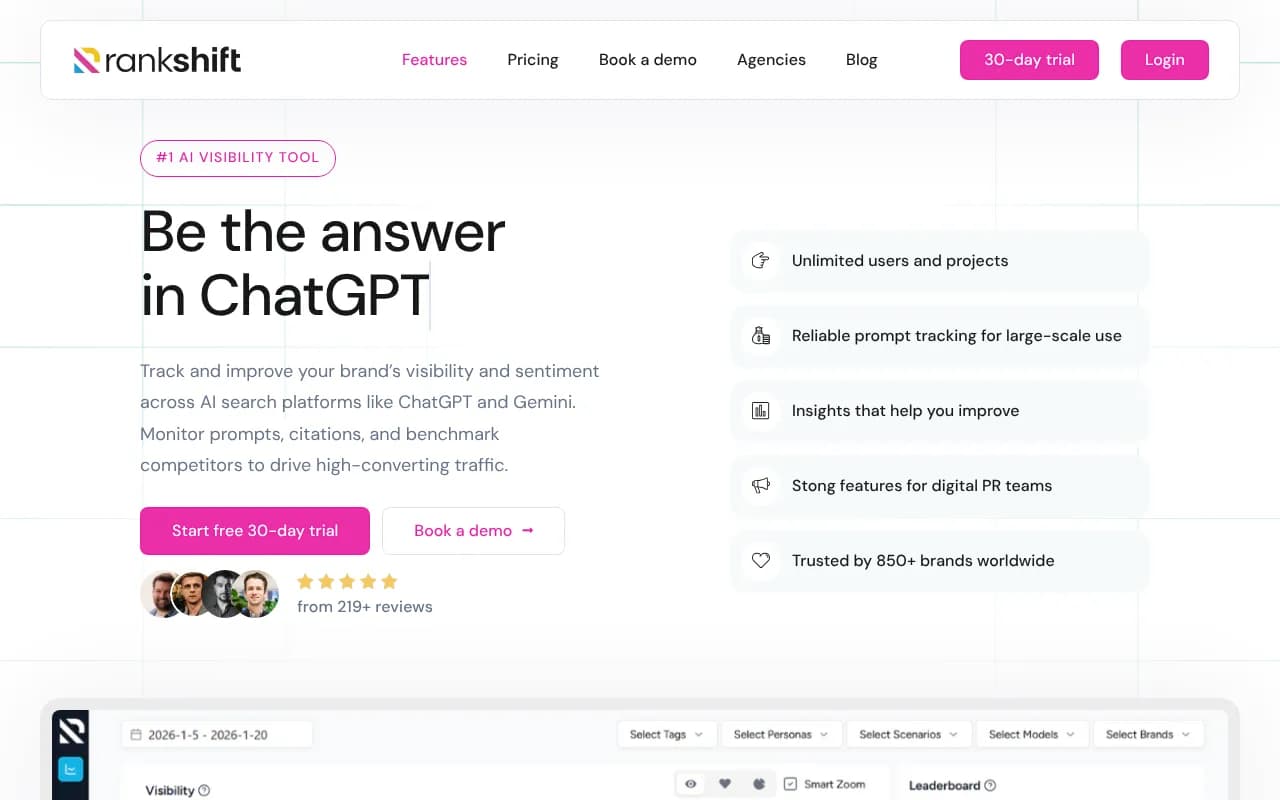
Rankshift offers daily to weekly cadence and citation gap analysis, useful for agencies.
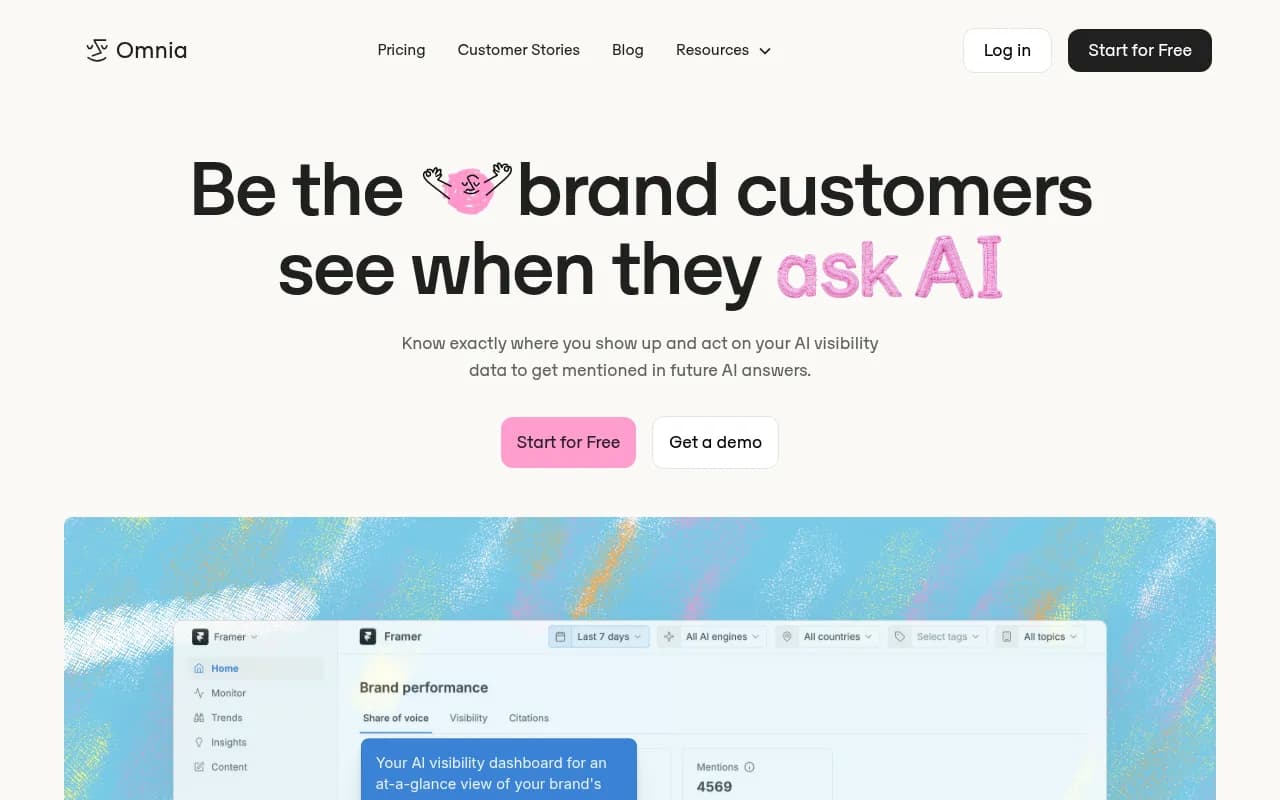
Omnia focuses on turning citation intelligence into content briefs.
For a wider shortlist, the AI rank tracker directory at ai-rank-tools.com and the GEO software directory at bestgeosoftware.com list dozens more.
SEO suites and classic trackers
If you already live in an SEO suite, adding AI tracking there is the path of least resistance, though prompt sets tend to be more fixed.

Spotlight Revenue makes a useful point in its comparison: "daily" can mean scheduled daily updates, on-demand refresh, or higher-frequency checks, and some tools sell daily as an add-on. Ask which one you are actually getting.
A practical setup
- Build a prompt panel of 30 to 100 prompts that reflect real buying questions, split into evergreen and news-driven groups.
- Collect daily for everything, or at least for the news-driven and commercial prompts if your plan caps responses.
- Report on a rolling 7-day average, never on a single day.
- When a metric jumps, check collection volume first, then check whether competitors moved too. A same-day move across every brand points at the platform, not you.
- Tag your content releases on the chart so you can tie a citation to the page that earned it.
- Review sentiment and share of voice monthly. They rarely need more.
The bottom line
Positions in AI search do change daily, at the level of individual citations. Brand presence changes slowly, and platform-level shifts arrive as sudden steps, especially in ChatGPT. That points to collecting daily and interpreting weekly. If budget forces a choice, go weekly for stable evergreen content on Google's surfaces and daily for ChatGPT and anything news-driven.
See more first-party research on citation behavior at the Promptwatch Data hub, since the patterns above shift month to month.